
Have you ever wondered, why do dogs have wet noses? This intriguing question has fascinated dog lovers and experts alike for centuries. A dog’s nose is not just a cute feature; it serves important functions that contribute to their overall health and behavior. Wet noses help dogs smell better, enhancing their ability to detect scents in their environment. But that’s not all! The moisture on their noses also helps regulate body temperature and keeps them cool. Curious about how this unique trait developed? You might be surprised to learn that the wetness of a dog’s nose can indicate its health status too. For instance, a dry nose could signal illness or dehydration. By uncovering the reasons behind this curious phenomenon, you can gain deeper insight into your furry friend’s well-being. So, why not delve deeper into this fascinating topic? Join us as we explore the science and secrets of dog noses—the moist marvels that play a crucial role in their lives. If you’ve ever asked yourself, “Why do dogs have wet noses?” you’re in for a treat! Let’s unravel the mysteries together and discover what makes those adorable snouts so special.
The Science Behind Wet Noses: Why Are Dogs’ Noses Always Damp?
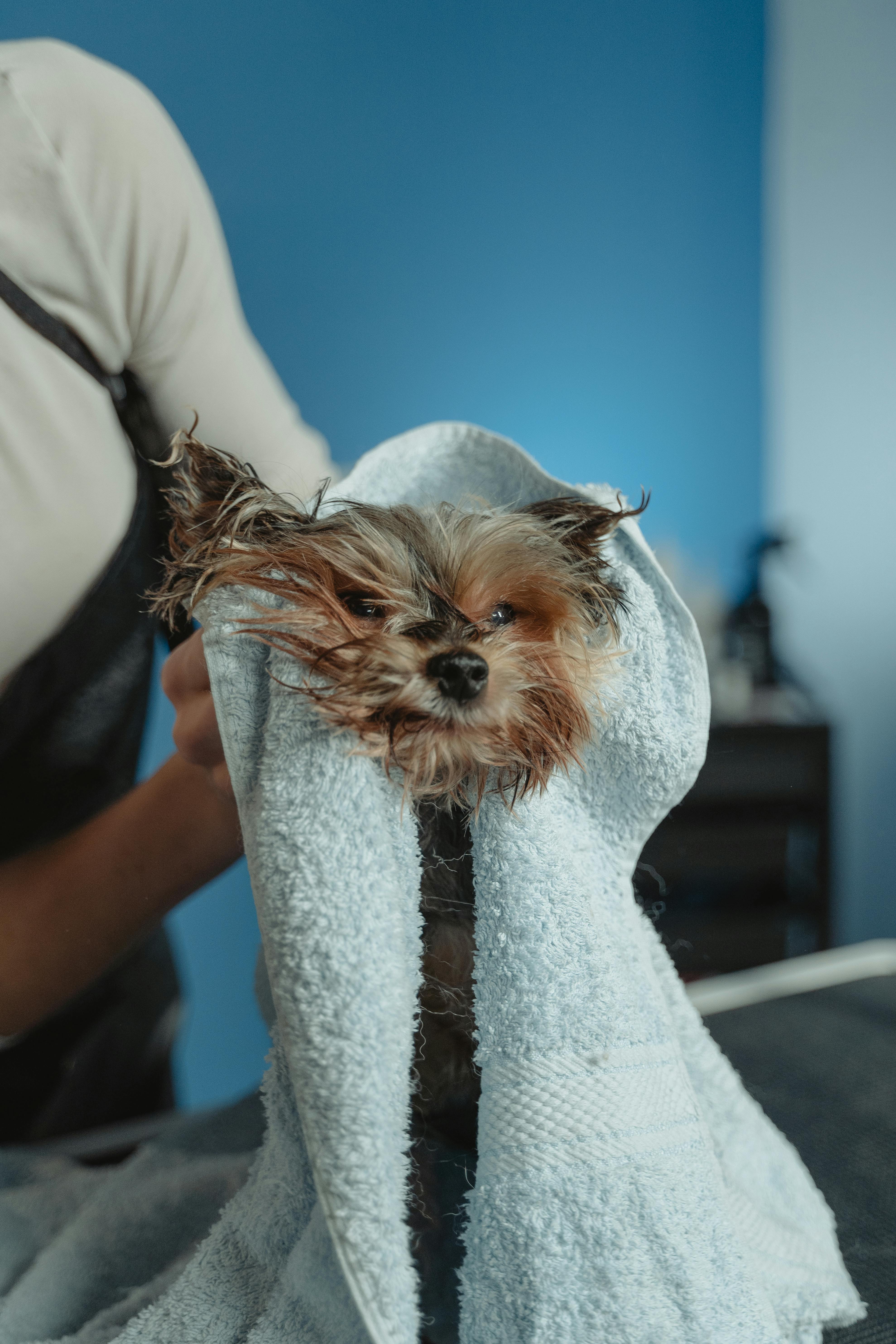
Have you ever wondered why your furry friend’s nose is always wet? This seemingly simple characteristic of dogs is, in fact, a fascinating blend of biology and evolution. Dogs’ noses are not just cute; they serve important functions in their daily lives. The science behind why dogs have wet noses is both intriguing and essential to understanding our canine companions.
The Anatomy of a Dog’s Nose
To comprehend why dogs have wet noses, it’s crucial to look at the anatomy. A dog’s nose is not just a small appendage; it’s a complex organ. It contains millions of olfactory receptors, far more than humans have. In fact, dogs can have up to 300 million smell receptors, compared to our mere 5 million. This means that their sense of smell is 40 times better than ours!
- Nasal passages: These are lined with moist tissue, which helps trap scent particles.
- Mucus: Dogs produce a thin layer of mucus that helps enhance their ability to smell.
- Temperature regulation: A wet nose helps cool down the dog’s body in hot weather, acting like a natural air conditioner.
Why Are Dogs’ Noses Wet?
Now let’s get to the heart of the matter—why do dogs have wet noses? There are several reasons for this dampness.
Enhanced Smelling: The moisture on a dog’s nose helps absorb scent particles. This makes it easier for them to pick up smells in their environment which is crucial for their survival and communication.
Cooling Mechanism: Dogs don’t sweat like humans do. Their primary way to cool down is through panting and having a wet nose. The moisture evaporates, which helps to lower their body temperature.
Health Indicator: A dog’s nose can indicate its health status. A healthy dog typically has a moist nose, while a dry nose can mean dehydration or illness, though this is not always the case.
Historical Context of Dog Noses
Historically, dogs have been bred for various purposes, many of which hinge on their incredible sense of smell. For example, hunting dogs were valued for their ability to track scents over great distances. The evolution of dogs has been closely tied to their sense of smell, making their wet noses a hallmark of their survival and adaptability.
- Hunting Breeds: Breeds like Bloodhounds and Beagles were developed for their exceptional olfactory senses.
- Working Dogs: Dogs used in search and rescue missions rely heavily on their noses to locate missing persons.
Fun Facts About Dog Noses
Here’s a list of interesting tidbits about dog noses that you might not know:
- Unique Prints: Just like human fingerprints, every dog has a unique nose print that can be used for identification.
- Color Matters: The color of a dog’s nose can vary significantly, from black to pink, and can even change with age or health conditions.
- Sniffing Habits: Dogs have a specific method of sniffing; they often take short, quick sniffs to gather information about their environment.
Comparing Dog Noses to Other Animals
Dogs aren’t the only animals with wet noses. Here’s how their noses stack up against other critters:
- Cats: Cats also have moist noses, but they are less reliant on their sense of smell compared to dogs.
- Bears: Bears have an even stronger sense of smell than dogs, allowing them to detect food from miles away.
- Humans: Our noses are dry and, therefore, less efficient in scent detection compared to dogs.
Practical Examples of Nose Usage
Dogs use their noses in various practical ways throughout their lives:
- Tracking: Police dogs use their noses to track down criminals or find drugs.
- Service: Medical alert dogs can smell changes in their owner’s body chemistry, alerting them to conditions like low blood sugar.
- Search and Rescue: Rescue dogs use their noses to find people in disaster situations.
Dogs’ wet noses are not merely a charming feature; they are vital tools that enhance their interaction with the world. Understanding the science and purpose behind a dog’s damp nose can deepen your appreciation for these loyal companions. Whether it’s for tracking scents or cooling down, their noses tell us a lot about how they experience life around them. Next time you give your dog a pat, pay attention to that wet nose and remember all the fascinating science behind it.
5 Fascinating Facts About Your Dog’s Wet Nose That You Didn’t Know
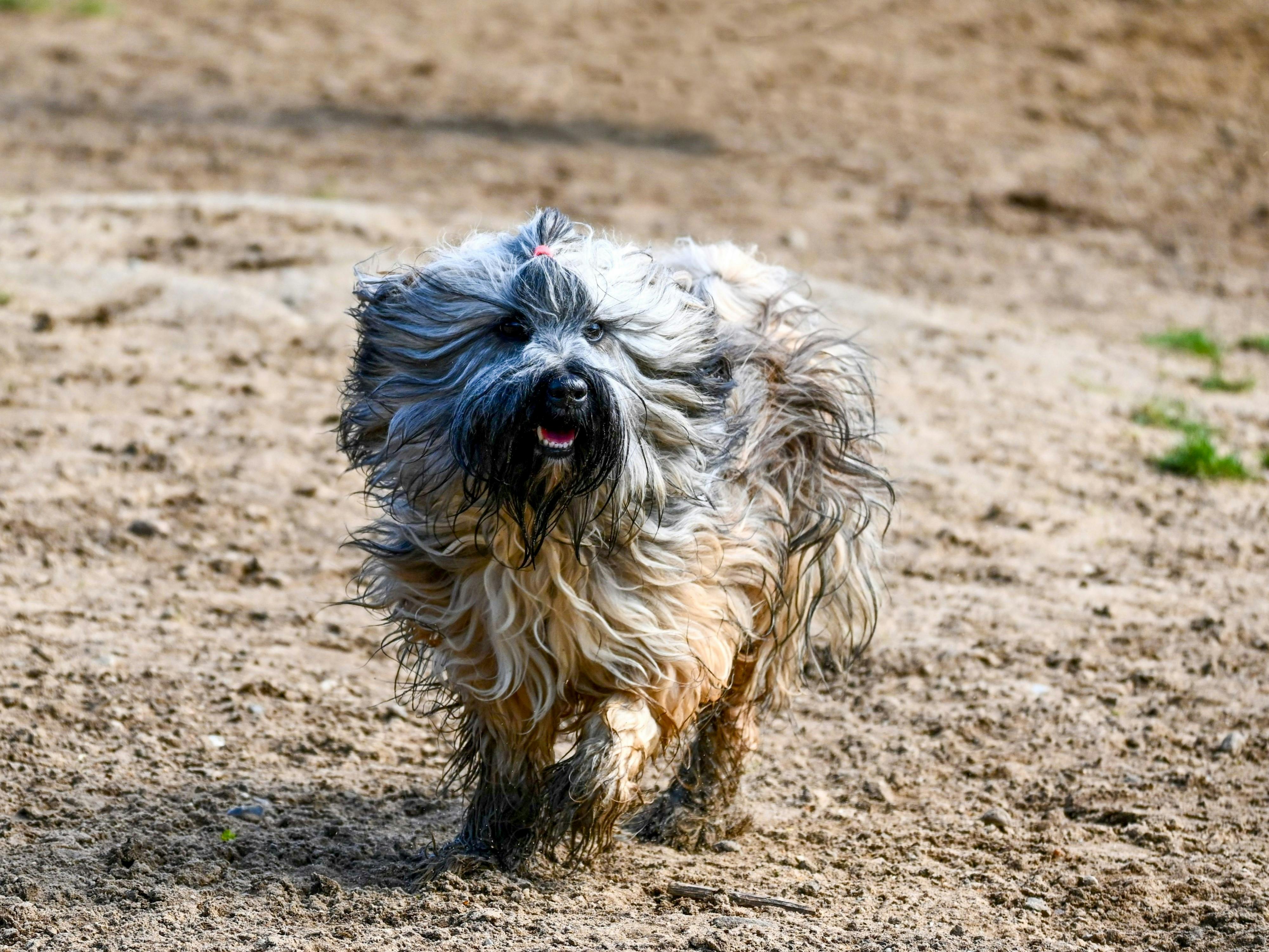
Dogs are often called man’s best friend, and one of the most adorable things about them is their wet noses. You might have notice how your furry companion’s nose is almost always moist, but have you ever wonder why that is? Here are 5 fascinating facts about your dog’s wet nose that you didn’t know, and we will uncover the reasons behind this unique feature.
1. Natural Cooling Mechanism
One of the main reasons why dogs have wet noses is because it helps them regulate their body temperature. Unlike humans, dogs don’t sweat to cool down. Instead, they rely on panting and the moisture on their noses. The wetness evaporates, helping to cool their body. This is especially important on hot days when they can easily overheat.
- Dogs have sweat glands, but they are mostly found in their paw pads.
- A wet nose can indicate that your dog is trying to cool down after exercise or a long walk.
2. Enhanced Sense of Smell
Did you know that a dog’s sense of smell is incredibly powerful? Their noses contain millions of scent receptors, and being wet helps them to pick up scent particles more effectively. When the nose is moist, it can absorb these particles better, allowing dogs to detect scents from far away.
- The average dog has about 300 million olfactory receptors compared to humans who only have around 6 million.
- Wet noses can help dogs identify different smells, which is essential for hunting and tracking.
3. Communication Tool
Your dog’s wet nose is also a form of communication. When dogs greet each other, they often sniff each other’s noses. This behavior is a way for them to gather information about each other, like their age, health, and what they have been eating. A wet nose can indicate that a dog is healthy and well-hydrated.
- Dogs will often nuzzle or nudge their owners with their wet noses, seeking attention or affection.
- A warm, dry nose can sometimes be a sign of illness, although it’s not a definitive indicator.
4. Health Indicator
The condition of your dog’s nose can tell you a lot about their health. A wet and cool nose is usually a sign that your dog is healthy. However, there are times when a dry or cracked nose could indicate something is wrong.
Some common conditions associated with a dry nose include:
- Dehydration
- Allergies
- Skin infections
It’s always best to consult with a veterinarian if you notice significant changes in your dog’s nose condition.
5. Historical Significance
Historically, dogs’ noses have been recognized for their unique abilities. In ancient times, dogs were often used for hunting and tracking due to their exceptional sense of smell. They were bred for specific tasks that required keen olfactory skills, making their wet noses an essential feature for survival.
- The Bloodhound is known for its incredible sense of smell and is often used in search and rescue missions.
- Different breeds have varied nose shapes, which can affect their smelling abilities.
Comparing Dog Breeds and Their Noses
Here is a simple comparison of different dog breeds and their nose characteristics:
| Breed | Nose Shape | Smell Ability |
|---|---|---|
| Bloodhound | Long and droopy | Exceptional |
| Beagle | Medium and broad | Excellent |
| Dachshund | Long and narrow | Good |
| Pug | Short and flat | Fair |
This table illustrates how different breeds have adapted their noses for specific tasks. The longer the nose, generally, the better the smell!
The next time you pet your dog, take a moment to appreciate that wet nose! It serves multiple purposes that are crucial for their well-being and communication. Understanding why do dogs have wet noses is not only fascinating but also helps you better care for your furry friend. Knowing these facts can also make you more aware of your dog’s health and behaviors. A dog’s wet nose is more than just an adorable feature; it’s a tool they use to navigate the world!
How a Dog’s Wet Nose Affects Their Sense of Smell: Unveiling the Connection

Dogs, those lovable companions, have fascinated humans for centuries. One of the most intriguing aspects of our furry friends is their remarkable sense of smell. You might wonder, how does a dog’s wet nose affect their sense of smell? The connection is deeper than you think, and it all starts with why do dogs have wet noses in the first place. Let’s unveil this fascinating topic and understand more about our canine buddies.
The Science Behind a Dog’s Wet Nose
A dog’s nose is often wet, and this moisture plays a crucial role in how they detect scents. The water on their noses helps to capture scent particles from the air. When these particles land on their wet noses, they can more easily be absorbed into the olfactory receptors located in the nasal cavity.
- Dogs have up to 300 million olfactory receptors, compared to a human’s mere 6 million.
- The part of a dog’s brain that processes smells is proportionally larger than that of humans, indicating they have a heightened sense of smell.
This means dogs can smell things we can’t even imagine! The wetness of their noses is actually a tool for enhancing their already incredible ability to sniff out the world around them.
Why Do Dogs Have Wet Noses?
The wetness of a dog’s nose is not just an aesthetic feature; it serves several important functions:
- Enhanced Scent Detection: As mentioned before, moisture helps capture scents, making it easier for dogs to smell.
- Cooling Mechanism: Dogs don’t sweat like humans do. Instead, they release heat through their noses, which helps them stay cool.
- Health Indicator: A dog’s nose can actually reflect their health status. A healthy dog usually has a wet and cool nose. A dry nose might indicate illness or dehydration.
Evolutionary Perspective
The evolution of dogs has given them some fascinating traits. Their ancestors relied on scent for survival, whether it was hunting for food or avoiding predators. Over generations, the dogs that had better smelling capabilities survived and thrived.
- Historical Fact: The domestication of dogs began around 20,000 years ago, and as they adapted to human environments, their sense of smell became even more refined.
Practical Implications of a Dog’s Sense of Smell
Dog owners might not realize just how much their pets’ sense of smell influences their behavior. Here’s some practical examples showing how important smell is to dogs:
- Tracking and Search: Many police and rescue dogs are trained to use their incredible sense of smell to track down missing persons or detect drugs and explosives.
- Medical Detection: Some dogs can even detect medical conditions. For instance, they can sense when a person has low blood sugar or is about to have a seizure.
Comparison with Human Smell
Let’s take a quick look at how dogs and humans compare when it comes to their sense of smell:
| Feature | Dogs | Humans |
|---|---|---|
| Olfactory Receptors | 300 million | 6 million |
| Smell Sensitivity | 40 times better than humans | Lower sensitivity |
| Brain Area for Smell | Larger proportion of the brain | Smaller proportion |
Dogs are clearly at the top of their game when it comes to sniffing things out.
Fun Facts About Dogs’ Noses
Here are some fun and interesting facts about dog noses that you may not know:
- Every dog’s nose print is unique, much like a human fingerprint.
- The wetness of a dog’s nose can change throughout the day, depending on the humidity and temperature.
- Dogs can even smell emotions, like fear and anxiety, which can affect their behavior towards humans.
Caring for Your Dog’s Nose
It’s important to keep your dog’s nose healthy. Here are some tips:
- Hydration: Ensure your dog drinks enough water to keep their nose moist.
- Regular Vet Check-ups: If you notice a persistent dry or cracked nose, it might be time to consult a veterinarian.
- Avoid Irritants: Keep your dog away from smoke, harsh chemicals, or extreme weather conditions that might dry out their nose.
Understanding why do dogs have wet noses and how this impacts their incredible sense of smell can deepen the bond between you and your furry friend. It’s amazing how something so simple plays such a significant role in their everyday lives. The next time you pet your dog and feel that cool, wet nose, remember, it’s not just cute; it’s a marvel of nature that helps them interact with the world in ways we can only begin to understand.
Is a Wet Nose Healthy? Understanding Your Dog’s Nose and Its Importance
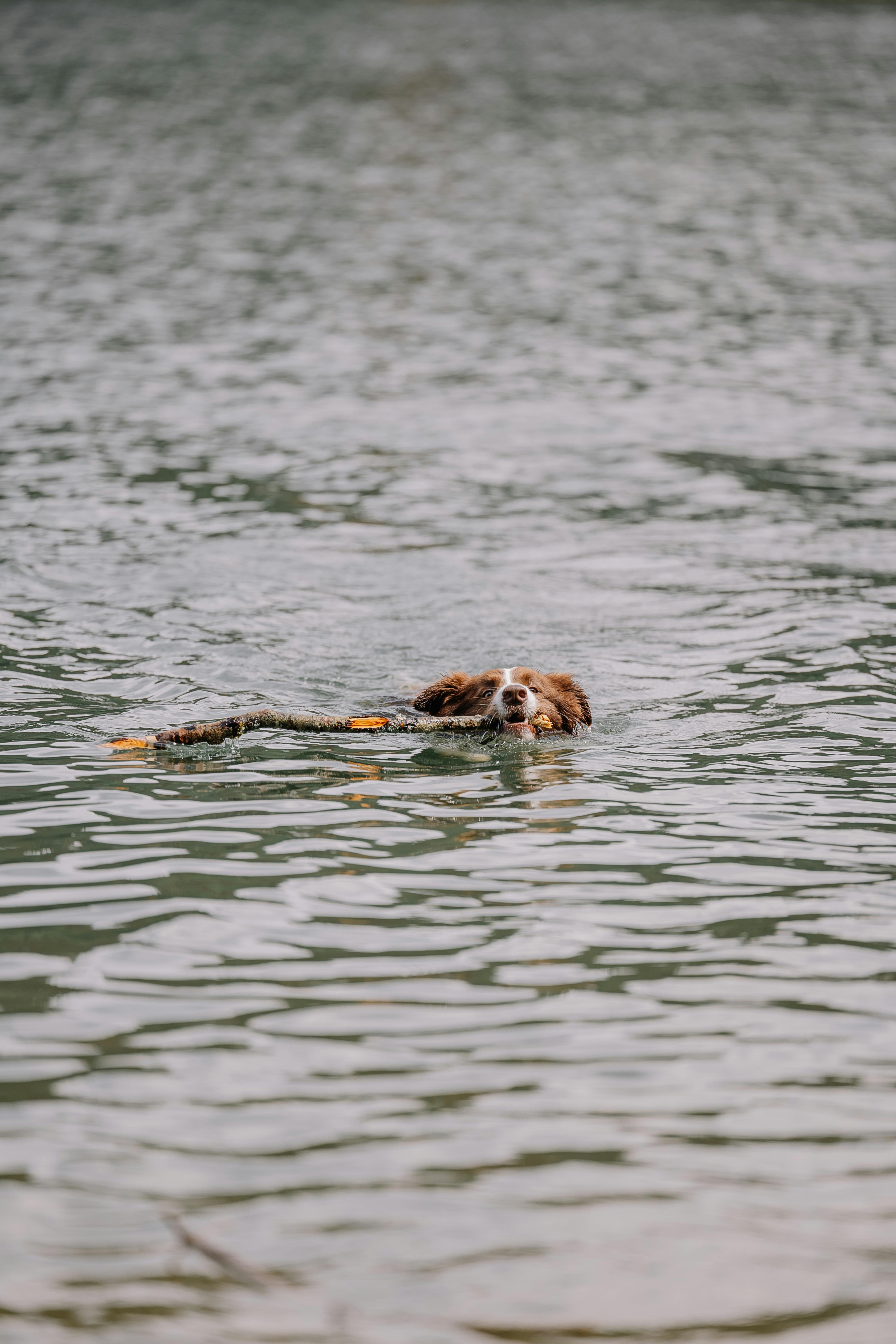
Is a Wet Nose Healthy? Understanding Your Dog’s Nose and Its Importance, Why Do Dogs Have Wet Noses? Uncover The Fascinating Reasons, why do dogs have wet noses
When we think about our furry friends, we often focus on their wagging tails, playful nature, and, of course, their adorable faces. One of the most noticeable features of a dog is its nose — and many dog owners often wonder, is a wet nose healthy? This topic opens a fascinating window into the biology of dogs, and it’s more interesting than you might think.
The Science Behind a Wet Nose
A dog’s nose is typically wet, and this moisture is not just for show. Dogs have specialized mucous membranes that help keep their nose moist. This moisture helps in several ways:
- Enhanced Sense of Smell: A wet nose can help capture scent particles from the air, which allows for a more acute sense of smell. Dogs have about 220 million smell receptors compared to humans’ 5 million.
- Cooling Mechanism: Dogs don’t sweat like humans do, so their noses help in regulating body temperature. When a dog pants, moisture evaporates from the nose and helps cool them down.
- Health Indicator: The condition of a dog’s nose can indicate its health. A wet, cool nose usually suggest good hydration and overall health, while a dry or cracked nose might signal dehydration or illness.
Why Do Dogs Have Wet Noses?
So, why do dogs have wet noses? The answer lies in both evolution and biology. Historically, dogs’ ancestors needed to track scents in their environment, so a wet nose was advantageous for hunting and survival. This trait has been passed down through the generations.
Some additional reasons for the wetness include:
- Behavioral Reasons: Dogs often lick their noses, which keeps them moist. Licking also allows them to taste the air, providing further information about their surroundings.
- Environmental Factors: A dog’s nose can become wetter or drier depending on the weather, humidity levels, and activity. For example, after a long walk or playing outside, a dog’s nose may become drier due to exposure to the sun.
What Different Nose Conditions Mean
Dogs can have different nose conditions, and each can signify something different. Here are some common nose conditions and what they might mean:
- Wet and Cool: Generally a sign of a healthy dog.
- Dry and Warm: Could indicate fever or dehydration. If it persists, a vet visit may be necessary.
- Cracked or Flaky: Might be a sign of allergies, skin conditions, or even infections. It’s advisable to consult a veterinarian for treatment.
- Discolored Nose: Changes in color can indicate various health issues, including autoimmune diseases or skin disorders.
Common Myths About Dog Noses
There are several myths surrounding dog noses that can cause confusion. Here are a few to debunk:
- A Dry Nose Means a Sick Dog: This isn’t necessarily true. A dog may have a dry nose for numerous reasons, including just waking up or being in a dry environment.
- Size of the Nose Indicates Health: The size of a dog’s nose doesn’t relate to its health. All breeds have different nose shapes and sizes, but that doesn’t reflect their well-being.
- Dogs Only Use Their Noses for Smelling: While this is a significant function, dogs also use their noses to communicate with other dogs, gathering information through scent.
Tips for Keeping Your Dog’s Nose Healthy
Maintaining a healthy nose for your dog is essential, and here are some practical tips:
- Hydration: Ensure your dog has access to fresh water at all times to keep them hydrated.
- Regular Vet Checkups: Routine veterinary visits can catch any potential health issues early on.
- Avoid Harsh Environments: Protect your dog’s nose from extreme heat or cold, which can lead to dryness and cracking.
- Nose Balm: Consider using pet-safe nose balms if your dog has a tendency to develop a dry or cracked nose.
Dogs’ noses are not just cute features; they play a crucial role in their overall health and well-being. Understanding why do dogs have wet noses and what it means can help you better care for your furry companion. So, the next time you see your dog with that moist little nose, you’ll know that it’s more than just a charming trait — it’s a vital part of their health and happiness.
7 Reasons Dogs Have Wet Noses: From Temperature Regulation to Health Indicators
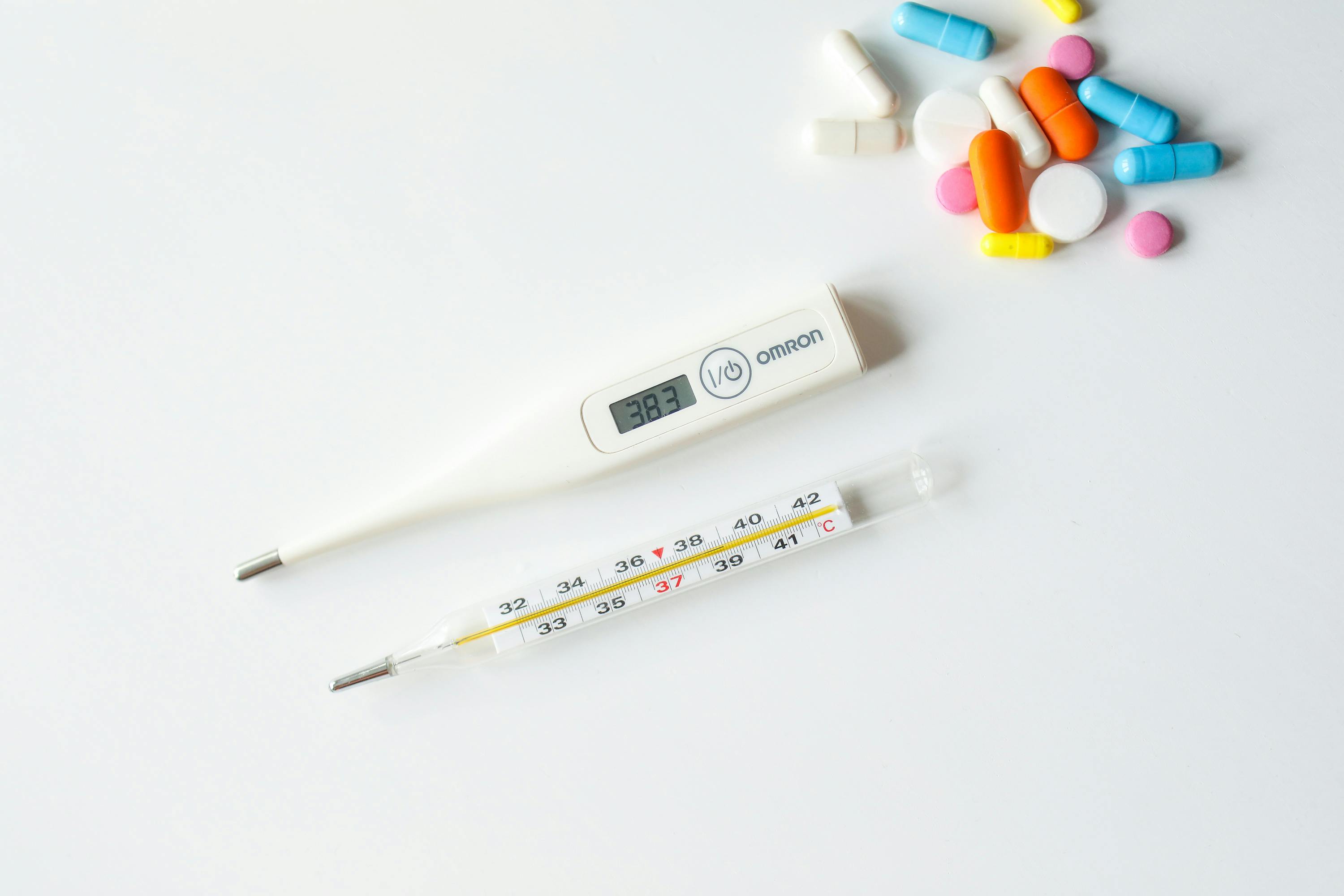
Have you ever wonder why dogs have wet noses? It’s not just about the cute factor! There is actually a bunch of fascinating reasons behind that moist snout. From temperature regulation to health indicators, a dog’s nose can tells us a lot about their well-being. Let’s dive into the seven most intriguing reasons why dogs have wet noses.
1. Temperature Regulation
Dogs don’t sweat like humans do. Instead, they rely on their noses to help regulate their body temperature. A wet nose cools down through evaporation, which helps them maintain a comfortable body temperature, especially during hot days. If a dog’s nose is dry, it could mean they are overheated or dehydrated.
2. Scent Detection
Dogs have an incredible sense of smell, estimated to be 10,000 to 100,000 times more acute than humans. Their wet noses help them absorb scent particles more effectively. When the nose is moist, it can better trap scent molecules, allowing dogs to identify smells with greater clarity. This is why dogs can sniff out everything from food to people and even drugs!
3. Communication Tool
A dog’s nose is also a vital communication tool. Dogs use their noses to gather information about their environment and other dogs. When a dog sniffs another dog’s behind, they are essentially exchanging personal information. A wet nose can signal to other dogs that they are friendly and approachable, while a dry nose might indicate distress.
4. Health Indicators
The condition of a dog’s nose can sometimes reflect their health. A dog with a wet, cool nose is often seen as healthy. On the flip side, a dry nose can indicate various health issues, such as fever or dehydration. If you notice any major changes in your dog’s nose, it might be a good idea to consult with a vet.
5. Natural Lubrication
Just like humans have natural oils to keep their skin hydrated, dogs have nasal secretions that help keep their noses moist. This lubrication is critical for maintaining sensitivity in the nasal passages. If their noses were dry, it could impair their ability to smell and might even lead to irritation.
6. Evolutionary Advantage
From an evolutionary standpoint, having a wet nose is advantageous for survival. Dogs descended from wolves, who relied heavily on their sense of smell for hunting and social interactions. A wet nose enhances that sense, making it easier for dogs to find food and navigate their territories. This evolutionary trait has carried over, making wet noses a natural characteristic of dogs today.
7. Environmental Adaptation
Dogs also have wet noses as an adaptation to their environments. In humid conditions, a wet nose can help them keep cool. In dry or hot climates, the moisture can evaporate quickly, which helps them regulate body temperature more efficiently. This adaptability is crucial for their survival in various habitats.
Quick Reference Table: Reasons Dogs Have Wet Noses
| Reason | Description |
|---|---|
| Temperature Regulation | Helps cool down by evaporation. |
| Scent Detection | Enhances ability to absorb and detect scents. |
| Communication Tool | Signals friendliness and gathers information from other dogs. |
| Health Indicators | Wet noses often indicate good health, while dry noses may signal issues. |
| Natural Lubrication | Keeps nasal passages sensitive and prevents irritation. |
| Evolutionary Advantage | Aids survival by enhancing hunting and social interactions. |
| Environmental Adaptation | Helps regulate body temperature in varying climates. |
It’s clear that a dog’s wet nose is more than just an adorable feature. It serves various essential functions that contribute to a dog’s overall health and behavior. So, the next time you give your furry friend a scratch behind the ears and feel their wet nose, remember there’s a lot more going on than just cuteness. From keeping cool to communicating with others, dogs’ wet noses are a fascinating part of their biology and an important aspect of their interactions with the world around them.
Why Do Dogs Lick Their Noses? The Role of Moisture in Canine Communication

Dogs are often seen licking their noses, and many people wonder why do dogs lick their noses so much? It’s not just a quirky behavior, it serves several important roles in canine communication and health. Understanding the reasons behind this behavior can help dog owners connect better with their furry friends.
The Role of Moisture in Canine Communication
Moisture plays a vital role in how dogs perceive the world. Dogs have a unique sense of smell which is about 40 times better than humans. The wetness of their noses helps enhance this sense. When a dog licks its nose, it is not just keeping it moist for better scent absorption; it’s also communicating various messages to other dogs and even to humans.
- Enhanced Smell: A moist nose can pick up scent particles more effectively, allowing dogs to understand their surroundings better.
- Calmness Signals: Licking can indicate a dog’s calmness or submissiveness.
- Stress Indicator: Sometimes, excessive licking may be a sign of anxiety or stress in a dog.
Why Do Dogs Have Wet Noses?
You might be asking, “Why do dogs have wet noses?” There are several scientific and biological reasons for this phenomenon. Wet noses are not just cute; they serve essential functions:
- Temperature Regulation: Dogs don’t sweat like humans do. Instead, they regulate their body temperature through their noses and panting. A wet nose helps maintain a healthy temperature.
- Scent Detection: The moisture on a dog’s nose helps to trap scent particles, making it easier for the dog to gather information about its environment.
- Health Indicator: A healthy dog usually has a moist nose. If a dog’s nose becomes dry or cracked, it could indicate health problems.
The Fascinating Reasons Behind Wet Noses
Here’s a quick list of reasons why dogs have wet noses:
- Scent Enhancement: Wetness helps to absorb scent particles.
- Thermoregulation: Helps in cooling down the body.
- Health Check: A moist nose is often a sign of good health.
- Communication Tool: Dogs use their noses to convey emotions.
Dogs and Their Noses: A Brief History
Historically, dogs have been companions to humans for thousands of years. Their noses have evolved to be incredibly sensitive, which has made them excellent hunters and protectors. Ancient civilizations recognized the importance of a dog’s sense of smell and often trained them for various roles like hunting, herding, and even detecting illnesses in humans.
Fun Facts About Dog Noses
- A dog’s nose print is unique, much like a human fingerprint.
- Dogs have around 300 million smell receptors in their noses, compared to roughly 5 million in humans.
- The texture of a dog’s nose can give hints about their health. A warm, dry nose might indicate fever or dehydration.
Practical Examples of Nose Use
Dogs use their noses in everyday life, not just for hunting or tracking. Here are some practical examples:
- Finding Food: Dogs often sniff out their meals, showing how much they rely on their noses for nourishment.
- Social Interactions: When dogs meet, they sniff each other’s noses and behinds as a way to gather information.
- Emotional Awareness: Dogs can sense their owner’s emotions through smell, helping them respond appropriately to stress or happiness.
Understanding Dog Behavior
Being aware of your dog’s nose licking can help you understand them better. Here’s a few things to keep in mind:
- If your dog licks its nose often, it might be trying to communicate something.
- Observe their body language. Is the dog relaxed or anxious?
- Consult with a vet if you notice changes in nose moisture or other health signs.
In summary, the wet nose of a dog is more than just a charming feature; it is an essential tool for communication, health, and understanding their environment. By paying attention to why your dog licks its nose, you can improve your bond with your pet and ensure they are healthy and happy. The next time you see your dog licking its nose, remember, there’s a lot more going on than meets the eye!
Do Different Breeds Have Different Nose Moisture Levels? Exploring the Variations

When you look at dogs, one of the first things that catch your eye is their wet noses. But have you ever stop to think about why dogs have wet noses? Or, do different breeds have different nose moisture levels? These are interesting questions that many dog owners wonder about. In fact, understanding these aspects could even help you learn more about your furry friend’s health and well-being.
The Basics of Nose Moisture in Dogs
Dogs’ noses are not just wet for no reason. The moisture on a dog’s nose plays several important roles. Primarily, it helps in the sense of smell. Dogs have an incredible olfactory system, and a wet nose enhances their ability to pick up scents. Moisture helps to trap scent particles, making it easier for dogs to detect various smells in their environment. So, a wet nose isn’t just a cute feature; it’s also essential for their survival and hunting instincts.
Why Do Dogs Have Wet Noses?
The reasons behind a dog’s wet nose can be quite fascinating. Here are a few points to consider:
Temperature Regulation: Dogs don’t sweat like humans do. Instead, they regulate their body temperature through panting and by having a moist nose. The evaporation of moisture from the nose can help cool them down.
Enhanced Smell: As mentioned earlier, the moisture on their noses helps trap scent molecules. This is one of the primary reasons dogs have such an extraordinary sense of smell. Studies suggests that dogs have up to 300 million scent receptors in their noses, compared to about 6 million in humans. Moisture aids in this incredible capability.
Health Indicator: A dog’s nose can often tell you a lot about their health. A healthy dog usually has a moist, cool nose, while a dry, cracked nose might signify dehydration or illness. However, this isn’t always a definite indicator; some dogs naturally have drier noses.
Do Different Breeds Have Different Nose Moisture Levels?
This is where it gets more interesting. Different breeds of dogs do show variations in nose moisture. Factors like genetics, environment, and even individual health can all play a role in how moist or dry a dog’s nose is. Here’s a look at some breeds and their typical nose conditions:
Bulldogs: Often have a slightly drier nose due to their shorter snouts, which may impact their breathing and consequently their moisture levels.
Sighthounds: Breeds like Greyhounds and Whippets often have very moist noses, which may be linked to their active lifestyles and higher levels of physical exertion.
Retrievers: Golden Retrievers and Labrador Retrievers often have noticeably moist noses, which helps them in their roles as hunting companions.
Small Breeds: Toy breeds may have varying moisture levels, but many tend to have drier noses, possibly due to less outdoor activity.
Factors Influencing Nose Moisture Levels
Several factors can affect whether your dog’s nose is wet or dry:
Weather: Hot, dry weather can dry out a dog’s nose, while humid conditions can keep it moist.
Health Conditions: Certain illnesses or conditions can lead to a dry nose, such as fever or dehydration.
Age: Older dogs may have drier noses due to age-related changes in their skin and overall health.
Hydration: Just like humans, if a dog is not well-hydrated, it can result in a drier nose.
Tips to Maintain Your Dog’s Nose Moisture
Keeping your dog’s nose healthy is essential. Here are some tips to help maintain moisture levels:
Hydration: Ensure your dog has access to fresh water at all times. Proper hydration is crucial for overall health.
Humidifier: If you live in a dry climate, consider using a humidifier, especially during winter months.
Monitor Health: Regular vet check-ups can help catch any underlying health issues that might be affecting your dog’s nose moisture.
Diet: A balanced diet with enough fatty acids can improve skin and nose health.
In summary, the moisture level of a dog’s nose is more than just an interesting quirk. It’s tied closely to their health, breed characteristics, and even their ability to smell. Understanding these nuances can help you be a better pet owner and ensure your dog stays happy and healthy.
The Myth of the Cold, Wet Nose: What Your Dog’s Nose Really Says About Their Health
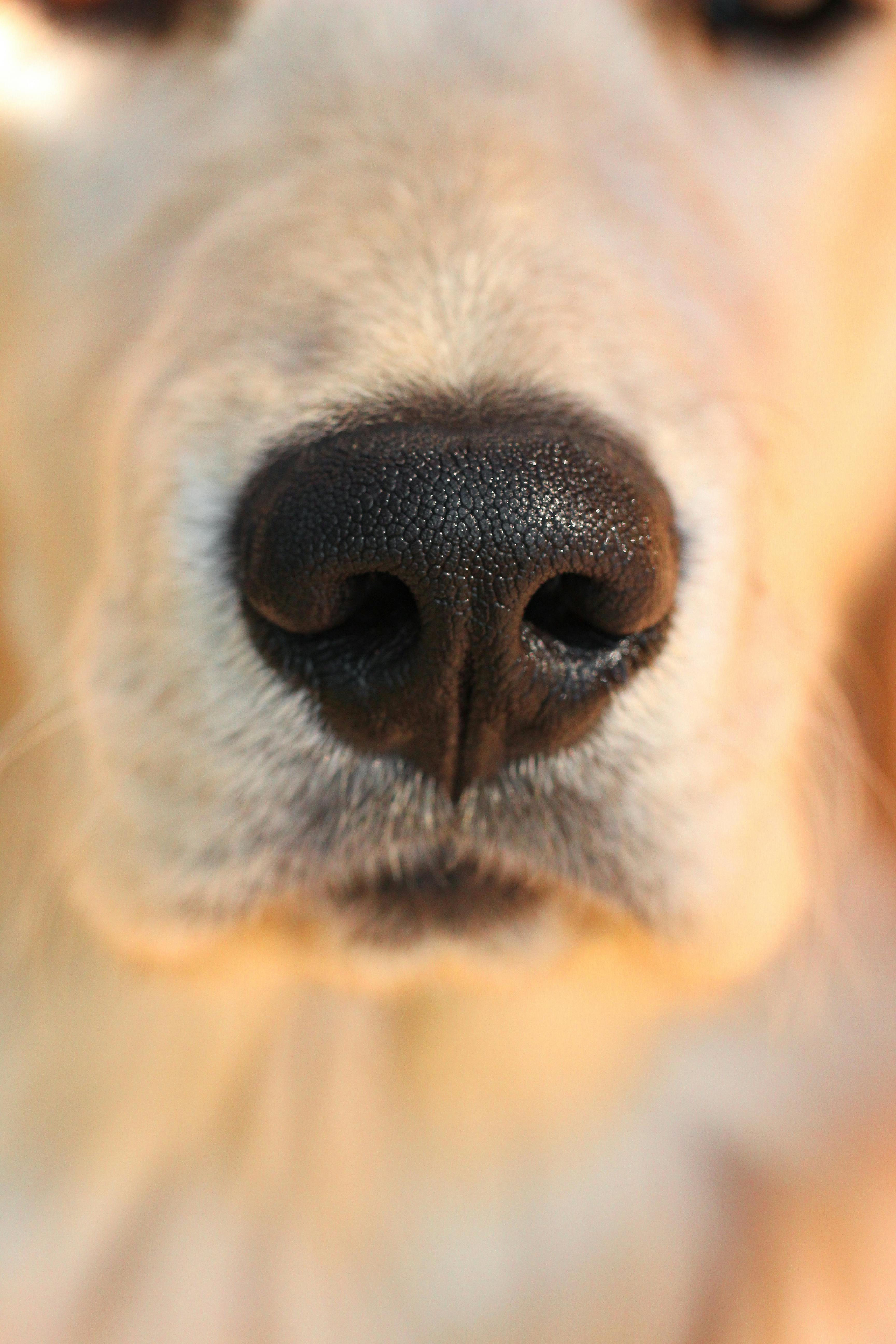
Dogs have been our loyal companions for centuries, and their health is something we all care about. One common belief is that a dog’s nose should always be cold and wet. But, is this really a sign of good health? Let’s dive into the myth of the cold, wet nose and explore what it really means for your furry friend.
The Science Behind a Dog’s Nose
First, it’s important to understand why dogs have wet noses in the first place. The moisture on a dog’s nose serves several purposes. Here are some key points about why do dogs have wet noses:
- Scent Detection: A wet nose helps to capture scent particles from the environment. This moisture enhances a dog’s ability to smell, which is why they are such excellent trackers.
- Temperature Regulation: Dogs cannot sweat like humans do. Their noses help cool them down, similar to how a person might sweat to regulate body temperature.
- Health Indicator: Many pet owners believe that a dog’s nose temperature can indicate their health status, but that’s not entirely accurate.
The Myth of the Cold, Wet Nose
People often think that a wet and cold nose is a sure sign that a dog is healthy. But this isn’t always the case. Here are some common misconceptions:
- Not All Healthy Dogs Have Wet Noses: A dog can be perfectly healthy with a dry nose. Factors like weather, activity levels, and hydration can affect nose moisture.
- Temperature Fluctuations: A dog’s nose can change temperature based on the surrounding environment. If it’s hot outside, their nose might feel warmer, but that doesn’t mean they are sick.
- Dogs Can Have Dry Noses: Certain breeds or individual dogs may naturally have drier noses. It doesn’t automatically indicate a health problem.
Important Signs of Dog Health
Instead of relying solely on the moisture of a dog’s nose to determine their health, consider other signs. Here’s a list of more reliable indicators of a dog’s well-being:
- Energy Levels: Is your dog active and playful? A lethargic dog could be a sign of illness.
- Appetite Changes: Sudden loss of appetite or changes in eating habits could indicate health issues.
- Behavioral Changes: If your dog is more irritable or less social than usual, this may be a red flag.
- Grooming Habits: If a dog starts neglecting their grooming, it may be a sign of discomfort or illness.
Factors Affecting Nose Moisture
Various factors can impact how wet or dry a dog’s nose is. Here are some to consider:
- Weather Conditions: Hot, dry weather can lead to a dryer nose, while humid conditions may keep it wetter.
- Hydration Levels: If a dog is well-hydrated, it might have a more moist nose, while dehydration could lead to a dry nose.
- Health Conditions: Some medical conditions can affect a dog’s nose moisture, including allergies or autoimmune diseases.
When to See a Vet
If you notice significant changes in your dog’s nose or overall health, it might be time to consult a vet. Here’s when to seek professional advice:
- Persistent Dryness: If a dog’s nose is consistently dry for an extended period.
- Discoloration: Any sudden changes in color or texture of the nose.
- Accompanying Symptoms: If a dry nose is accompanied by other symptoms like vomiting, diarrhea, or coughing.
Interesting Facts About Dog Noses
Did you know that a dog’s sense of smell is 10,000 to 100,000 times more sensitive than a human’s? Here are some fascinating facts:
- Unique Nose Print: Just like human fingerprints, every dog has a unique nose print.
- Scent Memory: Dogs can remember scents for years, which is why they can recognize people even after long periods.
- Health Detectives: Some dogs are trained to detect diseases like cancer through scent.
Understanding what your dog’s nose really says about their health can help you provide better care. While the myth of the cold, wet nose persists, it is crucial to look at the bigger picture of overall health and well-being. By paying attention to your dog’s behavior, appetite, and energy levels, you can better understand their needs and keep them happy and healthy. Always remember, when in doubt, consult your veterinarian to ensure your furry friend gets the best care possible.
How to Care for Your Dog’s Nose: Tips for Maintaining Optimal Moisture Levels

Caring for your beloved dog’s nose is more important than many people think. A dog’s nose is not just cute; it serves several crucial functions. Keeping it healthy and moist is vital for their overall well-being. So, how do you maintain optimal moisture levels in your dog’s nose? And why do dogs have wet noses anyway? Let’s dive into these fascinating questions and explore some tips for nose care.
Understanding the Importance of a Dog’s Nose
First, it is essential to understand what makes a dog’s nose unique. The canine nose is packed with scent receptors, which are way more than humans have. In fact, dogs have about 220 million scent receptors compared to a human’s 5 million. This makes their sense of smell incredibly strong, helping them navigate the world around them. A wet nose helps enhance this ability by trapping scent particles from the air.
Why Do Dogs Have Wet Noses?
There are several reasons why dogs have wet noses. Here’s a list of some of the most interesting points:
- Temperature Regulation: Like humans sweat to cool down, dogs use their noses too. A moist nose helps regulate their body temperature.
- Enhanced Smell: The moisture on a dog’s nose captures scent particles, allowing them to detect odors better. A wet surface can trap more scent molecules than a dry one.
- Health Indicator: The condition of a dog’s nose can indicate health. A dry nose may point to dehydration or illness, while a healthy, moist nose is often a sign of well-being.
Tips for Maintaining Optimal Moisture Levels
Keeping your dog’s nose in top shape requires some attention. Here are some practical tips to ensure their nose stays moist and healthy:
- Regular Hydration: Always provide fresh water. Dehydration can lead to a dry nose, so keep your pet’s water bowl full.
- Humid Environment: If you live in a dry climate or during winter months, consider using a humidifier in your home. This can help maintain moisture in the air and assist your dog’s nose.
- Avoid Harsh Chemicals: Be cautious with cleaning products. Strong chemicals can irritate your dog’s skin and nose. Opt for pet-safe alternatives.
- Nose Balm: If you notice your dog’s nose becoming dry or cracked, consider applying a dog-friendly nose balm. These products are designed to soothe and moisturize without harmful ingredients.
Signs of Nose Problems
It’s important to keep an eye on your dog’s nose for any changes. Here are some signs that may indicate possible issues:
- Cracks or sores
- Excessive dryness or flakiness
- Discoloration (like turning red or black)
- Excessive licking of the nose
- Bleeding or discharge
If you notice any of these symptoms, it’s best to consult a veterinarian. They can evaluate whether it is a minor issue or something more serious.
Common Myths About Dog Noses
There are many misconceptions surrounding dog noses, and it’s vital to distinguish fact from fiction. Here are a few common myths:
- Myth: A wet nose means a healthy dog. While a moist nose is often a sign of good health, not every sick dog has a dry nose.
- Myth: Dogs only need nose care in winter. Dogs can suffer from dry nose year-round, so regular care is important regardless of the season.
- Myth: All dogs have the same type of nose. Different breeds can have various nose types, which may require different care.
Historical Context of Dog Noses
Throughout history, dogs were bred for specific purposes. Hunting dogs relied heavily on their sense of smell to track and find prey. The wetness of their noses was essential for this role. Even today, service dogs, search and rescue dogs, and therapy dogs depend on their keen sense of smell. This historical usage highlights the vital role a dog’s nose plays in their lives.
Caring for Your Dog’s Nose: A Quick Checklist
- Ensure your dog has access to fresh water.
- Monitor your dog’s nose condition regularly.
- Use a humidifier in dry conditions.
- Apply nose balm if needed.
- Consult a vet for any unusual changes.
Understanding why dogs have wet noses and how to care for them is crucial for every dog owner. They rely on their noses for so much, from sniffing out treats to sensing their loved ones. By following these tips and staying vigilant about your dog’s nose health, you can help ensure they remain happy and healthy, nose and all.
Curiosity or Instinct? Discover Why Dogs Have Wet Noses and What It Means for You

Dogs are often seen with their noses wet, but why is that? Is it curiosity or instinct? The truth is, it’s a mix of both, and understanding this peculiar trait can help dog owners appreciate their furry friends even more. Here’s a dive into the fascinating world of why do dogs have wet noses.
What Makes a Dog’s Nose Wet?
Dogs have wet noses for several reasons, primarily linked to their health and sensory abilities. Here’s a breakdown of it:
- Cooling Mechanism: Like humans sweat, dogs release moisture through their noses. This helps them regulate body temperature especially on hot days.
- Enhanced Smell: A moist nose helps trap scent particles better, which allows dogs to smell more effectively. A wet nose is actually a sign of an active olfactory system.
- Health Indicator: A dog’s nose can indicate its health status. A wet, cool nose typically means a dog is healthy, while a dry or warm nose can hint at an illness or dehydration.
The Science Behind Dog Noses
The structure of a dog’s nose is unique. With about 300 million smell receptors, compared to a human’s 5 million, dogs are natural-born sniffers. The moisture on their noses comes from a combination of sweat glands and saliva. When they lick their noses, it helps to enhance their sense of smell by keeping the surface moist.
Historical Context: Understanding the Wet Nose Trait
Historically, dogs evolved from wolves, who also had wet noses for similar reasons. Early domestication of dogs around 20,000 to 40,000 years ago saw humans selecting for traits that made dogs better companions and hunters. Those with better sniffing abilities likely had a wet nose due to the evolutionary advantages it provided.
Curiosity vs. Instinct: What Drives Dogs?
When we think about why dogs have wet noses, it’s tempting to label it as either curiosity or instinct. In reality, it’s both. Here’s how they interact:
- Curiosity: Dogs are naturally curious creatures. Their wet noses often lead them to explore the world around them. When they are sniffing, they are not just curious; they are gathering information about their environment.
- Instinct: Instincts drive many behaviors in dogs. Their wet noses are a product of evolution, helping them hunt and explore. This behavior is deeply ingrained in their genetic makeup.
Fun Facts About Dogs and Their Noses
- Temperature Telling: Dogs sometimes use their noses to gauge temperature changes in their surroundings. A cooler nose could mean a cooler environment.
- Nose Prints: Just like human fingerprints, every dog has a unique nose print. This can be used for identification!
- Nasal Breathing: Dogs breathe primarily through their noses, which helps filter out particles and humidify the air they inhale.
The Practical Implications for Dog Owners
Understanding why dogs have wet noses can help owners better care for their pets. Here are some key points to consider:
- Regular Check-ups: Monitor your dog’s nose. If it becomes excessively dry or warm, consult a veterinarian.
- Hydration: Keep your dog hydrated to ensure their nose stays moist and healthy.
- Temperature Awareness: Be mindful of temperature changes. If your dog seems to have a warm nose, they may be overheating.
Comparing Dogs’ Noses to Other Animals
Dogs aren’t the only animals with wet noses. Here’s a quick comparison:
| Animal | Wet Nose? | Purpose of Wet Nose |
|---|---|---|
| Dogs | Yes | Enhance smell and regulate temperature |
| Cats | Sometimes | Less pronounced scent detection |
| Pigs | Yes | For rooting and foraging |
| Cows | No | Primarily breathe through mouths |
What It Means for You
For dog owners in New York, understanding your pet’s wet nose can help in various ways. It’s important to recognize that wet noses are often indicators of a happy, healthy dog. If your dog’s nose starts to change, it might signify something’s off.
Being aware of these signs allows for better interaction with your pet. Whether your dog is sniffing out a new friend at the park or cooling off during summer, their wet nose is a key aspect of their well-being and behavior.
In summary, the wet noses of dogs are a fascinating blend of instinctive behavior and practical function. By keeping in mind what these moist noses indicate, you can ensure your furry friend stays happy and healthy. So the next time you see that wet nose, remember it’s more than just a cute feature; it’s a sign of a dog’s curious nature and instinctual abilities.
Conclusion
In conclusion, the wet noses of dogs serve several important functions that contribute to their overall health and well-being. The moisture on a dog’s nose enhances their sense of smell, which is vital for communication and exploration of their environment. Additionally, a wet nose helps regulate body temperature, acting as a natural cooling mechanism. While the texture and temperature can vary among individual dogs, a moist nose is generally a sign of good health. It’s essential for pet owners to monitor their dogs’ noses, as changes can indicate underlying health issues. By understanding the significance of this unique trait, dog owners can better appreciate their furry companions. So, the next time you notice your dog’s wet nose, remember it’s not just an adorable quirk—it’s a vital aspect of their biology. Stay attentive to your dog’s health and enjoy the special bond you share!
