
Have you ever wondered why do dogs have wet noses? This intriguing question has puzzled pet owners and animal lovers alike for years! A dog’s nose is not just a cute feature; it serves several fascinating purposes that can leave you in awe. The truth behind those damp dog noses is tied to their health and sensory abilities. But what causes this moisture? Is it merely a sign of a happy pup, or does it have deeper implications? In this blog post, we will explore the science behind why dogs have wet noses and uncover the secrets they hold about your furry friend’s well-being. You might be surprised to learn that a wet nose can indicate how well a dog can smell, regulate temperature, and even communicate with other animals! So, if you’re curious about your dog’s nose moisture, keep reading to discover the captivating truth. Understanding this behavior can enhance your bond with your canine companion and may even lead to better care practices. Don’t miss out on these essential insights—dive into the world of our four-legged friends and unravel the mystery behind their wet noses today!
The Science Behind Canine Noses: Why Are Dogs’ Noses Always Wet?
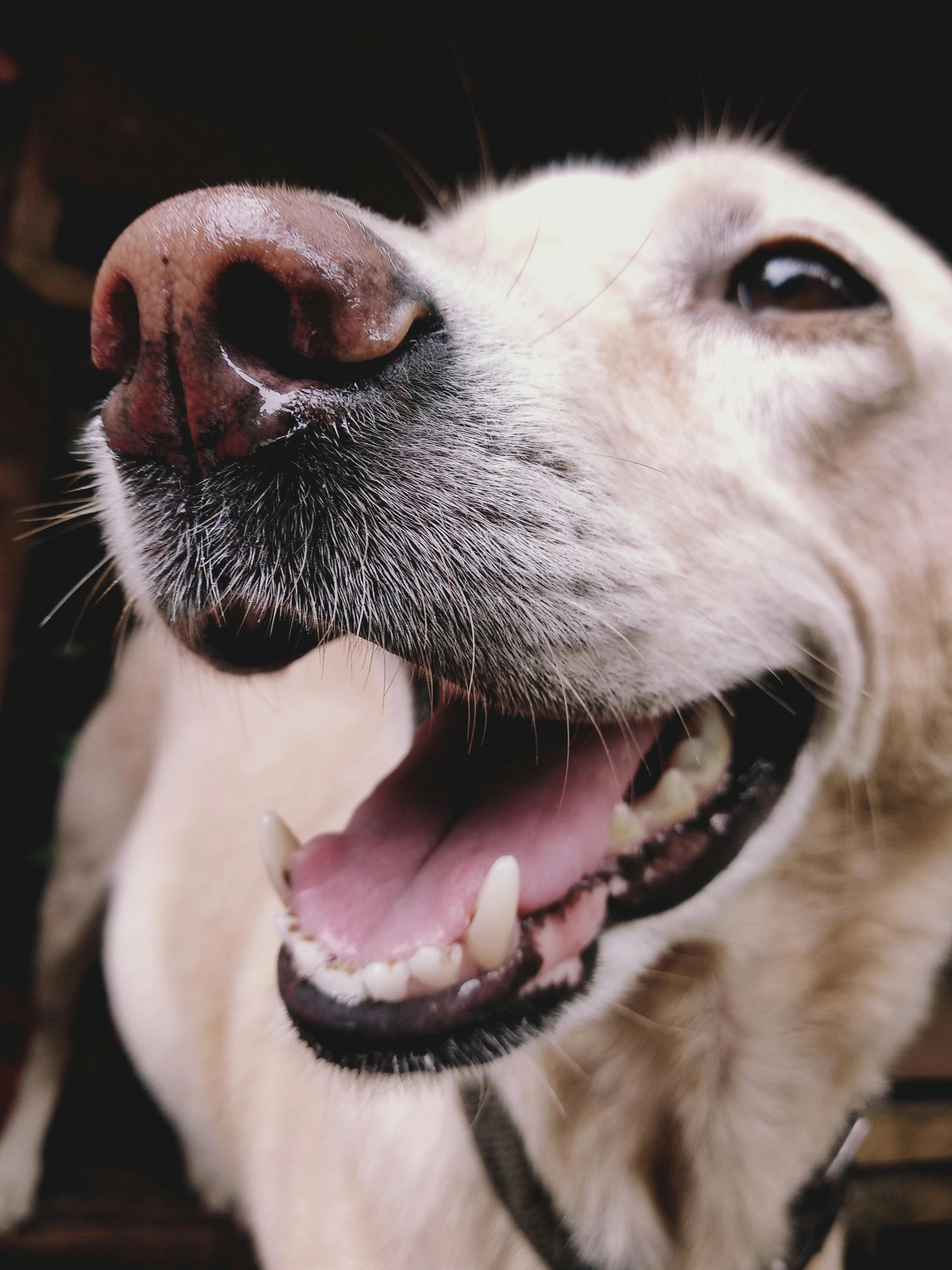
Dogs are often called man’s best friend, and one of their most unique features is their noses. Have you ever noticed how a dog’s nose is always wet? This intriguing trait sparks curiosity, raising questions like, “Why do dogs have wet noses?” or “What’s the science behind canine noses?” Let’s explore this fascinating truth together, diving into the biological, behavioral, and evolutionary aspects of why our furry companions’ noses are perpetually moist.
The Biology of Canine Noses
Dogs have some of the most advanced olfactory systems in the animal kingdom. Their noses are not just for show; they are complex organs that help dogs navigate their world. A dog’s sense of smell is estimated to be anywhere from 10,000 to 100,000 times more sensitive than that of humans. This incredible sense of smell is due to the presence of:
- Olfactory Receptors: Dogs possess around 300 million olfactory receptors compared to about 5 million in humans. The sheer number of these receptors allows dogs to detect and differentiate a wide range of scents.
- Jacobsen’s Organ: Also known as the vomeronasal organ, this specialized tissue helps dogs process pheromones, which are chemical signals that affect the behavior of other dogs and animals.
Now, you might be wondering what role their wet noses play in all this. Well, the moisture helps enhance their sense of smell. When the nose is wet, it can trap more scent particles, allowing for a more accurate reading of their environment.
Why Are Dog Noses Wet?
There are several reasons for the wetness of a dog’s nose, and they all tie back to both biology and behavior. Here’s a list of some reasons:
- Temperature Regulation: Dogs, unlike humans, don’t sweat through their skin. Instead, they cool off through panting and by having a wet nose. The moisture evaporates, which helps to regulate their body temperature.
- Enhanced Smelling Ability: As mentioned before, a wet nose can absorb scent particles better than a dry one, making it easier for dogs to identify smells. This is why dogs might lick their noses before sniffing.
- Health Indicator: A dog’s nose can often indicate their health status. A healthy dog generally has a moist, cool nose, while a dry or excessively warm nose can suggest a fever or illness.
Historical Context of Canine Noses
Dogs have been companions to humans for thousands of years. The domestication of dogs dates back to at least 15,000 years ago, when they were likely used for hunting and protection. Their keen sense of smell was harnessed by early humans for tracking prey and detecting dangers. Over time, certain breeds were developed specifically for their olfactory skills, such as Bloodhounds and Beagles.
Interestingly, the wet nose trait has been advantageous for dogs throughout history, as it allows them to perform tasks that require a strong sense of smell. For instance:
- Search and Rescue: Dogs are used in search and rescue missions due to their ability to locate missing persons using scent.
- Detection Work: Many dogs are trained to detect drugs, explosives, and even certain medical conditions in humans, showcasing the importance of their wet noses.
Comparing Dog Noses to Other Animals
It’s fascinating to compare a dog’s nose to those of other animals to understand its uniqueness. Here’s a brief comparison:
- Cats: Cats also have a good sense of smell but not as strong as dogs. Their noses are generally dry and are not as moist as dogs’ noses.
- Rats: Rats have an incredible sense of smell, but they don’t have the same level of moisture on their noses. They rely more on vibrissae (whiskers) to navigate.
- Bears: Bears have one of the strongest senses of smell among land animals, even better than dogs, but their noses are not as consistently wet.
Practical Examples of Canine Nose Functions
Here are some practical examples of how a dog’s wet nose benefits them:
- Sniffing Out Food: A dog’s ability to smell food from far away is enhanced by their moist noses, which can pick up the scent trails.
- Understanding Emotions: Dogs can detect human emotions through scent changes, which can be picked up more effectively with a wet nose.
- Social Interactions: Dogs use their noses to communicate with each other, sniffing to gather information about other dogs, such as their health or mood.
Understanding why dogs have wet noses not only satisfies curiosity but also enhances our appreciation for these remarkable animals. Their noses are more than just a cute feature; they are vital tools that contribute to their survival and connection with us. So next time you pet your dog and feel that cool, wet nose, remember the science behind it and the many ways it enriches their life—and yours.
7 Surprising Benefits of a Dog’s Wet Nose You Never Knew About
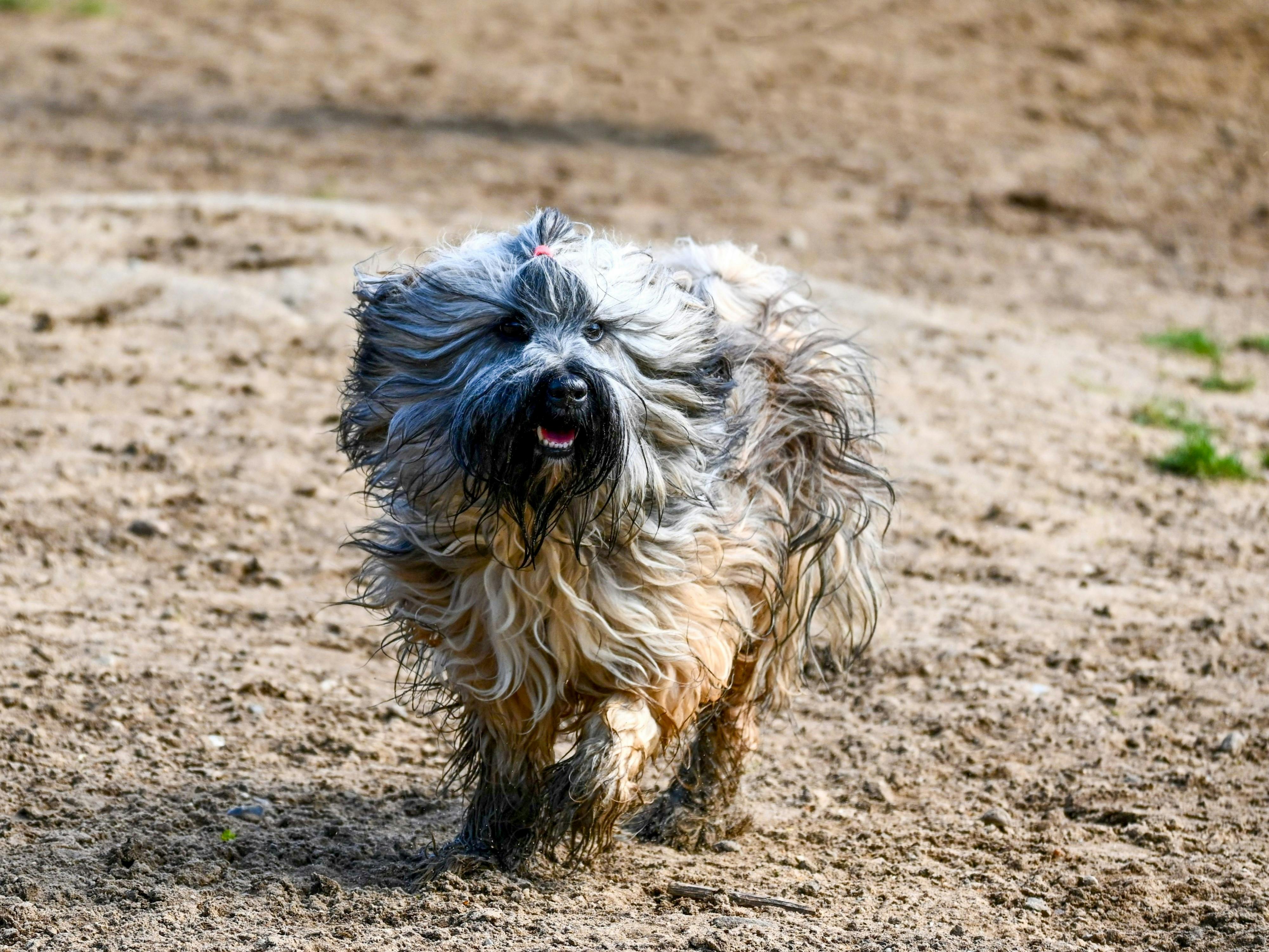
Have you ever noticed how your dog’s nose is often wet? It’s one of those quirks that many pet owners might overlook but actually has some interesting benefits. You might be asking, “Why do dogs have wet noses?” Well, there’s more to it than just being cute. In fact, there are several surprising benefits to that wet nose that you likely never even thought about. Let’s dive right into it.
1. Enhanced Sense of Smell
Dogs have an incredible sense of smell, and their wet noses play a crucial role in that. The moisture on a dog’s nose helps to dissolve scent particles, allowing them to pick up smells more effectively. It’s a bit like having a natural sponge that soaks up odors! This quality is why dogs are often used in search and rescue missions or even in detecting diseases.
2. Cooling Mechanism
Did you know dogs don’t sweat like humans? Instead, they rely on their noses to help regulate body temperature. When a dog’s wet nose evaporates, it helps to cool them down. This is crucial during hot summer days when overheating can become a serious health risk for our furry friends. Keeping that nose wet means keeping them cooler and more comfortable.
3. Health Indicator
A dog’s nose can often tell you a lot about its health. A wet and cool nose is usually a sign that your pup is feeling good, while a dry or very warm nose might indicate illness or dehydration. Regularly checking your dog’s nose can help you catch potential health issues early. So next time you pet your dog, take a moment to feel that nose!
4. Better Communication
Dogs often communicate through various body language signals, and their noses are no exception. A wet nose can signal that your dog is relaxed and friendly. When your dog nudges you with that moist nose, it’s often an invitation to play or show affection. Understanding these signals can deepen your bond with your canine companion.
5. Natural Antibacterial Properties
The mucous on a dog’s nose has natural antibacterial properties. This helps to protect them from infections, especially when they are sniffing around in potentially dirty places. It’s like having a built-in defense mechanism! This also explains why dogs tend to lick their noses frequently; it helps to keep them clean and healthy.
6. Enhanced Hydration
Dogs often lick their noses, and this behavior helps them stay hydrated. The saliva that they spread over their noses eventually gets absorbed into their bodies, contributing to their overall hydration. So, if your dog is licking its nose a lot, it might just be a way of keeping itself well-hydrated.
7. Social Bonding
A dog’s nose can also serve as a way to bond with other dogs and even humans. When dogs greet each other, they often sniff each other’s noses. This behavior is a part of their social interaction and helps them gather information about each other. It’s a fascinating way they communicate and strengthen their social networks.
Fun Facts About Dog Noses
- Dogs have about 220 million scent receptors in their noses, compared to humans who have around 5 million.
- The wetness of a dog’s nose can vary by breed, with some breeds having much wetter noses than others.
- A dog’s sense of smell is so powerful that they can detect certain diseases, including cancer and diabetes, just through scent.
Common Misconceptions
Many people believe that a dog’s nose should always be cold and wet. However, this can vary depending on the environment and health status. A warm, dry nose doesn’t automatically mean something is wrong—context matters a lot! If your dog’s behavior is normal, and they are active and eating well, a dry nose may not be a cause for concern.
Quick Tips for Maintaining Healthy Noses
- Regularly check your dog’s nose for any cracks or dryness.
- Ensure your dog is well-hydrated, especially during hot weather.
- Consult a veterinarian if you notice any persistent changes in your dog’s nose.
In conclusion, the wet nose of a dog is far more than just an adorable feature. It plays a significant role in their health, communication, and even social interactions. Understanding why dogs have wet noses and the benefits associated with it can enhance your relationship with your furry friend. So next time you give your pup a pat, take a moment to appreciate that fascinating wet nose!
Is Your Dog’s Wet Nose a Sign of Health? Discover the Truth!
Is your dog’s wet nose a sign of health? Many pet owners often wonders about this, and it’s a common belief that a wet nose means a dog is healthy. But what’s the real truth behind those moist snouts? In this article, we’ll explore why dogs have wet noses, what it means for their health, and some fascinating facts about our furry friends.
Why Do Dogs Have Wet Noses?
Dogs’ noses are typically wet for several reasons, mostly, it relates to their biology and behavior. Here are some of the key reasons:
Cooling Mechanism: Dogs don’t sweat like humans do. Instead, they cool themselves through panting and the moisture on their noses. When the air evaporates from their noses, it helps to cool them down.
Enhanced Sense of Smell: A wet nose can help trap scent particles. This helps dogs to smell better, which is why they’re such good sniffers. The moisture on their noses makes it easier for them to pick up scents in the air.
Nasal Mucus Production: Dogs produce mucus in their noses, which keeps the nasal passages moist. This is important for their respiratory health and helps filter out dust and allergens.
Behavioral Signs: Dogs often lick their noses, whether it’s to clean them or due to excitement. This can contribute to the wetness.
Is a Wet Nose Always a Sign of Health?
While a wet nose is often associated with a healthy dog, it’s not a foolproof indicator. Here’s a breakdown of what to consider:
Normal Range: A dog’s nose can be wet, dry, or somewhere in between. This can change throughout the day based on activity, temperature, or even mood.
Illness Indicator: Sometimes, a dry or excessively warm nose can indicate a health issue. Conditions like fever, dehydration, or certain infections may cause this change.
Seasonal Changes: Weather can impact nose moisture too. In winter, noses may become drier due to cold air, while in summer, they could be wetter from heat.
Common Myths About Dogs’ Noses
There’s a lot of myths floating around about dogs and their noses. Here’s a few to clear up:
Myth 1: A hot, dry nose means my dog is sick.
- Truth: A nose temperature alone isn’t a reliable health indicator. Look for other symptoms, like lethargy or loss of appetite.
Myth 2: Dogs with wet noses are always healthy.
- Truth: Wet noses can be normal, but it doesn’t guarantee good health. Always consult your vet for concerns.
Myth 3: Only certain breeds have wet noses.
- Truth: All dogs can have wet noses. It’s not breed-specific.
Tips for Maintaining Your Dog’s Nose Health
Keeping your dog’s nose healthy can be pretty simple. Here are some practical tips:
Hydration: Ensure your dog is drinking enough water. Dehydration can lead to a dry nose.
Regular Check-ups: Routine veterinary visits can help catch any potential health issues early on.
Monitor Environment: If your dog spends a lot of time outside, consider their exposure to allergens. Dust, pollen, and other irritants can affect their nose.
Diet: Feed your dog a balanced diet rich in vitamins and minerals. This can support overall health, including skin and nose health.
Fun Facts About Dog Noses
Did you know that dogs have unique nose prints? Just like human fingerprints, each dog’s nose is different. Here are some more cool facts:
Dogs have about 220 million scent receptors in their noses, compared to about 5 million in humans.
The wetness of a dog’s nose is also thought to enhance their sense of smell, as moisture helps to capture scent particles.
Some breeds, like Bloodhounds, have an incredible sense of smell that can even be used in search and rescue operations.
Dogs can even detect certain diseases, including cancer, by smelling changes in a person’s body odor.
In summary, while a wet nose can suggest your dog is healthy, it’s not the only measure of their health. Understanding the reasons behind a wet nose and recognizing changes can help you keep your furry friend in top shape. Always pay attention to other signs and consult a vet if you notice anything unusual. Your dog’s health is important, and being informed helps you care for them better.
The Fascinating Functions of a Dog’s Wet Nose: More Than Just Cute!
When you see a dog with its wet nose, you might think it’s just a cute trait of these furry friends. But have you ever wondered why do dogs have wet noses? The answer is more than just adorable aesthetics; it’s a fascinating aspect of canine biology and behavior. In fact, a dog’s nose serves multiple functions that are crucial for their survival and interaction with the world around them. Let’s dive into the science and curiosity that surrounds this intriguing feature!
The Science Behind a Dog’s Wet Nose
Dogs’ noses are not just wet for show. There are several scientific reasons that explain why their noses stay moist.
Enhanced Smelling: A wet nose helps dogs smell better. The moisture on their noses captures scent particles in the air more effectively. Dogs have an incredible sense of smell, estimated to be tens of thousands to potentially even 100,000 times better than humans. The wetness on their nose can help them identify scents from far distances.
Temperature Regulation: Dogs don’t sweat like humans do. Instead, they cool off through their noses. The moisture evaporating from their noses helps to regulate body temperature, especially during warm weather. It acts as a natural air conditioner!
Health Indicator: A dog’s nose can indicate their health status. A wet nose is typically a sign of a healthy dog, while a dry nose might suggest dehydration or illness. However, this is not a foolproof method; many factors could affect a dog’s nose moisture.
The Role of Nose Shape and Size
Not all dogs have the same nose structure, and this can affect their wetness. For example:
- Long-Nosed Breeds: Greyhounds and Collies often have larger surface areas on their noses, which can help them retain moisture better, enhancing their smelling capabilities.
- Short-Nosed Breeds: Pugs and Bulldogs, with their flat faces, may have more difficulty in cooling down through their noses, which might lead to different health considerations.
Fun Facts About Dog Noses
- Unique Patterns: Just like human fingerprints, every dog has a unique nose print. This means that two dogs can be identified by their nose patterns!
- Nose Temperature: A dog’s nose can change temperature based on their environment. A cold nose doesn’t always mean a dog is sick; it could just be that they’ve been in a cooler area.
- Nasal Mucus: The mucus on a dog’s nose plays a role in their sense of smell. It helps to dissolve scent particles, making it easier for the sensory receptors in their noses to pick up different scents.
Why You Should Pay Attention to Your Dog’s Nose
Monitoring your dog’s nose condition can provide insights into their overall health. Here are some indicators to keep an eye on:
- Dryness and Cracking: This could indicate dehydration or skin issues.
- Color Changes: A sudden change in color could mean allergies, infections, or other health concerns.
- Discharge: Any abnormal discharge could signal health problems and should be checked by a vet.
The Historical Context of Dog Noses
Dogs have been companions to humans for thousands of years, and their noses have played an important role throughout history.
- Hunting Partners: Early humans relied on dogs to help hunt. Their keen sense of smell was invaluable in tracking animals.
- Service Animals: Today, dogs are used in various service roles, such as search and rescue, detection of drugs, and even medical alerts for conditions like diabetes.
Practical Examples of How Dog Noses are Used
Dogs have been trained to use their noses in various fields:
- Search and Rescue: Dogs can locate missing persons through scent.
- Medical Detection: Some dogs can detect diseases like cancer or diabetes by smelling changes in a person’s breath or skin.
- Service Dogs: They can assist people with disabilities, helping in ways that often require their keen sense of smell.
A dog’s wet nose is not just an endearing trait but a fascinating aspect of their biology and functionality. Understanding why do dogs have wet noses opens up a whole new appreciation for these loyal companions. From their incredible sense of smell to their ability to regulate temperature, dogs rely on their noses in remarkable ways that enhance their interactions with the world. So, the next time you give your pup a pat and feel that cool, wet nose, remember there’s a lot more going on than just cuteness!
Why Do Dogs Have Wet Noses? Debunking Common Myths and Misconceptions
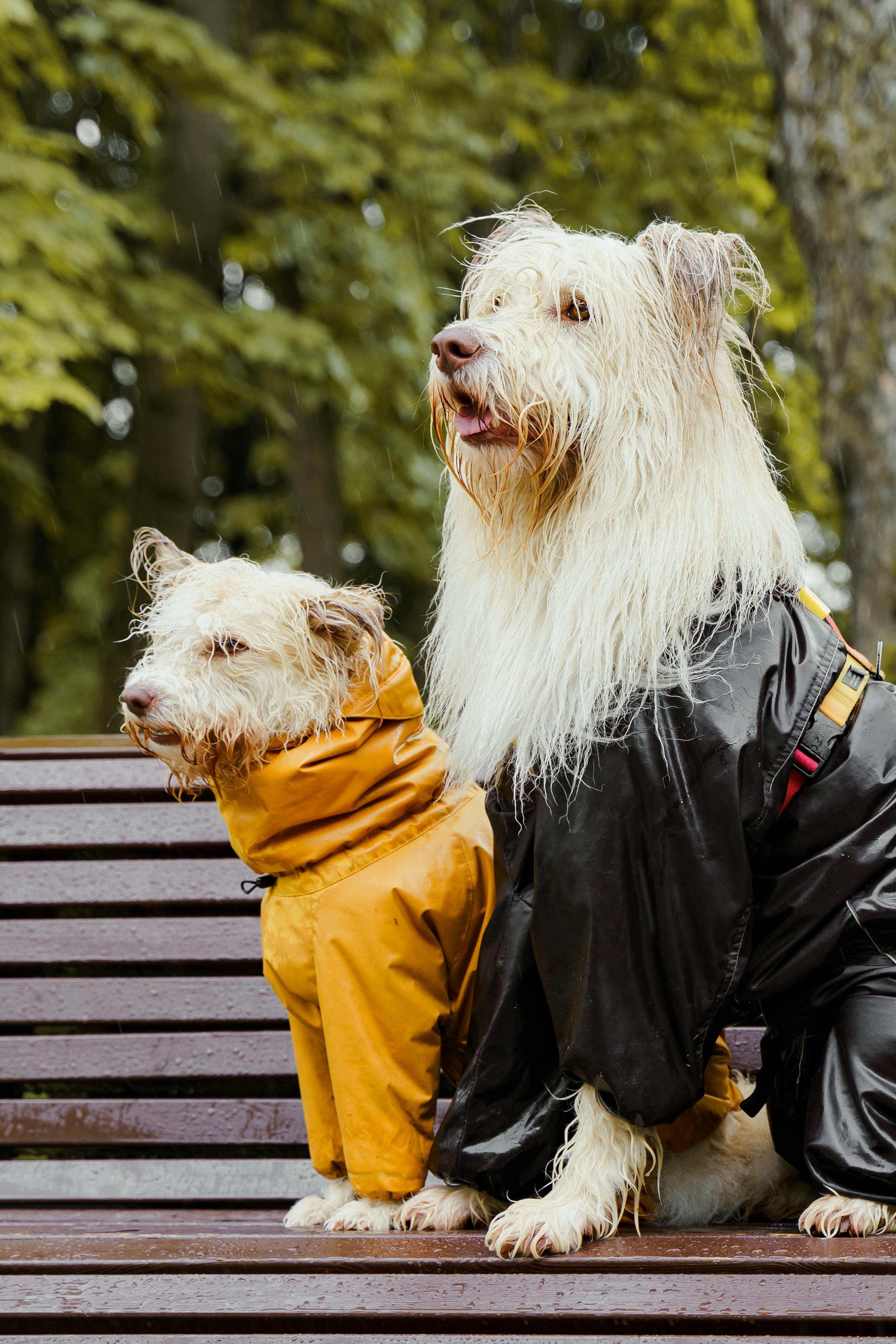
Have you ever wondered why dogs have wet noses? It’s one of those cute little quirks about our furry friends, yet many people don’t really understand the science behind it. Some even believe in strange myths surrounding this phenomenon. So, let’s dive into the facts, debunk some misconceptions, and discover why those little wet noses are not just a random trait, but a fascinating aspect of canine biology!
The Science Behind Wet Noses
Dogs, just like humans, have specialized glands in their bodies. Their noses are packed with scent receptors, which is why dogs are such good sniffers. But why do they tend to be wet? Well, there are several reasons for that:
Moisture for Sense of Smell: A wet nose helps to enhance their sense of smell. The moisture on their noses traps scent particles, allowing dogs to pick up smells more effectively. This is kind of like how our taste buds work better when we have food in our mouths!
Cooling Mechanism: Dogs don’t sweat like we do. They primarily regulate their body temperature through panting and, to some extent, through their noses. The moisture evaporating from their wet noses can help cool them down.
Health Indicator: A dog’s nose can also indicate health. A healthy dog typically has a cool, moist nose. However, if a dog’s nose becomes dry or cracked, it could indicate dehydration or illness.
Debunking Common Myths
Many myths about wet noses float around, and it’s time to set the record straight. Here are some common misconceptions:
Wet Noses Mean Happy Dogs: While a wet nose could indicate a well-hydrated dog, it doesn’t directly correlate with their happiness. Dogs can have wet noses when they’re stressed or sick too.
All Dogs Have Wet Noses: Not all dogs have wet noses all the time. Some breeds, like bulldogs or pugs, tend to have drier noses due to their unique skin structure.
Nose Temperature Indicates Health: A cold nose is often thought to mean a dog is healthy, but that’s not always the case. Dogs can have warm noses and still be perfectly fine, or have cold noses when they are sick.
Historical Context of Dog Noses
Dogs have been companions to humans for thousands of years, and their noses have played a crucial role in their interaction with us. Historically, dogs were bred for specific purposes, many of which involved their keen sense of smell.
Hunting: Many hunting breeds were developed for their ability to track scents, making their wet noses an essential part of their hunting success.
Herding: Herding dogs also benefited from having excellent olfactory senses, which helped them manage livestock.
Service Dogs: Nowadays, we rely on dogs for various services, including search and rescue, therapy, and assistance for people with disabilities. Their wet noses are an important part of their ability to do these jobs.
Fun Facts About Dog Noses
Here’s a quick list of interesting tidbits about dog noses:
Unique Patterns: Just like human fingerprints, no two dog noses are alike. The patterns of ridges and bumps are unique to each dog.
Temperature Sensitivity: Dogs can detect temperature changes with their noses. They can sense when something is hot or cold, which is why they often nuzzle you before laying down.
Scent Memory: Dogs can remember smells for a long time. They can recognize scents even after years, which is why they can find their way back to you!
Practical Considerations for Dog Owners
As a dog owner, it’s important to keep an eye on your pet’s nose. Here are some tips:
Hydration: Make sure your dog stays hydrated, especially during hot weather. A dry nose could be a sign of dehydration.
Regular Check-ups: Keep up with regular vet visits. Your veterinarian can check for any abnormalities with your dog’s nose.
Monitor Changes: Pay attention to any sudden changes in your dog’s nose moisture or temperature. If you notice something unusual, consult a vet.
In conclusion, understanding why dogs have wet noses reveals a lot about their biology and health. The moisture serves important functions, from enhancing their sense of smell to regulating their body temperature. By debunking myths and learning the facts, we can better care for our furry companions and appreciate the unique traits that make them so special. So, the next time you give your dog a pat on the head, remember that wet noses are not just adorable; they are a fascinating window into their world!
The Role of a Wet Nose in Dog Communication: What You Need to Know
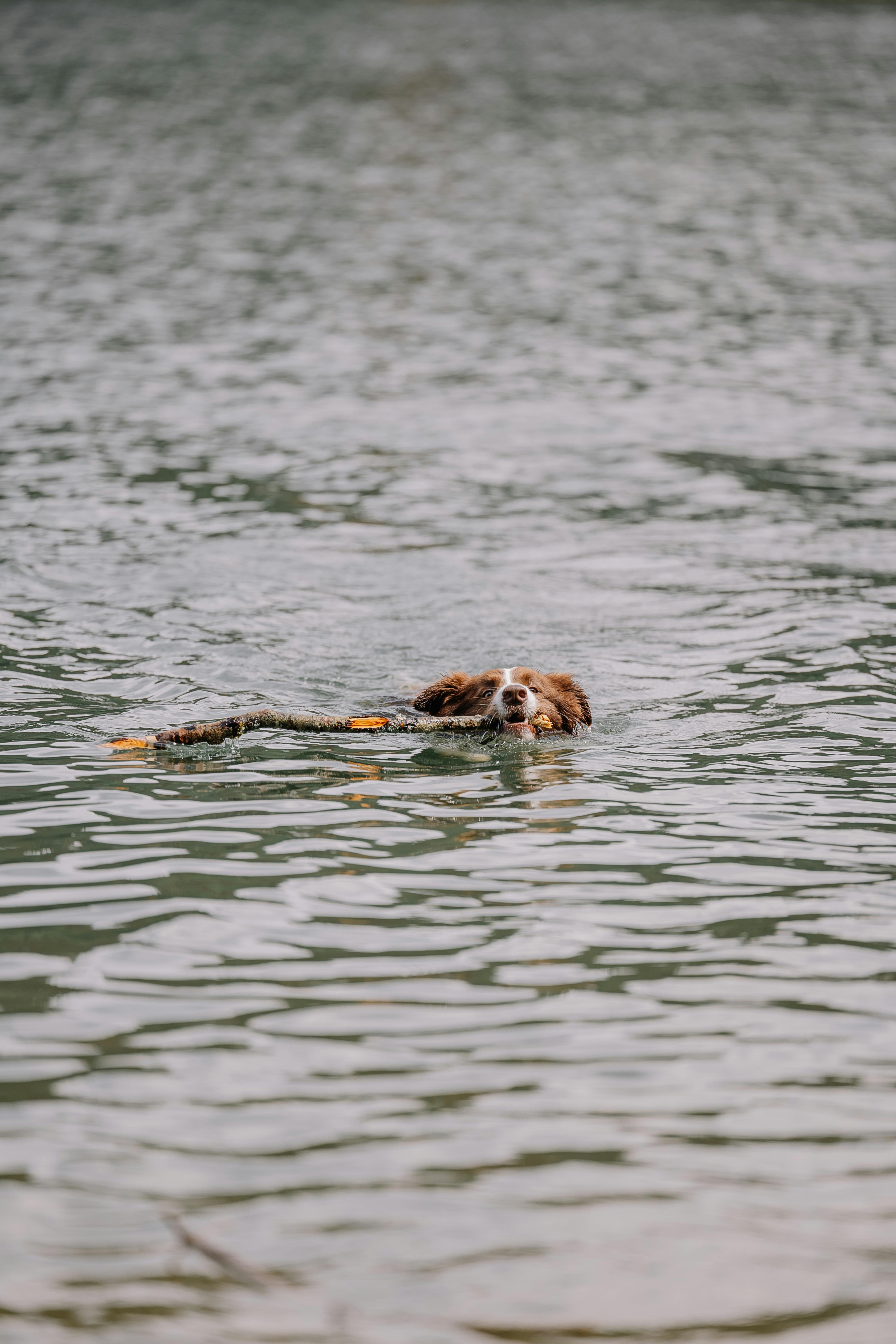
Dogs are not just man’s best friend; they also communicate in ways that often go unnoticed. One of the most interesting aspects of canine communication is their wet noses. Many people wonder, why do dogs have wet noses? This seemingly simple characteristic contributes significantly to how dogs interact with their environment and with humans. Let’s explore the fascinating truth behind this unique trait.
The Science Behind Wet Noses
First off, dogs noses are wet for a few reasons. A dog’s nose contains glands that produce moisture. This wetness helps them to better smell things. You see, dogs have a sense of smell that is thousands times more sensitive than ours, and the moisture on their noses traps scent particles. This means that when they sniff around, they can pick up more scents which is pretty amazing when you think about it.
Additionally, wet noses help with thermoregulation. Dogs don’t sweat like humans do, so they rely on their noses to help cool themselves down. The moisture evaporating off their noses acts like a natural air conditioner. This is why you might notice your dog’s nose is especially wet after they’ve been running around. They are cooling down!
Historical Context of Dog Noses
Throughout history, dogs have been valued for their unique abilities. Ancient civilizations recognized how important a dog’s sense of smell was. In fact, early hunting dogs were bred specifically for their olfactory skills. The wet nose played a crucial role in their hunting and tracking abilities.
- Ancient Egyptians often depicted dogs in their art, showcasing their affinity for these animals.
- In medieval Europe, dogs were utilized for hunting, herding, and even in some cases, as companions for the nobility.
- The wet nose trait has been preserved through selective breeding, emphasizing a dog’s ability to detect scents.
Why Wet Noses Matter in Dog Communication
Dogs communicate with more than just barks and growls. Their body language and facial expressions are important, but their noses play a key role too. The wetness of a dog’s nose can actually convey different messages to other dogs and to humans. Here’s how:
- Curiosity: A wet nose often indicates that a dog is curious or excited. When they approach a new person or object, they may wet their noses even more to gather information.
- Social Signals: When dogs greet each other, they often engage in nose-to-nose contact. A wet nose can signal friendliness and interest.
- Health Indicator: While not a definitive health measure, a moist nose can indicate that a dog is healthy. Conversely, a dry nose can sometimes suggest dehydration or illness.
What to Look for in a Healthy Dog Nose
When caring for your dog, it’s important to pay attention to their nose. Here are some signs that indicate a healthy nose:
- Moisture: A healthy dog nose should be moist, but not overly wet.
- Temperature: It shouldn’t feel hot to the touch; a cool nose is often a sign of a healthy pup.
- Color: Normally, a dog’s nose should have a consistent color, whether it be black, brown, or pink. If you notice any unusual changes, it’s best to consult a vet.
Fun Facts about Dog Noses
- Dogs have around 220 million olfactory receptors in their noses, compared to about 5 million in humans.
- Each dog’s nose print is unique, much like human fingerprints.
- Some breeds, like Bloodhounds, are particularly known for their exceptional sense of smell and have been used in search and rescue operations.
Practical Tips for Dog Owners
- Hydration: Ensure your dog stays hydrated, especially during hot weather. A well-hydrated dog will have a healthier, wetter nose.
- Regular Check-ups: Regular vet visits can help monitor the overall health of your dog, including their nose.
- Observe Behavior: Keep an eye on your dog’s behavior. If they suddenly lose interest in sniffing around or their nose becomes excessively dry, it might be time for a vet visit.
The next time you notice your dog’s wet nose, remember that it’s not just a cute feature; it plays a vital role in their ability to communicate and interact with the world. The moisture on their noses helps them gather scents, regulate temperature, and convey social signals. Understanding this aspect of dog communication not only enhances the bond between you and your furry friend but also helps you care for them better. So, embrace the wet nose and all the fascinating facts that come with it!
Can a Dog’s Wet Nose Indicate Emotion? Exploring the Connection

Ever wonder if a dog’s wet nose means something? Many pet owners have noticed that their furry friends often have moist noses, but what does this really indicate? Is it just a physical trait, or does it actually correlate with their emotional state? Let’s delve into this fascinating connection between a dog’s wet nose and their feelings, while also exploring the science behind why dogs have wet noses in the first place.
Why Do Dogs Have Wet Noses?
First, let’s look at the biology of a dog’s nose. A dog’s nose is wet for a few reasons. Primarily, the moisture helps to enhance their sense of smell. Dogs have an extraordinary olfactory system, which is estimated to be 10,000 to 100,000 times more sensitive than humans. Here are some key facts about dog noses:
Cooling Mechanism: Dogs sweat through their paw pads, but their noses helps in thermoregulation too. The evaporation of moisture from their noses can help cool them down.
Scent Absorption: Wetness allows scent particles to adhere better, so a moist nose can actually help them detect scents more effectively.
Health Indicator: A wet nose can sometimes indicate that a dog is healthy. However, a dry nose doesn’t always mean a problem. It’s all about context and other symptoms.
The Emotional Connection
Now, can a dog’s wet nose really indicate how they feel? While there’s no definitive answer, there are some common beliefs and observations among dog owners and experts.
Excitement or Happiness: When dogs are excited or happy, they might have a wetter nose due to increased body temperature and moisture production. Think about how they act when greeting you after a long day!
Stress or Anxiety: Conversely, a dog that feels stressed might have a dry nose, but this can vary. When anxious, they might lick their noses, making them wet, but the overall stress can also lead to dehydration.
Affection: Dogs often nuzzle or nudge their owners with their wet noses, which can be interpreted as a sign of affection. This behavior could indicate they’re seeking attention or comfort.
Interesting Facts About Dog Noses
Here are some intriguing and fun facts about a dog’s nose that you might not know:
Unique Patterns: Just like human fingerprints, every dog has a unique nose print that can be used for identification.
Temperature Sensitivity: Dogs can detect changes in temperature and humidity through their noses. This means they can sense when someone is nearby even before they see them.
Nasal Health: The health of a dog’s nose can be an indicator of overall health. A consistently dry or cracked nose may need veterinary attention.
Comparing Dog Noses to Other Animals
It’s also interesting to compare dog noses to those of other animals. Here’s a quick comparison:
| Animal | Nose Characteristics | Sense of Smell |
|---|---|---|
| Dogs | Moist, cold, unique nose print | Very high, breeds may vary |
| Cats | Mostly dry, less moist than dogs | High, but not as strong as dogs |
| Elephants | Very long and flexible | Extremely high, can smell water from miles |
| Bears | Wet and large | Remarkably high, can smell food from far |
Practical Examples in Everyday Life
When you’re interacting with your dog, you might notice how they use their noses. Here are some practical examples:
Greeting: Often, when you return home, your dog will greet you with a wet nose. This is their way of saying, “I missed you!”
Playtime: Dogs often use their noses during play, nudging toys or other pets. This can be a sign of engagement and excitement.
Communication: Dogs might use their noses to explore their surroundings or other animals, indicating curiosity and interest.
Dogs, like us, have a variety of emotions that they express in numerous ways. Their wet noses play a significant part in how they interact with the world around them. While we may not know every single detail about what a wet nose means, it’s safe to say that it’s both a fascinating physical trait and an emotional signal wrapped up in one. Understanding these nuances helps strengthen the bond between you and your furry friend. So next time you feel that wet nudge against your leg, remember, it’s more than just a moisture indicator—it’s a little message of love and connection.
How to Keep Your Dog’s Nose Healthy and Moist: Essential Tips and Tricks

Keeping your furry friend’s nose healthy and moist is important for their overall well-being, and many dog owners often wonder about the reasons behind those wet noses. In this article, we’ll dive into tips and tricks to maintain your dog’s nose health, plus explore why dogs have wet noses in the first place.
Why Do Dogs Have Wet Noses?
Dogs are fascinating creatures, and their noses are no exception. You may have noticed that your dog’s nose is often wet. This isn’t just a random occurrence; there are several reasons behind it:
- Scent Detection: Dogs have an incredible sense of smell, and a moist nose helps to absorb scent molecules better. The moisture helps to trap these scents, allowing dogs to detect smells more effectively.
- Cooling Mechanism: Just like humans sweat to cool down, dogs use their noses to regulate their body temperature. A wet nose can help keep them cool, which is especially useful on hot days.
- Health Indicator: A dog’s nose can tell you a lot about their health. A healthy nose is usually moist, while a dry or cracked nose might indicate dehydration, illness, or other health issues.
Why Wet Noses Matter
Dogs’ noses serve multiple functions that are crucial to their health and happiness. A wet nose can indicate that your dog is hydrated and generally healthy. Conversely, if their nose becomes dry or cracked, it could be a sign that something is wrong. Here’s a quick rundown of what a wet nose means:
- Normal Hydration: Wetness indicates that your dog is well-hydrated.
- Active Scenting: A moist nose is vital for effective scent detection.
- Temperature Regulation: Helps in cooling off, especially in warmer weather.
Tips to Keep Your Dog’s Nose Healthy and Moist
Maintaining the moisture of your dog’s nose is simpler than you might think. Here’s a list of essential tips to keep that nose in tip-top shape:
- Hydration is Key: Always ensure your dog has access to fresh, clean water. Dehydration can lead to a dry nose.
- Humidity Matters: If you live in a dry climate, consider using a humidifier in your home. This can help keep the ambient moisture levels higher.
- Regular Vet Check-ups: Regular visits to the veterinarian can help catch any potential health issues early, including problems that may affect your dog’s nose.
- Avoid Chemicals: Be cautious about the use of chemical cleaning products in your home. Strong chemicals can irritate your dog’s nose.
- Use Natural Remedies: If you notice your dog’s nose is becoming dry or cracked, you can apply a small amount of coconut oil or specially formulated dog nose balms to soothe it.
Common Nose Conditions in Dogs
While most dogs have healthy noses, they can experience several conditions that might make their noses dry or irritated. Here’s a quick list of common issues to look out for:
- Nasal Dermatitis: This is an inflammation that can lead to dry patches on the nose.
- Sunburn: Dogs with light-colored noses are particularly susceptible to sunburn, which can cause dryness and cracking.
- Infections: Bacterial or fungal infections can also affect the moisture of your dog’s nose.
- Allergies: Environmental allergies can lead to irritation and dryness.
How to Diagnose Nose Issues
If you notice any changes in your dog’s nose, it is important to take note of the symptoms. Here’s a quick checklist to help you diagnose potential issues:
- Look for cracks or dryness.
- Check for swelling or discoloration.
- Observe if your dog is scratching or rubbing their nose frequently.
- Monitor any unusual discharge from the nose.
When to See a Veterinarian
It’s essential to be proactive about your dog’s health. If you see persistent dryness, cracks, or any unusual symptoms, don’t hesitate to consult a veterinarian. Ignoring these signs can lead to more severe health problems down the line.
Understanding why dogs have wet noses and how to care for them is vital for every dog owner. By keeping your dog’s nose healthy and moist, you’re contributing to their overall health and happiness. Remember, a happy dog often has a happy nose! So, pay attention to those little wet noses and give them the care they deserve.
Understanding the Relationship Between Dog Breeds and Nose Moisture
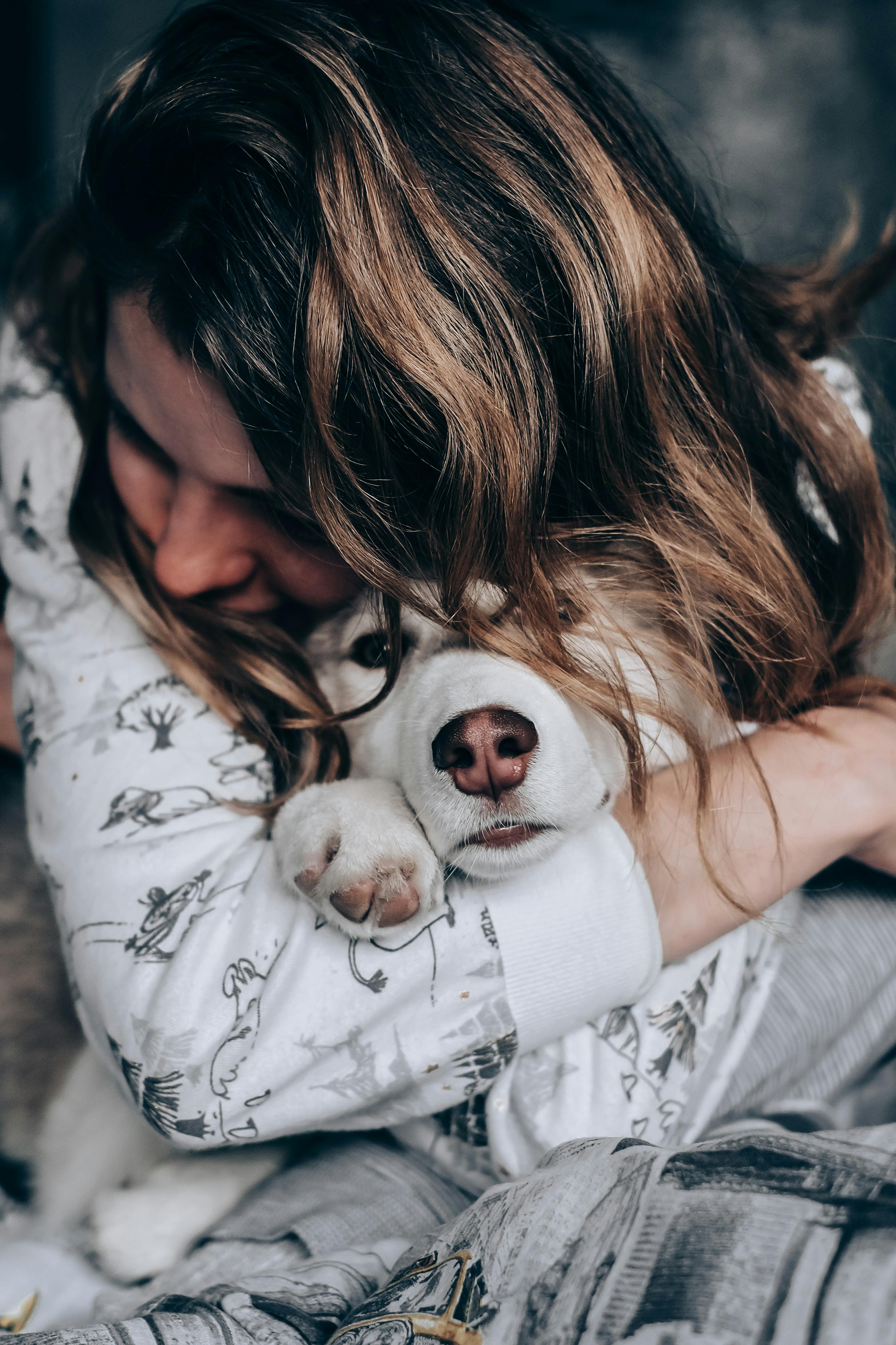
Dogs are truly fascinating creatures, and one of the most interesting aspects of their biology is their noses. Have you ever wonder why do dogs have wet noses? Well, the answer isn’t just about moisture; it’s about how they interact with the world around them. Let’s explore the relationship between the breed of the dog and their nose moisture, diving into why those cute, wet noses are so important.
The Science Behind Wet Noses
The moisture on a dog’s nose serves several purposes. First, it helps enhance their sense of smell. Dogs have an incredible olfactory system, with up to 300 million smell receptors compared to humans who only have about 6 million. A wet nose increase the ability to capture scent molecules from the air. This is crucial for their survival, allowing them to detect food, locate mates, and even sense danger.
- Increased scent detection: Wet surfaces can trap scent particles.
- Temperature regulation: A wet nose helps keep dogs cool.
- Health indicator: A dog’s nose can indicate hydration levels and overall health.
Historical Context of Dog Noses
Dogs have evolved from wolves thousands of years ago, and their noses have adapted to meet their needs. Historically, dogs were bred for specific tasks, whether it was hunting, herding, or companionship. Different breeds have developed noses that are suited to their roles. For example:
- Bloodhounds: Known for their exceptional sense of smell, they have moist noses that help track scents over long distances.
- Beagles: These dogs are also scent hounds, and their wet noses help them follow trails of scents in the field.
- Terriers: While not primarily scent dogs, some breeds have moist noses that aid in their hunting capabilities.
Dog Breeds and Nose Moisture: What’s the Connection?
Not all dog breeds have the same level of nose moisture. Some breeds are known for having particularly wet noses, while others have drier noses. Factors influencing this include:
- Breed characteristics: Breeds like Poodles and Bulldogs may have less moisture due to their unique facial structures.
- Environment: Dogs that live in dry climates may have drier noses more often than those in humid areas.
- Health conditions: A dog’s health, hydration, and even diet can affect the moisture level of their noses.
Fun Facts About Dog Noses
Here are some cool facts about dog noses that you might not know:
- A dog’s nose print is as unique as a human fingerprint.
- Dogs can smell some substances in parts per trillion.
- The moistness of a dog’s nose can change throughout the day, depending on activity and temperature.
Comparing Wet and Dry Noses
Wet Nose vs. Dry Nose: Here’s a quick comparison to help understand the differences.
| Feature | Wet Nose | Dry Nose |
|---|---|---|
| Scent Detection | Better, traps scent particles | Poorer scent detection |
| Temperature Regulation | Helps cool down | Less effective at cooling |
| Health Indicator | Indicates hydration and health | May indicate dehydration or illness |
Practical Implications for Dog Owners
As a dog owner, it’s important to keep an eye on your pet’s nose moisture. Here are some tips:
- Hydration: Always ensure your dog has plenty of fresh water.
- Temperature: Be mindful of the weather; dogs can overheat, and a wet nose helps cool them down.
- Health Check: If you notice a sudden change in your dog’s nose moisture, it could be a sign of health issues. Consider consulting a vet.
Understanding why do dogs have wet noses goes beyond mere curiosity. It connects to their biology, evolution, and health. Each breed has its unique characteristics, and knowing these can help improve your relationship with your furry friend.
The next time you give your pup a pat on the head, take a moment to appreciate that wet nose. Not only is it adorable, but it also plays a vital role in their ability to interact with the world. So, whether you’re a seasoned dog owner or just considering bringing one into your life, understanding the significance of a dog’s wet nose is essential. After all, these little facts can help you take better care of your beloved pet!
Wet Nose, Happy Dog: The Link Between Canine Noses and Well-Being
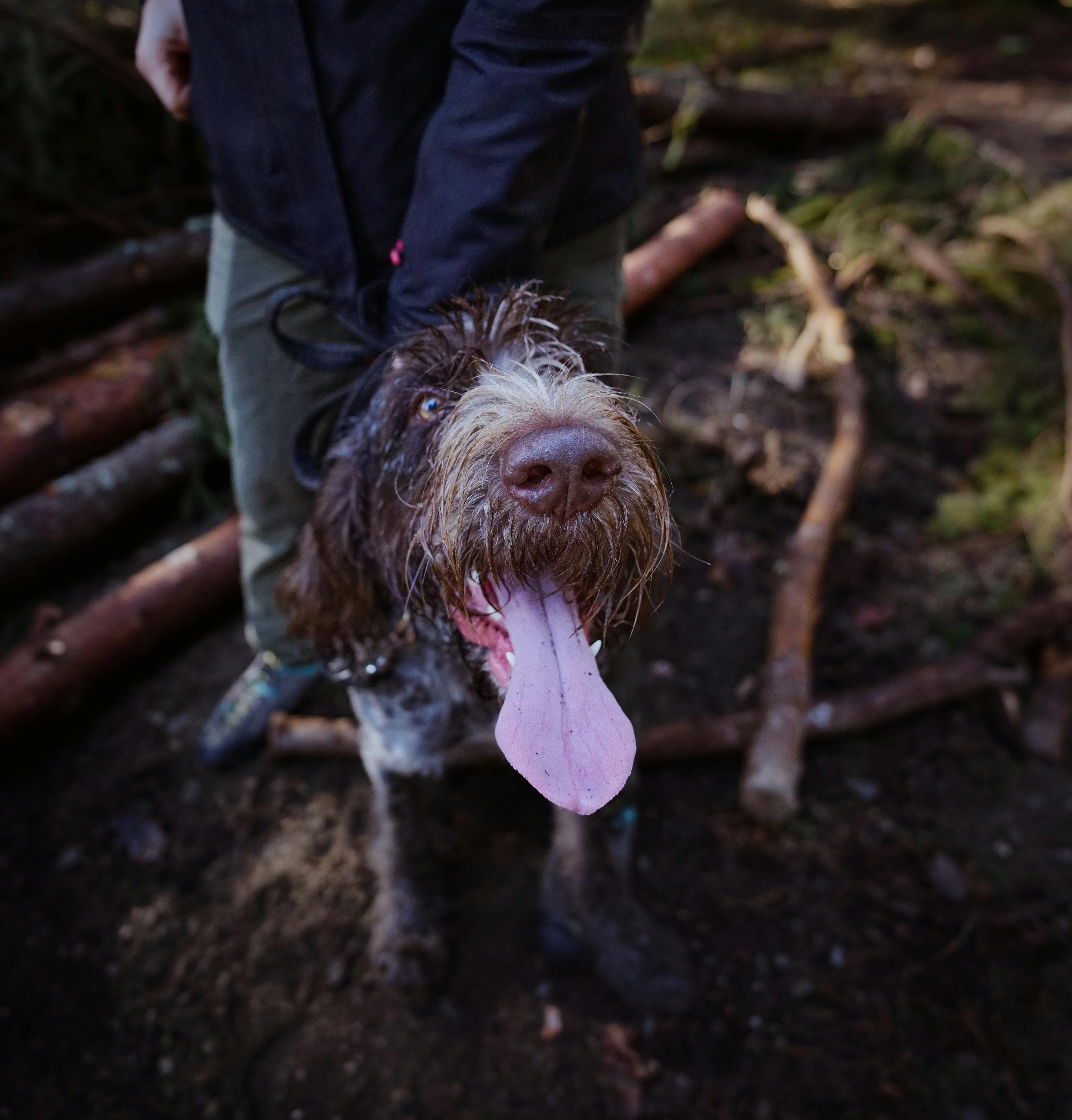
Wet noses, happy dogs! It’s a phrase many of us have heard, but have you ever stopped to think why dogs have wet noses? This question leads to fascinating insights about our furry friends and their overall health and happiness. The moisture you feel when you pet a dog isn’t just random; it plays a significant role in canine behavior and well-being. Let’s delve into this intriguing topic and uncover the truth behind those adorable wet noses.
The Science Behind Wet Noses
Dogs have wet noses primarily due to the presence of mucus on their nasal surface. This mucus helps to capture scent particles more effectively, enhancing their sense of smell. Dogs have an incredible olfactory system, which is why their noses are so important. A dog’s sense of smell can be anywhere from 10,000 to 100,000 times more sensitive than that of humans!
Here are some key points about dog noses:
- Humidity Control: The moisture on a dog’s nose helps regulate temperature. It cools the blood flow to the brain, keeping them calm and happy.
- Scent Detection: Wet noses can detect scents more accurately. The moisture helps trap scent particles in the air, making it easier for them to sniff out interesting smells.
- Health Indicator: A wet nose is often a sign of good health in dogs. If a dog’s nose becomes dry or cracked, it could indicate dehydration or illness.
Why Do Dogs Have Wet Noses?
The evolutionary background of dogs explains their wet noses. Dogs are descended from wolves, which used their keen sense of smell for hunting and survival. Wet noses likely provided an advantage in scent detection, helping ancestors track prey and avoid danger. Over time, this trait became a characteristic of domesticated dogs as well.
Health Benefits of Wet Noses
A moist nose can mean more than just good sniffing abilities; it can also reflect a dog’s overall well-being. Here’s a breakdown of what a wet nose can signify:
- Hydration Levels: A dog with a well-hydrated, wet nose is typically healthy.
- Temperature Regulation: The wetness helps cool the dog’s body, which is crucial especially during warmer months.
- Behavioral Indicators: Dogs often lick their noses when they are excited or curious, indicating their engagement with their environment.
What If a Dog’s Nose Is Dry?
It’s important to note that a dry nose doesn’t automatically mean a dog is sick. Various factors can contribute to a dog’s nose becoming dry, including:
- Weather Changes: Hot or dry weather can lead to a dry nose.
- Age Factors: Older dogs may experience changes in nose moisture.
- Health Conditions: Certain illnesses can cause a dry nose, including fever or dehydration.
Dog owners should keep an eye on other symptoms like lethargy or changes in appetite if they notice a dry nose.
Fun Facts About Dog Noses
Did you know that dogs have unique nose prints? Just like human fingerprints, no two dog noses are alike. Additionally, dogs can smell diseases like cancer and diabetes due to their acute olfactory abilities. Here are some additional interesting tidbits about dog noses:
- Nose Shapes: Different breeds have different nose shapes, which can affect their scenting abilities.
- Scent Memory: Dogs can remember scents for years, aiding in their ability to recognize familiar people and places.
- Nose Work: Many dogs participate in nose work activities, which can be great mental stimulation and bonding for dogs and their owners.
How to Care for Your Dog’s Nose
Keeping your dog’s nose healthy is essential. Here are some practical tips:
- Hydration: Always provide plenty of fresh water to keep your dog hydrated.
- Moisturize: If your dog’s nose is dry, consider using a pet-safe nose balm to prevent cracking.
- Regular Check-ups: Regular visits to the vet can help catch any health issues early and ensure your dog stays healthy.
Conclusion
Understanding why dogs have wet noses not only allows us to appreciate our furry friends more but also helps us ensure their well-being. It’s a small but significant aspect of dog health that reflects their happiness and vitality. So, the next time you feel that familiar wet nose, remember, it’s more than just a cute feature; it’s a sign of a happy, healthy dog!
Conclusion
In conclusion, the distinctive wet noses of dogs serve multiple essential functions that enhance their health and communication. A wet nose aids in temperature regulation, allowing dogs to cool down effectively, while also enhancing their sense of smell by trapping scent particles. Moreover, the moisture on a dog’s nose can indicate their emotional state, making it a vital tool for communication with their owners and other animals. Understanding the significance of a dog’s wet nose not only deepens our appreciation for these beloved pets but also encourages us to monitor their health closely. If you notice any sudden changes in your dog’s nose moisture, it may be worth consulting a veterinarian to ensure your furry friend is healthy. Embrace the uniqueness of your dog’s nose and cherish the incredible bond you share, as it plays a vital role in their well-being and your relationship.
