Have you ever wondered why do dogs have wet noses? This intriguing question has sparked curiosity among dog lovers and pet owners alike. A dog's nose is not only a unique feature but also plays a crucial role in their health and behavior. In this blog post, we will explore the fascinating facts behind this phenomenon and unveil the reasons that make a dog's nose wet. Did you know that dogs have an incredible sense of smell, and their wet noses actually help enhance this ability? Wet noses help to trap scent particles better, making them more effective hunters and companions. In addition to their incredible olfactory powers, a wet nose can also indicate your dog's health status. But what does it really mean when your dog's nose is dry? Join us as we dive into the science of canine noses and discover the secrets they hold. Whether you're a proud dog parent or just a curious reader, you won't want to miss these amazing insights! So, why do dogs have wet noses? Let's uncover the answers together and satisfy your curiosity today!
The Science Behind Canine Noses: Why Are They Always Wet?
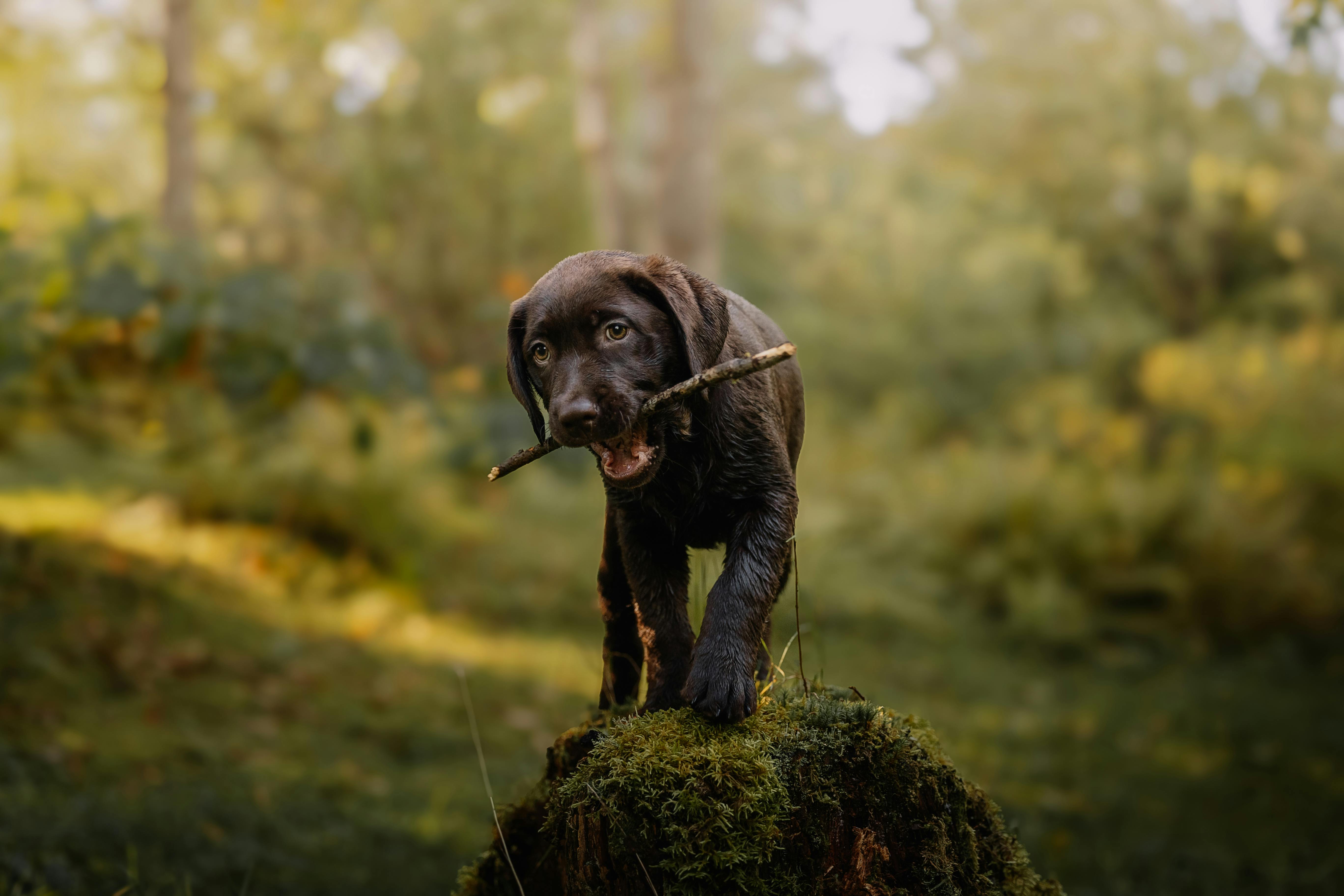
The fascinating world of dogs is filled with quirks that often leave us wondering. One of the most interesting features is why do dogs have wet noses? It’s a question many pet owners ask, and the answer goes beyond mere curiosity. The science behind canine noses is not only intriguing but also reveals a lot about how dogs interact with their environment.
Understanding the Wet Nose Phenomenon
A dog’s nose is typically wet, but why? The moisture that coats their noses serves several important functions. Here are some key points about canine noses:
Scent Detection: A wet nose helps dogs to pick up scents better. The moisture captures scent particles, making it easier for their powerful olfactory receptors to detect different smells. Dogs have up to 300 million smell receptors, compared to humans who have around 5 million. This makes their sense of smell extremely acute.
Temperature Regulation: Dogs do not sweat like humans. Instead, they rely on panting and the moisture on their noses to regulate body temperature. A wet nose can help cool them down, especially in hot weather.
Health Indicator: The condition of a dog’s nose can be an indicator of their health. A dry or cracked nose might suggest dehydration or illness, while a wet nose typically indicates a happy and healthy pup.
The Science Behind It
The anatomy of a dog’s nose is also quite complex. The nasal cavity has a special lining that produces mucus, which keeps the nose moist. This moisture is crucial for the following reasons:
Increased Sensitivity: The wet surface allows scent molecules to dissolve, enhancing the dog’s ability to identify various odors.
Nasal Turbinates: These are bony structures inside the nose that help to warm and humidify the air. They also assist in filtering out particles, making sure that the air going into their lungs is cleaner.
Vomeronasal Organ: Also known as the Jacobson’s organ, this structure helps dogs detect pheromones and other chemical signals that are vital for communication and social interaction among canines.
Interesting Facts About Dog Noses
Here are some fun and interesting facts about why do dogs have wet noses:
Color Variation: Dog noses come in various colors, from black to pink and even spotted. The color can be influenced by breed as well as genetics.
Nose Prints: Just like human fingerprints, a dog's nose print is unique. This is why some researchers consider using nose prints for identification.
Breed Differences: Some breeds have wetter noses than others. For example, hounds often have very moist noses due to their strong scenting abilities, while certain small breeds may have drier noses.
Age Factor: Puppies tend to have wetter noses than older dogs. As dogs age, their nose may become drier, which is often a natural part of the aging process.
Practical Implications for Dog Owners
Understanding why do dogs have wet noses can help pet owners care for their furry friends better. Here are some tips:
Regular Checks: Keep an eye on your dog's nose. If it starts to feel excessively dry or shows signs of cracking, it could be time to visit the vet.
Hydration: Make sure your dog stays hydrated. A well-hydrated dog is more likely to maintain a wet nose.
Clean Environment: Ensure that your dog's living environment is clean and free of irritants that can dry out their noses, like dust or strong chemicals.
Comparisons with Other Animals
Dogs are not the only animals with wet noses. Here’s how they compare to other pets:
Cats: Cats also have wet noses, but they don’t rely on their sense of smell as much as dogs do.
Rabbits: Rabbits have moist noses too, but they primarily use their sense of smell for different purposes, like finding food.
Pigs: Pigs have very wet noses which help them forage for food in the ground, similar to how dogs use their noses for scent trailing.
The wet noses of dogs serve crucial functions that enhance their interaction with the world around them. From improved scent detection to temperature regulation, understanding the science behind this unique canine trait can deepen the bond between pets and their owners. So, next time you see your dog with that characteristic wet nose, you can appreciate the complex biology behind it!
Top 5 Reasons Your Dog’s Nose Is Moist: Unveiling the Mystery

Every dog owner has probably wondered at some point, "Why do dogs have wet noses?" It's a common question, but the answer is both fascinating and complex. Dog's noses are not just moist for no reason; there's some interesting science behind it. Let’s dive into the top five reasons your dog’s nose is moist and unveil the mystery behind it.
1. Temperature Regulation
One of the primary reasons why dogs have wet noses is for temperature regulation. Dogs don’t sweat like humans do. Instead, they rely on panting and the moisture on their noses to help them cool down. A moist nose can help regulate body temperature, allowing dogs to stay comfortable, especially in warm weather.
- How does it work?
- The moisture evaporates from the nose, which cools down the blood vessels.
- This process helps keep the dog's body temperature in check.
2. Enhanced Sense of Smell
Dogs have an incredible sense of smell, and their moist noses play a big role in this. The moisture on the nose helps to capture scent particles from the air. When sniffing, the wet surface absorbs these particles, which then get sent to the olfactory receptors in the nasal cavity.
Fun Fact:
- Dogs can have up to 300 million smell receptors, while humans only have about 5 million.
Comparison:
- A dog's sense of smell is 40 times better than that of a human.
3. Protection Against Infection
Another important function of a wet nose is to help protect against infections. The moisture creates a barrier that can trap dust, pollen, and other allergens, which helps keep the nasal passages clear. Also, a wet nose can help in the fight against bacteria and viruses.
- How it helps:
- The moisture acts as a natural barrier, reducing the risk of pathogens entering the body.
- A healthy dog nose can indicate overall health; if it’s dry or cracked, it might be a sign of illness.
4. A Sign of Emotion
Believe it or not, the moisture of a dog's nose can also indicate their emotional state. When a dog is relaxed or happy, it may have a wetter nose. Conversely, if a dog is stressed or anxious, its nose might feel drier.
Examples of emotional states:
- Happy: Wet and cool nose.
- Stressed: Dry and warm nose.
Observation Tip:
- Pay attention to your dog's nose along with other body language to understand how they feel.
5. Breed Differences
Different breeds of dogs can have varying nose moisture due to genetics. For instance, brachycephalic breeds, like Bulldogs or Pugs, may have different moisture levels compared to long-nosed breeds, like Greyhounds. Some breeds might naturally have drier noses due to their facial structure.
Breeds with typically moist noses:
- Labrador Retrievers
- Golden Retrievers
- Beagles
Breeds with drier noses:
- Pugs
- Bulldogs
- Boxers
Fascinating Facts About Dog Noses
- The average dog’s nose is around 1.5 inches long.
- Dogs have a unique nose print, similar to human fingerprints.
- A dog’s sense of smell is so strong that they can detect certain diseases, including cancer.
In conclusion, while you may have asked yourself, "Why do dogs have wet noses?" you can now appreciate that there are many reasons behind this fascinating feature. From temperature regulation to emotional indicators, a moist nose is integral to your dog's health and well-being. So, the next time you give your furry friend a pat, take a moment to appreciate that little wet nose and all the science that comes with it!
Wet Noses and Dog Health: What Your Pup's Nose Can Tell You
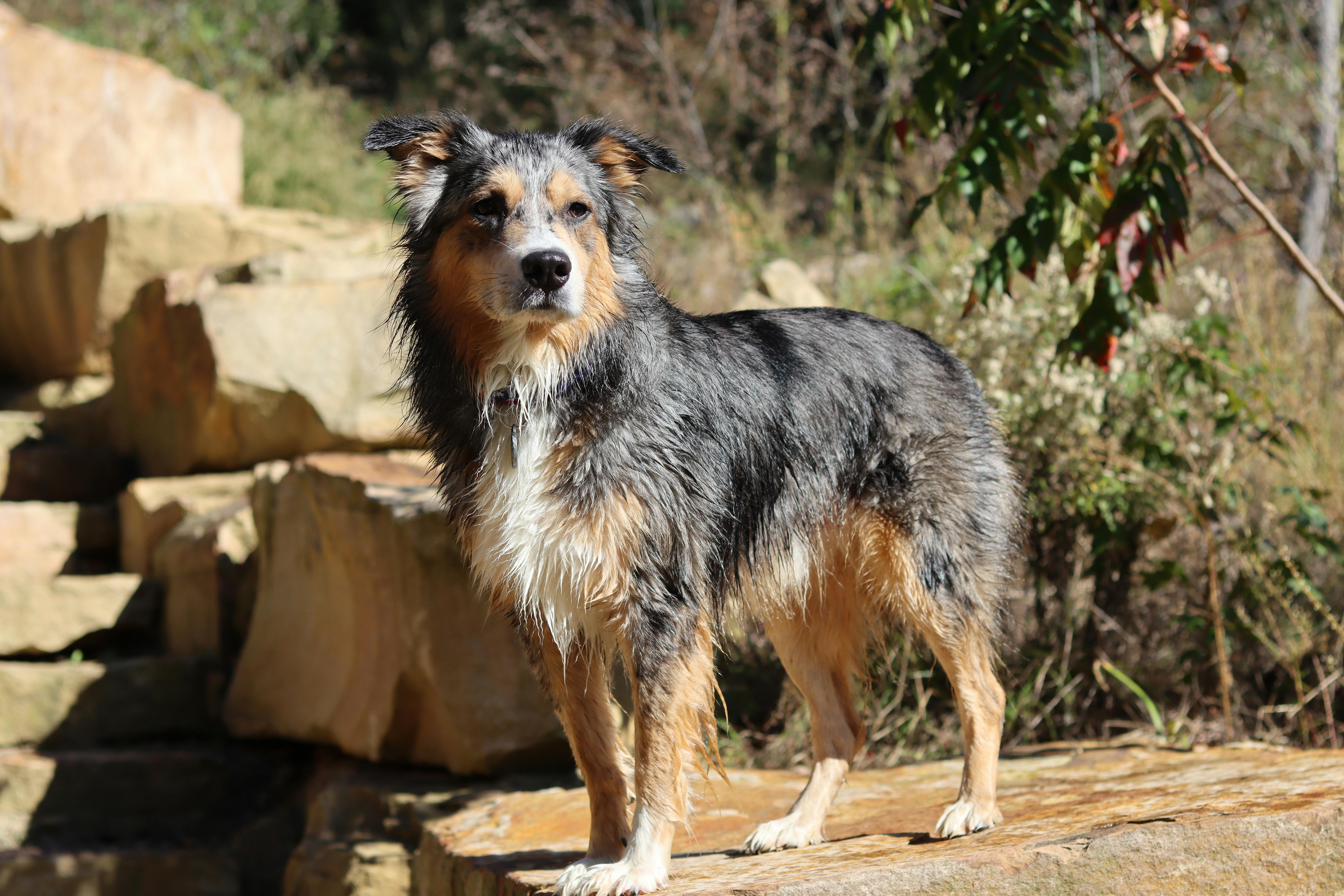
Wet noses and dog health is a fascinating topic for all dog lovers. Have you ever wondered why do dogs have wet noses? Well, there is much more behind that curious little feature than meets the eye. Let’s dig into the incredible world of canine noses, and explore what your pup's nose can tell you about their health.
Why Do Dogs Have Wet Noses?
First, having a wet nose is common for most dogs. But why is that? The moisture in a dog's nose helps them in so many ways. Here’s a few reasons:
- Enhanced Smell: A wet nose helps capture scent particles in the air. This makes it easier for dogs to smell things, which is vital for their understanding of the world.
- Cooling Mechanism: Dogs don’t sweat like humans do. Instead, they regulate body temperature through their nose and panting. A wet nose helps cool them down.
- Health Indicator: The condition of a dog’s nose can indicate their general health. A wet and cool nose usually signifies a healthy pup, while a dry or warm nose might indicate an issue.
The Science Behind Dog Noses
Dog noses have a unique structure. It’s not just moisture causing the wetness, but also the arrangement of skin cells. Here are some interesting facts:
- Nasal Mucus: Dogs produce mucus that keeps their nose moist. This mucus can also help protect against pathogens.
- Scent Receptors: Dogs have about 300 million scent receptors, compared to humans’ 5 million. This makes their sense of smell extraordinarily powerful.
- Temperature Sensitivity: The nose can also detect temperature changes. This is why some dogs can sense changes in the environment, like an impending storm.
What Can Your Dog's Nose Tell You?
Monitoring your dog's nose can provide insights into their health. Here are some signs to watch for:
- Normal Nose: A healthy dog usually has a moist, cool nose. This is a good sign.
- Dry Nose: While it might not always mean something is wrong, a consistently dry nose can indicate dehydration or fever.
- Cracked or Chapped Nose: This might be due to allergies, sunburn, or skin conditions. Consulting a vet is wise.
- Discharge: If there is abnormal discharge, like excessive mucus or blood, it may suggest an infection or other health issue.
Historical Context of Dog Noses
The evolution of a dog's nose is quite interesting. Dogs descended from wolves, and their noses have adapted over thousands of years. Here’s a quick timeline:
- Prehistoric Era: Early domesticated dogs relied on their noses for hunting and survival.
- Middle Ages: Dogs were bred for specific purposes, like hunting or herding, which enhanced their sense of smell.
- Modern Day: Today, dogs are used in various roles, from search and rescue to therapy, showcasing their incredible olfactory abilities.
Fun Facts About Dog Noses
Did you know that dog noses are as unique as human fingerprints? Here’s a list of fun facts:
- Nose Prints: Just like fingerprints, each dog has a unique nose print. It can be used for identification.
- Color Variations: A dog's nose color can change with seasons or age. A pink nose might darken in winter, for example.
- Temperature Sensing: Dogs can detect changes in body temperature, which is why they can sense illness in humans.
How to Care for Your Dog’s Nose
Taking care of your dog’s nose is important for their overall health. Here are some tips:
- Stay Hydrated: Ensure your dog has access to fresh water at all times.
- Protect from Sun: Use dog-safe sunscreen on your pup’s nose if they have a light-colored or thin coat.
- Regular Vet Check-ups: Regular health check-ups can help catch potential issues early.
Comparison of Dog Noses to Other Animals
Dogs have some of the most advanced noses in the animal kingdom. Here’s how they compare to other animals:
- Cats: Cats have a decent sense of smell, but it’s not as strong as dogs. They have about 50-80 million scent receptors.
- Rats: Rats are also known for their incredible sense of smell, but they don’t match dogs’ olfactory prowess.
- Bears: Bears have an even better sense of smell than dogs, making them one of the best sniffers in the animal world.
So, next time you give your furry friend a scratch behind the ears, take a moment to appreciate their wet nose. It’s not just a cute feature; it’s a vital part of their health and well-being. Understanding why do dogs have wet noses can help you be a more attentive pet owner. Always keep an eye on
Is a Wet Nose a Sign of a Healthy Dog? Discover the Truth!
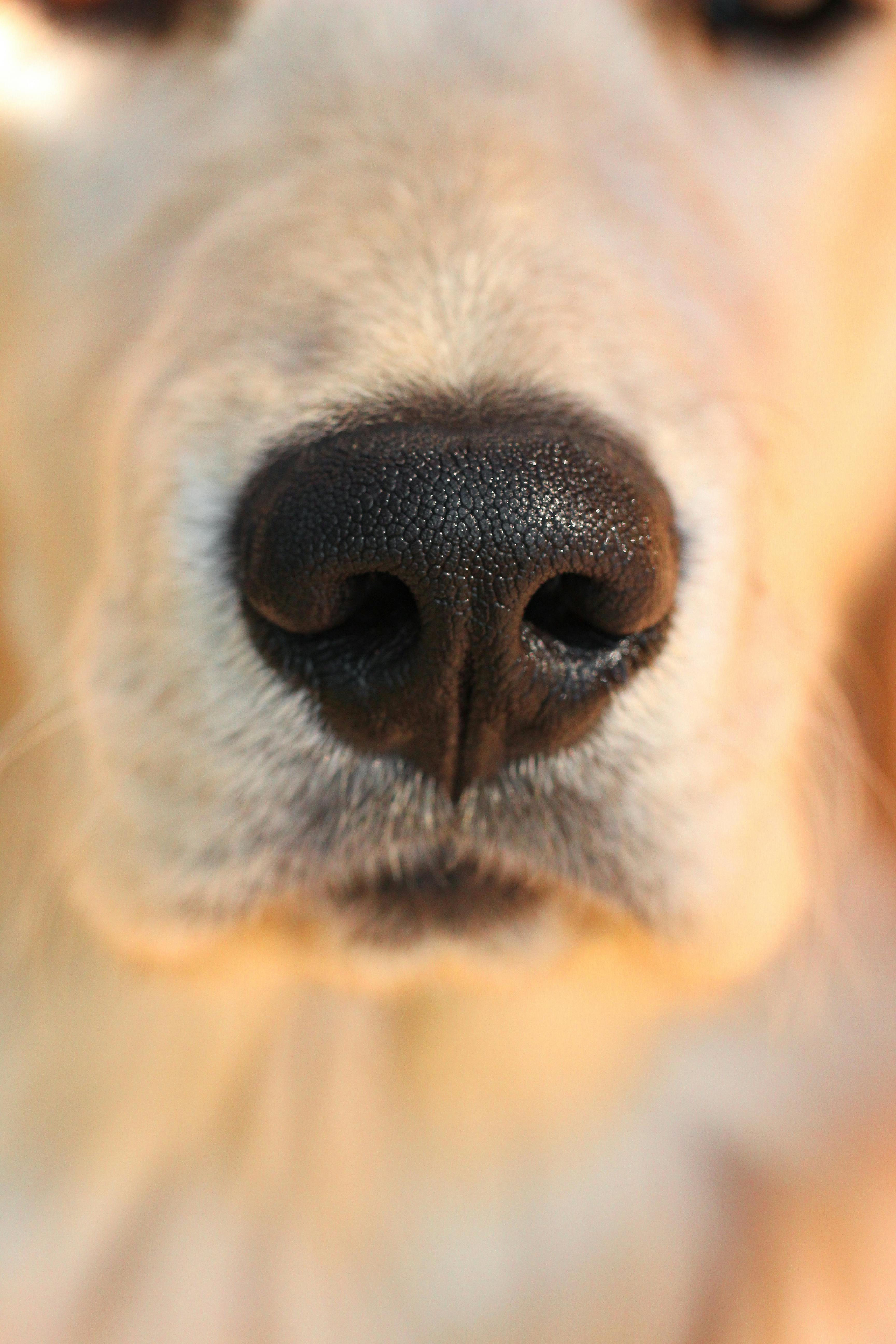
When you’re a dog owner, you probably wonder about your furry friend’s health and habits. One common belief is that a wet nose indicates a healthy dog. But is this really true? Let’s dive into the fascinating world of dog noses and discover the truth behind that moist little feature. You’ll also learn why do dogs have wet noses, and what that means for their overall health.
Why Do Dogs Have Wet Noses?
First off, you might be curious why dog noses are wet in the first place. There are several reasons for this, and it’s not just about being adorable. Here’s a list of reasons:
Cooling Mechanism: Dogs don’t sweat like humans do. Instead, their noses help cool them down. The moisture on their nose evaporates, which helps regulate their body temperature.
Enhanced Sense of Smell: A wet nose can help capture scent particles in the air better. This is why dogs have such an incredible sense of smell! The moisture allows more scent molecules to stick, making their olfactory abilities even sharper.
Health Indicator: While a wet nose can be a sign of health, it’s not the only indicator. Various factors, including hydration and environment, can affect how moist a dog’s nose is.
Is a Wet Nose a Sign of a Healthy Dog?
Many people believe that a wet nose means a dog is healthy. However, that's not a straightforward answer. Here’s a breakdown of what you need to consider:
Temperature and Environment: A dog’s nose can be wet when they’ve been outside in the sun, or it can dry up if they’re feeling warm. So, a wet nose doesn’t always equal a healthy dog.
Illness Indicators: If a dog’s nose is persistently dry or unusually warm, that can be a sign of illness. Other symptoms should also be considered, such as lethargy, loss of appetite, or vomiting.
Normal Variation: Just like humans, dogs have unique characteristics. Some dogs naturally have drier noses than others, and that's perfectly fine.
Fascinating Facts About Dog Noses
Did you know that dog noses have their own unique patterns, similar to human fingerprints? Here are some neat facts to consider:
Heat Sensitivity: Dogs have nerve endings in their noses that can detect heat. This helps them sense their surroundings and find food.
Moisture Production: Dogs produce mucus on their noses that helps them absorb scents and stay cool. This moisture can change based on the dog's activity level and health.
Nasal Recognition: Some researchers believe that a dog’s sense of smell is 10,000 to 100,000 times more sensitive than humans. That’s unbelievable!
What Can Affect a Dog’s Nose Moisture?
Several factors can play a role in the moisture level of a dog’s nose. Here’s a quick list:
Weather Conditions: Hot, dry weather can lead to a drier nose, while humidity can make it wetter.
Health Issues: Allergies, infections, or other health problems can affect their nose moisture.
Hydration Level: A well-hydrated dog is more likely to have a moist nose, so make sure your pup drinks plenty of water.
Quick Comparison: Wet Nose vs. Dry Nose
Here’s a quick comparison to help you understand the implications of wet and dry noses in dogs:
| Condition | Wet Nose | Dry Nose |
|---|---|---|
| Temperature | Often cool or at normal temp | May be warm or hot |
| Health Indicator | Can be normal, but not definitive | May indicate dehydration or illness |
| Scent Ability | Better scent detection | May not affect scent ability |
In summary, while a wet nose can be a sign of a healthy dog, it’s not the only factor to consider. The overall health of a dog involves many aspects, including their behavior, appetite, and other symptoms. Always pay attention to changes and consult a veterinarian if you notice anything unusual. Understanding your dog’s health goes beyond just their nose. It’s about the entire picture of their well-being, which includes their happiness, activity level, and love for life.
The Fascinating Role of a Dog’s Wet Nose in Their Sense of Smell
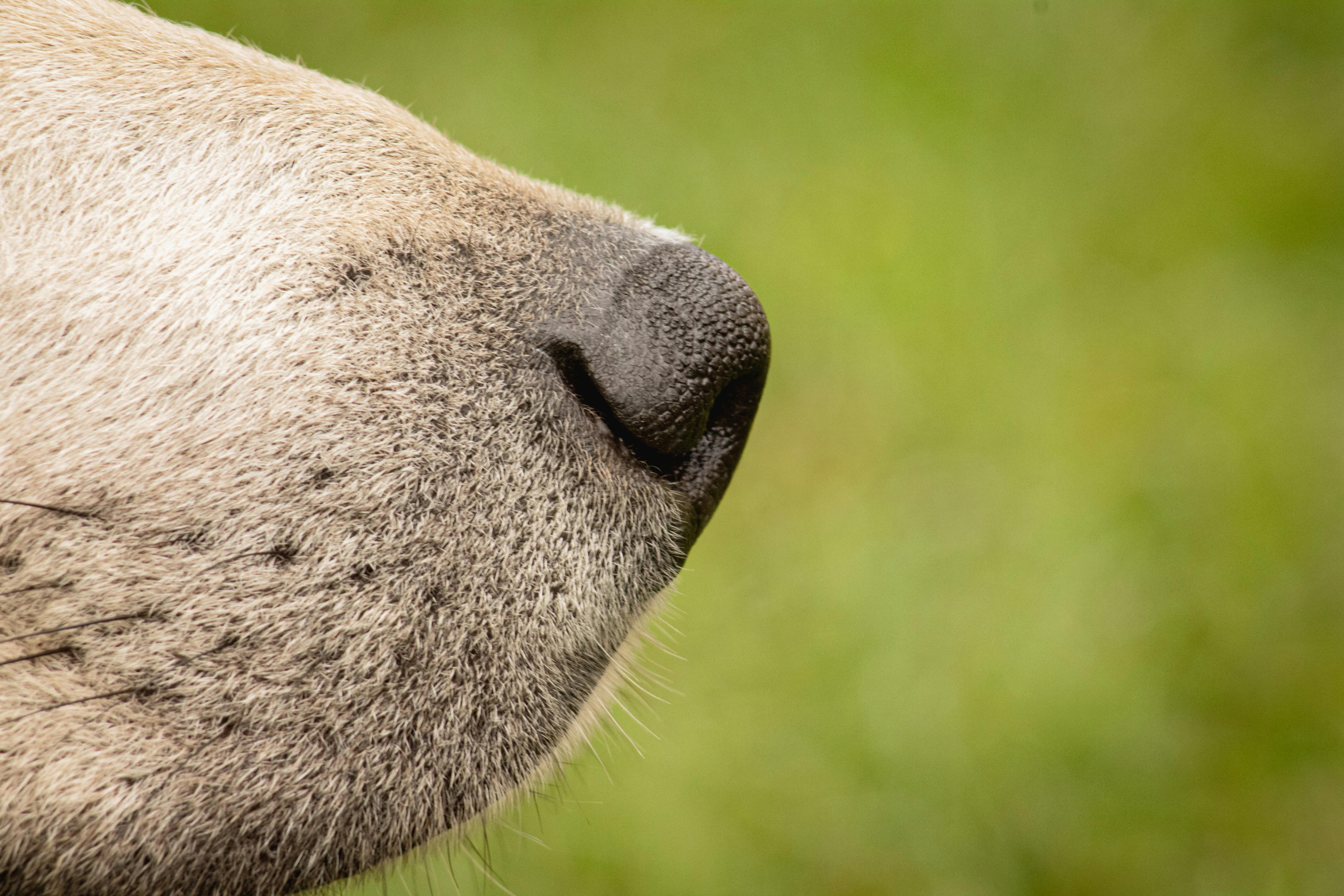
Dogs are often regarded as man's best friend for countless reasons. One interesting aspect of dogs that many people don’t know about is their wet noses. Have you ever wondered why do dogs have wet noses? Not only does it give them a unique look, but it also plays a crucial role in their sense of smell. Let’s dive into the fascinating world of dogs' noses to discover some captivating facts!
The Science Behind a Dog's Wet Nose
First, it’s important to understand why dog noses are wet. The moisture on a dog's nose helps enhance their sense of smell. Dogs have a sense of smell that is far superior to humans, with estimates suggesting they can detect scents up to 100,000 times better. This amazing ability comes from the large number of scent receptors in their noses, which is about 300 million compared to a human's mere 5 million.
- Moisture and Scent Detection: The wetness of a dog's nose helps capture scent particles from the air. When these particles stick to the moisture, they are more easily detected by the sensory cells in the nose. This is why a dog's nose is not just for show; it’s a vital tool for them to interpret their environment.
Evolutionary Advantage of Wet Noses
Throughout history, dogs have evolved from their wild ancestors. Those with wet noses were more successful at hunting and foraging. This evolutionary trait has been passed down through generations. Wet noses are not just a physical characteristic; they’re a survival tool.
- Hunting and Gathering: Early dogs needed to track scents for hunting purposes. A wet nose made it easier to pick up on the trails of prey. Those with drier noses may have struggled, leading to a natural selection that favored the more effective moisture.
Fascinating Facts About Dog Noses
Here’s a list of some intriguing facts regarding dog noses that you might not know:
Temperature Regulation: A dog's wet nose helps regulate their body temperature. When a dog licks their nose, it cools their blood vessels, which helps them stay cool in warmer weather.
Social Interaction: Dogs often sniff each other’s noses as a greeting. This behavior helps them gather information about other dogs, including their health status, mood, and even their diet.
Nasal Turbinates: Dogs have unique structures called nasal turbinates that help filter the air they inhale. These structures are covered in moist tissue, further aiding in their sense of smell.
Health Indicator: A dog’s nose can indicate their health. A dry nose can mean dehydration or fever, while a wet, cool nose is often a sign of a healthy dog.
Comparison: Dog Noses vs. Human Noses
To further grasp the significance of a dog's wet nose, let’s compare dog noses with human noses in a simple table format:
| Feature | Dog Nose | Human Nose |
|---|---|---|
| Scent Receptors | About 300 million | About 5 million |
| Moisture Level | Always moist | Generally dry |
| Purpose | Scent detection and regulation | Breathing and smell |
| Temperature Control | Aids in cooling | Limited role |
What Happens When a Dog's Nose is Dry?
A dry nose can sometimes signal that a dog is unwell. However, it’s important to consider other factors. Dogs may have a dry nose due to:
- Dehydration: Lack of water intake can lead to dryness.
- Weather Changes: Cold or hot weather can affect nose moisture.
- Health Issues: Certain illnesses or conditions could cause a dry nose.
If a dog’s nose is dry for an extended period, or if it’s accompanied by symptoms like lethargy or loss of appetite, it’s best to consult a veterinarian.
Practical Examples of Dogs Using Their Noses
Dogs use their noses in various practical scenarios, such as:
- Search and Rescue: Dogs are trained to find missing persons in disaster situations, utilizing their keen sense of smell.
- Detecting Illness: Some dogs can detect diseases like cancer through scent, showcasing the depth of their olfactory abilities.
- Tracking: Hunting dogs track game animals using scent trails, proving their noses are not just for sniffing around at home.
With such fascinating insights into the role of a dog's wet nose, it’s clear that this feature is more than just an adorable trait. It’s essential for their survival, social interactions, and health monitoring. Understanding the importance of a dog’s nose can deepen our appreciation for these beloved companions. So next time you see a dog with a moist nose, remember the science and history behind it!
How Weather Affects Your Dog's Nose: 6 Surprising Facts!

When thinking about our furry friends, we often wonder why dogs behave the way they do. One common question pet owners have is: Why do dogs have wet noses? It's not just a quirky trait, it actually relates to how weather affects your dog's nose. Here’s a dive into some surprising facts that can help you better understand this fascinating aspect of your canine companion.
The Science Behind Wet Noses
A dog's nose is usually moist, and it's not just because they just drank water. The wetness actually serves several important purposes. Most importantly, a wet nose helps dogs smell better. The moisture collects scent particles from the air, making it easier for dogs to detect various odors. It’s like having a super-powered sniffing tool!
How Weather Influences Wetness
Weather plays a huge role in how wet or dry a dog’s nose can be. Here’s how different weather conditions can affect your dog's nose:
- Humidity: On humid days, dogs noses often stays wetter. This is because the air is filled with moisture, which helps enhance their scent capabilities.
- Cold Weather: In colder temperatures, noses might become dryer. This is due to the fact that dogs often spend less time outside, reducing the moisture they gather from the environment.
- Heat: Hot weather can lead to a dry nose. Dogs may pant to cool off, which can sometimes cause their noses to lose moisture.
Surprising Facts About Dog Noses
Temperature Detection: Dogs can actually sense temperature changes through their noses. This is why they can often detect when a storm is coming, long before humans can notice.
Unique Nose Prints: Just like human fingerprints, every dog has a unique nose print. This can be used for identification purposes if ever needed.
Self-Cooling Mechanism: A dog's wet nose helps regulate their body temperature. When the nose is moist, it can evaporate, cooling the dog off in the process.
Health Indicator: The state of your dog's nose can also indicate their health. A dry or cracked nose could suggest dehydration or illness, whereas a cool, wet nose usually indicates a healthy pup.
Increased Smell Sensitivity in Different Climates: Dogs may have heightened scent detection in certain climates. For example, they can smell better in cooler, moist environments compared to dry, hot ones.
Dogs Sweat Through Their Noses: While dogs primarily regulate their body temperature through panting, they also sweat from their noses. This adds to the moisture, helping to cool them down.
Tips for Keeping Your Dog’s Nose Healthy
Maintaining your dog's nose is important for their overall health. Here are some tips:
- Hydration: Always ensure your dog has access to fresh water. Dehydration can lead to a dry nose.
- Moisturizing: If your dog's nose appears excessively dry, you might consider a pet-safe moisturizer.
- Regular Vet Checkups: If you notice any changes in the texture or color of your dog’s nose, consult with your veterinarian.
Comparing Dog Noses to Human Noses
Here’s a simple comparison table to understand the differences between dog and human noses:
| Feature | Dog Noses | Human Noses |
|---|---|---|
| Moisture Level | Typically wet | Usually dry |
| Scent Detection | Highly sensitive | Less sensitive |
| Function | Thermoregulation, scenting | Primarily breathing |
| Unique Identifiers | Unique prints | Unique fingerprints |
Final Thoughts
Understanding how weather affects your dog's nose, and why they have wet noses, gives insight into their health and behavior. Whether it’s an indication of temperature or a sign of their health, your dog's nose is more than just a cute feature. By paying attention to these details, you can ensure your canine friend stays happy and healthy. Always remember, if you have any concerns about your dog's nose or overall health, don’t hesitate to reach out to a veterinarian. After all, our pets depend on us to care for them!
Do All Dogs Have Wet Noses? Exploring Breeds and Variations
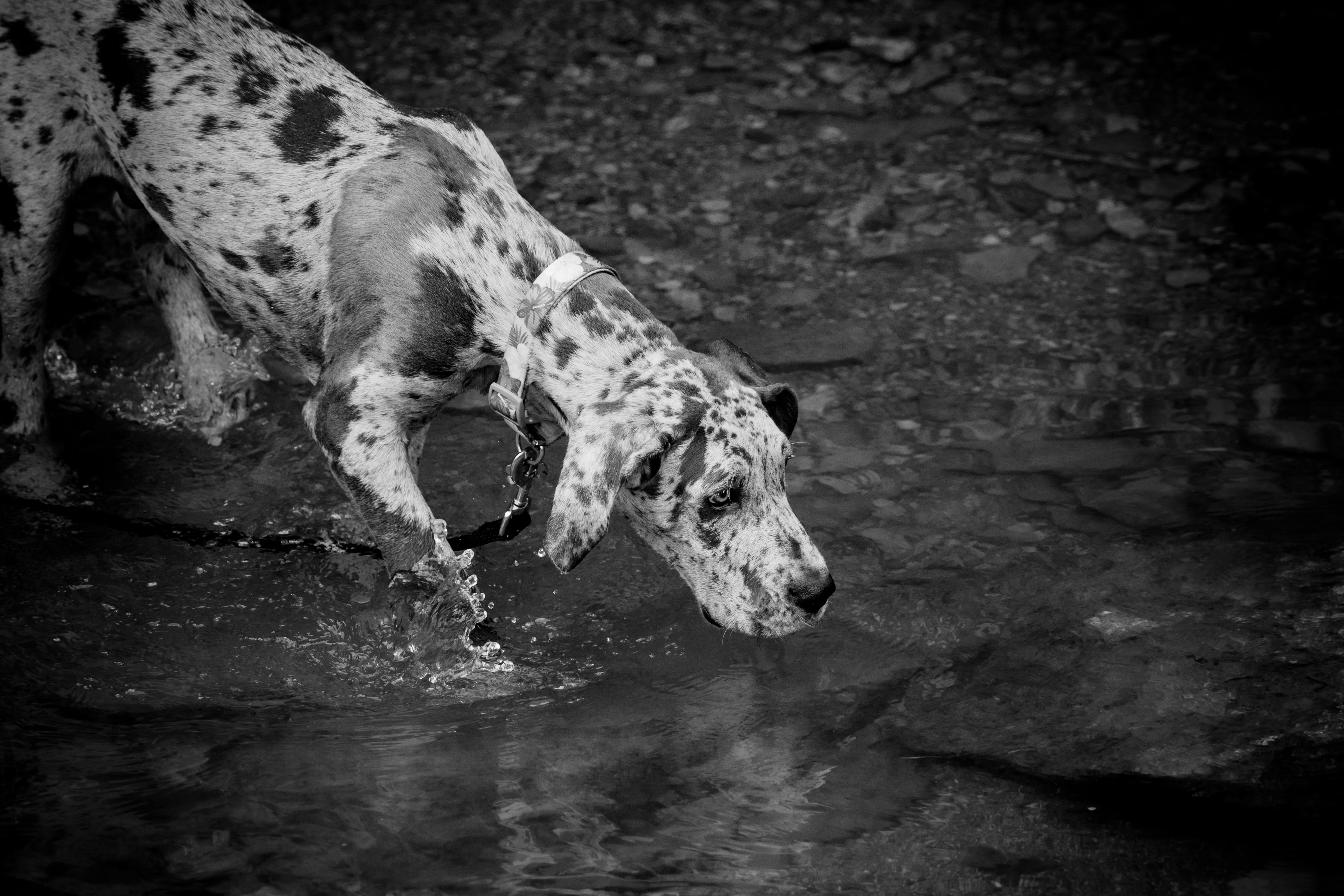
Have you ever wondered if all dogs have wet noses? This common belief about our furry friends isn’t just a quirky detail. Dogs’ noses can tell us a lot about their health and breed. Let’s dive into this fascinating topic, exploring the science behind wet noses, variations across different breeds, and why these canine companions have evolved to have this unique feature.
Do All Dogs Have Wet Noses?
Not all dogs have wet noses at all times. While it is generally true that most dogs’ noses are moist, some breeds may have drier noses due to various factors. For example, certain environmental conditions, health issues, or even the dog's age can influence the moisture level of a dog's nose.
Here’s a quick list of some dog breeds that are known to have less wet noses:
- Bulldogs: Their facial structure sometimes leads to drier noses.
- Pugs: A similar issue with their brachycephalic features.
- Boxers: Often have a mix of dry and wet noses, depending on the climate.
- Chihuahuas: Their small size may lead to temperature regulation issues.
Why Do Dogs Have Wet Noses?
Dogs have wet noses for several reasons. The moisture on their noses serves important functions that are crucial for their health and survival. Let’s break down some of these reasons:
Sense of Smell: Dogs possess an incredible sense of smell, and the moisture on their noses helps to capture scent particles. A wet nose can absorb these particles more effectively, enhancing their ability to detect different odors.
Temperature Regulation: Dogs can’t sweat like humans do. Instead, they regulate their body temperature through panting and the moisture on their noses. When the nose is wet, it helps to cool down their body, especially in hotter weather.
Health Indicator: A dog's nose can tell you a lot about its health. Typically, a wet nose indicates hydration and good health, while a dry or cracked nose might be a sign of dehydration or illness.
Communication: Dogs also use their noses to communicate with each other. A wet nose can signal friendliness and approachability to other dogs.
Fascinating Facts About Dog Noses
- Unique Patterns: Just like human fingerprints, every dog has a unique nose print that can be used for identification.
- Temperature Detection: Dogs can detect changes in temperature through their noses, which helps them sense their environment better.
- Wet vs. Dry: A dog's nose can often switch between wet and dry throughout the day, depending on various factors like activity level and weather conditions.
Differences Across Breeds
Different breeds exhibit variations in nose moisture levels. Here’s a comparison of some breeds and their typical nose moisture:
| Breed | Typical Nose Moisture Level | Notes |
|---|---|---|
| Labrador | Wet | Highly active, often very wet noses. |
| Dachshund | Moderately Wet | Varies with health and environment. |
| Great Dane | Wet | Generally maintain wet noses. |
| Shih Tzu | Variable | Can be dry due to facial structure. |
Practical Tips for Dog Owners
If you’re a dog owner, it’s important to keep an eye on your dog’s nose. Here are some practical tips:
- Monitor Moisture Levels: Regularly check if your dog’s nose is wet and how it feels. If it’s dry for an extended period, consult a veterinarian.
- Hydration: Always ensure your dog has access to fresh water. This can help maintain a healthy and moist nose.
- Environmental Factors: Keep an eye on the weather. Hot, dry conditions can lead to drier noses, so consider applying dog-safe moisturizers if needed.
Common Misconceptions
There are some myths around dog noses that many people believe. Here are a few of those misconceptions:
- A Wet Nose Always Means Healthy: Although a wet nose is often a good sign, it doesn’t guarantee a dog is healthy. Always look for other symptoms.
- Dogs Only Get Cold Noses When Sick: Dogs can have cold noses for various reasons, including temperature regulation and environmental factors.
Understanding why dogs have wet noses and why not all dogs maintain this feature at all times can help you care for your furry friends in the best way. Observing changes in their nose moisture can greatly aid in recognizing their health. Dogs are wonderful companions, and knowing more about their unique characteristics only strengthens the bond between you and your pet.
Can a Dry Nose Indicate Illness? What Every Dog Owner Should Know

Can a dry nose indicate illness? This is a question that many dog owners finds themselves asking. The truth is, a dog’s nose can tell you a lot about their health, but it’s not the only indicator. Understanding your dog's health means looking at multiple factors, not just the moisture level of their nose. Let's dive into the intriguing world of dog noses and why they play an important role in your furry friend's overall well-being.
Why Do Dogs Have Wet Noses?
Dogs' noses are often wet, and there's a good reason for this. The wetness helps them smell better. Dogs have a highly developed sense of smell, and a moist nose helps trap scent particles. Here are some fascinating facts about why dog noses are wet:
- Enhanced Olfactory Function: The moisture on a dog’s nose aids in capturing scent particles, improving their ability to detect odors.
- Temperature Regulation: A wet nose can help regulate a dog’s body temperature. When they pant, the moisture evaporates, cooling them down.
- Health Indicator: A wet nose is often seen as a sign of a healthy dog. However, it’s important to remember that a dog can be healthy even if their nose is dry.
Can a Dry Nose Indicate Illness?
Now, let’s tackle the big question: does a dry nose mean your dog is sick? The answer isn’t straightforward. While a dry nose can sometimes indicate a health issue, it may also be due to environmental factors or simply a normal variation in your dog's condition. Here are some reasons why a dog might have a dry nose:
- Dehydration: If your dog isn't drinking enough water, this can cause their nose to dry out.
- Weather Conditions: Hot weather or low humidity can also lead to a dry nose. Dogs can lose moisture just like humans do.
- Illness: Some illnesses, like canine distemper or autoimmune diseases, can lead to a dry nose. But, it’s not the only sign of illness to look for.
- Age: Older dogs might simply have drier noses due to aging.
Signs to Watch For
So, how do you know if your dog's dry nose is a concern? Here are some signs to keep an eye on:
- Change in Behavior: If your dog seems lethargic or less playful than usual.
- Loss of Appetite: If they are not eating or drinking properly.
- Coughing or Sneezing: If they have other symptoms like coughing, sneezing, or nasal discharge.
- Vomiting or Diarrhea: These can indicate more serious health issues.
If you notice these signs, it’s best to consult with a veterinarian. They can provide professional insight and diagnosis.
Historical Context of Dog Noses
Did you know that dogs have been by our sides for thousands of years? Historically, dogs were bred for specific tasks, and their noses played a crucial role. For example:
- Hunting Dogs: Bred for tracking game, their sense of smell was paramount.
- Herding Dogs: Used their noses to guide livestock and ensure they stay together.
- Service Dogs: Many service dogs use their noses in search and rescue missions, detecting drugs, or even sensing medical conditions in humans.
Practical Tips for Dog Owners
As a dog owner, there are simple things you can do to monitor your pet's health related to their nose:
- Hydration: Always ensure your dog has access to fresh water.
- Regular Vet Check-Ups: Regular visits can help catch any health issues early.
- Observe Behavior: Keep an eye on their behavior and any changes in habits.
- Climate Control: If it's hot or dry, consider using a humidifier in your home.
Comparison of Nose Conditions
It’s also helpful to know how to distinguish between different nose conditions. Here’s a quick comparison:
| Condition | Symptoms | Action Needed |
|---|---|---|
| Normal Wet Nose | Moist and cool | No action needed |
| Dry Nose | Often normal, but monitor behavior | Assess hydration, environment |
| Cracked Nose | Dry, painful-looking | Consult vet; may need treatment |
| Warm, Dry Nose | Often a sign of illness | Immediate vet visit recommended |
Understanding your dog’s nose and its significance can help you be a better pet owner. While a dry nose can indicate illness, it’s just one piece of the puzzle. Always consider your dog’s overall health and behavior. When in doubt, don’t hesitate to seek veterinary advice. Their well-being depends on your attentiveness and care.
Fun Facts About Dog Noses: Why They’re More Than Just Cute!
Have you ever noticed how dogs noses seem to be wet all the time? They’re not just adorable features; dog noses are actually fascinating and serve important functions! Let’s dive into some fun facts about dog noses and explore why they’re more than just cute!
Why Do Dogs Have Wet Noses?
One of the most common questions pet owners ask is, "why do dogs have wet noses?" The answer lies in their biology and behavior. A wet nose helps dogs to keep their sense of smell sharp. Moisture enhances their sense of smell by capturing scent particles in the air. So, the wetter the nose, the better the scent detection! Here’s a breakdown of why dog noses are wet:
- Scent Detection: A wet nose absorbs scent molecules better, which is why dogs can track down smells with incredible accuracy.
- Temperature Regulation: Dogs don't sweat like humans do. Instead, they cool off through their noses. The moisture on their noses evaporates, helping to regulate their body temperature.
- Health Indicator: A wet nose can indicate a healthy dog, while a dry nose may mean they are dehydrated or unwell.
Fun Facts About Dog Noses
Dog noses are not just functional; they come with a bunch of interesting facts that many people don’t know. Here’s some mind-blowing information about those adorable snouts:
Unique Patterns: Just like human fingerprints, dog noses have unique patterns. Each dog’s nose print is different, and it can even be used for identification.
Sensitive Sensors: A dog’s sense of smell is estimated to be 10,000 to 100,000 times more sensitive than that of a human. This makes them excellent at detecting drugs, explosives, and even certain diseases in humans!
Color Matters: The color of a dog’s nose can vary based on breed and genetics. For example, some breeds like the Labrador Retriever may have a black or chocolate-colored nose, while others can have pink or liver-colored noses.
Nose Work: Dogs can be trained to use their noses in various activities. Nose work is a sport that involves searching for specific scents and can be a great way for dogs to exercise their mental and physical skills.
Nasal Passages: Dogs have an intricate system of nasal passages that allow them to analyze smells in layers. This is why dogs can distinguish between different scents even when they are all mixed together.
The Anatomy of a Dog’s Nose
Understanding the anatomy of a dog’s nose can help explain its amazing capabilities. Here’s a simple overview of its key components:
- Nasal Cavity: This is the hollow space behind the nose and is lined with special cells that detect smells.
- Jacobsen’s Organ: Located in the nasal cavity, this organ helps dogs sense pheromones, which are chemicals that convey information about other animals.
- Moisture Glands: These glands produce mucus to keep the nose moist, enhancing scent detection.
The Importance of Dog Nose Care
While dog noses are generally hardy, they still need care. Here are some points to keep in mind:
- Hydration: Keeping your dog hydrated is crucial for maintaining a healthy, moist nose.
- Sun Protection: Dogs with light-colored or exposed noses can be susceptible to sunburn. Consider using pet-safe sunscreen if your dog spends a lot of time outdoors.
- Check for Changes: Keep an eye on your dog's nose. If it becomes excessively dry, cracked, or starts to change color, it's a good idea to consult with a veterinarian.
Comparison of Dog Breeds and Their Noses
Different dog breeds can have distinct nose characteristics. Here’s a quick comparison of a few breeds and their nose traits:
| Breed | Nose Type | Typical Color |
|---|---|---|
| Labrador Retriever | Broad, wet | Black, Chocolate |
| Dachshund | Long, narrow | Black, Brown |
| Boxer | Short, square | Black, Brindle |
| Bulldog | Flat, wide | Black, Brown |
| Siberian Husky | Medium, triangular | Black, Gray |
Having a dog is not just about companionship; it’s also about understanding their unique biology. Dog noses are a fascinating topic, showcasing the incredible capabilities of these animals. So next time you see your furry friend sniffing away, remember that their wet nose is doing a lot more than just looking cute!
How to Keep Your Dog’s Nose Healthy: Tips for Every Pet Owner
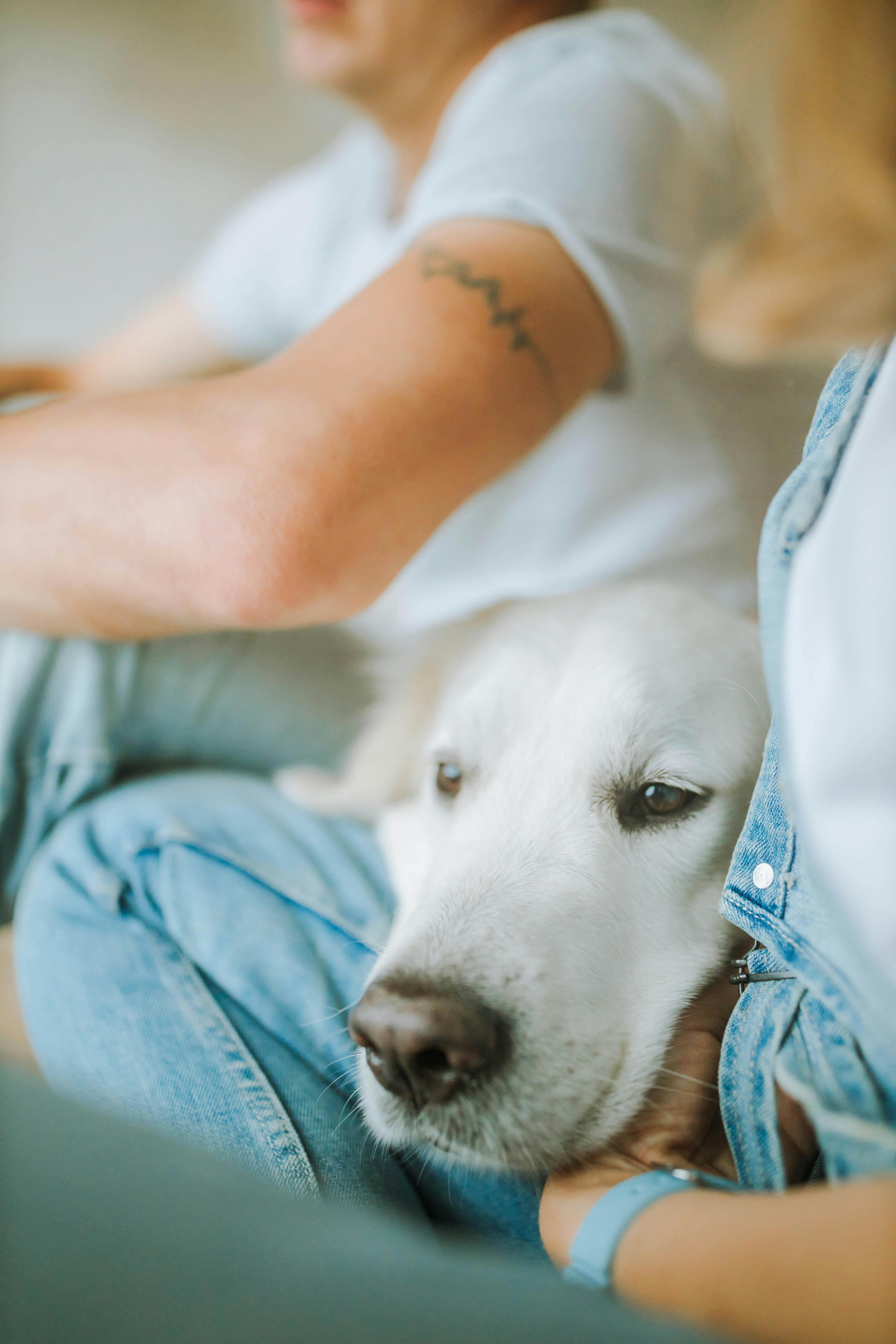
Keeping your dog’s nose healthy is more important than you think! A dog’s nose is not only cute, but it serves vital functions for their overall well-being. Many pet owners often wonder, why do dogs have wet noses? Well, it turns out there are some fascinating reasons behind it. In this post, we will explore tips for maintaining your dog's nose health while also diving into the intriguing world of why their noses are usually damp.
Why Do Dogs Have Wet Noses?
Dogs noses are wet for several reasons. Here are some interesting facts:
- Scent Detection: A wet nose helps dogs smell better. Moisture in the air captures scent particles more effectively, enhancing their incredible sense of smell. This is why dogs are often used in search and rescue, as well as in drug detection.
- Temperature Regulation: Dogs, unlike humans, can’t sweat like we do. Their wet noses assist in regulating their body temperature. When a dog pants, the moisture on their nose helps to cool them down.
- Health Indicator: A dog’s nose can indicate their health. A dry, cracked nose could signal dehydration or illness, while a moist, cool nose usually indicates a healthy pup.
Tips for Keeping Your Dog’s Nose Healthy
Maintaining your dog’s nose is not only about keeping it moist; it's about ensuring their overall health. Here are some practical tips every pet owner can follow:
- Hydration is Key: Always provide fresh water for your dog. Dehydration can lead to a dry nose. Make sure they drink enough water, especially in hot weather.
- Regular Check-ups: Schedule regular veterinary check-ups. A vet can examine your dog’s nose and overall health. They can catch any potential problems before they become serious.
- Avoid Harsh Chemicals: Be careful with cleaning products around your home. Some chemicals can irritate your dog’s nose. Opt for pet-safe products whenever possible.
- Watch for Allergens: Dogs can be allergic to pollen, dust, and other irritants. If you notice your dog scratching or rubbing their nose frequently, it might indicate an allergy.
- Keep It Clean: Gently clean your dog's nose with a damp cloth. This helps remove dirt and allergens. Just be cautious not to irritate their skin.
Common Nose Issues in Dogs
Just like humans, dogs can experience various nose problems. Here’s a list of some common issues:
- Cracked Nose: This can happen due to dry weather or sun exposure. Always protect your dog from extreme conditions.
- Nasal Tumors: Though rare, tumors can develop in a dog's nose. Symptoms may include nasal discharge or frequent sneezing.
- Infections: Bacterial or fungal infections can affect the nose, leading to swelling or discharge. If you see any unusual signs, visit a vet immediately.
Fascinating Facts About Dog Noses
Did you know that a dog’s sense of smell is about 10,000 to 100,000 times more acute than humans? Here are more fascinating insights about their noses:
- Unique Patterns: Just like human fingerprints, each dog has a unique nose print. This means that you could theoretically identify a dog by its nose!
- Scent Memory: Dogs can remember scents for years. This is why they get excited when they smell familiar people or other animals.
- Social Signals: Dogs use their noses to communicate. When dogs sniff each other, they’re gathering information about one another, like their mood or health.
Maintaining the Moisture Balance
It's important to know how to keep your dog’s nose moist. Here are a few methods to maintain that balance:
- Humidifiers: If you live in a dry climate, consider using a humidifier. This can prevent your dog's nose from drying out.
- Nose Balms: There are various dog-safe balms available that can help soothe and protect your dog's nose.
- Avoid Overexposure: Limit your dog’s time in the sun and avoid long walks in very hot weather.
Keeping your dog's nose healthy is an essential part of their overall well-being. By understanding why dogs have wet noses and implementing these care tips, you can ensure that your furry friend stays happy and healthy. Remember, a moist nose is usually a sign of a happy dog!
Conclusion
In conclusion, the wet noses of dogs serve several important purposes, from enhancing their sense of smell to regulating body temperature. The moisture on their noses helps trap scent particles, making it easier for them to detect various odors, which is crucial for their keen sense of smell. Additionally, the wetness aids in thermoregulation, allowing dogs to cool off more effectively. These fascinating adaptations highlight the unique physiology of our canine companions. Understanding why dogs have wet noses not only deepens our appreciation for their biology but also reinforces the bond we share with them. Next time you give your furry friend a pat, take a moment to consider the incredible functions behind that wet nose. If you’re interested in learning more about dog behavior or health, consider subscribing to our blog for more insightful articles and tips on caring for your beloved pet.