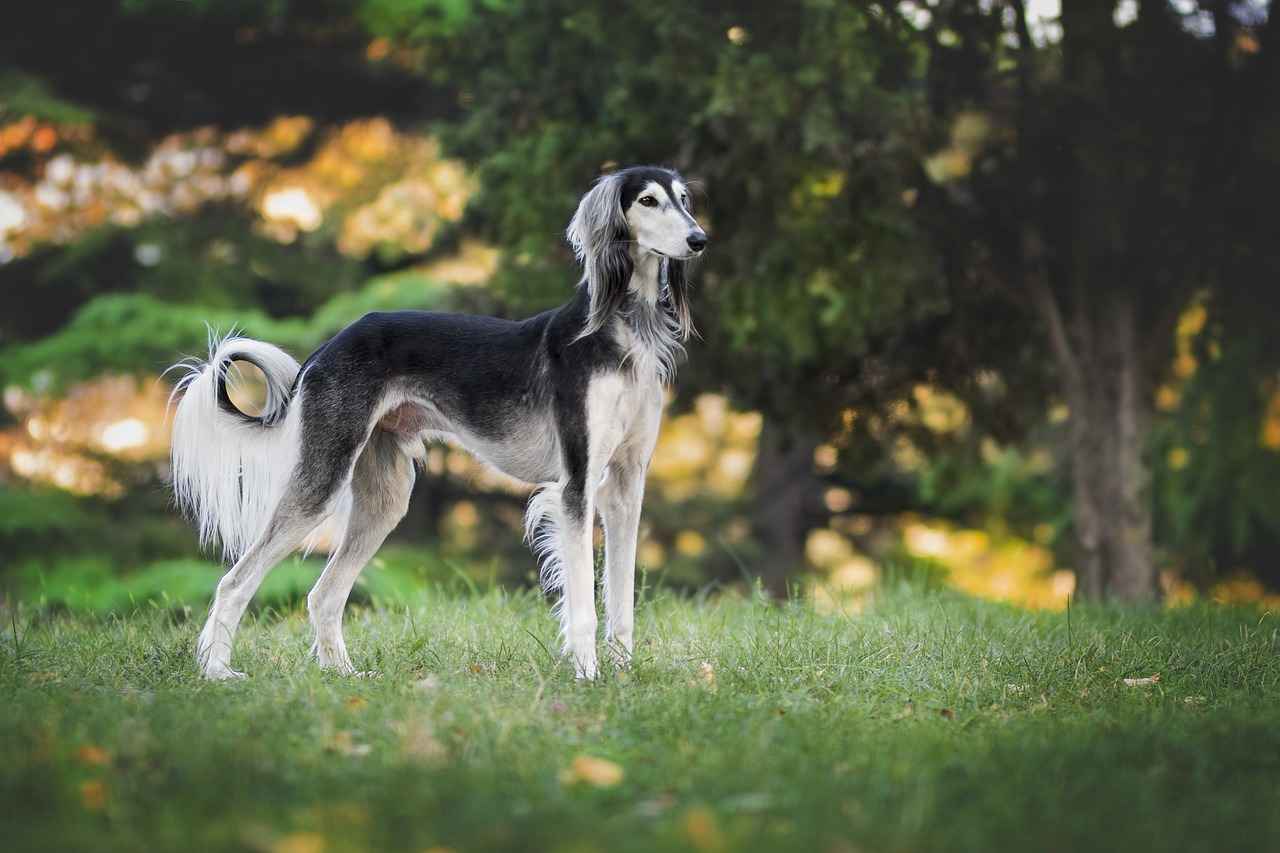
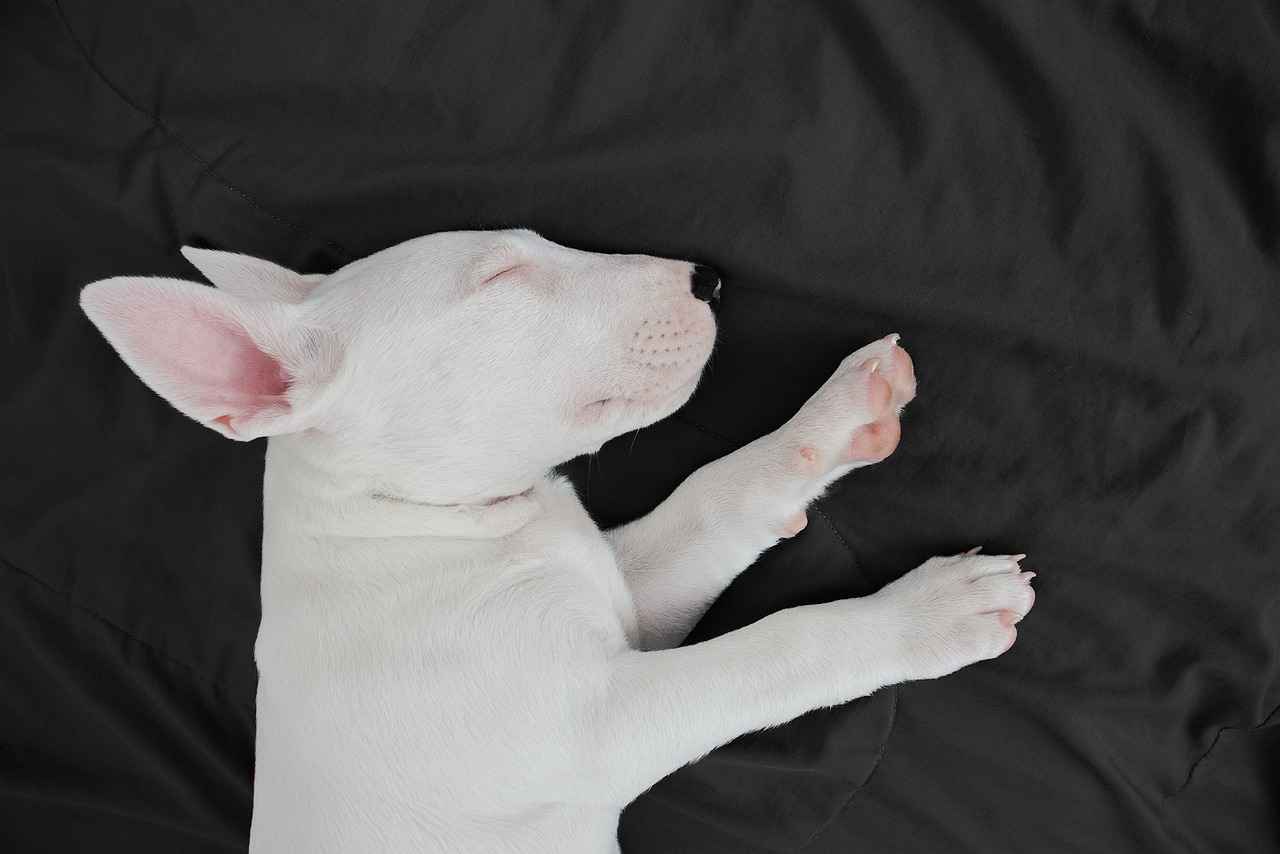
Have you ever wondered why do dogs have wet noses? This intriguing question opens up a world of fascinating insights into our furry friends. A dog's nose is not just cute; it's a marvel of nature that serves several important purposes. In this blog post, we will uncover the scientific reasons behind the moisture on your pup's snout, and explore how it relates to their sense of smell and health. Did you know that a wet nose can help dogs detect scents more effectively? Or that it might even regulate their body temperature? These questions and more will be answered as we dive deep into the mysteries of canine anatomy. Join us on this exciting journey to discover the secrets of why your beloved pet has that charmingly damp nose. By the end, you’ll not only understand the importance of a wet nose but also gain insights into your dog's overall well-being. So, are you ready to learn about the surprising reasons behind those wet noses? Let’s get started and unveil the truth that every dog owner should know!
\n\nThe Science Behind Why Dogs Have Wet Noses: Uncovering the Truth
\n\n \n\n
\n\nHave you ever wondered why dogs have wet noses? It's a question that's been asked time and time again. Many people have their theories, and it's actually more than just a cute quirk of our furry friends. The science behind why dogs have wet noses is fascinating and ties into their health, behavior, and even evolutionary history. Let’s uncover the truth behind this intriguing feature!
\nThe Sense of Smell
\nOne of the main reasons dogs have wet noses is related to their incredible sense of smell. Dogs are known for having an extraordinary olfactory system, which is way more developed than humans. In fact, dogs can have up to 300 million smell receptors in their noses compared to just 5 million in humans.
\n- \n
- Moisture: A wet nose helps to enhance their ability to smell. When a dog’s nose is moist, it can trap scent particles more effectively. \n
- Cooling Mechanism: The moisture also helps dogs cool down. Dogs don’t sweat like humans, so having a wet nose can assist in regulating their body temperature. \n
Evolutionary Benefits
\nFrom an evolutionary standpoint, having a wet nose could have provided significant advantages to dogs’ ancestors. The wetness in a dog's nose may have originated from the need to track scents during hunting.
\n- \n
- Hunting: Wet noses allowed early canines to effectively locate prey. The moisture would help capture scent molecules in the air, making them better hunters. \n
- Social Interaction: Dogs communicate with each other through scent. A wet nose can help them pick up pheromones and other scent signals from other dogs, which is crucial for social behavior and establishing territory. \n
Health Indicator
\nA dog’s nose can also be an indicator of its health. While a wet nose is often seen as a sign of a healthy dog, it’s not the only thing to consider. Here’s a quick breakdown:
\n- \n
- Normal Conditions: Typically, a healthy dog has a moist nose. \n
- Dehydration: If a dog’s nose is dry and cracked, it might be dehydrated. \n
- Temperature: A warm nose can indicate a fever, although this is not a definitive sign of illness. \n
The Anatomy of a Dog’s Nose
\nDogs’ noses are made up of several components that play a role in their wetness:
\n- \n
- Nasal Glands: These glands produce mucus, which keeps the nose moist. \n
- Blood Vessels: The blood vessels in the nose help regulate temperature, which can affect moisture levels. \n
- Texture: The unique texture of a dog’s nose can also trap scent particles, enhancing their sense of smell. \n
Fun Facts About Dogs’ Noses
\n- \n
- Unique Patterns: Just like human fingerprints, each dog's nose has a unique pattern. Some even say these patterns can be used for identification. \n
- Nose Size Matters: Different breeds have different nose shapes, which can affect their ability to smell. For example, Bloodhounds are known for their long noses and exceptional scent-tracking abilities. \n
- Behavioral Insight: A dog will often sniff their owner’s face or hands as a way to gather information about them, displaying the importance of scent in their social interactions. \n
Practical Tips for Dog Owners
\nIf you own a dog, keeping an eye on their nose can help you assess their health. Here are some practical tips:
\n- \n
- Regular Checkups: Make sure to take your dog to the vet for regular health check-ups. \n
- Hydration: Always ensure your furry friend has access to fresh water to keep their nose moist. \n
- Watch for Changes: If you notice a significant change in the moisture or temperature of your dog's nose, consult a vet. \n
Conclusion
\nThe wet nose of a dog is not just an adorable feature, but serves various purposes that link to their sense of smell, evolutionary history, and health indicators. Understanding these aspects helps dog owners appreciate their pets even more. The next time you see a dog with a wet nose, remember that there's a whole world of science behind that simple, yet fascinating characteristic!
\n\nTop 5 Reasons Your Dog's Nose is Always Damp: A Deep Dive into Canine Biology
\n\n \n\n
\n\nDogs are known for their endearing qualities, and one of the most charming features is their damp noses. Have you ever wondered why do dogs have wet noses? It’s not just a quirky characteristic; it’s deeply rooted in their biology. In this post, we’re gonna explore the top 5 reasons your dog’s nose is always damp, diving into the fascinating world of canine biology that makes this possible.
\n1. Temperature Regulation
\nOne primary reason for a dog’s wet nose is temperature control. Dogs can’t sweat like humans do. Instead, they rely on their noses to help regulate body temperature. The moisture on their noses evaporates, cooling them down. It’s like their own little air conditioning system! If you notice your pup lounging in a cool spot with a moist snout, it’s likely a natural way of keeping their body temperature in check.
\n2. Sense of Smell
\nDogs have an incredible sense of smell, estimated to be 10,000 to 100,000 times more sensitive than that of humans. A dog’s wet nose plays a crucial role in this. The moisture helps to capture scent particles in the air. When these particles stick to their noses, it enhances their ability to detect odors. This is why you might see your dog sniffing around with a wet nose; they’re gathering all the scents in their environment!
\n3. Communication Tool
\nBelieve it or not, a dog’s nose is also a communication tool. Dogs often greet each other by sniffing each other’s noses. The wetness can carry scent pheromones — which are chemical signals that convey information about their health, mood, and even reproductive status. This means that your dog’s damp nose is not just for show; it’s a vital part of how they interact with their furry friends.
\n4. Health Indicator
\nA dog’s nose can indicate their health. Generally, a healthy dog should have a moist, cool nose. However, if a dog’s nose becomes dry or excessively warm, it may indicate a health issue. For instance, a fever or dehydration might cause their nose to dry out. Paying attention to changes in your dog’s nose condition can help you catch potential health problems early. Here’s a quick guide:
\n- \n
- Normal: Moist and cool \n
- Dry: Could indicate fever or dehydration \n
- Excessively Wet: Possible allergies or infections \n
5. Environment and Weather
\nDogs, like many animals, are affected by their environment. Humidity and temperature can influence how wet their noses are. On cold, dry days, you may notice your dog’s nose is drier compared to a hot, humid day where it might be more moist. This change is a natural response to their surroundings. Dogs are adaptable creatures, and their noses reflect those environmental changes.
\nFun Facts about Dog Noses
\n- \n
- Dog noses have unique patterns, just like human fingerprints. \n
- The surface of a dog’s nose is covered with tiny bumps called “ridges” that help in enhancing their sense of smell. \n
- Dogs can even detect certain diseases in humans, such as cancer, due to their incredible olfactory capabilities. \n
Comparison of Dog Nose Types
\nNot all dog noses are created equal. Here’s a simple comparison of different types of noses in various breeds:
\n| Breed | \nNose Type | \nCharacteristics | \n
|---|---|---|
| Labrador | \nBroad and Damp | \nExcellent scent tracking | \n
| Dachshund | \nLong and Moist | \nGood for digging and scent detection | \n
| Bulldog | \nShort and Wet | \nSensitive to temperature changes | \n
| Greyhound | \nNarrow and Cool | \nGreat at speed, but less scent tracking | \n
As you can see, the variation in nose types can also influence how wet they stay.
\nDogs have been our companions for thousands of years, and their wet noses are just one of the many endearing traits that make them so special. Understanding why do dogs have wet noses not only enhances our appreciation for them but also helps us care for their health. So, next time you see your furry friend with that damp snout, you can smile knowing it’s all part of what makes them a unique and fascinating companion.
\n\nWhy Do Dogs Have Wet Noses? Exploring the Benefits for Their Health and Senses
\n\n\nWhy do dogs have wet noses? This question often comes up among dog lovers and pet owners, and it leads to some fascinating insights into the health and sensory world of our furry friends. A wet nose is not just adorable; it serves several important functions that contribute to a dog's well-being. Let’s explore the reasons behind this unique trait and how it benefits their health and senses.
\nThe Science Behind Wet Noses
\nDogs' noses are typically moist and cool to the touch. This wetness comes from a layer of mucus that covers the nose, which helps to enhance their sense of smell. Here’s how it works:
\n- \n
- Moisture and Scent Detection: A wet nose helps to trap scent particles in the air. When the nose is moist, it can absorb these particles more effectively, allowing dogs to detect scents with incredible accuracy. This is why dogs are often used in search and rescue operations, as well as in detecting drugs or explosives. \n
- Temperature Regulation: Dogs don't sweat like humans do. Instead, they rely on their noses to help regulate their body temperature. When a dog pants, the moisture from their nose evaporates, which helps cool them down. \n
- Health Indicator: A dog's nose can also be an indicator of their health. While a wet nose is generally a sign of a healthy dog, a dry or cracked nose may indicate dehydration or illness. However, it’s important to note that a dog's nose can vary in moisture throughout the day. \n
Historical Context and Evolution
\nDogs evolved from wolves thousands of years ago, and their wet noses have been a part of their biology since then. Wolves, like dogs, rely heavily on their sense of smell for hunting and communication. Here are some interesting historical facts:
\n- \n
- Ancestral Traits: The wet nose is thought to be a trait that has been passed down through generations. Wolf ancestors used their noses to track prey and communicate with each other through scent. \n
- Survival Mechanism: In the wild, a wet nose can help a dog navigate through different environments, as it enables them to detect predators or find food sources more efficiently. \n
Benefits of Wet Noses for Dogs
\nHaving a wet nose offers various benefits to dogs. Below are some key advantages:
\n- \n
- Enhanced Smell: Dogs have approximately 220 million scent receptors in their noses, compared to about 5 million in humans. A wet nose enhances this ability significantly. \n
- Social Interactions: Dogs often use their noses to greet other dogs and humans. A wet nose can indicate friendliness and openness. \n
- Health Monitoring: Regularly checking your dog’s nose can help you spot potential health issues early, ensuring they get the care they need. \n
Fun Facts About Dogs' Noses
\n- \n
- Variety in Shapes: Not all dog noses are the same! Different breeds have different nose shapes, and some have more moist noses than others. For example, Bloodhounds have particularly droopy noses that stay moist longer. \n
- Color Variations: Dog noses can come in various colors, such as black, brown, and even pink. The color does not affect their moisture or function, but it is often related to the dog’s breed. \n
- Nose Prints: Just like human fingerprints, every dog has a unique nose print. This could theoretically be used for identification purposes. \n
Practical Tips for Dog Owners
\nIf you’re a dog owner, it’s important to pay attention to your dog’s nose health. Here are some tips:
\n- \n
- Hydration: Ensure your dog is drinking enough water, as dehydration can lead to a dry nose. \n
- Regular Vet Checkups: Regular veterinary visits can help identify any health issues that may affect the moisture of your dog’s nose. \n
- Environment: Be aware of the environment. Allergies or dry weather can affect your dog’s nose. Consider using a humidifier in your home during dry seasons. \n
In summary, the question "why do dogs have wet noses?" opens up a world of understanding about canine health and behavior. Their wet noses not only serve essential functions for their survival but also play a crucial role in their interactions with the world around them. By appreciating this unique aspect of dogs, we can better care for them and foster a deeper bond.
\n\nIs a Wet Nose a Sign of a Happy Dog? 7 Fascinating Facts You Didn’t Know
\n\n\nWhen it comes to our furry friends, many pet owners often wonder about the significance of their dog's wet nose. Is a wet nose a sign of a happy dog? Well, there's actually more to it than meets the eye. So, let's dive into 7 fascinating facts about why dogs have wet noses and what it really means for their health and happiness!
\nWhy Do Dogs Have Wet Noses?
\nFirst off, it's important to understand that a dog's nose is naturally moist. This moisture plays a critical role in their overall sense of smell. Dogs have an extraordinary olfactory system, and the wetness helps them absorb scent molecules from the air. Here’s a breakdown of some reasons behind those damp noses:
\n- \n
- Scent Enhancement: The moisture on a dog’s nose helps capture scents, making it easier for them to process smells. \n
- Cooling Mechanism: Just like humans sweat, dogs use their noses to help regulate body temperature. A wet nose can help keep them cool. \n
- Health Indicator: While a wet nose doesn’t always guarantee that a dog is happy, it can indicate good health. Dry noses can sometimes be a sign of illness or dehydration. \n
The Myth of the Happy Dog
\nMany people think that a wet nose means a dog is happy. This idea is quite common, but it can be misleading. Here’s why:
\n- \n
- Context Matters: A wet nose doesn’t always indicate happiness. It can also mean excitement or even anxiety. \n
- Individual Variation: Different breeds and individual dogs might have different nose conditions. Some dogs naturally have drier noses, which doesn’t necessarily mean they are unhappy. \n
- Behavioral Cues: Instead of checking for a wet nose, look at other behaviors like wagging tails, playful antics, or relaxed body language to assess happiness. \n
7 Fascinating Facts About Wet Noses
\n- \n
- \n
Dogs Sweat Through Their Noses: Unlike humans who sweat through their skin, dogs primarily cool themselves through panting and the moisture on their noses.
\n \n - \n
Temperature Regulation: A dog’s nose can help them regulate their body temperature. When dogs are overheated, their noses tend to be wetter.
\n \n - \n
Varied Moisture Levels: Some dogs have naturally drier noses due to breed characteristics. Breeds like Bulldogs often have drier noses compared to breeds like Retrievers.
\n \n - \n
Health Monitoring: A sudden change from wet to dry can indicate health issues. Pet owners should monitor their dog's nose condition and consult a vet if they notice any drastic changes.
\n \n - \n
Noseprints Are Unique: Just like human fingerprints, every dog has a unique noseprint. These prints can be used for identification purposes.
\n \n - \n
Social Interactions: Dogs often use their noses to greet other dogs and humans. Sniffing is a key part of how they communicate and understand each other.
\n \n - \n
Dogs Can Detect Illness: There is research that shows dogs can detect certain illnesses in humans with their keen sense of smell. A wet nose helps enhance this ability.
\n \n
The Connection Between Nose Moisture and Health
\nA wet nose can be a positive sign, but it’s essential to consider the broader health picture. Here’s a quick reference on what to look for:
\n| Condition | \nWet Nose | \nDry Nose | \nPotential Health Issues | \n
|---|---|---|---|
| Normal | \nYes | \nNo | \nHealthy, hydrated dog | \n
| Dehydration | \nRarely | \nYes | \nNeeds water, may be unwell | \n
| Fever | \nOften | \nYes | \nPossible infection or illness | \n
| Allergies | \nSometimes | \nYes | \nCould indicate allergic reactions | \n
| Stress | \nSometimes | \nYes | \nCould be stressed or anxious | \n
Practical Implications for Pet Owners
\nAs a dog owner, it's crucial to understand the importance of regular vet check-ups. While a wet nose can be a good sign, it’s not the only indicator of a dog’s overall well-being. Here are some tips for monitoring your dog's health:
\n- \n
- Regular Vet Visits: Schedule annual check-ups to catch any potential health issues early. \n
- Hydration Checks: Ensure your dog always has access to fresh water, especially during hot weather. \n
- Observe Behavior: Pay attention to changes in your dog's mood, energy levels, and appetite. \n
Understanding why dogs have wet noses and what it signifies can deepen the bond between you and your furry friend. While a wet nose can often be a sign of a happy dog, it’s just one piece of the puzzle. So, next time you give your pup a scratch behind the ears, remember that their health and happiness depend on much more than just that damp nose!
\n\nThe Role of Moisture in Dog Noses: How It Enhances Their Sense of Smell
\n\n\nDogs are known for their amazing sense of smell, which by far surpasses that of humans. But have you ever wondered why do dogs have wet noses? It’s actually more than just an adorable characteristic; there's a fascinating science behind it. The role of moisture in dog noses is significant and enhances their ability to detect scents, making them exceptional companions in various fields like search and rescue, therapy, and law enforcement. Let's dive into the reasons why dog noses are wet and how this moisture plays a crucial role in their olfactory prowess.
\nThe Science Behind a Dog's Nose
\nDogs have a specialized structure in their noses, which is known as the olfactory epithelium. This area contains millions of scent receptors, far more than humans have. While humans have around 5 million scent receptors, dogs can have up to 300 million! This gives them an incredible ability to detect scents that are undetectable to human noses.
\n- \n
- Moisture helps capture scent particles: When a dog’s nose is wet, it can trap scent particles more effectively. The moisture absorbs odors, allowing the dog to identify them better. \n
- Cooling mechanism: Wet noses also help dogs regulate their body temperature. Just like humans sweat, dogs use their noses to cool down. \n
- Communication: Dogs also use their noses for social interactions. A wet nose can be a sign of a healthy, alert dog who is ready to explore its environment. \n
Why Do Dogs Have Wet Noses?
\nThere are several reasons why dog noses are typically moist, and understanding these can help you appreciate your furry friend even more.
\n- \n
- Physiological Adaptation: Dogs have evolved to have wet noses as an adaptation for survival. The moisture enhances their ability to smell, which is essential for hunting and foraging. \n
- Glandular Secretions: Dogs have special glands in their noses that secrete mucus. This mucus not only keeps the nose moist but also helps to dissolve scent particles, making it easier for the dog to identify smells. \n
- Increased Sensitivity: The moisture on a dog’s nose increases its sensitivity to smells. When the nose is wet, it can pick up odor molecules more easily, thus enhancing a dog’s overall sense of smell. \n
Fascinating Facts About Dog Noses
\nHere are some interesting tidbits about dog noses that you might not know:
\n- \n
- Unique Patterns: Just like human fingerprints, every dog has a unique nose print. This uniqueness can sometimes be used for identification, though it’s not as common as other methods. \n
- Temperature Gauge: A dog’s nose temperature can indicate its health. A warm, dry nose may signal illness, while a cool, wet nose is often a sign of a healthy pup. \n
- Determining Emotions: Dogs can also use their noses to gauge emotions. When a dog’s nose is cool and wet, it is often more relaxed and content. \n
Comparisons with Human Noses
\nWhile both humans and dogs have noses to smell, there are significant differences in how they function:
\n| Feature | \nHuman Nose | \nDog Nose | \n
|---|---|---|
| Scent Receptors | \n~5 million | \nUp to 300 million | \n
| Nose Moisture | \nGenerally dry | \nTypically wet | \n
| Sense of Smell | \nLess sensitive | \nHighly sensitive | \n
| Unique Patterns | \nFingerprints | \nNose prints | \n
Practical Examples of Dog's Nose Use
\nDogs use their noses in various practical applications, showcasing their incredible olfactory abilities:
\n- \n
- Search and Rescue: Dogs are trained to find missing persons using their sense of smell. \n
- Detecting Disease: Some dogs can sniff out diseases like cancer or diabetes by detecting changes in body odor. \n
- Law Enforcement: K9 units utilize dogs to sniff out drugs, explosives, and even money. \n
Dogs have a natural gift for smell, and their wet noses are a key part of that ability. The moisture on their noses not only helps them capture scents better, but it also serves multiple other purposes. It’s a fascinating aspect of canine biology that often goes unnoticed.
\nFor dog owners, understanding the reasons behind a wet nose can enhance the bond you share with your furry friend. So next time you see your dog with a moist nose, remember, it's not just cute; it’s a vital part of what makes dogs, well, dogs!
\n\nUnderstanding Your Dog: 6 Reasons Why a Wet Nose Matters for Their Well-Being
\n\n\nDogs are often described as man's best friend, but did you ever stop to think about that wet nose of theirs? It’s not just a cute quirk! Understanding your dog’s nose can give you insight into their health, emotions, and overall well-being. So, why do dogs have wet noses? Here’s a look at six fascinating reasons why that wet nose matters for your furry companion’s health.
\n1. Temperature Regulation
\nDogs can’t sweat like humans do. Instead, they rely on their noses to help regulate their body temperature. A wet nose helps keep them cool. When a dog licks its nose, the moisture evaporates and cools the area down, which in turn helps to control their body temperature. This is particularly important on hot days when they might be more prone to overheating.
\n2. Enhanced Sense of Smell
\nThe wetness of a dog’s nose plays a crucial role in enhancing their sense of smell. The moisture helps to capture scent particles in the air, making it easier for dogs to detect and identify different scents. This is why dogs can sniff out drugs, explosives, and even diseases. A moist nose is a sign that their olfactory system is ready to work. If you notice your dog’s nose is dry, it may not be able to smell as well.
\n3. Communication Tool
\nDid you know dogs use their noses to communicate with each other? When they meet another dog, they often sniff each other’s noses and bodies as a way of gathering information. The wetness of the nose makes this process more effective, as it picks up scents better. Dogs can tell a lot about another dog’s health, mood, and even their diet just from a quick sniff.
\n4. Indicator of Health
\nThe condition of your dog’s nose can be a good indicator of their health. A healthy dog typically has a cool, moist nose. However, there are exceptions. A dry or warm nose might indicate fever or dehydration, but it’s not always the case. Some dogs naturally have drier noses than others. Here’s a quick list of what different nose conditions might suggest:
\n- \n
- Wet and Cool: Usually healthy. \n
- Warm and Dry: Could indicate fever or dehydration. \n
- Cracked or Flaky: Might suggest allergies or skin issues. \n
- Persistent Discharge: Could indicate an infection. \n
5. Protection Against Environmental Factors
\nA dog’s wet nose also serves as a barrier against environmental factors. The moisture helps to keep the sensitive skin of the nose protected from sunburn and other irritants. In fact, some dogs may develop a sunburned nose if they spend a lot of time outdoors without protection. This is especially true for dogs with lighter-colored noses and skin.
\n6. Emotional Reflection
\nJust like humans, dogs express their emotions. A wet nose can reflect a dog's emotional state. When a dog is excited or happy, they may have a wetter nose due to increased activity and licking. Conversely, if a dog is feeling stressed or unwell, their nose may become drier. Observing these changes can help owners understand their dogs better and respond to their needs.
\nFun Facts About Dog Noses
\n- \n
- Dogs have around 220 million scent receptors in their noses, compared to about 5 million in humans. \n
- The texture of a dog's nose is unique to each dog, much like human fingerprints. \n
- Dogs can detect certain medical conditions, like low blood sugar or impending seizures, using their sense of smell. \n
Understanding Your Dog Better
\nBy paying attention to your dog's nose, you can gain valuable insights into their health and emotional state. Regularly checking the moisture and temperature of your dog’s nose can help you catch any potential health issues early.
\nSo next time you’re out walking your pup and notice that wet, cold nose, remember it’s not just a cute feature. It’s a vital part of their overall well-being, helping them navigate the world and communicate with both you and other dogs. In a way, your dog’s wet nose is a little window into their health and happiness, inviting you to understand them better.
\n\nWet Noses and Dog Behavior: What Your Pup’s Damp Nose Tells You
\n\n\nDogs are often considered man's best friend, and there are many reasons why. One of the most fascinating aspects of our furry companions is their nose. Have you ever wondered why do dogs have wet noses? The truth is that the moisture on a dog’s nose is not just a random occurrence; it serves several important purposes. Let's dive into this wet-nosed mystery and discover what your pup’s damp nose tells you!
\nWhy Do Dogs Have Wet Noses?
\nThe wetness of a dog's nose is a natural phenomenon and is quite common among many dog breeds. There are several reasons that explain the moisture found on their noses:
\n- \n
- \n
Enhanced Sense of Smell:
\n- \n
- Dogs have an incredible sense of smell, which is significantly more powerful than humans. The wetness on their noses helps to capture scent particles from the air, which enhances their olfactory abilities. This wet surface can trap odors better, allowing dogs to “taste” smells more efficiently. \n
\n - \n
Temperature Regulation:
\n- \n
- Just like humans sweat to cool down, dogs utilize their noses for similar purposes. The moisture helps to cool the air they inhale and can also help to lower their body temperature. This is particularly important for breeds that may struggle with heat. \n
\n - \n
Health Indicator:
\n- \n
- A dog's nose can be an indicator of their overall health. A healthy dog typically has a cool, damp nose, while a dry or excessively warm nose may signal health issues. However, it’s important to remember that a dry nose does not always mean illness; it can simply be due to environmental factors. \n
\n - \n
Communication:
\n- \n
- Dogs often use their noses to explore their environment and communicate with other animals. A wet nose can indicate excitement or friendliness when meeting other dogs or even humans. \n
\n
The Science Behind Wet Noses
\nScientific studies have shown that the moisture in a dog’s nose comes from secretions produced by glands in their nasal passages. These secretions are rich in proteins and help to bind scent particles. When dogs lick their noses, they are actually enhancing their ability to smell, as the saliva mixes with the scent particles.
\nFun Facts About Dog Noses
\n- \n
- Dogs have up to 300 million smell receptors in their noses, compared to about 6 million in humans. \n
- The shape of a dog’s nose can affect their sense of smell; breeds like Bloodhounds have longer noses that are particularly adept at scent tracking. \n
- A dog's nose print is like a human fingerprint; each one is unique and can be used for identification. \n
What A Dry Nose Might Mean
\nWhile a wet nose is often a sign of good health, a dry nose can be a flag for various issues. Here’s a quick list of reasons for a dry nose:
\n- \n
- Dehydration: If a dog isn’t drinking enough water, their nose can dry out. \n
- Heat: Exposure to heat can lead to a dry nose, especially after playing outside on a hot day. \n
- Allergies: Environmental allergens may cause changes in a dog’s nose moisture. \n
- Illness: Sometimes a dry nose can indicate illness, so keep an eye on other symptoms. \n
Comparison of Dog Breeds and Nose Moisture
\nInterestingly, different breeds can have varying levels of nose moisture. Here’s a quick comparison:
\n| Breed | \nNose Type | \nTypical Moisture Level | \n
|---|---|---|
| Beagle | \nMedium Length | \nModerate | \n
| Bulldog | \nShort and Flat | \nLow | \n
| Greyhound | \nLong and Narrow | \nHigh | \n
| Poodle | \nCurly and Dense | \nModerate to High | \n
Practical Examples of Nose Behavior
\n- \n
- Licking their nose: When your dog licks their nose, they are likely trying to gather more information about their surroundings. This behavior is also common when they are nervous or excited. \n
- Sniffing objects: Dogs use their noses to gather information about their environment. A wet nose can help them identify different scents in the area. \n
Overall, the wet nose of a dog is much more than just a cute feature. It serves essential functions for their health and communication. If you notice changes in your dog's nose moisture, it could be worth consulting a vet to rule out any health concerns.
\nSo, the next time you pet your furry friend and feel that dampness, remember, it’s a sign of their unique biology and their incredible ability to interact with the world around them! Whether it’s a signal of excitement, an aid for smell, or a cooling mechanism, that wet nose tells a fascinating story about your pup.
\n\nCan a Dog's Wet Nose Indicate Health Issues? Debunking Common Myths
\n\n\nHave you ever wondered why dogs have wet noses? Many pet owners, and even some non-dog lovers, often notice their furry friends' noses are moist, but not everyone understands the reasons behind this phenomenon. It's a common belief that a wet nose might indicate a dog's health status. In this article, we gonna explore the fascinating reasons why dogs have wet noses, debunk some myths, and discuss whether a wet nose can actually signal health issues.
\nUnderstanding the Purpose of a Dog's Wet Nose
\nFirst off, let's look at the science behind it. A dog's nose is naturally moist, and this wetness serves multiple purposes:
\n- \n
- Enhanced Sense of Smell: Dogs have a highly developed olfactory system. The moisture on their noses helps capture scent particles, making it easier for them to identify smells. This is why your dog seems to sniff everything! \n
- Temperature Regulation: Just like humans sweat, dogs use their noses to help regulate body temperature. When a dog is overheated, the moisture evaporates, helping cool them down. \n
- Communication Tool: Dogs often use their noses to communicate with other dogs. A wet nose is a sign of friendliness and approachability, whereas a dry nose might signal stress or discomfort. \n
Debunking Common Myths About Wet Noses
\nThere are a few myths floating around about dog noses that we should clear up. Here are some of the most popular misconceptions:
\n- \n
- \n
Myth 1: A wet nose means a dog is healthy.
\n- \n
- Reality: While a wet nose can be a sign of good health, it’s not definitive. Some dogs can be perfectly healthy with dry noses, and vice versa. \n
\n - \n
Myth 2: A warm nose indicates a fever.
\n- \n
- Reality: Dogs' noses can feel warm for various reasons, including being outside in the sun or after exercise. Temperature should be taken more reliably from the dog's body rather than its nose. \n
\n - \n
Myth 3: Dog's wet noses come from licking.
\n- \n
- Reality: While dogs do lick their noses, the wetness is primarily due to their natural physiology and the moisture produced by nasal glands. \n
\n
Why Do Dogs Have Wet Noses? The Science Behind It
\nThe moisture on a dog's nose comes from several sources:
\n- \n
- Mucous Membranes: These membranes produce mucus, which keeps the nose moist and aids in smell detection. \n
- Saliva: When dogs lick their noses, it adds extra moisture. \n
- Environmental Factors: Humidity and temperature can influence how wet a dog’s nose is. For instance, a dog outside on a rainy day will likely have a wetter nose than on a dry, hot day. \n
Factors Affecting Nose Moisture
\nVarious elements can affect how wet a dog's nose is. Here's a list of common factors:
\n- \n
- Health Conditions: Certain illnesses, such as fever or dehydration, can lead to a dry nose. \n
- Environmental Conditions: Cold weather often leads to drier noses, while humid conditions keep them moist. \n
- Age: Older dogs may have drier noses due to reduced moisture production. \n
When to Be Concerned
\nWhile a wet nose can often be a good sign, there are times when changes in your dog’s nose might warrant a vet visit. Here are some situations to watch for:
\n- \n
- Dryness: If a dog’s nose is persistently dry and cracked, it could indicate dehydration or an underlying health issue. \n
- Discoloration: A change in color, especially if it becomes red or inflamed, should be examined by a vet. \n
- Excessive discharge: If the nose is running excessively or has a foul odor, it’s best to consult a professional. \n
Practical Examples of Nose Health
\nTo help clarify, here’s a brief overview of how a dog’s nose can reflect its health:
\n| Condition | \nNose Appearance | \nPossible Cause | \n
|---|---|---|
| Healthy Dog | \nMoist and cool | \nNormal physiological function | \n
| Dehydrated Dog | \nDry and warm | \nLack of water or illness | \n
| Allergic Reaction | \nItchy, inflamed | \nAllergens in the environment | \n
| Feverish Dog | \nWarm and dry | \nPotential infection | \n
As you can see, while a wet nose can be a good indicator of health, it’s not the entire story.
\nSo, next time you pet your dog and feel that wet nose, remember all the fascinating reasons behind it! Understanding these facts can help you better care for your furry companion, ensuring they stay healthy and happy.
\n\nCurious Canine Noses: 8 Surprising Facts About Why Dogs Have Wet Noses
\n\n\nCuriosity about dogs is common, and one of the most intriguing aspects is their wet noses. Ever wonder why do dogs have wet noses? It’s not just an adorable feature; it serves several practical purposes that benefit our furry friends. In this article, we'll explore eight surprising facts about canine noses that might just make you look at your dog a little differently.
\n1. The Science Behind the Wetness
\nDogs have moist noses due to a combination of mucus and moisture they naturally produce. This wetness helps enhance their sense of smell. The moisture on their noses captures scent particles from the air, which allows dogs to detect odors more effectively. Its like their noses are constantly on the job, working hard to gather information about their surrounding environment.
\n2. Temperature Regulation
\nA dog's nose isn’t just about smelling; it also plays a role in thermoregulation. When dogs are hot, they can cool themselves down by panting and also through their noses. The wetness helps to dissipate heat. So, if your pup’s nose is particularly damp, it could be a sign that they are cooling off.
\n3. Communication Tool
\nDogs use their noses to communicate with each other and with humans. They often sniff each other’s noses as a form of greeting. It's their way of gathering information about other dogs, including their health, diet, and mood. When your dog sniffs you, they’re not just being cute; they are collecting data about you too!
\n4. Health Indicator
\nA wet nose can sometimes indicate good health in dogs. Generally, a well-hydrated dog tends to have a moist nose. Conversely, if a dog has a dry or cracked nose, it may suggest dehydration or illness. However, it’s not always a rule—some dogs naturally have drier noses, so it's essential to look for other signs of health and consult a vet if unsure.
\n5. Breed Variations
\nDifferent breeds can have varying nose conditions. For example, bulldogs and pugs often have shorter noses which can lead to a different moisture production. Meanwhile, breeds like the bloodhound have highly developed olfactory senses, making their noses particularly wet and effective for tracking scents.
\n6. The Nose Knows: Super Smellers
\nDid you know that dogs have up to 300 million scent receptors in their noses? In comparison, humans only have about 5–6 million. This incredible olfactory ability is why dogs can be trained to detect drugs, explosives, and even illnesses like cancer. Their wet noses play a crucial role in gathering those scent particles that help them do their work.
\n7. The Role of Nose Prints
\nJust like human fingerprints, dogs have unique nose prints. The patterns of ridges and creases are distinct to each dog. Some organizations even use nose prints for identification, although this is less common than microchipping. It’s just another fascinating feature of canine noses that highlights their individuality.
\n8. The Myth of Cold Noses
\nMany people believe that a cold nose is a sign of a sick dog. This is not always true. While some dogs do have colder noses when they’re unwell, a dog’s nose temperature can fluctuate for various reasons. Factors like weather, activity level, and even the time of day can affect nose temperature. So, relying solely on nose temperature to gauge your dog’s health can be misleading.
\nSummary of Canine Nose Facts
\n- \n
- Moist noses enhance a dog’s sense of smell. \n
- Helps regulate body temperature. \n
- Used for communication with other dogs and humans. \n
- A wet nose can indicate good health, but not always. \n
- Nose conditions vary by breed. \n
- Dogs have a much higher number of scent receptors than humans. \n
- Unique nose prints can identify individual dogs. \n
- Nose temperature can vary for many reasons, not just health. \n
Understanding why do dogs have wet noses gives us insight into their behavior and health. Their noses are more than just cute; they are essential tools that provide a wealth of information about their environment and well-being. As dog owners, knowing these facts can help us better care for our beloved pets and appreciate the unique traits that make them so special. So, the next time your furry friend nudges you with that wet nose, remember all the incredible things happening behind that little, damp feature!
\n\nHow to Care for Your Dog's Nose: Ensuring Optimal Health for Your Furry Friend
\n\n\nWhen you think about your furry friend, you probably think about their wagging tail or playful bark. But have you ever thought about their nose? Caring for your dog's nose is super important for their overall health. A lot of folks wonder, “Why do dogs have wet noses?” Well, let's explore this fascinating subject and also give you tips on how to keep that adorable snout in top shape!
\nWhy Do Dogs Have Wet Noses?
\nDogs have wet noses for several reasons, and it’s not just because they like to stick their noses in everything! A dog's nose is wet mainly due to a combination of moisture from saliva and secretions from special glands. These wet noses serve crucial functions:
\n- \n
- Scent Detection: A wet nose helps to absorb scent molecules, making it easier for dogs to smell things. Think of it like a sponge soaking up water, but instead, it’s soaking up smells. \n
- Temperature Regulation: Dogs can’t sweat like humans do. Their noses help them cool down. The moisture evaporates off the nose, helping to regulate their body temperature. \n
- Health Indicator: A dog's nose can indicate their health status. A healthy dog usually has a cool, wet nose, while a dry nose might suggest dehydration or illness. \n
Understanding these reasons can help you appreciate why your dog’s nose is important!
\nCaring for Your Dog's Nose
\nJust like you take care of your skin, your dog’s nose needs some TLC too. Here are some practical tips to ensure your dog’s nose stays healthy:
\n- \n
- Regular Cleaning: Wipe your dog's nose with a damp cloth to remove dirt and debris. Be careful not to irritate their skin. \n
- Hydration: Ensure your dog drinks plenty of water. A well-hydrated dog usually has a moist nose. \n
- Monitor Temperature: If your dog’s nose is excessively dry or cracked, it might be a good idea to consult with a vet. Extreme temperatures can affect their noses. \n
- Watch for Changes: Pay attention to changes in your dog’s nose. If it becomes persistently dry, discolored, or has discharge, it could be a sign of a health issue. \n
Here’s a quick checklist for nose care:
\n- \n
- [ ] Clean nose regularly \n
- [ ] Ensure hydration \n
- [ ] Check for temperature and texture changes \n
- [ ] Consult a vet if necessary \n
Fun Facts About Dog Noses
\nDid you know that dog noses are as unique as human fingerprints? Here’s some interesting facts about our canine companions’ noses:
\n- \n
- Unique Patterns: Each dog has a unique nose print, which can be used for identification, similar to a human fingerprint. \n
- Incredible Sense of Smell: Dogs have about 220 million scent receptors in their noses, compared to about 5 million in humans. This makes their sense of smell 40 times better than ours! \n
- Sniffing Behavior: Dogs have a special way of sniffing. They often exhale through their noses after inhaling, allowing them to analyze scents more effectively. \n
Common Nose Problems in Dogs
\nJust like any other part of your dog’s body, their noses can face issues too. Here’s some common problems to look out for:
\n- \n
- Cracked Nose: This can occur due to dry weather or dehydration. Keeping your dog hydrated is key. \n
- Nasal Dermatitis: Inflammation of the nose, which can be caused by allergies or irritants. \n
- Nasal Tumors: Rare but possible, if your dog has persistent issues, a vet check-up is advised. \n
The Importance of Vet Visits
\nRegular vet check-ups are essential for your dog's health, including their nose. During these visits, the vet can:
\n- \n
- Examine the nose for any abnormalities. \n
- Provide vaccinations that can prevent infections. \n
- Offer dietary advice to ensure your dog gets the nutrients they need for healthy skin and fur. \n
A good routine check-up can catch potential problems before they develop into something serious.
\nTaking care of your dog's nose may seem like a small part of their overall health, but it plays a significant role in their well-being. By understanding why their noses are wet and how to care for them, you can help your furry friend live a happy and healthy life. Remember, a healthy nose often means a happy pup!
\n\nConclusion
\n\nIn conclusion, the wet noses of dogs serve several important functions that contribute to their overall health and well-being. The moisture on a dog's nose enhances their sense of smell, allowing them to detect scents more accurately by trapping odor particles. This unique adaptation also plays a role in thermoregulation, helping to cool the dog down when they are overheated. Additionally, a wet nose can indicate a healthy and hydrated pet, while changes in moisture levels may signal underlying health issues. Understanding the reasons behind this fascinating characteristic can deepen our appreciation for our canine companions. If you notice any unusual changes in your dog's nose moisture, it might be a good idea to consult your veterinarian. By staying informed about your dog's health, you can ensure they lead a happy and active life. Embrace the quirks that make dogs unique, and cherish every moment with your furry friend!
\n\n