Have you ever wondered, why do dogs have wet noses? This intriguing question sparks curiosity among dog lovers and pet owners alike. Wet noses are one of the most charming traits of our furry friends, but there’s more than meets the eye! Is it just a cute quirk, or does it serve a purpose? In this article, we’ll explore the fascinating reasons behind this common canine characteristic. From their ability to regulate body temperature to their remarkable sense of smell, dogs' wet noses play a vital role in their health and communication. Did you know that a dog’s nose may also help them detect emotions in humans? It’s true! As we dive deeper into this topic, you will discover not only the biological reasons but also the health benefits of a moist nose. So, if you’ve ever asked yourself, “Why do dogs have wet noses?” or “What does a wet nose mean for my dog’s health?”, you're in the right place. Join us on this captivating journey and uncover the secrets behind your dog’s adorable feature! Don’t miss out on learning how to keep your pet’s nose healthy and what it says about their overall well-being!
\n\nThe Science Behind Canine Nasal Moisture: Why Do Dogs Have Wet Noses?
\n\n \n\n
\n\nHave you ever wonder why your dog’s nose is always wet? It's a common sight for dog owners, but the science behind canine nasal moisture is pretty fascinating. Let's explore the reasons why do dogs have wet noses, diving into the biology, history, and some practical tidbits along the way.
\nThe Anatomy of a Dog's Nose
\nFirst off, a dog's nose is remarkable. It's not just a cute feature; it's a complex organ. Canine noses contain a high number of scent receptors – around 300 million, compared to a human’s mere 5 million. With this incredible sense of smell, dogs can detect scents at extremely low concentrations. The wetness of their noses plays a crucial role in this.
\n- \n
- Moisture aids in scent detection: The moisture helps to trap scent particles, allowing the olfactory receptors to detect them more effectively. When the nose is wet, it can absorb scents more efficiently. \n
- Cooling mechanism: Dogs also regulate body temperature through their noses. The moisture evaporates, helping to cool them down. \n
Evolutionary Perspective
\nHistorically, the wet nose might have been an evolutionary advantage. Early canines with moist noses could have had better hunting success due to their enhanced sense of smell. This could lead to better food sources and survival rates, passing on the trait.
\n- \n
- Survival of the fittest: Over generations, the dogs who had wet noses were likely more successful in finding food, thereby reproducing more and passing on that characteristic to their offspring. \n
- Adaptations to environment: In various climates, a wet nose could help dogs adapt better to their surroundings. \n
Why Do Dogs Have Wet Noses? Let's Break it Down
\nHere are some reasons that summarize why dogs have wet noses:
\n- \n
- Scent absorption: The moisture helps absorb scent particles, improving their ability to smell. \n
- Temperature regulation: Helps cool off the dog by evaporating moisture. \n
- Health indicator: A wet nose can be a sign of good health; dry noses can indicate dehydration or illness. \n
The Role of Nasal Glands
\nNasal glands play a crucial part in maintaining the moisture levels of a dog's nose. These glands secrete mucus, which keeps the nose moist. It's also important to note that the amount of moisture can vary based on several factors, including:
\n- \n
- Weather conditions: Hot, dry weather might lead to drier noses. \n
- Health status: When a dog is sick, their nose might become dry or crusty. \n
- Activity level: After exercise, a dog’s nose might be wetter due to increased respiration. \n
Fun Facts About Dog Noses
\n- \n
- Unique patterns: Just like human fingerprints, every dog’s nose print is unique. Researchers can identify dogs by their nose prints. \n
- Temperature sensors: A dog’s nose is sensitive not just to scents but also to temperature changes, helping them navigate their environment effectively. \n
- Nose color: The color of a dog’s nose can vary based on breed and genetics. Some breeds have pink noses, while others have black or spotted patterns. \n
What to Look Out For
\nWhile a wet nose is typically a sign of a healthy dog, changes in the moisture level or texture can signal health issues. Here’s some indicators to keep an eye on:
\n- \n
- Dry, cracked nose: Could indicate dehydration or a health problem. \n
- Excessively wet nose: If it’s dripping, it might be a sign of allergies or an infection. \n
- Changes in color: Any sudden change in the color of the nose might warrant a vet visit. \n
Comparing Dog Noses to Human Noses
\nHere's a quick comparison of dog noses and human noses:
\n| Feature | \nDog Nose | \nHuman Nose | \n
|---|---|---|
| Scent receptors | \n300 million | \n5 million | \n
| Temperature regulation | \nYes, through moisture | \nMinimal cooling | \n
| Unique prints | \nYes, each nose is unique | \nNo unique pattern | \n
| Functionality | \nPrimarily for scent | \nPrimarily for breathing | \n
Understanding the science behind why do dogs have wet noses enriches our appreciation for our furry friends. It’s not just about being cute; their noses are a vital part of their biology and survival. Next time you give your dog a scratch, give a thought to all the incredible functions that little wet nose provides!
\n\nTop 5 Fascinating Reasons Your Dog's Nose is Always Wet
\n\n \n\n
\n\nIf you've ever noticed your dog's wet nose and wondered why it is always damp, you’re not alone. Many pet owners ask themselves this question, and it turns out that there are some fascinating reasons that explain why dogs have wet noses. Not only does this characteristic seem unique, but it also serves some important purposes. Let's dive into the top five reasons that can shed light on this curious canine feature.
\n1. Enhanced Sense of Smell
\nDogs are known to have an incredible sense of smell, and their wet noses play a critical role in this. A moist nose helps to trap scent particles from the air. This allows dogs to gather more information about their environment. When the nose is wet, it can absorb odors better, which means dogs can sniff out things that are even farther away than we can imagine.
\n- \n
- Dogs can have up to 300 million scent receptors in their noses. \n
- Wet noses help to enhance their sense of smell by retaining moisture, increasing the absorption of scent molecules. \n
- A dog’s sense of smell is 10,000 to 100,000 times more sensitive than humans. \n
2. Temperature Regulation
\nJust like humans sweat to cool down, dogs use their noses to help regulate their body temperature. When a dog is hot, the moisture on their nose evaporates, which can help cool them down. This is particularly useful since dogs can't sweat in the same way humans do. Instead, they rely on other methods like panting and using the moisture on their noses.
\n- \n
- Dogs have sweat glands only in their paw pads. \n
- Wet noses can cool down quickly by evaporation, much like how your skin feels cooler after getting wet. \n
- This is why when you see your dog panting or their nose becoming drier, they might be overheating. \n
3. Communication Tool
\nDogs are social animals and they often use their noses for communication. A wet nose can indicate a dog's emotional state. For instance, a dog may nuzzle you with its wet nose when they’re seeking attention or affection. Conversely, a dog that doesn't feel well may have a drier nose. Observing your dog's nose can provide useful insights into their feelings.
\n- \n
- A wet nose can signal health and well-being. \n
- Dogs often greet each other by sniffing noses, which allows them to gather information about each other. \n
- A change in moisture levels can indicate stress or health issues. \n
4. Protection and Hygiene
\nThe moisture on a dog's nose can also play a role in keeping it clean and protected. The wetness can help to wash away dirt and other particles, helping to maintain the nose’s health. Moreover, when dogs engage in activities like digging or playing outside, a moist nose can help to keep these areas clean from debris.
\n- \n
- The natural moisture helps to protect sensitive nasal tissues. \n
- Dogs instinctively lick their noses, which can help to keep them cleaner. \n
- A clean nose is often an indicator of overall health. \n
5. Evolutionary Adaptation
\nThe wet nose is an evolutionary trait that has been advantageous for dogs throughout their history. In the wild, having a wet nose would help them detect prey or predators more effectively. This adaptation has been preserved even in domesticated dogs, as it enhances their survival skills.
\n- \n
- Wet noses have been a part of canine evolution for thousands of years. \n
- This characteristic has helped dogs adapt to different environments and hunting situations. \n
- Even various breeds retain this trait, despite their differing appearances. \n
Some Interesting Facts
\n- \n
- The average dog’s nose is about 5 degrees cooler than the rest of its body. \n
- Dogs can actually smell their owner’s emotions, thanks to their keen sense of smell. \n
- Each dog’s nose print is unique, much like a human fingerprint. \n
Understanding why dogs have wet noses not only answers a common question but also highlights the fascinating biology and adaptations that make dogs such incredible companions. From enhancing their sense of smell to serving as a communication tool, a dog's wet nose is indeed a marvel of nature. So, the next time you see your furry friend with that damp nose, remember that it’s not just cute—it’s a sign of their amazing abilities and instincts.
\n\nIs a Wet Nose a Sign of a Healthy Dog? Exploring the Myths and Facts
\n\n\n\nWhen you think about dogs, one of the first things that comes to mind is probably their noses. You know, that familiar wetness that greets you when you come home. Many pet owners often wonder, “Is a wet nose a sign of a healthy dog?” This question is surrounded by myths and facts, so let’s explore why dogs have wet noses and what it means for their health.
\nWhat Makes a Dog's Nose Wet?
\nDogs have wet noses because their bodies are designed to help them sense the world around them. The wetness comes from mucous glands in their noses which helps them absorb scent molecules better. This is why dogs are known for their incredible sense of smell, which is way better than humans. Here are some reasons why dog noses are typically wet:
\n- \n
- Cooling Mechanism: Just like humans sweat, dogs use their noses to cool down. When the mucous on their noses evaporates, it helps cool their body temperature. \n
- Scent Enhancement: A wet nose can pick up more scent particles. The moisture traps the scents, making it easier for dogs to identify them. \n
- Health Indicator: While a wet nose is often seen as a sign of health, it isn’t the only indicator. \n
Debunking the Myths
\nThere are lots of myths regarding dog noses. One common belief is that a warm, dry nose means a dog is sick. But that’s not always the case. Here's a breakdown of some popular myths:
\n- \n
- \n
Myth 1: A wet nose always means a healthy dog.
\n- \n
- Fact: A dog can have a wet nose and still be sick. Other symptoms matter too, like behavior changes or appetite loss. \n
\n - \n
Myth 2: Dogs can’t get sick if their nose is cold.
\n- \n
- Fact: Dogs can be sick regardless of their nose temperature. Always consult a vet if something seems off. \n
\n - \n
Myth 3: A dry nose means dehydration.
\n- \n
- Fact: A dog’s nose can be dry for various reasons, like environmental factors or simply waking up from sleep. \n
\n
Why Do Dogs Have Wet Noses? The Science Behind It
\nWet noses are more than just an adorable feature. Scientifically, they serve important purposes. Here’s a simple breakdown:
\n- \n
- \n
Scent Detection: A dog’s sense of smell is 10,000 to 100,000 times more sensitive than humans. The moisture on their nose helps them capture scents in the air.
\n \n - \n
Thermoregulation: Dogs don’t sweat like humans. Instead, they rely on their noses and tongues to regulate body temperature. A wet nose can mean they are effectively cooling off.
\n \n - \n
Communication: Dogs use their noses to communicate with each other. A wet nose can indicate curiosity, excitement, or even submission.
\n \n
Fun Facts About Dog Noses
\n- \n
- Dogs have unique nose prints, much like human fingerprints. \n
- A dog's sense of smell is so powerful that they can detect diseases like cancer in humans. \n
- Certain breeds have drier noses than others, and it can be completely normal. \n
The Health Indicators of a Dog's Nose
\nWhile the wetness of a dog’s nose is an interesting topic, it’s crucial to consider other health indicators as well. Here are a few signs that may indicate your dog needs a vet visit:
\n- \n
- Persistent Dryness: If your dog's nose stays dry for days, it could signal dehydration or other health issues. \n
- Discoloration: A change in color could indicate an infection or injury. \n
- Cracking: If the nose cracks or bleeds, it may need medical attention. \n
Practical Tips for Dog Owners
\nKeeping an eye on your dog’s nose is just one aspect of being a responsible pet owner. Here are some practical tips:
\n- \n
- Hydration: Make sure your dog drinks enough water, especially during hot weather. \n
- Regular Vet Check-ups: Routine check-ups can help catch health issues early. \n
- Observe Behavior: Pay attention to changes in eating habits or energy levels. \n
Comparison Table: Healthy vs. Unhealthy Dog Nose Signs
\n| Feature | \nHealthy Dog Nose | \nUnhealthy Dog Nose | \n
|---|---|---|
| Wetness | \nTypically moist | \nOften dry or cracked | \n
| Temperature | \nCool to touch | \nWarm, hot, or consistently dry | \n
| Color | \nPink, black, or brown (depending on breed) | \nRed, white spots, or unusual discoloration | \n
| Other Symptoms | \nNormal behavior and appetite | \nLethargy, loss of appetite, unusual behavior | \n
Understanding your dog’s health goes beyond just their nose. While a wet nose can be a good sign, it’s important to look at the whole picture. Always keep an eye on
\n\nHow Dogs Use Their Wet Noses: The Secret Behind Their Extraordinary Sense of Smell
\n\n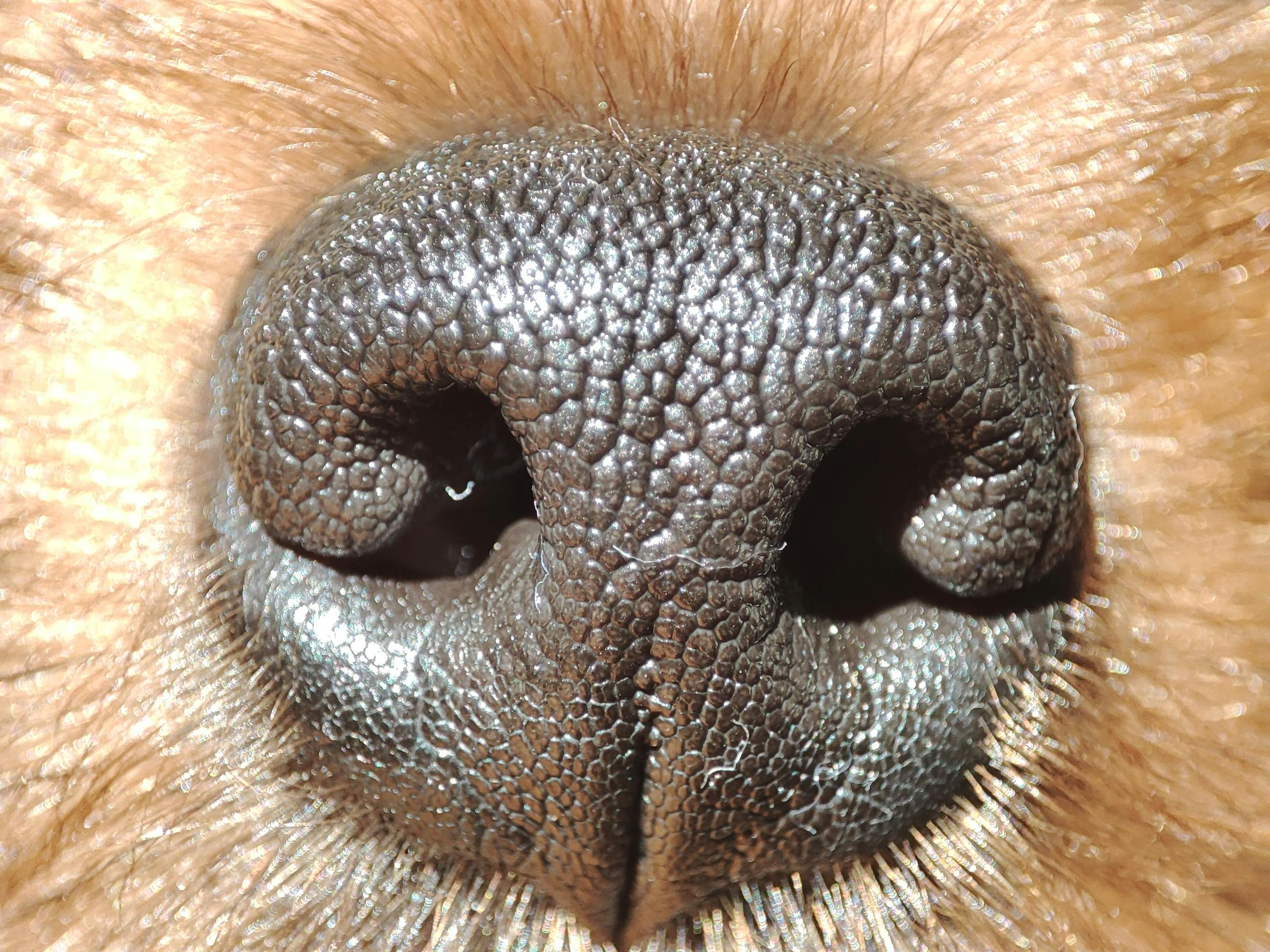 \n\n
\n\nDogs are truly remarkable creatures, and one of the most fascinating features they have is their wet noses. Many people often wonder, "Why do dogs have wet noses?" Well, there’s more to it than just a quirky trait. The wetness of their noses play a crucial role in their sense of smell, which is one of their most extraordinary abilities. Understanding how dogs use their wet noses can help us appreciate these furry companions even more.
\nThe Science Behind the Wet Nose
\nFirst off, let’s talk about what makes a dog’s nose wet. A dog’s nose is covered in a thin layer of mucus that helps to absorb scents from the environment. When a dog sniffs, the moisture on their nose traps scent particles, making it easier for them to detect and identify different smells. This is super important because dogs have an incredible sense of smell that is up to 100,000 times more sensitive than humans.
\nHere’s a quick breakdown of how this works:
\n- \n
- Mucus secretion: The moisture on a dog's nose comes from glands in the skin. This mucus is important for scent absorption. \n
- Temperature regulation: A wet nose can also help dogs cool down in hot weather, just like how sweating works for humans. \n
- Breath and scent detection: Dogs have a special organ called the Jacobsen's organ, which assists them in analyzing smells. The wet nose helps enhance the communication between the nose and this organ. \n
Why Do Dogs Have Wet Noses?
\nSo, why is it that dogs have wet noses? Here are some fascinating reasons:
\n- \n
- Enhanced Odor Detection: As mentioned, wet noses trap scent particles, improving their ability to detect smells. \n
- Health Indicator: A wet nose often indicates a healthy dog. If a dog’s nose is dry and cracked, it could be a sign of dehydration or illness. \n
- Thermoregulation: Dogs don't sweat like humans do; their noses help regulate their body temperature, keeping them cool. \n
- Communication Tool: Dogs use their noses not just for detecting smells, but also for social interactions. They sniff each other’s noses to gather information about one another. \n
Fun Facts About Dog Noses
\n- \n
- Dogs have about 220 million scent receptors, compared to a human's 5 million. \n
- The texture of a dog’s nose is unique, much like human fingerprints. No two dog noses are the same. \n
- Some breeds, like Bloodhounds, are known for their exceptional sense of smell, which is why they are often used in search and rescue operations. \n
The Role of Nose in Dog Behavior
\nDogs use their noses to understand the world around them. A dog's nose can tell them a lot about their environment. This is how they navigate their surroundings and interact with other animals and people. Here are some behaviors associated with their sniffing:
\n- \n
- Curiosity: Dogs will sniff to learn more about their environment. This includes sniffing new objects, people, and other animals. \n
- Marking Territory: Dogs often use their noses to smell and mark their territory. They leave their scent as a way of communicating with other dogs. \n
- Finding Food: Dogs have an innate ability to sniff out food, which is why they are often used in search and rescue or detection jobs. \n
Conclusion
\nThe wet nose of a dog is not just an adorable feature; it’s a crucial part of their biology that enhances their incredible sense of smell. From communication to health indicators, the reasons behind why dogs have wet noses are as varied as they are fascinating. Understanding this can help dog owners appreciate their pets more and provide better care. So next time you see a dog with a wet nose, remember that there’s a whole world of scents they’re exploring.
\n\nThe Connection Between a Dog’s Wet Nose and Their Emotions: What You Need to Know
\n\n \n\n
\n\nEver wonder why dogs have wet noses? It's more than just a quirky characteristic; it’s a fascinating aspect of canine biology and behavior. Many dog owners noticed this moist feature, but what does it mean? Not only does a wet nose serve a practical purpose, but it also relates to a dog’s emotions in ways you might not expect. Let’s dive into the intriguing world of dog noses, exploring what makes them wet and how that relates to their feelings.
\nWhy Do Dogs Have Wet Noses?
\nDogs have wet noses for several reasons, some of which are biological and others that relate to their behaviors. Here’s a list of the main reasons:
\n- \n
- \n
Enhanced Sense of Smell: A wet nose helps dogs absorb scent chemicals better. The moisture on the nose captures scent particles from the air. This is why dogs can sniff out things that humans can't even imagine. Their noses are about 40 times more sensitive than ours!
\n \n - \n
Temperature Regulation: Dogs don’t sweat like humans do. Instead, they rely on their noses to help cool down. When a dog pants, the moisture evaporates from their nose, aiding in thermoregulation.
\n \n - \n
Natural Lubrication: The mucus and moisture in their noses keep them lubricated. This is essential for the proper functioning of their olfactory receptors. If their noses were dry, it would hinder their ability to smell.
\n \n - \n
Social Signals: Dogs often use their noses to communicate. A wet nose can indicate a friendly and relaxed dog, while a dry one might signal stress or illness. Dogs often greet each other by sniffing noses, which can help understand each other's emotional state.
\n \n
The Emotional Connection
\nSo, how does a dog’s wet nose relate to their emotions? Research suggests that dogs can express a range of feelings through their noses. Here’s how:
\n- \n
- \n
Excitement: When dogs are excited, their noses tend to be wetter. This is often seen in playful pups, who are eager to engage with their owners or other dogs.
\n \n - \n
Stress or Anxiety: A dog that is feeling stressed might have a drier nose. This can happen in situations like thunderstorms, fireworks, or visits to the vet.
\n \n - \n
Affection: Dogs often nuzzle their owners with their wet noses as a sign of affection. It’s their way of saying, "I love you!"
\n \n
Historical Context of the Dog’s Nose
\nDogs have been companions to humans for thousands of years. The domestication of dogs dates back to around 20,000 to 40,000 years ago. Early humans relied on dogs for hunting and protection. As such, the dog’s sense of smell played a crucial role in their survival and companionship.
\nIn ancient cultures, dogs were revered not just for their utility but also for their emotional intelligence. They were often seen as a bridge between the human world and the spiritual realm. The wet nose became a symbol of their connection and loyalty.
\nFascinating Facts About Dog Noses
\n- \n
- \n
Unique Patterns: Just like human fingerprints, a dog’s nose print is unique. No two dogs have the same nose pattern!
\n \n - \n
Nasal Turbinates: Dogs have a complex structure in their noses called nasal turbinates. This increases the surface area for scent absorption, giving them an edge in detecting odors.
\n \n - \n
Health Indicators: A dog's nose can also indicate health. While a wet nose is usually a good sign, sudden changes in moisture levels can indicate illness. Always consult with a vet if you notice unusual changes.
\n \n
Comparing Dogs' Noses with Other Animals
\nDogs aren’t the only animals with wet noses, but their noses serve different functions compared to other species. Here’s a quick comparison:
\n| Animal | \nNose Type | \nPurpose | \n
|---|---|---|
| Dogs | \nWet | \nEnhanced smell, temperature regulation | \n
| Cats | \nDry | \nLess sensitive to smells, uses whiskers more | \n
| Pigs | \nWet | \nExcellent sense of smell, used for foraging | \n
| Bears | \nWet | \nGreat olfactory senses for tracking food | \n
As you can see, each species has adapted its nose to meet its needs. Dogs are particularly reliant on their noses for social and emotional communication.
\nIn summary, the wetness of a dog's nose is more than just an adorable feature; it reflects their emotional state, enhances their sense of smell, and serves practical purposes. Understanding these aspects can deepen the bond between you and your furry friend. So next time you notice your pup’s wet nose, remember it’s not just cute — it’s a window into their feelings and needs.
\n\nWhy Do Dogs Have Wet Noses? Uncovering the Evolutionary Benefits
\n\n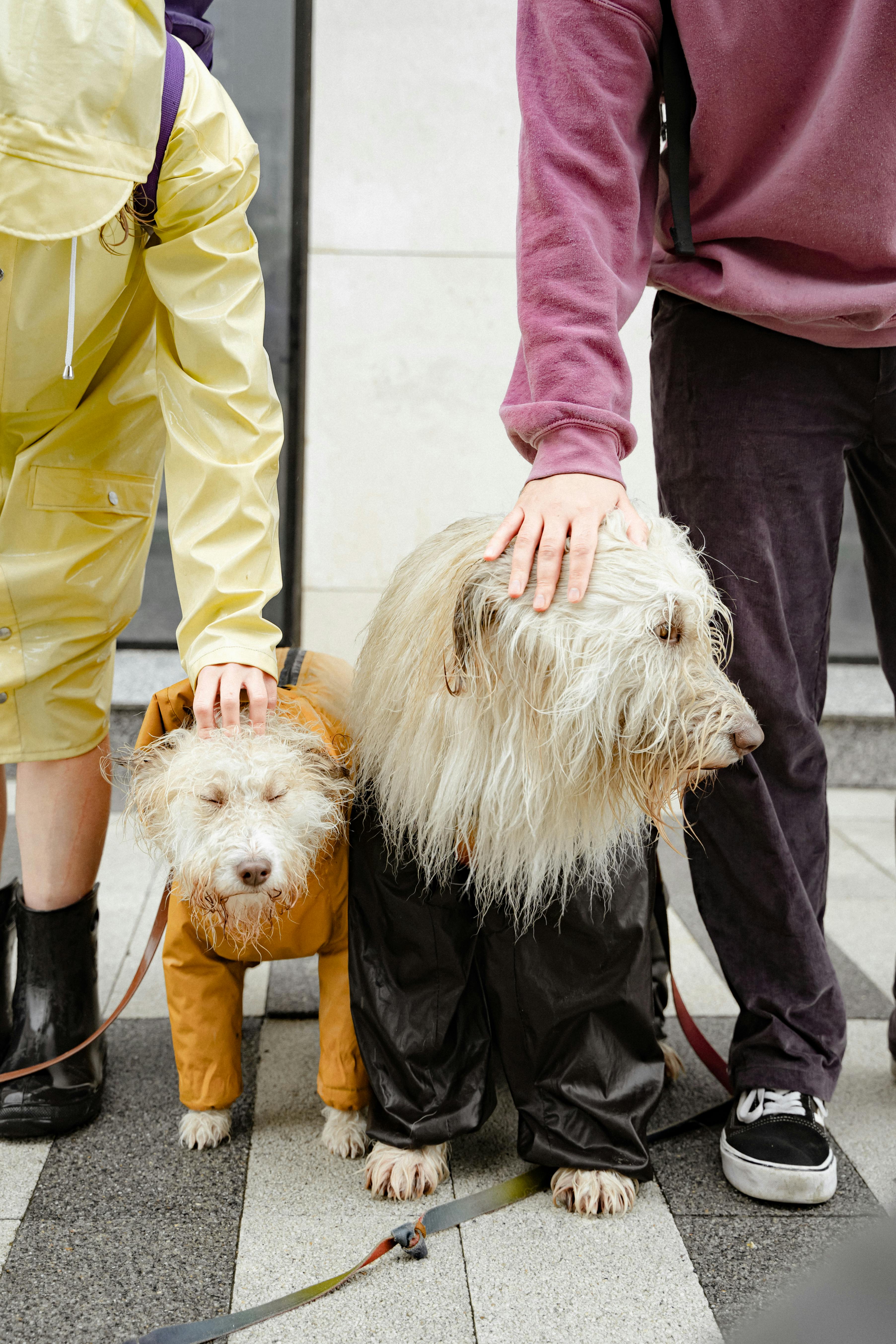 \n\n
\n\nDogs are amazing creatures, and one of the most charming features they have are their wet noses. Ever wonder why dogs have wet noses? Uncovering the evolutionary benefits behind this can be quite fascinating! It’s not just a cute trait; it has a lot to do with their health, senses, and even social interactions.
\nThe Science Behind Wet Noses
\nDogs have wet noses mostly because of their unique anatomy and physiology. The moisture on a dog's nose serves several purposes that are crucial for their survival and well-being. Here’s a breakdown of the science behind it:
\n- \n
- \n
Scent Detection: A wet nose helps dogs to absorb scent chemicals. The moisture attracts scent particles in the air, making it easier for them to detect smells. Dogs are known to have an extraordinary sense of smell—up to 100,000 times more sensitive than humans. Wet noses play a critical role in this amazing ability.
\n \n - \n
Thermoregulation: Dogs do not sweat like humans do. Instead, they cool themselves through panting and the moisture on their noses. A cool, wet nose can help in regulating body temperature. When dogs are hot, their noses may become drier as they lose moisture, signaling the need for a break or some water.
\n \n - \n
Health Indicators: The state of a dog’s nose can indicate health. A wet nose generally shows that a dog is healthy, while a dry or cracked nose may suggest dehydration or illness. Regularly checking your dog's nose is a good practice to ensure they are feeling well.
\n \n
Evolutionary Benefits of Wet Noses
\nFrom an evolutionary standpoint, having wet noses offers numerous advantages for dogs. Here’s a look at some of them:
\n- \n
- \n
Hunting and Survival: Ancestors of modern dogs relied on their sense of smell for hunting. A wet nose was crucial for tracking prey. The more moisture on the nose, the better they could detect scents in their environment.
\n \n - \n
Communication: Dogs use their noses to communicate with each other. A wet nose is often associated with a friendly demeanor. When dogs greet each other, they often sniff each other’s noses, and a wet nose can be seen as a sign of health and vitality.
\n \n - \n
Adaptation: Wet noses are an evolutionary adaptation that has helped dogs thrive in diverse environments. Whether they are in the wild or living with humans, this trait has proven beneficial across generations.
\n \n
Fun Facts About Dog Noses
\n- \n
- \n
Unique Patterns: Just like human fingerprints, every dog has a unique nose print. This means you can identify dogs just by their noses!
\n \n - \n
Cold Noses: Many people notice that a dog’s nose is often colder than their body temperature. This is normal and part of their cooling system.
\n \n - \n
A Range of Colors: Dog noses can come in various colors, including black, brown, and even pink, depending on the breed and genetics.
\n \n
Differences in Dog Breeds
\nNot all dogs have the same type of nose. Some breeds have longer, wet noses while others might have shorter, more compact ones. Here’s a quick comparison:
\n| Breed | \nNose Type | \nNotable Characteristics | \n
|---|---|---|
| Bloodhound | \nLong and Wet | \nExceptional sense of smell; tracking ability | \n
| Bulldog | \nShort and Wet | \nStrong build; friendly demeanor | \n
| Poodle | \nMedium and Wet | \nHypoallergenic coat; intelligent | \n
| Dachshund | \nLong and Wet | \nPlayful and energetic; great sense of smell | \n
Why Do Dogs Have Wet Noses in Different Weather?
\nThe weather can affect how wet a dog's nose gets. For instance:
\n- \n
- \n
In Humid Weather: Dogs might have wetter noses due to the increased moisture in the air. This can enhance their ability to smell.
\n \n - \n
In Dry Weather: A dog’s nose may dry out, which could be a sign they need more hydration. It’s essential to offer your furry friend plenty of water during hot months.
\n \n - \n
Seasonal Changes: During winter, cold temperatures can lead to drier noses. Protecting your dog from extreme cold is important for their overall health.
\n \n
Understanding why do dogs have wet noses helps us to appreciate these lovable companions even more. Their wet noses are not just adorable; they’re a sign of health, evolution, and adaptation. So next time you give your dog a scratch behind the ears, take a moment to appreciate that cool, wet nose! It’s doing much more than just looking cute; it’s part of what makes dogs such incredible animals.
\n\nUnderstanding Your Dog’s Health: When a Wet Nose Could Be a Cause for Concern
\n\n \n\n
\n\nDogs are often called man’s best friend, and one of the most endearing things about them is their wet noses. But have you ever thought about why do dogs have wet noses? It’s not just an adorable trait; it serves several important functions in their health and behavior. However, sometimes a wet nose can be a cause for concern, and understanding your dog’s health is crucial. Let’s dive into the fascinating reasons behind those moist snouts and what they might mean for your furry friend.
\nWhy Do Dogs Have Wet Noses?
\nDogs have wet noses for a variety of reasons, and it’s a natural thing for them. Here are some key points to consider:
\n- \n
- \n
Temperature Regulation: Dogs can’t sweat like humans do. They mainly cool down by panting, but their wet noses also play a role in regulating body temperature. The moisture helps to evaporate, which keeps them cool.
\n \n - \n
Sense of Smell: A wet nose enhances a dog’s ability to smell. The moisture captures scent particles, making it easier for dogs to identify smells. This is why dogs are often used in search and rescue operations.
\n \n - \n
Health Indicator: A dog’s nose can tell you a lot about their health. A normal, wet nose usually indicates a healthy dog, while a dry or cracked nose might suggest dehydration, illness, or other health issues.
\n \n - \n
Communication Tool: Dogs communicate with each other and with humans through their noses. A wet nose can be a sign of a dog being friendly and approaching for affection.
\n \n
When a Wet Nose Could Be a Cause for Concern
\nWhile a wet nose is generally a good sign, there are instances when it can indicate a problem. Consider these factors:
\n- \n
- \n
Persistent Discharge: If your dog’s nose is constantly running with discharge, this could be a sign of allergies or an infection.
\n \n - \n
Dryness or Cracking: A dry or cracked nose could indicate dehydration or a skin condition, so it’s important to monitor this.
\n \n - \n
Change in Temperature: If your dog’s nose goes from wet to dry suddenly, it could be a sign of fever or illness.
\n \n - \n
Behavioral Changes: If your dog is acting differently, like being more lethargic or refusing to eat, combined with changes in their nose's moisture, it’s time to consult a vet.
\n \n
Historical Context of Dogs’ Noses
\nThe evolution of dogs from wolves has resulted in various adaptations, including their noses. Historically, dogs have been bred for specific traits, including their sense of smell. Here’s a quick overview of how dogs’ noses evolved:
\n- \n
- \n
Wolves: Ancestors of dogs had wet noses for hunting and survival in the wild. Their ability to smell helped them locate prey.
\n \n - \n
Domestication: As dogs became domesticated, their noses remained wet, which helped them bond with humans and navigate their environments.
\n \n - \n
Breeding: Different breeds were developed for specific purposes, such as hunting or herding, all relying on their sense of smell.
\n \n
Fun Facts About Dog Noses
\n- \n
- \n
Unique Prints: Just like human fingerprints, every dog’s nose print is unique!
\n \n - \n
Nasal Turbinates: Dogs have structures in their noses called turbinates, which increase the surface area to enhance their sense of smell.
\n \n - \n
Sniffing Habits: Dogs can sniff up to 10,000 to 100,000 times better than humans!
\n \n - \n
Health Monitoring: Some pet owners and veterinarians monitor the moisture of a dog’s nose as a simple way to gauge health.
\n \n
Practical Care Tips for Dog Owners
\nTo ensure your dog’s nose stays healthy, here are some care tips:
\n- \n
- \n
Hydration: Always provide fresh water. Dehydration can lead to a dry nose.
\n \n - \n
Regular Check-ups: Take your dog to the veterinarian for regular health check-ups. Early detection is key for health issues.
\n \n - \n
Observe Behavior: Keep an eye on your dog’s behavior and physical changes. If you see something unusual, don’t hesitate to consult a vet.
\n \n - \n
Protect from Extreme Weather: In winter, consider using a nose balm to prevent cracking from cold air. In summer, ensure your dog doesn’t overheat.
\n \n
Understanding Your Dog’s Health
\nRecognizing the signs of your dog’s health can save lives. A wet nose generally indicates a healthy dog, but it’s wise to remain vigilant. If you notice any changes, such as persistent dryness, unusual discharge, or behavioral shifts, contact your veterinarian right away.
\nIn the end, understanding these fascinating aspects of your dog’s health not only enriches your bond but also ensures they lead a happy and healthy life. Always remember that a dog’s nose is not just a cute feature; it’s a vital part of their well-being.
\n\nThe Role of Temperature Regulation: Why a Wet Nose is Essential for Your Dog
\n\n\n\nDogs are truly amazing creatures, and one of the most fascinating aspects of them is their wet noses. You might wonder, "Why do dogs have wet noses?" It’s not just for show or because they like getting into puddles. In fact, the role of temperature regulation in dogs is vital, and their moist noses play a big part in keeping them healthy and comfortable. Let’s dive into the reasons behind those damp noses and what they mean for your furry friends.
\nThe Science Behind a Dog's Wet Nose
\nA dog's nose is not only wet but also remarkably sensitive. This sensitivity is crucial for their survival and well-being. Here are a few key points about why a dog's nose is often wet:
\n- \n
- \n
Temperature Control: Dogs don’t sweat like humans do. Instead, they rely on their noses to help regulate their body temperature. When a dog’s nose is wet, it helps cool them down, which is especially important on hot days.
\n \n - \n
Scent Detection: The wetness of a dog’s nose enhances its ability to smell. The moisture helps to capture scent particles, allowing dogs to process smells more effectively. This is one of the reasons why dogs have such a keen sense of smell, far superior to that of humans.
\n \n - \n
Health Indicator: A wet nose is often a sign of a healthy dog. If a dog’s nose is dry or warm, it might indicate illness or dehydration. Regularly checking your dog’s nose can give you clues about their health.
\n \n
Historical Context: The Evolution of the Wet Nose
\nDogs have evolved from wolves, who also had wet noses. Historically, the wet nose allowed these animals to hunt more effectively in their environments. As they adapted to different climates, the moist nose became an essential tool for temperature regulation and scent hunting. Over the years, this trait persisted through selective breeding, cementing the wet nose as an iconic characteristic of canines.
\nFun Facts About Dog Noses
\nDid you know that dog noses are as unique as human fingerprints? Here are some fun facts that might surprise you:
\n- \n
- \n
Nasal Patterns: Each dog has a distinct pattern on their nose, much like a human fingerprint. This uniqueness can even be used for identification purposes.
\n \n - \n
Scent Receptors: A dog’s nose contains about 300 million scent receptors, compared to a human’s 5 million. This is why dogs are often used in search and rescue operations or tracking down drugs.
\n \n - \n
Temperature Sensitivity: Dogs can sense changes in temperature through their noses, which helps them detect heat sources and stay safe.
\n \n
The Impact of Environment on Nose Moisture
\nThe moisture level of a dog's nose can change based on several factors. Here’s a quick list:
\n- \n
- \n
Humidity: In humid environments, a dog’s nose tends to stay wetter. Conversely, in dry climates, it may dry out more quickly.
\n \n - \n
Health Conditions: Certain health issues can cause a dog's nose to become excessively dry. Conditions like allergies, infections, or autoimmune disorders can affect the nose’s moisture levels.
\n \n - \n
Seasonal Changes: During colder months, a dog's nose might dry out due to the reduced humidity in the air. Owners should monitor their pets and ensure they remain hydrated.
\n \n
Practical Tips for Dog Owners
\nKnowing about the importance of a dog’s wet nose can help you take better care of your furry companion. Here are some tips to maintain their nose health:
\n- \n
- \n
Stay Hydrated: Always provide fresh water for your dog to drink. Dehydration can lead to a dry nose.
\n \n - \n
Humidity Matters: Consider using a humidifier in your home, especially during winter months.
\n \n - \n
Regular Vet Check-ups: If you notice a persistent change in your dog's nose moisture, consult your veterinarian. It could be a sign of underlying health issues.
\n \n - \n
Grooming: Regularly groom your dog to prevent allergens from irritating their skin and nose.
\n \n - \n
Observe Behavior: Keep an eye on any changes in behavior. Changes in energy levels, appetite, or playfulness could indicate a health problem.
\n \n
Understanding why dogs have wet noses isn't just an interesting fact; it’s a glimpse into their biology and health. The moisture on their noses is essential for regulating temperature and enhancing their sense of smell. By paying attention to this little detail about your dog, you can better ensure their overall well-being and happiness.
\n\nCurious Canine Facts: What a Wet Nose Says About Your Dog’s Behavior
\n\n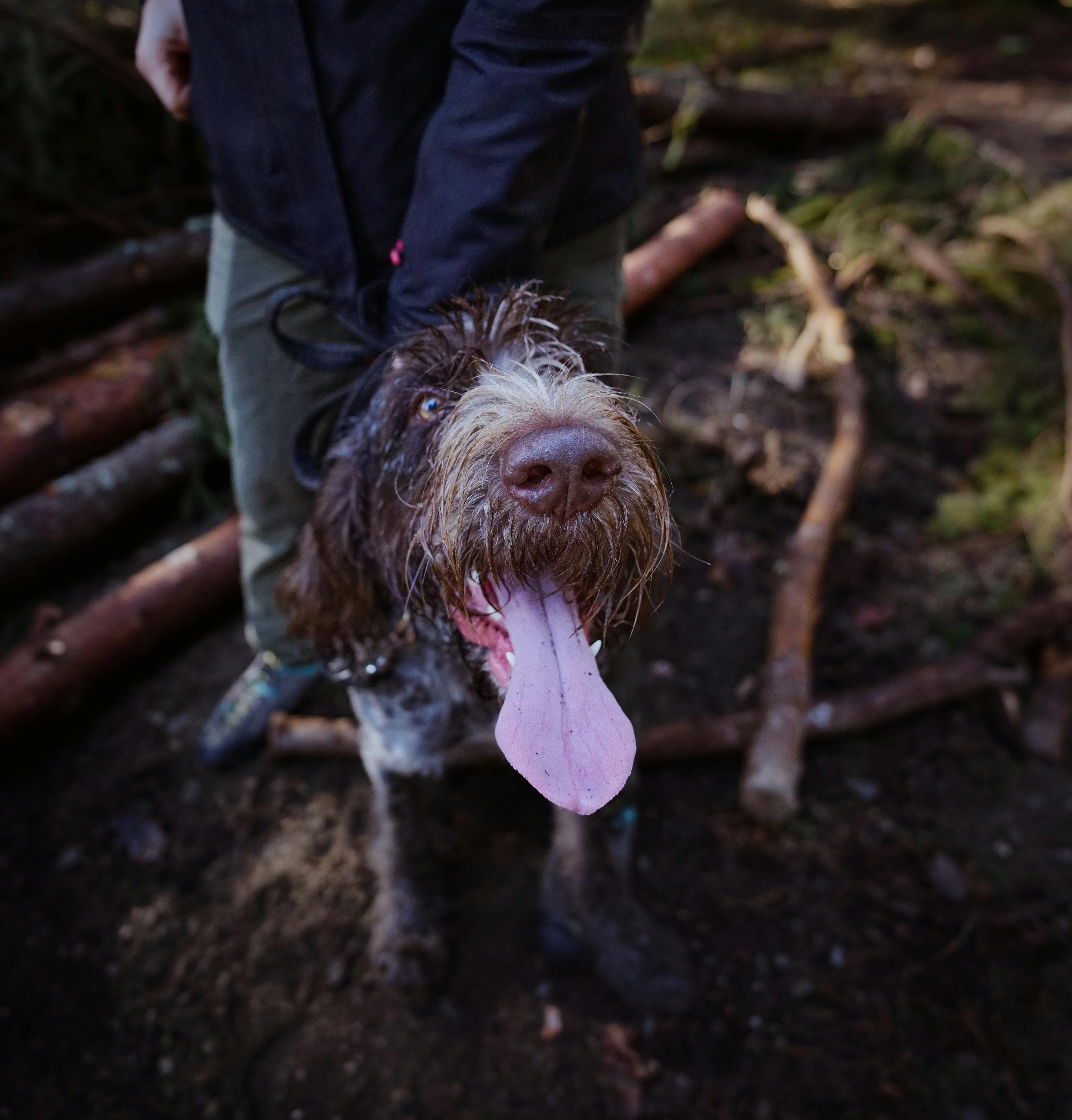 \n\n
\n\nDogs are one of the most beloved companions in the world, bringing joy and laughter to countless homes. But have you ever wondered why dogs have wet noses? It's a question that many dog owners ask, and the answer goes beyond just a cute quirk of our furry friends. In this article, we will explore the curious canine facts surrounding wet noses, what they might indicate about your dog's behavior, and delve into the fascinating reasons behind this common trait.
\nThe Science Behind a Wet Nose
\nFirst off, a dog's nose is wet for several reasons. The moisture on their nose helps enhance their sense of smell. Dogs have an incredible olfactory system, and a wet nose helps in trapping scent molecules from the environment. When your pup takes a whiff of something, the wetness helps them absorb more scents, making their sense of smell even better. Isn’t that neat?
\n- \n
- \n
Heat Regulation: A dog's nose can also help them cool down. Since dogs do not sweat the same way humans do, they rely on their noses to help regulate body temperature.
\n \n - \n
Scent Absorption: The moisture on a dog’s nose acts like a sponge, soaking in scent particles from the air.
\n \n - \n
Health Indicator: The condition of a dog’s nose can sometimes indicate their health. A dry, cracked nose may suggest dehydration or illness.
\n \n
Historical Context of Dog Noses
\nDogs have been companions to humans for thousands of years, and their wet noses have always been a point of fascination. Historically, various cultures have believed that a wet nose is a sign of good health. Ancient Egyptians revered dogs, often depicting them in art, and they recognized the importance of a healthy, moist nose.
\nFast forward to today, dog owners often look at their furry friend’s nose as a health barometer. If it’s too dry or unusually warm, it might be time to take a trip to the vet. Isn't it interesting how our relationship with dogs has influenced our understanding of their health?
\nCurious Canine Behavior Linked to Wet Noses
\nMany dog behaviors can also be linked to their wet noses. For instance, when your dog nudges you with their nose, they might be signaling for attention or food. That wet nose is often a way of saying, "Hey, I'm here!"
\n- \n
- \n
Affection: Dogs tend to lick their owners, which can also be linked to their wet nose. This act is often a sign of affection, just as a human hug conveys care.
\n \n - \n
Curiosity: Dogs use their noses to explore the world around them. You might notice your dog sniffing everything from the ground to other dogs. Their wet nose plays a vital role in this exploration, as it helps them gather information about their surroundings.
\n \n - \n
Communication: Dogs communicate their feelings through various body language, and their nose plays a part in this. A wet nose can signify excitement or happiness when greeting you after a long day.
\n \n
Fun Facts About Dog Noses
\n- \n
- \n
Dogs have about 220 million scent receptors in their noses, while humans have roughly 5 million. That’s like a superpower!
\n \n - \n
The wetness on a dog's nose can vary depending on the breed. Some breeds, like Bulldogs, have wetter noses than others.
\n \n - \n
A dog's sense of smell is so powerful that they can even detect certain medical conditions in humans, like diabetes or certain cancers.
\n \n - \n
Each dog’s nose print is unique, much like human fingerprints. So, technically, your dog has their own identification!
\n \n
Practical Insights for Dog Owners
\nKnowing why dogs have wet noses can help you better understand your pet. Here are some tips for pet owners:
\n- \n
- \n
Monitor Nose Condition: Keep an eye on your dog’s nose. If it’s excessively dry or cracked, consult a vet.
\n \n - \n
Hydration is Key: Ensure your dog stays hydrated, especially in hot weather, to help maintain a healthy nose.
\n \n - \n
Regular Vet Visits: Regular check-ups can help catch any potential health issues related to your dog’s nose and overall health.
\n \n - \n
Encourage Exploration: Allow your dog to explore their environment safely. Their wet nose helps them learn about the world!
\n \n
So, next time you notice your dog's wet nose, remember that it’s not just an endearing trait but also a fascinating aspect of their biology and behavior. Understanding this can deepen the bond you share with your canine companion and enhance your experience as a dog owner. Remember, a wet nose is often a happy nose!
\n\nFrom Playful Pups to Senior Dogs: How Wet Noses Change Over Time and What It Means
\n\n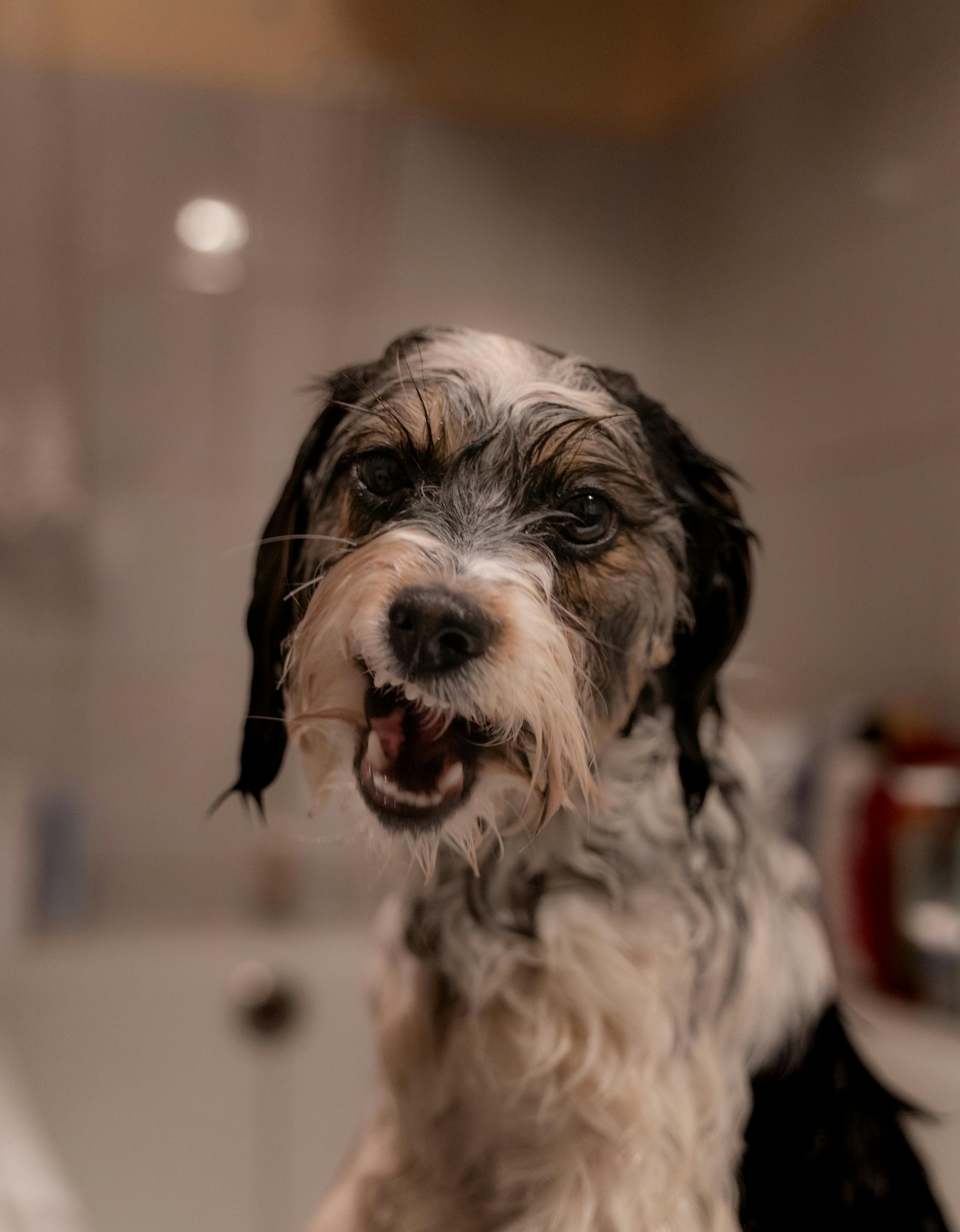 \n\n
\n\nDogs are often known for their playful nature and their little wet noses. Have you ever wonder why their noses are wet? As a dog owner, you might notice that your furry friend’s nose can change over time, from the wet and cold noses of puppies to the slightly drier noses of senior dogs. This transformation can be a little perplexing, and it brings us to the question: Why do dogs have wet noses? Let’s dive into this fascinating topic and explore the reasons behind our canine companions’ unique noses.
\nThe Science Behind Wet Noses
\nDogs have wet noses for several reasons, and understanding these can help us appreciate our pets even more. The moisture on a dog’s nose serves a few key purposes:
\n- \n
- Cooling Mechanism: Dogs can't sweat like humans do. Their primary way to regulate body temperature is through panting and the moisture on their noses. A wet nose helps to cool them down, especially during hot weather. \n
- Enhanced Sense of Smell: Wet noses help trap scent particles in the air, making it easier for dogs to pick up smells. This is crucial for their survival instincts as they rely heavily on their sense of smell to explore the world. \n
- Health Indicator: A wet nose is often associated with good health in dogs. However, a dry nose might indicate illness or dehydration. This is why monitoring changes in your dog’s nose can be important. \n
Historical Context of Dog Noses
\nSince ancient times, dogs have been companions to humans. The wet nose has been a characteristic feature for many breeds. Historically, it is believed that dogs developed this trait to enhance their hunting capabilities. As they chased prey, a wet nose would provide them with an advantage by improving their olfactory senses.
\nPuppy Nose vs. Senior Dog Nose
\nJust like humans age, dogs also undergo changes as they grow older. Here’s a comparison of how noses change from playful pups to senior dogs:
\n| Age Group | \nNose Characteristics | \nCommon Changes | \n
|---|---|---|
| Puppies | \nVery wet, cool, and smooth | \nActive exploration, high energy | \n
| Adults | \nMoist but firm | \nPeak health and vitality | \n
| Senior Dogs | \nDrier, may feel warmer | \nPossible health issues, dehydration | \n
Factors Influencing Nose Moisture
\nSeveral factors can affect the moisture level of a dog’s nose. Here are a few to keep in mind:
\n- \n
- Environment: Dry air, especially during winter months, can lead to drier noses. \n
- Hydration: A well-hydrated dog is more likely to have a moist nose. Always ensure your dog has access to fresh water. \n
- Health Conditions: Certain medical issues, such as fever or allergies, can cause a dog's nose to become dry. This is why it’s important to consult with a vet if you notice significant changes. \n
Practical Tips for Dog Owners
\nTo maintain your dog’s nose health, consider the following tips:
\n- \n
- Hydration: Make sure your dog drinks plenty of water, especially in hot weather. \n
- Humidity: Use a humidifier in dry conditions to keep the moisture in the air, which can help your dog's nose. \n
- Regular Vet Check-Ups: Regular visits to the vet can catch any underlying health issues early. \n
- Observe Changes: Keep an eye on your dog’s behavior and nose condition; if you see something unusual, don’t hesitate to reach out to a vet. \n
Fun Facts about Dog Noses
\n- \n
- Dogs have about 220 million scent receptors in their noses, compared to about 5 million in humans. \n
- The wetness of a dog’s nose can change within minutes depending on their activity level and mood. \n
- Each dog's nose print is unique, much like a human fingerprint. \n
So, the next time you notice your dog’s wet nose, remember it’s not just adorable — it's a vital part of their anatomy that plays a significant role in their health and wellbeing. Understanding why dogs have wet noses can enhance your bond with your pet and help you care for them better throughout their lives. From playful pups to wise senior dogs, every stage of life brings its own set of challenges and joys. Embrace these moments with your furry friend and appreciate the little things that make them unique.
\n\nConclusion
\n\nIn conclusion, the wet noses of dogs serve multiple important purposes, ranging from enhancing their sense of smell to regulating body temperature. The moisture on their noses helps to capture scent particles, allowing them to interpret their environment more effectively. Additionally, the wetness plays a role in thermoregulation, helping dogs cool down through evaporation. While it’s a natural and healthy trait, variations in nose moisture can indicate health issues that pet owners should monitor. Understanding the science behind why dogs have wet noses not only deepens our appreciation for these beloved companions but also encourages us to be attentive to their overall well-being. So next time you notice your dog’s wet nose, remember that it’s not just cute; it’s a vital part of their biology. Stay vigilant and cherish those moments, ensuring your furry friend stays happy and healthy.
\n\n