Have you ever wondered, "Why do dogs have wet noses?" This intriguing question not only sparks curiosity among pet owners but also unveils a fascinating aspect of canine biology. A dog's nose is often moist, and this phenomenon plays a crucial role in their health and sensory perception. But why is that? Scientists and dog lovers alike have explored the reasons behind this unique trait, revealing it’s not just for show! Wet noses help dogs to smell better, as the moisture captures scent particles more efficiently. Isn't that amazing? Furthermore, the wetness of a dog's nose can also indicate their health status. For instance, a dry nose might be a sign of dehydration or illness. So, if you've ever asked yourself, "What makes a dog's nose wet?" or "Is my dog's wet nose normal?", you're not alone! In this article, we will dive deeper into the science and the benefits of this remarkable feature. Stick around to uncover the secrets behind why dogs have wet noses and how it impacts their everyday life! You won't want to miss these fascinating insights!
\n\nThe Science Behind Wet Noses: What Makes Your Dog’s Nose Moist and Cool?
\n\n \n\n
\n\nDogs are often considered man's best friend, but have you ever wondered about one of their most endearing features? Yes, we’re talking about those wet noses! The moisture on a dog's nose isn't just for show, there’s a whole science behind it. Let’s dive into the fascinating reasons why do dogs have wet noses, and what makes them cool and moist.
\nThe Purpose of Wet Noses
\nSo, why do dogs have wet noses? The answer is multi-faceted. A moist nose plays a crucial role in a dog’s sense of smell, which is far superior to humans. Here’s how:
\n- \n
- Enhanced Smell: Dogs have about 220 million scent receptors compared to humans' 5 million. The moisture helps absorb scent particles, making it easier for them to identify different smells. \n
- Cooling Mechanism: Dogs don’t sweat like humans do. Their noses help regulate their body temperature. When they breathe out, the moisture evaporates, cooling them down. \n
- Health Indicator: A wet nose can indicate good health, while a dry or warm nose might suggest illness. Although it’s not a foolproof method, many dog owners notice changes in their pet's nose and seek veterinary advice if something seems off. \n
What Makes a Dog’s Nose Moist?
\nThere are several factors that contribute to the moisture level of a dog’s nose:
\n- \n
- Nasal Glands: Dogs have glands in their noses that produce mucus, keeping the surface moist. \n
- Environmental Factors: The humidity and temperature of their surroundings influence moisture levels. For example, a hot, dry room may lead to a drier nose. \n
- Hydration: Just like humans, dogs need to drink enough water. Dehydration can lead to a dry nose. \n
- Breed Differences: Some breeds have wetter noses than others. For instance, Basset Hounds and Bloodhounds are known for their particularly moist noses. \n
Historical Perspectives on Dog Noses
\nHistorically, dogs have been valued for their ability to track scents, and their wet noses have played a pivotal role in this. Ancient civilizations, including the Egyptians, recognized the importance of a dog’s sense of smell. They often used dogs for hunting, herding, and even in search and rescue operations, where a wet nose was essential for scent tracking.
\nInteresting Facts About Dog Noses
\nHere are some fun and intriguing facts about why do dogs have wet noses:
\n- \n
- Unique Patterns: Just like human fingerprints, each dog has a unique nose print that can be used for identification. \n
- Temperature Sensitivity: Dogs can detect changes in temperature and humidity through their noses, which is why they may act differently when the weather changes. \n
- Scent Memory: Dogs have a remarkable scent memory, which is enhanced by the moisture on their noses. They can remember scents for years! \n
The Science of Smell in Dogs
\nUnderstanding a dog’s sense of smell can give more insight into why their noses are wet. Here’s a simple breakdown of how dogs smell:
\n- \n
- Inhalation: When a dog inhales, air passes through their nose, and scent particles dissolve in the moisture. \n
- Olfactory Bulb: The scent particles travel to the olfactory bulb in the brain, which processes these smells. \n
- Evaporation: The moisture on their noses quickly evaporates as they exhale, allowing them to detect even more scents. \n
Practical Tips for Dog Owners
\nTo ensure your dog’s nose stays healthy and moist, consider these practical tips:
\n- \n
- Hydration: Always provide fresh water for your dog. Dehydration can lead to a dry nose. \n
- Regular Vet Check-ups: Regular check-ups can help identify any underlying health issues affecting your dog's nose. \n
- Environmental Care: Keep your dog in a comfortable environment. If you notice their nose is frequently dry, consider using a humidifier during dry seasons. \n
Dogs have wet noses for many reasons, from enhancing their sense of smell to regulating their body temperature. Understanding the science behind this feature not only enriches our appreciation for these amazing creatures but also helps us take better care of our furry friends. So next time you give your dog a pat, take a moment to appreciate that moist little nose — it’s working hard for them!
\n\n7 Surprising Benefits of a Dog’s Wet Nose You Didn’t Know About
\n\n \n\n
\n\nHave you ever noticed how your dog’s nose is always wet? It’s like, they could be snoozing all day, but their noses never seem to dry out! This curious feature of our canine companions is more than just an oddity — it’s actually connected to their biology and behavior in fascinating ways. Let’s dive into the 7 surprising benefits of a dog’s wet nose, and explore why do dogs have wet noses in the first place.
\n1. Enhanced Sense of Smell
\nDogs noses are not just wet for fun; it help them sniff out everything. A dog’s sense of smell is estimated to be anywhere from 10,000 to 100,000 times more sensitive than that of humans! The moisture on their noses helps absorb scent particles in the air. This ability allows them to detect scents that are often undetectable to us, making them excellent at search and rescue, hunting, and even detecting medical conditions.
\n2. Temperature Regulation
\nYou ever wonder how dogs manage to keep cool? Well, wet noses play a role in that. Dogs don’t sweat like humans do. Instead, they regulate their body temperature through panting and the moisture on their noses. When the wetness evaporates, it helps to cool the blood vessels in that area. So, a wet nose can mean your dog is trying to keep their body temperature in check.
\n3. Communication Tool
\nDogs are social creatures and their wet noses can serve as a form of communication. When dogs nuzzle or lick you, it’s often a sign of affection or a way to gather information about you. The moisture on their noses can transfer scents, helping them to understand more about who you are and what you have been doing. It’s like their own little way of saying “hello” or “I love you.”
\n4. Health Indicator
\nA wet nose can also be an indicator of a dog's health. Generally, a healthy dog has a moist nose. If a dog’s nose becomes unusually dry or warm, it may indicate illness or dehydration. Veterinarians often assess a dog’s nose when checking for health issues. Here’s a quick reference to what different nose conditions might mean:
\n- \n
- Wet and cool: Healthy dog \n
- Dry and warm: Possible fever or dehydration \n
- Excessively runny: Could suggest allergies or an infection \n
5. Natural Moisturizer
\nThe moisture on your dog’s nose is actually a natural moisturizer. Just like humans use lip balm to keep our lips from chapping, dogs have a natural way to keep their noses from drying out. The secretions from their nasal glands help lock in moisture. This is particularly important for dogs who live in dry climates or during winter months when the air is cold and dry.
\n6. Increased Sensitivity
\nDid you know that a wet nose can enhance a dog’s tactile sense? The moisture increases sensitivity to touch and helps them gather more information about their surroundings. This is why dogs often sniff and nuzzle objects, people, or other animals. Their wet noses can feel textures and detect slight changes in their environment.
\n7. A Sign of Emotion
\nDogs express their emotions in various ways, and their wet noses can be a part of that. For example, if your dog is excited, they might approach you with a wet nose, wiggling their body, signaling they want to play or be petted. Conversely, a cold or dry nose might indicate that your pup is feeling under the weather or stressed. It’s just another layer to how dogs communicate with us.
\nSummary of Benefits
\nHere’s a quick look at the benefits of a dog’s wet nose:
\n- \n
- Enhanced sense of smell \n
- Helps in temperature regulation \n
- Serves as a communication tool \n
- Acts as a health indicator \n
- Natural moisturizer \n
- Increases sensitivity \n
- Sign of emotion \n
Dogs noses are truly remarkable, and they provide more than just a cute feature on their faces. Understanding why do dogs have wet noses can deepen our appreciation for these loyal companions. Next time you give your furry friend a pat, take a moment to appreciate their unique biology and the fascinating reasons behind their wet noses. It’s a small detail, but it carries a lot of significance in the dog world!
\n\nHow Do Dogs Use Their Wet Noses to Understand the World Around Them?
\n\n \n\n
\n\nDogs are often called man's best friend, and one of the many reasons for that is their incredible ability to understand the world around them. A significant part of this understanding comes from their wet noses. You may have noticed that your furry companion's nose is always moist, but have you ever wondered why? Or, how do dogs actually use their wet noses to gather information? Let's explore the fascinating reasons behind why dogs have wet noses and how it helps them interact with their environment.
\nWhy Do Dogs Have Wet Noses?
\nDogs noses are wet for a few reasons, and it's not just about being cute or unique. The moisture on their noses serves several important functions, which can be broken down into the following:
\n- \n
- \n
Enhanced Smell: Dogs have an amazing sense of smell, with some breeds, like Bloodhounds, having up to 300 million smell receptors. A wet nose helps to capture scent particles more effectively. The moisture collects these particles, which then allows the receptors to detect them better. This is why dogs are often used in search and rescue missions, as well as in hunting.
\n \n - \n
Temperature Regulation: Dogs do not sweat like humans do. Their primary method of cooling down is through panting, but having a wet nose helps too. The moisture evaporates from their nose, which can help cool them down. This is especially important during hot weather.
\n \n - \n
Sensory Tool: A dog's nose is also a sensory organ. The wetness provides a better surface for picking up chemical cues in the environment. This can alert them to the presence of other animals or even humans.
\n \n - \n
Health Indicator: A dog’s nose can be a sign of their health. A wet, cool nose usually indicates that a dog is healthy, while a dry or excessively warm nose can be a signal that something might be wrong.
\n \n
The Science Behind Wet Noses
\nMany people don’t realize that a dog’s nose is covered in a special type of skin which is different from the rest of their body. This skin is packed with olfactory receptors and is very sensitive. The wetness is produced by mucous glands, which continuously secrete moisture.
\n- \n
- \n
Size of the Nose: Larger noses do not always mean a better sense of smell. It's about the density of the olfactory receptors rather than the size. All dogs, regardless of their nose size, have this moisture to help them sniff out important scents.
\n \n - \n
Breed Variations: While all dogs have wet noses, some breeds have more pronounced nasal features. For example, Greyhounds and Beagles tend to have more moisture on their noses compared to others like bulldogs.
\n \n
Dogs and Their Sense of Smell
\nDid you know that a dog’s sense of smell is at least 10,000 to 100,000 times more sensitive than a human's? Here’s how they utilize their wet noses for exploration:
\n- \n
- Dogs can detect certain diseases in humans, like cancer, due to their ability to smell chemical changes. \n
- They can differentiate between people just by scent, knowing who has been around even hours after they’ve left. \n
- Dogs can even smell emotions. For instance, they may sense fear or anxiety through the chemicals released in sweat. \n
Fun Facts About Dog Noses
\nHere are some interesting tidbits about dog noses:
\n- \n
- Dogs have unique nose prints, much like human fingerprints, which can be used to identify them. \n
- The wetness of a dog's nose can change depending on their activity level or health status. \n
- Dogs can learn to identify specific scents and can be trained to follow trails, which is why they excel in roles like therapy and service dogs. \n
Practical Examples of Dogs Using Their Noses
\n- \n
- \n
Search and Rescue: Dogs are trained to find missing people in various environments, including natural disasters or wilderness areas. Their wet noses help them pick up scents that humans cannot.
\n \n - \n
Detection Work: Many dogs are used in law enforcement to sniff out drugs or explosives. Their noses pick up on traces that would be imperceptible to human noses.
\n \n - \n
Everyday Life: Your dog uses its nose to gather information about other animals or humans they meet on walks. They may sniff a tree, a bush, or even another dog to gather details about their environment.
\n \n
In conclusion, the wet noses of dogs are much more than just a cute feature; they play a vital role in how dogs interact with and understand their world. From enhancing their sense of smell to providing health indicators, the moisture is an essential part of a dog's biology. So next time you see your furry friend with their wet nose, remember the fascinating reasons behind it!
\n\nDoes a Wet Nose Mean Your Dog is Healthy? Debunking Common Myths
\n\n\n\nWhen we think about our furry friends, many of us wonder about their health and well-being. One common belief is that a wet nose is a sign of a healthy dog. But is this really true? Let’s dig into the topic and uncover the facts behind why do dogs have wet noses and what it really means for their health.
\nThe Myths Surrounding Wet Noses
\nThere’s a lot of misinformation out there about what a dog’s wet nose signifies. Many people think that if a dog’s nose is dry, it might be sick. This just isn't always the case. Here’s a breakdown of some common myths:
\n- \n
- Myth 1: A wet nose means your dog is healthy. \n
- Myth 2: A dry nose equals a fever. \n
- Myth 3: Only certain breeds have wet noses. \n
In reality, a dog’s nose can be wet or dry for a variety of reasons, and it doesn’t necessarily indicate their health status.
\nWhy Do Dogs Have Wet Noses?
\nSo, if a wet nose doesn't automatically mean good health, why do dogs have wet noses in the first place? Well, there are several fascinating reasons:
\n- \n
- \n
Cooling Mechanism: Dogs have sweat glands, but they don’t sweat like humans do. Instead, they cool off by panting and through their noses. A wet nose helps to regulate their body temperature.
\n \n - \n
Sense of Smell: A wet nose is more effective at picking up scents. The moisture helps to capture scent particles in the air, which enhances a dog's sense of smell. This is why dogs are such great trackers!
\n \n - \n
Natural Moisture: Dogs’ noses naturally produce mucus, which keeps them moist. This moisture is important for their olfactory abilities and overall health.
\n \n - \n
Environmental Factors: Sometimes, a dog’s nose gets wet from external sources like rain, water bowls, or even licking.
\n \n
How to Assess Your Dog’s Health
\nInstead of solely relying on the condition of your dog's nose, it’s better to look at other signs of health. Here are a few things to consider:
\n- \n
- Behavior: Is your dog acting normally? Changes in behavior can be a key indicator of health issues. \n
- Appetite: Is your dog eating and drinking as usual? Loss of appetite may signal a problem. \n
- Energy Levels: Is your dog more lethargic than usual? This could be a red flag. \n
- Physical Symptoms: Look out for unusual symptoms like vomiting, diarrhea, or coughing. \n
A Quick Comparison on Nose Conditions
\nHere’s a simple table to help you compare different nose conditions and what they might indicate:
\n| Nose Condition | \nPossible Meaning | \nAction to Take | \n
|---|---|---|
| Wet and Cool | \nNormal, healthy dog | \nNo immediate action needed | \n
| Dry and Warm | \nPossible fever or dehydration | \nMonitor closely, consider vet visit | \n
| Cracked or Rough | \nAllergies or skin issues | \nVet check recommended | \n
Practical Examples of Nose Health
\nConsider these examples:
\n- \n
- If your dog just finished playing outside and their nose is wet, that’s normal and expected. They might’ve been panting and cooling off. \n
- On the other hand, if you notice your dog’s nose is dry and they seem lethargic, it might be worth a trip to the vet. \n
Other Factors to Consider
\nWhile a wet nose can be one indicator of health, it’s not the only one. Here are some additional factors you should keep in mind:
\n- \n
- Age: Older dogs might have different nose conditions compared to younger ones. \n
- Breed: Certain breeds may naturally have drier noses or different health concerns. \n
- Weather Conditions: Hot or cold weather can affect your dog’s nose moisture. \n
The truth is that while a wet nose can be a good thing, it’s just one piece of the puzzle in understanding your dog’s health. Regular vet visits, a healthy diet, and plenty of exercise are all crucial for keeping your furry friend happy and healthy.
\nSo, the next time someone asks you if a wet nose means your dog is healthy, you can share what you learned here. Just remember, it’s always best to consider the whole picture when it comes to your beloved pet’s health.
\n\nWet Noses and Dog Behavior: What Your Pup is Trying to Tell You
\n\n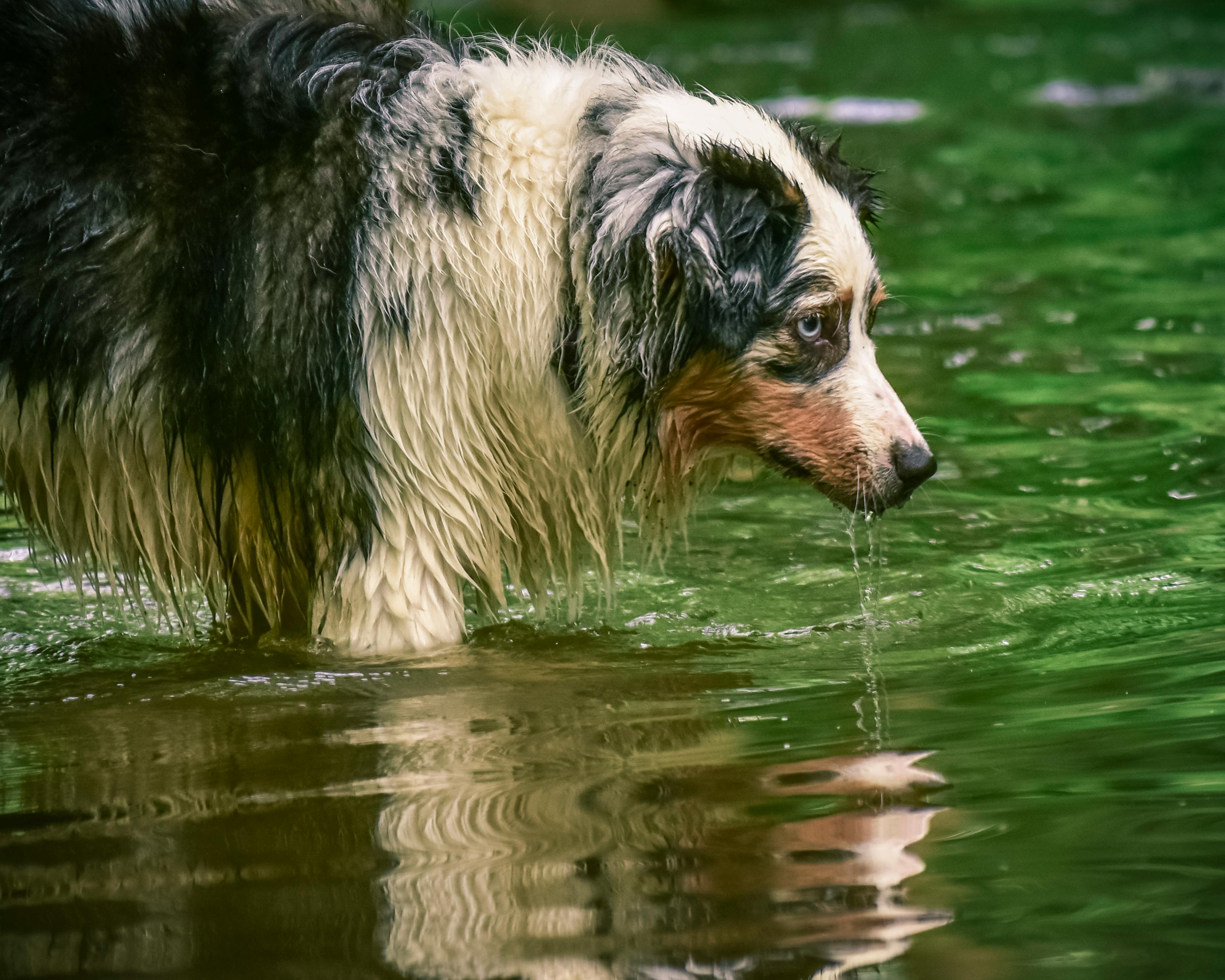 \n\n
\n\nWhen you see your dog with that adorable wet nose, it might make you wonder: why do dogs have wet noses? Wet noses are one of those little quirks of dog behavior that seem so harmless, yet they tell us a lot about how our furry friends communicate and how their bodies works. Understanding why your pup’s nose is wet can give you insights into their health and emotions. So, let’s dive into the fascinating reasons behind those wet noses and what your dog might be trying to communicate.
\nThe Science Behind Wet Noses
\nDogs have wet noses for a couple of important reasons. Firstly, a wet nose helps them to smell better. Yes, you read that right! A dog's sense of smell is already incredibly powerful, estimated to be up to 100,000 times more sensitive than that of humans. The moisture on their noses helps to dissolve scent particles, making it easier for them to detect different scents in their environment.
\nHere’s a quick list of why wet noses are beneficial for dogs:
\n- \n
- Enhanced Smell: Helps them identify scents better by trapping scent particles. \n
- Temperature Regulation: Aids in keeping their body cool, similar to how sweat works for humans. \n
- Health Indicator: A wet nose can be a sign of good health, while dryness may indicate issues. \n
What Does a Wet Nose Mean?
\nSo, what does it actually mean when your dog’s nose is wet? It can vary quite a bit based on the situation. Here’s a breakdown:
\n- \n
- \n
Healthy State: Generally, a wet nose indicates that your dog is healthy and properly hydrated.
\n \n - \n
Temperature Regulation: Dogs don’t sweat like humans do. Instead, they rely on their noses and paw pads for cooling off. A wet nose can mean they are working to maintain their body temperature, especially after playing or exercising.
\n \n - \n
Emotional State: Dogs are emotional creatures. A wet nose can also signify excitement or happiness. When they’re wagging their tails and panting with a moist nose, it’s usually a good sign!
\n \n
When Should You Be Concerned?
\nWhile a wet nose is generally a positive sign, there are instances where it can raise a red flag. Here’s what to watch out for:
\n- \n
- Very Dry Nose: If your pup's nose is unusually dry or cracked, it could indicate dehydration or illness. \n
- Changes in Texture: If their nose changes from wet to excessively dry or rough suddenly, it might be time for a vet visit. \n
- Discharge or Crustiness: Any unusual discharge or crusty areas on the nose could be a sign of an infection or allergy. \n
Historical Context: The Importance of Noses
\nThroughout history, dogs have been our companions, working alongside humans for thousands of years. Their wet noses have played a role in their usefulness. Early hunting dogs relied on their keen sense of smell to track down prey. Having a moisture-rich nose allowed them to identify scents more effectively, which was crucial for survival in the wild.
\nFun Facts About Dog Noses
\nHere’s a quick list of some fascinating facts about dog noses that you might not know!
\n- \n
- Unique Nose Prints: Just like human fingerprints, every dog has a unique nose print. \n
- Temperature Sensitivity: Dogs can detect changes in temperature better than humans, thanks to their highly sensitive noses. \n
- Scent Memory: A dog can remember scents for years! They can recognize a scent they haven’t encountered in a long time. \n
Communicating with Your Dog
\nUnderstanding your dog's behavior goes beyond just their wet noses. Here are some ways your pup communicates:
\n- \n
- Body Language: Pay attention to their posture and tail position. A wagging tail usually means they’re happy, while a tucked tail can mean fear. \n
- Vocalizations: Barks, whines, and growls all mean different things. For example, a high-pitched bark can indicate excitement, while a low growl might signal discomfort. \n
- Facial Expressions: Dogs express a lot with their eyes and ears. Relaxed ears and a soft gaze usually indicate calmness. \n
It’s truly amazing how much our dogs communicate through their noses and overall behavior. By understanding these signals, you can strengthen your bond and ensure your pet feels loved and cared for. The next time you see that adorable wet nose, remember it’s not just cute; it’s a window into their world.
\n\nThe Role of a Dog’s Wet Nose in Temperature Regulation: Keeping Cool in Summer
\n\n \n\n
\n\nDogs are incredible creatures with many fascinating traits, one of the most interesting is their wet noses. Have you ever wondered why do dogs have wet noses? It's not just for show or a cute feature. There's actually a lot of science and biology that goes into understanding that little bit of moisture on your furry friend's snout. Especially during the hot summer months, a dog's wet nose plays a vital role in helping them stay cool.
\nThe Science Behind a Dog's Wet Nose
\nA dog's nose is not just an adorable feature; it's a complex organ that serves several important functions. The moisture on a dog's nose comes from mucus, which evaporates and helps cool the air that they inhale. This process is similar to how sweat helps humans cool down.
\n- \n
- Dogs have about 300 million scent receptors in their noses. This allows them to smell things at a level that is far superior to humans. \n
- The wetness of their noses also enhances their ability to pick up scents, making it easier for them to detect pheromones and other important smells in their environment. \n
How Does Temperature Regulation Work?
\nDuring summer, dogs can struggle with heat, especially breeds that have thick fur or short snouts. Their primary way of regulating temperature is through panting. But, their wet noses also play a crucial role in this process.
\nHere’s how it works:
\n- \n
- Evaporative Cooling: Just like how sweat cools humans, the moisture on a dog’s nose evaporates and cools down the blood vessels that lie close to the surface. \n
- Increased Airflow: When dogs breathe in through their nose, the moisture in the air can help to cool their body temperature as well. \n
- Scent Detection: A wet nose can pick up more scent particles, which means dogs can detect changes in their environment, including heat sources, more efficiently. \n
Why Do Dogs Have Wet Noses? The Fascinating Reasons!
\nYou might be thinking that this is all pretty basic, but the reasons why dogs have wet noses goes deeper than just temperature regulation. Here’s a list of some of the key reasons:
\n- \n
- Health Indicator: A wet nose can be a sign of good health. If a dog’s nose is dry and cracked, it may indicate dehydration or illness. \n
- Communication Tool: Dogs often use their noses to communicate, both with other dogs and with humans. A wet nose can be a friendly greeting or a way to show affection. \n
- Thermoregulation: As already mentioned, it plays a key role in helping dogs cool down, especially when they are active. \n
- Scent Enhancement: The moisture enhances their sense of smell, making it easier to track scents and locate food or other animals. \n
The Evolutionary Perspective
\nHistorically, dogs have developed wet noses as part of their evolutionary journey. They descended from wolves, whose noses were similarly moist. Over generations, this trait became essential for survival, allowing them to hunt and communicate effectively.
\n- \n
- Adaptation to Environment: In the wild, having a wet nose allows dogs to be more efficient hunters. It helps them find prey and avoid danger. \n
- Social Behavior: Pack dynamics in wolves often revolved around scent, and a wet nose enhances social interactions within groups. \n
Fun Facts About Dog Noses
\n- \n
- Some dogs have "drier" noses than others, depending on their breed. \n
- A dog's nose print is unique, much like a human fingerprint, and can be used for identification. \n
- Dogs can detect certain diseases in humans through scent, thanks in part to their highly developed wet noses. \n
Practical Tips for Keeping Your Dog Cool
\nAs summer rolls around, it’s important to ensure your dog stays cool and comfortable. Here are some practical tips:
\n- \n
- Provide Plenty of Water: Always have fresh water available for your dog to drink. \n
- Create Shade: If your dog is outside, make sure there is a shaded area for them to relax in. \n
- Limit Exercise: Try to avoid strenuous activities during the hottest parts of the day. \n
- Use Cooling Products: Consider getting cooling mats or vests specifically designed for dogs. \n
Understanding why do dogs have wet noses is more than just a fun fact; it’s about appreciating the biology and behavior of these loyal companions. Their wet noses are a remarkable adaptation that helps them navigate their world, especially during the hot summer months. So next time you see your dog with a wet nose, remember that it’s not just cute — it’s a vital part of their survival and well-being.
\n\nWhy Do Puppies Have Wet Noses? Exploring the Development of Your Furry Friend
\n\n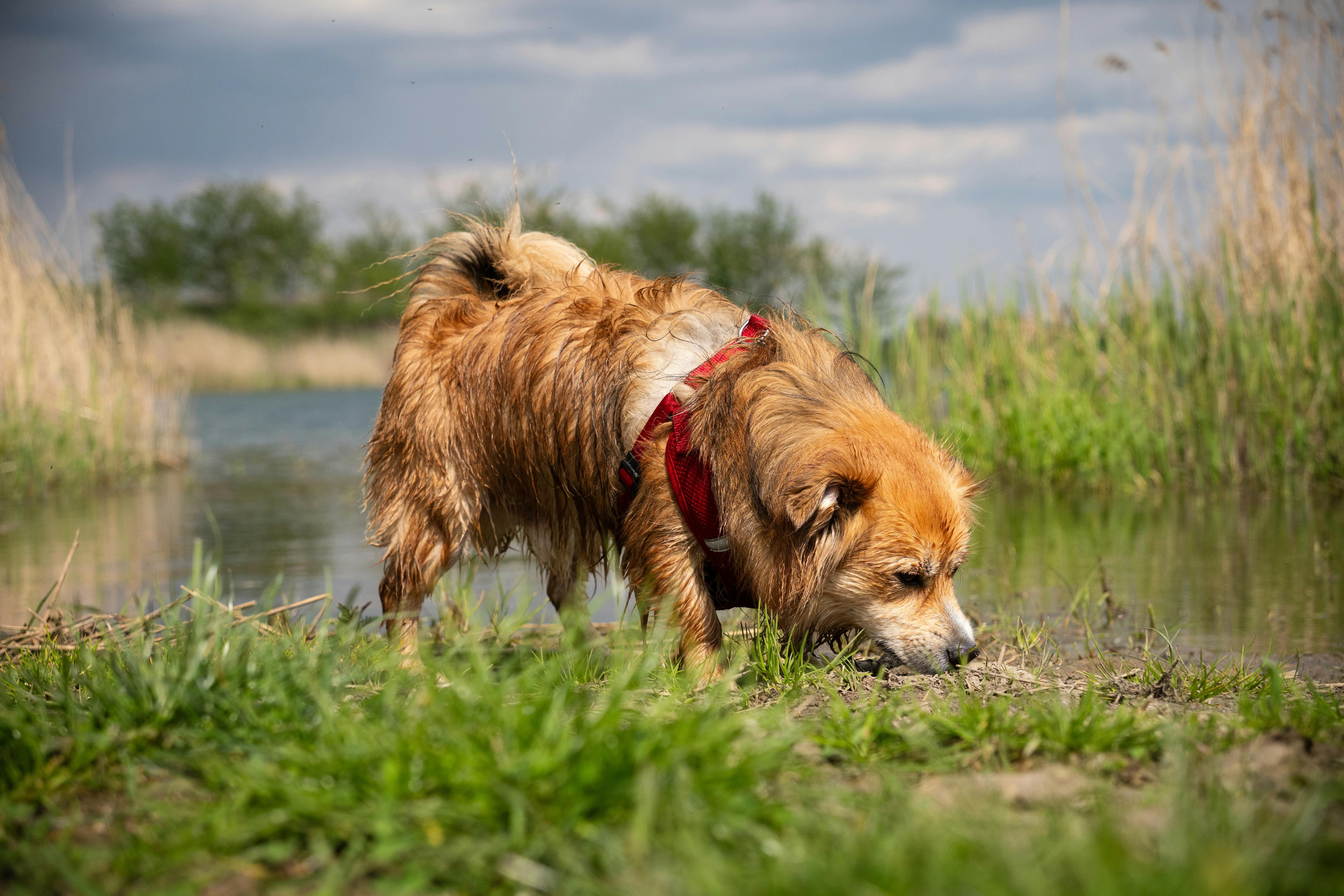 \n\n
\n\nPuppies are adorable creatures that bring joy and companionship to many households. One of their most charming traits is their wet noses. But have you ever wondered, why do puppies have wet noses? Or why do dogs have wet noses in general? This article digs deep into the fascinating reasons behind this unique characteristic.
\nThe Science Behind Wet Noses
\nWet noses in dogs, including puppies, serve several important functions. The primary reasons can be categorized into the following:
\n- \n
- \n
Temperature Regulation: Dogs do not sweat like humans. Instead, they cool themselves through their noses. The moisture on a dog's nose helps to regulate body temperature, keeping them comfortable even on warm days.
\n \n - \n
Enhanced Smell: Dogs have an exceptional sense of smell, estimated to be 10,000 to 100,000 times more acute than that of humans. A wet nose helps to capture scent particles more effectively, which aids in their ability to sniff out things from afar.
\n \n - \n
Communication Tool: Dogs often use their noses to interact with other dogs and animals. A wet nose can signal to other dogs that they are friendly and approachable.
\n \n - \n
Health Indicator: A dog's nose can sometimes indicate its health status. A cool, moist nose is generally a sign of a healthy dog, while a dry or warm nose may suggest illness or dehydration.
\n \n
Historical Context of Dog Noses
\nHistorically, dogs have been domesticated for thousands of years. The wet nose is a trait that has evolved along with them. In ancient times, humans relied on their keen sense of smell for hunting and protection. This trait was favored in breeding, leading to the wet nose that we see today in various dog breeds.
\nFun Facts About Dog Noses
\n- \n
- \n
Did you know that a dog’s nose print is unique, much like a human fingerprint? Each dog has a distinct pattern of ridges and creases.
\n \n - \n
Puppies are born with dry noses. Their noses begin to develop moisture as they grow, usually around 3 to 4 weeks of age.
\n \n - \n
Some breeds, like Bulldogs, may have less moist noses due to their facial structure, but they still benefit from the same functions as other dogs.
\n \n
Comparisons of Dog Noses Across Breeds
\nDifferent breeds of dogs show variations in their noses. Here’s a quick comparison:
\n| Breed | \nNose Moisture Level | \nTemperature Regulation | \nSmell Sensitivity | \n
|---|---|---|---|
| Labrador | \nHigh | \nExcellent | \nVery High | \n
| Bulldog | \nModerate | \nFair | \nModerate | \n
| Dachshund | \nHigh | \nExcellent | \nVery High | \n
| Chihuahua | \nVariable | \nGood | \nHigh | \n
Practical Tips for Maintaining Your Dog's Nose
\nKeeping your dog's nose healthy is important. Here are some tips:
\n- \n
- \n
Hydration: Ensure your dog drinks enough water. Dehydration can lead to a dry nose.
\n \n - \n
Moisturize: If your dog has a particularly dry nose, consider using a dog-safe moisturizer. Check with your vet for recommendations.
\n \n - \n
Regular Checkups: Routine vet visits can help monitor your dog’s overall health, including nose condition.
\n \n - \n
Avoid Sunburn: Dogs can get sunburned too! Apply sunscreen made specifically for dogs if your pet will be in the sun for long periods.
\n \n
The Connection Between Nose and Overall Health
\nA dog’s nose can often reflect its overall health. Here’s a list of conditions indicated by a dog's nose:
\n- \n
- Dryness: Could indicate dehydration or fever. \n
- Crustiness: Might suggest an infection or allergy. \n
- Discoloration: Changes in color can be a sign of underlying health issues, often requiring veterinary attention. \n
Conclusion
\nUnderstanding why do puppies have wet noses is more than just a curiosity; it’s a window into their biology and health. These wet noses play crucial roles in regulating temperature, enhancing their sense of smell, and even communicating with others. As a dog owner or simply a dog lover, appreciating this unique feature can deepen your bond with your furry friend. So, next time you greet your pup, take a moment to appreciate that adorable, wet nose!
\n\nWet Nose vs. Dry Nose: When to Worry About Your Dog’s Health
\n\n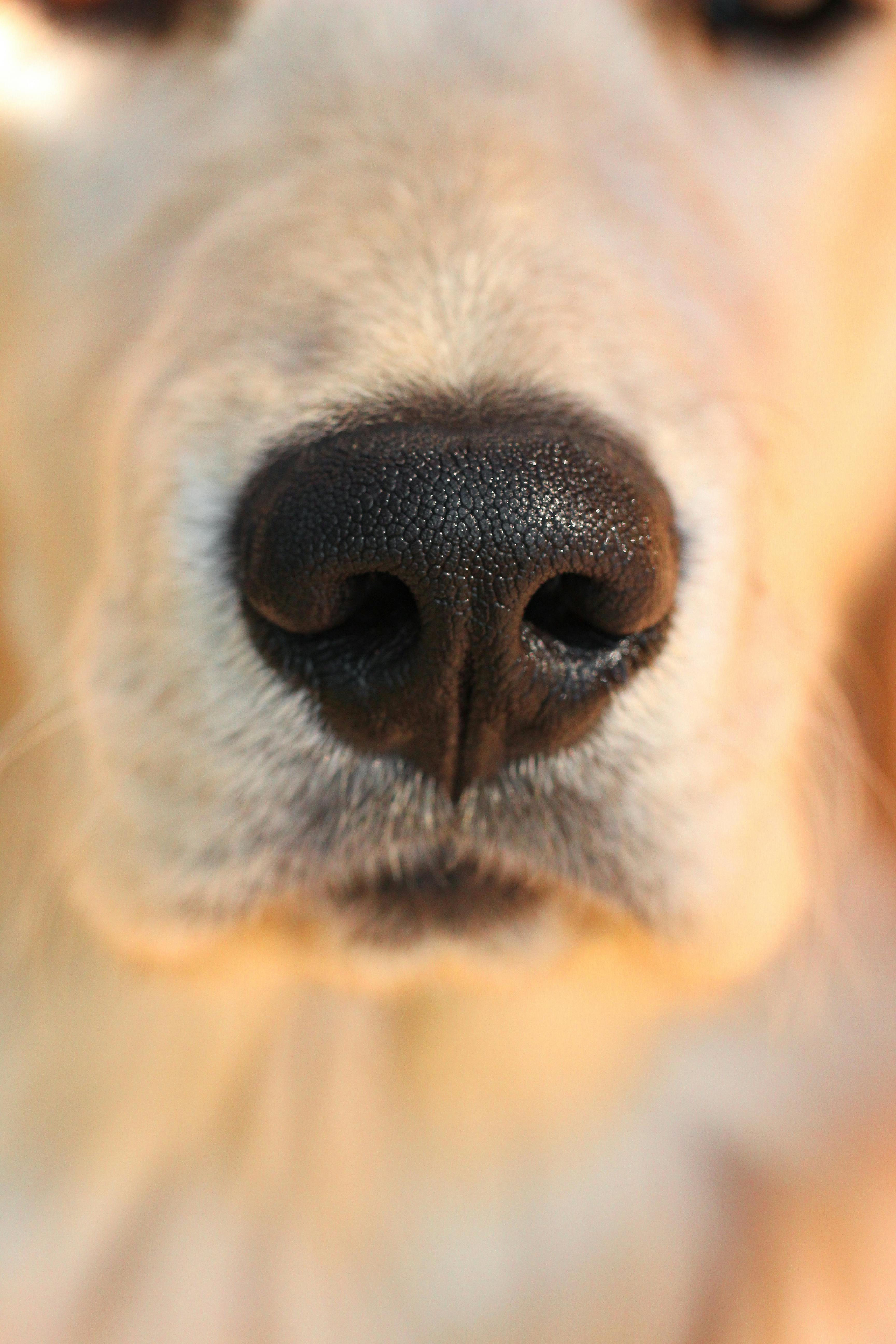 \n\n
\n\nEvery dog owner has probably noticed their furry friend’s nose, and whether it’s wet or dry. But have you ever wonder what it means? Wet Nose vs. Dry Nose: When to Worry About Your Dog’s Health, it’s a topic that raises many questions for pet parents. Understanding why dogs have wet noses can help you better care for your four-legged companions. So, let’s dive into this fascinating subject!
\nWhy Do Dogs Have Wet Noses?
\nThe reasons behind a dog’s wet nose are more than just surface level. Dogs have moist noses for several crucial reasons, and each one plays a significant role in their health and behavior.
\n- \n
- \n
Enhanced Smell: A wet nose helps to absorb scent particles. This is why dogs’ sense of smell is so much better than ours. The moisture on their nasal surface aids in capturing smells, making it easier for them to detect odors.
\n \n - \n
Cooling Mechanism: Dogs don’t sweat like humans do. Instead, they cool off primarily through their noses and panting. When the nose is wet, it helps regulate body temperature, keeping them comfortable.
\n \n - \n
Health Indicator: A dog’s nose can be a good health indicator. A healthy dog typically has a moist, cool nose, while a dry or warm nose can signal something isn’t quite right.
\n \n
When to Worry About Your Dog's Health
\nUnderstanding the nuances of a dog’s nose can be essential for recognizing health issues. Here’s a list of symptoms that may indicate a problem:
\n- \n
- Dryness: If your dog’s nose is persistently dry, it may be due to dehydration, allergies, or other health concerns. \n
- Cracking: Cracked skin on the nose can indicate dehydration or even infections. \n
- Discoloration: A change in color, such as a lightening or darkening of the nose, can be a sign of illness. \n
- Nasal discharge: If you notice excessive mucous or discharge, it could point to respiratory infections or other issues. \n
Factors Influencing Nose Condition
\nMany factors can affect whether a dog’s nose is wet or dry. Here are some of them:
\n- \n
- Environment: Hot weather or dry climates can lead to drier noses. \n
- Age: Older dogs may have drier noses due to decreased moisture production. \n
- Breed: Some breeds naturally have wetter noses than others. \n
Common Myths About Dog Noses
\nThere’s a lot of misinformation out there about dog noses. Here are some common myths and the truth behind them:
\n- \n
- \n
Myth 1: A warm nose means a dog is sick.
\n
\nTruth: A dog’s nose temperature can vary due to many factors, and a warm nose alone doesn’t indicate illness. \n - \n
Myth 2: Dry noses are always a sign of dehydration.
\n
\nTruth: While dryness can indicate dehydration, it can also be due to other factors, like allergies or environmental conditions. \n - \n
Myth 3: A wet nose means a dog is happy.
\n
\nTruth: While a wet nose can be a sign of a healthy dog, it doesn’t necessarily relate to their emotional state. \n
Practical Tips for Maintaining Your Dog's Nose Health
\nHere are some simple yet effective tips for keeping your dog's nose healthy:
\n- \n
- Hydration: Always make sure your dog has access to fresh water. Dehydration can cause a dry nose. \n
- Moisturizers: If your dog’s nose gets too dry, consider using vet-approved nose balms. \n
- Regular Vet Check-ups: Regular visits can help in detecting any potential health issues early. \n
- Watch for Changes: Keep an eye on your dog’s nose condition, and consult a vet if you notice significant changes. \n
Interesting Facts About Dog Noses
\n- \n
- Dogs have about 300 million smell receptors, compared to about 5 million in humans. \n
- The shape of a dog’s nose can influence its sense of smell. Breeds with longer noses tend to have a better sense of smell. \n
- Each dog’s nose print is unique, similar to human fingerprints, and can be used for identification. \n
Understanding your dog’s nose is more than just a fun fact; it’s part of being a responsible pet owner. By knowing when to worry and the fascinating reasons behind a wet or dry nose, you can help ensure your canine companion stays healthy and happy. Whether you’re noticing a slight change or just curious about their biology, keep these insights handy as you navigate the wonderful world of dog ownership.
\n\nFascinating Facts About Dog Noses: Why Wetness is Key to Their Super Senses
\n\n \n\n
\n\nDogs are often called man's best friend, and one of their most fascinating features is their noses. Have you ever wondered, why do dogs have wet noses? This characteristic isn't just adorable; it serves several important purposes. In this article, we dive into the intriguing world of dog noses, particularly focusing on their moistness and what makes them so unique.
\nThe Science Behind Wet Noses
\nDogs noses are not just cute and wet; they are super sensory tools! The wetness of a dog’s nose is often attributed to a thin layer of mucus that helps enhance their sense of smell. Wet noses also help dogs absorb scent chemicals from the air. When a dog inhales, the moisture on their nose captures and holds onto scent particles, allowing them to detect smells more efficiently.
\n- \n
- Enhanced Smelling Ability: Dogs have about 220 million smell receptors in their noses, compared to a human's 5 million. The wetness helps them utilize this ability better. \n
- Temperature Regulation: A wet nose helps keep a dog cool. Dogs do not sweat like humans, so they rely on their noses for some degree of thermal regulation. \n
- Health Indicator: The state of a dog’s nose can also indicate their health. A healthy dog generally has a moist nose, while a dry nose might suggest dehydration or illness. \n
Historical Context of Dog Noses
\nThe evolution of dogs has led to their incredible sense of smell. The ancestors of modern dogs were hunters, and their noses have been refined over thousands of years. Ancient breeds were developed specifically for their olfactory skills, which were essential for hunting and tracking.
\n- \n
- Bloodhounds: Known for their tracking ability, bloodhounds can follow a scent trail that is days old. \n
- Beagles: Their keen sense of smell makes them excellent at detecting drugs and explosives. \n
- German Shepherds: Often used in police work, their noses are trained to find substances and track individuals. \n
Why Do Dogs Have Wet Noses? The Fascinating Reasons!
\nNow that we understand the basics, let's explore more reasons why dog noses are wet. Dogs have developed several adaptations that support their unique lifestyle.
\n- \n
- Scent Detection: As mentioned, wet noses help in detecting scents. The moisture traps scent molecules, making it easier for dogs to sniff out things around them. \n
- Social Interaction: Dogs communicate through scent. A wet nose can carry pheromones that convey emotional states, helping dogs interact with one another. \n
- Environmental Awareness: Dogs' wet noses help them understand their environment better. A dog may use its nose to gather information about other animals, people, and even food. \n
Fun Facts About Dog Noses
\nDid you know there are some really fun facts about dog noses? Here’s a list that might surprise you:
\n- \n
- Unique Nose Prints: Just like human fingerprints, every dog's nose print is unique. This could help identify them if they ever get lost. \n
- Color Variations: The color of a dog’s nose can vary based on breed and genetics. Black noses are common in many breeds, while some have lighter or spotted noses. \n
- Temperature Sensitivity: Dogs can sense changes in temperature through their noses, which can help them detect danger. \n
- Scent Memory: Dogs have an incredible scent memory. They can remember scents for years, which helps them locate their favorite toys or people. \n
Practical Examples of How Dogs Use Their Noses
\nDogs utilize their noses in everyday life in ways that might be surprising. Here are a few practical examples:
\n- \n
- Finding Lost Items: Dogs can be trained to find lost items like keys or wallets by scent. \n
- Detection Work: Many dogs are trained for search and rescue, using their noses to locate missing persons in various environments. \n
- Therapeutic Uses: Some therapy dogs use their noses to detect changes in their owner's emotional state or even medical conditions like seizures or low blood sugar. \n
Comparing Dog Noses to Human Noses
\nWhen comparing dog noses with human noses, it’s clear that they serve different purposes:
\n| Feature | \nDog Nose | \nHuman Nose | \n
|---|---|---|
| Smell Receptors | \n220 million | \n5 million | \n
| Purpose | \nScent detection and communication | \nBreathing and smell | \n
| Moisture | \nHelps with scent absorption | \nMostly dry | \n
| Unique Prints | \nYes | \nNo | \n
Dogs noses are not just cute; they are essential tools for their survival and communication. Understanding why do dogs have wet noses and the fascinating reasons behind it can deepen our appreciation for these amazing creatures. Whether it's for sniffing out a treat or tracking down a lost friend, their noses are truly a remarkable part of what makes dogs so special.
\n\nUnderstanding Dog Communication: The Importance of Your Pet’s Wet Nose in Social Interactions
\n\n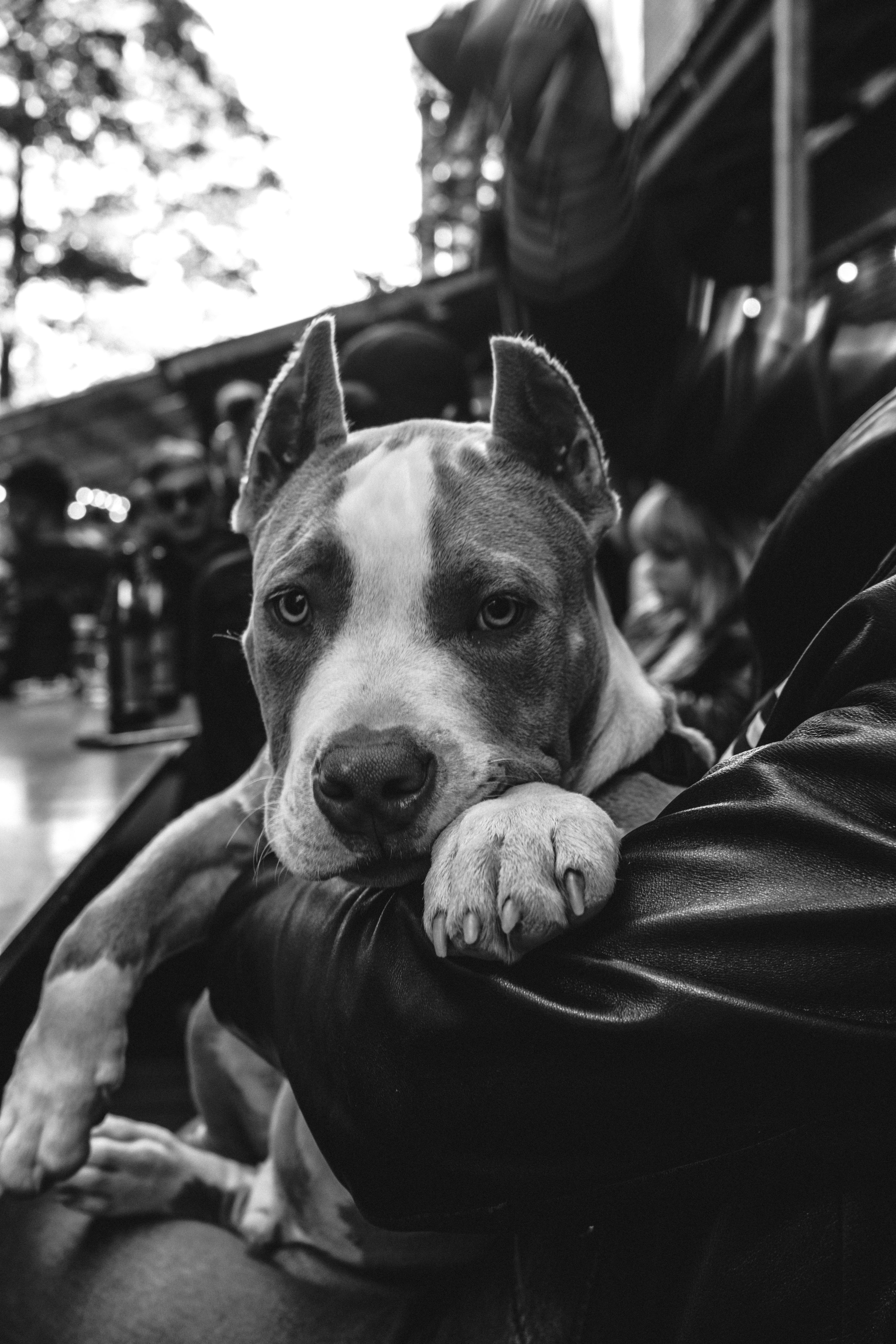 \n\n
\n\nEver notice how your dog’s nose is always wet? It's like, almost a guarantee that when you reach down to pet them, your hand gets met with that cool, damp sensation. But have you ever thought about why do dogs have wet noses? Understanding dog communication can help us form better bonds with our furry friends, and their noses plays a huge role in that. Let’s dive into the fascinating reasons behind those wet noses and what they mean for social interactions.
\nThe Science Behind a Wet Nose
\nFirst off, a dog’s nose is not just for show. It's actually a complex organ that helps them interact with the world. When we think about why do dogs have wet noses, we gotta consider their anatomy. A dog's nose has a special structure filled with olfactory receptors, which are designed to detect scents.
\n- \n
- \n
Moisture Helps Smell: The wetness on a dog’s nose helps enhance their sense of smell. When scents hit the wet surface, they are absorbed better, making it easier for dogs to identify different odors.
\n \n - \n
Temperature Regulation: Dogs can’t sweat like humans do. Instead, they rely on their noses to help cool down. The moisture evaporating from the nose can lower their body temperature, helping them stay comfortable.
\n \n
Communication and Social Interactions
\nNow, let’s talk about social interactions. Dogs communicate a lot through their body language and that wet nose is a key player in this. They often use their noses to gather information about their surroundings and other animals.
\n- \n
- \n
Greeting Behavior: When dogs meet, they often sniff each other’s noses. This is a way of saying "hello" and gathering information. A wet nose indicates excitement and openness in social situations.
\n \n - \n
Exploration: Dogs are naturally curious creatures. They use their noses to explore, which is why you might see them sniffing at everything. A wet nose can signify a willingness to engage with new experiences or other pets.
\n \n
The Importance of Nose Health
\nTaking care of your dog's nose is essential. A healthy nose is typically moist and cool. If you notice it becoming dry or cracked, it could be a sign of dehydration or a health issue. Here are some common reasons for changes in a dog’s nose:
\n- \n
- \n
Allergies: Just like humans, dogs can have allergies that affect their noses. If you notice excessive dryness or irritation, it might be worth consulting a vet.
\n \n - \n
Infections: Bacterial or fungal infections could also cause changes in your dog's nose. If it appears inflamed or discolored, a vet visit is important.
\n \n - \n
Environmental Factors: Weather can impact a dog’s nose too. Cold, dry air can lead to dryness, while hot weather can cause excessive moisture.
\n \n
Fun Facts About Dog Noses
\n- \n
- \n
Unique Patterns: Just like human fingerprints, each dog has a unique pattern on their nose. This can be used for identification purposes.
\n \n - \n
Nose Temperature: The temperature of a dog’s nose can vary. A warm, dry nose can indicate a fever, but it’s not always a definitive sign of illness.
\n \n - \n
Nose Work: Dogs are used in various jobs that require a keen sense of smell, like search and rescue, detecting drugs, or even medical alerts for certain conditions.
\n \n
Comparing Dog Noses to Human Noses
\nLet’s take a quick look at some comparisons between dog noses and human noses.
\n| Feature | \nDog Nose | \nHuman Nose | \n
|---|---|---|
| Moisture | \nGenerally wet | \nGenerally dry | \n
| Olfactory Receptors | \nAbout 300 million | \nAbout 5 million | \n
| Role in Temperature | \nCools the body | \nHelps regulate breathing | \n
| Identification | \nUnique patterns | \nNo unique patterns | \n
Practical Tips for Dog Owners
\n- \n
- \n
Regular Vet Check-ups: Make sure to include nose health in your vet visits. Checking for any unusual changes can help catch issues early.
\n \n - \n
Hydration: Keep your dog hydrated. This can help maintain a healthy, moist nose.
\n \n - \n
Inspect Regularly: Make it a habit to look at your dog’s nose for any signs of dryness or irritation.
\n \n - \n
Watch for Symptoms: If your dog's behavior changes or if there’s excessive licking of the nose, it can indicate discomfort or health issues.
\n \n - \n
Provide a Balanced Diet: A good diet plays a crucial role in maintaining overall health, including nose health.
\n \n
Understanding dog communication, especially through their wet noses, is an essential part of being a responsible pet owner. By recognizing the significance of that damp touch, you're not just connecting with your pet; you’re also ensuring their well-being. So the next time your pup nudges you with their wet nose, you’ll know it’s more than just a greeting—it’s a whole conversation happening right at your fingertips.
\n\nConclusion
\n\nIn conclusion, the wet noses of dogs serve several important functions that contribute to their overall health and behavior. The moisture helps enhance their sense of smell, allowing them to gather more scent particles from their environment, which is crucial for their communication and exploration. Additionally, a wet nose plays a role in thermoregulation, helping dogs cool down effectively since they don't sweat like humans do. While a wet nose is often associated with a healthy dog, it's important to note that variations do exist, and changes in moisture levels could indicate health issues. Therefore, keeping an eye on your dog's nose can be an integral part of monitoring their well-being. Embrace the unique characteristics of your furry friend, and don’t hesitate to consult your veterinarian if you notice any unusual changes. Understanding these traits not only deepens our bond with dogs but also enhances our ability to care for them.
\n\n