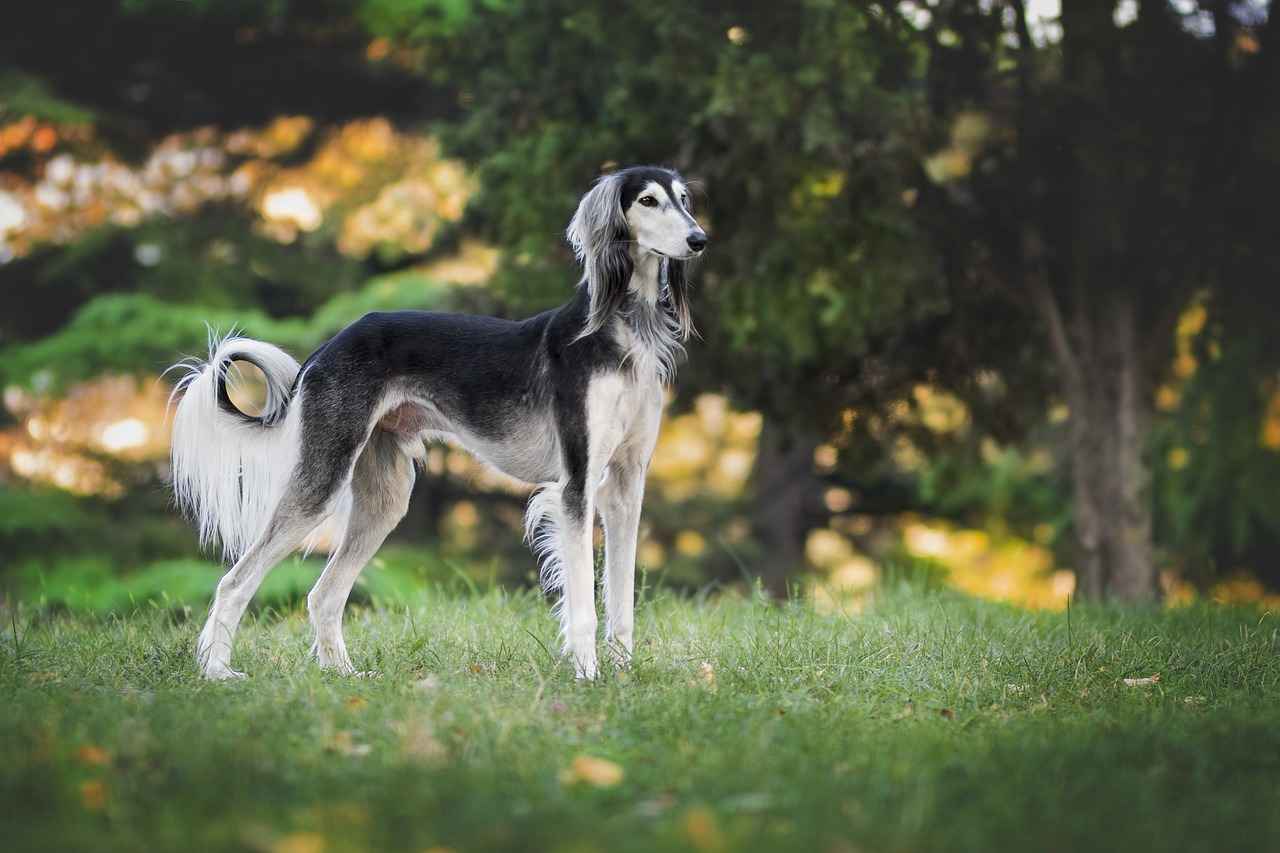
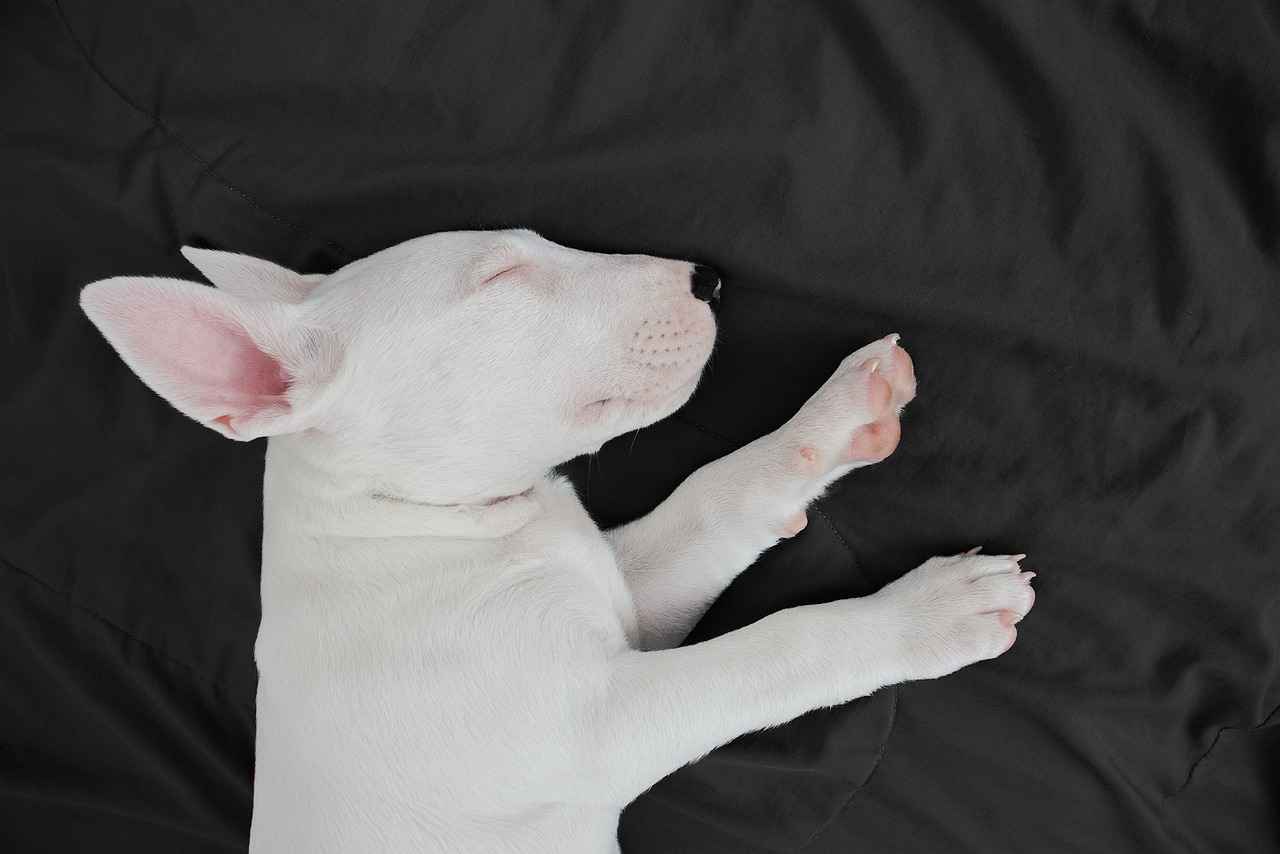
Have you ever wondered, why do dogs have wet noses? This intriguing question has piqued the curiosity of dog lovers and pet owners alike. A dog's wet nose isn't just cute; it serves several fascinating purposes that can enhance your understanding of your furry friend. Did you know that a dog's nose can actually play a crucial role in their sense of smell? Yes, that's right! The moisture on their noses helps them absorb scent chemicals, making their noses even more powerful. But that's not all! The wetness also helps regulate their body temperature, acting as a natural air conditioning system. With all these intriguing reasons, it's no wonder many pet owners ask, why do dogs have wet noses? If you’re a dog owner or simply love these amazing creatures, diving into the science behind their wet noses will not only satisfy your curiosity but also deepen your bond with your pet. Keep reading to discover the captivating world of canine physiology and learn more about why those adorable wet noses are essential for your dog's health and happiness!
\n\nThe Science Behind Dog Noses: Why Are They Always Wet?
\n\n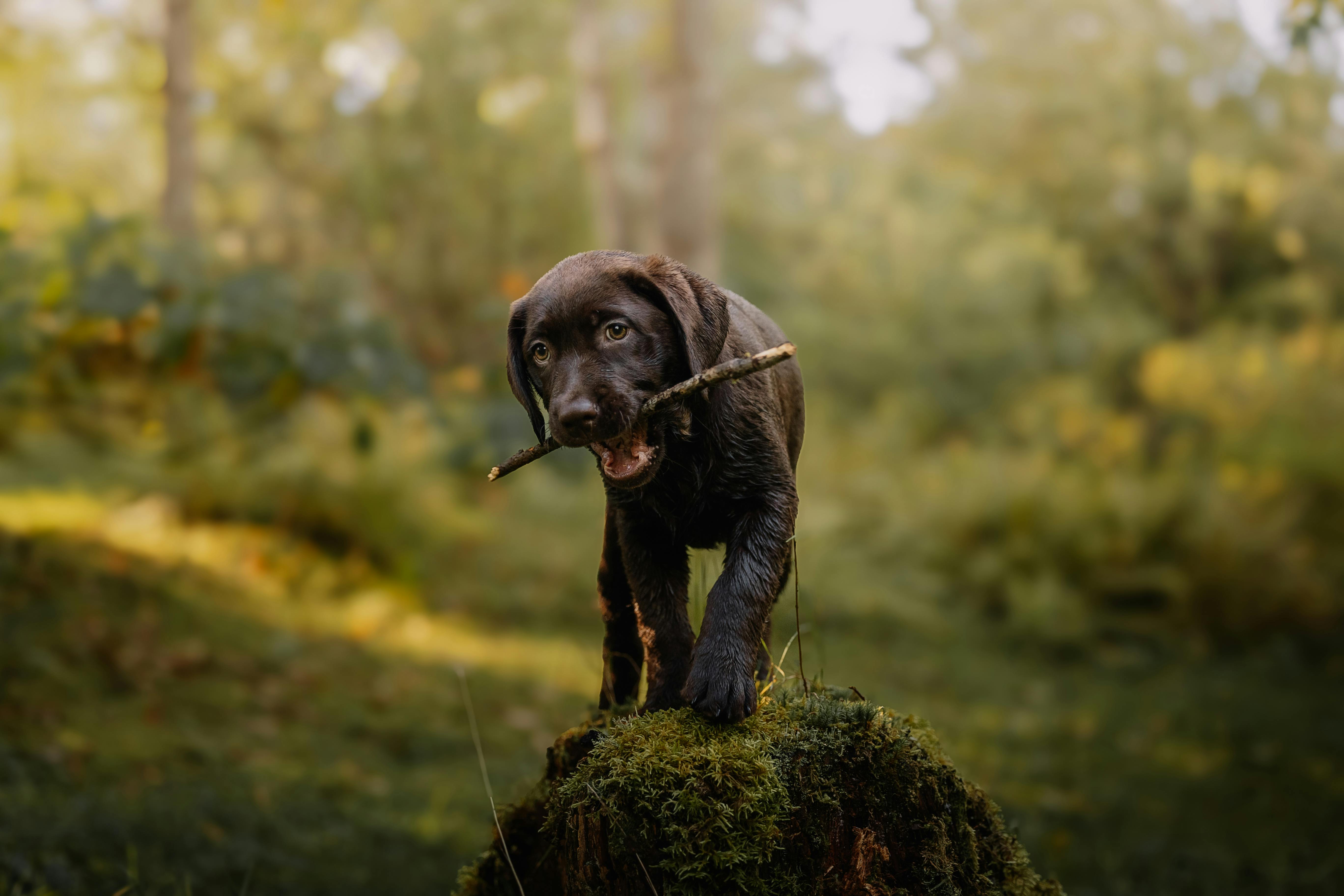 \n\n
\n\nWhen you see a dog, one of the first things you might notice is its nose. It’s often wet, and some people even wonder why. The science behind dog noses is actually quite fascinating. Not only does their wetness play a role in how they interact with the world around them, it also has some important biological functions. So, why do dogs have wet noses? Let’s explore this question and uncover the reasons behind this unique characteristic.
\nThe Basic Biology of Dog Noses
\nDogs have a very special anatomy. Their noses are full of olfactory receptors—much more than humans. While humans have about 5 million olfactory receptors, dogs have around 300 million. This allows them to smell things that we can’t even imagine. The wetness of a dog’s nose is not just for show; it serves several important purposes.
\n- \n
- \n
Moisture Retention: A wet nose helps dogs to retain moisture. It’s important because this moisture helps enhance their sense of smell. When the nose is moist, it can trap scent particles better.
\n \n - \n
Temperature Regulation: Dogs don’t sweat like humans do. Instead, their noses help with thermoregulation. A wet nose can help cool off a dog’s body, keeping them comfortable.
\n \n - \n
Health Indicator: The state of a dog’s nose can also indicate its health. A dry or cracked nose can suggest dehydration or illness. Conversely, a consistently wet nose is often a sign of a healthy dog.
\n \n
Historical Context
\nDogs have been companions to humans for thousands of years. As they evolved from wild wolves into domesticated pets, their sense of smell became essential for hunting and tracking. The wetness of their noses is thought to have developed as an evolutionary advantage. Early dogs relied on their ability to smell to find food and navigate their environments. This trait became more pronounced as dogs were bred for specific tasks.
\nWhy Are Dog Noses Wet?
\nNow we get to the core question: why are dog noses wet? Here are four main reasons:
\n- \n
- \n
Enhanced Smelling Ability: The moisture on a dog’s nose helps dissolve scent particles, making it easier for the olfactory receptors to detect and interpret smells.
\n \n - \n
Cooling Mechanism: Since dogs don't sweat, their noses act as a natural air conditioner. When their noses are wet, they can regulate their body temperature more efficiently.
\n \n - \n
Hydration: A wet nose can indicate that a dog is properly hydrated. If you notice it’s dry, it might be a good idea to offer your dog some water.
\n \n - \n
Communication Tool: Dogs often use their noses to communicate. A wet nose can be a sign of affection or curiosity. When they touch you with their noses, they can transfer moisture and share their sense of smell.
\n \n
Fun Facts About Dog Noses
\n- \n
- \n
Unique Patterns: Just like human fingerprints, every dog has a unique nose print. It can be used for identification.
\n \n - \n
Color Variation: The color of a dog’s nose can vary from black to pink, and sometimes even spotted. This can depend on the breed and overall health.
\n \n - \n
Nasal Turbinates: Dogs have structures in their noses called turbinates, which help filter and warm the air they breathe, enhancing their sense of smell.
\n \n - \n
Dogs and Scent Discrimination: Dogs can distinguish between different scents even in complex environments. For example, they can differentiate between the scent of a person and the scent of other animals.
\n \n
Practical Examples
\nIf you're a dog owner, you might have noticed how your dog's nose reacts in different situations. For example:
\n- \n
- \n
After playing outside, your dog’s nose may be wetter than usual due to the moisture in the air or from sniffing the ground.
\n \n - \n
When your dog is anxious or scared, their nose might dry out.
\n \n - \n
In colder weather, it’s common for dog noses to become drier as well.
\n \n
Also, you should keep an eye on your dog’s nose condition. If the wetness changes significantly, it might be time to consult a veterinarian.
\nIn summary, the wetness of a dog's nose is not just a quirky trait but a vital aspect of their biology and health. Their unique noses help them navigate the world with incredible precision, enhancing their interaction with everything around them. Understanding these fascinating reasons not only deepens our appreciation for our canine companions but also informs us on how to care for them better. So next time you pet a dog, take a moment to marvel at the science behind its wet nose!
\n\nTop 5 Reasons Your Dog’s Wet Nose is a Sign of Good Health
\n\n \n\n
\n\nDogs are often considered man's best friend, and one of their most distinguishing features is their wet noses. But have you ever wondered why do dogs have wet noses? It turns out that a wet nose can be a sign of good health in dogs, and here are the top 5 reasons why.
\n1. Keeps Them Cool
\nDogs don't sweat like humans do. They regulate their body temperature primarily through panting and, to a lesser extent, through their noses. A wet nose helps cool a dog’s body. When moisture evaporates from their nose, it creates a cooling effect. This is particularly important during warm weather or after physical activity.
\n- \n
- Dogs can lose heat through their noses, making wetness vital. \n
- The moisture helps to regulate their body temperature. \n
- Staying cool can prevent heatstroke, which is dangerous for dogs. \n
2. Enhances Sense of Smell
\nAnother fascinating reason for a dog’s wet nose is that it enhances their sense of smell. A wet surface captures scent particles better than a dry one. This is crucial for dogs as they rely heavily on their sense of smell to understand their surroundings.
\n- \n
- Dogs have up to 300 million scent receptors, compared to humans’ 5 million. \n
- The wetness helps trap these scent particles, allowing for better detection. \n
- This is why dogs often sniff around before they greet someone or explore. \n
3. Indicates Hydration Levels
\nA dog's nose can also be an indicator of their hydration status. A wet nose typically shows that a dog is well-hydrated, while a dry nose could mean they need more water. However, it’s not a definitive measure, as other factors can influence nose moisture.
\n- \n
- A consistently dry nose might indicate dehydration. \n
- Other signs of dehydration include lethargy and sunken eyes. \n
- It's important to provide your dog with fresh water daily. \n
4. Signals Health Issues
\nWhile a wet nose is usually a sign of good health, changes can sometimes signal underlying health issues. If your dog’s nose becomes excessively dry or cracked, it might be worth a visit to the vet. Some potential health concerns could include:
\n- \n
- Dehydration \n
- Fever \n
- Allergies \n
- Autoimmune diseases \n
It’s important to monitor not just the moisture level but also any changes in your dog’s behavior or overall health.
\n5. Natural Defense Mechanism
\nThe wetness of a dog’s nose also serves as a natural defense mechanism. The moisture on their nose helps to filter out dust and allergens, keeping their respiratory system clear. This is particularly helpful for dogs who spend a lot of time outdoors.
\n- \n
- A wet nose helps trap allergens and dirt. \n
- This can reduce the risk of respiratory issues. \n
- Keeping the nose moist can also help in controlling infections. \n
Fascinating Facts About Dogs' Wet Noses
\nHere are some additional facts that may interest you about dogs and their noses:
\n- \n
- Dogs have a third eyelid, which helps keep their eyes moist and can assist with their overall health. \n
- Puppies are born with dry noses, which typically become moist within the first few weeks of life. \n
- Some breeds have more moist noses than others, such as Retrievers or Bulldogs. \n
Quick Comparison: Wet Nose vs. Dry Nose
\n| Wet Nose | \nDry Nose | \n
|---|---|
| Indicates hydration | \nCould mean dehydration | \n
| Enhances smell | \nMay not capture scents as well | \n
| Usually a sign of good health | \nMay indicate health issues | \n
Practical Tips for Dog Owners
\nHere are some practical tips to keep in mind regarding your dog’s nose:
\n- \n
- Regularly check your dog's nose. A healthy nose should be moist and cool. \n
- Provide plenty of water, especially during hot days. \n
- If you notice persistent dryness or cracks, consult your veterinarian. \n
- Keep your dog’s environment clean to minimize allergens. \n
Understanding why do dogs have wet noses can enhance your connection with your furry friend. These moist noses not only help with their sense of smell but also play an essential role in their health and well-being. By paying attention to your dog's nose and overall behavior, you can ensure they remain happy and healthy companions.
\n\nCurious Canines: What a Wet Nose Reveals About Your Dog's Emotions
\n\n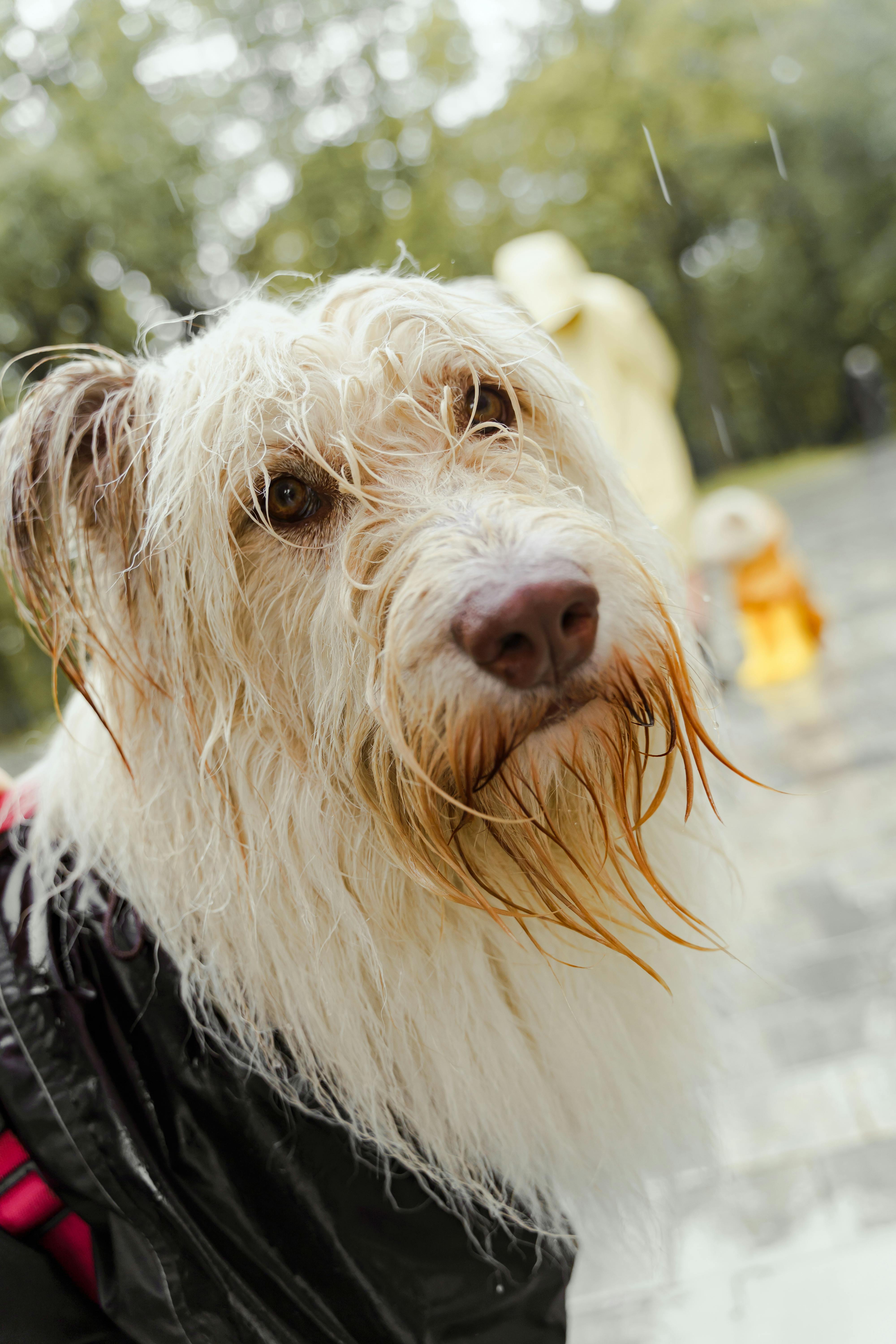 \n\n
\n\nCurious Canines: What a Wet Nose Reveals About Your Dog's Emotions, Why Do Dogs Have Wet Noses? Discover The Fascinating Reasons!
\nEver wonder why your dog’s nose is always wet? It’s not just a quirk of nature; there’s actually a lot going on there. Dogs, with their wet noses, do more than just look cute; their noses are important for understanding their emotions and health. For many dog owners in New York and beyond, knowing what a wet nose can tell about their furry friends is key to ensuring a happy, healthy life together.
\nThe Science Behind Wet Noses
\nFirstly, dog noses are moist for several reasons. Dogs have a special gland that produces mucus, and when they lick their noses, it helps to keep it wet. A wet nose is essential for dogs because it helps them sense the world more clearly. Here’s why:
\n- \n
- Enhanced Smell: Dogs have a remarkable sense of smell, estimated to be 10,000 to 100,000 times more sensitive than humans. A wet nose helps capture scent particles in the air, which enhances their ability to detect smells. \n
- Thermoregulation: Wet noses also play a role in cooling down. Dogs don't sweat like humans do. Instead, they rely on panting and the moisture on their noses to help regulate body temperature. \n
Emotional Indicators of a Wet Nose
\nYou might think a wet nose is just a biological feature, but it can also indicate something more profound: your dog’s emotional state. Different scenarios can affect the moisture of their noses. Here's what you should know:
\n- \n
- Happy and Excited: When dogs are playful or happy, their noses are usually moist. This can mean they’re ready for some fun or cuddles! \n
- Nervous or Anxious: A wet nose can also signify anxiety. If your pooch seems nervous, their nose might be wet due to increased licking. \n
- Sick or Unwell: Conversely, if a dog has a dry nose when they usually don’t, it can suggest they’re not feeling well. A dog’s nose can be a good early indicator of their health status. \n
Wet Noses and Health: What You Should Watch For
\nUnderstanding your dog’s nose goes beyond just curiosity. It can help you spot health issues. Here are some key points:
\n- \n
- Normal Moisture Levels: A healthy dog typically has a moist, cool nose. \n
- Dry or Cracked Nose: This could indicate dehydration or an underlying health issue, such as a fever. \n
- Excessive Moisture: If your dog’s nose is excessively wet and they are constantly licking it, it might signal allergies or other irritants. \n
Historical Context: Dogs and Their Noses
\nDogs have been companions to humans for thousands of years. Throughout history, breeds were developed for various purposes like hunting, herding, and guarding. Their noses have evolved to assist in these roles. For instance, bloodhounds are famed for their incredible sense of smell. Here’s a brief look at some notable breeds and their snouts:
\n- \n
- Bloodhound: Known for their tracking abilities; wet noses help them pick up scents over great distances. \n
- Beagle: Often used in detection work, their moist noses capture scents with precision. \n
- German Shepherd: Commonly used in police and military work, their noses are vital for sniffing out drugs and explosives. \n
Fun Facts About Dogs' Noses
\nHere are some fun and interesting tidbits about your canine’s nose you might not know:
\n- \n
- Dogs have a unique nose print, similar to human fingerprints. Each dog has a distinct pattern. \n
- The color of a dog’s nose can vary by breed and can range from black to brown to pink. \n
- Dogs can even detect emotions in human scents! They can sense if a person is happy or sad based on pheromones. \n
What to Do If Your Dog’s Nose Changes
\nIf you notice that your dog’s nose suddenly changes from wet to dry or vice versa, it’s important to pay attention. Here are some steps to take:
\n- \n
- Monitor Behavior: Are they acting normally? Changes in behavior can indicate health issues. \n
- Check for Other Symptoms: Look for signs like lethargy, vomiting, or loss of appetite. \n
- Consult a Veterinarian: If you’re concerned, it’s always best to reach out to a professional. They can provide guidance and care tailored to your dog’s needs. \n
Your dog’s nose is more than just an adorable feature—it's a gateway to understanding their emotions and health. Knowing why dogs have wet noses can help you bond better with your furry companion and ensure they lead a happy, healthy life. So the next time you give your dog a pat and feel that cool, moist nose, remember
\n\nHow a Wet Nose Helps Dogs Detect Scents: The Amazing Anatomy Explained
\n\n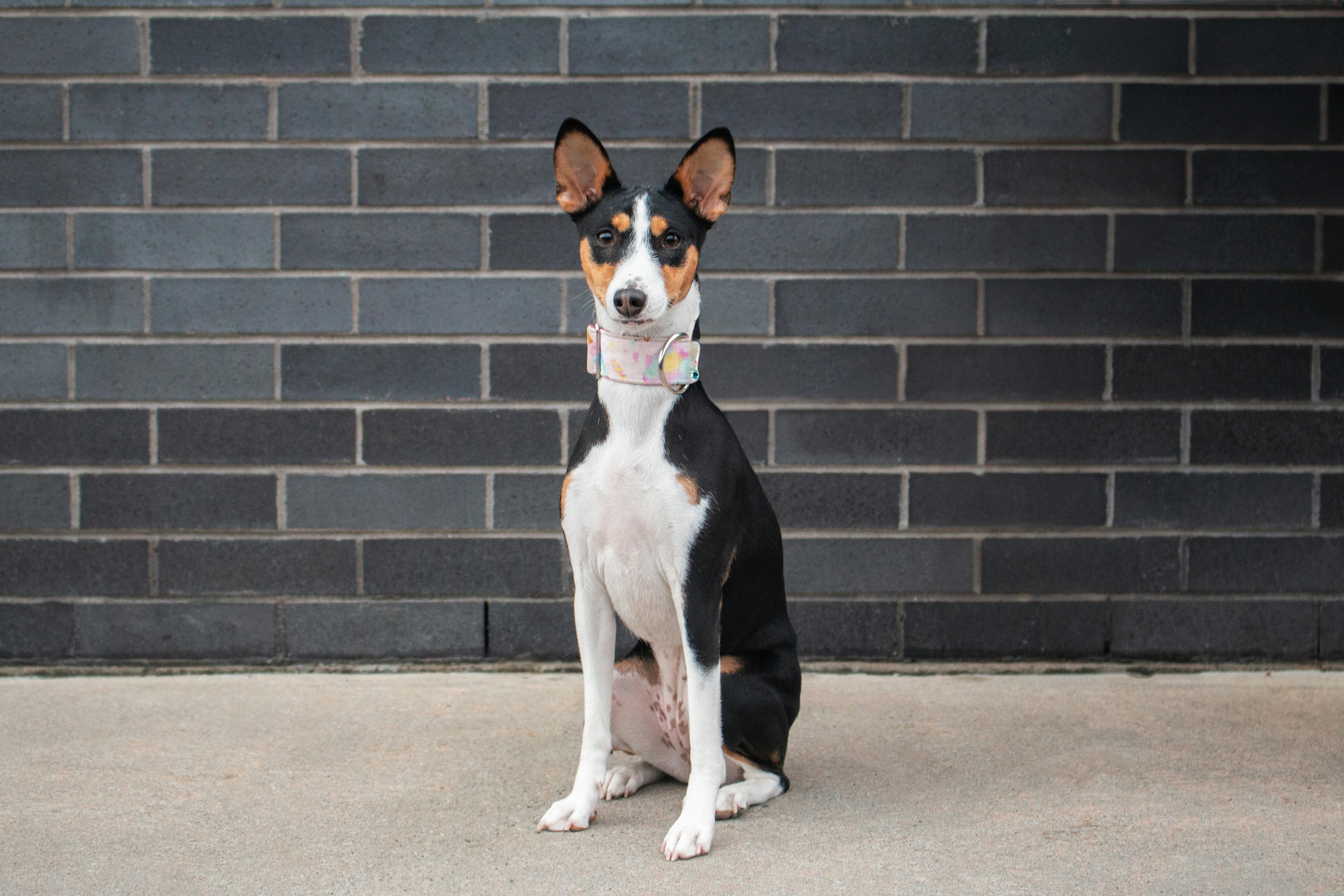 \n\n
\n\nDogs are often celebrated for their incredible sense of smell, but what many people don't realize is that their wet noses play a crucial role in this remarkable ability. Have you ever wondered why do dogs have wet noses? The answer is not just about cuteness or the occasional slobbery kiss — it’s all about biology and evolution. Let’s dive into the amazing anatomy of a dog’s nose and discover the fascinating reasons behind its wetness.
\nThe Science Behind a Dog's Wet Nose
\nA dog's nose, particularly the tip, is moist due to a layer of mucous, which serves several important functions. This wetness helps dogs absorb scent particles from the air. When they sniff, the moisture on their noses captures these particles and allows them to be processed by the olfactory receptors in the nasal cavity.
\nHere’s how it works:
\n- \n
- Humidity: A wet nose increases the humidity in the air they’re sniffing, which helps to dissolve scent molecules. \n
- Scent Absorption: The moisture on a dog’s nose helps to absorb and hold scent particles, making it easier for them to detect smells. \n
- Temperature Regulation: The wetness also helps in regulating their body temperature through evaporation. \n
Why Do Dogs Have Wet Noses? Exploring the Reasons
\nSo, why do dogs have wet noses? Well, there are several reasons that can help explain this fascinating aspect of their anatomy.
\n- \n
- Enhanced Sense of Smell: Dogs have about 220 million olfactory receptors compared to humans’ 5 million. Their wet noses help enhance this sense by capturing and retaining scents. \n
- Cooling Mechanism: Dogs don’t sweat like humans do. Instead, their noses help cool them down by evaporating moisture. \n
- Health Indicator: The moisture level of a dog's nose can indicate its health. A dry nose might be a sign of dehydration or illness, while a healthy nose is typically moist. \n
The Evolution of Canine Smelling Ability
\nDogs have evolved from wolves, who relied heavily on their sense of smell for hunting and survival. Over time, domestication has retained many of these traits.
\n- \n
- Hunting: Early humans relied on dogs to track game, which required a keen sense of smell. \n
- Breeding: Certain breeds have been specifically developed for scent detection, such as Bloodhounds and Beagles. \n
Interesting Facts About Dog Noses
\n- \n
- Unique Prints: Just like human fingerprints, each dog’s nose print is unique. This can be used to identify them! \n
- Scent Discrimination: Dogs can distinguish between different smells, even in low concentrations. For example, they can detect a single drop of blood in several Olympic-sized swimming pools! \n
- Sniffing Techniques: Dogs often use a technique called “sniffing” where they take rapid breaths to gather more scent particles. \n
How a Wet Nose Enhances Scent Detection
\nThe anatomy of a dog’s nose is specially designed to maximize scent detection. Here’s what makes it so amazing:
\n- \n
- Turbinates: The nasal cavity contains structures called turbinates that increase the surface area, allowing more scent particles to come into contact with olfactory receptors. \n
- Jacobsen’s Organ: This is a special organ that helps dogs identify pheromones, chemicals that can convey social information. \n
The Role of Environment in Scent Detection
\nThe environment plays a significant role in how effectively dogs can use their noses. Factors like humidity, wind, and temperature can all affect scent dispersal.
\n- \n
- Humidity: Higher humidity can help scents travel further, making it easier for dogs to pick them up. \n
- Wind Direction: Dogs can often track scents more effectively when the wind carries those scents towards them. \n
Conclusion
\nUnderstanding why do dogs have wet noses and how it aids in their scent detection reveals the fascinating intricacies of canine anatomy. Their wet noses are not merely a charming feature; they are essential tools for survival, communication, and interaction with the world. Next time you see a dog with a wet nose, remember that it's more than just an adorable trait — it’s an evolutionary marvel that connects them to their ancestral roots and helps them navigate their environment with astonishing skill.
\n\nIs a Wet Nose Really Better? 7 Benefits of a Moist Canine Snout
\n\n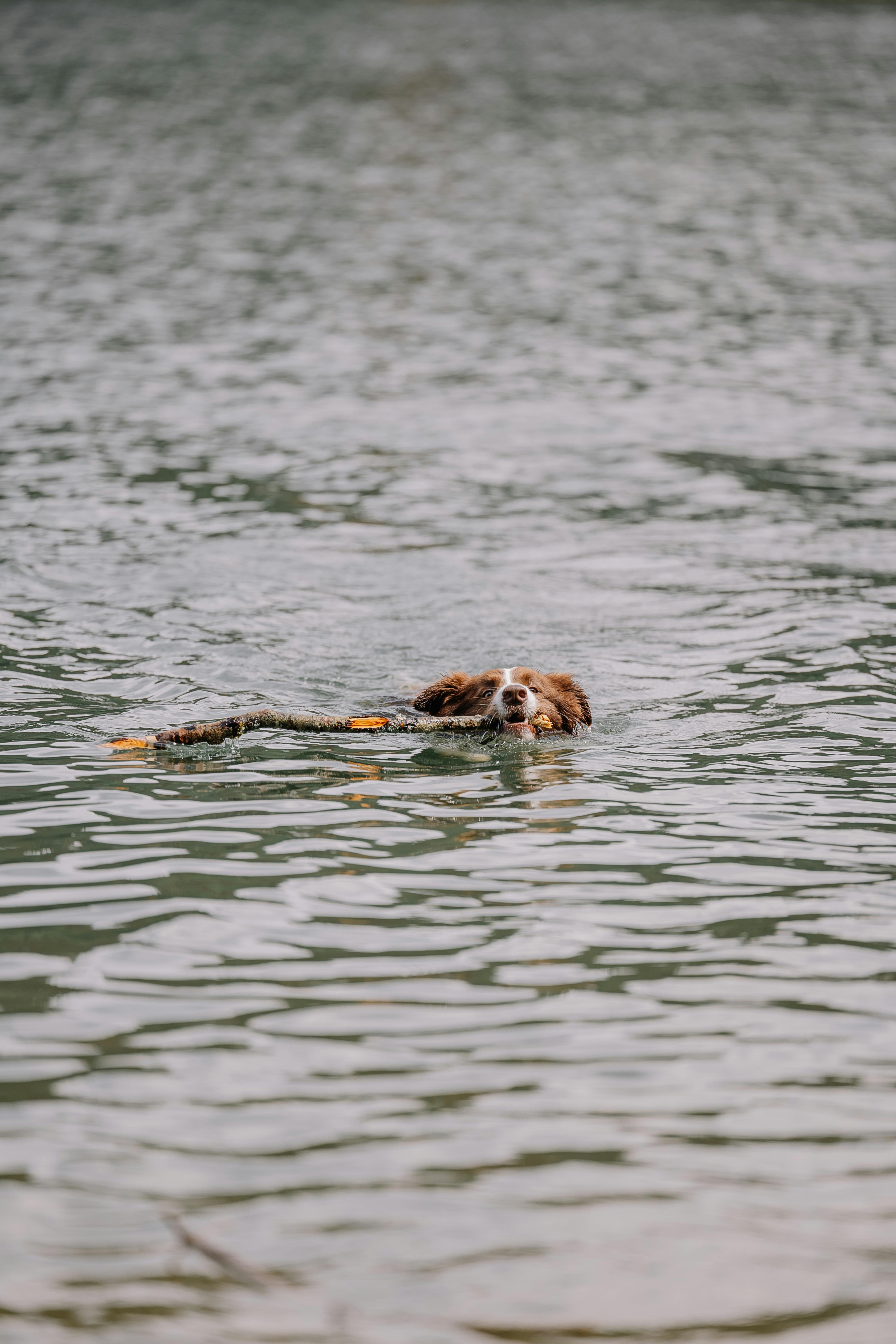 \n\n
\n\nDogs have been companions to humans for thousands of years, and their unique physical traits often raise questions. One of the most common queries is, "Is a wet nose really better?" Many dog owners often wonders why their furry friends have those cool, moist noses. In this article, we delve into the fascinating reasons behind canine wet noses and explore the seven benefits of a moist canine snout.
\nWhy Do Dogs Have Wet Noses?
\nDogs have wet noses mostly because it's a natural part of their biology. Their noses are covered in mucous membranes which help to keep it moist. This moisture serves several purpose, including enhancing their sense of smell. But there’s more to it. Here are some interesting facts:
\n- \n
- Sense of Smell: A wet nose helps to improve a dog's sense of smell. The moisture captures scent particles better, allowing dogs to smell things more accurately. \n
- Thermal Regulation: Dogs can't sweat like humans do. They release heat through their noses and paw pads, so a moist nose helps to keep their body temperature regulated. \n
- Health Indicator: A wet nose is often seen as a sign of good health. If a dog's nose becomes dry and cracked, it could indicate dehydration or other health issues. \n
7 Benefits of a Moist Canine Snout
\n- \n
- \n
Enhanced Senses:
\n- \n
- A wet nose can enhance the ability to pick up scents. Dogs have about 220 million scent receptors, and a moist nose helps them maximize that power. \n
\n - \n
Cooling Mechanism:
\n- \n
- Dogs rely on their noses for cooling. When they pant, moisture evaporates from their noses, helping to regulate their body temperature. \n
\n - \n
Health Monitoring:
\n- \n
- A wet nose can be an indicator of a dog’s health. Regularly checking your dog's nose can help notice any changes that might suggest illness. \n
\n - \n
Communication Tool:
\n- \n
- Dogs use their noses to communicate with each other and with humans. A wet nose can be a friendly greeting, showing affection or curiosity. \n
\n - \n
Improved Interaction:
\n- \n
- Dogs are social animals, and a moist nose often means they are excited and ready to engage with their owners or other dogs. \n
\n - \n
Scent Tracking:
\n- \n
- When tracking scents, moisture on the nose helps them to absorb and identify smells better, which is why many working dogs, like search and rescue, have this unique trait. \n
\n - \n
Natural Antibacterial Properties:
\n- \n
- The mucous layer on a dog’s nose contains antibacterial properties that can help keep harmful bacteria at bay. \n
\n
Comparing Dry vs. Wet Noses
\n| Condition | \nWet Nose | \nDry Nose | \n
|---|---|---|
| Temperature | \nCooler and moist | \nWarmer and often feels dry | \n
| Health Indicator | \nGenerally healthy | \nMay indicate illness or dehydration | \n
| Smell Capability | \nEnhanced scent detection | \nReduced ability to smell | \n
| Behavior | \nActive, playful | \nMay indicate lethargy or discomfort | \n
The Science Behind the Moisture
\nThe moisture on a dog's nose comes from a combination of factors. First, dogs have specialized glands that produce mucus. This mucus not only keeps the nose wet but also helps trap scent particles. Secondly, dogs frequently lick their noses, adding to the moisture. It's a behavior that’s instinctive and necessary for their sensory functions.
\nFun Facts About Dogs' Noses
\n- \n
- Dogs' noses are as unique as human fingerprints. No two dogs have the same nose patterns. \n
- The color of a dog’s nose can change based on temperature and environment, becoming darker when it’s cold. \n
- Dogs can detect certain diseases like cancer or diabetes through their sense of smell. \n
Debunking Myths
\nThere are many myths about dogs’ noses. For example, a common belief is that a warm, dry nose means a dog is sick. But that’s not always true as there are many factors that can affect a dog's nose moisture. It’s important to consider other symptoms rather than relying solely on the condition of their nose.
\nAll in all, a wet nose is more than just a cute feature of dogs. It serves various vital functions that contribute to their health and well-being. Understanding why dogs have wet noses not only helps us appreciate our canine companions more but also gives insights into their behaviors and needs. So, next time you pet your furry friend, take a moment to admire that moist snout and all the benefits it brings!
\n\nThe Surprising Connection Between Dog Noses and Temperature Regulation
\n\n \n\n
\n\nHave you ever noticed how your dog’s nose is always wet? It’s kinda strange when you think about it. Most animals, including humans, have dry noses most of the time. But dogs? Their noses are like a sponge. This article explores that curious phenomenon, looking into why do dogs have wet noses and what it means for their health and behavior.
\nThe Science Behind Wet Noses
\nDog noses are wet for several reasons. First, it helps them to regulate their body temperature. Unlike humans who sweat to cool down, dogs don't have that ability. Instead, they pant and rely on their noses to help manage their heat. The moisture on their nose can evaporate, which cools them down.
\n- \n
- Dogs have around 220 million scent receptors, allowing them to smell things we can't even imagine. \n
- A wet nose helps to capture scent particles, making it easier for dogs to identify different smells. \n
- The moisture on their nose can also aid in temperature regulation, making it easier for them to adapt to various environments. \n
How Does a Wet Nose Help with Temperature Regulation?
\nWhen a dog’s nose is wet, it plays a key role in thermoregulation. Here’s how it works:
\n- \n
- \n
Evaporation: The moisture evaporates from the surface of their nose, similar to how sweat cools human bodies. This process can help lower their body temperature.
\n \n - \n
Enhanced Smelling: A wet nose enhances a dog's ability to smell. This is important for survival, hunting, and social interactions among dogs.
\n \n - \n
Health Indicator: A wet nose is often seen as a sign of a healthy dog. If a dog’s nose is consistently dry, it might be a sign of illness or dehydration.
\n \n
Historical Context of Dog Noses
\nHistorically, dogs have been bred for various purposes, including hunting, herding, and companionship. Certain breeds have been developed with particularly wet noses to enhance their scent detection abilities. For example:
\n- \n
- Bloodhounds: Known for their incredible sense of smell, their wet noses help them track scents over long distances. \n
- Labrador Retrievers: Often used in search and rescue missions, their wet noses help them pick up scents in various environments. \n
The evolutionary aspect also plays a significant role in the structure of a dog's nose. Breeds that were bred for specific tasks tend to have wet noses that are better suited for those jobs.
\nFun Facts About Dog Noses
\n- \n
- Dogs can detect certain odors at extremely low concentrations. Their noses are approximately 40 times more sensitive than a human’s. \n
- The color of a dog’s nose can vary greatly; some dogs have pink noses while others have black or even spotted noses. \n
- Just like fingerprints, every dog’s nose print is unique. It can be used for identification purposes! \n
Common Misconceptions
\nMany people believe that a dog’s nose should always be wet to be healthy. But that’s not entirely true. Here are some points to consider:
\n- \n
- A dog’s nose can be dry for various reasons, including weather conditions, health issues, or simply sleeping. \n
- Not all dogs have the same level of moisture on their noses. Some breeds naturally have drier noses. \n
- If a dog’s nose is persistently dry and cracked, it’s best to consult a veterinarian. \n
Caring for Your Dog’s Nose
\nTaking care of your dog’s nose can help maintain its health. Here are some tips:
\n- \n
- Hydration: Ensure your dog has plenty of fresh water available at all times. Dehydration can lead to a dry nose. \n
- Humidity: If you live in a dry climate, consider using a humidifier to help keep the air moist. \n
- Regular Check-ups: Regular visits to the vet can help catch any potential health issues early on. \n
A Closer Look at Dog Breeds and Their Noses
\nDifferent dog breeds have unique nose characteristics. Here’s a quick comparison:
\n| Breed | \nNose Type | \nPurpose | \n
|---|---|---|
| Bloodhound | \nLong, wet | \nScent tracking | \n
| Pug | \nShort, wet | \nCompanionship and family pet | \n
| Siberian Husky | \nMedium, wet | \nCold climate adaptation | \n
| Dachshund | \nLong, wet | \nHunting small game | \n
Understanding the connection between dog noses and temperature regulation can help dog owners appreciate their furry friends even more. The wetness of a dog’s nose is not just for show; it serves multiple crucial functions in their lives. Next time you see your dog with that adorable wet nose, you'll know just how fascinating they really are!
\n\nWet Nose Myths: Debunking Common Misconceptions About Dogs’ Noses
\n\n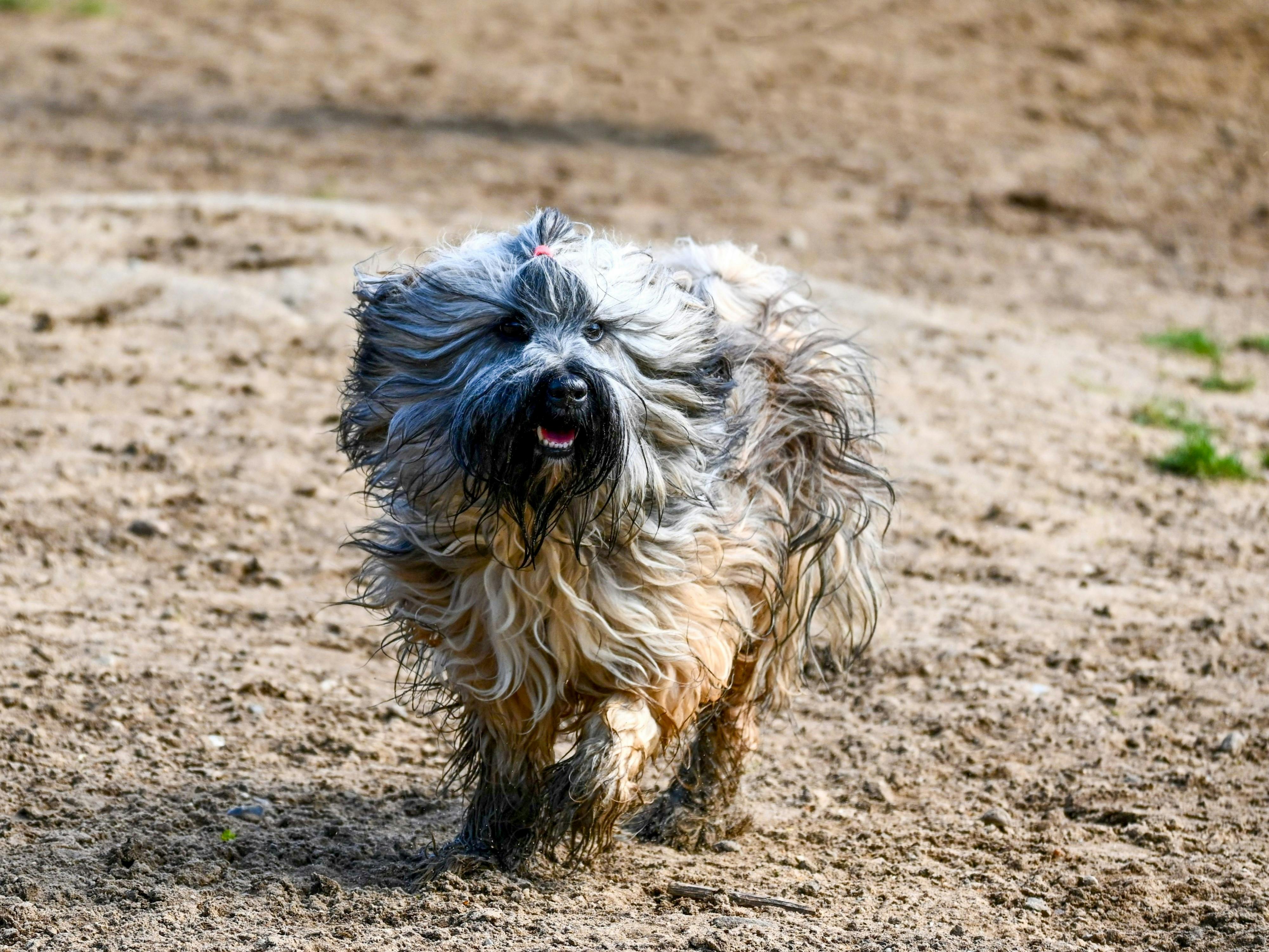 \n\n
\n\nDogs are often seen with their noses glistening, and many people wonder, why do dogs have wet noses? This question sparks curiosity and has led to various myths about our furry friends. In this article, we will debunk some common misconceptions about dogs' noses and explore the fascinating reasons behind that signature moisture.
\nThe Myths Surrounding Wet Noses
\nThere’s a lot of misinformation out there when it comes to why dogs have wet noses. Some folks believe that a wet nose means the dog is healthy, while others think it’s just a quirk of nature. Let’s tackle some of these myths and see what’s really going on.
\n- \n
- \n
Myth 1: A Wet Nose Equals a Healthy Dog\nMany pet owners believe that if their dog’s nose is wet, it means they are healthy. But this isn’t always true. A dog can have a dry nose and still be perfectly fine. Conversely, certain health issues can also cause a wet nose, like allergies or infections.
\n \n - \n
Myth 2: Dogs Lick Their Noses for Cleanliness\nAnother common myth is that dogs lick their noses to keep them clean. While licking does help, it’s more about scent. Dogs have a keen sense of smell and use their noses to gather information about their environment. Licking their noses helps to enhance their ability to smell.
\n \n - \n
Myth 3: Wet Noses are a Sign of Stress\nSome people think that if a dog’s nose is wet, it’s a sign of stress. This is not accurate; a wet nose is more about temperature regulation and moisture absorption than emotional state.
\n \n
Why Do Dogs Have Wet Noses?
\nNow that we’ve cleared up some myths, let’s dive into the real reasons why dogs have wet noses.
\n- \n
- \n
Temperature Regulation\nDogs don’t sweat like humans do. Their primary way to cool down is through panting, but their wet noses also play a role. The moisture on their nose helps dissipate heat and cools their body down.
\n \n - \n
Enhanced Sense of Smell\nThe wetness of a dog's nose helps to capture scent particles in the air. A moist nose can absorb these particles better, allowing dogs to sniff out scents with greater accuracy. This is particularly helpful for hunting breeds or dogs trained for search and rescue.
\n \n - \n
Health Indicator\nWhile a wet nose isn’t a definitive sign of health, it can indicate hydration levels. A well-hydrated dog generally has a moist nose, while dehydration may cause it to dry out.
\n \n - \n
Behavioral Reasons\nDogs also use their noses to communicate with each other. A wet nose can signal to other dogs that they are friendly and approachable.
\n \n
Fun Facts About Dogs' Noses
\n- \n
- Unique Patterns: Just like human fingerprints, every dog has a unique nose print. This could potentially be used for identification! \n
- Temperature Sensors: Dogs’ noses can detect temperature changes, helping them sense heat or cold in their surroundings. \n
- Nose Size Matters: Larger breeds often have larger noses, which can enhance their ability to smell compared to smaller dogs. \n
Comparison of Wet and Dry Noses
\n| Condition | \nWet Nose | \nDry Nose | \n
|---|---|---|
| Temperature Regulation | \nHelps cool the dog down | \nLess effective for cooling | \n
| Scent Detection | \nEnhances ability to smell | \nLess effective | \n
| Health Indicator | \nMay indicate good hydration | \nCould indicate dehydration | \n
Signs of a Healthy Nose
\nSo, how can you tell if your dog's nose is healthy? Here’s a quick guide:
\n- \n
- Moisture: A healthy dog’s nose is typically moist, but not dripping wet. \n
- Color: It should be a consistent color with no unusual discoloration. \n
- Temperature: It should feel cool to the touch, though temperature can vary throughout the day. \n
When to Consult a Veterinarian
\nIf your dog’s nose is excessively dry, cracked, or if there’s a change in color, it might be time to see a vet. Here are a few other signs to watch for:
\n- \n
- Persistent sneezing or nasal discharge \n
- Signs of discomfort or pain around the nose \n
- Changes in behavior or appetite \n
Understanding why do dogs have wet noses and debunking myths can help pet owners take better care of their furry companions. The next time you see your dog with that familiar wet nose, remember that it’s not just a cute feature; it’s a fascinating aspect of their biology that serves multiple important functions. Keep observing and enjoying the unique characteristics of your canine friend!
\n\nWhy Do Some Dogs Have Drier Noses? Understanding Variations Across Breeds
\n\n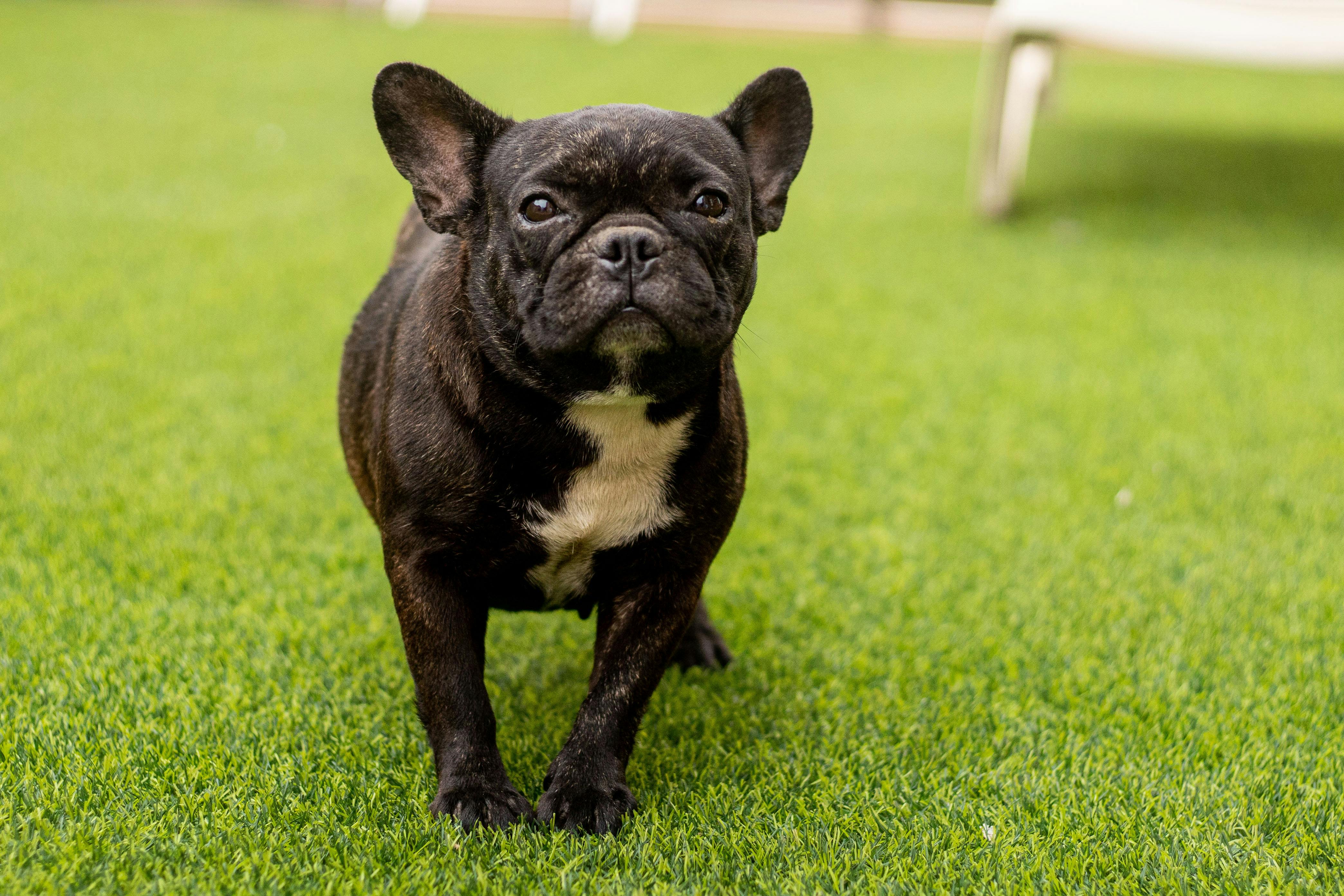 \n\n
\n\nDogs can be incredibly fascinating creatures, and one of the most interesting aspects about them is their noses. Many dog owners often wonder about the variations they notice, especially when it comes to the moisture levels of their furry friend's snouts. So, why do some dogs have drier noses? And, why do dogs have wet noses in the first place? Let’s dive into the science and reasons behind these canine characteristics.
\nThe Basics of Dog Nose Moisture
\nTo start, it’s important to understand what a dog’s nose does. The wetness of a dog’s nose plays several key roles including aiding in their sense of smell, temperature regulation, and even communication. Dogs have a highly developed olfactory system, and a moist nose helps to absorb scent particles, which enhances their ability to smell. But not all dogs have the same level of moisture, and here’s where it gets a bit complicated.
\nFactors Influencing Nose Moisture Levels
\nThere are multiple reasons why some dogs have drier noses than others. Here’s a list of factors that can lead to variations in nose moisture:
\n- \n
- Breed Differences: Certain breeds are known to have drier noses. For example, Boxers and Bulldogs may often have less moisture compared to a Labrador Retriever or a Beagle. \n
- Age: Puppies typically have very wet noses, but as dogs age, their noses may dry out naturally. \n
- Health Conditions: Allergies, autoimmune diseases, or infections can cause a dog to have a drier nose. If a dog's nose changes suddenly, it might be worth consulting a veterinarian. \n
- Environmental Factors: Dry weather, heating in your home, or even the dog’s diet can affect nose moisture. Dogs that live in humid areas generally have wetter noses. \n
- Hydration Levels: A dehydrated dog may have a noticeably drier nose. Ensuring your dog has constant access to fresh water is crucial. \n
Why Do Some Dogs Have Drier Noses?
\nAs previously mentioned, breed can play a significant role in whether a dog’s nose is wet or dry. Certain breeds are more prone to nose dryness. For instance, dogs like the Greyhound and the Whippet are known to have drier noses compared to breeds like the Golden Retriever or the Dachshund. This isn’t just a random occurrence; it’s part of their genetic makeup.
\nThe Benefits of a Wet Nose
\nNow, let’s consider the reasons behind why dogs typically have wet noses. Here are some fascinating facts:
\n- \n
- Scent Detection: A wet nose helps in trapping scent particles. The moisture allows scent molecules to stick to the nose, making it easier for dogs to detect different smells. \n
- Cooling Mechanism: Dogs do not sweat the same way humans do. A wet nose helps them cool down as the moisture evaporates. \n
- Communication: Dogs often use their noses to interact with their environment. A wet nose can indicate that a dog is relaxed or happy. \n
Comparisons of Nose Moisture Across Breeds
\nHere is a simple table showing some common breeds and their typical nose moisture levels:
\n| Breed | \nTypical Nose Moisture Level | \n
|---|---|
| Labrador Retriever | \nWet | \n
| Beagle | \nWet | \n
| Bulldog | \nDry | \n
| Greyhound | \nDry | \n
| Dachshund | \nWet | \n
Practical Examples of Nose Changes
\nIt’s worth noting that a dog’s nose can change throughout the day or with different activities. For example, after playing outside in the sun, a dog's nose may feel drier than usual. On the other hand, after drinking a bowl of water, it might be nice and moist.
\nHealth Considerations for Nose Changes
\nIf a dog’s nose is consistently dry or has other symptoms such as cracking, discoloration, or excessive sneezing, it’s advisable to check with a vet. Health issues like nasal hyperkeratosis can lead to rough, dry noses, and that can needs treatment.
\nLastly, understanding why dogs have wet or dry noses is not just about curiosity; it can also be an important part of dog care. Keeping an eye on your dog’s nose can help you gauge their health and well-being.
\nSo next time you notice your pup’s nose, remember the fascinating reasons behind its wetness or dryness. It’s just another way our furry friends communicate with us!
\n\nDo Dogs Sweat Through Their Noses? The Truth Behind Canine Cooling Mechanisms
\n\n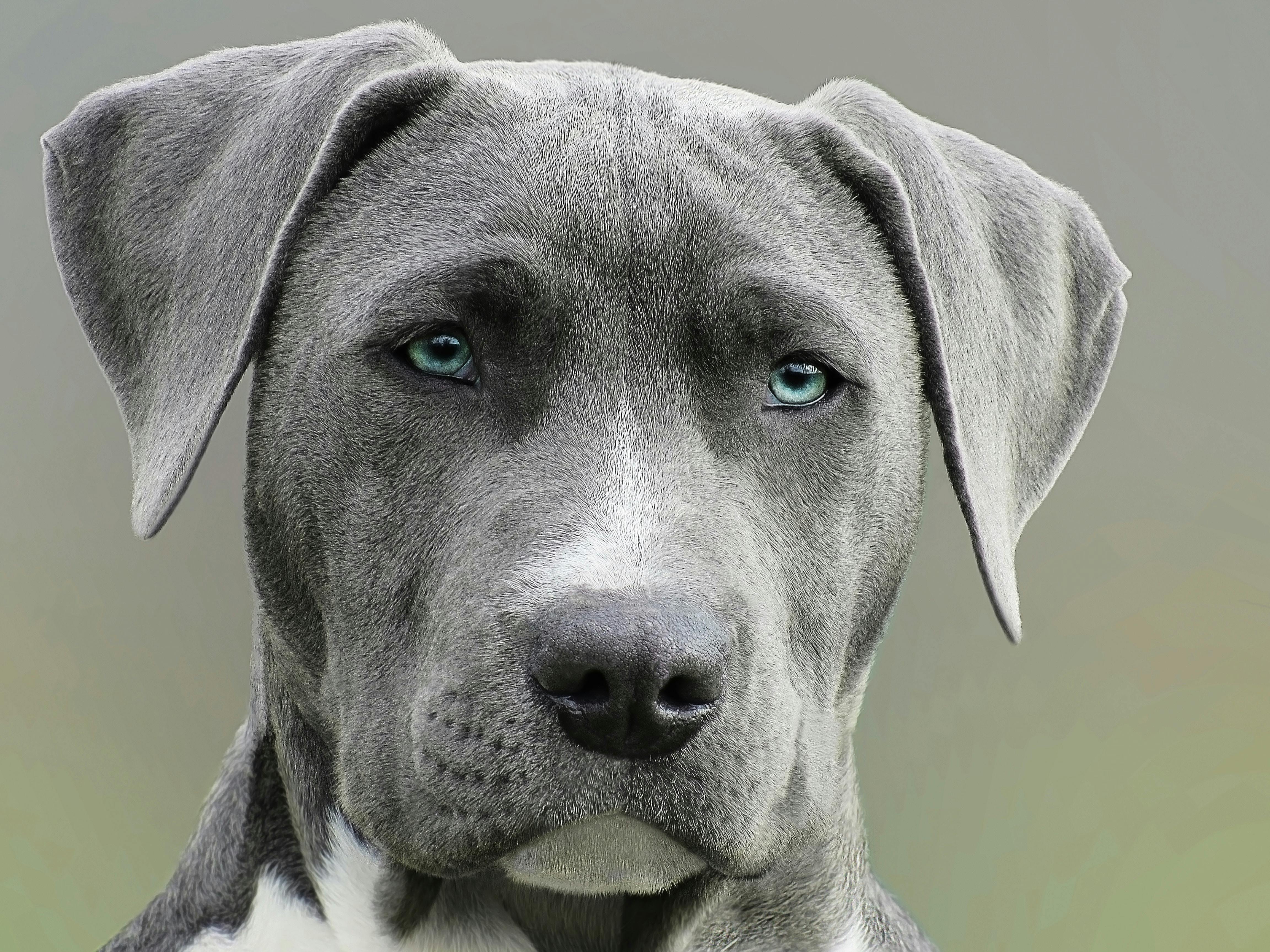 \n\n
\n\nHave you ever looked at your dog's nose and wonder, “Why is it wet?” Or maybe you thought about how dogs keep cool during those hot summer days? Well, there’s a lot more to this than meets the eye. In fact, many people often ask, do dogs sweat through their noses? The answer lies not just in their noses but also in how dogs regulate their body temperatures in general.
\nThe Basics of Canine Cooling Mechanisms
\nDogs don't sweat like humans do. While we have sweat glands all over our skin, dogs mainly rely on other methods to cool down. Here are some ways they manage to stay cool:
\n- \n
- Panting: This is the primary way dogs cool themselves. When they pant, moisture evaporates from their tongue and mouth, which helps to lower their body temperature. \n
- Paw Pads: They do have some sweat glands in their paw pads, but it’s not enough to cool them down significantly. \n
- Nose Moisture: A wet nose can help with thermoregulation, but it’s not as straightforward as sweating. The moisture on a dog’s nose aids in the cooling process through evaporation. \n
Why Do Dogs Have Wet Noses?
\nYou have probably heard the saying that a dog’s nose is a good indicator of their health. A wet nose is often seen as a sign of a healthy dog. Here’s a few reasons why dogs noses are wet:
\n- \n
- Evaporation: As mentioned, moisture on the nose aids in cooling. When the moisture evaporates, it helps to regulate their temperature. \n
- Scent Detection: Dogs have an incredible sense of smell, and a moist nose helps to absorb scent particles from the air. The wetness enhances their olfactory capabilities. \n
- Health Indicator: A wet nose can indicate hydration and good health, while a dry nose might suggest illness or dehydration. \n
The Science Behind Wet Noses
\nHere’s some interesting facts about why dogs have wet noses:
\n- \n
- Anatomy of a Dog’s Nose: A dog's nose is covered in a thin layer of mucous. This mucus not only helps in scent detection but also maintains moisture. \n
- Temperature Regulation: The cooling effect from the nose is not significant enough to replace panting, but it does contribute to their overall thermoregulation. \n
- Species Variation: Different dog breeds may have varying levels of moisture on their noses due to genetic factors. \n
Common Myths About Dog Sweating
\nThere are several myths regarding how dogs sweat and how their noses function. Here are a few that are often believed:
\n- \n
- \n
Myth 1: Dogs sweat through their noses.
\n- \n
- Truth: While their noses can be moist, they do not sweat through them like humans do. \n
\n - \n
Myth 2: A warm, dry nose means a dog is sick.
\n- \n
- Truth: A dog’s nose temperature can fluctuate, and it isn’t a reliable health indicator by itself. \n
\n - \n
Myth 3: All dogs have wet noses all the time.
\n- \n
- Truth: It's normal for a dog's nose to be dry at times, especially when they are sleeping or in a dry environment. \n
\n
Understanding Dog Health Through Nose Condition
\nMonitoring your dog's nose can provide insights into their health. Here’s what to look for:
\n- \n
- Wet and Cool: Generally a sign of a healthy dog. \n
- Dry and Cracked: Could indicate dehydration or health issues. \n
- Discolored or Unusual Texture: May require a vet visit if persistent. \n
Practical Tips for Dog Owners
\nKeeping your dog healthy goes beyond just observing their nose. Here’s what you can do:
\n- \n
- Hydration: Always have fresh water available for your dog, especially in warmer months. \n
- Temperature Control: Never leave dogs in hot cars and provide shade during outdoor activities. \n
- Regular Vet Check-ups: Stay on top of your dog's health with routine vet visits. \n
Fun Facts About Dogs and Their Noses
\n- \n
- Dogs have up to 300 million scent receptors in their noses, compared to humans who only have about 5 million. \n
- The wetness of a dog's nose can change throughout the day based on their activity level. \n
In summary, while dogs don’t sweat through their noses, the moisture plays a significant role in their cooling and health. Understanding these fascinating mechanisms not only helps you care better for your furry friend but also enhances your knowledge about their unique physiology. So next time you notice your dog’s wet nose, remember it’s a natural part of their body’s ability to stay cool and healthy!
\n\nHow to Care for Your Dog's Nose: Tips for Maintaining Optimal Moisture Levels
\n\n \n\n
\n\nWhen you think about dogs, one of the first things that probably come to mind is their adorable wet noses. But have you ever stopped to wonder why their noses are so moist and what that means for their health? Caring for your dog’s nose is important, and maintaining optimal moisture levels is key. Let's dive into the fascinating world of canine noses and explore how to keep them in tip-top shape!
\nWhy Do Dogs Have Wet Noses?
\nDogs have wet noses for a variety of reasons, and it’s not just for show. Here are some interesting facts:
\n- \n
- \n
Sense of Smell: A wet nose helps enhance dogs' sense of smell. The moisture on their noses captures scent particles, making it easier for them to detect smells. This is why dogs are often used in search and rescue missions.
\n \n - \n
Temperature Regulation: Dogs don’t sweat like humans do. Instead, they cool themselves off through their noses. The moisture from their noses evaporates, helping to lower their body temperature.
\n \n - \n
Health Indicator: A dog's nose can indicate their health. A healthy dog typically has a cool, moist nose. However, if a dog’s nose becomes dry or hot, it could be a sign of illness.
\n \n - \n
Communication: Dogs use their noses to communicate with each other. They greet by sniffing one another's noses, gathering important information about other dogs.
\n \n
Tips for Maintaining Optimal Moisture Levels in Your Dog’s Nose
\nNow that you know why your furry friend has that special wet nose, let’s talk about how to care for it. Keeping your dog’s nose moist can help ensure their overall health and well-being. Here are some practical tips:
\n- \n
- \n
Hydration is Key: Make sure your dog drinks plenty of fresh water. Dehydration can lead to a dry nose. Always keep their water bowl filled and clean.
\n \n - \n
Humidity Matters: During dry seasons or in air-conditioned rooms, the air can become too dry. Consider using a humidifier to help retain moisture in the air, which can benefit your dog's nose.
\n \n - \n
Check the Environment: Avoid exposing your dog to harsh weather conditions, whether it's extreme heat or cold. Both can affect the moisture of their nose.
\n \n - \n
Nose Balm: If your dog’s nose appears cracked or dry, you might want to use a dog-safe nose balm. These balms are designed to hydrate and protect their sensitive skin.
\n \n - \n
Regular Vet Check-ups: Regular visits to the veterinarian can help catch any underlying health issues that might affect your dog’s nose moisture.
\n \n - \n
Diet Matters: A balanced diet rich in Omega-3 fatty acids can help maintain healthy skin and coat, which includes their nose!
\n \n
Signs of a Problematic Nose
\nIt’s essential to keep an eye on your dog’s nose. Here’s a quick list of signs that could indicate a problem:
\n- \n
- Dryness or cracking \n
- Discoloration \n
- Excessive moisture or discharge \n
- Bleeding or sores \n
If you notice any of these symptoms, it’s best to consult with your veterinarian. They can help identify any issues and provide appropriate treatment.
\nThe History of Dogs' Noses
\nDogs have been companions to humans for thousands of years, and their noses have evolved right along with them. Historically, dogs were bred for specific purposes, like hunting or herding, which influenced their sense of smell.
\nFor example, Bloodhounds are renowned for their incredible sense of smell, which can track scents over long distances. This ability is largely due to their wet noses, which help them gather scent particles from the environment.
\nInteresting Comparisons
\nLet’s compare dog noses to human noses for a moment.
\n- \n
- \n
Moisture: Human noses are usually dry, while dog noses are naturally wet. This difference is crucial for their sense of smell.
\n \n - \n
Functionality: Dogs can detect scents in parts per trillion, whereas humans can only detect scents in parts per million!
\n \n - \n
Temperature Regulation: Humans sweat, but dogs rely on their noses.
\n \n
Keeping a dog’s nose moist is one of those simple but significant aspects of pet care that can make all the difference. As a responsible pet owner, understanding the reasons behind this unique feature can help you provide better care.
\nBy following the tips above, you can ensure that your dog's nose remains healthy and happy. Remember, a moist nose is often a sign of a happy and healthy dog!
\n\nConclusion
\n\nIn conclusion, the wet noses of dogs serve multiple essential functions that contribute to their overall health and communication. The moisture helps enhance their sense of smell, allowing them to detect scents more effectively, which is crucial for their survival and interaction with the environment. Additionally, a wet nose plays a role in thermoregulation, helping dogs maintain their body temperature. While the texture and moisture levels can vary among breeds, a consistently wet nose is typically a sign of good health. However, pet owners should remain vigilant to changes in their dog's nose condition, as this could indicate underlying health issues. Ultimately, understanding the science behind why dogs have wet noses deepens our appreciation for these beloved companions. So, the next time you greet your furry friend, take a moment to acknowledge that wet nose—it’s a fascinating feature that reflects their unique biology and vibrant personality!
\n\n