
Have you ever wondered, why do dogs have wet noses? This intriguing question holds the key to understanding our furry friends better! Dogs’ noses are not just adorable; they serve crucial purposes that enhance their sense of smell and overall health. Imagine this: a cold, wet nose is actually a sign of a happy and healthy dog! But what makes their noses so special? In this post, we will explore the fascinating reasons behind those damp snouts. From thermoregulation to heightened scent detection, the mysteries of a dog’s nose are bound to surprise you. Did you know that a wet nose helps dogs cool down and absorb scents more effectively? It’s true! This unique feature plays a vital role in their daily lives and interactions with the world around them. So, if you’re curious about the science behind your pup’s wet nose and want to discover the secrets of canine biology, keep reading! You might just find answers to questions you never knew you had. Unravel the mystery today and learn why your dog’s wet nose is more than just cute; it’s a window into their fascinating lives!
The Science Behind Dogs’ Moist Noses: What You Need to Know

Dogs have this curious thing about them: their noses are often wet! You may have noticed this when your furry friend greets you with a cold, moist nose. But why do dogs have wet noses? It’s not just a quirky characteristic; there’s actual science and reasons behind it that can leave you fascinated. So let’s dive deeper into this topic and explore the reasons why our canine companions sport these unique features.
The Science of Canine Noses
A dog’s nose is a complex organ. It’s not just for smelling; it’s also a crucial part of their overall health and well-being. The moisture on a dog’s nose plays a significant role in their ability to smell and interact with the world around them.
Here’s some interesting fact: dogs have up to 300 million smell receptors in their noses, compared to a human’s 5 million! That’s quite a difference, right? The moisture helps them to absorb scent molecules more effectively, enhancing their olfactory capabilities. This is crucial for their survival, as dogs rely heavily on their sense of smell to find food, detect danger, and communicate with other dogs.
Why Are Dog Noses Wet?
There are several reasons that contribute to why do dogs have wet noses, including:
Cooling Mechanism: Just like humans sweat, dogs need to cool down too. Their noses help regulate body temperature. When a dog pants, moisture evaporates from their nose, which can help keep them cool.
Scent Detection: As mentioned, wetness on a dog’s nose helps them pick up scent particles in the air. The moisture makes it easier for the scent molecules to stick, thus increasing their ability to identify different smells.
Health Indicator: A wet nose can often mean a healthy dog. While a dry nose doesn’t necessarily indicate illness, a consistently dry or cracked nose can be a sign of dehydration or other health issues. Keeping an eye on your dog’s nose can give you insights into their overall health.
Species Traits: Evolutionarily, dogs developed wet noses as a trait that helps them survive in the wild. It’s beneficial for hunting, tracking, and social interactions among dogs.
Historical Context of Dog Noses
Historically, dogs have been bred for specific purposes, and their noses have adapted accordingly. For example, bloodhounds have particularly moist and droopy noses, which enhance their tracking abilities. Different breeds might have varying degrees of nose moisture, depending on their roles throughout history.
- Hunting Dogs: Bred to track scents, they often have wetter noses.
- Companion Dogs: They might have less moisture, but it still plays a role in their social interactions.
Fun Facts About Dog Noses
- Unique Patterns: Just like human fingerprints, no two dogs have the same nose print.
- Color Variation: The color of a dog’s nose can change with temperature; a warm nose may indicate a fever, while a cool nose is usually normal.
- Scent Memory: Dogs can remember scents for years, which is why they may get excited when they smell something familiar.
Practical Tips for Dog Owners
If you’re a proud dog owner, it’s important to understand how to care for your dog’s nose:
- Keep Them Hydrated: Ensure your dog has access to fresh water all the time.
- Check for Cracks: If you notice your dog’s nose is dry or cracked, consult your vet.
- Watch for Changes: Any sudden changes in your dog’s nose moisture can indicate health issues.
Comparing Dogs’ Noses to Other Animals
Dogs aren’t the only animals with wet noses. Here’s how they compare with a few other pets:
| Animal | Nose Type | Wetness Level | Purpose |
|---|---|---|---|
| Dogs | Moist | High | Scent detection, cooling |
| Cats | Dry | Low | Less reliance on smell |
| Pigs | Moist | Moderate | Ground foraging, scent detection |
Understanding the science behind dogs’ moist noses can enhance your relationship with your pet. It connects you to their unique biology and emphasizes the importance of their health. So next time your dog greets you with that cool, wet nose, remember the fascinating reasons behind it! It’s not just adorable; it’s a vital part of their well-being and communication.
5 Fascinating Reasons Your Dog’s Nose is Always Wet
Ever wonder why dogs have wet noses? It’s a question that many pet owners ask, and the answer is pretty fascinating. Dogs noses are not just cute; they serve important functions for your furry friend. In this article, we’ll explore five reasons why your dog’s nose is always wet and why that little detail is vital for their health and wellbeing.
1. Enhanced Sense of Smell
One of the most significant reasons why dogs have wet noses is related to their sense of smell, which is far superior to that of humans. A dog’s nose contains approximately 300 million olfactory receptors, compared to a human’s mere 5 million. The moisture on their nose helps to trap scent particles, which makes it easier for them to pick up smells.
- Wet noses help absorb scent particles.
- The moisture enhances their ability to detect odors.
- Dogs can smell up to 100,000 times better than humans.
2. Temperature Regulation
Just like humans sweat to cool down, dogs have their own method of maintaining a comfortable body temperature. Dogs don’t sweat like we do; instead, they rely on their noses and paw pads to regulate their temperature. When their noses are wet, it helps to cool them down.
- Wet noses can evaporate moisture, leading to cooling.
- Helps in situations of stress or heat.
- Dogs will often lick their noses to keep them damp.
3. Communication Tool
Dogs communicate in many ways, and their wet noses play a part in that. When dogs meet each other, they often sniff each other’s noses. A wet nose can signal that a dog is friendly and approachable. It can also be a means of gathering information about other dogs or even humans.
- Wet noses can indicate a dog’s mood.
- They can read information from the scents left by other animals.
- Nose sniffing is a form of greeting among dogs.
4. Health Indicator
The moisture on your dog’s nose can sometimes indicate their health status. Generally, a wet and cool nose is a sign of a healthy dog. If your dog’s nose is dry or warm, it could be a sign of illness or dehydration. However, this is not a strict rule, and some healthy dogs may have dry noses.
Here are some pointers to consider:
- A wet, cool nose generally indicates good health.
- A dry nose might indicate dehydration or illness.
- Other symptoms should be checked alongside nose condition.
5. Protective Function
A dog’s nose serves as a protective barrier. The moisture helps to keep the nose lubricated and can aid in trapping dirt and allergens. This means that their noses can help prevent irritants from entering the nasal passages.
- Wet noses can trap dirt and pollen.
- Helps in keeping the respiratory system clear.
- Acts as a natural defense mechanism.
Fun Facts About Dog Noses
- Dogs have unique nose prints, much like human fingerprints.
- The color of a dog’s nose can vary by breed and can change over time.
- Dogs can detect certain diseases in humans, including cancer and diabetes, through their sense of smell.
What To Do If Your Dog’s Nose Changes
If you notice a significant change in your dog’s nose, such as it becoming excessively dry or warm, you need to monitor your pet for other symptoms. Here are some things to consider:
- Check for any behavioral changes.
- Look for signs of dehydration or illness, like lethargy or loss of appetite.
- Consult your veterinarian if you are uncertain.
Now that you know the reasons behind your dog’s wet nose, you can appreciate that little detail even more. Dogs are complex creatures, and their noses are just one of the many fascinating features that contribute to their unique charm. Remember, your dog’s nose is like a little window into their world, helping them navigate life in ways humans can only admire. Enjoy your time with your furry friend and cherish those moments when they give you a little nudge with their wet nose!
How a Wet Nose Enhances Your Dog’s Sense of Smell: The Surprising Connection
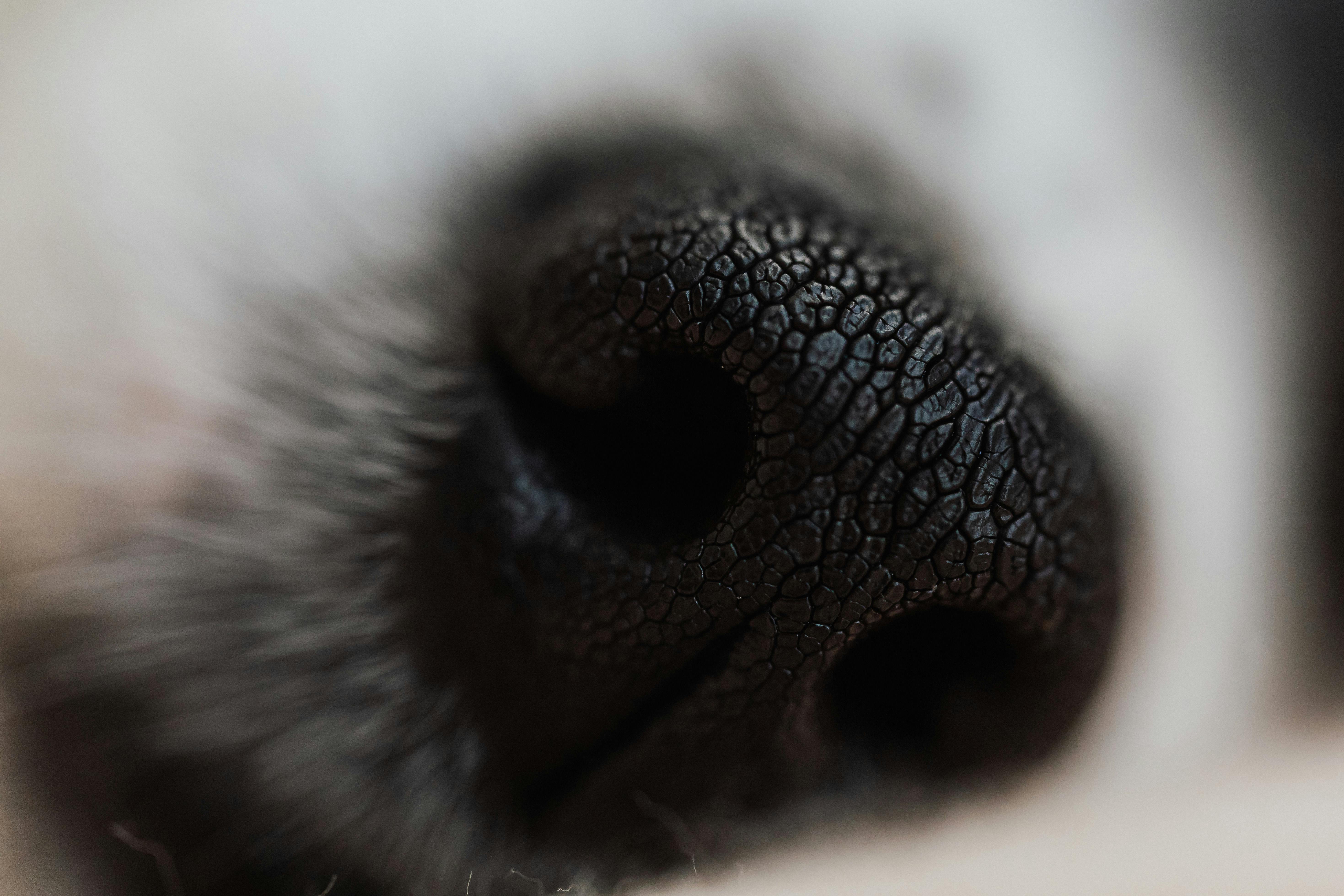
Have you ever wondered why your furry friend’s nose is always wet? It’s not just for show, there’s actually a lot of fascinating science behind it. Dogs have one of the most incredible senses of smell in the animal kingdom, and their wet noses play a crucial role in enhancing that ability. Let’s dive into the details of why do dogs have wet noses and how this unique feature connects to their exceptional olfactory skills.
The Biological Function of a Wet Nose
A dog’s nose is wet primarily because of mucus. The mucus helps to capture scent particles from the air, which is super important for a dog’s ability to smell. When these particles stick to the mucous membrane, the olfactory receptors then can detect and process those scents. This is why a wet nose is so essential. Here’s a quick breakdown of its benefits:
- Increased scent detection: The moisture helps to trap scent particles, making it easier for dogs to analyze their surroundings.
- Cooling mechanism: Wet noses also play a role in regulating body temperature. When dogs pant, the moisture evaporates and cools them down.
- Health indicator: A wet nose is often a sign of a healthy dog, while a dry nose can indicate illness or dehydration.
How Do Dogs Smell?
Dogs have a remarkable sense of smell that is estimated to be between 10,000 to 100,000 times more sensitive than humans. This extraordinary capability comes from their unique nasal structure. Here’s how it works:
- Olfactory receptors: Dogs have around 300 million olfactory receptors, compared to a human’s 5 million. This allows them to pick up on scents many times better.
- Nasal cavity: With a larger nasal cavity, dogs can process scents more efficiently. The design of their nasal passages also helps in slowing down air and enhancing scent absorption.
- Jacobsen’s organ: This is an additional sensory structure that allows dogs to detect pheromones, giving them even more information about their environment.
The Connection between Wet Noses and Smell
So, how does the wetness of a dog’s nose actually enhance its smelling abilities? It’s all about the science of scent detection. When a dog inhales, the moisture on their nose helps to dissolve scent particles, making them easier to identify. The wetness also helps to keep the olfactory receptors in optimal condition, allowing for better and more accurate scent detection.
Fascinating Facts About Dog Noses
- Unique nose prints: Just like human fingerprints, no two dog noses are alike. Each dog has a unique nose print that can even be used for identification.
- Super sniffers: Some dogs are trained to detect specific scents, such as drugs, explosives, or even diseases like cancer.
- Nose temperature: The temperature of a dog’s nose can fluctuate, and a cooler nose generally indicates a healthy dog. However, it’s not a foolproof method for assessing health.
Reasons Why Dogs Have Wet Noses
- Scent Capture: The moisture on their nose aids in capturing and identifying scents.
- Temperature Regulation: Helps keep them cool in hot weather.
- Communication: Dogs also use their noses to communicate with each other and with humans. A wet nose can be a sign of affection or excitement.
Common Misconceptions
Many people think that a wet nose is always a sign of good health, but this isn’t always true. There are instances when a dog may have a dry nose and still be perfectly healthy. Factors like weather, activity level, and even breed can affect nose moisture.
A Quick Comparison: Dogs vs. Humans
| Feature | Dogs | Humans |
|---|---|---|
| Olfactory Receptors | 300 million | 5 million |
| Scent Detection Range | 10,000 to 100,000 times better | Standard human detection |
| Nose Print Uniqueness | Unique to each dog | Not applicable |
As you can see, the differences are quite staggering. Dogs rely heavily on their sense of smell to navigate their world, and their wet noses are essential to that process.
Understanding why do dogs have wet noses not only helps us appreciate our furry companions better but also gives insight into their health and behavior. The next time you notice your dog’s wet nose, remember that it’s not just cute; it’s an incredible tool that enhances their sense of smell and keeps them connected to their environment. Whether it’s for sniffing out treats or just getting to know the world around them, a wet nose is a vital part of a dog’s life. So, embrace those wet-nosed greetings — they’re more than just adorable!
Do All Dogs Have Wet Noses? Unraveling the Myths and Facts
Do all dogs have wet noses? This is a question that many dog lovers and owners ponder. Wet noses are commonly associated with dogs, but is it true that all dogs have them? In this article, we will unravel some myths and facts surrounding this intriguing topic. Not just that, but we will also explore why do dogs have wet noses and the fascinating reasons behind this characteristic.
The Science Behind Wet Noses
Dog noses are not only wet for looks; there’s a science to it. The moisture on a dog’s nose helps enhance their sense of smell. A dog’s sense of smell is incredibly powerful, estimated to be up to 100,000 times more sensitive than that of humans. Their wet noses trap scent particles in the air, making it easier for them to detect smells.
Here are some interesting facts about dog noses:
- Dogs have a special organ called Jacobsen’s organ, which helps them analyze smells.
- The moisture on their nose comes from mucous membranes and is often a sign of good health.
- A wet nose can dissipate heat, helping dogs regulate their body temperature.
Do All Dogs Have Wet Noses?
While most dogs do have wet noses, not all of them do. Some breeds are more prone to dry noses due to their genetic makeup or environmental factors. Factors that may influence whether a dog has a wet or dry nose include:
- Breed: Certain breeds like Bulldogs or Pugs may have drier noses.
- Health: Illness or dehydration can lead to a dry nose.
- Environment: Hot, dry climates can also affect nose moisture.
It’s important to note that a dry nose doesn’t always indicate a health problem, but it can be a symptom of dehydration or illness. Observing your dog’s overall behavior, energy levels, and other health indicators is key.
Why Do Dogs Have Wet Noses?
Now, let’s dive deeper into why dogs have wet noses. The moisture serves several important functions beyond just improving their sense of smell. Some key reasons include:
Temperature Regulation: Dogs do not sweat like humans; instead, they cool down through their noses and panting. Moisture on the nose can help regulate their body temperature.
Scent Detection: As mentioned earlier, a wet nose can trap scent particles, enhancing their ability to detect smells. This is essential for tasks like tracking or hunting.
Health Indicator: A wet nose is often a sign of good health in dogs. If a dog’s nose becomes consistently dry, it could indicate a need for hydration or potential health issues.
Social Interaction: Dogs often use their noses to greet and gather information about other dogs and humans. A moist nose can be more inviting during social interactions.
Common Myths About Dog Noses
There are several myths related to dog noses that are worth addressing. Here are some common misconceptions:
Myth 1: A cold, wet nose means a dog is healthy.
- While a wet nose is often associated with health, it’s not a sole indicator. Dogs can be sick and still have a wet nose.
Myth 2: All dogs’ noses are always wet.
- As discussed, breed and environment can lead to variations in nose moisture.
Myth 3: Dry noses always mean dehydration.
- There could be other reasons for a dry nose, including allergies, weather conditions, or skin conditions.
Practical Tips for Nose Care
To help maintain your dog’s nose health, consider these tips:
- Keep your dog hydrated, especially in hot weather.
- Use a humidifier indoors during dry months.
- Regularly check your dog’s nose for any signs of cracking or excessive dryness.
Summary of Key Points
- Wet noses help dogs smell better and cool down.
- Not all dogs have wet noses due to breed or environmental factors.
- A dry nose can be a sign of various health issues but not always.
- Understanding the myths can help dog owners take better care of their pets.
In a nutshell, while most dogs do have wet noses, it’s not a universal rule. Their wet noses serve crucial functions, from enhancing their sense of smell to regulating body temperature. As a responsible pet owner, knowing these facts can help you keep your furry friend healthy and happy. Remember to monitor your dog’s nose and consult a vet if you notice any concerning changes. Your dog’s health and wellbeing depend on it!
Why a Wet Nose is a Sign of a Healthy Dog: Key Insights for Pet Owners
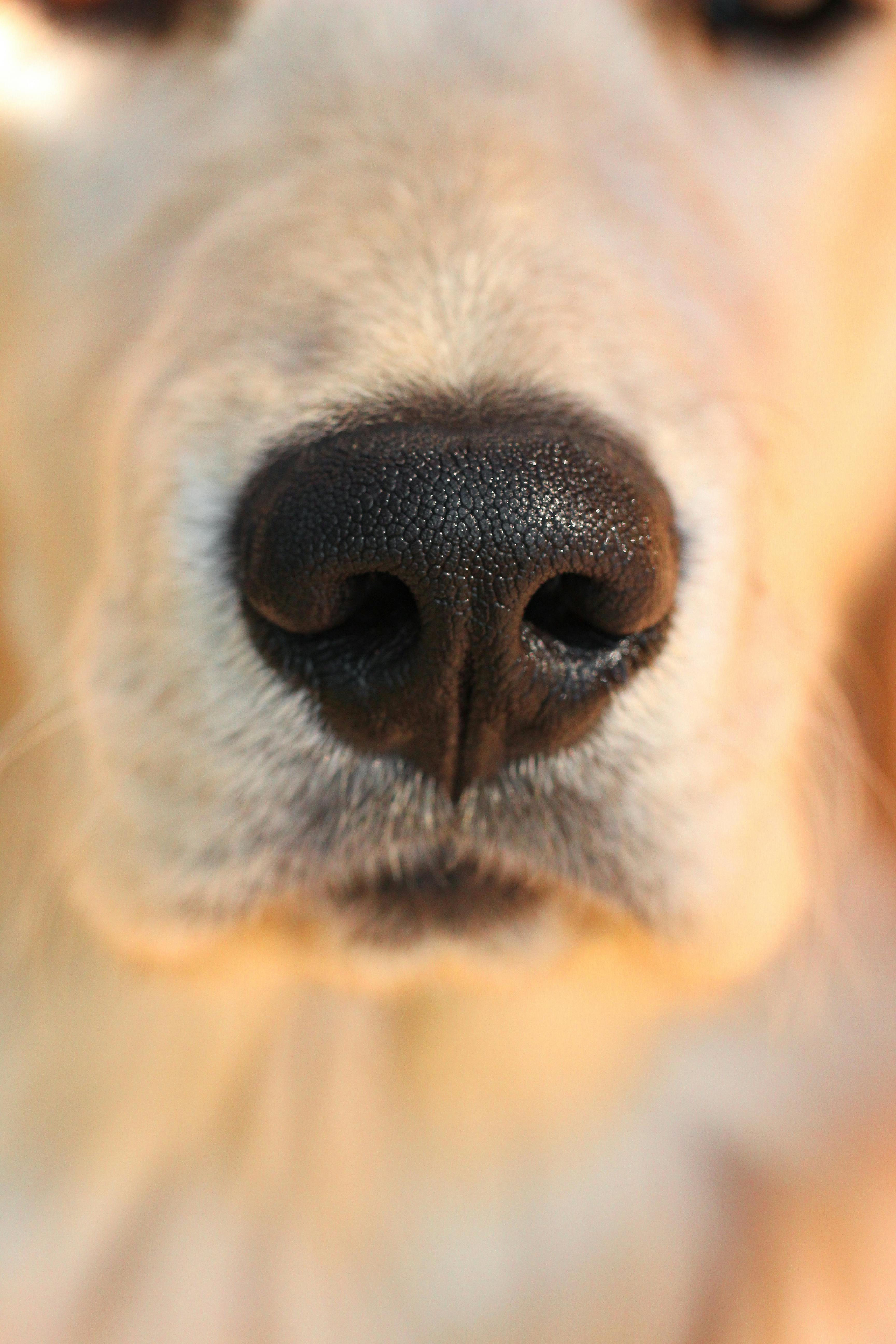
Every pet owner knows the importance of keeping their furry friends healthy, but have you ever stop to consider why a wet nose is often seen as a sign of a happy and healthy dog? This characteristic isn’t just a cute quirk; it actually serve several purposes in canine health. Let’s dive into the fascinating world of why dogs have wet noses and what it means for your beloved pet.
Why Do Dogs Have Wet Noses?
Dogs have wet noses for a variety of reasons, many of which are related to their sense of smell and overall health. Here’s a look at some key reasons:
- Enhanced Smell: A dog’s nose is packed with scent receptors, and a wet nose helps to trap scent particles. This makes it easier for them to detect different odors in their environment.
- Thermoregulation: Dogs don’t sweat like humans do; they primarily cool off by panting. A wet nose helps to regulate their body temperature.
- Health Indicator: Generally, a moist nose is a sign of good health. If a dog’s nose is excessively dry or cracked, it may indicate health issues or dehydration.
- Licking Behavior: Dogs often lick their noses to keep them moist. Saliva helps enhance their sense of smell and keeps their noses cool.
The Science Behind a Wet Nose
To really grasp why dog noses are wet, let’s break this down into a few scientific points:
- Mucus Production: The surface of a dog’s nose is covered in mucus, which helps to absorb scent molecules. This mucus is produced by specialized glands in the nasal passages.
- Humidity Levels: A dog’s unique ability to sweat through their paws and the moisture in their nose can help maintain humidity levels, crucial for their olfactory abilities.
- Temperature Regulation: When a dog licks its nose, the saliva evaporates, aiding in cooling their body temperature.
Historical Context of Dog Noses
Throughout history, dogs have served various roles, from hunters to companions. Their wet noses were likely a natural adaptation that made them more effective at hunting and scavenging. Ancient breeds, such as the Greyhound and the Bloodhound, were bred for their ability to smell things from great distances, making a wet nose advantageous.
Fascinating Facts About Dog Noses
- Unique Prints: Just like human fingerprints, every dog’s nose print is unique. This can even be used for identification purposes.
- Sensitivity: A dog’s sense of smell is estimated to be 10,000 to 100,000 times more sensitive than that of humans. A wet nose enhances this ability.
- Dogs and Emotions: Research suggest that dogs can sense human emotions through their noses. They can sniff out changes in body chemistry when a person is stressed or anxious.
Maintaining Nose Health
As a pet owner, you want to make sure your dog’s nose stays healthy. Here are some tips:
- Hydration: Ensure your dog gets plenty of water to keep their noses moist.
- Regular Vet Visits: Routine check-ups can help identify any health issues related to the nose.
- Watch for Changes: Look for signs of dryness, cracking, or excessive discharge. If you notice these, consult your vet.
Signs of Potential Problems
A wet nose is generally a good sign, but here are some things to keep an eye on:
- Dry Nose: If your dog’s nose is consistently dry, it could mean they are dehydrated or unwell.
- Cracked or Bleeding: These symptoms may indicate allergies, infections, or other health problems.
- Changes in Temperature: A significantly hot nose could be a sign of fever.
Quick Facts Table
| Feature | Description |
|---|---|
| Nose Moisture | Helps in scent detection |
| Body Temperature | Aids in cooling process |
| Health Indicator | Moist noses are generally healthier |
| Unique Prints | Each dog’s nose print is distinct |
Understanding why dogs have wet noses can help you as a pet owner ensure your dog stays healthy. It’s fascinating how something as simple as a wet nose can be a window into a dog’s overall health and well-being. So the next time you give your pup a pat, remember that their wet nose is not just adorable—it’s a sign of a happy, healthy dog. Keep those noses wet and those tails wagging!
The Role of Temperature Regulation in Dogs’ Wet Noses: A Deep Dive

Have you ever wondered why dogs have wet noses? It’s one of those curious traits that many pet owners notice but might not think too deeply about. But the truth is, there’s a fascinating science behind those moist snouts. Not only do they play a role in temperature regulation, but they also serve several other important functions for our furry companions. In this article, we’re gonna dive deep into the role of temperature regulation in dogs’ wet noses and explore the reasons behind this intriguing feature.
The Science Behind Wet Noses
Dogs’ noses are often wet due to the secretion of mucus, which helps them with their sense of smell. But that ain’t the only reason. The moist surface of a dog’s nose also aids in thermoregulation, which is how they manage their body temperature.
- Temperature Regulation: While humans sweat to cool down, dogs primarily rely on their noses and panting. The moisture on their noses evaporates, which helps to cool them down.
- Enhanced Sense of Smell: A wet nose can absorb scent molecules better, helping dogs to detect smells more effectively. This is why dogs are often used in search and rescue missions.
- Health Indicator: A dog’s nose can give insights into their health. If it’s overly dry or hot, it might indicate an illness or dehydration.
Historical Context of Dogs’ Noses
Dogs have been companions to humans for thousands of years. Interestingly, their noses have evolved to adapt to various environments and tasks. Historically, dogs were bred for specific purposes—hunting, herding, or guarding. Each of these roles required keen senses, and their wet noses contributed greatly to their abilities.
In fact, ancient cultures recognized the importance of dogs’ noses. They used dogs for tracking and hunting, relying on their exceptional olfactory abilities. Over time, as dogs became more domesticated, their noses remained a vital part of their physiology.
How Dogs Regulate Temperature
Dogs don’t have sweat glands like humans do, making their method of cooling off quite different. Here’s how they do it:
- Panting: When dogs pant, they expel hot air from their bodies and draw in cooler air. This process lowers their body temperature.
- Wet Noses: The moisture on a dog’s nose evaporates, much like sweat on human skin, helping to cool them down.
- Behavioral Changes: Dogs may seek shade or cool surfaces to lie on when they are feeling too warm.
Key Functions of Dogs’ Wet Noses
To break it down simply, here’s a list of key functions that wet noses serve:
Enhanced Olfactory Function
- Absorbs more scent particles.
- Helps in tracking scents over long distances.
Temperature Control
- Evaporative cooling mechanism.
- Aids in maintaining optimal body temperature.
Health Monitoring
- A wet, cool nose usually indicates a healthy dog.
- Changes in moisture can signal health issues.
Communication Tool
- Dogs use their noses to interact with other dogs and their environment.
- Scent marking is a way for dogs to communicate territorial boundaries.
The Variation in Nose Moisture
Not all dogs have the same level of wetness in their noses. Factors like breed, age, and health can affect this. For example:
- Breeds with Short Snouts: Dogs like Bulldogs and Pugs often have drier noses due to their shorter nasal passages, which can affect their ability to cool down.
- Health Issues: A dog with a persistently dry or cracked nose might be dehydrated or dealing with an illness.
Some Fun Facts About Dogs’ Noses
- Dogs have up to 300 million olfactory receptors in their noses compared to about 6 million in humans.
- The wetness of a dog’s nose can vary throughout the day, often being drier in the morning and wetter after they’ve been active.
- Certain breeds, such as Bloodhounds, have an extraordinary sense of smell that can track scents as old as several days.
Understanding why dogs have wet noses isn’t just about curiosity; it also helps us care for our pets better. The next time you see your dog with their moist nose, remember the important roles it plays in their health and well-being. Whether it’s ensuring they stay cool or helping them explore their world through smell, those wet noses are vital to their everyday lives. Dogs are amazing creatures, and their noses are just one of the many fascinating aspects of what makes them so special.
Can a Dog’s Wet Nose Indicate Illness? What Every Dog Owner Should Watch For
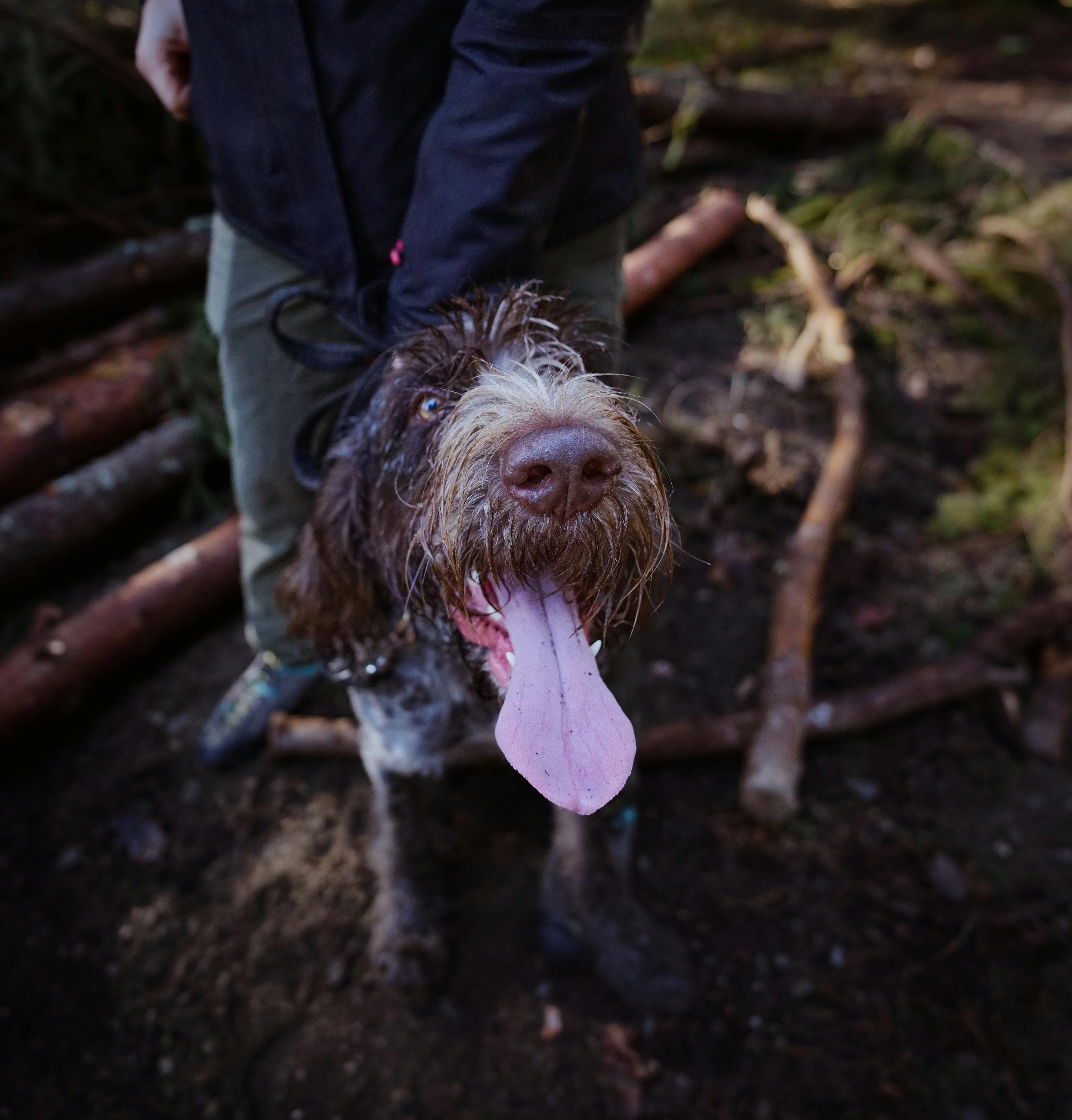
Dog owners often wonder about their furry friends’ health, and one common question arise is: can a dog’s wet nose indicate illness? This question comes up frequently, and understanding the reasons behind a dog’s wet nose can help owners determine when to be concerned. Plus, knowing what symptoms to look for can make a significant difference in your pup’s well-being.
Why Do Dogs Have Wet Noses?
First off, let’s dive into the science behind why dogs have wet noses. Many people think it’s just a cute feature, but there’s more to it. Here some interesting facts:
- Cooling Mechanism: Dogs don’t sweat like humans do. Instead, they cool themselves through their noses. When a dog licks their nose, it helps regulate their body temperature.
- Enhanced Sense of Smell: A wet nose can help capture scent particles in the air. This make it easier for dogs to smell things, which is crucial for their survival and interaction with the world.
- Health Indicator: The moisture on a dog’s nose can also be related to their health. A healthy dog usually has a cool, moist nose. However, a dry or warm nose may indicate something amiss.
Can a Dog’s Wet Nose Indicate Illness?
Now, let’s get to the heart of the matter. Can a dog’s wet nose truly indicate illness? The answer isn’t straightforward. While a wet nose is generally a sign of a healthy dog, changes in moisture levels can signal health issues. Here’s what to keep in mind:
- Dry Nose: A overly dry nose could indicate dehydration or fever. If your dog’s nose is persistently dry and warm, it might be time to visit the vet.
- Excessively Wet Nose: On the flip side, if a dog’s nose is dripping wet and they’re showing other signs of illness, it could be a sign of a respiratory issue or even allergies.
- Changes in Texture: If the nose feels crusty or has unusual discharge, these are signs to be concerned about. This could point towards infections or other medical conditions.
What Every Dog Owner Should Watch For
Being a dog owner comes with responsibilities, and knowing what to observe in your dog’s health is essential. Here’s a checklist of symptoms you should never ignore:
- Changes in Appetite: If your dog suddenly refuses to eat or drinks less water.
- Lethargy: Is your pup less active than normal? This could signal discomfort or illness.
- Coughing or Sneezing: Frequent coughing could indicate a respiratory problem.
- Vomiting or Diarrhea: Digestive issues can be serious and may need immediate attention.
- Behavior Changes: If your dog is more aggressive or withdrawn than usual, it may be a sign of pain or distress.
The Importance of Regular Vet Check-ups
Regular vet check-ups are crucial for maintaining your dog’s health. During these visits, a vet can assess your dog’s overall condition, including checking the nose for any abnormalities. Here’s why these check-ups are vital:
- Preventive Care: Regular visits help catch potential health issues early on.
- Vaccinations: Keeping your dog up-to-date on vaccinations protects against various diseases.
- Nutritional Guidance: A vet can provide advice on the best diet for your dog’s age, breed, and health needs.
Fun Facts About Dogs’ Noses
Did you know that dogs have a unique nose print, just like humans have fingerprints? Each dog’s nose has its own pattern of ridges and creases. Here are some other fun facts:
- Nose Color: The color of a dog’s nose can change with time. Puppies often have pink noses that darken as they age.
- Sniffing Power: Dogs have up to 300 million scent receptors in their noses, compared to about 6 million in humans.
- Nose Temperature: The temperature of a dog’s nose can fluctuate during the day. It’s not always a reliable indicator of health.
Being informed about your dog’s health is a vital part of responsible dog ownership. While a wet nose is typically a sign of good health, changes in its moisture or texture can indicate underlying issues. Always observe your dog closely, and don’t hesitate to reach out to a vet if something seems off. Being proactive might just help your furry friend live a longer, healthier life. So, keep an eye on that wet nose!
Understanding Your Dog’s Body Language: What a Wet Nose Really Means

Dogs are truly remarkable creatures, and their body language is a fascinating subject for pet owners. One of the most common features of a dog is its wet nose, and many peoples often wonder, why do dogs have wet noses? Understanding your dog’s body language, including the meaning behind that wet nose, can enhance your bond and help you communicate better with your furry friend.
The Science Behind Wet Noses
The moisture on a dog’s nose is not just for show. It serves multiple purposes, and it’s interesting to know that a dog’s nose is usually wet due to mucus and saliva. This wetness helps dogs to analyze scents. A dog’s sense of smell is incredibly powerful, around 40 times better than humans. When their nose is wet, it helps to capture scent particles from the air more effectively.
- Enhanced Scent Detection: The moisture on the nose works like a sponge, trapping scent particles.
- Thermoregulation: A wet nose can help cool down a dog’s body temperature, which is crucial for their overall health.
- Communication: Dogs often use their noses to interact with their environment and other animals, so a wet nose can signal excitement or curiosity.
Historical Context of Dog Noses
Historically, dogs have been companions to humans for thousands of years. Early domesticated dogs likely had wet noses that helped them hunt and gather food. This ability to smell was essential for survival. Over time, as dogs became household pets, their noses remained wet, continuing to be a vital tool for exploring the world around them.
What A Wet Nose Really Means
When your dog approaches you with a wet nose, it could mean several things, and it’s important to pay attention to their overall body language. Here are some common interpretations:
- Excitement: If your dog has a wet nose and is wagging its tail, it’s a sign of happiness.
- Curiosity: A wet nose can indicate your dog is investigating something new.
- Affection: Dogs often nuzzle with their noses; a wet nose could be a way to show love.
Dogs and Body Language
Understanding your dog’s body language goes beyond just their wet nose. Dogs communicate using a variety of signals. Here’s a quick guide to some common body language signs:
- Tail Wagging: A wagging tail can indicate happiness, but the position and speed matter too. A low wag might mean insecurity, while a high, fast wag usually means excitement.
- Ears Position: Erect ears generally indicate alertness, whereas ears pulled back can suggest submission or fear.
- Eyes: Soft eyes with relaxed facial muscles usually mean a relaxed dog; hard stares can signal aggression or discomfort.
Why Do Some Dogs Have Drier Noses?
Sometimes you may notice that your dog’s nose is drier than usual. This could be due to various reasons:
- Weather Conditions: Hot or dry weather can lead to a drier nose.
- Health Issues: Certain health problems can cause changes in a dog’s nose moisture, so it’s worthy to pay attention.
- Dehydration: If your dog isn’t drinking enough water, its nose may dry out.
Caring for Your Dog’s Nose
Maintaining your dog’s nose health is important. Here are some tips:
- Hydration: Ensure your dog has access to fresh water at all times.
- Monitor Changes: Keep an eye on any sudden changes in texture, color, or moisture.
- Consult Your Veterinarian: If you notice persistent dryness or cracking, it’s best to seek professional advice.
Interesting Facts About Dog Noses
- A dog’s nose print is unique, just like a human fingerprint.
- Dogs can detect certain diseases, including cancer, through their keen sense of smell.
- Some breeds have wetter noses than others. For example, retrievers often have notably moist noses.
Understanding your dog’s body language and what a wet nose means can deepen your relationship with your furry companion. It’s fascinating how much information can be gathered from something as simple as a wet nose. So, next time you pet your dog and feel that cool, damp nose against your hand, remember the science and history behind it. Embrace the quirks of your dog; they are more than just pets; they are family.
How Breeds Affect Nose Moisture: Why Some Dogs Have Drier Noses
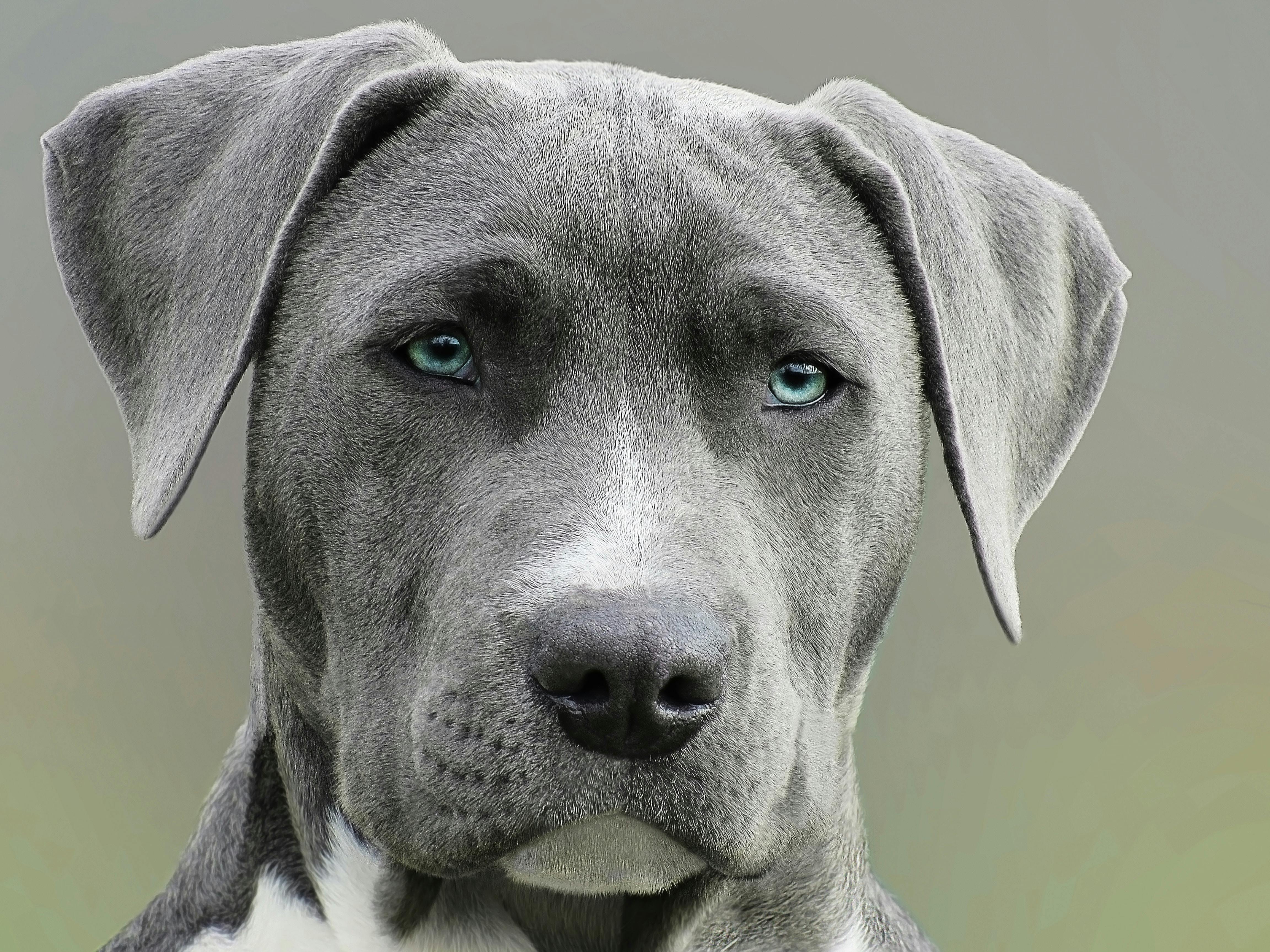
Dogs are often called man’s best friend, and they sure come with a lot of mysteries, don’t they? One of those head-scratchers is why do dogs have wet noses? You might’ve noticed that some dogs got drier noses than others, and it make you wonder what’s up with that. The answer lies in how different breeds, their health, and even environmental factors can affect the moisture on a pooch’s nose. Let’s dive into this fascinating topic!
The Basics of Nose Moisture in Dogs
Dogs noses are usually wet, and that’s not just for show. A wet nose helps them smell better, which is important for how they understand the world. The moisture helps capture scent particles in the air, making it easier for them to sniff out things, like a hidden treat or an interesting scent on a walk. But not all dogs have the same level of moisture on their noses.
Why Do Some Breeds Have Drier Noses?
There are various reasons why some breeds might have drier noses than others. Here’s a quick look at some breed-specific traits:
- Short-Nosed Breeds: Dogs like Bulldogs or Pugs tend to have less moisture on their noses due to their shorter snouts. This can make it harder for them to cool off and sniff as effectively.
- Long-Nosed Breeds: Breeds such as Greyhounds or Bloodhounds generally have wetter noses because their longer snouts allow for better airflow and scent capture.
- Skin Conditions: Certain breeds are more prone to skin issues, which can lead to drier noses. For example, Dachshunds or Boxers might experience dryness if they have allergies or other skin problems.
Health Factors Affecting Nose Moisture
Sometimes, it ain’t just about the breed. A dog’s overall health can affect the moisture on its nose too. Here’s some health-related factors:
- Dehydration: If a dog isn’t drinking enough water, its nose may become dry. Dogs can’t sweat like humans, so they rely on their noses to help regulate temperature.
- Fever or Illness: A sick dog may have a dry nose. If your dog is acting differently or has a dry nose accompanied by other symptoms, it might be time to visit the vet.
- Allergies: Just like humans, dogs can suffer from allergies that can cause skin irritations and a dry nose.
The Environmental Impact on Nose Moisture
You might’ve noticed that the weather can play a big role too. Here’s how:
- Hot Weather: In hot, dry climates, dogs might have drier noses because the heat can evaporate moisture more quickly.
- Cold Weather: Conversely, in cold weather, noses might get chapped or dry due to the cold air.
- Indoor Conditions: Heating systems can dry the air in homes, leading to drier noses, especially in winter months.
Fun Facts About Dog Noses
It’s not all science and health issues! Here are some fun facts about dog noses:
- Dogs have up to 300 million scent receptors in their noses, compared to a human’s 5 million. That’s a pretty big difference!
- A dog’s sense of smell is so strong that they can detect certain diseases in humans, like cancer.
- The texture of a dog’s nose can vary; some are smooth, while others are rough.
What to Do If Your Dog Has a Dry Nose
If you notice your dog’s nose is unusually dry, here’s some steps to take:
- Check Hydration: Make sure your dog is drinking enough water.
- Look for Other Symptoms: Is your dog sneezing, coughing, or acting lethargic? Keep an eye on any other signs of illness.
- Consult Your Vet: If you’re concerned, don’t hesitate to reach out to a veterinarian. They can help determine if there’s a bigger issue at play.
A Quick Comparison: Wet vs. Dry Noses
Here’s a simple comparison of wet and dry noses in dogs:
| Feature | Wet Nose | Dry Nose |
|---|---|---|
| Scent Detection | Better at capturing scents | Not as effective |
| Health Indicator | Generally healthy | May indicate dehydration or illness |
| Breed Variability | Common in long-nosed breeds | More frequent in short-nosed breeds |
The world of dogs and their noses is filled with fascinating nuances, and understanding why do dogs have wet noses can give you insight into their health and behaviors. Just like people, every dog is unique, and knowing how their breed, health, and environment affect their noses can help you be a better pet owner. So, next time you give your furry friend a pat,
The Evolutionary Advantage of a Wet Nose: Insights from Canine History
Dogs are more than just our furry friends; they have been by our side for thousands of years, evolving alongside humans in ways that are both fascinating and complex. One of the most intriguing features of dogs is their wet noses. But have you ever wondered why do dogs have wet noses? This question leads us to explore the evolutionary advantage of this unique characteristic, diving into canine history and the science behind it.
The Science Behind Wet Noses
The primary reason why dogs have wet noses is related to their sense of smell. A wet nose help enhance their olfactory abilities. When the nose is moist, it can capture scent particles more effectively. This is crucial for dogs, who rely heavily on their sense of smell for communication and survival. The moisture on their noses helps to dissolve scent molecules, making them easier to detect.
- Wet noses are more sensitive to odors than dry ones.
- Dogs have up to 300 million scent receptors, compared to a human’s 5 million.
- A wet nose can detect scents in parts per trillion!
Historical Context of Canine Evolution
Dogs, descendants of wolves, began their journey alongside humans around 15,000 years ago. Early humans relied on their keen senses for hunting and protection. Over time, those dogs with better olfactory capabilities had a better survival rate and were favored by humans. This symbiotic relationship lead to the development of traits that enhanced their ability to hunt and gather.
- Wolves to Dogs: The transformation from wild wolves to domestic dogs demonstrate how selective breeding influenced traits like the wet nose.
- Survival of the Fittest: Canines with wet noses likely had an evolutionary edge, as they could find food and communicate better through scent.
Other Functions of a Wet Nose
Besides improving smell, wet noses serve several other purposes. These include:
- Thermoregulation: Dogs do not sweat like humans; instead, they cool down through their noses. A wet nose helps regulate their body temperature.
- Health Indicator: A dog’s nose can also indicate its health. A consistently dry or warm nose can signal illness, dehydration, or even fever.
- Social Signals: Dogs use their noses to communicate with each other. A wet nose is often a sign of a relaxed and friendly dog, while a dry nose might imply stress or discomfort.
Canine Communication Through Smell
Dogs communicate a lot through scent. Imagine walking into a room filled with different aromas; your dog can pick up on emotions, health states, and even other animals’ presence. Their wet noses play a crucial role in this form of communication.
- Scent Marking: Dogs often leave their scent in an area using their noses to explore.
- Reading Signals: They can interpret other dogs’ scents to understand their feelings or intentions.
Comparisons to Other Animals
Dogs are not the only animals with wet noses, but their evolutionary advantage is unique. Let’s compare dogs with some other animals:
| Animal | Nose Type | Functionality |
|---|---|---|
| Dogs | Wet Nose | Enhances smell, regulates temperature, and communicates effectively. |
| Cats | Dry Nose | Primarily uses sight and hearing; relies less on scent to communicate. |
| Pigs | Wet Nose | Great sense of smell; helps in foraging for food underground. |
| Elephants | Wet, Trunk Nose | Uses their trunk for smell and to manipulate objects; multifunctional. |
Practical Examples of Wet Nose Benefits
- Hunting Dogs: Breeds like Bloodhounds and Beagles are known for their incredible tracking abilities. Their wet noses aid in following scents over long distances.
- Service Dogs: Many service dogs are trained to detect medical conditions, such as low blood sugar or seizures, thanks to their enhanced olfactory senses.
- Search and Rescue: Dogs employed in search and rescue missions utilize their wet noses to locate missing persons in challenging environments.
The wet nose of a dog is far more than just a cute feature; it is a window into their evolutionary past and a testament to their adaptability. As we ponder why do dogs have wet noses, we gain insight into how this trait has benefited them throughout history and continues to play a vital role in their lives today.
In understanding the evolutionary advantage of a wet nose, we appreciate not just the biology of our canine companions, but also the deep bond we share with them through time. From hunting together to providing support in our daily lives, the wet nose is a symbol of their loyalty and connection to us.
Conclusion
In conclusion, the wet noses of dogs serve several important functions, from enhancing their sense of smell to regulating body temperature and promoting social interactions. The moisture on their noses helps capture scent particles, making their olfactory capabilities even more acute, which is essential for their survival and communication. Additionally, the cooling effect of a wet nose plays a crucial role in thermoregulation, particularly during warmer weather. Understanding these fascinating aspects of canine biology not only deepens our appreciation for our furry companions but also underscores the importance of keeping their noses healthy. Regular check-ups and monitoring for any unusual changes can ensure that our dogs remain happy and thriving. So, the next time you notice your dog’s wet nose, remember the vital role it plays in their well-being—embrace those wet nose kisses and cherish the bond you share with your loyal friend!
