Have you ever wondered, why do dogs have wet noses? It's a fascinating question that sparks curiosity among pet lovers and dog owners alike! A dog’s nose is not just adorable; it serves important purposes that go beyond mere cuteness. In this article, we will explore the science behind those moist noses and why they are essential for your furry friend's health and well-being. Have you notice how your dog’s nose feels cool and damp? This unique trait plays a vital role in their ability to smell and regulate body temperature. It’s a common belief that a wet nose indicates a healthy dog, but what’s the real story behind it? Discover the incredible reasons that contribute to this intriguing feature, and learn how a wet nose can even reflect your dog’s emotions and environment. Whether you're a curious dog owner or just love learning about pet care, understanding why do dogs have wet noses can deepen your bond with your canine companion. Let’s dive into the world of our four-legged friends and unveil the secrets of their wet noses!
\n\nThe Science Behind Your Dog's Nose: Why Is It Always Wet?
\n\n \n\n
\n\nDogs are often seen with their noses glistening and wet, which might make you wonder, why do dogs have wet noses? This simple question leads to a fascinating exploration of canine biology, behavior, and even history. Understanding the science behind your dog's nose can help you appreciate your furry friend even more.
\nThe Anatomy of a Dog’s Nose
\nDogs have the most incredible noses—much more sensitive than humans. In fact, a dog's sense of smell is estimated to be between 10,000 to 100,000 times more acute than that of a human. The wetness of a dog’s nose actually plays several crucial roles.
\n- \n
- Moisture: A wet nose helps in the process of olfaction, which is the scientific term for smell. When the nose is moist, it can trap scent particles better, enhancing a dog’s ability to detect various odors. \n
- Thermoregulation: Dogs don’t sweat like humans do. Instead, they use their noses to help regulate their body temperature. A cool, wet nose can help them stay comfortable in warmer weather. \n
- Health Indicator: The condition of a dog's nose can also indicate health. A healthy dog often has a moist and cool nose, while excessive dryness or heat could suggest illness. \n
Why Is It Always Wet?
\nSo, why do dogs have wet noses? You might be surprised to learn that there are several reasons behind this. Here’s a closer look at some of them:
\n- \n
- Glandular Secretions: Dogs have special glands in their noses that secrete mucus. This mucus keeps their nose moist and aids in olfaction. When a dog sniffs around, this moisture helps to dissolve scent particles, enhancing their sense of smell. \n
- Licking Behavior: Dogs naturally lick their noses, which keeps them wet. This is a behavior that is often seen when a dog is curious or excited. It’s like giving their nose a refreshing splash! \n
- Environmental Factors: The nose can also get wet from the environment. If it’s raining, or if the dog has been playing in water, their nose will likely be wet. \n
The Benefits of a Wet Nose
\nThe benefits of having a wet nose goes beyond just smelling better. Here are some important advantages:
\n- \n
- Enhanced Scent Detection: As mentioned before, the moisture in a dog’s nose helps them detect smells better, which is crucial for hunting, tracking, and even social interactions with other dogs. \n
- Temperature Regulation: Dogs can cool themselves down through their noses. This function becomes especially important during hot weather when they might not be able to cool off as effectively. \n
- Social Interaction: Dogs communicate with each other partly through scent. A wet nose can be more inviting to other dogs, encouraging social interaction. \n
Fun Facts About Dogs' Noses
\nHere’s a list of fun facts that might surprise you about your furry friend’s nose:
\n- \n
- Unique Nose Prints: Just like human fingerprints, every dog has a unique pattern on their nose. It can actually be used to identify them! \n
- Nose Color: The color of a dog's nose can vary widely, from black to pink. This coloration can be influenced by genetics and environment. \n
- Scent Discrimination: Dogs can differentiate between scents even if they're mixed. For example, they can smell the difference between distinct types of food or even different people. \n
Comparing Dog Noses to Human Noses
\nLet’s take a moment to compare dog noses to human noses to highlight just how special a dog’s sense of smell really is.
\n| Feature | \nDogs | \nHumans | \n
|---|---|---|
| Number of Smell Receptors | \nApproximately 300 million | \nAbout 5 million | \n
| Ability to Detect Scents | \n10,000 to 100,000 times better | \nLess sensitive | \n
| Nose Temperature | \nCooler, moist | \nGenerally warmer | \n
Practical Examples of Nose Use
\nIn practical terms, dogs utilize their noses in various ways. Here are some examples:
\n- \n
- Search and Rescue: Dogs are often used in search and rescue missions because of their incredible sense of smell. They can locate missing persons or detect drugs and explosives. \n
- Therapy and Service: Dogs can also detect certain medical conditions through smell, such as low blood sugar in diabetics or even some types of cancer. \n
- Everyday Life: Even in your home, your dog uses its nose to explore its environment, recognize familiar scents, and interact with its family. \n
Understanding the science behind your dog's nose can deepen your bond with them. The next time you see your pup with that wet nose, you'll know it’s more than just an adorable feature—it's a vital tool for communication and survival. So, the next time you ask yourself why do dogs have wet noses, remember the fascinating reasons that lie behind
\n\n5 Fascinating Facts About Dogs' Wet Noses That Will Surprise You
\n\n \n\n
\n\nDogs are such fascinating creatures, aren’t they? One of the most curious things about them is their wet noses. Ever wonder why dogs have wet noses? Well, I’ve gathered some interesting facts that might just surprise you. Let’s dive into these five captivating tidbits about dogs' wet noses that you probably didn’t know!
\n1. Wet Noses Help with Smelling
\nDogs have an incredible sense of smell, way better than humans, and their wet noses play a crucial role in that. When a dog’s nose is wet, it can absorb scent molecules more effectively. This moisture allows them to take in more smells, which is why they often sniff around so much. It's like their own personal perfume shop, but instead of flowers, they’re smelling everything from food to other animals!
\n2. Temperature Regulation
\nDid you know that dogs’ noses help them regulate their body temperature? It’s true! Dogs don’t sweat in the same way humans do. Instead, they sweat a little through their paw pads and rely on panting and their noses to cool down. A wet nose can cool off by evaporating moisture, which helps to keep their body temperature in check. So, if you see your dog’s nose looking a bit dry, it might be a sign that they’re overheated and need a break.
\n3. The Role of Mucus
\nEver noticed how a dog's nose is often slimy? This mucus isn’t just there for fun. It serves a purpose! The moisture comes from mucus glands in their noses. This mucus helps to trap airborne particles like dust and allergens. When a dog inhales, the wet mucus captures these particles, keeping their respiratory system cleaner. It’s like a natural air filter, helping them breathe easier, especially when they’re out exploring the great outdoors.
\n4. The Science Behind a Dog’s Nose Print
\nHere’s something cool: just like human fingerprints, each dog has a unique nose print! Scientists believe that the patterns of ridges and creases on a dog’s nose can be used for identification. Some shelters and rescue organizations even use them to match lost dogs with their owners. Isn’t that amazing? This uniqueness can be a helpful tool in ensuring that furry friends find their way back home if they ever get lost.
\n5. Ancient Beliefs and Superstitions
\nThroughout history, dogs have been viewed in various ways by different cultures. In ancient Egypt, dogs were often considered sacred animals, and their wet noses were seen as a sign of their connection to the divine. Some folklore suggested that a wet nose meant a dog was healthy and had a strong spirit. Today, while we may not hold these beliefs in the same way, it shows how long humans have been fascinated by our canine companions.
\nFun Facts About Dogs & Their Noses
\n- \n
- Dogs have more than 200 million scent receptors in their noses compared to humans' 5 million! \n
- The moisture on a dog’s nose can change with their emotions; a happy dog might have a wetter nose than a stressed one. \n
- Dogs can detect certain diseases in humans, such as diabetes and cancer, through their sense of smell. \n
- The length and shape of a dog’s nose can influence how well they can smell. Breeds with longer noses, like Bloodhounds, tend to have an even better sense of smell than those with shorter noses. \n
Why Do Dogs Have Wet Noses? Summarized
\n- \n
- Better Scent Detection: Wet noses absorb scent molecules more effectively. \n
- Temperature Regulation: Helps dogs keep cool without sweating. \n
- Mucus Glands: Moisture traps allergens and dust for cleaner airways. \n
- Unique Identification: Dog nose prints are as unique as fingerprints. \n
- Cultural Significance: Historical beliefs have celebrated the wet nose as a sign of health and connection. \n
In summary, the wet noses of dogs are not just cute; they serve several essential functions that aid in their health and interaction with the world. So, next time you see your furry friend with a glistening nose, you can appreciate the science and history behind it. Understanding why dogs have wet noses not only deepens our bond with them but also reveals just how remarkable these animals truly are.
\n\nIs a Wet Nose a Sign of a Healthy Dog? Unpacking the Myths
\n\n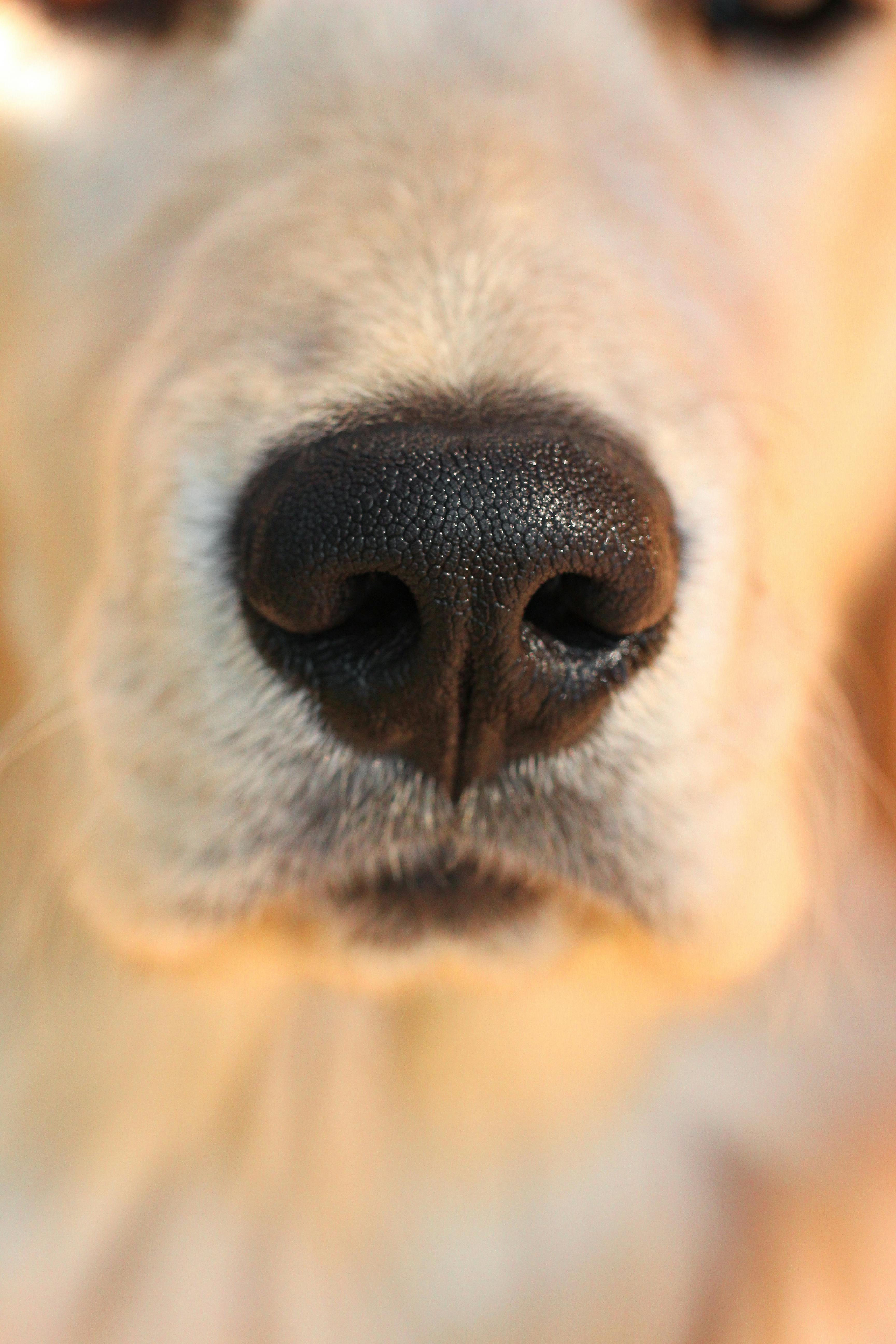 \n\n
\n\nIs a Wet Nose a Sign of a Healthy Dog? Unpacking the Myths, Why Do Dogs Have Wet Noses? Discover The Fascinating Reasons!
\nWhen it comes to our furry friends, dog owners often wonder about many aspects of their health and behavior. One of the most common questions is whether a wet nose is a sign of a healthy dog. Many people believe that a moist nose indicates good health, while a dry nose can be a cause for concern. But is this true? Let’s dive into the myths and facts about why dogs have wet noses and what it actually means for their well-being.
\nThe Science Behind Wet Noses
\nDogs’ noses are not just cute; they play an important role in their overall health. A wet nose can be attributed to several factors, including:
\n- \n
- Sweat Glands: Dogs do not sweat like humans. Instead, they have sweat glands located in their paw pads. Their noses remain moist through a combination of sweat and the natural moisture in the environment. \n
- Scent Detection: A wet nose enhances a dog’s sense of smell. The moisture helps to capture scent particles in the air, making it easier for them to detect smells. This is why dogs are often so great at tracking scents! \n
- Cooling Mechanism: Dogs can’t sweat to cool down, so their wet noses can help regulate their body temperature, especially on hot days. \n
The Myths of the Wet Nose
\nThere are a lot of myths surrounding the idea of wet noses in dogs. Here are some common ones:
\n- \n
- \n
A Wet Nose Equals a Healthy Dog: Many believe that a wet nose is a definitive sign of good health. However, a dog can be healthy with a dry nose. Factors like the environment, the dog’s activity level, and even the weather can influence nose moisture.
\n \n - \n
A Dry Nose Means Illness: While a persistently dry or cracked nose can signal dehydration or fever, it doesn’t always mean your dog is sick. Some breeds naturally have drier noses than others.
\n \n - \n
Nose Temperature Matters: Some people think that a cool, wet nose means a dog is healthy, while a warm, dry nose suggests illness. In reality, nose temperature can vary widely and is not a reliable health indicator.
\n \n
The Role of Environment and Breed
\nDifferent factors can affect your dog's nose moisture. For instance:
\n- \n
- Weather Conditions: Hot, dry weather can lead to a drier nose. On the other hand, a humid environment can keep a dog’s nose nice and moist. \n
- Breed Variations: Breeds like Bulldogs or Pugs may often have drier noses compared to breeds like Retrievers or Beagles, which tend to have wetter noses naturally. \n
Signs of Potential Health Issues
\nWhile a wet nose is not an absolute indicator of health, certain signs can suggest that you should consult a vet. These might include:
\n- \n
- Persistent Dryness: If your dog’s nose remains dry for an extended period and shows other symptoms, like lethargy or loss of appetite, it might be time for a check-up. \n
- Cracks or Bleeding: Any cracks, sores, or bleeding on the nose can indicate a more serious issue that needs veterinary attention. \n
- Behavior Changes: If your dog seems less active or is showing signs of discomfort, it could be related to their overall health. \n
Practical Tips for Dog Owners
\nHere’s a quick list of tips to keep in mind regarding your dog’s nose and overall health:
\n- \n
- Regular Vet Check-ups: Routine visits can help catch any potential issues early. \n
- Hydration: Ensure your dog has access to fresh water at all times, especially in warm weather. \n
- Observe Behavior: Pay attention to changes in your dog’s behavior, appetite, and energy levels. \n
Summary of Dog Nose Facts
\nHere are some quick facts about why dogs have wet noses:
\n- \n
- Wet noses help with scent detection. \n
- Moisture from the environment and sweat glands keep noses wet. \n
- Nose moisture can be influenced by breed and environmental conditions. \n
In the end, while a wet nose has its benefits, it should not be the sole measure of your dog's health. A dog can be perfectly healthy with a dry nose and vice versa. Always consult with your veterinarian for any concerns about your pet’s health. Understanding the complexity behind those adorable wet noses can enhance your bond with your furry companion, ensuring they lead a happy and healthy life!
\n\nHow Dogs Use Their Wet Noses to Communicate: The Hidden Language of Canines
\n\n \n\n
\n\nDogs are fascinating creatures, and one of the most intriguing aspects about them is their wet noses. You may wonder why do dogs have wet noses and how they use them to communicate. Let’s dive into this subject, exploring the hidden language of canines and the science behind their moist snouts.
\nThe Science Behind a Dog's Wet Nose
\nDogs noses are not just unique in appearance; they are also crucial for their sense of smell. A wet nose helps to enhance a dog's ability to detect scents. When a dog’s nose is moist, it traps scent particles more effectively, allowing them to identify and differentiate various odors. This is why you often see dogs sniffing around — they are gathering information about their environment.
\nCommunication through Scent
\nDogs communicate a lot through their sense of smell. While they can't speak like humans, their noses serve as a powerful means of interaction. Here’s how:
\n- \n
- \n
Scent Marking: Dogs have scent glands located in their noses. When they wet their noses, it helps to mix their own scent with the environment. This is how they leave a "mark" and communicate with other dogs about their presence.
\n \n - \n
Recognizing Others: A dog's wet nose can also help them to recognize other dogs or humans. They can detect pheromones and other chemical signals that tell them who’s been around and what they’ve been doing.
\n \n - \n
Emotional State: Dogs can sense emotions through scent. If you are anxious or happy, your scent changes. A wet nose can help a dog pick up on these emotional cues, allowing them to respond appropriately.
\n \n
Why Are Dogs' Noses Wet?
\nSo why do dogs have wet noses? Here are some fascinating reasons:
\n- \n
- \n
Cooling Mechanism: A wet nose helps regulate a dog’s body temperature. By keeping their noses moist, dogs can cool themselves down more effectively than if their noses were dry.
\n \n - \n
Health Indicator: A wet nose is often a sign that a dog is healthy. If a dog’s nose is dry and cracked, it may indicate dehydration or illness. However, it's important to remember that a dog's nose can vary in moisture throughout the day.
\n \n - \n
Enhanced Smell: The moisture on a dog’s nose helps capture scent particles from the air, making it easier for them to pick up smells. This is one of their primary means of learning about the world around them.
\n \n
Historical Context of Dogs' Noses
\nDogs have been companions to humans for thousands of years. The evolution of their sense of smell has been shaped by their roles in human society. Originally bred for hunting, herding, or guarding, dogs’ noses became essential tools.
\n- \n
- \n
Hunting Dogs: These breeds were developed to track scents over long distances. Their wet noses played a crucial role in helping them follow trails.
\n \n - \n
Service Dogs: In modern times, dogs are trained to assist in various fields, including search and rescue, detection of drugs, or even medical conditions. Their noses are key components of these jobs.
\n \n
Fun Facts About Dogs' Noses
\n- \n
- \n
Dogs have about 300 million scent receptors in their noses compared to humans, who only have about 5 million. This makes their sense of smell incredibly powerful.
\n \n - \n
The texture of a dog's nose is unique to each dog, much like a human fingerprint.
\n \n - \n
Dogs can smell certain diseases, like cancer or diabetes, due to the specific scents emitted by the body.
\n \n
Practical Tips for Dog Owners
\nTo keep your dog’s nose healthy, consider these tips:
\n- \n
- \n
Hydration: Make sure your dog drinks enough water. A well-hydrated dog is more likely to have a healthy, wet nose.
\n \n - \n
Regular Vet Check-ups: Routine veterinary visits can help spot any nose-related issues early on.
\n \n - \n
Observe Changes: Pay attention to any sudden changes in your dog's nose. A dry or cracked nose could be a sign of dehydration or illness, and you should consult a vet.
\n \n
The wet nose of a dog is more than just a cute feature; it’s a vital tool that enables them to communicate, understand, and interact with the world. Dogs' noses have evolved to provide them with a heightened sense of smell that plays an essential role in their behavior and health. Whether it’s greeting you at the door or sniffing out an interesting scent on a walk, their wet noses are integral to their canine language. So next time you see your furry friend, take a moment to appreciate the hidden wonders of their wet nose!
\n\nThe Role of Temperature and Humidity in Your Dog's Nose Moisture
\n\n \n\n
\n\nHave you ever wondered why your dog's nose is often wet? It’s one of those quirks that dog owners notice but don’t think much about. However, the moisture on a dog's nose isn't just for show; it serves several important functions that are fascinating to explore. In this article, we delve into the role of temperature and humidity in your dog's nose moisture and why dogs generally have wet noses.
\nThe Science Behind Wet Noses
\nDogs have wet noses for a bunch of reasons, and it all starts with their anatomy. The surface of a dog's nose is covered with a thin layer of mucous, which helps in scent detection. When a dog sniffs around, they take in scent particles, and the wetness helps to absorb these particles more efficiently.
\nIn fact, a dog’s sense of smell is so powerful, they can detect certain scents at concentrations as low as parts per trillion! This moist environment helps them sniff out everything from food to pheromones, making it essential for their survival and communication.
\nTemperature and Humidity Effects
\nTemperature and humidity play crucial roles in how moist a dog's nose can be. Here’s how:
\n- \n
- \n
Humidity: When the air is humid, it can help maintain the moisture on a dog's nose. A dry environment can lead to their noses drying out, which isn’t good. Dogs might lick their noses to replenish moisture, but if it stays dry for too long, it could indicate a health issue.
\n \n - \n
Temperature: Hot weather can cause a dog’s body to lose moisture faster. On a hot day, you might notice your dog drooling more or licking their nose frequently. In contrast, on colder days, their noses might retain moisture better, but extreme cold can lead to a dry nose too.
\n \n
Historical Context
\nHistorically, dogs have evolved from wild ancestors who relied on their keen sense of smell for hunting and survival. The wetness of their noses has always been an adaptive trait. It’s believed that this feature helped ancient canines track prey more effectively, which is why we see it in modern dogs today.
\nInteresting Facts About Dog Noses
\n- \n
- \n
Unique Patterns: Just like human fingerprints, no two dog noses are alike. The patterns of ridges and bumps are unique to each dog.
\n \n - \n
Temperature Regulation: Dogs cool themselves down through their noses. The moisture evaporates, helping to regulate their body temperature.
\n \n - \n
Health Indicators: A dog's nose moisture can be an indicator of their health. A dry nose may not always mean illness, but if it’s persistently dry or cracked, it’s worth a vet visit.
\n \n
The Importance of Nose Licking
\nLicking their noses is a natural behavior for dogs. This act not only keeps their noses moist but also serves other purposes:
\n- \n
- \n
Scent Enhancement: By licking their noses, dogs can enhance their ability to smell by keeping scent particles in a moist environment.
\n \n - \n
Cooling Mechanism: Similar to how humans sweat, dogs can cool themselves through their noses. The evaporation of moisture helps lower their body temperature.
\n \n
Practical Examples of Nose Moisture Variability
\n- \n
- \n
Breeds: Certain breeds like Bulldogs or Pugs may have less moisture due to their facial structure. Flat noses can restrict airflow and moisture retention, making it important for owners to monitor their health.
\n \n - \n
Seasonal Changes: You might notice that your dog's nose is wetter in spring and summer months compared to fall and winter. Different seasons can really affect how moist their noses are.
\n \n
Keeping Your Dog’s Nose Healthy
\nHere are some tips to ensure your dog’s nose stays healthy:
\n- \n
- \n
Hydration: Make sure your dog drinks plenty of water, especially in hot weather.
\n \n - \n
Humidity Levels: If you live in a dry climate, consider using a humidifier to help maintain moisture in the air.
\n \n - \n
Regular Check-Ups: Keep regular vet appointments to catch any potential health issues early.
\n \n
Understanding the reasons why dogs have wet noses isn’t just for curiosity; it's essential for their overall health and well-being. Observing your dog’s nose can give you insight into their health, so keep an eye on it! Whether it’s the humidity, temperature, or just a quirky trait, the wetness of a dog’s nose is a fascinating aspect of their biology. So next time you see your furry friend with a glistening nose, remember: it's more than just cute!
\n\nWhy Do Dogs Have Wet Noses? Exploring Their Unique Sense of Smell
\n\n \n\n
\n\nDogs are known for many things, but one of their most curious traits is their wet noses. Have you ever wondered why do dogs have wet noses? It’s a question many pet owners ask, and the answer is deeply fascinating. This article will explore the unique reasons behind dogs' wet noses and how it relates to their incredible sense of smell.
\nThe Science Behind Wet Noses
\nFirst, let's dive into the biology of it. A dog's nose is not just wet for no reason. The moisture that coats a dog's nose serves several important functions.
\n- \n
- Enhanced Smell: Dogs have an extraordinary sense of smell that is 10,000 to 100,000 times more acute than humans. A wet nose helps to capture scent particles more effectively. The moisture on their nose helps to absorb these particles, which then get processed by the olfactory receptors in their nasal cavity. \n
- Temperature Regulation: Dogs do not sweat like humans. Instead, they regulate their body temperature through panting and the moisture on their noses. A wet nose can help cool them down, especially during hot days or after vigorous activities. \n
- Health Indicator: The state of a dog's nose can also indicate its health. A moist, cool nose is generally a sign of a healthy dog. When a dog is sick, its nose might feel dry and warm. \n
Historical Context
\nDogs have been companions to humans for thousands of years. Their wet noses have been observed since domestication. Ancient cultures recognized that a dog’s nose was not just a part of their anatomy, but a vital tool for survival. For instance, hunting dogs relied on their sense of smell to track prey, and a wet nose was crucial in this process.
\nThe Fascinating Reasons for Wet Noses
\nHere’s a list of some of the most interesting reasons dogs have those wet noses:
\n- \n
- Scent Detection: Wet noses are better at detecting scents. The moisture allows scent molecules to stick better, which enhances a dog's ability to smell. \n
- Communication: Dogs often communicate with each other and humans through their noses. A wet nose can be a sign of affection or excitement. \n
- Environmental Interaction: Dogs explore their world through smell, and a wet nose helps them gather more information about their surroundings. \n
Comparing Dog Noses to Human Noses
\nWhen we think about noses, we often compare them to our own. Here’s a simple comparison to highlight the differences:
\n| Feature | \nDog Nose | \nHuman Nose | \n
|---|---|---|
| Moisture | \nAlways moist | \nUsually dry | \n
| Scent Detection | \nHighly sensitive | \nLess sensitive | \n
| Temperature Control | \nRegulates body temp | \nLimited ability | \n
| Communication | \nExpresses emotions | \nPrimarily for breathing | \n
Practical Examples of Nose Functionality
\nLet’s look at some practical examples of how dogs use their noses in everyday situations:
\n- \n
- Tracking: Police and rescue dogs are trained to track scents. Their wet noses absorb scents in the environment, which helps them find missing persons or detect drugs. \n
- Detecting Illness: Some studies suggest that dogs can even smell certain diseases. They can detect changes in a person’s scent when they are ill, thanks to their keen sense of smell. \n
- Social Interactions: When dogs meet, they often sniff each other's noses. This behavior is a form of greeting and helps them gather information about one another. \n
Fun Facts About Dog Noses
\n- \n
- Dogs have unique nose prints, much like human fingerprints. Each dog's nose print is different, and it can be used for identification. \n
- The color of a dog's nose can vary greatly depending on breed. Some dogs have black noses, while others may have pink or brown noses. \n
- Dogs have about 300 million olfactory receptors in their noses, while humans only have about 5 million. \n
Understanding why do dogs have wet noses not only satisfies our curiosity but also deepens our appreciation for these amazing animals. Their noses are not just adorable but are essential tools that help them interact with the world around them. So next time you see your furry friend with their wet nose, remember that it’s more than just a cute feature — it’s a part of what makes dogs so special.
\n\n7 Reasons Your Dog's Nose Is Wet and What It Means for Their Health
\n\n \n\n
\n\nHave you ever wondered why your dog’s nose is often wet? It’s one of those things that seem so simple, yet has a lot more to it than you might think. Many dog owners notice that their furry friends have moist noses, but few really understand what it means for their health. Let’s dive in and explore 7 reasons your dog’s nose is wet and what it can tell us about their well-being.
\n1. Natural Cooling Mechanism
\nDogs don’t sweat like humans do. Instead, they cool down through their noses and paw pads. The moisture on their nose helps to regulate their body temperature. When a dog gets hot, their nose can become even wetter as they pant, releasing heat. This is especially important in warmer months.
\n2. Sense of Smell
\nA wet nose can capture scent particles better. Dogs have an amazing sense of smell, which is about 10,000 to 100,000 times more sensitive than ours. The moisture on their nose helps trap these scent molecules, making it easier for them to identify smells around them. So, if your dog is sniffing around, that wet nose is working hard!
\n3. Health Indicator
\nA wet nose can be a sign of good health, but it’s not always the case. If your dog’s nose is excessively dry or cracked, it may be a sign of dehydration or illness. Keep an eye on other symptoms like lethargy, loss of appetite, or changes in behavior. If you notice these signs, it might be time to visit the vet.
\n4. Environmental Factors
\nThe humidity and temperature in the air can affect how wet your dog’s nose is. For instance, in humid weather, you might find your dog’s nose is wetter than usual. Conversely, during dry winter months, it could be drier. It’s important to pay attention to these changes as they can indicate if your pup is comfortable or not.
\n5. Licking Behavior
\nDogs often lick their noses as part of their grooming routine. This behavior is instinctual and can keep their nose moist. If your dog has been licking a lot, you might notice their nose is more wet than usual. It’s normal, but excessive licking can also be a sign of anxiety or boredom.
\n6. Allergies and Irritations
\nSometimes, a wet nose can indicate allergies or irritations. If your dog has been exposed to pollen, dust, or other allergens, their nose might become runny or wetter. Other signs of allergies include sneezing, itchy skin, or watery eyes. If you suspect allergies, consult with your veterinarian for advice on how to manage them.
\n7. Breed Differences
\nDifferent dog breeds have different nose moisture levels. Breeds like Bulldogs or Pugs often have drier noses compared to breeds like Retrievers or Beagles. This is due to their anatomical differences. Knowing your dog’s breed can give you a better idea of what’s normal for them.
\nQuick Reference Table of Dog Nose Conditions
\n| Nose Condition | \nPossible Cause | \nAction Needed | \n
|---|---|---|
| Wet and Cool | \nNormal behavior | \nNone | \n
| Dry and Cracked | \nDehydration or illness | \nConsult vet | \n
| Excessively Wet | \nAllergies or licking | \nMonitor symptoms, see vet | \n
| Damp and Warm | \nFever or infection | \nVisit veterinarian | \n
Summary of Key Points
\n- \n
- A wet nose is typically a sign of a healthy dog. \n
- Environmental factors can influence nose moisture. \n
- Each dog is unique; pay attention to what is normal for your pet. \n
- If your dog’s nose changes dramatically, consider contacting a vet. \n
Understanding your dog’s nose can provide you insight into their overall health. While a wet nose is usually a good sign, it’s important to stay vigilant and aware of any significant changes. Monitoring your dog’s behavior and the condition of their nose can help you catch potential health issues early. Always consult with your vet if you have concerns. After all, our furry friends rely on us to keep them happy and healthy!
\n\nWet Noses and Dog Behavior: What Your Pup’s Nose Can Tell You
\n\n \n\n
\n\nHave you ever noticed your dog’s wet nose and wonder what it means? Like, why do dogs have wet noses anyway? The answer is more fascinating than you might think! It’s not just a cute trait that makes them even more adorable; it’s actually tied to their health and behavior. Let’s dive into what your pup’s nose can tell you and explore the science behind it.
\nThe Science Behind Wet Noses
\nDogs’ noses are wet for several reasons. Firstly, they help with their sense of smell, which is one of the most powerful tools dogs have. When a dog’s nose is moist, it can trap scent particles more effectively. This is crucial since dogs depend heavily on their sense of smell to understand the world around them.
\n- \n
- Enhanced Scent Detection: Wet noses help absorb scent molecules better. \n
- Cooling Mechanism: Dogs can’t sweat like humans do. Their wet noses can help regulate their body temperature. \n
- Health Indicator: A wet nose can signify a healthy dog, while a dry or cracked nose might suggest dehydration or illness. \n
Why Are Dog Noses Wet?
\nSo, why do dogs have wet noses? Well, let’s look at some key factors:
\n- \n
- Anatomy: The skin of a dog’s nose is unique. It’s covered with a thin layer of mucus that keeps it moist. \n
- Grooming: Dogs often lick their noses. This action not only keeps it wet but also helps them collect scents. \n
- Temperature Regulation: A wet nose can cool down dogs as they pant and breathe. \n
What Does a Wet Nose Mean?
\nA wet nose is often a sign of a happy and healthy dog. However, the state of a dog’s nose can change based on a variety of factors. Here’s a quick rundown:
\n- \n
- Moist and Cool: Generally, this indicates your pup is in good health. \n
- Dry and Warm: This might suggest fever or dehydration. \n
- Cracked or Flaky: This can be a sign of allergies, skin conditions, or other health issues. \n
Dog Behavior and Noses
\nDogs use their noses for more than just smelling. Their noses are essential for communicating and understanding their environment. Here’s how:
\n- \n
- Social Interactions: Dogs greet each other with nose nudges, which can tell them about each other’s health, mood, and even diet. \n
- Hunting and Gathering: In the wild, a wet nose is vital for tracking prey and identifying food sources. \n
- Territorial Marking: Dogs will often sniff areas to gather information about other animals that have been nearby. \n
Historical Context of Dog Noses
\nThe relationship between humans and dogs goes back thousands of years. Domesticated dogs evolved from wolves, and their sense of smell has always been a critical part of their survival. Historical records show that ancient civilizations utilized dogs for hunting, herding, and companionship, often relying on their keen sense of smell. Even today, dogs are trained in various roles like search and rescue, therapy, and detection work, showcasing the importance of their noses.
\nFun Facts About Dog Noses
\n- \n
- Did you know that a dog’s sense of smell is 10,000 to 100,000 times more sensitive than a human’s? That’s huge! \n
- Each dog has a unique nose print, just like human fingerprints. \n
- Breeds like Bloodhounds have an exceptional sense of smell and can track scents that are days or even weeks old. \n
Tips for Keeping Your Dog’s Nose Healthy
\n- \n
- Hydration: Always provide fresh water to keep your pup hydrated. \n
- Regular Vet Check-ups: Regular visits to the vet can help catch any potential health issues. \n
- Avoid Harsh Chemicals: Be cautious with cleaning products and chemicals that could irritate your dog’s nose. \n
Conclusion
\nUnderstanding why do dogs have wet noses not only helps you appreciate your furry friend more but also can give insights into their health and behavior. Whether it’s sniffing out a treat or just giving you a nudge, your dog’s nose plays a crucial role in their life. So next time you see that adorable wet nose, remember it’s more than just a cute feature; it’s a window into their world!
\n\nThe Connection Between a Dog's Wet Nose and Their Emotional Well-Being
\n\n \n\n
\n\nDogs are often called man's best friend, and part of what makes them so lovable is their unique physical traits, like a wet nose. Have you ever wonder why dogs have wet noses? This question goes beyond simple curiosity; it's deeply tied to their emotional well-being and how they interact with the world around them. Let's explore the fascinating reasons behind those moist noses and what it could mean for your furry friend's happiness.
\nThe Science Behind a Dog's Wet Nose
\nA dog’s nose is wet for a couple of reasons. One of the main reasons is that their noses are covered in a thin layer of mucous. This helps to enhance their sense of smell. Dogs have an incredible olfactory system, and a wet nose helps to capture scent particles from the air. This means that a wet nose is not only normal but also essential for a dog’s ability to understand their environment.
\n- \n
- Dogs have up to 300 million smell receptors, compared to humans who have about 6 million. \n
- A wet nose helps to dissolve scent chemicals, making it easier for dogs to identify different smells. \n
Why Do Dogs Have Wet Noses? The Emotional Connection
\nYou might think, "Okay, that's cool, but what does this have to do with emotions?" Well, research suggests that a dog's wet nose can also be a reflection of their emotional state. When dogs are happy or excited, their noses tend to be wetter. On the other hand, if a dog is stressed or unwell, their nose can become dry. Here’s some insight into the emotional aspect:
\n- \n
- Happy Dogs: When dogs are playing or spending time with their humans, their noses are typically more moist. This is a sign of their excitement and happiness. \n
- Stressed Dogs: If a dog is anxious or scared, it may show a drier nose. This could indicate that they are not feeling their best emotionally. \n
Historical Context of Dogs’ Noses
\nHistorically, dogs have been domesticated for thousands of years. They were bred for various purposes like hunting, herding, and companionship. The wet nose is believed to have evolved as an adaptive feature that helps dogs in their various roles. It allows them to track scents more effectively, which was particularly useful for hunting breeds.
\n- \n
- Hunting Breeds: Bloodhounds and Beagles are great examples of dogs that rely heavily on their keen sense of smell. \n
- Companion Dogs: For smaller breeds, the wet nose is still important for bonding and understanding their human companions. \n
How to Maintain Your Dog's Nose Health
\nKeeping your dog's nose healthy is crucial for their overall well-being. Here are a few tips to ensure your furry friend's nose stays moist and healthy:
\n- \n
- Hydration: Make sure your dog has access to fresh water at all times. Dehydration can lead to a dry nose. \n
- Humid Environment: If you live in a dry climate, consider using a humidifier to add moisture to the air. \n
- Regular Vet Check-ups: Dry or cracked noses can sometimes indicate health issues. Regular vet visits can help catch these problems early. \n
Interesting Facts About Dog Noses
\n- \n
- Did you know that a dog’s sense of smell is so powerful that they can detect certain diseases in humans, like cancer or diabetes? \n
- The texture of a dog's nose can also vary, just like human fingerprints. Each dog has a unique nose print! \n
Comparison: Dogs vs. Other Animals
\nWhen you compare a dog’s nose to that of other animals, you might find some interesting differences. For example, cats also have wet noses, but their sense of smell is not as strong as dogs. Here’s a quick comparison:
\n- \n
- Dogs: 300 million smell receptors, wet nose helps to enhance scent capture. \n
- Cats: About 50-80 million smell receptors, also have wet noses but less reliance on smell than dogs. \n
- Humans: 6 million smell receptors, rely more on other senses than smell. \n
Understanding why dogs have wet noses gives us insight into their emotional state and overall health. From enhancing their sense of smell to indicating their feelings, the wet nose is more than just a cute feature. It’s a vital part of what makes dogs unique companions. So next time you get a wet-nosed nuzzle, remember, it’s not just a sign of affection; it’s a window into their emotional well-being.
\n\nCan a Dog's Nose Help Detect Illness? Understanding the Power of Wet Noses
\n\n \n\n
\n\nDogs have always been man's best friend, but did you know that their noses can also help detect illnesses? It's true! Can a dog's nose help detect illness? Understanding the power of wet noses, is a fascinating topic that many dog lovers and health enthusiasts alike might be interested in. This article dives into why dogs have wet noses and how that unique feature might actually be linked to their amazing ability to sense changes in human health.
\nWhy Do Dogs Have Wet Noses?
\nFirst off, let's talk about the wetness of a dog's nose. It's not just for show! There are several reasons why dogs have moist noses:
\n- \n
- Enhanced Smell: A wet nose helps to absorb scent molecules. When it’s moist, it can capture more smells, making their sense of smell more powerful. \n
- Temperature Regulation: Dogs don’t sweat like humans do. Their wet noses help them cool down and regulate body temperature. \n
- Health Indicator: The wetness of a dog's nose can also be an indicator of their health. A healthy dog typically has a moist nose, while a dry nose might indicate dehydration or illness. \n
The Science Behind the Sniff
\nDid you know that dogs have an olfactory system that is 40 times more sensitive than humans? This incredible ability allows them to detect certain illnesses. Research has shown that dogs can sniff out conditions such as:
\n- \n
- Cancer: Some studies have indicated that dogs can detect certain types of cancer, including breast and lung cancer, through breath or skin samples. \n
- Diabetes: Dogs can smell changes in blood sugar levels, alerting their owners when they need to take action. \n
- Infections: They can also detect bacterial infections through changes in scent. \n
It's like having a furry doctor at home!
\nHistorical Context of Dogs and Scent Detection
\nHistorically, dogs have been used for various purposes—hunting, herding, and even search and rescue. Their keen sense of smell has been utilized in police work and search operations.
\n- \n
- War Dogs: During World War I and II, dogs were used to detect mines and alert soldiers of incoming danger. \n
- Service Animals: Nowadays, dogs are trained to assist those with medical conditions, including epilepsy and diabetes. Their sense of smell is critical in these roles. \n
How Dogs Detect Illness
\nDogs can detect illness through olfactory cues. When a person is sick, their body emits different compounds, sometimes referred to as volatile organic compounds (VOCs). Here’s how it works:
\n- \n
- Scent Detection: When a person is ill, their body chemistry changes. This can produce unique scents that are imperceptible to human noses. \n
- Training: Dogs are trained to recognize specific scents associated with various medical conditions. They can learn to alert their owners or medical professionals. \n
- Behavioral Responses: When a dog detects an unusual scent, they may exhibit certain behaviors such as pawing, nudging, or even barking. \n
Practical Examples of Canine Detection
\nSeveral cases around the world highlight how dogs have successfully detected illnesses:
\n- \n
- Cancer Detection: A study at the University of Pennsylvania showed that dogs could detect lung cancer with a 97% accuracy rate. \n
- Diabetes Alerts: A diabetic alert dog may signal their owner when blood sugar levels are too high or low, potentially saving lives. \n
- COVID-19: Recent research has explored how trained dogs can detect COVID-19 in humans with high accuracy, which could revolutionize screening methods. \n
The Role of Wet Noses in Health Detection
\nSo, can a dog's wet nose really help in detecting illness? While it may not be the sole factor, it plays a significant role. The moisture on their nose increases their ability to capture scent particles.
\n- \n
- Healthy vs. Unhealthy Noses: A healthy dog’s nose is often cool and moist. If you notice that your dog’s nose is dry and warm, it might be a sign to check their health. \n
- Regular Check-ups: Just like with humans, regular vet check-ups are essential. Dogs can’t tell us when they’re feeling unwell, so observing their behavior and physical condition is key. \n
In summary, the power of a dog's nose is nothing short of extraordinary. From detecting illness to simply being a loyal companion, dogs have a special place in our lives. Their unique wet noses not only contribute to their sense of smell but also serve as a window into their health. So next time you look at your furry friend, remember that their nose does much more than just sniff around!
\n\nConclusion
\n\nIn conclusion, the wet noses of dogs serve several vital purposes that contribute to their overall health and well-being. The moisture on a dog's nose helps to enhance their sense of smell, allowing them to better interpret the world around them. Additionally, a wet nose can play a crucial role in thermoregulation, helping dogs to cool off and maintain their body temperature. The unique composition of the nasal secretions also aids in trapping scent particles, making dogs exceptional at tracking and detecting scents. It's important to remember that while a wet nose is typically a sign of good health, any significant changes in moisture levels might warrant a visit to the veterinarian. So next time you give your furry friend a pat on the head, take a moment to appreciate the science behind their delightful, wet noses. Embrace the bond you share and ensure their health with regular check-ups and plenty of love.
\n\n