Have you ever wondered, why do dogs have wet noses? This intriguing question not only sparks curiosity among dog lovers but also unveils a fascinating aspect of canine biology. A dog’s nose is not just a cute feature; it plays a crucial role in their sense of smell and overall health. The moisture on their noses helps them absorb scent chemicals, enhancing their ability to detect smells. But that's not all! Did you know that a wet nose can also indicate a dog’s emotional state? It’s true! A moist nose often signifies a happy and healthy pup. However, if you noticed that your furry friend’s nose is dry, it may raises some concerns. In this blog post, we will explore the science behind dog noses, uncovering the secrets of why dogs have wet noses and what it means for their well-being. Are you ready to dive into this fascinating world of canine anatomy? Keep reading to discover the surprising reasons behind those adorable, wet noses and learn how they impact your dog’s life!
What Science Reveals: The Surprising Benefits of a Dog's Wet Nose
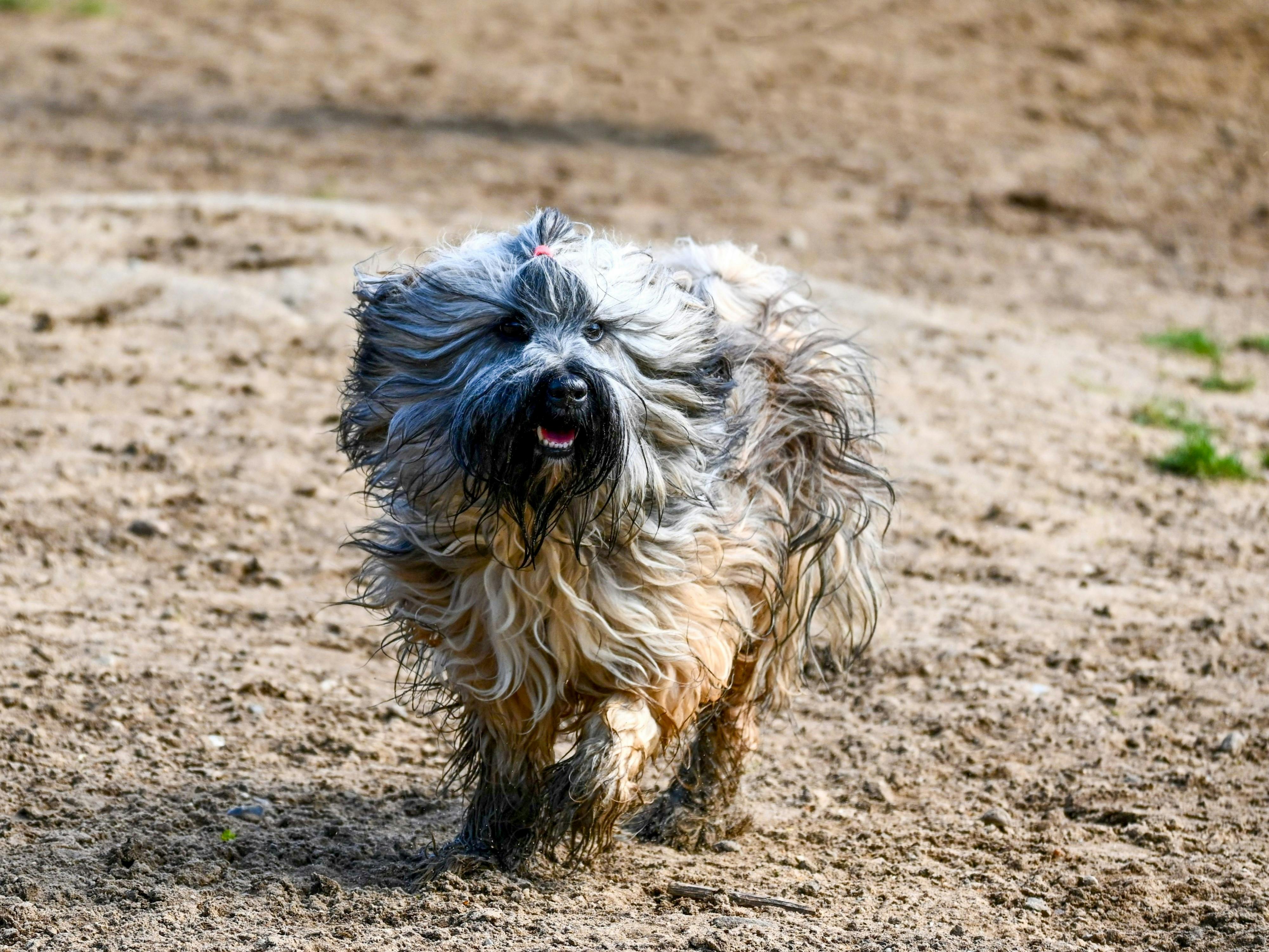
Dogs are known for their companionship and loyalty, but have you ever wondered why do dogs have wet noses? It's a question many pet owners ask, and science reveals some surprising benefits of those moist snouts. The wetness of a dog's nose isn’t just a quirky feature; it serves several important functions that enhance their health and ability to interact with the world. Let’s dig deeper into this fascinating subject!
The Science Behind Wet Noses
Dog noses are wet for several reasons. First and foremost, a dog's nose has a special kind of mucous that helps in smelling. The moisture in their nose helps capture scent particles from the air, improving their sense of smell. Dogs possess about 220 million scent receptors, compared to humans, who only have about 5 million. This makes them expert sniffers, and a wet nose is a critical part of that ability.
- Scent Detection: The moisture helps in trapping scent molecules, allowing dogs to detect a wider range of smells.
- Temperature Regulation: Dogs don't sweat like humans do. Their wet noses help them cool down, especially during hot weather.
- Health Indicator: A dog's nose can indicate their health. A dry nose might signal dehydration, while a consistently wet nose often means they are healthy.
Why Do Dogs Have Wet Noses? The Fascinating Reasons!
There’s more to it than just the benefits of scent detection. Let’s take a look at some intriguing facts about why dogs have wet noses:
Evolutionary Trait: Dogs evolved from wolves, and wet noses were advantageous in the wild. It allowed them to be better hunters, tracking prey effectively over long distances.
Communication Tool: Dogs use their noses to communicate with each other. A wet nose can signify friendliness, while a dry nose might indicate stress or discomfort.
Enhanced Taste: A wet nose enhances their sense of taste. When dogs lick their noses, they can absorb scents which further enrich their flavor experience.
The Health Benefits of a Dog’s Wet Nose
A moist nose is not just a sign of a healthy dog but also brings several benefits. Here are some:
- Detection of Illness: Dogs can detect certain illnesses in humans, and their wet noses play a role in this. For instance, they can sense changes in a person's scent due to illness.
- Reduced Allergies: Dogs with wet noses are less likely to suffer from allergies. The moisture helps prevent allergens from sticking and irritating them.
- Comforting Presence: Dogs with wet noses can provide comfort to their owners. The cool, moist touch can be soothing, offering emotional support during stressful times.
Practical Examples of Nose Behavior
Here’s a quick list of common behaviors related to a dog’s nose:
- Sniffing: Dogs often sniff the ground or each other to gather information about their environment or other animals.
- Licking: A dog might lick its nose to keep it moist, especially after sniffing something interesting.
- Nose Boops: When a dog nudges you with its nose, it's a sign of affection or curiosity.
A Quick Comparison: Wet Nose vs. Dry Nose
| Feature | Wet Nose | Dry Nose |
|---|---|---|
| Scent Detection | Enhanced scent detection | Reduced scent sensitivity |
| Health Indicator | Usually healthy | May indicate dehydration or illness |
| Communication | Friendly gesture | Possible stress signal |
| Temperature Control | Helps cool down | Less effective in temperature regulation |
Fun Facts About Dog Noses
- The unique patterns on a dog's nose are as distinctive as human fingerprints.
- Dogs can smell certain diseases, including some types of cancer, due to the changes in body chemistry.
- The wetter the nose, the better a dog's sense of smell – generally speaking!
Understanding the reasons behind a dog’s wet nose not only deepens our appreciation for these wonderful companions but also educates us on how to better care for them. It’s amazing to think that something as simple as a wet nose plays such a vital role in their health and behavior.
Dogs are truly remarkable animals, and their noses are just one of the many features that make them special. Whether it's for sniffing out treats or simply showing affection, a dog's wet nose is a small but significant part of what makes them our beloved pets.
5 Fascinating Reasons Why Dogs Have Wet Noses: Uncover the Truth
Dogs have always been man's best friend, and their wet noses are one of the most endearing features. But have you ever wondered, why do dogs have wet noses? It's not just a quirk of nature; there's actually a lot going on. Here’s a deep dive into 5 fascinating reasons why dogs have wet noses that might just surprise you.
1. Sense of Smell Enhancement
One of the primary reasons why dogs have wet noses is that it helps enhance their sense of smell. A dog's nose is packed with scent receptors, and moisture can amplify those smells. When a dog's nose is wet, it can absorb scent particles more effectively. This is because moisture helps to dissolve the scents, making it easier for dogs to detect and interpret them.
- Dogs have about 220 million scent receptors.
- Humans, by contrast, have around 5 million.
This difference makes dogs super sniffers, and a wet nose is a vital part of that superpower.
2. Temperature Regulation
Did you know that dogs don't sweat like humans do? Instead, they regulate their body temperature through their noses and panting. A wet nose helps to cool them down. When a dog is feeling hot, the moisture on their nose evaporates, which helps to cool their body temperature. This is crucial, especially during warm weather or after a good play session.
- Dogs have a higher body temperature than humans (about 101 to 102.5 degrees Fahrenheit).
- They rely on their wet noses, along with panting, to help manage heat.
3. Communication Tool
Dogs are social creatures, and their noses play a role in communication, too. A wet nose can signal friendliness and approachability. When dogs greet each other, they often sniff each other's noses and behinds—this is how they exchange information and establish social bonds.
- A wet nose can indicate that a dog is relaxed and comfortable.
- Dry noses might signify stress or illness.
So, when your pup greets you with a wet nose, it's not just a cute gesture; it’s their way of saying, “Hey, I’m happy to see you!”
4. Natural Cleaning Mechanism
You may not realize it, but a dog’s wet nose serves as a natural cleaning mechanism. Dogs lick their noses often, which helps to keep them clean and free from dirt and bacteria. This behavior is not only instinctual but also supports their health.
- A clean nose is essential because it can prevent infections.
- Dogs often clean their noses after eating or drinking to maintain hygiene.
This is nature's way of ensuring that dogs stay healthy and can continue to enjoy their adventures with you.
5. Sign of Good Health
Interestingly, a wet nose is often considered an indicator of a healthy dog. While a dry nose doesn’t necessarily mean that a dog is sick, a consistently dry and warm nose can be a sign of a fever or illness. Owners often check their dogs’ noses as a quick health indicator.
- Wet noses are usually cooler than dry noses.
- Changes in moisture can indicate health issues; keep an eye on your pup.
If you notice any drastic changes in your dog’s nose, it may be time to consult a vet.
Fun Facts About Dogs' Noses
- Dogs can detect certain diseases, such as cancer, through their noses.
- The texture of a dog’s nose is unique, much like a human fingerprint.
- A dog's sense of smell is so powerful that they can even sense changes in human emotions.
In Summary
So, the next time you wonder, why do dogs have wet noses, remember these fascinating facts. Their wet noses are not just adorable; they are vital for their health, communication, and overall well-being. From enhancing their sense of smell to helping regulate body temperature, a dog’s wet nose is a marvel of nature.
Whether you're a dog owner or just an enthusiast, appreciating these little details can deepen your bond with your furry friend. Keep observing those wet noses – they’re more than just a cute feature; they’re a window into a dog’s world!
Is Your Dog’s Nose Wet? Here’s What It Means for Their Health
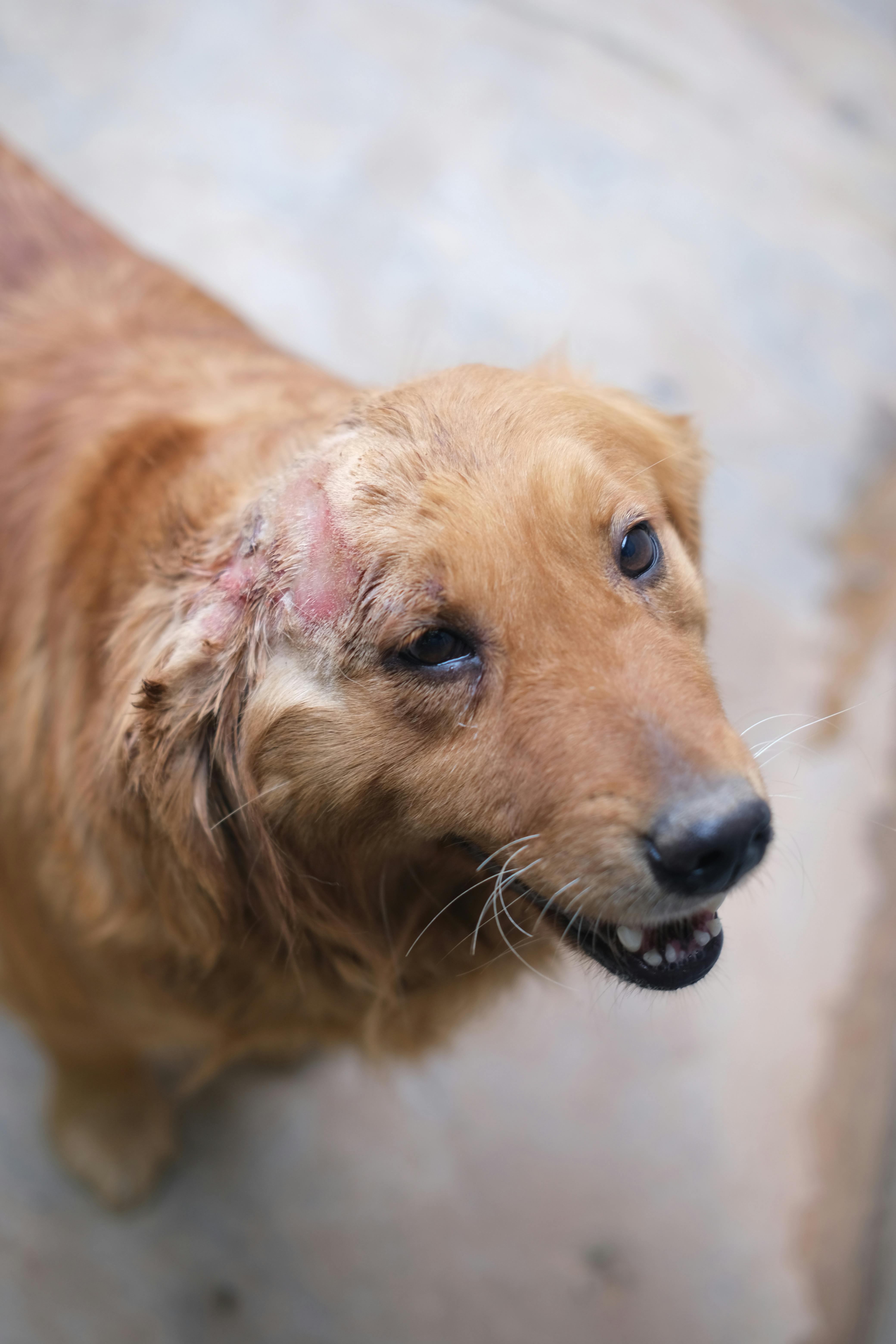
If you’ve ever wondered about your dog’s wet nose, you’re not alone. Many dog owners often ask: is your dog’s nose wet? Here’s what it means for their health, and why do dogs have wet noses? Understanding this can help you better care for your furry friend.
Why Do Dogs Have Wet Noses?
Dogs have wet noses for several reasons. Firstly, a wet nose helps them to better smell the world around them. Dogs have a highly developed sense of smell, that's about 10,000 to 100,000 times more sensitive than humans. The moisture on their nose assists in capturing scent particles. Here are some fascinating reasons:
- Scent Detection: The dampness of a dog’s nose helps them absorb scent chemicals, making it easier for them to identify different smells.
- Temperature Regulation: Dogs don’t sweat like humans do. Instead, they cool themselves off through their noses, as moisture evaporates, it helps regulate their body temperature.
- Health Indicator: A wet nose is often seen as a sign of good health. A dry nose, however, can indicate dehydration, illness, or even fever.
The Science Behind Wet Noses
The moisture on a dog’s nose comes from a combination of saliva and mucus. When dogs lick their noses, it adds to the moisture. This process is quite fascinating. Here’s a simple breakdown:
- Licking: Dogs frequently lick their noses to keep them moist. It’s a natural behavior.
- Humidity: The humidity in the air can also affect how wet a dog’s nose is. On humid days, you might notice your dog’s nose feels wetter.
- Health Conditions: Certain health issues can cause the nose to become either too dry or excessively wet. If you notice a significant change, it’s best to consult with a veterinarian.
What Does It Mean if Your Dog’s Nose is Dry?
A dry nose in dogs can sometimes cause concern. However, it does not always mean your dog is sick. Here are some possible reasons for a dry nose:
- Dehydration: If your dog isn’t drinking enough water, their nose may dry out.
- Environmental Factors: Hot weather or dry air conditions, like when your heating is on during winter, can lead to a dry nose.
- Health Issues: Conditions such as allergies, infections, or autoimmune diseases can cause a dry nose.
Monitoring Your Dog’s Nose Health
You should keep an eye on your dog’s nose regularly. Changes in its texture or temperature can indicate health problems. Here’s what to look for:
- Temperature: A warm nose can sometimes indicate fever.
- Texture: A rough or cracked nose might suggest dehydration or a health issue.
- Color: If the color changes from a healthy pink to a pale or very dark shade, consult your vet.
Fun Facts About Dog Noses
Dogs are amazing creatures, and their noses are no exception. Here are some fun facts you might not know:
- Unique Prints: Just like human fingerprints, each dog has a unique nose print that can be used for identification.
- Breeds Matter: Some breeds have drier noses than others. For example, bulldogs might have drier noses compared to retrievers.
- Smell Power: Dogs can detect certain diseases through their sense of smell, including cancer and diabetes. It’s incredible!
Quick Tips for Caring for Your Dog’s Nose
Maintaining your dog’s nose health is important. Here are some quick tips:
- Hydration: Always ensure your dog has access to fresh, clean water.
- Humidity: Use a humidifier in dry environments to help keep their nose moist.
- Regular Vet Check-ups: Regular veterinary exams can help catch potential health issues early.
When to Consult a Veterinarian
While a wet nose is generally a sign of a healthy dog, there are times when you should consider seeking veterinary advice. If you observe:
- Persistent dryness or cracking of the nose
- Discoloration or unusual thickening
- Excessive discharge from the nose
These symptoms can indicate underlying health issues that require attention.
Understanding your dog’s health can be complex, but knowing why their noses are wet is a great start. Always observe any changes, and don’t hesitate to reach out to your veterinarian if something seems off. Your dog relies on you for their well-being, so staying informed is key!
The Evolutionary Purpose Behind Dogs’ Wet Noses: Nature’s Design

Dogs are often considered man's best friend, and one of their most intriguing features is their wet noses. But why do dogs have wet noses? The evolutionary purpose behind this characteristic is fascinating and deeply rooted in nature's design. In this article, we will explore the reasons behind this unique trait, uncovering its significance both scientifically and behaviorally.
The Science of Wet Noses
First off, let’s look at the biology of a dog’s nose. A dog's nose is covered in a special type of skin that is different from other parts of its body. It contains mucous membranes, which helps keep the nose moist. This moisture is not just for show; it serves multiple purposes.
Temperature Regulation: One of the primary reasons a dog's nose is wet is to help regulate its body temperature. Dogs don’t sweat like humans do. Instead, they cool down through panting and the evaporation of moisture from their noses. A wet nose can help lower their body temperature more effectively.
Enhanced Sense of Smell: Dogs have an incredible sense of smell, estimated to be anywhere from 10,000 to 100,000 times more sensitive than that of humans. The moisture on their noses helps trap scent particles in the air, improving their ability to detect different smells. This is why dogs are often used in search and rescue missions or by law enforcement.
Health Indicator: A dog's nose can also be an indicator of its health. A wet, cool nose is often a sign of a healthy dog, while a dry or warm nose can indicate illness or dehydration. However, it’s important to remember that a dog’s nose can change throughout the day due to environmental factors, so this shouldn’t be the sole indicator of health.
Historical Context
Historically, dogs have evolved alongside humans for thousands of years. The domestication of dogs began over 15,000 years ago, and as they adapted to living with humans, certain traits became more pronounced. A wet nose was likely beneficial for hunting and survival.
Hunting: In the wild, a wet nose would have helped ancestral dogs track prey. The moisture captured scent particles, allowing them to follow trails more effectively. This ability not only aided in hunting but also in avoiding predators.
Communication: Dogs use their noses to communicate with each other. A wet nose can signal different things to other dogs, such as playfulness or submission. This social aspect of their behavior further emphasizes the importance of their moist noses.
Practical Examples of Wet Noses
When you think about it, the wet nose of a dog is more than just a quirky trait. It plays a vital role in their daily lives. Here are some practical examples of how dogs utilize their wet noses:
Scent Tracking: Bloodhounds, known for their tracking abilities, rely heavily on their wet noses to follow scent trails. Their noses are so sensitive that they can sniff out a scent that is several days old.
Emotional Connection: Dogs often nuzzle their owners with their wet noses. This behavior is not just adorable; it's a way for them to bond and express affection. The moisture can also transmit pheromones, which enhances their emotional connections.
Environmental Interaction: Dogs often explore the world through their noses. A wet nose helps them gather information about their surroundings, from the other animals that might have passed by to the food sources available.
Comparison with Other Animals
Interestingly, not all animals have wet noses. For example, cats have dry noses. This difference can be linked to their different evolutionary paths and survival strategies. Here’s a quick comparison:
- Dogs: Wet noses, excellent sense of smell, pack hunters.
- Cats: Dry noses, rely more on vision and stealth, solitary hunters.
The Bottom Line
So, why do dogs have wet noses? The evolutionary purpose behind this fascinating characteristic is multi-faceted, involving temperature regulation, enhanced scent detection, and even communication. A wet nose is not just a cute feature; it plays a critical role in how dogs interact with the world around them and their human companions. Next time you pet your furry friend, take a moment to appreciate that little wet nose and all the incredible purposes it serves. It’s a small but significant part of what makes dogs such amazing creatures, and understanding the reasons behind it can deepen our bond with them.
How a Dog’s Wet Nose Enhances Their Sense of Smell: The Incredible Mechanism
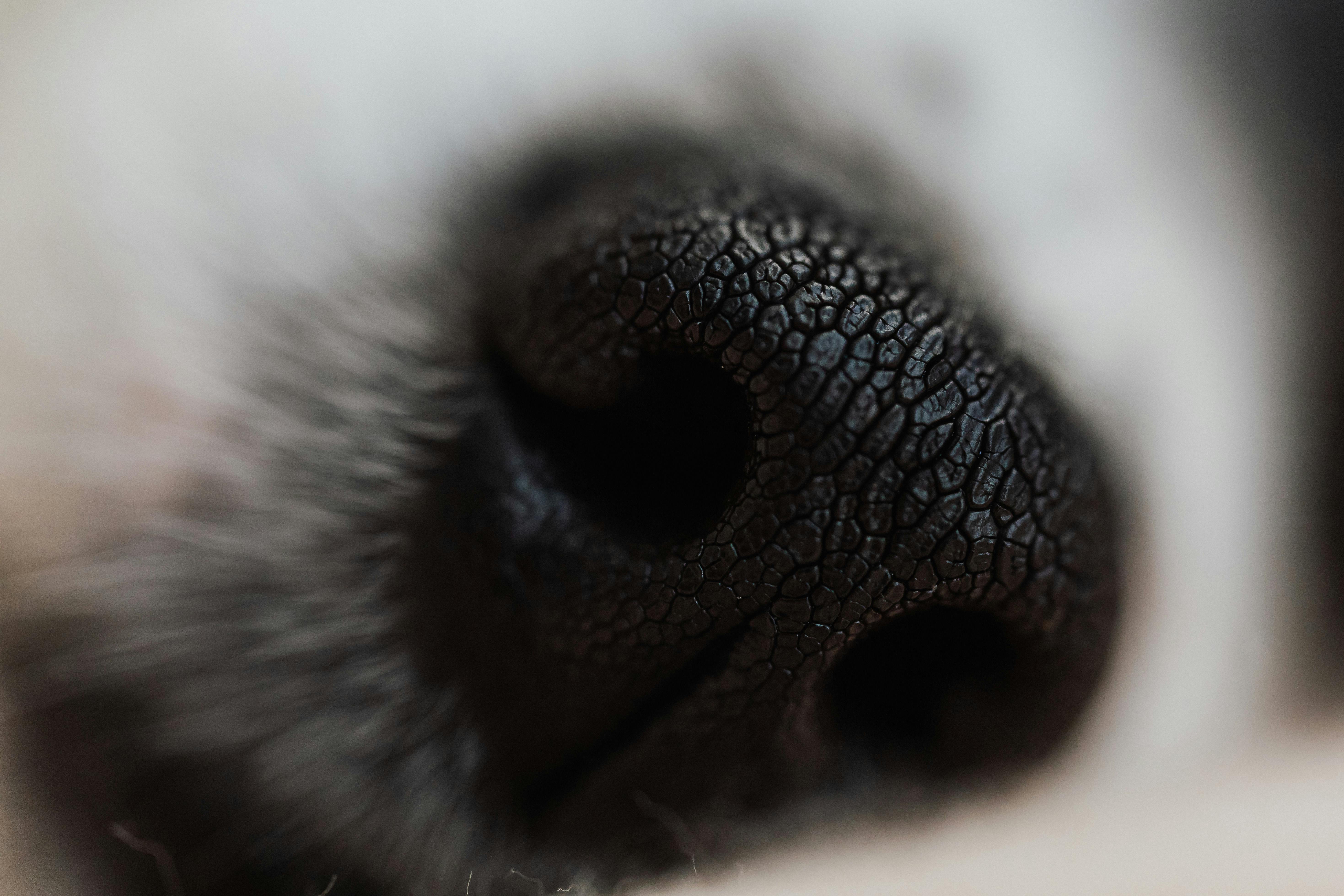
Dogs are often known for their amazing sense of smell, which is far superior to that of humans. One of the most fascinating aspects of a dog's anatomy that contributes to this incredible ability is their wet noses. So, why do dogs have wet noses? The answer to this question delves into both biology and the fascinating world of canine evolution.
The Mechanism Behind a Dog's Sense of Smell
A dog’s nose is not just a cute feature; it’s a complex organ that is highly evolved. Dogs have around 220 million olfactory receptors in their noses, compared to only about 5 million in humans. This makes dogs capable of detecting smells at incredibly low concentrations. But what role does the wetness of their noses play in this?
Enhanced Olfactory Function: The moisture on a dog's nose helps to capture scent particles. When a dog inhales, the moisture binds with these particles, making it easier for the olfactory receptors to identify and process the scents. It also helps to keep the receptors in the nose hydrated, allowing them to function optimally.
Cooling Mechanism: Dogs don't sweat like humans do. Instead, they regulate their body temperature through panting and the moisture on their noses. A wet nose can help cool down their body, providing additional comfort during hot weather.
Behavioral Function: Dogs often lick their noses, which not only keeps it wet but also helps them gather more information about their environment. The act of licking can bring scent particles to the surface, making it easier for them to analyze smells.
Why Are Dog Noses Wet?
Now, let’s break down why dog noses are generally wet. There are several fascinating reasons behind this:
Physiological Adaptation: The wetness is primarily due to the secretion of mucus. This mucus serves to trap scent molecules, enhancing the dog's ability to smell.
Environmental Interaction: Dogs often spend time in various environments. A wet nose allows them to interact with their surroundings in a more effective way, picking up scents that may tell them about other animals or changes in their environment.
Health Indicator: Believe it or not, a wet nose can also be an indicator of a dog’s health. Generally, a cool and moist nose signifies a healthy dog, while a dry or excessively warm nose could indicate illness or dehydration.
The Fascinating Reasons Behind Wet Noses
Here are some interesting points to consider regarding dog noses:
Scent Discrimination: Dogs can differentiate between a wide variety of scents. This ability is crucial for tasks such as search and rescue, detecting drugs, or even identifying illnesses in humans.
Social Interaction: A dog’s nose plays a role in their social behaviors. They often greet each other by sniffing, which helps them gather information about their companions.
Genetic Diversity: Different breeds have varying nose shapes and sizes, which can influence their smelling capabilities. For example, Bloodhounds have an incredible sense of smell, while other breeds might not be as adept at detecting scents.
Comparison of Dog and Human Smell
Here's a quick comparison of the olfactory systems of dogs and humans:
| Feature | Dogs | Humans |
|---|---|---|
| Number of Olfactory Receptors | ~220 million | ~5 million |
| Sensitivity | Can detect scents in parts per trillion | Much less sensitive |
| Nose Structure | Complex with multiple scent receptors | Simpler structure |
| Role in Behavior | Critical for communication and survival | Less relevant |
Practical Examples of Smell in Dogs
Dogs utilize their sense of smell in various practical ways that often leave humans in awe:
Search and Rescue Operations: Many rescue dogs are trained to locate missing persons using their keen sense of smell.
Medical Detection: Some dogs are trained to detect diseases like cancer or diabetes by smelling changes in a person's body.
Detection of Illegal Substances: Law enforcement often employs drug-sniffing dogs to locate illegal substances.
Tracking: Hunting dogs use their noses to track game, a skill that has been honed over centuries of breeding.
Dogs are more than just pets; they are remarkable creatures with unique adaptations that make them exceptional at what they do. Their wet noses are not just for show; they play a crucial role in their ability to perceive the world. Understanding these fascinating mechanisms and reasons behind why dogs have wet noses can deepen our appreciation for these loyal companions. So, next time you pet a dog and feel that cool, wet nose, remember the incredible biology behind it.
Wet Nose or Dry Nose? Understanding Your Dog’s Health Through Their Nose

Dogs are more than just pets; they are family. And as dog owners, we often wonder about the little things that make them unique. One of those peculiarities is their noses. Have you ever notice how your dog's nose can be wet sometimes and dry at others? This can lead to a question that many dog owners ask: "Why do dogs have wet noses?" Understanding whether your dog has a wet nose or a dry nose can give you some insight into their health. So, let's dive into the fascinating reasons behind this canine characteristic.
Understanding Your Dog’s Nose
Firstly, it's important to know that a dog's nose is not just for smelling. Dogs have an incredible sense of smell, often estimated to be between 10,000 to 100,000 times more sensitive than humans. But the wetness of their nose plays a crucial role in this superpower.
Why Do Dogs Have Wet Noses?
Cooling Mechanism: Dogs don't sweat like humans do. They primarily regulate their body temperature through panting. However, a wet nose also helps in cooling them down. Moisture on the nose evaporates and helps to lower their overall body temperature.
Enhanced Sense of Smell: The dampness of a dog’s nose helps to trap scent particles. This allows them to pick up on smells more effectively. When a dog's nose is wet, it can absorb scent molecules better, leading to a more accurate perception of their environment.
Health Indicator: A dog’s nose can be an indicator of their health. Generally, a wet nose is often sign of good health, while a dry nose might indicate that something's not right. However, this isn't a hard and fast rule. Sometimes, a dog can have a dry nose and still be perfectly healthy, or vice versa.
Behavioral Signals: Dogs use their noses to communicate as well. A wet nose can indicate excitement or affection. When dogs nuzzle you with their wet noses, it’s often a sign of love and trust.
Differences between Wet and Dry Noses
It's interesting to compare wet and dry noses in dogs. Here’s a brief list of each:
Wet Nose Characteristics:
- Generally cooler to the touch
- Indicates hydration and good health
- Helps in scent detection
Dry Nose Characteristics:
- Warmer to the touch
- May indicate dehydration or illness
- Can be seen in dogs during sleep or in dry weather
Common Myths About Dog Noses
There are many myths swirling around the topic of dog noses. Here are a few that are often heard:
Myth 1: A warm, dry nose means your dog is sick. Truth is, a dog's nose temperature can fluctuate based on many factors, including activity level and weather.
Myth 2: All dogs have wet noses. Actually, some breeds can have drier noses due to their fur type or skin conditions.
Myth 3: You can predict a dog's health just by looking at their nose. While it can provide some clues, a comprehensive health check is necessary to get the full picture.
When to Consult a Veterinarian
You might wonder when should you be concern about your dog's nose. Here are some signs that you should consult with a veterinarian:
- If your dog's nose is persistently dry and cracked.
- If there’s a change in the color of the nose.
- If your dog is showing other signs of illness, like lethargy or loss of appetite.
- If there is any discharge from the nose that’s unusual.
Practical Tips for Dog Owners
Keeping your dog’s nose healthy is important. Here are some tips:
- Ensure your dog stays hydrated, especially in hot weather.
- Regularly check their nose for any signs of irritation or injury.
- Provide a balanced diet that supports skin and coat health.
- Keep an eye on environmental factors that could dry out their nose, like heating or air conditioning.
Conclusion
Understanding your dog's wet or dry nose is an essential part of being a responsible pet owner. While a wet nose is often a sign of good health, it's not the only indicator. Just like humans, dogs can have variations that don't always mean something's wrong. Paying attention to your dog's behavior and overall health is the best way to ensure they remain happy and healthy. So next time you see that cute wet nose, remember the fascinating reasons and care that goes into understanding your furry friend’s health!
Can Your Dog’s Wet Nose Predict Their Mood? Discover the Connection!
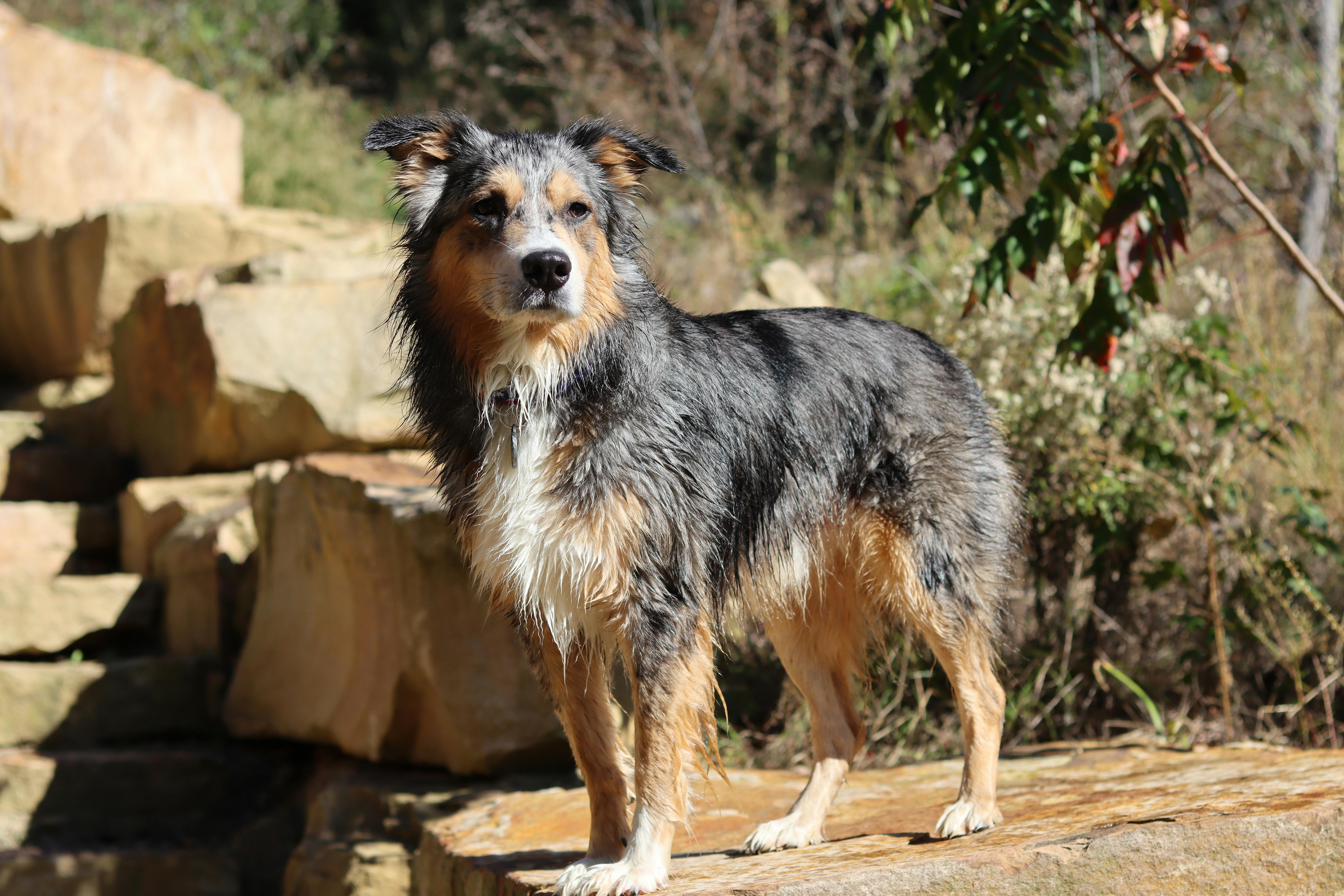
Have you ever noticed your furry friend’s wet nose and wondered if it could mean more than just a little moisture? Many dog owners, including New Yorkers, often ask: can your dog’s wet nose predict their mood? It’s a fascinating question, and the answer might surprise you. Dogs communicate in various ways, and their noses play a crucial role in this. Let's dive into the science behind why dogs have wet noses and how this feature can relate to their emotional states.
Why Do Dogs Have Wet Noses?
Dogs have wet noses for several reasons, and understanding these can help you appreciate your pet more. Here’s some key points:
Cooling Mechanism: Dogs don’t sweat like humans do. Their primary way of regulating body temperature is through panting and having a wet nose. The moisture on their noses evaporates, which helps them cool down.
Enhanced Sense of Smell: A wet nose can trap scent particles better, making it easier for dogs to pick up smells. It’s a part of their incredible olfactory system. This is why you may see them sniffing around when they’re excited or curious.
Health Indicator: A dog’s nose can also reflect their health. A normal, healthy nose is usually damp and cool. If it’s excessively dry or hot, it might indicate illness.
Can Your Dog’s Wet Nose Predict Their Mood?
While there is no direct scientific evidence linking a wet nose to a specific mood, many dog owners and experts believe there is a connection. Here are some observations:
Happy and Excited: When your dog is happy, their nose tends to be moist. This could be because they’re panting from excitement, and their body is in a relaxed state.
Nervous or Anxious: If your dog is anxious, their nose may feel cooler and wetter. This can relate to their heightened state of alertness, as they are more focused on their surroundings.
Sick or Unwell: A dog that is feeling sick might have a dry nose. If you notice this along with other symptoms like lethargy, it’s best to consult a veterinarian.
The Fascinating Science Behind Dog Noses
Dogs have unique nose structures that make them special. Here’s how their noses work:
Nasal Cavity: A dog's nasal cavity is larger than humans, which allows for more scent receptors. They have up to 300 million scent receptors compared to a human’s 5 million.
Jacobsen's Organ: This organ helps dogs analyze scents. When they sniff, they can determine more information about their environment, including other animals' emotions and health.
Moisture Production: The moisture on a dog’s nose comes from glands that produce mucus. This mucus helps to dissolve scent particles, enhancing their ability to smell.
Practical Tips for Dog Owners
If you want to better understand your dog's mood, observing their nose is just one part of the picture. Here are some tips:
Observe Body Language: Look at your dog's overall posture, tail position, and ear movement. These can give you clues about how they're feeling.
Check for Other Symptoms: If your dog’s nose changes significantly, monitor for any other signs of illness. Changes in appetite, energy level, or behavior are important indicators.
Stay Informed: Consider reading books or attending training sessions about dog behavior. Knowledge can enhance your bond with your furry friend.
Fascinating Facts About Dogs' Noses
Here are some interesting tidbits about dog noses that you may not know:
Dogs can detect certain diseases, including cancer and diabetes, through scent.
The pattern of a dog's nose print is as unique as a human fingerprint.
Some breeds, like Bloodhounds, have an incredible sense of smell that can track scents over a week old.
Dogs can discern between different human emotions based on their scent, which is why they often react differently to various people.
Final Thoughts
Understanding why dogs have wet noses and their potential connection to mood can deepen the bond you share with your pet. While the idea that a wet nose can predict emotions is still debated, observing your dog’s behavior and health can help you respond to their needs. Each dog is unique, and by paying attention to their signals, you can create a happier and healthier relationship. Whether you’re in the bustling streets of New York or lounging at home, being attuned to your dog's signals is crucial. So next time you notice their wet nose, take a moment to appreciate the intricate ways they communicate.
The Role of Moisture: Why Wet Noses Are Essential for Dog Communication
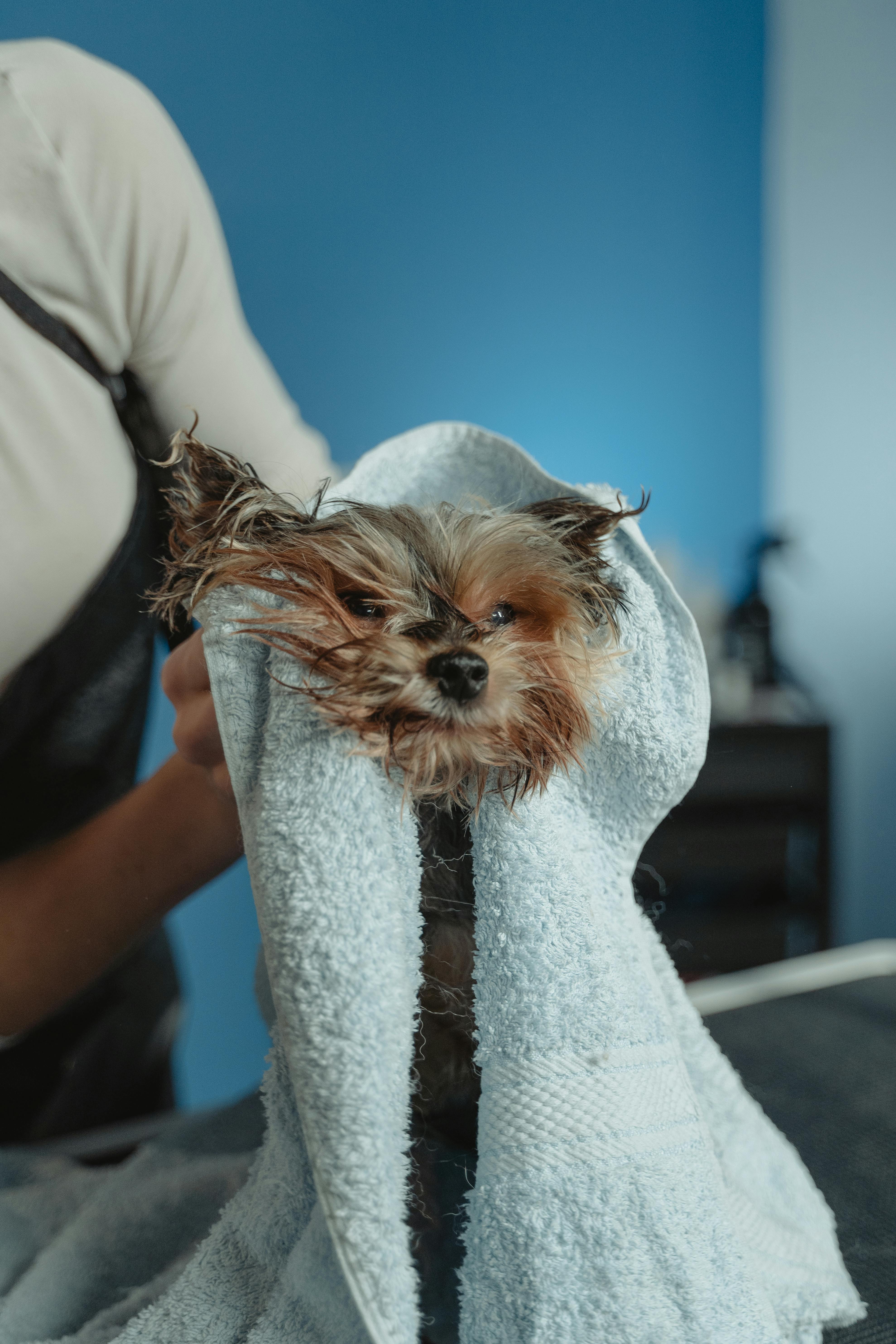
Dogs are often seen with their noses dripping wet, and many people wonder why do dogs have wet noses. This question leads to a fascinating exploration of the role moisture plays in canine communication and health. It's a topic that not only intrigues dog owners but also sheds light on the evolutionary traits that have shaped our furry companions.
The Science Behind Wet Noses
A dog's nose is naturally moist, and this characteristic serves multiple functions. Firstly, it helps them in understanding their environment better. Dogs have an incredible sense of smell—estimated to be between 10,000 to 100,000 times more acute than humans. The moisture on their noses aids in scent detection. When a dog sniffs something, the wetness captures scent particles from the air, allowing for a clearer interpretation of what they're smelling.
- Some interesting facts about a dog's sense of smell include:
- They have up to 300 million smell receptors, compared to about 5 million in humans.
- Their olfactory bulb—part of the brain that processes smells—makes up about 40% of their brain, while in humans, it only takes up about 1%.
- Wet noses can absorb scent molecules better than dry ones, enhancing their tracking abilities.
Communication Through Moisture
Beyond just sniffing, a dog's wet nose plays a role in communication. When dogs greet each other, they typically sniff each other's noses. This is a form of social interaction, like a handshake among humans. A wet nose can indicate a dog's emotional state. For instance, a dog with a wet nose is often alert and engaged. On the other hand, a dry nose could suggest that the dog is feeling unwell or stressed, though this isn't always the case.
- Here are some behaviors linked to nose moisture:
- A dog with a wet nose may be more playful and curious.
- If a dog’s nose is dry and warm, it might be a sign of illness, but not always.
- Dogs often lick their noses as a way to keep them moist, especially if they are feeling anxious or excited.
Historical Context
The wet nose phenomenon isn't just a modern curiosity. Throughout history, dogs have evolved alongside humans, developing traits that help them survive and communicate effectively. The moisture on a dog's nose can be traced back to their ancestors, who needed keen senses for hunting and social interaction in packs.
As dogs became companions to humans, their abilities to communicate through body language and scent became even more critical. A wet nose became a sign of a healthy, communicative dog. In many ways, it acts as a barometer for their overall wellbeing.
Health and Maintenance of a Dog's Nose
Maintaining a dog's nose is important for their health. While a wet nose is usually a good sign, it's important to monitor any changes. Here are some tips for keeping your dog's nose healthy:
- Regularly check for cracks or dryness, which could indicate dehydration or health issues.
- Ensure your dog has access to fresh water at all times to keep their nose moist.
- If your dog’s nose changes color or texture significantly, consult a vet.
Fun Facts About Dog Noses
To add a bit of light-heartedness to this topic, here are some fun tidbits about dog noses:
- Dogs have unique nose prints, similar to human fingerprints. Each nose is unique!
- Some breeds are known for having wetter noses than others, like Labrador Retrievers.
- Dogs can even detect medical conditions in humans, like diabetes or cancer, through scent.
The Importance of Moisture in Dog Behavior
In conclusion, the role of moisture in a dog's nose is not just a quirky trait; it's deeply intertwined with how they interact with the world and communicate with others. Understanding why do dogs have wet noses can help dog owners appreciate their pets on a deeper level, recognizing the small things that make them so unique. So, the next time you see your pup with a wet nose, remember it's not just a cute feature—it's a vital part of their identity and well-being!
7 Myths About Dog Noses Debunked: What Every Dog Owner Should Know
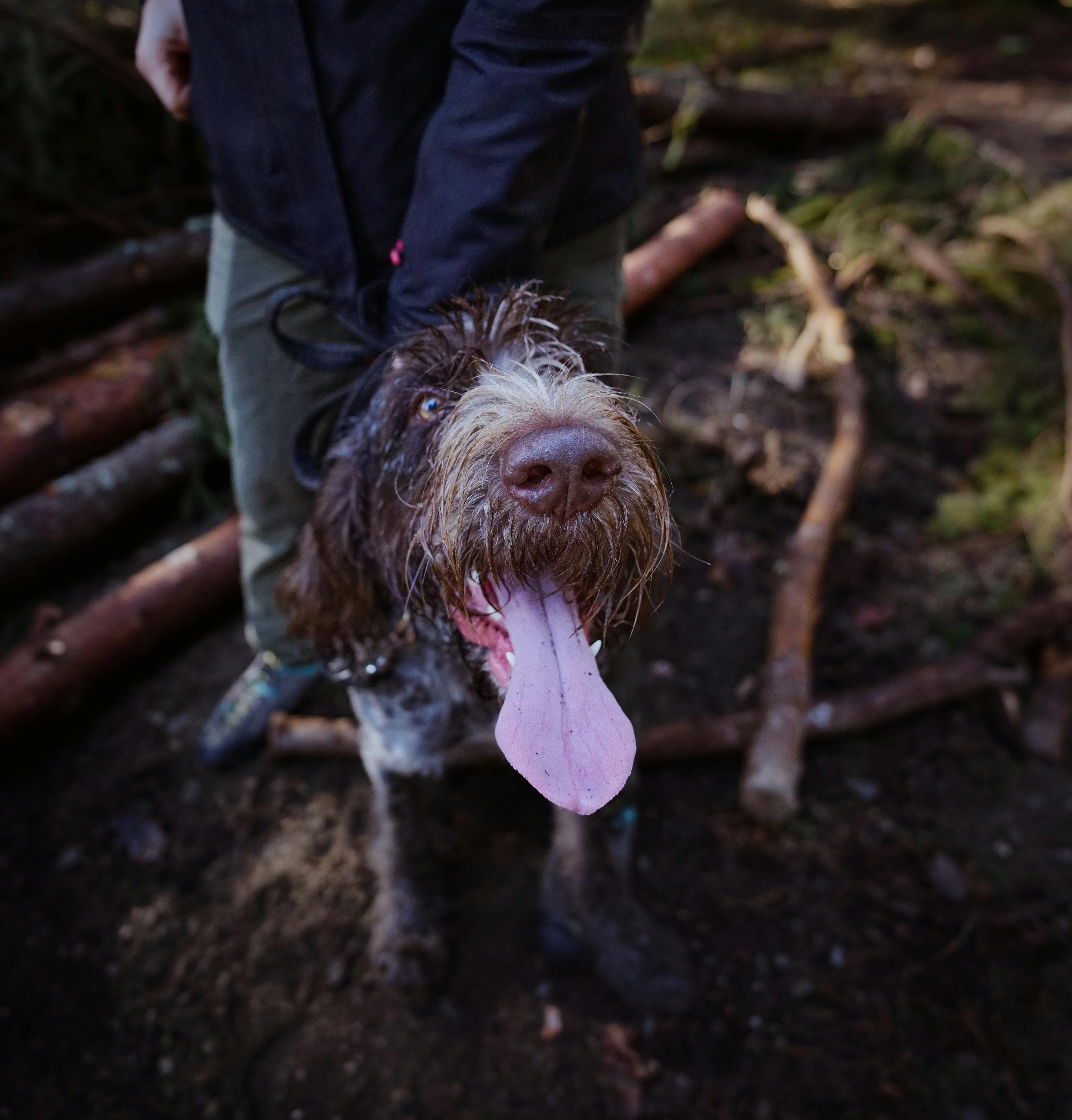
Dogs have been our companions for thousands of years, and their wet noses have always been a point of curiosity for dog owners. Many people wonder, why do dogs have wet noses? Some say it’s just for cuteness, while others think it has to do with their health. But there’s way more to it than that! Let’s debunk 7 common myths about dog noses so every dog owner can understand their furry friends a bit better.
Myth 1: Wet Noses Mean a Dog is Healthy
This is a common belief, but it’s not entirely true. While a wet nose may indicate that a dog is not sick, it's not a foolproof sign of health. Dogs can have dry noses and still be perfectly fine. So, don’t just rely on the moisture of your pup’s nose to judge their wellbeing. Observing their behavior and appetite is much more important.
Myth 2: Dogs Have Wet Noses to Cool Off
It’s a common thought that dogs have wet noses to help regulate their body temperature. While it's true that dogs do sweat through their noses, it’s not the primary way they cool down. Dogs mainly cool themselves through panting. Their wet noses help in other ways, such as enhancing their sense of smell.
Myth 3: All Dog Noses Are Wet
Not all dog noses are created equal! Some breeds have dryer noses than others. Breeds like the bulldog or pug often have drier noses, while breeds like retrievers or hounds tend to have wetter noses. The moisture level can also change depending on the weather or if the dog has been sleeping.
Myth 4: Dogs Can’t Smell Well Without Wet Noses
This is simply not true! While a wet nose can enhance a dog’s sense of smell, it’s not the only factor. Dogs have an incredible olfactory system that allows them to detect scents far better than humans. Their sense of smell is about 10,000 to 100,000 times more sensitive than ours. So, even a dry nose doesn't mean they can’t sniff out that tasty treat you dropped on the floor!
Myth 5: A Cold Nose Means a Dog is Sick
Many people think that a cold, wet nose is a sign that a dog is unwell. This myth is misleading. A dog’s nose temperature can fluctuate throughout the day due to various factors, including activity level and ambient temperature. The best way to tell if a dog is sick is to look for signs like lethargy, changes in appetite, or unusual behavior.
Myth 6: Dogs Lick Their Noses to Keep Them Wet
While it’s true that dogs lick their noses, it’s not just to keep them moist. Dogs lick their noses for several reasons, including cleaning, tasting, and even as a way to calm themselves. Their tongues help spread the natural oils and secretions that keep their noses healthy and functional.
Myth 7: A Wet Nose is a Sign of Happiness
While many people associate a wet nose with a happy dog, this isn’t necessarily the case. Dogs can have wet noses when they are anxious or excited too. A dog’s body language, such as wagging tail or playful behavior, is a better indicator of their mood.
Fascinating Reasons Why Dogs Have Wet Noses
So, why do dogs have wet noses? The answer lies in their biology. Here are some reasons:
- Enhanced Smell: Wet noses pick up scent particles better, which helps dogs identify smells more effectively.
- Cooling Mechanism: Though not the main cooling method, a wet nose can help slightly in regulating temperature.
- Health Indicator: While not definitive, changes in nose moisture can sometimes indicate health issues.
- Natural Behavior: Dogs lick their noses to clean them, which is a part of their grooming routine.
Understanding these facts can help dog owners take better care of their pets. It’s important to pay attention to their overall health and behavior, rather than relying solely on their nose condition.
In conclusion, knowing the truth about dog noses can help you be a better pet owner. Don't just assume that a wet nose means your dog is healthy or happy; look at the bigger picture. After all, dogs are complex creatures with unique needs and characteristics. Embrace their quirks, and your bond with your furry friend will only grow stronger!
How to Care for Your Dog’s Nose: Tips for Keeping It Healthy and Moist

Dogs are often described as man's best friend, and they brings joy, companionship, and even a little mischief into our lives. One of the most interesting aspects of dogs is their noses, which are usually wet! Have you ever wonder, why do dogs have wet noses? And how can you ensure your furry friend's nose remains healthy and moist? Let’s dive into this fascinating topic and explore some helpful tips.
Why Do Dogs Have Wet Noses?
The wetness of a dog's nose is more than just a quirky feature. It actually serves multiple purposes that are crucial for their well-being. Here’s some reasons why your dog might have a wet nose:
Scent Detection: Dogs has an incredible sense of smell, which is about 10,000 to 100,000 times more sensitive than humans. A moist nose helps them capture scent particles more effectively.
Temperature Regulation: Dogs can’t sweat like humans do. Their noses help cool their bodies down when they’re hot. When the moisture on their nose evaporates, it helps to regulate their body temperature.
Health Indicator: A wet nose is often a sign of a healthy dog. If your dog’s nose is dry, it might indicate dehydration or illness.
Sensory Function: The wet surface of a dog's nose enhances its ability to pick up scents. The moisture helps to absorb scent particles, making it easier for them to detect smells.
How to Care for Your Dog’s Nose
Keeping your dog’s nose healthy and moist is important. Here’s some practical tips to ensure your pup's snout stays in great shape:
Hydration is Key:
- Always makes sure your dog has access to fresh water. Dehydration can lead to a dry nose, which is no good for sniffing around.
Nose Balm:
- If you notice your dog having a dry or cracked nose, consider using a dog-safe nose balm. This can help to moisturize and protect their sensitive skin.
Regular Vet Checkups:
- Routine veterinary visits can help catch any underlying health issues that might affect your dog’s nose. Keeping up with vaccinations and check-ups is always smart.
Avoid Harsh Chemicals:
- When cleaning your dog's face or using household products, ensure they are pet-safe. Some chemicals can irritate the sensitive skin on their nose.
Watch the Weather:
- Extreme weather can affect your dog’s nose. In winter, cold air can dry it out, while summer heat can lead to sunburn. Protect your dog’s nose from harsh elements.
Signs of Nose Problems
It's important to keep an eye on your dog's nose for any signs that something might be wrong. Here’s a list of symptoms to look out for:
- Cracks or sores
- Excessive dryness
- Discoloration (e.g., black to pink)
- Bleeding or oozing
- Swelling or lumps
If you notice any of these symptoms, it's better to consult with a veterinarian. They can give you proper diagnoses and treatment options.
Fun Facts About Dog Noses
Did you know that dog noses are as unique as fingerprints? Each dog has a distinct nose print! Here are some other fun facts:
- Nose Prints: They can be used to identify dogs, similar to how human fingerprints works.
- Scent Memory: Dogs can remember scents for years, which is why they can find their way home or remember their favorite toys.
- Wet vs Dry: A wet nose is usually cool, and a warm nose doesn't automatically means your dog is sick. Temperature can vary depending on the environment.
Common Misconceptions
It’s easy to misunderstand what a dog’s nose says about its health. Here are some common myths debunked:
Myth: A dry nose means your dog is sick.
- Fact: A dog’s nose can be dry for many reasons, including just waking up or being in a warm environment.
Myth: Dogs with dry noses can’t smell well.
- Fact: Even a dry nose doesn’t mean your dog lost their incredible sense of smell.
Myth: All dogs have wet noses.
- Fact: Some breeds naturally have drier noses than others; it’s just a part of their genetics.
Taking care of your dog's nose is an integral part of their overall health. Understanding why dogs have wet noses and how to keep them moist can help ensure your dog remains happy and healthy. Be observant, proactive, and always consult with your vet when in doubt. Your furry friend will thank you with wagging tails and happy barks!
Conclusion
In conclusion, the wet noses of dogs serve several important functions that contribute to their overall health and behavior. The moisture helps enhance their sense of smell, allowing them to detect scents more effectively in their environment. Additionally, a wet nose plays a role in thermoregulation, helping dogs cool down in warmer conditions. We also learned that the moisture is a result of their natural grooming habits and the unique structure of their nasal passages. Understanding these aspects of a dog's wet nose not only deepens our appreciation for our furry companions but also reinforces the importance of regular veterinary check-ups to ensure their health and well-being. So, the next time you greet your dog with a friendly pat on that moist nose, remember the fascinating biological functions it serves. Embrace the quirks of your canine friend, and consider sharing this newfound knowledge with fellow dog lovers to spread awareness!