Have you ever wondered, why do dogs have wet noses? This intriguing question not only sparks curiosity among pet owners but also reveals the fascinating science behind our furry friends. A dog’s wet nose is more than just an adorable trait; it serves multiple important purposes that contribute to their health and communication. For instance, did you know that a wet nose helps dogs detect scents more effectively? This is because moisture enhances their sense of smell, making it a vital tool for survival and interaction with their environment. Furthermore, a dog’s nose can indicate their health status; changes in moisture can signal underlying health issues. So, what makes a dog's nose wet in the first place? Is it just a natural phenomenon, or is there more to the story? In this article, we will dive deep into the reasons behind this unique characteristic, exploring everything from anatomy to behavior. Get ready to uncover the secrets of why dogs have wet noses and learn how this fascinating feature plays a crucial role in their everyday lives! Click to discover more about the incredible world of canine biology!
The Science Behind Dog Noses: Why Are They Always Wet? Exploring the Fascinating Biology!
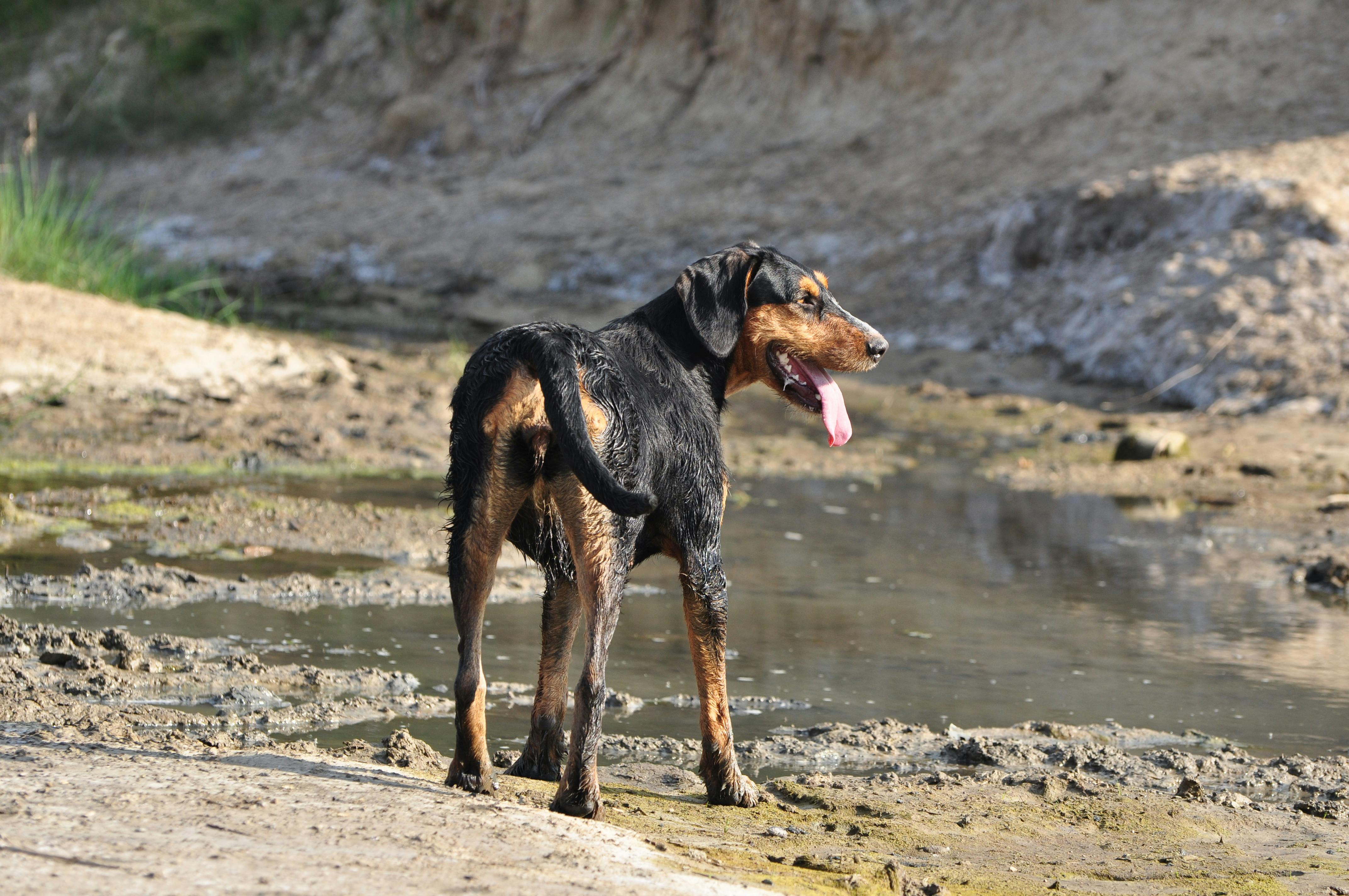
Dogs are often considered man's best friend, but have you ever wondered about the science behind their noses? Most people notice dogs noses are moist, but why is this? The fascination with dog noses can be traced back to their biology, which plays an important role in how they interact with the world around them. Let's dive into the wet world of dog noses and discover the reasons behind this curious phenomenon.
The Biology of a Dog's Nose
To understand why dog noses are wet, it's important to know a bit about their anatomy. A dog's nose is covered with a layer of skin that has special glands. These glands produce a thin film of mucus. This mucus helps enhance a dog's sense of smell, which is already incredible. In fact, dogs have up to 300 million scent receptors in their noses, compared to humans who only have about 5 million.
Here is some fascinating biology about dog noses:
- Moisture Production: The wetness of a dog’s nose comes from the secretion of mucus and other fluids. This moisture helps to dissolve scent particles, making it easier for dogs to detect different smells.
- Thermoregulation: Dogs also use their noses to help regulate their body temperature. When a dog pants, moisture from the nose can evaporate and cool them down.
- Scent Discrimination: The wet surface of the nose allows for better scent discrimination. Dogs can figure out various scents much better when their noses are wet.
Why Do Dogs Have Wet Noses?
Now let’s explore some specific reasons why dog noses are wet:
Enhanced Smell: The wetness on a dog’s nose helps capture scent particles. This is crucial for their survival instincts—hunting, tracking, and even social interactions.
Health Indicator: A dog's nose can be an indicator of their health. A wet nose usually means they are healthy and well-hydrated. However, a dry or cracked nose could indicate dehydration or illness.
Cooling Mechanism: Dogs don’t sweat like humans do. They rely on panting and the moisture in their noses to help cool themselves down. The evaporation of moisture from their noses helps to reduce body heat.
Communication: Dogs also use their noses to communicate with other dogs. A wet nose can indicate excitement or curiosity, while a dry one may signal stress or discomfort.
The Historical Context of Dog Noses
Dogs have evolved from wolves, and their noses have adapted over thousands of years. In ancient times, dogs were used for hunting and herding, where their sense of smell was a vital tool. It’s believed that the domestication of dogs made them more reliant on their sense of smell to bond with humans and other animals.
Fun Facts About Dog Noses
Here are some interesting facts that you might not know about dog noses:
- Unique Patterns: Just like human fingerprints, each dog's nose print is unique. It can be used to identify them!
- Cold vs. Warm Noses: A dog's nose can change temperature based on their activity level. After playing or running, their noses might feel warmer.
- Color Variation: Not all dog noses are the same color. Some are black, others are brown, and some can even be pink. The color often correlates with their breed and genetics.
Differences in Dog Breeds
Not every dog’s nose is the same. Different breeds have different nose shapes and sizes that can influence their smell. For example:
- Bloodhounds: Known for their incredible sense of smell, they have long, droopy noses that help them trap scent particles.
- Pugs: With their flat faces, pugs have less surface area on their noses, which can affect their ability to smell as effectively.
- Greyhounds: These dogs have long, narrow noses that are built for speed but still retain a great sense of smell.
Practical Examples of Dogs Using Their Noses
Dogs use their noses in various practical ways, including:
- Search and Rescue: Dogs are trained to find missing persons or detect drugs and explosives using their incredible sense of smell.
- Therapy and Service Work: Many service dogs are trained to recognize medical conditions like seizures or low blood sugar by smelling chemical changes in the body.
The wetness of a dog’s nose isn't just a quirky characteristic; it’s a key aspect of their biology that enhances their abilities and well-being. So, next time you pet a dog and feel that cool, wet nose, remember there’s a fascinating science behind it! The moisture plays an essential role in their interactions with the world, contributing to their overall health and functionality.
5 Surprising Reasons Why Your Dog's Nose Is Wet: More Than Just a Quirk!
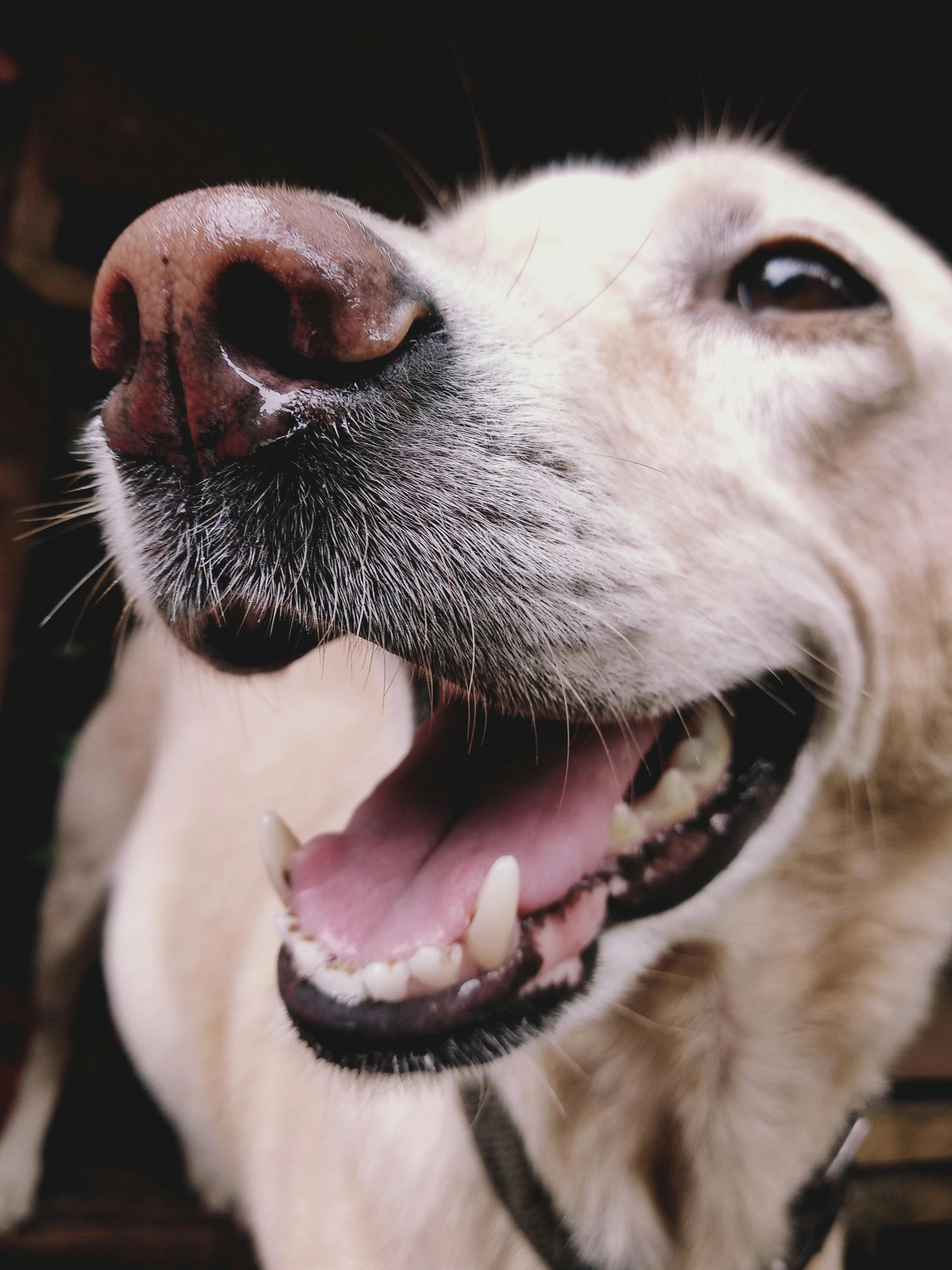
Have you ever wondered why your dog's nose is wet? You might think it’s just a quirky dog thing, but there’s actually a lot more going on under the surface. Wet noses in dogs can be fascinating, and they serve several important functions. Let’s dive into 5 surprising reasons why your dog’s nose is wet, and discover the science behind it!
1. Temperature Regulation
One of the main reasons dogs have wet noses is to help regulate their body temperature. Unlike humans, who sweat to cool off, dogs primarily rely on their noses and paw pads. The moisture on a dog’s nose evaporates, which can help lower their body temperature. When the weather gets hot, you might notice your pup’s nose getting a bit wetter. It’s their natural way of keeping cool!
2. Enhanced Sense of Smell
Dogs have an incredible sense of smell, and their wet noses play a crucial role in this ability. The moisture on a dog’s nose helps to capture scent particles in the air. When these particles stick to the wet surface, it increases the chances of them being detected by the sensitive receptors in a dog’s nose. This means that a dog with a wet nose can smell things more effectively than one with a dry nose. Isn’t that interesting?
3. Communication Tool
Did you know that a dog’s nose can also be a way of communicating? Dogs often use their noses to greet other dogs and even humans. A wet nose can signal friendliness, curiosity, or even submission. When your pup nudges you with their nose, it may be their way of saying "Hey, I want some attention!" This behavior is normal and can be a sign of affection.
4. Health Indicator
A wet nose can also be a sign of your dog’s health. Generally, a healthy dog’s nose is moist and cool. However, if you notice that your dog’s nose suddenly becomes dry or cracked, it might indicate dehydration or illness. Here’s a quick checklist for what to look out for:
- Wet and Cool: Normal and healthy
- Dry and Cracked: Possible dehydration or illness
- Excessively Wet: Could indicate a respiratory infection
- Discoloration: May signify a more serious condition
If you’re ever in doubt about your dog’s health, it’s always a good idea to consult your vet.
5. Natural Lubrication
Another reason why dogs have wet noses is for natural lubrication. Just as our skin requires moisture, so does a dog’s nose. The moisture helps to keep the nose supple and prevents cracking. This moisture is produced by special glands in the nose. A well-lubricated nose also helps in detecting scents more effectively.
The Science Behind It
So, now that we know why dogs have wet noses, let’s look at the science. Dogs have about 300 million smell receptors, compared to a human’s roughly 5 million. This makes their sense of smell 40 times better than ours! The wetness of their noses is not just a coincidence; it’s an evolutionary trait that has helped dogs survive and thrive alongside humans.
Fun Facts About Dog Noses
- Unique Patterns: Just like human fingerprints, each dog has a unique nose print.
- Color Matters: The color of a dog's nose can change with age or health; for example, some dogs have pink noses that may darken as they mature.
- Temperature Check: A dog's nose isn't a reliable way to check their temperature; a dog's normal body temperature is typically between 101°F and 102.5°F.
Quick Tips for Nose Care
- Keep it Moist: If your dog's nose is dry, you can apply a little coconut oil or specialized nose balm.
- Regular Checks: Make it a habit to examine your dog’s nose for any changes in color, texture, or moisture.
- Stay Hydrated: Ensure your dog has constant access to fresh water to keep their body hydrated.
Understanding why dogs have wet noses can deepen your appreciation for these furry friends. It’s more than just a cute quirk; it’s a fascinating aspect of their biology that plays crucial roles in their health and communication. So, the next time you feel that cool, wet nose against your skin, remember — it’s not just a sign of love, but a complex feature that contributes to your dog’s well-being. Embrace those tiny, wet noses; they’re a big part of what makes your dog who they are!
Wet Noses and Health: What Your Dog's Moist Nose Says About Their Well-being!
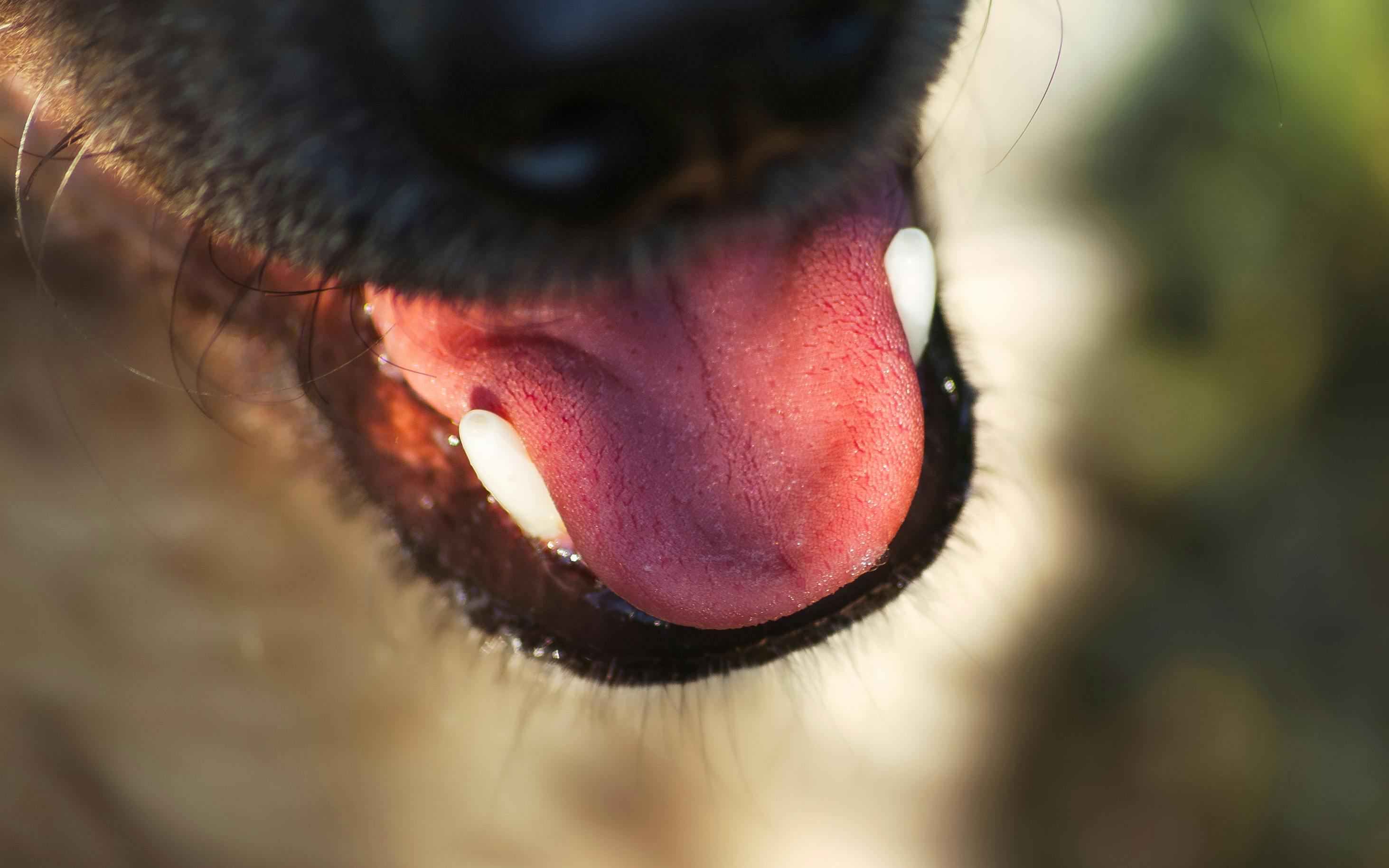
Every dog owner have probably noticed their furry friend’s wet nose. But what does it really means? Why do dogs have wet noses? This seemingly small detail can actually tell you a lot about your pup’s health and well-being! Let’s dig into why those moist noses are so important.
Understanding Why Dogs Have Wet Noses
First off, it’s important to know that a dog's nose is covered with mucous membranes. This helps them to sense the world around them. Here are some interesting reasons why your dog's nose stays wet:
- Temperature Regulation: Just like humans sweat to cool down, dogs use their noses. The moisture helps to regulate their body heat.
- Enhanced Scent Detection: A wet nose is better at trapping scent particles in the air, making it easier for dogs to smell things. That’s why they can sniff out treats hidden around the house!
- Health Indicator: A wet nose can mean that a dog is healthy. If it is dry or cracked, it might be a sign that something is wrong.
The Science Behind a Dog’s Wet Nose
Dogs have more than just a cute feature with their moist noses. There’s some fascinating science behind it. Here’s a breakdown:
- Nasal Glands: The moisture comes from glands in their noses that produce mucus. This mucus keeps the nose moist and helps with scent detection.
- Airflow: When a dog inhales, the air passes over the wet surface of the nose. This not only helps with temperature regulation but also captures scent particles.
- Evolutionary Advantage: Dogs evolved as hunters, and their ability to smell with a wet nose likely helped them catch prey.
Common Misconceptions About Wet Noses
Many people believe that a dog’s nose must always be wet to be healthy. That’s not entirely true. Here are some common misconceptions:
- A Wet Nose Equals a Healthy Dog: While a wet nose can indicate health, it’s not the only indicator. Other factors like behavior, appetite, and energy levels matter too.
- All Dogs Nose Are Always Wet: Some breeds naturally have drier noses, and that’s okay. For example, Bulldogs and Boxers may have drier noses than breeds like Retrievers.
- A Dry Nose Means Illness: Sometimes, dogs can have a dry nose for reasons like weather changes or dehydration, not just illness.
When to Be Concerned About Your Dog’s Nose
While a wet nose is usually a good sign, there are times when you should be paying attention. Here’s a list of symptoms to watch for:
- Cracking or Peeling: This could indicate dehydration or a skin issue.
- Discoloration: A change in color could signal an infection or other health problems.
- Excessive Dryness: If your dog’s nose is consistently dry, it might be worth a trip to the vet.
- Nasal Discharge: If there’s any unusual discharge, especially if it's colored or smelly, it’s time to consult with a vet.
Tips for Maintaining Your Dog's Nose Health
Here are some practical tips to help keep your dog's nose healthy and moist:
- Hydration: Make sure your dog drinks enough water. Dehydration can lead to a dry nose.
- Climate Control: Keep your home at a comfortable temperature. Very dry or hot air can dry out a dog's nose.
- Regular Vet Check-ups: Regular vet visits can help catch any health issues early.
- Nose Balms: For dogs that suffer from dry noses, there are special balms available that can help moisturize.
Fascinating Dog Nose Facts
Here are some intriguing facts about dog noses:
- Unique Patterns: Just like human fingerprints, every dog has a unique nose print.
- Smell Sensitivity: Dogs have about 220 million smell receptors, compared to humans who only have about 5 million.
- Scent Memory: Dogs can remember scents for years, helping them recognize people and places.
In summary, a wet nose is more than just a cute feature—it’s a vital part of your dog’s health and well-being! Understanding the reasons behind this can help you take better care of your furry friend. Keep an eye on their nose and overall behavior, and don’t hesitate to reach out to your vet if anything seems off. Happy tails!
Are Wet Noses a Sign of Happiness? Unraveling the Emotional Connection in Dogs!

When you think about dogs, one of the first things that comes to mind is probably their wet noses. But have you ever wondered, are wet noses a sign of happiness? Or why do dogs have wet noses in the first place? Many pet owners notice this curious trait but don’t really think much about it. Let’s dive into the emotional connection between wet noses and your furry friend’s feelings and explore the fascinating reasons behind this unique characteristic.
The Science of Wet Noses
Dogs have wet noses for a variety of reasons, mostly related to their biology. The moisture on a dog’s nose comes from the secretion of mucus, which helps them to absorb scents better. This ability is crucial for their sense of smell, which is far superior to that of humans. Here’s some interesting facts about why dogs have wet noses:
- Enhanced Smell: The dampness helps to capture scent particles in the air.
- Temperature Regulation: A wet nose can help to cool a dog down, similar to how sweating works for humans.
- Health Indicator: A healthy dog generally has a cool, moist nose. If it’s dry or hot, it can indicate a health issue.
Emotional Connection: Are Wet Noses a Sign of Happiness?
So, back to that question — are wet noses a sign of happiness? Well, sort of! A dog’s emotional state can often be reflected in its nose moisture, but it’s not the only indicator. Here’s a breakdown of how a dog’s nose correlates with its emotions:
- Wet Nose: Generally means the dog is relaxed and feeling good. But it doesn't automatically mean they are happy.
- Dry Nose: Could indicate stress, dehydration, or illness. If combined with other symptoms, it may be worth consulting a vet.
- Cold Nose: Often associated with a calm and content dog. A warm nose, in contrast, might suggest they’re not feeling their best.
Historical Context: The Evolution of Dog Noses
Dogs have been companions to humans for thousands of years. Their wet noses evolved as a result of their hunting and survival instincts. Ancient dogs, like wolves, relied heavily on their keen sense of smell to track prey. Here are some historical insights:
- Domestication: As dogs got domesticated, their olfactory abilities became more specialized, but the wet nose remained a biological trait.
- Breeding: Different breeds exhibit varying nose shapes and moisture levels, reflecting their specific roles in human society.
Practical Examples: Observing Your Dog’s Nose
Understanding your dog’s nose can help you gauge their health and emotional state. Here are some practical tips for dog owners:
- Regular Check-ups: Monitor the moisture of your dog’s nose regularly. If you notice any significant changes, consult a veterinarian.
- Observe Behavior: Pay attention to how your dog behaves. A wet nose along with playfulness usually indicates a happy pet.
- Hydration Matters: Ensure your dog is drinking enough water. A properly hydrated dog is likely to maintain that moist nose.
Fun Facts About Dog Noses
- A dog’s sense of smell is estimated to be 10,000 to 100,000 times better than humans.
- The texture of a dog’s nose is unique, similar to human fingerprints.
- Certain dog breeds, like Bloodhounds, have an exceptional ability to track scents, thanks to their wet noses.
Comparison: Dog Noses vs. Human Noses
Let’s look at some differences between dog noses and human noses in a simple format:
| Feature | Dog Nose | Human Nose |
|---|---|---|
| Moisture | Typically wet | Generally dry |
| Sense of Smell | Excellent | Limited |
| Temperature Regulation | Helps cool down | Sweating for temperature control |
| Unique Texture | Unique to each dog | Unique to each human |
The fascination with dog noses goes beyond just their moisture. It’s an integral part of who they are, helping them to connect with the world around them, and also with us. So, the next time you see your furry friend with a wet nose, remember that it could be a sign of their well-being, but also take a moment to observe their overall behavior and health. A wet nose can indeed be a window into their emotions, but it’s just one piece of the puzzle.
How Does Temperature Affect Your Dog's Nose? Discover the Secrets of Canine Thermoregulation!
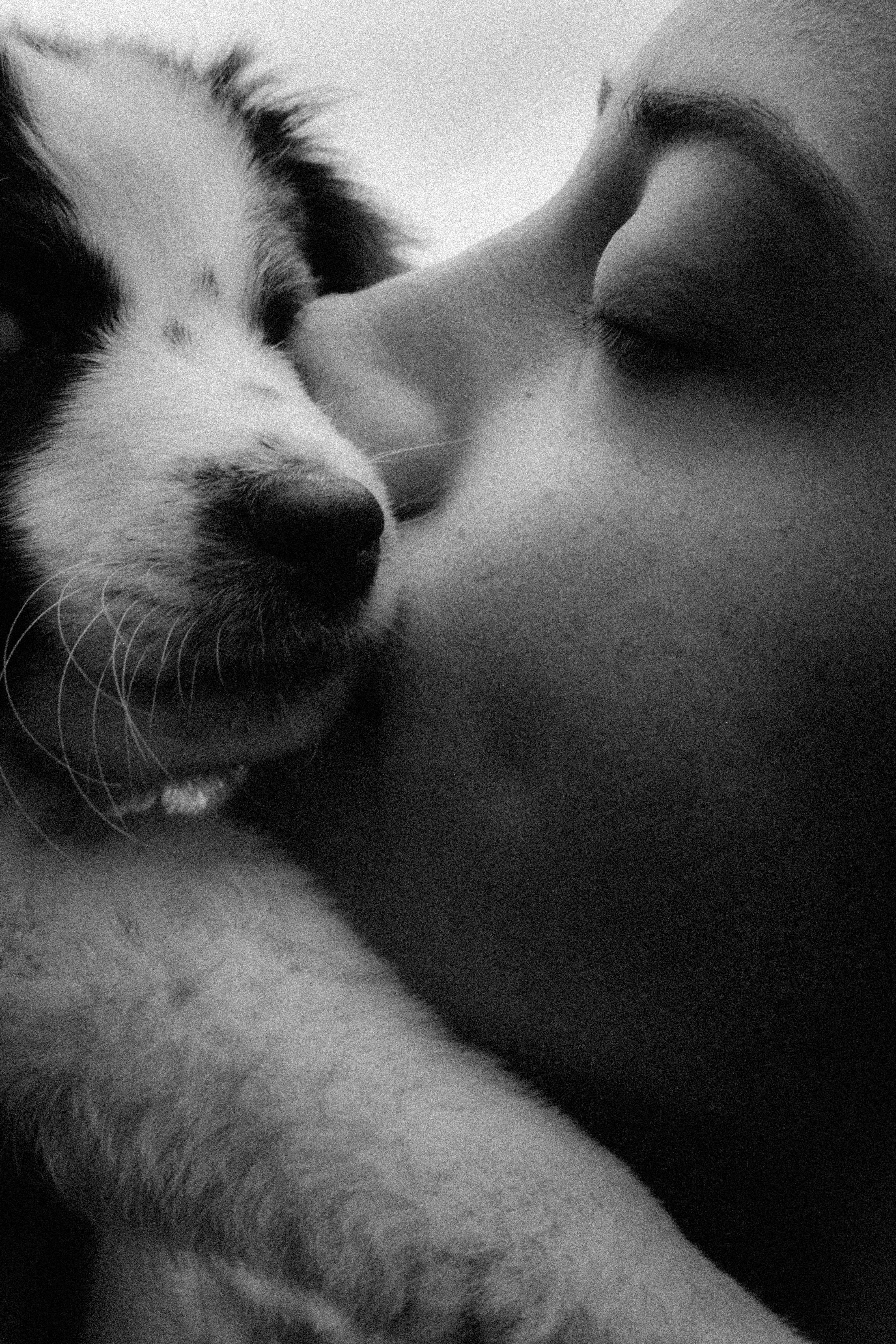
Dogs are known for their wet noses, which is something that many pet owners notice but often don't understand. The question that pops up is, why do dogs have wet noses? This article explores the fascinating reasons behind this unique feature, as well as how temperature can affect your dog's nose and overall health.
The Science Behind a Dog's Wet Nose
A dog’s nose is not just for sniffing. It plays important role in their health and communication. Here’s some reasons why they tend to be wet:
- Moisture Regulation: Dogs’ noses are usually moist because they help regulate temperature. The moisture helps cool them down, which is super important when weather is hot.
- Enhanced Smell: Wet noses can capture scent particles better than dry ones. This is why dogs tend to have an exceptional sense of smell, which is estimated to be 10,000 to 100,000 times more sensitive than humans.
- Health Indicator: A wet nose is often seen as a sign of health in dogs. However, if a dog’s nose becomes dry or cracked, it may indicate an underlying health issue, such as dehydration or fever.
How Does Temperature Affect Your Dog's Nose?
Temperature can have major impacts on your dog’s nose and overall comfort. Here’s how:
- Hot Weather: In high temperatures, a dog’s nose can dry out. This is because they may pant to cool off, which can reduce the moisture on their noses. An overheated dog may also show signs like excessive drooling or lethargy.
- Cold Weather: Cold temperatures can cause a dog's nose to become too cold or even frostbitten in extreme cases. It’s important to keep an eye on them during winter months.
- Humidity Levels: High humidity can keep a dog’s nose wetter, but also can lead to other issues like overheating, especially if they can’t cool down.
Practical Tips for Dog Owners
Here are some simple tips for caring for your dog’s nose under varying temperature conditions:
- Keep Water Accessible: Always ensure your dog has access to fresh water, especially in hot weather.
- Limit Outdoor Time: During extreme heat, it’s best to limit outdoor activities. Take walks early in the morning or later in the evening.
- Use Dog-Friendly Moisturizers: If your dog’s nose seems dry, consider using a pet-safe moisturizer to help keep it healthy.
- Monitor Signs of Illness: If your dog’s nose is persistently dry or they show signs of distress, it is best to consult a veterinarian.
The Importance of Nose Health
Just like humans, dogs can experience various health issues, and their noses are no exception. Here’s a list of conditions that can affect a dog's nose:
- Nasal Dermatitis: This is an inflammation of the nose that can cause irritation and crusting.
- Nosebleeds: These can occur due to trauma, dry air, or underlying health issues.
- Infections: Bacterial or fungal infections can lead to changes in the nose’s appearance and moisture levels.
Fun Facts About Dogs’ Noses
- Unique Patterns: Just like human fingerprints, each dog’s nose has a unique pattern.
- Temperature Sensitivity: Dogs have a special way of sensing temperature changes through their noses.
- Communication Tool: Dogs use their noses to communicate with other dogs, leaving scent marks that convey information about their identity and territory.
Understanding why do dogs have wet noses, and how temperature affects them is essential for every dog owner. A healthy nose can indicate a healthy dog, so keeping an eye on your furry friend’s nose can help catch potential health issues early on.
In the end, dogs are incredible creatures, and their wet noses are just one of the many things that makes them special. By knowing how to care for their noses based on temperature and other factors, you can help ensure your dog stays happy and healthy. So, next time you give your pup a pat on the head, take a moment to appreciate that wet nose!
The Role of a Wet Nose in a Dog’s Sense of Smell: Enhancing Their Incredible Olfactory Abilities!
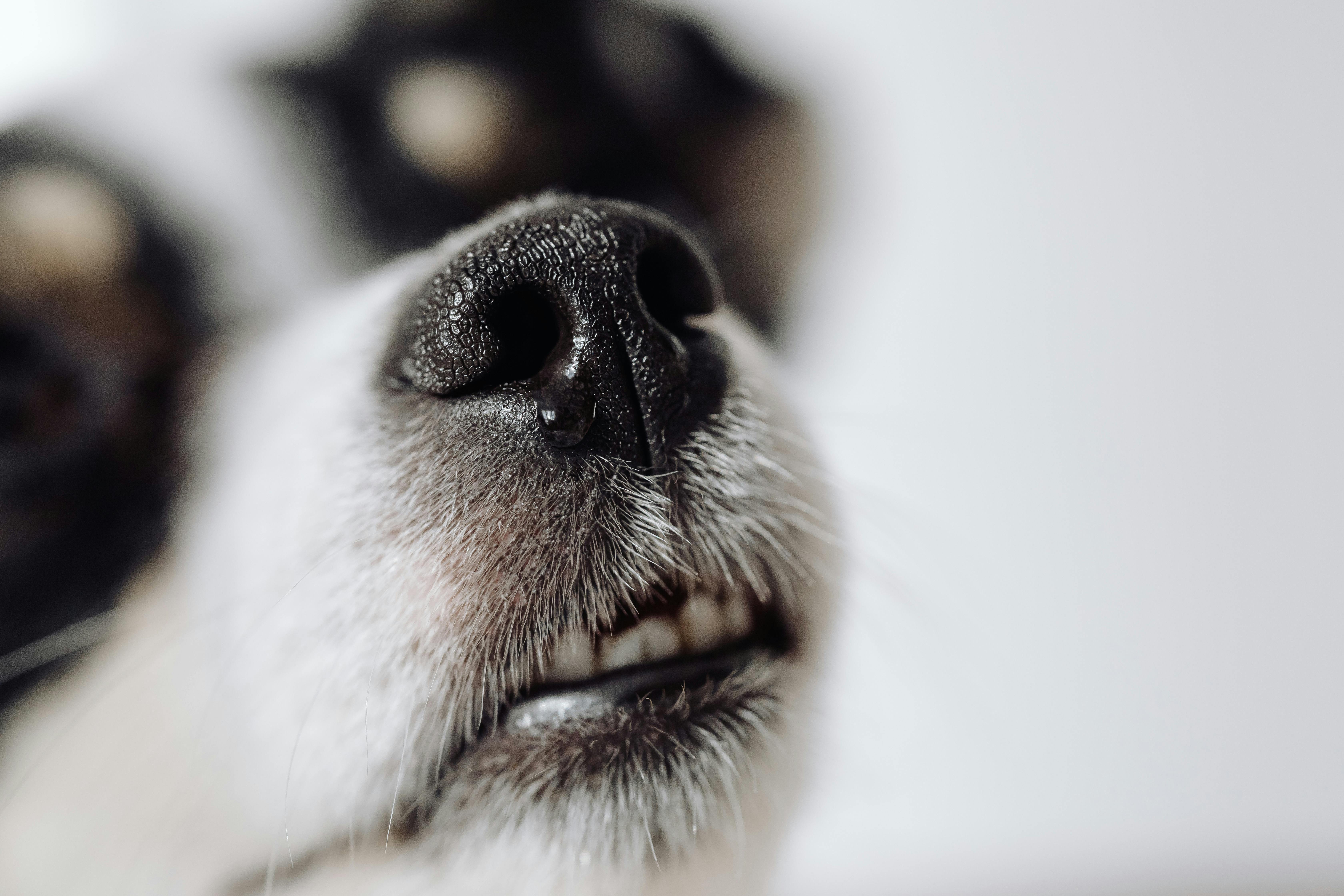
Dogs are often considered man's best friend for many reasons, but one of the most fascinating aspects of these loyal companions is their incredible sense of smell. Ever wonder why do dogs have wet noses? It is a question that many pet owners ask, and the answer is quite interesting. A dog's nose is not just a cute feature; it plays a significant role in enhancing their olfactory abilities. Let’s explore the remarkable reasons behind this phenomenon and the science of a wet nose.
The Science Behind a Wet Nose
A wet nose is more than just a charming characteristic; it actually serves several important functions. The moisture on a dog's nose helps to trap scent particles, which in turn enhances their ability to detect odors. Here are some key points:
- Scent Absorption: The wetness creates a better surface for absorbing scent molecules. When these molecules stick to the moisture, it allows dogs to analyze the scents more effectively.
- Temperature Regulation: Dogs sweat through their noses, so the moisture helps to cool them down, especially when they are active or in hot weather.
- Health Indicator: A wet nose is often seen as a sign of a healthy dog. If a dog’s nose is dry or cracked, it could indicate dehydration or illness.
Why Do Dogs Have Wet Noses? The Fascinating Reasons!
- Enhanced Smell: Dogs have up to 300 million olfactory receptors in their noses, compared to a human's 5 million. A wet nose just amplifies this incredible ability.
- Communication: Dogs often use their noses to communicate. A wet nose can indicate excitement or curiosity, especially when they are meeting new friends or exploring new environments.
- Health Monitoring: A dog’s nose can change texture and moisture based on their health. This makes it a valuable tool for pet owners to monitor their furry friend’s well-being.
The Importance of a Dog’s Sense of Smell
Dogs have been bred for thousands of years for various roles that often rely on their sense of smell. Some dogs work in search and rescue, while others assist law enforcement. Here are some amazing facts about dog’s olfactory capabilities:
- Tracking: Bloodhounds can follow a scent trail that is several days old!
- Detection: Dogs are trained to detect everything from drugs to diseases like cancer. Their sense of smell is so acute that they can identify certain conditions by sniffing a person's breath or skin.
- Hunting: Many hunting breeds have been developed specifically for their ability to track game using their extraordinary noses.
Comparing Dogs’ Nose to Humans
To really understand the significance of a wet nose, it helps to compare dogs' sense of smell to that of humans. Here’s a simple breakdown:
| Aspect | Dogs | Humans |
|---|---|---|
| Olfactory Receptors | Up to 300 million | About 5 million |
| Sense of Smell Sensitivity | 10,000 to 100,000 times more sensitive | Standard human sensitivity |
| Functionality | Can detect specific scents, track, and analyze odors | Basic scent detection |
| Moisture Role | Enhances scent absorption | No significant role |
Practical Examples of How Dogs Use Their Nose
- Finding Missing Persons: Search and rescue dogs often locate missing individuals using scent trails. Their ability to differentiate between various odors allows them to pinpoint a person’s location even in dense environments.
- Medical Diagnosis: Some dog breeds, like Beagles, are trained to detect medical conditions. For instance, they can identify low blood sugar levels in diabetic patients by recognizing the unique scent of their breath.
- Obedience Training: Dogs can be trained to respond to specific scents, leading to applications in therapy and assistance. For example, service dogs are often trained to recognize the scent of anxiety or panic attacks.
In summary, the wetness of a dog’s nose is not just a cute trait; it plays a crucial role in their sense of smell and overall health. The fascinating reasons behind why do dogs have wet noses reveal a lot about their physiology and capabilities. As a pet owner, knowing these aspects not only enriches your understanding but also enhances the bond you share with your furry friend. It’s amazing how something seemingly simple can hold so much significance in a dog’s life.
Do All Dogs Have Wet Noses? Debunking Myths and Exploring Variations Across Breeds!

Dogs are often known for their lovable personalities, wagging tails, and those famously wet noses. But why do dogs have wet noses? Do all dogs have wet noses? These questions not only spark curiosity among pet owners but also reveal some interesting facts about our canine companions. Let's dive deep into the fascinating world of dog's noses, debunk some myths, and explore how different breeds can vary.
Why Do Dogs Have Wet Noses?
Firstly, the wetness of a dog's nose serve multiple important functions. One of the primary reasons it is believed that dogs have wet noses is to help them smell better. The moisture on a dog's nose helps to capture scent particles, which enhances their sense of smell. This is particularly important, considering that dogs' sense of smell is estimated to be anywhere from 10,000 to 100,000 times more sensitive than that of humans.
- Enhances olfactory abilities.
- Regulates body temperature.
- Acts as a cooling mechanism.
Do All Dogs Have Wet Noses?
Not all dogs have wet noses all the time, and that's a common misconception. Some breeds, particularly those with shorter snouts, may have drier noses. For instance, Bulldogs and Pugs may not have the same level of moistness compared to a Labrador Retriever or a Beagle. Additionally, environmental factors can also affect nose wetness. For example:
- Weather: A hot, dry day can lead to a drier nose.
- Health: Certain health conditions, like fever or dehydration, can result in a dry nose.
- Age: Older dogs may experience changes in their nose moisture.
Variations Across Breeds
Dog breeds can exhibit significant differences when it comes to the texture and moisture level of their noses. Here's a quick comparison of some popular breeds:
- Labrador Retrievers: Usually have moist, cool noses; they love to swim.
- Poodles: Their noses can vary; they are generally moist, but some may have drier noses.
- Bulldogs: Typically have drier noses due to their flat face structure.
- Siberian Huskies: Often have wet noses, which is common among working breeds.
The Science Behind Nose Wetness
Dogs' noses are not just wet for the sake of it; there are scientific reasons behind this. The moisture on a dog's nose is produced by specialized glands that help with thermoregulation. When dogs are overheated, they can cool themselves through panting and the evaporation of moisture from their noses.
Here's some interesting facts about dog noses:
- Dogs have around 300 million smell receptors.
- The surface area of a dog's nose is larger than a human's thumbprint.
- Dogs can differentiate between scents, which is why they are often used in search and rescue missions.
Common Myths About Dog Noses
There are many myths surrounding dog noses that can lead to confusion. Some common myths include:
Myth 1: A wet nose means a dog is healthy.
Reality: While a wet nose can be a good sign, it doesn't necessarily indicate health. A dog's nose can be dry due to various reasons that aren’t concerning.Myth 2: All dogs have wet noses.
Reality: As discussed, not all breeds maintain a consistently wet nose.
Practical Tips for Dog Owners
Knowing the nuances of your dog's nose can help you keep an eye on their health. Here are some practical tips:
- Regularly Check Nose Wetness: Get familiar with your dog's normal nose condition.
- Watch for Changes: If your dog’s nose suddenly becomes dry or cracked, it could be a sign of something more serious.
- Hydration is Key: Ensure your dog stays hydrated, especially on hot days.
- Consult a Vet: If you notice consistent dryness or other unusual symptoms, consult a veterinarian.
In summary, dogs have wet noses for a variety of reasons, and it is not a one-size-fits-all scenario across breeds. Understanding why your dog's nose might be wet or dry can provide valuable insights into their health and well-being. So next time you pet your furry friend and feel that adorable wetness, remember all the fascinating science behind it!
Understanding the Purpose of a Dog's Wet Nose: More Than Just a Cooling Mechanism!
Dogs are fascinating creatures, and one of their most distinctive features is their wet noses. You might wonder, why do dogs have wet noses? It seems like a simple question, but the answer is anything but straightforward. Understanding the purpose of a dog's wet nose reveals some interesting insights about canine biology and behavior. In this article, we delve into the fascinating reasons behind those curious, damp noses.
The Biology Behind a Wet Nose
First off, let’s get to the science. Dogs have wet noses mainly due to the moisture they secrete. This secretion comes from specialized glands in the nasal cavity. The wetness helps to enhance their sense of smell, which is significantly stronger than humans. In fact, dogs have up to 300 million smell receptors, compared to a human’s mere 5 million. A wet nose allows scent molecules to dissolve more easily, making it easier for dogs to detect and analyze odors in their environment.
Cooling Mechanism? Not Just That!
While some people might think that a dog's wet nose is primarily a cooling mechanism, it serves multiple purposes. Here’s a quick list of these functions:
- Enhanced Smell: As mentioned earlier, moisture helps in picking up scents.
- Temperature Regulation: A wet nose can help regulate body temperature, but it’s not the main cooling system as it is for humans.
- Communication Tool: Dogs use their noses to explore and communicate with other animals and humans. A wet nose can indicate a dog’s active state or mood.
- Health Indicator: Changes in the moisture of a dog’s nose can reflect their health status. A dry nose might signal dehydration or illness, while a wet nose typically suggests a healthy dog.
Historical Context
Historically, dogs have been companions to humans for thousands of years. Their wet noses have not always been understood. Ancient cultures might have viewed them as signs of a dog's vitality. In fact, many cultures believed that a dog's nose was a barometer of health, and it was common to check a dog’s nose when they seemed unwell.
Wet Nose vs. Dry Nose: What’s the Difference?
It’s important to understand that not all wet noses are created equal. Some dogs have consistently wet noses, while others may have dry noses at times. Here’s a simple comparison:
| Feature | Wet Nose | Dry Nose |
|---|---|---|
| Health Indicator | Typically healthy | May indicate dehydration or illness |
| Scent Detection | Excellent for smelling | Less efficient for scent detection |
| Temperature Regulation | Helps cool the body | Less effective for cooling |
Practical Examples
Let’s take a look at some practical examples of how a dog’s wet nose plays into their daily lives:
Hunting Dogs: Breeds like Bloodhounds rely heavily on their wet noses to track scents over long distances. Their ability to detect minute changes in scent is vital for their roles.
Therapy Dogs: These dogs often use their wet noses to comfort people. The act of nudging someone with a wet nose can be soothing and is a form of communication that they’ve learned over time.
Working Dogs: Dogs trained for search and rescue missions depend on their wet noses to pick up scents that might lead them to missing persons.
Why Do Dogs Have Wet Noses? The Final Thoughts
The next time you come across a dog, take a moment to appreciate their wet nose and all that it signifies. It’s not just a cooling mechanism; it’s a multifunctional tool that enhances their ability to interact with the world. From health indicators to scent detection, a dog’s wet nose is packed with purpose.
Understanding the reasons why dogs have wet noses can deepen our appreciation for these loyal companions. Next time you pet your furry friend, remember that those damp snouts are not just cute but are vital to their well-being and communication. So, keep those doggie kisses coming — they are more than just affectionate gestures; they are part of what makes dogs so uniquely wonderful!
Can You Tell If a Dog Is Sick by Their Nose? Discover the Truth Behind This Common Belief!

Many dog owners often wonder about their pets' health and whether they can tell if a dog is sick by their nose. This common belief has lead to many discussions and varying opinions. While some people swear that a dog’s nose can indicate its health status, others argue it's not as straightforward. Let's dive into this topic and explore the truth behind these beliefs, along with some fascinating reasons why dogs have wet noses.
Can You Tell If a Dog Is Sick by Their Nose?
First off, it's important to understand that a dog's nose is not a foolproof indicator of their health. The idea that a warm or dry nose means a dog is sick is a myth. Dogs noses can change temperatures and moisture levels for various reasons. Here are a few things to consider:
- Normal Variation: A dog's nose can be wet or dry depending on the environment, activity level, and even the time of day. For instance, a dog might have a drier nose after a long nap or a hot day outside.
- Health Conditions: While some illnesses can cause a dog’s nose to become dry or crusty, such as certain autoimmune diseases or infections, other symptoms are usually more telling. Changes in behavior, appetite, or energy levels are often more reliable indicators of a dog's health.
- Veterinary Advice: If you suspect that your dog is sick, it's always best to consult a veterinarian. They can provide a thorough examination and determine the precise health status of your pet.
Why Do Dogs Have Wet Noses? Discover the Fascinating Reasons!
Now, let’s talk about why dogs have those wet noses in the first place. Wet noses is actually a normal and essential feature of canine anatomy. The moisture serves multiple purposes, which can be quite interesting:
Enhanced Sense of Smell: A wet nose helps to capture scent particles from the air. This moisture acts as a magnet for these particles, allowing dogs to detect scents more effectively. Dogs have an incredible sense of smell, estimated to be anywhere from 10,000 to 100,000 times more acute than humans.
Temperature Regulation: Dogs don't sweat like humans do. Instead, they regulate their body temperature through panting and their noses. The moisture on their noses evaporates, helping to cool them down.
Health Indicator: While a wet nose is not a definitive health indicator, it can sometimes reflect a pet's overall health. A consistently dry nose might indicate dehydration or illness, but it should not be the sole factor in assessing a dog's health.
Behavioral Communication: Dogs use their noses to communicate. A wet nose can be a sign of excitement or a friendly greeting, as they often nuzzle their humans or other dogs with their moist noses.
Common Myths About Dog Nose Health
There are several myths that have been passed down through generations regarding dog health and their noses. Here are a few:
Myth 1: A cold, wet nose means a healthy dog.
Fact: While many healthy dogs do have cold, wet noses, this is not a strict rule. Some dogs with warm dry noses can be perfectly healthy.Myth 2: If a dog’s nose is warm, it’s sick.
Fact: A dog's nose temperature can fluctuate due to many factors. Always look for other symptoms.Myth 3: Dogs only get sick in the winter when their noses are cold.
Fact: Dogs can get sick year-round, regardless of the temperature of their noses.
Practical Tips for Dog Owners
Knowing how to take care of your dog’s health is essential. Here are some practical tips:
- Regular Vet Check-ups: Schedule annual check-ups for your dog to catch any potential health issues early.
- Observe Behavior: Keep an eye on your dog’s eating, drinking, and activity levels. Sudden changes can be a sign of illness.
- Hydration: Ensure your dog always has access to fresh water, as hydration is crucial for maintaining a healthy nose and overall condition.
- Grooming: Regular grooming can help keep your dog’s skin and nose healthy.
Understanding your dog’s health involves more than just looking at their nose. While their wet nose is fascinating, it’s just one aspect of a much larger picture. If you have concerns about your furry friend, always reach out to a qualified vet for advice. Keeping your dog happy and healthy is the best way to ensure they live a long, joyful life.
The Fascinating Evolution of Dog Noses: How Wet Noses Helped Canines Survive!
The world of dogs is filled with intriguing characteristics, but one of the most fascinating features is their noses. Ever wondered, why do dogs have wet noses? It's not just a quirky trait; it actually plays a significant role in their survival and overall health. Understanding this unique aspect of canine biology not only provides insights into their behavior but also enhances the bond between humans and their furry companions.
The Science Behind Wet Noses
Dogs have wet noses for several reasons, and these reasons are rooted in biology and evolution. Wet noses are generally cooler than the rest of their body, which can help them regulate their temperature. Dogs don't sweat like humans do; instead, they rely on panting and their nose to stay cool. A wet nose can help in dissipating heat more efficiently, contributing to their overall comfort and health.
Moreover, the moisture on a dog's nose serves another important function. It enhances their sense of smell. Dogs have an astonishing sense of smell, estimated to be between 10,000 to 100,000 times more sensitive than humans. The wetness on their noses helps to capture scent particles from the air. When these particles stick to the moisture, the receptors inside their noses can detect and interpret the smells much better.
Evolution of Dog Noses
The evolution of dog noses can be traced back to their ancestors. Dogs descend from wolves, who relied heavily on their olfactory abilities for hunting and survival. As dogs evolved alongside humans, those with superior sense of smell likely thrived, leading to the development of wet noses as an advantageous trait.
Some key points regarding the evolution of dog noses include:
- Survival Mechanism: Wet noses helped early canines track prey and find food, which was essential for survival.
- Social Interaction: Dogs use their noses to communicate with each other. The moisture on their noses helps them pick up pheromones, which are crucial for social bonding.
- Domestication Influence: As dogs became domesticated, those with better olfactory senses were favored, enhancing the trait of wet noses.
Why Do Dogs Have Wet Noses? Discover the Fascinating Reasons!
The wetness of a dog's nose isn't just a random feature; it has multiple benefits:
- Enhanced Smell: As mentioned, moisture helps capture scent particles.
- Temperature Regulation: This feature helps keep them cool and comfortable, especially in hot weather.
- Health Indicator: A wet nose can sometimes indicate a healthy dog. However, it's important to note that a dry nose isn't always a sign of illness.
- Social Cues: Dogs often greet each other with nose boops, using this wet surface to gather more information about their fellow canines.
The Types of Dog Noses
Not all dog noses are created equal. There are different types of noses, and they vary among breeds:
- Short-Nosed Breeds: Breeds like Bulldogs and Pugs have shorter noses and may have some limitations in scent detection due to their nasal structure.
- Long-Nosed Breeds: Breeds such as Bloodhounds and Greyhounds have elongated noses that maximize their olfactory capabilities.
- Wet vs. Dry Noses: While most dogs have wet noses, some may experience dry noses due to environmental factors or health issues.
Fun Facts About Dog Noses
Here are some fun and interesting facts about dog noses that you may not know:
- A dog's nose print is unique, much like a human fingerprint.
- Dogs can smell specific diseases, including cancer and diabetes, due to their advanced olfactory abilities.
- The wetness of their noses can change based on their emotional state. For example, a dog may have a wetter nose when they are excited or happy.
- Dogs have around 300 million olfactory receptors, compared to about 5 million in humans.
Practical Tips for Nose Care
Keeping your dog's nose healthy is important. Here are some tips:
- Hydration: Ensure your dog has access to fresh water to keep their nose moist.
- Protection: In cold weather, consider using a nose balm to prevent chapping.
- Regular Check-ups: Keep an eye on changes in their nose condition, and consult a vet if you notice anything unusual.
In summary, the wet noses of dogs are much more than an adorable quirk. They serve crucial biological, evolutionary, and social functions that have helped canines survive and thrive alongside humans. Understanding why do dogs have wet noses not only enriches your knowledge but also fosters a deeper appreciation for these loyal companions. Next time you give your furry friend a gentle pat, take a moment to marvel at the science behind that wet and wonderful nose!
Conclusion
In conclusion, the wet noses of dogs serve several important functions that contribute to their health and behavior. The moisture helps enhance their sense of smell, allowing them to detect scents more effectively, which is vital for their communication and interaction with the environment. Additionally, the wetness aids in temperature regulation, keeping them cool during warmer weather. Understanding why dogs have wet noses not only deepens our appreciation for these beloved companions but also highlights the unique adaptations that make them such effective hunters and social animals. As dog owners, it's essential to be mindful of your pet's nose condition; changes in moisture levels can indicate health issues. So, the next time you give your furry friend a pat, take a moment to appreciate that cool, wet nose and the remarkable biology behind it. Share your thoughts or experiences with your dog’s nose in the comments below!