Ever wondered why do dogs have wet noses? It’s a question that sparks curiosity among dog lovers and pet owners alike! Wet noses are not just an adorable feature; they serve several fascinating purposes that are vital for your furry friend’s health and well-being. In this article, we’ll explore the intriguing reasons behind this common trait. Did you know that a dog's wet nose is crucial for their sense of smell? This is because moisture enhances their olfactory abilities, making them better at sniffing out scents. Plus, a wet nose helps in regulating their body temperature! How cool is that? But that’s not all; the texture and temperature of a dog’s nose can also indicate their health status. So, if you’ve ever asked, “Why does my dog’s nose feel wet?” or “Is my dog's nose temperature normal?”, you’re in the right place! Join us as we dive deeper into this captivating topic and uncover the science behind those lovable, wet noses. You’ll be surprised at what you learn about your canine companion's unique physiology!
What Makes a Dog's Nose Wet? Uncover the Science Behind Canine Nasal Moisture
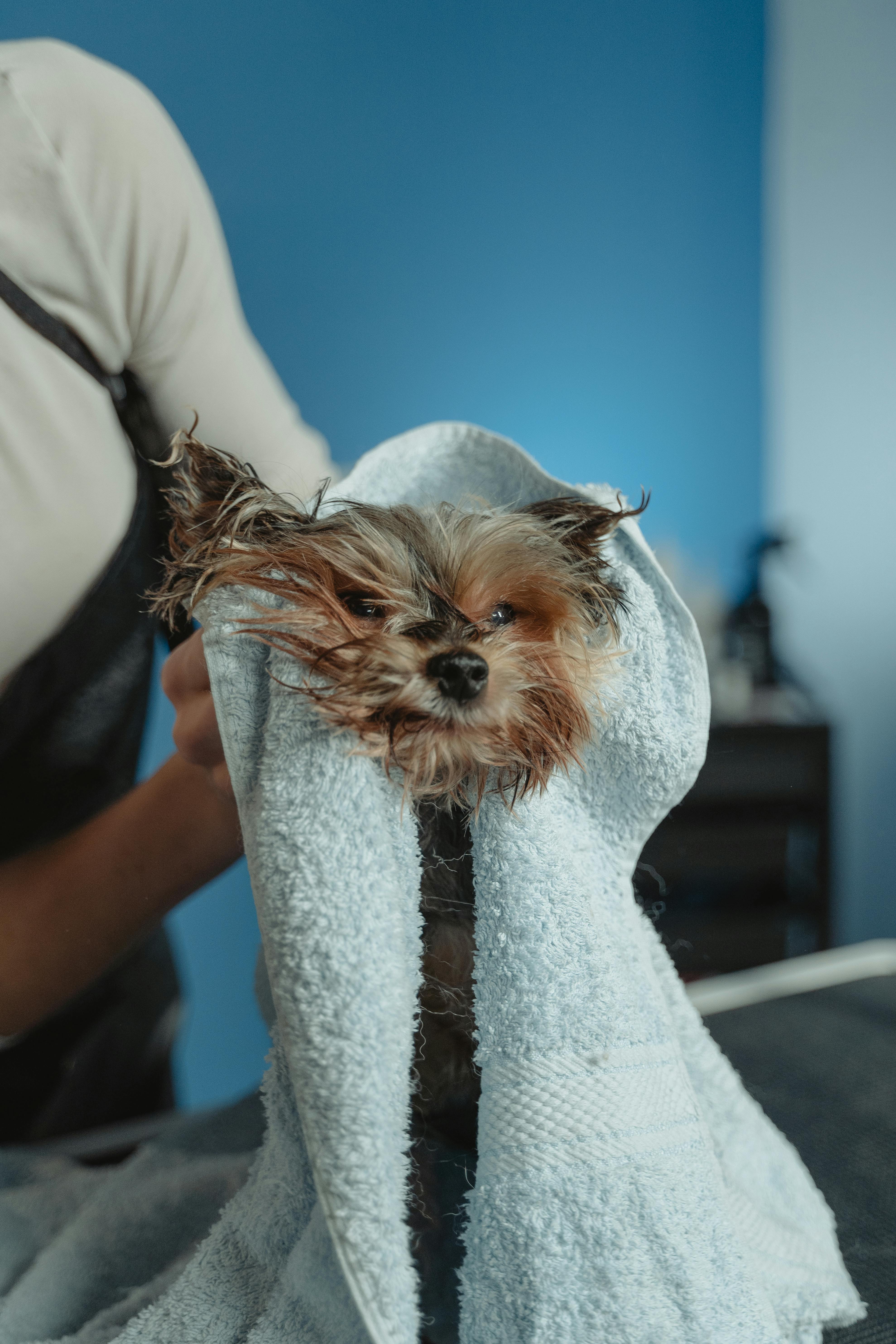
Have you ever wondered why dogs have wet noses? Seems like a small detail, but it’s actually pretty fascinating when you look into the science behind it. Many people think that a dog's nose is wet because it’s just how they are. But there’s much more going on under the surface. Let’s dive into the reasons why canine noses are moist and what that means for your furry friend.
The Science Behind Wet Noses
Dogs noses are moist for a variety of reasons. One big reason is that moisture helps them smell better. Dogs have an amazing sense of smell, way better than humans. The wetness on their noses helps to capture scent particles from the air, making it easier for them to detect smells.
Here are some key facts about dog noses:
- Scent receptors: Dogs have about 300 million scent receptors, compared to humans who have around 5 million.
- Moisture function: The moisture on a dog's nose helps to dissolve scent particles, which enhances their ability to pick up smells.
- Temperature regulation: A wet nose also helps dogs cool down. When they pant and their noses are wet, it can assist with regulating their body temperature.
Why Do Dogs Have Wet Noses?
There are several reasons why a dog’s nose is wet. Let's break down the most common explanations:
Biological Adaptation: Dogs have evolved to have moist noses as a way to enhance their hunting abilities. Their ancestors relied heavily on their sense of smell to track prey. A wet nose increases sensitivity to odors, thus improving their chances of finding food.
Health Indicator: A wet nose can often indicate that a dog is healthy. When they are sick, their noses may become dry, which can be a sign of an underlying issue. However, this isn’t always a rule since some dogs may just naturally have drier noses.
Environmental Factors: The environment plays a huge role in the moisture level of a dog's nose. Hot weather, humidity, and even how much they are panting can change how wet their noses are.
Behavioral Aspects: Dogs often lick their noses to keep them moist. This behavior can also be a way of showing they are interested in something or have just eaten.
Fun Facts About Dog Noses
- Dogs have different types of noses just like humans have different fingerprints. No two dogs have the same nose print.
- A dog’s nose can change color depending on the weather, their mood, or their health. For example, a dog might have a darker nose in winter and a lighter one in summer.
- Some breeds, like the Bloodhound, are known for their incredible sense of smell and their noses tend to be more moist due to their specific hunting requirements.
Practical Tips for Dog Owners
As a dog owner, you might want to keep an eye on your furry friend’s nose. Here are some practical tips:
- Check for Changes: If you notice a sudden change in the moisture of your dog’s nose, consult a vet. It might not always be serious, but it’s best to be cautious.
- Hydration: Ensure your dog stays hydrated. A well-hydrated dog will typically have a moist nose.
- Nose Care: In winter, when the air is dry, consider using a nose balm to keep your dog’s nose healthy.
Common Misconceptions
Many people think that a wet nose means a dog is sick, which isn’t true. While some illnesses can cause a dog’s nose to dry out, it’s not a definitive sign of poor health. Here are other misconceptions:
- Warm Nose = Sick: Not all warm noses indicate illness. Dogs can have warm noses due to being active or just waking up from a nap.
- All Dogs Have Wet Noses: Some breeds, like bulldogs or pugs, may naturally have drier noses than others due to their facial structure.
Understanding the reasons behind your dog’s wet nose can deepen your bond with them. It’s a small but important aspect of their biology and behavior. Next time you give your pup a scratch behind the ears, take a moment to appreciate that moist little nose and all the amazing things it does!
The Surprising Health Benefits of a Wet Nose: Why It Matters for Your Dog
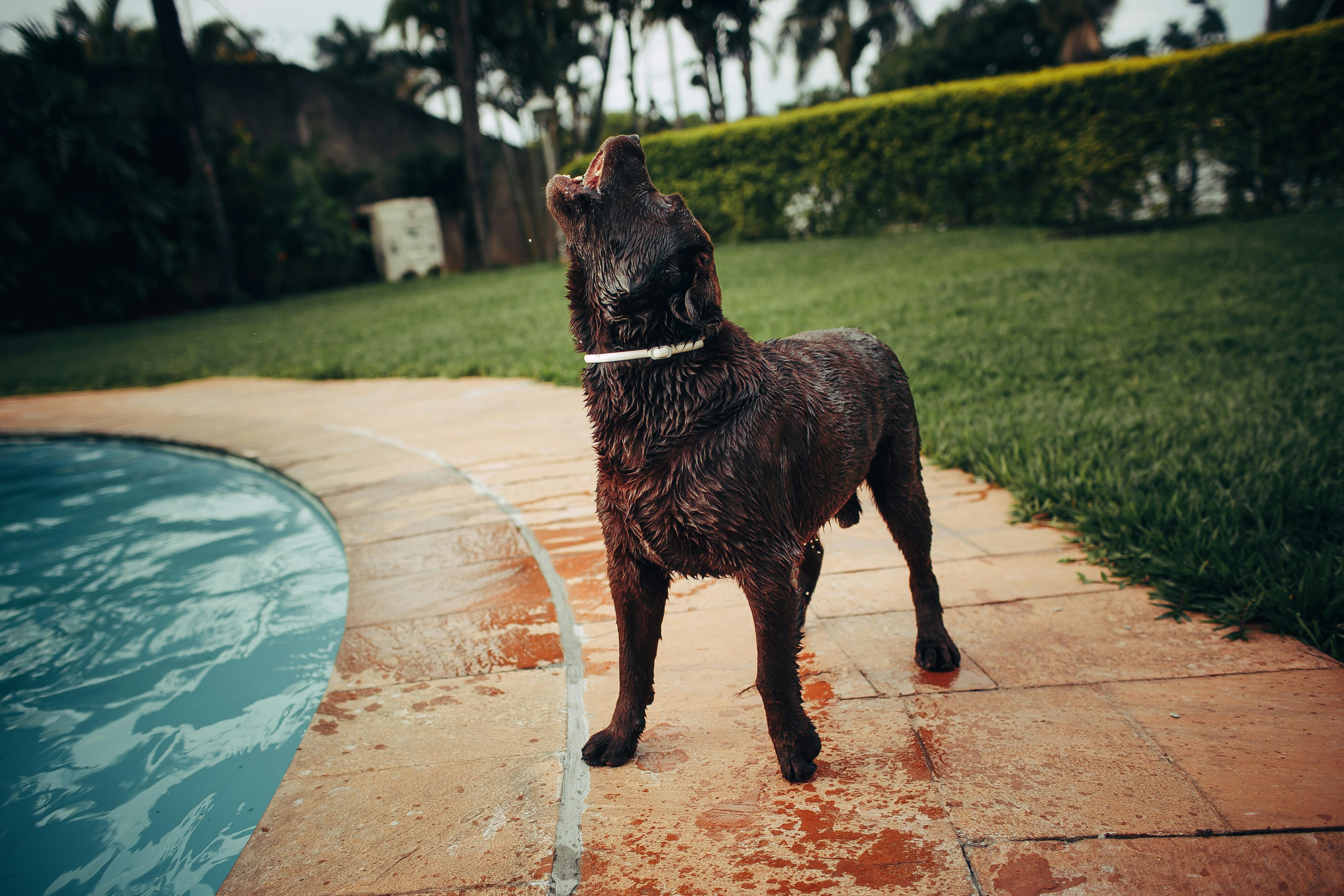
Every dog owner has probably noticed that their furry friends’ noses are often wet. But have you ever wondered why do dogs have wet noses? It’s actually more than just a quirky trait; there are surprising health benefits linked to it, too. Understanding this common yet fascinating characteristic of dogs can help you appreciate your pet even more. Let's dive into the reasons behind those wet noses and what it means for your dog's health.
The Science Behind Wet Noses
A dog's nose is not just a cute feature of their face; it's a complex organ that plays a critical role in their overall health and behavior. The moisture on a dog’s nose serves several important functions:
Enhances Sense of Smell: Dogs have an incredible sense of smell, and a wet nose helps to capture scent particles. When their noses are moist, it can absorb more odor molecules, making their sense of smell even sharper.
Temperature Regulation: Just like humans sweat to cool down, dogs use their noses to help regulate body temperature. A wet nose can help to cool off their body in hot weather.
Health Indicator: A wet nose is often a sign of a healthy dog, while a dry or excessively warm nose might indicate illness or dehydration. Keeping an eye on the moisture level can be a quick way to monitor your pet's health.
Why Do Dogs Have Wet Noses? The Fascinating Reasons!
Physiological Function: The nose is covered in a thin layer of mucus that helps with scent detection. This mucus traps odor particles, enhancing a dog's ability to smell. This is particularly important for hunting and tracking breeds.
Behavioral Insight: Dogs often lick their noses, which can help in keeping it moist, and also serves as a way to explore their environment. This behavior is rooted in their instinctual need to assess their surroundings.
Communication: A dog’s wet nose may also serve as a form of communication. Dogs use their noses to gather information about other animals and their environment. The more moisture on their nose, the better they can interpret scents, which can be vital for social interactions with other dogs.
Cooling Mechanism: Dogs cannot sweat as humans do. Instead, they pant to cool down, but a wet nose also helps regulate their temperature. The moisture evaporates, which cools their skin and helps them stay comfortable.
Health Benefits of a Wet Nose
Hydration Status: A wet nose can indicate that your dog is well-hydrated. If their nose starts to dry out, it might be a signal for you to ensure they are drinking enough water.
Less Likely to Get Sick: A healthy, moist nose can help trap bacteria and other pathogens, reducing the chance of infections. This protective mechanism is crucial, especially for outdoor dogs.
Improved Mood: Dogs with wet noses are often more active and playful. A wet nose can be a sign that your dog is happy and healthy. When dogs feel good, they tend to be more social and engage better with their owners.
Fun Facts About Dog Noses
Dogs have about 220 million scent receptors in their noses, compared to about 5 million in humans. That’s an incredible difference!
Each dog’s nose print is unique, much like human fingerprints. You could even consider taking a nose print for fun!
The color of a dog's nose can change with temperature. If it’s cold outside, their noses may get colder and wetter.
What to Watch For
While a wet nose is usually a sign of good health, there are some things to keep an eye on:
Dry or Cracked Nose: This could indicate dehydration or skin issues.
Nose Discharge: If you notice discharge or an unusual color, it might be a sign of illness.
Changes in Temperature: If your dog’s nose feels unusually warm or dry, it's worth consulting your veterinarian.
Practical Tips for Maintaining Nose Health
Hydration: Always provide fresh water to keep your dog hydrated.
Regular Check-ups: Regular vet visits can help ensure your dog’s nose and overall health are in good shape.
Monitor Environment: If you live in a dry climate, consider using a humidifier to help maintain moisture.
Understanding why do dogs have wet noses can deepen your bond with your pet. It's not just a cute quirk; it's a key to their health and happiness. By paying attention to this feature, you can help ensure your four-legged friend is living their best life. So next time you get a wet nose nudge, remember, it’s more than just a greeting—it's a sign of your dog's well-being and vitality.
5 Fascinating Reasons Why Dogs Have Wet Noses: More Than Just a Quirk
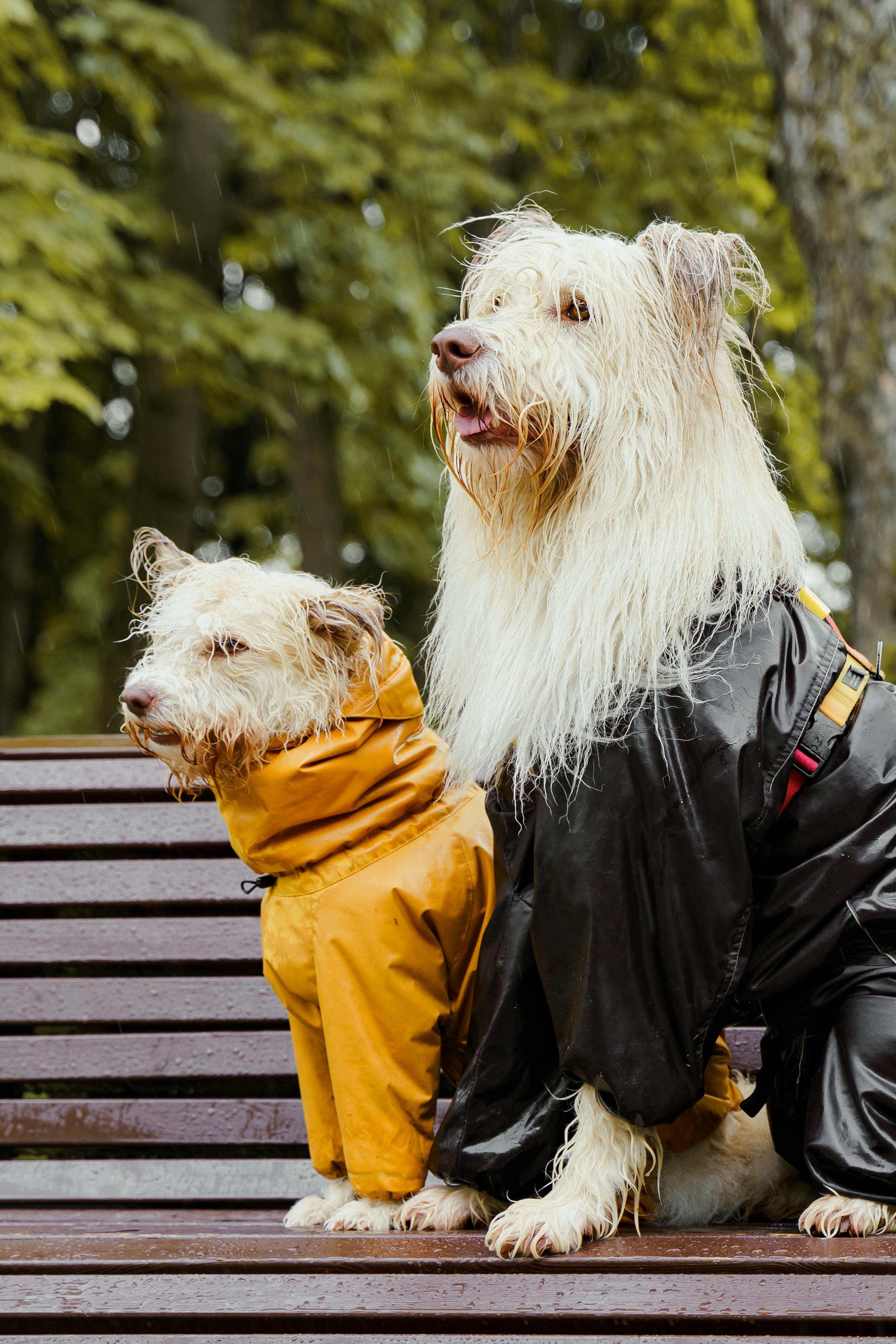
When you think of dogs, one of the first things that come to mind is their wet noses. Those little snouts are more than just a quirky feature — they serve multiple purposes that are fascinating to consider. Ever wondered why do dogs have wet noses? Let’s dive into five intriguing reasons that explain this characteristic and shed light on why your furry friend’s nose is so important.
1. Enhanced Sense of Smell
Dogs have an incredible sense of smell, which is way better than humans. Their noses are wet for a reason. The moisture on a dog’s nose helps to trap scent particles in the air, making it easier to pick up all those smells around them. This is because the wetness increases the surface area of the nasal tissue, allowing more scent molecules to adhere to it.
- Dogs have around 220 million scent receptors, compared to just 6 million in humans.
- The wetness on the nose helps dogs to detect scents, which is crucial for hunting, tracking, or just exploring their environment.
2. Temperature Regulation
Did you know that a dog's nose also plays a role in regulating their body temperature? When dogs pant or sweat through their paw pads, the moisture on their noses helps to cool them down. This is particularly useful during hot days or after vigorous playtime. A wet nose can also indicate a dog is healthy since it helps them to maintain an optimal temperature.
- Dogs don't sweat like humans; they primarily rely on panting and their nose to cool down.
- A dry nose may not always mean something is wrong, but it can be a sign to pay attention to their overall well-being.
3. Communication Tool
Dogs use their noses to communicate with other dogs and even with humans. A wet nose is often seen as a friendly gesture. When dogs sniff each other, they are gathering information about one another — their health, mood, and even their recent meals. This social behavior is key in dog-to-dog interactions and can also extend to their bond with humans.
- When a dog nudges you with their wet nose, it could be their way of saying “hello” or “I want your attention.”
- The moisture can also create a sense of comfort, as a wet nose is often associated with being playful and friendly.
4. Natural Antibacterial Properties
Interestingly, a dog’s nose has natural antibacterial properties. The wetness helps to prevent bacteria from thriving on the surface of the nose. This is essential for keeping their respiratory system healthy. The mucous membranes in the nose can trap harmful particles, and the wetness helps wash them away, keeping the area clean.
- Dogs often lick their noses, which may help to maintain its moisture and antibacterial function.
- A healthy nose is usually a good indicator of a dog’s overall health, but if it becomes excessively dry or cracked, it could indicate health issues.
5. Evolutionary Adaptation
Dogs have evolved over thousands of years from their wild ancestors. The wet nose is an evolutionary trait that has been beneficial for survival. In the wild, a dog’s ability to track prey through scent was crucial. The wetness of their noses enhances their hunting and foraging abilities, which has been passed down through generations.
- Different breeds may have varying nose shapes and sizes that affect how they smell.
- Breeds developed for specific tasks, like hunting or herding, often have more pronounced wet noses, highlighting the importance of this feature in their roles.
Quick Facts About Dog Noses
- A dog’s nose print is unique, much like a human fingerprint.
- The color of a dog's nose can change with age or health.
- Dogs can detect certain diseases, like cancer, through their sense of smell.
Understanding why do dogs have wet noses can deepen your appreciation for these furry companions. It’s not just a cute quirk — it’s a feature that serves several important functions, from enhancing their sense of smell to aiding in communication and temperature regulation. So the next time your dog nudges you with that wet nose, remember, they’re not just being adorable; they’re also relying on that amazing biological feature that makes them who they are. Embrace the wetness as a sign of their health and vitality, and cherish the unique bond you share with your canine friend.
How Your Dog’s Wet Nose Helps Them Understand the World: A Unique Sensory Tool
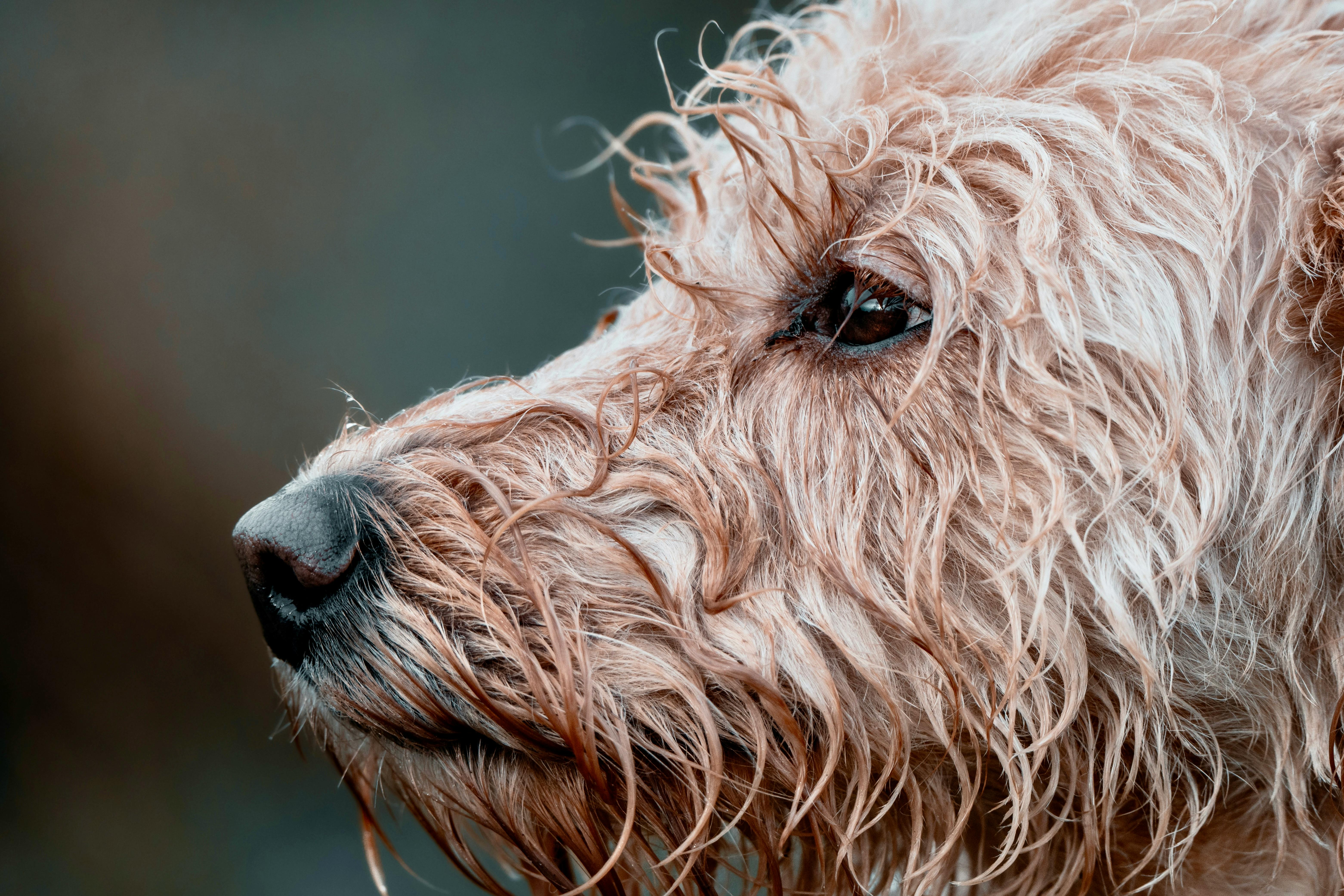
Dogs are often regarded as man's best friend, and there's no shortage of reasons why. One of the most fascinating aspects of our canine companions is their wet noses. Have you ever wondered why do dogs have wet noses? It’s not just an adorable trait; it actually plays a crucial role in how they experience the world around them. Let’s explore why dogs have wet noses and how this unique sensory tool enhances their understanding of their environment.
The Science Behind the Wet Nose
A dog’s nose is covered with a thin layer of moisture, which serves several important functions. This moisture helps to absorb scent molecules, making it easier for dogs to detect and identify smells. In fact, a dog’s sense of smell is estimated to be between 10,000 to 100,000 times more powerful than that of humans! This extraordinary ability assists them in various ways, such as locating food, detecting danger, and even understanding human emotions.
Why Are Dog Noses Wet?
The wetness of a dog's nose can be attributed to a few key factors:
Mucus Production: Dogs have mucus glands in their noses that produce moisture. This mucous helps to trap scent particles, making it easier for dogs to analyze smells.
Temperature Regulation: Dogs don’t sweat like humans do. Instead, they rely on their noses to help regulate their body temperature. When a dog’s nose is wet, it can cool down more effectively.
Health Indicator: A wet nose is often a sign of a healthy dog. If a dog’s nose is dry and cracked, it could indicate dehydration or illness, though not always.
Dogs and Their Unique Sense of Smell
Dogs have some astonishing abilities associated with their sense of smell. Here are some interesting facts about how they use their noses:
Scent Discrimination: Dogs can differentiate between a wide range of scents. They can even detect specific substances in very small quantities, which is why they're used in search and rescue operations.
Emotional Recognition: Dogs can pick up on human emotions through scent. They can smell the chemical changes in our bodies when we feel happy, sad, or anxious.
Social Interactions: Dogs use their noses to learn about other dogs and even humans. A friendly sniff could tell them a lot about another dog's age, gender, and even mood.
Historical Context of Dog Noses
Historically, dogs have been bred for specific traits, including their sense of smell. Different breeds have developed unique olfactory capabilities based on their roles. For example:
Bloodhounds: Renowned for their incredible scent-tracking abilities, bloodhounds can follow a scent trail that is several days old!
Beagles: These dogs are often used in detection work due to their strong sense of smell and friendly nature.
German Shepherds: Often employed in police work, these dogs have a keen sense of smell that helps them in various tasks, including drug detection.
Fun Facts About Dog Noses
Nose Prints: Just like human fingerprints, each dog's nose has a unique pattern of ridges and creases. This means that a nose print can be used to identify a dog.
Scent Memory: Dogs can remember scents for years, which is why they often react to familiar smells, even after a long time.
Wet vs. Dry Noses: A dog's nose can change from wet to dry based on environmental conditions, health, and activity levels.
Practical Tips for Dog Owners
Understanding the importance of a dog's wet nose can help you take better care of your furry friend. Here are some tips:
Regular Check-ups: Keep an eye on your dog's nose. If it becomes excessively dry or cracked, consult your vet.
Hydration: Ensure your dog has access to clean water. Proper hydration helps maintain the moisture in their noses.
Avoid Irritants: Be cautious of products that can irritate your dog’s nose, such as strong fragrances or chemicals.
Dogs rely heavily on their sense of smell, and their wet noses are a crucial component of that ability. By understanding the reasons why do dogs have wet noses and how this sensory tool works, you can appreciate even more the incredible capabilities of your canine companion. So, the next time you see your dog sniffing around with that wet nose, remember—it's not just cute; it's how they interpret the world!
Does Your Dog's Wet Nose Indicate a Health Issue? Common Myths Debunked

Does your dog’s wet nose mean they are sick? This question is one that many dog owners often wonder about. Dogs are known for their wet noses, but what does it really mean? Let’s delve into the fascinating world of canine noses, explore some common myths, and uncover the reasons behind that wetness.
Why Do Dogs Have Wet Noses?
Dogs have wet noses for several reasons, and it’s not just because they’ve been drinking water. A dog's nose is naturally moist, and this moisture plays a vital role in their overall health and senses. Here’s why:
Scent Enhancement: A wet nose helps trap scent particles. This means that dogs can smell better because the moisture helps absorb the scents in the air. Their sense of smell is much better than ours, so that little bit of wetness makes a big difference.
Thermoregulation: Dogs don’t sweat like humans do. Instead, they cool themselves through their noses and panting. A wet nose aids in keeping their body temperature regulated, especially on hot days.
Health Indicator: In general, a moist nose indicates good health. However, this doesn’t mean that a dry nose is a definite sign of illness. There are many factors that can affect nose moisture.
Common Myths About Dog Noses
There are many myths surrounding dog noses, and some of them can even lead to unnecessary panic among pet owners. Let’s debunk some of these myths:
Myth #1: A Wet Nose Means a Healthy Dog
While a wet nose is often a sign of a healthy dog, it's not an absolute indicator. Dogs can have a wet nose and still be sick. Factors like weather or recent activities can affect nose moisture.Myth #2: A Dry Nose Means Your Dog is Sick
A dog's nose can be dry for many reasons, including just waking up or spending time in a warm room. Unless there are other symptoms, a dry nose alone shouldn’t cause concern.Myth #3: All Dogs’ Noses Should Be Wet
Different breeds can have different nose types. Some dogs naturally have drier noses. It’s important to know your dog's normal condition.
Factors Affecting Nose Moisture
Here’s a list of factors that can influence how wet or dry a dog’s nose appears:
- Weather: Hot, dry days may lead to a drier nose.
- Activity Level: After playing or exercising, a dog’s nose may become drier.
- Age: Older dogs may experience changes in nose moisture.
- Health Issues: Certain illnesses or conditions can affect nose moisture.
What to Look For
Instead of just focusing on nose moisture, pay attention to other signs that may indicate your dog’s health. Here’s a simple checklist:
- Changes in appetite
- Lethargy or decreased energy
- Unusual behavior
- Vomiting or diarrhea
- Coughing or difficulty breathing
If you notice any of these symptoms along with nose changes, it’s best to consult a veterinarian.
Fascinating Facts About Dog Noses
Did you know that a dog’s nose print is unique, much like a human fingerprint? Here’s more interesting information:
- Dogs Have More Than 200 Million Olfactory Receptors: Compared to humans, who have about 5 million.
- Nose Color Varies by Breed: Some dogs have pink noses, while others have black or spotted noses. The color is often linked to breed characteristics.
- Dogs Can Detect Diseases: Some trained dogs can sniff out diseases like cancer or diabetes due to their keen sense of smell.
When to Seek Veterinary Care
If you're concerned about your dog's health due to changes in their nose or overall behavior, it's important to seek veterinary advice. Here are some situations where you should definitely get in touch with a vet:
- Persistent dry nose with other symptoms.
- Nose discharge that is abnormal (like blood or pus).
- Signs of pain or discomfort when touching the nose.
- Swelling or lesions around the nose area.
Understanding your dog's nose can give you insights into their health. The wetness is just one part of the picture. Dogs are complex creatures, and their health can be influenced by many factors. So, while a wet nose is often a good sign, it’s essential to look at the whole dog and their behaviors. Keeping an eye on your dog’s overall health, and consulting with a vet when worried, is the best approach to ensure your furry friend stays happy and healthy.
The Connection Between Wet Noses and Dog Emotions: What Your Pup Is Trying to Tell You

The bond between humans and dogs is one of the most cherished relationships in our lives. If you ever wondered about the connection between wet noses and dog emotions, you're in for a treat. Why do dogs have wet noses? The answer goes beyond just simple biology; it reflects a range of emotions and communication methods that our furry friends employ every day.
Why Do Dogs Have Wet Noses?
First off, have you ever noticed how your dog’s nose is often wet? It's not just for show. The moisture on a dog's nose plays several important roles in their health and behavior. Some reasons include:
- Temperature Regulation: Dogs cannot sweat like humans do. Their wet noses help them cool down, especially on hot days.
- Enhanced Sense of Smell: A wet nose helps trap scent particles, allowing dogs to smell better. This is why dogs are so good at sniffing things out!
- Health Indicator: Sometimes, the condition of a dog’s nose can indicate their health. A warm or dry nose could signal illness, though it's not always the case.
The Emotional Aspect of Wet Noses
Do you ever see your dog nudging you with their wet nose? It's not just a random act. Dogs use their noses to communicate and express their feelings. Here’s how:
- Affection: When your pup gives you a soft nudge with their nose, it’s often a sign of love and trust. It’s their way of saying, “Hey, I’m here for you!”
- Curiosity: A dog might sniff you or other things around them with a wet nose to explore their environment. This shows they are curious and engaged.
- Seeking Attention: If your dog is persistently nudging you, they might be looking for some attention or playtime. They know their nose can grab your focus!
Fascinating Facts About Dog Noses
Here are some intriguing points about dog noses that you might not know:
- Unique Patterns: Just like human fingerprints, every dog’s nose print is unique. This could potentially be used for identification.
- Nose Temperature: A dog’s nose can change temperature. A cooler nose usually indicates a relaxed dog, while a warmer one can sometimes signal stress or anxiety.
- Wet Nose vs. Dry Nose: While a moist nose is common, a dry nose doesn’t automatically mean something's wrong. Dogs can have dry noses for various benign reasons, like weather changes.
How to Interpret Your Dog’s Nose Behavior
Understanding what your dog's wet nose is trying to tell you can enhance your relationship. Here are some behaviors to watch out for:
- Nosing Your Hand: This could indicate they want to be petted or played with.
- Rubbing Against You: If they rub their nose on you, it might mean they are seeking comfort or feel insecure.
- Sniffing Excessively: If they are constantly sniffing, it may show they are anxious or trying to communicate something important.
Common Misconceptions About Dog Noses
There are some myths surrounding dog noses that are worth addressing.
- A Wet Nose Means a Healthy Dog: While a wet nose can be a good sign, it's not the only indicator of health. Always check for other symptoms or consult a vet if you're concerned.
- Dogs Only Use Their Noses for Smelling: Dogs use their noses for social interaction too, not just for sniffing out food or danger.
- Nose Color Matters: Some people think that the color of a dog's nose can affect their sense of smell. This isn't true; all dogs have an excellent sense of smell, regardless of the color of their noses.
Key Takeaways
Here’s a quick summary of what we learned about wet noses and dog emotions:
- Wet noses serve functional purposes like temperature regulation, enhanced smell, and health indicators.
- Dogs communicate emotions through their noses, expressing affection, curiosity, and the need for attention.
- Each dog's nose is unique, with interesting facts that showcase their importance in canine health and behavior.
Understanding the connection between wet noses and dog emotions helps deepen the bond between you and your furry friend. Dogs have their own ways of expressing feelings, and their wet noses are just one of the many tools they use to communicate. Next time your pup nudges you with that moisture-filled nose, remember, they might be trying to tell you something special!
Can a Dog's Nose Predict Weather? Exploring the Myths and Facts Behind Nose Moisture

Can a dog's nose predict weather? This question has puzzled many dog owners and animal lovers alike. Often, people notice how their furry friends seem to act differently when rain or snow is on the way. But is there any truth behind these beliefs? Let’s explore the myths and facts surrounding the moisture of a dog’s nose and discover why dogs have wet noses in the first place.
What Makes a Dog's Nose Wet?
The wetness of a dog's nose is often thought to be a sign of health. But is it really? A dog's nose gets moistened from a combination of factors. Firstly, dogs have specialized glands in their noses that produce a thin film of mucus. This mucus helps to enhance their sense of smell, which is already much more powerful than humans.
Here are some interesting points about dog noses:
- Dogs have up to 300 million smell receptors, compared to about 6 million in humans.
- The moisture helps to trap scent particles, making it easier for dogs to pick up smells.
- Wet noses can also cool down dogs, as they lack sweat glands like humans do.
Why Do Dogs Have Wet Noses?
There are several reasons why dog noses tend to be wet. Here some of them:
Enhanced Scent Detection: The moisture on a dog's nose helps them in detecting scents better. It traps scent molecules, which allows dogs to smell things more efficiently.
Temperature Regulation: Dogs don’t sweat like humans; instead, they cool off through panting and the moisture on their noses. This can help prevent overheating during warmer months.
Health Indicator: A wet nose is often considered a sign that a dog is healthy. However, it’s not always true. A dry nose doesn’t necessarily mean a dog is sick, as many factors can influence nose moisture.
Behavioral Signals: Dogs may wet their noses when they are excited or curious. If you notice your dog sniffing around and their nose becomes wetter, it could be a sign of their inquisitiveness.
Can Dogs Really Predict the Weather?
While there is no scientific evidence that dogs can predict the weather, there are some fascinating theories. Many dog owners claim their pets behave differently before a storm. Some behaviors may include:
- Increased restlessness or anxiety.
- Hiding or seeking shelter.
- Whining or barking more than usual.
These behaviors could be linked to changes in barometric pressure, humidity, or other environmental factors that dogs might detect.
The Myth of Weather Prediction
Despite the anecdotes, it’s important to approach the idea that a dog’s nose can predict weather with skepticism. Here’s a comparison of myths versus facts:
Myths:
- Dogs can sense weather changes because they have wet noses.
- A wet nose means the dog is aware of an impending storm.
Facts:
- Dogs may pick up on subtle environmental changes that humans can’t detect.
- Behavioral changes might be due to their instincts or anxiety rather than a nose’s moisture level.
Fun Facts About Dog Noses
Here are some fun and quirky facts about dog noses that you might not know:
- Each dog’s nose print is unique, similar to human fingerprints.
- Dogs can detect certain diseases, like cancer or diabetes, by smelling changes in a person’s scent.
- The texture of a dog’s nose can vary from breed to breed. Some have rough noses while others are smoother.
Practical Tips for Dog Owners
If you’re a dog owner, here are some practical tips to keep in mind regarding your dog’s nose:
Regular Checkups: Regular vet visits can help monitor your dog’s health. If you notice any sudden changes in your dog’s nose moisture or appearance, it’s best to consult a vet.
Hydration: Make sure your dog is well-hydrated. This can help maintain the moisture levels in their nose.
Observe Behavior: Keep an eye on your dog’s behavior during weather changes. If they display unusual anxiety or discomfort, consider consulting a professional dog trainer or behaviorist.
Know Your Breed: Some breeds are more sensitive to weather changes than others. Research your specific breed to understand their unique needs.
In sum, while dogs may not predict the weather through their noses, they certainly have some fascinating characteristics when it comes to scent detection and behavioral responses. Whether it's the moisture on their noses or their uncanny ability to sense changes in the air, our furry friends continue to amaze us in many ways.
7 Fun Facts About Dog Noses: Why They Are Wet and What It Means
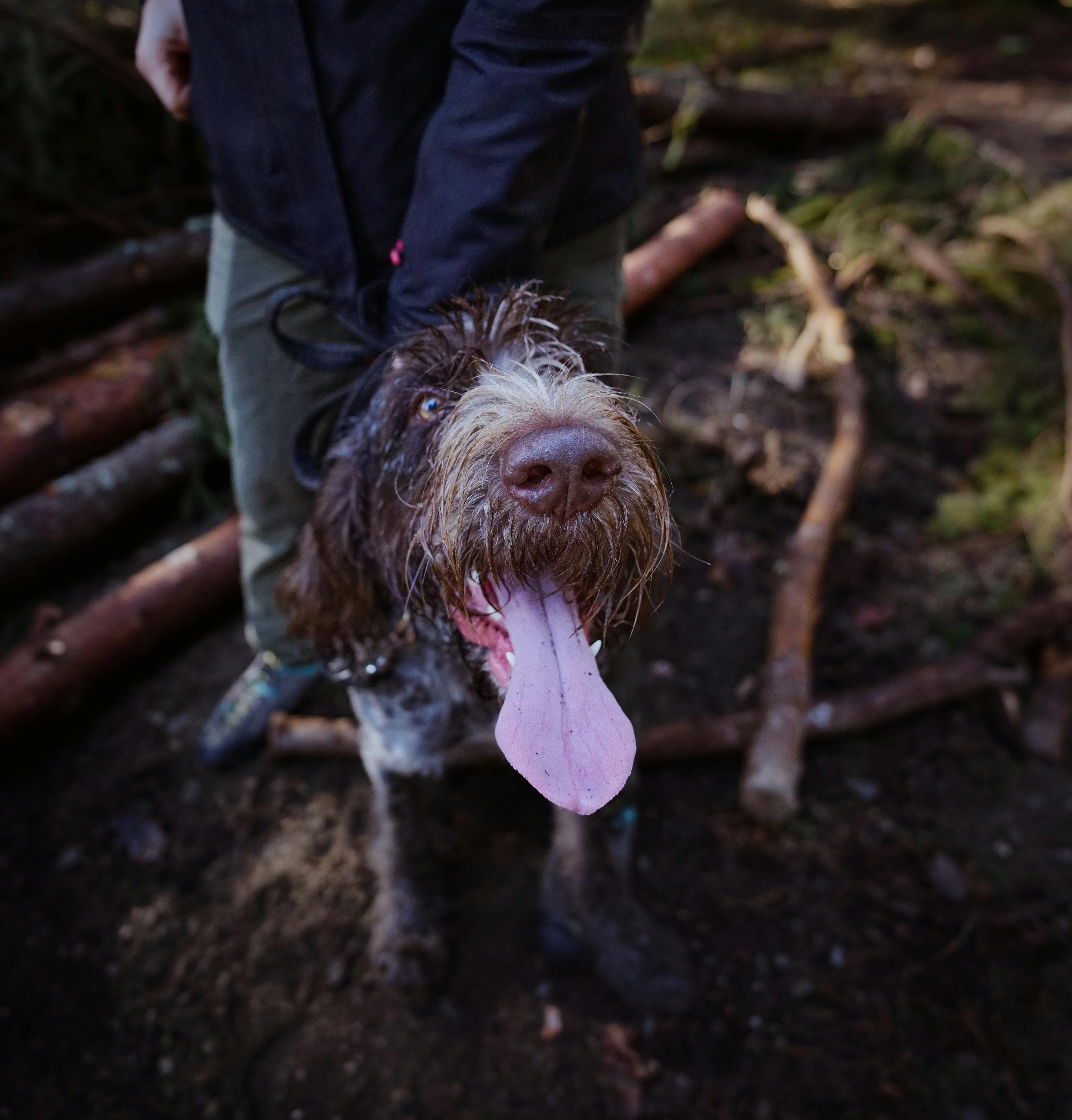
When you think about your furry friend, have you ever wonder why their noses are always wet? It’s not just a quirk; it serve important purposes. Dog noses are fascinating, and understanding their function can help strengthen the bond between you and your pet. Here’s 7 fun facts about dog noses that will make you appreciate your pup even more!
1. Wetness is Key
One of the biggest reasons why dogs have wet noses is that it helps them to smell better. The moisture on a dog’s nose helps to capture scent particles in the air. This makes their sense of smell even more powerful than it already is. And, did you know? A dog’s sense of smell is about 10,000 to 100,000 times more sensitive than humans! Who knew that a little wetness could do so much?
2. Temperature Regulation
Dogs sweat through their noses and paw pads, so having a wet nose helps them regulate their body temperature. When a dog gets hot, the moisture evaporates and helps cool them down. In a way, it’s like how us humans sweat to keep cool. So, if your dog’s nose is moist, it may be a sign they’re doing a good job of keeping their body temperature in check!
3. Health Indicators
A wet nose is usually a sign of a healthy dog. But did you know that there’s more to it? Here’s a quick list of what different nose conditions might indicate:
- Warm, dry nose: Could be a sign of fever or dehydration.
- Excessively runny nose: Might indicate allergies or infection.
- Cracks or sores: Could suggest a skin condition or an underlying health issue.
It's important to keep an eye on those changes. If you notice something unusual, it’s best to consult with a vet.
4. Unique Patterns
Just like human fingerprints, every dog has a unique nose print. The patterns on a dog's nose can be as distinctive as a snowflake. Researchers have even suggested that the nose print could be used to identify dogs, similar to how we use fingerprints. So next time you pet your dog, you might just be touching a one-of-a-kind signature!
5. Communication Tool
Your dog’s nose is also an important communication tool. Dogs often sniff each other’s noses as a way of saying “hello” or gathering information. It’s their version of a handshake, and it’s how they learn about other dogs’ health, mood, and even diet. So when your dog is sniffing around, they’re not just being nosy; they’re gathering vital social information!
6. The Science Behind the Moisture
Ever wonder what makes a dog’s nose wet? It’s a combination of mucus and the environment. The mucus secreted by glands in the nose keeps it moist, which helps with scent detection. It’s like nature’s own little science experiment! The humidity in the air also plays a role. In fact, you might notice your dog’s nose is more moist when it’s humid outside.
7. Evolutionary Advantage
The wet nose is more than just a curious feature; it’s an evolutionary advantage. Dogs are descendants of wolves, who rely heavily on their sense of smell for hunting and survival. The wetness of their noses enhances their ability to smell prey in the wild. So, every time your dog sniffs around, they are tapping into that ancient instinct that has been passed down through generations.
Other Fun Facts About Dog Noses
- Dogs have about 220 million scent receptors, compared to about 5 million in humans.
- The shape of a dog’s nose can also influence their sense of smell; longer noses often have more scent receptors.
- Dogs can even detect certain medical conditions in humans, like cancer or diabetes, just by smelling.
- Puppies are born with closed noses; they start to open as they grow and explore their world.
In the end, dog noses are not just cute; they're essential for their survival and well-being. So, the next time you see your pup’s wet nose, remember all the incredible things it does! Understanding your dog’s nose can deepen your connection and improve their health. It’s amazing how much we can learn from our four-legged companions.
How to Keep Your Dog’s Nose Healthy: Tips for Maintaining Optimal Moisture Levels
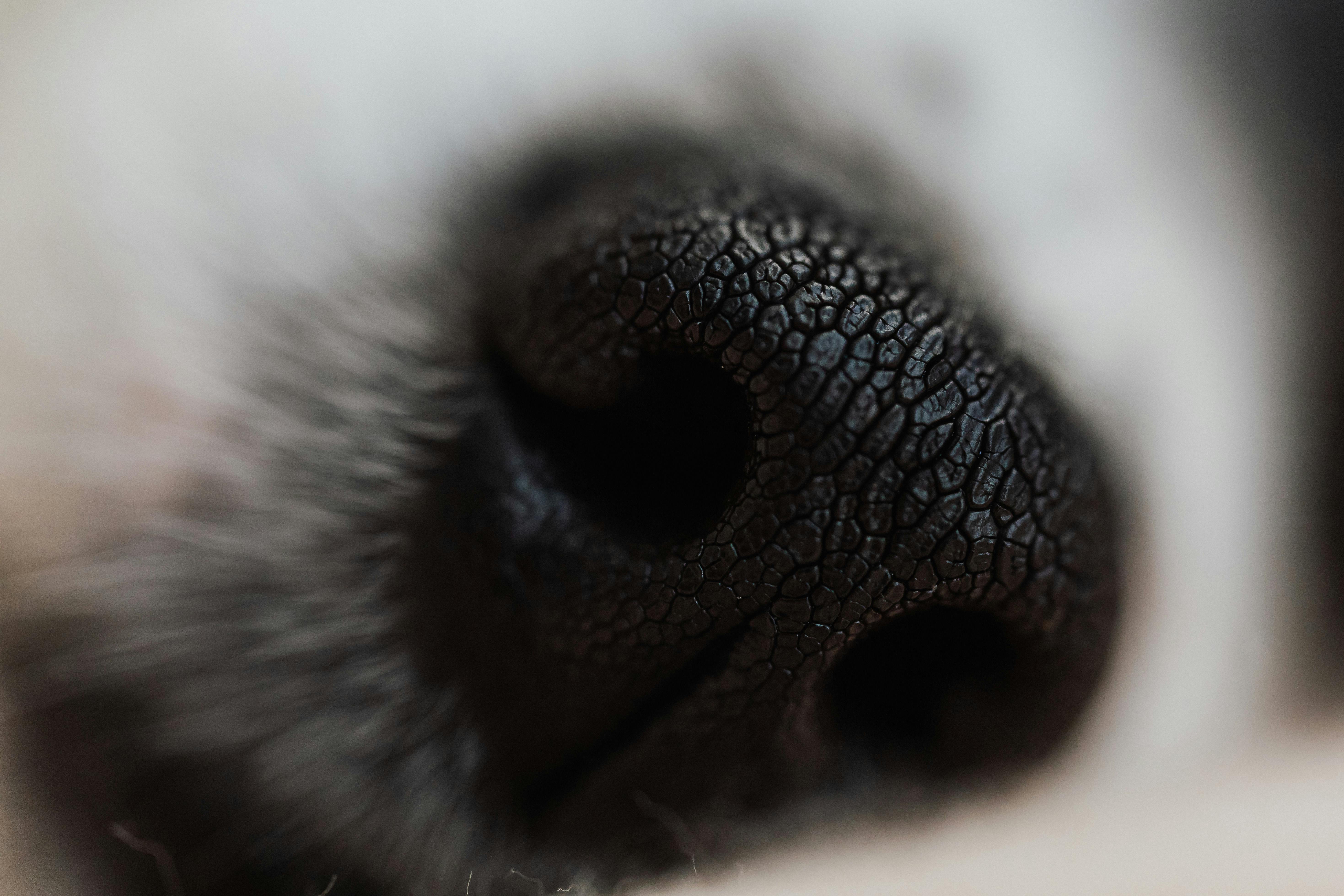
If you ever had a dog, you probably noticed how wet their noses can be. It's like a little sponge that seem to absorb everything. But have you wondered why do dogs have wet noses? And more importantly, how to keep your dog’s nose healthy and moist? Understanding these things is crucial for pet owners who wanna ensure their furry friends are happy and healthy.
Why Do Dogs Have Wet Noses?
Dog's noses are wet for several reasons, and it's quite fascinating when you start to dig into it:
Temperature Regulation: Just like humans sweat to cool down, dogs use their noses to regulate body temperature. The moisture helps to cool them when they pant.
Enhanced Scent Detection: A wet nose helps dogs to absorb scent molecules. The moisture enhances their ability to smell, which is why dogs are known for their incredible olfactory senses.
Health Indicator: A wet nose is often a sign of good health in dogs. However, changes in moisture levels can indicate health issues. For example, a dry nose could signal dehydration or illness.
Nasal Mucus: Dogs produce mucus to keep their noses moist. This mucus acts as a barrier to trap dust and allergens, protecting their respiratory system.
Tips for Maintaining Optimal Moisture Levels
Keeping your dog's nose healthy is important. Here are some practical tips to help maintain optimal moisture levels:
Stay Hydrated: Always provide fresh, clean water for your dog. Hydration is key for maintaining a moist nose.
Diet Matters: A balanced diet rich in omega fatty acids can improve skin and coat health, including the nose. Foods like fish oil or flaxseed oil can be beneficial.
Humid Environment: If you live in a dry area, consider using a humidifier in your home. This can help keep your dog's nose moist and healthy.
Regular Vet Check-ups: Regular veterinary visits can help catch any potential health issues early. Your vet can check your dog's nose as part of their overall health assessment.
Gentle Cleaning: If you notice dirt or discharge on your dog’s nose, wipe it gently with a damp cloth. Avoid harsh chemicals or soaps.
Avoid Allergens: Pollen, dust, and other allergens can cause irritation. Try to limit your dog’s exposure to known allergens, especially during peak allergy seasons.
Monitor for Changes: Keep an eye on your dog’s nose for any sudden changes in moisture, color, or texture. If you notice anything unusual, consult your vet right away.
Common Nose Problems in Dogs
Sometimes, despite our best efforts, dogs can face several nose issues. Here’s a quick list of things to watch for:
Cracked Nose: This can happen due to dryness or injury. Keep an eye out for bleeding or scabbing.
Nasal Discharge: Clear discharge is normal, but yellow or green discharge could indicate an infection.
Loss of Moisture: If your dog's nose is consistently dry and warm, it could be a sign of dehydration or illness.
Nosebleeds: These can occur due to trauma or foreign objects lodged in the nasal cavity.
Understanding Your Dog's Nose Through Time
Historically, dog noses have been a topic of much intrigue. In ancient times, dogs were not just pets but hunting partners. Their keen sense of smell, aided by their moist noses, made them invaluable for tracking and hunting.
In modern times, dog’s noses are not only crucial for survival but are also used in various professions, including search and rescue, detection of drugs, and even medical diagnosis. The science behind why do dogs have wet noses has evolved, but their importance has always been recognized.
The Science Behind Dog's Noses
Research indicates that dogs have up to 300 million scent receptors, compared to about 5 million in humans. This incredible olfactory capacity is why dogs are often employed in roles that require scent detection. Their moist noses play a significant role in this, allowing them to absorb even more scent particles.
Here's a quick comparison of dog noses and human noses:
- Scent Receptors: Dogs - 300 million; Humans - 5 million
- Nasal Anatomy: Dogs have a more complex nasal structure, enabling them to detect scents at a much higher level.
- Moisture Role: In dogs, moisture aids in scent absorption; in humans, it’s primarily for protection.
Maintaining a healthy dog nose is essential for their overall well-being. By understanding why do dogs have wet noses and following tips to keep them moist, you can ensure your pet lives a happy, healthy life. Remember, if you see anything odd with your dog’s nose, don’t hesitate to consult a vet. Keeping your pet healthy is the best thing you can do as
The Evolutionary Purpose of a Wet Nose: How It Benefits Dogs in the Wild
Dogs and their wet noses have always puzzled us. Why do dogs have wet noses? It's a question that many pet owners ask, and the answer is both fascinating and deeply rooted in the evolutionary history of these beloved animals. Wet noses are more than just a cute characteristic; they serve crucial purposes that benefit dogs in the wild. Let’s dig deeper into the evolutionary purpose of a wet nose and why it matters.
The Science Behind the Wet Nose
A dog's nose is made up of moist tissue, which has a few key functions. The wetness helps to enhance a dog's sense of smell. Dogs have an incredible olfactory system—far superior to that of humans. It’s estimated that dogs have up to 300 million scent receptors, compared to about 6 million in humans. This means that dogs can detect scents at incredibly low concentrations.
- The moisture on a dog's nose captures scent particles from the air.
- A wet nose aids in the cooling process, as dogs do not sweat like humans do.
- It serves as a means of communication, as dogs can leave their scent on surfaces.
Evolutionary Benefits in the Wild
In the wild, a wet nose is not just for show; it plays vital roles in a dog’s survival. Here’s how:
Enhanced Scent Detection: The moist surface of the nose can pick up and hold scent particles better, allowing dogs to track prey or find food more efficiently. This ability was essential for their ancestors when hunting and scavenging.
Temperature Regulation: Dogs regulate their body temperature primarily through panting, but a wet nose also helps cool them down. This is especially important in warmer climates or during physical activities like running after prey.
Social Interaction: Dogs use their noses to communicate with each other. A wet nose can leave scent markers that convey information about their identity, reproductive status, and health. This behavior is rooted in their instinct to socialize and establish territories.
Historical Context of Wet Noses
The evolutionary journey of dogs began thousands of years ago when they diverged from wolves. Early humans domesticated wolves, leading to the development of various dog breeds. Over time, traits such as a wet nose became more pronounced due to their advantages in survival and interaction.
- Early domesticated dogs who had better scent detection capabilities were favored.
- Breeds developed for specific tasks, like hunting, retained the wet nose trait for its practical benefits.
- Dogs with wet noses also might have been perceived as healthier, influencing breeding choices.
Fascinating Facts About Dogs' Noses
Did you know that a dog's nose print is like a human fingerprint? No two dogs have the same nose print, making it unique. Here are more interesting facts:
- Dogs can detect certain medical conditions through scent, such as diabetes or cancer.
- The wetness of a dog's nose can change with their health; a dry nose can sometimes indicate illness.
- Dogs have been known to sniff out explosives and drugs, showcasing their incredible olfactory skills.
Comparison: Dogs vs. Other Animals
When we compare dogs to other animals, it's clear that their noses are uniquely adapted. Here’s a quick comparison of the olfactory abilities of various animals:
| Animal | Number of Scent Receptors |
|---|---|
| Dogs | ~300 million |
| Cats | ~80 million |
| Humans | ~6 million |
| Elephants | ~2.5 billion |
| Rats | ~1.5 billion |
As seen in the table, dogs have a significantly higher number of scent receptors than humans, allowing them to navigate the world in a way that we can’t even begin to understand.
Practical Examples of Wet Nose Functions
For dog owners, understanding the purpose of a wet nose can enhance the bond with their pet. Here are practical examples of what to observe:
- If your dog’s nose is unusually dry, it might be a sign to check for dehydration.
- Notice how your dog uses its nose to explore new environments, sniffing various surfaces and objects.
- Pay attention to how your dog interacts with other dogs; wet noses play an important role in their communication.
Knowing why dogs have wet noses can provide insights into their behaviors and health. This trait is not just an adorable quirk; it’s a vital part of their biology that has evolved over time to aid in survival and communication.
In the end, the evolutionary purpose of a wet nose is a testament to the incredible biology of dogs. It showcases their adaptability and deep connection to both their environment and each other. Understanding this can help dog owners appreciate their pets even more, fostering a deeper bond and better care for their furry companions.
Conclusion
In conclusion, the wet noses of dogs serve several important purposes that contribute to their overall health and sensory capabilities. The moisture on their noses helps to enhance their sense of smell, allowing them to detect scents more effectively. This natural feature also plays a role in thermoregulation, helping to keep their body temperature in check. Additionally, wet noses can indicate hydration levels and overall well-being; a dry nose might warrant a closer look. Understanding why dogs have wet noses not only deepens our appreciation for these lovable companions but also encourages us to be more attentive to their health and needs. So, the next time you greet your furry friend, take a moment to admire that wet nose, and remember its significance. Consider scheduling regular vet check-ups to ensure your dog remains healthy and happy, and continue to foster that special bond through attentive care and love.