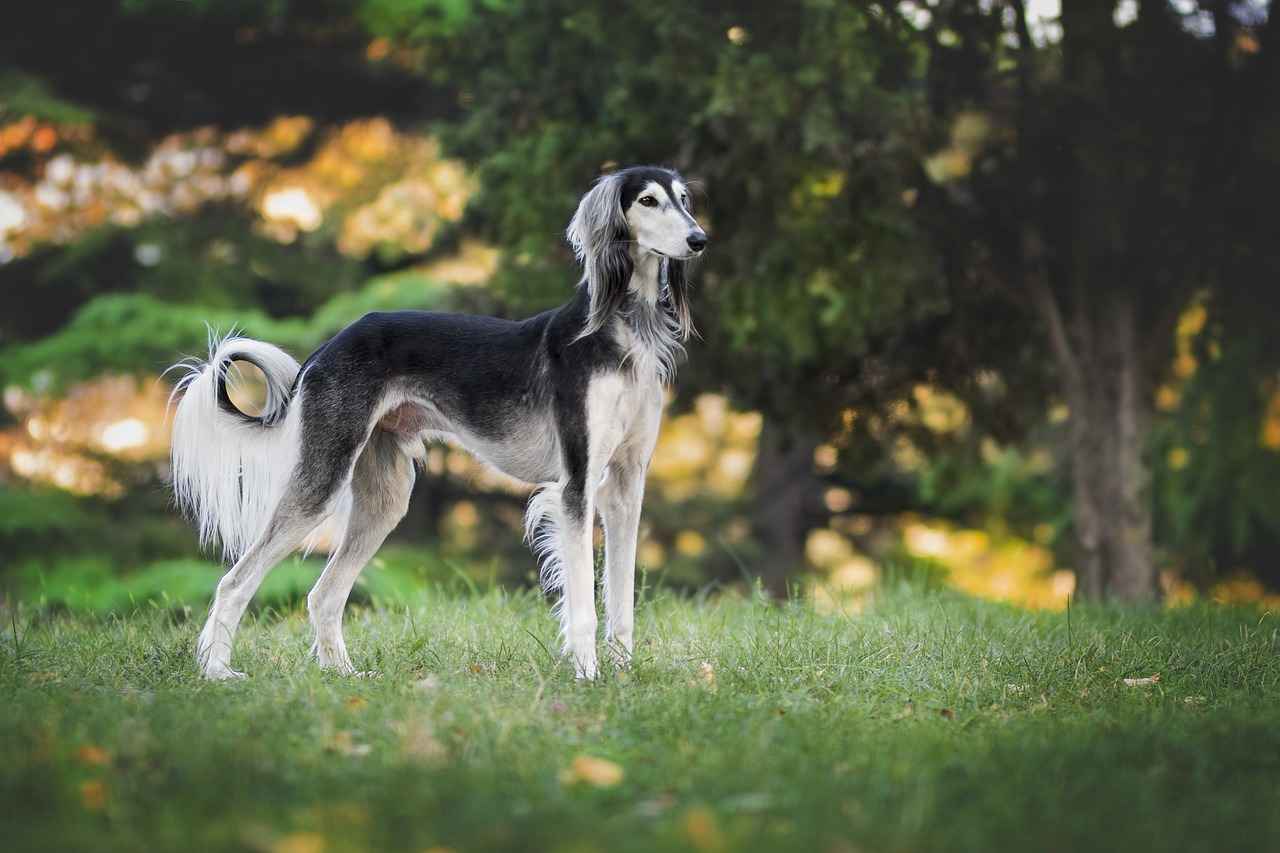
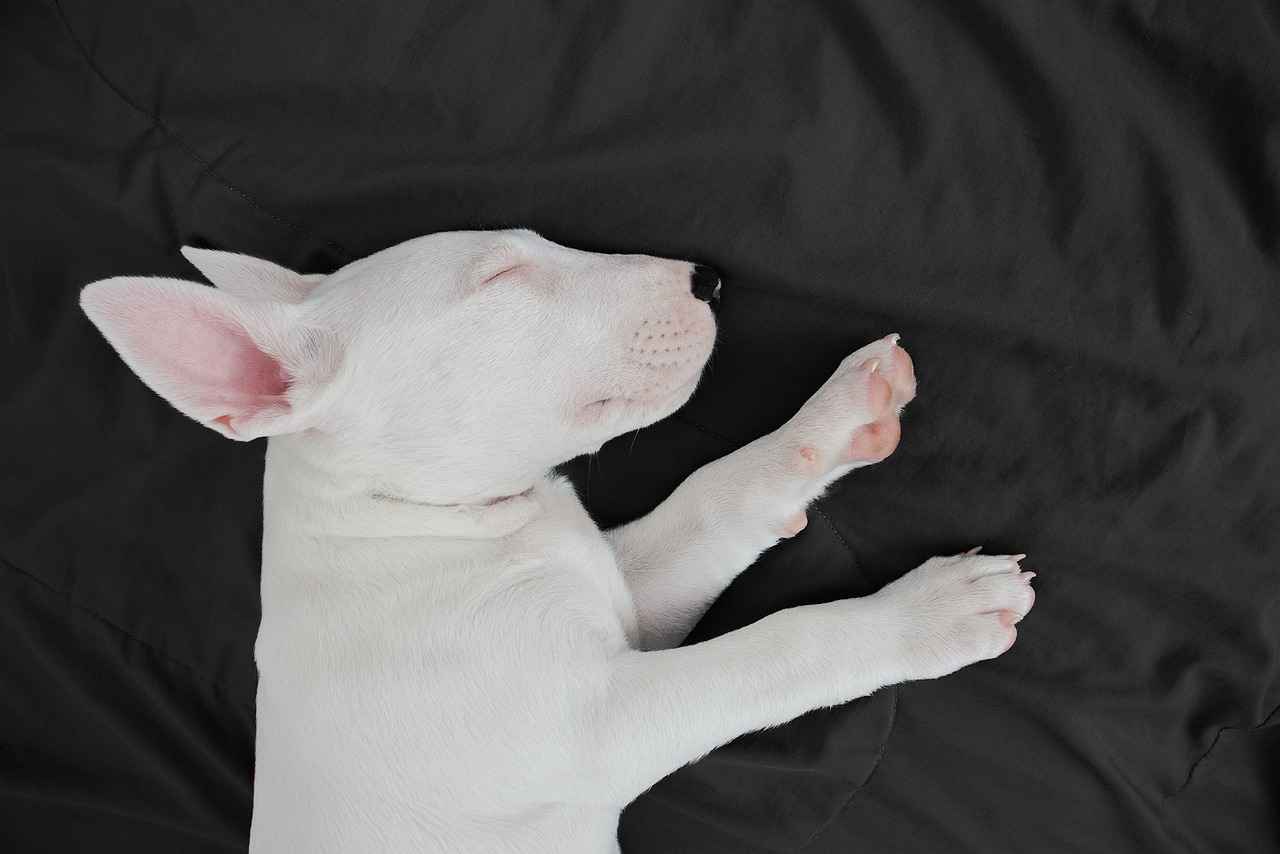
Have you ever wondered why do dogs have wet noses? This intriguing question has sparked curiosity among pet lovers and animal enthusiasts alike! A dog’s nose is not just for sniffing; it serves several vital functions that can leave you amazed. From enhancing their sense of smell to regulating body temperature, the reasons behind this fascinating trait are truly captivating. But is it only about biology? Or is there a deeper connection between a dog’s wet nose and their emotions? As you dive deeper into this topic, you'll discover that a wet nose can be a sign of health, well-being, and even communication. Are you ready to uncover the mystery of your furry friend’s nose? Stay tuned as we explore the scientific facts, common myths, and the delightful quirks that come with a dog’s wet snout. Whether you're a curious dog owner or just someone who loves to learn, this article will provide insights that are sure to surprise you! So, let's dive in and find out why do dogs have wet noses and what makes them so special!
\n\nThe Science Behind Wet Noses: Why Are Dogs’ Noses Always Moist?
\n\n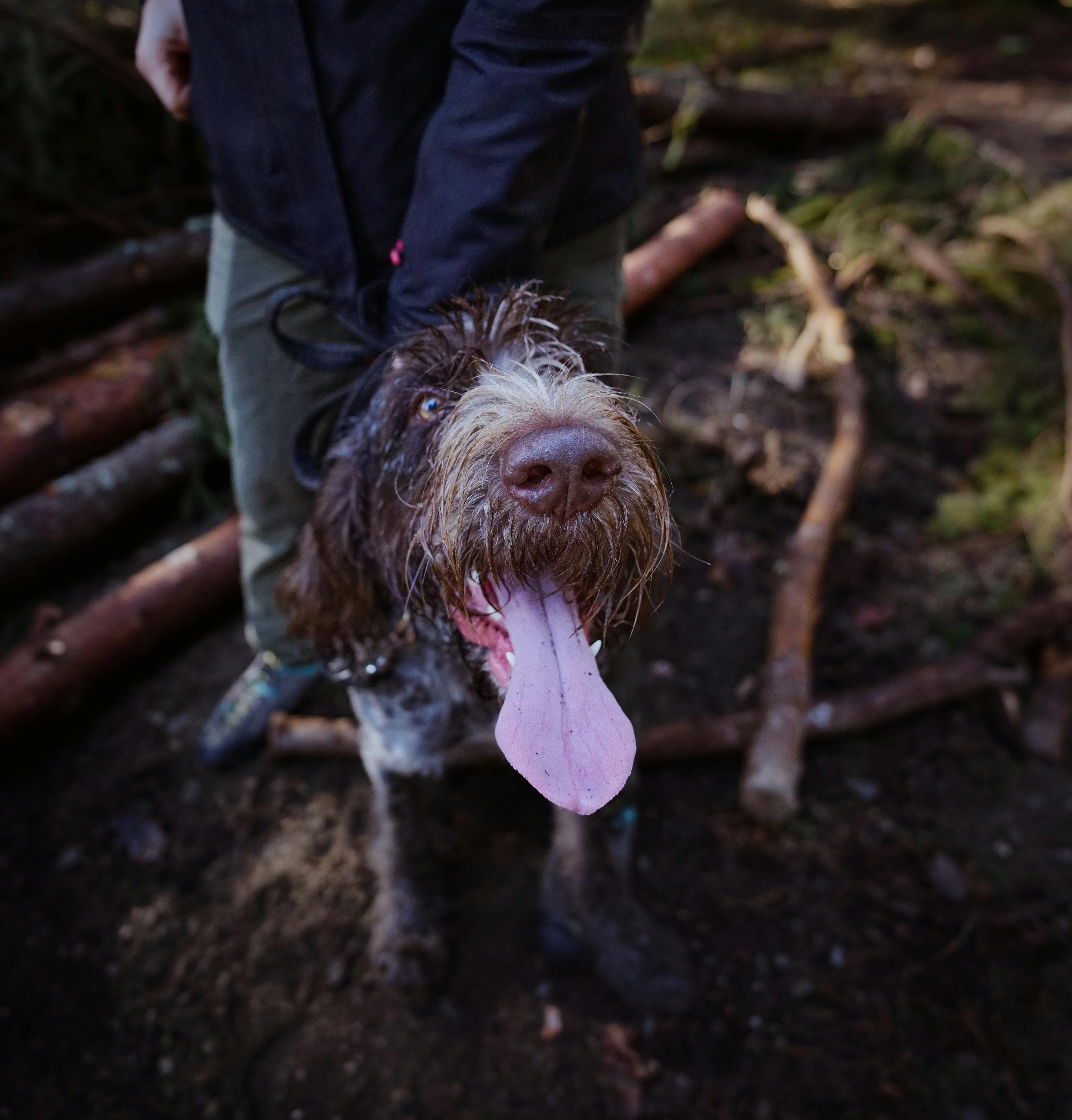 \n\n
\n\nDogs have been our loyal companions for thousands of years, and one of the most distinctive features about them is their wet noses. But have you ever stopped to wonder why do dogs have wet noses? It’s not just an adorable trait; there’s actually a fascinating science behind it. Dogs’ noses are moist for several reasons that contribute to their health, survival, and sensory perception. Let’s dive into the details!
\nThe Anatomy of a Dog's Nose
\nFirst off, it's important to understand the structure of a dog’s nose. A dog's nose is made up of two major parts: the external part, which is the visible, fleshy area, and the internal part that contains complex structures responsible for smell. The moist surface of the nose is primarily due to mucus and sweat glands, which play a key role in several functions.
\n- \n
- Mucus Glands: These are responsible for keeping the nose moist. The moisture helps in trapping scent particles, making it easier for dogs to pick up different smells. \n
- Sweat Glands: Although dogs primarily sweat through their paw pads, a small number of sweat glands are found in their noses too. These also contribute to keeping the nose moist. \n
Why Do Dogs Have Wet Noses? The Functions Explained
\nSo, why do dogs have wet noses? Here is a breakdown of the main reasons:
\n- \n
- \n
Enhanced Sense of Smell: A wet nose is crucial for a dog’s sense of smell. The moisture helps to dissolve scent molecules, allowing dogs to better detect and identify odors. Scientific studies shown that dogs have around 220 million scent receptors compared to humans who only have about 5 million. This makes dogs much better at smelling things than we are.
\n \n - \n
Temperature Regulation: Dogs do not sweat like humans. Instead, they cool themselves through panting and the moisture on their noses. The wet surface can help regulate body temperature, especially after exercise.
\n \n - \n
Health Indicator: A dog’s nose can tell you a lot about its health. A wet and cool nose is generally a sign of a healthy dog, while a dry or warm nose could indicate illness or dehydration. However, this is not a definitive rule, as various factors can influence nose moisture.
\n \n - \n
Communication Tool: Dogs use their noses as a way to communicate with other dogs. The scent on their nose can convey information such as their emotional state or health.
\n \n
The Evolutionary Perspective
\nWhen thinking about why do dogs have wet noses, it's also worth considering their evolutionary background. Dogs are descendants of wolves, who relied heavily on their sense of smell for hunting and survival. The moisture on their noses evolved to enhance this ability, giving them a survival advantage.
\nAdditionally, wet noses may also have played a role in social interactions among dogs, helping them to communicate and understand each other better. This has been critical for their development as social animals.
\nFun Facts About Dogs’ Noses
\nHere are some interesting tidbits that might surprise you about dogs’ noses:
\n- \n
- \n
Unique Patterns: Just like human fingerprints, every dog has a unique nose print. This could theoretically be used for identification!
\n \n - \n
Color Variations: The color of a dog's nose can vary widely depending on breed and genetics. Some dogs have black noses, while others may have brown, pink, or spotted noses.
\n \n - \n
Nose Temperature: The temperature of a dog's nose can fluctuate throughout the day. A cooler nose may indicate that your dog is relaxed, while a warmer nose could suggest they are feeling unwell.
\n \n
Here’s a simple comparison between dogs and humans regarding scent detection:
\n| Aspect | \nDogs | \nHumans | \n
|---|---|---|
| Scent Receptors | \n220 million | \n5 million | \n
| Sense of Smell | \n10,000 to 100,000 times better | \nMuch less sensitive | \n
| Nose Moisture | \nMaintains moisture naturally | \nSweat glands primarily on skin | \n
Caring for Your Dog's Nose
\nTo keep your furry friend's nose healthy, consider these tips:
\n- \n
- Hydration: Ensure your dog drinks plenty of water. Hydration is key to maintaining a moist nose. \n
- Regular Vet Check-ups: Monitor any changes in the moisture or color of the nose, and consult a veterinarian if you notice anything unusual. \n
- Avoid Irritants: Keep your dog away from harsh chemicals or irritants that could dry out their nose. \n
Understanding why do dogs have wet noses is not just about their adorable appearance; it’s a glimpse into the biology and behavior of these amazing animals. Their moist noses serve vital roles in their lives, from enhancing their sense of smell to helping with their health. So, the next time you give your dog a pat on the nose, remember it’s much more than just a cute feature—it's a fascinating evolutionary trait!
\n\nTop 5 Reasons Dogs Have Wet Noses: Unveiling the Mysteries of Canine Anatomy
\n\n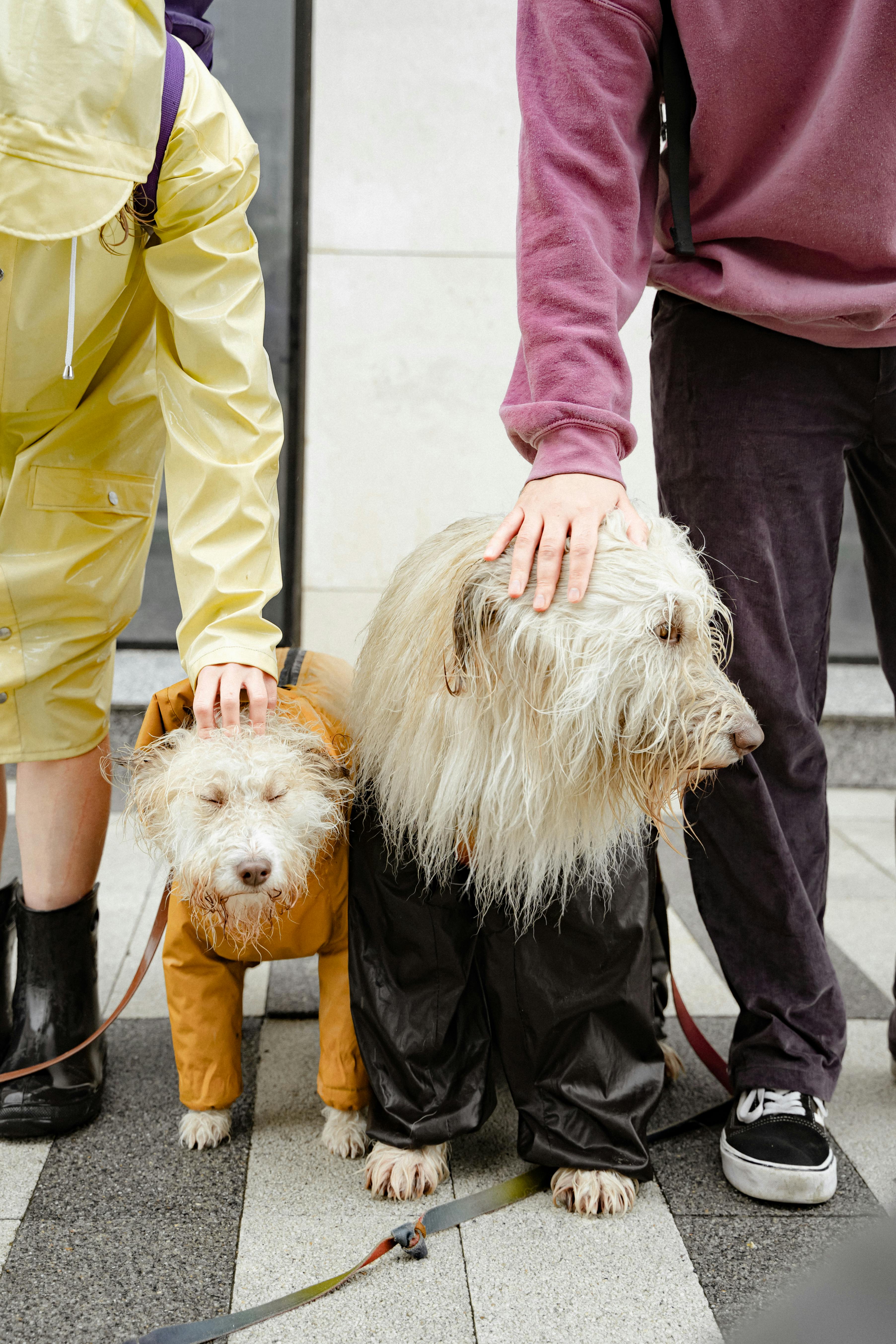 \n\n
\n\nDogs are often regarded as "man's best friend," but what makes them so special? One of the most intriguing aspects of a dog's anatomy is their wet nose. Ever wonder why do dogs have wet noses? It’s more than just a cute trait; there are some fascinating reasons behind it. Here we unveil the top 5 reasons dogs have wet noses, diving into the mysteries of canine anatomy.
\n1. Enhancing Sense of Smell
\nDogs has incredible olfactory senses, and their wet noses plays a crucial role in this. The moisture on their noses helps to capture scent particles from the air. When the nasal membrane is moist, it can absorb scents more effectively, allowing dogs to identify smells better than humans could ever imagine. A study showed that dogs can detect certain scents at concentrations nearly 100 million times lower than what humans can smell!
\n2. Temperature Regulation
\nAnother interesting reason is that wet noses help dogs to regulate their body temperature. Unlike humans who sweat to cool down, dogs has fewer sweat glands. Instead, they depend on panting and the moisture on their noses to help keep themselves cool. When a dog’s nose dries out, it can be a sign that they are overheating, so keeping that nose wet is essential for their overall health.
\n3. Communication Tool
\nDid you know that a dog's nose can also be a form of communication? Dogs often sniff each other’s noses as a way to gather information about one another. The scent left behind can tell a dog a lot about another dog’s diet, health, and even emotional state. Wet noses also can indicate a dog's mood. A dog with a wet nose could be more relaxed and happy, while a dry nose may signal distress or discomfort.
\n4. Natural Moisturizer
\nOne of the less obvious reasons is that the wetness on a dog's nose acts as a natural moisturizer. The glands in a dog's nose secrete mucus, which keeps the surface moist. This moisture not only helps with smelling but also prevents the skin on the nose from cracking or becoming irritated. Just like humans use lotion to keep their skin soft, dogs depend on their natural moisture for comfort.
\n5. Health Indicator
\nLastly, a dog's nose can serve as a health indicator. Vets often check a dog’s nose as part of a routine examination. A sudden change in moisture levels can indicate various health issues. For example, a persistently dry nose can signal dehydration or illness, while a nose that is excessively wet might suggest allergies or infections. It's always a good practice for dog owners to keep an eye on their pet's nose as a barometer for overall health.
\nSummary of the Top 5 Reasons
\nTo recap, here are the top 5 reasons dogs have wet noses:
\n- \n
- Enhancing Sense of Smell: Wet noses capture scent particles more effectively. \n
- Temperature Regulation: Helps in cooling the dog down when overheated. \n
- Communication Tool: A way for dogs to gather information about each other. \n
- Natural Moisturizer: Keeps the skin on their nose from drying out. \n
- Health Indicator: Changes in moisture levels can signal health issues. \n
The Fascinating Truth Behind Wet Noses
\nUnderstanding why do dogs have wet noses adds a layer of appreciation to our furry friends. It’s remarkable how such a simple feature serves multiple functions, contributing to their health and well-being. The wetness of a dog's nose is not just a physical characteristic; it’s a reflection of their biology and an essential part of their survival.
\nSo, next time you see your pup with that adorably damp nose, remember that it's not just there for show. It's a vital part of what makes dogs so extraordinary and equipped for life alongside us humans. Embrace the wet nose as a unique aspect of canine life, and perhaps give your dog a little extra scratch behind the ears for all the incredible functions that little feature provides!
\n\nDo Dogs Have Wet Noses for a Reason? Discover the Surprising Benefits!
\n\n\n\nDogs, often called man’s best friend, have some pretty unique traits. One of these traits is their wet noses. Ever wondered why do dogs have wet noses? Well, there's actually surprisingly more to it than just being cute! This article will explore the reasons behind this curious canine characteristic and some unexpected benefits of those moist snouts.
\nThe Science Behind Wet Noses
\nThe main reason why dogs have wet noses is, well, science! A dog's nose serves as a powerful tool for smell. The wetness help enhance their sense of smell. Here's how it works:
\n- \n
- Moisture Capture: The moisture on a dog's nose traps scent particles. When they sniff, they can pick up these scents better. It's like having a supercharged sniffing tool. \n
- Temperature Regulation: Just as humans sweat to cool down, dogs can regulate their body temperature through their noses. The moisture helps them cool off when they get too hot. \n
- Health Indicator: A wet nose is often a sign of a healthy dog. If a dog's nose is dry or cracked, it might be worth checking to make sure they’re not sick. \n
Historical Context of Dogs’ Noses
\nDogs have been around for thousands of years, with their noses evolving to help them survive. Historically, their keen sense of smell has been vital for hunting and tracking. In ancient times, dogs used their noses to find food and avoid danger. This natural selection process over generations has led to the wet noses we see today.
\nFun Facts About Dog Noses
\nHere are some fascinating tidbits about dog noses that you might didn't know:
\n- \n
- Dogs have more than 220 million scent receptors in their noses, compared to only about 5 million in humans. \n
- The wetness of a dog's nose varies by breed. For instance, Bulldogs may have drier noses than Greyhounds. \n
- A dog's nose print is unique, much like a human fingerprint. This means it could potentially be used for identification purposes! \n
The Benefits of Wet Noses
\nNow, let’s delve into some specific benefits of having a wet nose:
\n- \n
- Enhanced Smell: As mentioned earlier, the moisture helps capture scent particles. Dogs can smell things up to 100,000 times better than humans! \n
- Communication Tool: Dogs often greet humans and other animals with their noses. A wet nose can indicate a friendly approach, while a dry nose might indicate discomfort or anxiety. \n
- Health Monitoring: A dog’s nose can change with their health. If a dog has a sudden change from wet to dry, it could mean they might be feeling unwell. Owners should keep an eye on this. \n
Comparison of Dog Noses with Other Animals
\nIt's interesting to compare dog noses with those of other animals. Here's a quick look:
\n| Animal | \nNumber of Scent Receptors | \n
|---|---|
| Dogs | \n220 million | \n
| Cats | \n5 million | \n
| Humans | \n5 million | \n
| Bears | \n1,000 times better than dogs | \n
| Elephants | \n2,000 genes related to smell | \n
Practical Examples of Wet Noses in Action
\nThink about how dogs use their wet noses in daily life. They often greet their humans with a wet nose, which can be seen as a sign of affection. In working roles, like search and rescue, those wet noses become essential.
\nFor instance, bloodhounds are famous for their impressive tracking abilities, and their wet noses help them follow trails. In contrast, a Chihuahua might not need the same level of scent tracking but still uses its nose to interact with the world around them.
\nFinal Thoughts
\nSo, do dogs have wet noses for a reason? Absolutely! Those wet noses are not just for show; they serve several crucial functions that benefit the dogs and their humans. From enhancing their sense of smell to helping them communicate, wet noses are a fascinating feature of our canine companions. When you next cuddle with your dog, remember that their wet nose is more than just adorable—it's a testament to their unique biology and evolution. Embracing these quirks makes the bond between humans and dogs even more special!
\n\nHow a Wet Nose Benefits Your Dog: Insights from Veterinarians
\n\n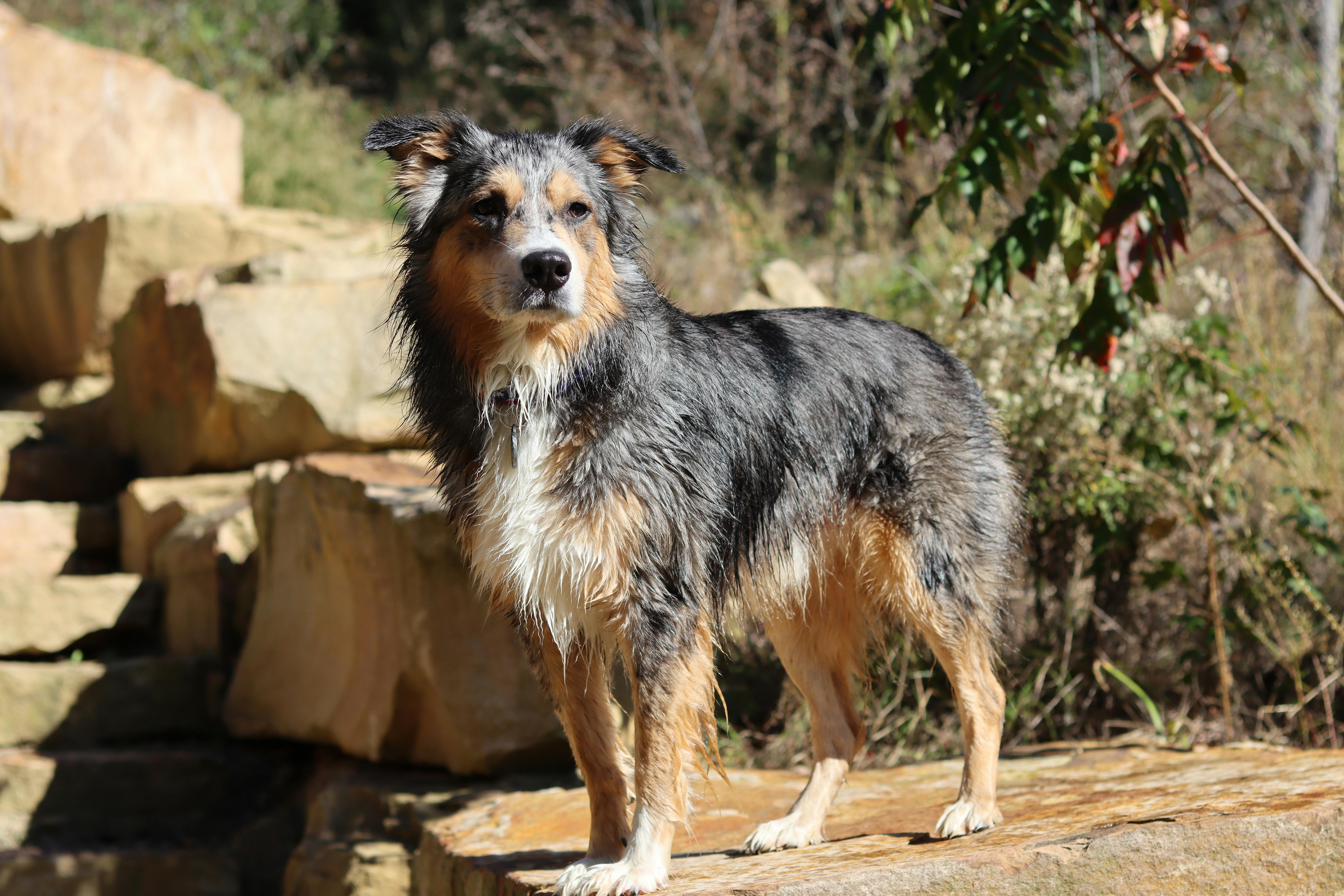 \n\n
\n\nHave you ever noticed that your furry friend’s nose is often wet? This unique trait of dogs has baffled many pet owners and sparked curiosity among animal lovers. But why do dogs have wet noses? Veterinarians and animal behaviorists have delved into this fascinating topic, revealing insights that not only enlighten us about this characteristic but also highlight its benefits for our canine companions.
\nThe Science Behind a Wet Nose
\nDogs have wet noses primarily due to the presence of mucus and moisture. This secretion helps to enhance their sense of smell. A dog’s nose has a vast number of olfactory receptors, estimated to be around 300 million, compared to humans, who have only about 5 million. The wetness on a dog’s nose serves multiple purposes:
\n- \n
- Increased Sensitivity: Moisture helps dissolve scent particles, making it easier for dogs to detect odors. \n
- Temperature Regulation: A wet nose cools the dog down. When dogs pant, their noses can help regulate their body temperature. \n
- Health Indicator: A wet nose can indicate a dog’s health status. Generally, a healthy dog has a moist nose, while a dry nose might suggest dehydration or illness. \n
Historical Insights into Dogs' Noses
\nHistorically, humans have valued dogs for their keen sense of smell. This ability has led to their use in various roles, including hunting, search and rescue, and even detecting certain diseases. The evolutionary journey of dogs has shaped their biology, making their wet noses an essential part of their survival.
\n- \n
- Hunting and Tracking: Ancestors of modern dogs were used by early humans for tracking game. Their wet noses played a crucial role in this hunting technique. \n
- Search and Rescue: Dogs are now trained to find missing persons, using their exceptional olfactory abilities, which are enhanced by their wet noses. \n
Benefits of a Wet Nose for Your Dog
\nUnderstanding the benefits of a wet nose can help pet owners appreciate this trait more. Here are some key advantages:
\n- \n
- Enhanced Smell: The wetness increases a dog’s ability to discern different scents, which is vital for their quality of life. \n
- Healthy Hydration: Dogs often lick their noses, which helps keep them hydrated. This behavior is natural and important for their well-being. \n
- Communication: A wet nose can also signal a dog’s mood. For instance, a gentle nudge with a moist nose might be a sign of affection or a request for attention. \n
Common Misconceptions About Dog Nose Wetness
\nThere are several myths surrounding dogs' wet noses that deserve clarification.
\n- \n
- \n
Myth 1: A wet nose always means a dog is healthy.
\n- \n
- Reality: While a moist nose is generally a good sign, it’s not a definitive indicator of health. Other factors should be considered, such as behavior and appetite. \n
\n - \n
Myth 2: Dogs cannot get sick if their noses are wet.
\n- \n
- Reality: Dogs can still get sick regardless of their nose condition. A wet nose doesn’t prevent illness. \n
\n
Tips for Keeping Your Dog's Nose Healthy
\nMaintaining your dog’s overall health contributes to the condition of their nose. Here are some practical tips to ensure their nose remains moist and healthy:
\n- \n
- Hydration: Always provide fresh, clean water for your dog. Hydration is key for their overall health, including their nose. \n
- Regular Vet Check-ups: Routine veterinary visits can help catch any potential health issues early. \n
- Avoid Irritants: Keep your dog away from smoke, harsh chemicals, or allergens that could dry out their nose. \n
Wet Noses and Behavioral Insights
\nInterestingly, your dog’s wet nose can also reflect their emotional state. For example, they might nuzzle you with their wet nose when they want attention or are seeking comfort. Recognizing these signals can strengthen the bond between you and your pet.
\n- \n
- Playful Behavior: A happy dog might frequently lick their nose in excitement during playtime. \n
- Comfort Seeking: When feeling anxious, a dog may press their wet nose against you, seeking reassurance. \n
In conclusion, understanding why dogs have wet noses reveals much more than just a quirky feature. It gives insight into their health, behavior, and history. By appreciating this unique characteristic, pet owners can better care for their furry friends. With the right knowledge and attention, you can help ensure your dog enjoys a happy, healthy life, complete with a wet and wonderful nose!
\n\nWet Nose, Healthy Pup: Understanding the Connection Between Moisture and Canine Health
\n\n\nWet noses, healthy pups! It’s a phrase that many dog lovers knows, but have you ever stop to think about why dogs have wet noses? This question brings us to the fascinating world of canine health, and the moisture on your pup's snout isn't just for show. It actually plays important roles in their physiology and well-being. So, let’s dive into this intriguing topic and uncover the truths behind those adorable, moist noses!
\nThe Science Behind Wet Noses
\nFirst off, dogs have wet noses mainly because of their unique anatomy. A dog's nose contain multiple glands that produce mucus, which keeps the surface moist. This moisture helps enhance their sense of smell. Dogs have an incredible olfactory system, which is about 40 times more sensitive than humans. The wetness helps trap scent particles, making it easier for them to pick up on smells.
\n- \n
- Moisture from glands: The nasal glands are responsible for maintaining that wetness. \n
- Enhanced smell: A wet nose helps capture scent particles. \n
- Cooling mechanism: Dogs also use their noses to help regulate body temperature. \n
Why Is Moisture Important?
\nMoisture in a dog's nose isn't just about sniffs and scents. It has several benefits that contribute to your dog's overall health. Here’s a quick list of why that moisture matters:
\n- \n
- Temperature Regulation: Just like humans sweat to cool down, dogs can lose heat through their noses. \n
- Health Indicator: A wet nose can indicate a healthy dog, while a dry nose might signal dehydration or illness. \n
- Social Interactions: Dogs greet each other by sniffing, and a moist nose can facilitate these social behaviors. \n
Common Myths About Wet Noses
\nThere’s a lot of myths floating around about why dogs have wet noses. Here are some of them debunked:
\n- \n
- \n
Myth 1: A wet nose means a healthy dog.
\n- \n
- Fact: While a wet nose can be a sign of health, it’s not the only indicator. Other factors matter too, like behavior and appetite. \n
\n - \n
Myth 2: Dogs only have wet noses when they are sick.
\n- \n
- Fact: Dogs can have wet noses when they are happy, excited, or even after eating or drinking water. \n
\n - \n
Myth 3: All dogs have wet noses.
\n- \n
- Fact: Some breeds, like Bulldogs, may have drier noses naturally due to their physical characteristics. \n
\n
What Affects Nose Moisture?
\nThere are several factors that can influence how wet or dry your dog’s nose is. Understanding these can help you better care for your furry friend. Here’s a list of factors to consider:
\n- \n
- Weather Conditions: Hot, dry weather can lead to a dryer nose. \n
- Health Issues: Illnesses like allergies, infections, or dehydration can affect moisture levels. \n
- Age: Older dogs might have drier noses compared to younger ones. \n
What to Look Out For
\nWhile a wet nose is generally a good sign, it’s important to pay attention to changes. Here’s what to take note of:
\n- \n
- Consistency: If your dog's nose suddenly becomes dry or cracked, it could be a sign of something wrong. \n
- Behavioral Changes: If your pup is acting differently, like being lethargic or not eating, it’s worth checking their nose too. \n
- Temperature: A warm nose might indicate fever or illness, so you may want to consult a vet. \n
Practical Tips for Nose Care
\nKeeping your dog’s nose healthy can be simple! Here’s a quick guide:
\n- \n
- Hydration: Ensure your dog drinks enough water, especially in hot weather. \n
- Regular Vet Visits: Schedule check-ups to monitor your dog's overall health. \n
- Moisturizing: If your dog has a dry nose, consider using pet-safe moisturizers after consulting with a vet. \n
The Bottom Line
\nSo, why do dogs have wet noses? It’s not just a cute feature; it’s a vital aspect of their health. From aiding in their sense of smell to helping regulate their body temperature, a moist nose is a sign of a happy, healthy pup. However, it’s crucial to monitor any changes in your dog’s nose and seek veterinary advice when necessary. Remember, a dog’s health is a reflection of their environment, diet, and care. Keep your pup hydrated, loved, and happy, and you’ll have a healthy companion by your side!
\n\nThe Fascinating Role of a Dog's Wet Nose in Scent Detection: What You Need to Know
\n\n\nDogs are often called man's best friend, but their fascinating biology makes them even more intriguing. One of the most notable features of dogs is their wet noses. Have you ever wondered why do dogs have wet noses? The answer goes beyond just being cute; it's deeply connected to their incredible sense of smell and overall health. Let’s dive into the fascinating role of a dog's wet nose in scent detection and uncover what you need to know.
\nThe Science Behind a Wet Nose
\nA dog's wet nose is moistened by a thin layer of mucus, which serves multiple purposes. Firstly, it helps to enhance the dog's sense of smell. Dogs possess up to 300 million olfactory receptors, compared to humans' mere 5 million. This makes their sense of smell approximately 40 times better than ours. The wetness of their noses helps to capture scent particles more effectively.
\n- \n
- Moisture absorption: A wet nose can absorb scent particles better than a dry one. \n
- Temperature regulation: Dogs use their noses to help cool down, just like humans sweat. \n
- Health indicator: A dry nose can sometimes indicate illness or dehydration. \n
How Dogs Use Their Noses
\nDogs are natural detectives, and their noses are their most powerful tools. They can be trained for various tasks that rely heavily on their sense of smell. Here’s a list of some fascinating roles dogs play using their noses:
\n- \n
- Search and rescue: Dogs can locate missing persons in disaster situations. \n
- Detection: Many dogs are trained to detect drugs, explosives, and even diseases like cancer. \n
- Tracking: They can follow a scent trail left by a person or animal over long distances. \n
- Service assistance: Some dogs help individuals with disabilities by detecting changes in their owner's behavior or medical conditions. \n
Historical Context of Dogs and Their Noses
\nDogs have been by human sides for thousands of years, with their incredible sense of smell being a vital part of their domestication. Ancient cultures recognized the value of dogs in hunting and protection, utilizing their keen noses to track prey. Throughout history, humans have selectively bred dogs for specific tasks, enhancing their olfactory abilities.
\n- \n
- Early domestication: Dogs were first domesticated from wolves over 15,000 years ago. \n
- Working breeds: Breeds like Bloodhounds and German Shepherds were developed for their exceptional scent detection skills. \n
- Modern utilization: Today, law enforcement and military agencies utilize dogs trained for scent detection due to their unmatched abilities. \n
Why Is a Dog’s Nose Wet?
\nSo, why do dogs have wet noses? The simple answer is that it’s beneficial for their health and functionality. Here are some reasons why a wet nose is vital:
\n- \n
- Enhanced smell: A wet nose helps to trap more scent molecules. \n
- Cooling mechanism: Dogs lack sweat glands, so a wet nose can help regulate their body temperature. \n
- Sensory feedback: The moisture on a dog's nose can provide additional sensory information, helping them navigate their environment better. \n
What If a Dog’s Nose Is Dry?
\nWhile a wet nose is typically a sign of a healthy dog, a dry nose isn’t always a cause for concern. There are several reasons why a dog’s nose might be dry, including:
\n- \n
- Weather conditions: Hot or dry weather can lead to a dry nose. \n
- Dehydration: A dog that hasn’t had enough water may show signs of a dry nose. \n
- Health issues: Illnesses or infections can also lead to changes in nose moisture. \n
Tips for Dog Owners
\nMaintaining your dog’s health is crucial, and observing their nose can provide important clues. Here are some tips for dog owners:
\n- \n
- Hydration: Ensure your dog has access to fresh water at all times. \n
- Regular vet check-ups: Routine visits can help catch any potential health issues early. \n
- Monitor behavior: Changes in your dog’s nose or behavior can indicate health problems; keep an eye out for unusual signs. \n
In summary, a dog's wet nose plays a crucial role in its ability to detect scents and maintain its overall health. Understanding why do dogs have wet noses and the functions they serve can help you appreciate your furry friend even more. So, the next time you see your dog with that adorable, wet nose, remember it’s not just for show—it's a key part of what makes them extraordinary companions!
\n\nCan a Dog’s Wet Nose Indicate Illness? Signs Every Owner Should Recognize
\n\n\nEvery dog owner knows that their furry friends have wet noses, but what does it really mean? Is it just a cute quirk, or could it indicate a deeper issue? In this article, we gonna explore if a dog’s wet nose can indicate illness and why dogs have wet noses in the first place. Understanding these things is crucial for keeping our beloved pets healthy and happy.
\nWhy Do Dogs Have Wet Noses?
\nDogs have wet noses for several reasons, and it's more than just an adorable trait. Here are some key points to consider:
\n- \n
- \n
Cooling Mechanism: Dogs don’t sweat like humans. Instead, they rely on their noses to help regulate their body temperature. A wet nose can help cool them down, especially on hot days.
\n \n - \n
Enhanced Sense of Smell: The moisture on a dog’s nose enhances their ability to detect scents. Wet noses can capture more scent particles. This is why dogs are such great sniffers!
\n \n - \n
Health Indicator: A wet nose often indicates that a dog is healthy. When a dog is sick, their noses can become dry or warm. However, this isn't a foolproof method for diagnosing illness.
\n \n - \n
Behavioral Sign: Dogs often lick their noses as a way of gathering information about their environment. A wet nose can also show that they're excited or happy to see you.
\n \n
Can a Dog’s Wet Nose Indicate Illness?
\nWhile a wet nose is generally a sign of health, there are exceptions. If you notice changes in your dog’s nose, it might be a sign of something wrong. Here are some signs every owner should recognize:
\n- \n
- \n
Dry Nose: If your dog's nose suddenly becomes dry and cracked, it could indicate dehydration or fever. This could be temporary or a sign of a more serious condition.
\n \n - \n
Warm Nose: A warm nose can sometimes be a sign of illness, especially if it’s accompanied by lethargy or changes in behavior. A warm, dry nose may indicate a fever.
\n \n - \n
Discharge: If your dog’s nose has excessive discharge or is bleeding, it's crucial to consult with a veterinarian. This could indicate an infection or allergy.
\n \n - \n
Change in Color: An abnormal change in the color of your dog’s nose can be a cause for concern. If it turns pale or dark, you should seek veterinary advice.
\n \n
Common Dog Nose Conditions to Watch For
\nHere’s a list of common conditions that might affect a dog's nose. Each condition requires different care or attention:
\n- \n
- \n
Nasal Dermatitis: Inflammation of the nose that can lead to redness and irritation.
\n \n - \n
Fungal Infections: These can cause crustiness and discharge.
\n \n - \n
Autoimmune Diseases: They can affect the nose's appearance and function.
\n \n - \n
Allergies: Pollen, food, or environmental factors can lead to a runny or itchy nose.
\n \n - \n
Cancer: Though less common, tumors can develop on or in the nose.
\n \n
It’s important to remember that changes in your dog’s nose can be symptoms of various health issues. Being observant can help catch potential problems early.
\nHow to Monitor Your Dog's Nose Health
\nKeeping an eye on your dog’s nose is important. Here’s how you can monitor it effectively:
\n- \n
- \n
Daily Checks: Make it a habit to check your dog’s nose every day. Look for moisture, color, and any unusual discharge.
\n \n - \n
Track Changes: If you notice anything unusual, keep a record. This can help your vet make a diagnosis.
\n \n - \n
Hydration: Ensure your dog is drinking enough water. Dehydration can lead to a dry nose.
\n \n - \n
Diet: A balanced diet can influence your dog’s overall health, including the condition of their nose.
\n \n
Final Thoughts
\nIn summary, a dog's wet nose is fascinating and serves many purposes. It can indicate health, help with their sense of smell, and cool them down. However, changes in this characteristic could suggest underlying health problems. As a responsible pet owner, staying informed and observant about your dog's nose can lead to early detection of illness and ultimately better health outcomes. If you have any doubts or concerns, don't hesitate to reach out to your veterinarian for advice. Regular check-ups are essential in ensuring your furry companion stays happy and healthy!
\n\nFrom Cool to Comfort: How Dogs Use Their Wet Noses to Regulate Body Temperature
\n\n\nHave you ever wondered why dogs have wet noses? It’s a question lots of people ask, and the answer is more fascinating than you might think! Dogs, our loyal companions, have this unique feature that plays a crucial role in their ability to regulate body temperature. From Cool to Comfort: How Dogs Use Their Wet Noses to Regulate Body Temperature, it’s a science that many don’t fully understand. Let’s dive into the interesting truth behind those damp noses!
\nThe Science of a Wet Nose
\nDogs' noses are wet for a reason, and it’s not just to be cute. The moisture on their noses serves several important functions. Here’s how:
\n- \n
- Cooling Mechanism: When dogs pant, their body temperature decreases through evaporation. A wet nose helps enhance this cooling effect by allowing moisture to evaporate more rapidly. \n
- Enhanced Smell: Dogs have an incredible sense of smell, and a wet nose helps them pick up scents better. The moisture captures scent particles from the air, making it easier for dogs to detect even the faintest smells. \n
- Thermoregulation: Dogs don’t sweat like humans do. While they do have sweat glands, they are mostly found in their paw pads. Therefore, their wet noses play an important role in helping them maintain a comfortable body temperature. \n
Why Are They Wet?
\nSo why exactly are dog noses wet? It’s a combination of factors:
\n- \n
- Mucus Production: Dogs produce a thin layer of mucus on their noses, which keeps it moist and helps in scent detection. \n
- Environmental Factors: When dogs are outside, their noses can become wet from humidity, dew, or even water from playing. \n
- Health Indicators: A wet nose is often seen as a sign of good health. However, if a dog's nose is excessively dry or cracked, it could indicate dehydration or illness. \n
Historical Context of Dogs’ Noses
\nThe history of dogs’ wet noses is as rich as their companionship with humans. Dogs have been by our side for thousands of years, and their unique physical traits have evolved for survival. The ability to smell and regulate body temperature has been crucial for their ancestors in hunting and foraging. Here’s a brief overview:
\n- \n
- Domestication: Dogs were domesticated around 15,000 years ago. The traits that helped them survive in the wild became beneficial to humans as they adapted to living together. \n
- Breeds and Noses: Different breeds have different nose shapes, which can also affect their ability to cool down and smell. For example, brachycephalic breeds (like Bulldogs) may have more difficulty than their longer-nosed counterparts. \n
Fun Facts About Dog Noses
\nHere’s a list of interesting facts about dog noses that you might not have known:
\n- \n
- Dogs have about 220 million scent receptors, compared to a human's 5 million. \n
- The wetness of a dog’s nose can change throughout the day based on activity levels and environmental conditions. \n
- Just like human fingerprints, each dog's nose print is unique and can be used to identify them. \n
Comparing Dogs and Humans: The Nose Factor
\nWhen comparing how dogs and humans use their noses, it’s clear that dogs have the upper hand in many aspects. Here’s a quick comparison:
\n| Feature | \nDogs | \nHumans | \n
|---|---|---|
| Number of Receptors | \n220 million | \n5 million | \n
| Cooling Method | \nEvaporation from wet nose | \nSweating from skin | \n
| Scent Detection | \nSuperior | \nLimited | \n
Practical Example of Nose Functionality
\nImagine it’s a hot summer day. You and your dog are outside playing fetch. While you’re sweating and trying to cool down, your dog relies on its wet nose and panting to regulate its temperature. The evaporation from its nose helps keep it cool while it excitedly retrieves the ball. This natural cooling system is essential for your dog’s health and happiness.
\nIn the end, those wet noses are not just an adorable feature of dogs; they are vital to how dogs function and thrive in their environment. Understanding why do dogs have wet noses can enhance our appreciation for these amazing animals. So, next time you pet your furry friend, take a moment to think about the incredible biology behind their wet nose!
\n\nThe Myth of Dry Noses: What Your Dog’s Nose Says About Their Health
\n\n\nDogs are often seen with wet noses, and many dog owners believe that a moist nose is a sign of good health. But what does this actually mean? The myth of dry noses in dogs is more complex than one might think. In fact, there’s a lot to explore about why dogs have wet noses and what it indicates about their overall wellbeing.
\nWhy Do Dogs Have Wet Noses?
\nWet noses in dogs serve several important functions. First, they help with their sense of smell. Dogs have an incredible olfactory ability, and moisture on their noses plays a role in capturing scent particles. Here’s how it works:
\n- \n
- Scent Detection: Wet surfaces absorb scent molecules better, enhancing a dog's ability to detect smells. \n
- Thermoregulation: Dogs don't sweat like humans do. Their noses can help regulate body temperature by evaporating moisture. \n
- Communication: A dog’s wet nose can signal its mood and health to other dogs and animals. \n
The Myth of Dry Noses
\nThere’s a common belief that a dry nose means a dog is sick. However, this isn’t always true. Here are some reasons why a dog’s nose might be dry:
\n- \n
- Environmental Factors: Heat, low humidity, or being in a warm room can cause a dog’s nose to dry out. \n
- Sleep: Dogs often have drier noses after napping. \n
- Age: Older dogs may have drier noses due to natural aging processes. \n
What a Wet Nose Can Indicate
\nWhile a wet nose is often seen as a sign of a healthy dog, it's important to understand that this isn't a definitive measure of health. Here are some conditions that can be associated with a wet nose:
\n- \n
- Normal Hydration: A well-hydrated dog typically has a moist nose. \n
- Fever or Illness: Sometimes, a wet nose can be seen in sick dogs, especially if they have a fever. \n
- Allergies or Infections: A persistent wet nose may indicate allergies or infections that require attention. \n
When to Be Concerned
\nIt’s good to know when a wet nose might signal a problem. If you notice any of the following, you should consult a veterinarian:
\n- \n
- Persistent Dryness: If a dog’s nose is consistently dry and cracked, it could be a sign of dehydration or illness. \n
- Discharge: If there’s any unusual discharge from the nose, it might indicate an infection or other issues. \n
- Changes in Behavior: If your dog seems lethargic or shows a lack of appetite, it’s time to check with a vet. \n
Fun Facts About Dog Noses
\n- \n
- Dogs have about 220 million scent receptors in their noses, compared to a human’s 5 million. \n
- The texture of a dog’s nose is unique, much like a human fingerprint. \n
- A dog’s nose helps in cooling down their body temperature, since they don’t sweat like humans do. \n
Comparison of Dog Nose Types
\nHere’s a quick look at different types of dog noses and what they might indicate:
\n| Nose Type | \nCharacteristics | \nPossible Health Implications | \n
|---|---|---|
| Wet and Cool | \nTypically healthy and hydrated | \nNormal condition | \n
| Dry and Warm | \nMight be dehydrated or overheated | \nPossible illness or discomfort | \n
| Wet and Cold | \nCould indicate fever or illness | \nNeeds veterinary attention | \n
Practical Tips for Dog Owners
\nTo ensure your dog maintains a healthy nose and overall wellbeing, consider these tips:
\n- \n
- Hydration: Always provide fresh water to keep your dog hydrated. \n
- Temperature Control: Avoid exposing your dog to extreme heat for long periods. \n
- Regular Vet Checkups: Routine visits can help catch any potential health issues early. \n
It's clear that the relationship between a dog's nose and its health is far more intricate than many people think. While a wet nose can be a sign of a happy and healthy pup, it’s not the only indicator. Understanding the various factors that affect a dog’s nose can help owners be more attuned to their furry friends' health.
\nSo next time you check your dog's nose, remember that it’s just one piece of the puzzle in understanding their health. Whether it’s wet or dry, it’s best to keep an eye on other behaviors and consult a vet if anything seems off. After all, your dog’s health is more than skin deep.
\n\nCurious Canines: Why Do Some Dogs Have Wetter Noses Than Others?
\n\n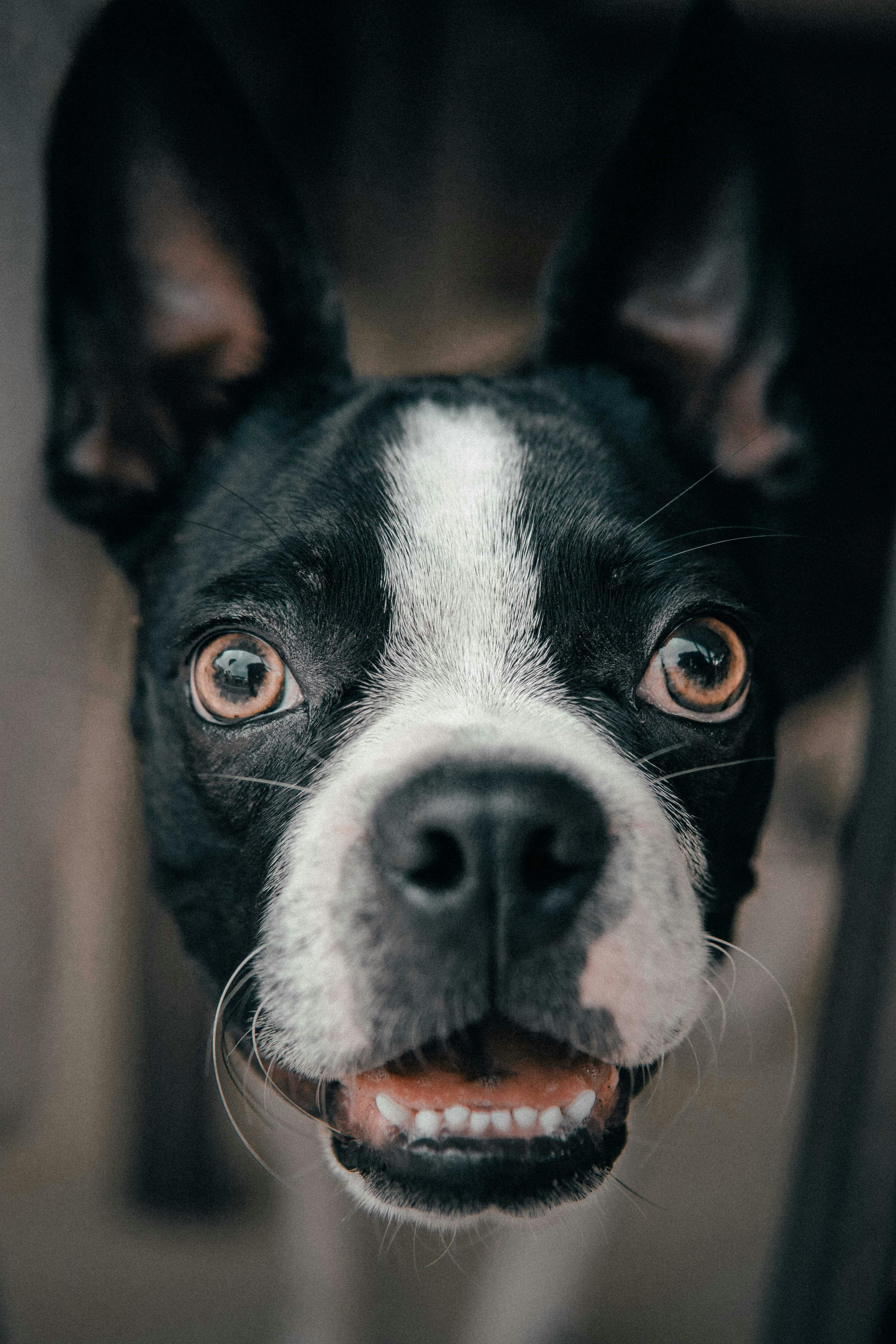 \n\n
\n\nCurious Canines: Why Do Some Dogs Have Wetter Noses Than Others?
\nHave you ever wondered why some dogs have wet noses while others seem dryer? This is a question that many dog owners curious about their furry friends might ask. The truth behind why dogs have wet noses is not only interesting but also relates to their health and behavior. Let’s dive into some fascinating facts about our canine companions and their unique noses.
\nThe Science of Wet Noses
\nDog noses are often wet for a couple of reasons. The primary reason why dogs have wet noses is to enhance their sense of smell. A wet nose helps to absorb scent chemicals from the air, allowing dogs to detect odors more effectively. When the nose is moist, it can capture scent particles more efficiently, thus improving their olfactory sensitivity.
\nMoreover, dogs have a special gland in their noses that produces mucus. This mucus helps keep their noses moist and can be crucial for tracking scents. Here’s a brief outline of the science behind wet noses:
\n- \n
- Enhanced Smell: Wetness allows for better absorption of scent particles. \n
- Mucus Production: Glands in the nose produce mucus to keep it moist. \n
- Temperature Regulation: A wet nose helps dogs cool down, similar to how sweating works for humans. \n
Why Do Some Dogs Have Wetter Noses?
\nNot all dogs have equally wet noses, and there’s a bunch of factors that can influence this. It’s interesting to note that certain breeds tend to have wetter noses than others. For example, breeds like Bloodhounds and Labrador Retrievers often have moist noses because of their strong hunting and tracking instincts.
\nHere’s a list of factors affecting nose wetness in dogs:
\n- \n
- Breed: Some breeds naturally have wetter noses due to their hunting backgrounds. \n
- Health Status: A dog’s health can impact nose moisture. Illness or dehydration can cause a dry nose. \n
- Environmental Factors: Humidity and temperature can affect how wet a dog’s nose is. In dry climates, dogs may have drier noses. \n
Historical Context: Wet Noses in Dogs
\nThroughout history, dogs have been recognized for their incredible sense of smell. Ancient civilizations have utilized dogs for hunting, tracking, and even detecting diseases. The wet nose was a key factor that helped dogs perform these tasks effectively.
\nIn ancient Egypt, dogs were often depicted in art, showcasing their powerful sense of smell. They were used to track game and keep watch. The importance of a wet nose in these tasks can’t be overstated.
\nA Fun Fact: Nose Prints
\nDid you know that a dog’s nose print is unique? Just like human fingerprints, every dog's nose print has a distinct pattern of ridges and creases. This uniqueness has led to the idea of using nose prints for identification purposes. However, it’s not widely practiced like fingerprinting in humans.
\nComparing Wet and Dry Noses
\nHere’s a simple table comparing wet and dry noses in dogs:
\n| Feature | \nWet Nose | \nDry Nose | \n
|---|---|---|
| Scent Detection | \nBetter absorption of scents | \nLess effective in scent detection | \n
| Health Indicator | \nOften a sign of a healthy dog | \nCan indicate dehydration or illness | \n
| Temperature Regulation | \nHelps cool the dog | \nLess effective for cooling | \n
Practical Examples: Monitoring Nose Health
\nAs a dog owner, it’s important to monitor your pet's nose health. Here are a couple of practical tips:
\n- \n
- Check for Changes: If your dog’s nose suddenly becomes dry and cracked, it might be a sign of dehydration or an underlying health issue. \n
- Hydration: Make sure your dog has plenty of fresh water available. Dehydration can lead to a dry nose. \n
- Environmental Adjustments: If you live in a dry climate, consider using a humidifier to help keep your dog’s nose moist. \n
In summary, the wetness of a dog's nose is a fascinating topic that intertwines with their health and instincts. While some breeds naturally have wetter noses due to their history and purpose, others may experience changes based on their environment or health. Knowing these facts can help dog owners better understand and care for their furry friends. So, the next time you see your pup's moist nose, remember, it's not just cute — it’s a key part of what makes them the amazing companions they are!
\n\nConclusion
\n\nIn conclusion, the wet noses of dogs serve several important functions, from enhancing their sense of smell to regulating body temperature. The moisture on a dog's nose helps to capture scent particles, making their already impressive olfactory abilities even more acute. Additionally, the cooling effect of a wet nose plays a vital role in thermoregulation, especially during warmer months. Understanding these biological functions not only deepens our appreciation for our furry companions but also highlights the incredible adaptations that nature has bestowed upon them. So, the next time you give your dog a gentle pat and feel that damp nose, remember the science behind it. Embrace the quirks of your canine friend and ensure they stay healthy and happy. For more insights into your dog's behavior and health, consider consulting with a veterinarian or exploring further resources that can enhance your understanding of your beloved pet.
\n\n