Have you ever wondered why do dogs have wet noses? This fascinating question is more than just a quirky trait of our furry friends. In fact, the reason behind wet dog noses is deeply rooted in their biology and behavior. Dogs’ noses are not only cute but also serve crucial functions that impact their health and communication. Many pet owners often ask, “Do dogs have wet noses for a reason?” The truth is, a wet nose helps dogs to smell better! It’s true! The moisture on their nose helps to trap scent particles, enhancing their ability to detect aromas, which is vital for their survival and interaction. Plus, ever notice how a dog’s nose feels cool and damp? This is also a sign of a healthy pup! If you’re curious about the science of dog noses and want to discover the fascinating truth behind this unique feature, you’re in the right place. In this article, we’ll dive deep into the intriguing reasons why a dog’s nose is wet and what it means for their overall health. Get ready to uncover the secrets of your canine companion’s nose!
\n\nThe Science Behind Canine Noses: Why Are Dogs’ Noses Wet and What Does It Mean?
\n\n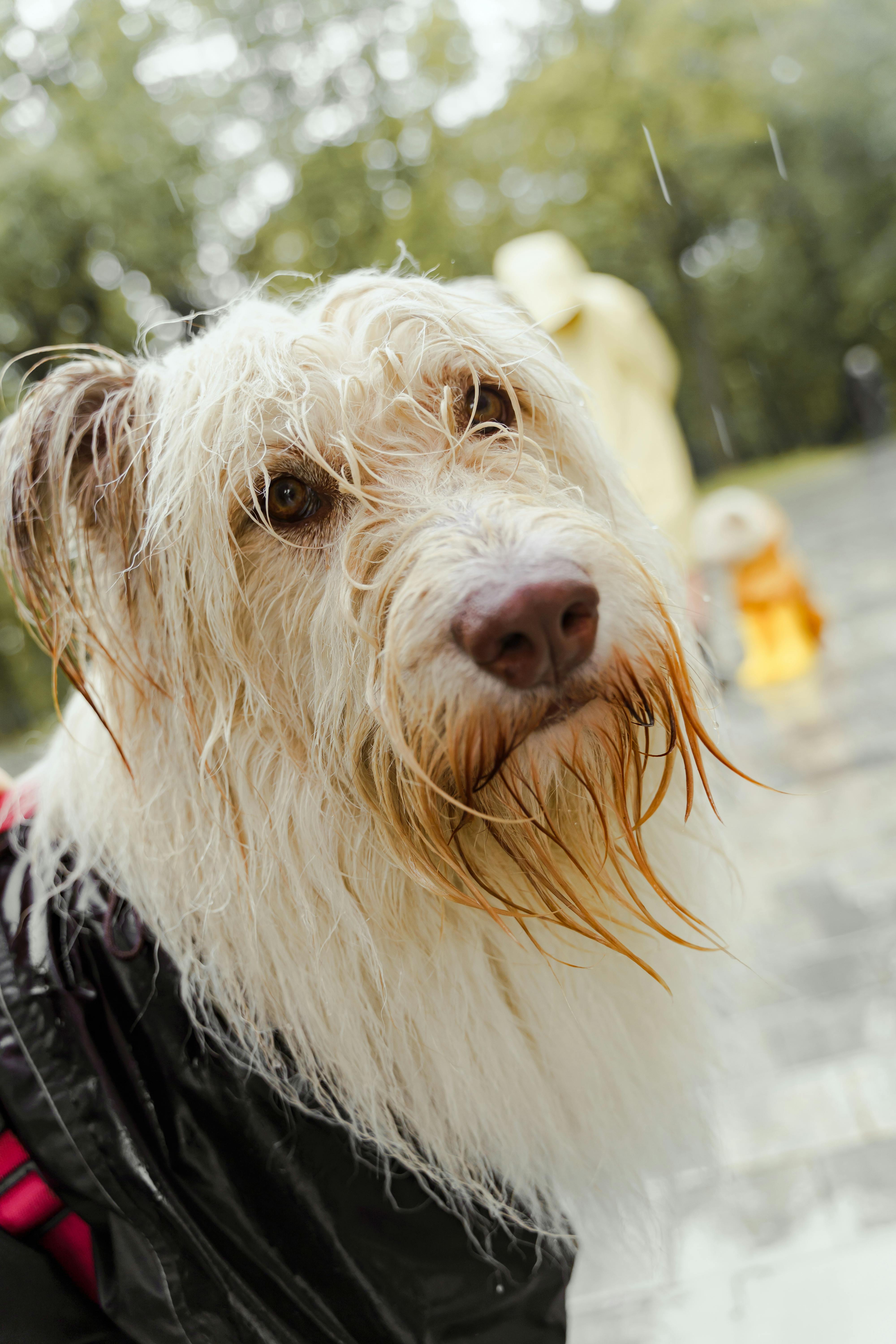 \n\n
\n\nDogs are often known for their incredible sense of smell, but have you ever wondered why their noses are always wet? It’s a question that many pet owners ask. The answer is not just simple—it dives deep into the fascinating world of canine biology and behavior. Wet noses in dogs aren’t just an adorable characteristic; they serve important purposes that are tied to their health and senses.
\nThe Anatomy of a Dog’s Nose
\nFirst off, let’s talk about what makes a dog's nose so special. A dog’s nose is covered in a layer of mucous that helps to absorb scent chemicals. This moisture enhances their olfactory capabilities, allowing dogs to detect odors at incredibly low concentrations.
\n- \n
- Scent Receptors: Dogs have around 300 million scent receptors in their noses, compared to about 5 million in humans. This means they can smell things we can’t even imagine! \n
- Olfactory Bulb: The part of a dog's brain that processes smells is significantly larger than that of humans, taking up about 12% of their brain mass. \n
- Nasal Turbinates: These are bony structures inside a dog’s nose that help to warm and humidify the air they breathe in, making it easier for them to detect scents. \n
Why Are Dogs’ Noses Wet?
\nSo, why do dogs have wet noses? There are several reasons for this phenomenon. Below are some key points that explain the science behind it:
\n- \n
- Enhanced Scent Detection: A wet nose can trap more scent molecules. The moisture allows odors to bind more effectively, improving their ability to identify smells. \n
- Temperature Regulation: Dogs don’t sweat like humans do. Their noses help regulate body temperature through evaporation, keeping them cool. \n
- Health Indicator: A wet nose is often seen as a sign of a healthy dog. However, it’s important to note that a dry nose doesn’t necessarily mean a dog is sick; various factors like weather and activity can affect nose moisture. \n
The Role of Environment
\nDogs' noses can also change depending on their environment. For example, during hot and dry weather, dogs may have drier noses because their bodies are losing moisture. On the other hand, a dog that just drank water or has been out playing in the rain will have a wetter nose.
\nInteresting Facts about Dog Noses
\n- \n
- Dogs can detect certain diseases in humans, including cancer and diabetes, through their sense of smell. \n
- The wetness of a dog’s nose can vary by breed, age, and health. Some breeds naturally have drier noses than others. \n
- A dog’s nose print is unique, much like a human fingerprint. It can actually be used for identification! \n
Comparison: Dog Noses vs. Human Noses
\nDogs and humans have vastly different nasal structures and functions. Here’s a quick comparison to help illustrate:
\n| Feature | \nDogs | \nHumans | \n
|---|---|---|
| Scent Receptors | \n300 million | \n5 million | \n
| Olfactory Bulb Size | \nLarge | \nSmall | \n
| Primary Function | \nScent detection | \nBreathing and tasting | \n
| Sweat Glands | \nFew, primarily in paw pads | \nNumerous throughout skin | \n
Practical Examples of Nose Use
\n- \n
- Tracking: Dogs are often used in search and rescue missions because they can follow scents over long distances. \n
- Detection Work: Police and military dogs are trained to sniff out drugs, explosives, and even missing persons. \n
- Therapeutic Roles: Some dogs are trained to detect medical conditions in their owners, providing alerts when necessary. \n
In conclusion, the wet noses of our canine companions are much more than just a cute feature. They play an essential role in their ability to interact with the world around them. Understanding the science behind canine noses helps us appreciate our furry friends even more. Whether it's for tracking down a lost toy or detecting a scent, a wet nose is a powerful tool for dogs, making them the remarkable creatures we know and love!
\n\n5 Surprising Benefits of Having a Wet Nose: What Every Dog Owner Should Know
\n\n \n\n
\n\nMany dog owners often wonder, "Why do dogs have wet noses?" It’s one of those quirky features that makes our furry friends even more lovable. But did you know that a wet nose is not just for show? In fact, there are surprising benefits that come along with it. In this article, we will dive into the fascinating truth about why dogs have wet noses and explore the five surprising benefits that every dog owner should know.
\n1. Natural Thermoregulation
\nOne major reason dogs have wet noses is for thermoregulation. Unlike humans, who sweat to cool down, dogs mainly rely on their noses to help regulate body temperature. The moisture on their nose evaporates, which helps cools them off. This is particularly important when they are active or during hot weather.
\n- \n
- Dogs can’t sweat like humans do. \n
- They need alternative methods to cool off. \n
- A wet nose is essential for maintaining their body temperature. \n
2. Enhanced Sense of Smell
\nDid you ever thought about how dogs are able to smell so well? A wet nose actually enhances a dog’s sense of smell. The moisture helps to capture scent particles in the air, making it easier for them to detect different scents. When the nose is wet, it becomes more effective at picking up smells.
\n- \n
- Wet noses help trap scent particles. \n
- Dogs can smell 10,000 to 100,000 times better than humans. \n
- A dog’s olfactory system is complex and finely tuned. \n
3. Communication and Social Interaction
\nDogs communicate a lot through their scent, and having a wet nose helps in social interactions with other dogs and humans. A wet nose can indicate that a dog is excited, happy, or curious. When dogs greet each other, they often sniff each other's noses, and a wet nose can be a sign of friendliness.
\n- \n
- Wet noses can show excitement or happiness. \n
- They play a role in dog-to-dog greetings. \n
- It signals a friendly and approachable demeanor. \n
4. Health Indicator
\nA dog’s wet nose can also serve as an indicator of their health status. Generally, a healthy dog will have a moist and cool nose. However, if a dog’s nose becomes dry or excessively warm, it can be a sign of illness or dehydration. Regularly checking your dog's nose can help you monitor their health.
\n- \n
- Moist nose indicates good health. \n
- A dry or warm nose can signal problems. \n
- It’s a good practice to check your dog’s nose regularly. \n
5. Emotional Connection with Owners
\nMany dog owners notice that their dog’s wet nose is often comforting. When a dog nudges you with their wet nose, it can be a sign of affection and a way to bond. This wet-nosed interaction can strengthen the emotional connection between a dog and their owner, making it a delightful experience for both.
\n- \n
- A wet nose can be a sign of affection. \n
- It strengthens the bond between dog and owner. \n
- It’s a way of communication that shows love. \n
Fun Facts About Dog Noses
\n- \n
- Dogs have about 220 million scent receptors, compared to humans, who have about 5 million. \n
- The color of a dog’s nose can change due to various factors, including health and environment. \n
- Some breeds, like Bloodhounds, have an exceptional sense of smell that can lead to search-and-rescue successes. \n
Common Misconceptions
\n- \n
- Some people believe a cold, wet nose is a sign of a healthy dog, but it’s not always the case. \n
- A dog can still be healthy with a dry nose. \n
- It’s important to consider other health indicators, like energy levels and appetite. \n
When to Worry About Your Dog’s Nose
\nIf you notice significant changes in your dog's nose, it's essential to monitor the situation closely. Here are a few signs that might warrant a trip to the veterinarian:
\n- \n
- Nose becomes cracked or excessively dry. \n
- Discoloration or unusual spots appear on the nose. \n
- Accompanying symptoms like lethargy, loss of appetite, or vomiting. \n
In summary, dogs have wet noses for a variety of reasons that go beyond mere aesthetics. From regulating body temperature to enhancing their sense of smell and creating emotional bonds with their owners, wet noses play a crucial role in their lives. So the next time you pet your dog and feel that cool, moist nose, remember the fascinating truth behind it! These surprising benefits not only deepen our understanding of our pets but also enrich the joy of being a dog owner.
\n\nWet Noses and Health: How Your Dog’s Nose Can Indicate Their Well-Being
\n\n \n\n
\n\nDogs are often called man's best friend, and part of what makes them so endearing is their unique features. One of the most fascinating things about dogs is their wet noses. You might wonder why do dogs have wet noses? And what does it mean for their health? Well, let’s dive into the science and some interesting facts surrounding those adorable, moist noses.
\nWhy Do Dogs Have Wet Noses?
\nA dog's nose is wet for a few reasons, mostly related to their health and sensory functions. First off, the moisture helps to enhance their sense of smell. Dogs have an incredible olfactory system, with up to 300 million smell receptors, compared to a human's 5 million. This means that if a dog’s nose is wet, it can trap more scent particles from the air, allowing them to smell better.
\nThe Role of Mucus
\nThe moisture on a dog's nose is often a combination of sweat and mucus. Dogs sweat primarily through their paw pads, but their noses also produce a thin layer of mucus. This mucus helps to cool them down when they are hot. When dogs pant, they can lose moisture through their nose too, which is why a wet nose is often a sign of a well-hydrated dog.
\nHealth Indicators
\nA dog’s nose can serve as a health indicator. If a dog’s nose is consistently dry or cracked, it could be a sign of dehydration or an underlying health issue. Here are some common conditions that can affect the moisture of a dog’s nose:
\n- \n
- Dehydration: If a dog isn’t drinking enough water, their nose may become dry. \n
- Fever: A dog with a fever may have a hotter, dryer nose. \n
- Allergies: Allergies can cause nasal discharge, which may dry up and cause a nose to appear cracked. \n
- Infections: Bacterial or viral infections can lead to changes in a dog's nose moisture. \n
Natural Variation
\nIt’s important to note that a dog's nose can vary in moisture throughout the day. Factors like exercise, temperature, and even the time of day can affect how wet or dry a dog's nose appears. For example, after a long walk, a dog's nose may be wetter than normal. While it’s not a definitive way to assess health, observing your dog’s nose can provide useful clues.
\nFun Facts About Dog Noses
\n- \n
- Unique Patterns: Just like human fingerprints, every dog's nose print is unique. This means they can be used to identify dogs! \n
- Temperature Regulation: Dogs’ noses help regulate their body temperature. The wetness cools them down, similar to sweating in humans. \n
- Communication Tool: Dogs often use their noses to communicate with each other. A sniff can convey a wealth of information about another dog’s health, mood, and even diet. \n
Comparing Dog Noses to Other Animals
\nDogs aren't the only animals with wet noses. Other species, like cats and some animals in the wild, also have moist noses. However, the function and significance of a wet nose varies. Here’s a simple comparison:
\n| Animal | \nNose Function | \nImportance | \n
|---|---|---|
| Dogs | \nScent detection | \nEnhances smell; health indicator | \n
| Cats | \nScent detection | \nLess pronounced; more for grooming | \n
| Pigs | \nSensory exploration | \nForaging and rooting for food | \n
| Dolphins | \nBreathing and hunting | \nNavigating and hunting in water | \n
Practical Tips for Dog Owners
\nAs a dog owner, it's good to keep an eye on your pet's nose. Here are some practical tips:
\n- \n
- Hydration: Make sure your dog has access to fresh water at all times. \n
- Monitor Changes: If you notice a sudden change in your dog’s nose moisture or texture, consult a veterinarian. \n
- Grooming: Keep your dog's face clean, as dirt and debris can irritate their nose. \n
Understanding the significance of a dog’s wet nose can help you become a better pet owner. It’s not just an adorable feature but also a vital part of their overall health. By keeping an eye on this small detail, you can help ensure that your furry friend stays happy and healthy. So next time you give your dog a pat, take a moment to appreciate that wet nose and what it says about their well-being!
\n\nThe Fascinating Evolution of Dog Noses: Why Wetness Matters in the Animal Kingdom
\n\n \n\n
\n\nDogs have been our companions for thousands of years, yet many of us still wonder about the unique features that make them so special. One of those features is their wet noses. It's not just a quirky trait; there's a fascinating evolution behind it. So, why do dogs have wet noses? Let's explore this intriguing subject.
\nThe Science Behind Wet Noses
\nDogs have moist noses, and this isn't just for show. Their noses contain a high concentration of mucous glands, which produce secretion that helps to keep the surface wet. This wetness plays a crucial role in a dog's sense of smell. Dogs possess up to 300 million scent receptors in their noses compared to a human's mere 5 million. This exceptional olfactory ability is greatly enhanced by the moisture on their noses, which helps capture scent particles from the air.
\n- \n
- Key functions of a wet nose:
- \n
- Enhances the dog’s sense of smell. \n
- Helps to cool the dog’s body through evaporation. \n
- Provides a way to regulate temperature and maintain homeostasis. \n
\n
Historical Context: The Evolution of Dog Noses
\nThe evolution of the canine nose is rooted in their ancestors. The early wolves, from which domestic dogs descended, relied heavily on their sense of smell for survival. Over time, those that had better olfactory abilities had a better chance of finding food and avoiding predators. This evolutionary advantage led to the development of the moist, sensitive noses we see in dogs today.
\n- \n
- Evolutionary Highlights:
- \n
- Ancestral wolves had an acute sense of smell for hunting. \n
- Selective breeding in humans led to the development of various dog breeds, each with its unique nose characteristics. \n
- The wetness of the nose has remained a constant feature through thousands of years of domestication. \n
\n
Why Wetness Matters: Benefits to Dogs
\nYou might ask yourself, "Why exactly does wetness matter?" The answer lies in several benefits that directly affect a dog's health and behavior.
\n- \n
- Scent Detection: The moisture on a dog's nose helps to dissolve scent particles, making it easier for them to detect and identify scents. \n
- Thermoregulation: Dogs do not sweat like humans do. Instead, they rely on panting and the cooling effect of a wet nose to regulate their body temperature. \n
- Health Indicator: A dog's nose can provide clues about their health. A dry or cracked nose might indicate dehydration or illness. \n
Fun Facts about Dog Noses
\nDog noses are indeed fascinating and come with some fun facts that might surprise you:
\n- \n
- Unique Patterns: Just like human fingerprints, every dog has a unique nose print. \n
- Color Variations: The color of a dog's nose can change based on temperature and humidity. For instance, a dog's nose might darken when it's cool and lighten when it's warm. \n
- Dog Breeds: Some breeds, like the Bloodhound, have an extraordinary sense of smell, while others have shorter snouts that may limit olfactory abilities. \n
Comparison: Dog Noses vs. Human Noses
\nTo understand just how remarkable a dog’s nose is, let’s compare it with a human’s nose:
\n- \n
- \n
Scent Receptors:
\n- \n
- Dogs: 300 million. \n
- Humans: 5 million. \n
\n - \n
Olfactory Bulb Size:
\n- \n
- Dogs: Much larger relative to brain size. \n
- Humans: Smaller, indicating less reliance on smell. \n
\n - \n
Wetness:
\n- \n
- Dogs: Consistently moist, aiding in scent capture. \n
- Humans: Mostly dry, with limited olfactory capabilities. \n
\n
Practical Examples of Using Dog Noses
\nDog noses are not just for show; they have practical applications too. Here are some examples:
\n- \n
- Search and Rescue: Trained dogs can locate missing persons by scent, even under rubble or in dense woods. \n
- Medical Detection: Some dogs can detect diseases such as cancer or diabetes by smelling changes in a person’s scent. \n
- Detection Work: Police and military dogs are trained to sniff out drugs, explosives, and other contraband. \n
The evolution of dog noses and the science behind their wetness reveal just how remarkable these creatures are. Their noses are not just a cute feature, but a critical tool for survival and interaction with the world around them. So, the next time you see a dog with a wet nose, remember that it serves a purpose far beyond what meets the eye. The relationship between dogs and humans is strengthened by these incredible features that have evolved over time, making them even more special in the animal kingdom.
\n\nCan Your Dog’s Wet Nose Predict Their Mood? Understanding Canine Emotions
\n\n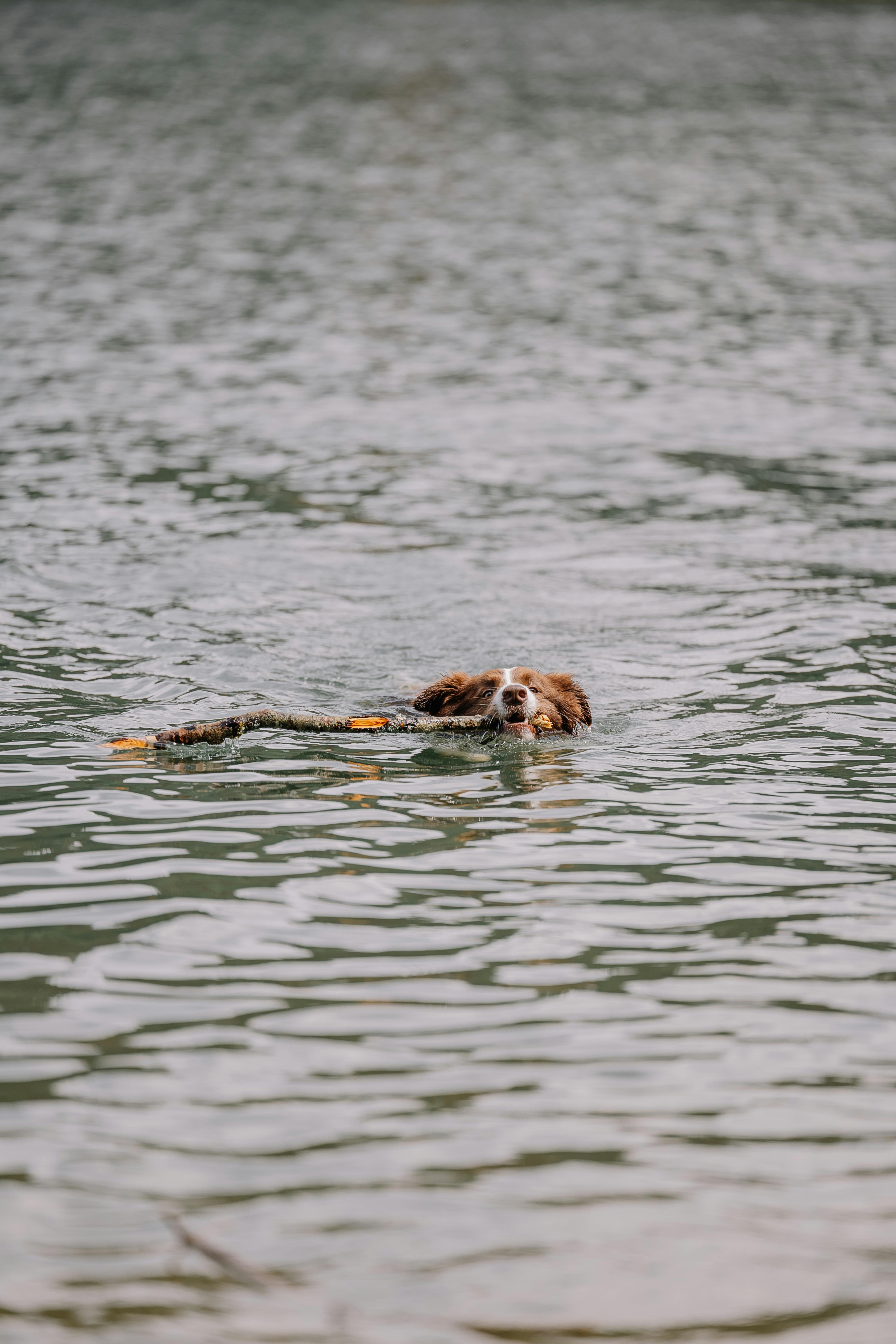 \n\n
\n\nDogs are often known as man's best friend, but one question that many pet owners have is: can your dog's wet nose predict their mood? Understanding canine emotions can be quite a fascinating topic. Many people wondered about why dogs have wet noses in the first place, and how that relates to their feelings. Let’s dig into this intriguing subject and break it down.
\nWhy Do Dogs Have Wet Noses?
\nFirst of all, let’s get to the root of the matter. Dogs have wet noses for a few reasons, and it’s more than just a quirky trait. Here are some key facts:
\n- \n
- \n
Temperature Regulation: Dogs sweat primarily through their paw pads, but their noses also play a role in cooling down. When a dog’s nose is wet, it helps them regulate their body temperature.
\n \n - \n
Enhanced Sense of Smell: A wet nose helps to capture scent particles in the air. The moisture on a dog’s nose binds with these particles, which allows them to smell better. This is why dogs are such great sniffers!
\n \n - \n
Health Indicator: A dog's nose can indicate their health. A healthy dog usually has a moist nose, while a dry, cracked nose can be a sign of dehydration or illness.
\n \n
Can Your Dog's Wet Nose Predict Their Mood?
\nNow, onto the exciting part: can you really tell how your dog feels based on their wet nose? While there’s no scientific evidence that directly links the moisture of a dog’s nose to their emotions, there are some interesting observations.
\n- \n
- \n
Happy Dogs: When a dog is excited or happy, they may tend to have a wetter nose. This can be due to increased activity and stimulation. A wagging tail and playful demeanor often go hand in hand with a wet snout.
\n \n - \n
Anxious or Stressed Dogs: On the other hand, if a dog is anxious, their nose may be dry. Stress can lead to dehydration, and a lack of moisture on their nose can be a sign of that. Look for other signs of anxiety, like pacing or whining.
\n \n - \n
Relaxed Dogs: If your dog is lounging around and seems comfortable, their nose may fluctuate between wet and dry. It depends on the environment and how relaxed they are.
\n \n
Understanding Canine Emotions
\nTo truly understand what your dog might be feeling, it’s crucial to look at other body language signals. Here are some things to consider:
\n- \n
- \n
Tail Position: A high wagging tail usually indicates a happy dog, while a low or tucked tail can signify fear or submission.
\n \n - \n
Ear Position: Erect ears usually mean your dog is alert or excited, while flattened ears can indicate fear or aggression.
\n \n - \n
Facial Expressions: Dogs can show a range of emotions through their eyes and mouth. A relaxed mouth and soft eyes typically indicate a calm dog, while wide eyes and bared teeth can indicate stress or aggression.
\n \n
Interesting Facts About Dogs’ Noses
\n- \n
- \n
Dogs have about 300 million smell receptors in their noses, compared to about 6 million in humans. This makes their sense of smell incredibly powerful!
\n \n - \n
The texture of a dog’s nose is unique, much like a human fingerprint. No two dog noses are the same!
\n \n - \n
A dog’s nose can change color due to various factors, including temperature and health.
\n \n - \n
Dogs' noses can be cold or warm depending on their activity level and environment.
\n \n
Practical Tips for Dog Owners
\nIf you're a dog owner, keeping an eye on your dog's nose and overall health is important. Here are some practical tips:
\n- \n
- \n
Stay Hydrated: Make sure your dog has access to fresh water. Dehydration can lead to a dry nose.
\n \n - \n
Regular Check-ups: Regular vet visits can help catch any potential health issues early, including those that may affect their nose’s moisture levels.
\n \n - \n
Observe Behavior: Pay attention to your dog’s behavior and body language. It will help you understand their mood better.
\n \n - \n
Environmental Factors: Keep your dog in a comfortable environment. Extreme temperatures can affect their nose and overall wellbeing.
\n \n
Understanding whether a dog’s wet nose correlates with their mood is a complex issue. While it’s not a foolproof indicator, it can provide some clues when combined with other signs of canine emotions. The next time you scratch your furry friend behind the ears, don’t just admire that wet nose—think about what it might be telling you about how they feel.
\n\nExploring the Myths: Why Some Believe Dry Noses Are a Sign of Illness in Dogs
\n\n \n\n
\n\nWhen it comes to our furry friends, there's a whole lot of myths and misunderstandings, especially when we talk about their health. One particularly curious belief is that a dry nose in dogs means they must be sick. This idea has been passed around among dog owners and pet lovers alike, but it's time to unpack this claim and explore the truth behind it. Also, have you ever wondered, why do dogs have wet noses? Let's dive into these fascinating questions and separate fact from fiction.
\nThe Myth of Dry Noses and Illness
\nMany people think a dry nose is a telltale sign that something is off with their pup. This belief has roots in traditional dog care, but the reality isn't so simple. Here are some key points to consider:
\n- \n
- \n
Normal Variability: A dog’s nose can vary in moisture levels throughout the day. Factors like temperature, humidity, and activity levels can all influence how wet or dry a dog's nose is.
\n \n - \n
Health Indicators: While certain health issues can lead to a dry nose, like fever or dehydration, it’s not a definitive sign of illness. Instead, look for other symptoms including lethargy, loss of appetite, or vomiting.
\n \n - \n
Individual Differences: Just like humans, dogs are individuals. Some breeds naturally have drier noses than others, and this can be perfectly normal for them.
\n \n
Why Do Dogs Have Wet Noses?
\nNow, let’s talk about the fascinating truth behind wet noses. Dogs’ noses are moist for several reasons, and understanding this can give us insight into their health and behavior.
\n- \n
- \n
Enhanced Sense of Smell: Dogs have an incredible sense of smell, and a wet nose helps them absorb scent molecules better. The moisture on their noses helps trap scents, which is crucial for their ability to detect different smells.
\n \n - \n
Thermoregulation: Dogs don’t sweat like humans do; they cool down primarily through panting. However, the moisture on their noses also contributes to regulating their body temperature, helping them stay cool on hot days.
\n \n - \n
Unique Composition: The skin on a dog’s nose contains special glands that produce a thin layer of mucus. This mucus not only aids in scent detection but also keeps their nose from drying out.
\n \n
Comparing Wet and Dry Noses: What You Should Know
\nTo better understand the implications of a dog’s nose condition, here’s a simple comparison:
\n| Feature | \nWet Nose | \nDry Nose | \n
|---|---|---|
| Sign of Health | \nGenerally healthy | \nCould indicate issues | \n
| Smell Absorption | \nHigh | \nLower | \n
| Temperature Control | \nEffective | \nLess effective | \n
| Common Causes | \nNormal behavior | \nDehydration, fever | \n
Understanding Dog Nose Conditions
\nLet’s break down what to look for when assessing your dog’s nose:
\n- \n
- \n
Wet and Cool: This is usually a good sign! Your dog is likely healthy and hydrated.
\n \n - \n
Dry and Cracked: This could mean your dog is dehydrated or needs veterinary attention. Keep an eye out for other symptoms.
\n \n - \n
Sticky or Excessively Wet: If your dog’s nose is sticky or producing more moisture than usual, it might be a sign of allergies or infections. Consulting a vet is a good idea.
\n \n - \n
Color Changes: A healthy dog’s nose is typically dark and even. If the color changes to red or white, that could indicate an allergic reaction or other health conditions.
\n \n
Practical Examples of Nose Conditions
\nHere are some practical situations that could arise concerning your dog’s nose:
\n- \n
- \n
Seasonal Changes: In winter, you might notice your dog’s nose becoming drier. This can be due to cold weather or indoor heating. Keep water available and monitor their hydration.
\n \n - \n
After Exercise: After running or playing, dogs might have a wetter nose due to panting. This is normal and indicates they’re cooling down.
\n \n - \n
Illness Signs: If your dog suddenly has a dry nose accompanied by other symptoms, like vomiting or lethargy, it’s best to contact your veterinarian.
\n \n
Being aware of the facts surrounding your dog’s nose can help you understand their health better. Remember, while a dry nose might raise a flag, it’s not a one-size-fits-all indicator of illness. It’s always a good idea to observe your dog’s overall behavior and condition.
\nUltimately, knowing why do dogs have wet noses and what it means can enhance your bond with your pet, ensuring they get the best care possible. Understanding these myths and truths about your dog's health can lead to better vigilance and care for our beloved companions.
\n\nHow to Care for Your Dog’s Nose: Tips for Maintaining Optimal Moisture Levels
\n\n \n\n
\n\nWhen you think about dogs, there's a lot of things that come to mind. Their wagging tails, playful barks, and those adorable wet noses! But have you ever wondered why do dogs have wet noses? Or how to care for your dog’s nose to keep it moist and healthy? Let's dive into this fascinating topic and learn some tips in maintaining optimal moisture levels for your furry friend.
\nWhy Do Dogs Have Wet Noses?
\nFirst off, the wetness of a dog’s nose isn’t just for show. It actually serves several important functions. Here’s a few reasons why those adorable snouts are often damp:
\n- \n
- \n
Enhanced Smell: Dogs have a highly developed sense of smell, and the moisture on their noses helps capture scent particles. The wet nose is like a sponge, absorbing scent molecules, which makes it easier for dogs to identify various smells.
\n \n - \n
Cooling Mechanism: Dogs don’t sweat like humans do. Instead, they cool off through their noses and panting. A wet nose can help regulate their body temperature, especially on hot days.
\n \n - \n
Health Indicator: A wet nose is often a sign of a healthy dog. Dryness can indicate dehydration, illness, or other health issues. However, not all dry noses mean something bad; sometimes, it can just be the weather or their activity level.
\n \n
How to Care for Your Dog's Nose
\nTaking care of your dog’s nose is important for their overall health. Here are some practical tips to maintain those optimal moisture levels:
\n- \n
- \n
Hydration: Make sure your dog always have access to fresh, clean water. Dehydration can lead to a dry nose, so it's essential to keep them hydrated.
\n \n - \n
Humidity Levels: If you live in a dry climate, consider using a humidifier in your home. This can help maintain moisture levels in the air, benefiting your dog's nose and skin.
\n \n - \n
Regular Check-Ups: Take your dog to the vet for regular check-ups. If you notice any sudden changes in the moisture level of their nose, it might be time for a check-up.
\n \n - \n
Avoid Irritants: Keep your dog away from harsh chemicals or irritants that could dry out their nose. This includes things like household cleaners or certain air fresheners.
\n \n - \n
Natural Remedies: If you notice your dog’s nose is getting too dry, consider using natural oils like coconut oil. Just apply a small amount gently to their nose, but be careful not to let them lick it off right away!
\n \n
The Fascinating Facts About Dog Noses
\nDog noses are more than just cute! They have some truly fascinating features. Here’s a quick list of interesting facts:
\n- \n
- \n
Unique Patterns: Just like human fingerprints, every dog has a unique nose print. This means you could identify a dog by their nose alone!
\n \n - \n
Temperature Regulation: Their noses help dogs to regulate temperature. A cooler nose can mean your dog is cooling down, while a warm nose might suggest they are overheated.
\n \n - \n
Scent Detection: Dogs can detect certain smells up to 100,000 times better than humans. Their wet noses help them capture these smells more effectively.
\n \n
Signs of Nose Problems in Dogs
\nAs a responsible pet owner, it's essential to keep an eye on your dog’s nose. Here’s some signs to watch for:
\n- \n
- \n
Cracking or Bleeding: If you see cracks or bleeding, it could indicate a more serious problem that needs veterinary attention.
\n \n - \n
Excessive Dryness: If your dog’s nose is consistently dry and warm, it might be a sign of dehydration or illness.
\n \n - \n
Change in Color: A sudden change in color of the nose may indicate health issues.
\n \n - \n
Discharge: Any unusual discharge from the nose should be evaluated by a vet.
\n \n
Caring for Your Dog in Different Seasons
\nDifferent seasons can affect your dog’s nose. Here’s how to care for it all year round:
\n- \n
- \n
Winter: Cold weather can dry out your dog’s nose. Use a nose balm or coconut oil to help keep it moisturized.
\n \n - \n
Summer: Watch for overheating. Ensure they have access to shade and water, and monitor their nose for signs of dryness.
\n \n - \n
Rainy Season: While rain can help keep the nose moist, be cautious of muddy or dirty water which can cause infections.
\n \n - \n
Spring and Fall: Allergies can affect your dog’s nose too! Keep an eye out for excessive sniffing or sneezing.
\n \n
Caring for your dog’s nose is crucial for their health and happiness. By understanding why do dogs have wet noses and how to maintain their moisture levels, you can ensure that your furry friend stays healthy. Always consult a veterinarian if you have any concerns about your dog's health, including their nose. Happy pet parenting!
\n\nThe Role of Wet Noses in Dog Communication: How They Connect with the World
\n\n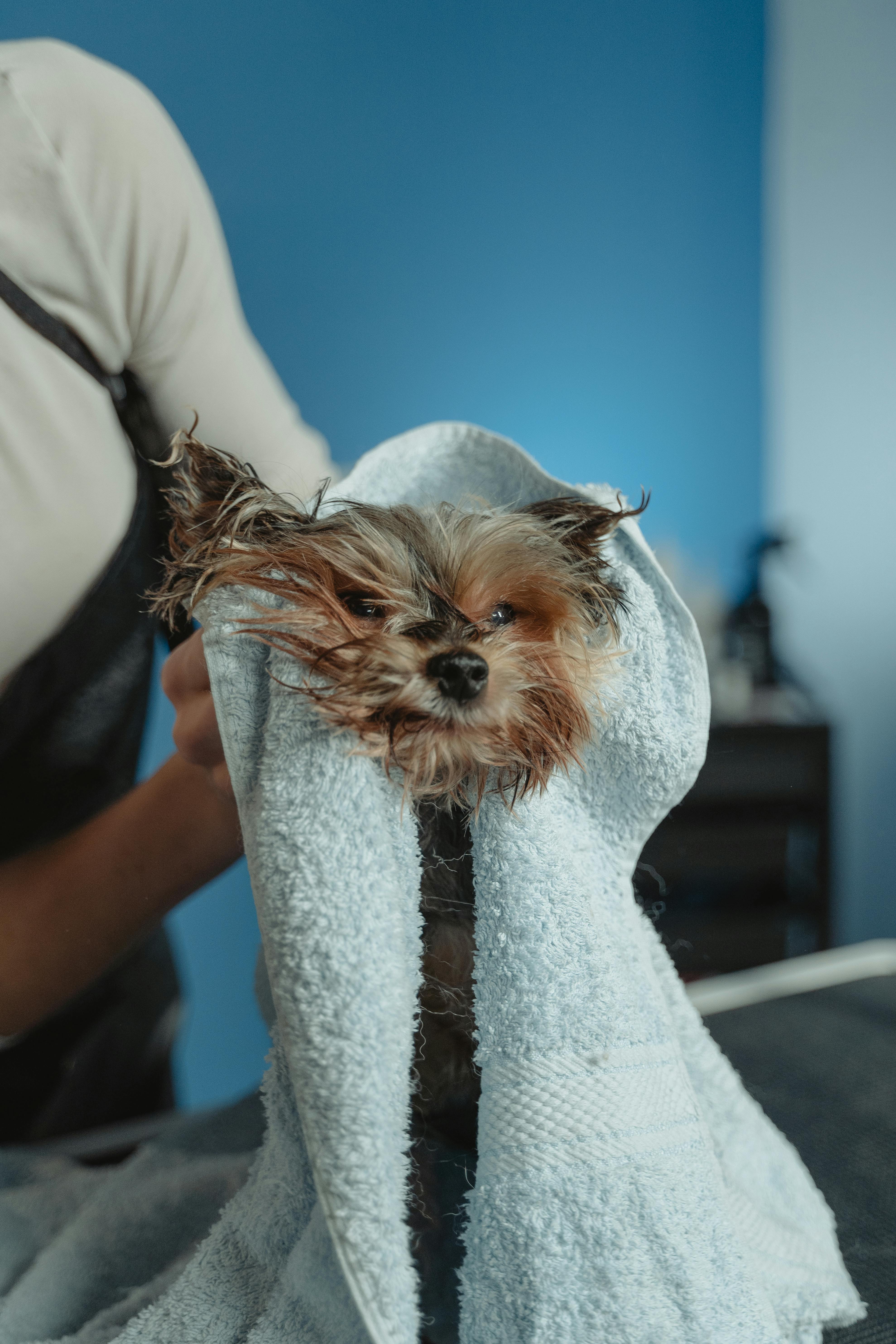 \n\n
\n\nDogs, those lovable furry companions, been a part of human life for thousands of years. They are not just pets but family members. One of the most intriguing aspects of dogs is their wet noses. Ever wondered why dogs have wet noses? Or how these wet noses help them connect with the world around them? Let us dive into the fascinating truth of dog communication through their noses.
\nThe Science Behind Wet Noses
\nDogs noses are typically wet due to a thin layer of mucus. This mucus serves several important functions. It helps in smell detection, which is crucial for dogs as they rely heavily on their sense of smell to interact with the environment. A wet nose can absorb scent chemicals better than a dry nose can. This enhances their sense of smell by allowing them to gather more information about their surroundings.
\n- \n
- Wet noses are cooler than the dog’s body temperature. \n
- Dogs lick their noses to keep them moist. \n
- The moisture enhances their olfactory capabilities. \n
How Dogs Communicate with Their Noses
\nDogs communicate in various ways, and their noses play a key role in this process. When dogs encounter different scents, they’re not only identifying objects or other animals but also gathering social information. For instance, when a dog sniffs another dog, it’s like they’re reading a social profile. The wet nose helps them to pick up on pheromones and other scent markers.
\nHere are some ways dogs use their noses for communication:
\n- \n
- Greeting: A friendly sniff indicates a non-threatening approach. \n
- Identifying Territory: Dogs can smell if another dog has passed by, establishing territory. \n
- Understanding Mood: A dog can sense the emotional state of another animal or even a human through scent. \n
Historical Context of Dogs' Noses
\nThroughout history, dogs have been bred for specific characteristics, including their sense of smell. Various breeds have been developed for hunting, herding, and even service tasks. For example, Bloodhounds are known for their incredible tracking abilities, while Labrador Retrievers are often used for search and rescue missions. Their wet noses aren’t just cute; they are essential tools for their tasks.
\n- \n
- Ancient Roles: Dogs were used in ancient civilizations for hunting and protection, where their sense of smell was invaluable. \n
- Modern Uses: Today, dogs assist in law enforcement, search and rescue missions, and even in therapy settings. \n
Debunking Myths About Wet Noses
\nThere are many myths surrounding dogs' noses that need clarification. Some people think a warm nose means a dog is sick, but this isn't always true. The temperature of a dog’s nose can fluctuate naturally throughout the day.
\nCommon myths include:
\n- \n
- \n
Myth 1: A wet nose means a dog is healthy. \nFact: While wet noses can indicate health, it is not a definitive measure of wellness.
\n \n - \n
Myth 2: Dogs can’t smell if their noses are dry. \nFact: Dogs can still smell quite well even with a dry nose, though wet noses do enhance their abilities.
\n \n - \n
Myth 3: Only purebreds have wet noses. \nFact: All dogs, regardless of breed, can have wet noses.
\n \n
Practical Examples of Nose Use
\nDogs utilize their noses in everyday life in various ways. Here’s how they use their noses practically:
\n- \n
- Tracking: Dogs can follow scents to locate missing persons or items. \n
- Detecting: Dogs can be trained to detect drugs, explosives, and even diseases like cancer or diabetes. \n
- Interpreting: Dogs sniff each other to understand the social hierarchy in their environment. \n
Why Wet Noses Matter to Dog Owners
\nAs a dog owner, understanding the role of a wet nose in your pet’s life can improve your relationship. Recognizing when your dog is sniffing excitedly means they are engaging with their world, and it’s beneficial to allow them time to explore scents. It helps in mental stimulation and satisfaction.
\nA Quick Reference Table
\nHere is a brief table summarizing the roles and facts about wet noses:
\n| Aspect | \nDescription | \n
|---|---|
| Function | \nEnhances sense of smell | \n
| Communication | \nIdentifies mood and territory | \n
| Health Indicator | \nNot always a definitive measure of wellness | \n
| Myth | \nA warm nose means sickness | \n
Understanding why dogs have wet noses and how they communicate through them provides great insight into their world. It’s not just about being cute; these wet noses are windows into their minds, allowing them to connect deeply with their surroundings. So, the next time you notice your dog's wet nose, remember the fascinating truth behind it!
\n\n7 Fun Facts About Dog Noses: Why Their Wetness is Key to Their Survival
\n\n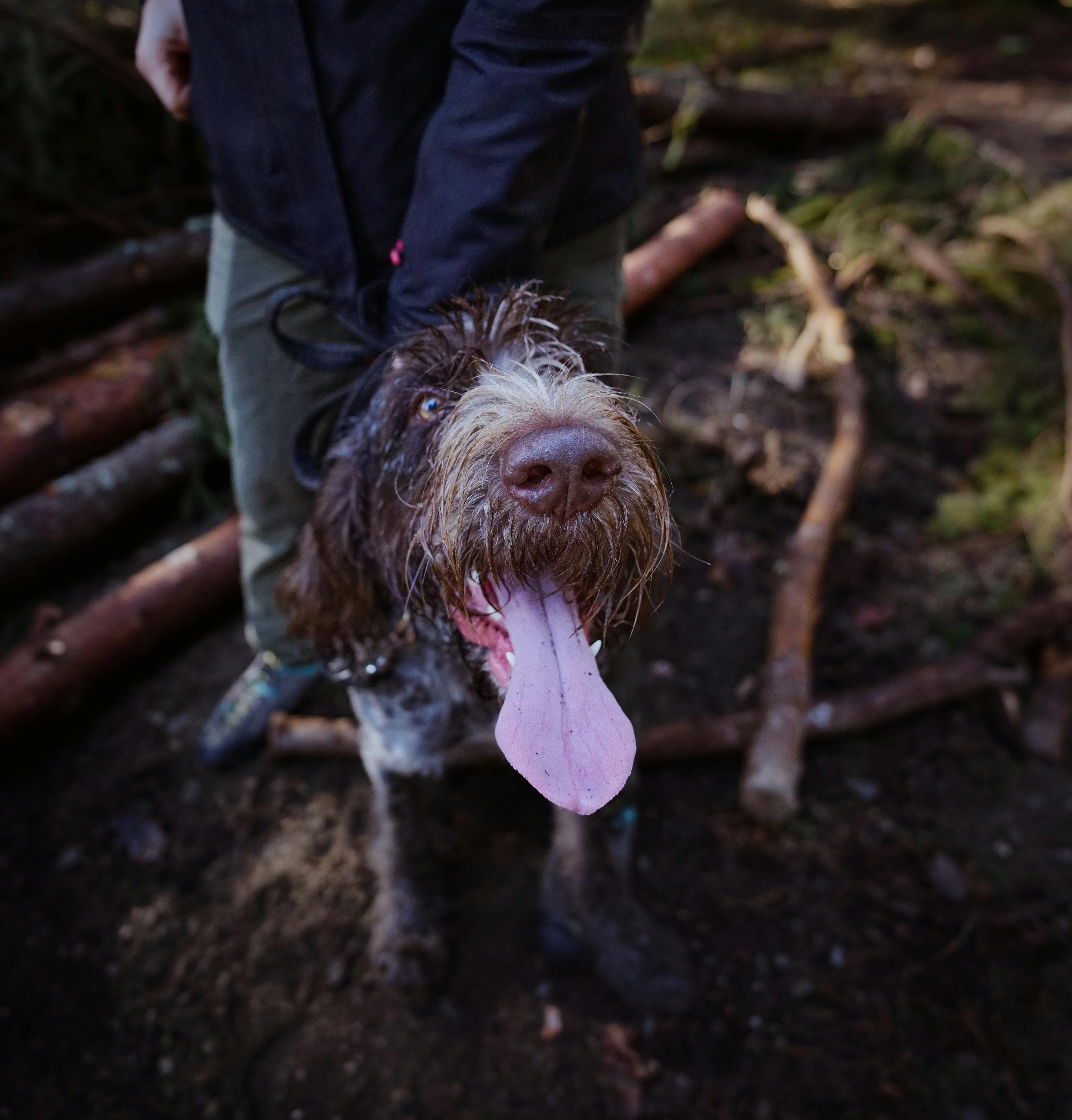 \n\n
\n\nIf you ever wondered why dogs have wet noses, you’re not alone. Many pet owners notice that their furry friends' noses are typically moist, and this peculiar feature is not just for show. There are many fascinating reasons behind this trait, and it plays a crucial role in their survival. Here we explore 7 fun facts about dog noses that reveal why their wetness is key to their existence.
\n1. Enhanced Sense of Smell
\nDogs have an incredible sense of smell, estimated to be anywhere from 10,000 to 100,000 times more acute than humans. Their wet noses help them detect scents more effectively. When a dog's nose is moist, it captures scent particles from the air better. This is because the moisture allows the scent molecules to dissolve, making it easier for the dog to identify and track scents.
\n2. Temperature Regulation
\nJust like humans sweat to cool down, dogs utilize their noses to help regulate their body temperature. When a dog is overheated, the moisture on their nose evaporates, which aids in cooling their body. This is especially important because dogs don’t sweat the same way humans do. Their primary means of cooling off is through panting, but having a wet nose also contributes to their overall temperature management.
\n3. Communication Tool
\nDogs communicate not only through barks and body language but also through their noses! A dog’s nose can pick up pheromones and other chemical signals that convey information about other dogs and their environment. A wet nose might indicate that a dog is healthy and well-hydrated, which can be important in social interactions with other dogs.
\n4. Health Indicator
\nThe condition of a dog's nose can be an indicator of their health. A healthy dog typically has a moist and cool nose, while a dry or cracked nose might signal dehydration or illness. However, not all dry noses are a cause for concern. Factors like weather, activity level, and breed can influence nose moisture. Here’s a quick list of common factors affecting a dog’s nose:
\n- \n
- Weather: Hot or dry conditions can lead to a dry nose. \n
- Activity Level: After playtime or exercise, a dog's nose may become drier. \n
- Health Issues: Persistent dryness can indicate allergies or other health problems. \n
5. The Role of Breed
\nInterestingly, the moisture of a dog's nose can vary by breed. Some breeds have naturally wetter noses due to their physical characteristics. For instance, hounds and retrievers often have a more prominent moisture level than breeds like bulldogs or pugs. This can be due to the shape of their noses or the amount of skin around their snouts.
\n6. Evolutionary Advantage
\nFrom an evolutionary standpoint, having a wet nose provides dogs with a survival advantage. In the wild, a keen sense of smell helps dogs locate food, identify potential threats, and navigate their environment. A wet nose enhances their ability to sniff out predators or prey, making them more effective hunters and survivors. This trait has been honed over thousands of years, reflecting the adaptability of dogs.
\n7. Scent Memory
\nDogs are known for their remarkable memory when it comes to scent. Their wet noses not only help with capturing scents but also play a role in scent memory. When dogs sniff something, they can remember it for a long time, which helps them identify familiar places or other dogs they’ve encountered. This ability is crucial for their social interactions and understanding of their environment.
\nThe Fascinating Truth
\nUnderstanding why dogs have wet noses opens up a whole new appreciation for our canine companions. Their noses are not just cute; they are essential tools for survival, communication, and health monitoring. So next time you notice your furry friend giving you a little nuzzle with their wet nose, remember that this feature is a testament to their evolutionary journey and incredible sensory abilities.
\nIn conclusion, the wetness of dog noses serves many purposes that go beyond what we might first think. It’s a unique characteristic that contributes to their survival, health, and social life. Whether you are a seasoned dog owner or considering adding a furry friend to your family, knowing these fun facts can enhance your bond with your pet and deepen your understanding of their fascinating biology. Embrace the quirks of dog ownership, and celebrate the wet noses that make them who they are!
\n\nWhat to Do If Your Dog’s Nose Becomes Excessively Dry: Signs and Solutions
\n\n \n\n
\n\nAs a dog owner, you might’ve noticed that your furry friend’s nose can vary in temperature and moisture, sometimes feeling dry and sometimes wet. It's a common topic of discussion among pet lovers. But what should you do if your dog’s nose becomes excessively dry? And why do dogs have wet noses in the first place? Let’s dive into these fascinating questions and explore signs, solutions, and the science behind those adorable snouts.
\nWhy Do Dogs Have Wet Noses?
\nDogs have wet noses for several reasons. It’s not just a random trait; it actually plays a crucial role in their health and well-being. Here’s some interesting facts about why those noses are typically moist:
\n- \n
- \n
Sense of Smell: A wet nose helps dogs smell better. The moisture captures scent particles, allowing them to detect smells more effectively. This is why dogs are often used in search and rescue operations.
\n \n - \n
Temperature Regulation: Dogs can't sweat like humans do. Their noses help regulate their temperature. A wet nose can cool them down, which is especially important on hot days.
\n \n - \n
Communication Tool: Dogs use their noses to communicate with each other. A wet nose can signal different emotions or states of health to other dogs.
\n \n
Signs Your Dog’s Nose is Excessively Dry
\nIf your dog’s nose feels dry, it may not be a cause for immediate alarm. However, it’s essential to keep an eye out for certain signs. Here are some things to consider:
\n- \n
- \n
Cracks or Fissures: If the nose is not just dry but also cracked, this could indicate a problem.
\n \n - \n
Change in Behavior: If your dog seems lethargic or loses interest in food and play, it might be a sign of an underlying issue.
\n \n - \n
Excessive Drinking: Increased thirst can be another symptom, particularly if it’s paired with a dry nose.
\n \n - \n
Nose Color Change: If the color of your dog’s nose changes from the usual shade to a lighter or darker color, this may require veterinary attention.
\n \n - \n
Nasal Discharge: An unusual discharge from the nose, whether it’s clear, cloudy, or colored, could indicate infection or other health issues.
\n \n
What to Do If Your Dog’s Nose Becomes Excessively Dry
\nIf you observe that your dog’s nose is excessively dry, you can take several steps to help. Here’s a list of actions you might consider:
\n- \n
- \n
Hydration: Ensure your dog is drinking enough water. Dehydration can lead to a dry nose.
\n \n - \n
Humidifier: Using a humidifier in your home can help maintain moisture levels in the air, which is beneficial for your dog’s nose.
\n \n - \n
Nose Balm: There are specially formulated nose balms available that can help soothe and moisturize your dog's nose.
\n \n - \n
Regular Vet Checkups: Schedule regular vet visits to monitor your dog's overall health. This can help catch any underlying problems early.
\n \n - \n
Monitor Environment: Be mindful of extreme weather conditions. Hot, dry air can exacerbate a dry nose.
\n \n
When to Seek Veterinary Help
\nIf your dog’s nose remains dry despite your efforts to help, or if you notice any concerning symptoms, it’s best to consult a veterinarian. They can evaluate your dog’s condition and determine if there is a serious underlying issue. Some potential health issues linked with a dry nose include:
\n- \n
- Autoimmune diseases \n
- Skin infections \n
- Allergies \n
- Dehydration \n
The Fascinating Truth About Dog Noses
\nUnderstanding the reasons behind a dog’s wet nose and the implications of a dry one is crucial for every dog owner. Dogs have around 220 million scent receptors, and their noses are incredibly sensitive. Here’s a comparison of their sense of smell with humans:
\n- \n
- Dogs: 220 million scent receptors \n
- Humans: 5 million scent receptors \n
This massive difference helps explain why dogs can detect certain scents that are entirely undetectable to humans.
\nIn conclusion, a dog’s nose is not just a cute feature; it serves important functions related to health and behavior. Monitoring your dog’s nose condition can provide insights into their overall well-being. If you notice any persistent changes, don’t hesitate to reach out to your veterinarian for guidance. Keeping your pup hydrated and comfortable can help maintain that wet, healthy nose that we all love to see!
\n\nConclusion
\n\nIn conclusion, the wet noses of dogs serve several important functions, from enhancing their sense of smell to helping regulate body temperature. The moisture on their noses is not just a quirk; it plays a crucial role in their overall health and communication. Dogs' noses contain scent receptors that are far more sensitive than humans', allowing them to detect a wide range of smells, which is vital for their interaction with the environment. Additionally, a moist nose can indicate a dog’s hydration level and overall well-being. While it’s essential to monitor any changes in your dog's nose, remember that a wet nose is often a sign of a happy and healthy pup. So, the next time you greet your furry friend, take a moment to appreciate that wet nose—it’s a fascinating feature that reflects their unique biology. Share your thoughts or experiences with your dog's nose in the comments below!
\n\n