Have you ever wondered, why do dogs have wet noses? This intriguing question not only sparks curiosity but also reveals fascinating insights into our furry friends. A dog's nose is not just an adorable feature; it serves multiple important functions that contribute to their health and well-being. In fact, the moisture on their snouts plays a crucial role in their sense of smell, helping them to detect scents more accurately. Isn't that amazing? Furthermore, wet noses can also be a sign of a dog's overall health. But what really makes them so damp? In this article, we will delve into the scientific reasons behind why dogs have wet noses, explore the benefits of a moist nose, and even discuss some common myths that surround this quirky canine characteristic. Whether you’re a proud dog owner or simply a curious pet enthusiast, understanding the truth about your dog's nose can enhance your bond with them. So, are you ready to uncover the secrets of your pup’s wet nose? Let’s embark on this journey together and discover the fascinating truth behind this endearing trait!
\n\nThe Science Behind Dog Noses: Why Wetness Matters for Canine Health
\n\n \n\n
\n\nDogs are amazing creatures with a lot of unique features, but one of the most interesting aspects of them is their noses. Have you ever wondered why do dogs have wet noses? It turns out, the wetness of a dog’s nose is more than just a quirky trait; it plays a crucial role in their overall health and well-being. The science behind dog noses is fascinating, and understanding it can give you better insight into your furry friend’s health.
\nThe Anatomy of a Dog’s Nose
\nA dog’s nose is a complex organ, specially designed for smelling. Unlike humans, who have about 5 million scent receptors, dogs have anywhere from 220 to 300 million of them! This allows them to detect scents in a way that is completely foreign to us. The wetness of their nose is key to this incredible sense of smell.
\n- \n
- Scent Receptors: More than humans. \n
- Moisture: Helps capture scent particles. \n
- Surface Area: The large area aids in gathering smells. \n
Why Do Dogs Have Wet Noses?
\nSo, why do dogs have wet noses? The answer lies in the science of olfaction, or the sense of smell. A wet nose can help dogs in several ways:
\n- \n
- \n
Enhanced Smelling Ability: Moisture on the nose helps to trap scent particles. When a dog inhales, these particles stick to the wet surface, making it easier for their brains to process the smells.
\n \n - \n
Temperature Regulation: Dogs cannot sweat like humans. A wet nose helps in cooling them down. When they breathe, moisture evaporates, which cools their body.
\n \n - \n
Health Indicator: A wet nose often indicates a healthy dog. A dry nose can be a sign of dehydration or illness, though it's not always the case.
\n \n
The Role of Nasal Mucus
\nAnother interesting thing about dog noses is the mucus that coats them. This mucus serves various functions:
\n- \n
- \n
Filtering: It helps filter out allergens and other particles, ensuring that only the best scents reach the olfactory receptors.
\n \n - \n
Hydration: Keeps the nose moist, which, as mentioned, is essential for smelling.
\n \n - \n
Temperature Control: Just like the wetness, mucus aids in regulating temperature.
\n \n
Fun Facts About Dog Noses
\nHere are some fun and surprising facts about dog noses that you might not know:
\n- \n
- \n
Color Variation: A dog’s nose can be black, brown, pink, or spotted. The color usually correlates with the dog’s overall coat color.
\n \n - \n
Unique Prints: Just like human fingerprints, every dog has a unique nose print that can be used for identification.
\n \n - \n
Sense of Time: Dogs can smell time! They can detect hormonal changes in humans, which can indicate when it’s time for meals or walks.
\n \n
How to Care for Your Dog’s Nose
\nKeeping your dog’s nose healthy is important for their overall well-being. Here are some easy tips:
\n- \n
- \n
Hydration: Make sure your dog drinks enough water. A hydrated dog is more likely to have a healthy, wet nose.
\n \n - \n
Regular Vet Check-ups: Routine check-ups can help catch any potential health issues related to your dog’s nose.
\n \n - \n
Protect from the Elements: In extreme weather, use dog-safe balms to protect your dog’s nose from dryness or cracking.
\n \n
Understanding Nose Health
\nIt’s essential to understand that not every dry nose means your dog is sick. Some breeds naturally have drier noses than others. Here’s a quick comparison of different breeds:
\n| Breed | \nTypical Nose Condition | \n
|---|---|
| Labrador | \nOften wet | \n
| Bulldog | \nCan be dry | \n
| Greyhound | \nUsually wet | \n
If you notice any significant changes in your dog’s nose, like persistent dryness or cracking, it’s important to consult a veterinarian.
\nThe Fascinating Truth About Canine Noses
\nDogs’ noses are not just adorable; they are vital for their survival and communication. The wetness of their noses is a key part of their incredible sense of smell, helping them navigate the world in ways we can’t even begin to comprehend.
\nIn sum, understanding your dog’s nose is a window into their health and behavior. So next time you wonder why do dogs have wet noses, remember it’s not just a cute feature, it’s a significant part of what makes them such incredible companions. Keep an eye on that nose, and it’ll tell you a lot about how your furry friend is feeling!
\n\nTop 5 Reasons Dogs Have Wet Noses: Unraveling the Mystery
\n\n \n\n
\n\nHave you ever wonder why your furry friend’s nose is always wet? Most people just think it’s a part of being a dog, but there’s actually some fascinating science behind it. The moisture on a dog’s nose isn’t just a random thing; it serves several purposes that are important for their health and behavior. Let’s dive into the top 5 reasons dogs have wet noses and discover the truth behind this intriguing canine characteristic.
\n1. Sensory Function
\nDogs have an incredible sense of smell, and their wet noses play a crucial role in that. The moisture helps to trap scent particles, which allow dogs to identify various smells much more effectively. Imagine if you were trying to smell something in a dry environment; it would be pretty hard, right?
\n- \n
- Wet noses help absorb scent molecules \n
- Dogs can pick up on odors that are imperceptible to humans \n
- It’s a vital part of their tracking and hunting skills \n
This moist surface also allows them to more accurately determine the direction of a scent. So, next time you see your dog sniffing around, remember that their wet nose is working hard!
\n2. Temperature Regulation
\nDogs don’t sweat like humans do. Instead, they rely on their noses and panting to regulate their body temperature. When a dog’s nose is wet, it helps cool them down.
\n- \n
- Wet noses can indicate that a dog is comfortable and not overheating \n
- Helps in maintaining a stable body temperature during hot weather \n
- Dogs sometimes lick their noses to keep them moist, especially when they get warm \n
This mechanism is vital for their health, especially during those hot summer days. A dog with a dry nose might be feeling a bit too hot!
\n3. Communication Tool
\nDog noses are not just for smelling; they also serve as a form of communication. When dogs greet each other, they often sniff each other’s noses, and that wetness plays a part in it.
\n- \n
- Wet noses can indicate a dog’s emotional state \n
- Dogs can sense pheromones, which are crucial for social interactions \n
- A wet nose can show that a dog is friendly and approachable \n
So, when your pup greets another dog with a wet nose, they might just be saying "Hi!" in the dog world.
\n4. Health Indicator
\nA dog’s nose can also be an important health indicator. Changes in moisture can signal potential health issues.
\n- \n
- A dry, cracked nose might indicate dehydration or illness \n
- A healthy nose is usually moist and cool to the touch \n
- Dog owners should monitor their pets' noses for any drastic changes \n
If you notice a sudden change in your dog’s nose, it might be a good idea to consult with your veterinarian. They can provide insights into whether it's a sign of something more serious.
\n5. Evolutionary Trait
\nThe wet nose is also an evolutionary characteristic that has been passed down through generations. Historically, dogs that had wet noses were more successful hunters.
\n- \n
- Wet noses help them survive by improving their ability to track prey \n
- It’s a trait that has been beneficial for their ancestors \n
- Dogs have evolved to keep this trait for hunting, even if they are now more likely to be family pets \n
This evolutionary aspect shows just how important a wet nose has been to dogs throughout history.
\nFinal Thoughts
\nUnderstanding why dogs have wet noses unravels a bit of the mystery behind our furry companions. From aiding in their sense of smell to playing a role in their social interactions, those moist noses are more than just a cute feature. They keep your dog cool, help them communicate, and can even give you a glimpse into their health. So the next time you see your pet with their wet nose, you can appreciate all the functions it serves.
\nWhether you’re a dog owner or just a dog lover, knowing the reasons behind their wet noses can deepen your connection with these amazing animals. It’s a small yet significant aspect of what makes dogs so special.
\n\nIs a Wet Nose a Sign of a Healthy Dog? Debunking Common Myths
\n\n \n\n
\n\nMany dog owners often thinks that a wet nose is a sure sign of a healthy dog. But is it really true? This belief has been around for ages, and there’s a lot of myths surrounding this topic. Let’s dive into the fascinating world of canine noses, explore why do dogs have wet noses, and debunk some common myths along the way.
\nThe Science Behind Wet Noses
\nDogs have wet noses mainly due to their unique biology. The moisture on a dog's nose comes from several sources, including:
\n- \n
- Mucous Glands: Dogs have mucous glands that help keep their noses moist. This moisture aids in their sense of smell, which is incredibly sensitive. \n
- Environmental Factors: If it rains or the dog drinks water, it can also contribute to the wetness of their noses. \n
- Licking: Dogs often lick their noses, which not only keeps them wet but also helps them gather scents. \n
Why Do Dogs Have Wet Noses?
\nWet noses serves multiple purposes. Here’s a list of reasons why a dog’s nose is typically wet:
\n- \n
- Enhanced Smell: A wet nose helps capture scent particles from the air. The moisture allows the smells to stick, improving a dog's ability to detect odors. \n
- Thermoregulation: Dogs do not sweat like humans do. Instead, they rely on their noses to help cool themselves down. The evaporation of moisture from their noses can assist in regulating body temperature. \n
- Communication: Dogs often communicate through scent. A wet nose can be a signal to other animals or humans about their emotional state or health. \n
Debunking Common Myths
\nThere are many myths about dog noses that simply isn’t true. Here are some of the most common misconceptions:
\n- \n
- Myth 1: A Wet Nose Equals Health: While a wet nose can indicate hydration, it doesn’t always mean a dog is healthy. Dogs can be sick and still have wet noses. \n
- Myth 2: A Dry Nose Means Sickness: A dry nose isn’t automatically a sign of illness. Weather changes, dehydration, or even just waking up can make a dog’s nose dry. \n
- Myth 3: All Dogs Have Wet Noses: Not all dogs have wet noses all the time. Some breeds, like bulldogs, may have drier noses due to their unique facial structures. \n
Interesting Facts About Dog Noses
\nDog noses are not only wet; they’re also quite fascinating. Here are some interesting facts:
\n- \n
- Unique Patterns: Just like human fingerprints, every dog has a unique nose print. This can be used for identification. \n
- Scent Receptors: Dogs have up to 300 million scent receptors in their noses, compared to about 6 million in humans. This is why they can smell drugs, missing persons, and even diseases. \n
- Color Changes: A dog’s nose can change color due to various factors, including exposure to sunlight, aging, or certain health conditions. \n
Practical Tips for Dog Owners
\nAs a dog owner, its important to monitor your dog’s overall health, not just their nose. Here are some practical tips:
\n- \n
- Regular Vet Checkups: Ensure your dog gets regular veterinary care to monitor their health. \n
- Hydration: Keep fresh water available and encourage your dog to drink, especially in hot weather. \n
- Observe Behavior: Look for other signs of health, like energy levels, eating habits, and grooming behavior. \n
Comparing Wet and Dry Noses
\nHere’s a simple comparison of wet and dry noses in dogs:
\n| Feature | \nWet Nose | \nDry Nose | \n
|---|---|---|
| Potential Indicators | \nGood hydration, active scent detection | \nPotential dehydration, illness | \n
| Common Causes | \nNatural moisture, licking, humidity | \nWeather, sleep, health conditions | \n
| Breeds with Dry Noses | \nMost breeds, especially when active | \nBulldogs, pugs may have drier noses | \n
It’s clear that the health of a dog cannot be judged solely by the state of their nose. While a wet nose is often seen as a sign of well-being, it’s just one aspect of a dog’s overall health. Regular check-ups and attentive care are crucial to keeping your furry friend happy and healthy. Understanding why do dogs have wet noses and what it means can help you be a better pet owner. So next time you see your dog with a wet nose, remember the fascinating reasons behind it, and don’t jump to conclusions about their health.
\n\nHow Dogs Use Their Wet Noses: 7 Incredible Functions You Didn’t Know About
\n\n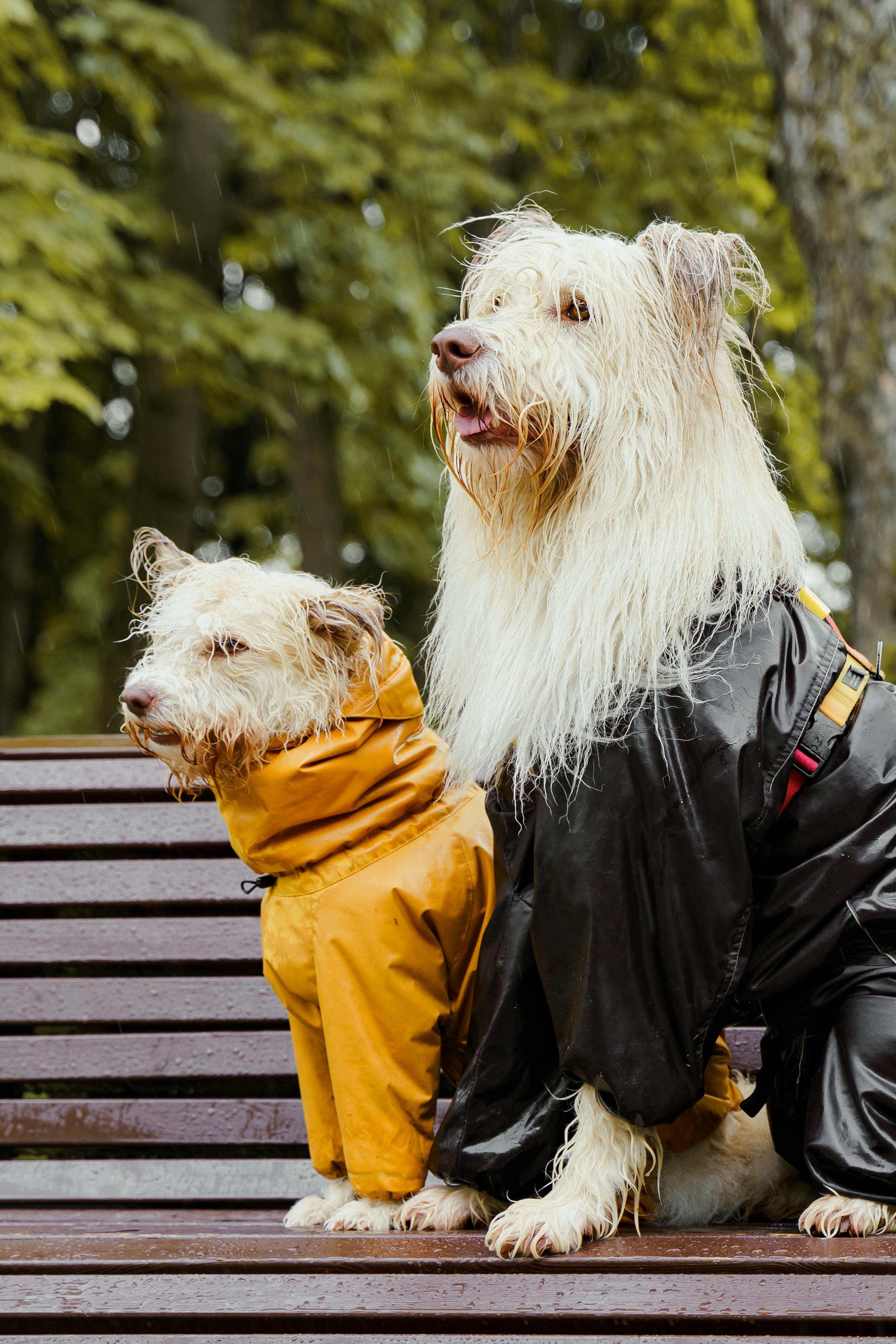 \n\n
\n\nEver wonder why dogs have wet noses? It’s a common question that many dog lovers find themselves asking. Wet noses are not just for show; they serve various important functions that contribute to a dog’s health and well-being. In this article, we’ll explore how dogs use their wet noses and reveal seven incredible functions you probably didn’t know about. Get ready to be fascinated by the science behind those adorable snouts!
\n1. Enhancing Sense of Smell
\nDogs has an extraordinary sense of smell, way more powerful than humans. A wet nose actually helps with that! The moisture on a dog's nose captures scent particles from the air, making it easier for them to identify different smells. When they sniff around, their wet noses absorb these particles, which are then processed by the olfactory receptors in their noses.
\n2. Temperature Regulation
\nDid you know that a dog’s nose plays a role in regulating its body temperature? When a dog is hot, the moisture from its nose helps cool down its body. This is similar to how humans sweat to cool off. If you ever see your dog panting, it’s probably because they’re trying to cool down as their wet nose help keeps their temperature in check.
\n3. Communication Tool
\nDogs are social animals, and their noses are central to their communication. A dog might greet another dog by sniffing its nose. This behavior is a way of gathering information about other dogs, including their mood, health, and even what they’ve eaten recently. The wetness of the nose can also convey a sense of friendliness and approachability.
\n4. Health Indicator
\nA dog’s nose can tell you a lot about its health. A cold, wet nose is often seen as a sign of a healthy dog. Conversely, if the nose is dry, it can indicate dehydration or even illness. However, it’s not an absolute rule. There are many factors that can influence a dog's nose moisture, like weather conditions or the dog’s activity level.
\n5. Sensory Organ
\nThe nose of a dog is not just for sniffing; it’s also a sensory organ that helps them interact with their environment. Dogs has scent glands in their noses that allow them to detect pheromones, which are chemical signals that convey information about other animals. This ability helps dogs navigate their surroundings and understand other animals’ behaviors.
\n6. Moisture and Dirt Removal
\nA dog's wet nose also helps to keep their sense of smell sharp. When dogs lick their noses, they are cleaning away dirt and debris that might interfere with their ability to smell. This is why you might see your dog frequently licking its nose, especially after sniffing something particularly interesting. It's like their own little cleaning routine!
\n7. Bonding with Humans
\nLastly, a dog's nose can also deepen the bond between them and their human companions. When a dog nudges you with its wet nose, it’s often a sign of affection. This act is a way for dogs to show their love and strengthen their relationship with their owner. So, next time your dog gives you that wet-nosed nudge, remember it’s their way of saying “I love you!”
\nQuick Facts About Dog Noses
\n- \n
- Dogs have around 220 million olfactory receptors, while humans only have about 5 million. \n
- A dog's sense of smell is 10,000 to 100,000 times more acute than that of humans. \n
- The average dog has a nose temperature of about 101 to 102 degrees Fahrenheit. \n
Fun Comparisons
\n| Dog Nose Function | \nHuman Equivalent | \n
|---|---|
| Enhanced smell | \nTaste buds | \n
| Temperature regulation | \nSweating | \n
| Communication | \nVerbal communication | \n
| Health indicator | \nPhysical symptoms | \n
| Environmental interaction | \nTouch and sight | \n
Understanding why dogs have wet noses and how they use them can deepen your appreciation for these amazing animals. Whether they’re sniffing out a treat or nudging you for attention, their wet noses play a crucial role in their lives. So, the next time you see that adorable, wet nose, you’ll know there’s way more going on than meets the eye!
\n\nWet vs. Dry Noses: What Your Dog's Nose Says About Their Health
\n\n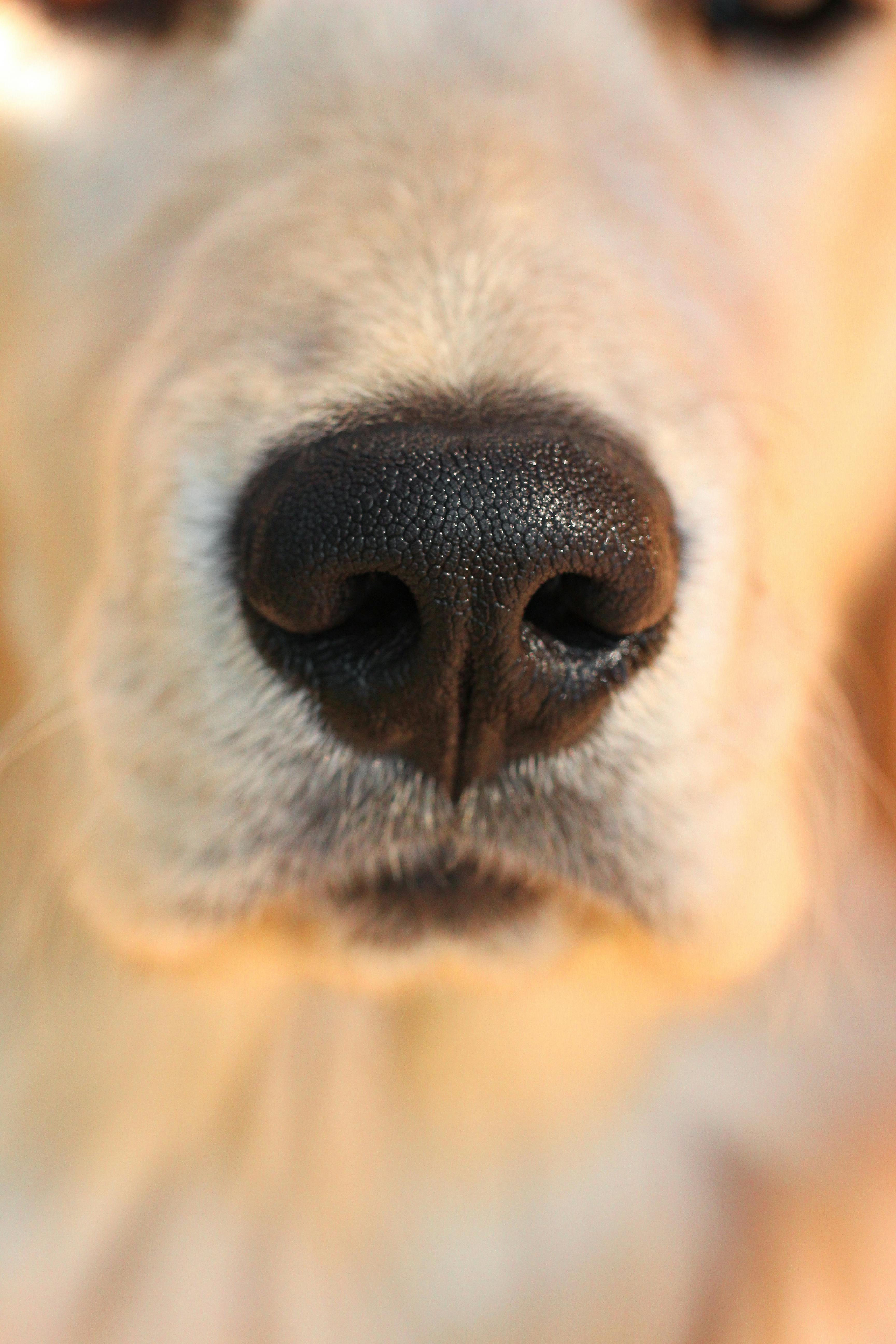 \n\n
\n\nHave you ever noticed your dog's nose and wondered what it means? Wet vs. dry noses can tell you a lot about your furry friend’s health — or at least that’s what many pet owners believe. In this article, we’ll dive into the wet-nosed wonderland of canine health and explore the fascinating truth behind why do dogs have wet noses?
\nThe Science Behind a Dog's Nose
\nDogs noses are moist for a good reason. Their noses are packed with sensory receptors, which help them to smell better than we can even imagine. When a dog's nose is wet, it helps them to absorb scent molecules. That’s why, when your dog sniffs the ground or anything else, it’s working hard to gather information about their environment.
\n- \n
- Wet noses helps with smell \n
- Moisture helps to trap scent particles \n
- Dogs can detect scents up to 100,000 times better than humans \n
What Does a Wet Nose Mean?
\nSo, what does a wet nose really indicates? A wet nose is typically a sign of a healthy dog. But it’s not a guarantee. Some factors can affect the moisture of your dog’s nose. Here’s a handy list of reasons why a dog’s nose might be wet:
\n- \n
- Normal Body Temperature Regulation: Dogs sweat through their noses, helping to keep cool. \n
- Excitement or Playfulness: When dogs are active, their noses can become wetter. \n
- Hydration Level: A well-hydrated dog usually has a moist nose. \n
- Environmental Factors: Humidity or rain can make a dog’s nose wet. \n
When to Worry About a Dry Nose
\nNow, a dry nose isn’t always a bad sign, but it can indicate some health issues. Here’s a list of situations when a dry nose might be concerning:
\n- \n
- Lack of Hydration: If your dog hasn’t been drinking enough water, their nose may dry up. \n
- Illness: Certain illnesses can cause changes in a dog’s nose. \n
- Infection or Allergies: Dryness can also be a sign of an underlying allergy or skin infection. \n
- Temperature Extremes: If it’s too hot or too cold, your dog’s nose might dry out. \n
Comparing Wet and Dry Noses
\nIt can be helpful to compare the two states. Here’s a simple table to summarize the differences between wet and dry noses in dogs:
\n| Feature | \nWet Nose | \nDry Nose | \n
|---|---|---|
| Temperature | \nUsually cool | \nCan be warm | \n
| Hydration Level | \nWell-hydrated | \nCould indicate dehydration | \n
| Health Indicator | \nGenerally healthy | \nNeed to monitor for illness | \n
| Sensation | \nMore sensitive to scents | \nLess sensitive | \n
Fun Facts About Dogs' Noses
\nDid you know that dogs’ noses are unique? Just like human fingerprints, each dog's nose print is different. Here are some fun facts about dog noses:
\n- \n
- Dogs have about 300 million scent receptors, compared to humans who have about 5 million. \n
- The color of a dog’s nose can change with age or health. \n
- Dogs can even detect certain diseases, like cancer, through their sense of smell. \n
- Some breeds have wetter noses than others; for example, Basset Hounds tend to have very moist noses. \n
What You Should Do
\nIf you notice changes in your dog's nose, it’s important to pay attention. Keeping an eye on your dog’s nose can help catch potential health issues early. Here are some steps you can take:
\n- \n
- Monitor Hydration: Ensure your dog has access to fresh water. \n
- Observe Behavior: Look for other signs of illness, like changes in appetite or lethargy. \n
- Check Environment: Make sure your dog isn’t exposed to extreme temperatures for long periods. \n
- Regular Vet Visits: Regular check-ups can help catch any issues before they become serious. \n
Dogs are amazing creatures, and their noses are just one of the many things that makes them special. Whether wet or dry, a dog’s nose can give you clues about their health and well-being. So, the next time you pet your pup, take a moment to appreciate that wet nose, and remember, it’s just one of the many ways they communicate with us!
\n\nThe Role of Temperature in a Dog's Nose: Why It Matters for Your Pet
\n\n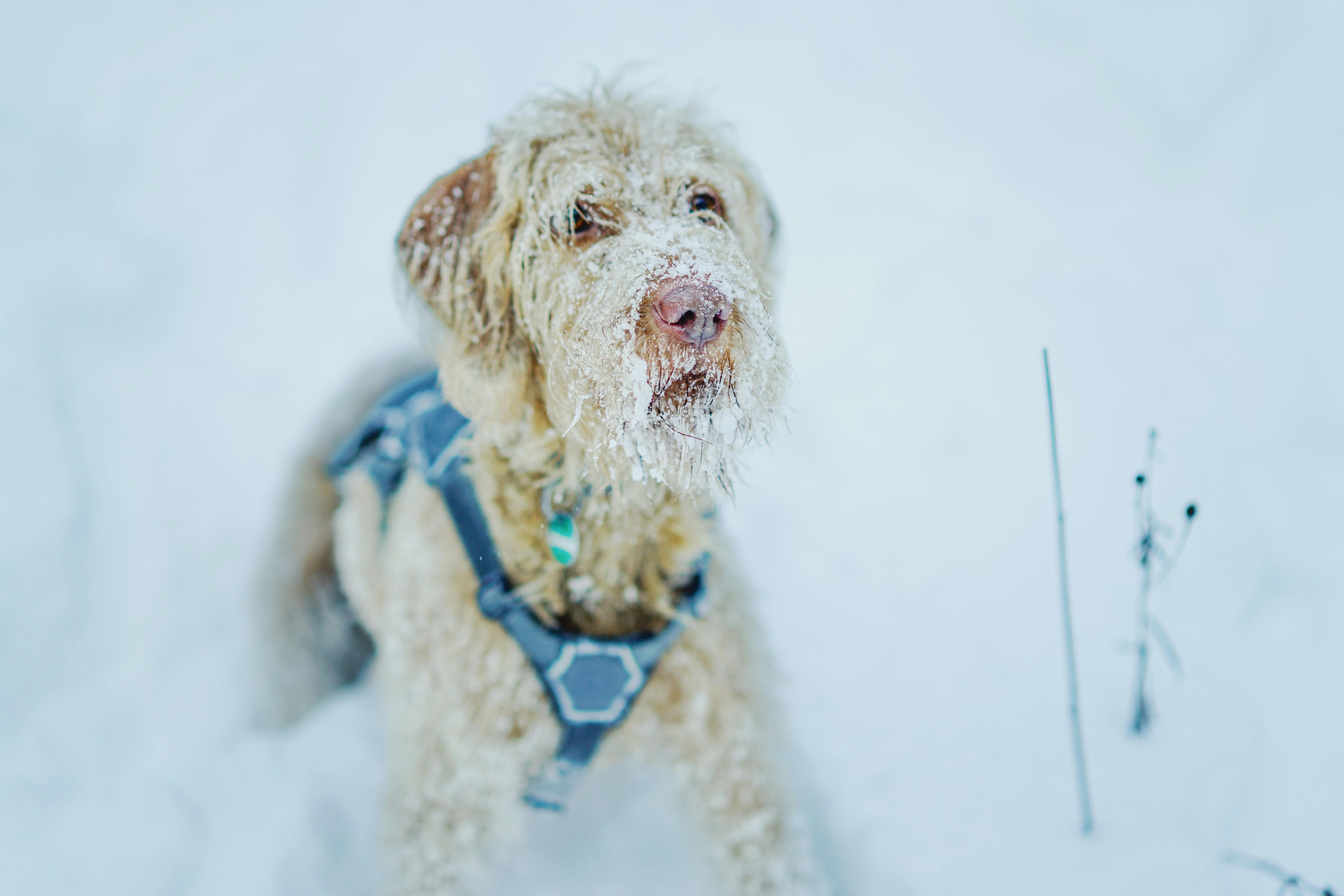 \n\n
\n\nDogs are one of the most beloved pets in the world, and their unique features often fascinate us. One of these distinctive traits is their wet noses. Ever wonder why do dogs have wet noses? It turns out, the temperature of a dog's nose plays an important role in their health and behavior. In this article, we will explore the role of temperature in a dog's nose and the reasons behind that wetness.
\nThe Science Behind a Dog’s Nose
\nDogs have an impressive sense of smell, estimated to be 40 times better than humans. This incredible olfactory ability is partially due to their unique nose structure. The surface of a dog's nose contains moisture, which is key in supporting this sense. A wet nose helps to capture scent particles from the air. When these particles land on the moist surface, it enhances their ability to detect different smells.
\nWhy Do Dogs Have Wet Noses?
\n- \n
- \n
Temperature Regulation: Dogs don't sweat like humans do. Instead, they cool themselves through panting and, to some extent, through their noses. The moisture on their noses evaporates, helping to cool their body temperature.
\n \n - \n
Enhanced Smelling: The moist surface of the nose captures scent particles more effectively. This means that a wet nose can actually improve a dog's ability to detect various odors.
\n \n - \n
Health Indicator: A dog's nose can indicate their health. A healthy dog usually has a cool, moist nose, while a dry or warm nose could signal illness or dehydration. However, this isn't always the case, as many factors can affect nose temperature.
\n \n
The Role of Temperature in a Dog’s Nose
\nTemperature in a dog's nose varies throughout the day and can be influenced by several factors:
\n- \n
- Activity Level: When dogs are active, their noses might become warmer due to increased blood flow and body heat. \n
- Environment: Weather conditions can impact nose temperature. Hot weather can lead to a warm, dry nose, while cooler temperatures can result in a damp and cool nose. \n
Here’s a quick breakdown of how temperature affects a dog's nose and overall health:
\n| Condition | \nNose Temperature | \nPossible Health Issues | \n
|---|---|---|
| Healthy Activity | \nCool and Moist | \nNormal | \n
| Warm and Dry | \nAbove Normal | \nDehydration, Fever | \n
| Cold and Dry | \nBelow Normal | \nAllergies, Environmental Irritants | \n
Why Moisture Matters
\nMoisture on a dog's nose serves more than just a function of smelling better. It plays a vital role in their overall well-being. Here are some reasons moisture is important:
\n- \n
- Scent Detection: As mentioned, moisture helps in capturing scent molecules. This is crucial for hunting, tracking, and even just exploring their environment. \n
- Temperature Control: Keeping their body cool is important, especially in hot weather. A moist nose plays a part in this, allowing dogs to maintain a comfortable temperature. \n
- Health Monitoring: Changes in moisture levels can indicate health issues. For example, if a dog's nose suddenly becomes dry, it might be time for a vet visit. \n
Common Misconceptions
\nMany people believe that a dog's wet nose is always a sign of good health, but it's not that simple. Here are some misconceptions worth noting:
\n- \n
- Myth 1: A dry nose means your dog is sick. While it can be an indicator, many healthy dogs can have dry noses too. \n
- Myth 2: All dogs have wet noses. Some breeds naturally have drier noses, and that can be completely normal. \n
- Myth 3: Nose temperature alone tells everything about a dog’s health. Other factors like behavior, appetite, and energy level should also be considered. \n
Tips for Monitoring Your Dog's Nose Health
\n- \n
- \n
Regular Checks: Get into the habit of checking your dog's nose. Look for changes in moisture, color, or temperature.
\n \n - \n
Hydration: Ensure your dog stays well-hydrated, especially in hot weather. This will help keep their nose moist.
\n \n - \n
Vet Visits: Regular vet check-ups can help catch any underlying issues that might affect your dog's nose and overall health.
\n \n - \n
Watch for Symptoms: Besides nose condition, monitor for changes in behavior, eating habits, and energy levels.
\n \n
Understanding the role of temperature in a dog's nose is essential for every pet owner. It’s not just about why do dogs have wet noses; it's about what that moisture means for their health. So next time you give your furry friend a pat on the head, don’t forget to take a moment to appreciate their unique nose and all it does for them!
\n\nWhy Do Dogs Sniff Everything? The Connection to Their Wet Noses Explained
\n\n \n\n
\n\nDogs are truly fascinating creatures, and one of their most curious behaviors is their tendency to sniff everything around them. If you've ever wondered why do dogs sniff everything, you're not alone. Many dog owners have question about this quirky habit, and it’s deeply connected to their wet noses. So let's dive into this topic and explore the interesting reasons behind it.
\nThe Science Behind Dog Noses
\nDogs have an incredible sense of smell, which is much more sensitive than that of humans. While we humans have around 5 million scent receptors in our noses, dogs have up to 300 million! This means they can detect scents at incredibly low concentrations, making their noses a vital tool for exploring their environment.
\n- \n
- Scent Receptors: Dogs possess between 220 to 300 million olfactory receptors, compared to only 5 million in humans. \n
- Brain Processing: A dog's brain processes smells in ways that are vastly different from humans. About 40% of their brain is dedicated to analyzing smells, whereas in humans, it's only about 5%. \n
- Jacobsen's Organ: Dogs have a special organ called the vomeronasal organ, or Jacobsen's organ, that helps them detect pheromones, which are chemical signals that can convey all sorts of information. \n
Why Do Dogs Sniff Everything?
\nSo why do dogs sniff everything? It's their way of gathering information about the world. When a dog sniffs an object, they're not just indulging in a curiosity; they’re actually reading the scents left behind by other animals and people.
\n- \n
- Gathering Information: Dogs learn about their surroundings through smells. They can tell who has been there, what other animals are present, and even what those animals have been eating. \n
- Social Interaction: Sniffing is also a form of social interaction among dogs. When they meet, they often sniff each other as a way of introduction. \n
- Curiosity and Exploration: Dogs are naturally curious. Just like a child exploring a new toy, dogs use their noses to discover new smells and experiences. \n
The Connection to Wet Noses
\nNow, let’s talk about why do dogs have wet noses. A wet nose is not just a cute feature; it serves several important purposes.
\n- \n
- Enhanced Smell: A moist nose helps capture scent particles better. When a dog’s nose is wet, it can absorb more scent molecules, improving their ability to smell. \n
- Cooling Mechanism: Dogs don’t sweat like humans do; instead, they regulate their body temperature through panting and the moisture on their noses. A wet nose helps to cool them down. \n
- Health Indicator: A healthy dog typically has a moist nose. If a dog’s nose is dry or cracked, it may be a sign of illness or dehydration. \n
Fun Facts About Dogs and Their Noses
\n- \n
- Color Variation: A dog's nose color can vary greatly between breeds. Some have black noses, while others have liver-colored or pink noses. \n
- Sniffing Speed: Dogs can sniff up to 20 times per second! They can take in a lot of information in just a short time. \n
- Individual Scents: Just like humans have unique fingerprints, every dog has a unique nose print. This can even be used for identification purposes. \n
Historical Context
\nThe relationship between dogs and humans has existed for thousands of years. Early humans relied on dogs for hunting, protection, and companionship. Their acute sense of smell made them invaluable for tracking game and alerting their owners to dangers. As time progressed, dogs were bred for specific tasks, but their strong sense of smell remained one of their defining characteristics.
\nPractical Examples of Dogs Using Their Noses
\n- \n
- Search and Rescue: Many dogs are trained to assist in search and rescue operations. Their ability to detect scents helps locate missing persons. \n
- Medical Detection: Some dogs can be trained to detect medical conditions such as diabetes or certain cancers through scent. \n
- Tracking: Hunting dogs use their noses to track game, while police dogs can track down suspects and locate drugs. \n
With their powerful noses, dogs have evolved into incredible companions who can read the world through scents. The next time your furry friend is sniffing around, remember that they're engaging in a natural behavior that connects them to their environment in a unique way. Understanding why do dogs sniff everything and the fascinating truth about their wet noses can deepen your appreciation for these loyal animals.
\n\nCan a Dog's Wet Nose Predict Rain? The Fascinating Truth Revealed
\n\n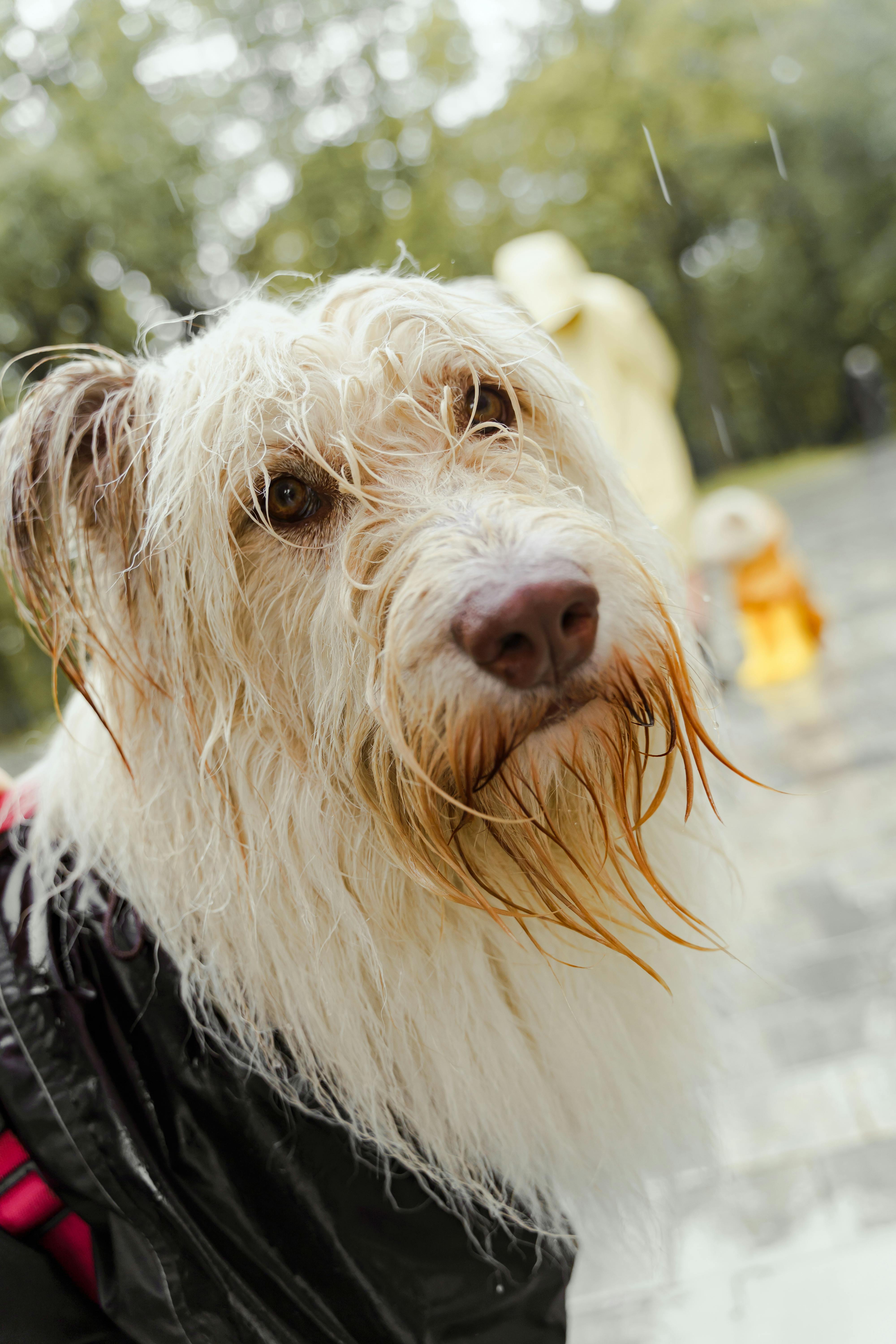 \n\n
\n\nCan a dog's wet nose predict rain? It's a fascinating question that have puzzled many dog owners and weather enthusiasts alike. The truth is, while there's no scientific proof that your furry friend can forecast the weather, there are some interesting facts about why dogs have wet noses and how they might seem to know when rain is coming.
\nWhy Do Dogs Have Wet Noses?
\nDogs noses are wet for several reasons, but mainly, it's to help them smell better. The moisture on a dog's nose helps to capture scent particles in the air, enhancing their sense of smell. Dogs have an exceptional olfactory system and their noses are designed to maximize their ability to detect different scents. Here are some reasons why those noses are often wet:
\n- \n
- Enhanced Smelling Ability: The wetness helps in the absorption of scent particles. \n
- Cooling Mechanism: Dogs regulate their body temperature through their noses, and a wet nose can help them cool down. \n
- Health Indicator: A healthy dog usually has a moist nose, while a dry nose can sometimes indicate illness or dehydration. \n
The Myth of the Predictive Nose
\nMany dog owners notice that their pets seem to act differently before it rains. Some anecdotal evidence suggests that dogs may behave unusually or show signs of anxiety as a storm approaches. But is this just a coincidence? Here are some factors that could contribute to this belief:
\n- \n
- Heightened Senses: Dogs have acute hearing and can detect changes in atmospheric pressure or the sound of thunder before humans can. \n
- Behavioral Changes: When the barometric pressure drops, dogs might behave restlessly or seek comfort from their owners. \n
- Smell Sensitivity: Dogs can smell rain, and they might detect scents that are carried by the wind, such as wet earth or plant life. \n
Historical Context of Dogs and Weather Prediction
\nFor centuries, people have associated animals' behavior with weather patterns. Farmers and herders often observed how their livestock and pets reacted to changes in the environment. Here’s a brief look at how dogs have been part of this historical context:
\n- \n
- Folklore: Many cultures have tales about animals foreseeing weather changes. For example, the saying "cats can predict rain" is commonly heard, but dogs also have their share of folklore. \n
- Practical Uses: In some rural areas, dogs were used to help farmers predict when to plant or harvest crops based on their behavior. \n
- Modern Science: Scientists are still investigating animal behavior in relation to weather. While there's no conclusive evidence that dogs can predict rain, their instincts are certainly fascinating. \n
Understanding Your Dog's Behavior Before Rain
\nIf you notice your dog acting strangely before it rains, you might be curious to understand their behavior better. Here are some common signs your dog might show:
\n- \n
- Restlessness: Pacing or moving around more than usual. \n
- Clinging: Seeking comfort or closeness with their owner. \n
- Barking or Whining: Increased vocalizations that seem out of the ordinary. \n
- Hiding: Finding a spot to hide or retreat. \n
Practical Examples of Dogs' Weather Awareness
\nLet’s consider some practical examples of behaviors that might suggest your dog is aware of impending rain:
\n- \n
- Sensing Thunder: Many dogs can hear thunder long before it occurs, causing them to act anxious or frightened. \n
- Seeking Shelter: Dogs may instinctively try to find a dry place before it starts to rain. \n
- Altered Playfulness: Some dogs may refuse to play outside when they sense rain coming. \n
What to Do if Your Dog is Anxious Before Rain
\nIf your dog shows signs of anxiety before rain, there are several strategies that can help:
\n- \n
- Create a Safe Space: Set up a cozy area for your dog to retreat to during storms. \n
- Use Calming Products: Consider using dog-appeasing pheromones or calming wraps. \n
- Distraction Techniques: Engage your dog in play or provide puzzle toys to keep their mind occupied. \n
So, can a dog’s wet nose really predict rain? The answer is more complex than a simple yes or no. While dogs may not have the ability to forecast the weather in the way meteorologists do, their keen senses and instincts certainly make them aware of changes in their environment. The next time it rains, pay attention to your dog's behavior. You might find that they're more in tune with the world around them than you thought.
\n\nUnderstanding Dog Noses: How Wetness Affects Their Sense of Smell
\n\n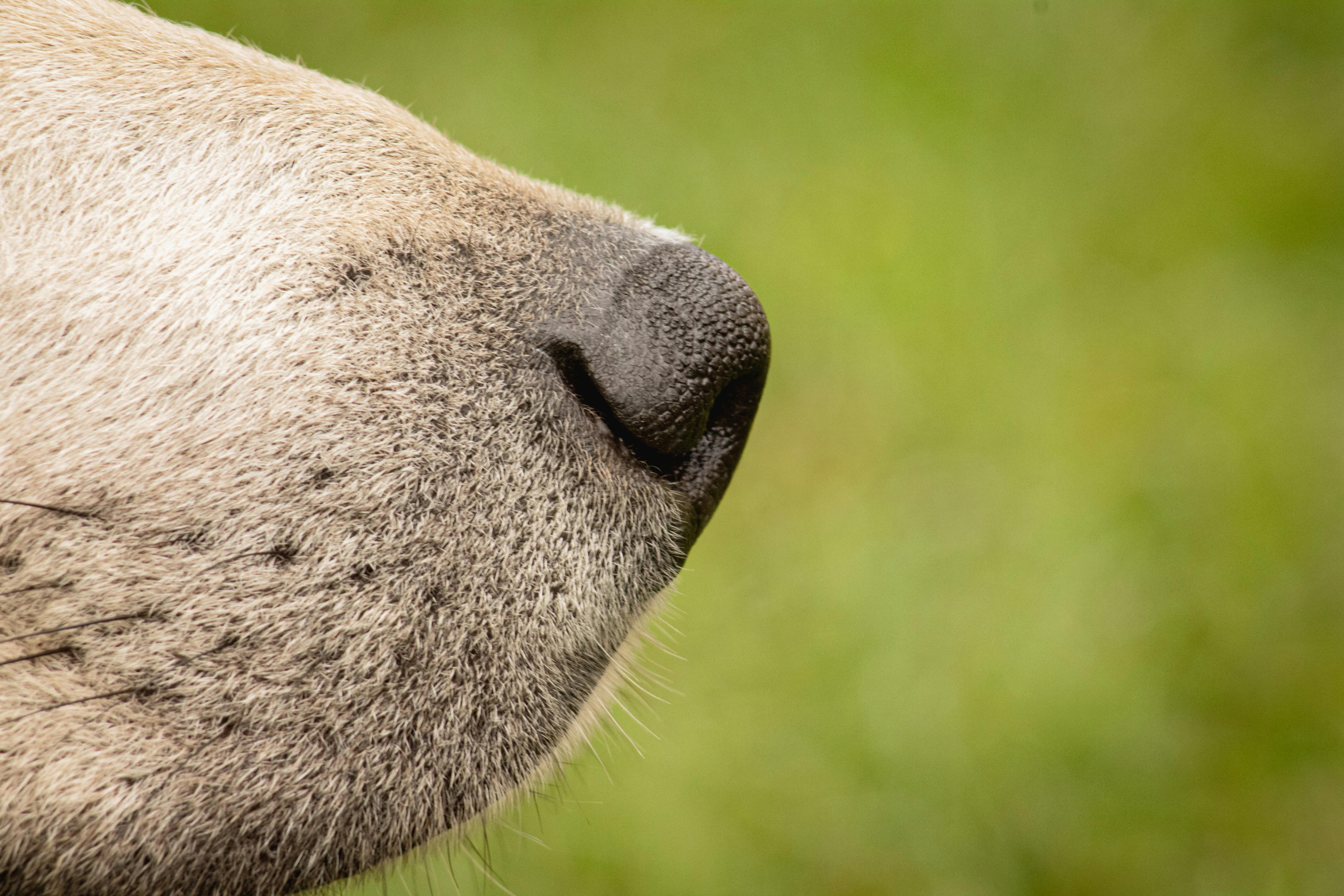 \n\n
\n\nDogs are known for many things, but one of the most interesting is their noses. Why do dogs have wet noses? This question leads us to explore the complex world of canine olfaction. Their sense of smell is not only impressive, it’s essential for understanding how they navigate the world. Wetness plays a big role in this. Let’s dive into the fascinating truth about dog noses and the impact of wetness on their incredible sense of smell.
\nThe Science Behind Wet Noses
\nDogs have a unique physiology that sets them apart from humans, especially when it comes to their noses. A dog's sense of smell is estimated to be between 10,000 to 100,000 times more sensitive than that of humans. This sensitivity is largely due to the structure of their noses, which includes:
\n- \n
- Olfactory Receptors: Dogs have about 220 million olfactory receptors in their noses, compared to humans, who have a mere 5 million. \n
- Jacobsen's Organ: This special organ helps dogs detect scents that humans can’t even imagine. \n
- Moisture: The wetness of a dog’s nose is critical for trapping scent particles, helping them to process smells more effectively. \n
The moisture comes from the secretion of mucus, which captures odor particles. As these particles stick to the wet surface, dogs can then process these scents better, making them more aware of their environment.
\nWhy Do Dogs Have Wet Noses?
\nYou might wonder, why do dogs have wet noses? The answer isn’t just about enhanced smell; it has several benefits:
\n- \n
- Cooling Mechanism: A wet nose helps cool down a dog’s body temperature, as they don’t sweat like humans do. \n
- Health Indicator: A wet nose often indicates a healthy dog, while a dry nose might signal dehydration or illness. \n
- Scent Detection: The moisture on their noses allows for better scent absorption, enhancing their ability to detect various smells. \n
The Role of Wet Noses in Dog Communication
\nDogs also use their noses for communication. When a dog sniffs another dog, it’s not just for curiosity; it’s a complex social interaction. The wetness of their noses plays a role here too. It helps to pick up pheromones and other chemical signals that convey important messages.
\nFun Facts About Dog Noses
\n- \n
- Unique Patterns: Just like human fingerprints, every dog has a unique nose print. \n
- Dogs and Scent Discrimination: Dogs can distinguish between different scents, which is why they're used in search-and-rescue operations. \n
- Breeds and Nose Types: Different breeds have different nose shapes, which can affect their sense of smell. Bloodhounds are particularly known for their exceptional olfactory abilities. \n
Comparison: Dog Noses vs. Human Noses
\nHere’s a quick comparison of dog noses and human noses:
\n| Feature | \nDogs | \nHumans | \n
|---|---|---|
| Number of Receptors | \n220 million | \n5 million | \n
| Nose Moisture | \nYes, helps with scent | \nNo, primarily dry | \n
| Scent Detection | \nHighly advanced | \nLimited | \n
| Temperature Regulation | \nHelps cool down | \nSweat glands are primary | \n
Practical Examples of Dog Nose Use
\n- \n
- Search and Rescue: Dogs are trained to find missing persons using their incredible sense of smell. \n
- Detection Work: Many dogs work in law enforcement to detect drugs or explosives. \n
- Medical Detection: Some dogs can even sniff out medical conditions, like low blood sugar or certain types of cancer. \n
The Importance of Nose Health
\nKeeping a dog’s nose healthy is important for their overall well-being. Owners should regularly check for signs of dryness, cracking, or other abnormalities. Some tips for maintaining a healthy dog nose include:
\n- \n
- Hydration: Make sure your dog has constant access to fresh water. \n
- Veterinary Check-ups: Regular visits to the vet can help catch any potential health issues. \n
- Moisturizing: If a dog's nose is frequently dry, consider using a dog-safe moisturizer. \n
Understanding why dogs have wet noses and how it affects their sense of smell is key to appreciating how incredible these animals are. Their noses are not just cute features; they are vital tools for communication, detection, and survival. So, next time you see a dog with a wet nose, remember, it’s much more than just adorable—it's a powerhouse of sensory perception!
\n\nWhat to Do if Your Dog's Nose Is Too Dry: Tips for Concerned Pet Owners
\n\n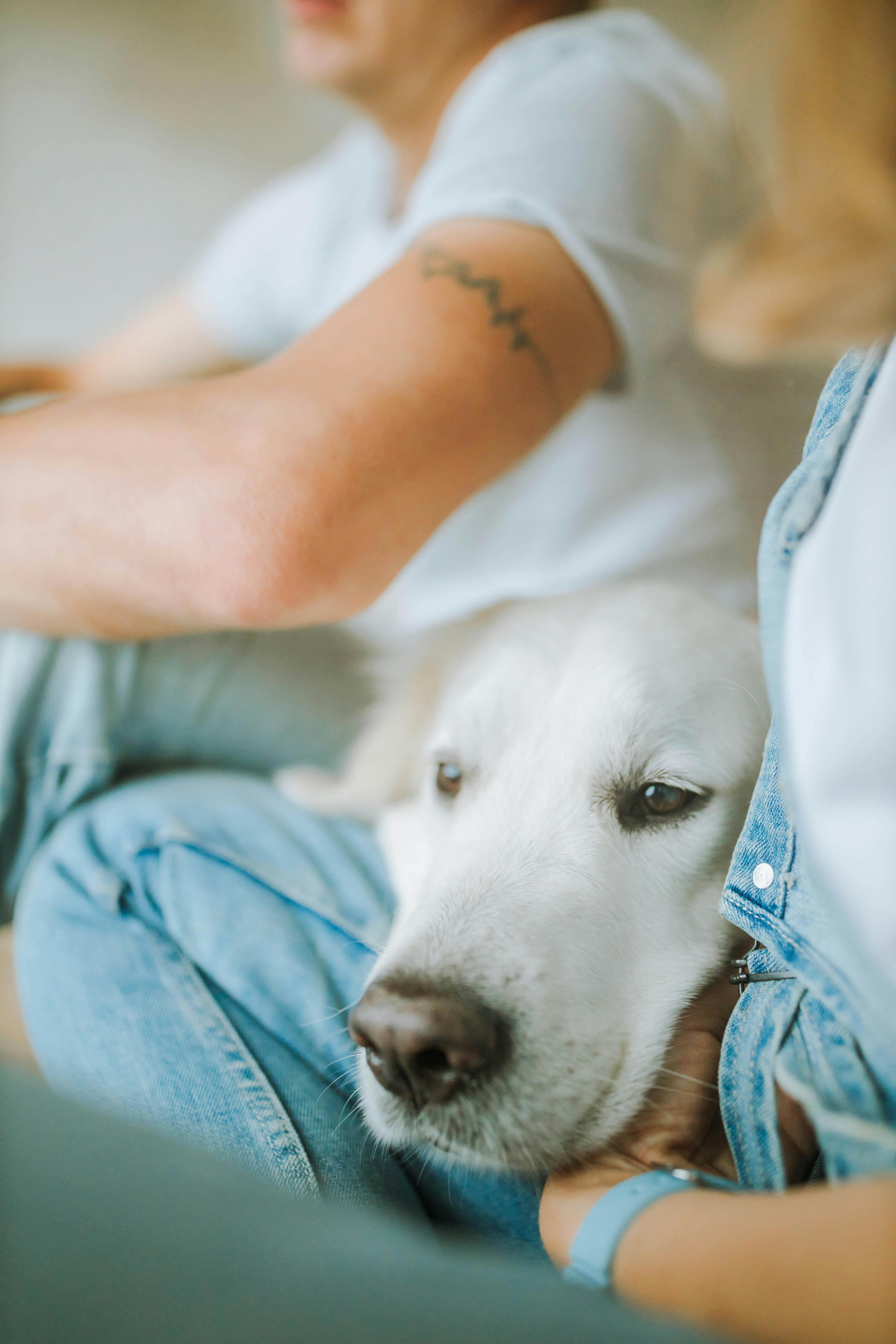 \n\n
\n\nWhen you got a dog, you probably didn't think much about their nose. But, did you ever wonder why do dogs have wet noses? It's not just a quirky feature. It actually serves important purposes for your furry friend. However, if you notice your dog's nose getting too dry, it can be a cause for concern. Let’s explore what to do if your dog's nose becomes dry, and why a wet nose is generally a sign of good health.
\nWhy Do Dogs Have Wet Noses?
\nDogs have wet noses for several reasons, which is rather fascinating. Here are some key points to consider:
\n- \n
- \n
Sense of Smell: A wet nose helps improve their ability to smell. It keeps the olfactory receptors moist, making it easier for dogs to pick up scents. This is why their noses are often cooler to the touch.
\n \n - \n
Temperature Regulation: Dogs also use their noses to help regulate their body temperature. When they breathe through their nose, moisture evaporates, helping cool them down.
\n \n - \n
Health Indicator: A wet nose is generally a sign of a healthy dog. If your dog’s nose is dry or cracked, it could signal health issues, dehydration, or environmental problems.
\n \n
Historically, many dog owners believed that a wet nose meant their dog was healthy, and there’s some truth to that. But, there are exceptions, and not all dry noses mean something is wrong.
\nWhat to Do if Your Dog's Nose Is Too Dry
\nIf you are noticing that your dog's nose is drier than usual, here are some tips you can take to help them:
\n- \n
- \n
Check the Environment: Sometimes, dry air can be the culprit. If you live in a dry climate or have the heater on, consider getting a humidifier.
\n \n - \n
Hydration: Make sure your dog is drinking enough water. Dehydration can lead to a dry nose. Always have fresh water available for them.
\n \n - \n
Moisturize: You can apply a small amount of coconut oil or a vet-approved nose balm. This can help soothe and hydrate their nose.
\n \n - \n
Observe for Other Symptoms: Look for other signs of illness, like lethargy, loss of appetite, or coughing. If these symptoms are present, it could be time to visit the vet.
\n \n - \n
Consult Your Veterinarian: If the dryness persists or if you see cracks and bleeding, consult your veterinarian. It may be a sign of a more serious condition.
\n \n - \n
Watch for Allergies: Sometimes allergies can cause skin issues, including on the nose. If you suspect allergies, keeping track of what your dog eats or comes into contact with can be helpful.
\n \n
Signs of a Healthy Dog Nose
\nA healthy dog's nose can tell you a lot. Here’s what to look for:
\n- \n
- \n
Temperature: It should feel cool to the touch, but not cold.
\n \n - \n
Moisture: It should be moist but not dripping wet.
\n \n - \n
Color: A healthy dog nose can be black, brown, or even pink depending on the breed, but it should not have any discoloration or sores.
\n \n - \n
Flexibility: A healthy nose is soft and flexible, not hard or crusty.
\n \n
It’s important for pet owners to know these signs, as it helps in early detection of potential health issues.
\nCommon Causes of Dry Dog Noses
\nThere are several reasons your dog may have a dry nose, including:
\n- \n
- Dehydration: Not getting enough water \n
- Weather: Hot or cold weather conditions \n
- Health Issues: Conditions like autoimmune diseases \n
- Allergies: Environmental or food allergies \n
Quick Reference Table: Healthy vs. Dry Dog Nose
\n| Feature | \nHealthy Dog Nose | \nDry Dog Nose | \n
|---|---|---|
| Temperature | \nCool to the touch | \nWarm, may feel hot | \n
| Moisture | \nSlightly moist | \nDry, may crack | \n
| Color | \nNormal pigmentation | \nRedness or discoloration | \n
| Flexibility | \nSoft and flexible | \nHard and rough | \n
Having a dog is rewarding, but it also comes with its own set of responsibilities. Understanding your dog's health is crucial, and knowing what to look for can help you catch potential issues early. So, if you notice that your dog’s nose is too dry, don't panic, just follow the tips above and consult with a vet if necessary. Dogs communicate in their own way, and a healthy nose is just one of many signs that your furry friend is doing well.
\n\nConclusion
\n\nIn conclusion, the wet noses of dogs play a crucial role in their health and sensory perception. The moisture helps enhance their sense of smell, allowing them to detect and interpret a myriad of scents in their environment. Additionally, a wet nose can serve as an indicator of a dog’s well-being, as dehydration or illness can lead to dryness. Understanding this unique aspect of canine physiology not only deepens our connection with our furry friends but also highlights the importance of regular veterinary check-ups to ensure their overall health. Next time you greet a dog, take a moment to appreciate the significance of that wet nose and consider the fascinating ways in which they interact with the world. Share your newfound knowledge with fellow dog lovers, and promote awareness of the unique characteristics that make our canine companions so special!
\n\n