Have you ever wondered, why do dogs have wet noses? This peculiar trait is not just for show—it’s a fascinating aspect of canine biology that can spark your curiosity! In this blog post, we will uncover the truth behind why dogs have wet noses, revealing surprising insights that will make you appreciate your furry friend even more. Wet noses are often thought to be a sign of a healthy dog, but what else do they signify? Is it just a natural cooling mechanism, or does it serve other essential purposes? By exploring the science behind this phenomenon, you will discover the reasons that contribute to their moisture levels and how it relates to their sense of smell. Not only will you learn about the physiological aspects, but also how a dog’s wet nose can indicate their emotions and health. So, if you’re curious about the deeper meaning of why dogs have wet noses and what it means for your pet’s wellbeing, keep reading! This exploration will not only satisfy your curiosity but may also deepen the bond you share with your beloved canine companion.
The Science Behind a Dog's Wet Nose: What Makes It So Unique?

Have you ever wondered why dogs have wet noses? It’s one of those things that dog owners often notice, but not many people actually stop to think about why it is that way. The science behind a dog's wet nose is both fascinating and practical. Wet noses are not just a cute feature; they serve a range of important functions in a dog’s life.
The Anatomy of a Dog's Nose
To understand why dogs have wet noses, it’s helpful to look at the anatomy of their noses. A dog’s nose is covered in a special kind of skin that’s different from the skin found on the rest of their body. This skin is sensitive and has a rich supply of blood vessels. When a dog’s nose is wet, it helps to enhance its sense of smell. This is because moisture helps to capture scent particles in the air.
- Dogs have approximately 220 million scent receptors.
- Humans only have about 5 million, which means dogs can smell about 40 times better than we can.
The Purpose of Moisture
So, why do dogs have wet noses? The wetness serves multiple purposes:
- Scent Detection: Moist noses can capture and hold scent particles better, enhancing their sense of smell.
- Temperature Regulation: A wet nose helps dogs cool themselves down. Just like humans sweat, dogs can lose heat through their noses.
- Health Indicator: A healthy dog usually has a moist nose. A dry nose can sometimes indicate illness, dehydration, or fever.
Historical Perspective
Interestingly, the wet nose trait is not something that dogs developed overnight. Dogs are descendants of wolves, and even wolves have wet noses. Historically, it is believed that a wet nose may have helped early canines track prey and communicate with each other. It’s fascinating to think about how something so simple has been crucial for their survival over thousands of years.
What Factors Make a Dog's Nose Dry?
A dog's nose may become dry for several reasons, and it is important for pet owners to pay attention to these signs:
- Dehydration: Just like humans, dogs need adequate water intake.
- Weather Conditions: Hot, dry weather can dry out a dog’s nose.
- Health Issues: Certain medical conditions can cause a dog’s nose to become dry. If you notice this change, it might be worth consulting with a veterinarian.
Fun Facts About Dog Noses
- Wet Noses and Temperature: It is said that a dog’s nose can tell you if they're sick. A warm, dry nose might be a sign of fever, while a cool, wet nose is typically a sign of good health.
- Unique Nose Prints: Just like human fingerprints, every dog has a unique nose print. This means that a dog’s nose can actually be used to identify them!
- Nose Color Variations: The color of a dog’s nose can vary widely, from black to liver to even pink. These colors do not affect their ability to smell but are more related to their breed and genetics.
Comparison: Dogs vs. Cats
When comparing dogs to cats, there are some notable differences:
- Dogs: Generally have wet noses, which help with scent detection and cooling.
- Cats: Usually have drier noses. They also rely on their sense of smell, but their noses are not as moist or as sensitive as a dog’s.
Practical Examples for Pet Owners
For dog owners, understanding the importance of a wet nose can help ensure their pet's health. Here are some things to consider:
- Monitor Hydration: Always keep fresh water available. If your dog’s nose is consistently dry, check their water intake.
- Regular Vet Visits: Regular check-ups can help catch any potential health issues early on.
- Observe Behavior: Changes in behavior, appetite, or energy levels can be related to their health and should not be ignored.
In summary, the science behind a dog's wet nose reveals a lot about their biology and health. Wet noses serve essential purposes in scent detection, temperature regulation, and as indicators of health. Understanding why dogs have wet noses enriches our appreciation for these loyal companions. So next time you give your furry friend a pat, take a moment to appreciate that wet nose and all the fascinating science behind it!
7 Surprising Reasons Why Your Dog's Nose is Always Moist
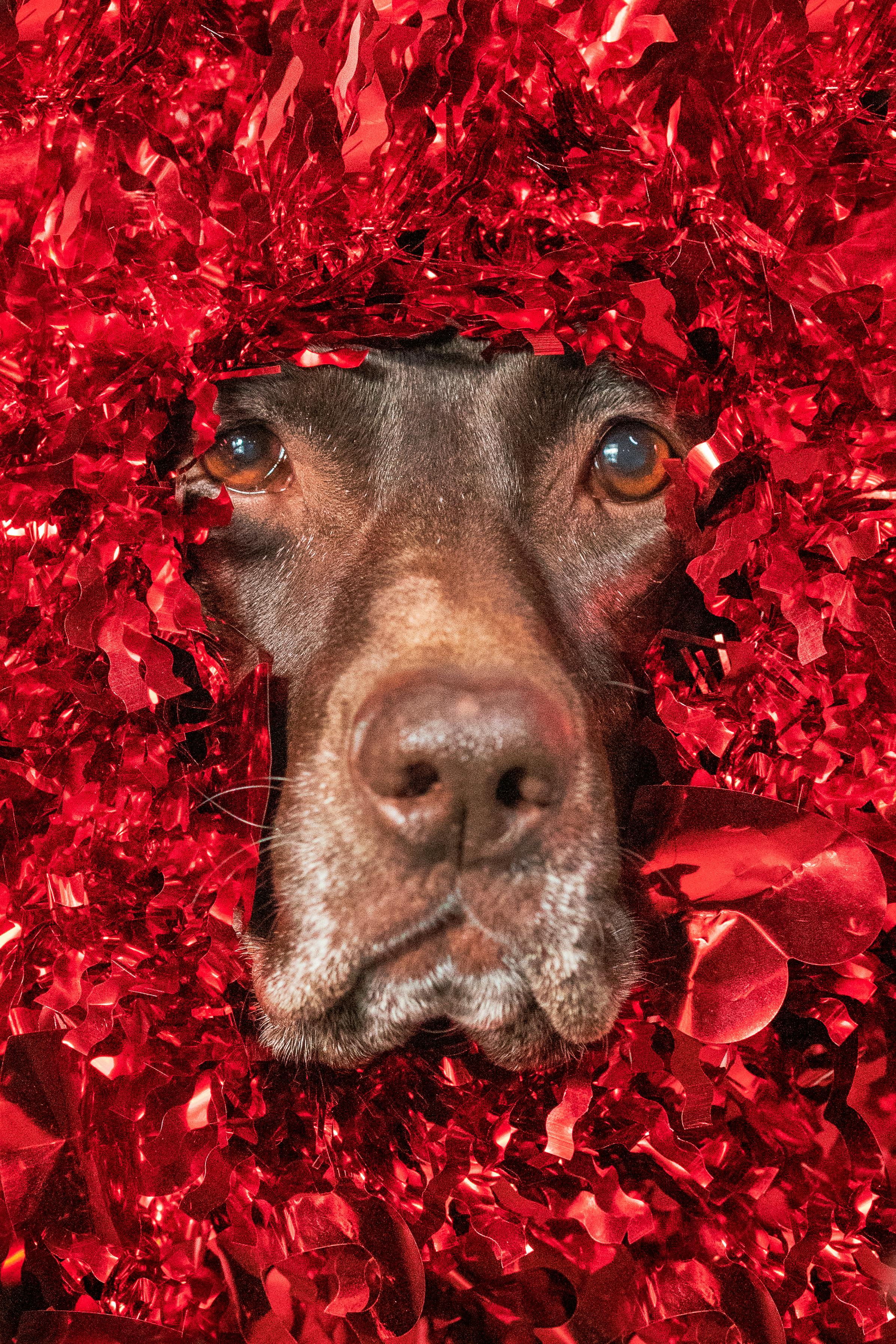
Dogs, with their wagging tails and playful barks, have captured the hearts of many. But have you ever noticed that your furry friend always seem to have a wet nose? It might seem odd, but there's actually a fascinating science behind it. Let's dig into the topic and explore the seven surprising reasons why your dog's nose is always moist.
1. Natural Cooling Mechanism
One major reason dogs have wet noses is because they helps to regulate their body temperature. Dogs don’t sweat like humans do. Instead, they rely on panting and the moisture on their noses to cool down. When the moisture evaporates, it can help to lower their body temperature.
2. Enhanced Sense of Smell
Did you know that a dog's sense of smell is 10,000 to 100,000 times more sensitive than ours? A wet nose helps to absorb scent molecules from the environment, which enhances their ability to smell. The moisture creates a sticky surface that captures those tiny particles, making it easier for dogs to detect scents.
3. Humidity Indicator
Your dog's nose can also act as a humidity indicator. A moist nose usually indicates that a dog is healthy and hydrated. On the other hand, if the nose becomes dry and cracked, it might be a sign of dehydration or illness. Different breeds might have slightly different nose conditions, but generally, a moist nose is a good sign.
4. Lubrication
Another reason for that wetness is the nasal secretions. Dogs produce mucus in their noses, which serves to keep their nasal passages lubricated. This lubrication helps them breathe more easily and can protect against irritants and allergens in the air. So, if you see your dog sniffing around, just know that the wetness is working hard to keep their nose functioning well.
5. Social Interaction
Believe it or not, a wet nose can also play a role in doggy social interactions. When dogs greet each other, they often sniff each other's noses. The wetness of their noses can be a sign of friendliness and openness. It’s like a handshake in the dog world. Dogs use their noses to gather information about each other, including health status, mood, and even diet.
6. Breed Differences
Some breeds have naturally wetter noses than others. For instance, Bulldogs and Boxers might have a shiner nose while breeds like Greyhounds tend to have drier ones. This can depend on several factors including genetics and overall health. Knowing your dog's breed can give you insight into their typical nose condition.
7. Weather Influence
Lastly, the weather can affect how moist your dog's nose is. In humid conditions, noses tend to be more moist, whereas in dry or cold weather, they might appear drier. If you ever notice that your dog's nose is changing with the seasons, it could be due to the environmental conditions.
Quick Facts About Dog Noses
- Average Temperature: A dog's normal body temperature ranges from 101 to 102.5 degrees Fahrenheit.
- Nasal Patterns: Dogs have unique nose prints, similar to human fingerprints.
- Self-Cooling: Dogs can lose heat through their noses, which is why a moist nose can be cooler to the touch.
Comparison Table: Wet vs. Dry Nose
| Condition | Wet Nose | Dry Nose |
|---|---|---|
| Health Status | Generally healthy | Could indicate dehydration or illness |
| Breathing | Easier to breathe | May cause irritation |
| Temperature | Usually cooler | Can feel warmer |
Understanding why dogs have wet noses can help dog owners be more attentive to their pet's health. While a moist nose is usually a sign of a happy and healthy dog, changes in its moisture level could signal the need for a vet visit.
So, next time you pet your dog, take a moment to appreciate that wet nose and the science behind it. It's more than just a cute feature; it plays a significant role in their health, communication, and overall well-being. Your furry friend’s wet nose is a little gateway into the mysteries of their world, and knowing these reasons can make you feel even closer to them.
How Does a Wet Nose Help Dogs Sense the World Around Them?

Dogs are often described as man's best friend, and one of the most interesting features they have is their wet noses. But have you ever wondered why do dogs have wet noses? What role does that play in how they sense the world around them? There’s more to that dampness than just being cute or a sign of health. The truth is, a wet nose helps dogs in a variety of ways, and understanding this can deepen our appreciation for these amazing animals.
The Science Behind a Wet Nose
A dog's nose is not just for show; it’s a finely tuned instrument for gathering information. The moisture on a dog's nose works to enhance their sense of smell, which is already incredibly powerful. Here’s how it works:
- Olfactory Receptors: Dogs have about 220 million olfactory receptors compared to about 5 million in humans. This means they can detect scents at incredibly low concentrations.
- Moisture Absorption: A wet nose absorbs scent particles from the air, making it easier for dogs to smell things. The moisture helps to dissolve these particles, allowing them to be detected by the receptors more effectively.
Why Do Dogs Have Wet Noses? The Fascinating Facts
Temperature Regulation: Just like humans sweat, dogs also rely on their noses to help regulate body temperature. A wet nose can help cool down their body when panting isn't enough.
Communication Tool: Dogs often use their noses to communicate with other dogs and animals. A wet nose can signal a friendly greeting or even a way of saying they are curious about something.
Health Indicator: A dog’s nose can indicate its health status. A healthy dog typically has a moist, cool nose, while a dry or hot nose might be a sign of illness or dehydration. However, this isn’t always definitive, as many factors can influence nose moisture.
Scent Tracking: Dogs use their noses for tracking scents, from finding food to locating lost items. Their ability to follow a scent trail is unmatched in the animal kingdom.
Understanding Environment: The wetness helps dogs analyze their environment. When they sniff, they can gather information about other animals, plants, and even the weather conditions.
Historical Context of Dogs' Noses
Historically, dogs have been bred for specific purposes, many of which rely on their unique sense of smell. Hunting dogs, for example, were selected for their ability to track scents, while herding dogs use their noses to keep track of livestock. The evolution of the dog’s nose has been shaped by human needs, and today, we see this in various working breeds.
Fun Facts About Dogs' Noses
- Color Variations: Dog noses can be different colors, including black, brown, and even pink. The color doesn't usually affect their ability to smell, but it can be tied to breed characteristics.
- Nose Prints: Just like human fingerprints, every dog has a unique nose print. Some researchers have even suggested using nose prints for identification.
- Sniffing Techniques: Dogs have a unique way of sniffing called "sniffing in layers," where they take quick sniffs to gather different layers of scent.
Practical Examples of Dogs Using Their Noses
- Search and Rescue: Dogs are often used in search and rescue missions due to their incredible ability to track scents over long distances.
- Medical Detection: Some dogs are trained to detect diseases like cancer or diabetes by sensing changes in human scent.
- Law Enforcement: Dogs are used in police work to sniff out drugs, explosives, and even missing persons.
Comparison: Dogs vs. Humans
Here’s a look at how dogs’ noses compare to human noses:
| Feature | Dogs | Humans |
|---|---|---|
| Olfactory Receptors | 220 million | 5 million |
| Scent Detection Ability | 10,000 to 100,000 times better | Limited |
| Nose Shape | Wet, broad, often with ridges | Dry, narrow |
| Temperature Regulation | Effective through moisture | Sweating |
Dogs’ noses are essential tools for navigating their world. It’s amazing how much information they can gather from just a sniff. This incredible sense of smell is just one of the many reasons why dogs are such beloved companions. Understanding the biological and functional significance of a wet nose helps us appreciate these furry friends even more. Whether they are tracking scents in the field or just sniffing around the house, dogs rely on their noses to interact with the world in ways we can only begin to imagine.
The Fascinating Connection Between Dog Health and Nose Moisture

When you think about dogs, one of the first things that pops into mind is probably their adorable faces, wagging tails, and of course, their wet noses! But have you ever wonder why do dogs have wet noses? It’s a question that many pet owners might’ve asked themselves, and it turns out there's a fascinating connection between dog health and nose moisture that can reveal a lot about your furry friend. This article is gonna take a closer look at this intriguing topic and explain the science, history, and even some fun facts about those cute, moist noses.
The Science Behind Wet Noses
A dog’s nose is not just a cute feature; it serves several important purposes. The moisture on their noses plays a crucial role in how they interact with the world. Here’s how:
- Enhanced Smell: Dogs have an incredible sense of smell, estimated to be anywhere from 10,000 to 100,000 times more sensitive than humans! Moisture helps to capture scent particles, making it easier for dogs to detect smells.
- Temperature Regulation: Dogs can’t sweat like humans do. Instead, they cool down through panting and the moisture on their noses. A wet nose can help them regulate body temperature.
- Health Indicator: The moisture level can often indicate health issues. A dry nose could sometimes mean dehydration or illness, while a consistently wet nose can signal good health.
Historical Context of Nose Moisture
Historically, dogs have been companions to humans for thousands of years. Ancient cultures recognized the importance of a dog's nose. For instance, in ancient Egypt, dogs were revered, and their noses were often depicted in art, showing how crucial these animals were to society. It was believed that a dog’s ability to smell and sense danger was a gift from the gods, making them not just pets but protectors.
Fun Facts About Dog Noses
- Unique Patterns: Just like human fingerprints, every dog has a unique nose print that can be used for identification.
- Nose Temperature: A dog’s nose temperature can vary. It's often cooler than the rest of their body, which contributes to their ability to smell.
- Nose Shape and Size: Different breeds have different nose shapes and sizes, which can affect their smelling abilities. For instance, Bloodhounds are known for their incredible tracking skills due to their long, droopy noses.
What Makes A Dog's Nose Wet?
You might be wondering, how does a dog’s nose become wet in the first place? Here’s a list of the main reasons:
- Environmental Factors: Dogs can get moisture from dew on grass or through water splashes when they play outside.
- Licking: Dogs often lick their noses, which adds moisture. This is a natural behavior that helps keep their sense of smell sharp.
- Saliva: Some dogs have a habit of drooling, and this saliva can also contribute to the wetness of the nose.
The Connection Between Nose Moisture and Health
Understanding your dog’s nose moisture can be key in monitoring their health. Here are some signs to watch for:
- Dry Nose: If your dog’s nose is dry and cracked, it may indicate dehydration, fever, or even certain illnesses. It’s crucial to keep an eye on their water intake and overall behavior.
- Excessively Wet Nose: On the other hand, if the nose is excessively wet and runny, it may suggest allergies or an infection. It's important to consult your vet if you notice unusual changes.
Practical Tips for Dog Owners
Here are some practical tips for maintaining your dog's nose health:
- Hydration: Always make sure your dog has access to fresh water. Dehydration can lead to a dry nose.
- Regular Vet Check-ups: Regular visits to the vet can catch any potential issues early. Always mention any changes in your dog’s nose appearance.
- Observe Changes: Keep an eye on your dog's behavior. If they seem lethargic or show signs of discomfort in addition to a dry or wet nose, it’s time to seek professional help.
In summary, dog noses are way more than just cute! They are vital for their health, sense of smell, and even temperature regulation. Keeping an eye on your furry friend's nose can offer insights into their health and well-being. So next time you see that wet nose, you can appreciate the fascinating truths behind it!
Are Wet Noses a Sign of Good Health? Uncovering the Truth About Your Pup

When it comes to our furry friends, many pet owners often wonder about their health indicators. One common question that pops up is, "Are wet noses a sign of good health?" It's a fascinating topic that many dog lovers want to understand better. A dog's wet nose can lead to both curiosity and concern, so let’s dive into the reasons behind those moist snouts and what they really might mean about your pup's well-being.
Why Do Dogs Have Wet Noses?
Dogs have noses that are often wet, and it ain't just for show. But why is this? Here are some reasons that explain why your dog’s nose might be a little damp:
Cooling Mechanism: Dogs don’t sweat like humans do. Their primary way of regulating body temperature is through panting and using their noses. A wet nose helps to cool down the air they breathe in, helping to lower their body temperature.
Enhanced Smell: A wet nose can help a dog pick up scents better. The moisture captures scent particles, making it easier for your pup to smell things. This is why dogs are known for their incredible olfactory senses.
Health Indicator: Many people believe that a wet nose indicates good health. While it’s not a definitive sign, a moist nose is often associated with hydration and overall wellness.
The Truth About Wet Noses and Health
Now, while many think wet noses are a universal sign of health, that might not be the whole truth. Here’s what you should consider:
Temperature Matters: A dog’s nose can be wet and still have other health issues. Sometimes, a warm, dry nose can indicate fever or dehydration. So, don’t just rely on the moisture of the nose to assess health.
Lifestyle and Environment: A dog’s nose may vary in moisture depending on its surrounding environment. For example, if your pup just came inside from playing in the rain, their nose might be wet. But that doesn’t mean they are perfectly healthy.
Age and Breed Differences: Different breeds and ages can also affect nose moisture. Some breeds are more prone to having drier noses, and puppies often have different moisture levels than adult dogs.
Common Misconceptions About Dog Noses
There are some myths around dog noses that could lead to misunderstandings among pet owners. Here are some of the most common misconceptions:
Wet Nose Equals Healthy Dog: While a wet nose can suggest a dog is healthy, it’s not the only factor. Other symptoms should also be considered.
A Cold Nose Means a Sick Dog: A cold nose does not necessarily mean your dog is sick. Dogs can have cold noses when they are relaxed or sleeping.
Nose Color Has No Effect on Health: Some people believe that the color of the nose can indicate health issues. However, it’s normal for some dogs to have varying nose colors without it affecting their health.
How to Monitor Your Dog’s Nose and Health
So, how do you make sure your pup is healthy? Here are some easy steps to keep an eye on:
Observe Changes: Watch for any sudden changes in nose texture or moisture. If it goes from wet to dry, it might worth checking with a vet.
Check Temperature: Use your hand to feel your dog’s nose and body temperature. If it feels unusually warm, it could be a sign of illness.
Look for Other Symptoms: Keep an eye out for other signs of illness such as lethargy, loss of appetite, or vomiting.
Regular Vet Visits: Regular check-ups with a veterinarian are a must. They can provide insights into your dog’s overall health.
Table of Common Nose Conditions
| Condition | Symptoms | Possible Causes |
|---|---|---|
| Dry Nose | Cracked, rough texture | Dehydration, allergies |
| Wet Nose | Excessively moist | Normal, could indicate excitement |
| Cold Nose | Cool to the touch | Normal, could indicate relaxation |
| Warm Nose | Warm to the touch | Fever, dehydration, infection |
Understanding why dogs have wet noses and what that means for their health is important for any pet owner. While a wet nose can be associated with good health, it’s not the only factor to consider. By keeping an eye on your dog’s overall behavior and condition, you can ensure they stay healthy and happy. So, the next time you check your pup's nose, remember that it’s just one piece of the puzzle in understanding your furry friend’s well-being. Stay attentive, and you'll be able to provide the best care for your beloved pet.
Why Do Different Dog Breeds Have Varying Nose Wetness? Exploring the Differences

Have you ever wondered why some dogs have wet noses while others don’t? Or why the wetness of a dog’s nose varies among different breeds? It’s a curious topic that many dog lovers ponder, and the answers are as fascinating as they are complex. In this article, we’ll explore the science behind dog noses, the reasons for their varying wetness, and what it all means for our furry friends.
The Science Behind Wet Noses
Dog noses are not just adorable; they serve several essential functions. The wetness of a dog's nose is primarily due to a thin layer of mucus that helps them smell better. A wet nose can capture scent particles more effectively than a dry one. This is because moisture helps to dissolve the odor molecules, making it easier for dogs to pick up scents from their environment.
- Dogs have around 220 million scent receptors in their noses.
- In comparison, humans only have about 5 million.
- A dog's sense of smell is 10,000 to 100,000 times more sensitive than ours.
Why Do Different Breeds Have Varying Nose Wetness?
The degree of wetness in a dog’s nose can vary significantly between breeds. Factors such as genetics, environment, and health conditions can influence this. For example, breeds that were historically bred for hunting or tracking, like Bloodhounds or Beagles, often have moist noses. They rely heavily on their sense of smell for their work.
On the other hand, some breeds like Bulldogs or Pugs may have less moist noses. This could be due to their shorter snouts which can affect airflow and moisture retention. Here’s a quick list of factors that might affect nose wetness:
- Breed Characteristics: Some breeds naturally have wetter noses due to their evolutionary background.
- Climate: Dogs living in humid environments might have wetter noses compared to those in dry climates.
- Health: Illness or dehydration can lead to a drier nose. If a dog’s nose is consistently dry or cracked, it could indicate a health problem.
Nose Wetness and Health Indicators
A dog’s nose wetness can also serve as an important health indicator. Generally, a moist nose is considered a sign of a healthy dog, but it’s not always the case. Here’s a breakdown:
- Normal Wetness: Indicates hydration and good health.
- Dry and Cracked Nose: Could signify dehydration or illness, such as fever.
- Excessively Wet Nose: This may indicate allergies or infections.
It’s essential for dog owners to monitor their pet’s nose condition as part of their overall health checks.
The Role of Temperature and Environment
The environment plays a crucial role in determining how wet a dog’s nose stays. During warm weather, a dog’s nose may dry out quicker, while cold and humid conditions may keep it moist. Moreover, dogs often lick their noses, which helps maintain moisture.
Comparing Different Breeds: Nose Wetness
Let’s compare a few dog breeds and their typical nose wetness:
| Breed | Typical Nose Wetness | Notes |
|---|---|---|
| Labrador | Very Wet | Excellent sense of smell, high moisture. |
| Bulldog | Moderately Dry | Short snout affects moisture retention. |
| Beagle | Wet | Bred for scent detection. |
| Pug | Dry | Breathing issues can limit moisture. |
| Bloodhound | Very Wet | Exceptional scent hounds, always wet. |
Fun Facts About Dog Noses
- Dogs can recognize their owner’s scent even after days of separation.
- The unique patterns of a dog’s nose are similar to human fingerprints.
- Dogs use their noses to communicate with each other, gathering information about other animals.
Conclusion
Understanding why dogs have wet noses and why those vary among breeds gives us a deeper appreciation for our canine companions. Whether you own a droopy Bloodhound or a charming Pug, each dog has its unique set of characteristics that make them special. By observing their noses and overall health, you can ensure they lead a happy and healthy life. So next time you give your pup a pat, take a moment to appreciate that adorable, wet nose!
The Role of a Dog's Wet Nose in Temperature Regulation: What You Need to Know
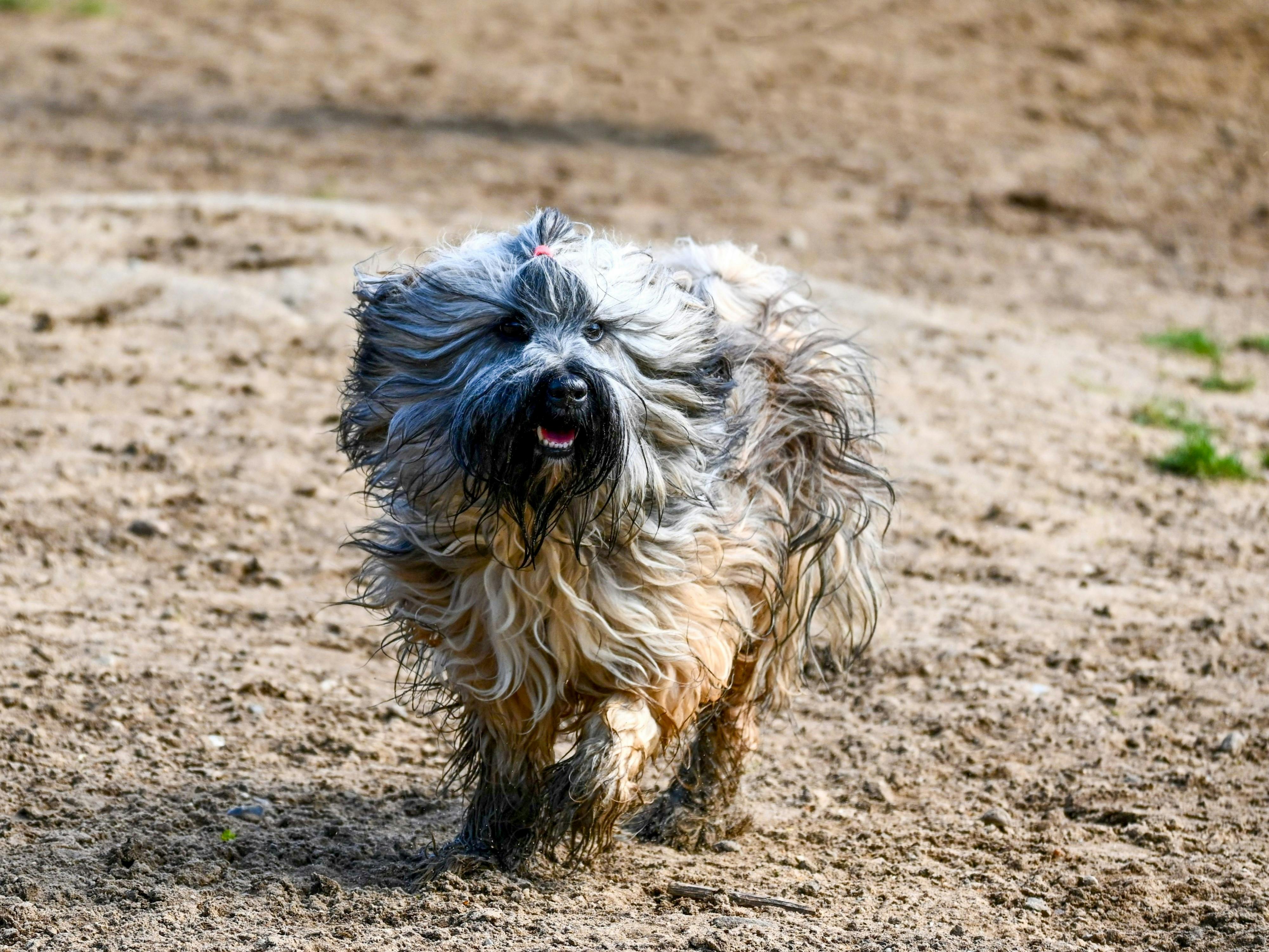
Dogs are often referred to as man's best friend, and one of the most curious features about them is their wet noses. Have you ever wonder why do dogs have wet noses? It’s not just for show, as their wet noses plays a crucial role in how they regulate their body temperature. Understanding this can give you a deeper appreciation for your furry companions. So, let’s dive into the fascinating truth about the role of a dog’s wet nose in temperature regulation.
What Makes a Dog's Nose Wet?
A dog's nose is moist due to a thin layer of mucus. This mucus is secreted by glands located in the nose. But why do they need this moisture? The wet surface on a dog’s nose helps to enhance their sense of smell. When the moisture evaporates, it creates a cooling effect which is helpful for body temperature regulation. The moisture on a dog’s nose also traps scent particles from the environment, making it easier for them to identify different smells.
The Science Behind Temperature Regulation
Dogs don’t sweat like humans do. Instead, they rely on panting, as well as their wet noses, to help keep cool. When dogs pant, they evaporate moisture from their tongues and lungs, which helps to lower their body temperature. Their noses also play a part in this process. When the air they inhale passes over the moist surface of their noses, it helps to cool down the air before it enters their lungs.
Here are some key points about how dogs regulate temperature:
- Panting: The primary way dogs cool down.
- Moisture Evaporation: The wetness of their nose aids cooling.
- Reduced Heat Absorption: The wet surface helps reflect heat.
Why Do Dogs Have Wet Noses?
There are several reasons for a dog's wet nose, and some of them might surprise you. Let’s break it down:
- Scent Detection: A wet nose is better for picking up scents. The moisture helps trap odor particles, enhancing their sense of smell.
- Cooling Mechanism: As previously mentioned, it aids in cooling them down, essential for their overall health.
- Health Indicator: A healthy dog typically has a moist nose. If it’s dry or cracked, it might indicate dehydration or illness.
Interesting Facts About Dog Noses
- Dogs have an incredible sense of smell that is about 40 times better than humans.
- The wetness of the nose can change with the weather. For example, dogs may have drier noses when it's hot or during winter.
- Dogs can also get colds and experience nasal discharge, which may result in a wetter nose.
Comparison: Wet Noses vs. Dry Noses
Here’s a quick comparison of the implications of wet and dry noses in dogs:
| Feature | Wet Nose | Dry Nose |
|---|---|---|
| Scent Detection | Enhanced due to moisture | Less effective |
| Temperature Regulation | Assists in cooling | May indicate overheating |
| Health Indicator | Usually indicates good health | May suggest illness or dehydration |
Practical Examples of Nose Care
Taking care of your dog’s nose is important. Here are some tips:
- Hydration: Ensure your dog has access to clean water, as hydration affects nose moisture.
- Check for Cracks: Monitor for any signs of cracking or dryness. If you notice this, consult your vet.
- Avoid Harsh Environments: Protect your dog from extreme temperatures. Too much heat can dry out their noses.
Historical Context
Historically, dogs have been companions to humans for thousands of years. The evolution of their noses is fascinating, as dogs have adapted to rely on their sense of smell for hunting and survival. The wetness of their noses likely developed as a beneficial adaptation to enhance their olfactory abilities.
Final Thoughts
Understanding the role of a dog’s wet nose in temperature regulation and scent detection is essential for any dog owner. It not only reveals the complexity of canine biology but also highlights the importance of proper care for your furry friends. A wet nose is a sign of a happy, healthy dog. So next time you see your dog's wet nose, remember it’s not just an adorable trait, but a crucial part of their health and well-being.
Can a Dog's Nose Predict Illness? Understanding the Link Between Nose Moisture and Health

Can a Dog's Nose Predict Illness? Understanding the Link Between Nose Moisture and Health, Why Do Dogs Have Wet Noses? Discover The Fascinating Truth!
When you think about dogs, one of the first things that come to mind is their wet noses. It’s almost like a signature feature of our furry friends. But have you ever wondered why do dogs have wet noses? It turns out, the moisture on a dog’s nose could actually play a role in their health and even their ability to detect illness. Yes, that’s right! Some studies suggest that a dog’s sense of smell can be so keen that they might pick up on certain illnesses in humans. Let's dive into this fascinating topic!
The Science Behind Wet Noses
Dogs have wet noses for several reasons, the main of which is tied to their sense of smell. A wet nose helps to absorb scent chemicals. The moisture on the nose captures those scent particles better than a dry surface would. This is why dogs are often found sniffing around everywhere.
- Nasal Moisture: The wetness helps to enhance the sense of smell.
- Temperature Regulation: A dog's nose cools them down so they can maintain a comfortable body temperature.
- Health Indicator: A change in the moisture level might indicate a health issue.
How Can Dogs Detect Illness?
Dogs possess an incredible olfactory system that is far superior to that of humans. A dog's sense of smell is estimated to be between 10,000 to 100,000 times more sensitive than ours. This amazing ability allows them to detect certain diseases and conditions, such as:
- Cancer: Some studies suggest dogs can sniff out various types of cancer, including lung and breast cancer.
- Diabetes: Dogs might be able to sense changes in a person's blood sugar levels through scent.
- Infections: Certain infections have specific smells that dogs could detect.
This ability is not just a myth; it has been scientifically observed in various tests. For instance, dogs have been trained to recognize the scent of cancer in breath samples from patients. Isn’t that incredible?
Why Do Dogs Have Wet Noses?
Wet noses are not just an aesthetic feature; they serve important functions. The moisture on a dog’s nose is constantly being replenished by the secretion of mucus from the nasal passages. Here are some key points to consider about a dog's wet nose:
- Scent Detection: The moist surface helps in absorbing scent molecules.
- Cooling Mechanism: Wet noses help to cool down a dog’s body temperature.
- Health Indicator: Changes in wetness can be an indicator of health issues, like dehydration or illness.
The Role of Nose Moisture in Dog Health
A wet nose can be a sign of a healthy dog, but what happens when the wetness changes? Here are some common conditions related to nose moisture that dog owners should be aware of:
- Dry Nose: Could indicate dehydration, fever, or even illness.
- Excessively Wet Nose: Sometimes, this can be a sign of allergies or a respiratory infection.
- Cracked or Bleeding Nose: This could suggest a serious health issue and should be addressed by a veterinarian immediately.
Fun Facts About Dog Noses
- Dogs have around 300 million smell receptors in their noses compared to a human's 5 million.
- The shape of a dog’s nose is unique to each dog, much like human fingerprints.
- Some breeds, such as Bloodhounds, have a particularly acute sense of smell that is utilized in search and rescue operations.
Summary of Key Points
- Dogs’ wet noses play vital roles in their health and sense of smell.
- Their ability to detect illness in humans is backed by scientific research.
- Changes in the moisture of a dog’s nose may indicate underlying health issues.
It’s clear that a dog’s nose is much more than just a cute feature; it’s a complex and essential part of their biology that helps them navigate the world. So, the next time you see your dog’s wet nose, remember that it’s not just for show! It’s a sign of their unique abilities and a potential indicator of their health. Embrace the fascinating truth about our canine companions and their incredible noses!
5 Common Myths About Dog Wet Noses Debunked: What Every Pet Owner Should Know
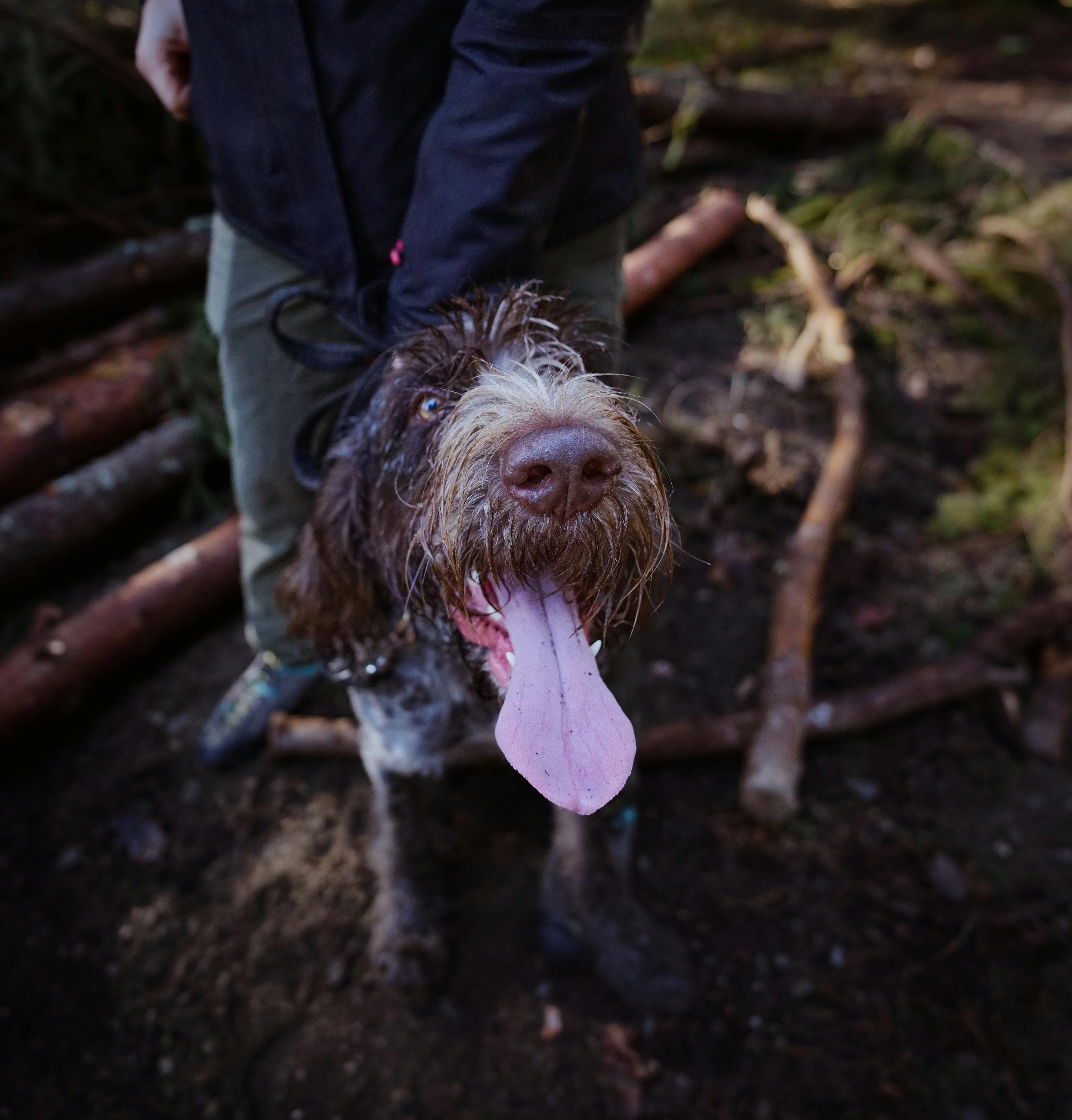
Why do dogs have wet noses? This question puzzles many pet owners, leading to a lot of myths and misconceptions. While most of us think that a wet nose is just a characteristic of our furry friends, there’s more to it than meets the eye. In this article, we’ll debunk 5 common myths about dog wet noses and uncover the fascinating truth behind them.
Myth 1: Wet Noses Mean a Dog is Healthy
It is often believed that if a dog has a wet nose, it means they’re healthy. While it’s true that a moist nose can sometimes be a sign of good health, it isn’t always the case. Dogs can have wet noses when they’re sick too. For example, a dog with a fever might have a wet nose due to increased mucus production. So, don’t rely solely on your dog's nose wetness to determine their health.
Myth 2: All Dogs Have Wet Noses
Not every dog has a wet nose. Some breeds, like Bulldogs or Pugs, may have drier noses. This is because of their unique facial structure. It’s also important to note that environmental factors can affect nose moisture. For instance, during hot, dry weather, a dog may have a drier nose than usual. So, if you see a dog with a drier nose, it doesn’t necessarily indicate a problem.
Myth 3: Dogs Lick Their Noses to Keep Them Wet
Many people think dogs lick their noses to keep them moist. While they do lick their noses, it serves a different purpose. Dogs actually lick their noses to help them smell better. The moisture from their tongue picks up scent particles, which enhances their sense of smell. So, it's not just about keeping their noses wet; it's about boosting their olfactory abilities.
Myth 4: A Cold Nose Means a Dog is Friendly
There’s a common saying that a cold nose equals a friendly dog. However, this is a myth. The temperature of a dog’s nose doesn’t really indicate their temperament. Some dogs may have cold noses and be aloof, while others with warm noses may be very friendly. Each dog is unique, and their behavior is influenced by many factors, including breeding, socialization, and individual personality.
Myth 5: Wet Noses Cause Colds in Dogs
Another misconception is that wet noses can lead to colds in dogs. This is simply not true. Dogs do not catch colds in the same way humans do. The common cold in dogs is caused by specific viruses, not by having a wet nose. So, if your dog’s nose is wet, there’s no need to worry about them catching a cold from it.
Why Do Dogs Have Wet Noses?
Now that we've debunked these myths, let’s dive into the real reasons behind why dogs have wet noses. Here’s a quick breakdown:
Temperature Regulation: Dogs don’t sweat like humans do. Instead, they use their noses to help regulate body temperature. A moist nose can help cool them down.
Enhanced Sense of Smell: As mentioned earlier, moisture on the nose helps dogs pick up scent particles in the air. This is crucial for their hunting instincts and overall awareness of their environment.
Healthy Mucus Production: A wet nose is often due to mucus production, which helps keep the nasal passages moist and aids in their olfactory abilities.
Environmental Adaptation: Dogs’ noses are naturally designed to stay moist, which helps them adapt to various environments.
Communication: Dogs use their noses to gather information about their surroundings and communicate with other animals. A wet nose might be more appealing to another dog, signaling openness to social interaction.
Fun Facts About Dog Noses
Dogs have around 300 million smell receptors in their noses, compared to about 5 million in humans.
The texture of a dog’s nose is unique, much like a human fingerprint.
Dogs can detect certain diseases, such as cancer, by smelling changes in body chemistry.
Puppies are born with dry noses, which usually become wetter as they develop.
Understanding these facts can help every pet owner appreciate the amazing physiology behind their dogs’ wet noses. So, the next time you wonder why your dog’s nose is wet or dry, remember that it’s just part of what makes them unique and fascinating. Each dog has its own characteristic, and their noses are just one of the many things that make them special companions.
How to Keep Your Dog's Nose Healthy: Tips for Pet Owners on Nose Care
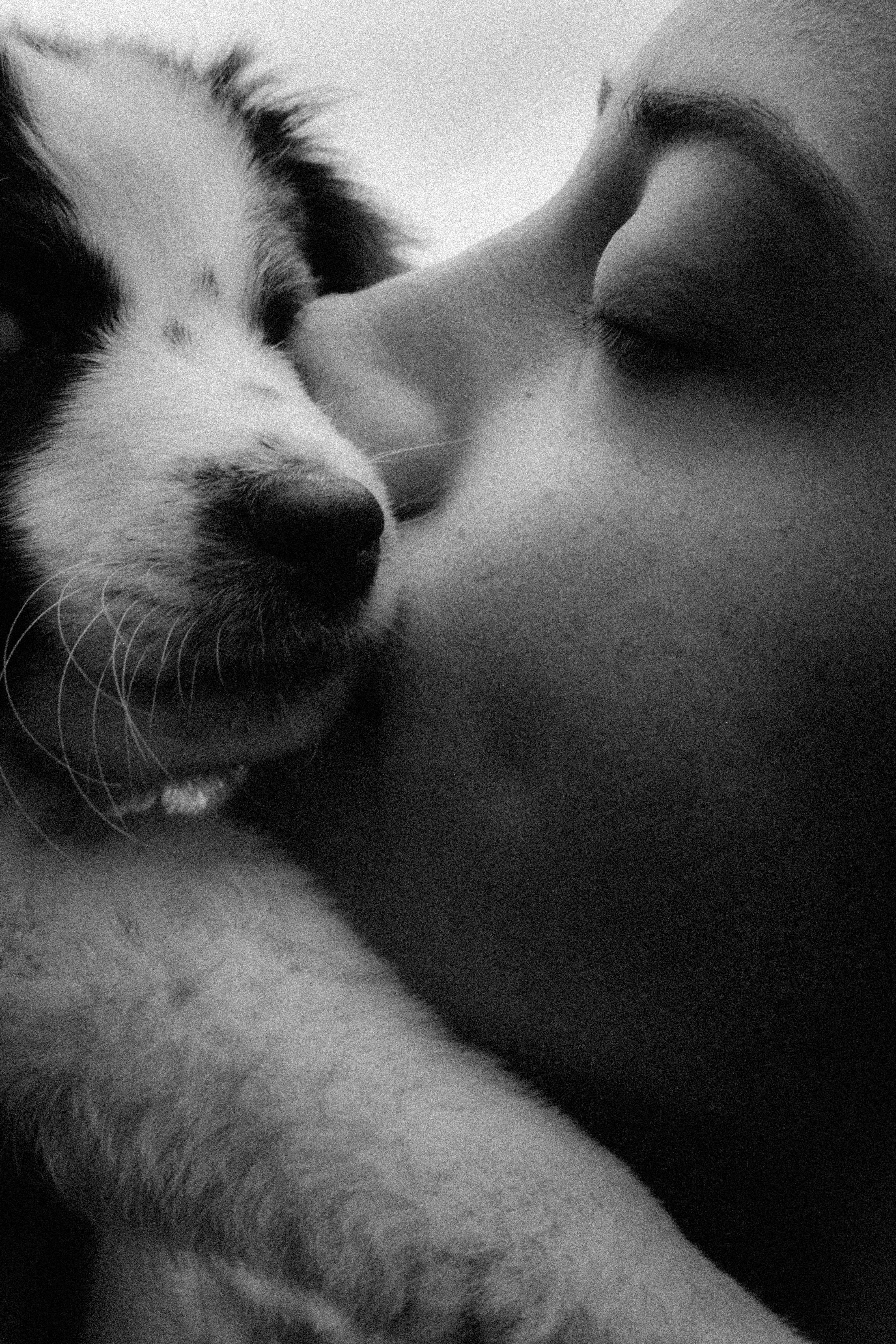
Keeping your dog's nose healthy is important for their overall well-being, and it’s something many pet owners often overlook. Dog noses, which are typically moist and cold, serve a purpose beyond just being cute. In fact, understanding why dogs have wet noses can help you care for them better. Let’s dive into some tips on nose care and uncover the fascinating truth behind those wet noses.
Why Do Dogs Have Wet Noses?
Dogs have wet noses for multiple reasons. Some of those reasons includes:
- Enhanced Sense of Smell: A wet nose helps to capture scent particles more effectively, which is key to a dog’s superior olfactory abilities.
- Temperature Regulation: The moisture on a dog’s nose helps to cool them off since dogs don’t sweat like humans do.
- Health Indicator: A healthy dog usually has a moist nose, so a dry or cracked nose might indicate dehydration or illness.
Fun Facts About Dog Noses
- Dogs have around 220 million scent receptors in their noses, compared to only about 5 million in humans.
- The wetness of a dog’s nose can vary throughout the day, often being more moist in the morning and drying out as they go about their daily activities.
- The texture of a dog’s nose is as unique as a human fingerprint; no two dog noses are alike.
Tips for Keeping Your Dog's Nose Healthy
Maintaining your dog’s nose health is not that hard. Here are some practical tips:
- Hydration is Key: Make sure your dog is always drinking enough water. Dehydration can lead to a dry nose, which might be a sign of health issues.
- Check for Cracks: Regularly inspect your dog’s nose for any cracks or sores. If you spot any, consult your vet immediately.
- Avoid Harmful Products: Be cautious when applying lotions or creams. Some human products can be toxic to dogs. Always use pet-safe products.
- Keep It Clean: Wipe your dog's nose with a damp cloth occasionally. This can remove dirt and allergens that might irritate it.
- Regular Vet Visits: Make sure your dog has regular check-ups. Your vet can provide advice on nose care and identify any underlying issues.
Common Nose Issues in Dogs
Dogs can experience several nose-related issues. Here’s a list of some common problems:
- Allergies: Pollen, dust, and other allergens can cause nose irritation.
- Infections: Bacterial or fungal infections can lead to inflammation or discharge.
- Autoimmune Disorders: Certain conditions can cause the nose to crack or become sore.
- Sunburn: Dogs with light-colored noses are especially susceptible to sunburn, which can lead to painful burns.
Signs That Your Dog's Nose Needs Attention
Keep an eye out for these signs that your dog may need veterinary care:
- Persistent dryness or cracking
- Discharge that is colored or has a foul smell
- Swelling or redness
- Excessive sneezing or nasal bleeding
Natural Remedies for Nose Care
If you prefer natural remedies, consider these options:
- Coconut Oil: It’s safe and can help moisturize your dog’s nose.
- Shea Butter: This can be soothing and help with dry patches.
- Aloe Vera: Known for its healing properties, ensure it’s pet-safe before using.
Comparison of Dog Nose Care Products
Here’s a simple comparison of some nose care products available for dogs:
| Product Type | Main Ingredients | Benefits |
|---|---|---|
| Nose Balm | Natural oils, beeswax | Moisturizes and protects |
| Hydrating Spray | Aloe vera, coconut oil | Provides instant moisture |
| Healing Ointment | Antiseptics, vitamins | Helps heal cracked noses |
Taking care of your dog’s nose is an essential part of pet ownership. By staying informed and attentive, you can ensure that your furry friend remains healthy and happy. Always remember that a wet nose is often a sign of a happy dog, but don’t ignore the signs that might indicate a problem. Regular checks and proper care can make a world of difference in your pet's quality of life. So, keep those noses wet and happy!
Conclusion
In conclusion, the wet noses of dogs serve multiple essential functions that contribute to their overall health and sensory capabilities. The moisture from their noses helps enhance their sense of smell, allowing them to detect subtle scents in their environment, which is crucial for communication and exploration. Additionally, a wet nose aids in thermoregulation, helping dogs regulate their body temperature. It’s important to note that while a cool, wet nose is often considered a sign of a healthy dog, a dry or excessively warm nose can indicate health issues that may require veterinary attention. By understanding the significance of your dog’s wet nose, you can better appreciate their unique biology and ensure they remain healthy and happy. So the next time you greet your furry friend, take a moment to admire that wet nose—it’s a remarkable feature that plays a vital role in their daily lives!