
Have you ever wondered why do dogs have wet noses? This intriguing question has puzzled pet owners and animal lovers alike. Dogs’ noses are not just cute; they play a crucial role in their health and well-being. A wet nose is a sign of a happy and healthy pup, but what really causes this fascinating phenomenon? In this article, we will explore the science behind dog nose moisture, uncovering the secrets of their unique anatomy. Did you know that a dog’s sense of smell is up to 100,000 times more sensitive than humans? This makes their wet nose an essential tool for scent detection and communication. But, what happens when a dog’s nose becomes dry? Does it mean something is wrong? Join us as we delve into the captivating world of canine physiology and discover the reasons behind those adorably moist noses. Whether you’re a curious dog owner or simply fascinated by animal behavior, you’ll find answers to all your burning questions about why dogs have wet noses. Get ready to uncover the fascinating truth that lies behind this endearing trait!
The Science Behind Why Dogs Have Wet Noses: Unveiling the Mystery

Dogs are often referred to as man’s best friend, but have you ever stopped to wonder about their wet noses? This peculiar characteristic has puzzled many pet owners and animal enthusiasts alike. Why do dogs have wet noses? What’s the science behind this fascinating trait? Let’s dive into the mystery and discover the reasons behind those cool, moist noses.
The Anatomy of a Dog’s Nose
First, it helps to understand what makes a dog’s nose different from ours. The canine nose is covered in a layer of skin that contains many specialized cells. These cells are responsible for the production of mucus, which keeps the nose moist. A wet nose is not just a cute quirk; it plays a significant role in a dog’s overall health and sensory perception.
Here are some key features of a dog’s nose:
- Moisture Retention: The moisture helps to enhance their sense of smell. The wetness allows scent molecules to adhere better, making it easier for dogs to detect and identify different smells.
- Temperature Regulation: A wet nose can also help dogs regulate their body temperature. When a dog pants, the moisture on their nose evaporates, which can cool them down.
- Health Indicator: A dog’s nose can also be an indicator of its health. A dry, cracked nose might suggest dehydration or illness, while a moist nose is typically a sign of a healthy pup.
Why Are Dogs’ Noses Wet?
So, why do dogs have wet noses in the first place? Here are some explanations that might surprise you:
Enhanced Smelling Ability: Dogs have an extraordinary sense of smell, estimated to be 10,000 to 100,000 times more acute than humans. The wetness of their nose helps trap scent particles and improves their olfactory capabilities.
Cooling Mechanism: Just like humans sweat to cool off, dogs use their wet noses as a cooling method. The moisture evaporates and helps in regulating their body temperature, especially during hot weather.
Communication Tool: Dogs also use their noses for social interactions. When they sniff each other, they can gather crucial information about their fellow canines. A wet nose can indicate friendliness and approachability, making it a social tool as well.
Natural Behavior: Dogs instinctively lick their noses, keeping them moist. This behavior is inherited from their wild ancestors, who needed keen senses for survival.
Historical Context of Dogs’ Noses
Dogs have been domesticated for thousands of years, and through that time, their anatomy has evolved alongside their relationship with humans. The wet nose is a trait that has been passed down, likely because it benefited their hunting and survival skills in the wild. Ancient breeds relied on their keen sense of smell for tracking prey, and a wet nose helped them do just that.
Fun Facts About Dog Noses
Did you know that dog noses are as unique as fingerprints? Here are some fun facts:
- Unique Patterns: Every dog has a unique nose print, which can be used to identify them, much like a human fingerprint.
- Color Changes: A dog’s nose can change color depending on the season or even their health. For instance, some dogs develop a “winter nose” that lightens in color during colder months.
- Scent Detection: Dogs can detect certain diseases in humans, like cancer, just by sniffing. Their amazing olfactory system is capable of identifying specific scents related to various health issues.
Dogs’ Nose Care Tips
While a wet nose is generally a sign of good health, it’s important to keep an eye on your dog’s nose. Here are some quick tips to care for it:
- Hydration: Ensure your dog stays hydrated, especially during hot weather.
- Moisturizing: If your dog’s nose appears dry and cracked, consider using a pet-safe moisturizer.
- Regular Check-ups: During vet visits, have your dog’s nose checked for any signs of infection or abnormalities.
Comparing Dog Noses to Other Animals
Dogs aren’t the only animals blessed with keen smelling abilities. Here’s how their noses compare to a few other species:
| Animal | Sense of Smell | Unique Nose Feature |
|---|---|---|
| Dogs | 10,000 to 100,000 times better than humans | Wet, unique patterns |
| Cats | Around 5-10 times better than humans | Dry, less sensitive |
| Elephants | Comparable to dogs | Long trunk enhances scent detection |
| Mice | Similar to dogs | Highly sensitive to pheromones |
Understanding why dogs have wet noses can deepen our appreciation for these amazing creatures. Their wet noses are not just a random fact; they are an essential part of their biology and behavior. Next time you pet your furry friend, take a moment to admire that
5 Surprising Benefits of a Dog’s Wet Nose You Didn’t Know About
Dogs have been our companions for centuries, and their wet noses have always been a topic of curiosity. You might have noticed how your furry friend’s nose is often damp, but have you ever wondered why? Well, there’s more to it than just a quirky trait. Here are 5 surprising benefits of a dog’s wet nose you didn’t know about, along with answers to the burning question: why do dogs have wet noses? Let’s dive into the fascinating truths behind this canine characteristic.
1. Natural Thermoregulation
One of the most important roles of a dog’s wet nose is regulating their body temperature. Unlike humans who sweat to cool down, dogs do not have efficient sweat glands. Instead, they rely on their noses. The moisture on the nose evaporates, helping to lower their body temperature. This is especially vital during hot weather.
- Benefits include:
- Reducing overheating
- Maintaining comfort levels
- Supporting overall health during exercise
2. Enhanced Sense of Smell
Dogs are renowned for their exceptional sense of smell, and their wet noses play a crucial role in this. A wet surface can capture more scent particles from the air, making it easier for dogs to detect various odors. This is why you may notice your dog sniffing around more when their nose is wet.
- How it works:
- Moisture traps scent particles
- Enhances olfactory receptors in the nose
- Improves tracking capabilities, especially in hunting breeds
3. Social Communication
Believe it or not, dogs use their noses to communicate with each other and even with humans. When a dog sniffs another dog, it’s more than just casual curiosity; it’s a way of gathering information about that dog’s health, mood, and even diet. A wet nose can indicate a dog’s arousal and excitement, signaling their interest.
- Key points about nose communication:
- Scent is a primary communication method among dogs
- Wetness can indicate a friendly approach
- Dogs may also show their comfort level through nose contact
4. Health Indicator
A dog’s nose can be a telltale sign of their health. While many believe that a cool and wet nose is a sign of good health, it’s not always the case. Changes in the moisture level, temperature, or color of the nose can indicate underlying health issues.
- What to look for:
- A dry nose could suggest dehydration or illness
- A warm nose may indicate a fever or infection
- Color changes, like a pale or discolored nose, could signal health problems
5. Bonding Experience
When you pet your dog and touch their wet nose, it can foster a sense of bonding and affection between you and your furry friend. Dogs are sensitive to touch, and a gentle stroke on their nose can be calming for them. This interaction enhances the human-animal bond, which is important for both emotional well-being and behavioral health.
- Benefits of nose interaction include:
- Strengthening your relationship
- Helping to build trust
- Providing comfort to your pet during stressful situations
Why Do Dogs Have Wet Noses?
Now, you might be thinking, why do dogs have wet noses in the first place? The simple answer lies in evolution and physiology.
- The wetness comes from:
- Saliva: Dogs often lick their noses, keeping it moist.
- Mucus: The nasal passages produce mucus to help trap scent particles.
Historically, wet noses may have evolved as a survival mechanism, allowing dogs to thrive in their environments by enhancing their ability to smell and regulate their body temperature.
Fun Facts About Dog Noses
- Dogs have around 220 million scent receptors; humans have only 5 million.
- The surface area of a dog’s nose is about 40 times greater than that of a human.
- Each dog’s nose print is unique, similar to human fingerprints.
In conclusion, the wet nose of a dog serves many purposes beyond just being cute. From thermoregulation to social interaction, understanding why dogs have wet noses can enhance how we care for and bond with our pets. The next time you get a wet nose nudge from your furry companion, remember that it’s not just an adorable gesture; it’s a complex characteristic that benefits both their health and your relationship.
Is a Wet Nose a Sign of a Healthy Dog? Exploring the Connection
When we think about our furry companions, one of the most common questions that come up is whether a wet nose is a sign of a healthy dog. You might have heard the saying, “A wet nose is a healthy nose,” but is there really truth behind that? In this article, we gonna dive into the fascinating world of dog noses, exploring why they’re often moist, and what it might mean for your pup’s health.
Why Do Dogs Have Wet Noses?
Dogs noses are wet for a few reasons, and it’s actually pretty interesting when you think about it. Here’s a rundown of some of the major reasons why:
Temperature Regulation: Dogs don’t sweat like humans do. Instead, they regulate their body temperature through panting and by licking their noses. A wet nose helps keep their body cool.
Enhanced Sense of Smell: A moist nose can enhance a dog’s sense of smell. The wetness helps to capture scent particles from the air, allowing them to detect scents more effectively.
Nasal Secretions: Dogs produce a mucus-like secretion that keeps their noses moist. This secretion can also help them identify different smells by trapping odor molecules.
Health Indicator: While a wet nose is often associated with health, it’s not the only indicator. Dogs can have healthy noses that are dry too.
Is a Wet Nose Always a Good Sign?
While many people believe that a wet nose means your dog is healthy, this isn’t always the case. There’s a lot of variability in dog noses, and several factors can influence the moisture level. Here’s what to consider:
Environmental Factors: A dog’s nose can become dry due to weather conditions, like heat or cold, or even low humidity.
Health Conditions: Certain health issues can lead to a dry nose, like fever or dehydration. If your dog’s nose is dry and warm, it could be worth checking with a vet.
Age: Older dogs might have drier noses, which is normal as they age.
Breed Differences: Some breeds naturally have drier noses than others. For example, Bulldogs and Pugs often have less moisture on their noses compared to Labrador Retrievers.
How to Tell if Your Dog is Healthy
Instead of solely relying on the wetness of your dog’s nose, it’s better to consider a variety of health indicators. Here are some signs that can help you determine if your dog is healthy:
Energy Levels: A healthy dog usually has a good amount of energy and is playful.
Eating and Drinking: Consistency in eating and drinking habits can indicate good health.
Behavior: Changes in behavior, such as lethargy or aggression, might signal a health issue.
Coat Condition: A shiny and clean coat often indicates good health.
What to Do if Your Dog’s Nose Seems Off
If you notice your dog’s nose is unusually dry or warm, here are some steps to take:
Monitor Other Symptoms: Look for additional signs like coughing, vomiting, or changes in appetite.
Provide Hydration: Ensure your dog has access to fresh water at all times. Hydration is key!
Consult a Veterinarian: If you’re concerned about your dog’s health, it’s best to consult with your vet, who can provide a thorough examination.
Fun Facts About Dog Noses
Did you know that dog noses are unique, much like human fingerprints? Here’s some additional fascinating information:
Dogs have up to 300 million smell receptors in their noses, compared to about 6 million in humans.
Dogs can detect certain diseases, like cancer, just by smelling samples of breath or urine.
Their noses are warm when they’re relaxed, and cool when they’re alert or active.
A dog’s sense of smell is 40 times better than that of an average human.
Dogs can differentiate between scents based on their wet noses, helping them understand the world around them.
In summary, while a wet nose can be a sign of a healthy dog, it’s not the only factor to consider. A combination of various health indicators gives a better picture of your pup’s well-being. Whether your dog’s nose is wet, dry, or somewhere in between, paying attention to their overall health and behavior is the key to ensuring they live their happiest, healthiest life. So keep those tails wagging and noses sniffing!
How Dogs Use Their Wet Noses to Understand the World: Fascinating Facts
Dogs are known for many things, but one of the most interesting features is their wet noses. You might wonder, “Why do dogs have wet noses?” and “How does this help them understand the world?” Well, there’s tons of captivating facts that explain the science behind this unique trait. Let’s dive into the fascinating truth about our furry friends and their remarkable sense of smell.
The Science Behind Wet Noses
A dog’s nose is not just for show; it serves a crucial role in how they interact with their environment. The moisture on their noses comes from a combination of mucus and saliva, which helps absorb scent chemicals. Here’s how it works:
Enhanced Smell: The wetness allows scent particles to stick better, making it easier for dogs to pick up smells. This is important since dogs have about 220 million scent receptors compared to humans’ 5 million.
Temperature Regulation: A wet nose helps dogs cool down. Just like humans sweat, dogs release moisture from their noses to help regulate body temperature, especially during hot days.
Communication Tool: Dogs can also use their noses to gather information about other dogs and their surroundings. The moisture can help pick up pheromones, which are crucial for social interactions among dogs.
Historical Context of Dog Noses
Dogs have been companions to humans for thousands of years. Their noses have evolved significantly over this time. Ancient breeds had different types of noses, but the evolution of the wet nose has been crucial for survival. Dogs were bred for various tasks, such as hunting and herding, which required an acute sense of smell. The wet nose became a vital adaptation for these roles.
Fascinating Facts About Dog Noses
Here are some fun and intriguing facts about dog noses that you might not know:
Unique Nose Prints: Just like human fingerprints, every dog has a unique nose print. This can be used for identification, although it’s not commonly practiced.
Nose Temperature: The temperature of a dog’s nose can give insights into their health. A cool, wet nose is typically a sign of a healthy dog, while a dry, warm nose could indicate illness.
Scent Discrimination: Dogs can distinguish between different scents even when they are mixed together. For instance, they can identify the scent of a specific person even in a crowded park.
Sense of Direction: Dogs can use their sense of smell to navigate. They can track scents over long distances, which is why they are often used in search and rescue operations.
Why Is a Wet Nose Important?
The wetness of a dog’s nose is essential for various reasons. Here’s a list of why this characteristic is more than just an adorable trait:
- Improved Sensory Reception: The moisture helps in capturing scent molecules.
- Health Indicator: A wet nose often means your dog is healthy, while sudden changes can indicate health issues.
- Social Interaction: Dogs greet each other with their noses, and a wet nose can be more inviting.
- Enhanced Communication: The ability to pick up pheromones helps dogs understand each other’s emotions and states.
How Dogs Use Their Noses to Understand the World
Dogs rely heavily on their noses to interpret their surroundings. Their sense of smell is so powerful that it can evoke memories and emotions, much like human experiences. Here are some ways dogs utilize their noses:
Exploring Their Environment: A dog will sniff to gather information about where they are. Different smells can tell them about other animals, people, and even the time since something last occurred in that area.
Finding Food: Dogs are natural foragers, and their noses help them locate food. This is why they might sniff around your kitchen or when you’re cooking.
Tracking and Working: Many dogs are trained to use their noses for specific purposes, such as detecting drugs, explosives, or even finding missing persons.
The Bottom Line
Understanding why dogs have wet noses can enhance our appreciation for these amazing creatures. Each sniff is a new discovery, and their wet noses play a crucial role in how they engage with the world around them. Whether they’re searching for treats or simply greeting a fellow canine, the wet nose is a testament to their incredible adaptation and evolution. So, the next time you pet your dog, take a moment to appreciate that little wet nose and all the wonders it represents!
The Role of Dog Nose Moisture in Temperature Regulation: What Pet Owners Must Know
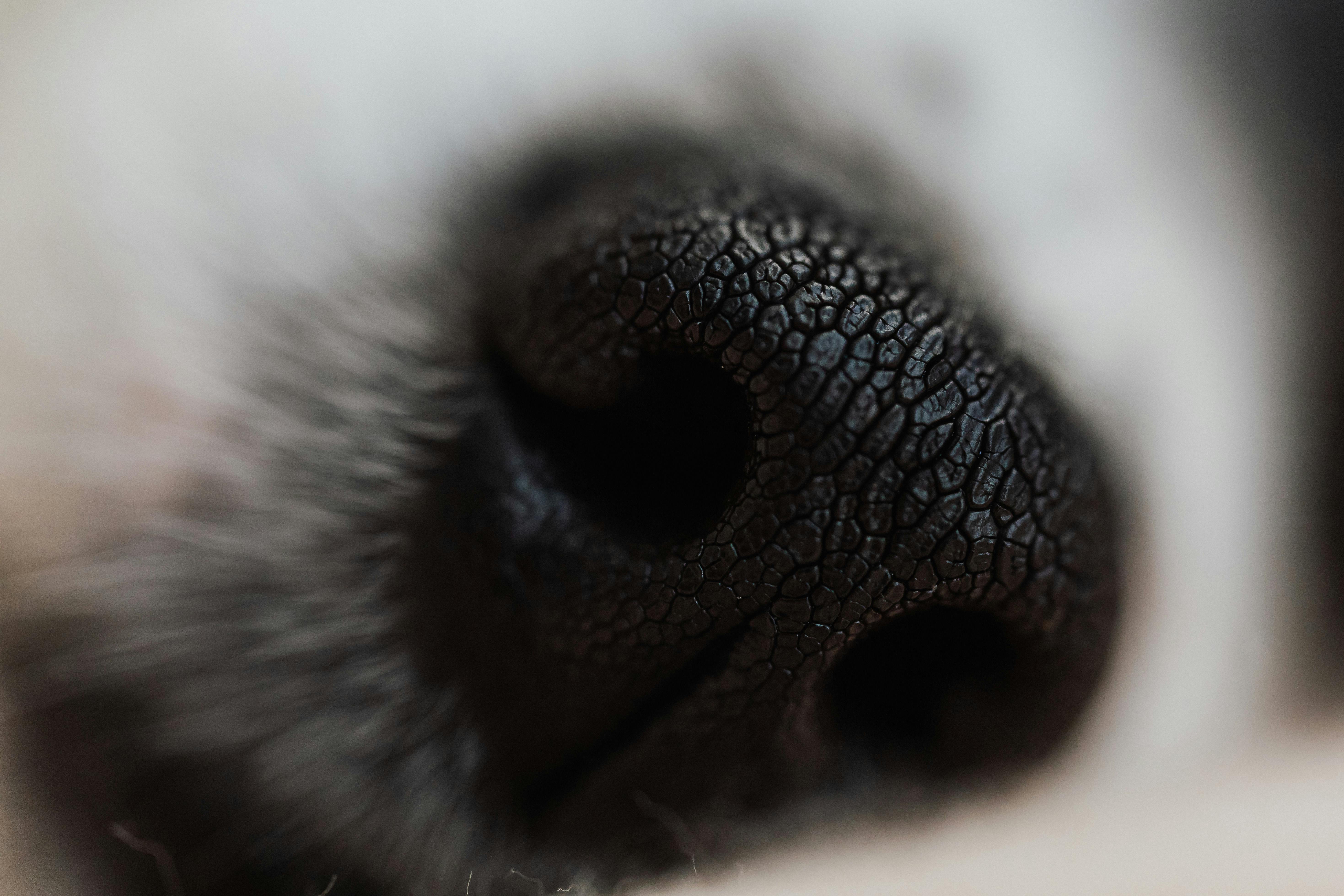
Have you ever wonder why your dog’s nose is always wet? It’s one of those little mysteries of pet ownership that kinda makes you curious and maybe a little worried too. Well, it turns out that this moisture plays a big role in how dogs regulate their body temperature. So, let’s dive into the fascinating world of dog nose moisture, the science behind it, and why you should care as a pet owner.
The Science Behind Wet Noses
Dogs’ noses are not just cute; they’re also critical for their health. The moisture on a dog’s nose comes from a combination of sweat glands, saliva, and the environment. When dogs lick their noses, they add more moisture, which helps them with thermoregulation.
- Sweat Glands: Dogs don’t sweat like humans do. They have sweat glands mainly in their paw pads. So, they rely on their noses to help cool down.
- Evaporation: The moisture evaporates, which cools the surface of the nose and, in turn, helps lower the dog’s body temperature.
- Sense of Smell: A wet nose improves a dog’s sense of smell. The moisture helps to trap scent particles, making it easier for dogs to detect smells in their environment.
Why Do Dogs Have Wet Noses? The Fascinating Truth!
There’s a lot more to a dog’s wet nose than just looks. Here’s some important facts you might not know:
Thermal Regulation: As mentioned earlier, moisture on the nose assists in cooling. Dogs can’t cool down effectively through sweating like humans, so their noses are essential for maintaining a comfortable body temperature.
Health Indicator: A wet nose is often a sign of a healthy dog. If a dog’s nose suddenly becomes dry or cracked, it might indicate dehydration, fever, or other health issues.
Temperature Differences: Dogs’ noses can change temperature based on their environment. A warm nose might suggest that the dog is overheating or unwell, while a cool, moist nose is usually a good sign.
Species Variation: Different breeds may have different nose moisture levels. For example, brachycephalic breeds like Bulldogs or Pugs might have more trouble with temperature regulation due to their short snouts.
The History of Dog Nose Research
The study of why dogs have wet noses and their role in temperature regulation isn’t new. Scientists and veterinarians have been exploring this for decades. Some historical highlights include:
- Early Veterinary Studies: In the early 1900s, veterinarians began to notice the correlation between a dog’s nose moisture and health.
- Modern Research: Today, many veterinary schools conduct ongoing research on canine physiology, including how moisture affects their ability to smell and regulate temperature.
What Pet Owners Must Know
As a dog owner, understanding the role of moisture in your dog’s nose can help you keep your pet safe and comfortable. Here are some practical tips:
- Monitor Nose Condition: Regularly check your dog’s nose for dryness or cracks. If you notice changes, consult a vet.
- Hydration is Key: Ensure your dog always has access to fresh water, especially in hot weather. Dehydration can dry out the nose.
- Temperature Awareness: Be cautious during hot days. If your dog seems lethargic or their nose is excessively warm, they might be overheating.
- Grooming: Regularly grooming your dog can help maintain skin and nose health.
Fun Facts About Dog Noses
- A dog’s nose print is unique, much like a human fingerprint.
- Dogs have about 300 million smell receptors compared to humans, who have about 6 million.
- The moisture on a dog’s nose can help them identify scents even in challenging environments.
Comparing Dog Noses to Other Animals
Dogs aren’t the only animals with wet noses. Here’s how they compare to other pets:
- Cats: Generally have drier noses than dogs; however, a cat’s nose can also indicate health issues.
- Rabbits: Have moist noses too, which can help them in regulating temperature.
- Pigs: Known for their wet noses, pigs use their sense of smell for foraging.
So, as you can see, the moisture on your dog’s nose is more than just an adorable trait; it plays a key role in their health and well-being. Understanding this aspect can help you become a more informed and caring pet owner. Remember, keeping an eye on that wet nose can be a simple yet effective way to ensure your furry friend stays healthy and happy.
Why Do Some Dogs Have Drier Noses? Understanding Variations and Health Implications
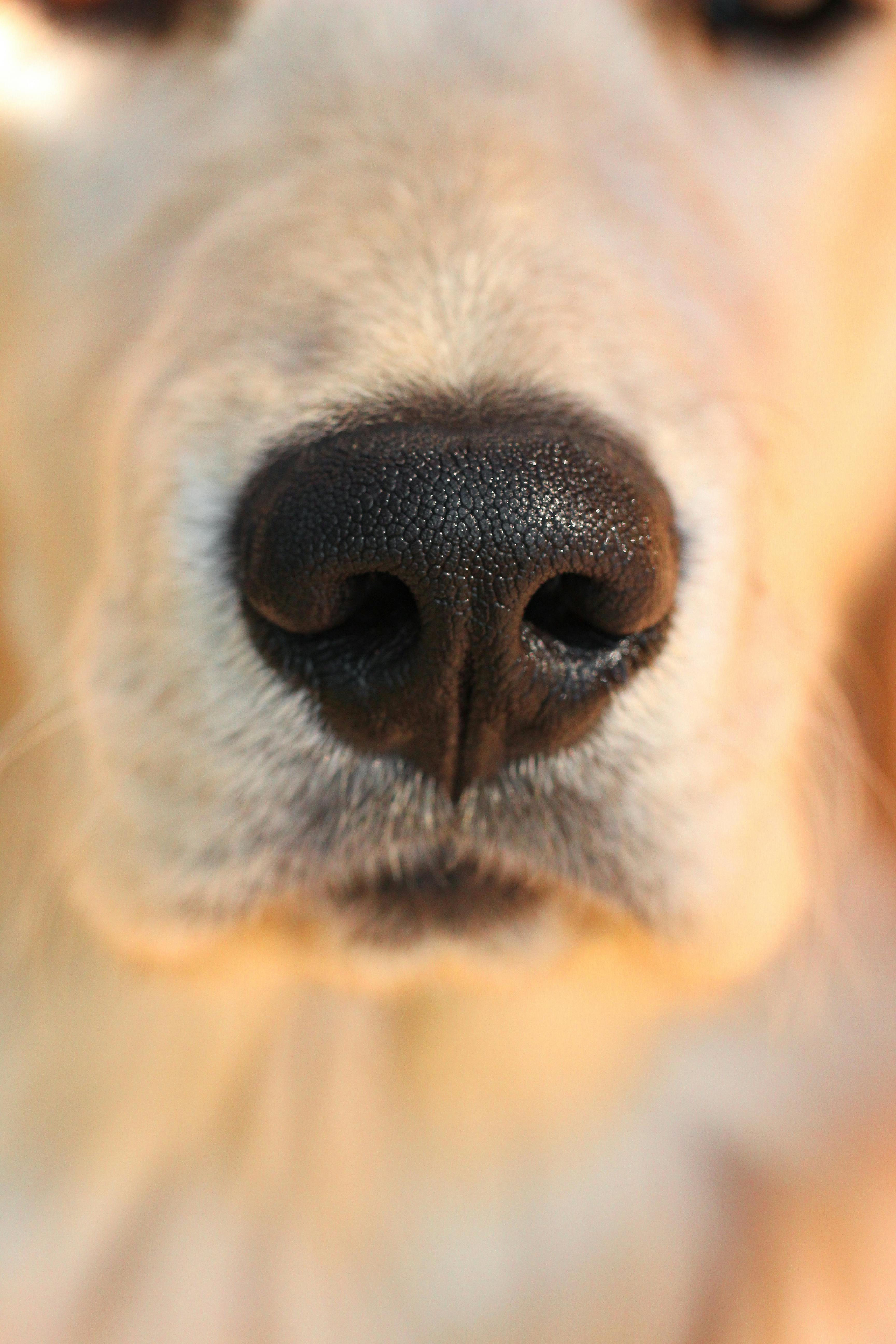
When you own a dog, you might have wondered why some dogs have drier noses than others. It’s a curious thing, right? A dog’s nose can tell you a lot about their health and well-being. So, let’s dive into the reasons behind these variations and what they might mean for your furry friend.
Why Do Dogs Have Wet Noses?
Dogs are known for their wet noses, and there’s a bunch of reasons why they are like that. First off, a wet nose helps dogs smell better. Dogs have a super sense of smell, and moisture on their nose helps scent particles stick to it, making it easier for them to detect various odors. That’s one of the reasons why you might see your dog sniffing around, looking for something interesting.
Another reason for the wetness is that it helps regulate their body temperature. Dogs don’t sweat like humans do, so they rely on their noses to cool down. When a dog pants, moisture evaporates from their nose, which helps cool them off. Isn’t that fascinating?
Understanding Dry Noses in Dogs
Now, not all dogs have that wet nose all the time. Some dogs have drier noses, and that can be due to a variety of factors. Here’s some of them:
Weather Conditions: Just like humans, dogs can get dry skin or dry noses because of dry weather. If it’s really hot or windy, your dog’s nose might feel less wet.
Health Issues: Sometimes, a dry nose can be a sign of health problems. Things like fever, dehydration, or even allergies can cause your dog’s nose to dry out.
Age: Older dogs might have drier noses as their skin loses moisture over time. It’s just a part of getting older.
Breed Differences: Some breeds naturally have drier noses than others. For example, brachycephalic breeds like Bulldogs may have drier noses due to their shorter snouts.
Common Questions About Dog Noses
Here’s a quick list of common questions dog owners ask about their noses:
Is a cold, wet nose always healthy?
- Not necessarily. While a wet nose can indicate good health, it’s not the only indicator. You should look for other signs of health too.
What does it mean if my dog’s nose is warm?
- A warm nose might indicate a fever, but you should check your dog’s overall condition.
Can I use moisturizer on my dog’s nose?
- Yes, but make sure it’s pet-safe. Some natural oils or balms can help if your dog’s nose seems excessively dry.
Health Implications of Nose Conditions
Understanding the condition of your dog’s nose can also help you catch potential health issues. Here’s a simple breakdown:
| Condition | Possible Implications |
|---|---|
| Dry Nose | Dehydration, allergies, or fever |
| Cracked or Chapped Nose | Skin infections or exposure to chemicals |
| Excessive Wetness | Possible infection or respiratory issues |
How to Keep Your Dog’s Nose Healthy
Keeping your dog’s nose healthy is pretty important. Here are some tips:
Stay Hydrated: Make sure your dog always has access to fresh water. Dehydration can lead to a dry nose.
Regular Vet Visits: Regular check-ups can catch any potential health issues early.
Avoid Harsh Chemicals: If you are using cleaning products around your home, make sure they are pet-safe. Some chemicals can irritate your dog’s skin and nose.
Moisturize Wisely: If your dog has a dry nose, consider using a gentle, dog-safe moisturizer. Always consult your veterinarian before doing so.
Final Thoughts
Understanding why some dogs have drier noses compared to others can help you take better care of your furry friend. Each dog is unique, and their noses can tell you a lot about their health and well-being. So, keep an eye on those noses! Whether wet or dry, they are a window into your dog’s health, and knowing what to look for can make all the difference in keeping them happy and healthy.
Can a Dog’s Wet Nose Predict Illness? Debunking Common Myths
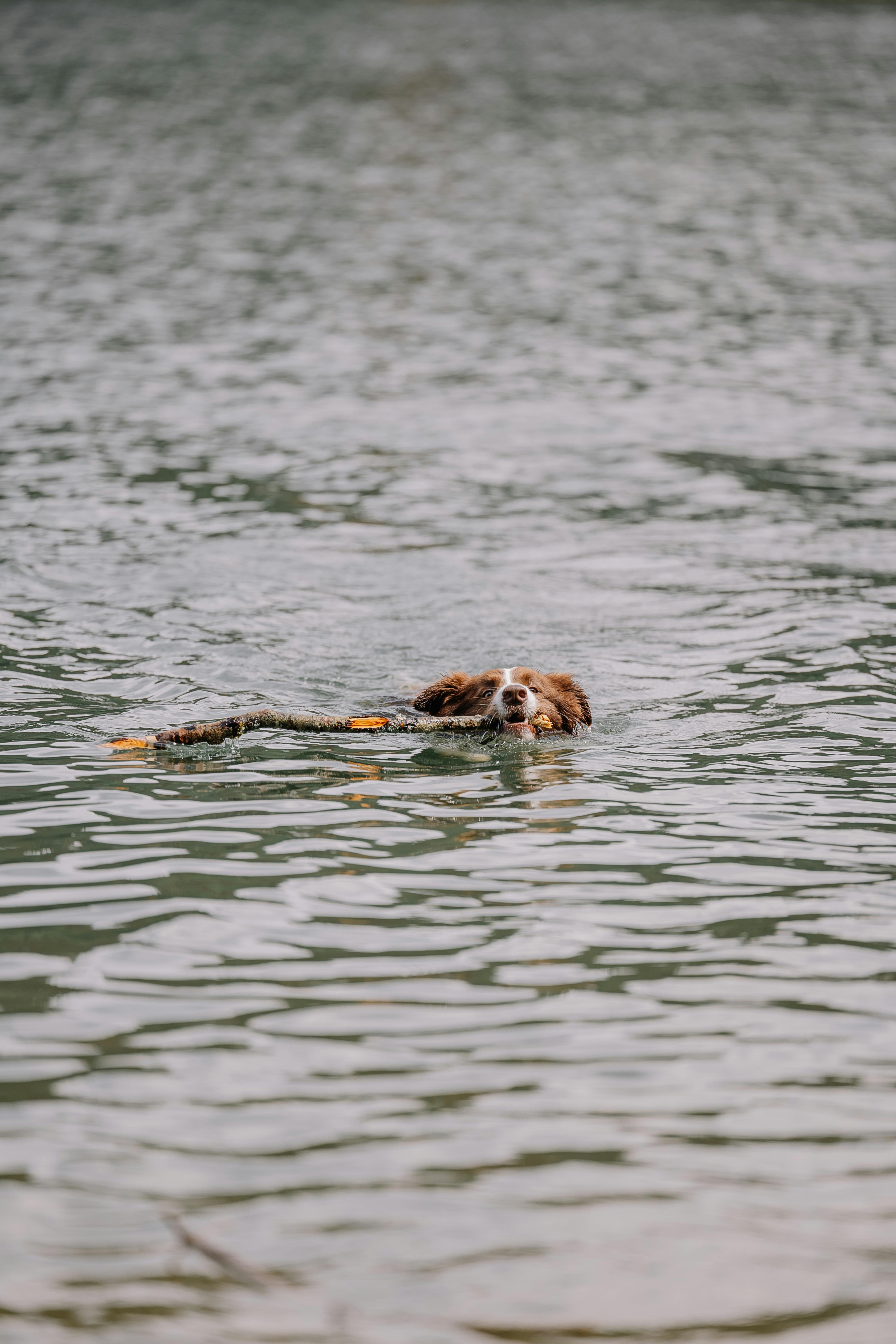
Have you ever wondered if your dog’s wet nose can actually predict illness? Many people think that a dog’s nose is a good indicator of their health, but is this really true? While it’s a common belief, the reality is a bit more complicated. In this article, we delve into the fascinating world of canine noses, explore why they’re wet, and debunk some myths that have been floating around for ages.
Why Do Dogs Have Wet Noses?
Dogs noses are not just wet for no reason. There are several reasons for their moistness that serve practical purposes.
Enhanced Smell: A wet nose helps to capture scent particles better. When a dog’s nose is moist, it can absorb more of the chemicals in the air, which enhances its sense of smell. Dogs have an incredible sense of smell, estimated to be between 10,000 to 100,000 times more sensitive than humans. This means, when they sniff around, they’re picking up on things we couldn’t even imagine.
Temperature Regulation: Just like humans sweat to cool down, dogs use their wet noses for thermoregulation. The moisture on their noses evaporates, helping them to cool down. This is especially important for dog breeds that are more prone to overheating.
Health Indicators: A dog’s nose can sometimes indicate its health status, but not in the way many people think. While a cold, wet nose is often seen as a sign of health, a dry nose doesn’t necessarily mean a dog is sick. Changes in moisture levels can result from various factors, like the environment, hydration levels, or even sleep.
Common Myths About Dogs and Their Noses
Let’s debunk some myths about dogs noses and illness.
Myth 1: A Wet Nose Means a Healthy Dog
While a wet nose can be a sign of good health, it’s not a foolproof indicator. Dogs can have dry noses and still be perfectly healthy. Factors like weather conditions, hydration, and even sleep can affect nose moisture.Myth 2: A Dry Nose Means Your Dog is Sick
This is another misconception. A dog can have a dry nose and still be perfectly healthy. It’s essential to consider other symptoms and behaviors when assessing your dog’s health.Myth 3: Dogs Can Predict Illness with Their Noses
While dogs are known for their incredible sense of smell, the idea that they can predict human illness is more myth than fact. Some studies suggest that dogs can detect certain diseases like cancer or diabetes through scent, but it’s not through merely wet noses. It involves trained behavior and specific scents associated with illness.
What Affects A Dog’s Nose Moisture?
Several factors can influence how wet or dry a dog’s nose is. Here are some of them:
- Weather: Hot or dry weather can lead to a drier nose.
- Hydration: If a dog is dehydrated, its nose may become dry.
- Activity Level: After vigorous play or exercise, a dog may have a wet nose due to increased saliva production.
- Age and Health Conditions: Older dogs or those with certain health conditions may have different moisture levels in their noses.
Fun Facts About Dogs’ Noses
- Dogs have approximately 300 million olfactory receptors in their noses, compared to about 6 million in humans.
- The texture of a dog’s nose is unique, much like a human fingerprint.
- Some breeds have particularly moist noses, such as the Bloodhound and the Labrador Retriever.
Conclusion
Understanding your dog’s nose can be fun and informative. While a dog’s wet nose may not be a reliable indicator of illness, it’s part of what makes our canine companions so unique. Instead of relying solely on the moisture of their noses, pet owners should pay attention to their dogs’ overall health and behavior. Regular check-ups with a veterinarian are essential to ensure your furry friend stays healthy. So next time you feel your dog’s nose, remember that it’s not just wet for show; it’s a fascinating aspect of their biology that helps them navigate the world!
The Evolutionary Advantage of Wet Noses in Dogs: Insights from Animal Behavior Experts
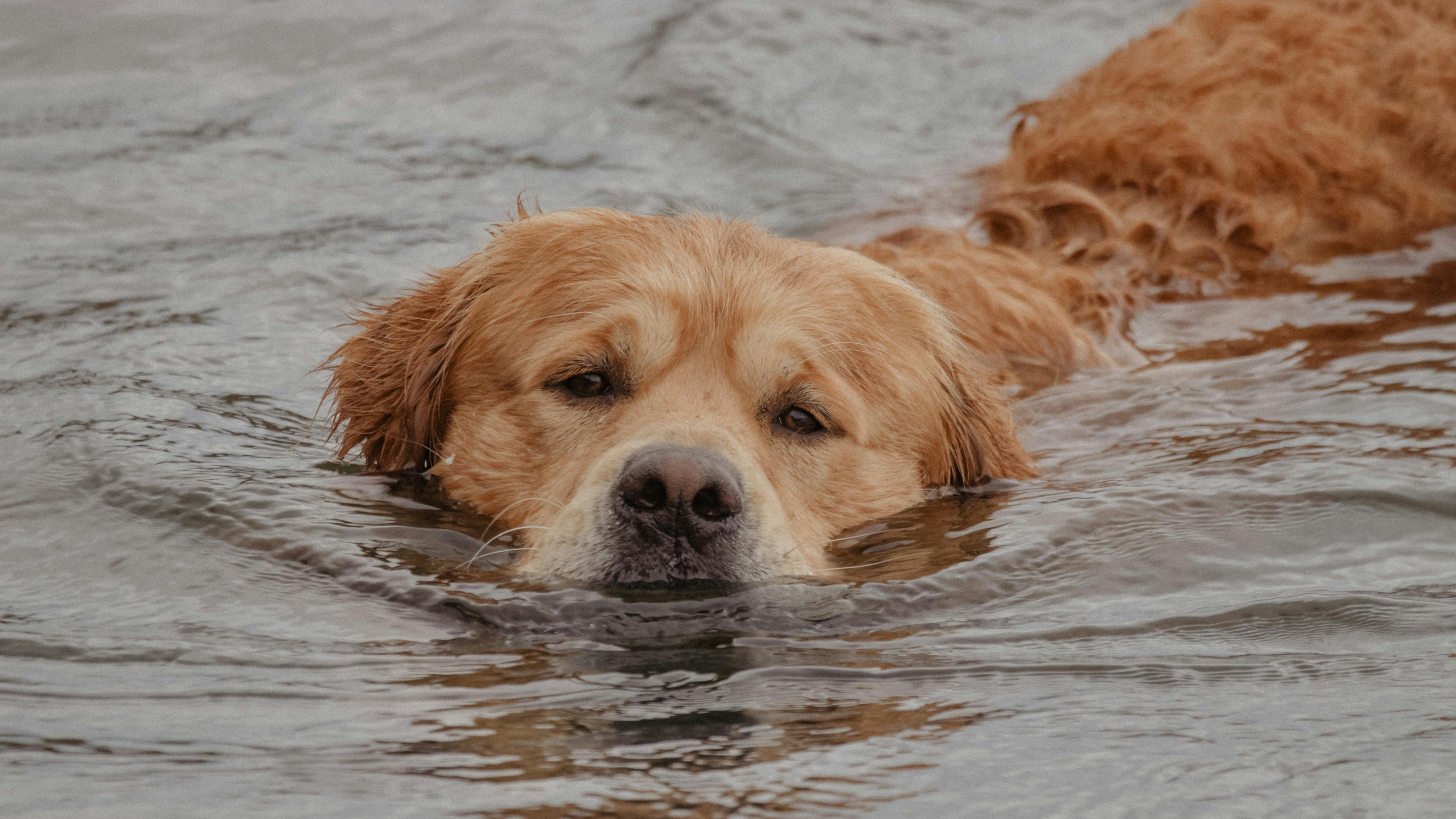
Dogs have been companions for humans for thousands of years, and one of their most intriguing features is their wet noses. You might have wondered, why do dogs have wet noses? Well, there’s a lot more than just cuteness behind this characteristic. Animal behavior experts have studied this fascinating trait, and the findings reveal an evolutionary advantage that’s quite remarkable.
The Science Behind Wet Noses
Wet noses in dogs serve several practical purposes. Firstly, they play a crucial role in how dogs interact with their environment. The moisture on their noses helps to enhance their sense of smell. Dogs have an incredible olfactory system that’s far superior to that of humans. A wet nose can absorb scent chemicals more efficiently, allowing dogs to pick up on smells that we can’t even begin to comprehend.
- Scent Absorption: The wet surface of a dog’s nose absorbs scent particles, amplifying their ability to detect odors.
- Temperature Regulation: Dogs also use their noses to help regulate their body temperature. A wet nose can cool them down when they are panting.
- Communication Tool: Dogs often use their noses to communicate with other dogs. A wet nose can indicate excitement or a friendly approach.
Historical Context of Canine Noses
Historically, the wet nose has been an evolutionary trait that has adapted to enhance a dog’s survival. Early canines relied on their sense of smell to hunt, find food, and avoid predators. The advantages of having a wet nose were apparent even in ancient times.
- Predatory Skills: Early dogs that had better scent detection were more successful hunters. This trait likely got passed down through generations.
- Social Interactions: Wet noses help dogs in social interactions not just with humans but also with other dogs, aiding in establishing pack hierarchies.
How Wet Noses Benefit Dogs
Let’s break down some additional benefits of wet noses:
- Health Indicator: A dog’s nose can often indicate its health. A dry or cracked nose might be a sign of dehydration or illness.
- Behavioral Insights: Dogs often lick their noses when they are nervous or unsure. This can give pet owners clues about their dog’s emotional state.
Comparing Wet Noses with Other Animals
Different animals have varying nose types, and understanding these differences can shed light on why dogs evolved with their specific traits.
| Animal | Nose Type | Purpose |
|---|---|---|
| Dogs | Wet | Enhances smell, aids in communication, regulates temperature |
| Cats | Dry | Minimal scent absorption, more for grooming and balance |
| Elephants | Trunk (not a nose) | Versatile tool for smell, touch, and grabbing |
| Cows | Moisture-rich | Helps in temperature regulation and scent detection |
Practical Examples of Canine Nose Use
Dogs utilize their noses in a variety of practical scenarios:
- Search and Rescue: Many dogs are trained to locate missing persons or detect drugs and explosives. Their wet noses make them incredibly effective at tracking scents over long distances.
- Medical Detection: Dogs can even detect certain medical conditions through scent. For instance, some dogs have been trained to sense low blood sugar in diabetic patients or even detect cancer in their owners.
Insights from Animal Behavior Experts
Animal behaviorists emphasize the importance of a dog’s nose not just for survival but also for bonding with humans. The act of sniffing is a way for dogs to gather information about their surroundings and the people they interact with. This nose-to-nose greeting is often a friendly gesture among dogs, showing they are curious and sociable.
- Bonding with Owners: When your dog sniffs you, they are gathering information about where you’ve been and what you’ve been doing.
- Understanding Emotions: Experts suggest that dogs can even pick up on emotional scents, which allows them to respond to their owner’s feelings.
The evolutionary advantage of wet noses in dogs is deeply rooted in their biology and behavior. From enhancing their sense of smell to facilitating communication, these wet noses are more than just a charming feature. They are a testament to how dogs have adapted to thrive alongside humans and in the wild. Understanding why do dogs have wet noses not only enriches our knowledge of these beloved pets but also deepens the bond we share with them. So, the next time you notice your dog’s wet nose, remember that it’s not just cute; it’s a powerful tool that has been honed over thousands of years.
How to Keep Your Dog’s Nose Healthy and Moist: Essential Tips for Pet Owners
Keeping your dog healthy is a top priority for any pet owner. One often-overlooked aspect of canine health is the nose. Dogs’ noses are not just cute features; they play a crucial role in their overall well-being. A moist nose can indicate a healthy dog, while a dry or cracked nose could be a sign of health issues. So, how to keep your dog’s nose healthy and moist? And why do dogs have wet noses in the first place? Let’s delve into these fascinating topics.
Why Do Dogs Have Wet Noses?
Dogs have wet noses for a number of reasons, and it’s not just for show. A wet nose can help dogs to smell better. Here’s how it works:
- Enhanced Olfactory Function: A wet surface helps to capture scent particles. This means that the moisture on a dog’s nose aids in their sense of smell, which is way more developed than humans.
- Cooling Mechanism: Dogs don’t sweat like humans do; they regulate their body temperature through their noses and panting. A wet nose helps to keep them cool.
- Health Indicator: Generally, a healthy dog has a moist nose. Changes in moisture levels can be an indication of health problems.
But does every dog have a wet nose? Not necessarily. Factors like breed, environment, and activity levels can influence the moisture of a dog’s nose.
Tips for Keeping Your Dog’s Nose Healthy and Moist
Pet owners should pay attention to their dog’s noses, as it can be a reflection of their overall health. Here are some essential tips:
Hydration is Key: Make sure your dog drinks enough water. Dehydration can lead to a dry nose, among other health issues.
Regular Vet Check-ups: Regular visits to the veterinarian can help catch any potential issues early. The vet can check your dog’s nose and overall health.
Use Nose Balm: If you notice your dog’s nose is getting dry or cracking, consider using a nose balm specifically designed for dogs. These balms can help to moisturize and protect their nose.
Limit Sun Exposure: Just like humans, dogs can get sunburned. If your dog is exposed to the sun for long periods, consider applying a pet-safe sunscreen to their nose.
Maintain a Healthy Diet: A balanced diet with plenty of Omega-3 fatty acids can promote healthy skin and a moist nose. Fish oil supplements can be beneficial.
Watch out for Allergens: Allergies can cause a dog’s nose to become dry or irritated. Be aware of environmental factors that may affect your dog, like pollen, dust, or certain foods.
Keep Their Living Environment Comfortable: Dry air can also contribute to a dog’s dry nose. If you live in a dry climate, consider using a humidifier in your home.
Common Nose Conditions to Look Out For
Being aware of certain conditions can help you take better care of your dog’s nose. Here are some common issues:
- Cracking and Peeling: This can be due to dry air or a lack of moisture.
- Nosebleeds: Frequent nosebleeds could indicate underlying health issues.
- Discoloration: Changes in color can be a sign of illness or infection.
- Nasal Discharge: If your dog has excessive discharge, it might indicate an infection or allergies.
Comparison of Dog Nose Types
Different breeds can have different types of noses. Here’s a simple comparison:
| Breed Type | Nose Characteristics |
|---|---|
| Brachycephalic | Often has a shorter, flatter nose |
| Long-Nosed Breeds | Typically have longer, more moist noses |
| Mixed Breeds | Varies widely depending on parent breeds |
Each type of dog nose has its unique needs and care requirements.
Final Thoughts
A dog’s nose is a vital aspect of their health and well-being. Understanding why dogs have wet noses and how to keep them healthy can make a huge difference in your pet’s life. By keeping your dog hydrated, providing a nutritious diet, and being vigilant about changes in their nose, you can help ensure that their nose remains moist and healthy. Dogs rely on their noses for so much, and as pet owners, it’s our responsibility to help care for their most important tools. So, keep those noses wet, and your furry friends will thank you!
Wet Nose vs. Dry Nose: What Your Dog’s Snout Says About Their Health and Emotions
Dogs are often seen with their noses wet, and many people wonder what this means for their health and emotions. Wet Nose vs. Dry Nose: What Your Dog’s Snout Says About Their Health and Emotions is an interesting topic. So, why do dogs have wet noses? Let’s dive into the fascinating truth behind this canine characteristic.
Why Do Dogs Have Wet Noses?
Dogs have wet noses for several reasons, and it’s not just because they enjoy sticking their snouts into water bowls. A wet nose can be a sign of good health and can also play a role in how dogs interact with the world around them. Here are some interesting facts about why dogs have wet noses:
- Temperature Regulation: Dogs don’t sweat like humans. Instead, they rely on their noses to help cool down. A wet nose can help them regulate their body temperature, essential for their overall health.
- Enhanced Smell: The moisture on a dog’s nose helps capture scent particles. This allows dogs to have a more acute sense of smell. A wet nose means better sniffing ability!
- Communication Tool: Dogs use their noses to gather information about their environment and communicate with other dogs. A wet nose can indicate excitement or curiosity, while a dry nose might signal stress or discomfort.
What Does a Wet Nose Indicate?
A wet nose is generally associated with a healthy dog. But there are exceptions. It’s important to understand the context behind the wetness. Here’s a quick breakdown:
- Healthy Dogs: Most healthy dogs will have a moist nose. This is often a sign of good hydration and overall well-being.
- Excitement or Playfulness: When dogs are excited, their noses can become wetter. This can occur during playtime or when they are greeting familiar people.
- Environmental Factors: Weather conditions, like humidity or rain, can affect how wet a dog’s nose gets. After a walk on a rainy day, expect your pup’s nose to be soggy!
What About a Dry Nose?
A dry nose doesn’t always mean something is wrong, but it can be a cause for concern in some situations. Here’s what a dry nose might indicate:
- Dehydration: If a dog isn’t drinking enough water, their nose may dry out. It’s crucial to ensure they have access to fresh water at all times.
- Illness: A dry nose can sometimes indicate a fever or other underlying health issues. Pay attention to other symptoms, like lethargy or loss of appetite.
- Environmental Changes: Just like a wet nose, a dry nose can also be influenced by the weather. In cold or dry climates, dogs may have drier noses.
Comparing Wet and Dry Noses
To better understand the significance of a dog’s nose, let’s compare wet and dry noses side by side:
| Feature | Wet Nose | Dry Nose |
|---|---|---|
| Health Signal | Often indicates good health | Could signify dehydration or illness |
| Emotional State | Excitement or curiosity | Might indicate stress or discomfort |
| Smell Ability | Enhanced smell capability | Smell may be less acute |
| Environmental Impact | Affected by moisture or humidity | Affected by dryness or cold |
Signs to Watch For
While a wet nose is usually a good sign, it’s still important to be observant. Here are some signs that your dog may need a vet visit:
- Persistent Dryness: If your dog’s nose remains dry for an extended period, it might be worth checking in with a veterinarian.
- Cracked or Bleeding Nose: Any cracks or bleeding can mean a serious issue that needs immediate attention.
- Changes in Behavior: If your dog is lethargic or not eating, these changes can signal health problems, regardless of nose moisture.
Final Thoughts
Understanding the significance of your dog’s nose can provide valuable insight into their health and emotions. A wet nose usually signals that your canine companion is happy and healthy, while a dry nose might raise some concerns. Always remember to keep an eye on their behavior and consult a veterinarian if you notice any troubling signs. By paying attention to these little details, you can ensure your furry friend stays happy and healthy for years to come.
Conclusion
In conclusion, the unique wetness of a dog’s nose serves several essential purposes that contribute to their overall health and behavior. The moisture helps enhance their sense of smell, allowing them to gather more scent particles and interpret their environment more effectively. Additionally, a wet nose plays a role in thermoregulation, helping dogs cool down through evaporation. It’s also a sign of hydration and well-being, making it a useful indicator for pet owners. By understanding why dogs have wet noses, we can appreciate this fascinating aspect of canine biology and ensure our furry friends remain healthy and happy. So, the next time you give your pup a loving pat on the head, take a moment to appreciate their unique nose—it’s not just adorable, but a remarkable tool for their daily adventures. Consider sharing this knowledge with fellow dog lovers or discussing it at your next pet gathering!
