Have you ever wondered, why do dogs have wet noses? This intriguing question has puzzled pet owners for ages. A dog’s nose is not just an adorable feature; it plays a crucial role in their health and behavior. Wet noses are often seen as a sign of a healthy dog, but what’s the real reason behind it? In this article, we will uncover the fascinating truth about canine noses and why they are typically moist. You might be surprised to learn that a dog's sense of smell is far more powerful than humans, and a wet nose enhances this ability. But is it only about smell? Or does it have more to do with temperature regulation? As you explore the science behind dog noses, you'll discover how these wet wonders help your furry friend interact with the world. If you’re curious about the mysteries of dog anatomy or looking for tips on keeping your pup healthy, you’ve come to the right place! Join us as we dive into the world of dogs and answer the burning question: Why do dogs have wet noses? Prepare to be amazed by the answers that await!
\n\nThe Science Behind Dog Noses: Why Are They Always Wet?
\n\n \n\n
\n\nThe Science Behind Dog Noses: Why Are They Always Wet? Discover The Fascinating Truth!
\nHave you ever wonder why your furry friend’s nose is always wet? It’s a common question among dog owners, and the answer is both fascinating and complex. The wetness of a dog’s nose serves several important functions, and understanding the science behind it can give you deeper insight into your pet’s health and behavior.
\nThe Anatomy of a Dog’s Nose
\nDog noses are incredibly complex structures. They contain up to 300 million olfactory receptors, compared to a human’s 5 million. This makes dogs smell things we can’t even begin to imagine! The wetness of their noses is not just for show; it actually plays a vital role in their ability to smell.
\n- \n
- Nasal Mucus: The moisture on a dog’s nose comes from mucus secretions. This mucus helps to dissolve scent particles, making it easier for dogs to detect odors. \n
- Temperature Regulation: A wet nose also help dogs regulate their body temperature. When they pant, the evaporation of moisture from their nose can help cool them down. \n
- Scent Tracking: Wetness allows scent particles to stick to the surface of the nose, enhancing the dog’s ability to pick up and track scents. \n
Why Do Dogs Have Wet Noses?
\nThere are several reasons why dog noses are wet. Each function plays a crucial role in a dog’s daily life. Here are some reasons listed out:
\n- \n
- Enhanced Smell: As mentioned earlier, a wet nose improves a dog’s sense of smell. \n
- Health Indicator: A dog’s nose can give clues about their health. For instance, a dry, cracked nose may indicate dehydration or illness. \n
- Social Interaction: Dogs use their noses to gather information about the world around them, including other dogs and people. \n
The Science Behind Nose Wetness
\nThe moisture on a dog’s nose comes from a combination of sweat and mucus. Unlike humans, dogs do not sweat through their skin. Instead, they have sweat glands in their paw pads and a few in their noses. The moisture from these glands and mucus keep their noses wet.
\n- \n
- Olfactory Glands: These glands allow dogs to process scents quickly, which is essential for their survival instincts. \n
- Humidity Sensitivity: Dogs can detect changes in humidity and temperature through their noses, which can alert them to changes in their environment. \n
Historical Context
\nDogs have been domesticated for thousands of years, and their noses have evolved to be highly sensitive. In ancient times, dogs were used for hunting, and their ability to smell was a critical part of their role. Breeds like Bloodhounds and Beagles are known for their exceptional scent-tracking abilities, and this has been honed through selective breeding.
\n- \n
- Breeds and Smell: Certain breeds have more wet noses than others. For example, breeds like the Basset Hound have more moisture on their noses, which enhances their tracking ability. \n
Comparison: Dogs vs. Humans
\nWhen we compare dog noses to human noses, the differences are quite staggering.
\n| Feature | \nDogs | \nHumans | \n
|---|---|---|
| Olfactory Receptors | \n300 million | \n5 million | \n
| Function of Nose | \nSmell, temperature regulation | \nSmell, breathing | \n
| Nose Moisture Source | \nMucus and sweat | \nMucus only | \n
Practical Examples
\nDog owners often notice changes in their pet's nose. Here’s a quick guide to understanding what those changes may mean:
\n- \n
- Wet Nose: Generally a sign of a healthy dog. \n
- Dry Nose: Could indicate dehydration, but not always a cause for alarm. \n
- Cracked Nose: Often requires veterinary attention, as it may signal a health issue. \n
Fun Facts About Dog Noses
\n- \n
- Dogs can smell certain substances at incredibly low concentrations, like drugs or explosives. \n
- The texture of a dog’s nose is unique, much like a human fingerprint. \n
- Dogs can even detect diseases like cancer through their sense of smell. \n
Understanding the reasons behind why dogs have wet noses not only answers a common question but also helps you appreciate the intricacies of canine biology. The moisture on their noses is a testament to their evolution, health, and the unique ways they interact with their environment. So next time you pet your pup, take a moment to marvel at that wet nose and all the science it represents!
\n\n5 Surprising Benefits of a Dog's Moist Nose You Didn’t Know About
\n\n \n\n
\n\nDogs are commonly known for their playful demeanor and loyal companionship, but did you ever stop to think about why they have wet noses? It’s a question that intrigues many pet owners, and the answer goes beyond just the classic notion of dogs being adorable. In fact, there are several surprising benefits of a dog's moist nose that you probably didn’t know about. Let’s uncover the fascinating truth behind why dogs have wet noses and explore some of the lesser-known advantages of this unique feature.
\nThe Science Behind Wet Noses
\nA dog’s nose is naturally moist due to a combination of factors. First, dogs have special glands that produce mucus, keeping the surface of the nose damp. This moisture serves multiple purposes, from enhancing their sense of smell to regulating their body temperature. But there's more to it than just biology. Here are some surprising benefits you might not have considered:
\n- \n
- \n
Enhanced Sense of Smell
\n
\nDogs possess an incredible sense of smell, estimated to be anywhere from 10,000 to 100,000 times more sensitive than humans. The moisture on their noses helps to trap scent particles from the air, allowing them to analyze and identify different smells more effectively. It’s like having built-in scent enhancers, making them excellent trackers and search-and-rescue companions. \n - \n
Thermoregulation
\n
\nYou might think dogs just pant to cool down, but wet noses play a crucial role too. When a dog is feeling too warm, the moisture evaporates from their nose, which can help regulate their body temperature. This natural cooling mechanism allows them to stay comfortable in various environments. If you ever noticed your dog’s nose getting extra wet during a hot day, now you know why! \n - \n
Health Indicator
\n
\nThe condition of a dog’s nose can provide insights into their health. A healthy dog typically has a moist, cool nose, while a dry or cracked nose might indicate dehydration or illness. Regularly checking your dog's nose can be a simple yet effective way to monitor their well-being. However, it's important to consider that not all dry noses mean something is wrong; some dogs naturally have drier noses. \n - \n
Communication Tool
\n
\nDogs use their noses for more than just smelling; it’s also a way of communicating with other dogs and even humans. When a dog approaches another dog and sniffs their nose, they’re gathering information about that dog’s health, mood, and even diet. The moisture on their noses can enhance this interaction, making it a critical aspect of canine social behavior. \n - \n
Bonding and Affection
\n
\nA wet nose can also signify affection. When your dog nudges you with their moist nose, they are often seeking attention or comfort. This simple act can strengthen the bond between you and your furry friend. It’s a subtle reminder of their love and loyalty, making those moments all the more special. \n
Historical Context of Dog Noses
\nHistorically, dogs have been domesticated for thousands of years. Their noses have evolved alongside their roles in human society, from hunters to companions. Ancient civilizations recognized the importance of a dog’s sense of smell, using them for tracking prey, detecting diseases, and even warning of danger. Today, we’ve harnessed their natural abilities in fields like search and rescue, therapy, and law enforcement.
\nFun Facts About Dog Noses
\n- \n
- Dogs have unique nose prints, just like human fingerprints. No two are alike! \n
- A dog’s sense of smell can detect certain diseases, such as cancer, with high accuracy. \n
- The wetness of a dog's nose can vary depending on factors like weather and activity levels. \n
- Some breeds, like Bulldogs, can have drier noses naturally due to their unique anatomy. \n
Tips for Maintaining Your Dog’s Nose Health
\n- \n
- Hydration: Make sure your dog drinks plenty of water to keep their nose moist. \n
- Regular Check-ups: Schedule routine vet visits to monitor any changes in the nose's condition. \n
- Sun Protection: If your dog has a light-colored or thinly-furred nose, consider using pet-safe sunscreen during sunny days. \n
Understanding why dogs have wet noses opens a window to their health and behavior. The next time your pup greets you with a cold, moist nose, remember the incredible benefits it brings. This simple feature is not only essential for their survival but also plays a vital role in their relationship with humans. Embrace the quirks of your furry friend and appreciate the fascinating world of dogs, one wet nose at a time!
\n\nIs a Wet Nose a Sign of a Healthy Dog? Unraveling the Myths
\n\n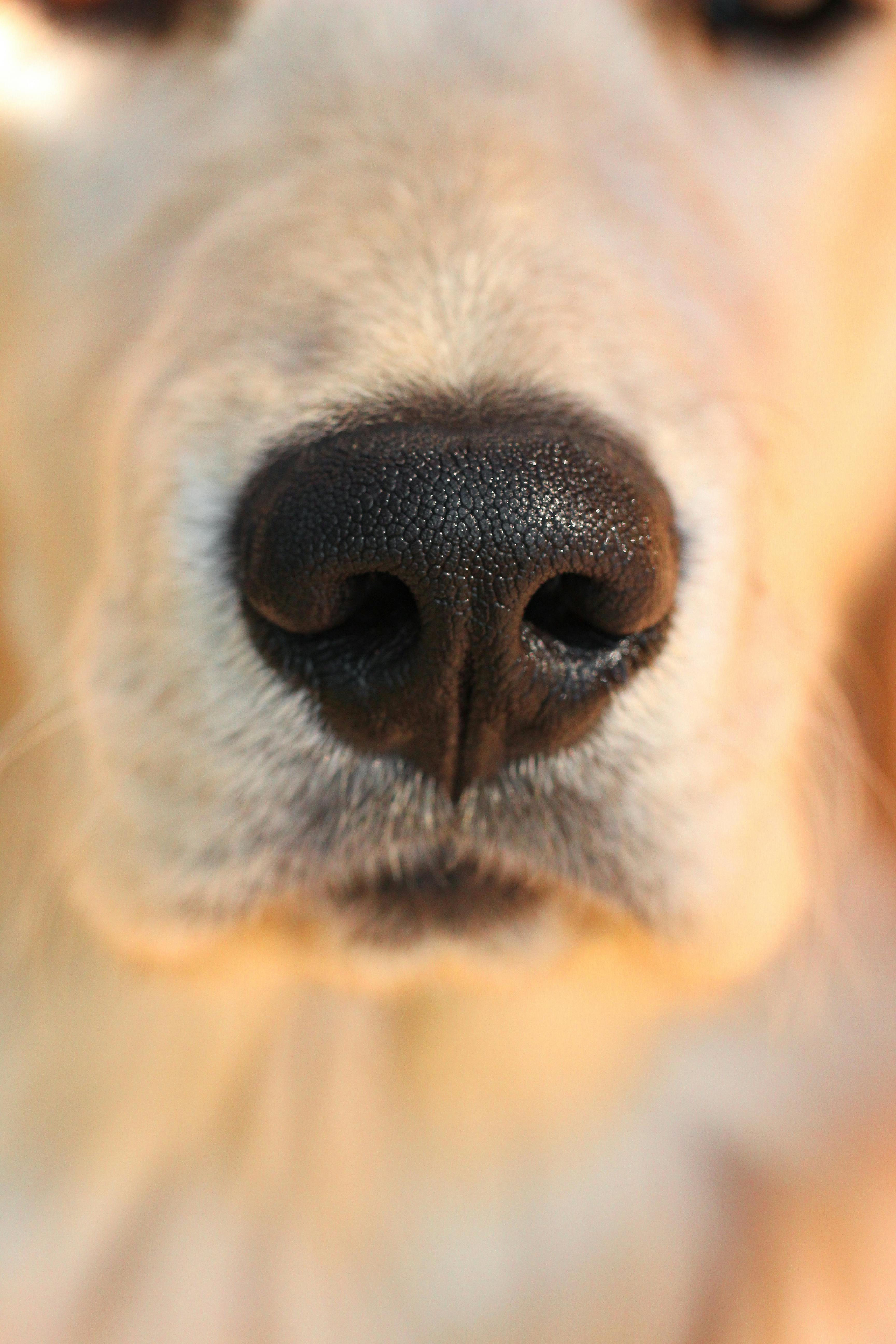 \n\n
\n\nIs a Wet Nose a Sign of a Healthy Dog? Unraveling the Myths, Why Do Dogs Have Wet Noses? Discover The Fascinating Truth!
\nWhen you see your furry friend running towards you with that big wagging tail and wet nose, it might make you wonder, is a wet nose always a sign of a healthy dog? Many dog owners have heard that a moist nose indicates good health, but is this really true? Let’s delve into the science behind why dogs have wet noses and explore some myths surrounding it.
\nThe Science Behind a Dog's Wet Nose
\nDogs have wet noses for a few reasons, and it’s not solely linked to their health. Here are some key points about why dog noses are often damp:
\n- \n
- Thermal Regulation: A dog's nose helps to cool down their body. When they exhale, moisture evaporates from their nose, which can help regulate their body temperature. \n
- Enhanced Sense of Smell: The wetness of a dog's nose helps to trap scent particles, making it easier for them to smell. This enhances their ability to detect scents in their environment. \n
- Sweat Glands: Dogs don’t sweat like humans do. Instead, they have sweat glands in their paw pads, and their noses can also help with some moisture regulation. \n
Is a Wet Nose a Health Indicator?
\nWhile a wet nose is often associated with a healthy dog, it’s not the only indicator of their well-being. Here are some facts to consider:
\n- \n
- Dry Nose Doesn’t Always Mean Illness: A dry nose can happen due to various reasons, such as the weather, dehydration, or even sleeping. It doesn't necessarily indicate that your dog is sick. \n
- Illness Symptoms: If your dog has a dry nose along with other symptoms like lethargy, loss of appetite, or vomiting, it might be time to consult a veterinarian. \n
- Breed Differences: Some breeds naturally have drier noses than others. For example, brachycephalic breeds like Bulldogs or Pugs can display variations in nose moisture without being unhealthy. \n
Common Myths About Dog Noses
\nThere are a lot of myths floating around about dog noses. Let’s debunk a few of them:
\n- \n
- \n
Myth: All Healthy Dogs Have Wet Noses
\n- \n
- Fact: While many healthy dogs have moist noses, it's not a universal rule. Health can be determined by various factors beyond just the nose's moisture level. \n
\n - \n
Myth: A Wet Nose Means Your Dog Is Happy
\n- \n
- Fact: Dogs can have wet noses regardless of their mood. A wet nose is more about physical condition than emotional state. \n
\n - \n
Myth: You Should Worry If Your Dog's Nose Is Dry
\n- \n
- Fact: A dry nose can be normal in many situations. It’s important to look at the whole picture of your dog’s health. \n
\n
When to Be Concerned
\nIf you notice changes in your dog's nose or overall health, it might be time for a vet visit. Keep an eye out for these signs:
\n- \n
- Persistent dryness or cracking of the nose \n
- Unusual discharges, such as blood or pus \n
- Swelling or changes in color \n
- Accompanying symptoms like coughing, sneezing, or loss of energy \n
Practical Examples of Nose Changes
\nHere are some situations where you might observe changes in your dog's nose:
\n- \n
- Weather Changes: In cold or dry weather, it’s common for a dog's nose to become more dry. Hydration and moisturizers can help. \n
- Health Issues: If a dog is developing an infection or is dehydrated, their nose might become dry or crusty. \n
- Allergic Reactions: Allergies can cause changes in your dog’s nose appearance, making it look different than usual. \n
Final Thoughts
\nUnderstanding the reasons why dogs have wet noses and what it means for their health can help you be a more informed pet owner. While a wet nose can be a sign of a happy dog, it's not the sole indicator of health. Regular check-ups with your veterinarian, monitoring your dog’s behavior, and being aware of any changes in their physical condition will provide a more comprehensive view of their overall well-being. Remember, every dog is unique, and what’s normal for one might not be for another. So embrace the quirks of your furry friend, and keep an eye out for their overall happiness and health!
\n\nHow Does a Wet Nose Enhance Your Dog's Sense of Smell?
\n\n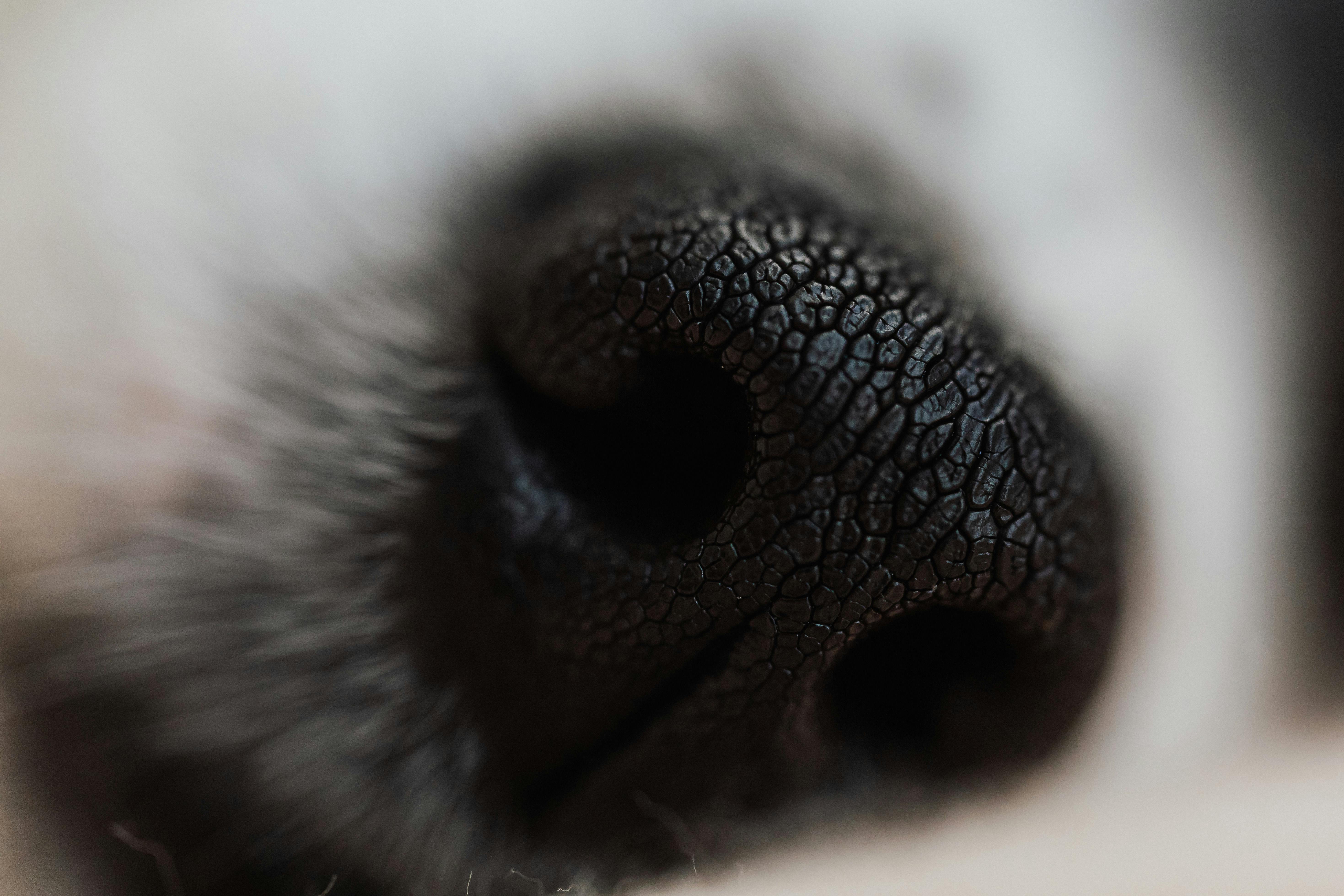 \n\n
\n\nHave you ever wonder why dogs have wet noses? It's a question that many pet owners ask, and the answer is both fascinating and scientifically grounded. Dogs' noses are not just cute; they play a crucial role in how they perceive the world. So, how does a wet nose enhance your dog's sense of smell? Let's dive into the reasons behind this unique trait and what it means for our furry friends.
\nThe Science Behind Wet Noses
\nA dog's sense of smell is incredibly powerful, estimated to be anywhere from 10,000 to 100,000 times more sensitive than that of humans. One major factor contributing to this remarkable ability is their wet noses. The moisture found on a dog’s nose helps in several ways:
\n- \n
- Increased Surface Area: The wetness of the nose expands the surface area, allowing more scent particles to adhere to it. \n
- Chemical Detection: The moisture on the nose helps dissolve scent molecules, making it easier for dogs to identify different odors. \n
- Temperature Regulation: Wet noses also assist in thermoregulation, helping dogs cool down while they sniff around. \n
So, when you see your dog sniffing intently at something, remember that their wet nose is doing a lot of heavy lifting to make sense of that scent.
\nWhy Do Dogs Have Wet Noses?
\nDogs have wet noses for evolutionary and anatomical reasons. Here are some of the main points that help explain this fascinating trait:
\n- \n
- Evolutionary Advantage: Throughout history, dogs have evolved from wolves, who relied heavily on their sense of smell for hunting and survival. A wet nose gives them an advantage by enhancing their olfactory capabilities. \n
- Social Signals: Dogs communicate with each other and other animals through scent. A wet nose can also help them pick up pheromones, which are crucial for understanding social cues. \n
- Health Indicator: A wet nose often indicates good health in dogs. Conversely, a dry nose can sometimes signal dehydration or illness, although it’s not a definitive measure. \n
Historical Context
\nThe notion of dogs having wet noses is not just a modern observation. Ancient civilizations recognized the olfactory prowess of dogs. The Egyptians, Romans, and Greeks used dogs for hunting and tracking, emphasizing their reliance on scent. Over time, selective breeding has enhanced certain traits, including the moisture of the nose, making them even more effective at detecting scents.
\nThe Role of Nose Shape and Breed
\nDifferent breeds have varying nose shapes and moisture levels, which can affect their smelling abilities. Here’s a quick comparison:
\n| Breed | \nNose Shape | \nSmell Sensitivity | \n
|---|---|---|
| Bloodhound | \nLong and droopy | \nExtremely high | \n
| Beagle | \nShort and broad | \nVery high | \n
| Dachshund | \nLong and narrow | \nHigh | \n
| Pug | \nFlat | \nModerate | \n
The shape of the nose can impact how scent particles are captured. For instance, Bloodhounds are known for their incredible tracking abilities, largely due to their long, droopy noses that can catch more scents.
\nFun Facts About Dog Noses
\n- \n
- Unique Patterns: Just like human fingerprints, every dog has a unique nose print. This can be used for identification purposes. \n
- Temperature Sensitivity: A dog's nose can detect temperature changes in their environment, which can also help them identify scents. \n
- Wet Nose, Happy Dog: Dogs will often lick their noses, which keeps them moist and enhances their sense of smell. \n
Practical Tips for Dog Owners
\nIf you want to keep your dog's nose healthy and functioning at its best, consider these tips:
\n- \n
- Hydration: Ensure your dog is well-hydrated, as dehydration can lead to a dry nose. \n
- Regular Vet Check-ups: Routine veterinary visits can help catch any potential problems early. \n
- Clean Environment: Keeping your dog’s living area clean can help reduce allergens and irritants that may affect their sense of smell. \n
Understanding why dogs have wet noses and how it enhances their sense of smell is not only interesting but also emphasizes the bond we share with our pets. Their ability to smell things we can't perceive is a remarkable aspect of their biology that continues to amaze us. So next time you see your dog sniffing around, remember that their wet nose is doing more than just looking cute; it’s a vital tool for their exploration of the world.
\n\nThe Fascinating Evolution of Dog Noses: Why Wetness Matters
\n\n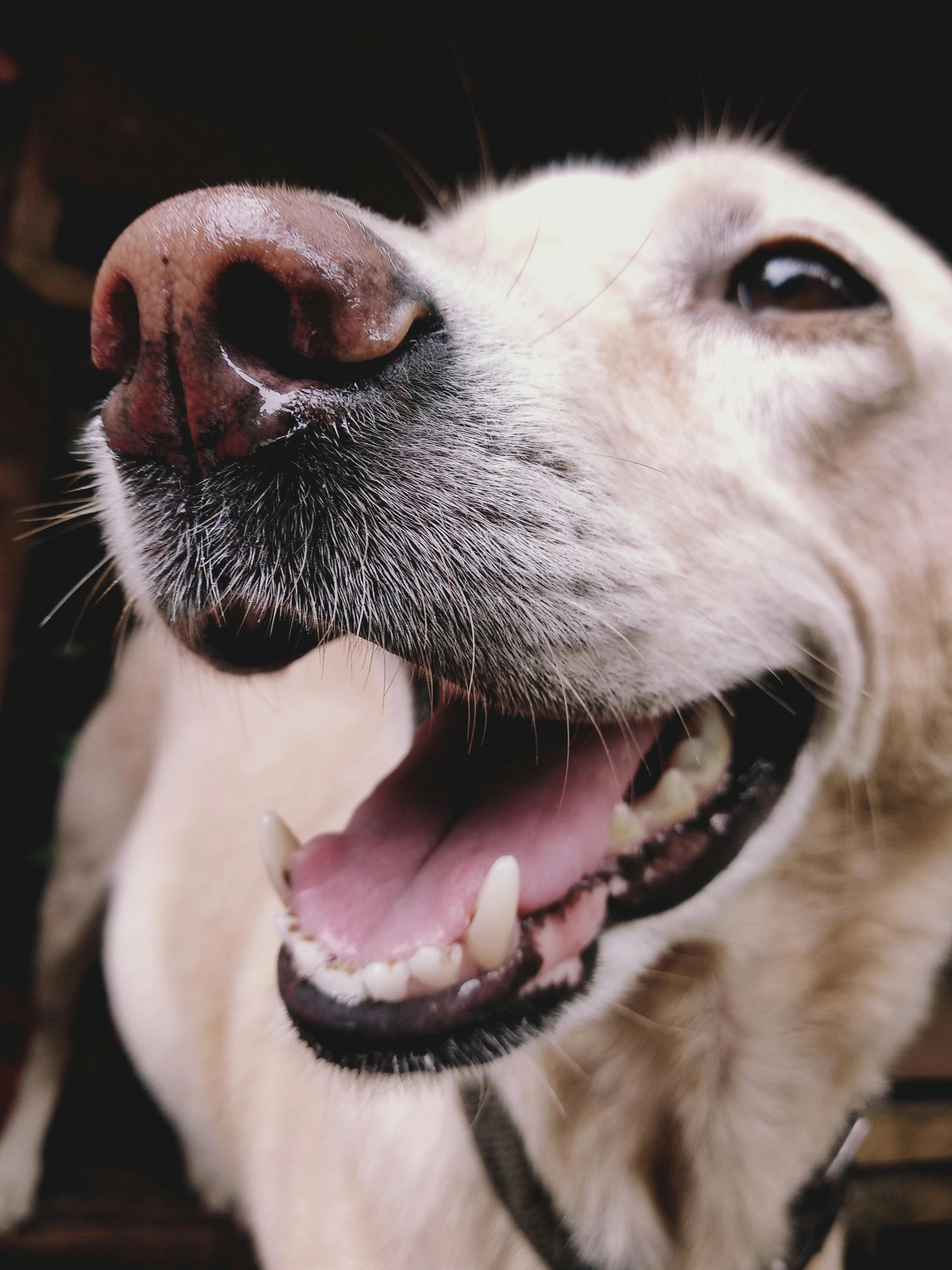 \n\n
\n\nDogs are some of the most fascinating creatures on the planet, and one of their most unique features is their noses. You might notice, next time you pet a dog, that its nose is damp. But why do dogs have wet noses? This question isn't just a quirky one; it leads us down a path of understanding canine evolution, biology, and behavior. Let's dive into why this wetness matters and uncover the fascinating truth behind dog's noses!
\nThe Science Behind Wet Noses
\nSo, why are dog noses wet? The answer lies in the structure and function of a dog’s nose. A dog’s nose is covered in a thin layer of mucus, which serves several important purposes.
\n- \n
- \n
Enhanced Smell: Wet noses help to capture scent particles from the air, which is crucial for a dog’s incredible sense of smell. Dogs have up to 300 million scent receptors compared to a human's 5 million. The moisture allows these particles to stick more effectively.
\n \n - \n
Temperature Regulation: Just like humans sweat, dogs also need to cool down. Their noses help regulate their body temperature. When a dog pants, moisture evaporates from the nose, which helps cool them down.
\n \n - \n
Health Indicator: A dog's nose can also indicate health. A wet, cool nose is generally a sign of a healthy dog, while a dry or cracked nose might signal dehydration or illness, although not always.
\n \n
Historical Context of Dog Noses
\nThe evolution of dog noses is quite the story. Dogs are descendants of wolves, and their noses have adapted over thousands of years. Early domesticated dogs relied on their sense of smell for hunting and survival, and this continues today.
\n- \n
- \n
Ancient Breeds: Some of the oldest dog breeds, like the Basenji, have retained a keen sense of smell, showing how important this feature has been throughout history.
\n \n - \n
Selective Breeding: Over the years, humans have selectively bred dogs for various traits, including their sense of smell. Bloodhounds, for instance, have been bred specifically for tracking scents, making them some of the best sniffers in the canine world.
\n \n
Why Wetness Matters
\nWetness is not just a quirk; it’s vital for a dog's life. Here are some key reasons why:
\n- \n
- \n
Scent Detection: As mentioned, a wet surface on a dog’s nose absorbs more scent particles, allowing them to detect smells more accurately. This is why many working dogs, like search-and-rescue canines, rely on their noses.
\n \n - \n
Communication: Dogs also communicate through scent. A wet nose helps them to pick up on pheromones and other scent signals from other animals, which is crucial for social bonding and understanding.
\n \n - \n
Adaptability: The moisture on a dog’s nose can change with environmental conditions. In humid weather, noses tend to be wetter, while in dry climates, they may be drier. This adaptability is a sign of their evolutionary success.
\n \n
Fun Facts About Dog Noses
\n- \n
- \n
Unique Patterns: Just like human fingerprints, each dog has a unique nose print. This could, in theory, be used to identify individual dogs.
\n \n - \n
Color Variation: A dog’s nose can vary in color — from black to pink to liver. The color can also change with age or health.
\n \n - \n
Breed Differences: Some breeds, like Bulldogs, have flatter noses and may have different moisture levels compared to breeds like Greyhounds, which have long, slender noses.
\n \n
Comparing Dog Noses to Other Animals
\nDogs aren't the only animals with interesting noses! Here’s a quick comparison:
\n| Animal | \nNose Type | \nFunction | \n
|---|---|---|
| Dogs | \nWet and cold | \nScent detection, temperature regulation | \n
| Cats | \nDry | \nGood sense of smell but not as strong as dogs | \n
| Rabbits | \nWet and warm | \nScent detection and communication | \n
| Pigs | \nWet and flexible | \nExcellent at digging and foraging for food | \n
Practical Takeaways for Dog Owners
\nIf you’re a dog owner, understanding your pet’s nose can provide insights into their health and behavior:
\n- \n
- \n
Regular Checks: Keep an eye on your dog's nose. If it becomes persistently dry or cracked, consult a vet.
\n \n - \n
Hydration: Ensure your dog stays hydrated, as it can affect their nose's moisture.
\n \n - \n
Environmental Awareness: Be aware of how different climates can affect your dog’s nose. In extreme heat or cold, they might need special care.
\n \n
In the end, the wetness of a dog’s nose is more than just a cute characteristic. It plays a crucial role in their ability to navigate the world, communicate, and stay healthy. Understanding this can enhance your relationship with your furry friend, ensuring they thrive in your care.
\n\nWhy Do Some Dogs Have Drier Noses? Understanding Variations in Canine Health
\n\n \n\n
\n\nDogs are often considered as man's best friend, and they come with a lot of mysteries. One common question that dog owners have is “Why do some dogs have drier noses?” It’s interesting to note that a dog’s nose can tell us about its health, mood, and even environmental conditions. In this article, we will explore the science behind wet and dry noses, looking into why some dogs have drier noses and what it means for their overall health.
\nThe Science of Wet Noses
\nWet noses are a pretty common trait among dogs, and there’s actually good reason for that. The moisture on a dog's nose helps them with their sense of smell. When a dog's nose is wet, it can better absorb scent chemicals, which is often why dogs are so good at tracking and identifying different smells. A wet nose also helps to cool down the dog’s body, especially during warmer weather.
\nHere is a quick breakdown of why dogs have wet noses:
\n- \n
- Enhanced Smell: A wet nose increases the ability to capture scent particles. \n
- Temperature Regulation: Moisture on the nose helps to cool the dog’s body. \n
- Health Indicator: A wet nose is often associated with a healthy dog, but this is not always the case. \n
Why Do Some Dogs Have Drier Noses?
\nNow, you might be wondering why some dogs have drier noses. There are several reasons for this variation, and not all of them indicate poor health.
\n- \n
- \n
Breed Differences: Some dog breeds naturally have drier noses than others. Breeds like Bulldogs or Boxers often have less moisture due to their physical structure.
\n \n - \n
Environmental Factors: Weather can play a big role. Dry air, especially in winter months or in arid regions, can lead to drier noses.
\n \n - \n
Health Conditions: Certain health issues can cause a dog's nose to dry out. Here’s a list of potential health concerns associated with a dry nose:
\n- \n
- Dehydration \n
- Fever or illness \n
- Allergies \n
- Autoimmune disorders \n
\n - \n
Age: Older dogs often show variations in nose moisture. Just like humans, as dogs age, their bodies might not produce as much natural oils, leading to dryness.
\n \n
Understanding Variations in Canine Health
\nIt is important to remember that a dog’s nose is not the only indicator of their health. There are various other signs owners should look for. A dog may have a dry nose but still be perfectly healthy, whereas a wet nose does not always guarantee good health. Here are some additional signs to consider:
\n- \n
- Energy Levels: Is your dog active and playful? \n
- Appetite: Any sudden changes in eating habits can be a concern. \n
- Behavior: Sudden mood changes or excessive lethargy should be monitored. \n
- Grooming: Regular grooming is essential; a lack of grooming can lead to skin problems. \n
Why Do Dogs Have Wet Noses? Discover The Fascinating Truth!
\nThe question of why dogs have wet noses often leads to fascinating discussions. A wet nose is not just a cute feature; it serves several practical purposes.
\n- \n
- Scent Absorption: As noted above, moisture helps dogs absorb scents, making them excellent trackers. \n
- Communication: Dogs often communicate through scent, and a wet nose can convey various messages to other dogs. \n
- Health Indicator: A wet nose can indicate hydration – hydrated dogs tend to have moist noses. \n
Interesting Facts About Dog Noses
\n- \n
- The dog's sense of smell is estimated to be between 10,000 to 100,000 times more sensitive than a human's. \n
- Dogs have a special organ called Jacobsen's organ, which is responsible for detecting pheromones. \n
- Dogs can differentiate between different smells, which is why they can be trained to detect drugs or even diseases. \n
Final Thoughts
\nUnderstanding why some dogs have drier noses can help pet owners take better care of their furry friends. While wet noses are often seen as a sign of good health, it’s essential to consider the whole picture of a dog’s wellbeing. Regular vet check-ups, proper hydration, and a watchful eye on their behavior can ensure that your dog remains happy and healthy. So next time you pet your dog and feel their nose, remember that it tells a story about their health and how they're feeling.
\n\nThe Role of Dog Noses in Communication: Wetness and Social Interactions
\n\n \n\n
\n\nHave you ever noticed how dogs always seem to have wet noses? It’s not just a quirky feature; it actually plays a significant role in how they communicate. The wetness of a dog’s nose is more than a simple physical trait. It serves important functions in their social interactions and sensory perception. So, why do dogs have wet noses? Let’s delve into the fascinating truth about this characteristic and how it affects their communication.
\nThe Science Behind Wet Noses
\nDog noses are moist for several reasons. The primary reason is related to their sense of smell. Dogs have an incredible olfactory system, and moisture helps enhance their ability to detect scents. A wet nose can capture scent particles more effectively, which is crucial for dogs since they rely heavily on smell to understand their environment.
\n- \n
- Increased scent absorption: The moisture on the nose helps absorb scent molecules, making it easier for dogs to identify different smells. \n
- Temperature regulation: Wet noses can also help regulate a dog’s body temperature, offering a means of cooling down. \n
- Health indicator: A change in a dog’s nose moisture can sometimes indicate health issues — for example, a dry nose may signal dehydration or illness. \n
Historical Context of Dog Communication
\nHistorically, dogs have been known as man's best friend, and their communication methods have evolved alongside humans. In ancient times, dogs used their noses not just for hunting but also for social interaction. They would smell each other to gather information about health, mood, and even reproductive status.
\n- \n
- Pack behavior: Dogs, being pack animals, rely on scent to communicate their status within the group. A wet nose can signal submission or excitement. \n
- Hunting instinct: In hunting scenarios, a dog’s ability to smell prey was vital, and a wet nose enhanced this skill. \n
How Dogs Use Their Noses to Communicate
\nDogs communicate with each other and with humans in various ways, and their noses play a central role in this. Understanding how dogs use their sense of smell can improve our interactions with them.
\nKey Communication Signals:
\n- \n
- Greeting: When dogs meet, they often sniff each other’s noses and rear ends as a form of introduction. This behavior informs them about the other dog's identity and emotional state. \n
- Stress: A dog may lick its nose when anxious or stressed, which is a way of self-soothing. Observing a dog’s nose can help you gauge their mood. \n
- Aggression or Fear: A dog that feels threatened may keep its nose dry and avoid direct contact. This can indicate discomfort or aggression, so it’s essential to pay attention to these signals. \n
Comparing Dog Noses with Other Animals
\nDogs aren’t the only animals with wet noses, but their nose anatomy is particularly adapted for sniffing. Let’s compare them with other species:
\n| Animal | \nNose Type | \nCommunication Method | \n
|---|---|---|
| Dogs | \nWet and cold | \nScent-based interactions | \n
| Cats | \nDry and warm | \nLess reliance on smell | \n
| Elephants | \nLarge and wet | \nScent and vocalizations | \n
| Pigs | \nShort and moist | \nGround sniffing and rooting | \n
From this table, it’s clear that different animals have adapted their noses according to their needs. Dogs, with their keen sense of smell, use their wet noses for extensive communication, while others rely on different senses.
\nPractical Implications for Dog Owners
\nUnderstanding why dogs have wet noses can help owners better read their pets’ emotions and needs. Here are some practical tips for dog owners:
\n- \n
- Monitor Nose Health: Keep an eye on your dog’s nose. If it becomes excessively dry, it could be a sign of dehydration or illness. \n
- Encourage Sniffing: Allow your dog to sniff around during walks. It’s an essential part of their exploration and communication. \n
- Watch for Changes: Changes in wetness or texture can indicate health issues, so don’t hesitate to consult a vet if you notice anything unusual. \n
The Fascinating Truth
\nIn conclusion, dogs have wet noses for a variety of reasons that significantly impact their communication and interaction with both humans and other animals. This simple yet fascinating feature enhances their ability to smell, regulates their body temperature, and serves as an indicator of their health and emotions. By understanding the role of dog noses in communication, we can foster better relationships with our furry friends and ensure their well-being. So next time you give your pup a scratch, take a moment to appreciate that wet nose and all it represents!
\n\nWhat Your Dog’s Wet Nose Says About Their Mood and Health
\n\n \n\n
\n\nHave you ever wondered what your dog’s wet nose says about their mood and health? If you own a dog, you likely noticed how their noses are often moist, and you might have asked yourself, "Why do dogs have wet noses?" It's a fascinating topic with insights that can help you understand your furry friend better. Let's dive into the science and observations behind those adorable, damp snouts!
\nWhy Do Dogs Have Wet Noses?
\nDogs have wet noses for several reasons, and it’s not just for looks! Here’s a simple breakdown:
\n- \n
- \n
Cooling Mechanism: Dogs don’t sweat like humans. Instead, they regulate their body temperature through panting and their nose. The moisture on their noses helps cool them down.
\n \n - \n
Enhanced Smell: A wet nose helps capture scent particles in the air. This makes their sense of smell more acute, which is crucial for hunting, tracking, and even understanding their environment.
\n \n - \n
Health Indicator: The wetness of a dog’s nose can often be a reflection of their health status. A healthy dog typically has a moist and cool nose, while a dry or warm nose might be a sign of a potential health issue.
\n \n
The Science Behind a Dog's Nose
\nDogs possess a unique olfactory system that is far more advanced than humans. They have approximately 220 million smell receptors compared to a human's 5 million. This incredible sense is tied closely to the condition of their nose. Here are some interesting facts:
\n- \n
- \n
Nasal Mucus: The moisture on a dog's nose is actually a mix of mucus and saliva. It helps to trap scent particles. When they lick their noses, they're essentially enhancing their ability to smell.
\n \n - \n
Nasal Temperature: Research indicates that a dog’s nose may be cooler than the rest of their body. The cooler temperature can help them detect scents better.
\n \n - \n
Behavioral Signals: A dog's nose can also indicate their mood. For example, a dog that's relaxed and happy often has a moist nose, while a stressed or anxious dog may have a drier nose.
\n \n
What Your Dog’s Wet Nose Says About Their Mood
\nUnderstanding your dog’s mood can be a bit tricky, but their nose can give you some clues. Here’s how to interpret the wetness and temperature of their nose:
\n- \n
- \n
Moist and Cool: Typically indicates a happy and healthy dog. This is often when they are relaxed or playful.
\n \n - \n
Dry and Warm: Could signal that your dog is feeling unwell, dehydrated, or stressed. If this is a sudden change, it might be worth checking in with a veterinarian.
\n \n - \n
Excessively Wet: Sometimes, a nose that’s unusually damp could mean your dog is drooling more than usual, which could be due to anxiety or an underlying health condition.
\n \n
Common Health Concerns Indicated by a Dog's Nose
\nWhile a wet nose is generally a sign of good health, there are situations when it’s a cause for concern. Here’s a list of health issues that might be indicated by a change in your dog’s nose condition:
\n- \n
- \n
Fever: A warm and dry nose can suggest that your dog has a fever.
\n \n - \n
Dehydration: A consistently dry nose, especially if accompanied by lethargy, can indicate dehydration.
\n \n - \n
Nasal Infections: If your dog’s nose is excessively wet and has a discharge, it could indicate an infection.
\n \n - \n
Allergies or Irritation: A change in the moisture level could also indicate an allergy or irritation, especially if accompanied by other symptoms like itching or sneezing.
\n \n
Practical Tips for Dog Owners
\nKeeping an eye on your dog’s nose can provide valuable insights into their health and mood. Here are some practical tips for monitoring your furry friend:
\n- \n
- \n
Daily Check: Get into the habit of checking your dog's nose daily. Note any changes in moisture or temperature.
\n \n - \n
Hydration: Ensure your dog is drinking enough water, especially in hot weather. Dehydration can affect their nose and overall health.
\n \n - \n
Veterinary Visits: If you notice any persistent changes in your dog's nose condition, it's best to consult a veterinarian. Early detection can make a difference in treatment.
\n \n - \n
Observe Behavior: Pay attention to your dog’s behavior alongside changes in their nose. Are they more lethargic or playful?
\n \n
Understanding what your dog’s wet nose says about their mood and health can deepen the bond between you and your furry companion. It can also alert you to potential health issues before they become more serious. So the next time you give your pup a pat, take a moment to appreciate that wet nose and what it reveals about their inner world!
\n\nExploring the Connection Between Temperature Regulation and Wet Noses in Dogs
\n\n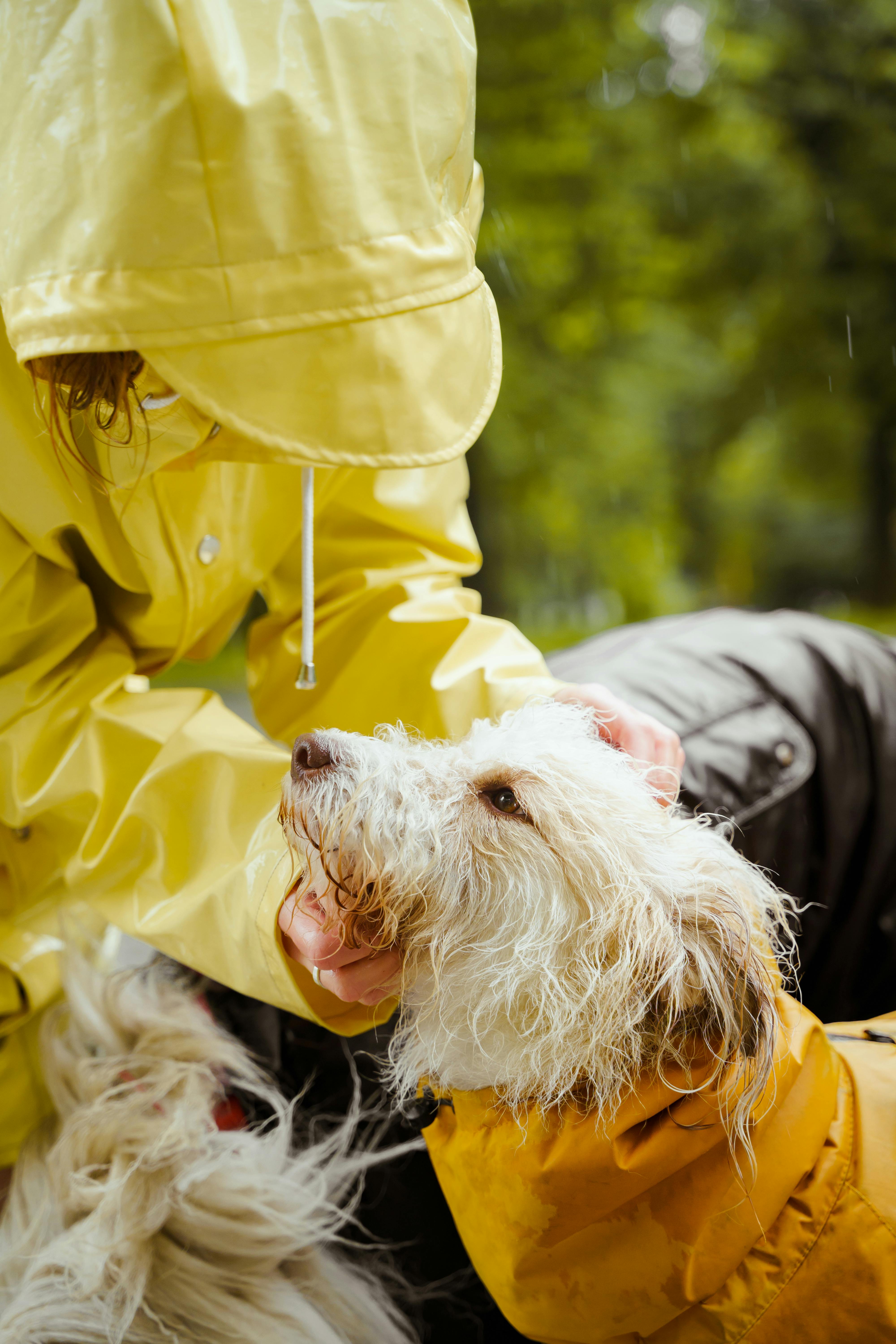 \n\n
\n\nHave you ever wondered why your dog’s nose is always wet? It’s a curious thing, right? Many dog owners ask this question, and the answer lies deeply in the fascinating biology and behavior of our furry friends. Dogs have wet noses for several reasons, mainly relating to temperature regulation and sensory perception. Let’s dive into this topic, exploring the connection between temperature regulation and wet noses in dogs, and unravel the truth behind this intriguing characteristic.
\nThe Science of Wet Noses
\nFirst off, let’s understand the anatomy of a dog’s nose. A dog's nose is covered in a special type of skin that is different from the skin on their body. This skin helps to keep their nose moist, and scientists believe this moisture plays a vital role in how dogs interact with the world around them.
\n- \n
- Moisture and Temperature Regulation: Just like humans sweat to cool down, dogs use their wet noses for temperature regulation. When a dog pants, moisture evaporates from their nose, helping to lower their body temperature. This mechanism is especially important since dogs don’t sweat the same way people do. \n
- Enhanced Scent Detection: Dogs have an incredible sense of smell, which is many times more sensitive than that of humans. The wetness of their noses helps to trap scent particles, improving their ability to detect different smells. This is why you often see dogs sniffing around, because they’re gathering information about their environment. \n
Historical Context of Dog Noses
\nHistorically, dogs have been companions to humans for thousands of years. Archaeological evidence suggests that dogs were domesticated over 15,000 years ago, and they have been helping humans in various capacities ever since. Their keen sense of smell has made them invaluable in hunting and tracking, and their wet noses are a natural adaptation to enhance their abilities.
\nInteresting Facts About Dog Noses:
\n- \n
- Dogs have about 300 million smell receptors in their noses, compared to humans who only have about 6 million. \n
- The wetness of a dog’s nose is partly due to the secretion of mucus, which helps to dissolve scent particles for better detection. \n
- Each dog’s nose print is unique, similar to human fingerprints, which can actually be used for identification. \n
Variations in Dog Noses
\nNot all dog noses are the same. Different breeds can have variations in their nose shapes, sizes, and even moisture levels. Here’s a quick comparison of some common dog breeds and their nose characteristics:
\n| Breed | \nNose Type | \nMoisture Level | \n
|---|---|---|
| Labrador | \nBroad and flat | \nHigh | \n
| Dachshund | \nLong and narrow | \nModerate | \n
| Bulldog | \nShort and wrinkled | \nHigh | \n
| Chihuahua | \nSmall and delicate | \nVariable | \n
The Role of Wet Noses in Health
\nIt’s also important to note that a dog’s nose can be a good indicator of their health. A typical healthy dog will have a cool, moist nose, but changes in the moisture level can indicate health issues. Here are some examples:
\n- \n
- Dry Nose: Could suggest dehydration, fever, or illness. If a dog’s nose is dry for an extended period, it might be time to consult a vet. \n
- Excessively Wet Nose: While generally normal, if a dog has a dripping nose, it could be a sign of allergies or other respiratory issues. \n
Temperature Regulation in Dogs
\nTemperature regulation in dogs is crucial, especially for breeds that are more susceptible to heat. Unlike humans, dogs do not have sweat glands all over their bodies, so they rely heavily on their noses and panting to cool down.
\n- \n
- Ideal Temperature: A normal dog’s body temperature ranges from 101 to 102.5 degrees Fahrenheit. If they become overheated, their noses may dry out, signaling that they need to cool off. \n
- Signs of Overheating: Watch for excessive panting, drooling, or lethargy. If you notice these signs, offer water and a cool place for your dog to rest. \n
By understanding the connection between a dog’s wet nose and its functions, owners can better care for their pets. Keeping an eye on their nose can help catch health issues early and ensure their furry companions stay happy and healthy.
\nSo, the next time you wonder why do dogs have wet noses, remember it’s much more than just a quirky trait. It’s a vital aspect of their biology that has evolved over time, helping them thrive in our world. Dogs are remarkable creatures, and their wet noses are just one of the many wonders that make them special.
\n\nHow to Care for Your Dog's Nose: Tips for Maintaining Optimal Moisture Levels
\n\n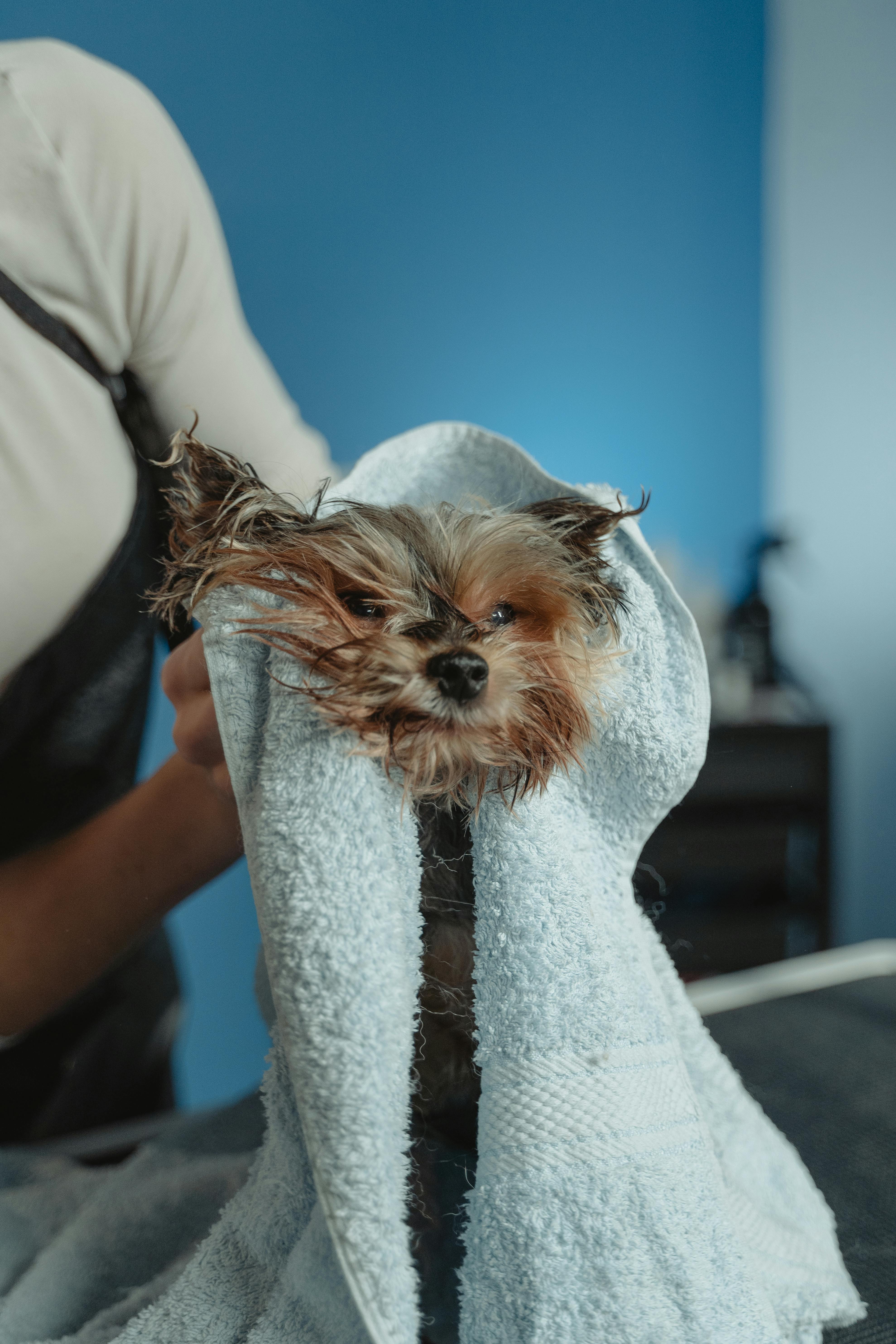 \n\n
\n\nEver wondered why your dog’s nose is wet? Or how to keep it that way? Many dog owners might overlook the importance of their furry friend's nose, but it actually plays a critical role in their overall health. In this article, we will explore the fascinating truth behind why do dogs have wet noses and give you tips on how to care for your dog's nose to maintain optimal moisture levels.
\nWhy Do Dogs Have Wet Noses?
\nDogs have wet noses for some reasons, and it’s not just about looking cute. The moisture on their noses helps to enhance their sense of smell. A wet nose can absorb scent chemicals from the environment better than a dry one. Here are some interesting facts:
\n- \n
- Enhanced Smell: Dogs have around 300 million scent receptors compared to humans’ 6 million. The wetness helps them smell even better. \n
- Temperature Regulation: A wet nose helps dogs regulate their body temperature. When it’s hot, the moisture evaporates, helping to cool them down. \n
- Health Indicator: A dog’s nose can indicate health issues. For example, a dry or cracked nose might signal dehydration or illness. \n
Tips for Maintaining Optimal Moisture Levels in Your Dog's Nose
\n- \n
- \n
Hydration is Key: Ensure your dog drinks enough water throughout the day. Dehydration can lead to a dry nose, which can be a sign of health problems.
\n \n - \n
Diet Matters: A balanced diet rich in omega fatty acids can promote healthy skin and fur, which may also contribute to a healthy nose. Foods like salmon or flaxseed oils are great options.
\n \n - \n
Humidity Levels: Dogs can suffer from dry noses, especially in winter months when indoor heating is on. Using a humidifier in your home can help maintain moisture in the air.
\n \n - \n
Regular Checks: Keep an eye on your dog’s nose. If you notice cracks, bleeding or excessive dryness, consult your veterinarian. It could be a sign of allergies or other health issues.
\n \n - \n
Avoid Irritants: Keep your dog away from harsh chemicals or irritants. Things like smoke, strong perfumes, or cleaning solutions can dry out their nose.
\n \n - \n
Gentle Cleaning: Occasionally clean the nose with a damp cloth. This helps remove dirt and allergens, keeping the area healthy.
\n \n - \n
Natural Remedies: Some pet owners swear by natural balms made for dogs. These can help soothe and moisturize dry or cracked noses.
\n \n
The Importance of Regular Vet Check-Ups
\nRegular visits to the vet can help catch any issues early. Conditions like autoimmune diseases can affect your dog’s nose and overall health. It’s a good practice to mention any changes you’ve noticed, like a dry nose.
\nCommon Misconceptions About Dog Noses
\nThere are some myths that many people believe about dog noses. Here are a few to clear up:
\n- \n
- Warm Noses Mean Fever: Not necessarily. A warm nose can be due to many factors, including just being snuggled up. The temperature isn’t always a reliable measure of health. \n
- Wet Noses are Always Healthy: While a wet nose is generally a good sign, it’s not the only indicator of health. Always observe your dog’s behavior and other symptoms. \n
Fun Facts About Dog Noses
\n- \n
- Dogs have unique nose prints, just like human fingerprints. This means that a dog’s nose can be used to identify them! \n
- The color of a dog’s nose can change with the seasons. Some dogs develop a "winter nose," where their nose lightens during colder months. \n
Comparison: Dog Noses vs. Human Noses
\n| Feature | \nDog Noses | \nHuman Noses | \n
|---|---|---|
| Scent Receptors | \n~300 million | \n~6 million | \n
| Moisture Function | \nEnhances smell, regulates temp | \nMainly for smell | \n
| Unique Identifier | \nYes, nose prints | \nNo | \n
Taking care of your dog’s nose is just one aspect of overall pet care, but it’s an important one. By ensuring that their nose stays healthy and well-moisturized, you contribute to their ability to enjoy life to the fullest. Remember, a happy dog is a healthy dog! If you're ever in doubt about your dog's health, don’t hesitate to reach out to your veterinarian for guidance and advice.
\n\nConclusion
\n\nIn conclusion, the wet noses of dogs serve several important purposes that contribute to their overall health and sensory capabilities. The moisture in a dog's nose enhances their sense of smell, allowing them to detect scents more effectively, which is crucial for their survival and interaction with the environment. Additionally, the wetness helps regulate their body temperature, acting as a natural cooling mechanism. While the appearance of a wet nose is often associated with a healthy dog, it's important to note that variations can occur due to factors like breed, climate, and overall wellness. Understanding these aspects can deepen our appreciation for our canine companions. If you’re a dog owner, take a moment to observe your pet’s nose and be mindful of any changes. Regular check-ups with your veterinarian can help ensure your furry friend remains healthy and happy. Embrace the unique characteristics of your dog and enjoy the bond that their wet nose signifies.
\n\n