Have you ever wondered, why do dogs have wet noses? This curious trait not only adds to their charm but also serves a vital purpose in their health and communication! A dog's nose is often the first thing we notice, but the science behind it is both fascinating and essential for understanding our furry friends. Did you know that a dog's wet nose plays a crucial role in their sense of smell? That's right! The moisture helps to capture scent particles, enhancing their ability to detect various aromas. But there's more to this story—could your pup’s nose be an indicator of their overall well-being? Some pet owners often ask, is a dry nose a sign of illness? In this article, we'll dive deep into the reasons behind those adorable, wet noses and uncover the secrets of canine health. Join us on this journey to understand why your dog’s nose is not just cute but also a powerful tool for communication and scent detection. Get ready to explore the incredible world of dogs and their wet noses!
The Fascinating Science: What Makes Dogs' Noses Wet?
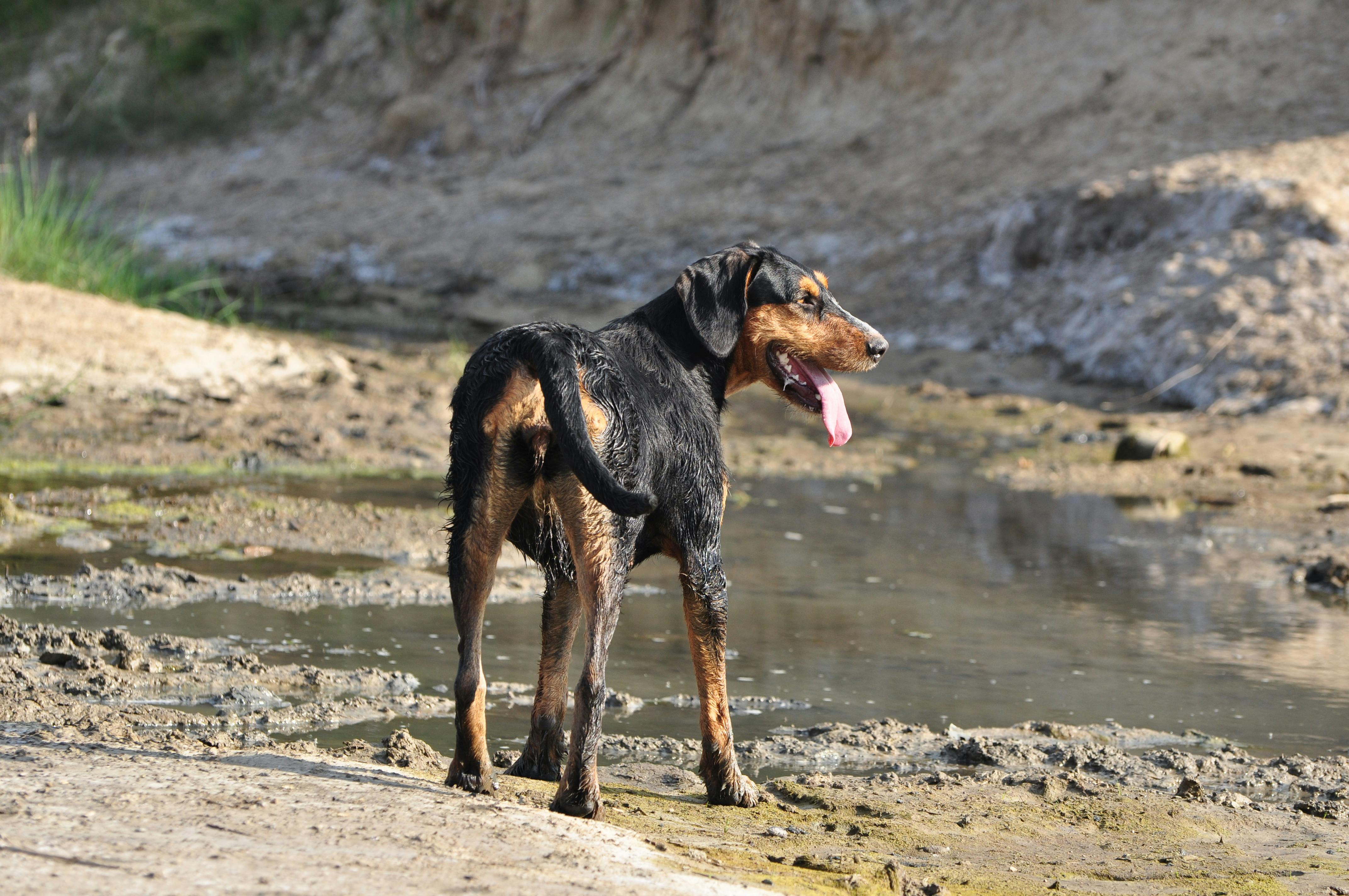
Dogs are often known for their playful nature, loyalty, and, of course, their wet noses. But have you ever wondered why do dogs have wet noses? This fascinating science reveals not just a quirky fact about our furry friends, but also a critical aspect of their biology and behavior. In this post, we will dig into the reasons behind those moist noses and what they mean for your canine companion.
The Biology of a Dog's Nose
Dogs have a highly developed sense of smell, which is way better than humans'. Their noses are designed to process scents in a unique way. The wetness of a dog's nose plays an important role in this sensory function. Here’s how:
- Moisture Capture: A wet nose helps to capture scent particles from the air. When the nose is moist, it can absorb these particles more effectively, which then allows dogs to smell things that are way beyond our human abilities.
- Temperature Regulation: The wetness also helps in regulating the temperature of the dog’s body. Dogs don’t sweat like humans do, so their noses can help keep them cool.
- Health Indicator: A wet nose can indicate a healthy dog. If their nose is dry, it might be a sign of dehydration or illness.
Why Are Dog Noses Wet?
There are multiple factors that contribute to why dogs have wet noses. Let’s break it down:
Natural Secretion: Dogs produce mucus in their noses. This secretion keeps the nose moist, which is essential for their olfactory abilities.
Environmental Factors: Dogs often wet their noses by licking them. This behavior can be seen when they are sniffing around, which is very common when they explore their surroundings.
Breed Differences: Some breeds tend to have wetter noses than others. For example, breeds like the Bloodhound are known for their exceptionally wet noses, which help them in tracking scents.
The Science Behind It
The science of why do dogs have wet noses can be explored from various angles. Here’s a more detailed look:
- Scent Detection: A wet nose might seem like just a fun fact, but it’s actually vital for detecting scents. The moisture on a dog's nose can help trap scent molecules, which helps them identify smells.
- Psychological Factors: Dogs tend to lick their noses when they are anxious or excited. This behavior can also lead to increased moisture, which helps them smell better.
Quick Facts About Dog Noses
- Number of Olfactory Receptors: Dogs have around 300 million olfactory receptors, compared to about 5 million in humans.
- Wet vs. Dry Nose: A wet nose is typically a sign of a healthy dog, while a dry nose might indicate health issues, but not always.
- Temperature Sensitivity: Dogs can detect temperature changes through their noses, which helps them understand their environment better.
Common Misconceptions
There are several myths surrounding the wetness of dog noses. Here’s a few:
Myth: A dry nose always means a dog is sick.
Reality: Dogs can have dry noses for many reasons, including weather conditions or just natural variation.Myth: All dogs have wet noses all the time.
Reality: Some dogs may have drier noses due to breed characteristics or health conditions.Myth: A wet nose means a dog is healthy.
Reality: While a wet nose can be a sign of health, it’s not the only indicator.
Practical Tips for Dog Owners
If you’re a dog owner, here’s what you could do to care for your pup’s nose:
- Regular Check-ups: Regular veterinary check-ups can help monitor your dog’s health, including their nose condition.
- Hydration: Make sure your dog has plenty of water to drink, which can help maintain moisture levels in their nose.
- Environmental Awareness: Be aware of the weather. During hot days, keep your dog cool and hydrated to prevent overheating.
In summary, the wet noses of dogs are a fascinating topic that intertwines biology, behavior, and health. Understanding why do dogs have wet noses can enhance our relationship with them and help us provide better care. So the next time you see your furry friend with that shiny, wet nose, you can appreciate the science and purpose behind it!
5 Surprising Health Benefits of a Dog’s Moist Nose

Dogs are often considered man's best friend, and one of the most notable characteristics of our furry companions is their moist noses. Have you ever wondered why do dogs have wet noses? It's not just a quirky trait; there's actually some interesting science behind it. Moreover, those wet noses might offer surprising health benefits that you didn’t know about. Let's dive into the fascinating world of canine noses and uncover 5 surprising health benefits of a dog's moist nose.
Understanding the Science Behind Wet Noses
Dogs have wet noses for several reasons, and the moisture plays a crucial role in how they interact with their environment. The wetness helps enhance their sense of smell, which is about 40 times more sensitive than humans. When a dog’s nose is moist, it can better absorb scent molecules, allowing them to detect a wider range of smells.
Here’s what happens:
- Temperature Regulation: Just like humans sweat, dogs use their noses to help cool down. The moisture evaporates, providing a cooling effect.
- Scent Detection: A wet nose can trap scents better, improving their olfactory abilities.
- Health Indicator: The condition of a dog's nose can sometimes point to their overall health. If it’s excessively dry or warm, it may indicate illness.
5 Surprising Health Benefits of a Dog’s Moist Nose
Enhanced Sense of Smell
Dogs rely heavily on their sense of smell. A moist nose helps them pick up on scents more effectively. This is why service dogs can detect certain medical conditions, like seizures or low blood sugar, before they happen.Cooling Mechanism
Dogs can’t sweat like humans do. Instead, they rely on their noses to help regulate body temperature. The moisture on their noses evaporates, which helps keep them cool on hot days. This is particularly important for breeds that are prone to overheating.Natural Moisturizer
The moisture on a dog’s nose comes from a combination of saliva and mucous. This natural moisturizing effect can keep their nose comfortable and prevent cracking. A healthy, moist nose can also reduce the chances of developing infections or irritations.Indicator of Health
A dog’s nose can be a good indicator of their health status. While a warm, dry nose can sometimes signal illness, a moist nose typically indicates hydration and general well-being. Dog owners should keep an eye on their pet's nose condition as part of regular health checks.Better Bonding Experience
Dogs use their noses to explore and understand the world around them. When you let your dog sniff you, you’re allowing them to gather information about you, which can strengthen the bond between you. This can be especially comforting for both the dog and the owner.
Fun Facts About Dog Noses
- Unique Patterns: Just like human fingerprints, every dog has a unique nose print.
- Nose Temperature: A dog's nose temperature can vary throughout the day, so a warm nose isn’t always a sign of sickness.
- Nasal Folds: The folds on a dog’s nose can help trap scents, enhancing their smelling ability even further.
Historical Context of Dog Noses
Historically, dogs have been bred for specific traits, including their sense of smell. Bloodhounds, for instance, are known for their incredible tracking abilities, which stem from their moist noses. In ancient times, dogs were used for hunting and tracking due to their superior olfactory senses, showcasing the importance of their wet noses in survival and companionship.
Practical Tips for Dog Owners
- Keep Hydrated: Ensure your dog has access to fresh water to keep their nose moist and healthy.
- Regular Vet Checkups: Regular visits to the vet can help you monitor your dog’s overall health, including the condition of their nose.
- Observe Changes: Pay attention to any changes in your dog’s nose, such as excessive dryness or cracks, as these can be signs of health issues.
Understanding why do dogs have wet noses and the health benefits associated with them can help you take better care of your furry friend. The moistness isn’t just a cute trait; it serves multiple purposes in a dog’s life. So next time you see your dog’s wet nose, remember it’s not just for show. It’s a sign of their health, well-being, and a tool for navigating the world around them. Embracing these facts can deepen the bond you share with your canine companion and ensure they lead a happy, healthy life.
How Your Dog’s Wet Nose Enhances Their Sense of Smell
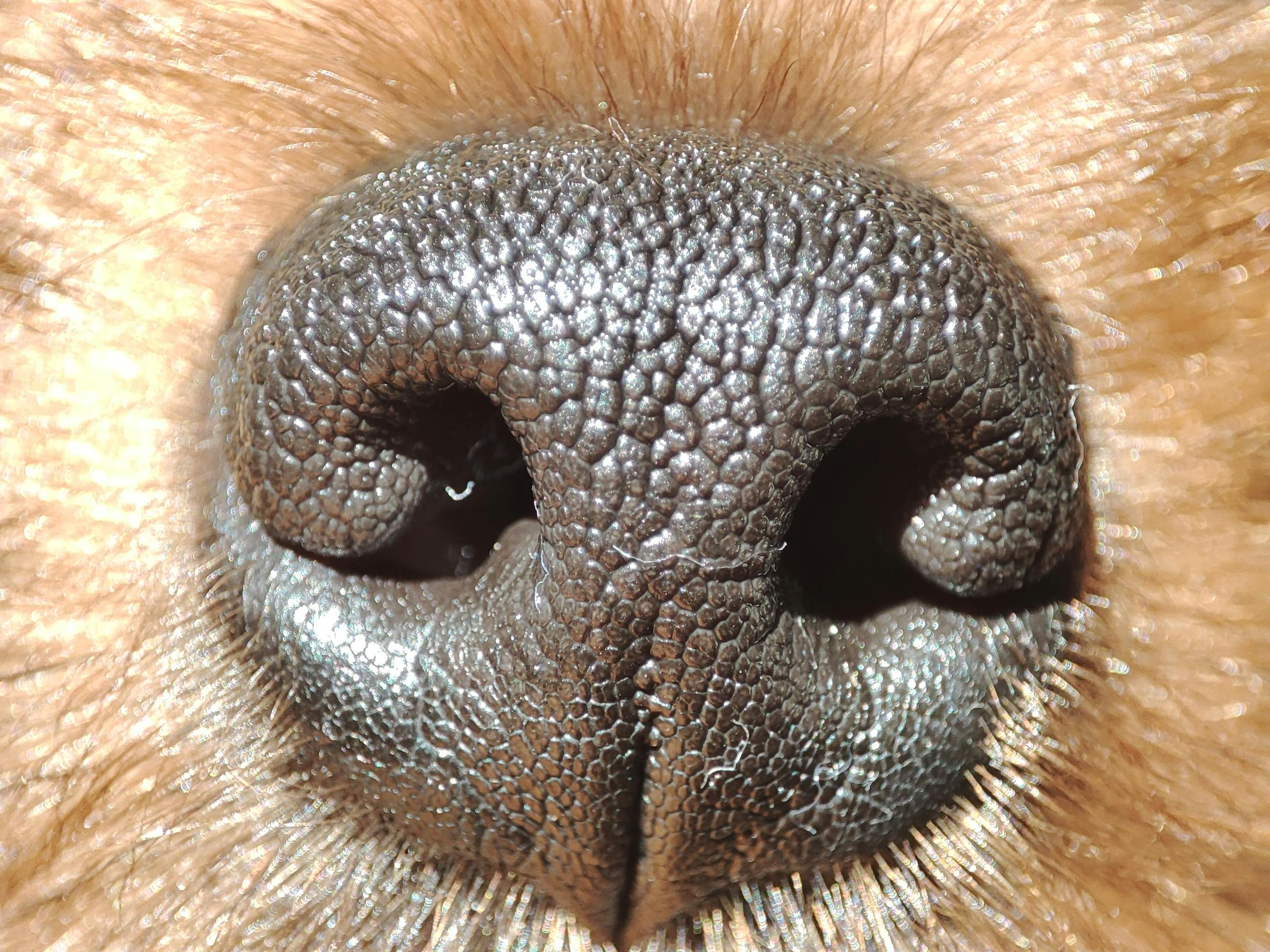
Have you ever noticed how your dog's nose is always wet? It’s not just a random quirk; it actually plays a big role in how they interact with the world. The science behind why do dogs have wet noses is really fascinating, and it connects to their incredible sense of smell. This article dives into the reasons why your furry friend’s nose is damp and how that enhances their olfactory abilities.
The Biology of a Dog's Nose
Dogs have an extraordinary sense of smell, estimated to be 10,000 to 100,000 times more sensitive than humans. This makes them one of the best sniffers in the animal kingdom. But, why are their noses wet? Well, the moisture on their noses helps improve their ability to detect scents.
- Moisture Capture: The wetness helps trap scent particles. When a dog inhales, these particles stick to their moist nose, allowing them to better analyze the smells.
- Cooling Mechanism: A wet nose can also help regulate body temperature. Just like humans sweat, dogs can use their noses to help cool down.
The Science of Smell
Understanding how a dog’s nose works gives us insight into why they are such good sniffers. Here’s a breakdown of the anatomy involved:
- Olfactory Receptors: Dogs have about 300 million olfactory receptors, while humans only have around 5 million. This vast difference is what allows dogs to pick up on scents that we can't even begin to detect.
- Jacobsen's Organ: This organ, also known as the vomeronasal organ, is a specialized structure that helps dogs sense pheromones, which are chemical signals important in social behaviors.
History and Evolution
Dogs evolved from wolves, who relied heavily on their sense of smell for hunting and survival. Over thousands of years, domestication has shaped their abilities, but their noses remained a crucial tool.
- Hunting and Tracking: Early human societies used dogs for tracking and hunting, which required a keen sense of smell. This was a trait that was likely selected for during domestication.
- Working Dogs: Today, dogs are trained for various tasks, including search-and-rescue, detection of drugs or explosives, and even medical alert. Their wet noses continue to play a significant role in these abilities.
Why Do Dogs Have Wet Noses?
So why is a wet nose important? Here’s a list of key reasons:
- Enhanced Scent Detection: The moisture helps absorb scent particles, making it easier for dogs to identify different odors.
- Temperature Regulation: Helps prevent overheating, which is important for active dogs.
- Communication: Dogs also use their noses to gather information about their environment and other animals. A wet nose can indicate excitement or curiosity.
Interesting Facts About Dog Noses
- Unique Patterns: Just like human fingerprints, every dog has a unique nose print. This can even be used for identification.
- Nose Temperature: A healthy dog's nose is typically cool and moist. If a dog's nose is excessively dry or warm, it may indicate illness.
- Scent Memory: Dogs can remember scents for a long time, which is why they can recognize familiar smells even after a long time.
Practical Tips for Dog Owners
Knowing how important a dog's nose is can help you better care for your furry friend. Here are some practical tips:
- Regular Vet Check-ups: Make sure your vet checks your dog's nose during routine exams to ensure it’s healthy.
- Hydration: Ensure your dog stays hydrated, as this helps maintain the moisture of their nose.
- Avoid Irritants: Keep your dog away from harsh chemicals or irritants that could dry out their nose.
Comparing Dog Noses to Other Animals
Dogs aren't the only animals with keen senses of smell. Here’s how they compare:
| Animal | Number of Olfactory Receptors | Special Notes |
|---|---|---|
| Dogs | ~300 million | Exceptional tracking abilities |
| Cats | ~50-80 million | Good hunters, but not as strong as dogs |
| Elephants | ~2,000-3,000 million | Highly developed sense for food and water |
| Rats | ~1.5 million | Used in detection work, like landmines |
Understanding why do dogs have wet noses and how they enhance their sense of smell can deepen your appreciation for these amazing animals. Their wet noses are not just for show; they are finely tuned instruments that help them navigate the world in ways we can only begin to understand. So next time you give your dog a pat, remember that their nose is not just a cute feature, it’s a vital part of who they are and how they experience life.
Wet vs. Dry: What Your Dog’s Nose Can Reveal About Their Health
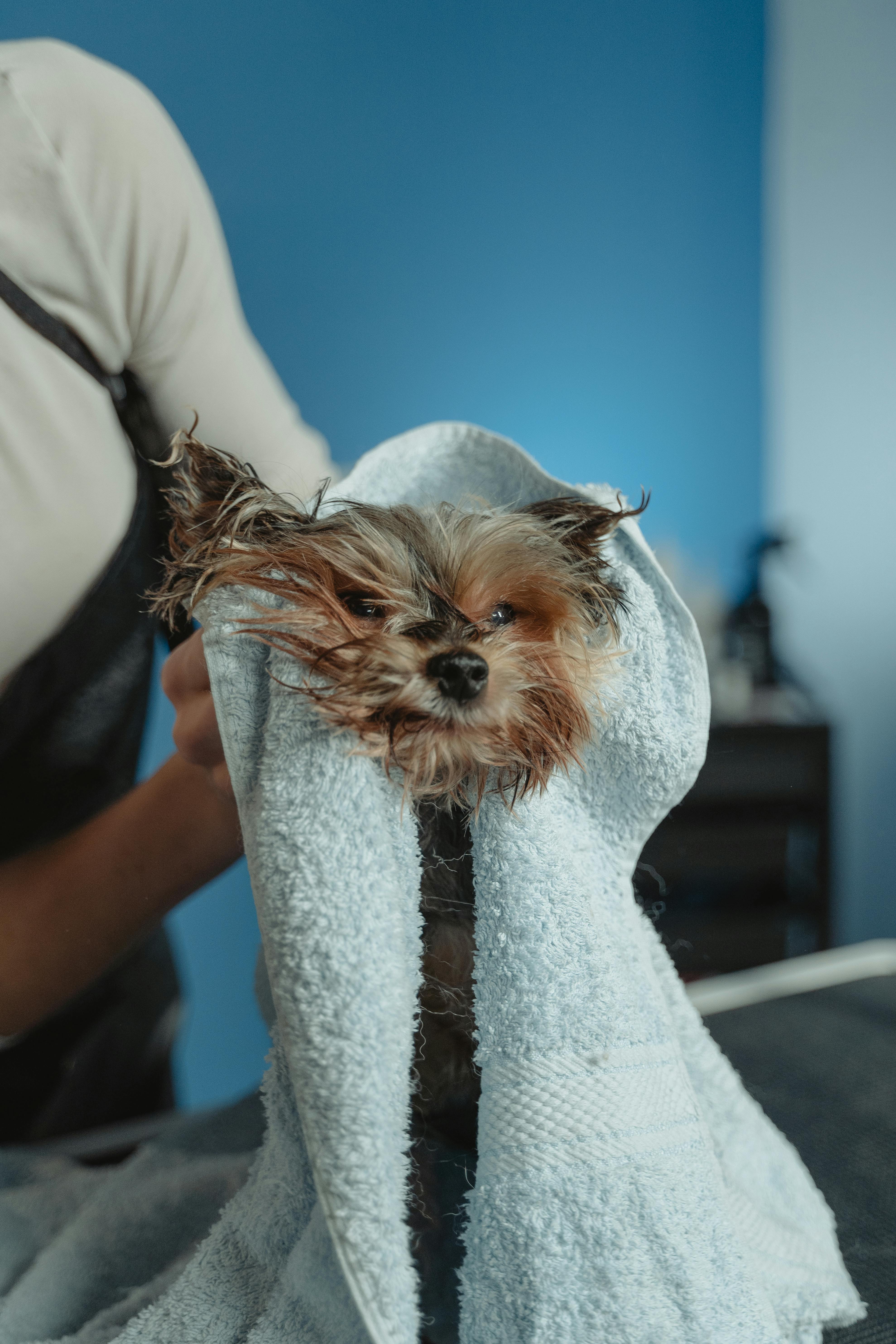
In the world of dog ownership, the condition of your pup’s nose can often be a topic of discussion. Wet vs. dry: what does it all mean? Have you ever pondered why do dogs have wet noses? It’s not just a quirky feature; it’s a crucial aspect of their health and well-being. Let’s dive into the science behind those moist snouts and what they can tell about your furry friend’s health.
The Science of a Dog's Nose
The wetness of a dog’s nose plays a significant role in their ability to detect scents. A dog's nose is lined with special cells that help them to process smells. When the nose is wet, it can trap more scent particles, which enhances their sense of smell. This is extremely important for dogs, since they rely heavily on their sense of smell to understand their environment.
Some interesting facts about dog noses include:
- Dogs have up to 300 million smell receptors, compared to about 5 million in humans.
- The part of a dog’s brain that processes smells is about 40 times larger than that of humans.
- Dogs can detect certain diseases in humans, like cancer or diabetes, just by smelling changes in body chemistry.
Why Do Dogs Have Wet Noses?
The wetness of a dog’s nose comes from several sources. First, the moisture can be produced by the dog’s body itself, as they lick their noses. This helps to keep the nose cool and aids in scent detection. Secondly, the moisture can also come from the environment, like rain or humidity.
Here’s a quick list of reasons why dogs have wet noses:
- Temperature Regulation: A wet nose helps cool off your dog, especially during hot days.
- Enhanced Smell: The moisture helps trap scent particles, making it easier for dogs to pick up smells.
- Health Indicator: Changes in nose moisture can signal health issues.
Wet Noses vs. Dry Noses: What’s Normal?
A wet nose is generally considered a sign of a healthy dog. But what happens when their nose is dry? A dry nose does not automatically mean something is wrong, but it can indicate certain conditions. Here’s a quick comparison:
Wet Nose:
- Usually cool to the touch
- Enhanced scent detection
- Indicator of hydration
Dry Nose:
- Can be warm or hot
- May indicate dehydration or illness
- Possible signs of allergies or skin issues
When to Worry About a Dry Nose
While a dry nose isn’t always a cause for concern, there are certain situations where you should pay attention. If your dog’s nose is persistently dry, cracked, or shows other signs of distress, it may be worth consulting with a vet. Here are some conditions that can cause a dry nose:
- Dehydration: Lack of water can lead to a dry nose.
- Fever: An elevated body temperature can result in dry nasal passages.
- Allergies: Environmental allergens may cause irritation.
- Infections: Bacterial or fungal infections can affect nose moisture.
Other Factors Affecting Nose Moisture
Apart from health issues, various external factors can influence your dog’s nose moisture. Here’s a rundown:
- Weather Conditions: Hot, dry weather can dry out your dog's nose.
- Indoor Environment: Heated indoor air can lead to dryness.
- Diet: Poor nutrition may affect hydration levels.
- Age: Older dogs may experience changes in nose moisture.
What to Do if You Notice Changes
If you notice that your dog’s nose is unusually dry or exhibits other symptoms (like lethargy or loss of appetite), it’s important to take action. Here are steps to follow:
- Increase Water Intake: Make sure your dog has access to fresh water at all times.
- Monitor Behavior: Keep an eye on any changes in their activity or eating habits.
- Consult a Veterinarian: If the dry nose persists or is accompanied by other symptoms, seek professional advice.
Knowing the science behind a dog’s nose and what it reveals about their health can help you be a more informed and responsible pet owner. Remember, a healthy dog often has a moist nose, and understanding these signs can make a significant difference in your pup's overall well-being. So next time you pet your furry friend, take a moment to check that nose!
The Role of a Dog’s Wet Nose in Temperature Regulation
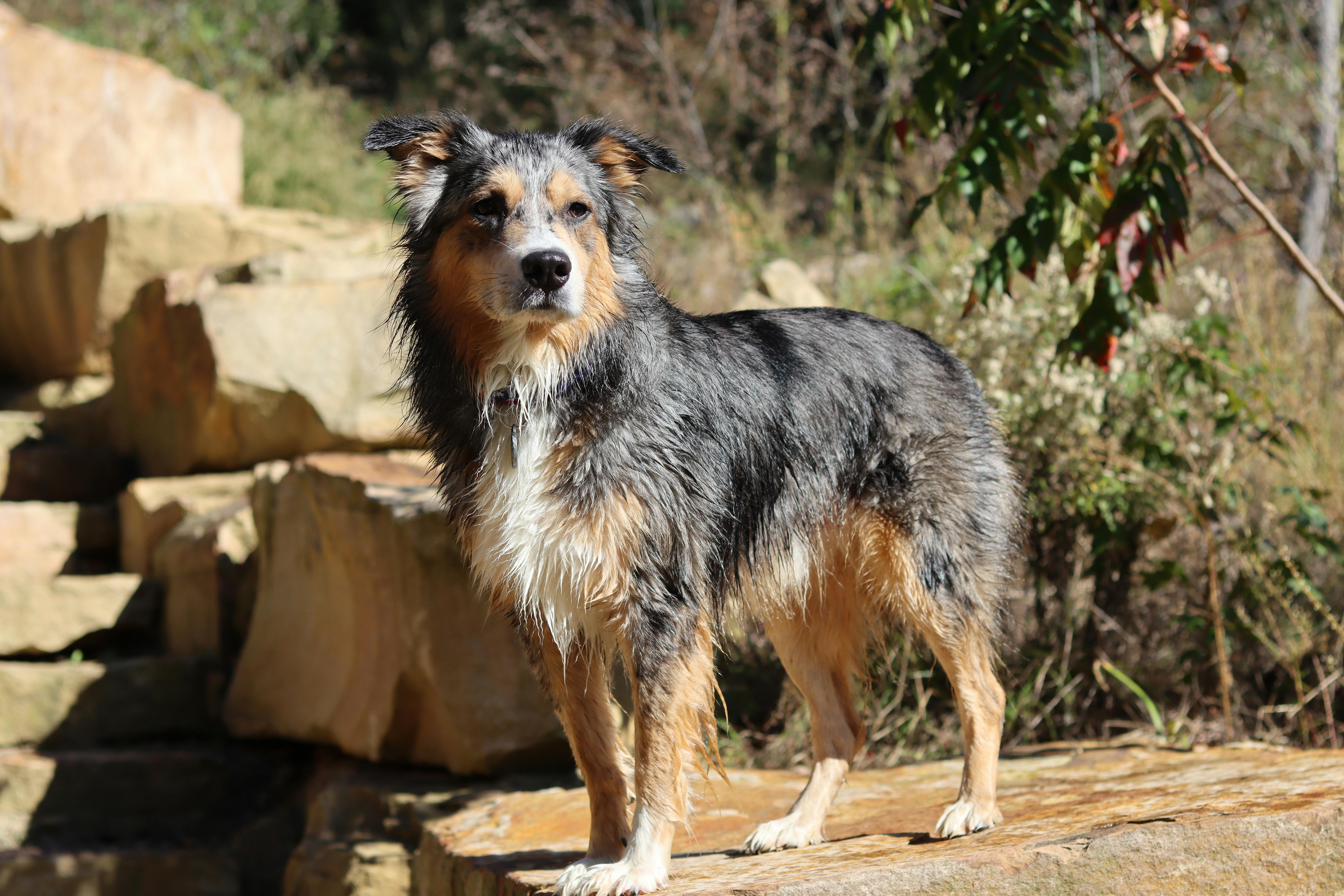
Have you ever wonder why your dog’s nose is always wet? It seems like a silly question, but it actually has a lot of science behind it. Dog’s noses are not just wet for fun; they serves important functions, especially in temperature regulation. Let’s dive into the fascinating world of canine noses and find out why they have that distinctive moisture.
The Science of a Dog’s Wet Nose
First off, a dog’s wet nose is primarily made up of a special type of skin that’s very sensitive. This skin helps them to detect smells better. But it also plays a crucial role in keeping their body cool. Dogs don’t sweat like humans do; they have sweat glands primarily in their paws. So, how do they cool off?
When a dog’s nose is wet, it can evaporate moisture, which helps to lower their body temperature. This is especially important during hot weather or after exercise. The moisture on their nose evaporates, which cools down the blood vessels close to the surface. This process is similar to how humans sweat to regulate body temperature.
Why Do Dogs Have Wet Noses?
Let’s break down the reasons dogs have wet noses and how it benefits them:
Enhanced Smell: The moisture on a dog's nose helps to capture scent particles more effectively, allowing them to smell better. A wet nose can absorb scents, making it easier for dogs to detect various smells around them.
Temperature Regulation: As mentioned earlier, dogs use their noses to help regulate their body temperature. The wetness is crucial for evaporative cooling.
Health Indicator: A dog’s nose can be an indicator of its health. A healthy dog's nose is often moist and cool. However, if a dog’s nose is dry and cracked, it might be a sign of dehydration or illness.
Social Signals: Dogs also communicate through their noses. When they meet other dogs, they often sniff each other's noses, which can convey information about health, mood, and reproductive status.
Historical Context of Canine Noses
Dogs have been domesticated for thousands of years, and their noses have evolved alongside them. Ancient cultures often observed the behaviors of dogs and noted the significance of their wet noses. For instance, in some societies, a wet nose was seen as a sign of a healthy and happy dog.
As mankind began to selectively breed dogs for various traits, a wet nose remained a consistent trait among most breeds. This is likely due to its functional advantages in hunting and herding, where a keen sense of smell is essential.
Fun Facts About Dog Noses
Here are some interesting tidbits about your furry friend's nose:
Unique Patterns: Just like human fingerprints, every dog has a unique nose print. This could be used for identification, although it’s not common practice.
Temperature Sensitivity: A dog's nose can sense temperature changes in the environment. They can detect a change in temperature as small as 0.5 degrees Celsius.
Dogs vs. Humans: Dogs have about 220 million scent receptors in their noses, compared to only about 5 million in humans. This makes their sense of smell between 40 to 100 times better than ours!
Nasal Breathing: Dogs are obligate nasal breathers, which means they primarily breathe through their noses rather than their mouths.
Practical Tips for Dog Owners
As a dog owner, you might want to pay attention to your dog's nose. Here’s a quick list of things to consider:
Check Regularly: Make it a habit to check your dog’s nose for dryness or cracking. If it appears dry, ensure they’re drinking enough water.
Keep Hydrated: Always provide fresh water for your dog, especially during hot days or if they’ve been active.
Be Observant: If you notice sudden changes in your dog’s nose moisture or temperature, consult a veterinarian. It could indicate a health issue.
Grooming: Regularly clean your dog’s nose, especially if they have allergies or if they spend time outdoors. This helps in keeping their nose healthy and functional.
In summary, a dog’s wet nose serves multiple purposes that go beyond just being cute. It’s a vital tool for their survival, health, and social interactions. So, the next time you see your fluffy friend with a wet nose, you can appreciate it a little more! Understanding these aspects can deepen the bond between you and your four-legged companion.
Do All Dogs Have Wet Noses? Understanding Variations Across Breeds
Dogs have been companions to humans for thousands of years, and their adorable characteristics never cease to amaze us. One of the most endearing features of our furry friends is their wet noses. But do all dogs have wet noses? And why do dogs have wet noses in the first place? Let’s dive into the science behind it and explore variations across breeds.
Do All Dogs Have Wet Noses?
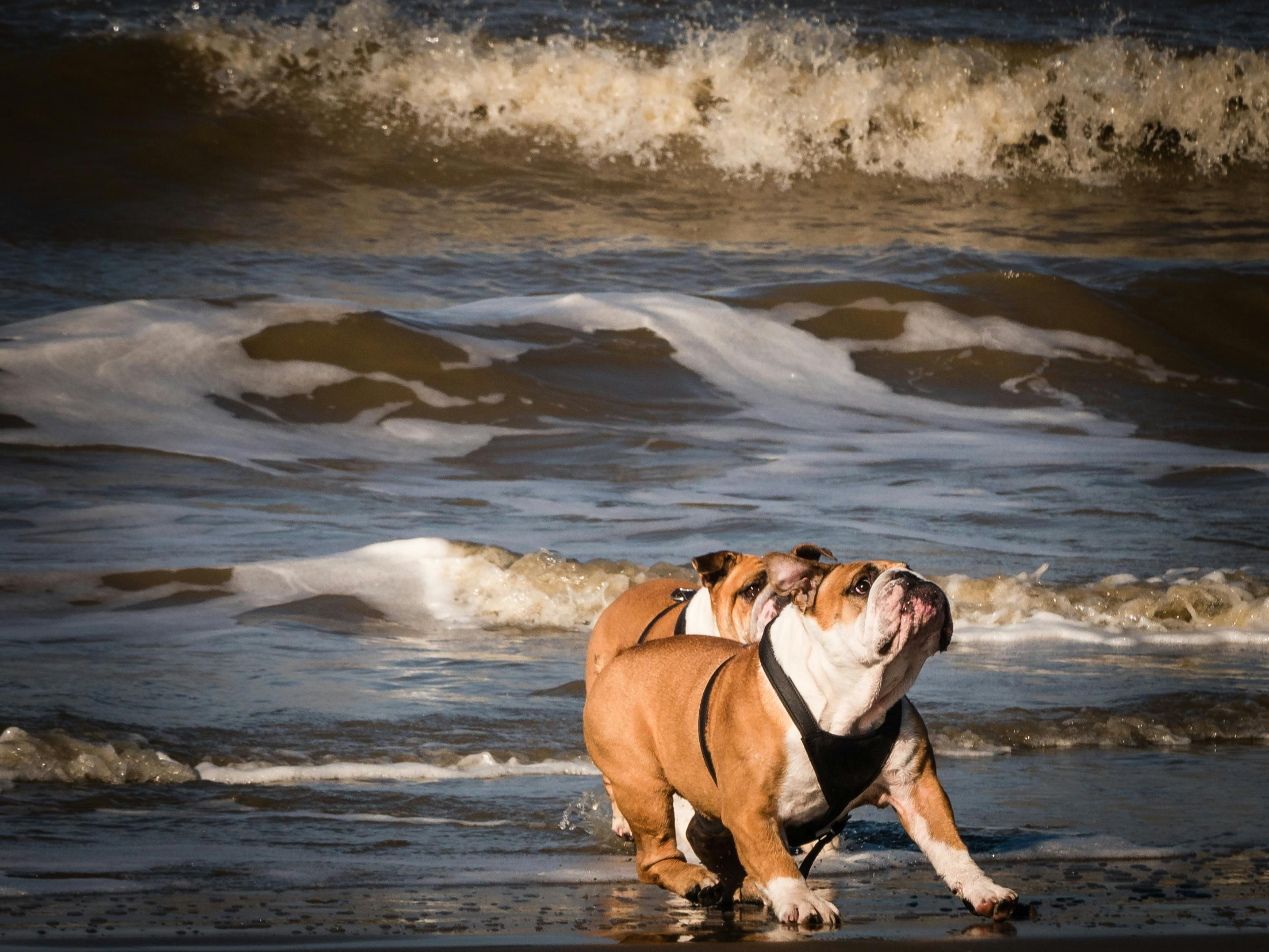
Not all dogs have the same nose moisture. While most dogs indeed have wet noses, some breeds might not have as much moisture as others. Factors like breed, age, and health can influence the wetness of a dog’s nose. For instance, brachycephalic breeds like Bulldogs and Pugs might have less moisture on their noses due to their shortened snouts.
Here a few examples of breeds and their typical nose moisture levels:
- Labrador Retrievers: Generally have moist noses which helps with scent detection.
- Boxers: Also have fairly wet noses but can sometimes be dry if they are overheated.
- Pugs: Often have drier noses due to their unique facial structure.
- Chihuahuas: Can have varying moisture levels depending on their health and environment.
So, while many dogs have wet noses, there are exceptions based on breed and individual health conditions.
Why Do Dogs Have Wet Noses?
The wetness of a dog's nose serves several important purposes. The science behind it is fascinating and involves biology and behavior. Here’s why dog noses are often wet:
Scent Detection: A wet nose enhances a dog’s ability to smell. Moisture helps to capture scent particles from the environment, making it easier for dogs to detect various smells. Dogs possess an astounding sense of smell, which is estimated to be 10,000 to 100,000 times more sensitive than humans.
Temperature Regulation: Just like humans sweat to cool down, dogs lose heat through their noses. When a dog’s body temperature rises, it can help to cool themselves down by breathing through their nose. In some cases, dogs might lick their noses to keep them wet, which can also aid in temperature regulation.
Health Indicator: A wet nose can also be an indicator of health. Generally, a healthy dog will have a moist nose, while a dry nose can indicate dehydration or illness. However, it’s important to note that a dry nose isn't always a sign of a problem.
Communication Tool: Dogs use their noses to gather information about their environment. A wet nose can also signal to other dogs and animals that they are friendly and approachable.
Variations by Breed and Environment
While most dogs tend to have wet noses, environmental factors can play a significant role in how moist a dog’s nose stays.
- Weather Conditions: Hot, dry weather can lead to dry noses. Conversely, humidity can help keep a dog’s nose moist.
- Health Status: Dogs with allergies or skin conditions may experience fluctuating moisture levels in their noses.
- Age: Puppies often have wetter noses, but as they age, their noses might become drier.
Quick Facts About Dog Noses
- Dogs have up to 300 million scent receptors in their noses.
- A dog's nose print is unique, much like a human fingerprint.
- The average dog’s nose temperature is usually lower than the rest of its body.
- Certain breeds, like Bloodhounds, can be trained to track scents over long distances due to their superior smelling capabilities.
Practical Implications for Dog Owners
As a dog owner, it’s important to monitor your dog’s nose condition. Here are some tips:
- Stay Hydrated: Ensure your dog has access to fresh water, especially in hot weather.
- Check for Changes: Monitor your dog's nose for any sudden changes in moisture or color, which can indicate health issues.
- Veterinary Visits: Regular check-ups can help identify any potential problems early on.
Understanding why dogs have wet noses can help owners appreciate their pups even more. It's not just a cute feature; it's a significant aspect of their biology and behavior. So, next time you give your dog a scratch behind the ears, take a moment to appreciate that wet little nose and all the amazing things it does.
Why Does Your Dog’s Nose Get Wetter During Playtime?

When you see your dog playing, you might notice their nose becomes more wet than usual. It’s like they just drank a whole bowl of water, right? So, why does this happen? And more importantly, why do dogs have wet noses in general? Let’s dive into the fascinating science behind this phenomenon and explore what it means for your furry friend.
The Science of a Dog's Wet Nose
Dogs noses are usually wet, and this wetness plays a critical role in how they interact with the world. The moisture on a dog's nose serves multiple purposes that are essential for their health and behavior.
Enhanced Smell: Dogs have a remarkable sense of smell — they can detect odors at concentrations nearly 100 million times lower than humans can. The wetness on a dog’s nose helps to trap scent particles. When the nose is moist, it can absorb more scent molecules, allowing dogs to smell better.
Temperature Regulation: Dogs don’t sweat like humans do. Instead, they primarily release heat through panting and their noses. A wet nose helps them cool down when they get too hot, especially after a vigorous game of fetch or running around.
Health Indicator: A wet nose is often a sign of a healthy dog. When a dog is sick, their nose may become dry or warm, signaling to owners that something may be wrong.
Why Does Your Dog’s Nose Get Wetter During Playtime?
Have you ever noticed how your dog’s nose seems to be wetter after a fun session of play? This isn’t just a coincidence. Here’s why that might happen:
Increased Activity: When dogs play, they pant more. Panting moistens their noses, making them feel cool and wet.
Excitement and Stress: During play, dogs experience excitement, which can lead to increased salivation. This saliva can transfer onto their noses, making them wet.
Environmental Factors: If your dog is playing outdoors, they might be getting moisture from grass, water, or even the air. Wet ground or dew can add to the wetness.
Historical Context of Dog Noses
Dogs, in their ancestral state, relied heavily on their sense of smell for survival. They used their noses to hunt, track prey, and communicate with other animals. Throughout history, humans have bred dogs for various traits, including an enhanced sense of smell. This has led to the wet nose being a common trait in many breeds, as it aids in their natural instincts.
Fun Facts About Dog Noses
Unique Patterns: Just like human fingerprints, every dog has a unique nose print that can be used to identify them.
Temperature Sensitivity: A dog’s nose can detect temperatures as low as -40 degrees Fahrenheit, showing how sensitive their noses truly are.
Dogs and Sneezing: Dogs may sneeze when they’re excited or during play. This is known as “play sneezing,” and it helps to signal to other dogs that they’re just having fun.
How to Keep Your Dog’s Nose Healthy
Maintaining your dog’s nose health is essential. Here are some tips:
Hydration: Ensure your dog drinks enough water, as general hydration can help keep their nose moist.
Avoid Irritants: Keep your dog away from smoke, strong perfumes, or chemicals that might dry out their nose.
Regular Vet Visits: Routine check-ups can catch any underlying issues that may affect your dog’s nose and overall health.
Comparing Dog Noses to Other Animals
Cats: Like dogs, cats also have wet noses, but their primary method of cooling is through panting and grooming themselves.
Humans: Humans have dry noses, which means we rely more on sweat for cooling and our sense of smell isn’t nearly as advanced as dogs.
Rabbits: Rabbits have moist noses too, but they use their sense of smell primarily for recognizing food and avoiding predators.
Practical Examples
When your dog is outside playing in the grass, they are likely to have a wet nose afterwards. If you have a Labrador Retriever, you might notice this phenomenon more than with a breed like a Chihuahua. Larger breeds tend to have more moisture due to their activity levels.
In conclusion, understanding why your dog’s nose gets wetter during playtime and the general function of their wet noses reveals a lot about their health and behavior. A wet nose is a sign of a happy, healthy dog, and knowing how to care for it can lead to happier playtime experiences. Keep an eye on that nose, it’s more than just cute; it’s a window into your dog’s world!
The Connection Between a Dog’s Wet Nose and Their Emotions

Have you ever wondered why your dog's nose is always wet? It’s like a little mystery that every dog owner ponder. It’s not just a quirky characteristic; there’s a whole science behind it. Understanding the connection between a dog’s wet nose and their emotions can give you insight into your furry friend’s health and feelings. So, why do dogs have wet noses? Let’s dive into the world of canine anatomy and emotions.
The Science of a Dog's Wet Nose
Dogs' noses are moist for several reasons. One of the main reasons is that the wetness helps them to smell better. Dogs have an incredible sense of smell, and a damp nose can pick up scent particles more effectively. The moisture on their noses helps to trap scent molecules from the air. Interestingly, studies show that dogs’ noses have up to 300 million scent receptors, compared to a human's measly 6 million. This is why they can sniff out things we could never even imagine!
- Wet noses enhance their olfactory capabilities.
- Keeping their noses moist helps to regulate body temperature.
- It can also aid in hydration, as they lick their noses.
Emotional Indicators
Just like humans, dogs express their emotions in various ways. Their wet noses can also indicate their emotional state. A happy, excited dog might have a wetter nose than one who is anxious or scared. Here are some emotional states and their possible nose conditions:
- Happy/Excited: Wet, cool nose
- Anxious: Dry nose
- Sick: Warm and dry nose
- Calm/Relaxed: Slightly damp nose
It’s not a 100% rule, but observing your dog's nose can give you clues about how they feel. For instance, if your dog approaches you with a very wet nose, it could mean they’re seeking attention or affection.
Historical Context
Dogs have been domesticated for thousands of years. Ancient civilizations recognized their companionship and loyalty. The unique structure of a dog’s nose evolved to help them survive and thrive in various environments. Historically, hunting dogs had to rely on their keen sense of smell to track down prey, which made having a wet nose essential for their survival.
- Origins: The domestication of dogs happened roughly 15,000 years ago.
- Breeds: Different breeds have different nose shapes and sizes, affecting their scenting abilities.
- Cultural Significance: In various cultures, dogs were revered for their hunting skills and loyalty.
Fun Facts About Dog Noses
Here’s some quirky trivia about dog noses that every owner should know:
- Just like human fingerprints, every dog’s nose print is unique.
- Dogs can “smell” diseases, including cancer and diabetes, due to their advanced olfactory senses.
- A dog’s sense of smell is so strong that they can detect certain smells in parts per trillion!
Practical Examples
If you're a dog owner, you probably notice how your pup's nose changes throughout the day. Here are some scenarios:
- After a Walk: Your dog’s nose may be wetter after being outside, as they sniff around and lick their noses.
- During Playtime: Excitement can lead to a cooler, wetter nose as they engage with you and their environment.
- When They’re Sick: If your dog’s nose feels unusually warm and dry, it could be a sign that they’re not feeling well and might need a vet visit.
Comparing Dog Noses to Other Animals
Dogs aren’t the only animals with wet noses. Here’s a quick comparison:
| Animal | Nose Type | Scent Receptors |
|---|---|---|
| Dogs | Wet, cool | 300 million |
| Cats | Dry, warm | 80-100 million |
| Elephants | Wet, large | 2,000-3,000 million |
| Bears | Wet, powerful | 1,000,000,000 |
As you can see, dogs have a remarkable ability when it comes to their sense of smell, and the wetness of their noses plays a key role in this process.
The connection between a dog’s wet nose and their emotions is fascinating. It can offer insights into their well-being while also being an endearing trait we love to observe. Understanding these nuances can strengthen the bond you have with your furry friend. Next time you give your dog a pat, take a moment to appreciate their wet nose and what it means.
Myth-Busting: Common Misconceptions About Wet Dog Noses
Dogs are often known for their wet noses, but why's that? There’s a lot of myths floating around about this quirky trait. Many people think that wet noses are a sign of a healthy dog, while others might believe dogs simply have wet noses because they like to play in water. Today, we are diving into the science behind why do dogs have wet noses and busting some of the common misconceptions that surround it!
The Anatomy of a Dog's Nose
The structure of a dog’s nose is truly fascinating. Dogs have a very complex system of olfactory receptors. While humans have about 5 million, dogs have somewhere around 300 million! This difference is why dogs have such a keen sense of smell.
Here’s a simple breakdown of how a dog’s nose works:
- Moisture: A wet nose helps trap scent particles. The moisture prevents the particles from escaping, making it easier for dogs to smell.
- Temperature Regulation: Dogs also use their noses to help regulate their body temperature. When they breathe, moisture evaporates from their noses, cooling them down.
- Communication: Dogs often use their noses to communicate with other dogs. A wet nose can be an invitation to play or an indication of submission.
Busting the Myths
There are several myths surrounding wet dog noses. Let’s look at some of the most common ones:
Myth 1: A Wet Nose Means a Healthy Dog
This is one of the most believed misconceptions. A wet nose can indicate a dog is healthy, but it is not a definitive sign. Some healthy dogs may have dry noses, and some sick dogs can still have wet noses.Myth 2: Dogs Have Wet Noses Because They Are Always Playing in Water
While some dogs do love splashing around, the primary reason for a wet nose is not water play. It’s mainly about how they smell and regulate their body temperature.Myth 3: Wet Noses are Only Found in Some Breeds
All dogs, regardless of breed, have wet noses. However, the moisture level may vary from one dog to another due to different factors like environment and health.Myth 4: Dogs Can’t Smell If Their Noses Are Dry
This is false! Dogs can still smell well even if their noses are dry. The moisture does enhance their smelling ability, but it’s not the only factor.
The Science Behind Wet Noses
So, what exactly causes a dog's nose to be wet? The moisture is produced by the mucous glands in the nose. When a dog licks its nose, it also adds saliva, which increases the moisture level.
Here are some additional facts about dog noses:
- Humidity: The humidity in the environment can affect the moisture level in a dog’s nose. More humidity can lead to wetter noses.
- Temperature: Dogs tend to have wetter noses when they are cool or relaxed. Conversely, their noses may be drier when they are excited or anxious.
- Health Factors: Certain health issues can cause a dog's nose to become excessively dry or wet. It’s always good to check with a vet if there are sudden changes.
Practical Examples of Nose Variations
Here are some examples of how different factors can affect a dog’s nose moisture:
| Dog Activity | Nose Condition |
|---|---|
| Playing in water | Very wet |
| Relaxing indoors | Moderately wet |
| In hot weather | Often dry |
| After eating | Typically dry |
Understanding Your Dog’s Nose
It’s essential to pay attention to your dog’s nose but not to obsess over its moisture level. Here are some practical tips:
- Check for Changes: If your dog’s nose suddenly becomes excessively dry or cracked, it might be a sign of dehydration or health issues.
- Hydration: Ensure your dog drinks enough water, especially on hot days.
- Regular Vet Visits: Keeping up with vet appointments can help catch any health issues early on.
In the end, while wet noses are a common sight in dogs, they serve many purposes beyond just looking cute! Understanding the science behind these wet noses helps owners care for their furry friends better. So next time you see your pup with a wet nose, you can appreciate the fascinating biology at play!
How to Keep Your Dog’s Nose Healthy and Moist: Essential Tips!

Keeping your dog’s nose healthy and moist is more important than many pet owners realize. A dog’s nose can tell you a lot about their health, and it's essential to understand how to maintain it properly. But first, let’s dive into the science behind why dogs have wet noses and what that means for their overall well-being.
Why Do Dogs Have Wet Noses? Discover The Science Behind It!
So, why do dogs have wet noses? There’s actually several reasons for this interesting feature. The moisture on a dog's nose serves multiple purposes:
- Scent Enhancement: The wetness of a dog's nose helps to absorb scent molecules, allowing them to smell better. This is why dogs are such excellent sniffers!
- Thermoregulation: Dogs don't sweat like humans; they primarily regulate their body temperature through panting and the moisture on their noses. When their nose is wet, it can help to cool them down.
- Health Indicator: A healthy dog usually has a moist, cool nose. If your dog’s nose is excessively dry or cracked, it can signal a health issue.
Essential Tips to Keep Your Dog’s Nose Healthy and Moist
Now, knowing that a dog's nose is like a window into their health, it become crucial to keep it in tip-top shape. Here are some essential tips to keep your dog’s nose healthy and moist:
Stay Hydrated: Ensure your dog has access to fresh water at all times. Dehydration can lead to a dry nose.
Humidify Their Environment: If you live in a dry climate, consider using a humidifier in your home. This can help maintain moisture levels in the air, which can benefit your dog’s nose.
Regular Vet Check-ups: Regular visits to the vet can help catch any underlying health issues that may cause a dry nose. Inform your vet about any changes you notice.
Gentle Cleaning: Occasionally, wipe your dog's nose with a damp cloth to remove dirt or debris. But don’t overdo it! Too much cleaning can strip away natural oils.
Watch the Weather: In extreme hot or cold weather, protect your dog's nose with a dog-safe balm. Just like humans, dogs can suffer from sunburn or frostbite.
Healthy Diet: Feed your dog a balanced diet rich in omega fatty acids. These nutrients can help maintain skin and nose moisture.
Avoid Irritants: Limit exposure to smoke, chemicals, or strong perfumes that might irritate your dog's sensitive nose.
Common Nose Conditions to Watch For
While most dogs have healthy noses, sometimes issues can arise. Here are some common conditions:
Nasal Hyperkeratosis: This is a condition where the skin on a dog's nose thickens and becomes crusty. It can result from genetics or certain health issues.
Nasal Tumors: Though less common, tumors can develop on a dog's nose. Look for unusual growths or changes in appearance.
Infections: Bacterial or fungal infections can cause irritation and dryness, leading to a nose that doesn't feel moist.
Recognizing When to Seek Help
It is vital for dog owners to know when a trip to the vet is necessary. Here are some signs that may indicate a problem:
- Cracked or bleeding nose
- Excessive dryness that doesn’t improve
- Discoloration or unusual growths
- Persistent sneezing or nasal discharge
If you see these signs, don’t hesitate to contact your veterinarian. They can provide appropriate care and advice.
Fun Fact: Dogs' Nose Prints Are Unique!
Did you know that a dog’s nose print is as unique as a human fingerprint? Each dog has its distinct pattern of ridges and creases, and many organizations even use these prints for identification purposes. Pretty cool, huh?
When it comes to keeping your dog’s nose healthy and moist, remember that proactive care and attention can go a long way. A moist nose is a happy nose! By following these essential tips and understanding the science behind why dogs have wet noses, you can help ensure your furry friend stays healthy and happy.
Conclusion
In conclusion, the moistness of a dog's nose serves several essential functions, from enhancing their sense of smell to regulating body temperature. The wet surface helps to capture scent particles, making it easier for dogs to interpret the world around them. Additionally, a dog's nose can reflect their health status; while a cool, moist nose is often a sign of good health, changes in its texture or temperature could indicate potential issues. Understanding these aspects not only deepens our appreciation for our canine companions but also encourages us to monitor their well-being. As responsible pet owners, we should remain attentive to our dogs' nose conditions and overall health. So the next time you gently touch your dog's nose, remember the remarkable functions it serves and consider scheduling a vet check-up if you notice any concerning changes. Caring for our dogs means being observant and informed!