Have you ever wondered why do dogs have wet noses? This fascinating trait isn’t just an adorable quirk; it serves several important functions that enhance your furry friend’s health and well-being. In this article, we will explore the surprising benefits of a dog's wet nose and uncover the science behind it. Wet noses are not only an indicator of a dog's health, but they also play a vital role in their sense of smell. Did you know that a dog’s nose can detect different scents better when it's moist? This is because the moisture helps to trap scent particles, making their sniffing abilities even more powerful! Plus, understanding why do dogs have wet noses can help you monitor your pet’s health more effectively. Are you curious about how this unique feature benefits your pooch? From temperature regulation to emotional bonding, the reasons are as captivating as they are essential. Stick around as we delve deeper into this intriguing subject and reveal everything you need to know about your dog's wet nose! Don't miss out on discovering the secrets behind this charming characteristic of our beloved pets!
\n\nThe Science Behind Canine Noses: Why Are Dogs’ Noses Wet?
\n\n \n\n
\n\nDogs are often known for their incredible sense of smell, but one of the most curious aspects of their physiology is their wet noses. You might have wondered, why do dogs have wet noses? The answer is not only fascinating but it also reveals a lot about how dogs interact with their environment. Let’s delve into the science behind canine noses and uncover the surprising benefits that come with that moist little feature.
\nThe Anatomy of a Dog's Nose
\nA dog's nose is more than just a cute feature; it's a sophisticated sensory organ. Canine noses are covered with a layer of moist tissue called the rhinarium, which helps enhance their sense of smell. The surface area of a dog's nose is significantly larger than that of humans, which contributes to their superior olfactory capabilities.
\n- \n
- Nasal Turbinates: These are thin bones within the nasal cavity that help filter and warm the air dogs breathe in. \n
- Olfactory Receptors: Dogs have around 220 million olfactory receptors, compared to about 5 million in humans. This is a huge difference! \n
- Jacobsen's Organ: Also known as the vomeronasal organ, this helps dogs detect pheromones, which are chemical signals that convey information about other animals. \n
Why Do Dogs Have Wet Noses?
\nThe moisture on a dog’s nose serves several important purposes. First and foremost, it helps dissolve scent particles, making it easier for dogs to detect odors. When a dog sniffs, the wet surface captures scent molecules more effectively than a dry surface.
\nAnother reason dogs’ noses are wet is thermoregulation. A moist nose can help dogs cool off, especially since they don’t sweat like humans do. Instead, they rely on panting and the moisture from their noses to regulate their body temperature.
\nThe Benefits of a Wet Nose
\nSo, what are some of the key benefits of having a wet nose? Let's break it down!
\n- \n
- Enhanced Smell: A wet nose can pick up scents better, which is essential for hunting, tracking, and even for your pet's everyday exploration. \n
- Cooling Mechanism: Helps keep your dog cool, especially during hot summer days. \n
- Health Indicator: A healthy nose can be an indicator of your dog’s well-being. If their nose is dry and cracked, it could signal dehydration or illness. \n
- Communication Tool: Dogs use their noses to communicate with other dogs and humans. A quick sniff could tell them a lot about another dog’s mood or health. \n
Historical Context of Dogs’ Noses
\nThroughout history, dogs have been bred for specific skills, often related to their sense of smell. Hunting breeds like Bloodhounds and Beagles have been developed to track scents over long distances. This breeding has enhanced their olfactory abilities, making their noses wet and functional for very specific tasks.
\n- \n
- Hunting Dogs: Bred for tracking scents. Their wet noses are essential for their role. \n
- Service Dogs: Trained to detect health issues, such as low blood sugar or seizures, where their sense of smell is crucial. \n
- Search and Rescue: Dogs in this field rely heavily on their noses to locate missing persons. \n
Fun Facts About Dog Noses
\nHere are some interesting tidbits about dog noses that you may not know:
\n- \n
- Dogs’ noses are as unique as human fingerprints! Each dog has a distinct nose print. \n
- The color of a dog's nose can change with age or health conditions. \n
- Puppies are usually born with pink noses that darken as they grow. \n
When to Be Concerned About Your Dog's Nose
\nWhile a wet nose is typically a sign of a healthy dog, there are times when you should be concerned. If you notice any of the following:
\n- \n
- Excessively dry or cracked nose \n
- Bleeding or discharge \n
- Changes in color \n
- Signs of discomfort or irritation \n
It's best to consult a veterinarian to ensure there are no underlying health issues.
\nIn summary, the science behind canine noses reveals the complexities of a seemingly simple feature. Their wet noses are not just an adorable trait; they serve vital functions in a dog’s life, from enhancing their sense of smell to helping with temperature regulation. Understanding why do dogs have wet noses allows us to appreciate our furry friends even more, bringing us closer to the remarkable world of canine biology. So, the next time you see your dog with that charming wet nose, remember, it’s a powerful tool that plays a crucial role in their everyday life!
\n\n5 Surprising Reasons Dogs Have Moist Noses That Will Amaze You
\n\n \n\n
\n\nWhen you think of dogs, one of the first things that probably pops into your mind is their moist noses. You might wonder, why do dogs have wet noses? It's not just an adorable quirk; there's actually a lot going on behind that shiny, damp surface. In this article, we will explore 5 surprising reasons that dogs have moist noses that will amaze you. And trust me, the benefits are more than just aesthetic.
\n1. Enhanced Sense of Smell
\nDogs are known for their extraordinary sense of smell, and their wet noses play a critical role in this. The moisture on a dog's nose helps to capture scent particles from the air, which boosts their olfactory receptors. This means a dog can smell things that humans can't even imagine.
\n- \n
- Olfactory receptors: Dogs have about 220 million, compared to humans' mere 5 million. \n
- Moisture helps: The wetness allows scent particles to dissolve, making it easier for the dog to detect a range of smells. \n
Imagine walking in a park and your dog suddenly stops to sniff at a spot where a squirrel once was. Their nose is like a high-tech gadget, picking up on scents that are invisible to us!
\n2. Temperature Regulation
\nBelieve it or not, a dog's wet nose is also a tool for regulating body temperature. Dogs don’t sweat like humans do. Instead, they pant and rely on their noses to help cool off.
\n- \n
- Evaporation: The moisture on the nose evaporates, which can help to lower their body temperature. \n
- Heat dissipation: On hot days, you might notice your dog’s nose is even wetter as they try to cool down. \n
So next time you see your dog with a glistening nose, remember, it’s not just for show; they’re working hard to stay comfortable!
\n3. Communication Tool
\nDogs are social animals, and their wet noses play a part in how they communicate with each other and even with us. A moist nose can signal various emotions, from excitement to submission.
\n- \n
- Sniffing: Dogs greet each other by sniffing noses, which is like a handshake in their world. \n
- Emotional state: A warm, dry nose might indicate that a dog is anxious or unwell, whereas a wet nose usually means they are happy and healthy. \n
If your pooch comes up to you with a wet nose, it’s their way of saying, "Hey, I’m here! Let’s play!"
\n4. Health Indicator
\nThe state of a dog’s nose can also serve as a quick health indicator for owners. While a wet nose typically indicates good health, there are variations to consider.
\n- \n
- Normal moisture levels: A healthy dog usually has a cool and moist nose. \n
- Changes to note: If a dog’s nose becomes excessively dry or cracked, it could be a sign of dehydration or illness. \n
Regularly checking your dog’s nose can help you catch potential health issues early, ensuring they get the care they need in a timely manner.
\n5. Natural Lubricant
\nLastly, the moisture on a dog’s nose isn’t just for show; it serves a practical purpose. The wetness acts as a natural lubricant, making it easier for dogs to use their noses in various activities.
\n- \n
- Exploration: When dogs dig or sniff around, the moisture provides a bit of lubrication, making their movements smoother. \n
- Hunting instincts: This is particularly useful for breeds designed for hunting and tracking, as a wet nose can help them navigate their environment more effectively. \n
This adaptability shows just how well-suited dogs are for their roles, whether as companions, workers, or hunters.
\nFinal Thoughts
\nSo, why do dogs have wet noses? The reasons are surprisingly multifaceted. From enhancing their sense of smell and aiding in temperature regulation to serving as a communication tool and health indicator, a dog's moist nose has significant benefits. Plus, it acts as a natural lubricant that helps in their daily activities. The next time you pet your furry friend and feel that familiar wetness, you'll know there's a lot more to it than just cuteness. Dogs are truly remarkable creatures, and their wet noses are just one of the many wonders that keep us in awe of them.
\n\nHow a Wet Nose Benefits Your Dog's Health: Uncovering the Facts
\n\n \n\n
\n\nWhen you look at a dog, one of the first things you might notice is its wet nose. It's kinda cute, right? But do you ever wonder why do dogs have wet noses? Well, there's more to that little feature than just looks. In fact, a wet nose can offer some surprising benefits for a dog's health. Let’s uncover the facts about this fascinating aspect of our furry friends and see how it contributes to their overall well-being.
\nThe Science Behind Wet Noses
\nDogs noses are wet for a reason. The moisture on their noses is mostly due to a thin layer of mucus that helps them to smell better. According to researchers, a dog’s sense of smell is 10,000 to 100,000 times more sensitive than humans. The wetness allows scent particles to stick better, enhancing their ability to detect scents.
\n- \n
- Dogs have around 300 million smell receptors in their noses. \n
- Their nose surface area is about 40 times larger than that of humans. \n
- The wetness helps to cool down their body temperature, especially during hot weather. \n
Historical Context and Evolution
\nThe evolution of a dog's wet nose goes back thousands of years. Early domesticated dogs likely developed this trait as a survival mechanism. A wet nose helped them in hunting and foraging, allowing them to detect prey and food sources more effectively. Over the years, this trait has remained, making it an essential part of a dog's physiology.
\n- \n
- Wild ancestors used wet noses for hunting. \n
- Wet noses also helped in communication with other dogs through scent. \n
- Dogs have been companions to humans for over 14,000 years, and their noses have adapted over that time. \n
The Health Benefits of a Wet Nose
\nSo, why do dogs have wet noses, and how does it benefit their health? Here are some surprising benefits of having a wet nose:
\n- \n
- \n
Enhanced Scent Detection: As mentioned, the moisture helps trap scent particles, making it easier for dogs to smell what's around them. This is crucial for their navigation and interaction with the environment.
\n \n - \n
Cooler Body Temperature: Dogs don’t sweat like humans, so a wet nose can help regulate their body temperature. When they are overheated, the moisture evaporates, which cools them down.
\n \n - \n
Signs of Health: A wet nose often indicates a healthy dog. If a dog’s nose is dry, it could be a sign of dehydration, fever, or illness. Regularly checking your dog's nose can help you catch potential health issues early.
\n \n - \n
Moisture Absorption: Dogs can absorb moisture through their noses. This can help with hydration, especially in hot weather conditions.
\n \n - \n
Communication: A wet nose can also play a role in social interactions with other dogs. The scent left behind by a wet nose can carry information about their health, mood, and even their diet.
\n \n
What Changes in Your Dog's Nose Can Mean
\nIt’s important to monitor changes in your dog’s nose. Here’s a quick list of changes and what they might indicate:
\n- \n
- Dry Nose: Could indicate dehydration or illness. \n
- Cracked or Bleeding Nose: May suggest allergies, injury, or a skin disorder. \n
- Excessive Wetness: Sometimes, a dog might have a runny nose which could be due to infections or allergies. \n
Tips for Keeping Your Dog’s Nose Healthy
\nTo maintain that precious wet nose, here are some simple tips:
\n- \n
- Hydration: Make sure your dog has access to plenty of water. \n
- Regular Vet Check-ups: Regular visits to the veterinarian can help catch any potential issues early. \n
- Watch for Allergens: If you notice that your dog’s nose changes in certain environments, they might be allergic to something. \n
Interesting Comparisons
\nLet’s compare dog noses with human noses to better understand their unique functions.
\n| Feature | \nDog Nose | \nHuman Nose | \n
|---|---|---|
| Number of Receptors | \n300 million | \nAbout 5 million | \n
| Primary Function | \nSmell and temperature regulation | \nSmell and breathing | \n
| Sensitivity | \n10,000 to 100,000 times better | \nLess sensitive than dogs | \n
The differences are pretty clear. Dogs are designed for a different kind of interaction with the world, primarily through their sense of smell.
\nUnderstanding why dogs have wet noses helps us appreciate the unique adaptations of our furry companions. They are not just cute features; they serve vital roles in keeping dogs healthy and connected to their environment. So next time you give your pup a scratch behind the ears and notice that wet nose, remember it’s doing more than just looking adorable!
\n\nIs Your Dog’s Nose Wet? Discover What It Means for Their Well-Being
\n\n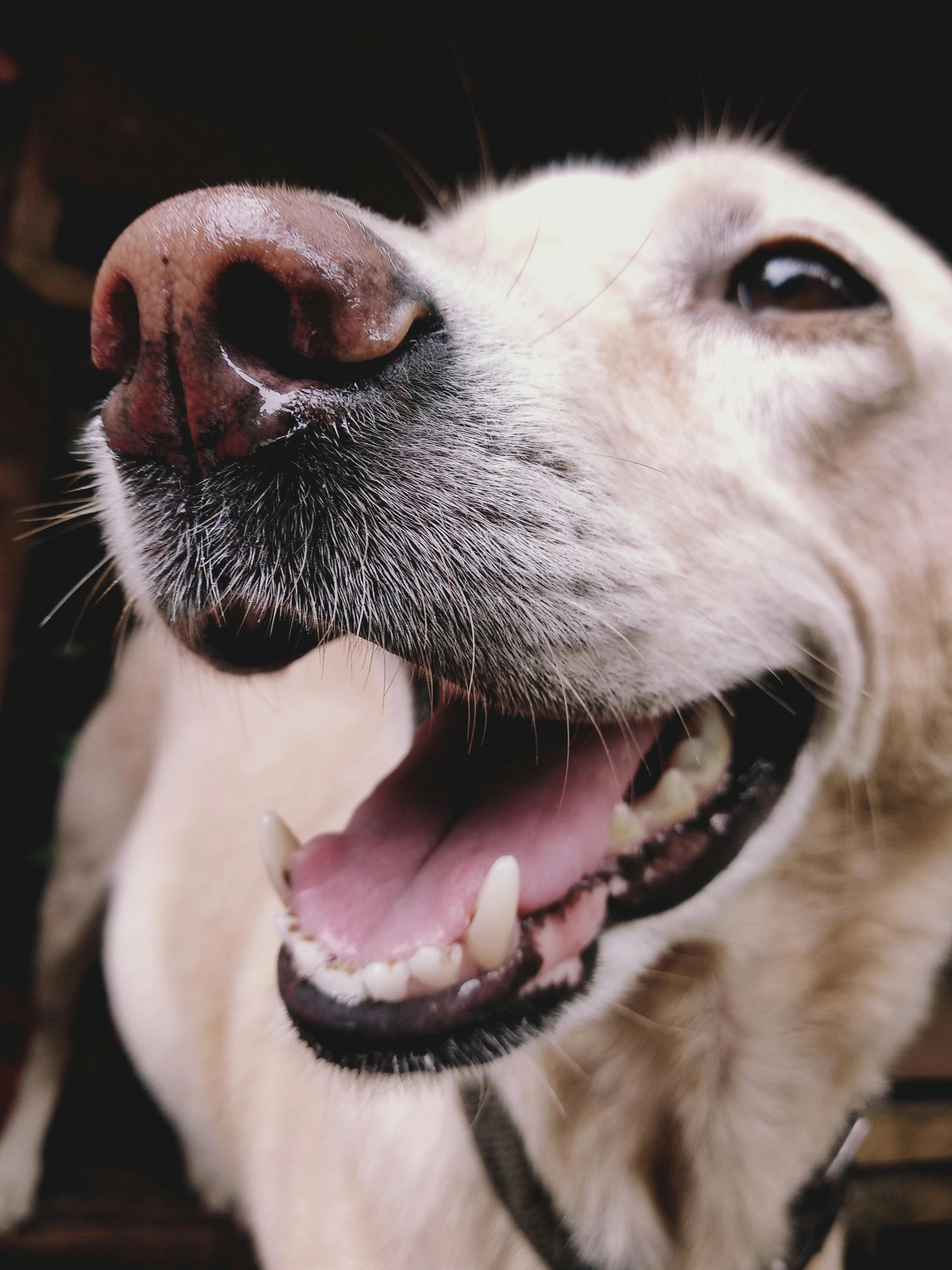 \n\n
\n\nIs your dog’s nose wet? You might be wondering what that means for their health and happiness. Many dog owners notice that their furry friends have moist noses, but few understand the reasons behind this phenomenon. Wet noses are often seen as a sign of a healthy dog, but there’s more to it than just that. In this article, we will explore why do dogs have wet noses and the surprising benefits that come with it. Let’s dive in!
\nWhy Do Dogs Have Wet Noses?
\nThere is a bunch of reasons why dogs have wet noses. One of the main reasons is related to their sense of smell. Dogs have an extraordinary olfactory system, which helps them smell things much better than humans. A wet nose actually helps enhance their ability to pick up scents. Here’s how:
\n- \n
- Moisture Traps Scent Particles: A wet nose can catch scent particles more effectively. Moisture allows these particles to stick to the nose, making it easier for dogs to detect and identify different smells. \n
- Cooling Mechanism: Dogs don’t sweat like humans do. Their noses help regulate body temperature. A wet nose can help cool them down when they get too hot. \n
- Health Indicator: A wet nose is often seen as an indicator of good health. While not always the case, a dry or cracked nose can sometimes indicate dehydration or illness. \n
The Surprising Benefits of a Wet Nose
\nYou might be surprised to know that a wet nose does more than just smelling and cooling. Here are some benefits that come with it:
\n- \n
- Enhanced Smell: This is the most obvious benefit, as mentioned earlier. A wet nose traps more scent molecules, making dogs better at tracking scents. \n
- Social Interaction: Dogs often use their noses to communicate with other dogs and humans. A wet nose can indicate excitement and friendliness, making social encounters more pleasant. \n
- Temperature Regulation: By keeping their noses moist, dogs can help themselves cool down during hot weather. This is especially important for breeds that are prone to overheating. \n
- Health Monitoring: A dog’s nose can change texture and moisture level based on their health. Regularly checking your dog’s nose can help you spot potential health issues early. \n
What’s Normal for Your Dog?
\nIt’s important to know what to expect when it comes to your dog’s nose. A healthy dog’s nose can be wet or dry, but here are some general guidelines:
\n- \n
- Wet Nose: Typically, a wet nose indicates a healthy dog. If your dog’s nose is consistently wet, that’s usually a good sign. \n
- Dry Nose: A dry nose isn’t necessarily a cause for alarm. However, if it’s accompanied by other symptoms like lethargy or lack of appetite, it might be time to consult your vet. \n
- Temperature Changes: Sometimes, a dog’s nose might feel warmer or cooler than usual. These changes can be normal, but sudden shifts in temperature could indicate a problem. \n
Common Misconceptions
\nThere are many myths floating around about dog noses. Here are some common misconceptions:
\n- \n
- A Wet Nose Means a Healthy Dog: While a wet nose can indicate good health, it’s not a definitive measure. Dogs can be sick even with a wet nose. \n
- Dogs Only Sweat Through Their Noses: Dogs sweat through their paw pads and regulate temperature mainly through panting, not through their noses. \n
- All Breeds Have the Same Nose Texture: Different breeds can have different nose conditions. For instance, brachycephalic breeds (like Bulldogs) may have different moisture levels than other breeds. \n
When to Seek Help
\nIf you notice any of the following symptoms, it might be time to consult a veterinarian:
\n- \n
- Persistent dry or cracked nose \n
- Excessive discharge from the nose \n
- Changes in appetite or behavior \n
- Signs of dehydration such as lethargy or dry gums \n
Comparing Wet and Dry Noses
\nHere’s a simple comparison table to help you understand the differences between wet and dry noses in dogs:
\n| Nose Condition | \nPotential Indicators | \nAction Needed | \n
|---|---|---|
| Wet Nose | \nHealthy, hydrated dog | \nUsually no action needed | \n
| Dry Nose | \nPossible dehydration or illness | \nMonitor closely; consult vet if persistent | \n
| Cracked Nose | \nPossible skin issues or dehydration | \nSeek veterinary advice | \n
By understanding why do dogs have wet noses and their significance, you can be proactive in caring for your furry friend. Observing their nose, along with other health indicators, can help you ensure they stay happy and healthy. So, next time you give your dog a good morning scratch and feel that damp nose, remember that it’s more than just a cute quirk!
\n\nThe Role of a Dog's Wet Nose in Their Sense of Smell: What You Need to Know
\n\n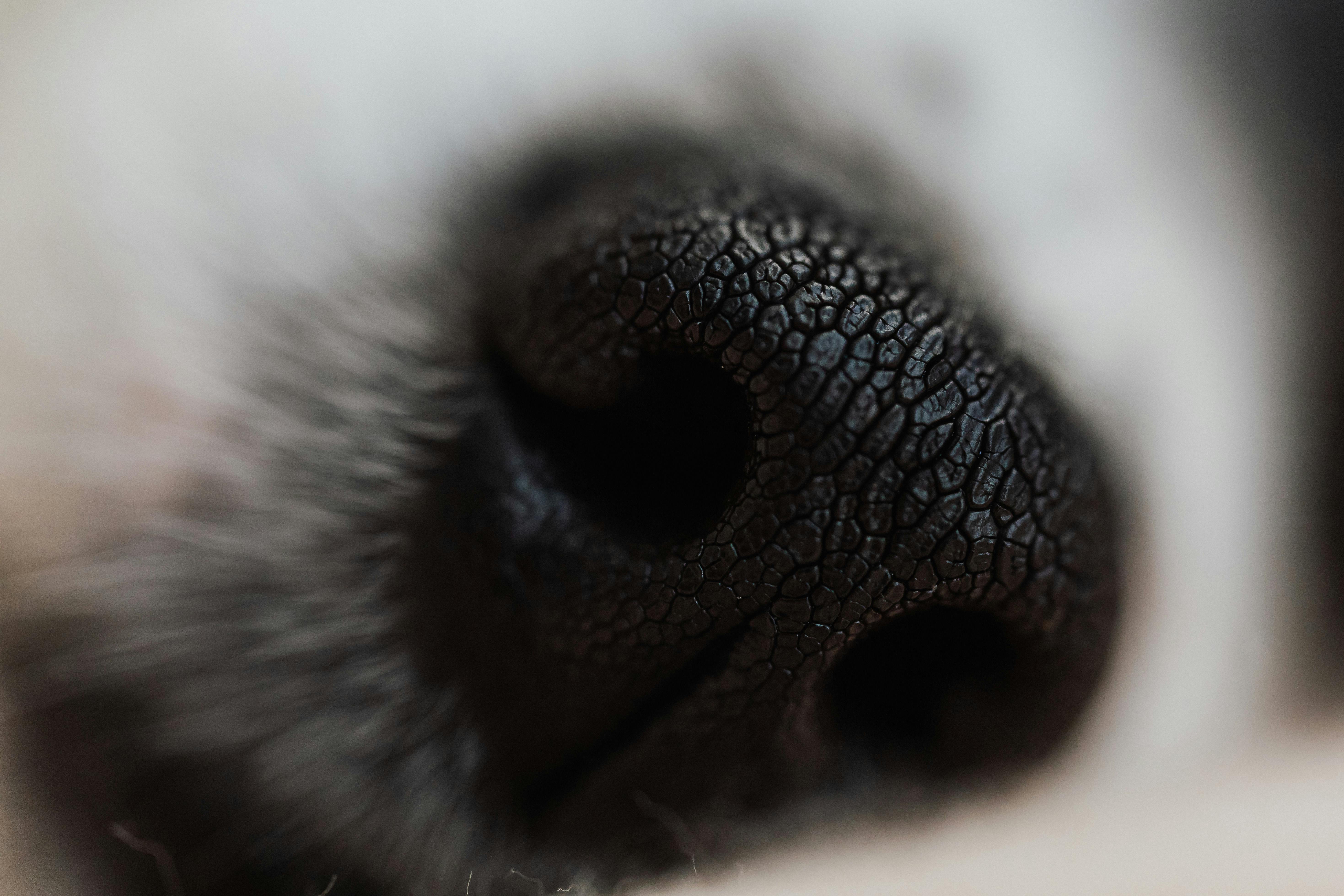 \n\n
\n\nThe Role of a Dog's Wet Nose in Their Sense of Smell: What You Need to Know, Why Do Dogs Have Wet Noses? Discover The Surprising Benefits!
\nDogs are amazing creatures, and their sense of smell is one of the most incredible aspects of their biology. One of the key features that contributes to their heightened olfactory abilities is their wet nose. But why do dogs have wet noses in the first place? In this article, we’ll explore the surprising benefits of a dog's wet nose and how it enhances their sense of smell.
\nUnderstanding the Science Behind a Dog's Nose
\nDogs have an extraordinary sense of smell, which is estimated to be 10,000 to 100,000 times more sensitive than humans. This incredible ability is partially due to the structure of their noses. The wetness of a dog’s nose plays a crucial role in this.
\n- \n
- Moisture Retention: A wet nose helps to capture scent particles from the air. When a dog sniffs, the moisture helps to bind these particles, making it easier for their olfactory receptors to detect them. \n
- Temperature Regulation: A dog's nose also helps regulate their body temperature. By keeping their nose moist, dogs can help cool themselves down, especially when they are panting. \n
- Health Indicator: The condition of a dog's nose can indicate their health status. A dry or cracked nose might signal dehydration or illness, while a wet nose is often a sign of a healthy pup. \n
Why Do Dogs Have Wet Noses?
\nDogs have wet noses for several reasons, and these reasons are quite fascinating. Here are some of the key factors:
\n- \n
- Enhanced Smell: As mentioned earlier, moisture helps scent particles stick to the nasal membranes. This makes it easier for dogs to smell and distinguish between different scents. \n
- Cooling Mechanism: Dogs do not sweat like humans do. Their wet noses help to cool their body when they are feeling hot. The moisture evaporates, helping to lower their body temperature. \n
- Social Communication: Dogs often use their noses to communicate with one another. A wet nose can help them pick up pheromones and other chemical signals that convey information about other dogs or their environment. \n
The Surprising Benefits of a Wet Nose
\nHaving a wet nose isn't just a quirk of dog anatomy; it comes with numerous benefits. Here are some of them:
\n- \n
- Improved Sense of Smell: As said, a wet nose enhances their ability to detect scents. This is why dogs are often used in search and rescue operations, as well as in medical detection. \n
- Better Cooling System: Dogs can’t sweat effectively, so their wet noses help to keep them cool. This is especially important during hot summer days when overheating can become a serious health risk. \n
- Health Indicator: Dog owners should regularly check their pet's nose. A wet and cool nose usually indicates a healthy dog, while a dry or warm nose could mean they are unwell or dehydrated. \n
Interesting Facts About Dogs' Noses
\n- \n
- Unique Nose Prints: Just like human fingerprints, each dog's nose has a unique pattern of ridges and creases. This means that a dog's nose print can actually be used for identification purposes! \n
- Nasal Structure: A dog’s nose contains up to 300 million scent receptors, compared to a human’s mere 5 million. That’s a huge difference in olfactory capacity! \n
- Scent Discrimination: Dogs can differentiate between scents even when they are mixed together. This is why dogs can track scents over long distances and find missing persons or detect drugs. \n
Practical Tips for Dog Owners
\nTo ensure your dog maintains a healthy wet nose, consider the following tips:
\n- \n
- Stay Hydrated: Always provide fresh water for your dog to drink. Dehydration can lead to a dry nose, which is not a good sign. \n
- Regular Vet Check-ups: Routine veterinary visits can help ensure your dog’s overall health, including their nose condition. \n
- Watch the Environment: Dogs can be affected by the climate. If it’s dry or hot, be sure to monitor your dog’s nose and provide them with extra hydration as needed. \n
In summary, a dog’s wet nose is not just an adorable feature; it plays a vital role in their overall health and sensory capabilities. By understanding the importance of this characteristic, dog owners can better care for their furry friends and appreciate the unique biology that makes dogs so special.
\n\nWhy Do Dogs Have Wet Noses? The Connection to Temperature Regulation
\n\n \n\n
\n\nHave you ever wondered why do dogs have wet noses? It’s one of those quirks that most dog owners notice but never really think about. Wet noses are common in our furry friends, and they actually serve important functions. Let’s dive into the reasons behind this curious feature, especially how it relates to temperature regulation and other surprising benefits.
\nThe Science Behind Wet Noses
\nThe moisture on a dog’s nose isn’t just there for decoration. Dogs have a special gland on their noses that produces mucus, which helps keep their noses moist. This wetness helps them detect scents more effectively, as scent particles stick better to wet surfaces. And, if you didn’t know, dogs' sense of smell is way more powerful than humans. They can smell things up to 100,000 times better! Here’s a quick look at how this works:
\n- \n
- Nasal Glands: Dogs have specialized glands that produce mucus. \n
- Temperature Regulation: A wet nose helps cool the dog’s body temperature. \n
- Enhanced Smell: Wet noses can trap more scent particles, improving their ability to smell. \n
Temperature Regulation: How It Works
\nYou might be asking, "Why do dogs have wet noses when it comes to staying cool?" Well, dogs don’t sweat like humans do. Instead, they rely on panting and their noses to regulate body temperature. When a dog’s nose is wet, it helps dissipate heat, allowing them to cool down more efficiently. This is especially important during warmer months or after vigorous exercise.
\nHere’s a simple breakdown of how temperature regulation works in dogs:
\n- \n
- Evaporation: The moisture evaporates, which cools the surface of the nose. \n
- Blood Flow: Increased blood flow to the nose can help regulate the overall body temperature. \n
- Heat Dissipation: A wet nose can release heat more effectively than a dry one. \n
Surprising Benefits of a Wet Nose
\nBesides temperature control, wet noses have other nifty benefits. Some might surprise you! Here’s a list of reasons why having a wet nose is advantageous for dogs:
\n- \n
- Health Indicator: A wet nose can be a sign of a healthy dog. If your pup's nose suddenly becomes dry, it might be worth checking. \n
- Scent Detection: Wet noses enhance the dog’s ability to pick up on scents, which is why they make great tracking and hunting companions. \n
- Social Interactions: Dogs often use their noses to greet each other, and a wet nose is more likely to invite a friendly sniff. \n
Why Dogs’ Noses Get Dry
\nNow, it’s important to note that not all wet noses stay wet all the time. A dog’s nose can become dry for various reasons, which may include:
\n- \n
- Dehydration: If a dog is not drinking enough water, it may lead to a dry nose. \n
- Weather Changes: Cold or windy weather can dry out a dog’s nose. \n
- Illness: Certain health issues can cause a dog’s nose to dry out. \n
What Should You Do?
\nIf you notice that your dog’s nose is dry, here’s a quick checklist to follow:
\n- \n
- Check Hydration: Ensure your dog is drinking enough water. \n
- Observe Behavior: Is your dog acting normally? If not, consult a vet. \n
- Moisturize: You can apply a dog-safe moisturizer if necessary. \n
Fun Fact: Dogs and Their Nose Color
\nDid you know that a dog’s nose color can also change? Sometimes, it can darken in cold weather and lighten in warmer weather. This phenomenon is known as “winter nose” or “snow nose,” and it’s a normal occurrence for many dogs.
\nIn Conclusion
\nSo, the next time you wonder why do dogs have wet noses, remember that it’s not just an adorable trait. It’s a vital part of their biology that aids in temperature regulation and enhances their remarkable sense of smell. While wet noses are a sign of health and vitality, keeping an eye on changes can help ensure your furry friend stays healthy. Overall, these wet noses are more than just cute; they play essential roles in keeping your canine companion happy and active.
\n\n7 Fascinating Benefits of a Dog’s Wet Nose You Never Knew Existed
\n\n \n\n
\n\nDogs have this charming, wet noses that many pet owners adore, but ever thought why they are like that? It's not just for cuteness; there's actually a lot more going on beneath that adorable exterior. Wet noses serve important functions for our furry friends, and they come with some fascinating benefits that you probably never knew existed. Let's explore the reasons behind this intriguing feature and the surprising benefits it brings.
\nWhy Do Dogs Have Wet Noses?
\nTo understand why dogs have wet noses, we need to look at their biology. Dogs’ noses are moist because of the mucous membranes that help to absorb scent molecules. This enhances their sense of smell, which is way stronger than humans. A dog’s sense of smell is estimated to be anywhere from 10,000 to 100,000 times more acute than ours! The moisture on their noses helps capture these odors, aiding in their incredible olfactory capabilities.
\n7 Fascinating Benefits of a Dog’s Wet Nose
\n- \n
- \n
Enhanced Sense of Smell
\n
\nThe primary advantage of a wet nose is to improve a dog’s ability to smell. When a dog sniffs, the moisture helps trap scent particles, allowing them to analyze and identify different smells with precision. This is why dogs are often used in search and rescue operations, because they can detect scents from great distances. \n - \n
Temperature Regulation
\n
\nDogs can't sweat like humans do. Instead, they rely on their noses and panting to cool down. A wet nose helps to keep their body temperature in check, just like how sweating works for us. When it’s hot out, you might notice your pup’s nose is even wetter, indicating they are regulating their body temperature effectively. \n - \n
Health Indicators
\n
\nThe condition of a dog’s nose can tell you a lot about their health. A healthy dog typically has a cool, moist nose. If a nose is dry or warm, it might be a sign of dehydration or illness. This can alert pet owners to seek veterinary care if needed. \n - \n
Social Interaction
\n
\nDogs use their noses to communicate with other dogs and humans. A wet nose is often a sign of a friendly dog, eager to interact. When dogs greet each other, they often sniff each other’s noses, which is their way of saying "hello" and gathering information about each other. \n - \n
Scent Memory
\n
\nA dog's wet nose aids in creating scent memories. Dogs can remember smells associated with specific experiences. For instance, if a dog has a wet nose while playing in the park, they may remember that park better than a dry day. This memory can impact their behavior and emotions. \n - \n
Emotional Connection
\n
\nWet noses can also strengthen the bond between a dog and their owner. When a dog nudges you with their wet nose, they are often seeking attention or affection. This simple act can deepen your emotional connection, making it clear they trust and love you. \n - \n
Natural Antimicrobial Properties
\n
\nInterestingly, a dog’s wet nose has natural antimicrobial properties. The mucus on a dog’s nose contains enzymes that help fight off bacteria. This protective measure keeps their noses healthy and free from infections. \n
Interesting Facts about Dog Noses
\n- \n
- Unique Patterns: Just like human fingerprints, every dog has a unique nose print, which can be used for identification. \n
- Color Variation: The color of a dog's nose can change with the seasons. It's common for some dogs to have a darker nose in summer and a lighter nose in winter. \n
- Sensitivity Levels: Dogs have around 300 million scent receptors in their noses compared to about 5 million in humans. \n
Common Misconceptions About Dog Noses
\n- \n
- Wet Means Sick: Some people think a wet nose means the dog is sick, but that's not always the case. A dog’s nose can be wet for many reasons. \n
- Dry Nose Indicates Illness: This is also misleading. A dry nose might be normal for some dogs, especially if they are sleeping or just waking up. \n
Maintaining a dog's health includes paying attention to their nose. Regular checks can help you catch any potential health issues early. Keeping your dog hydrated and ensuring they are comfortable can also contribute to the health of their nose.
\nIn short, a dog's wet nose is more than just an adorable feature; it serves multiple functions that benefit their health and well-being. Whether it’s enhancing their sense of smell, providing essential temperature regulation, or strengthening bonds with their human companions, the wet nose is a remarkable trait. So, next time you give your furry friend a scratch behind the ears, take a moment to appreciate that wet, little nose and all the wonders it brings!
\n\nCan a Dry Nose Indicate Health Issues in Dogs? Understanding the Signs
\n\n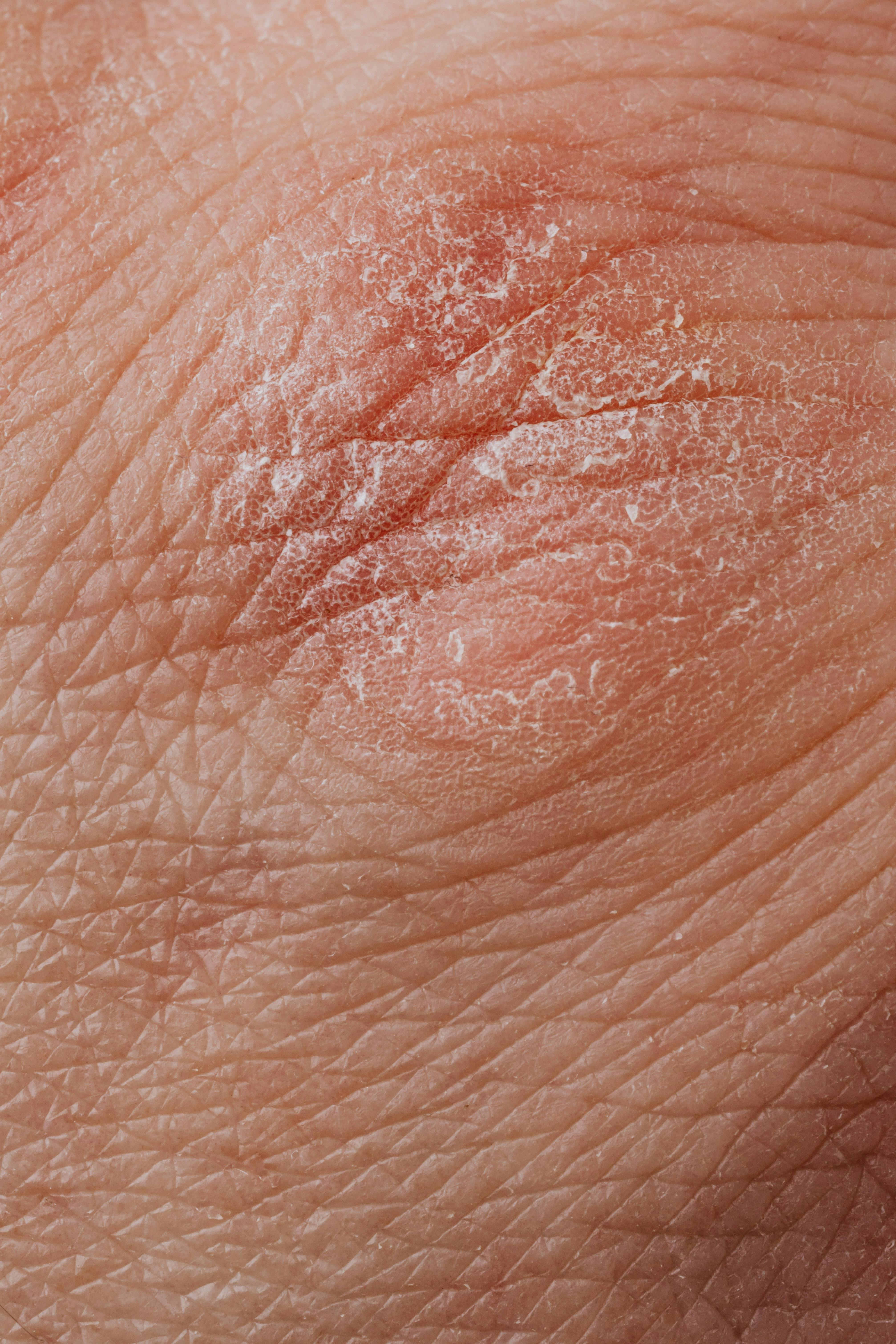 \n\n
\n\nWhen you notice your dog's nose is dry, you might wonder if something is wrong. It's a common thought among pet owners, as we often associate a wet nose with good health in dogs. But, can a dry nose indicate health issues in dogs? The answer is not always straightforward. Understanding the signs and the reasons behind why dogs typically have wet noses can help you assess your furry friend's health better.
\nUnderstanding the Signs of a Dry Nose
\nA dog's nose can change throughout the day due to various factors. A dry nose doesn't always means your dog is sick, but it certainly can be a sign of underlying issues. Here’s some signs to look for:
\n- \n
- Cracking or peeling: If the nose is not just dry but also cracking, it could indicate a problem. \n
- Discoloration: A change in color may suggest allergies or other health issues. \n
- Lethargy: If your dog is unusually tired, it’s worth investigating further. \n
- Loss of appetite: A sudden change in eating habits can be a red flag. \n
If you see any of these signs along with a dry nose, it might be worth consulting a veterinarian.
\nWhy Do Dogs Have Wet Noses?
\nWet noses in dogs serves important functions. The moisture on a dog’s nose helps them absorb scent chemicals, which is critical because dogs have an incredible sense of smell. A wet nose can enhance their ability to detect smells, making them excellent hunters and trackers.
\nHere’s some interesting reasons why dogs have wet noses:
\n- \n
- Temperature regulation: A wet nose helps cool down dogs, which is important especially during hot weather. \n
- Scent detection: The moisture helps capture scent particles, making it easier for dogs to smell. \n
- Communication: Dogs often use their noses to greet each other, and a wet nose can indicate friendliness and health. \n
The Surprising Benefits of a Wet Nose
\nHaving a wet nose isn’t just for show; it has some surprising benefits.
\n- \n
- Enhanced Olfactory Function: The moisture helps dogs pick up scents better than if their noses were dry. \n
- Cooling Mechanism: It cools their body temperature, especially useful in warm environments. \n
- Social Interaction: Dogs with wet noses are often seen as more approachable by other dogs and humans. \n
Comparison Between Wet and Dry Noses
\nHere’s a simple comparison chart of wet and dry noses in dogs:
\n| Feature | \nWet Nose | \nDry Nose | \n
|---|---|---|
| Scent Detection | \nEnhanced | \nReduced | \n
| Temperature Control | \nEffective | \nLess effective | \n
| Signs of Illness | \nUsually healthy | \nCan indicate health issues | \n
| Social Interaction | \nMore approachable | \nMay seem less friendly | \n
What to Do If Your Dog Has a Dry Nose
\nIf your dog's nose is dry, you don’t need to panic right away. There are several steps you can take:
\n- \n
- Check for other symptoms: Look for signs of illness like lethargy or changes in appetite. \n
- Hydration: Make sure your dog is drinking enough water. Dehydration can lead to a dry nose. \n
- Environmental Factors: Dry weather or air conditioning can dry out your dog’s nose too. \n
- Consult Your Vet: If you’re concerned, it’s always best to get professional advice. \n
When to Seek Veterinary Care
\nIt's important to know when to call in the experts. If your dog’s nose is dry and you notice any of these red flags, you should reach out to your veterinarian:
\n- \n
- Persistent dry nose: If it remains dry for an extended period. \n
- Accompanying symptoms: Like vomiting, diarrhea, or excessive thirst. \n
- Nose cracking or bleeding: This can indicate serious health issues. \n
In some cases, a dry nose can be a temporary condition. However, if it’s accompanied by other health changes, it might be time to seek help.
\nKeeping an eye on your dog's nose can give you insights into their overall health. Dogs usually have wet noses for a reason, and understanding what’s normal versus what could be a sign of trouble is essential for any dog owner. Remember that while a dry nose isn’t always a cause for concern, it’s something to monitor closely. Your furry friend relies on you to keep them happy and healthy!
\n\nHow to Keep Your Dog’s Nose Healthy and Moist: Expert Tips
\n\n \n\n
\n\nDogs are often known for their wet noses, and many pet owners often wonder, "Why do dogs have wet noses?" This common question is not just a curiosity; it has implications for your dog's health and well-being. Moreover, maintaining the health of your dog's nose is vital for their overall happiness. In this article, you will learn expert tips on how to keep your dog’s nose healthy and moist, and discover some surprising benefits of having a wet nose in dogs.
\nWhy Do Dogs Have Wet Noses?
\nThe wetness of a dog’s nose is not merely a quirk of nature; it serves several important purposes. Here are some reasons behind this phenomenon:
\n- \n
- \n
Enhanced Sense of Smell: A wet nose can help dogs absorb scent molecules more effectively. The moisture allows the scent particles to cling to the surface, helping dogs process smells better. This is why dogs are such great trackers.
\n \n - \n
Temperature Regulation: Dogs do not sweat like humans. Instead, they regulate their body temperature through panting and the moisture on their noses. A cool, wet nose can help them stay comfortable in warmer weather.
\n \n - \n
Health Indicator: The condition of your dog's nose can indicate their overall health. A healthy nose is typically moist and cool. If your dog has a dry or cracked nose, it may signal dehydration or other health issues.
\n \n
How to Keep Your Dog's Nose Healthy and Moist
\nKeeping your dog’s nose in tip-top shape is easier than you might think. Here are some expert tips to help you maintain that healthy, moist nose:
\n- \n
- \n
Hydration is Key: Ensure your dog is drinking enough water. Dehydration can lead to a dry nose. Always provide fresh and clean water for your furry friend.
\n \n - \n
Regular Check-ups: Routine vet check-ups can help catch any potential health issues early. Your vet can assess the condition of your dog’s nose and overall health.
\n \n - \n
Protect from the Elements: During extreme weather, protect your dog's nose. In winter, cold air can cause cracking, while summer sun can lead to burns. Consider using pet-safe balms or creams designed to protect their nose.
\n \n - \n
Diet Matters: A balanced diet rich in vitamins and minerals can promote overall health, including the health of your dog's skin and nose. Omega-3 fatty acids, for example, can help keep their skin moisturized.
\n \n - \n
Watch for Allergens: Environmental allergies can lead to a dry or irritated nose. Keep an eye out for changes in your dog's behavior or nose condition when exposed to pollen, dust, or chemicals.
\n \n - \n
Grooming: Regular grooming can prevent dirt and debris from affecting your dog’s nose. Make sure to clean around their nostrils gently to remove any irritants.
\n \n
Surprising Benefits of a Wet Nose
\nHaving a wet nose is not just a unique trait; it comes with several benefits that contribute to your dog's well-being. Here’s a quick list:
\n- \n
- \n
Improved Scent Detection: As mentioned earlier, a wet nose helps dogs smell better, which is crucial for their survival instincts. This is why dogs are used in search-and-rescue operations.
\n \n - \n
Social Interactions: Dogs often greet each other with nose-to-nose contact. A moist nose can be more inviting, facilitating better social interactions among dogs.
\n \n - \n
Emotional Connection: Dogs use their sense of smell to connect emotionally with their owners. A healthy, wet nose can signify a happy, stress-free dog, which in turn strengthens your bond.
\n \n
Quick Tips for Nose Care
\n- \n
- \n
Check for Changes: Look for any sudden changes in your dog’s nose. If it becomes excessively dry, crusty, or shows signs of bleeding, consult a vet.
\n \n - \n
Use Natural Remedies: Coconut oil or shea butter can be used as natural moisturizers. Just a little bit can go a long way in keeping their nose smooth.
\n \n - \n
Limit Sun Exposure: If your dog spends a lot of time outside, make sure they have shade available. This helps prevent overheating and keeps their nose moist.
\n \n - \n
Monitor for Illness: If your dog is not eating or drinking and their nose is dry, it might be a sign of illness. Take them to the vet for a check-up.
\n \n
Your dog’s nose is more than just an adorable feature; it's a crucial part of their health and happiness. By following these tips, you can help keep your furry friend’s nose healthy and moist. Remember, a little attention can go a long way in ensuring your dog leads a happy and healthy life. So, pay attention to that wet nose—it's not just cute; it’s a sign of a happy pup!
\n\nThe Myth of the Wet Nose: What Your Dog’s Nose Really Tells You About Their Mood
\n\n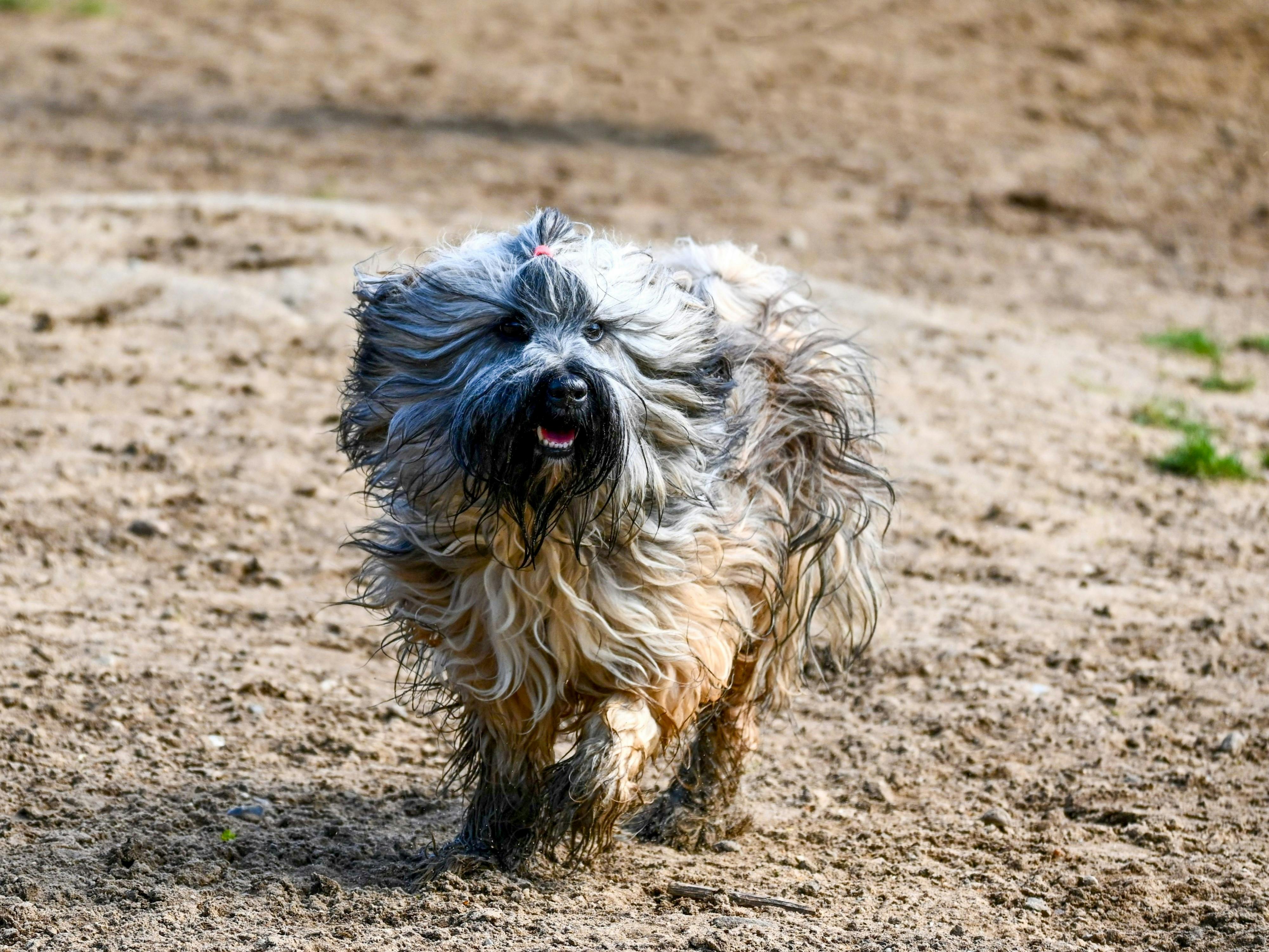 \n\n
\n\nEver wonder why your dog's nose is wet? You might of heard that a wet nose means a happy dog, but turns out, it ain't that simple. There's a lot more to your furry friend's snout than just moisture. Dogs noses are fascinating, and understanding what they tell us about their mood can be useful for any dog parent. So, let's dive into this common myth and uncover the truth behind why do dogs have wet noses.
\nThe Science Behind a Dog's Wet Nose
\nDogs have wet noses primarily due to a couple of reasons. First off, the moisture helps them smell better. You see, dogs have an incredible sense of smell, and having a wet nose enhances their olfactory abilities. When the nose is moist, it traps scent particles, making it easier for dogs to identify different smells. This is why they sometimes sniff everything like they are on a mission!
\nAlso, a dog's nose plays a role in regulating their body temperature. Unlike humans who sweat, dogs don't have sweat glands all over their bodies. Instead, they cool down through panting and through their noses. A wet nose helps to cool the air they breathe in, which can help keep them from overheating.
\nThe Myth of Mood Indicators
\nMany dog owners think that a wet nose equals a happy dog. But that ain't the whole story. While a wet nose can indicate a dog is healthy and well, it can't be the sole indicator of their mood. Dogs communicate in various ways, like through body language, vocalizations, and even their eyes.
\nHere’s a quick list of other signs that might better indicate how your dog is feeling:
\n- \n
- Tail Position: A wagging tail often means they are excited, while a low tail can indicate fear or submission. \n
- Ears: Erect ears might show interest or alertness, while flattened ears can be a sign of stress. \n
- Body Posture: A relaxed body suggests comfort, whereas a tense or stiff body may suggest anxiety or aggression. \n
- Vocalizations: Barking, whining, or growling can communicate a range of emotions from happiness to distress. \n
Why Do Dogs Have Wet Noses? The Benefits
\n- \n
- \n
Enhanced Smell: As mentioned earlier, moisture helps trap scent particles. This is crucial for dogs since they rely heavily on their sense of smell to understand their environment.
\n \n - \n
Cooling Mechanism: Dogs can’t sweat like humans, so a wet nose helps to cool them down. This is especially important during hot weather or after exercise.
\n \n - \n
Health Indicator: A healthy dog usually has a moist nose. If it becomes dry or cracked, it may signal a medical issue, although there can be exceptions.
\n \n - \n
Social Interaction: Dogs often greet each other with nose touches. A wet nose is a friendly gesture, helping to establish social bonds among canines.
\n \n - \n
Fluid Regulation: The moisture on a dog's nose comes from secretions that help keep the nasal passages moist, which is vital for proper respiratory function.
\n \n
Historical Context of Dog Noses
\nDogs have been companions to humans for thousands of years, and their noses have played a key role in their working lives. Historically, they were bred for specific tasks like hunting, herding, or guarding, all of which relied on their exceptional sense of smell.
\nA dog's nose can have as many as 300 million scent receptors, compared to humans who only have about 5 million. This extraordinary capability is why dogs have been used in various roles, from search and rescue to detection of drugs or explosives. Their wet noses became a tool for survival and communication long before they became beloved pets.
\nFun Facts About Dog Noses
\n- \n
- Dogs can smell certain substances at incredibly low concentrations. For instance, they can detect a single drop of blood in an Olympic-sized swimming pool. \n
- The pattern of a dog’s nose print is unique, much like a human fingerprint. \n
- Puppies are often born with pink noses which darken as they age. \n
- Certain breeds, like Bloodhounds, are known for their exceptional sense of smell and can track scents over long distances. \n
Understanding why do dogs have wet noses and their significance can help you connect better with your furry friend. While it can be tempting to rely solely on that wet nose to gauge their mood, remember to look at the whole picture. Dogs express themselves in many ways, and learning to read those signals can lead to a happier, healthier relationship. So next time you give your pup a scratch behind the ears, take a moment to appreciate that wet nose and everything it represents!
\n\nConclusion
\n\nIn conclusion, the wet noses of dogs serve several essential purposes that contribute to their overall health and sensory capabilities. The moisture on their noses helps enhance their sense of smell, allowing them to detect scents more effectively, which is vital for communication and understanding their environment. Additionally, a wet nose can indicate a dog's emotional state, showcasing their excitement or contentment when interacting with their human companions. It's also worth noting that a wet nose can help regulate their body temperature, acting as a cooling mechanism. Understanding these aspects of your dog's nose can deepen the bond between you and your furry friend. So, the next time you feel your dog's cold, wet nose against your hand, remember that it's a sign of their unique biology and emotional connection. Embrace this trait and take a moment to appreciate the fascinating ways in which your pet communicates and interacts with the world around them.
\n\n