Have you ever wondered, why do dogs have wet noses? This intriguing question has captivated pet owners and animal lovers alike. Dogs’ noses are not just cute; they serve important purposes that are fascinating to discover! A dog's wet nose is often a sign of health, but it also plays a crucial role in their ability to smell and interact with the world around them. Did you know that a dog’s sense of smell is up to 100,000 times more powerful than humans? This incredible ability is partially due to the moisture on their noses, which helps to enhance their olfactory receptors. But what other secrets does a wet nose hold? In this blog post, we will explore the surprising reasons behind this common canine feature and unravel the science of why dogs’ noses are always moist. You might be amazed by what you learn! So, if you're curious about your furry friend's anatomy or simply want to impress your friends with fun facts, keep reading to discover the fascinating secrets of why do dogs have wet noses!
\n\nThe Science Behind Canine Moisture: Why Are Dog Noses Wet and What Does It Mean?
\n\n \n\n
\n\nEvery dog owner has noticed their furry friend’s wet nose at some point. It’s kinda cute, right? But have you ever stopped to think, “Why do dogs have wet noses?” or “What is the science behind canine moisture?” It’s more than just a quirky feature; there’s a lot going on under the surface. Let’s dive into the fascinating secrets behind why dog noses are wet.
\nThe Biology of Dog Noses
\nDogs have wet noses mainly because of the moisture they secrete. This moisture, often from a combination of sweat and mucous, serves several purposes. Here’s a list of reasons:
\n- \n
- \n
Enhanced Smell: A wet nose helps to absorb scent particles from the air, making it easier for dogs to smell things. Their sense of smell is way more powerful than ours, and a wet surface enhances that ability.
\n \n - \n
Temperature Regulation: Just like how humans sweat to cool down, dogs can lose heat through their noses. This moisture evaporates and helps them to regulate their body temperature, especially on hot days.
\n \n - \n
Health Indicator: A dog’s nose can tell you a lot about their health. A healthy nose is usually moist and cool, while a dry or cracked nose can indicate dehydration or illness.
\n \n
Historical Context of Dog Noses
\nDogs have been domesticated for thousands of years. Historically, their wet noses have been an essential part of their survival. In the wild, dogs rely on their sense of smell to find food and detect predators. A moist nose helps them pick up scents more effectively. Ancient hunting dogs, for instance, depended on their keen sense of smell to track down prey, and their wet noses played a crucial role in this.
\nComparison: Dog Noses vs. Human Noses
\nWhen comparing dog noses to human noses, the differences are striking. Here’s a simple rundown:
\n| Feature | \nDog Nose | \nHuman Nose | \n
|---|---|---|
| Moisture Level | \nAlways moist | \nUsually dry | \n
| Smell Sensitivity | \nHighly sensitive (10,000-100,000 times more than humans) | \nLess sensitive | \n
| Temperature Control | \nHelps regulate body heat | \nMinimal role | \n
This table illustrates how dog noses not only serve different functions but also are adapted to their environmental needs.
\nFun Facts About Dog Noses
\nDid you know that every dog’s nose print is unique, just like human fingerprints? It’s true! Here are some more fun facts about dog noses that might surprise you:
\n- \n
- \n
Color Variations: Dog noses come in various colors, including black, brown, and pink. The color can sometimes indicate breed traits or health issues.
\n \n - \n
Scent Detective: Dogs can detect certain diseases, including cancer and diabetes, just by smelling. Their wet noses play a vital role in this extraordinary ability.
\n \n - \n
Nasal Turbinates: Inside a dog’s nose, there are structures called nasal turbinates that help filter and warm the air. This system further aids in scent detection.
\n \n
Practical Examples of Nose Moisture
\nYou might wonder how to monitor your dog’s nose health. Here’s a short checklist:
\n- \n
- \n
Observe Moisture Levels: Regularly check if your dog’s nose is moist and cool.
\n \n - \n
Look for Changes: Notice if the nose becomes excessively dry, cracked, or warm, as those can be signs of health issues.
\n \n - \n
Hydration: Ensure your dog is well-hydrated, especially in hot weather. Dehydration can lead to a dry nose.
\n \n
The Importance of Regular Vet Visits
\nKeeping an eye on your dog’s nose is just one part of caring for your furry friend. Regular vet visits are crucial. Here’s why:
\n- \n
- \n
Preventive Care: Regular check-ups can help catch health issues early.
\n \n - \n
Vaccinations and Treatments: Keeping your dog up to date on vaccinations ensures their overall health, which can reflect on their nose quality.
\n \n - \n
Nutrition Advice: A vet can provide recommendations on diet, which can impact hydration and overall well-being.
\n \n
Understanding why dogs have wet noses can deepen your appreciation for these wonderful creatures. Their moist noses are not just an adorable feature; they are a vital part of their biology and health. So, the next time you give your pup a scratch behind the ears, take a moment to appreciate their fascinating nose and all the science that comes along with it.
\n\n5 Fascinating Reasons Your Dog's Wet Nose Is More Than Just Cute
\n\n \n\n
\n\nHave you ever wondered why your dog's nose is always wet? It’s not just for show or cuteness factor. Dogs have wet noses for a bunch of fascinating reasons that go beyond the adorable. If you’re curious about this unique feature of our furry friends, you’re in for a treat! Let’s dive into some intriguing facts about why dogs have wet noses and uncover the secrets behind this phenomenon.
\n1. Sense of Smell Enhancement
\nOne of the primary reasons dogs have wet noses is that it helps enhance their sense of smell. A wet nose can capture scent particles more effectively than a dry one. When a dog's nose is moist, it absorbs scents from the environment, which helps them detect various smells better. This is particularly important for hunting and tracking activities. The moisture on their nose helps to dissolve scent particles, which then interact with the olfactory receptors in their snouts.
\n2. Regulating Body Temperature
\nDid you know that dogs can also cool themselves off through their noses? Unlike humans, who primarily sweat to regulate body temperature, dogs rely on their noses. When their noses are wet, it provides a cooling effect. It’s like their own air conditioning system! If your dog is panting heavily on a hot day, you might notice their nose feels extra moist. This is a sign that they are trying to cool down.
\n- \n
- Dogs sweat through their paw pads, but their noses help too. \n
- A wet nose can indicate that your dog is feeling comfortable and relaxed. \n
- If a dog’s nose is dry and warm, it might be a signal to check if they are overheating. \n
3. Communication Tool
\nDogs also use their noses to communicate. When they meet other dogs, they often sniff each other's noses, which is a way of gathering information about their potential friends or rivals. The moisture on their noses allows them to pick up on pheromones and other scent markers that convey messages about the dog’s health, diet, and mood.
\n- \n
- Sniffing is social behavior among dogs. \n
- A nose sniff can tell a dog if another is friendly or aggressive. \n
- Understanding dog communication can help reduce conflicts during playtime. \n
4. Health Indicators
\nThe condition of a dog’s nose can be a reflection of their health. A wet and cool nose is usually a sign that a dog is healthy and hydrated. However, if you notice significant changes, like a dry, cracked, or unusually warm nose, it could signal health issues. For example, a very dry nose may indicate dehydration, fever, or even allergies. Monitoring your dog’s nose can be an early indicator of health concerns.
\nHere are some health indicators you might observe:
\n- \n
- Wet and cool: Healthy and hydrated. \n
- Dry or cracked: Possible dehydration or illness. \n
- Warm or hot: Could indicate fever. \n
5. Evolutionary Advantage
\nFinally, the wet nose is an evolutionary trait that has helped dogs survive and thrive over generations. Early canines developed this feature to aid in hunting and survival. A wet nose not only helps them smell better but also assists in detecting changes in their environment. The ability to pick up scents from dew or rain on the ground can be crucial for finding food or avoiding predators.
\n- \n
- Wet noses have been beneficial for dogs in the wild. \n
- Enhanced scent detection can lead to better hunting success. \n
- Evolution has favored dogs with wet noses for survival. \n
Fun Facts About Dog Noses
\n- \n
- Dogs have an estimated 220 million scent receptors in their noses, compared to about 5 million in humans. \n
- Each dog has a unique nose print, similar to a human fingerprint. \n
- Bloodhounds can track scents that are up to 300 hours old! \n
Understanding the reasons behind your dog’s wet nose can deepen your appreciation for these amazing creatures. Next time you see your pup with a wet nose, remember, it’s not just cute; it’s nature’s way of enhancing their senses, keeping them cool, and communicating effectively. So, the next time someone asks, "Why do dogs have wet noses?", you can share these fascinating secrets that underline the importance of this unique characteristic. Embrace the quirks of your beloved pet and keep learning about the wonders of the canine world!
\n\nIs a Wet Nose a Sign of a Healthy Dog? Discover the Truth Here!
\n\n \n\n
\n\nWhen you see your dog with a nice, wet nose, you might wonder if it's a sign of good health. Many people think a wet nose means your furry friend is feeling great, but is that really true? In this article, we will explore the reasons behind why dogs have wet noses, the health implications, and some interesting facts that might surprise you.
\nWhy Do Dogs Have Wet Noses?
\nDogs have wet noses for several reasons, and it’s not just because they got caught in the rain! Here some common reasons:
\n- \n
- \n
Cooling Mechanism: Dogs don’t sweat like humans do. Instead, they use their noses to help regulate their body temperature. A wet nose can help keep them cool on hot days.
\n \n - \n
Sense of Smell: A wet surface helps to trap scent particles better. This is why dogs often sniff and lick their noses; it enhances their ability to smell.
\n \n - \n
Health Indicator: While a wet nose is often associated with a healthy dog, it’s important to note that it’s not the only indicator of health.
\n \n
The Fascinating Secrets Behind a Dog’s Nose
\nDid you know that a dog’s nose is unique, just like a human fingerprint? Each dog has a distinct nose print. Here are more fun facts about dog noses:
\n- \n
- \n
Nasal Structure: A dog’s nose is filled with millions of scent receptors. In fact, dogs have up to 300 million olfactory receptors, whereas humans have about 5 million.
\n \n - \n
Temperature Regulation: The moisture on a dog’s nose helps them cool down, but it also helps them feel the surrounding environment.
\n \n - \n
Licking Behavior: Dogs lick their noses often. This is not just a quirk; it helps keep their sense of smell sharp and can also be a sign of anxiety or excitement.
\n \n
Is a Wet Nose a Sign of a Healthy Dog?
\nThe common belief that a wet nose means a healthy dog is somewhat true, but it can be misleading. Here’s the breakdown:
\n- \n
- \n
Normal vs. Abnormal: While a wet nose can indicate hydration and health, a dry or warm nose doesn’t automatically mean something is wrong. Dogs can have varying nose temperatures due to factors like activity level or the environment.
\n \n - \n
Signs of Illness: If your dog’s nose suddenly becomes dry, cracked, or hot, it could be a sign of illness. Other symptoms to watch for include lethargy, vomiting, or changes in appetite.
\n \n - \n
Regular Check-Ups: Regular vet check-ups are essential to ensure your dog’s overall health, regardless of the state of their nose.
\n \n
The Myths and Misunderstandings
\nThere’s a lot of misinformation about dog health, so let’s set the record straight about wet noses.
\n- \n
- \n
Myth: A Wet Nose Always Means Health: As we mentioned, a dog can be healthy with a dry nose. Factors like weather, where they are, and what they’re doing can affect it.
\n \n - \n
Myth: Only Sick Dogs Have Dry Noses: While a consistently dry nose can indicate issues, it’s not always the case. Some dogs simply have drier noses than others.
\n \n - \n
Myth: You Can Diagnose Illness by Nose Wetness: Never rely solely on nose moisture to determine your dog’s health. Always consult a veterinarian for proper diagnosis.
\n \n
Practical Tips for Dog Owners
\nTo keep your dog healthy, here are some practical tips you might find useful:
\n- \n
- \n
Hydration: Make sure your dog has plenty of fresh water. Dehydration can lead to a dry nose and other health issues.
\n \n - \n
Regular Exercise: Keep your dog active to promote overall health. Exercise can also help with temperature regulation.
\n \n - \n
Watch for Changes: Keep an eye on your dog’s nose and overall behavior. Any sudden change might warrant a trip to the vet.
\n \n - \n
Seasonal Care: In winter, noses can become chapped due to dry air. Consider using a nose balm designed for pets.
\n \n
As a dog owner, understanding your pet’s health indicators is crucial. While a wet nose can be a good sign, it’s not the definitive measure of a dog’s health. Always pay attention to your dog's overall behavior and consult with a veterinarian if you notice any changes. Your furry friend relies on you to keep them happy and healthy, so stay informed and proactive!
\n\nThe Mystery of Dog Noses: How Moisture Helps Your Pup Sense the World
\n\n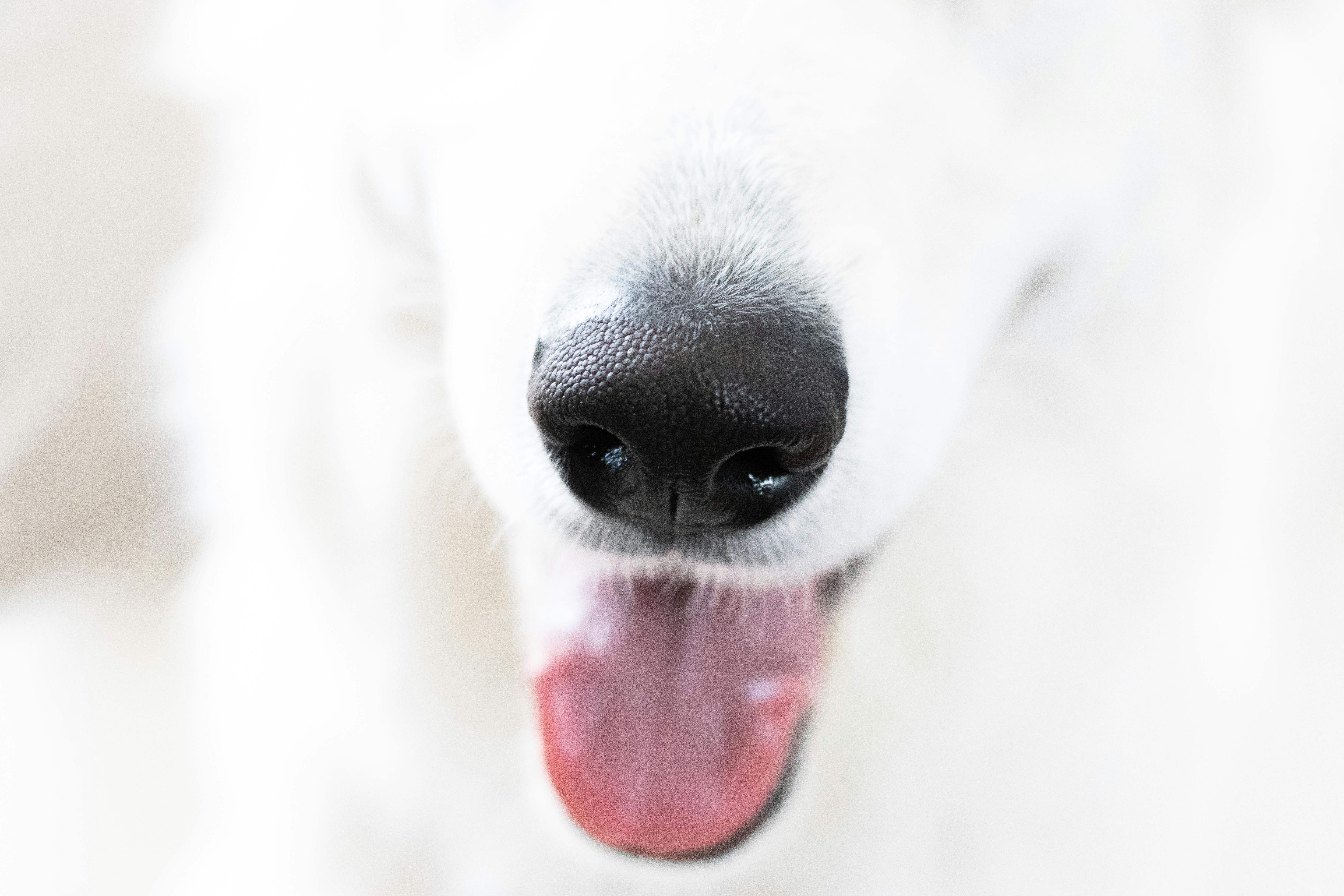 \n\n
\n\nEver wondered why dogs have wet noses? This small feature on their face holds a lot of significance for their ability to interact with the world around them. It's not just some cute trait; there’s a whole mystery behind those moist, black noses. Understanding this can help dog owners appreciate their furry companions even more.
\nThe Science Behind Dog Noses
\nFirst off, let’s talk about the anatomy of a dog’s nose. The surface of a dog’s nose is covered in a thin layer of moisture. This moisture is crucial for dogs as it helps them to detect scents more effectively. When a dog sniffs something, the moisture on their nose traps scent particles, which then interact with olfactory receptors in their nasal cavity. This is why they can smell things we can’t even begin to imagine.
\n- \n
- Olfactory Receptors: Dogs have approximately 220 million olfactory receptors compared to about 5 million in humans. \n
- Scent Sensitivity: They can differentiate between scents better than humans. They can even smell certain diseases, like cancer or diabetes, just by sniffing a person’s breath or skin. \n
- Moisture Effect: The moisture on the nose helps to absorb scent particles, enhancing their ability to smell. \n
Why Do Dogs Have Wet Noses?
\nNow let’s answer the big question: why do dogs have wet noses? It’s not just for show! There are several reasons:
\n- \n
- Temperature Regulation: A wet nose can help cool a dog down. Dogs don’t sweat like humans do, so having a moist nose helps regulate their body temperature. \n
- Enhanced Smelling Ability: The moisture helps capture scent particles, making their sense of smell more acute. The wetter the nose, the better they can smell. \n
- Communication Tool: Dogs often use their noses to communicate with other dogs. A wet nose can indicate excitement or curiosity. \n
- Health Indicator: The condition of a dog’s nose can also reflect their health. A dry or cracked nose might indicate dehydration or illness, while a wet nose is often a sign of a healthy pup. \n
Fun Facts About Dog Noses
\nHere’s a quick list of interesting tidbits about dog noses you probably didn’t know:
\n- \n
- Unique Patterns: Just like human fingerprints, each dog’s nose print is unique. This means you could potentially identify a dog by their nose alone! \n
- Nasal Turbinates: Dogs have complex structures in their noses called turbinates, which increase the surface area and help them smell better. \n
- The Wet Nose Phenomenon: Puppies are born with dry noses, and they typically become moist as they grow older. \n
Health Considerations for Dog Noses
\nDog owners should keep an eye on their pup's nose. Here’s a quick checklist of things to look for:
\n- \n
- Moisture: Is the nose consistently wet? If it’s dry for long periods, it may indicate a health issue. \n
- Color Changes: A healthy nose is usually dark, but any sudden changes in color could be a sign of trouble. \n
- Cracking or Bleeding: This could indicate dehydration, allergies, or other health issues. \n
- Discharge: Any unusual discharge from the nose should be checked out by a veterinarian. \n
Comparison of Dog Noses with Other Animals
\nDogs aren’t the only animals with unique nasal features. Here’s how their noses compare to some other pets:
\n| Animal | \nNumber of Olfactory Receptors | \nNose Characteristics | \n
|---|---|---|
| Dogs | \n220 million | \nWet and cold, great for scenting | \n
| Cats | \n5 million | \nDry and warmer, still good at smelling | \n
| Elephants | \n2,000,000 | \nStrong sense of smell, uses trunk | \n
| Mice | \n1 million | \nExcellent smell, used for foraging | \n
Dogs are truly fascinating creatures, and their wet noses are just one of the many things that make them special. The moisture on their noses isn’t just an adorable trait; it plays a vital role in enhancing their sensory perception and communication.
\nSo next time you pet your dog, take a moment to appreciate that wet nose. It’s not just a cute feature—it's a powerful tool that helps them sense the world in ways we can only dream of. Understanding this can deepen the bond you share with your four-legged friend.
\n\n10 Surprising Facts About Dog Noses That Will Change How You See Your Pet
\n\n \n\n
\n\nEver wonder why your dog's nose is always wet? It's one of those little things that you probably never think about until you really stop to question it. Dogs are such fascinating creatures, and their noses are just one of the many aspects that make them so unique. In this article, we will explore 10 surprising facts about dog noses that could change how you see your furry friend. Let's dive into the intriguing world of canine noses and unravel their fascinating secrets!
\n1. The Wetness Explained
\nSo, why do dogs have wet noses? One of the main reasons is that a wet nose helps dogs to smell better. Their noses contain moisture which helps to capture scent particles in the air. When they lick their noses, they enhance this ability even more. This is why you often see dogs licking their noses after sniffing something interesting!
\n2. An Incredible Sense of Smell
\nDogs have an astonishing sense of smell, which is estimated to be anywhere from 10,000 to 100,000 times more sensitive than that of humans. This is partly due to the structure of their noses. They have more olfactory receptors than humans do, which allows them to detect scents at incredibly low concentrations.
\n3. Unique Nose Prints
\nJust like human fingerprints, every dog has a unique nose print. The pattern of ridges and creases on a dog's nose can be used to identify them. Some organizations even use nose prints as a means of identifying lost dogs.
\n4. Temperature Regulation
\nDid you know that a dog's nose can help regulate their body temperature? When a dog is overheated, they can lick their nose to help cool themselves down. The moisture evaporates, which helps dissipate heat. This is why it’s important for dogs to stay hydrated, especially in warm weather.
\n5. Nose Color Changes
\nA dog's nose color can change depending on various factors. For example, certain breeds have a tendency to develop a "winter nose," where their nose lightens during colder months and darkens in the summer. This phenomenon is known as "snow nose" and is perfectly normal!
\n6. Health Indicators
\nA dog's nose can also indicate their health status. A warm, dry nose might suggest that your dog is sick or dehydrated while a cold, wet nose is usually seen as a sign of a healthy dog. However, this isn't a definitive rule, as every dog is different.
\n7. The Role of Genetics
\nThe size and shape of a dog's nose can reveal a lot about their breed and genetics. Breeds like Bloodhounds and Beagles have long noses that enhance their smelling abilities, while breeds like Bulldogs have shorter noses. The differences in nose shapes are not just for looks; they have practical implications too!
\n8. Dogs Can Smell Emotions
\nBelieve it or not, dogs can actually sniff out human emotions. Research has shown that dogs can detect the scent of stress hormones, like cortisol, which helps them sense when their owners are feeling anxious or upset. This ability makes dogs great companions and emotional support animals.
\n9. Nose Sensitivity
\nInterestingly, the wetness of a dog’s nose contributes to its sensitivity. The moisture on the surface allows for better absorption of scent particles. This is why dogs often sniff around when exploring new environments; they're gathering as much information as possible!
\n10. The Importance of Smell in Communication
\nDogs use their sense of smell not just for detecting scents but also for communication. They can identify other dogs by their scent and can even tell if a dog is male or female just by sniffing. This is why your dog may seem more interested in sniffing other dogs at the park than just playing!
\nFinal Thoughts
\nDogs are remarkable creatures, and their noses play a vital role in their lives. Understanding the function and significance of a dog's nose can deepen your appreciation for your furry friend. Next time you give your pup a pat on the head, remember that their wet nose is not just an adorable feature; it’s a powerful tool that helps them navigate the world around them. Embrace the quirks of your dog’s nose and recognize the incredible capabilities it holds. Who knew that such a small part of your pet could be so full of surprises?
\n\nHow to Interpret Your Dog’s Wet Nose: Signs of Health or Something More?
\n\n \n\n
\n\nWhen you see your furry friend with a cold, wet nose, it often makes you smile. But have you ever wondered what that wetness means? Understanding your dog's wet nose can be key to their health and well-being. In this article, we'll explore why dogs have wet noses, what their wet noses might indicate about their health, and some fascinating secrets about our canine companions.
\nWhy Do Dogs Have Wet Noses?
\nDogs have wet noses for a variety of reasons, and it’s more than just a cute feature. Here are some primary reasons:
\n- \n
- Temperature Regulation: A dog's nose plays a role in helping them cool down. The moisture on their nose aids in evaporation, which helps regulate their body temperature. \n
- Sense of Smell: Dogs have an incredible sense of smell, and the wetness on their noses helps to trap scent particles. This enhances their olfactory abilities, allowing them to detect smells more effectively. \n
- Health Indicator: The condition of a dog's nose can be an indicator of their health. A healthy dog usually has a moist, cool nose. Changes in this could suggest health issues. \n
Signs of Health or Something More?
\nA wet nose doesn't always mean that everything is fine with your dog. Here are some signs you should pay attention to:
\n- \n
- Dry Nose: If your dog's nose is unusually dry, it could indicate dehydration, fever, or even a serious illness. \n
- Cracked Nose: Cracks or sores on the nose could signify allergies, infections, or sunburn. \n
- Excessive Moisture: Overly wet noses could be a sign of nasal discharge due to infections or allergies. \n
How to Interpret Your Dog’s Nose Condition
\nTo know what your dog’s wet nose is telling you, it’s essential to observe any changes. Here’s a quick guide:
\n| Nose Condition | \nPossible Meaning | \nAction to Take | \n
|---|---|---|
| Wet & Cool | \nHealthy | \nNo action needed | \n
| Dry & Warm | \nPossible fever | \nMonitor temperature, vet visit if persists | \n
| Cracked | \nAllergies or sunburn | \nConsult your vet | \n
| Excessively Wet | \nPossible infection or allergies | \nSchedule a vet appointment | \n
Fascinating Secrets About Dog Noses
\nDog noses are not just adorable; they come with some amazing features that many people don’t know about:
\n- \n
- Unique Nose Prints: Just like human fingerprints, every dog has a unique nose print. It can actually be used to identify them! \n
- Nose Heat Sensors: Dogs can detect changes in temperature through their noses, which helps them sense their environment. \n
- Nasal Turbinates: The complex structure of a dog’s nose, called nasal turbinates, allows them to filter and warm the air they breathe, which is vital for their respiratory health. \n
Practical Tips for Dog Owners
\nTo ensure your dog’s nose stays healthy, here are some tips:
\n- \n
- Stay Hydrated: Make sure your dog has access to fresh water at all times. Dehydration can cause a dry nose. \n
- Protect from Sun: Just like humans, dogs can get sunburned. Use pet-safe sunscreen on their noses if they’re going to be outside for long periods. \n
- Regular Check-Ups: Routine vet visits help catch any potential health issues early on, so keep up with those appointments. \n
What to Do If You Notice Changes
\nIf you see any unusual changes in your dog's nose, it might be a good idea to take them to a vet. Some changes can be harmless, but others might require attention. Always trust your instinct; if something seems off, it’s better to be safe than sorry.
\nWhen it comes to understanding your dog’s health, their nose can tell you a lot. A wet nose is often a sign of health, but it’s important to pay attention to any changes. By keeping an eye on your furry friend’s nose and overall behavior, you can help ensure they stay healthy and happy. So next time you give your pup a cuddle, take a moment to appreciate that little wet nose and what it reveals about their well-being!
\n\nCan a Dog's Wet Nose Predict Weather? Unraveling the Myths and Facts
\n\n \n\n
\n\nCan a dog's wet nose predict weather? This question has intrigued many pet owners and animal lovers alike. Dogs have always been known for their unique behaviors, and their wet noses seem to be one of those peculiar traits that spark curiosity. Some people believe that a wet nose can indicate changes in the weather, while others are skeptical about this idea. So, let’s dive into the myths and facts about our furry friends’ noses, and unravel why they are wet in the first place.
\nThe Myth: Dogs and Weather Prediction
\nMany folks swear that their dogs can sense a storm coming. They say their pets act differently before bad weather, like becoming restless or seeking shelter. But is there any truth to this?
\n- \n
- Dogs have excellent senses, particularly their sense of smell. They can detect changes in the environment that humans might overlook. \n
- Some believe that dogs might be able to sense changes in atmospheric pressure, which can predict weather changes. But, there is no concrete scientific evidence to back this up. \n
- It's also possible that dogs react to the sounds or smells associated with an approaching storm. \n
So while it might seem like your dog knows the weather, it could just be their heightened senses at work, rather than a magical ability to predict the rain.
\nWhy Do Dogs Have Wet Noses?
\nDogs' noses are moist for several reasons, and understanding this can give us insight into our canine companions. Here are some fascinating facts:
\n- \n
- Enhanced Sense of Smell: A wet nose helps dogs capture scent particles more effectively. When their nose is moist, it can better absorb scents in the air. \n
- Temperature Regulation: Dogs do not sweat like humans do. Instead, they cool off through their nose and paw pads, so moisture helps in regulating their body temperature. \n
- Health Indicator: A dog’s nose can sometimes indicate their health. A wet nose is generally a sign of a healthy dog, while a dry nose may suggest dehydration or illness. However, this isn't always the case, as various factors can affect nose moisture. \n
The Science Behind Dogs’ Noses
\nDogs' noses are not just cute; they are complex and serve many functions. Here's a closer look:
\n- \n
- Nasal Structure: A dog's nose contains a large number of olfactory receptors. Studies show that dogs have around 220 million scent receptors compared to humans’ 5 million. This makes their sense of smell 40 times better than ours! \n
- Cooling Mechanism: Dogs have sweat glands, but they are mainly located in their paw pads. Their moist noses help them cool down on hot days and maintain a comfortable body temperature. \n
- Behavioral Aspects: Dogs use their noses to gather information about their environment. They often sniff to explore, communicate, and even find food. \n
Fun Facts About Dog Noses
\n- \n
- Unique Patterns: Just like human fingerprints, every dog has a unique nose print. This can be used for identification. \n
- Nose Color: The color of a dog's nose can vary widely, from black to pink, and it can change with seasons or health conditions. \n
- Wetness Variation: The moisture level can change throughout the day based on activity, temperature, and even the dog’s diet. \n
How to Care for Your Dog's Nose
\nTaking care of your dog's nose is important for their overall health. Here are some tips:
\n- \n
- Hydration: Ensure your dog drinks enough water to keep their nose moist and healthy. \n
- Check Regularly: Monitor your dog's nose for cracks or dryness, which can indicate health problems. If you notice significant changes, consult with a veterinarian. \n
- Avoid Irritants: Keep your dog away from harsh chemicals or extreme weather conditions that can affect their nose moisture. \n
Myths vs. Facts: Quick Comparison
\nHere’s a quick look at some common myths about dogs’ noses versus the facts:
\n| Myth | \nFact | \n
|---|---|
| Dogs can predict the weather. | \nDogs can sense changes but not predict. | \n
| A dry nose means illness. | \nA dry nose can be normal; context matters. | \n
| All wet noses are healthy. | \nWetness can vary but isn't the only indicator of health. | \n
Dogs are fascinating creatures with a lot of interesting traits. Their wet noses are just one of the many things that make them so special. While the idea that a dog’s nose can predict the weather is more myth than fact, it doesn’t diminish the incredible sensory abilities these animals possess. Understanding our dogs better, including why they have wet noses, can deepen the bond we share with them and help us care for them more effectively. So next time you notice your dog’s wet nose, remember the fascinating reasons behind it!
\n\nWhy Do Dogs Lick Their Noses? The Hidden Secrets of Canine Behavior
\n\n \n\n
\n\nDogs are known for their quirky behaviors, and one of the most common habits is licking their noses. If you ever wonder why do dogs lick their noses, you’re not alone. Owners often find themselves asking, “What’s behind this behavior?” Also, why do dogs have wet noses? It turns out, this is not just a random trait but part of their fascinating biology and behavior.
\nThe Science Behind Nose Licking
\nDogs lick their noses for several reasons. First and foremost, it helps keep their noses moist. But, there’s more to it than just hydration. Here are some reasons broken down:
\n- \n
- Moisture Retention: Dogs have wet noses because it helps them absorb scent chemicals. A moist surface is more effective at trapping scents, which enhances their sense of smell. \n
- Temperature Regulation: Just like humans sweat, dogs can lose heat through their noses. Licking helps them cool down. \n
- Taste and Smell: Dogs have a keen sense of smell, and licking their noses can help them taste the things they’ve sniffed. It’s their way of sampling the environment. \n
- Communication: Sometimes, when dogs lick their noses, it can be a signal to other dogs or animals. It can indicate their mood or intentions. \n
Historical Context of Canine Behavior
\nHistorically, the behavior of licking their noses can be traced back to their wild ancestors. In the wild, dogs needed to keep their senses sharp for hunting and survival. A wet nose helped them identify food sources and potential threats. This instinctual behavior has persisted even as dogs became domesticated.
\nWhy Do Dogs Have Wet Noses?
\nThe wetness of a dog's nose serves several important functions. Here are the primary reasons for that signature moisture:
\n- \n
- Enhanced Olfactory Function: A wet nose can pick up scents better than a dry one. This is vital for hunting and exploring. \n
- Scent Marking: Dogs have scent glands in their noses. Licking helps spread their scent and mark their territory. \n
- Health Indicator: A dog's nose can indicate its health. A warm, dry nose might suggest fever or illness, while a cool, moist nose is often a sign of good health. \n
Fascinating Secrets About Canine Behavior
\nUnderstanding why dogs lick their noses can deepen the bond between you and your furry friend. Here are some interesting aspects about dog behavior related to their wet noses:
\n- \n
- Body Language: A dog’s licking can show submission or nervousness. If a dog licks its nose while being approached, it might be feeling anxious. \n
- Curiosity: Dogs are naturally curious creatures. They often lick things to explore new textures and tastes, which includes their own noses. \n
- Habitual Behavior: Some dogs develop a habit of licking their noses when they are bored or anxious. This can become a repetitive behavior. \n
Common Misconceptions
\nMany pet owners have misconceptions about dogs licking their noses. Here are a few to clear up:
\n- \n
- Not Just a Sign of Thirst: While a dog may lick its nose when thirsty, it doesn’t always mean they need water. It can be a natural part of their behavior. \n
- Not Always a Health Concern: A wet nose is typically a sign of a healthy dog, but if it’s excessively wet or has discharge, consult a vet. \n
- Licking Isn’t Always Bad: If a dog licks its nose frequently, it doesn’t necessarily mean they are stressed. It could simply be a part of their personality. \n
When to Be Concerned
\nThough most nose licking is normal, there are times when it can indicate a problem. Pay attention to these signs:
\n- \n
- Excessive Licking: If your dog won't stop licking its nose, it might be dealing with allergies or irritation. \n
- Changes in Nose Texture: If the nose becomes cracked, dry, or changes color, it’s best to see a vet. \n
- Behavioral Changes: If your dog is licking its nose more than usual and also showing signs of distress, it’s worth investigating. \n
Dogs licking their noses is a behavior deeply rooted in their biology and history. From enhancing their sense of smell to communicating their emotions, there's a lot going on behind this simple action. Understanding why dogs have wet noses and their licking habits can not only help you care for your pet better but also appreciate the unique quirks that make each dog special. So, the next time you catch your dog with that adorable, wet nose, remember all the fascinating secrets behind it!
\n\nThe Connection Between Wet Noses and Dog Emotions: What Your Pup Is Trying to Tell You
\n\n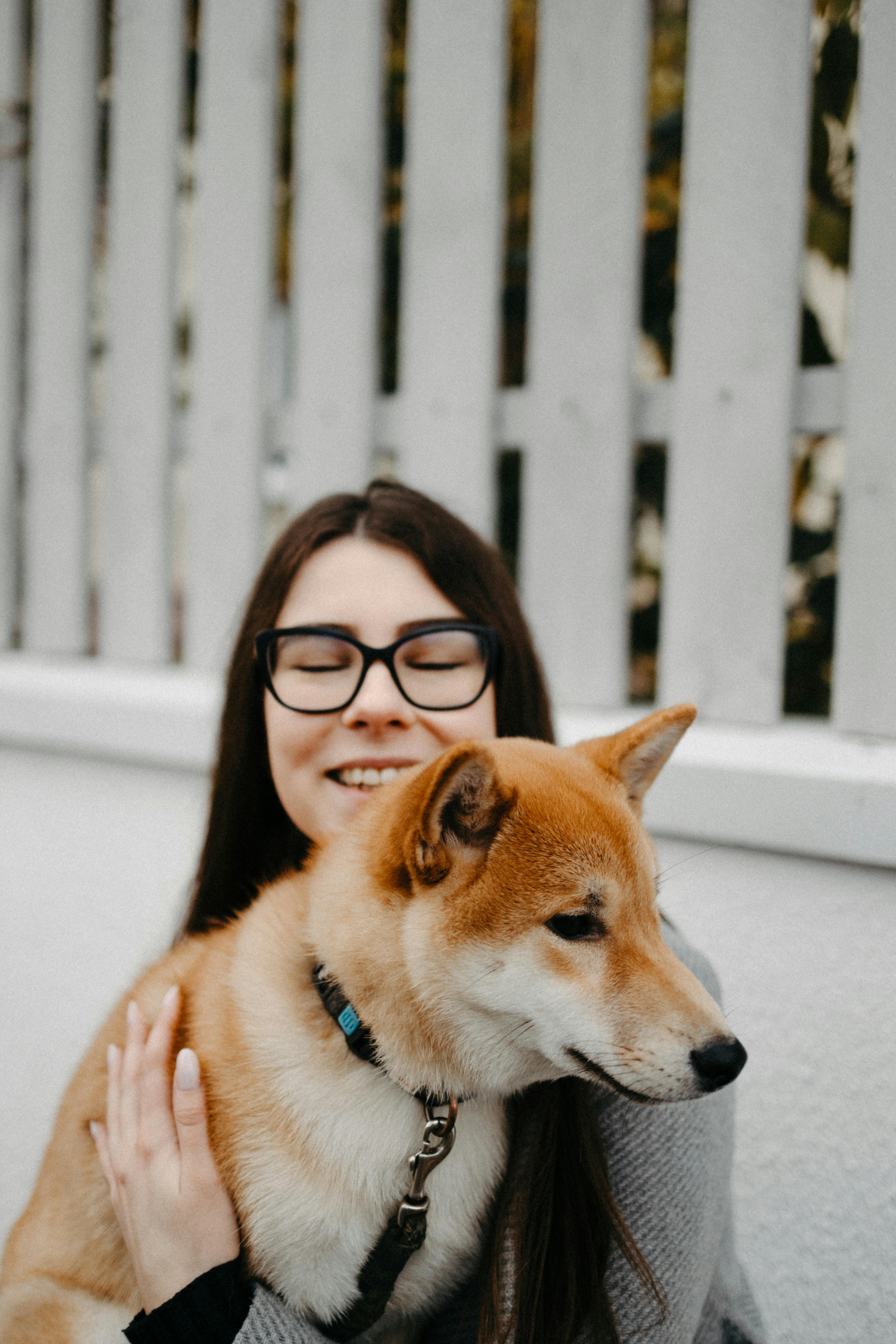 \n\n
\n\nDogs have been our companions for thousands of years, and their wet noses are often one of the first things we notice when we interact with them. But why do dogs have wet noses? Many people might thinks it just a quirky trait, however, there's much more to it than that. This article explores the connection between wet noses and dog emotions, revealing what your pup is trying to tell you and the fascinating secrets behind those moist little noses.
\nThe Science Behind Wet Noses
\nDogs noses are usually wet because of the secretion of mucus. This moisture serves several important purposes. First, it helps to enhance their sense of smell. Dogs have an extraordinary sense of smell, estimated to be between 10,000 to 100,000 times more acute than humans. A wet nose traps scent particles more effectively, allowing them to process smells better.
\nHere's a quick overview of the reasons dogs have wet noses:
\n- \n
- Enhanced Smell: Wetness helps to capture scent particles. \n
- Temperature Regulation: Dogs can cool down their body through evaporation from their noses. \n
- Health Indicator: Changes in nose moisture can indicate health issues. \n
What Your Pup Is Trying to Tell You
\nWhen your dog approaches you with a wet nose, it’s not just a random occurrence. The moisture can communicate various emotions and messages. Here’s what you might want to consider:
\n- \n
- Affection: Dogs often nudge you with their wet noses as a sign of love and attention. It's their way of saying, "Hey, I'm here! Pay attention to me!" \n
- Curiosity: A wet nose is often accompanied by sniffing. When your dog’s nose is wet, it might be trying to gather information about something new or interesting. \n
- Anxiety or Stress: If your dog is excessively licking or has a constantly wet nose, it might be feeling anxious or stressed. \n
The Emotional Connection
\nDogs use their noses to communicate feelings. Here’s a closer look:
\n- \n
- Happy Dogs: When a dog is excited or happy, it may have a wet nose and wagging tail. They might come up to you, nudge you with their nose, or even give you a gentle lick. \n
- Nervous Dogs: Conversely, if a dog is feeling anxious, its nose might be more dry than usual. They may avoid eye contact and stay away from you. \n
- Playful Dogs: During playtime, a dog's nose is usually wet and they may use it to poke at you or other pets. This is a sign of engagement and fun! \n
Historical Perspectives
\nThe wet nose in dogs has also intrigued humans throughout history. Ancient civilizations like the Egyptians and Greeks recognized dogs as loyal companions and guardians. They noted that a dog’s health could be gauged by the moisture in its nose.
\nIn some cultures, a wet nose was considered a sign of vitality, while a dry nose could be taken as a warning sign. This historical context enriches our understanding of what those wet noses meant to our ancestors.
\nPractical Insights for Dog Owners
\nAs a dog owner, it’s essential to pay attention to your pet’s nose and overall behavior. Here’s a list of things you can do:
\n- \n
- Check for Changes: If you notice a significant change in your dog’s nose moisture, it might be worth consulting a vet. \n
- Stay Observant: Watch how your dog’s nose reacts to different situations. Is it wet when they are happy, or does it dry up when they are scared? \n
- Engage with Your Dog: Use their natural tendency to nudge with their noses as a cue to spend more time with them. \n
Fun Facts About Dog Noses
\n- \n
- Dogs have more olfactory receptors than humans—approximately 220 million compared to our 5 million. \n
- Their noses are unique, much like human fingerprints. Each dog’s nose print is different! \n
- Dogs can even detect certain diseases, like cancer and diabetes, through their sense of smell. \n
Understanding the connection between wet noses and dog emotions can deepen your bond with your furry friend. Every time you see that wet nose, remember that it’s more than just a cute feature. It’s a window into their emotions, health, and what they’re trying to communicate to you. So next time you cuddle with your pup and feel that wet nose, take a moment to appreciate the fascinating world of canine emotions and the secrets they hold.
\n\nWet Nose Wonders: How Understanding Canine Anatomy Can Improve Your Dog's Health
\n\n\n\nDogs are often considered man's best friend, but their wet noses are one of the most fascinating features that sets them apart. Why do dogs have wet noses? Understanding this unique aspect of canine anatomy can provide insights into their health and overall well-being. Wet noses aren't just an endearing quality; they also play a significant role in how dogs interact with the world around them.
\nThe Anatomy of a Dog's Nose
\nA dog's nose is a complex organ that serves multiple purposes. It's not just about smelling — which, by the way, dogs can do up to 100,000 times better than humans! Here’s a breakdown of the key components of a dog's nose:
\n- \n
- Olfactory Receptors: Dogs have approximately 220 million olfactory receptors, compared to a human’s 5 million. This makes their sense of smell incredibly acute. \n
- Moisture: The moisture on a dog's nose helps to capture scent particles, enhancing their ability to detect different smells. \n
- Nasal Turbinates: These are scroll-like structures inside the nose that help warm and humidify the air before it reaches the lungs. \n
Why Do Dogs Have Wet Noses?
\nSo, why do dogs have wet noses? There are several reasons, and they all relate to their health and senses.
\n- \n
- \n
Scent Enhancement: A wet surface on the nose can trap scent molecules better, providing a clearer sense of the environment. Dogs use their noses to gather information about their surroundings, and moisture plays a crucial role in that.
\n \n - \n
Thermoregulation: Dogs don’t sweat like humans do. Instead, they cool down by panting and through their noses. A wet nose can help regulate their body temperature more effectively.
\n \n - \n
Health Indicator: The moisture level of a dog’s nose can be an indicator of their health. A dry or cracked nose might suggest dehydration, illness, or other health issues.
\n \n - \n
Communication: Dogs often use their noses to interact with other dogs and humans. A wet nose can be a sign of excitement or affection, which is why you often feel it when they greet you!
\n \n
Fascinating Facts About Dog Noses
\n- \n
- \n
Unique Patterns: Just like human fingerprints, every dog’s nose print is unique. This has led to some using them as a form of identification.
\n \n - \n
Color Changes: The color of a dog’s nose can change with age, health, or even seasonal changes. For example, some dogs may develop a "winter nose" that becomes lighter during colder months.
\n \n - \n
Breeds and Noses: Different breeds have distinct nose shapes and sizes, which can affect their sense of smell and overall health. Short-nosed breeds, like Bulldogs, may have different breathing issues compared to long-nosed breeds, like Greyhounds.
\n \n
Caring for Your Dog's Nose
\nMaintaining your dog's nose health is essential. Here’s a quick guide on how to do it:
\n- \n
- \n
Hydration: Ensure your dog has access to fresh water. Hydration plays a key role in keeping their nose moist.
\n \n - \n
Regular Check-ups: During vet visits, pay attention to your dog’s nose. Changes in texture or color should be discussed with your veterinarian.
\n \n - \n
Avoid Irritants: Keep your dog away from harsh chemicals or irritants that could dry out their noses.
\n \n
Common Myths About Dog Noses
\nThere are plenty of misconceptions about dog noses. Here are a few that need debunking:
\n- \n
- \n
Cold Nose Equals Healthy Dog: Many people believe that a cold, wet nose means a dog is healthy. This isn’t always true! A warm, dry nose can be normal, especially if the dog is sleeping or has just been outside in the sun.
\n \n - \n
Dogs Can Smell Everything: While dogs have an incredible sense of smell, they can’t detect every scent. Their ability is influenced by many factors including breed, age, and health.
\n \n
Conclusion
\nUnderstanding why dogs have wet noses can improve our appreciation for these loyal companions. Their unique anatomy provides them with extraordinary abilities, enhancing their interactions with the world and us. Keeping an eye on your dog's nose health can also be a vital part of ensuring their overall well-being. By being attentive to their needs and understanding their fascinating anatomy, you can help ensure they live a happy and healthy life.
\n\nConclusion
\n\nIn conclusion, the wetness of a dog's nose serves several significant purposes, from enhancing their sense of smell to helping regulate body temperature. The moisture on a dog's nose is a result of their natural behavior, such as licking, which aids in scent detection by trapping scent particles. Additionally, a wet nose can indicate good health, as dehydration or illness may lead to a dry nose. Understanding why dogs have wet noses not only deepens our appreciation for these remarkable creatures but also allows us to better care for them. As you interact with your furry friend, take a moment to observe their nose and consider the vital role it plays in their daily life. If you notice any unusual changes in your dog's nose, don't hesitate to consult your veterinarian for peace of mind. Embrace the quirky characteristics of your dog, and cherish the unique bond you share!
\n\n