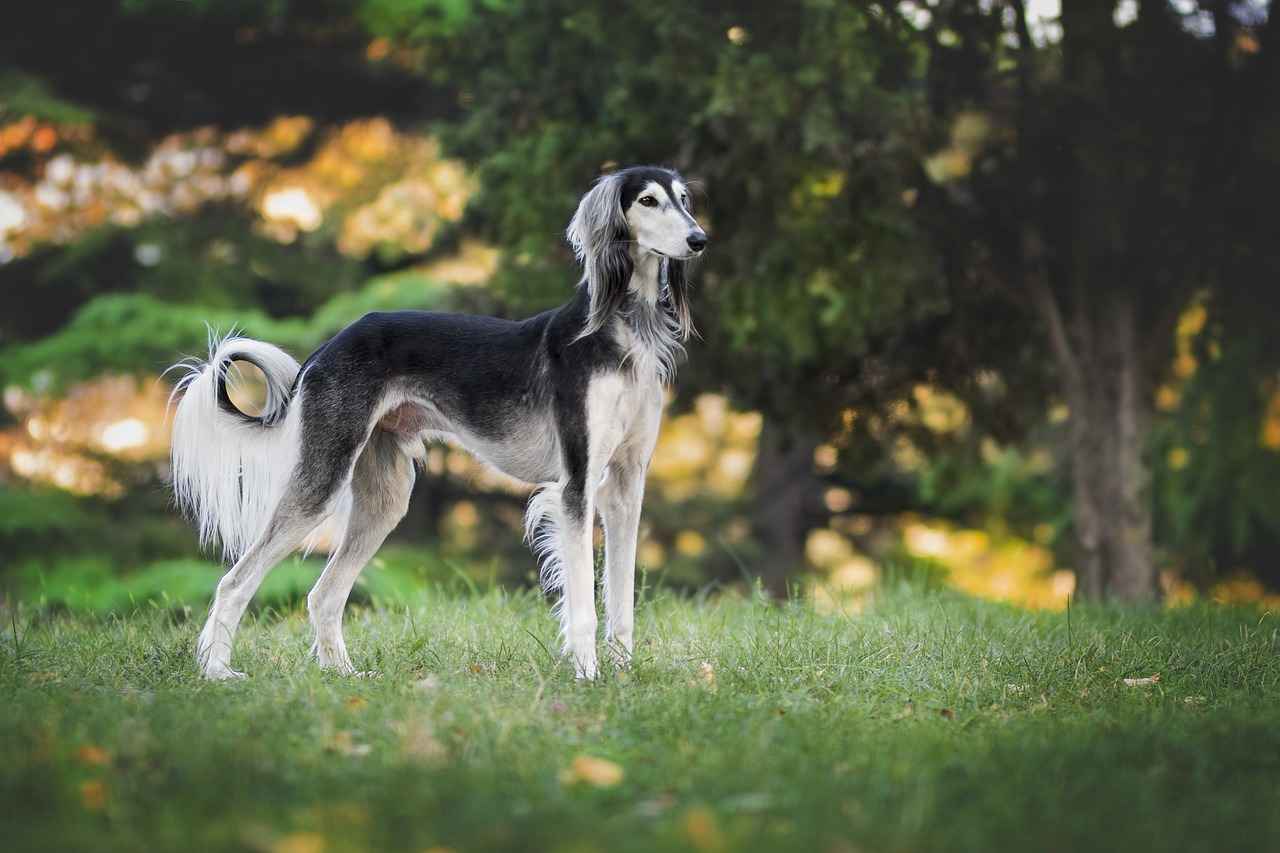
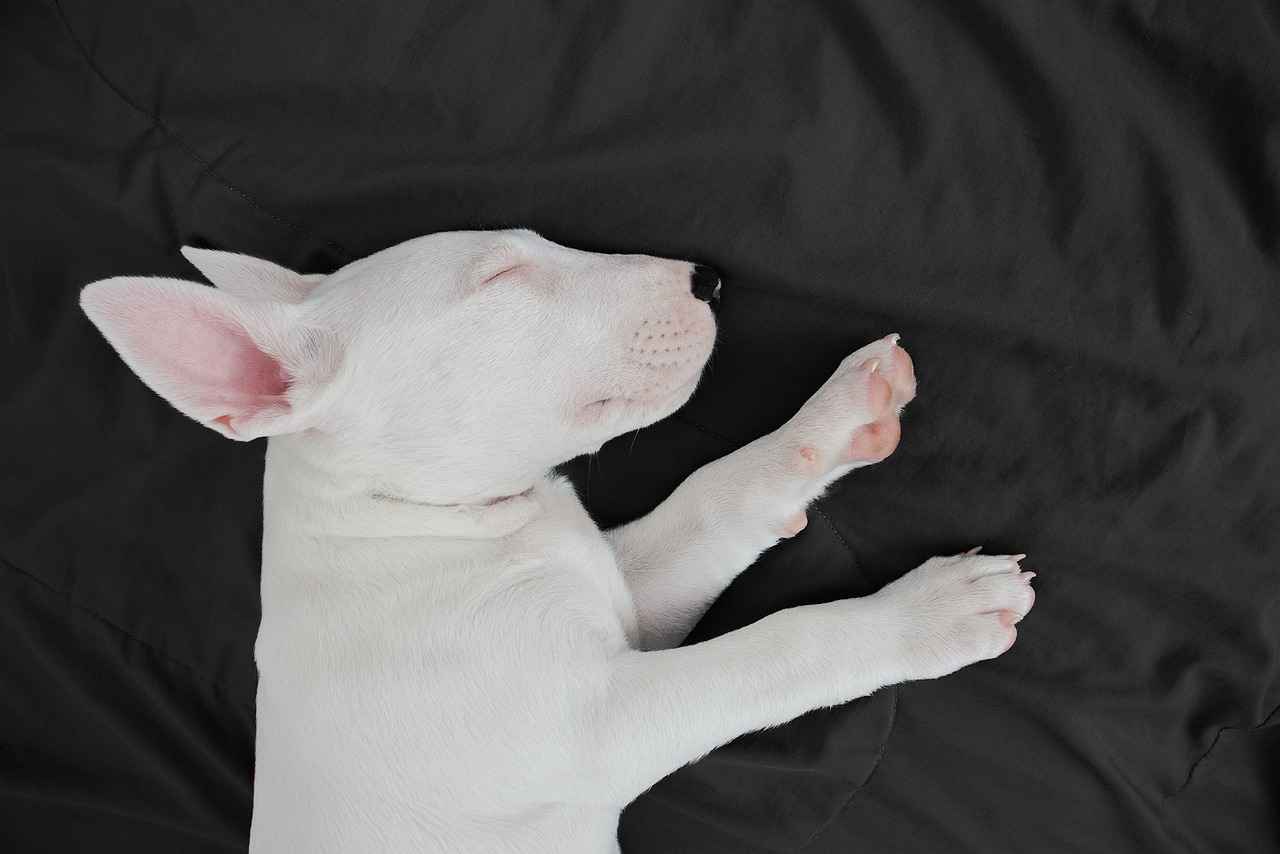
Have you ever wondered, why do dogs have wet noses? This fascinating fact about our furry friends is more than just a quirky trait; it’s a window into their health and behavior! A dog’s nose is not only adorable but plays a crucial role in their sense of smell. So, what makes those noses so wet? Curious dog owners often ask, is it normal for dogs to have wet noses? In this post, we’ll explore the science behind this unique feature and uncover the reasons that keep those noses damp. Wet noses can indicate a healthy dog, but they can also tell us something about their emotions and environmental interactions. Are you looking to understand your pet better? Join us as we delve into the mysteries of dog noses and discover how they help dogs navigate the world around them. Whether you’re a seasoned dog owner or a new puppy parent, learning about this fascinating topic can deepen your bond with your canine companion. So, let's get started and answer the question: why do dogs have wet noses? You might just find the answer more surprising than you expected!
\n\nThe Science Behind Why Dogs Have Wet Noses: Understanding the Biology of Canine Senses
\n\n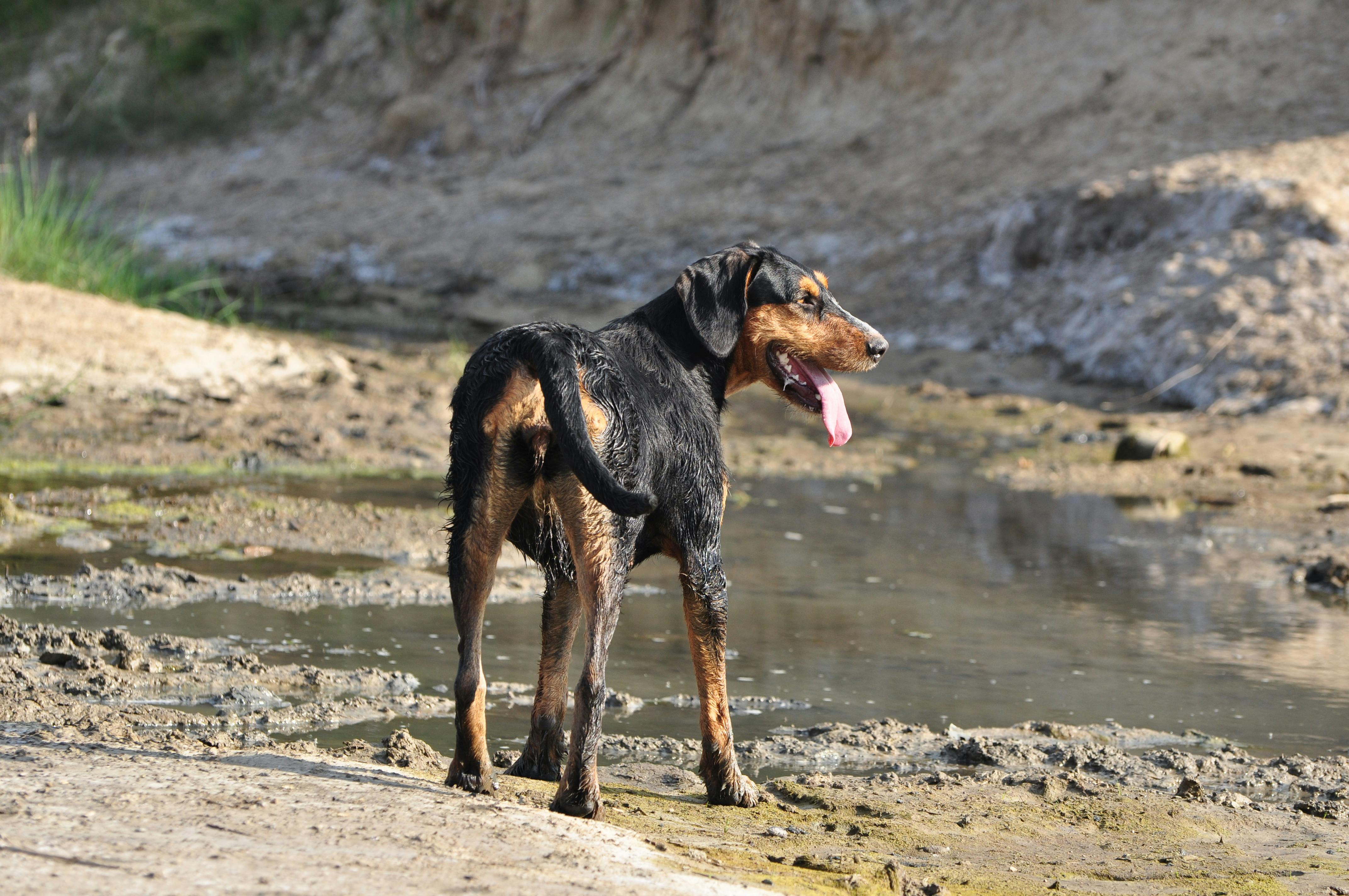 \n\n
\n\nWhen you think about dogs, one of the first things that often come to mind is their adorable wet noses. But have you ever wondered why do dogs have wet noses, and what the science behind this phenomenon is? It’s actually quite fascinating, and it ties into the biology of canine senses, which are way more complex than most people realize. Wet noses are not just cute but serve important purposes that help dogs interact with the world around them.
\nThe Biology of a Dog's Nose
\nFirst off, let’s explore the biological makeup of a dog’s nose. Dogs have around 220 million scent receptors in their noses, compared to humans, who only have about 5 million. This means dogs can smell things that are around 40 times better than humans. The wetness of a dog's nose plays a role in this enhanced olfactory ability.
\n- \n
- Moisture helps capture scent particles: The moisture on the nose helps to trap scent particles, allowing dogs to detect odors more effectively. \n
- Cooler temperature: A wet nose also stays cooler which may help dogs sense smells better. \n
Why Do Dogs Have Wet Noses?
\nNow, let’s dive deeper into why dogs have wet noses. It’s not just a random trait, but it serves several functions:
\n- \n
- \n
Enhanced Smelling Ability: As mentioned, a wet nose captures scent molecules. This is crucial for a dog’s survival, as their sense of smell is their primary way of interacting with the world.
\n \n - \n
Thermoregulation: Dogs don’t sweat like humans do. Instead, they cool themselves through panting and by having a wet nose. The moisture evaporates and helps regulate their body temperature.
\n \n - \n
Health Indicator: A dog's nose can also indicate health. A normal, healthy nose is generally cool and moist. If it becomes dry or excessively warm, it might be a sign of illness.
\n \n
Historical Context of Dogs and Their Noses
\nHistorically, dogs have been bred for various purposes, from hunting to herding. Their noses were crucial in these roles. Bloodhounds, for example, have an incredible sense of smell and are often used in search and rescue operations. Their wet noses not only enhance their sense of smell but also help them track scents over long distances.
\nFun Facts about Canine Senses
\n- \n
- \n
Dogs Can Smell Diseases: Research shows that dogs can even detect certain diseases, including cancer, by smelling a person's breath or skin. This remarkable ability is largely due to their sensitive noses.
\n \n - \n
Scent Discrimination: Dogs can differentiate between different scents, even in a crowded environment. This is what makes them so effective in various roles, like therapy and service dogs.
\n \n - \n
Dogs Have Unique Nose Prints: Just like human fingerprints, every dog has a unique nose print. This could theoretically be used for identification purposes!
\n \n
Comparison of Dog and Human Senses
\nHere’s a quick comparison of some sensory capabilities between dogs and humans:
\n| Sense | \nDogs | \nHumans | \n
|---|---|---|
| Smell | \n220 million receptors | \n5 million receptors | \n
| Hearing | \nCan hear up to 65,000 Hz | \nCan hear up to 20,000 Hz | \n
| Vision | \nDichromatic vision | \nTrichromatic vision | \n
Practical Examples of a Dog's Wet Nose in Action
\nYou might have seen dogs sniffing around when you take them for a walk. Here’s how their wet noses come into play:
\n- \n
- \n
Tracking: When a dog smells a trail, they often lick their noses to keep them moist, enhancing their ability to track scents.
\n \n - \n
Social Interactions: Dogs often greet each other by sniffing noses. This behavior helps them gather information about each other, such as health status and mood.
\n \n - \n
Playfulness: When a dog is excited, they might wet their noses even more. It’s their way of communicating joy and eagerness to play.
\n \n
Understanding why do dogs have wet noses is not just about appreciating their cuteness, but also acknowledging the complex biology and evolutionary traits that enable these animals to thrive. Their noses are a critical component of their identity and functionality, serving both practical and social purposes.
\nWhether you’re a dog owner, considering adopting, or just a dog lover, the science behind their wet noses adds another layer of appreciation for these incredible creatures. So next time your furry friend nudges you with their cool, wet nose, remember, it’s more than just an affectionate gesture; it’s a glimpse into their amazing biology.
\n\nTop 5 Reasons Your Dog's Nose is Wet: Health Benefits and What It Means for Your Pup
\n\n \n\n
\n\nWhen you think about dogs, one of the most charming features they have is their wet noses. Have you ever wonder why your pup’s nose is always damp? You are not alone! Many dog owners curious about this common phenomenon. In this article, we will explore the top 5 reasons your dog's nose is wet, the health benefits it brings, and what it actually means for your furry friend. So, let’s dive into the fascinating world of canine noses and discover why do dogs have wet noses!
\n1. Natural Cooling Mechanism
\nOne of the main reasons why do dogs have wet noses is that it helps them regulate their body temperature. Unlike humans, who sweat to cool off, dogs rely on their noses and panting. The moisture on their noses evaporates, which helps to cool them down. This is especially important during hot weather or after vigorous playtime.
\n- \n
- Dogs' normal body temperature is around 101 to 102.5 degrees Fahrenheit. \n
- A wet nose can help lower this temperature, making it crucial for their overall health. \n
- If you notice your dog’s nose is excessively dry, it could indicate overheating or dehydration. \n
2. Enhanced Sense of Smell
\nDid you know that a dog’s sense of smell is about 10,000 to 100,000 times more sensitive than a human's? Their wet noses play a key role in this incredible ability. The moisture on a dog's nose helps to capture scent particles from the air, making it easier for them to detect and identify odors.
\n- \n
- Dogs have approximately 300 million smell receptors, compared to humans, which have about 5 million. \n
- Wet noses increase the surface area for scent absorption, enhancing their olfactory capabilities. \n
- This is why dogs are often used in search and rescue missions, as well as in detecting drugs and explosives. \n
3. Communication Tool
\nDogs also use their noses for communication, both with other dogs and with humans. A wet nose can signify a variety of emotions. For instance, if your pup nudges you with their wet nose, it often means they want your attention or affection.
\n- \n
- Dogs may also use their noses to greet other dogs, as a way to gather information about them. \n
- A warm, dry nose can indicate stress or discomfort, while a cool, moist nose can signify a relaxed state. \n
- Understanding these signals can strengthen your bond with your pet. \n
4. Health Indicator
\nThe condition of your dog’s nose can be a useful indicator of their overall health. A wet nose is generally a sign of good health, while changes in moisture can signal potential issues.
\n- \n
- A consistently dry or cracked nose may suggest dehydration or health problems. \n
- If you notice changes in color, texture, or temperature, it’s a good idea to consult your veterinarian. \n
- Regularly checking your dog’s nose can help you catch any health issues early on. \n
5. Hydration Level
\nAnother reason for a wet nose relates to hydration levels. The moisture on a dog's nose can help prevent dehydration. Dogs lose moisture through their noses, and when they are adequately hydrated, their noses remain moist.
\n- \n
- Ensure your dog has constant access to fresh water. \n
- If your dog’s nose is dry, it may be a sign that they need more fluids. \n
- Keeping an eye on their drinking habits can help maintain their overall health. \n
Summary of Benefits of Wet Noses
\n- \n
- Natural cooling mechanism helps regulate body temperature. \n
- Enhanced sense of smell aids in detection and exploration. \n
- Communication tool allows for emotional expressions. \n
- Health indicator signals overall well-being. \n
- Hydration level monitor helps maintain fluid balance. \n
Understanding these aspects of your dog's wet nose can greatly enhance the relationship you have with your furry companion. Dogs use their noses not just to sniff around but also to communicate, cool down, and convey their health status. So, the next time you give your pup a pat, take a moment to appreciate those delightful, wet noses. They are not just cute; they play an essential role in your dog's health and happiness.
\nIncorporating this knowledge into your care routine can help you become a more informed and attentive dog owner. So, embrace the wet nose and all that it represents for your beloved pet!
\n\nCurious Canines: How a Dog's Wet Nose Helps Them Explore the World Around Them
\n\n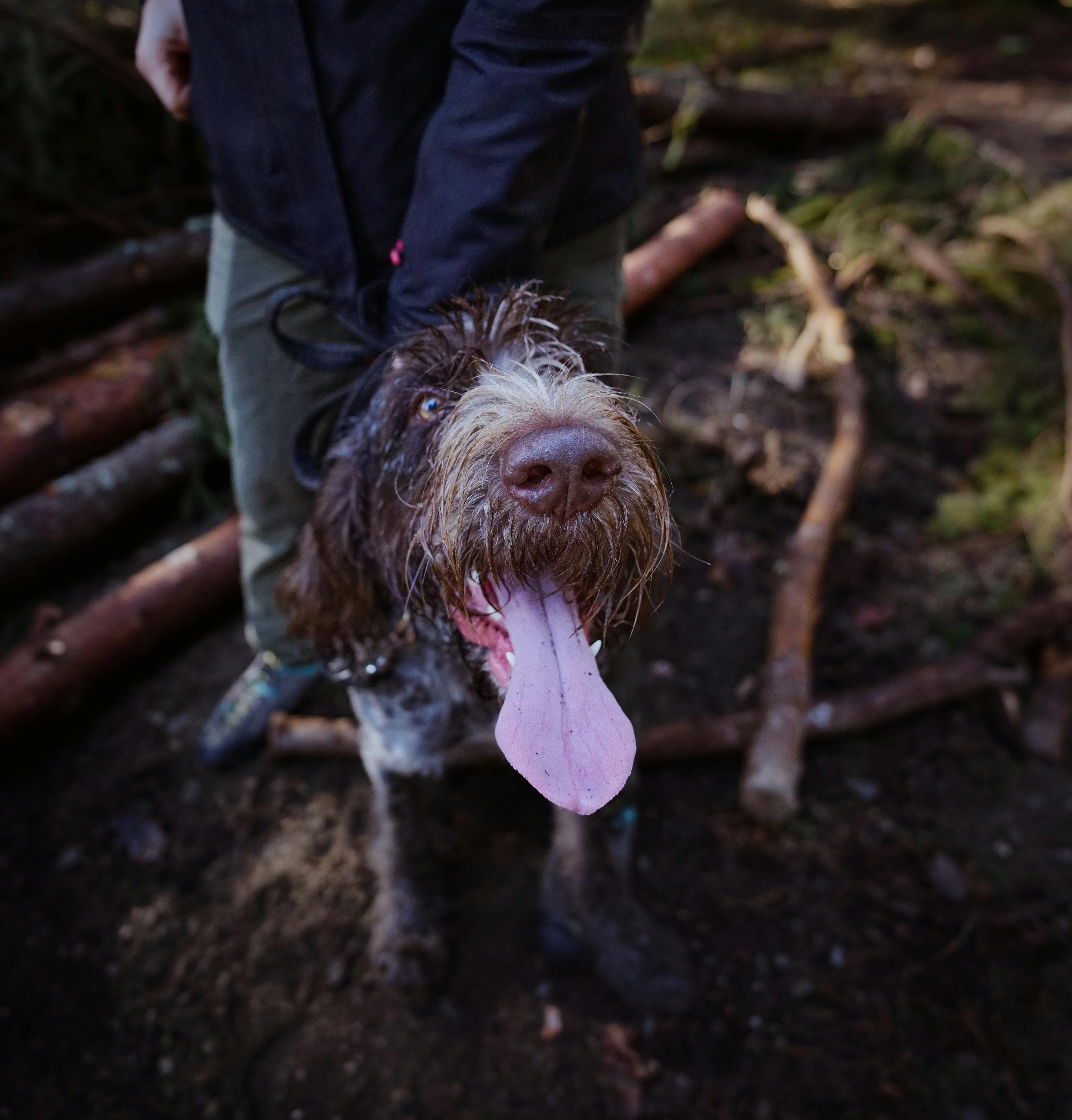 \n\n
\n\nHave you ever wondered why dogs noses are often wet? This curious feature is not just some random quirk of nature; it has a significant role in helping our canine companions explore their world. The wetness of a dog's nose is both fascinating and functional, and understanding it can increase our appreciation for these lovable pets. So, why do dogs have wet noses, you ask? Let’s dive into this intriguing topic!
\nThe Science Behind the Wet Nose
\nA dog's wet nose is primarily due to a thin layer of moisture that covers it. This moisture can come from various sources including saliva and environmental factors like humidity or water. But why is this important? The wetness helps enhance a dog’s sense of smell, which is far superior to humans. Here are some scientific reasons for the wetness:
\n- \n
- Increased Sensory Function: The moisture helps to dissolve scent particles in the air, which can then be absorbed into the olfactory receptors in the nasal cavity. This process increases their ability to detect smells. \n
- Temperature Regulation: Just like humans sweat to cool down, dogs can use their wet noses to help regulate their body temperature. The evaporation of moisture from their nose can provide some cooling effects. \n
- Health Indicators: A dog’s nose can change wetness based on its health. A dry nose may indicate dehydration or illness, while a wet nose is typically a sign of good health. \n
Historical Context of Dog Noses
\nDogs have been companions to humans for thousands of years, with evidence of domestication dating back to around 15,000 years ago. Historically, dogs were bred for various purposes like hunting, herding, and companionship. Their keen sense of smell was crucial for these roles. The wet nose is an evolutionary adaptation that has helped dogs survive and thrive alongside humans.
\nFun Facts About Dog Noses
\n- \n
- Scent Detection: Dogs have up to 300 million olfactory receptors in their noses, compared to a mere 6 million in humans. This gives them an incredible ability to detect scents, even at very low concentrations. \n
- Unique Nose Prints: Just like human fingerprints, every dog has a unique nose print. It can actually be used to identify them! \n
- Moisture and Scent Tracking: When a dog sniffs something, the wetness of their nose captures more scent particles, allowing them to identify smells more accurately. \n
How Dogs Use Their Noses
\nDogs rely heavily on their noses to explore the world, and they do this in various ways. Here are some common scenarios:
\n- \n
- Tracking: Dogs can follow scents over great distances, making them exceptional at search and rescue missions. \n
- Social Interactions: Dogs often greet each other by sniffing noses, which is how they gather information about each other’s health, mood, and even diet. \n
- Detecting Emotions: Studies have shown that dogs can even detect human emotions through scent. They can sense stress or fear, making them great emotional support animals. \n
Practical Tips for Dog Owners
\nIf you’re a dog owner, you might want to consider the following tips to ensure your furry friend’s nose stays healthy:
\n- \n
- Hydration: Keep your dog hydrated. A well-hydrated dog usually has a wet nose. \n
- Regular Vet Check-ups: Monitor any changes in your dog's nose. If it becomes excessively dry or cracked, it could be a sign of health issues. \n
- Environmental Awareness: Be aware of the weather. Hot, dry conditions can lead to a dry nose, while humid conditions can keep it moist. \n
Comparing Dog Noses to Other Animals
\nWhile dogs have fascinating wet noses, they’re not the only animals with similar traits. Here’s a quick comparison:
\n| Animal | \nNose Type | \nFunctionality | \n
|---|---|---|
| Dogs | \nWet and sensitive | \nExcellent smell detection and temperature regulation | \n
| Cats | \nDry with some moisture | \nGood smell but not as acute as dogs | \n
| Elephants | \nLong, flexible, moist | \nExtremely sensitive to scent and environmental changes | \n
| Pigs | \nWet and sensitive | \nGreat for rooting and finding food | \n
Dogs' wet noses are more than just a cute trait; they play a vital role in how these remarkable animals engage with their environment. Understanding why dogs have wet noses helps us appreciate their unique biology and the ways they navigate the world. So next time you see your furry friend with that adorable wet nose, remember it's not just for show—it's a key part of what makes dogs so special!
\n\nIs a Wet Nose a Sign of Health? Discover What Your Dog's Nose Says About Their Well-Being
\n\n \n\n
\n\nWhen we think about our furry friends, one of the first things we notice is their wet noses. But have you ever asked yourself, is a wet nose a sign of health? Or maybe, why do dogs have wet noses in the first place? These questions lead us into a fascinating exploration of canine biology and behavior. Let’s uncover what your dog’s nose says about their well-being, and dive into the science and history behind those moist snouts.
\nThe Biology of a Dog's Nose
\nDogs nose are unique and serve multiple purposes. The wetness of a dog’s nose is not merely a random trait; it plays a crucial role in their sense of smell. Here are some reasons why dogs have wet noses:
\n- \n
- Enhanced Smell: Dogs have an incredible sense of smell, which is about 10,000 to 100,000 times more sensitive than humans. The moisture on their nose helps trap scent particles, making it easier for them to detect smells. \n
- Temperature Regulation: Dogs do not sweat like humans. Their noses help to cool them down. The moisture evaporates, providing a cooling effect. \n
- Health Indicator: A dog’s nose can indicate their health. While a wet nose is often seen as a sign of a healthy dog, it's not the only factor to consider. \n
What Does a Wet Nose Mean?
\nMost people believe that a wet nose is a sign of a healthy dog. However, this isn't always the case. Here’s a quick breakdown of what different nose conditions can indicate:
\n- \n
- Wet Nose: Generally a sign of good health, hydration and happiness. \n
- Dry Nose: Could indicate dehydration, illness, or overheating but can also just mean that your dog is resting. \n
- Cracked Nose: Can be a sign of a medical condition. If you see this, it may be best to consult a vet. \n
- Warm Nose: Often associated with fever or illness. If your dog's nose is warm and dry for an extended period, it might need a vet check. \n
Historical Context of Dogs and Their Noses
\nHistorically, dogs have been companions to humans for thousands of years. Their noses have been essential in hunting and herding. Ancient cultures recognized the importance of a dog's sense of smell. For instance:
\n- \n
- Hunting Dogs: Used by ancient tribes for tracking and hunting, their ability to smell was crucial. \n
- Guard Dogs: Their keen sense of smell helped alert humans to danger. \n
- Companionship: Over time, as dogs became household pets, their noses still remained a point of interest for many dog owners. \n
Fun Facts About Dogs’ Noses
\n- \n
- Unique Patterns: Just like human fingerprints, no two dog noses are alike. Each dog has a unique nose print. \n
- Scent Discrimination: Dogs can detect specific scents, like drugs or explosives, from a mile away. \n
- Breeds Matter: Some breeds, like Bloodhounds, have even more developed olfactory senses, making them exceptional trackers. \n
Practical Examples of Nose Health Monitoring
\nIt's important to regularly check your dog’s nose for any changes. Here are some tips to monitor your dog's nose health:
\n- \n
- Check for Moisture: Is it wet or dry? A sudden change can mean something. \n
- Look for Cracks or Sores: These can be signs of allergies or infections. \n
- Observe Temperatures: Is it warm or cool? A warm nose, especially if dry, can be concerning. \n
- Behavioral Changes: If your dog is less active or seems unwell, consider checking their nose as part of the health assessment. \n
Conclusion
\nSo, is a wet nose a sign of health? While it often is, it’s not the only factor to consider when assessing your dog's overall well-being. The wetness of a dog’s nose plays a vital role in its sensory capabilities, temperature regulation, and even health indicators. Understanding why dogs have wet noses can deepen our appreciation for our canine companions. Keeping an eye on their nose can give you important clues to their health. Remember to consult with your vet if you notice any concerning changes.
\n\nThe Fascinating Role of Nasal Moisture in Dogs: How It Enhances Their Sense of Smell
\n\n \n\n
\n\nHave you ever wondered why dogs have wet noses? This simple yet fascinating trait plays a crucial role in enhancing their incredible sense of smell. Dogs, those lovable companions, rely heavily on their noses, and moisture is a vital part of that. Let's dive into the world of canine nasal moisture and discover how it impacts their sniffing abilities and overall health.
\nThe Science Behind Wet Noses
\nThe moisture on a dog’s nose isn’t just there for show. It serves some important functions. Here’s a breakdown of why those noses are wet:
\n- \n
- \n
Enhanced Smell: Dogs have an extraordinary sense of smell, which is estimated to be 10,000 to 100,000 times more sensitive than humans. The moist surface of their noses helps to capture scent particles from the air. This moisture traps odors, allowing the olfactory receptors in their noses to detect and interpret smells more effectively.
\n \n - \n
Temperature Regulation: Dogs don’t sweat like humans do. Instead, they rely on their noses to help cool themselves down. When a dog pants, moisture from its nose helps regulate body temperature, providing a cooling effect.
\n \n - \n
Health Indicator: A dog’s nose can be an indicator of its health. A warm, dry nose might suggest illness, while a cool, wet nose is often seen as a sign of health. However, this isn’t a definitive rule, and you should consult a vet for accurate health assessments.
\n \n
The Role of Nasal Moisture in Sense of Smell
\nDogs have a unique structure in their noses that makes them smell so well. The moist surface of the nose plays a key role in this. Here’s how it works:
\n- \n
- \n
Scent Particle Capture: The moisture on a dog's nose absorbs scent particles, which increases the likelihood of those particles binding to olfactory receptors.
\n \n - \n
Olfactory Receptor Activation: Once the scent particles are absorbed, they stimulate the olfactory receptors. Dogs have about 300 million olfactory receptors compared to a human’s 5 million. This is why dogs can detect certain scents, like drugs or explosives, much better than humans.
\n \n - \n
Brain Processing: The brain processes these scents. A dog’s brain devotes a significant portion to analyzing smells. This is why they can recognize a person or a place just by sniffing.
\n \n
Fun Facts About Dogs' Noses
\n- \n
- \n
Dogs have unique nose prints, just like humans have fingerprints. Each pattern is different and can be used to identify them.
\n \n - \n
The color of a dog’s nose can vary widely, from black to pink, and can even change with age or health conditions.
\n \n - \n
Dogs can smell specific scents even if they are diluted to a trillionth of their original concentration.
\n \n - \n
Some breeds, like Bloodhounds, are particularly well-known for their tracking abilities due to their exceptional sense of smell.
\n \n
Comparisons with Human Noses
\nTo understand just how impressive a dog's sense of smell is, let’s compare it to humans:
\n| Feature | \nHumans | \nDogs | \n
|---|---|---|
| Olfactory Receptors | \nAbout 5 million | \nAbout 300 million | \n
| Scent Discrimination | \nLimited | \nExtremely high | \n
| Nose Surface Area | \nSmall, flat | \nLarge, moist, and folded | \n
| Ability to Detect Scents | \nBasic | \nExceptional | \n
Practical Examples of Dogs' Nose Capabilities
\n- \n
- \n
Search and Rescue: Dogs are often trained to locate missing persons. Their ability to track scents over long distances is utilized by search and rescue teams.
\n \n - \n
Medical Detection: Some dogs are trained to detect diseases like cancer or diabetes through scent. They can identify changes in a person’s body odor that indicate a health issue.
\n \n - \n
Narcotics and Explosives: Law enforcement uses dogs to sniff out drugs and explosives due to their precise sense of smell, which is invaluable in ensuring safety.
\n \n
What Affects Nasal Moisture in Dogs?
\nSeveral factors can affect the moisture level of a dog's nose:
\n- \n
- \n
Weather Conditions: Hot and dry weather can lead to drier noses. Conversely, humid conditions may result in a wetter nose.
\n \n - \n
Health Issues: Certain illnesses can cause changes in nasal moisture. For instance, allergies or infections can lead to increased dryness or discharge.
\n \n - \n
Age: Older dogs may have drier noses due to various health changes that come with aging.
\n \n
Understanding why dogs have wet noses not only enhances our appreciation for these furry friends but also informs us about their health and wellbeing. It’s a simple yet intriguing fact that connects us to the remarkable biology of dogs and their world. So, the next time you see a dog with a wet nose, remember the amazing functions behind that characteristic and how it helps them interact with their environment.
\n\nWet Nose vs. Dry Nose: What Every Dog Owner Should Know About Their Pet's Health
\n\n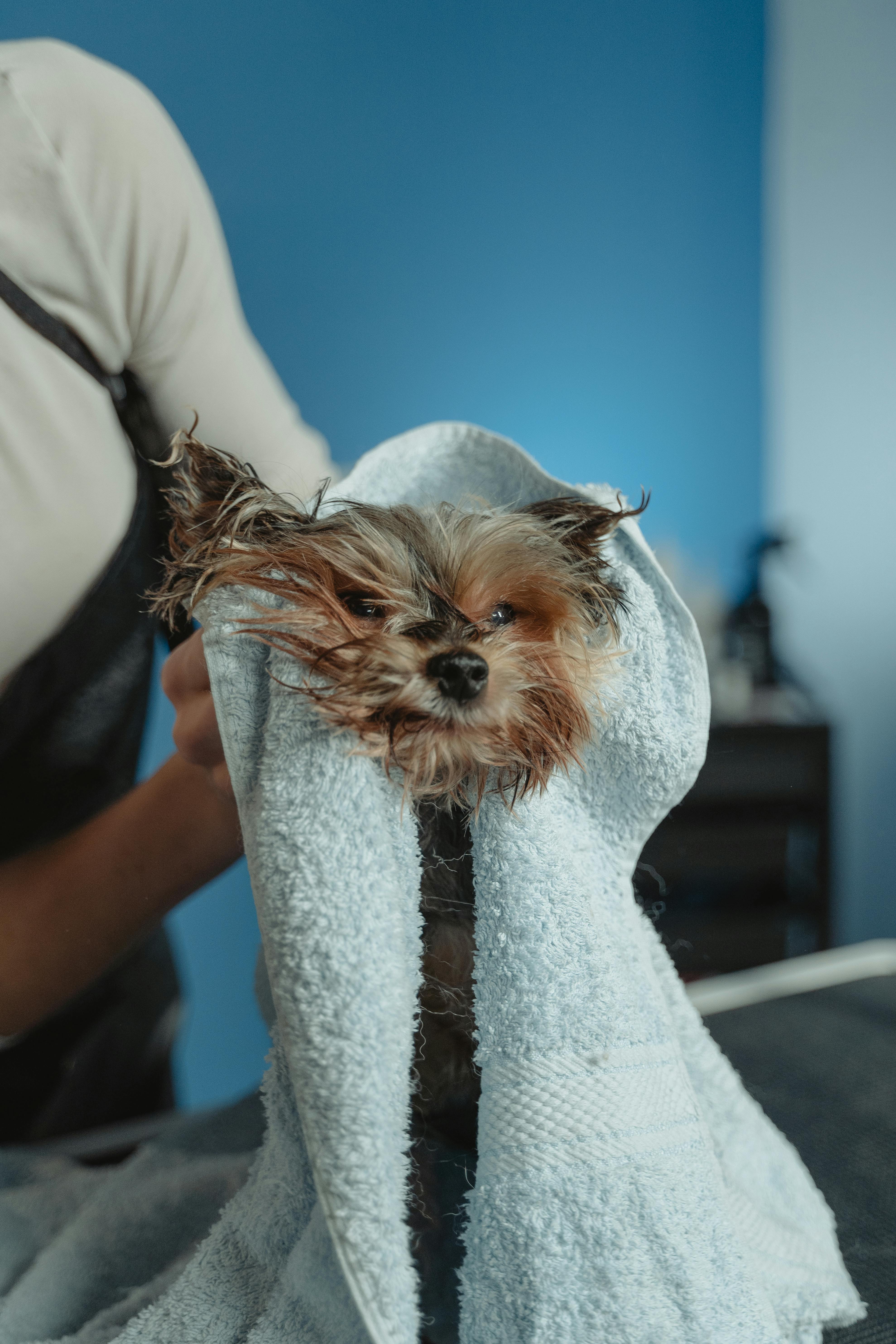 \n\n
\n\nDogs are amazing creatures, and their health is something every dog owner should pay attention to. One of the most noticeable features of a dog is their nose, and you might have wondered, why do dogs have wet noses? It's not just a random fact; it actually plays a crucial role in their overall well-being. In this article, we’re going to explore the differences between wet noses and dry noses, and what it could mean for your furry friend.
\nThe Science Behind Wet Noses
\nDogs noses are usually moist, and there is a good reason for this. The moisture helps enhance their sense of smell. A wet nose can capture scent particles more effectively than a dry one. When you consider that dogs have up to 300 million smell receptors compared to a human's 5 million, it makes sense why a wet nose is beneficial.
\n- \n
- Wet noses helps dogs detect scents better \n
- Moisture helps cool their bodies down \n
- It can also help with taste, as many dogs use their noses to explore food \n
Why Do Dogs Have Wet Noses?
\nSo, what causes a dog's nose to be wet? It’s mainly due to a thin layer of mucous that keeps the nose moist. Dogs lick their noses to keep them hydrated, which is why you may see them doing this frequently. Here are some reasons wet noses are common:
\n- \n
- Licking: Dogs often lick their noses to keep them clean and moist. \n
- Environmental Factors: Humidity and temperature can affect how wet a nose feels. \n
- Health Indicators: A wet nose can signal that your dog is healthy, but changes can indicate health issues. \n
The Dry Nose Dilemma
\nNow, let’s discuss the dry nose. While a dry nose doesn’t automatically mean something’s wrong, it can be a sign of various conditions. If your dog’s nose is dry, it could be:
\n- \n
- Dehydration \n
- Allergies \n
- Fever \n
- Skin conditions \n
Signs to Look Out For
\nWhen assessing your dog's nose, it’s good to be aware of certain signs that may indicate a health problem. Here’s a quick checklist:
\n- \n
- Dryness: If the nose is excessively dry for a long period. \n
- Cracks or sores: This can indicate skin issues or infections. \n
- Change in color: A sudden change could suggest health problems. \n
- Excessive discharge: Clear or colored discharge might mean allergies or infections. \n
Wet Nose vs. Dry Nose: Quick Comparison
\nHere’s a quick comparison to help you understand the differences between wet and dry noses:
\n| Feature | \nWet Nose | \nDry Nose | \n
|---|---|---|
| Moisture Level | \nHigh | \nLow | \n
| Health Indicator | \nGenerally healthy | \nPotential health issues | \n
| Function | \nBetter sense of smell | \nMay indicate dehydration | \n
| Maintenance | \nNaturally maintained | \nRequires attention if persistently dry | \n
What To Do if Your Dog Has a Dry Nose
\nIf you notice your dog's nose is dry and it persists, it’s a good idea to consult with your veterinarian. They can determine if there’s an underlying health problem. Here are some steps you might take:
\n- \n
- Hydration: Make sure your dog is drinking enough water. \n
- Humidifier: Consider using one at home if the air is dry. \n
- Monitor: Keep an eye on other symptoms like lethargy or lack of appetite. \n
Fun Facts About Dog Noses
\nDid you know that a dog’s nose print is as unique as a human fingerprint? No two dogs have the same nose print! Also, some dogs have a better sense of smell than others, depending on their breed. For instance, Bloodhounds are famous for their incredible scent-tracking abilities.
\n- \n
- Dogs can detect certain diseases through smell. \n
- A dog’s sense of smell can be up to 100,000 times more acute than a human's. \n
- Dogs sweat primarily through their paw pads, not their noses. \n
Understanding why do dogs have wet noses and the implications of a dry nose can help you keep your furry friend happy and healthy. Paying attention to these details is essential for any responsible dog owner. Keep an eye on those noses!
\n\nCan Dogs Control the Moisture of Their Noses? Uncovering the Mysteries of Canine Physiology
\n\n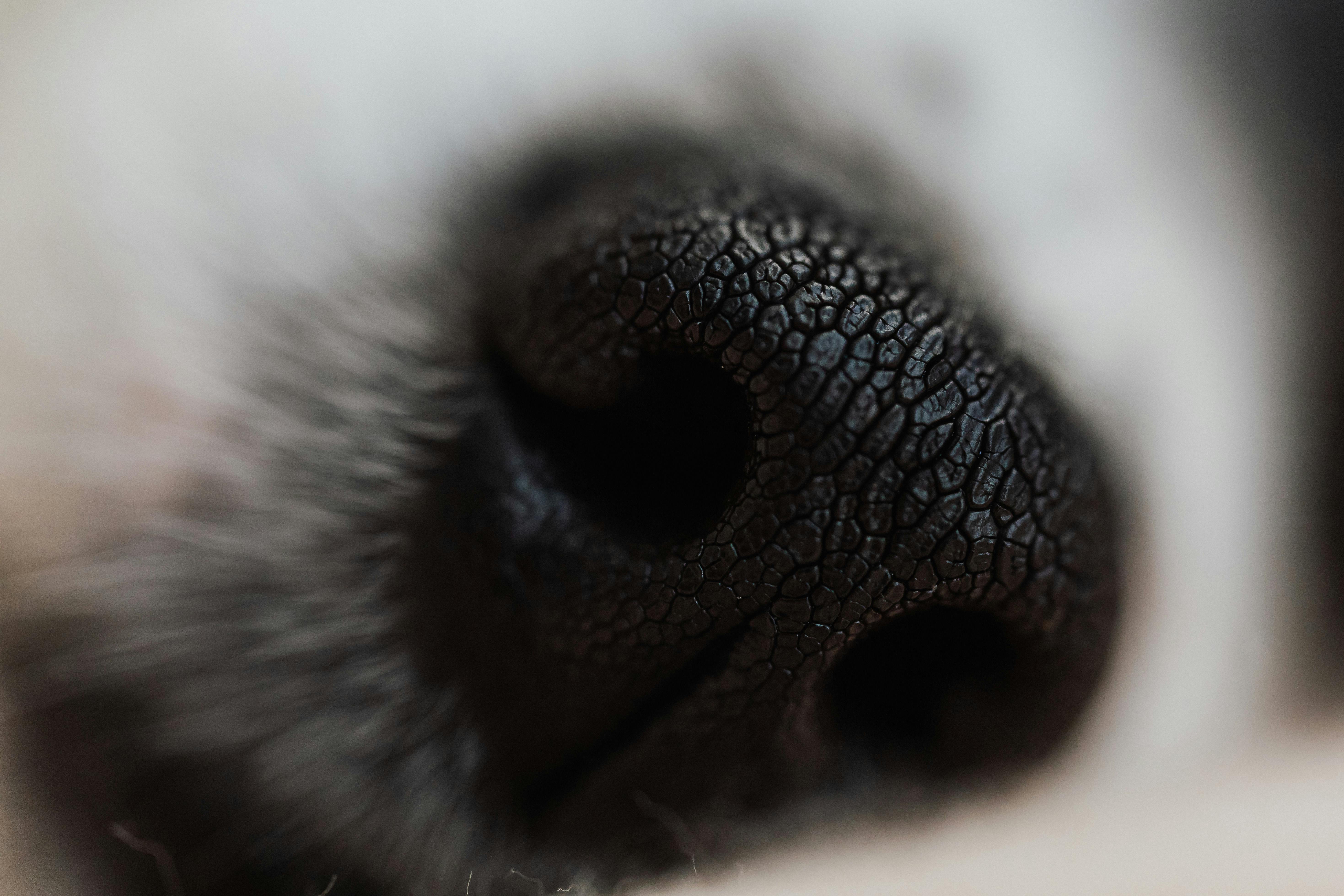 \n\n
\n\nDogs are known for their playful nature, loyalty, and of course, their wet noses. But have you ever wondered why do dogs have wet noses? Or can dogs control the moisture of their noses? These questions leads us into the fascinating world of canine physiology. Let’s uncover the mysteries behind those damp doggy noses and the reasons behind them.
\nThe Function of a Wet Nose
\nThe primary function of a dog's wet nose is to help them smell better. Dog’s sense of smell is already much stronger than ours—estimated to be between 10,000 to 100,000 times more sensitive! A wet nose enhances this ability in several ways:
\n- \n
- Increases Surface Area: A moist surface can pick up more scent particles in the air. \n
- Thermoregulation: Wet noses help regulate body temperature, allowing dogs to cool off. \n
- Health Indicator: A dog’s nose moisture can indicate their health. A dry nose can sometimes signal dehydration or illness. \n
Why Are Dog Noses Wet?
\nSo why do dogs have wet noses? It’s not just for show! Here are a few reasons that explain this phenomenon:
\n- \n
- \n
Mucous Production: Dogs naturally produce mucous in their noses, which keeps the area moist. This mucous traps scent particles, making it easier for them to identify smells.
\n \n - \n
Environmental Factors: Dogs often get their noses wet by sniffing around in grass, dirt, and even other animals. This behavior naturally adds moisture to their noses.
\n \n - \n
Licking Themselves: Dogs will often lick their noses, adding saliva to the mix. This also aids in scent detection, as saliva helps dissolve scent particles for better absorption.
\n \n
Can Dogs Control Nose Moisture?
\nNow to the burning question: Can dogs control the moisture of their noses? The answer is somewhat complicated. While dogs cannot consciously "turn on" moisture, several factors influence their nose's wetness:
\n- \n
- Temperature and Humidity: In hot and dry climates, dogs might have drier noses than in cooler, humid environments. \n
- Health Status: Illness, dehydration, or fever can affect nose moisture. A dog’s nose is not a definitive health indicator, but changes may suggest a need for attention. \n
- Behavioral Factors: When dogs are excited or active, they might lick their noses more, keeping them moist. \n
Historical Context of Dog Noses
\nHistorically, dogs have been bred for various purposes, including hunting, herding, and companionship. The wet nose has always been an asset for hunting breeds. For instance, Bloodhounds are renowned for their scent-tracking abilities, and their wet noses play a significant role in that.
\nComparisons with Other Animals
\nDogs aren’t the only animals with wet noses, but the extent and purpose can vary:
\n- \n
- Cats: Generally have drier noses, which doesn't affect their hunting abilities, as their sense of smell is more reliant on other factors. \n
- Rhinoceroses: They have very large, moist noses that help them in foraging, similar to dogs. \n
- Pigs: Known for their keen sense of smell, pigs have moist noses which help them root out food underground. \n
Fun Facts About Dog Noses
\n- \n
- Dogs have up to 300 million smell receptors in their noses, compared to about 6 million in humans. \n
- The moisture on a dog’s nose can evaporate quickly, which is why you might notice a change in wetness throughout the day. \n
- Each dog has a unique nose print, much like human fingerprints! \n
Practical Considerations for Dog Owners
\nAs a dog owner, being aware of your dog's nose condition can help you monitor their health:
\n- \n
- Check Regularly: Look for changes in moisture levels. If a dog’s nose is persistently dry, it might be worth a visit to the vet. \n
- Hydration Matters: Make sure your dog is getting enough water, especially in hot weather. \n
- Know the Signs: If you notice additional symptoms like lethargy or loss of appetite along with a dry nose, consult a veterinarian. \n
Understanding why do dogs have wet noses and how they function can provide insights into your furry friend’s health and well-being. The moisture on a dog’s nose is not just a cute quirk, it serves essential purposes in their ability to explore the world through scent. So next time you pet your dog, take a moment to appreciate that wet nose and all the wonders it represents!
\n\nWhy Do Dogs Have Wet Noses? The Evolutionary Advantage Explained
\n\n\n\nDogs are often known for their wet noses, and many people wonders why this is the case. It’s not just a quirky trait that makes them so adorable; there’s a fascinating evolutionary reason behind it. Understanding why do dogs have wet noses can give us insights into their biology and how they interact with the world around them.
\nThe Science Behind Wet Noses
\nA dog's nose is not just a cute feature; it's actually an incredibly sensitive and important sensory organ. The moisture on a dog's nose helps to enhance their sense of smell, which is even more developed than ours. Here’s how it works:
\n- \n
- Odor Detection: A wet nose can trap scent particles in the air, helping dogs to smell better. This moisture provides a better medium for the absorption of smells. \n
- Temperature Regulation: Dogs also lose heat through their noses. The moisture on the surface evaporates, keeping them cool. \n
- Overall Health Indicator: A wet nose can be an indicator of a dog’s health. If a dog’s nose is dry, it might be a sign of dehydration or illness. \n
Evolutionary Advantages of Wet Noses
\nThe evolution of dogs, which descended from wolves, has shaped many of their traits, including their wet noses. Here are some evolutionary advantages:
\n- \n
- Enhanced Hunting Skills: Wet noses help dogs to detect prey more effectively. This was crucial for wolves hunting in packs. \n
- Social Interactions: Dogs communicate with each other through scent. A wet nose allows them to better pick up on pheromones and other scent signals from fellow canines. \n
- Environmental Adaptation: Dogs with wet noses were likely better adapted to their environments. This trait may have helped them to thrive in diverse climates. \n
Fun Facts About Dog Noses
\nDogs' noses are not all the same. In fact, they can vary widely among different breeds. Here are some fun facts:
\n- \n
- Unique Patterns: Just like human fingerprints, every dog’s nose print is unique. \n
- Color Variations: Nose color can vary from black to brown to pink, depending on the breed and genetics. \n
- Temperature Sensitivity: Dogs can sense temperature changes through their noses, which helps them find food or avoid danger. \n
Comparing Dog Noses to Human Noses
\nDogs and humans have very different noses, and it’s interesting to look at some comparisons:
\n| Feature | \nDog Nose | \nHuman Nose | \n
|---|---|---|
| Sensitivity | \nHighly sensitive, detects many scents | \nLess sensitive, detects fewer scents | \n
| Moisture | \nGenerally wet | \nGenerally dry | \n
| Function | \nPrimarily for smell and temperature regulation | \nPrimarily for breathing and smell | \n
| Unique Prints | \nUnique to each dog | \nNot unique | \n
Practical Examples of Nose Function
\nTo see how important a dog’s nose is, consider the following examples:
\n- \n
- Search and Rescue: Dogs are often used in search and rescue missions because they can track scents over long distances. \n
- Medical Detection: Some dogs can detect diseases like cancer or diabetes through scent, thanks to their incredible olfactory abilities. \n
- Service Animals: Many service dogs are trained to assist people with disabilities by using their noses to detect changes in their handler's behavior or health. \n
The Role of Nose Moisture in Different Dog Breeds
\nNot all dogs have the same degree of nose moisture. Here’s how different breeds may vary:
\n- \n
- Brachycephalic Breeds: Breeds like Bulldogs and Pugs, with their short noses, may have more difficulty keeping their noses wet. \n
- Working Breeds: Breeds like Bloodhounds and German Shepherds have particularly moist noses, aiding them in their roles as working dogs. \n
- Toy Breeds: Smaller breeds may have less moisture on their noses due to their size but still rely on their sense of smell. \n
So next time you see a dog with a wet nose, remember that it’s more than just a cute feature. It’s a testament to their evolution and adaptation as animals that rely heavily on their sense of smell. The wetness of their noses serves practical purposes that help them navigate their worlds, hunt for food, and interact with other dogs and humans. This fascinating fact about dogs not only deepens our appreciation for our furry friends but also highlights the remarkable ways in which evolution shapes the traits we see in animals today.
\n\n7 Surprising Facts About Dogs' Wet Noses That Will Change How You View Your Pet
\n\n \n\n
\n\nDogs are known for their many charming traits, but one of the most curious is their wet noses. Ever wonder why your furry friend has that cool, damp snoot? There’s actually a lot more to it than just being adorable. Here, we explore 7 surprising facts about dogs' wet noses that will change how you view your pet.
\n1. The Science Behind the Wet Nose
\nA dog's nose is not just wet for fun, it actually plays a critical role in their sense of smell. Dogs have over 220 million scent receptors in their noses, compared to a human's mere 5 million. The moisture on their noses helps to capture scent particles, which enhances their ability to sniff out everything from food to friends. It's like having a built-in magnifying glass for smells!
\n2. Temperature Regulation
\nYou might of noticed that dogs pant when they are hot, but their wet noses also play a part in keeping them cool. When a dog’s nose is moist, it aids in thermoregulation. The evaporation of moisture helps to lower their body temperature, especially on warm days. So, don't just think of that wet nose as cute; it's a vital part of how they stay comfortable!
\n3. Communication Tool
\nBelieve it or not, dogs also use their noses to communicate. A wet nose can signal a range of emotions, from excitement to anxiety. When dogs greet each other, they often sniff each other's noses, which is similar to a handshake for humans. This behavior helps them gather information about other dogs’ health, diet, and even mood.
\n4. Health Indicators
\nA dog’s nose can also be an indicator of their health. While many people think a warm nose means a dog is sick, that's not always true. A healthy dog can have both warm and cool noses throughout the day. However, if you notice excessive dryness, cracking, or abnormal discharge, it might indicate dehydration or illness and warrant a vet visit.
\n5. Breed Variations
\nNot all dog noses are created equal! Some breeds have dry noses while others have wet ones. For instance, Bulldogs and Boxers tend to have more moisture, while breeds like the Basenji can have drier noses. This can also depend on environmental factors such as humidity and temperature. Understanding your dog’s breed can help you better interpret their nose's condition.
\n6. Historical Context
\nThe relationship between dogs and humans dates back thousands of years, and their wet noses have always played a role. Early humans likely favored dogs with keen senses and strong tracking abilities, which are enhanced by those wet noses. In ancient cultures, dogs were revered for their hunting skills, and their moist noses were seen as a sign of a healthy, capable companion.
\n7. Fun Facts About Dog Noses
\nHere are some extra tidbits about those adorable noses that you might find surprising:
\n- \n
- Nose Prints are Unique: Just like human fingerprints, every dog's nose print is unique. It can even be used for identification! \n
- Nasal Sensitivity: Dogs can detect certain smells at concentrations of one part per trillion. That’s like finding a single drop of food coloring in an Olympic-sized swimming pool! \n
- Nose Color Changes: A dog’s nose can change color due to various factors like temperature, age, or even health conditions. \n
Practical Tips for Nose Care
\nTaking care of your dog's nose is important too. Here are some simple tips to ensure that their nose stays healthy:
\n- \n
- Hydration: Make sure your dog drinks enough water, especially during hot weather. \n
- Moisturize: If your dog’s nose appears dry, consider using a nose balm specifically designed for dogs. \n
- Regular Vet Checks: Keep an eye on any changes and schedule regular vet appointments for overall health monitoring. \n
The next time you give your pup a pat or a scratch behind the ears, take a moment to appreciate that wet nose. It’s not just for show; it's a multifunctional tool that aids in their communication, sense of smell, and even temperature regulation. By understanding the science behind why dogs have wet noses, you can foster a deeper connection with your four-legged friend. So next time your dog nudges you with that chilly snout, remember, it’s not just a sign of affection — it’s a complex and fascinating part of their biology!
\n\nWhat Makes a Dog's Nose Wet? Exploring the Importance of Hydration for Canine Health
\n\n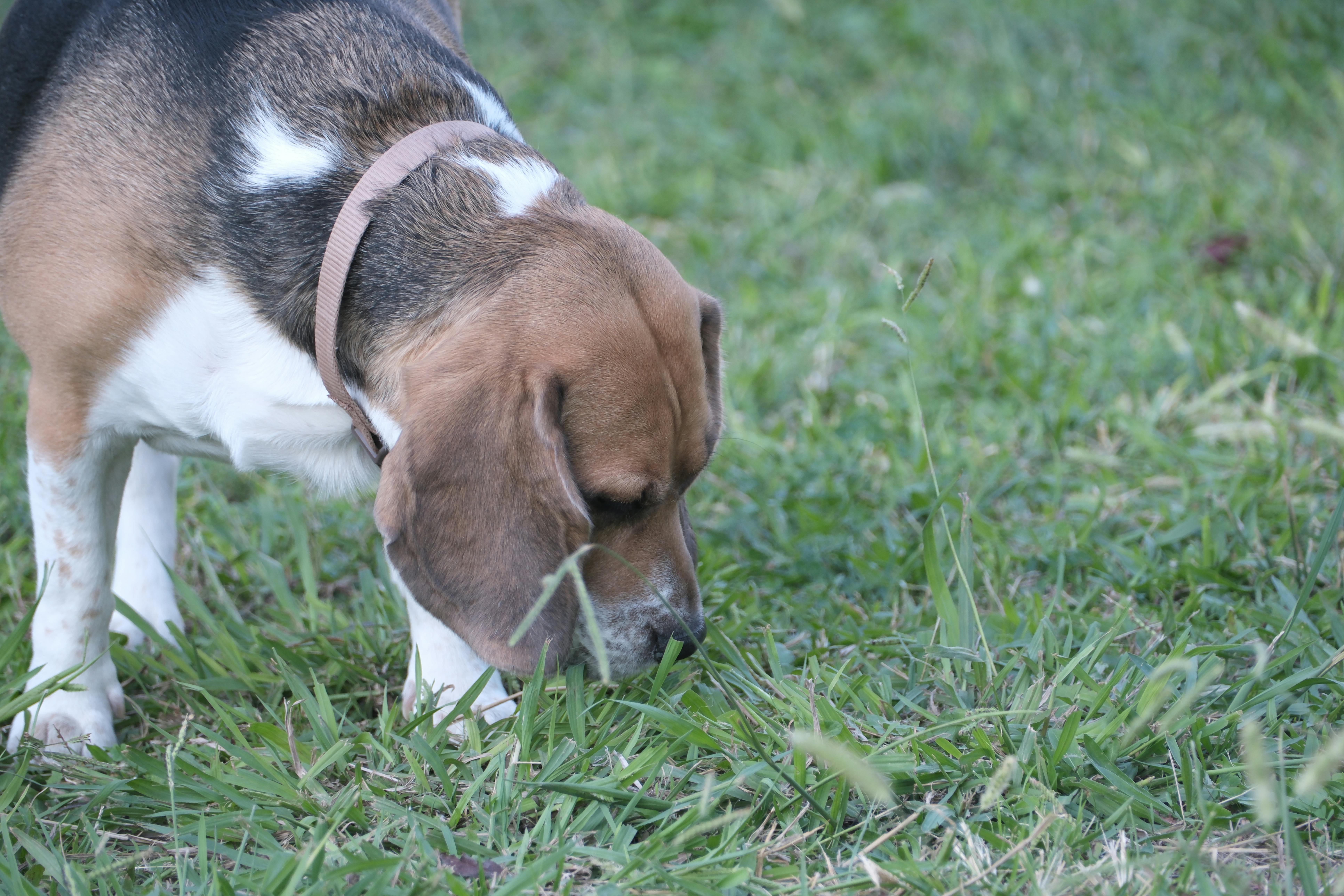 \n\n
\n\nHave you ever noticed how a dog’s nose always seems to be wet? It’s a common sight, but few people really think about why it's like that. Understanding the reason behind a dog’s wet nose can give pet owners vital insights into their canine’s health and well-being. So, what makes a dog's nose wet? Exploring the importance of hydration for canine health is not only fascinating but also crucial for every dog owner.
\nThe Science Behind a Wet Nose
\nDogs have wet noses for several reasons, and it’s all about keeping them healthy. First off, the moisture helps with their sense of smell. The wetness allows scent particles to adhere better, which increase their ability to detect smells. Isn’t that interesting? The more moist the nose, the more scents a dog can pick up!
\nMoreover, a wet nose can help in thermoregulation. Dogs do not sweat the same way humans do. Instead, they rely on their noses and paws to cool down. When a dog’s nose is wet, it can help dissipate heat in a more effective way.
\nWhat Causes a Dog's Nose to be Wet?
\nThere are several factors that contribute to the wetness of a dog's nose:
\n- \n
- Mucous Production: Dogs naturally produce mucus that keeps their noses moist. \n
- Saliva: When a dog licks its nose, saliva can also contribute to the wetness. \n
- Environmental Factors: Humidity and temperature can affect how wet a dog’s nose appears. \n
- Hydration Levels: A well-hydrated dog is likely to have a wetter nose compared to one that is dehydrated. \n
Importance of Hydration for Canine Health
\nKeeping your dog well-hydrated is essential not only for maintaining that wet nose but also for overall health. Dehydration can lead to several health issues, including:
\n- \n
- Kidney Problems: Chronic dehydration can strain the kidneys, leading to illness. \n
- Digestive Issues: Water is crucial for digestion; without it, dogs can experience constipation. \n
- Temperature Regulation: As previously mentioned, hydration helps dogs cool down effectively. \n
Signs of Dehydration in Dogs
\nIt’s important for pet owners to recognize the signs of dehydration. Here are some symptoms to look for:
\n- \n
- Dry, sticky gums \n
- Loss of skin elasticity (skin doesn’t spring back when pinched) \n
- Lethargy \n
- Sunken eyes \n
- Decreased appetite \n
If you notice these signs, it’s crucial to take action and provide fresh water or consult with a vet.
\nFun Facts About Dog Noses
\nYou might find it fun to know some fascinating facts about dog noses:
\n- \n
- Every dog’s nose print is unique, similar to a human fingerprint. \n
- Dogs have about 220 million scent receptors in their noses, compared to approximately 5 million in humans. \n
- The wetness of a dog’s nose can change throughout the day, depending on activities and environment. \n
Comparison of Dog Nose Conditions
\nIt’s also helpful to understand the difference between a normal wet nose and what might indicate a problem. Here’s a quick comparison:
\nNormal Wet Nose:
\n- \n
- Cool to touch \n
- Moist and slippery \n
- No unusual discharge \n
Abnormal Dry Nose:
\n- \n
- Warm and dry to touch \n
- Cracked or flaky skin \n
- Possible discharge (yellow or green) \n
Tips for Keeping Your Dog Hydrated
\nTo ensure that your dog stays hydrated, consider these tips:
\n- \n
- Always provide fresh, clean water. \n
- Encourage playtime outside, which can stimulate thirst. \n
- Feed wet dog food, which can add to their water intake. \n
- Monitor their water intake during hot days or after intense exercise. \n
Being aware of hydration is just as important for dogs as it is for humans. Keeping an eye on your dog’s nose and overall hydration levels can make a significant difference in their health and happiness. So, next time you see that wet nose, remember, it’s more than just a cute feature; it’s a sign of a healthy, well-hydrated dog!
\nUnderstanding why do dogs have wet noses not only enriches your knowledge but also enhances your ability to care for your furry friend. Whether you are a new dog owner or a seasoned pet parent, knowing these facts can help you provide the best for your beloved canine companion.
\n\nConclusion
\n\nIn conclusion, the wet noses of dogs serve multiple vital functions that contribute to their overall health and well-being. From enhancing their sense of smell to regulating body temperature and providing hydration, a wet nose is more than just an adorable trait. The moisture on their noses helps capture scent particles, allowing dogs to navigate their world with remarkable accuracy. Additionally, a wet nose can indicate good health, as dehydration or illness may lead to dryness. It's essential for dog owners to monitor their pets' nasal moisture as part of their overall health check. Next time you give your furry friend a pat, take a moment to appreciate the science behind their wet nose and understand its importance. Consider discussing your dog's nasal health with your veterinarian during your next visit to ensure they stay happy and healthy!
\n\n