Have you ever wonder why do dogs have wet noses? This intriguing question not only sparks curiosity but also reveals fascinating secrets about our furry friends. The wetness of a dog's nose plays a crucial role in their overall health and well-being. But what is the reason behind it? Is it just for cooling off or is there more to it? In this blog post, we will delve into the science of dog nose moisture and explore how it aids in their sense of smell, making them such incredible companions.
Did you know that a dog's nose can actually help them detect diseases? Yes, this remarkable ability is linked to the moisture on their snouts! Understanding why dogs have wet noses can enhance your bond with your pet and even improve their care. So, are you ready to uncover the fascinating secrets behind that adorable, moist nose? Join us as we embark on a journey filled with intriguing facts and insights that will leave you in awe of your canine companion's unique biology! Don’t miss out on learning more about this captivating aspect of dog health!
The Science Behind a Dog's Wet Nose: What You Need to Know

When we think about dogs, their wagging tails and happy barks often come to mind. But have you ever noticed their wet noses? It’s a common sight, but not everyone knows why dogs have wet noses. There's actual science behind it! This article dives into the reasons, benefits, and some fascinating facts about those little moisture-covered noses.
The Anatomy of a Dog's Nose
Dogs' noses are not just for sniffing. Their structure is quite complex. The outer layer is covered in skin that contains many different types of cells. These cells help in the absorption of scents, but they also play a role in keeping the nose moist. Here’s some elements to consider about a dog's nose:
- Sensory receptors: Dogs have about 300 million olfactory receptors in their noses. Humans have only about 6 million. This means dogs can smell things we can't even imagine.
- Moisture: A wet nose helps enhance a dog’s sense of smell. When the nose is wet, it traps scent particles, making it easier for dogs to detect different smells in their environment.
- Temperature regulation: Believe it or not, a dog's nose also helps in regulating their body temperature, similar to how humans sweat.
Why Are Dog Noses Wet?
So, why do dogs have wet noses? One of the main reasons is that their noses secrete a thin layer of mucus. This mucus is constantly being produced and helps in a couple of ways:
- Improved scent detection: As mentioned, moisture captures scent particles. When a dog licks its nose, it also aids in keeping it moist.
- Cooling mechanism: Besides smelling, a wet nose can help cool the dog down. Dogs don’t sweat like humans; instead, they regulate their temperature through panting and their noses.
Historical Perspectives on Dog Noses
Historically, dog noses have been a point of interest for many cultures. Ancient Egyptians revered dogs for their hunting skills, often noting the importance of a dog's sense of smell in their art and writings. Fast forward to modern times, and dogs are still used for various purposes involving smell:
- Search and rescue: Dogs with exceptional noses are trained to find missing persons.
- Detection work: Many law enforcement agencies rely on dogs to sniff out drugs, explosives, and even certain medical conditions like cancer.
Fun Facts About Dog Noses
Let’s look at some entertaining and surprising facts about dog noses that you might not know:
- Unique nose prints: Just like human fingerprints, every dog's nose print is unique. This can be used for identification purposes!
- Color variations: A dog's nose can be black, brown, or even pink. The color often depends on the breed and genetics.
- Temperature checks: While a cold, wet nose is often a sign of a healthy dog, a warm, dry nose doesn’t automatically mean a dog is sick. It’s just one of many indicators to consider.
Factors Affecting Nose Moisture
Not all dogs have wet noses all the time. Several factors can affect the moisture level of a dog's nose:
- Weather conditions: Hot and dry weather can lead to drier noses.
- Health issues: Certain health problems, like dehydration or fever, can affect nose moisture.
- Age: Older dogs might naturally have drier noses as they age.
Common Misconceptions
There are many myths surrounding dog noses that are important to debunk:
Myth: A dry nose always means a dog is sick.
- Fact: While a dry nose can be a sign of illness, it can also be due to environmental factors.
Myth: Dogs only use their noses for smelling.
- Fact: Dogs also use their sense of taste and sight, but their noses are undeniably their most powerful tool.
In summary, the science behind a dog's wet nose is a fascinating blend of biology and behavior. It is not just a cute feature; it serves several important purposes in a dog's life. Understanding why dogs have wet noses can deepen your appreciation for these amazing creatures. Next time you pet a dog or see one, take a moment to appreciate that wet nose and all the wonders it holds!
7 Surprising Benefits of Your Dog's Moist Nose Explained
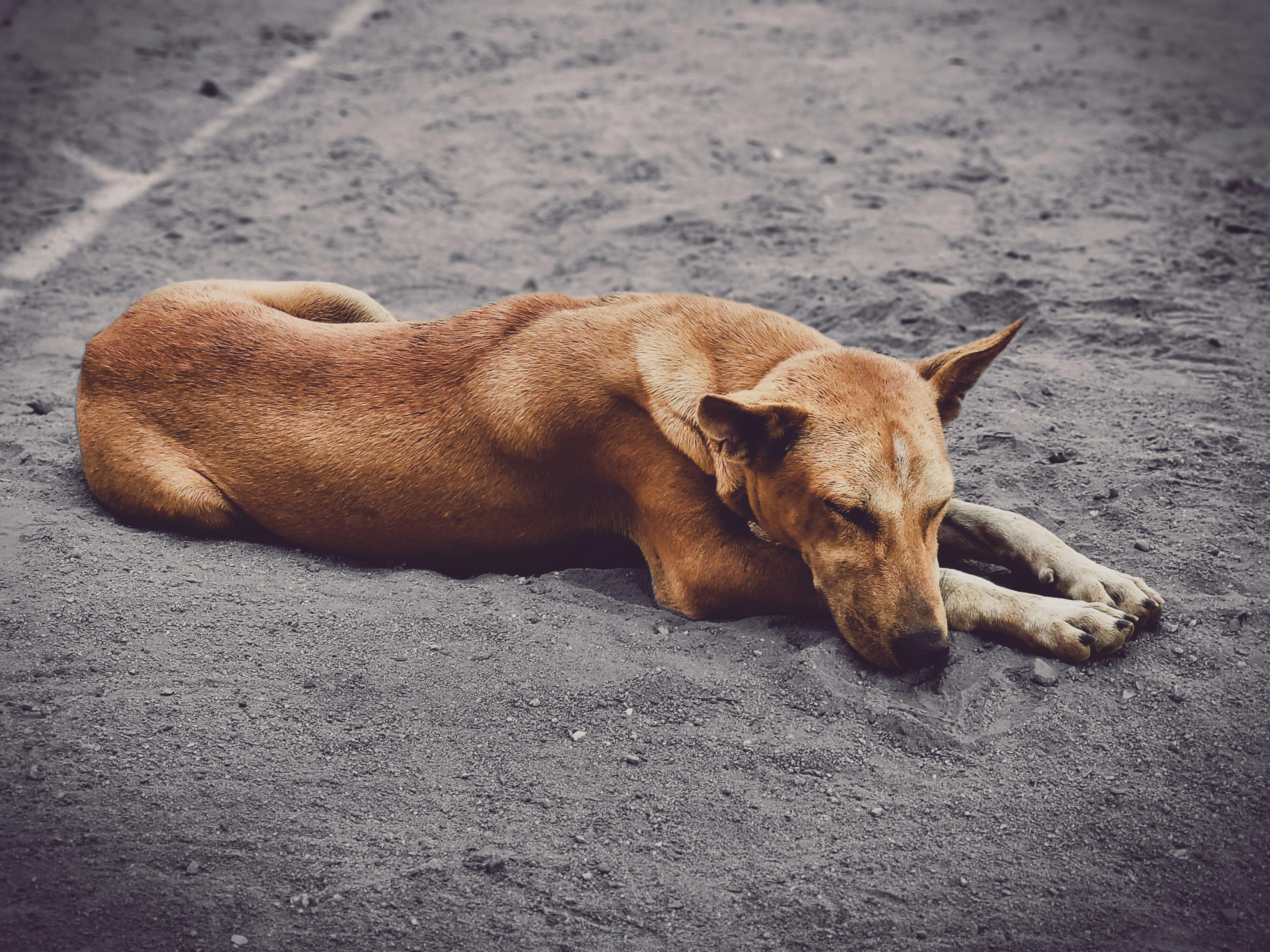
Dogs are often consider man's best friend, but have you ever wonder why their noses are so wet? It’s one of those quirks that seem odd at first glance, but it turns out there’s a fascinating science behind it. You might be surprise to learn that a dog’s moist nose serves several important functions. In fact, here are 7 surprising benefits of your dog’s moist nose that you probably didn’t know about!
1. Enhanced Sense of Smell
Dogs have an incredible sense of smell, and their wet noses actually help with that. The moisture on their noses capture scent particles from the air, allowing them to take in more information. This is why dogs can sniff out drugs, explosives, and even diseases in humans! They can detect certain smells at parts per trillion, which is far beyond what we humans can do.
2. Cooling Mechanism
You ever seen your dog panting? It’s not just for show! Dogs don’t sweat like humans do; instead, they rely on their noses to help regulate their body temperature. When the nose is moist, it can help cool the air that enters their bodies, making it easier for them to maintain a comfortable temperature. So, while they may not be sweating, their wet noses are doing a lot of work in keeping them cool!
3. Communication Tool
Dogs communicate in many ways, and their wet noses can also be a part of their social interactions. When a dog nudges you with their nose, it can be a sign of affection or a way to get your attention. The moisture can also be a signal to other dogs about their health and emotional state. Dogs have a keen sense of smell and can detect pheromones, which helps them understand what other dogs are feeling.
4. Healing Properties
Did you know that a dog’s nose has some natural healing properties? The moisture on their noses can help keep their skin hydrated, making it less likely for them to develop cracking or dryness. Some studies even suggest that the mucus on a dog’s nose has antibacterial properties, making it possible for minor cuts or scrapes to heal faster. So, if your dog gets a small injury, don’t worry too much; their nose might just help!
5. Temperature Detector
Another interesting function of a dog’s wet nose is its ability to detect temperature. A dog’s nose can sense and respond to changes in temperature, which can help them assess their environment. This could be useful when they’re outside, as they can tell if the ground is too hot or cold for their paws. This added layer of awareness can keep them safe and comfortable while exploring.
6. Sign of Health
The condition of a dog’s nose can actually be an indicator of their overall health. A healthy dog usually has a moist, cool nose. If a dog’s nose becomes excessively dry or cracked, it could be a sign of dehydration or illness. Pet owners should pay attention to these changes and consult a veterinarian if they notice anything unusual. So, the next time you give your dog a pat, take a moment to check their nose!
7. Bonding Opportunities
Let’s not forget about the bonding opportunities that come with a dog’s wet nose! When you pet your dog or play with them, those little nudges with their noses can be a way for them to express their love and trust. Engaging with your dog and allowing them to nuzzle you back creates a strong emotional connection. Plus, it’s pretty adorable!
Interesting Facts About Dog Noses
- Dogs have about 300 million scent receptors in their noses, compared to a human's 5 million.
- The moisture level of a dog’s nose can change throughout the day based on their activity level.
- Some breeds, like the Bloodhound, have an exceptionally wet nose that enhances their tracking abilities.
Quick Comparison: Dog Nose vs. Human Nose
| Feature | Dog Nose | Human Nose |
|---|---|---|
| Scent Receptors | 300 million | 5 million |
| Moisture Function | Enhances smell | No significant role |
| Temperature Sensing | Yes | Limited |
| Health Indicator | Yes | Not applicable |
Understanding why dogs have wet noses can change the way you look at your furry friend. Their moist noses are not just an endearing trait; they serve multiple purposes that are crucial for their health and happiness. So, next time you notice your dog’s wet nose, think about all the amazing benefits it brings to their life and yours!
Do Dogs Have Wet Noses for a Reason? Unveiling the Mystery

Dogs are our loyal companions, but have you ever wondered about their wet noses? Like, why do dogs have wet noses? This question might seem simple, but there’s a lot more to it than meets the eye. Wet noses are actually a fascinating aspect of canine biology, and they serve several important purposes. Let’s dive into the mystery behind those moist snouts and uncover the secrets of why dogs have wet noses.
The Biology Behind Wet Noses
Dogs noses are wet for a couple of significant reasons. First off, they got a unique physiology. Their noses contain a special type of tissue called the olfactory epithelium, which helps them detect smells. The moisture on their noses plays a crucial role in enhancing their sense of smell.
- Moisture Absorption: A wet nose can absorb scent particles more efficiently, allowing for a better olfactory detection.
- Temperature Regulation: Dogs also use their noses to help regulate their body temperature. A wet nose can aid in cooling down.
Moreover, the moisture on a dog’s nose comes from two main sources:
- Saliva: Dogs often lick their noses, which adds moisture.
- Environmental Humidity: The air around them naturally contributes to the wetness, especially in humid conditions.
The Evolutionary Perspective
Historically, wet noses have evolved for practical reasons. Dogs, like their wild ancestors, needed to hunt and survive, so their noses adapted over time. A wet nose not only enhances scent detection but also keeps them alert to changes in their environment. Here's how:
- Scent Tracking: Wet noses help dogs track prey and detect predators.
- Communication: Dogs communicate with each other through scents. A wet nose helps them gather information from their surroundings.
The Health Indicator
A dog's nose can also be an indicator of its health. Generally, a healthy dog has a moist and cool nose. But, if a dog’s nose become dry or warm, it might indicate an underlying health issue. Here’s a quick guide:
- Normal: Moist and cool
- Slightly Dry: Can be normal, especially after sleeping
- Dry and Warm: May indicate fever or illness
- Cracked or Bleeding: This can be a sign of a more serious condition and should be examined by a vet
Fun Facts About Dog Noses
Did you know that each dog's nose print is unique? Just like human fingerprints, a dog’s nose has a distinct pattern. This uniqueness can be utilized for identification purposes. Here are some fun facts about dog noses:
- Scent Detection: Dogs have up to 300 million scent receptors compared to humans’ 5 million.
- Nasal Folds: The folds in a dog's nose help trap scent particles.
- Temperature Sensing: Dogs can sense changes in temperature, which can help them detect other animals or changes in their environment.
Comparison: Dog Noses vs. Human Noses
Let’s break it down a bit further and compare dog noses with human noses. Here’s a quick table:
| Feature | Dog Nose | Human Nose |
|---|---|---|
| Scent Receptors | 300 million | 5 million |
| Wetness | Usually wet | Usually dry |
| Function | Scent tracking, communication | Breathing, smell |
| Temperature Regulation | Yes | No |
From this comparison, it’s clear that the canine nose is far superior in terms of scent-related functions.
Practical Examples of Wet Nose Benefits
So, how does a wet nose actually help in everyday life for dogs? Here are some examples:
- Finding Lost Items: Dogs can sniff out lost keys or items because of their powerful noses.
- Detecting Illness: Some dogs can even detect certain diseases like cancer or diabetes through scent.
- Tracking: Police and rescue dogs use their noses to track individuals.
In conclusion, the mystery of why dogs have wet noses is both intriguing and essential to their biology. Their moist noses serve multiple purposes, from enhancing their sense of smell to regulating body temperature. Remember, a healthy, wet nose is usually a sign of a happy dog. So next time you give your furry friend a pat on the head, take a moment to appreciate that wet nose and all the wonders it brings!
How a Wet Nose Enhances Your Dog's Sense of Smell: The Fascinating Facts
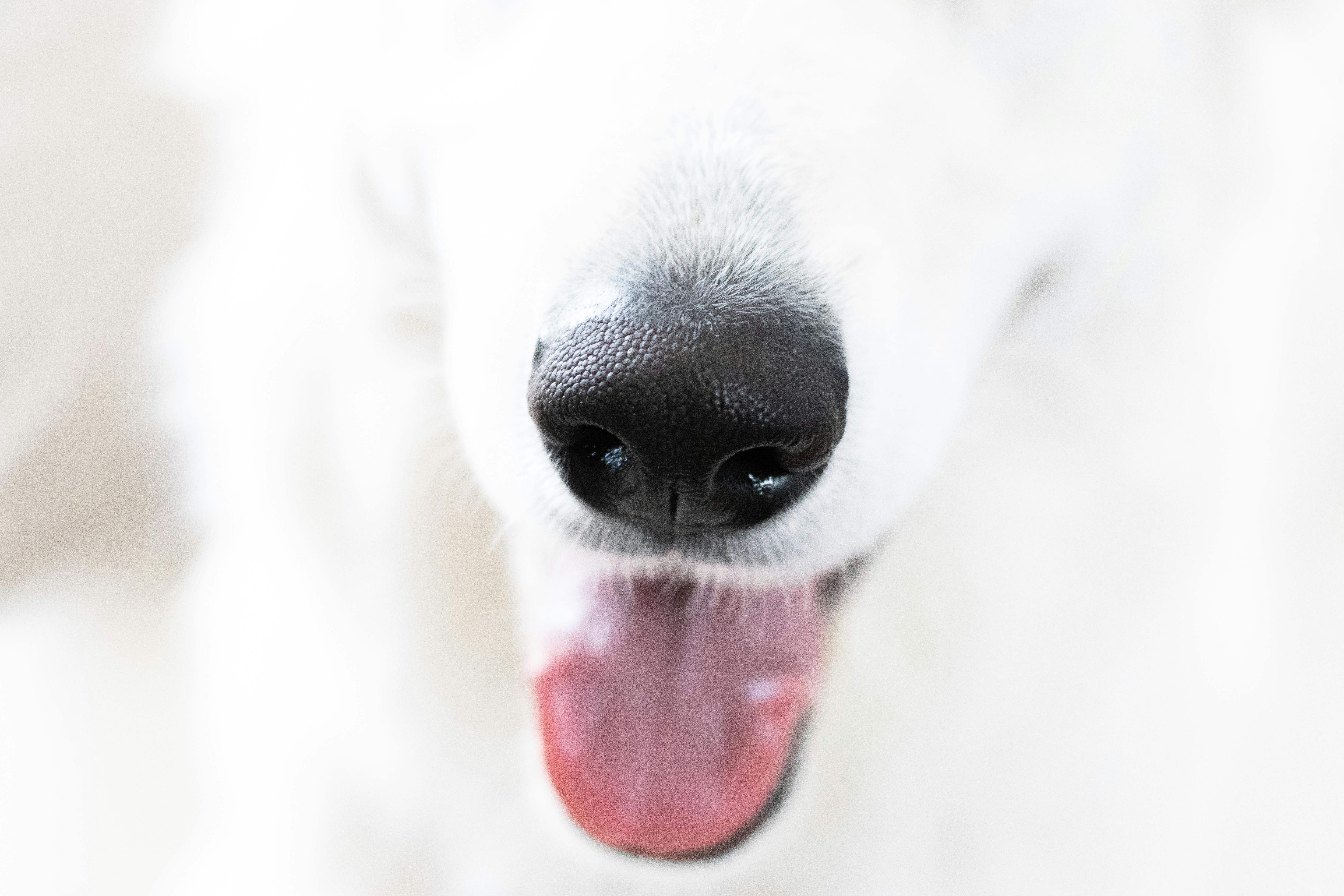
Dogs are known as man’s best friend, but did you ever wondered why they have wet noses? It’s not just for show or a cute feature! A wet nose plays a crucial role in enhancing a dog’s sense of smell. In fact, it’s one of the most fascinating aspects of canine biology. Let’s dive into the reasons behind those wet noses and how it helps your four-legged companion sniff out the world around them.
The Science Behind a Wet Nose
Dogs have an extraordinary sense of smell, estimated to be anywhere from 10,000 to 100,000 times more sensitive than humans. Their noses are equipped with up to 300 million scent receptors, compared to a human’s mere 5 million. But why does moisture matter?
- Moisture Absorption: A wet nose helps absorb scent particles from the air more effectively. When moisture is present, it can trap these particles, allowing dogs to detect smells better.
- Temperature Regulation: A wet nose also helps to cool a dog’s body temperature. Dogs can’t sweat like humans do, so they release heat through their noses and paw pads.
- Health Indicator: The moisture level of a dog's nose can even indicate its health. An overly dry nose may signal dehydration or illness, while a normal wet nose is often a sign of good health.
Historical Context of Dog Noses
Dogs have been domesticated for thousands of years, and their incredible sense of smell has been utilized by humans in various ways. Historically, dogs have served as hunting companions, search and rescue animals, and even in law enforcement. The wet nose plays an integral part in these roles because it enhances their olfactory capabilities.
- Hunting Dogs: Bred for tracking, these dogs rely heavily on their sense of smell to locate game.
- Search and Rescue: Dogs trained for searching missing persons or finding disaster survivors depend on their acute sense of smell, aided by their wet noses.
- Detection Work: From drugs to explosives, dogs are used in various detection roles that require a keen sense of smell, which is enhanced by that wet surface.
Fascinating Facts About Wet Noses
Here’s a list of interesting tidbits about why dogs have wet noses and how it benefits them:
- Scent Discrimination: Dogs can differentiate between various scents even when they are mixed together, thanks to their moist noses.
- Nasal Passages: The structure of a dog’s nose includes complex nasal passages that filter and analyze different smells.
- Behavioral Cues: Dogs often wet their noses when they are excited or curious, which can enhance their ability to smell new environments or potential playmates.
Comparison: Wet vs. Dry Noses
Let’s compare the differences between wet and dry noses in dogs to understand their significance further:
| Feature | Wet Nose | Dry Nose |
|---|---|---|
| Scent Absorption | High | Low |
| Health Indicator | Generally healthy | May indicate dehydration/illness |
| Temperature Regulation | Effective | Less effective |
| Behavioral Signals | Excitement or curiosity | Neutral or stressed state |
Practical Examples of Nose Functionality
Consider how a dog might use its nose in real-life situations. For instance:
- Finding Food: A dog can smell a treat hidden in a box, thanks to its wet nose capturing the scent and making it easier to locate.
- Tracking: Bloodhounds are famous for their ability to track scents over long distances. Their wet noses play a crucial role in this ability.
- Detecting Illness: Some dogs can even detect diseases like cancer by smelling changes in human body odor, aided by their highly sensitive, moist noses.
The Significance of Noses in Dog Breeds
Different dog breeds exhibit varying nose shapes and sizes, which can influence their sense of smell:
- Long-nosed breeds (like Bloodhounds) typically have a better ability to track scents over long distances.
- Short-nosed breeds (like Bulldogs) may not have the same level of olfactory sensitivity but still possess a good sense of smell.
A dog’s nose is more than just an adorable feature; it’s an essential tool that enhances their ability to interact with the world. Understanding why dogs have wet noses can deepen our appreciation of these amazing creatures. Remember, the next time you give your furry friend a scratch behind the ears, you’re not just petting a dog—you’re engaging with a highly evolved scent detective!
Is a Wet Nose a Sign of Health in Dogs? Discover the Truth!

If you ever noticed your dog’s nose, you might have wondered why it’s always so wet. Is a wet nose really a sign of health in dogs? That’s what many people think, but the truth might be more complicated than it seems. Let’s dive into the fascinating reasons behind why dogs have wet noses and what it could mean for their overall health.
The Science Behind a Wet Nose
Dogs have wet noses primarily due to a combination of physiology and behavior. The moisture on a dog’s nose comes from a few sources:
- Sweat Glands: Dogs don't sweat like humans do. They have sweat glands primarily in their paw pads. Instead, they rely on their noses to help regulate temperature.
- Saliva: Dogs often lick their noses, which keeps them moist. A wet nose can help enhance their sense of smell.
- Environmental Factors: Temperature and humidity play a role too. On hot days, a dog’s nose may feel wetter.
Some studies suggest that a damp nose can indeed help a dog pick up scents better, which is essential for their communication and hunting instincts.
Is a Wet Nose Always a Sign of Health?
While many people believe that a wet nose is an indicator of a healthy dog, it’s not always that simple. Here’s some points to consider:
- Healthy Dogs: Generally, a healthy dog can have a wet nose, but it’s not a guarantee of good health.
- Illness Indicators: If your dog’s nose is dry, cracked, or consistently warm, it might suggest they are unwell. Other symptoms like lethargy or loss of appetite should be taken seriously.
- Variability: Different breeds have different nose conditions. Some breeds may naturally have drier noses than others.
Why Do Dogs Have Wet Noses? Discover This Fascinating Secret!
Now, let’s explore some of the reasons behind the wet noses of dogs in more detail.
Enhanced Smell: The moisture helps trap scent particles in the air, allowing dogs to detect smells more efficiently. This is crucial for hunting, tracking, and social interactions.
Thermoregulation: Dogs lose heat through their noses. A wet nose can help cool them down, especially when they’re panting. It’s not as effective as panting, but it helps.
Communication: Dogs often use their noses to greet other dogs and humans. A wet nose can signal friendliness and approachability.
Sensory Receptors: The surface of a dog’s nose is rich in sensory receptors, which makes it super sensitive to touch and smells. A wet surface enhances this ability.
Health Considerations for Dog Owners
Here's a quick checklist for dog owners to keep in mind regarding their pets' noses:
- Inspect Regularly: Keep an eye on your dog’s nose. Look for changes in texture or moisture levels.
- Watch for Symptoms: If your dog has a consistently dry nose coupled with other symptoms, consult your vet.
- Hydration is Key: Ensure your dog is drinking enough water, as dehydration can lead to a dry nose.
Common Misconceptions About Dog Noses
Many people have misconceptions about dog noses. Let’s clear some of them up:
Myth: A cold, wet nose means a dog is sick.
- Fact: A cold nose is often normal, but not a definitive health indicator.
Myth: All dogs have wet noses.
- Fact: Some breeds might naturally have drier noses, and that’s okay!
Myth: A warm nose means a fever.
- Fact: Dog’s noses can vary in temperature due to environmental factors, not just illness.
Final Thoughts
Understanding why dogs have wet noses can be fascinating and informative. While a wet nose can be a sign of health, it shouldn't be the only indicator. Regular check-ups with a veterinarian, observing your pet's behavior, and knowing your dog's normal baseline will help you keep your furry friend healthy and happy. So next time you pet your dog and feel that wet nose, remember, it’s just one part of their complex and amazing biology!
The Role of Temperature Regulation: Why Your Dog's Nose is Always Damp
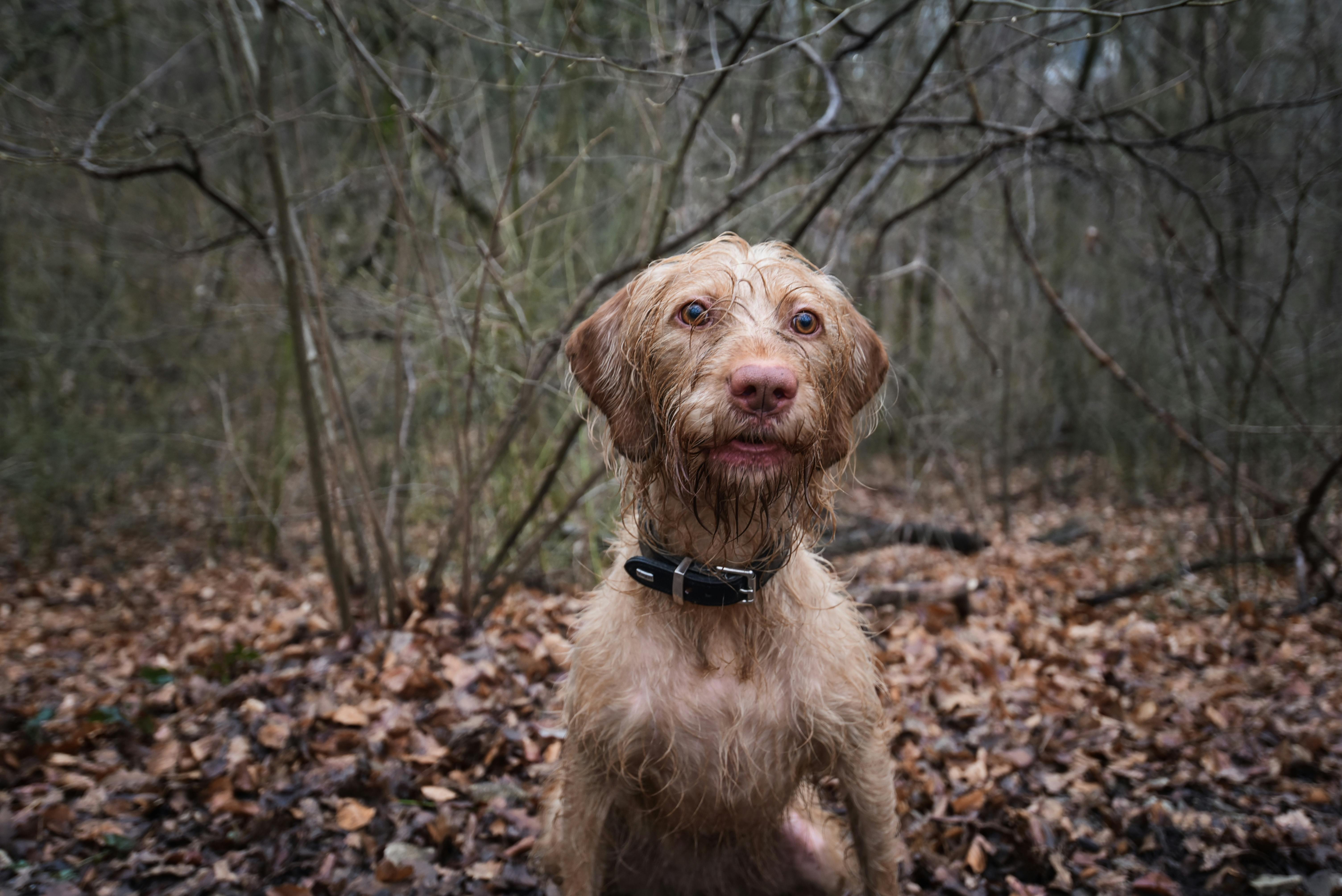
When you see your dog with a wet nose, you might wonder why it’s always like that. Many people assume it’s just a normal thing for dogs, but there’s more to it than you think. The role of temperature regulation is crucial here, and it’s fascinating how nature has equipped our furry friends with this unique trait. Understanding why dogs have wet noses can help you appreciate the complexities of canine biology and their behavior.
The Science Behind Wet Noses
Dogs have moist noses due to a combination of factors that serve several important purposes. First of all, their noses are covered in a thin layer of mucus. This mucus keeps their sense of smell sharp! When a dog sniffs around, the moisture in the mucus helps to trap scent particles. It’s like how a sponge works, soaking up smells from the environment.
Here are some key aspects of why dogs have wet noses:
- Enhanced Smell: Wet noses help dogs to smell better. The moisture captures scent molecules, making it easier for them to identify various odors.
- Temperature Regulation: Dogs don’t sweat like humans do. Instead, they rely on their noses to help regulate body temperature. The moisture on their noses evaporates, cooling their body down, similar to how sweating cools us off.
- Health Indicator: A wet nose can indicate good health. If a dog's nose is dry, it might suggest dehydration or illness.
Historical Context of Dog Noses
The evolution of the canine nose is quite interesting! Dogs are descendants of wolves, and over the years, their noses have adapted to suit their needs. Wolves have wet noses too, which helps them hunt and navigate their environments.
Thousands of years ago, humans domesticated dogs for various tasks, including hunting and herding. Throughout this process, their sense of smell became more vital for their survival and their roles as companions to humans.
What Makes a Dog's Nose Wet?
Several factors contribute to the moisture found on a dog’s nose:
- Saliva: Dogs often lick their noses, which keeps them damp. This behavior is instinctual and helps maintain their sense of smell.
- Environmental Conditions: Humidity and temperature can also affect how wet a dog’s nose gets. For instance, on a hot summer day, a dog's nose may become drier, while rainy weather can make it feel wetter.
- Health Conditions: Various health issues can also lead to changes in nose moisture. Conditions such as allergies, infections, or even fever can cause a dog’s nose to be either too dry or overly moist.
Comparing Dog Noses to Other Animals
It’s fascinating to compare the wet noses of dogs to other animals. Here’s a quick breakdown:
- Cats: Cats also have moist noses, but they are less reliant on their sense of smell compared to dogs.
- Humans: Our noses are dry most of the time, with moisture only present when we have a cold or allergies.
- Pigs: Pigs have very wet noses too, which helps them root around in the dirt to find food.
Practical Examples of Nose Health
Keeping an eye on your dog’s nose can provide important insights into their health. Here are some signs to watch for:
- Consistently dry nose: If your dog’s nose is consistently dry, it could be a sign of dehydration. Make sure they have access to fresh water.
- Excessively wet nose: If it’s always wet and they’re licking it a lot, it may indicate an allergy or infection. Consider visiting a vet.
- Cracks or sores: If you see cracks or sores, that could be a sign of a more serious problem. Veterinary care is advised.
Understanding the role of temperature regulation in your dog’s wet nose is just one aspect of their overall health and behavior. Knowing these facts can deepen your bond with your pet and help you care for them better.
So next time you give your dog a scratch behind the ears, take a moment to appreciate that damp little nose. It’s not just cute; it plays a significant role in their life and well-being.
Can a Dog's Nose Tell You About Their Emotions? The Answer May Surprise You!

Dogs are known for their loyalty and companionship, but have you ever wondered what their wet noses actually mean? Many pet owners often ask, "Can a dog's nose tell you about their emotions?" Surprisingly, the answer is yes! Dogs communicate through various ways, and their noses are one of the most fascinating aspects of their behavior. So, let’s dive into why dogs have wet noses and what these little squishy appendages can reveal about their feelings.
Why Do Dogs Have Wet Noses?
Dogs’ noses are wet for a variety of reasons, and understanding these reasons can help you better connect with your furry friend. Here’s a quick overview:
Enhanced Smell: Dogs have an incredible sense of smell, which is thousands of times more sensitive than humans. A wet nose helps capture scent particles. The moisture allows scents to stick better, making it easier for dogs to detect smells.
Cooling Mechanism: Just like humans sweat, dogs have a unique way to cool down. Their wet noses can help regulate their body temperature. When they pant, moisture evaporates from their noses, helping them cool off.
Health Indicator: A wet nose is often seen as a sign of a healthy dog. If your dog’s nose is dry, it could indicate dehydration or illness, but not always. It’s important to consider the overall behavior and health of the dog.
Emotional Barometer: Believe it or not, a dog’s nose can reflect its emotional state. When dogs are excited or happy, their noses might feel a bit wetter. Conversely, stress or anxiety could lead to a drier nose.
Can a Dog's Nose Tell You About Their Emotions?
Yes, it can! Dogs express themselves in many ways, and their noses are no exception. Here’s how you can interpret some common emotional states through their noses:
Happy and Playful: A wet and cool nose usually indicates that a dog is happy and ready to play. Their excitement can create more moisture.
Anxious or Stressed: If a dog’s nose feels dry and warm, it may be feeling anxious or stressed. This could be due to changes in their environment, like loud noises or unfamiliar people.
Comfortable and Relaxed: A moist nose that feels cool to the touch often means your dog is relaxed. When they are snuggling or resting, their noses tend to retain that wetness.
Health Concerns: If you notice a sudden change in your dog’s nose, it could signal health issues. A persistently dry nose, especially if accompanied by other symptoms like lethargy or appetite changes, should be looked at by a vet.
Interesting Facts About Dog Noses
Unique Patterns: Just like human fingerprints, every dog has a unique nose print. This can even be used for identification!
Scent Discrimination: Dogs can identify specific odors from a mix of smells, which is why they excel in roles like search and rescue or detection.
Nose Temperature: A dog’s nose can change temperature based on its activity. After running around, a dog’s nose might feel warmer while a dog resting will have a cooler nose.
Nose Licking: Dogs often lick their noses to keep them moist and to enhance their sense of smell by spreading scent particles.
Practical Tips for Dog Owners
To ensure your dog’s nose stays healthy and reflective of their emotions, consider these tips:
Hydration: Always provide fresh water to keep your dog hydrated.
Regular Vet Check-ups: Monitor any changes in your dog's nose, and consult a veterinarian if something seems off.
Observe Behavior: Pay attention to your dog’s overall behavior, not just their nose. Changes in habits can give you clues about their emotional health.
Create a Calm Environment: If your dog shows signs of anxiety, create a safe, quiet space for them to retreat to when needed.
Final Thoughts
Understanding why dogs have wet noses and how they can indicate emotions provides a unique insight into their world. Dogs express a lot through their noses, and being attentive to these signs can strengthen the bond between you and your furry companion. As you observe your dog's behavior and nose status, remember that every dog is different. So, keep learning and exploring the amazing ways in which your pet communicates!
5 Common Myths About Dogs' Wet Noses Debunked
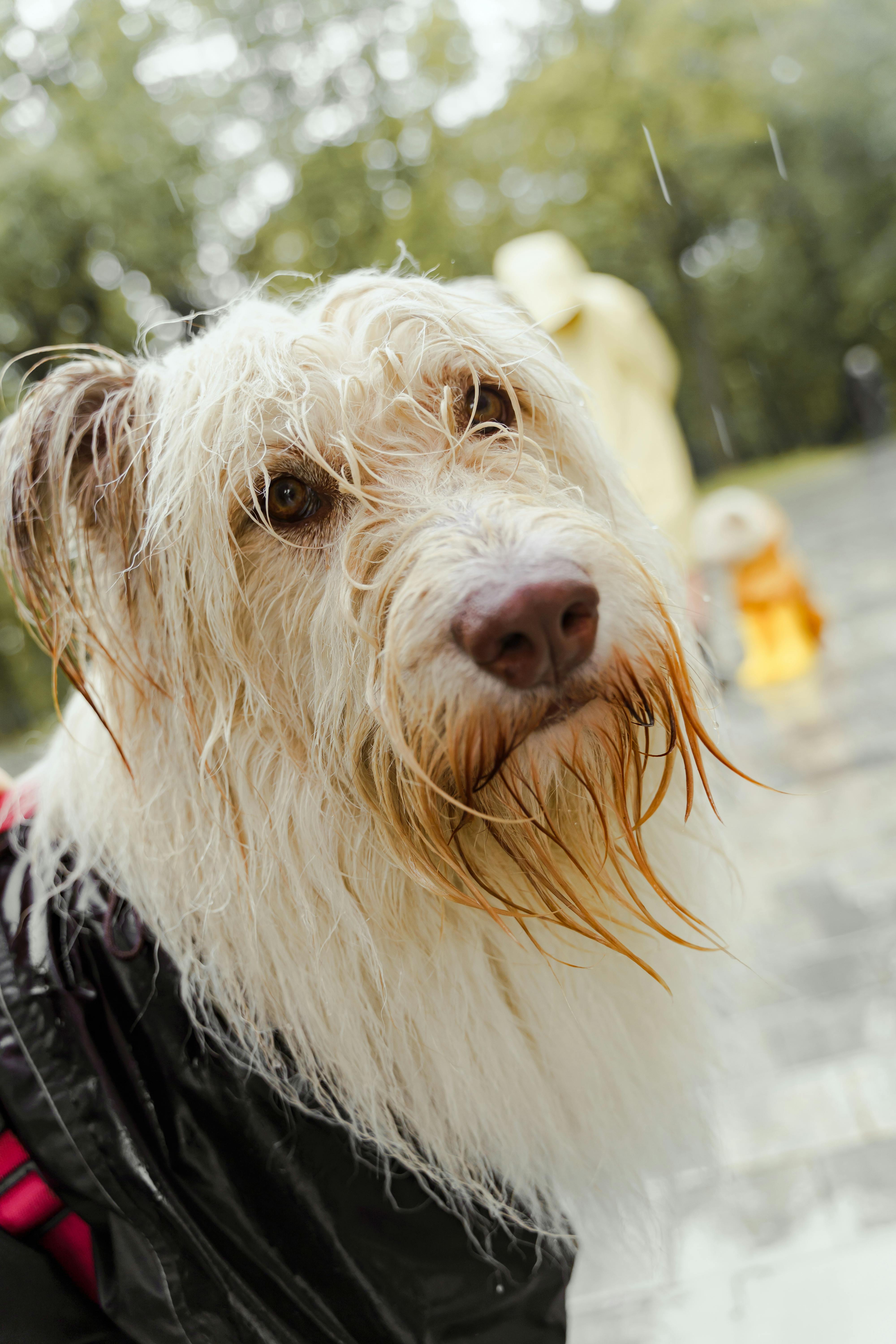
Have you ever wonder why dogs always have those wet noses? Many pet owners might think they know the answer, but there's a lot of myths floating around about this fascinating topic. In this article, we will tackle the top 5 common myths about dogs' wet noses, and reveal the real reasons behind this cute characteristic. So, if you’re curious about why do dogs have wet noses, keep reading!
Myth 1: Wet Noses Mean Dogs Are Healthy
It's a common belief that a wet nose is a sure sign of a healthy dog. While it's true that many healthy dogs do have wet noses, it's not always the case. A dog's nose can be dry for several reasons, including:
- Weather changes: Hot or windy conditions can dry a dog's nose.
- Age factors: Older dogs may have drier noses.
- Dehydration: If your dog isn’t drinking enough water, its nose can become dry.
So, don’t worry too much if your dog’s nose is dry sometimes. It doesn't automatically mean they’re sick.
Myth 2: Dogs' Noses Are Wet Because of Their Saliva
Another common myth is that dogs' noses are wet because they lick them. While dogs do lick their noses, that’s not the primary reason they tend to be wet. The moisture found on a dog’s nose actually comes from:
- Mucous membranes: These help keep the nose moist and aid in scent detection.
- Environmental factors: Like humidity or rain, which can naturally wet their noses.
So, while licking does contribute a bit, it’s not the main reason.
Myth 3: Dogs' Noses Stay Wet All the Time
Many people think a dog’s nose should always be wet, but that's not true. Just like humans, dogs can have variations in their nose moisture throughout the day. Factors that can lead to a change in moisture include:
- Activity levels: After playing, a dog might have a drier nose.
- Sleeping: When dogs sleep, their nose can lose moisture.
- Time of day: Sometimes, their noses can dry out during the day and become wet at night.
Myth 4: The Color of the Nose Determines Health
You might have heard that the color of a dog's nose indicates its health. This is another misconception. A dog’s nose can vary in color from black to brown, and even pink, depending on the breed. Some key points to understand include:
- Breed characteristics: Certain breeds naturally have different nose colors.
- Seasonal changes: Some dogs may see changes in nose color with the seasons.
- Health issues: While some health problems can change nose color, it’s not always a clear indicator.
So don’t judge a dog’s health based solely on the color of its nose!
Myth 5: A Wet Nose Means They Are Happy
Many folks believe that a wet nose is a sign of a happy dog. However, while a wet nose can be an indicator of a dog’s well-being, it's not a direct connection to their emotions. Dogs can have wet noses when they are:
- Excited: Sure, they might be happy, but wetness can also happen during playtime.
- Curious: Dogs explore their world through their noses, leading to moisture.
- Relaxing: A dog can have a wet nose even when they’re resting.
Dogs express happiness in various ways, and a wet nose is just one small part of the picture.
Why Do Dogs Have Wet Noses? The Real Reasons
So, if it's not just about health or happiness, why exactly do dogs have wet noses? The moisture on their noses actually serves several important purposes:
- Scent Enhancement: A wet nose helps dogs pick up scents better. The moisture captures scent particles, making it easier for them to smell.
- Cooling Mechanism: Dogs don’t sweat like humans do. A wet nose can help them cool down in warmer weather.
- Communication Tool: Dogs can communicate their feelings through their noses. A wet nose can signal curiosity or friendliness.
Here’s a quick comparison of dry vs. wet noses and their implications:
| Feature | Wet Nose | Dry Nose |
|---|---|---|
| Health Indicator | Not always an indicator | Can indicate dehydration |
| Scent Detection | Enhanced scent capability | Less effective |
| Temperature Regulation | Helps cool down | Less effective |
Understanding these myths and truths can help dog owners better care for their furry friends. So, the next time you notice your dog’s wet nose, remember these facts. Whether it’s wet or dry, it’s just one of the many unique traits that make dogs such wonderful companions.
How to Care for Your Dog’s Nose: Tips for Keeping It Healthy and Hydrated

Dogs are often considered as part of the family, and just like any family member, they need care and attention. One of the most important aspects of a dog's health is their nose. Many dog owners often wonder, "How to care for your dog's nose? What can I do to keep it healthy and hydrated?" A healthy nose is vital for your furry friend's overall well-being. Moreover, have you ever asked yourself, "Why do dogs have wet noses?" This question leads us to some fascinating insights about our canine companions.
The Importance of a Dog's Nose
A dog's nose serve as an essential tool for their communication and interaction with the world. It is packed with scent receptors, helping them to detect different smells. In fact, dogs have up to 300 million olfactory receptors in their noses, compared to a human’s mere 6 million. This makes their sense of smell incredibly sensitive. But, why is it wet?
Why Do Dogs Have Wet Noses?
Dogs noses are wet for a few reasons. Firstly, moisture helps to enhance their sense of smell. When a dog's nose is damp, it captures scent particles more effectively, allowing them to identify smells better. This is why you might notice your dog sniffing everything in sight. Secondly, a wet nose helps dogs to regulate their body temperature. They often lick their noses to keep them cool, especially on hot days.
How to Keep Your Dog's Nose Healthy
Keeping your dog's nose healthy isn't just about cleaning it; it's about overall wellness. Here are some key tips to ensure your dog’s nose stays in tip-top shape:
- Stay Hydrated: Always provide fresh water. Dehydration can lead to a dry nose.
- Balanced Diet: Feed your dog a nutritious diet rich in vitamins and minerals. Omega fatty acids can particularly help keep their skin and nose hydrated.
- Regular Vet Check-ups: Routine check-ups can catch any potential issues early. Your vet can assess your dog's nose and overall health.
- Avoid Harsh Chemicals: Use pet-safe cleaning products in your home. Harsh chemicals can irritate your dog's nose.
- Limit Sun Exposure: Just like humans, dogs can get sunburned. If your dog has a light-colored nose, consider using pet-safe sunscreen.
Signs of an Unhealthy Nose
So how do you know if your dog's nose needs attention? Here are some signs to look out for:
- Cracked or Dry Nose: This can indicate dehydration or other health issues.
- Discoloration: Any unusual color changes may signal a problem.
- Excessive Sneezing: If your dog is sneezing more than usual, it could be an allergy or other issue.
- Nasal Discharge: Clear discharge is normal, but green or yellow discharge could mean an infection.
Fun Facts About Dogs' Noses
- Dogs' noses can be as unique as fingerprints. Just like humans, every dog's nose has a distinct pattern.
- Some breeds are more prone to nose problems. For example, brachycephalic dogs (like Bulldogs) often have nose issues because of their short snouts.
- A dog’s nose can change temperature slightly based on their mood. A warm nose may indicate they’re feeling unwell.
Caring for Your Dog’s Nose: Practical Tips
Here are some practical tips and steps to keep your dog's nose healthy:
- Routine Checks: Regularly check your dog’s nose for signs of dryness or irritation.
- Apply Moisturizers: If your dog has a chronically dry nose, consider using a dog-safe moisturizer. Look for natural ingredients.
- Monitor Weather Conditions: In cold weather, consider a nose balm to protect against chapping. In hot weather, keep them hydrated and cool.
- Watch for Allergens: If your dog is sneezing or has a runny nose, look for potential allergens in their environment.
Common Misconceptions
Many dog owners have misconceptions about their pet's noses. Here are a few clarifications:
- A Cold Nose Means Healthy Dog: While many believe that a cold nose indicates a healthy dog, this isn’t always true. A warm nose can still be a sign of a healthy pup.
- All Dry Noses Are Bad: Not all dry noses indicate a health issue. Some dogs naturally have drier noses than others.
Taking care of your dog's nose is just one piece of the puzzle when it comes to their health. It's crucial to pay attention to their overall well-being and recognize that a healthy nose contributes to their quality of life. The next time you see your furry friend sniffing around, remember the amazing functions their nose serves and how you can help keep it in great condition.
The Connection Between a Dog's Wet Nose and Their Overall Well-being: What Studies Show

Dogs are known for their playful antics, loyalty, and those adorable wet noses. But have you ever wondered why do dogs have wet noses? It turns out, there's more to that moisture than meets the eye. Recent studies shows a fascinating connection between a dog’s wet nose and their overall health. Let's delve into this intriguing subject and discover all the details!
The Science Behind a Dog's Wet Nose
Most people thinks that a dog’s nose is wet simply because they've been drinking water or playing in the rain. However, the reality is more complex. The wetness of a dog's nose serves multiple purposes, and it plays a crucial role in their sense of smell.
Enhanced Smell: The moisture on a dog's nose helps to capture scent particles from the air. This makes their olfactory system even more effective, allowing them to detect scents much better than humans. In fact, dogs’ noses are about 10,000 to 100,000 times more sensitive than humans.
Cooling Mechanism: Just like humans sweat to cool down, dogs use their noses to regulate body temperature. A wet nose can help in dissipating heat. This is one of the reasons why you may notice your dog’s nose being wetter after a walk or play session.
Health Indicator: A dog’s nose can be a good indicator of their health. A healthy dog usually has a moist nose. If it becomes dry or cracked, it could suggest dehydration or illness.
Why Do Dogs Have Wet Noses?
Now, you might be asking, why do dogs have wet noses in the first place? Well, it's not just for smell or cooling! Here are a few more reasons:
Scent Detection: A wet nose increases the surface area that can absorb scent molecules, which helps dogs pick up on smells that are far away or faint.
Communication: Dogs may use their noses to communicate with other dogs. A wet nose can signify a friendly and approachable demeanor.
Behavioral Responses: Dogs often lick their noses, which keeps it moist and helps them smell better. It’s a natural behavior that contributes to their sensory awareness.
What Studies Show About Dog Health and Wet Noses
Several studies have looked into the correlation between a dog’s nose and their health. Research indicated that dogs with consistent wet noses tend to be healthier. Here are some insights from various studies:
Hydration Levels: Dogs that drink enough water often maintain a wet nose. Dehydration can lead to dry noses, which might signal health issues.
Temperature Control: Studies show that dogs with wet noses can thermoregulate better. This is especially important during hot weather when overheating can become a severe health risk.
Behavioral Observations: Many dog trainers and veterinarians noted that a dog’s behavior correlates with their nose's moisture level. An unusually dry nose may accompany lethargy or unusual behavior.
Practical Examples of Nose Health
Just as we care for our own health, it’s important to pay attention to our furry friends. Here are some practical tips:
Regular Hydration: Ensure your dog has access to clean water all day. A hydrated dog generally has a healthier nose.
Monitoring Behavior: Keep an eye on your dog’s energy levels. If they seem more tired than usual and their nose is dry, it might be worth a visit to the vet.
Environmental Factors: Certain climates can affect a dog’s nose. Dry winters may lead to cracked noses, so using a little dog-safe moisturizer can help.
Comparison: Wet Vs. Dry Nose
Let’s break down the differences between a wet and dry dog nose:
Wet Nose:
- Generally indicates good health
- Helps in scent detection
- Assists in temperature regulation
Dry Nose:
- Can indicate dehydration or illness
- May lead to discomfort or cracking
- Needs to be monitored closely
Understanding the connection between a dog's wet nose and their health is essential for pet owners. By recognizing the signs and maintaining proper care, you can ensure that your dog remains happy and healthy. So, next time you give your pup a pet, pay attention to that wet nose! It might just be a window into their overall well-being.
Conclusion
In conclusion, the wet noses of dogs serve multiple important functions that contribute to their overall health and well-being. We explored how moisture helps enhance their sense of smell, as dogs have an extraordinary olfactory system that benefits from a damp surface. Additionally, the wetness of a dog’s nose plays a role in regulating their body temperature and keeping them cool. It also acts as a natural barrier against pathogens, providing an extra layer of protection. Understanding these fascinating aspects of canine biology can deepen our appreciation for our furry companions. So, the next time you greet your dog and feel that cool, wet nose against your skin, remember that it's not just a cute feature—it's a vital part of their physiology. As pet owners, let's ensure our dogs stay healthy and happy, and appreciate the little things that make them unique.