
Have you ever wondered, why do dogs have wet noses? This fascinating secret about our furry friends is not just a quirky characteristic, but it plays a crucial role in their health and behavior. A dog’s wet nose is often seen as an adorable feature, but it serves multiple purposes that can be surprising. Ever ask yourself, how does it affect their sense of smell? Dogs rely heavily on their noses for exploring the world around them, and a moist nose helps them absorb scent particles more effectively. This means that the next time you notice your pup’s noses glistening with moisture, you might just be observing their superpower in action! But that’s not all—there are numerous myths surrounding this wetness. Do you think it signals sickness or happiness? Discovering the truth behind why do dogs have wet noses can help deepen your bond with your pet and enhance your understanding of canine behavior. So, are you ready to unravel this mystery? Join us as we dive into the science and secrets behind your dog’s wet nose and explore why this unique feature is so important for their well-being!
The Science Behind Dog Noses: Why Are They Always Wet?
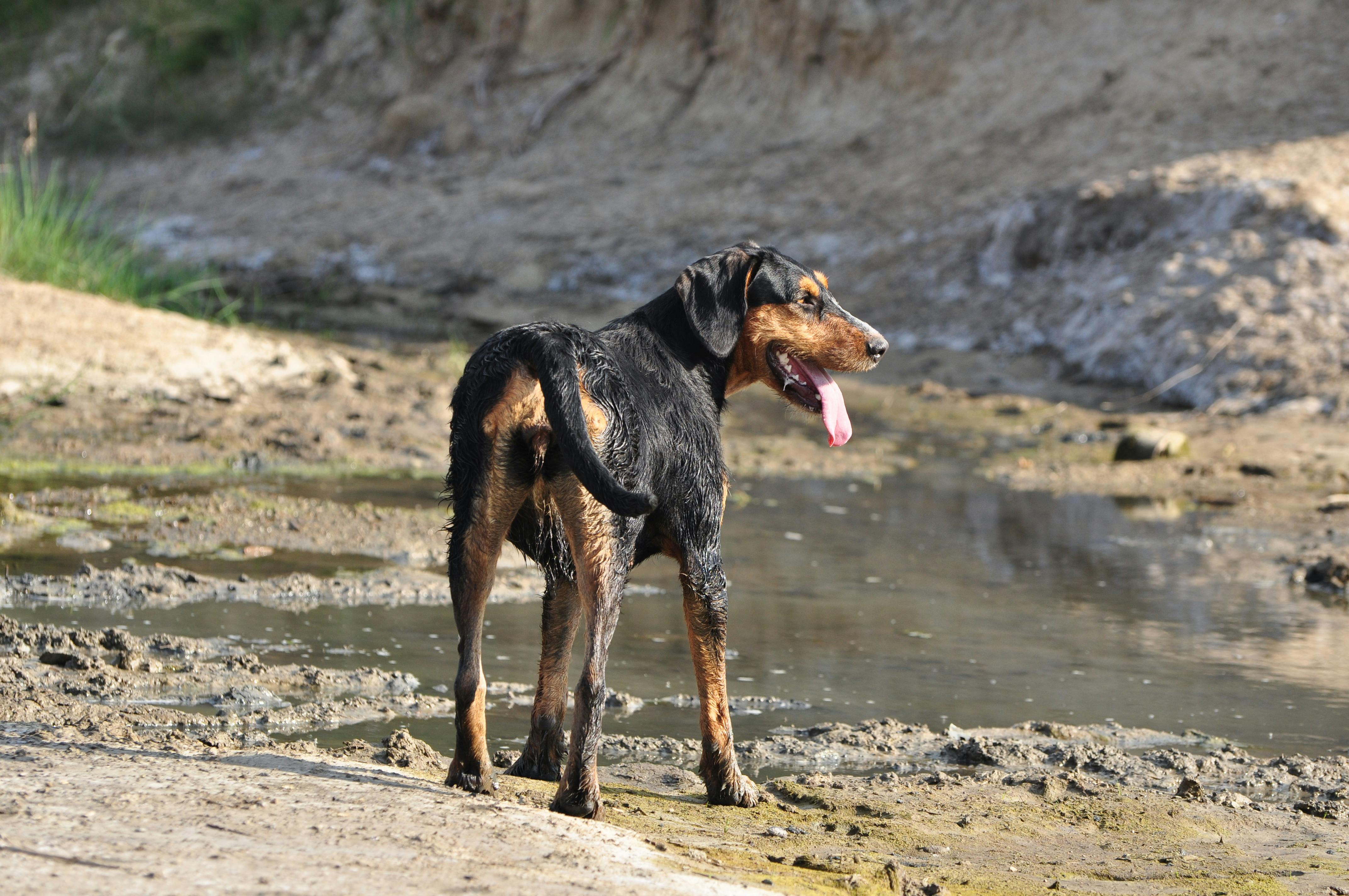
Ever wondered why dogs always seem to have wet noses? It’s a question many dog owners ask, and the answer is more than just a quirky trait. The science behind dog noses reveal fascinating insights into canine biology and behavior, so let’s dig into it!
The Biology of Dog Noses
First off, let’s understand what makes a dog’s nose so special. Dogs have around 300 million olfactory receptors in their noses, compared to humans who have only about 6 million. This difference means that dogs can smell things we can’t even imagine. But why are their noses wet?
A wet nose helps dogs to smell better. When moisture is present, it captures scent particles more efficiently. This is why dogs sniff around everything, from the ground to your shoes — they are collecting scents to understand their environment. It’s their way of exploring the world.
Why Are Dog Noses Wet?
You might have noticed that your dog’s nose is often wet, and there’s a good reason for it.
- Cooling Mechanism: Dogs do not sweat like humans do. They have sweat glands only in their paw pads. A wet nose helps to cool them down, especially on hot days.
- Scent Detection: As mentioned earlier, moisture helps in trapping scents. It allows dogs to pick up on smells that would otherwise go unnoticed.
- Health Indicator: A wet nose can sometimes indicate good health, whilst a dry nose might not always mean a problem, but it could be a sign of dehydration or illness.
Historical Context
The wet nose trait has been around for a long time. In ancient times, dogs were domesticated from wolves, and their keen sense of smell was crucial for hunting and survival. Over thousands of years, selective breeding have favored dogs with better scenting abilities. That is why we see this characteristic in many breeds today.
Comparison of Dog Noses to Human Noses
Let’s break down some differences between our noses and those of our canine companions:
| Feature | Human Nose | Dog Nose |
|---|---|---|
| Number of receptors | ~6 million | ~300 million |
| Functionality | Primarily for smell and breathing | Primarily for smell, with some cooling function |
| Moisture level | Generally dry | Typically wet |
Fun Facts About Dog Noses
- Unique Prints: Just like human fingerprints, each dog has a unique nose print. It can actually be used to identify them!
- Color Variation: A dog’s nose can change color based on temperature, health, and even emotions.
- Nose Work: Many dogs are trained for nose work, where they use their sense of smell to find specific scents, such as in search and rescue missions.
Practical Examples of Wet Noses in Dogs
Here’s how you can observe your dog’s wet nose in action:
- After Playtime: Notice how your dog’s nose might be wetter after running around. This is due to increased panting and moisture.
- Interactions with Other Dogs: When dogs greet each other, they often sniff noses, which is a way of gathering scent information.
What to Watch For
While a wet nose is generally a sign of a happy and healthy dog, it’s important to keep an eye on other symptoms. Here are some signs that could indicate a problem:
- Excessively Dry Nose: If your dog’s nose is consistently dry and cracked, it might be worth consulting a vet.
- Discoloration: Any sudden changes in the color of your dog’s nose could signal a health issue.
- Nasal Discharge: If there is unusual discharge or bleeding, that’s definitely a cause for concern.
So, why do dogs have wet noses? It’s a multifaceted answer that ties into their biology, health, and behaviors. Understanding this fascinating secret can deepen your appreciation for your furry friend.
Dogs communicate a lot through their noses, and maintaining their health is crucial. Regular vet check-ups, hydration, and attention to their environment will help keep those noses wet and happy!
5 Surprising Benefits of a Dog’s Moist Nose You Didn’t Know About

Dogs are known for their playful nature, loyal companionship, and those irresistibly moist noses. You may have noticed that the noses of our furry friends are often wet, but have you ever pondered why that is? Or what benefits their wet noses might hold? Let’s dive into the fascinating world of dog noses and discover five surprising benefits you probably didn’t know about.
Why Do Dogs Have Wet Noses?
First, let’s tackle the question that’s probably on your mind: why do dogs have wet noses? The moisture on a dog’s nose serves several important functions, which are critical for their health and survival.
Enhanced Sense of Smell: Dogs have a much more powerful sense of smell than humans. A wet nose helps to capture scent particles from the environment. The moisture traps these particles, making it easier for dogs to sniff and analyze their surroundings.
Temperature Regulation: Just like how humans sweat, dogs use their noses to help regulate their body temperature. The moisture evaporates, providing a cooling effect that helps keep them comfortable, especially during warm weather.
Health Indicator: A wet nose is often a sign of a healthy dog. If a dog’s nose becomes dry or crusty, it can indicate dehydration or illness. Regularly checking a dog’s nose might just give you a heads-up on their overall health.
Communication Tool: Dogs communicate through their sense of smell. A wet nose is part of their social signaling, showing other dogs that they are friendly or curious.
Natural Hygiene: A dog’s nose has natural antibacterial properties. The moisture helps to keep their noses clean and free from bacteria, which is essential since they often explore various environments.
5 Surprising Benefits of a Dog’s Moist Nose
Now that we understand why dogs have wet noses, let’s explore some surprising benefits that come with it.
Better Interaction with the Environment: A moist nose allows dogs to identify scents better, leading to better interaction with their environment. This is why dogs often sniff around when they go for walks or explore new places.
Thermoregulation: Dogs don’t sweat like humans do. Their moist noses help regulate their body temperature. In hot weather, a dog’s wet nose allows for a natural cooling process, preventing overheating.
Health Monitoring: Did you know that a dog’s nose can be a health barometer? If you notice changes in the moisture level, it might indicate health issues. A consistently dry nose could suggest dehydration or illness, prompting early vet visits.
Enhanced Bonding: When dogs nuzzle or touch their noses against you, it’s not just cute; it’s a way of bonding. The moisture in their noses can make those interactions feel more intimate and loving.
Scent Recognition: Dogs are trained to detect various scents, from drugs to diseases like cancer. Their wet noses play a crucial role in this skill. The moisture helps them pick up scents more effectively, enhancing their natural abilities.
Fun Facts About Dog Noses
- Dogs have about 220 million scent receptors in their noses, compared to humans’ 5 million.
- The part of the dog’s brain that processes smells is roughly 40 times larger than that of humans.
- Dogs can detect certain diseases in humans, such as diabetes or even cancer, just by sniffing.
Practical Tips for Dog Owners
- Regular Check-ups: Keep an eye on your dog’s nose. Look for any changes in moisture levels, and consult your vet if something seems off.
- Hydration Matters: Make sure your furry friend stays hydrated. A well-hydrated dog is more likely to have a healthy, moist nose.
- Nose Care: If you live in a dry climate, consider using dog-safe moisturizers to keep your dog’s nose from becoming too dry.
As you can see, the wet nose of a dog is more than just a cute feature; it plays critical roles in their health and well-being. Next time you give your dog a pat on the head, take a moment to appreciate the science behind that moist nose! Understanding these aspects can help you become a more informed and caring pet owner. Whether you’re out for a walk or snuggled up at home, the moisture on your dog’s nose is a little reminder of the bond you share.
Is a Wet Nose a Sign of a Healthy Dog? Unveiling the Truth
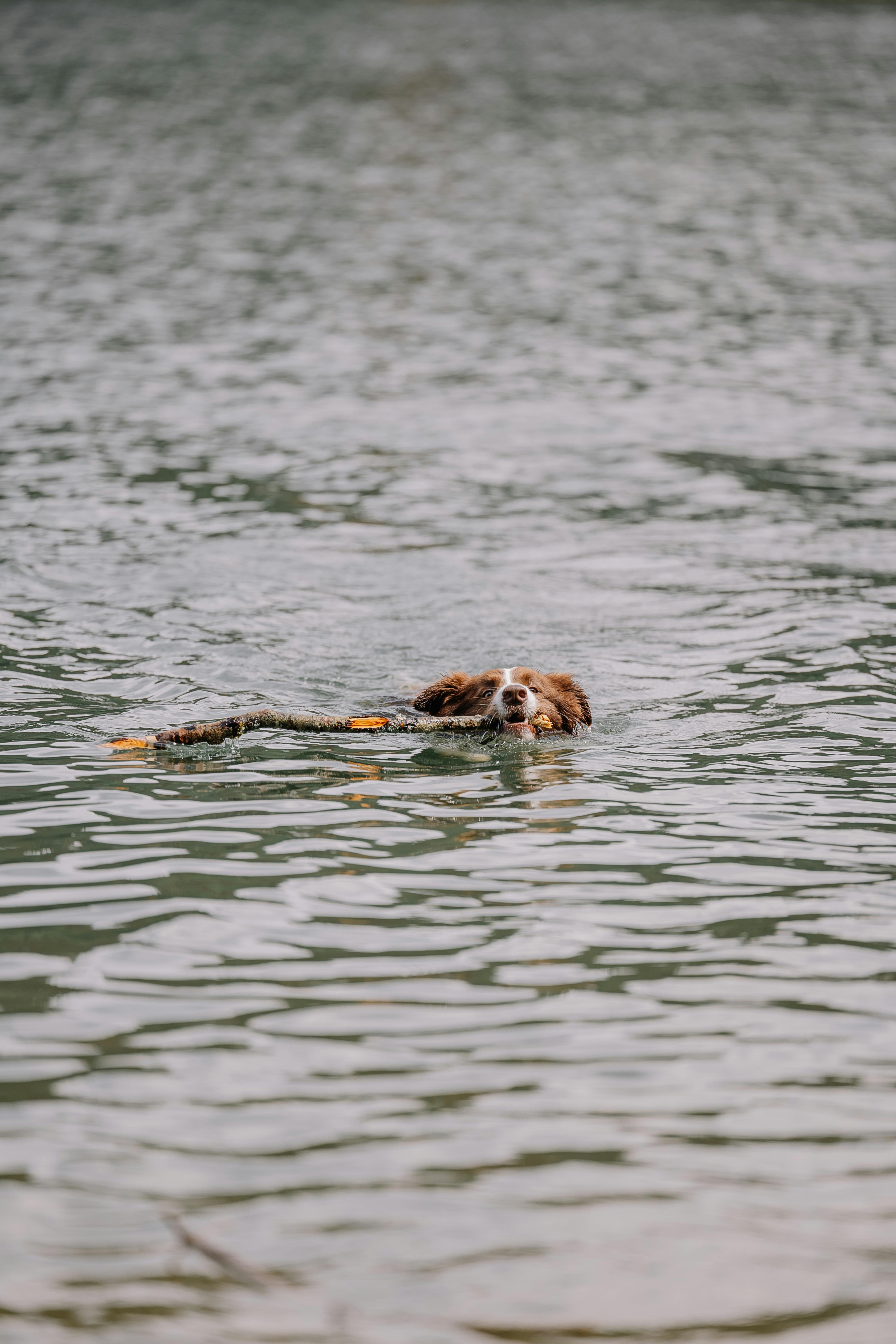
Is a Wet Nose a Sign of a Healthy Dog? Unveiling the Truth, Why Do Dogs Have Wet Noses? Discover This Fascinating Secret!
When you think about dogs, one of the first things that comes to mind is probably their adorable, wet noses. But have you ever wondered, is a wet nose a sign of a healthy dog? Many people believe that a moist nose indicates good health, but the truth may be a bit more complicated than that. Let’s dive into the science and history behind why dogs have wet noses and what it really means for their health.
The Science Behind Wet Noses
Dogs noses are wet for a few reasons, and understanding these can help you know more about your furry friend. Here’s some interesting facts about the physiology of a dog’s nose:
Temperature Regulation: A dog’s nose helps them to regulate their body temperature. Just like humans sweat, dogs can cool down through their noses. The moisture on their noses evaporates, helping to lower their body temperature.
Enhanced Smell: The wetness of a dog’s nose helps to capture scent particles from the air. This is why dogs have such an incredible sense of smell. When the nose is moist, it can absorb more scent molecules, making it easier for dogs to detect odors.
Health Indicator?: While a wet nose can indicate hydration, it isn’t always a clear indicator of overall health. Some dogs may have dry noses and still be perfectly healthy, while others may have wet noses and be sick.
History of the Dog Nose
Dogs evolved from wolves, and their noses have adapted over thousands of years. Ancient cultures often associated a dog’s nose condition with their health. For example, in Ancient Greece, a wet nose was seen as a good omen. However, this belief is mostly based on anecdotal evidence rather than scientific fact.
Common Myths About Dog Nose Conditions
There are many myths surrounding the health of dogs and their noses. Here’s a list of some common misconceptions:
- Myth 1: A cold, wet nose means a dog is healthy.
- Myth 2: A dry nose always indicates illness.
- Myth 3: Dogs with wet noses are happier than those with dry noses.
It’s important to remember that these myths often lack scientific backing. Just because a dog’s nose is wet, doesn’t mean they are free from illness or discomfort.
Factors Affecting Nose Wetness
A dog’s nose wetness can change based on several factors. Here’s a breakdown:
Environmental Conditions: Hot weather can cause a dog’s nose to dry out, while humidity can keep it moist.
Activity Level: After a vigorous play session, a dog’s nose might be wetter due to increased panting and drooling.
Health Conditions: Certain health issues can affect the moisture of a dog’s nose. For example, allergies can sometimes lead to dryness.
What Should Dog Owners Monitor?
Dog owners should be observant of their pet’s overall health and behavior rather than just focusing on their nose. Here are some signs to watch for:
Change in Appetite: If your dog refuses to eat, it could be a sign of something wrong.
Behavioral Changes: Lethargy or unusual behavior could indicate an underlying issue.
Other Symptoms: Coughing, vomiting, or diarrhea are more critical indicators of health than nose wetness.
Comparing Healthy vs. Sick Dog Noses
Here’s a simple comparison of what you might see in healthy versus sick dog noses:
| Condition | Healthy Nose | Sick Nose |
|---|---|---|
| Moisture Level | Slightly moist | Dry or excessively wet |
| Color | Pink to dark brown | Pale or discolored |
| Temperature | Cool to touch | Warm or hot |
| Texture | Smooth | Cracked or rough |
This table can help you quickly identify any concerns regarding your dog’s nose.
The Bottom Line
While a wet nose can be a sign of a healthy dog, it is not a definitive measure of their overall well-being. Many factors influence the moisture of a dog’s nose, and it’s essential to monitor other aspects of their health. Always consult with a veterinarian if you have any concerns about your dog’s health or behavior. Understanding your dog’s needs and being observant can ensure a happy, healthy life for your four-legged companion.
What Your Dog’s Nose Says About Their Health: Understanding Wetness

What Your Dog’s Nose Says About Their Health: Understanding Wetness, Why Do Dogs Have Wet Noses? Discover This Fascinating Secret!
Have you ever wondered why do dogs have wet noses? It’s one of those quirky things about dogs that many people don’t think much about, but it can actually tell you a lot about their health! A dog’s nose is not just for sniffing out treats or tracking scents; it serves several important functions. Whether you’re a dog owner or just a dog lover, this fascinating secret about your furry friend’s nose might surprise you.
The Science Behind a Dog’s Nose
Dogs noses are moist for a reason. The moisture helps to enhance their sense of smell. Dogs have an extraordinary sense of smell, estimated to be anywhere from 10,000 to 100,000 times more acute than humans. Here’s how it works:
- Moisture Enhances Smell: The wetness on a dog’s nose absorbs scent particles, allowing them to detect odors more effectively.
- Temperature Regulation: A dog’s nose can also help them cool down. When they pant, the moisture evaporates from their nose, helping to regulate their body temperature.
- Health Indicator: The condition of a dog’s nose can also be an indicator of their health. A dry, cracked nose may signal dehydration or illness.
Why Do Dogs Have Wet Noses?
You might be asking yourself, “Why do dogs have wet noses?” It’s not just a quirky feature. The moisture on their noses actually serves several purposes:
- Enhanced Olfactory Reception: Dogs’ noses are designed to trap scent particles, and wetness makes this easier.
- Communication Tool: Dogs use their sense of smell to communicate with each other and their environment. A moist nose can sometimes indicate excitement or happiness.
- Environmental Awareness: A wet nose can help dogs understand their surroundings better, as it picks up scents that can change based on weather or environment.
Different Nose Conditions and What They Mean
Here’s a quick list of common nose conditions and what they might indicate about your dog’s health:
- Dry Nose: Could mean dehydration, fever, or even allergies.
- Cracked Nose: Might indicate a more serious issue, like sunburn or dermatitis.
- Runny Nose: This could suggest allergies, infections, or even a cold.
- Cold Nose: Generally a sign of a healthy dog, though not always!
Historical Context of Dogs’ Noses
Dogs have had wet noses for thousands of years. Early domestication of dogs involved selective breeding for hunting and herding. The wet nose was a trait that allowed them to track scents better, which is why it’s still prevalent today.
- Ancient Breeds: Breeds like the Bloodhound were specifically bred for their incredible sense of smell. Their wet noses are a key feature in their tracking abilities.
- Evolutionary Advantage: Over time, dogs that possessed wet noses were more successful at hunting and foraging, ensuring their survival and passing on their genes.
Fun Facts About Dogs’ Noses
- Dogs have about 300 million smell receptors in their noses, compared to humans who only have about 5 million.
- The shape of a dog’s nose can also impact its sense of smell. Breeds with longer noses generally have a better sense of smell.
- Ever seen a dog sniff something and then lick their nose? That’s them tasting the scent!
What to Monitor for Nose Health
Here’s a simple checklist for dog owners to keep an eye on their dog’s nose health:
- Check Moisture: Regularly feel your dog’s nose. Is it moist or dry?
- Look for Cracks: Inspect for any cracks or bleeding.
- Observe Color Changes: A healthy nose is typically black or brown. Watch for any unusual color changes.
- Monitor Discharge: Take note of any unusual discharge; it could be a sign of an underlying issue.
Practical Examples and Comparisons
When comparing a dog’s nose to that of a human, the differences are striking. A human’s sense of smell is not nearly as developed, which is why we rely heavily on our other senses. For example:
- Dogs vs. Humans: While a dog can pick up on scents from miles away, humans often struggle to detect scents in the same environment.
- Wet vs. Dry: A wet nose in dogs is like a finely tuned instrument, while a dry nose can be likened to a rusty tool that’s lost its effectiveness.
Understanding what your dog’s nose says about their health is key to being a responsible pet owner. The moisture, wetness, and condition of their noses can provide valuable insights into their overall well-being. So next time you give your pup a pat on the head,
How Environmental Factors Influence Your Dog’s Nose Moisture
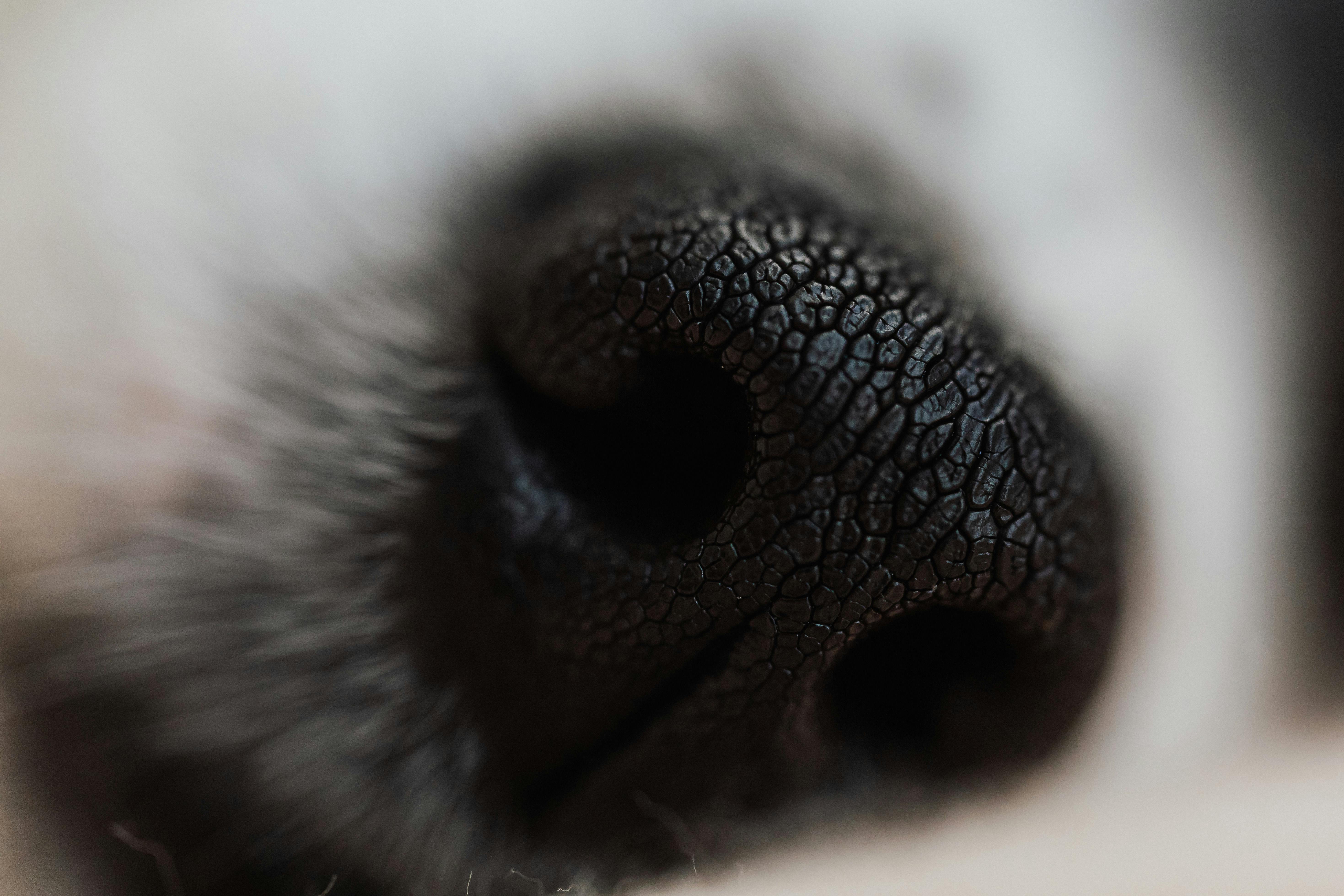
Have you ever notice that your dog’s nose is often wet? It seems like a simple thing, but the reason behind this moisture is pretty fascinating and can even be influenced by environmental factors. As a dog owner or just a dog lover, understanding why do dogs have wet noses can shed light on your furry friend’s health and well-being. Also, it can help you appreciate these beloved companions even more.
The Basics of a Dog’s Nose
First, let’s dive into what makes a dog’s nose so special. Dog noses are actually, well, designed for more than just smelling. They are an essential part of a dog’s sensory perception. Dogs have an incredible sense of smell, estimated to be anywhere from 10,000 to 100,000 times more sensitive than humans. This ability is partly due to the structure of their noses, which includes:
- Moisture: Helps to capture scent particles.
- Surface Area: The inner lining is packed with olfactory receptors.
- Temperature Regulation: Helps cool down the dog’s body.
Why Are Dog Noses Wet?
Now, let’s get to the big question: why do dogs have wet noses? The moisture on a dog’s nose serves several functions. Here’s a breakdown:
- Enhanced Smell: Moisture helps trap scent particles in the air, making it easier for dogs to identify smells.
- Thermoregulation: A wet nose can help cool a dog’s body, especially when they are active or it’s hot outside.
- Health Indicators: The moisture level can be an indicator of a dog’s health. A dry nose might suggest dehydration, fever, or illness.
Environmental Factors at Play
Did you know that environmental conditions can influence your dog’s nose moisture? Yes, it’s true! Here are some factors that can affect how wet or dry your dog’s nose is:
- Humidity Levels: In places with high humidity, dogs tend to have wetter noses because the air is saturated with moisture. Contrast that with dry, arid climates, where noses might dry out more easily.
- Temperature: Hot weather can cause a dog’s nose to become drier as they pant to cool down. When it’s cooler, their noses often retain more moisture.
- Seasonal Changes: During the winter, indoor heating can dry out the air, leading to drier noses. In spring and fall, the changing temperatures and humidity can also play a role.
- Health Conditions: Certain illnesses, allergies, or medications can affect nose moisture levels. If a dog’s nose is consistently dry, it might be worth consulting a veterinarian.
Practical Examples of Nose Moisture
Let’s look at some scenarios that illustrate how environmental factors can influence nose moisture:
- Summer Days: A dog playing fetch in a humid park is likely to have a wet nose. The moisture helps them smell the grass and other dogs while keeping cool.
- Winter Indoor: A dog living in a heated home during winter may have a dry nose, which could be alleviated by using a humidifier.
- Allergies: If a dog is exposed to allergens, it might have a dry nose as a response. Keeping track of environmental changes can help owners manage their dog’s health better.
Interesting Comparisons
When comparing dogs’ noses to other animals, it’s clear that dogs are unique. Here’s a quick comparison:
| Animal | Nose Moisture Functions | Sense of Smell (relative to humans) |
|---|---|---|
| Dogs | Capture scents, regulate temperature | 10,000 – 100,000 times better |
| Cats | Similar functions, but less moisture | 5-10 times better |
| Humans | Limited moisture, primarily for taste | Baseline (not as good as dogs) |
Fun Facts About Dog Noses
- Each dog’s nose has a unique pattern, much like human fingerprints.
- Dogs can actually cool themselves through their noses, though panting is their primary method.
- Wet noses are often associated with friendly and healthy dogs, although dryness is not always a bad sign.
Understanding why do dogs have wet noses and how environmental factors influence this aspect can help you take better care of your pet. It also reveals more about the extraordinary capabilities of our canine companions. So the next time you pet your dog, take a moment to appreciate that wet nose and all that it signifies about your furry friend’s health and happiness.
The Role of a Wet Nose in Dog Communication: What You Should Know
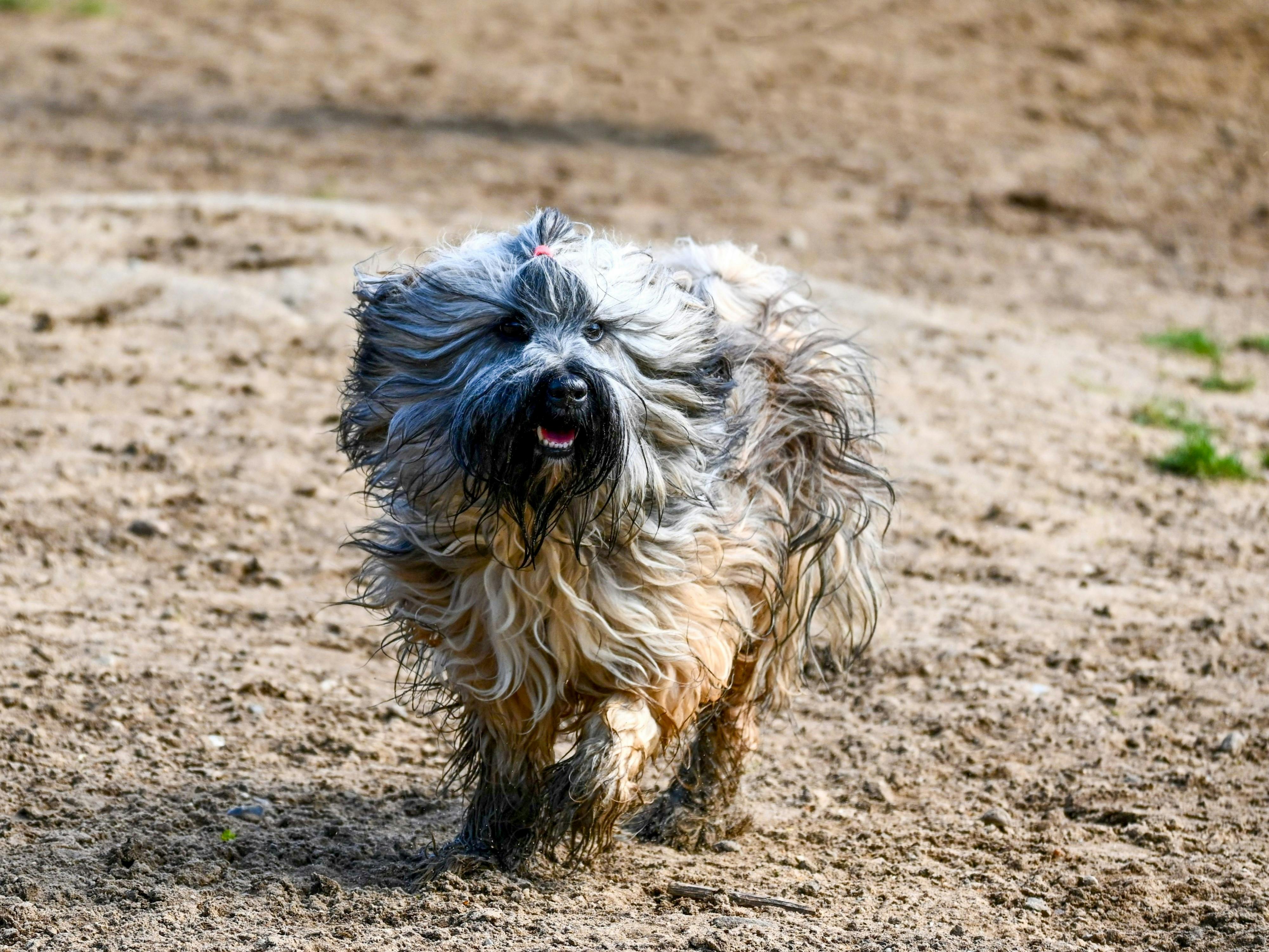
When we think about dogs, we often picture their wagging tails and happy barks. But there is one aspect of doggy communication that might not get as much attention: their wet noses! Have you ever wondered why do dogs have wet noses? It’s not just a quirky feature; it serves several important roles in how dogs interact with the world around them. Let’s dive into the fascinating secret of a dog’s wet nose and what it means for their communication.
The Science Behind Wet Noses
Dogs noses are not only wet for no reason. The moisture on a dog’s nose plays a critical role in their sense of smell. Dogs possess an incredible olfactory system. They can smell things a thousand times better than humans, and their wet noses enhance this ability. Here’s how it works:
- Humidity and Scent Detection: The moisture helps to trap scent particles in the air. When a dog sniffs, the wetness picks up these particles, allowing them to interpret scents more accurately.
- Cooling Mechanism: Dogs also sweat through their noses, which helps them regulate their body temperature. This is important, especially during warm weather or after exercise.
- Communication Tool: Dogs communicate with others through their sense of smell. A wet nose can indicate excitement or happiness when greeting other dogs or humans.
A Quick Look at Dog Nose Anatomy
Let’s take a closer look at the structure of a dog’s nose to understand why it’s so crucial for their communication:
- Nasal Passages: Dogs have more complex nasal passages than humans, which helps them process smells better.
- Jacobsen’s Organ: This organ helps dogs detect pheromones, which are chemicals that convey information about other animals.
- Moisture Glands: These glands produce the wetness that helps in scent trapping.
The Role of a Wet Nose in Dog Communication
When dogs greet each other, they often sniff one another. This act is more than just a casual hello; it’s a deep dive into another dog’s world. Here are some ways a wet nose aids in dog communication:
- Identifying Other Animals: Through their wet noses, dogs can gather information about other animals’ identities, health, and even emotions just by sniffing.
- Establishing Territory: A wet nose can spread scent markings, which helps dogs communicate their territory to others.
- Showing Affection: A gentle nudge with their wet nose can show affection or seek attention from their human companions.
Why Do Dogs Have Wet Noses? Common Myths
There are many myths surrounding why dogs have wet noses. Here are a few misconceptions, along with the facts:
Myth 1: Dogs have wet noses because they are sick.
- Fact: A wet nose is actually a sign of a healthy dog, while a dry nose could indicate dehydration or illness.
Myth 2: All dog noses are wet.
- Fact: Some breeds have drier noses due to their genetics. It doesn’t mean they are unhealthy.
Myth 3: A dog’s nose gets wet from licking.
- Fact: While licking can contribute to wetness, the primary moisture comes from the nose’s own glands.
Interesting Facts About Dogs’ Noses
Here are some fun facts that highlight the uniqueness of dog noses:
- Dogs have about 300 million olfactory receptors in their noses, compared to only about 6 million in humans.
- Each dog has a unique nose print, just like human fingerprints!
- Dogs can even detect certain diseases, like cancer or diabetes, through scent.
Practical Tips for Dog Owners
As a dog owner, understanding the importance of your furry friend’s wet nose can enhance your relationship. Here are some practical tips:
- Regular Vet Check-Ups: Keep an eye on your dog’s nose. A change from wet to dry could indicate health issues.
- Hydration: Ensure your dog has access to fresh water, especially in hot weather.
- Encourage Socialization: Allow your dog to socialize with others. This helps them express themselves and communicate effectively.
Understanding the role of a wet nose in dog communication can deepen our appreciation for our canine companions. It serves as a fascinating reminder of how different dogs are from us and how they interact with the world. So, the next time you see that wet nose, remember the complex and beautiful communication taking place beneath that surface!
Curious Canine Facts: Why Do Dogs’ Noses Change from Wet to Dry?

Have you ever wondered why your furry friend’s nose is often wet? It’s a curious fact, and there’s something intriguing about it that many dog owners may not know. Understanding why dogs have wet noses can lead to better insight about their health and behavior. So let’s dive into the fascinating world of canine noses and discover this secret together!
Why Do Dogs Have Wet Noses?
Dogs’ noses are typically wet due to a few reasons. Firstly, their noses are covered in a special kind of mucous that helps to enhance their sense of smell. This mucous is produced by sebaceous glands and is essential for trapping scent particles. When dogs sniff around, they’re not just gathering information; they’re also picking up scents that stick to the wet surface of their noses. A wet nose makes it easier for them to identify different smells.
Another reason for the moisture is that dogs often lick their noses. This behavior can be a way for them to keep their noses clean, much like how we wash our hands. Additionally, licking the nose can help in cooling down. Dogs don’t sweat like humans do. Instead, they regulate their body temperature through panting and, sometimes, by licking their noses.
The Mystery of Dry Noses
But what happens when a dog’s nose goes from wet to dry? It’s not always a sign of illness, but it can indicate something. Here’s a list of possible reasons for a dry nose:
- Dehydration: If a dog isn’t drinking enough water, their nose can dry out.
- Weather Conditions: Hot or windy weather can cause noses to dry up.
- Health Issues: Sometimes, allergies or infections can lead to a dry nose.
- Age: Older dogs may experience more dryness in their noses.
It’s important to monitor changes in your dog’s nose. If it stays dry for a long time or if there are other symptoms like lethargy or loss of appetite, it may be time to visit your vet.
Fun Facts About Dog Noses
Did you know that a dog’s sense of smell is about 10,000 to 100,000 times more sensitive than that of humans? This impressive ability is partly due to the wetness of their noses which helps them absorb scent particles. Here are some other fun facts about canine noses:
- Unique Patterns: Just like human fingerprints, every dog has a unique nose print.
- Temperature Regulation: Wet noses help regulate body temperature and keep dogs cool.
- Scent Discrimination: Dogs can distinguish between different scents, which is why they are used in search and rescue missions.
Comparison: Dog Noses vs. Human Noses
It’s fascinating to see how different dog noses are from ours. Here’s a comparison table to illustrate the differences:
| Feature | Dog Noses | Human Noses |
|---|---|---|
| Sense of Smell | 10,000 to 100,000 times better | Less sensitive |
| Wetness | Typically wet | Typically dry |
| Scent Absorption | High due to mucous | Lower due to lack of mucous |
| Unique Identification | Unique nose prints | No unique prints |
Historical Context of Dogs’ Noses
Historically, dogs were bred for various purposes such as hunting, herding, and protection. Their noses played a critical role in these tasks. For instance, hunting dogs were selected for their ability to track scents, which made wet noses advantageous for scent detection. Over centuries, this trait has been passed down, allowing them to maintain that keen sense of smell we admire today.
Practical Examples of Nose Care
Taking care of your dog’s nose is essential. Here are some practical tips to ensure it stays healthy:
- Hydration: Always provide fresh water.
- Moisturizing: In dry weather, consider using nose balms made for dogs.
- Regular Check-ups: Visit your vet regularly to check for any underlying issues.
To sum it up, dogs’ wet noses are not just an adorable feature; they serve significant purposes in their everyday life. The transition from wet to dry can mean a variety of things, and it’s always good to pay attention to these changes. Understanding the reasons behind your dog’s wet nose can help you take better care of them. So next time you see your pup’s nose, remember the fascinating secrets it holds!
Can Your Dog’s Wet Nose Predict Their Mood? Exploring the Connection
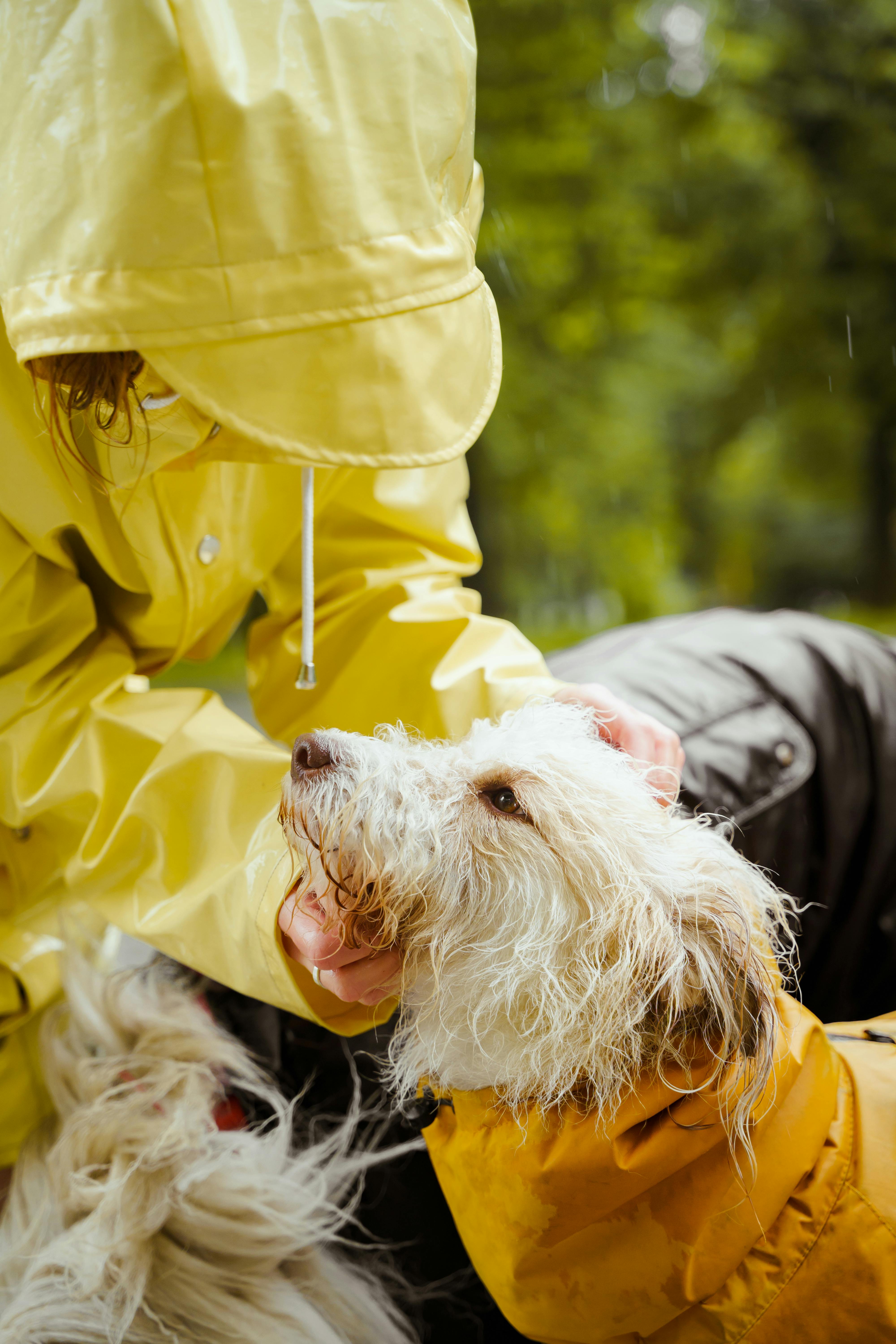
Have you ever wondered why your dog’s nose is wet? Or if that wetness might mean something about how they feel? There’s a lot of myths and facts around dogs and their noses, and it’s really interesting to explore. The connection between a dog’s nose and its mood is not just some random thought – it actually has roots in how dogs communicate and sense the world around them. So let’s dive into the fascinating reasons behind why dogs have wet noses and whether it can predict their mood.
Why Do Dogs Have Wet Noses?
Dogs have wet noses for several reasons, which can be quite fascinating. Here are a few key points to consider:
Scent Detection: Dogs rely heavily on their sense of smell, which is way better than humans. A wet nose helps trap scent particles, making it easier for them to sniff out interesting smells. It’s like having a supercharged radar for all things aromatic!
Temperature Regulation: Dogs don’t sweat like humans do. Instead, they cool down through panting and having a wet nose. The moisture on their nose helps regulate their body temperature, which is important for their overall wellness.
Health Indicator: A dog’s nose can actually give clues about their health. Generally, a wet and cool nose indicates good health, while a dry or warm nose might suggest illness or dehydration. However, this is not a definitive measure and should not replace vet checks.
Behavioral Signals: Dogs use their noses to communicate. For instance, when a dog’s nose is wet and cool, they could be relaxed and content. Conversely, a dry nose might mean they’re anxious or excited. But remember, this can vary greatly among individual dogs.
Can Your Dog’s Wet Nose Predict Their Mood?
Now onto the intriguing question: can a wet nose actually predict how your dog feels? While some people believe there’s a direct link, it’s more complex than it seems. Here’s a breakdown:
Wet Nose and Relaxation: When your dog is calm, their nose often stays cooler and wetter. This might be a sign of a relaxed and happy pup.
Dry Nose and Anxiety: If your dog’s nose seems dry, it doesn’t necessarily mean they’re upset, but it could indicate they’re on alert or stressed.
Mood Changes: Keep in mind that just like humans, dogs have mood swings. A wet nose one moment doesn’t mean they’ll be happy forever. It’s a momentary snapshot of their feelings.
Environmental Factors: The weather can also affect a dog’s nose. For example, if it’s hot outside, their nose might dry out. So, it’s important to not jump to conclusions based on wetness alone.
Fun Facts About Dogs’ Noses
There’s a lot more to learn about our furry friends! Here are some fun facts about dogs and their noses:
Unique Patterns: Just like human fingerprints, every dog has a uniquely patterned nose print. This has even been used for identification!
Scent vs. Taste: Dogs have around 220 million scent receptors, compared to a human’s 5 million. This is why they can smell things that are imperceptible to us.
Nose Temperature: A dog’s nose can change temperature based on their activity. A warm nose after a good run might just mean they are excited from exercise.
Breed Differences: Some breeds have naturally wetter noses due to their genetics and lifestyle. For example, hounds tend to have more moisture on their noses than terriers.
Practical Tips for Dog Owners
Understanding your dog’s nose can be helpful for their care. Here are some practical tips:
Regular Checks: Make it a habit to check your dog’s nose regularly. If you notice significant changes, consider consulting your vet.
Stay Hydrated: Ensure your dog has access to fresh water at all times to help keep their nose moist and healthy.
Watch for Signs: Pay attention to other signs of mood changes such as tail wagging, barking, or body language, as these can provide more context than just the nose.
Grooming: Keep your dog groomed and clean, as dirt and debris can affect their nose moisture and health.
In summary, while a dog’s wet nose can give you some clues about their mood and well-being, it’s only part of the picture. A dog’s emotional state can be influenced by many factors. So next time you notice your pup’s moist nose, take a moment to think about what they might be feeling and how you can enhance their experience. Dogs are complex creatures, and understanding their behaviors can lead to a stronger bond between you and your furry friend.
7 Myths About Dog Noses Debunked: The Wet Nose Phenomenon
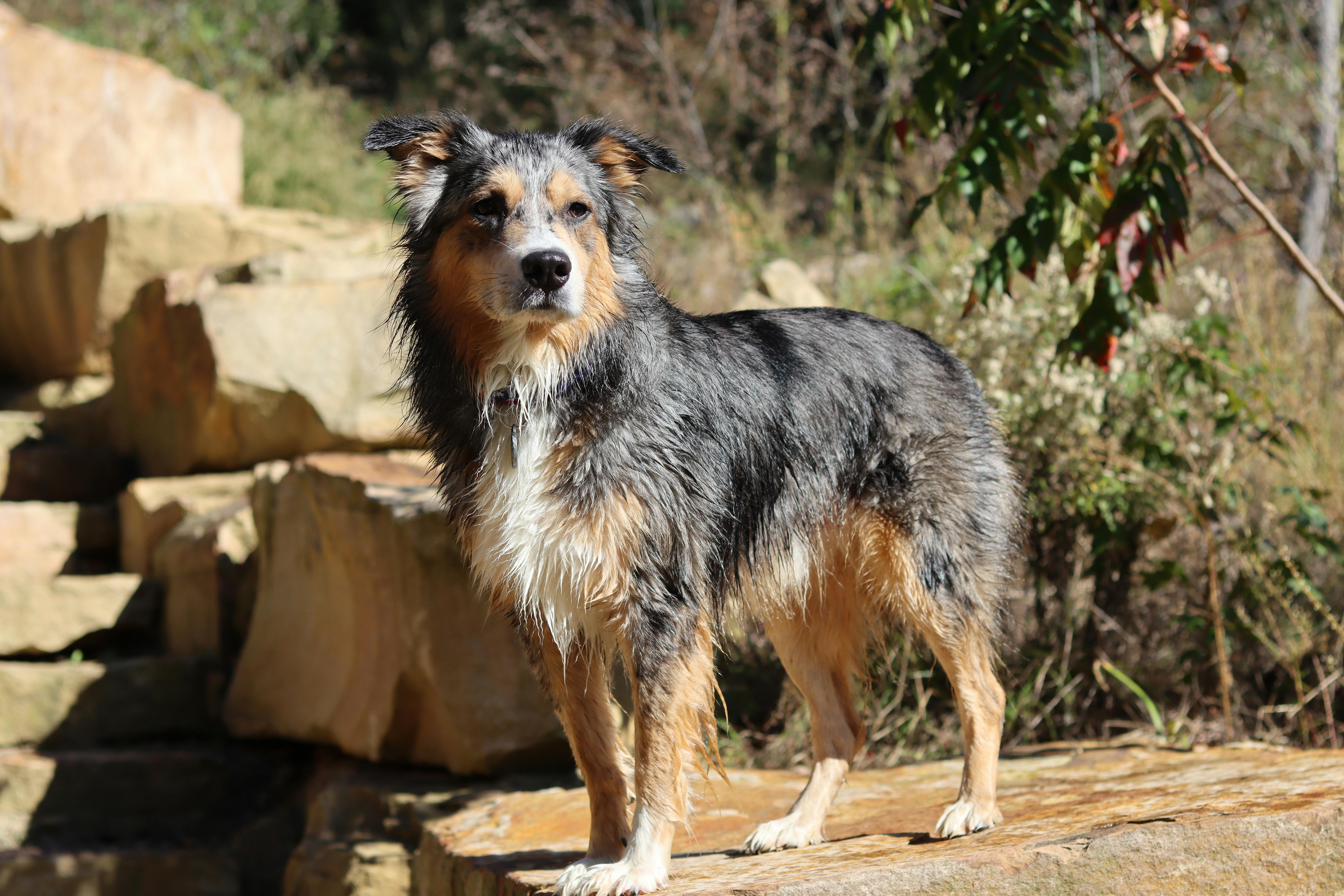
When you see a dog, one of the first things you might notice is its nose. The wet, cold, and sometimes even a little slimy texture have sparked much curiosity among dog owners and enthusiasts. But what’s the deal with dog noses? Why do dogs have wet noses? There are several myths surrounding this phenomenon, and it’s time to set the record straight. Here’s a look at 7 myths about dog noses debunked!
Myth 1: A Wet Nose Means a Healthy Dog
Many people believe that a wet nose is a sign of good health in dogs. While it’s true that a moist nose can indicate hydration, it’s not a foolproof health measure. Dogs can have varying nose moisture levels depending on numerous factors, including temperature, activity level, or even their breed. So, just because your pooch’s nose feels dry doesn’t necessarily mean they’re sick.
Myth 2: Dogs’ Noses Are Always Wet
Contrary to popular belief, dogs’ noses are not always wet. Dogs can have dry noses, especially when they wake up from a nap or after spending time in a dry environment. A dry nose can be perfectly normal, but if it stays dry for extended periods or is accompanied by other symptoms, it might be a good idea to consult a vet.
Myth 3: Dogs Use Their Noses to Cool Down
Some folks think that dogs’ wet noses help them cool off. While it’s true that dogs do sweat through their paw pads, their noses do not play a significant role in temperature regulation. Instead, dogs primarily cool off through panting. So, while the wet nose phenomenon is fascinating, it’s not a cooling mechanism.
Myth 4: All Dogs Have the Same Nose Shape
You might think that all dog noses are pretty much alike, but that’s not true! Different breeds have different nose shapes and sizes. For example, Greyhounds have long, narrow noses, while Bulldogs have short, flat ones. These variations serve different functions, like hunting or breathing efficiency, and are a testament to the incredible diversity within the canine world.
Myth 5: Dogs Can “Taste” the Air with Their Noses
Some people believe dogs can taste the air through their noses, but that’s not quite right. Dogs have an extraordinary sense of smell, about 10,000 to 100,000 times more sensitive than humans. They don’t taste with their noses, but their olfactory receptors are so advanced that they can detect various scents, helping them understand their environment better.
Myth 6: A Dog’s Nose Color is Related to Its Health
Another common myth is that a dog’s nose color can indicate its health status. While a dog’s nose can change color due to several factors, including sun exposure or age, it doesn’t necessarily correlate with their health. Some breeds naturally have lighter or darker noses, and these variations are perfectly normal.
Myth 7: Dogs’ Noses Can Predict Weather Changes
You might have heard that dogs can sense weather changes by the feel of their noses. While dogs are sensitive to changes in barometric pressure, and they may act differently before a storm, it’s not a reliable way to predict weather. Their wet noses can indicate environmental changes, but it’s not a weather forecasting tool.
Fascinating Facts About Dog Noses
- Olfactory Receptors: A dog has approximately 220 million olfactory receptors in their noses, compared to about 5 million in humans.
- Moisture and Scent: The wetness of a dog’s nose helps capture scent particles. The moisture allows these particles to stick to the nose, which enhances their ability to smell.
- Behavioral Indicators: Dogs often lick their noses when they are excited or anxious, a behavior that helps them gather information about their environment.
Understanding Your Dog’s Nose
If you’re a dog owner, you might want to keep an eye on your pet’s nose. Here’s a simple checklist to help you:
- Check Consistency: Is the moisture level consistent throughout the day?
- Look for Discoloration: Any sudden change in color might warrant a vet visit.
- Watch for Other Symptoms: If your dog shows signs of lethargy or loss of appetite along with a dry nose, it may be a sign of illness.
Dog noses are more than just a cute feature; they serve vital functions that help dogs navigate their world. Understanding the truth behind the myths can help you better care for your canine companion. So next time you admire that wet nose, remember the fascinating science behind it!
The Fascinating Evolution of Dog Noses: Why Wetness Matters for Survival

Dogs have been companions to humans for thousands of years, and their unique characteristics never cease to amaze us. One of the most intriguing features of our furry friends is their noses, particularly why they are often wet. In this article, we will explore the fascinating evolution of dog noses, delve into the reasons behind their wetness, and uncover the secrets that these remarkable organs hold for a dog’s survival.
The Anatomy of a Dog’s Nose
Before we dive into the specifics of wet noses, it’s important to understand how a dog’s nose works. Dogs possess an incredible sense of smell, which is up to 100,000 times more sensitive than that of humans. Their noses are equipped with an intricate structure that enhances their olfactory abilities. Here are some key components:
- Nasal Turbinates: These are bony structures inside the nasal cavity that help filter and warm the air.
- Olfactory Receptors: Dogs have about 300 million olfactory receptors, compared to a human’s 6 million.
- Jacobsen’s Organ: This organ allows dogs to detect pheromones, which are chemicals that carry information about other animals.
Why Do Dogs Have Wet Noses?
Now, let’s get to the core of the question: why do dogs have wet noses? There are several reasons that contribute to this phenomenon, and they are linked to both survival and sensory functions.
Enhanced Smell: A wet nose can absorb scent molecules more effectively. When a dog’s nose is moist, it traps scents better, allowing for enhanced detection of odors. This is particularly useful for hunting or locating food.
Thermoregulation: Dogs do not sweat like humans. Instead, they cool themselves through panting and moisture on their noses. A wet nose helps to regulate their body temperature, contributing to their overall health and comfort.
Health Indicator: The moisture level of a dog’s nose can indicate its health. A healthy dog typically has a cool, wet nose, while a dry or warm nose may suggest illness or dehydration.
Communication: Dogs often use their noses to communicate with one another, and a wet nose can signify friendliness or an invitation for interaction.
Historical Context and Evolution
The evolution of a dog’s nose is a fascinating journey that dates back thousands of years. Early ancestors of dogs adapted their noses to better hunt and survive in the wild. Here’s a brief overview of how dog noses might have evolved:
- Ancient Breeds: Early breeds like the Basenji and the Saluki had developed keen hunting instincts, and their wet noses were essential for tracking prey.
- Domestication: As dogs became domesticated, their noses adapted to their new roles as companions and workers, but the wetness remained a crucial feature.
- Selective Breeding: Over centuries, certain breeds were developed with specific traits, but the wet nose remained a common characteristic across most breeds, indicating its importance.
Fun Facts About Dog Noses
Here are some interesting tidbits that might surprise you about dog noses:
- Unique Nose Prints: Just like human fingerprints, every dog has a unique nose print that can be used for identification.
- Color Variation: Not all dog noses are black; some breeds have pink, liver, or spotted noses depending on their genetics.
- Nasal Folds: The folds in a dog’s nose increase the surface area, allowing for more scent detection.
- Smell and Taste Connection: Dogs have a strong link between smell and taste, which is why they often seem to savor their food more than humans do.
Comparing Dog Noses to Other Animals
When we think about wet noses, it’s worth comparing them to other animals. Here’s a simple comparison:
| Animal | Nose Type | Functionality |
|---|---|---|
| Dogs | Wet | Enhanced smell, thermoregulation |
| Cats | Dry | Good smell but less sensitive |
| Pigs | Wet | Excellent for rooting and foraging |
| Elephants | Trunk (wet) | Multifunctional, strong sense of smell |
This table shows how different animals adapt their noses to suit their needs, highlighting the evolutionary significance of moisture in the nasal structure.
Practical Takeaways for Dog Owners
If you’re a dog owner, understanding the importance of your pet’s wet nose can help you monitor their health. Here are some practical tips:
- Regular Checks: Observe your dog’s nose regularly; changes in wetness can indicate dehydration or illness.
- Hydration: Make sure your dog has access to fresh water, especially on hot days, to keep their nose moist and healthy.
- Vet Visits: If you notice a persistent change in your dog’s nose condition, consult a veterinarian for advice
Conclusion
In conclusion, the wet noses of dogs serve several important functions that contribute to their overall health and well-being. The moisture helps enhance their sense of smell, which is vital for communication and environmental awareness. Additionally, a wet nose can aid in regulating their body temperature, acting as a natural cooling mechanism. While the presence of moisture is often associated with a healthy dog, it’s essential to remember that other factors, such as hydration and general health, also play crucial roles in a dog’s well-being. Understanding these aspects not only deepens our appreciation for our canine companions but also encourages responsible pet ownership. So, the next time you greet your furry friend and feel that familiar wet nose, remember the science behind it and ensure you’re providing them with the care they need. Share your thoughts or experiences with dog care in the comments below!
