Have you ever wondered, why do dogs have wet noses? This intriguing question has puzzled pet owners and animal lovers alike for ages! The truth behind our furry friend's moist snouts is not just a curious fact, but also reveals important insights about their health and behavior. A dog's nose, often cold and damp, plays a crucial role in their sense of smell and overall well-being. But what makes it so wet? Is it simply because they are always sniffing everything or could there be more to it? In this fascinating exploration, we will uncover the science behind wet dog noses and why this feature is essential for their survival and communication. Plus, we’ll discuss how a dog's nose can be an indicator of their health. Are you ready to delve into the world of canine anatomy and discover why your pup's nose might be the key to understanding their needs and feelings? Stay tuned, because you won't want to miss these surprising facts! From the mysteries of dog physiology to the importance of a healthy nose, we’ve got all the answers you’ve been searching for.
Understanding the Science: Why Are Dog Noses Wet? Discover the Reasons Behind This Fascinating Trait!
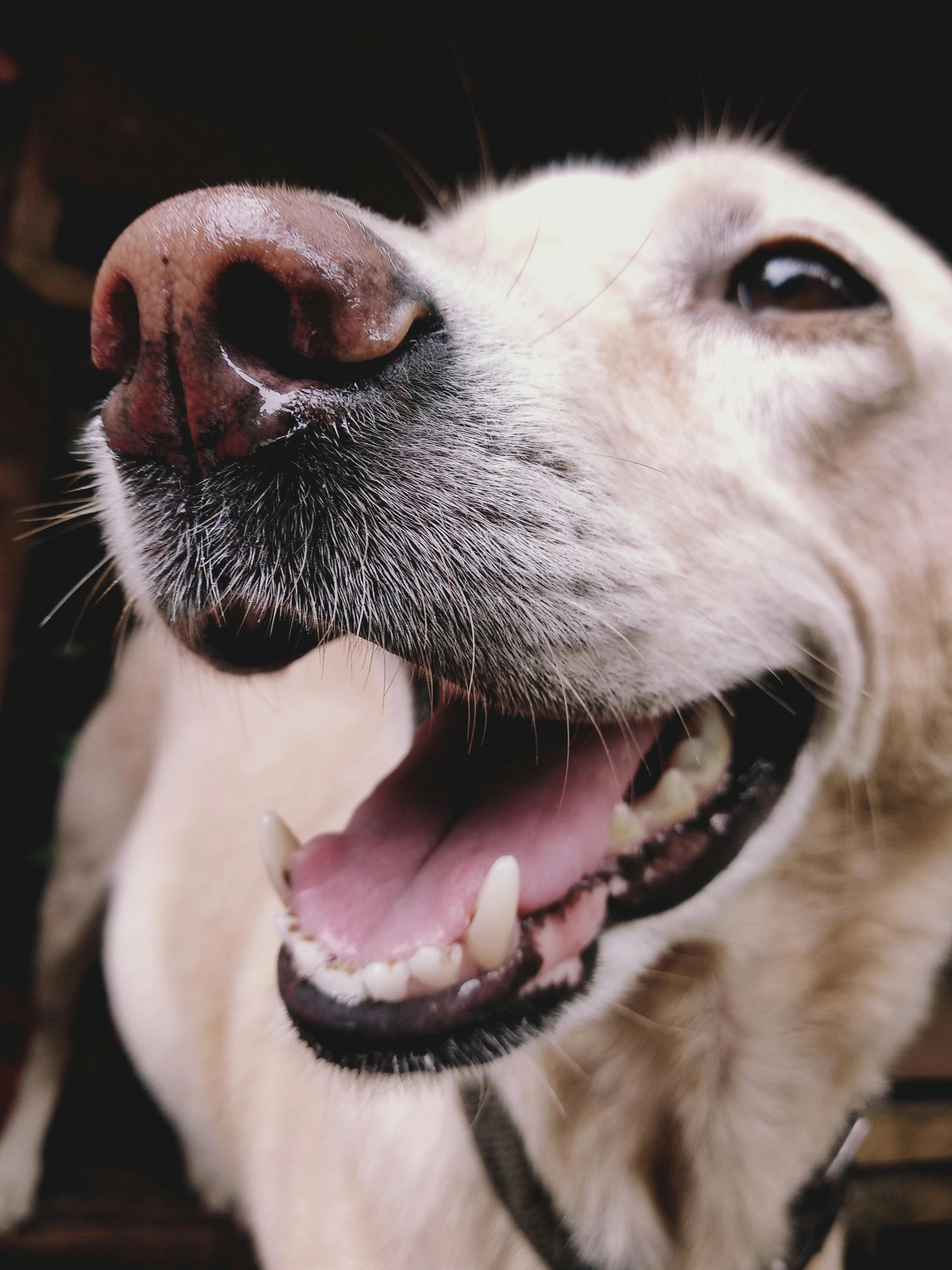
Dogs are truly fascinating creatures, and one of their most intriguing traits is their wet noses. Have you ever wonder why dogs have wet noses? It’s not just a random quirk; there’s science behind it. Let’s dive into the reasons why dog noses are wet and uncover the fascinating truth behind this unique characteristic.
The Science Behind Wet Noses
The primary reason dog noses are wet is due to a combination of physiological and environmental factors. Dogs have special glands in their noses that produce mucus, which keeps their noses moist. This moisture helps them absorb scent particles better, enhancing their sense of smell. Studies show that a dog’s sense of smell is between 10,000 to 100,000 times more sensitive than humans! So, wet noses play a crucial role in how dogs perceive the world around them.
Why Wet Noses Matter
Wet noses serve several important functions for dogs:
- Enhanced Smell: The moisture on a dog’s nose helps to capture scent particles, making it easier for them to detect smells. This is crucial for hunting, tracking, and even social interactions.
- Temperature Regulation: Dogs do not sweat like humans do. Instead, they primarily cool down through their noses and paw pads. The moisture evaporating off their noses can help regulate their body temperature.
- Health Indicator: A dog’s nose can indicate their health. A wet nose is typically a sign of a healthy dog, while a dry, cracked nose might suggest dehydration or illness.
Historical Context
Throughout history, dogs have been companions to humans, and their noses have been a topic of interest for many cultures. Ancient civilizations, such as the Egyptians, revered dogs for their abilities. They understood the significance of a dog’s sense of smell and often used them for hunting and protection. In modern times, dogs are still recognized for their exceptional olfactory capabilities, leading to their use in search and rescue operations, as well as in detecting drugs and explosives.
Factors Affecting Nose Wetness
Several factors can influence how wet a dog’s nose is:
- Environmental Conditions: Weather plays a big role. On a hot day, a dog might have a drier nose as they lose moisture faster.
- Health Status: Illness or dehydration can lead to a dry nose. If you notice sudden changes, it’s worth consulting a veterinarian.
- Breed Differences: Some breeds naturally have drier noses than others. For example, brachycephalic breeds like Bulldogs often have less moisture on their noses.
Fun Facts About Dog Noses
- Dogs have around 300 million smell receptors in their noses, compared to a human's 5 million.
- The surface area of a dog's nose is about 40 times greater than that of a human nose.
- The unique patterns of a dog’s nose are comparable to human fingerprints – no two are alike!
Practical Examples of Nose Function
Let’s consider some practical scenarios where a dog’s wet nose plays a role:
- Tracking Game: When hunting, a wet nose helps dogs pick up scents from the ground, enabling them to track animals effectively.
- Search and Rescue: In emergency situations, dogs can detect human scent even under rubble, thanks to their ability to pick up minute particles with their moist noses.
- Detecting Illness: There’s emerging research that suggests dogs can detect certain diseases, like cancer, through scent. Their wet noses help them pick up these subtle odors.
Frequently Asked Questions
1. How can I tell if my dog’s nose is healthy?
- A healthy dog nose is usually moist and cool. It should not be excessively dry or cracked.
2. Does a dry nose always mean my dog is sick?
- Not necessarily. Temporary dryness can be caused by various factors, including weather, but persistent dry noses should be checked by a vet.
3. Can I do anything to help my dog’s nose?
- Keeping your dog hydrated and providing a balanced diet can help maintain a healthy nose. If needed, there are nose balms available to soothe dryness.
Understanding why do dogs have wet noses adds another layer to our appreciation of these beloved pets. Their noses are not just cute; they are vital tools that help them navigate and understand the world. By recognizing the significance of a dog’s wet nose, we can better care for our furry friends and enhance their quality of life.
The Benefits of a Wet Nose: How Your Dog’s Moist Snout Enhances Their Sense of Smell
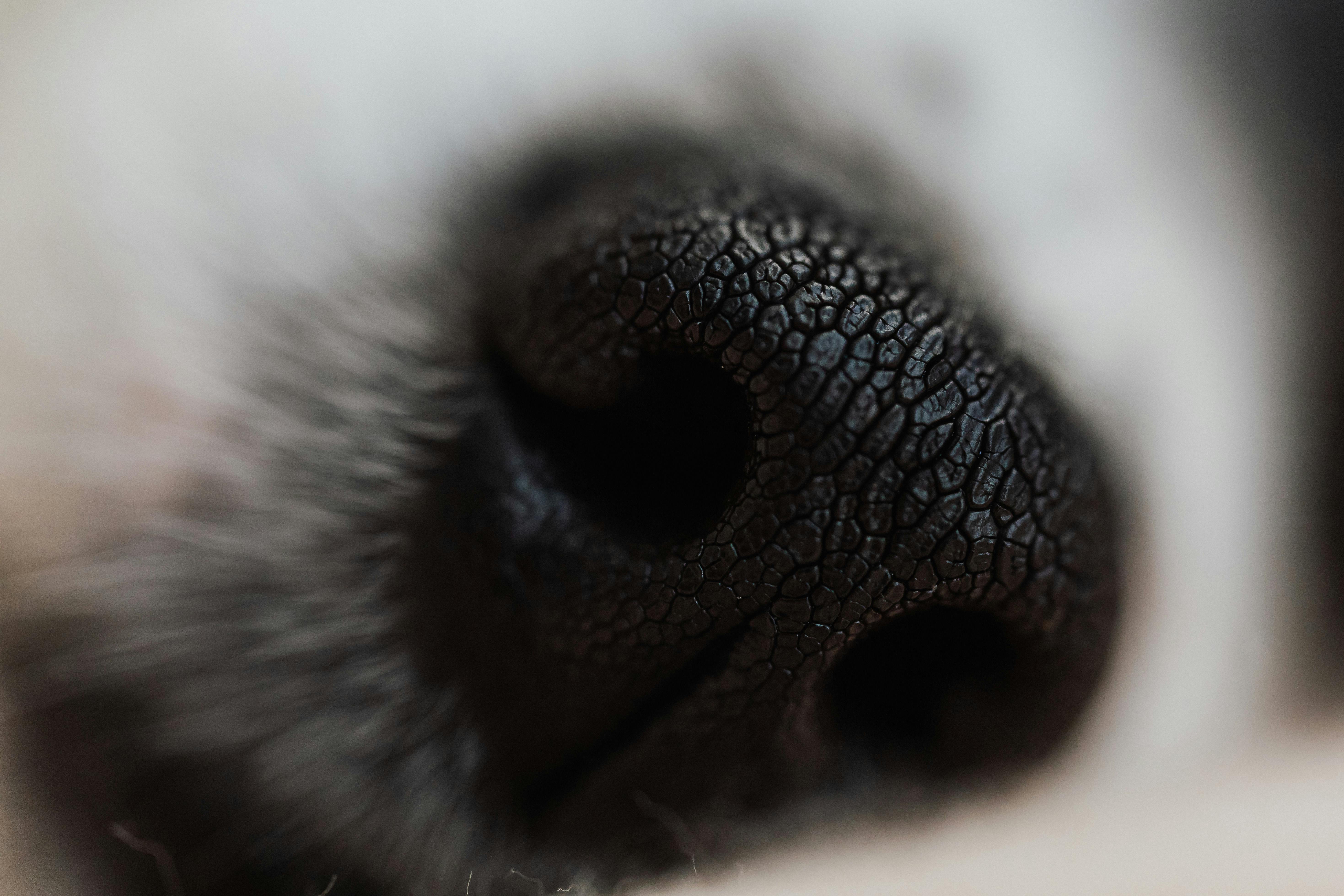
Have you ever wondered why your dog's nose is often wet? It's not just a quirky trait; it serves some important functions. The wetness of a dog's nose is more than just something cute to touch, it actually enhances their sense of smell in fascinating ways. Let's explore the reasons behind those moist snouts, and how they relate to your furry friend's abilities.
What Makes a Dog's Nose Wet?
Dogs have wet noses for a few reasons. Primarily, it helps them to detect scents better. A wet nose can capture scent particles from the air more effectively than a dry one. The moisture in their noses also helps to cool them down, as dogs don't sweat like humans do. Instead, they rely on panting and the evaporation from their noses to regulate their body temperatures.
- Dogs produce mucus in their noses which helps trap scents.
- The moisture from their noses enhances their olfactory receptors.
- A wet nose can also indicate a healthy dog; dry noses can sometimes be a sign of dehydration or illness.
The Science Behind the Smell
The anatomy of a dog's nose is quite complex, and understanding it can shine light on why their noses are so important. Dogs have up to 300 million olfactory receptors in their noses, compared to about 6 million in humans. This means dogs can smell things at a concentration of one part per trillion, which is mind-blowing!
Here's a breakdown of how their sense of smell works:
- Olfactory Bulb: This part of the brain is responsible for processing smells. In dogs, it is proportionally larger than in humans.
- Jacobsen's Organ: Also known as the vomeronasal organ, it helps dogs detect pheromones, which are chemicals that convey information about other animals.
- Moisture: As mentioned, moisture helps dogs capture more scent particles, which then get processed by their complex olfactory system.
Why Do Dogs Have Wet Noses?
The question of "Why do dogs have wet noses?" is more than just a fun fact about our furry companions. Here are some intriguing reasons:
- Enhanced Scent Detection: The wetness helps to catch and hold onto scent particles, giving dogs an edge in detecting smells.
- Thermoregulation: Dogs can lose heat through their noses, which is vital, especially on hot days.
- Health Indicator: A wet nose can indicate a healthy dog, while a dry or cracked nose might signal health issues.
Fun Facts About Dog Noses
- Each dog’s nose print is unique, much like a human fingerprint.
- Dogs can smell diseases like cancer or diabetes in humans due to their incredible olfactory abilities.
- The wetness of a dog’s nose can change throughout the day, influenced by their activity levels and the environment.
The Benefits of a Wet Nose
Having a wet nose isn’t just beneficial for scent detection; it also plays a role in communication and social interaction among dogs.
- Social Cues: Dogs often greet each other by sniffing noses. This behavior is crucial for them to gather information about each other's identities and health.
- Cooling Mechanism: During hot weather, a wet nose helps to keep a dog cool, which is essential for their well-being.
- Emotional Connection: Dogs may nuzzle their wet noses against their owners, creating a sense of comfort and bonding.
Comparing Dog Noses to Human Noses
Let’s take a quick look at how dog noses and human noses differ:
| Feature | Dog Nose | Human Nose |
|---|---|---|
| Olfactory Receptors | ~300 million | ~6 million |
| Moisture Function | Enhances scent detection | Minimal role in scent detection |
| Temperature Control | Helps cool down body temperature | Sweating is primary cooling method |
| Unique Prints | Yes, each is unique | No, similar structure across humans |
Real-Life Applications of a Dog’s Sense of Smell
The keen sense of smell that dogs possess has led to their use in various fields:
- Search and Rescue: Dogs are often trained to find missing persons in various environments.
- Medical Detection: Some dogs are trained to detect specific diseases through smell, proving invaluable in healthcare.
- Law Enforcement: Dogs help in detecting drugs, explosives, and even human remains.
Learning about why dogs have wet noses and the science behind their incredible sense of smell can deepen our appreciation for these loyal companions. Their moist snouts do more than just feel cool; they are a vital part of what makes dogs uniquely equipped to interact with the world around them. Whether it's for finding a lost person or simply bringing joy to our lives, dogs and their wet noses have a special place in our hearts.
Is a Wet Nose a Sign of Health? Unveiling the Myths and Facts About Dog Nose Moisture

Dog owners often look at their furry companions and wonder, “Is a wet nose a sign of health?” This question leads to a plethora of myths and facts about dog nose moisture. It’s true that dogs have wet noses, but the reasons behind it are not as straightforward as many might think. Let’s dive into the fascinating truth about why do dogs have wet noses and what it really means for their health.
The Science Behind Wet Noses
A dog's nose is wet for several reasons, most of which are tied to their biology and behavior. The moisture on a dog's nose is primarily due to a combination of saliva and environmental factors. Here’s a breakdown:
- Cooling Mechanism: Dogs don’t sweat like humans do. They rely on panting and the moisture on their noses to help regulate body temperature.
- Enhanced Smell: The wetness helps to capture scent particles in the air. A wet nose can improve a dog’s sense of smell, which is crucial for their communication and hunting instincts.
- Health Indicator: While a wet nose is often associated with health, it’s not the only indicator. A dog can have a wet nose and still be sick.
Common Myths About Wet Noses
There’s a lot of misinformation surrounding the significance of a dog’s wet nose. Let’s debunk some common myths:
Myth: A wet nose always means a healthy dog.
- Fact: Dogs can have wet noses when they are sick. Illnesses can sometimes cause a dog’s nose to be less moist.
Myth: A dry nose indicates illness.
- Fact: A dry nose can be perfectly normal, especially if the dog is sleeping or has been outside in hot weather.
Myth: All dogs have wet noses.
- Fact: Some breeds might have drier noses due to genetics or specific health conditions.
Why Do Dogs Have Wet Noses?
Understanding why dogs have wet noses can help pet owners better care for their furry friends. Here are some reasons:
Sensory Function: Dogs have up to 300 million olfactory receptors, compared to about 5 million in humans. A wet nose aids in trapping scent molecules, enhancing their ability to smell.
Thermoregulation: Dogs use their noses to help cool down their bodies. The moisture evaporates, similar to how sweating works for humans.
Natural Behavior: Dogs often lick their noses, which keeps them moist and also helps them taste the scents they pick up.
When to Be Concerned
Even though a wet nose can be a sign of health, there are instances when you should pay attention to changes in your dog's nose moisture:
Changes in Texture: If the nose becomes crusty or starts peeling, it could indicate a health problem.
Color Changes: A sudden change in color from pink to dark or vice versa may require a vet's attention.
Accompanying Symptoms: If a wet nose is accompanied by lethargy, loss of appetite, or other unusual symptoms, it’s better to consult a veterinarian.
Fun Facts About Dog Noses
Unique Patterns: Just like human fingerprints, every dog’s nose print is unique.
Temperature Check: You can sometimes gauge a dog’s health by checking the temperature of their nose; a cool, moist nose is usually a good sign.
Breed Differences: Some breeds, like Bulldogs and Pugs, may have drier noses due to their facial structure.
Quick Tips for Dog Owners
Monitor Your Dog’s Nose: Keep an eye on any changes in moisture, texture, or color.
Check for Other Symptoms: Always look for other signs of illness, such as changes in behavior, eating, or drinking habits.
Regular Vet Visits: Ensure your dog sees a veterinarian regularly for check-ups. This is essential for catching any health issues early.
Stay Informed: Educate yourself about your dog’s breed-specific health needs.
In summary, a wet nose is a common and fascinating characteristic of dogs, and while it can sometimes indicate good health, it’s not a definitive marker. Understanding the nuances behind dog nose moisture can help owners make informed decisions about their pets’ well-being. Always stay observant, and don't hesitate to reach out to a veterinarian if you have concerns about your dog's health.
Dogs and Their Senses: Why a Wet Nose is Essential for Your Furry Friend’s Survival
Dogs are often known as man’s best friend, but have you ever really thought about what makes them unique? One of the most fascinating features of dogs is their wet noses. Many people wonder, why do dogs have wet noses? The answer isn’t just charming; it goes way deeper than that. A dog’s moist snout plays a crucial role in their survival and overall health. Let’s explore the captivating truth behind those damp noses.
The Science Behind a Wet Nose
A dog’s nose is covered in a thin layer of mucus, which helps to enhance their sense of smell. Dogs have an incredible ability to detect scents, estimated to be anywhere from 10,000 to 100,000 times more sensitive than humans. This is due to the olfactory receptors in their noses. Here’s how the wetness helps:
- Scent Detection: The moisture on a dog’s nose helps to trap scent particles. When sniffing around, the wet surface collects these particles, making it easier for dogs to identify different scents in their environment.
- Temperature Regulation: A wet nose helps dogs cool down. When a dog pants, the moisture on their nose evaporates, which can help reduce their body temperature.
- Health Indicator: A dog’s nose can also indicate their health. A healthy dog usually has a cool, moist nose. If your pup’s nose is dry and warm, it might be a sign of illness.
Why Do Dogs Have Wet Noses? The Evolutionary Perspective
To understand why dogs have wet noses, we should look back in history. Dogs evolved from wolves, and their ancestors had similar moist noses. Some reasons for this evolutionary trait include:
- Survival: A wet nose helps dogs track prey more effectively. In nature, a keen sense of smell is essential for finding food and avoiding predators.
- Communication: Dogs use scents to communicate with each other. A wet nose can help them pick up pheromones and other signals from fellow canines, helping them understand social cues.
- Adaptation: Over time, dogs that had wetter noses may have been better at finding food and mates, leading to the survival of that trait.
Wet Nose Myths Debunked
There are many myths surrounding a dog's nose, and it's essential to separate fact from fiction. Here's a few common misconceptions:
Myth 1: A dry nose always indicates sickness.
Fact: While a dry nose can be a sign of health issues, it isn’t definitive. Factors like temperature and humidity can also affect moisture levels.Myth 2: Dogs only sweat through their noses.
Fact: Dogs mainly sweat through their paw pads; the wetness on their noses is primarily due to mucus.Myth 3: All dogs have equally wet noses.
Fact: The moisture level can vary between breeds and individual dogs. Some might have persistently drier noses due to genetics or health conditions.
Practical Examples of Nose Health
Ensuring your dog's nose is healthy is vital. Here are some tips to maintain a healthy nose:
- Hydration: Make sure your dog always has access to fresh water. Dehydration can lead to a dry nose.
- Regular Vet Check-ups: Regular visits to the vet can help catch any potential health issues early on.
- Monitor Changes: Keep an eye on your dog’s nose. If the texture, moisture level, or color changes significantly, consult your vet.
Interesting Facts About Dog Noses
- Dogs have about 300 million olfactory receptors, compared to humans who have around 5 million.
- The unique pattern of a dog’s nose print is similar to a human fingerprint; no two are alike.
- Some dogs can even detect certain diseases, like cancer, by scent.
Conclusion
Understanding why dogs have wet noses reveals a lot about their biology and evolution. Their wet noses are not just cute; they play a vital role in their survival and communication. So, the next time you give your furry friend a pat on the head and notice that damp snout, remember that it’s more than just an adorable feature. It’s a fascinating aspect of what makes dogs such incredible companions. Knowing these details can help us care for our dogs better and appreciate them even more. Dogs bring joy and loyalty into our lives, and their wet noses are just one of the many reasons why we love them.
The Evolutionary Advantage: How Dogs Developed Their Unique Wet Noses Over Time

Have you ever wondered why dogs have wet noses? It’s not just a random trait, but a fascinating evolutionary advantage that has developed over many years. The uniqueness of a dog’s nose is much more than meets the eye. From ancient times, these fluffy companions have adapted in ways that help them survive and thrive alongside humans. Let’s dig into the captivating truth about why dogs have wet noses and how this characteristic evolved over time.
The Science Behind Wet Noses
A dog’s nose is not only wet, but it also plays an important role in their sensory perception. The moisture on their noses helps to absorb scent chemicals in the air, enhancing their sense of smell. In fact, dogs have about 220 million scent receptors in their noses, compared to a human's mere 5 million. This incredible olfactory ability allows dogs to detect scents at concentrations nearly 100,000 times lower than humans can. Here’s how it works:
- Moisture Enhances Scent Detection: The dampness of the nose helps capture scent particles, which increases the sense of smell.
- Thermoregulation: Dogs also cool themselves through their noses; the wet surface aids in regulating their body temperature.
- Communication: Dogs can use their noses to communicate with other dogs by picking up scents left by other animals.
Evolutionary Context
The evolution of dogs is quite fascinating. They are descendants of wolves, and their wet noses likely developed as a survival trait. Here are some key points about their evolutionary journey:
- Domestication: As humans began to domesticate wolves, those with better olfactory skills (hence, wet noses) were likely more successful in hunting and bonding with humans.
- Hunting and Tracking: Wet noses were essential for tracking scents of prey, helping early dogs assist humans in hunting.
- Adaptation: Over time, dogs with wetter noses may have been favored for breeding, leading to a population of dogs that more frequently exhibit this trait.
Why Do Dogs Have Wet Noses? The Multifaceted Benefits
The reasons behind the wet noses of dogs are numerous and interconnected. Here’s a list of benefits that come along with having a wet nose:
- Enhanced Smell: Wet noses allow for better scent absorption, leading to heightened olfactory capabilities.
- Health Indicator: A wet nose often indicates good health. When a dog is sick, the nose may become dry.
- Thermal Regulation: As mentioned, wet noses help in cooling down a dog’s body.
- Emotional Connection: Dogs often nuzzle their wet noses against humans as a sign of affection and bonding.
Comparing Dog Noses to Other Animals
Dogs aren’t the only creatures with wet noses. Other animals, like cats and pigs, also have moist noses. However, the functional differences are notable. Let’s take a look:
| Animal | Nose Type | Purpose of Moisture |
|---|---|---|
| Dogs | Wet | Enhanced smell, thermoregulation |
| Cats | Wet | Scent detection, but less pronounced |
| Pigs | Wet | Foraging and rooting in the ground |
| Horses | Dry | Breath and temperature regulation |
Practical Examples of Wet Noses in Action
You’ve likely seen your dog sniffing around, and this behavior is more than just instinctual. Here are some practical situations where a dog’s wet nose comes into play:
- Search and Rescue: Dogs are used in rescue operations due to their superior smelling abilities, often finding lost persons or detecting drugs.
- Medical Detection: Some dogs can detect cancer or diabetes through scent due to their powerful noses.
- Tracking: Law enforcement often employs dogs for tracking criminals or missing persons, showcasing their wet nose’s effectiveness.
The Fascination with Dog Noses
It’s clear that the wet nose of dogs isn’t just a quirky characteristic; it’s a marvel of evolution. People often marvel at how dogs can sniff out certain things, leading to the belief that they possess almost supernatural abilities. This fascination has led to various studies aimed at understanding canine olfaction more deeply.
In summary, the evolution of a dog’s wet nose is a testament to their adaptability and survival skills. This unique trait enhances their abilities to connect with their environment and their humans. The next time you pet a dog and feel that familiar dampness, remember that it’s not just a cute feature—it’s part of what makes them incredible companions.
Common Questions Answered: Do All Dogs Have Wet Noses, and What Does It Mean?
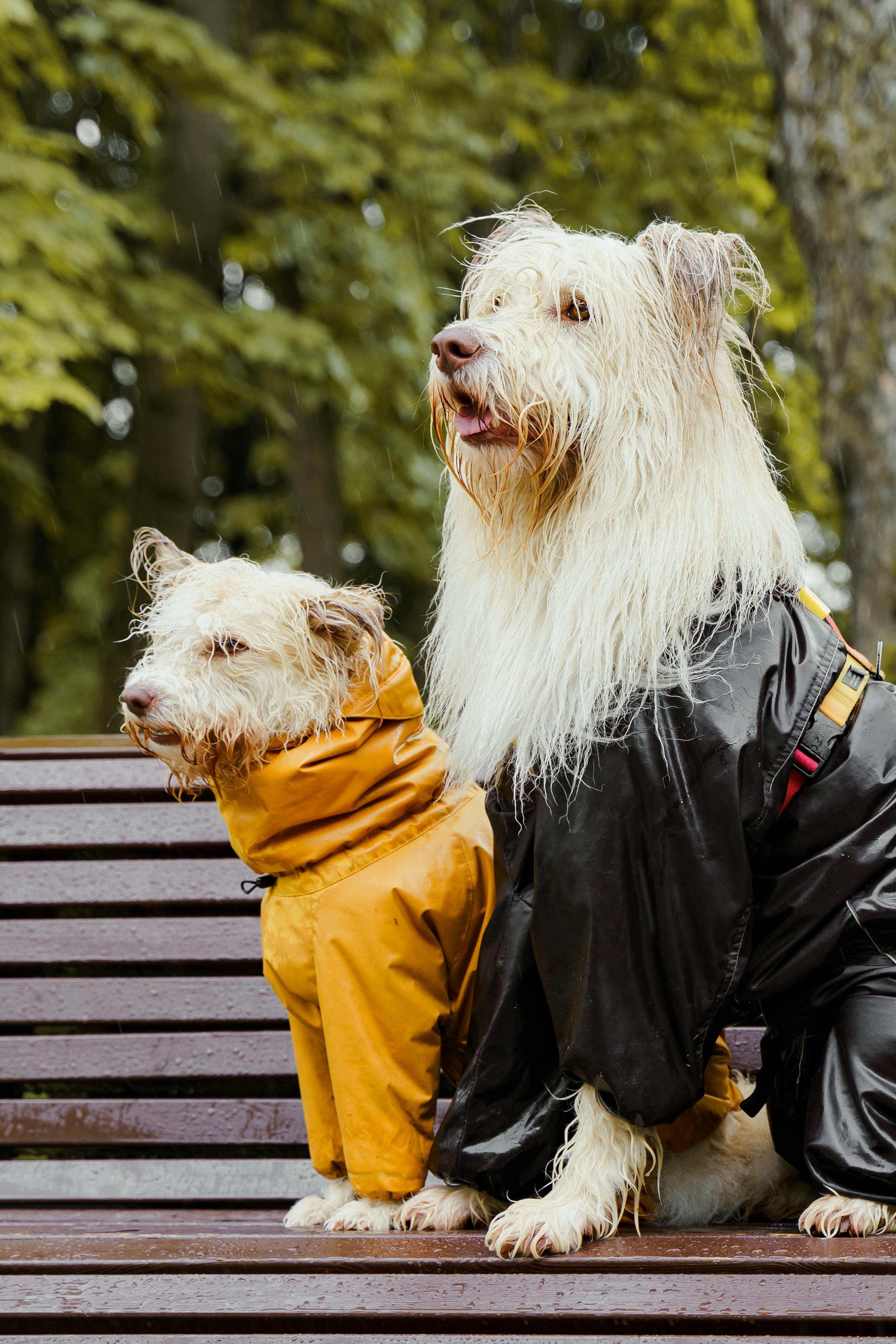
Dogs are often known as man's best friend, and one of the most interesting things about them is their wet noses. Many people wonder, do all dogs have wet noses? And what does it mean? In this article, we will explore these common questions, diving into the reasons behind why dogs have wet noses and what it signals about their health and behavior.
Why Do Dogs Have Wet Noses?
It’s a well-known fact that dogs usually have moist noses, but why is this? The truth is quite fascinating! Here are some key points to consider:
- Temperature Regulation: Dogs have sweat glands, but they are not as effective as humans. Instead, dogs rely on their noses to help regulate body temperature. A wet nose can cool them down.
- Enhanced Sense of Smell: A wet nose is better at capturing scent particles in the air. The moisture helps to absorb these particles, allowing dogs to detect scents more efficiently, which is why they have such incredible olfactory abilities.
- Health Indicators: A dog's nose can reflect its health status. A normal, moist nose typically indicates good health, while a dry or cracked nose can sometimes signal dehydration or illness.
Do All Dogs Have Wet Noses?
Not all dogs have the same type of nose, and not every dog’s nose is wet all the time. The moisture level can vary based on several factors:
- Breed Differences: Some breeds, like Bulldogs and Pugs, may have drier noses due to their facial structure. Others, like Retrievers, tend to have wetter noses.
- Activity Levels: After playing or running, a dog's nose might be wetter than usual. Conversely, if they’re resting or sleeping, it could dry out a bit.
- Environmental Conditions: Weather can also play a role. A hot, dry day might lead to a drier nose, whereas a humid environment can keep it moist.
The Science Behind Wet Noses
So, what’s really going on? Here’s a basic breakdown of how wet noses work:
- Mucus Production: Dogs have mucous membranes in their noses which produce moisture. This secretion is crucial for their sense of smell.
- Grooming Habits: Dogs often lick their noses, which adds to the moisture. This self-grooming behavior is instinctual and helps them keep their noses clean and hydrated.
Common Misconceptions About Dog Noses
There are several myths surrounding dog noses that many people believe. Let’s clear a few up:
- "A Wet Nose Means a Healthy Dog": While a wet nose can indicate good health, it’s not an absolute measure. Dogs with dry noses can also be healthy.
- "Dogs Only Lick Their Noses When They Are Thirsty": Dogs lick their noses for various reasons, including cleaning, tasting, and even calming themselves.
- "All Dogs Have the Same Nose Temperature": The temperature of a dog’s nose can differ based on activity level, health, and even the time of day.
Frequently Asked Questions
Here are some common questions related to dog noses:
Why are some dogs' noses cold while others are warm?
- Nose temperature can vary based on blood flow and environmental factors. Cold noses are often a sign of a relaxed dog, while a warm nose could indicate excitement or stress.
Can a dog’s nose tell me if it’s sick?
- While changes in nose moisture can indicate health issues, they aren’t definitive. If your dog exhibits other signs of illness, such as lethargy or loss of appetite, it’s best to consult a vet.
How can I keep my dog’s nose healthy?
- Regular hydration, proper nutrition, and avoiding harsh weather conditions can help maintain nose health. Using a dog-safe moisturizer can also be beneficial for those prone to dry noses.
Conclusion
Understanding why dogs have wet noses sheds light on their unique biology and behavior. While not every dog may have a wet nose all the time, these moist noses play a critical role in a dog’s life. They help with temperature regulation, enhance their sense of smell, and can even reflect their health status. So, next time you pet your furry friend, take a moment to appreciate that wet nose and all the fascinating reasons behind it!
Dogs in Different Climates: How Weather Affects Your Dog’s Nose Moisture Levels
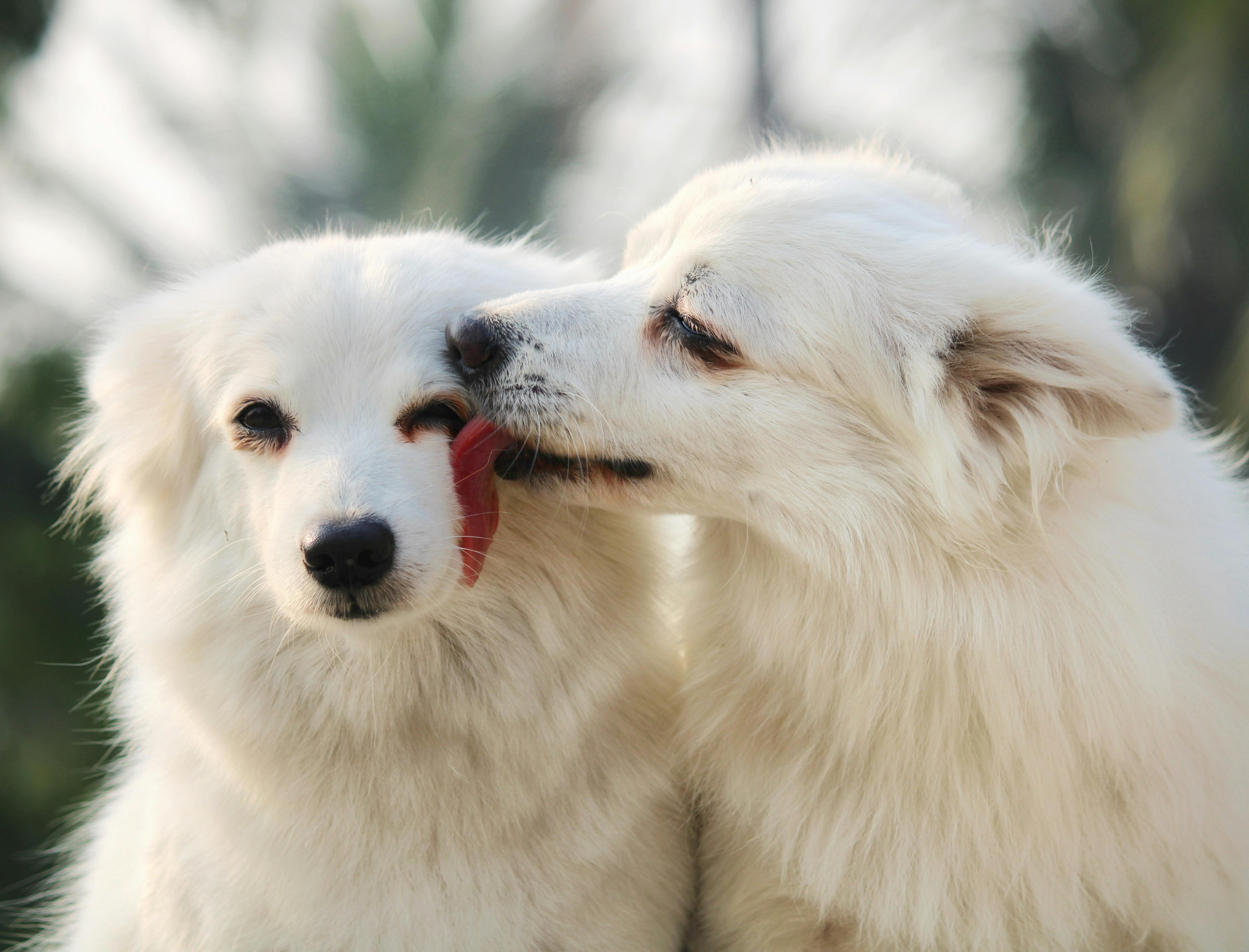
Dogs are often our best friends, but do you ever wonder why their noses are so wet? This is a question many dog owners have, and it turns out there's a fascinating science behind it. But wait! The weather plays a big role in how moist a dog's nose can be. Different climates affect not just our pup's comfort, but also their health and well-being. Let’s dive into the reasons behind wet noses, and how weather influences this important aspect of our furry companions.
Why Do Dogs Have Wet Noses?
Dogs have wet noses for several reasons. Here’s a breakdown of the key points:
Sense of Smell: A wet nose helps to enhance a dog's sense of smell. The moisture captures scent particles, making it easier for dogs to detect smells. This is why dogs are often used in search-and-rescue operations. Their noses are like super-powered sniffers!
Cooling Mechanism: Dogs don’t sweat like humans do. Instead, they cool down through their noses and panting. A wet nose can help regulate their body temperature, which is crucial during hot weather.
Health Indicator: A dog's nose can indicate their health status. Generally, a cool and moist nose is a sign of a healthy dog. However, a dry, cracked nose might suggest dehydration or illness. Monitoring your dog's nose can help you catch health issues early.
The Impact of Climate on Nose Moisture Levels
Weather can have a significant effect on your dog's nose moisture. Here’s how different climates can affect the wetness of your dog's nose:
Hot and Dry Climates: In places like the deserts of Arizona or during heat waves, dogs might experience drier noses. The heat can evaporate moisture faster, which could lead to dehydration. Make sure to keep your dog hydrated, and provide plenty of shade during hot days.
Cold and Dry Climates: In cold regions like Alaska, the air can become very dry. This can lead to cracked noses, which may be uncomfortable for dogs. Keeping your dog indoors during extremely cold weather can help maintain their nose's moisture.
Humid Climates: In areas with high humidity, like Florida, dogs usually have moist noses. However, excessive humidity can lead to other issues, such as fungal infections. Regularly check and clean your dog’s nose to ensure it remains healthy.
Practical Tips for Dog Owners
Maintaining your dog's nose health is essential, no matter what climate you live in. Here are some tips:
Hydration is Key: Always ensure your dog has access to fresh water. Dehydrated dogs can experience drier noses.
Use Nose Balm: If your dog has a dry nose, consider using a nose balm made for dogs. These products can help soothe and moisturize their noses.
Monitor Nose Health: Regularly check your dog's nose for any changes. If it becomes persistently dry or cracked, consult your veterinarian.
Adjust Outdoor Activities: Be mindful of the weather when taking your dog outside. In extreme heat or cold, limit their outdoor time to avoid health risks.
Comparing Nose Moisture Across Breeds
Different dog breeds can have varying nose moisture levels. Here’s a quick comparison:
Short-nosed Breeds: Breeds like Bulldogs or Pugs may have less moisture due to their flat faces. Their breathing and cooling mechanisms are different, which can lead to drier noses.
Long-nosed Breeds: Breeds such as Greyhounds or Collies often have more moisture. Their longer snouts can allow more effective cooling and scent detection.
Mixed Breeds: Mixed-breed dogs can exhibit a mix of characteristics. Always monitor their nose health based on their unique traits and the climate they live in.
Final Thoughts
Understanding why dogs have wet noses and how climate affects this feature can help you care for your furry friend better. Wet noses are not just a cute trait but play vital roles in their health and senses. By paying attention to the climate and how it influences your dog's nose moisture, you can ensure your pup stays healthy and comfortable. Whether you live in a humid area or a dry one, keeping an eye on your dog's nose can make all the difference in their happiness and well-being. Remember, a happy dog often has a wet nose!
When to Worry: Understanding Abnormal Nose Moisture in Dogs and What It Could Indicate
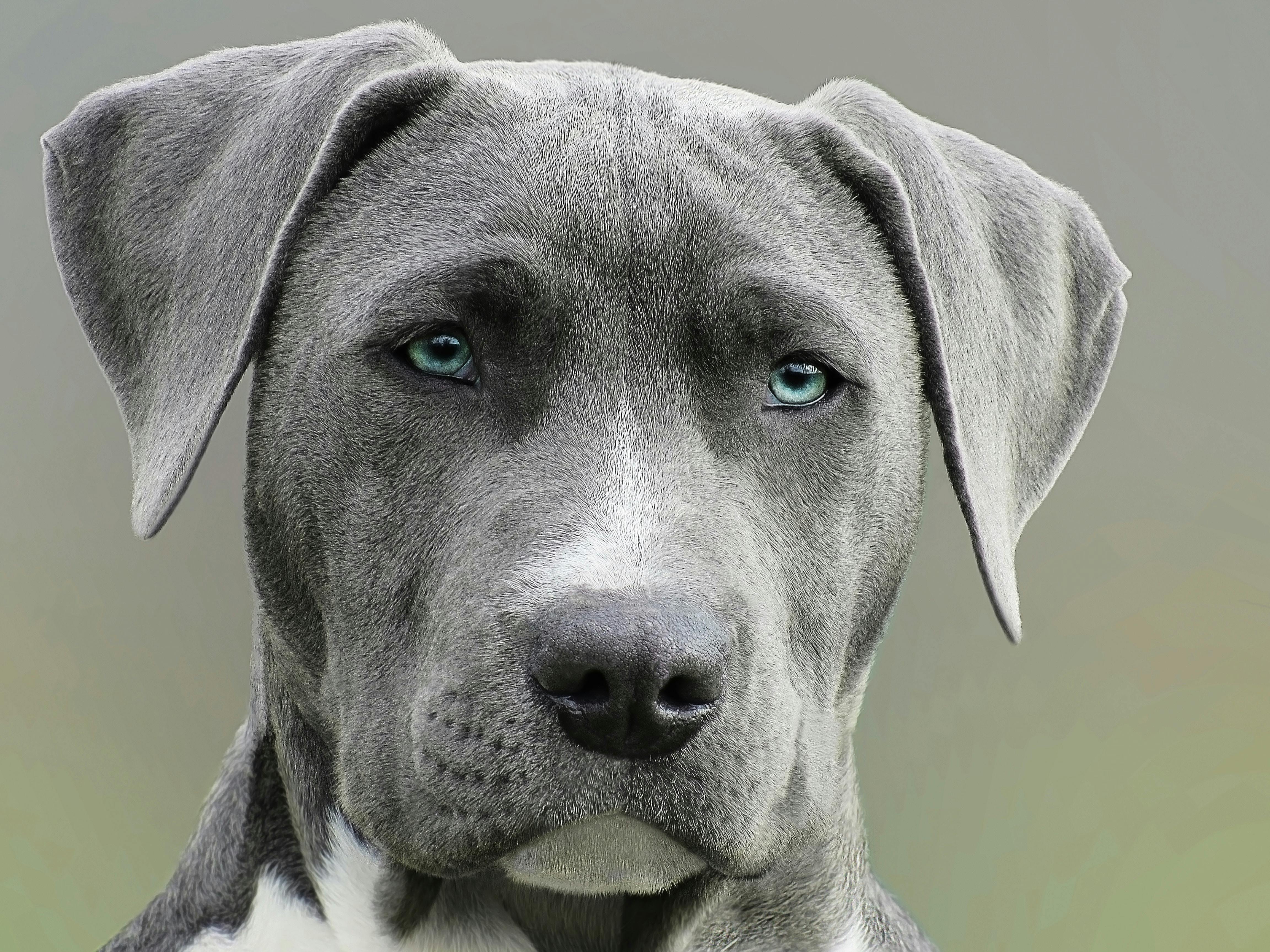
When you have a furry friend, their health becomes a priority. One thing that often catch pet owners off guard is when their dog’s nose moisture starts to change. You may wonder, "When should I worry about my dog's nose?" Understanding abnormal nose moisture in dogs can help you identify potential health issues before they escalate. Let’s dive into why do dogs have wet noses and what changes might indicate a need for concern.
Why Do Dogs Have Wet Noses?
It’s a common question among dog lovers: why do dogs have wet noses? The truth is, a dog's nose plays a significant role in their sense of smell. A wet nose helps to enhance their olfactory receptors, making them more effective at detecting scents. But there’s more to it than just that!
Cooling Mechanism: Dogs sweat very little, and their noses help to cool them down. The moisture evaporates, providing a cooling effect.
Health Indicator: A healthy dog usually has a moist nose. It can be a sign of hydration and overall health.
Scent Detection: A wet nose picks up scent particles more effectively, making their sense of smell sharper.
Normal vs. Abnormal Nose Moisture
It’s important to distinguish between what’s normal and what’s not. An average dog’s nose can be moist, dry, or somewhere in between. However, any drastic changes could indicate health issues. Here’s a quick breakdown:
Normal Conditions: Moist and cool to the touch, healthy color.
Dry Nose: This may indicate dehydration, fever, or if it is persistently dry, could be a sign of certain illnesses.
Crusty or Cracked Nose: This can be a sign of allergies, infections, or autoimmune diseases.
Excessive Moisture: If the nose is dripping or has excessive discharge, it could indicate a respiratory issue or nasal infection.
When Should You Worry?
You might be asking, "What are the signs I should look for?" Here’s a list to help you out:
Persistent Dryness: If your dog’s nose is frequently dry and warm, it might be time to consult a vet.
Discharge: Any unusual discharge, especially if it’s colored or has a bad smell, should be looked into.
Change in Texture: If the nose becomes crusty or develops sores, it could indicate an underlying health issue.
Behavioral Changes: If your dog is lethargic, has a decreased appetite, or shows signs of discomfort, it’s a reason to reach out to a professional.
Common Causes of Abnormal Nose Moisture
There are several reasons for abnormal nose moisture in dogs. Here are some common causes:
Dehydration: Dogs need plenty of water, especially in hot weather. Lack of hydration can lead to a dry nose.
Infections: Bacterial or viral infections can lead to excessive nasal discharge and moisture.
Allergies: Just like humans, dogs can suffer from allergies that affect their noses, leading to sneezing and runny noses.
Autoimmune Disorders: Certain conditions can cause changes in the texture and moisture of a dog’s nose.
Environmental Factors: Changes in humidity and temperature can affect nose moisture.
Practical Tips for Dog Owners
Keeping an eye on your dog's nose can be beneficial for their health. Here are some tips you might find helpful:
Hydration: Always have fresh water available for your dog. Monitor their drinking habits.
Regular Check-ups: Regular vet visits can help catch any potential issues early.
Observe Behavior: Pay attention to any changes in your dog’s behavior. Changes often indicate something is off.
Monitor Environment: Be mindful of changes in weather. Dogs may need extra care during extreme weather conditions.
Grooming: Regular grooming can help keep allergies at bay and promote overall health.
The moisture of your dog’s nose can tell you a lot about their health. An understanding of when to worry about abnormal nose moisture is essential for any dog owner. Remember that while a wet nose is usually a good sign, any drastic changes shouldn’t be ignored. If you notice any concerning symptoms, it’s always best to consult with a veterinarian. Your four-legged friend depends on you to be their advocate for health and happiness.
Fun Facts About Dog Noses: 7 Surprising Truths You Didn't Know About Their Amazing Smelling Ability
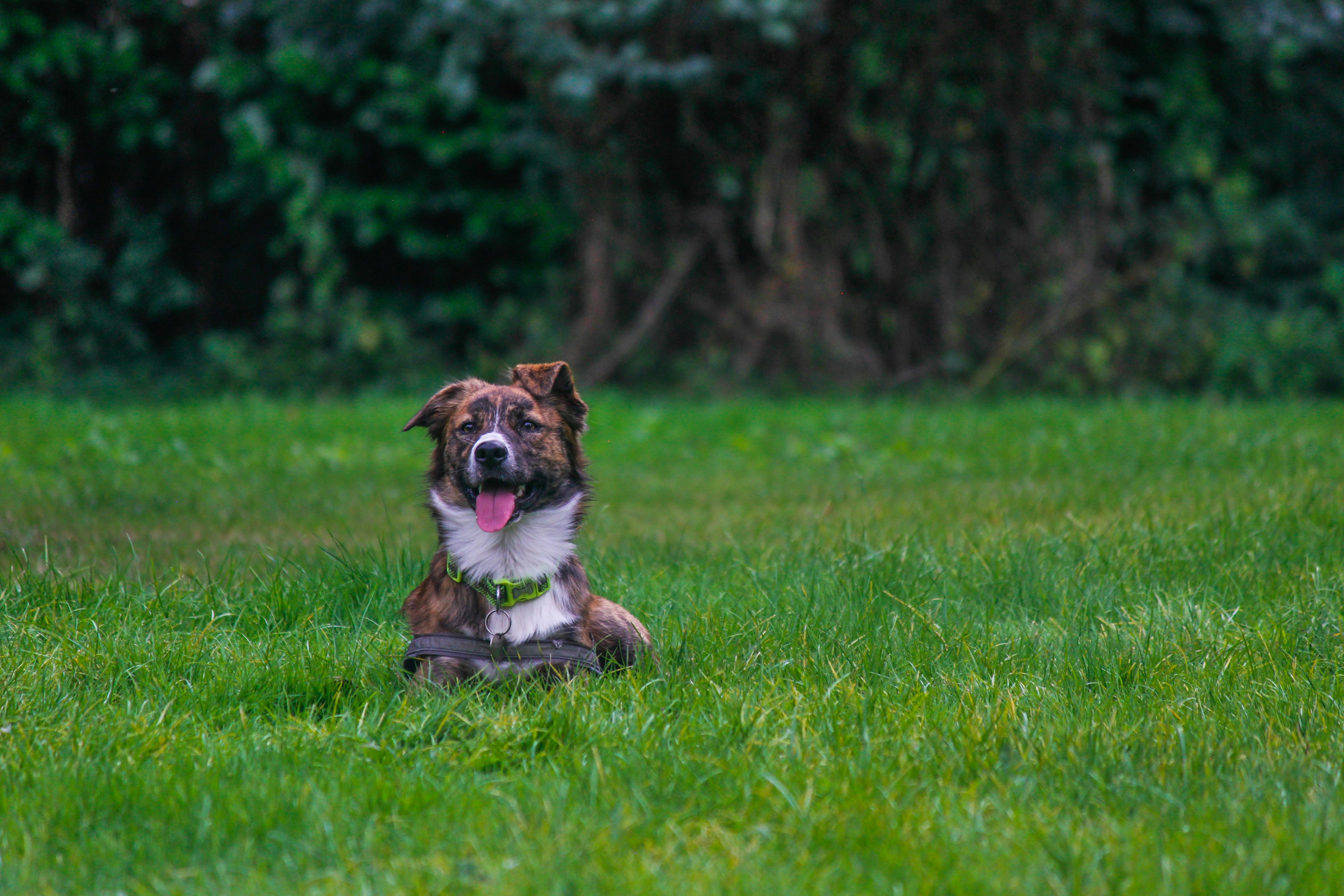
Dog noses are truly fascinating, and their abilities are often more impressive than we realize. If you've ever wondered why dogs have wet noses or what makes their sense of smell so extraordinary, you’re not alone! Here’s a look at some fun facts about dog noses that will surely surprise you.
1. Dogs Have Approximately 300 Million Smell Receptors
Did you know that dogs have around 300 million smell receptors in their noses? This is a whopping 40 times more than humans, who only have about 5 million. Each of those receptors is wired to their brains, giving dogs the ability to detect scents far beyond what we can imagine. This makes them exceptional at finding lost items, tracking scents, and even detecting certain medical conditions!
2. Their Noses Are Unique Like Fingerprints
Just like humans have unique fingerprints, every dog has a unique nose print. The pattern of ridges and creases on a dog’s nose is distinct and can be used to identify them. Some organizations even use this method for dog identification! Isn’t that wild?
3. Why Do Dogs Have Wet Noses?
You might be asking yourself, why do dogs have wet noses? Well, the moisture on a dog’s nose plays a crucial role in their ability to smell. A wet nose helps to capture scent particles from the air. The moisture allows these particles to stick, which enhances their olfactory senses. This is why you often see your pup sniffing around after a rain or during humid weather!
4. Dogs Can Smell Emotions
Yes, dogs are capable of smelling human emotions! They can detect the scent of stress, fear, and happiness through the pheromones we emit. For instance, when you're anxious, your body releases certain chemicals that your dog can smell, allowing them to respond appropriately—often by providing comfort or companionship.
5. Dogs Have a Special Organ for Smelling
Dogs possess a special organ called the Jacobsen's organ, or vomeronasal organ, located in the nasal cavity. This organ allows dogs to detect pheromones, which are chemical signals that carry information about other animals. This is why your pup might be sniffing around another dog’s rear; they're gathering important social information!
6. Dogs Can Sniff Out Diseases
Incredible as it sounds, dogs have been trained to detect certain diseases, including cancer and diabetes. Studies have shown that dogs can identify specific scents associated with tumors or low blood sugar levels. They might alert their humans before they even realize something is wrong! This has led to the development of service dogs specifically trained for medical alert tasks.
7. The Science Behind Dog Nose Temperature
You might notice that a dog’s nose temperature can change. Typically, a wet nose indicates a healthy dog, while a dry nose can be a sign of dehydration or illness. However, this isn’t always the case; some dogs naturally have drier noses than others. It’s essential to monitor other signs of health, but the nose can give you a quick clue about your pet’s wellbeing.
Quick Facts About Dog Noses
- Dogs can smell drugs, explosives, and even certain types of cancer.
- They can detect scents at incredibly low concentrations, as low as parts per trillion!
- Different breeds have different smelling abilities; Bloodhounds are known for their excellent tracking skills.
- Dogs can even use their noses to cool themselves; they can evaporate moisture from their noses to regulate body temperature.
Comparison: Dog Noses vs. Human Noses
| Aspect | Dog Noses | Human Noses |
|---|---|---|
| Smell Receptors | ~300 million | ~5 million |
| Unique Features | Unique nose prints | No unique feature |
| Detecting Emotions | Yes | Limited |
| Specialized Organs | Jacobsen's organ | None |
| Temperature Indicator | Can indicate health | Less reliable |
In summary, the wet nose of a dog is not just an adorable feature; it plays a significant role in their ability to interact with the world around them. Whether they're detecting your mood, identifying scents, or helping in medical scenarios, dog noses are truly remarkable. So next time your furry friend gives you a wet nose nudge, remember, they might just be trying to communicate with you in their own unique way!
Caring for Your Dog’s Nose: Tips to Keep That Wet Snout Healthy and Happy!
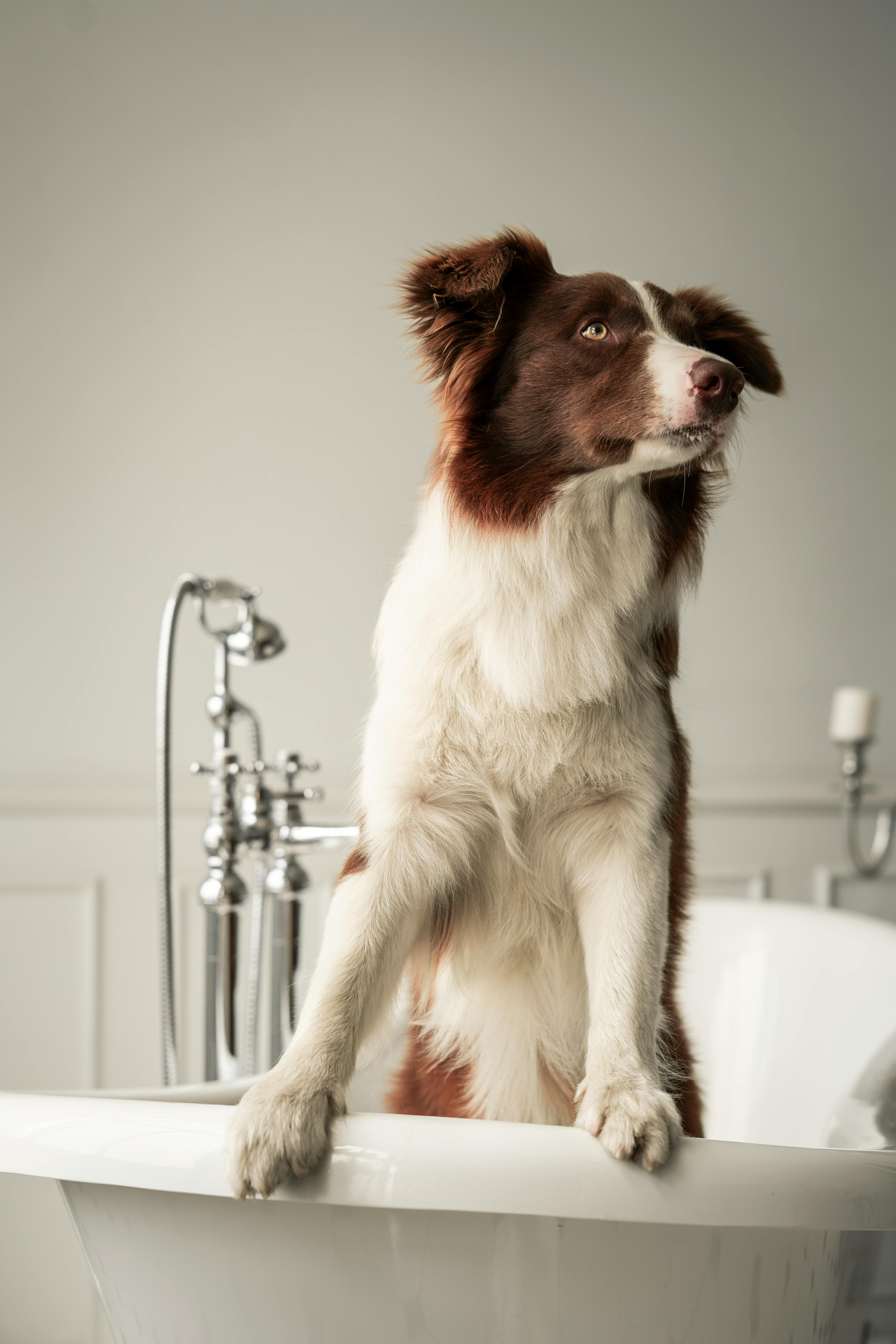
Dogs noses are often wet, and many people wonders why. It’s not just for show; there’s actually fascinating reasons behind it! Keeping your dog’s nose healthy is an essential part of pet care, and knowing the science behind that snout can help you care for your furry friend better. In this article, we dive into the reasons why dogs have wet noses, plus some tips on how to keep that snout in tip-top shape!
Why Do Dogs Have Wet Noses?
There’s a few reasons dogs have those wet noses. First, a wet nose helps dogs to smell better. The moisture on their noses captures scent particles from the air, enhancing their sense of smell. Did you know that dogs’ sense of smell is up to 100,000 times better than humans? That’s pretty amazing!
Another reason is that a wet nose helps regulate their body temperature. Dogs don’t sweat like humans do, so they rely on their noses to help cool down. When they pant, moisture from their nose evaporates, which helps to lower their body temperature.
The Science Behind Dog Nose Moisture
Dogs have special glands in their noses that produce mucus. This mucus is what keeps the nose wet and helps with smelling. Here’s a quick breakdown:
- Scent Enhancement: The moisture helps to capture scent molecules.
- Temperature Regulation: Keeps dogs cool, especially on warm days.
- Health Indicator: A change in nose moisture can sometimes indicate health issues.
Caring for Your Dog’s Nose: Tips to Keep it Healthy
Just like any other part of your dog, their nose needs some care too! Here are some tips for keeping that wet snout healthy and happy:
Regular Checkups: Visiting the vet regularly can help catch any issues early on. Look out for changes in color, texture, or moisture.
Hydration is Key: Ensure your dog drinks plenty of water. A well-hydrated dog is more likely to have a moist nose.
Avoid Harsh Chemicals: If you clean your home with chemicals, be mindful. Some substances can irritate your dog’s nose.
Protect from the Sun: Dogs with light-colored noses can get sunburned. Apply dog-safe sunscreen if your dog will be in the sun for long periods.
Watch for Allergies: Seasonal allergies can cause a dry nose. If you notice your dog sneezing or itching, consult your vet.
Diet Matters: A balanced diet contributes to overall health, including the moisture of your dog’s nose.
Gentle Wiping: If your dog gets dirt or debris on their nose, gently wipe it with a damp cloth.
Common Myths About Dog Noses
There are many myths about dog noses that can be misleading. Here’s a few you should know:
Myth: A dry nose means a sick dog.
- Fact: Not all health issues show up as a dry nose. Dogs can have dry noses for various reasons, including weather changes.
Myth: A warm nose means fever.
- Fact: Dogs can have warm noses for many reasons, and it doesn’t always indicate illness.
Myth: All dogs have wet noses.
- Fact: Just like humans, every dog is different. Some may have drier noses due to genetics or other reasons.
Fun Facts About Dog Noses
- Unique Patterns: Just like human fingerprints, every dog’s nose print is unique!
- Scent Memory: Dogs can remember scents for years after they first smell them.
- Nose Temperature: A dog’s nose temperature can fluctuate throughout the day.
Taking care of your dog’s nose is just another way to show how much you love them. Remember, every dog is unique, and what works for one may not work for another. Always consult your vet if you are unsure about any changes in your pet’s health. Keeping that wet snout happy and healthy is essential for a happy pup!
Conclusion
In conclusion, the wet noses of dogs serve multiple essential purposes, primarily aiding in their sense of smell, temperature regulation, and overall health. The moisture from a dog's nose enhances its olfactory capabilities, allowing them to detect scents more effectively, which is crucial for their understanding of the environment. Additionally, the wetness helps cool their bodies, as dogs primarily regulate temperature through panting. While a moist nose is often a sign of a healthy dog, it’s important for pet owners to be aware of any changes in their dog's nose texture or moisture level, as these could indicate underlying health issues. So, the next time you greet your furry friend, take a moment to appreciate that wet nose—it's a remarkable feature that plays a vital role in their well-being. Ensure your pup stays healthy by regularly scheduling vet check-ups and keeping an eye on their nose's condition!