
Have you ever wondered why do dogs have wet noses? This common canine characteristic is not just cute; it’s actually a fascinating aspect of dog biology! In fact, many dog owners often ask, “What does a wet nose mean for my furry friend?” The truth is, a dog’s nose serves several important purposes that can impact their health and behavior. Dogs’ noses are not only moist but also play a crucial role in sensing the world around them. You might be curious about whether a wet nose indicates a happy dog or if it’s just a natural phenomenon. Additionally, understanding this unique trait can improve your bond with your pet and enhance their well-being. The science behind a dog’s nose is truly intriguing, and it raises many questions—like, does the temperature of their nose indicate illness? So, dive into this captivating exploration of canine anatomy, and let’s uncover the secrets behind why dogs have wet noses! This knowledge might just change the way you view your beloved companion. Ready to learn more about this remarkable feature? Let’s get started!
The Science Behind Dog Noses: Why Are They Wet and What Does It Mean?
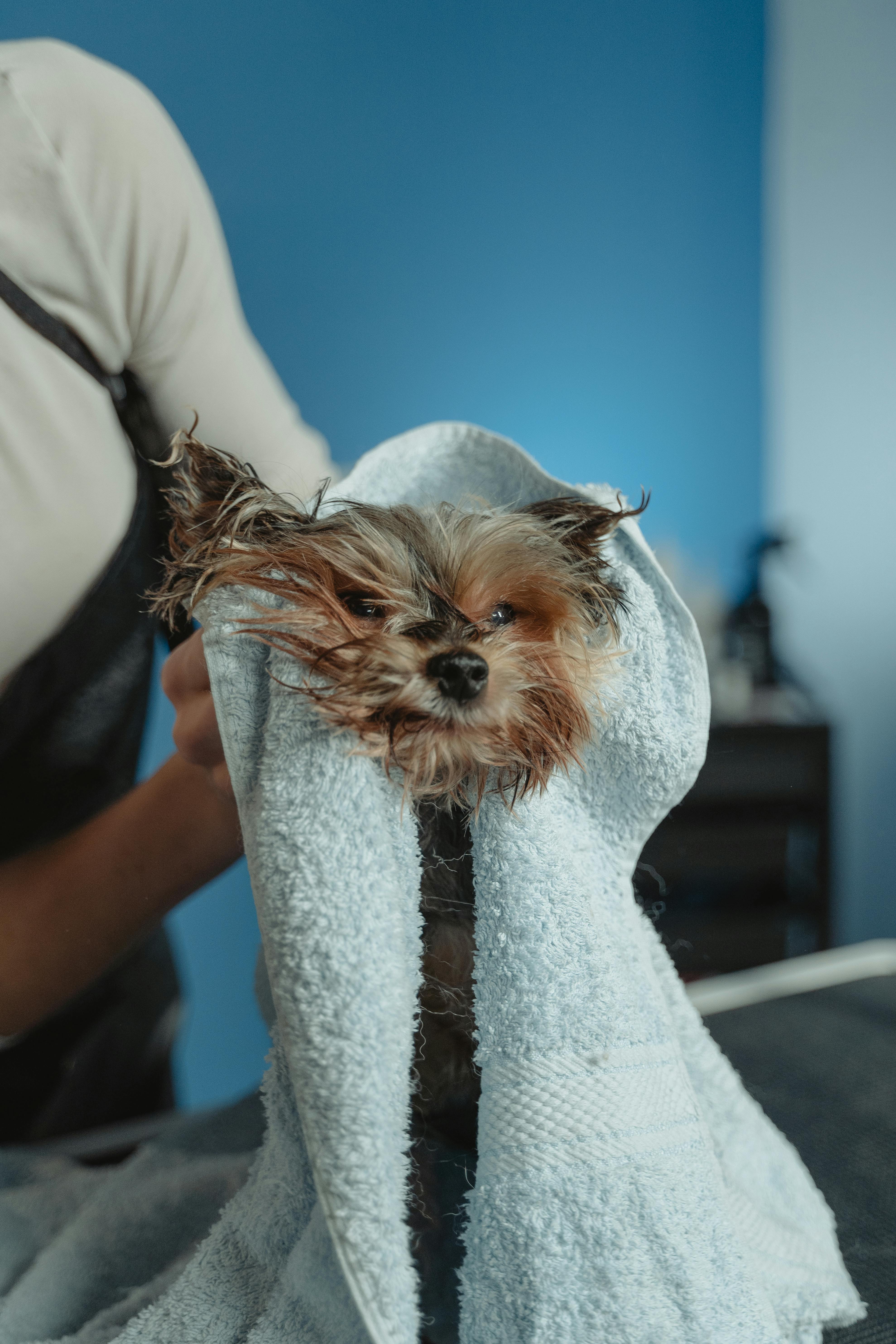
Dogs are known for their many endearing qualities, and one of the most charming features they possess is their wet noses. Have you ever wondered why do dogs have wet noses? The truth behind this common canine characteristic is both fascinating and scientific. In this article, we will uncover the reasons behind those moist noses and what it means for your furry friend.
The Science Behind Dog Noses
First off, let’s get into the nitty-gritty of a dog’s nose. It is not just for show; it’s a highly developed organ that plays a crucial role in how dogs interact with the world. A dog’s sense of smell is estimated to be anywhere from 10,000 to 100,000 times more acute than that of humans. This incredible olfactory ability is largely attributed to the structure of their noses.
- Olfactory Receptors: Dogs have around 300 million olfactory receptors in their noses, compared to a human’s 5 million. This allows them to detect various scents with remarkable precision.
- Vomeronasal Organ: This is a special organ that helps dogs detect pheromones, which are chemical signals that convey information about other animals.
- Moisture: The moisture on a dog’s nose helps to enhance its sense of smell. Wet surfaces capture scent particles more effectively, allowing dogs to pick up on scents even better.
Why Are Dog Noses Wet?
So, why do dogs have wet noses? It turns out, there’s a purpose behind this peculiar feature. Here are some reasons:
- Temperature Regulation: Just like humans sweat to cool down, dogs can regulate their body temperature through their noses. The moisture evaporates, helping to cool them down on hot days.
- Enhanced Smelling: As mentioned earlier, wet noses are better at trapping scent particles. This is crucial for dogs as they use their sense of smell to explore their environment, identify other animals, and even detect food.
- Health Indicator: A wet nose can also indicate health. Generally, a moist nose is a sign that a dog is hydrated and healthy. However, a dry or cracked nose can indicate sickness or dehydration.
Historical Context of Dog Noses
The wet nose phenomenon has been around for thousands of years. Dogs have evolved from wolves, and their noses have adapted to help them survive. In the wild, wolves rely heavily on their sense of smell for hunting and finding mates. Over time, domesticated dogs retained this feature, and it continues to serve vital functions in their daily lives.
Fun Facts About Dog Noses
- Unique Patterns: Just like human fingerprints, every dog has a unique nose print. It can actually be used to identify them!
- Cold Weather: Dogs may have wetter noses in colder weather because the moisture can condense from the air.
- Age Factor: As dogs age, their noses may become less moist. This is generally normal but should be monitored for other health signs.
Comparison: Dog Noses vs. Human Noses
Let’s take a moment to compare dog noses with human noses to understand their unique adaptations better:
| Feature | Dog Noses | Human Noses |
|---|---|---|
| Olfactory Receptors | 300 million | 5 million |
| Moisture Importance | Enhances smell, cools body | Minimal effect on smell |
| Unique Patterns | Yes, each is unique | No unique prints |
| Temperature Regulation | Yes, helps cool down | Sweating from skin |
Practical Examples of Nose Behavior
Dogs exhibit various behaviors related to their noses. Here are some common examples:
- Sniffing: When dogs sniff around, they are gathering information about their environment, from other animals to people who have been there before.
- Nose Nudging: A dog might nudge you with its wet nose as a way of communicating or seeking attention. This is often a playful gesture.
- Nose Licking: You may notice your dog licking its nose frequently. This is a way to keep it moist, especially if they are feeling dry or stressed.
In conclusion, understanding why dogs have wet noses gives us insight into their behavior and health. The wetness plays an essential role in their lives, helping them interact with the world in ways we can only imagine. So, the next time you see your furry friend with that characteristic wet nose, remember the science and nature behind it all. It’s just one of the many things that make our canine companions so unique and wonderful.
Top 5 Reasons Your Dog’s Nose is Wet: Understanding Canine Physiology
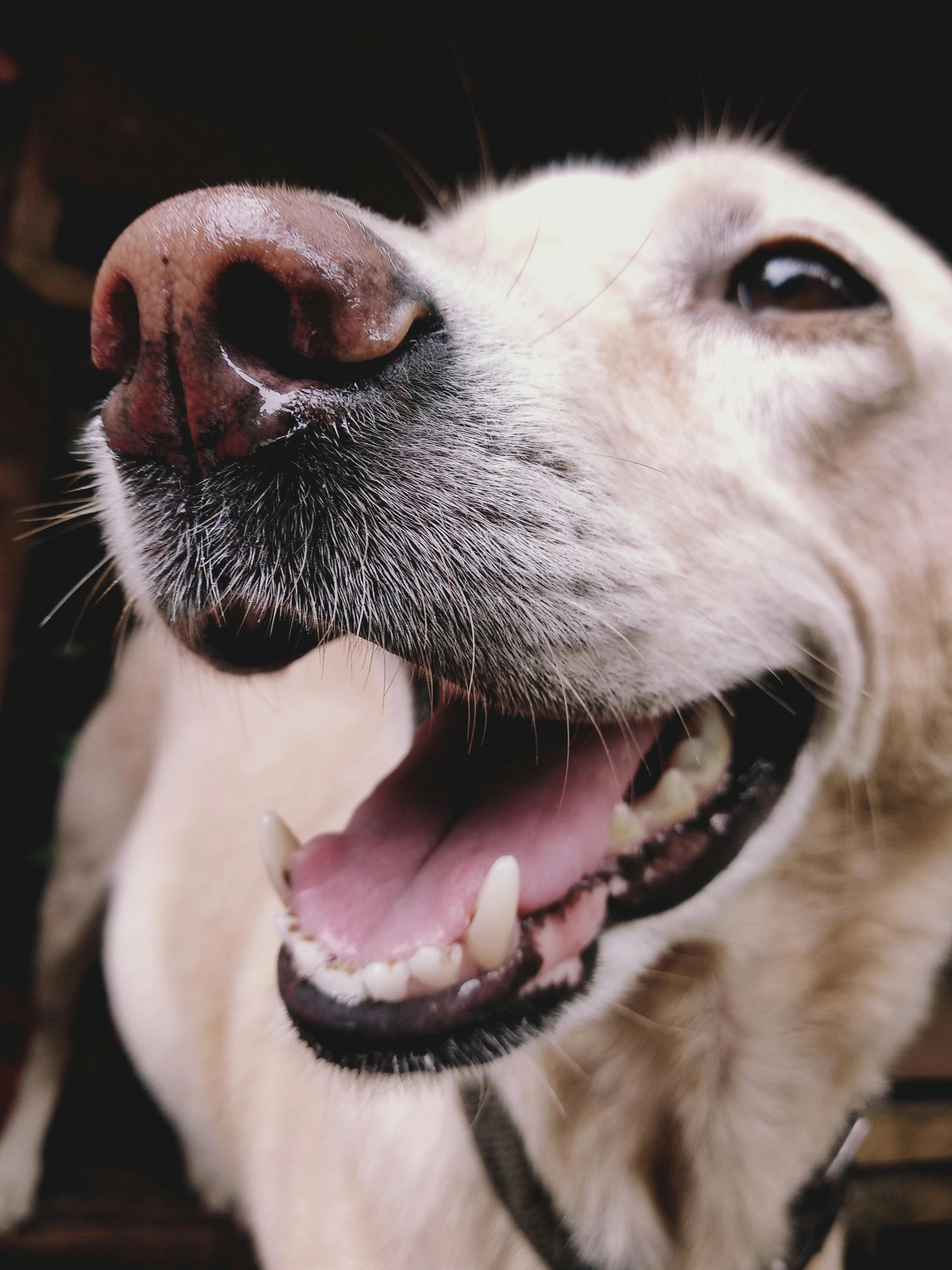
Ever wondered why your furry friend’s nose is always wet? You’re not alone! Many dog owners find themselves curious about the physiology behind this phenomenon. Dogs have wet noses for several reasons, and understanding these can help you appreciate your pet even more. Let’s dive into the top five reasons why dogs have wet noses and uncover the fascinating truth!
1. Temperature Regulation
One of the primary reasons dogs has wet noses is to help regulate their body temperature. Unlike humans, who sweat through their skin, dogs cool themselves down through panting and their noses. The moisture on a dog’s nose helps to dissipate heat, keeping them from overheating, especially during hot days. When a dog’s nose is wet, it can enhance evaporative cooling.
- Dogs don’t have sweat glands like humans.
- They rely on breathing and their noses to cool down.
- A wet nose can be a sign that your dog is managing its body temperature effectively.
2. Enhanced Sense of Smell
Dogs have an incredible sense of smell, which is thousands of times more powerful than that of humans. A wet nose helps to capture scent particles in the air. The moisture on a dog’s nose acts like a sponge, trapping scents and making it easier for them to identify different smells. This is vital for their survival instincts and helps them navigate their world.
- Wet noses help in absorbing scents.
- The moisture increases sensitivity to smells.
- Dogs use their noses to explore their environment.
3. Communication Tool
Believe it or not, a dog’s wet nose also plays a role in communication. When dogs greet each other, they often sniff each other’s noses. The wetness can be a sign of friendliness and openness. It’s like a handshake for dogs! This behavior can also extend to humans, where dogs might nuzzle up to you with their wet noses as a way of saying “hello” or seeking your attention.
- Wet noses can indicate a friendly demeanor.
- Nuzzling with a wet nose can be a request for affection.
- Dogs use scent to communicate their emotions.
4. Health Indicator
The condition of a dog’s nose can sometimes indicate their health. A wet, cool nose is generally a sign of a healthy dog, while a dry, cracked nose could indicate dehydration or illness. However, nose condition can vary among breeds, and there’s no one-size-fits-all rule. If you notice any changes, it’s always best to consult with your veterinarian.
- A healthy dog’s nose is often moist.
- Changes in nose condition may signal health issues.
- Regular check-ups can help monitor your dog’s health.
5. Environmental Factors
Environmental elements plays a significant role in the moisture level of a dog’s nose. Humidity and temperature can affect how wet or dry a dog’s nose may be. For instance, during colder months, you might notice your dog’s nose becoming drier as the air becomes less humid. Conversely, in a humid environment, it may remain wetter.
- Different climates can change nose moisture levels.
- Dogs may have drier noses in winter.
- Humidity can lead to a wetter nose.
Summary of Key Points
- Temperature Regulation: Helps dogs cool down.
- Enhanced Sense of Smell: Wet noses capture scent particles effectively.
- Communication Tool: A sign of friendliness and affection.
- Health Indicator: Moist noses generally indicate a healthy dog.
- Environmental Factors: Humidity and temperature influence nose moisture.
Understanding these aspects of your dog’s nose can deepen your bond and enhance your care routine. Dogs are fascinating creatures, and their noses are just one part of what makes them so unique.
So, next time you notice your pup’s wet nose, remember it’s not just a cute feature — it’s a crucial part of their biology and behavior! Embrace the quirks of your canine companion, and keep an eye on that wet nose; it might just tell you more than you think!
Is a Wet Nose a Sign of Health? Unveiling the Truth About Dog Noses
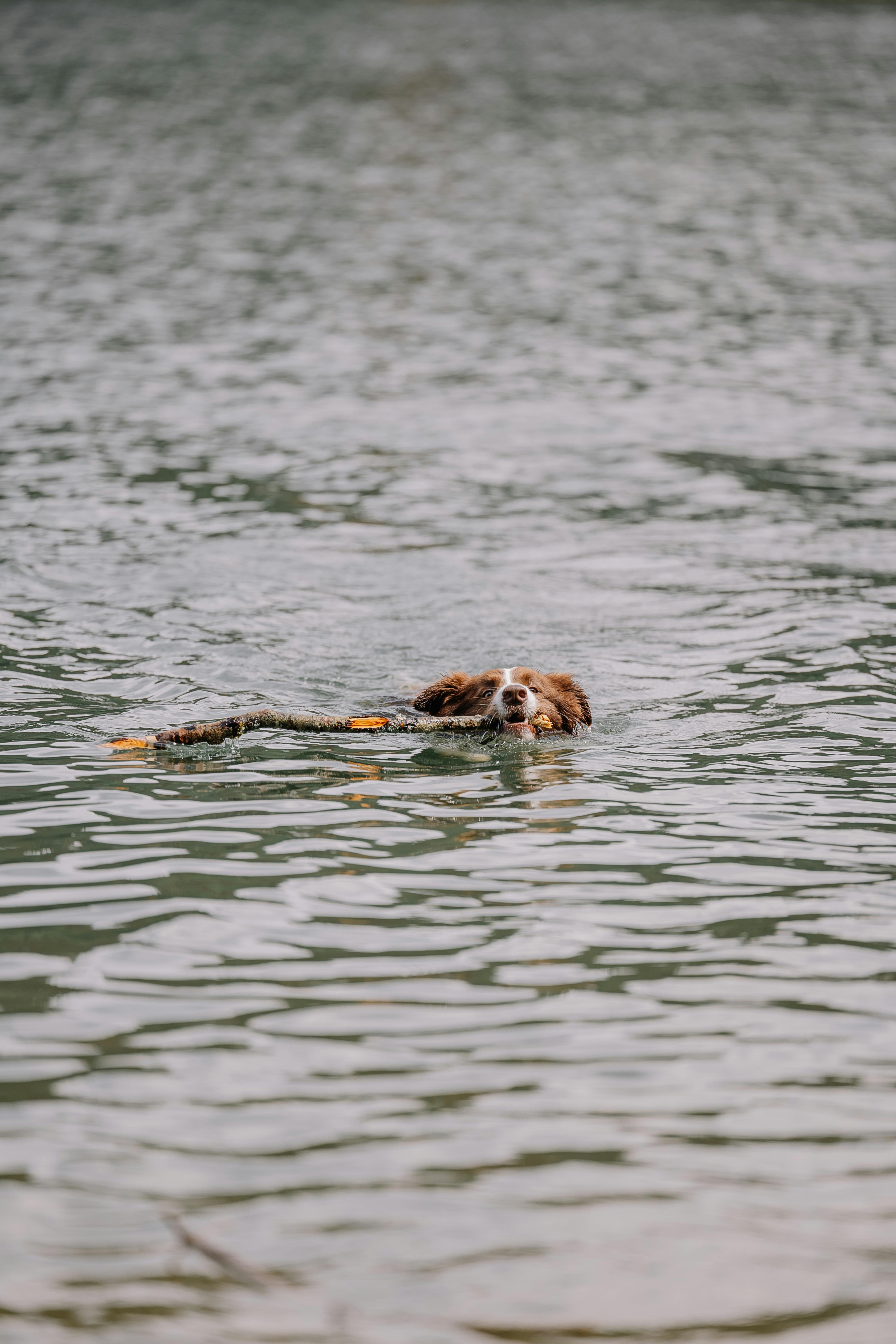
Dogs are one of the most beloved pets around the world. Their quirky behaviors, loving nature, and loyalty make them special. One common question dog owners ask is, “Is a wet nose a sign of health?” Let’s dive into this fascinating topic and explore why do dogs have wet noses.
Why Do Dogs Have Wet Noses?
First, it’s important to note that a dog’s nose is naturally moist. This wetness is crucial for several reasons. Here’s a look at some key factors:
Temperature Regulation: Dogs can’t sweat the way humans do. Their wet noses help to cool them down. When a dog pants, moisture from their nose evaporates, which helps to lower their body temperature.
Enhanced Sense of Smell: The moisture on a dog’s nose helps to capture scent particles from the air. This is why dogs often sniff around so much — they are gathering information about their environment through their powerful sense of smell.
Health Indicator: A wet nose is generally seen as a sign of a healthy dog. However, it’s not the only indicator of health. It’s crucial to look at the overall behavior and physical condition of the dog.
Common Myths About Wet Noses
There are plenty of myths swirling around about dog noses. Here are some common ones:
Myth 1: A wet nose means the dog is sick.
Truth: While a dry nose can sometimes indicate illness, it’s not a definitive sign. Dogs, like humans, can have variations in their body.Myth 2: All dogs have wet noses.
Truth: Some breeds have drier noses than others, and environmental factors can also play a role.Myth 3: A warm nose indicates a fever.
Truth: The temperature of a dog’s nose can change throughout the day and is not a reliable indicator of fever.
The Structure of a Dog’s Nose
Understanding the anatomy of a dog’s nose can reveal why it is often wet. Here’s a breakdown:
- Nasal Mucosa: This is the tissue lining the nose that produces moisture.
- Nasal Glands: These glands help to keep the nose moist and can increase production in response to stimuli.
- Sensory Receptors: Dogs have a complex network of receptors that help them smell and track scents.
Here’s a simple table showing how the nose contributes to different functions:
| Function | Description |
|---|---|
| Smell | Captures scent particles for analysis. |
| Temperature Control | Evaporative cooling through moisture. |
| Communication | Dogs use their noses to understand other dogs’ scents. |
When to Be Concerned About Your Dog’s Nose
While a wet nose is usually a good sign, there are times when you should pay attention. Here’s a list of signs that may indicate a problem:
- Persistent Dryness: If your dog’s nose is consistently dry and cracking, it could be a sign of dehydration or other health issues.
- Discoloration: Changes in color can indicate illness. A nose that’s red or inflamed may need veterinary attention.
- Excessive Moisture: If the nose is overly wet and accompanied by discharge, it may be a sign of an infection or other health problem.
- Behavioral Changes: If your dog is lethargic, refuses to eat, or shows other unusual behaviors, consult a vet.
The Importance of Regular Vet Check-ups
Keeping your dog’s health in check is essential. Regular check-ups help to ensure that their noses, and overall health, remain in good condition. Here are some reasons to visit the vet regularly:
- Vaccinations: Keeping up with vaccinations can prevent many diseases.
- Dental Care: Dental health is often overlooked but is crucial for a dog’s overall well-being.
- Weight Management: Obesity in dogs can lead to serious health issues.
In summary, while a wet nose is often a sign of a healthy dog, it is not the sole indicator of health. Looking at the entire picture — including behavior and physical condition — is vital. Dogs are unique creatures with a variety of health markers, and understanding these can help ensure they lead happy and healthy lives. So, when you pet your furry friend, take a moment to appreciate that wet nose and all the wonders it signifies!
Curious Canines: What Makes a Dog’s Nose Wet? Discover the Fascinating Facts

Curious Canines: What Makes a Dog’s Nose Wet? Discover the Fascinating Facts, Why Do Dogs Have Wet Noses? Uncover the Fascinating Truth!
Have you ever wondered why your furry friend have that adorable wet nose? It’s one of those quirky things that makes dogs, well, dogs! Many people think it’s just a cute feature, but there’s actual science behind it. Let’s dig into the fascinating world of canine noses and uncover the truths behind why dogs have wet noses.
The Science Behind Wet Noses
A dog’s nose is not just there for show; there’s a whole lot going on! The wetness of a dog’s nose comes from a few factors.
Mucus Production: Dogs have glands that produce a thin layer of mucus on their noses. This mucus helps to trap scents, allowing dogs to smell better. It’s kinda like a natural air freshener, but for smells.
Temperature Regulation: Believe it or not, a dog’s wet nose can help them cool down. When a dog pants, moisture evaporates from the surface of its nose, which can help to lower their body temperature. So, it’s not just for sniffs but also for keeping cool!
Sensory Enhancement: The moisture on a dog’s nose makes it more sensitive to smells. When a dog sniffs around, the wet surface helps to absorb scent particles in the air, which enhances their sense of smell. Dogs have up to 300 million smell receptors in their noses, compared to humans, who only have about 5 million. That’s a big difference!
The Evolutionary Perspective
Dogs, which evolved from wolves, have retained many traits from their ancestors. Wet noses are believed to have played a crucial role in hunting and survival.
Tracking Prey: A wet nose can help dogs track scents more accurately. Wolves needed to be able to sniff out their prey, and having a wet nose was beneficial for tracking.
Social Interactions: Wet noses can also play a role in dog communication. Dogs often greet each other by sniffing each other’s noses, and the wetness may help them gather more information about another dog’s identity and health.
Fun Facts About Dog Noses
Unique Prints: Just like human fingerprints, every dog’s nose is unique. The patterns of ridges and creases can be used to identify dogs, making it their very own “noseprint.”
Nose Temperature: A dog’s nose can change temperature. If a dog has a warm and dry nose, it does not necessarily mean they are sick. It can vary depending on activity levels and the environment.
Color Matters: The color of a dog’s nose can vary greatly, from black to brown or even pink. Interestingly, the color can also affect their ability to absorb heat and regulate temperature.
Why Do Dogs Have Wet Noses?
So, why do dogs have wet noses? Here are a few reasons:
Enhanced Scent Detection: As mentioned, the moisture helps capture scent particles and enhances their ability to detect smells.
Health Indicators: A dog’s nose can also serve as an indicator of health. While not a definitive measure, a nose that is excessively dry or cracked can sometimes be a sign of dehydration or illness.
Comfort: Dogs tend to lick their noses frequently, not just to keep it wet but also to keep it clean. It’s a natural instinct to maintain their sensory equipment!
Comparing Dog Noses to Human Noses
It’s interesting to see how canine noses differ from human ones. Here’s a quick comparison:
| Feature | Dog Nose | Human Nose |
|---|---|---|
| Number of Receptors | Up to 300 million | About 5 million |
| Wetness | Naturally moist | Typically dry |
| Sensitivity | Highly sensitive to smells | Less sensitive |
| Temperature Regulation | Helps cool down | Less effective |
Practical Tips for Nose Care
Taking care of your dog’s nose is important! Here are some tips:
Keep it Clean: Wipe your dog’s nose gently with a damp cloth if you notice dirt or debris.
Watch for Cracking: If your dog’s nose appears dry and cracked, consider consulting with a vet. It might be a sign of dehydration or allergies.
Hydration is Key: Ensure your dog has plenty of fresh water to drink. A well-hydrated dog is likely to have a healthier nose.
Understanding why dogs have wet noses reveals much about their biology and behavior. From enhancing their sense of smell to helping with temperature regulation, those wet noses are a vital part of what makes your canine companion so special. So next time you get a wet nose nudge from your furry friend,
Wet Noses and Dog Behavior: How Your Pup’s Nose Affects Their Mood
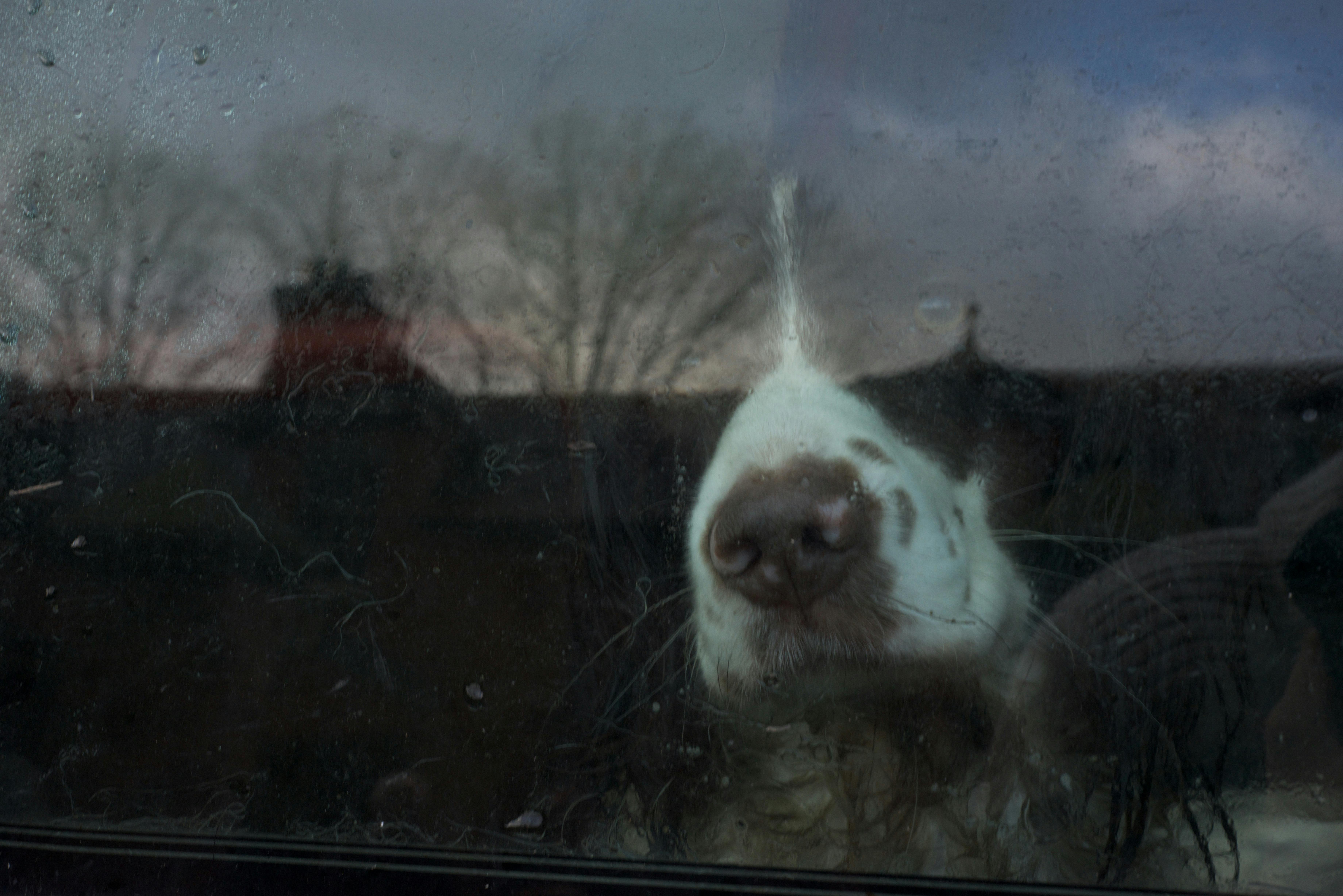
Dogs are often called man’s best friend, but did you ever stop to wonder about those wet noses? The truth is, a dog’s nose does more then just being a cute feature; it plays a significant role in their behavior and mood. If you ever asked yourself, “Why do dogs have wet noses?” you are not alone. Many people curious about this fascinating aspect of canine biology. So, let’s dig in and uncover some of the interesting facts about wet noses and dog behavior.
Why Do Dogs Have Wet Noses?
Dogs have wet noses for several reasons. First, the moisture helps them to smell better. Dogs have an incredible sense of smell, estimated to be between 10,000 to 100,000 times better than humans. Moisture on the nose helps to capture scent particles from the air. When those particles stick to the wet surface, it enhances their ability to identify smells.
Moreover, a wet nose can also help regulate temperature. Dogs do not sweat like humans do; instead, they cool down through their panting and by having a wet nose. When the nose is moist, it helps to dissipate heat more efficiently. That’s why you might notice your pup’s nose is particularly wet after a long walk or play session.
The Connection Between Nose Wetness and Mood
The condition of a dog’s nose can actually indicate their health and mood. Here are some points to consider:
- A Wet Nose: Usually indicates that your dog is healthy and happy. It’s often a sign of an active dog.
- A Dry Nose: Might not always mean something is wrong, but it can indicate dehydration or illness in some cases.
- Temperature of the Nose: A warm nose can suggest fever or health issues, while a cool, wet nose typically means all is well.
Historical Context of Dog Noses
Dogs have evolved from wolves, and their noses have adapted over time. Historically, canines relied heavily on their sense of smell for hunting and survival. A wet nose was advantageous back in those days, as it helped them track prey and navigate their environment. The ability to smell has always been a crucial aspect of a dog’s life, and their wet noses play a significant role in that.
Fun Facts About Dog Noses
- Unique Patterns: Just like human fingerprints, every dog has a unique nose print. This can be used to identify them!
- Scent Memory: Dogs can remember smells for years. They can recognize the scent of their owners even after a long absence.
- Moisture Levels: The moisture level in a dog’s nose can vary throughout the day, often influenced by activity levels and temperature outside.
Practical Tips for Dog Owners
Here are some simple tips to help maintain your dog’s nose health:
- Hydration: Ensure your dog drinks plenty of water. A hydrated dog is likely to have a well-moistened nose.
- Check for Changes: Monitor your dog’s nose. If you notice significant changes in moisture or temperature, consult a veterinarian.
- Keep it Clean: Sometimes dirt and debris can affect a dog’s nose. Gently wipe it with a damp cloth if necessary.
- Avoid Irritants: Keep your dog away from harsh chemicals or smoke that may dry out their noses.
Understanding Dog Behavior Through Their Noses
A dog’s nose isn’t just a tool for smelling; it’s also a window into their emotions. For instance, when a dog is excited or happy, you might notice them sniffing around more than usual. This is a natural reaction to their environment. On the other hand, if a dog is nervous or scared, they might keep their nose to the ground, trying to find comfort in familiar scents.
The Science of Sniffing
Dogs have special cells in their noses called olfactory receptors. These receptors are what allow them to detect various scents. It’s estimated that dogs have about 220 million olfactory receptors compared to a human’s 5 million. This incredible difference explains why dogs can sniff out drugs, bombs, and even diseases such as cancer.
In summary, wet noses and dog behavior are intricately linked. A dog’s wet nose is not only a sign of their overall health but also reflects their mood and emotions. Understanding these signals can help you form a deeper bond with your furry friend. So next time you see your pup’s wet nose, remember all the fascinating reasons behind it! Dogs truly are remarkable creatures, and their noses are just one of the many ways they communicate and interact with the world around them.
Can a Dog’s Wet Nose Indicate Illness? Essential Insights Every Owner Should Know
Many dog owners often wonder about their pets’ health just by looking at their noses. A common question that arises is, “Can a dog’s wet nose indicate illness?” This is particularly pertinent for those of us who love our furry friends like family. In this article, we’ll explore the fascinating truth behind why dogs have wet noses and what it might mean for their health.
Why do dogs have wet noses?
Dogs have wet noses for several reasons, and it’s not just about being cute! Here are some key points to consider:
Cooling Mechanism: Dogs don’t sweat like humans do. Instead, they cool themselves through their noses and paws. A wet nose helps regulate their body temperature and keeps them cool during hot days.
Sense of Smell: A moist nose can help dogs smell better. The moisture captures scent particles in the air, making it easier for them to pick up different smells. That’s why dogs have such an incredible sense of smell compared to us!
Natural Behavior: Dogs often lick their noses, which keeps them moist. This is a natural behavior and can be seen when they are curious or trying to investigate something.
Can a dog’s wet nose indicate illness?
Now, let’s dive into the main question. A wet nose is generally a sign of a healthy dog. However, changes in the nose’s moisture level can sometimes indicate health issues. Here’s a closer look:
Dry Nose: If your dog’s nose suddenly becomes dry and cracked, it may indicate dehydration or a fever. A dog’s normal temperature is between 101 to 102.5 degrees Fahrenheit. If their temperature rises above this, it might be a sign of illness.
Excessively Wet Nose: While a wet nose is normal, if it becomes excessively wet and stays that way for an extended period, it could suggest allergies, nasal infections, or even a respiratory issue.
Color Changes: The color of the nose can also tell you something. A healthy dog typically has a dark dog nose. If it changes color, especially to a lighter shade or becomes red or inflamed, it’s worth consulting your vet.
Common health issues related to a wet nose
Here are some common health problems that could be indicated by changes in your dog’s nose:
Allergies: Dogs can be allergic to various things, from food to environmental factors like pollen. Symptoms might include a runny nose or excessive licking.
Infections: Nasal infections can cause a wet nose but may also lead to discharge. If you notice any unusual discharge, it’s best to see a vet.
Respiratory Issues: Conditions like kennel cough can also lead to a change in moisture levels in the nose.
What should you do?
If you notice any changes in your dog’s nose, here are some steps you can take:
Monitor Symptoms: Keep an eye on any other symptoms, like appetite changes, lethargy, or coughing.
Hydration: Ensure your dog is drinking enough water. Dehydration can lead to a dry nose.
Vet Visit: When in doubt, it’s always best to consult a veterinarian. They can provide a thorough check-up and determine if your dog’s nose is a sign of an underlying issue.
Fascinating facts about dog noses
Did you know that dogs can actually have different types of noses? Here are some cool facts:
Unique Patterns: Just like human fingerprints, every dog has a unique nose print.
Heat Sensors: Some breeds have heat sensors in their noses, which allows them to detect changes in temperature.
Scent Discrimination: Dogs can differentiate between various scents, which is why they are so effective in search-and-rescue missions.
Moisture Production: A dog’s nose can produce moisture even when they are not licking it, contributing to their keen sense of smell.
Final Thoughts
Understanding your dog’s health through something as simple as their nose can be incredibly informative. While a wet nose is generally a sign of a content and healthy pup, keep an eye out for any unusual changes. Being attentive to your dog’s health signals, including their nose, is crucial. Always consult your veterinarian if you have concerns regarding your furry friend’s health. Remember, every little detail matters when it comes to ensuring the well-being of your beloved pet!
Exploring the Evolution of Dog Noses: Why Wetness is Key to Survival
Dogs are known for many things — loyalty, companionship, and their unique ability to sniff out things. But have you ever wondered why do dogs have wet noses? It’s not just a quirky trait but an important part of their survival and overall health. In this article, we will be exploring the evolution of dog noses, the science behind their wetness, and why it matters so much for our furry friends.
The Biological Importance of a Wet Nose
A dog’s nose is more than just a cute feature. It’s a complex organ that plays a crucial role in their sensory perception. The wetness of a dog’s nose serves several purposes:
- Enhanced Smell: The moisture helps to capture scent particles in the air. When a dog inhales, the moisture on their nose collects these particles, making it easier for them to identify various smells.
- Thermoregulation: Dogs sweat through their noses, which helps in regulating their body temperature. A wet nose can cool them down, especially during hot weather.
- Health Indicator: A wet nose is often a sign of a healthy dog. If a dog’s nose is dry or cracked, it may indicate dehydration or illness.
Historical Context of Dog Noses
Dogs have evolved over thousands of years from wolves, and their noses have adapted over time. Wolves, like their domestic counterparts, rely heavily on their sense of smell for hunting and survival. Some interesting historical facts include:
- Ancestral Traits: The wet nose trait can be traced back to their ancestors, who needed keen senses to track prey and find food.
- Domestication Influence: As dogs became domesticated, their noses remained wet, which is an inherited trait that has been beneficial for communication and interaction with humans.
The Science Behind Wet Noses
So, why do dogs have wet noses? It all comes down to anatomy. Here are some key points about their nose structure:
- Mucous Membranes: The nasal cavity is lined with moist mucous membranes that keep the nose wet. This moisture is crucial for trapping scents.
- Nasal Turbinates: They are complex structures inside the nose that increase the surface area for scent detection. A wet surface enhances this function.
- Glandular Secretion: Dogs have glands in their noses that produce moisture, which helps in scent absorption.
Fun Facts About Dog Noses
- Sniff Power: Dogs have up to 300 million smell receptors in their noses, compared to about 6 million in humans. This gives them a sense of smell that is 40 times better than ours!
- Scent Discrimination: Dogs can differentiate between smells as well as humans can distinguish between colors.
- Variety in Shapes: Different breeds have different nose shapes and lengths, which can affect their smelling abilities. For instance, Bloodhounds have particularly long noses, enhancing their tracking skills.
Practical Tips for Dog Owners
Understanding the importance of a dog’s wet nose can help owners care better for their pets. Here are some tips:
- Stay Hydrated: Always make sure your dog has access to fresh water to keep their nose moist.
- Regular Check-Ups: Keep an eye on your dog’s nose. If it becomes persistently dry or cracked, consult a veterinarian.
- Climate Considerations: In hot weather, provide shade and cool areas for your dog to prevent overheating.
Common Misconceptions
Many people have myths about dog noses. Here are some of them:
- A Warm Nose Means Illness: While a warm, dry nose can indicate fever, it’s not always the case. Dogs’ noses change temperature throughout the day.
- Wet Noses Are Always Healthy: While a wet nose is often a sign of a healthy dog, there can be other health issues that don’t manifest in the nose’s wetness.
Comparison: Dog Noses vs. Human Noses
| Feature | Dog Nose | Human Nose |
|---|---|---|
| Smell Receptors | Up to 300 million | About 6 million |
| Scent Discrimination | Excellent | Moderate |
| Wetness | Typically wet | Typically dry |
Understanding why do dogs have wet noses helps us appreciate the complexity of our furry companions. Their wet noses are not just an endearing feature; they are vital to their survival and health. By knowing more about this fascinating aspect of dogs, pet owners can better care for their beloved animals. Dogs and their wet noses truly are a marvel of nature, reminding us of the intricate ways life adapts for survival.
The Role of a Wet Nose in Dog Scent Detection: Unraveling Nature’s Design
Dogs are some of the most fascinating creatures on the planet, and their wet noses are part of what makes them so special. But why do dogs have wet noses? What role does this unique feature play in their incredible ability to detect scents? Let’s dive into the science behind a dog’s nose, exploring both its biological significance and the evolutionary advantages it provides.
The Biology of a Dog’s Nose
A dog’s nose is much more than just a cute feature. It’s a complex organ that’s finely tuned for detecting scents. Here are some interesting facts about a dog’s nose:
- Scent Receptors: Dogs have approximately 220 million scent receptors, compared to humans who only have about 5 million. This means dogs can smell things up to 100,000 times better than humans.
- Wetness of the Nose: The moisture on a dog’s nose plays a crucial role in scent detection. It helps to capture scent particles from the air, which then interact with olfactory receptors. A dry nose doesn’t work as effectively.
- Temperature Regulation: The wetness of the nose also helps dogs regulate their body temperature. When a dog pants, the moisture evaporating from the nose cools them down.
Nature’s Design: The Evolutionary Advantage
So, why do dogs have wet noses? It’s not just for show. Evolution has designed dogs with these features to enhance their survival. Here’s how:
- Efficient Hunting: In the wild, a dog’s ability to track prey is vital. A wet nose increases their sense of smell, allowing them to locate food sources more effectively.
- Social Interactions: Dogs communicate through scent as well. A wet nose helps them gather more information from their environment, which is essential for social bonding and understanding other animals’ scents.
- Detection of Illness: Interestingly, dogs can detect certain diseases in humans just by smelling. Their wet noses help capture the specific scents associated with illnesses, such as cancer or diabetes.
Fascinating Facts About Dog Noses
Here’s a quick list of some mind-blowing facts about dog noses that show just how important their wet noses really are:
- Dogs can recognize their owner’s scent even after a long time apart.
- The shape of the nose can vary by breed and affects how they detect scents.
- Dogs can differentiate between different types of smells, like distinguishing between friend and foe.
- A dog’s sense of smell is so acute that they can detect certain drugs and explosives, making them invaluable in law enforcement.
How Wet Noses Impact Dog Behavior
The wetness of a dog’s nose isn’t just an anatomical feature; it also influences their behavior in various ways:
- Exploratory Behavior: Dogs often use their noses to explore their surroundings. They might sniff at the ground or other animals to learn more about their environment, which is a natural instinct.
- Marking Territory: When dogs sniff each other, it’s not just a greeting. They’re gathering information about the other dog, which includes their health, mood, and even reproductive status.
- Comfort and Affection: Dogs often nuzzle their noses against humans as a sign of affection. The wetness of their noses can be soothing and comforting, creating a bond between the dog and its owner.
Comparisons: Dogs vs. Other Animals
When comparing dog noses to other animals, it becomes clear just how unique they are. Here’s a quick comparison with other well-known animals:
| Animal | Scent Receptors | Notes |
|---|---|---|
| Dog | 220 million | Extremely adept at tracking scents. |
| Cat | 5 million | Good sense of smell but not as acute. |
| Mouse | 1,000,000 | Good for detecting food sources. |
| Elephant | 2,000,000 | Use smell to find water sources. |
Practical Implications
Understanding why dogs have wet noses can also have practical implications for dog owners and trainers. Here are some tips to consider:
- Keep the Nose Moist: Ensure your dog is hydrated. A well-hydrated dog will have a naturally wet nose, which is good for their scent detection abilities.
- Regular Vet Check-ups: Changes in a dog’s nose (like excessive dryness or cracking) can indicate health issues. Regular visits to the vet can help catch these problems early.
- Training with Scents: Engage your dog in scent detection activities, which can be both fun and mentally stimulating. Use their natural abilities to enhance their skills.
The wet nose of a dog is an extraordinary adaptation that serves multiple purposes, both for the dog and its interactions with the world. From enhancing their sense of smell to facilitating social connections, these moist appendages are a testament to nature’s design. Understanding the role
What to Do If Your Dog’s Nose is Dry: Understanding Canine Health Indicators
When you see your dog, you might notice their nose is often wet and cold. This is not just a cute feature; it actually serves important purposes. But what happens when that wetness turns to dryness? What to do if your dog’s nose is dry is a question many pet owners ask, and understanding canine health indicators is crucial. Let’s dive into this fascinating subject, exploring why dogs have wet noses and what that means for their health.
Why Do Dogs Have Wet Noses?
Dogs’ noses are a remarkable aspect of their anatomy. A wet nose helps them in various ways:
Enhanced Sense of Smell: The moisture on a dog’s nose helps to trap scent particles, making it easier for them to pick up smells in their environment. This is also why dogs are often used in search and rescue missions.
Temperature Regulation: A wet nose can help cool a dog down. Since dogs primarily sweat through their paws and pant to regulate body temperature, a moist nose also plays a role in thermoregulation.
Health Indicator: A healthy dog typically has a moist and cool nose. Changes in this can indicate health issues.
What Does a Dry Nose Mean?
If your dog’s nose is dry, it may indicate various things. Here are some common reasons why a dog might have a dry nose:
Dehydration: Just like humans, dogs need water to stay hydrated. A dry nose could mean your dog isn’t drinking enough water.
Weather Conditions: Hot and dry weather can lead to a dry nose. Dogs that spend a lot of time outdoors may experience this more frequently.
Illness: Certain illnesses can cause a dog’s nose to dry out. If your dog shows signs of lethargy, loss of appetite, or other unusual behaviors, it may be time to visit the vet.
Allergies or Irritation: Allergies can cause a dog’s nose to become dry and cracked, and exposure to certain chemicals can also result in similar symptoms.
What to Do If Your Dog’s Nose is Dry
If you discover that your dog’s nose is dry, here are some steps you can take:
Check Hydration: Ensure your dog has access to fresh, clean water. You can monitor their water intake to see if they are drinking enough.
Adjust Environment: If the weather is particularly dry, consider using a humidifier in your home to help. This can create a more comfortable atmosphere for your dog.
Consult Your Vet: If your dog’s dry nose persists or is accompanied by other symptoms, it’s best to consult a veterinarian. They can provide a proper diagnosis and treatment options.
Moisturize Safely: Some pet owners choose to use natural oils or balms specifically designed for dogs to help moisturize their noses. Always check with your vet before applying any products.
Signs of a Healthy Nose
A healthy dog nose should be:
Cool to the Touch: A healthy nose typically feels cool.
Moist: It should have a bit of moisture.
Smooth and Non-Cracked: Look for any signs of cracking or peeling, which could indicate issues.
Comparing Wet vs. Dry Noses
| Feature | Wet Nose | Dry Nose |
|---|---|---|
| Temperature | Usually cool | Can be warm |
| Moisture | Typically moist | Often dry |
| Health Indicator | Generally healthy | Could indicate health issues |
| Scent Detection | Enhanced scent trapping | May indicate dehydration |
Common Myths About Dog Noses
There are many myths surrounding dog noses. Here are a few that need to be busted:
A Cold, Wet Nose Means No Fever: Not always true. Dogs can sometimes have a fever even if their nose is cold and wet.
All Dogs Have Wet Noses: Some breeds may naturally have drier noses, and that can be perfectly normal for them.
A Dry Nose Always Means Illness: Dogs can have a dry nose for many reasons, and it doesn’t always mean they are sick.
Understanding your dog’s health is not just about the nose, but it is a significant indicator. Monitoring changes, like dryness, can help you take proactive steps in maintaining their health. Always remember to consult with a veterinarian if you have concerns about your dog’s well-being. Keeping an eye on these health indicators can ensure your furry friend stays happy and healthy!
Fun Facts About Dog Noses: Why They’re Always Wet and What You Should Know!
Did you ever wonder why your furry friend’s nose is always wet? This little feature of dogs isn’t just adorable; it serves some really important purposes. Understanding why do dogs have wet noses can give you insight into your pet’s health and behavior. Grab a comfy seat, because we’re diving into some fun facts about dog noses that’ll make you appreciate your pup even more!
The Science Behind Wet Noses
Dogs have wet noses for a variety of reasons, and it all connects to their unique physiology. A dog’s nose is covered in a thin layer of moisture which helps to enhance their sense of smell. Here’s some of the key points about why their noses are wet:
- Smell Enhancement: The moisture on a dog’s nose helps to capture scent particles in the air. This is why their noses are so sensitive; they can detect different scents better when their noses are damp.
- Cooling Mechanism: Dogs don’t sweat like humans do. Instead, they cool themselves through their noses. When the moisture evaporates, it helps to lower their body temperature.
- Health Indicator: A healthy dog typically has a moist nose. However, an excessively dry or cracked nose might indicate dehydration or illness.
- Temperature Regulation: Just like with sweat, a wet nose can help regulate a dog’s body temperature, especially during hot weather.
Fun Historical Facts About Dog Noses
Dogs have been companions to humans for thousands of years, and their noses have been a topic of interest throughout history. Here are some intriguing facts:
- Ancient Beliefs: In ancient cultures, a dog’s sense of smell was often linked to supernatural abilities. They were thought to have a connection to the spiritual world because of their keen ability to sense things humans couldn’t.
- Tracking and Hunting: Historically, dogs were bred for their tracking abilities. Breeds like Bloodhounds have incredibly sensitive noses, which made them invaluable in hunting and search-and-rescue operations.
- Nose Prints: Just like human fingerprints, each dog has a unique nose print. In fact, some organizations have even utilized nose prints for identification purposes!
Interesting Comparisons
It’s fascinating to compare a dog’s nose to other animals. Here’s a quick look at how dogs measure up:
| Animal | Sense of Smell (Estimated) | Wet Nose Functionality |
|---|---|---|
| Dogs | 10,000 to 100,000 times better than humans | Captures scent particles, cools body |
| Cats | 5 to 10 times better than humans | Less moisture, relies more on vision |
| Elephants | 4 to 6 times better than dogs | Uses trunk for scent detection |
| Rats | 20 times better than dogs | Highly sensitive to pheromones |
The Importance of Nose Care
Taking care of your dog’s nose is important. Here’s what you should do:
- Regular Checks: Keep an eye on your dog’s nose. Look for any signs of cracks, excessive dryness, or bleeding.
- Hydration: Make sure your dog is well-hydrated, especially in hot weather. Dehydration can lead to a dry nose.
- Moisturizers: If you notice your dog’s nose is often dry, consider using a dog-safe moisturizer. Always consult your vet before applying anything!
Common Myths About Dog Noses
There are plenty of myths surrounding dog noses that can confuse pet owners. Here are some of the most common ones:
- A Cold Nose Means a Healthy Dog: While a cool, wet nose is generally a good sign, it’s not a definitive indicator of health. Dogs can be sick and still have a wet nose.
- Wet Noses Are Always Healthy: Just because a nose is wet doesn’t mean the dog is healthy. Other symptoms should also be considered, like appetite and energy levels.
- All Dogs Have the Same Nose Texture: Just like humans, dog noses come in different textures and shapes, depending on the breed.
Now that you know a bit more about why do dogs have wet noses, it’s clear that there’s more than meets the eye with this curious feature. Whether it’s helping them smell better, cool down, or even indicating their health, a dog’s nose is a remarkable aspect of their biology. So the next time you give your pup a pat on the head, take a moment to appreciate that moist little nose!
Conclusion
In conclusion, the wet noses of dogs serve several essential purposes that contribute to their health and behavior. The moisture helps enhance their sense of smell, allowing them to detect scents more efficiently, which is vital for their communication and exploration of the environment. Additionally, a wet nose plays a role in thermoregulation, helping dogs cool down in warmer temperatures. While a wet nose is often associated with good health, it’s important for pet owners to be aware of changes in their dog’s nose condition, as it can indicate health issues. Understanding these fascinating aspects of canine biology not only deepens our appreciation for our furry companions but also encourages us to take better care of them. So, the next time you feel your dog’s cool, wet nose, remember the incredible functions it serves—both for them and in strengthening the bond you share.
