
Have you ever wondered why do dogs have wet noses? This intriguing question has puzzled pet owners and animal lovers alike for generations. The truth behind those damp snouts is not just a quirky trait but a fascinating aspect of canine biology. Wet noses in dogs serves several important purposes that contribute to their health and behavior. For instance, a dog’s wet nose helps to regulate their body temperature and enhances their sense of smell, making them exceptional companions. But, what really causes this moisture, and why is it critical for your furry friend’s well-being? In this article, we will delve into the science behind dogs’ wet noses, uncovering the reasons that make them unique. We’ll also explore related topics like dog health and behavioral traits that every dog owner should know. So, are you ready to discover the captivating truth about your pup’s snout? Join us as we unravel the mystery of why dogs have wet noses and how it plays a vital role in their lives. Don’t miss out on these fascinating insights that could deepen your understanding of your beloved pet!
The Science Behind Wet Noses: What Makes Your Dog’s Nose So Moist?
Have you ever wondered why your dog’s nose is often damp? It’s one of those curious traits that many pet owners notice but might not think too much about. Understanding why dogs have wet noses is not only fascinating, but it can also help you appreciate your furry friend even more. Let’s dive into the science behind wet noses and uncover the fascinating truth about why they are so moist.
The Purpose of a Wet Nose
First off, a dog’s wet nose serves a few important functions. Primarily, it helps with their sense of smell. Dogs have an extraordinary olfactory system, and their noses are equipped to detect odors much better than humans. The moisture on a dog’s nose enhances their ability to pick up scents. Here’s how:
- Enhanced Smell: The wetness helps trap scent particles, making it easier for dogs to process smells.
- Temperature Regulation: Just like humans sweat, dogs can lose heat through their noses. This is more efficient when the nose is moist.
- Health Indicator: A wet nose can be a sign of a healthy dog. However, it’s not always the case, as the moisture can vary throughout the day.
Why Are Dog Noses Wet?
So, why do dogs have wet noses? The answer lies in a combination of evolutionary advantages and biology. Let’s break it down:
- Evolutionary Trait: Dogs are descended from wolves, who developed wet noses as an adaptation to their hunting lifestyle. A moist nose allowed them to detect prey more effectively across varying terrains.
- Mucus Production: Dogs’ noses are covered in a thin layer of mucus, which keeps them moist. This mucus is produced by special glands and helps to enhance their sense of smell.
- Environmental Factors: If it’s humid outside, your dog’s nose might feel extra wet. Conversely, a dry environment can lead to a drier nose, but that doesn’t always mean there’s a problem.
Comparison of Dog Nose Types
Not all dog noses are created equal! There are indeed differences based on breed and individual characteristics. Here’s a quick comparison of wet vs. dry noses:
- Wet Noses: Common in breeds like Labrador Retrievers and Beagles. Generally, these breeds have enhanced olfactory senses and are known for their tracking abilities.
- Dry Noses: Breeds such as Bulldogs and Pugs may have drier noses due to their unique facial structures. Their sense of smell is still good, but not as sharp as those with wet noses.
Fun Facts About Dog Noses
Did you know that a dog’s nose has its own unique print, much like a human fingerprint? Each dog’s nose is different, and it can be used to identify them! Here are some more fun facts:
- Temperature Sensitivity: Dogs can sense changes in the temperature of their surroundings much better than humans can, and their wet noses help with that.
- Sweat Glands: Dogs don’t have sweat glands all over their bodies like humans. Instead, they sweat through their paws and, to a lesser extent, through their noses.
- Nasal Turbinates: Inside a dog’s nose, there are structures called nasal turbinates that help them warm up the air they breathe in, making it easier for their lungs to process.
Practical Tips for Taking Care of Your Dog’s Nose
While a wet nose is generally a sign of health, it’s important to monitor it for any changes. Here are some practical tips to ensure your dog’s nose stays healthy:
- Regular Check-ups: Make sure to take your dog to the vet regularly. They can check for any underlying issues if there’s a sudden change in moisture levels.
- Hydration: Keep your dog well-hydrated. A dehydrated dog might have a dry nose, which could indicate other health issues.
- Environment Awareness: Pay attention to the weather. Hot or dry conditions can affect your dog’s nose, so consider using dog-safe moisturizers if needed.
Understanding Changes in Nose Moisture
Sometimes a dog’s nose can change from wet to dry and back again. Here’s a quick guide to understanding what might be going on:
- Normal Fluctuations: It’s completely normal for a dog’s nose to dry out after a nap or during hot weather.
- Illness Indicators: If the nose is excessively dry, cracked, or shows signs of discharge, it could be a sign of illness, warranting a visit to the vet.
- Allergies: Allergies to certain foods or environmental factors can also cause changes in your dog’s nose moisture levels.
When it comes to our furry companions, their wet noses are not just an adorable feature, but a testament to their evolutionary background and biological functionality. The science behind why dogs have wet noses is a beautiful blend of nature and nurture, showcasing how these wonderful
Is a Wet Nose a Sign of Health? Understanding Your Dog’s Body Temperature Regulation

When you see a dog with a wet nose, you might think that it’s a sign of health, right? But what does it really mean? Understanding your dog’s body temperature regulation can help you decipher if that wet nose really is indicative of their well-being. The truth is, there’s quite a bit of fascinating science behind why do dogs have wet noses.
Why Do Dogs Have Wet Noses?
Dogs have wet noses for several reasons, and it ain’t just about looking cute or making them seem more approachable. Here’s a breakdown:
Temperature Regulation: Dogs don’t sweat like humans do. Instead, they rely on their noses to help cool them down. A wet nose can assist in evaporative cooling, which is essential especially on hot days.
Enhanced Sense of Smell: A moist nose can capture scent particles better. Dogs have a remarkable sense of smell, and a little dampness can enhance their ability to detect odors.
Health Indicator: While a wet nose can be a sign of a healthy dog, it isn’t always the case. Many factors can influence the moisture of a dog’s nose, including activity level, weather, and even their emotional state.
The Science Behind Wet Noses
So, how does the wetness occur? Dogs have special glands in their noses that produce mucus, which helps to keep the nose moist. This moisture serves multiple purposes, as mentioned above. A well-hydrated nose means that the dog can pick up scents more effectively and regulate their body temperature.
Here’s a simple comparison to illustrate:
| Dog’s Nose Condition | Potential Health Indications |
|---|---|
| Wet Nose | Generally healthy, well-hydrated |
| Dry Nose | Could indicate dehydration or illness |
| Warm Nose | May suggest fever or overheating |
| Cold Nose | Normal for many dogs, but could indicate low energy or cold temperatures |
How Does Your Dog’s Nose Change?
Dogs’ noses can change throughout the day, influenced by their activities and surrounding conditions. Here are some factors that can affect your dog’s nose moisture:
Physical Activity: After a long walk or play session, a dog’s nose may be wetter due to increased breathing and excitement.
Environmental Conditions: Hot or humid weather can lead to a wetter nose, while dry, cold air can make it drier.
Health Status: A sick dog may have a dry or warm nose. However, it’s important to note that not all dogs will conform to these norms, and changes in nose moisture should be considered alongside other symptoms.
Common Misconceptions About Dog Noses
It’s easy to get caught up in myths surrounding dog health based on their noses. Here are some common misconceptions:
A Wet Nose = A Healthy Dog: While a wet nose is often a sign of a healthy dog, it’s not a definitive indicator. A dog can be perfectly healthy with a dry nose.
All Dogs Have the Same Nose Temperature: Some breeds have different nose temperatures based on their size and fur. For example, brachycephalic breeds (like Bulldogs) may have different moisture levels compared to breeds with longer snouts.
Nose Color Matters: The color of a dog’s nose can change with seasons and temperatures. A change in color doesn’t always indicate a health issue.
Practical Tips for Dog Owners
If you’re a dog owner, knowing how to monitor your dog’s health through their nose can be helpful. Here are some practical tips:
Regularly Check Their Nose: Observe your dog’s nose regularly. Note any changes in moisture, temperature, or color.
Stay Hydrated: Ensure your dog has constant access to fresh water, especially during the hotter months.
Be Aware of Other Symptoms: Pay attention to other signs like lethargy, coughing, or lack of appetite, which could indicate health problems beyond just the nose.
Visit the Vet: If you’re unsure about your dog’s health, or if you notice persistent changes in their nose condition, always consult with a veterinarian.
Understanding why do dogs have wet noses and what their condition signifies is crucial for any dog owner. It’s not just about how cute they look, but about their overall health and well-being. A wet nose can often be a sign of a happy and healthy pup, but it’s always best to consider the bigger picture of their health too.
5 Surprising Reasons Why Dogs Have Wet Noses: More Than Just a Cute Feature
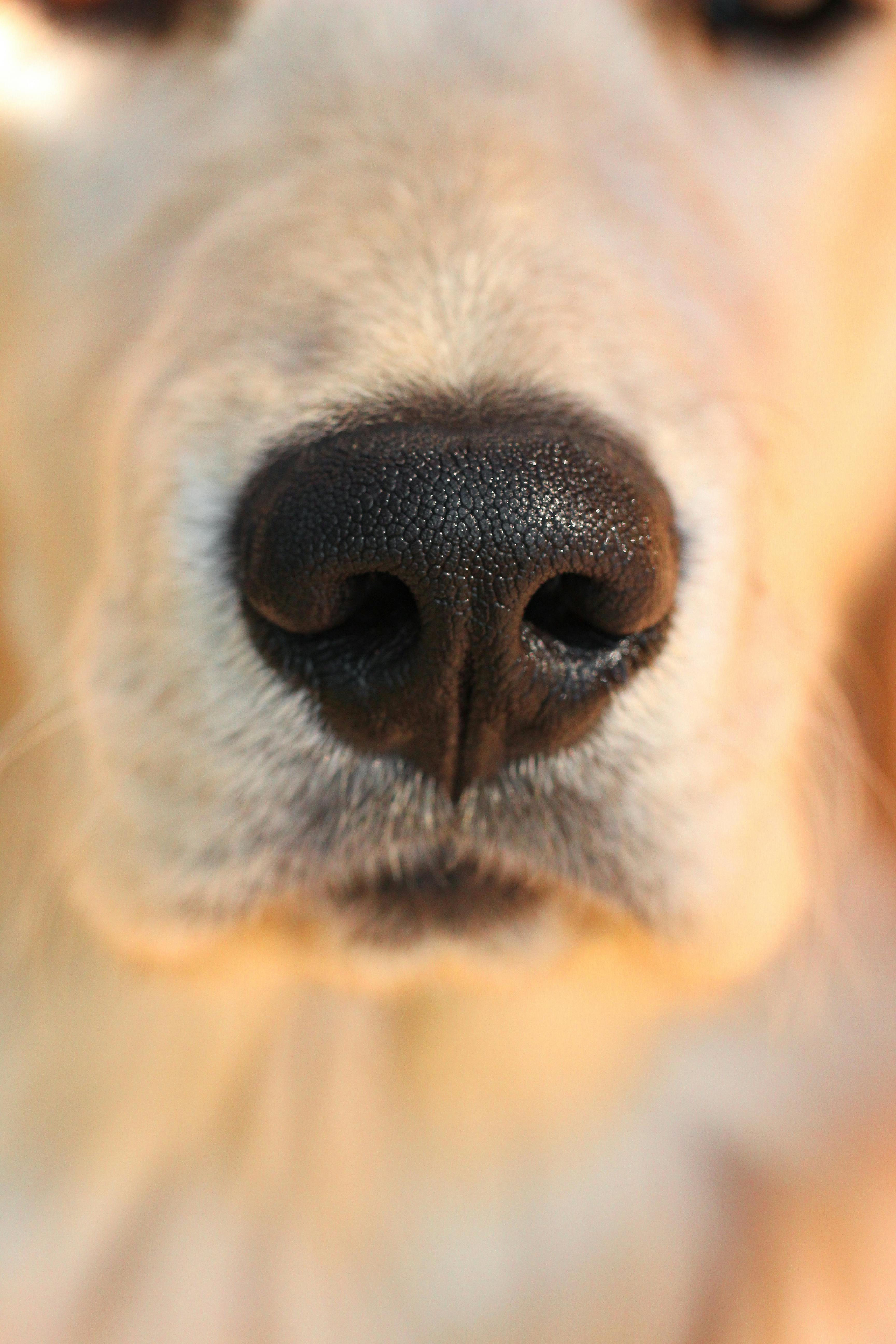
Have you ever wondered why dogs have wet noses? It’s a question that seems simple, but it leads to some surprising insights. While many people think it’s just a cute feature of their furry friends, there’s much more going on beneath the surface. Here are five fascinating reasons why dogs have wet noses that go beyond mere aesthetics.
1. Temperature Regulation
One of the primary reasons a dog’s nose is often wet is to help them regulate their body temperature. Dogs don’t sweat like humans do. Instead, they rely on panting and the moisture on their noses to cool down. The wetness helps evaporate moisture, which can cool their blood and, in turn, helps lower their body temperature. This is especially important during hot weather.
- Dogs have sweat glands only in their paw pads, so the nose plays a crucial role.
- A wet nose can indicate a dog is healthy and managing their temperature well.
- Dry noses, in contrast, can sometimes be a sign of overheating or health issues.
2. Enhanced Sense of Smell
Dogs have an incredible sense of smell—far superior to that of humans. Wet noses play a significant role in this olfactory prowess. The moisture on a dog’s nose helps capture scent particles from the air, which enhances their ability to detect different smells.
- A dog’s sense of smell is about 10,000 to 100,000 times more sensitive than ours.
- The wetness allows scent particles to stick to the nose, making it easier for dogs to detect scents.
- This is why dogs are often used in search and rescue operations, as well as in detecting drugs and explosives.
3. Communication Tool
Dogs communicate in various ways, and their noses are part of that language. A wet nose can be a form of greeting or an invitation to play. When a dog nudges you with their wet nose, they may be trying to get your attention or show affection.
- Dogs often use their noses to explore their environment and other animals.
- A wet nose can be a sign of a friendly dog, as it indicates they’re relaxed and happy.
- In contrast, if a dog has a dry nose, it might indicate stress or discomfort.
4. Health Indicator
Interestingly, the state of a dog’s nose can be an indicator of their health. A healthy dog typically has a wet, cool nose. Changes in this condition could indicate various health issues.
- A dry or cracked nose can signify dehydration or illness.
- However, not all dry noses mean something is wrong; some dogs naturally have drier noses.
- It’s essential to monitor your dog’s behavior alongside their nose condition to assess overall health.
5. Evolutionary Trait
The wet nose is also an evolutionary trait that has been beneficial for dogs throughout their history. Canines have evolved to have wet noses to improve their survival skills. The need for a keen sense of smell and the ability to regulate body temperature were crucial for their ancestors as they hunted and scavenged.
- Evolution favored dogs with wet noses, making it a common trait in canines.
- This feature can be traced back to wolves, who also have wet noses for similar reasons.
- It’s a fascinating reminder of how our domestic pets share traits with their wild ancestors.
Summary Table of Reasons Why Dogs Have Wet Noses
| Reason | Description |
|---|---|
| Temperature Regulation | Helps cool down the body in hot weather |
| Enhanced Sense of Smell | Captures scent particles to improve olfaction |
| Communication Tool | Used to greet and express affection |
| Health Indicator | A sign of overall health and hydration |
| Evolutionary Trait | Beneficial for survival in hunting and scavenging |
In conclusion, the wet nose of a dog is not just a cute feature but serves multiple essential functions. From helping them stay cool and enhancing their sense of smell to serving as a communication tool and health indicator, this seemingly simple characteristic is truly fascinating. So, next time you give your dog a pat on the head and feel that cool, wet nose, remember there’s much more to it than meets the eye. Embrace the quirks of our canine companions and appreciate the unique traits that make them so special.
The Role of a Dog’s Nose in Communication: How Wetness Affects Scent Detection
Dogs are more than just pets; they are companions, helpers, and even protectors. One of the most intriguing aspects of dogs is their noses, which play a vital role in how they communicate and interact with the world around them. You may have wondered, “Why do dogs have wet noses?” The answer is actually more fascinating than you think. Wetness of a dog’s nose actually enhances scent detection, and it’s all tied to their incredible olfactory abilities.
The Science Behind a Dog’s Nose
Dogs have an extraordinary sense of smell, estimated to be anywhere from 10,000 to 100,000 times more sensitive than humans. This remarkable ability is largely due to the structure of their noses. The wetness of a dog’s nose is not just a cute feature; it serves essential functions. Here’s how:
- Moisture Capture: A wet nose helps capture scent particles in the air. When a dog sniffs, the moisture in their nose traps these particles, allowing them to process smells more effectively.
- Cooling Mechanism: Dogs don’t sweat like humans do. Instead, their wet noses assist in regulating body temperature. This cools them down while they are out sniffing around.
- Health Indicator: A dog’s nose can also be an indicator of health. A nose that’s excessively dry or cracked could signal dehydration or illness.
Why Do Dogs Have Wet Noses?
Now, let’s get into the question that sparked this exploration: Why do dogs have wet noses? Here are some reasons:
Enhanced Scent Detection: The moisture in a dog’s nose increases the ability to detect and analyze scents. The wet surface allows the scent molecules to adhere better, leading to more precise tracking and identification of smells.
Thermoregulation: As mentioned before, a wet nose keeps a dog cool, especially during hot weather. When dogs pant, the moisture evaporates from their nose and helps to regulate their temperature.
Communication Tool: Dogs communicate through scent, and their noses are a primary tool in this form of interaction. A dog can pick up on pheromones and other chemical signals from other animals or humans, which helps them understand their environment and social cues.
The Role of a Dog’s Nose in Communication
Dogs use their noses to communicate in several ways. Here are some key points to consider:
Social Interactions: When dogs meet, they often sniff each other’s noses and behinds to gather information about one another. This is similar to a human handshake; it’s their way of greeting and understanding each other.
Detecting Emotions: Dogs can sense human emotions through scent. They can identify stress, fear, and happiness, which helps them respond appropriately to their owners or other animals.
Tracking and Hunting: Dogs are often used in search and rescue missions, as well as for hunting. Their ability to track scents over long distances is invaluable in these situations.
Factors Affecting a Dog’s Nose Wetness
Not all dogs have the same level of nose wetness. Several factors can influence this, including:
Weather Conditions: Humidity and temperature can affect how wet a dog’s nose feels. Hot, dry conditions may lead to a drier nose, while cooler, humid conditions keep it moist.
Health: A dog’s overall health can impact their nose wetness. Illness or dehydration can lead to a dry nose, which could be a sign that your furry friend needs a vet visit.
Breed Characteristics: Some breeds naturally have drier noses than others. For example, brachycephalic breeds (like Bulldogs) may have less moisture due to their facial structure.
Fun Facts About Dog Noses
- Dogs have around 300 million scent receptors in their noses, compared to a human’s 6 million.
- The unique pattern of a dog’s nose is similar to a human fingerprint; no two dog noses are alike.
- Dogs can be trained to detect diseases such as cancer or diabetes through scent.
Understanding the role of a dog’s nose in communication highlights just how intricately connected dogs are to their environment. Their wet noses not only enhance their ability to smell but also play critical roles in their interactions with humans and other animals. So the next time you pet your dog, remember that their wet nose is more than just a cute feature; it’s a key part of how they experience and communicate in the world around them.
Do Wet Noses Mean Your Dog is Happy? Unraveling the Emotional Signals of Canines
When you look at your dog, one of the things you might notice is its wet nose. But, do wet noses mean your dog is happy? Many pet owners wonder about this, and it’s time to peel back the layers on this intriguing aspect of canine behavior. Dogs are known for their unique emotional signals, and their noses can say a lot more than you think.
Why Do Dogs Have Wet Noses?
Dogs have wet noses for several reasons, and it’s essential to understand these to grasp their emotional states. Here are some key reasons:
Cooling Mechanism: A dog’s nose helps in regulating its body temperature. Dogs don’t sweat the same way humans do; instead, they pant and rely on their noses to cool down. When a dog has a wet nose, it often indicates that they are managing their temperature effectively.
Sense of Smell: Dogs have an incredible sense of smell, far superior to humans. The moisture on their noses helps to enhance their olfactory abilities. Wetness allows scent particles to adhere better, making it easier for dogs to pick up various smells.
Health Indicator: A wet nose can be a sign of good health in dogs. Generally, healthy dogs have moist noses, while dry noses could indicate dehydration or illness. But, it’s not always a clear-cut indicator, and context matters.
Emotional Signals from Dogs
While wet noses can be linked to physical aspects, they also relate to emotional states. Here’s a look at how dogs communicate their feelings:
Happy and Excited: When a dog is happy, it often shows a wet nose, along with wagging tails and energetic movements. If your dog is bouncing around and has a moist nose, it’s likely feeling joyful.
Curiosity: Dogs tend to sniff around when they are curious or interested in something. A wet nose during this time helps them gather information about their environment. So, if your dog’s nose is wet while it sniffs, it could be exploring something new.
Nervousness or Stress: Sometimes, dogs can have a wet nose when they are anxious. This may not always indicate happiness; instead, it might reflect their emotional state. Be mindful of other body language signals, like lowered ears or tucked tails.
The Fascinating Truth About Canine Noses
In addition to the emotional signals, the wetness of a dog’s nose has some fascinating aspects:
Natural Behavior: Dogs lick their noses frequently. This behavior keeps their noses moist and also helps them clean it from dirt and other particles. It’s a natural instinct.
Temperature Regulation: Dogs’ noses can actually help in detecting temperature changes in their environment. A wet nose can help them sense heat or cold better, which is crucial for their survival instincts.
Communication Tool: Dogs often greet each other by sniffing noses. This is their way of saying hello and gathering information about one another. A wet nose is a friendly gesture in the canine world.
Common Misconceptions
There are some myths surrounding wet noses that need addressing:
All Dogs Have Wet Noses: Not all dogs have wet noses all the time. Factors like breed, weather, or health can affect the moisture level.
A Wet Nose Equals a Happy Dog: While it often indicates happiness, a wet nose doesn’t always mean a dog is happy. Context is key.
Dry Nose is Always Bad: A dry nose can happen for many reasons, including environmental factors. It’s important to consider the dog’s overall health and behavior.
Practical Tips for Dog Owners
Understanding your dog’s nose and what it communicates can enhance your bond. Here are some tips:
Observe Behavior: Pay attention to your dog’s overall behavior. A wet nose combined with playful antics is a good sign, but if they seem withdrawn, it might be time to check in with a vet.
Hydration Matters: Ensure your dog stays hydrated, especially in hot weather. A well-hydrated dog is likely to have a wet nose.
Regular Vet Checkups: Keep up with regular vet appointments to ensure your dog’s health is monitored. This can help you catch any potential issues early on.
In the world of dogs, wet noses are just one small piece of a larger puzzle. They hint at a range of emotions and physical states, from happiness to curiosity. Understanding these signals can strengthen the relationship you have with your furry friend, making your time together even more special. So next time you see that shiny, wet nose, take a moment to appreciate the fascinating truth behind it.
How Weather Affects Your Dog’s Nose: Why Moisture Levels Change with the Seasons
Understanding how weather affects your dog’s nose is a fascinating topic that many dog owners may not think about. You may have noticed that your furry friend’s nose seems wetter or dryer depending on the season. This change isn’t just random; there are scientific reasons behind it. Let’s dive into the unique relationship between moisture levels in the air and our dog’s noses.
Why Do Dogs Have Wet Noses?
First off, let’s explore the core question: why do dogs have wet noses? Dogs’ noses are naturally damp for several reasons. Here are a few key points:
Enhanced Smell: A wet nose is believed to help dogs pick up scents better. The moisture on their noses captures scent particles from the air, aiding in their impressive olfactory abilities.
Temperature Regulation: Just like humans sweat, dogs cool off through their noses. The moisture evaporating from their noses helps regulate their body temperature. This is especially important during hot weather.
Health Indicator: A dog’s nose can also be an indicator of their health. A healthy dog generally has a cool, moist nose. If it’s dry or warm, it may signal health issues or dehydration.
How Weather Changes Nose Moisture
As seasons change, so does the moisture in the air, impacting your dog’s nose. Here’s how different weather conditions can affect it:
Summer Heat: In hot weather, your dog’s nose may become dryer due to evaporation. If you notice this, make sure your dog has plenty of water and shade to stay cool.
Winter Cold: Cold air is often dry, which can lead to drier noses on dogs. You might find yourself using a dog-safe moisturizer to help keep their nose hydrated.
Rainy Days: On rainy days, the humidity in the air increases, causing dogs to have wetter noses. This might make them more excited, as they can pick up on more scents.
Seasonal Changes and Their Effects
Here’s a breakdown of how different seasons can impact your dog’s nose:
| Season | Nose Condition | Impact on Dog Behavior |
|---|---|---|
| Spring | Generally moist | More active and playful, often excited by scents |
| Summer | Can be dry | Less active in heat, may show signs of dehydration |
| Fall | Typically moist | More scents available, often leads to increased sniffing |
| Winter | Often dry | May become lethargic, require moisture on nose |
Other Factors Influencing Nose Moisture
Beyond just weather, various factors can influence the moisture levels of a dog’s nose:
- Health Status: Illness or infections can cause changes in the nose’s wetness.
- Hydration: A well-hydrated dog generally has a moist nose. Ensure your dog drinks enough water, especially during hot days.
- Breed Differences: Some breeds naturally have drier noses than others. For example, brachycephalic breeds (like Bulldogs) may have more noticeable dryness.
Fascinating Facts About Dog Noses
Here are some intriguing tidbits about your dog’s nose that you might not know:
- Dogs have up to 300 million smell receptors, compared to humans’ 5 million.
- The shape and size of a dog’s nose can affect their sense of smell.
- Dogs can identify scents in parts per trillion, which is why they are often used in search and rescue missions.
Tips for Keeping Your Dog’s Nose Healthy
Here are some practical tips to maintain your dog’s nose health throughout the seasons:
- Hydrate: Always provide fresh water, especially during hot weather.
- Moisturize: Consider using dog-safe nose balms or creams during winter months.
- Regular Check-ups: Routine vet visits can help catch any potential health issues early.
Understanding how weather affects your dog’s nose can help you better care for your furry friend. Keep an eye on their nose’s condition and adjust their environment accordingly. Remember, a healthy nose is often a happy nose! By recognizing these changes, you can ensure your dog remains comfortable and well-cared-for throughout the year.
What Your Dog’s Wet Nose Can Tell You About Their Health: Warning Signs to Watch For

Dogs are often called man’s best friend, and for good reason. They provide companionship, loyalty, and love. But did you ever consider that your dog’s wet nose might be a window into their health? Yes, that little moist feature is more than just adorable; it can tell you a lot about your furry companion. So, let’s dive into the fascinating world of canine health and discover what your dog’s wet nose can reveal, along with addressing why do dogs have wet noses in the first place.
Why Do Dogs Have Wet Noses?
Have you ever wondered why dogs have wet noses? It’s not just a cute feature; it serves several vital purposes. A dog’s nose is covered in a thin layer of mucous, which helps in various ways including:
- Sense of Smell: The moisture on a dog’s nose helps to absorb scent particles. This enhances their sense of smell, which is already much more powerful than ours.
- Temperature Regulation: Dogs can’t sweat like humans do. Their noses help them cool down, as the evaporation of moisture can provide relief from heat.
- Health Indicator: A wet nose can often indicate a healthy dog, while a dry nose may suggest potential health issues.
What Your Dog’s Wet Nose Can Tell You
Now, let’s explore what a wet nose really means and the warning signs you should look for.
Healthy Nose vs. Unhealthy Nose
Healthy Nose:
- Moist and cool to the touch.
- Free from cracks or sores.
- Normal color that matches the rest of the dog’s skin.
Signs of Health Issues:
- Dry Nose: A dry nose might suggest dehydration, fever, or even allergies.
- Cracked or Flaky Skin: This could indicate a skin infection or other dermatological issues.
- Discoloration: A change in color, such as a red or swollen nose, could be a sign of an allergic reaction or infection.
- Excessively Wet Nose: If your dog’s nose is constantly dripping wet, it may signal a respiratory issue or nasal discharge.
Common Health Issues Indicated by Nose Condition
Here’s a quick list of health issues that might be indicated by your dog’s nose condition:
- Allergies: Symptoms can include a runny nose and sneezing.
- Infections: Bacterial or viral infections often manifest through changes in nose moisture and texture.
- Autoimmune Disorders: These can lead to severe changes in the skin, including the nose area.
- Dehydration: A dry nose can be one of the first signs that your dog isn’t getting enough water.
Practical Examples of How to Monitor Your Dog’s Nose
Keeping an eye on your dog’s nose is simple and can be done during your daily interactions. Here’s how you can effectively monitor their health:
- Daily Checks: Make it a habit to check your dog’s nose every day. You can do this while giving them a scratch behind the ears or during cuddle time.
- Compare with Past Conditions: Keep a record of how your dog’s nose looks under normal conditions. This way, you can easily spot changes over time.
- Observe Behavior: Changes in nose condition often coincide with changes in behavior. If your dog seems lethargic or less active, it might be time to look closer at their nose and overall health.
Quick Reference Table: Nose Conditions and Possible Health Issues
| Condition | Possible Health Issues |
|---|---|
| Dry and Cracked | Dehydration, allergies, skin infections |
| Wet and Dripping | Respiratory issues, nasal infections |
| Change in Color | Allergic reactions, infections |
| Normal | Generally healthy, keep monitoring |
So, keeping an eye on your dog’s nose is just one part of caring for them. You should also be attentive to other signs like appetite, energy levels, and behavior changes.
One thing is clear: your dog’s wet nose can be a valuable tool in monitoring their health. From enhancing their sense of smell to serving as an indicator of health, understanding the significance of that wet nose is essential for every dog owner. Remember, while a wet nose is often a sign of good health, any drastic changes should prompt a visit to your veterinarian. Your furry friend’s health is too important to ignore!
The Evolutionary Purpose of Wet Noses in Dogs: How It Helps Them Survive
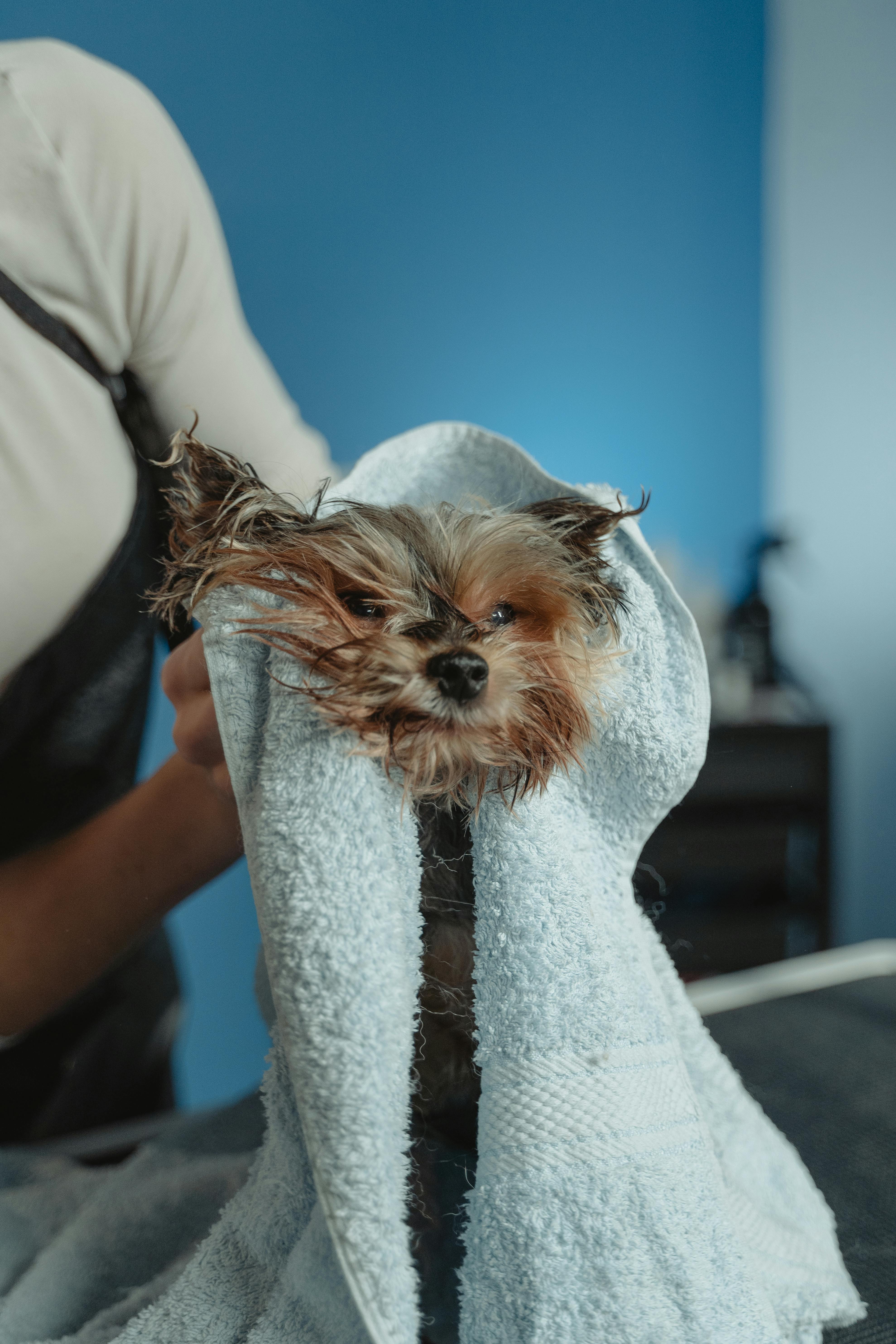
The world of dogs is filled with curious traits and behaviors, one of the most intriguing being their wet noses. People often wonder, why do dogs have wet noses? This question leads us to explore the evolutionary purpose of these moist snouts. Understanding this phenomenon isn’t just about canine biology; it also highlights how these animals have adapted over time to enhance their survival.
The Science Behind Wet Noses
Firstly, let’s look at the anatomy of a dog’s nose. Dogs have specialized glands that produce mucus. This mucus helps keep the nose wet, which is important for various reasons. Here’s a breakdown:
- Enhanced Sense of Smell: A wet nose helps to absorb scent molecules from the environment. When moisture is present, it makes it easier for scent particles to stick to the nose. This is why dogs are known for their incredible sense of smell, estimated to be between 10,000 to 100,000 times better than humans!
- Temperature Regulation: Dogs don’t sweat like humans do. Instead, they rely on their noses and paw pads to help regulate their body temperature. A wet nose can help cool a dog down, especially during warm weather.
- Health Indicators: The condition of a dog’s nose can also indicate its overall health. A dry nose can sometimes signal dehydration or illness, while a wet nose is usually a sign of a healthy dog.
Evolutionary Benefits
It’s fascinating to consider how the wet nose evolved. Dogs are descendants of wolves, who relied heavily on their sense of smell for hunting and survival. As they adapted to living alongside humans, dogs retained many of these traits. Here’s how wet noses helped in their evolutionary journey:
- Hunting and Foraging: The ability to smell food, predators, or mates is crucial for survival. Wet noses enhance this capability, making it easier for dogs to locate resources in their environment.
- Social Interactions: Dogs communicate using scents. A wet nose helps them pick up on pheromones and other scent signals from other dogs and animals, which is essential for social behaviors.
- Environmental Adaptation: In various climates, a wet nose can serve different purposes. In arid environments, it helps with hydration, while in humid areas, it assists in scent detection.
Fun Facts About Dog Noses
- Dogs have unique nose prints, just like humans have fingerprints. Each dog’s nose pattern is different and can be used for identification.
- The color of a dog’s nose can change with temperature and health. For instance, a cold dog might have a cooler nose.
- Some breeds, like Bloodhounds, have a particularly wet and droopy nose which aids in tracking scents over long distances.
Comparisons: Wet Nose vs. Dry Nose
To further illustrate the importance of wet noses, let’s compare the characteristics and implications of wet and dry noses in dogs:
| Wet Nose | Dry Nose |
|---|---|
| Absorbs scent molecules | Less effective at scent detection |
| Indicates hydration | May indicate dehydration or illness |
| Helps cool the body | Less efficient in temperature regulation |
| Common in healthy dogs | Can signal potential health issues |
The Role of Environment
Different environments also play a role in how dogs use their noses. For instance, a dog living in a wet climate might have a perpetually wet nose, making scent tracking easier. In contrast, dogs in drier areas may have a drier nose, but they will adapt by using other methods to keep their sense of smell sharp.
Practical Examples
- Tracking and Hunting: Many working dog breeds, like Beagles and Bloodhounds, rely on their wet noses for tracking scents. They can pick up trails that are days old due to their superior smelling abilities.
- Search and Rescue: Dogs trained for search and rescue operations often have wet noses, helping them locate missing persons through scent.
Dogs and their wet noses are not just adorable; they play crucial roles in their survival and interaction with the world. The evolution of this feature highlights the adaptability and resilience of dogs as they have transitioned from wild animals to beloved companions.
So, next time you see a dog with a wet nose, remember that this is more than just a cute characteristic. It’s a fascinating trait that showcases their incredible capabilities and deep-rooted history.
Can a Wet Nose Help with Dog Training? Tips on Using Scent for Better Communication
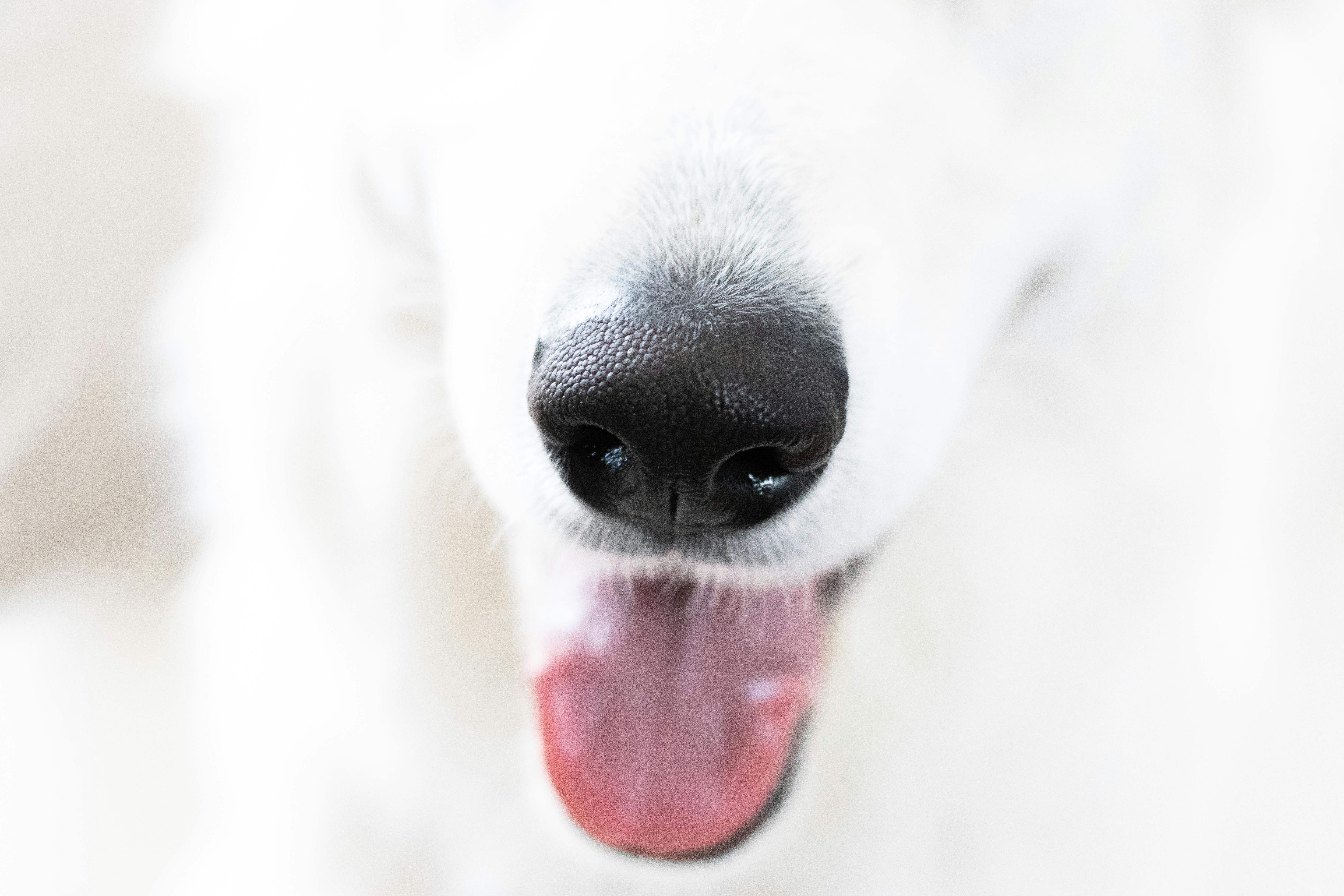
In the world of dogs, their wet noses are more than just an adorable feature; they play a crucial role in their behavior and interactions. Many pet owners may ask, “Can a wet nose help with dog training?” Well, yes, it can! Understanding why dogs have wet noses and how to utilize this feature can enhance communication with your furry friend.
Why Do Dogs Have Wet Noses?
Dogs have wet noses for a variety of reasons, which are fascinating and important for their health and behavior. Here are some key points about the wet nose phenomenon:
- Scent Detection: Dogs rely heavily on their sense of smell, and a moist nose helps capture scent particles from the air. This ability is vital for their communication and understanding of the environment.
- Temperature Regulation: A wet nose helps dogs cool down. When they pant, the moisture evaporates and contributes to regulating their body temperature.
- Health Indicator: A wet nose is often a sign of good health. If a dog’s nose becomes dry or cracked, it could indicate dehydration or illness.
- Social Interaction: Dogs greet each other and communicate through scent. A wet nose enhances their ability to detect pheromones and other scent cues from their canine companions.
Can a Wet Nose Help with Dog Training?
Training a dog effectively involves understanding their natural instincts and communication methods. Here’s how you can use your dog’s wet nose to improve training:
Scent Work: Engage your dog’s sense of smell through scent training exercises. Hide treats around the house or yard and encourage your dog to find them using their nose. This builds confidence and focus.
Positive Reinforcement: When your dog uses their nose correctly during training, reward them! This encourages them to continue using their nose in the future.
Scent Association: Associate specific scents with commands. For example, when teaching the “sit” command, present a treat with a scent that your dog loves. This will help them connect the command with the reward.
Nose Work Games: Play games that involve sniffing, like “find the hidden toy.” This taps into their natural instincts and keeps them mentally stimulated.
Practical Tips for Using Scent in Dog Training
- Start Simple: Begin with easy scents and gradually increase the difficulty as your dog improves.
- Be Patient: Not all dogs will catch on quickly. Patience is key to successful training.
- Use High-Value Treats: Select treats that your dog finds irresistible. This will motivate them to engage more with the training process.
- Consistency: Use the same commands and scents consistently during training to avoid confusion.
Fascinating Facts About Dogs’ Noses
- The surface of a dog’s nose is covered with special glands that produce moisture, enhancing their scent capabilities.
- Dogs have up to 300 million scent receptors in their noses, compared to a human’s 5 million. This is why they excel in scent detection.
- A dog’s sense of smell can identify certain diseases, including cancer and diabetes, even before symptoms appear.
Common Misconceptions About Wet Noses
- All Dogs Have Wet Noses: While most dogs have moist noses, some breeds or individuals may have drier noses naturally.
- A Dry Nose Means Illness: Not necessarily! Environmental factors, such as heat, can cause a temporary dry nose in healthy dogs.
- Wet Noses Are Always Healthy: A wet nose doesn’t always indicate good health. Look for other signs, like energy levels and appetite.
A Quick Look at Dog Nose Health
| Condition | Signs | Recommendations |
|---|---|---|
| Dehydration | Dry nose, lethargy | Ensure access to clean water |
| Allergies | Itchy, inflamed nose | Consult a vet for treatment |
| Infections | Discharge, foul odor | Immediate veterinary attention |
| Environmental Irritants | Redness, swelling | Limit exposure, consult a vet |
The relationship between a dog’s wet nose and their ability to communicate and learn is truly remarkable. By harnessing the power of scent, you can transform your training sessions into enjoyable and effective experiences for both you and your furry companion. Remember to always approach training with patience and a playful spirit!
Debunking Myths: Is a Wet Nose Always a Good Sign for Your Dog? Understanding Common Misconceptions
When it comes to our furry friends, we often hear various sayings and beliefs that might not always hold true. One common phrase is that a dog’s wet nose is a sign of good health. But is that really the case? In this article, we will debunk some myths related to the wet nose of dogs, explore why dogs have wet noses, and uncover the fascinating truth behind this common belief.
Debunking Myths: Is a Wet Nose Always a Good Sign?
Many people think a wet nose means a dog is healthy, while a dry nose indicates sickness. But that’s not entirely true! A dog’s nose can be wet or dry for many reasons, and it does not necessarily correlate with their health status. Here are some common myths and the realities behind them:
Myth 1: A wet nose means a dog is healthy.
Reality: While many healthy dogs have wet noses, a dry nose can also be normal. Factors like weather, activity level, and even the time of day can play a role.Myth 2: Dogs lick their noses to keep them wet.
Reality: Dogs do lick their noses, but they also produce moisture from special glands. So the wetness is not solely from licking.Myth 3: A warm, dry nose means fever.
Reality: A dog can have a warm, dry nose for many reasons, including being active or simply being in a warm environment. It’s not a definitive sign of illness.
Understanding these misconceptions can help dog owners better care for their pets.
Why Do Dogs Have Wet Noses?
Now, let’s dive deeper into the science of why dogs have wet noses. The wetness of a dog’s nose serves several significant purposes:
Enhanced Sense of Smell:
- Dogs have an incredible sense of smell, which is partly attributed to the moisture on their noses. The wet surface helps to capture scent particles, making it easier for dogs to identify different smells.
Regulating Temperature:
- A dog’s nose can help regulate its body temperature. When a dog pants, moisture evaporates from its nose, which can help cool them down.
Communication:
- Dogs use their noses to interact with their environment and other dogs. A wet nose can signal curiosity or friendliness.
The Fascinating Truth About Dogs’ Noses
Dogs have different types of noses, and their wetness can vary significantly. Here’s a closer look:
- Normal Wetness: Generally, a healthy dog’s nose should feel cool and slightly moist.
- Dry Nose: If a dog’s nose is dry but they are otherwise healthy, it might not be a cause for concern. Factors like allergies, dehydration, or just waking up can lead to temporary dryness.
- Abnormal Symptoms: If a dog’s nose is excessively dry, cracked, or accompanied by other symptoms (like lethargy, coughing, or loss of appetite), it is best to consult a veterinarian.
Quick Facts About Dog Nose Health
- A dog’s nose is covered in a thin layer of mucus.
- The moisture on a dog’s nose helps them gather scent particles.
- Dogs can sweat through their paw pads, but their noses do not sweat.
Practical Examples and Comparisons
Consider two dogs of the same breed. One has a moist nose, and the other has a dry nose. If both are active, eating well, and showing no signs of illness, then both are likely healthy. This scenario highlights the importance of observing overall behavior rather than focusing solely on the nose.
Also, let’s compare a dog’s nose to a human’s sense of taste. Just like how we need saliva to taste food better, dogs need moisture to enhance their sense of smell. The differences might be stark, but the principles of moisture aiding sensory experiences are quite similar.
List of Things That Can Affect a Dog’s Nose Moisture
- Climate: Hot weather can dry out a dog’s nose.
- Activity Level: After playing, a dog’s nose may be drier than usual.
- Diet: Poor nutrition can affect skin and nose health.
- Health Issues: Conditions like allergies or infections can lead to changes in moisture.
It’s clear that while a wet nose is often seen as a positive sign, it shouldn’t be the only indicator of a dog’s health. Understanding the reasons behind a dog’s wet nose and recognizing that it can change throughout the day can help pet owners be more informed.
Next time you pet your dog, remember that their nose is just one small part of their overall health. By being aware of these facts, dog owners can better support their furry friends through good care and attention.
Conclusion
In conclusion, the wet noses of dogs serve several important functions that contribute to their overall health and well-being. From enhancing their sense of smell to helping regulate body temperature, a moist nose plays a crucial role in a dog’s daily life. The moisture on their noses is not only a natural barrier against bacteria but also aids in the olfactory process, allowing them to interact with their environment more effectively. While a wet nose is often a sign of an active and healthy dog, it’s essential to monitor for any changes that could indicate health issues. So, the next time you greet your furry friend, take a moment to appreciate their unique physiology. If you notice any unusual changes in your dog’s nose or behavior, don’t hesitate to consult your veterinarian for guidance. Your dog’s health is paramount, and staying informed is a vital step in ensuring their happiness.
