
Have you ever wondered, why do dogs have wet noses? This intriguing question sparks curiosity among pet owners and animal enthusiasts alike. A dog’s nose, often cool and moist, serves a purpose beyond just being adorable! The fascinating truth behind this unique trait will leave you amazed. Wet noses help to enhance a dog’s sense of smell, allowing them to detect scents more efficiently. But is that all there is to it? Can a dog’s wet nose indicate their health? These are just some of the questions we are going to explore in this captivating journey into the world of canine anatomy. Understanding why do dogs have wet noses not only enriches your knowledge but also deepens your bond with your furry friend. So, whether you’re a curious dog lover or a devoted pet owner, join us as we uncover the secrets behind this peculiar characteristic and discover how it can impact your dog’s well-being. From the science of their sniffing abilities to common misconceptions, you’re in for a treat! Ready to dive into the fascinating world of dogs? Let’s get started!
The Science Behind Why Dogs Have Wet Noses: A Deep Dive into Canine Biology

Dogs have long been our loyal companions, bringing joy and love into our lives. One of the most interesting features about dogs is their noses, which are often wet. Many people wonder, why do dogs have wet noses? Well, let’s dive into the fascinating science behind it, exploring canine biology and the practical reasons for this unique characteristic.
The Biology of a Dog’s Nose
A dog’s nose is an incredible organ, finely tuned to detect scents from the world around them. Unlike humans, who have about 5 million scent receptors, dogs have up to 300 million! This means their noses are much more effective at sniffing out smells. The wetness of a dog’s nose plays a key role in their ability to smell.
- Moisture Helps with Scent Detection: The moisture on the surface of their nose helps capture scent particles. When these particles stick to the wet surface, it makes it easier for dogs to analyze and process smells.
- Temperature Regulation: Dogs don’t sweat like humans do. Instead, they use their noses to help regulate their body temperature. A wet nose can help cool off a dog, especially during hot weather.
- Health Indicator: A dog’s nose can also indicate their health. A warm, dry nose may signal illness, while a cool, moist nose is generally a sign of good health.
Evolutionary Insights
The wet nose is not just a random trait. It has evolved over thousands of years. Canines are descendants of wolves, and having a moist nose likely helped them survive in the wild. Some reasons include:
- Hunting Efficiency: For wild canines, a wet nose was essential for tracking prey. The ability to pick up scents quickly aided in successful hunts.
- Social Communication: Dogs use their noses to communicate with each other. A wet nose can signal friendliness and approachability, which is crucial for pack dynamics.
The Science of Nose Moisture
So, how does the moisture get there? Dogs have special glands in their noses that produce a thin layer of mucus. This mucus comes from two main sources:
- Sebaceous Glands: These glands secrete oils that help keep the nose moist.
- Mucous Glands: These glands produce mucus that helps trap and absorb scents.
When a dog licks their nose, they are also helping to keep that moisture level balanced. This behavior is often instinctual and helps them stay aware of their environment.
Fun Facts About Dog Noses
- Nose Prints: Just like human fingerprints, every dog has a unique nose print. This can even be used for identification purposes!
- Color Variations: The color of a dog’s nose can vary widely, from black to brown to pink. This color doesn’t affect their ability to smell but is often linked to their breed.
- Nose Size Matters: Breeds with broader noses, like bloodhounds, may have an even better sense of smell than those with narrower noses, such as greyhounds.
Practical Implications for Dog Owners
Understanding why dogs have wet noses can be beneficial for dog owners. Here are some practical tips:
- Regular Check-ups: Keep an eye on your dog’s nose. If it becomes excessively dry or cracked, it may be time for a vet visit.
- Hydration is Key: Ensure that your dog is always hydrated. A well-hydrated dog will typically have a healthy, moist nose.
- Environment Awareness: Be mindful of weather changes. Hot, dry conditions can lead to nose dryness, so consider using dog-safe moisturizers if necessary.
Comparison with Other Animals
It’s interesting to compare canine noses with those of other animals. For example:
- Cats: Cats also have wet noses, but their scent perception isn’t as strong as dogs.
- Humans: Humans have dry noses and rely more on their other senses. Our sense of smell is significantly less developed than that of dogs.
- Bears: Bears have an incredible sense of smell, even better than dogs, but their noses are not always wet. They have a different mechanism for scent detection.
Understanding the science behind why dogs have wet noses not only enlightens us about their biology but also deepens our appreciation for these wonderful companions. So, next time you see a dog with that moist nose, you can marvel at the evolutionary wonders that brought them to us. The wetness is more than just an adorable feature; it’s part of what makes dogs such incredible creatures.
7 Surprising Benefits of Your Dog’s Moist Nose You Didn’t Know About
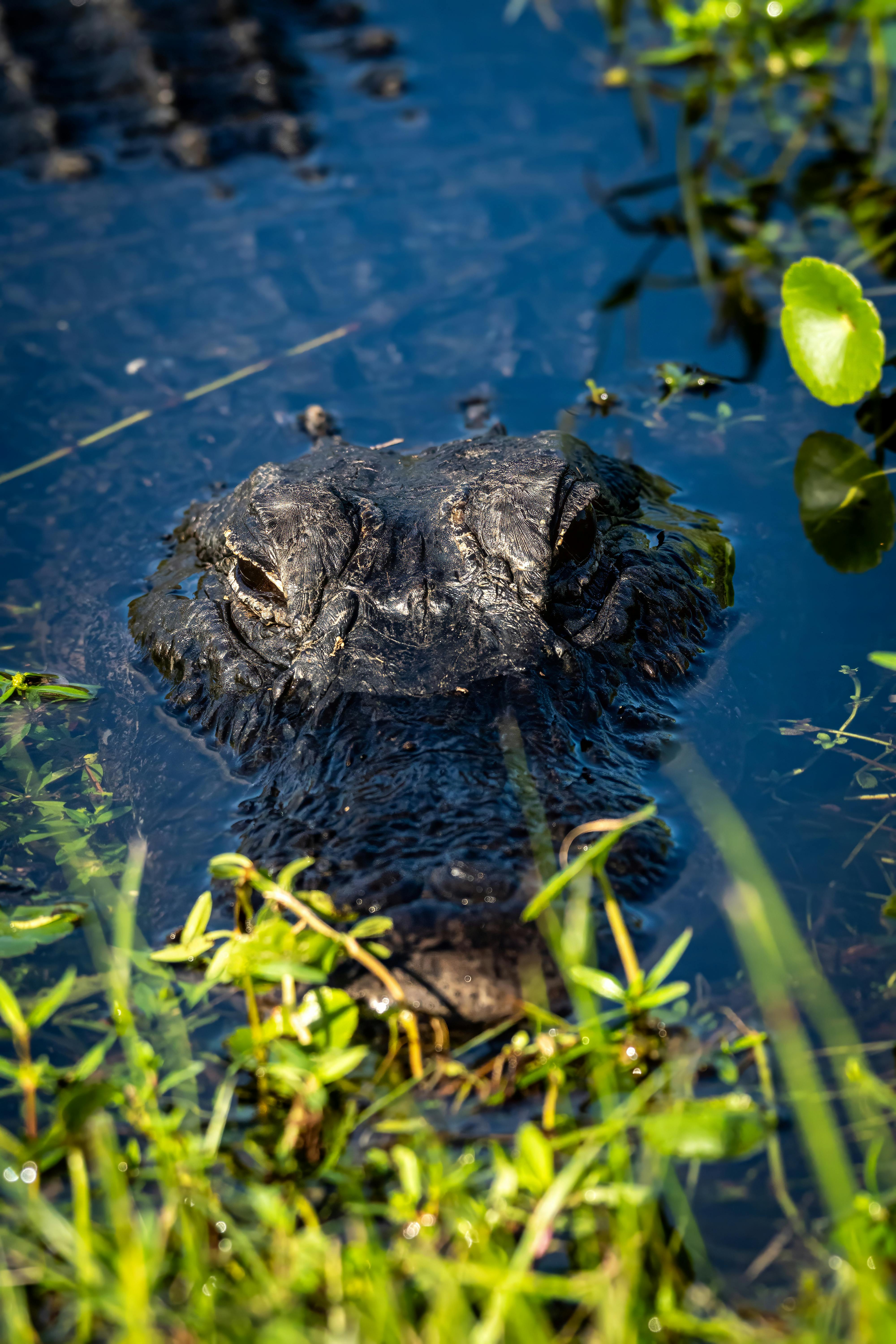
Dogs are often called man’s best friends, and their moist noses are one of the many endearing traits that make them so lovable. But have you ever wondered why do dogs have wet noses? This question leads to some fascinating truths, especially when you consider the surprising benefits of your dog’s moist nose. Let’s explore seven intriguing ways this simple feature can positively impact your furry friend and your relationship with them.
1. Enhanced Sense of Smell
One of the most well-known facts is that dogs have an extraordinary sense of smell. The moistness of their noses helps to capture scent particles from the air. When a dog sniffs around, their wet nose absorbs these particles better. This is why your dog can sniff out a treat you think you’ve hidden well! Their noses are like super-powered scent detection tools, allowing them to experience the world in a way we can’t even imagine.
2. Temperature Regulation
Did you know that a dog’s nose also plays a role in regulating their body temperature? Just like humans sweat to cool off, dogs use their noses to help maintain a comfortable temperature. When they pant, moisture evaporates from their noses, helping to cool them down. So, when you notice your dog’s nose is particularly wet after a walk on a hot day, it’s their way of keeping cool!
3. Health Indicator
A dog’s nose can actually be a good indicator of their health. While a wet nose is generally a sign of good health, a dry or cracked nose could indicate dehydration or other issues. Regular checks on your dog’s nose can help you catch potential health problems early. Just remember, no nose is the same, and some dogs may naturally have drier noses than others.
4. Social Communication
Dogs use their noses in communication too. When dogs greet each other, they often sniff each other’s noses, sharing a wealth of information about each other. This behavior helps them understand each other’s emotions and health. So, if your dog is particularly interested in another dog’s nose, it’s just their way of saying “hello” and gathering information!
5. Moisture for Better Scent Detection
The moisture in a dog’s nose not only helps them smell better, but it also helps keep their noses clean. A wet surface can catch more dirt and debris, preventing irritants from entering their nasal passages. This natural filtration system keeps your dog’s sense of smell sharp and functional. It’s like having a built-in air filter, making the world a more pleasant place for them.
6. Cooling Mechanism
Beyond just temperature regulation, the moistness of a dog’s nose also helps them cool down during exercise. If you’ve ever watched your dog run around in the park, you might have noticed they often stop to sniff the ground. This behavior isn’t just for fun; it also helps them cool down as they take a moment to breathe in the cooler air.
7. Bonding Experience
Finally, the moist nose of your dog can also be a bonding experience for you both. When you pet your dog and feel that cool, wet nose against your hand, it creates a connection. Dogs often nuzzle their noses into your palm or face as a form of affection, creating a sense of intimacy. This simple act fosters a stronger bond between you and your furry companion.
Summary of Benefits
Here’s a quick rundown of the surprising benefits of your dog’s moist nose:
- Enhanced sense of smell: Helps capture scent particles more effectively.
- Temperature regulation: Aids in keeping dogs cool.
- Health indicator: Signals hydration and overall health.
- Social communication: Facilitates information sharing between dogs.
- Moisture for scent detection: Keeps the nose clean and functional.
- Cooling mechanism: Assists in cooling down during exercise.
- Bonding experience: Strengthens the connection between dog and owner.
As you can see, your dog’s wet nose is much more than just a cute feature. It serves many practical purposes that enhance their lives and your relationship. Next time you see that moist nose, remember all the fascinating things it does beyond just looking adorable! Understanding these aspects can deepen your appreciation for your furry friend and contribute to a healthier, happier life together. So, next time someone asks, “Why do dogs have wet noses?” you’ll have plenty of surprising facts to share!
Why Do Dogs Have Wet Noses? Exploring the Fascinating Connection to Their Sense of Smell

Dogs are often celebrated for their unique qualities, but one of the most noticeable features is their wet noses. You might wonder, why do dogs have wet noses? Turns out, there’s a fascinating connection between their noses and their extraordinary sense of smell. It’s more than just a quirky trait – it serves important functions that help dogs interact with the world around them.
The Science Behind the Wet Nose
When you pet a dog, and feel that cool, moist nose, it may seem like a simple characteristic. However, the wetness of a dog’s nose plays a crucial role in its ability to smell. The moisture enhances their olfactory capabilities by trapping scent particles better. Research shows that a dog’s sense of smell is up to 100,000 times more sensitive than humans. This incredible ability is largely due to the structure of their noses.
Here are some science facts about dog noses:
- Dogs have about 300 million smell receptors, compared to a human’s 5 million.
- The surface area of a dog’s nasal cavity is roughly 40 times greater than that of a human.
- Their wet noses help to dissolve scent molecules, which aids in detecting smells.
Why Is Moisture Important?
So why do dogs have wet noses? The wetness is not just for show! A dog’s nose secretes a thin layer of mucus, which plays a vital role in their sense of smell. This mucus helps to:
- Capture Scent Molecules: The moisture attracts and holds scent particles, making it easier for dogs to identify smells.
- Regulate Temperature: Just like humans sweat, dogs can cool down through their noses, though it’s less efficient than panting.
- Signal Health: A wet nose can indicate a healthy dog, while dryness may suggest dehydration or illness.
Historical Context: Dogs and Their Noses
Historically, dogs have been bred for various tasks, many of which relied heavily on their sense of smell. From hunting and tracking to search and rescue, the wet nose has played a significant part in their success. The bond between humans and dogs has been shaped by this unique trait, as dogs were often used for their keen sense of smell in various roles.
Some roles dogs have played include:
- Hunting Companions: Helping hunters track game.
- Search and Rescue: Locating missing persons or detecting disasters.
- Therapy and Service Dogs: Assisting individuals with disabilities or anxiety.
Fun Facts About Dog Noses
- Dogs can differentiate between similar scents, allowing them to track specific animals or objects.
- The texture and pattern of a dog’s nose is as unique as a human fingerprint.
- Some breeds, like Bloodhounds, are particularly renowned for their incredible sense of smell, sometimes leading to remarkable tracking abilities.
What Affects a Dog’s Nose Moisture?
Several factors can influence the moisture level of a dog’s nose. These include:
- Weather Conditions: Hot, dry climates can dry out a dog’s nose, while humid weather may keep it moist.
- Health Status: Illness or dehydration can result in a dry nose, while a wet nose typically indicates that a dog is healthy.
- Activity Level: Dogs that are active or excited may have wetter noses due to increased mucus secretion.
How to Care for Your Dog’s Nose
Taking care of your dog’s nose is important. Here are some tips to ensure their nose stays healthy:
- Hydration: Make sure your dog has access to fresh, clean water at all times.
- Regular Vet Check-ups: Monitor for any changes in your dog’s nose, as it can signal health issues.
- Avoid Irritants: Keep your dog away from harsh chemicals or substances that could irritate their nose.
Conclusion
Understanding why do dogs have wet noses opens a window into their extraordinary abilities. The connection between their nose moisture and sense of smell is a perfect example of nature’s design. Not only does it enhance their ability to interact with their environment, but it also plays a role in their health and well-being. The next time you see your furry friend with a wet nose, you can appreciate the science behind it and how it plays a vital role in their life.
How a Dog’s Wet Nose Affects Their Health: 5 Key Insights Every Pet Owner Should Know
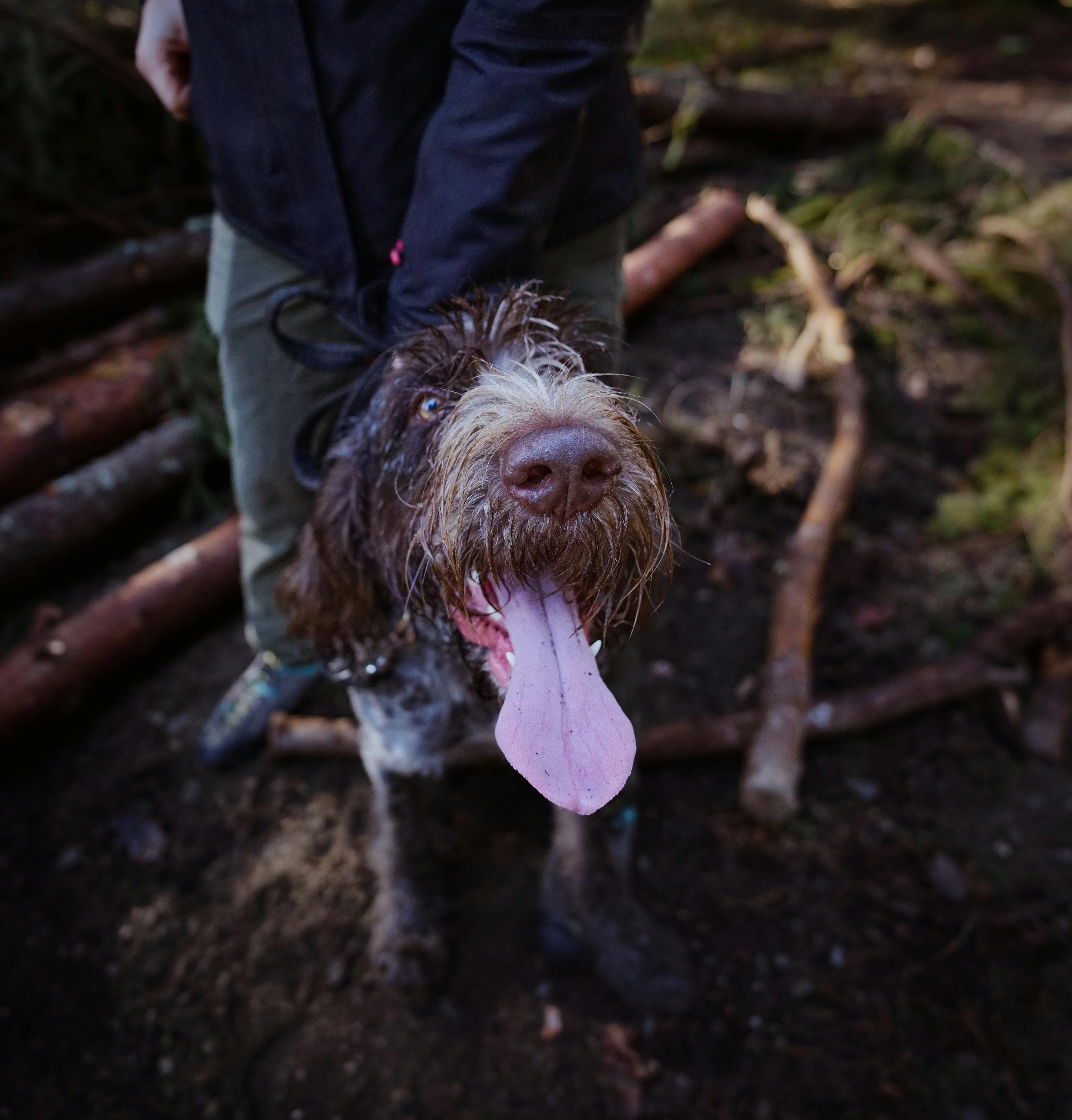
Dogs are more than just our furry companions; they’re also fascinating creatures with unique physiological traits. One of the most interesting aspects of a dog is its nose. Why do dogs have wet noses? What does it mean for their health? Understanding these queries can immensely benefit pet owners. So, let’s dive into the fascinating world of dog noses and highlight five key insights every pet owner should know.
The Function of a Dog’s Wet Nose
First off, a dog’s nose is wet for several reasons. The moisture on their noses helps them absorb scent molecules, which is crucial for their sense of smell. Dogs have an incredible olfactory system; they can detect certain smells up to 100,000 times better than humans. The wetness on their noses enhances this ability.
- Absorbing Scents: A wet nose helps to trap scent particles more effectively.
- Cooling Mechanism: A dog’s nose also aids in regulating body temperature. When dogs pant, the moisture evaporates off their nose, which cools them down.
Health Indicators of a Dog’s Nose
Believe it or not, the condition of a dog’s nose can be a telltale sign of their health. Here are some key points to consider:
- Temperature: A warm, dry nose can indicate fever or illness. Conversely, a cool, wet nose generally suggests a healthy pup.
- Texture: If your dog’s nose is cracked or scabbed, it might be suffering from dehydration or a skin condition.
- Discoloration: Any sudden changes in color could suggest allergies or even more serious health issues.
Why Do Dogs Have Wet Noses? Historical Perspective
Historically, dogs evolved from wolves, which are known for their keen sense of smell. The wet nose is a trait that has been passed down through generations. Early domesticated dogs relied on their sense of smell for hunting and survival, making a wet nose essential. So, it’s not just a quirky feature; it’s deeply rooted in their evolutionary history.
The Science Behind the Wet Nose
Understanding the scientific aspect behind a dog’s wet nose is crucial. Here are some fun facts:
- Mucous Membranes: The moisture comes from mucous membranes that line the nasal cavity. This helps in trapping odors.
- Scent Receptors: Dogs have around 300 million scent receptors compared to about 5 million in humans.
- Behavioral Indicators: Dogs often lick their noses to keep them moist, especially when they are curious or excited.
Practical Tips for Pet Owners
So how can you take care of your dog’s nose and overall health? Here’s a quick list:
- Regular Vet Check-ups: Ensure your dog has routine check-ups to monitor their health.
- Hydration: Always provide fresh water to keep their nose moist and healthy.
- Observe Changes: Keep an eye on your dog’s nose for any signs of changes in texture, temperature, or color.
- Protect Against Elements: In extreme weather, use nose balms or ointments to protect against dryness or cracking.
Fun Facts About Dog Noses
Here’s some trivia that might surprise you:
- Dogs can smell fear! Research shows that they can sense emotional changes in humans.
- The wetness of a dog’s nose is unique to each dog, much like human fingerprints.
- A dog’s sense of smell is so advanced that they’re used in search and rescue operations, as well as detecting diseases like cancer.
Comparison with Human Noses
When we compare dog noses to human noses, the differences are astounding. Here’s a simple comparison:
| Feature | Dog Nose | Human Nose |
|---|---|---|
| Scent Receptors | Approx. 300 million | Approx. 5 million |
| Moisture Function | Enhances sense of smell | Limited moisture role |
| Temperature Regulation | Aids in cooling | Not applicable |
As you can see, the wet noses of dogs play a significant role in their lives. It’s not just a cute feature; it serves practical purposes that benefit their health and well-being.
In summary, understanding why dogs have wet noses and what it means for their health is essential for every pet owner. A wet nose indicates a healthy dog, while any changes could signal health issues. By keeping these insights in mind, you can ensure your furry friend leads a happy and healthy life. Always stay observant and proactive in caring for your beloved pooch.
The Role of a Wet Nose in Dog Communication: What Your Pup Is Really Telling You
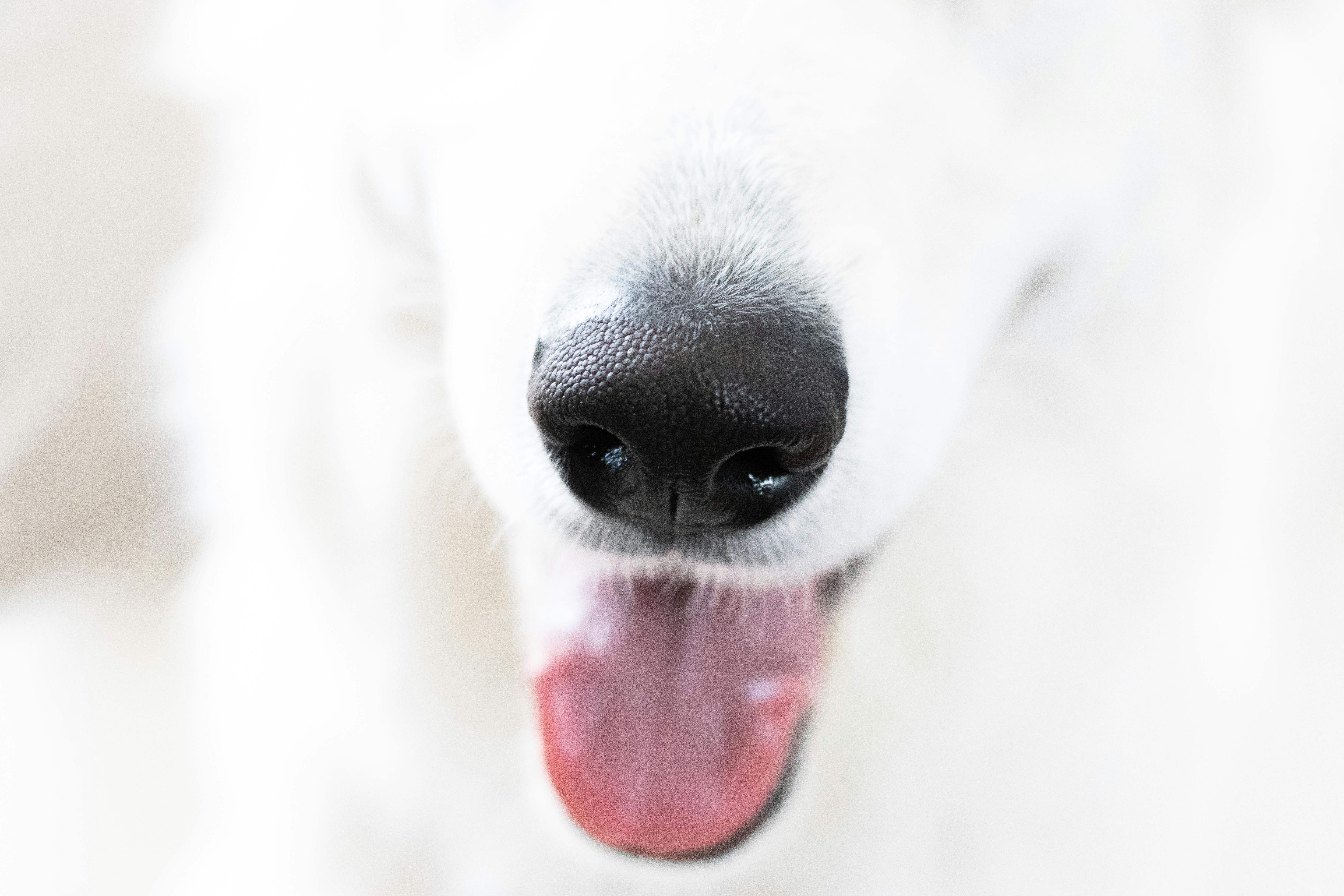
Dogs are often referred to as man’s best friend, but did you know that their wet noses play a significant role in how they communicate? Many dog owners often wonder, “Why do dogs have wet noses?” The answer is not just about sniffing but involves a fascinating mix of biology and behavior that makes dogs unique creatures. Understanding what your pup is trying to tell you through their wet nose can enhance the bond you share and help you interpret their needs better.
The Science Behind Wet Noses
Dog noses are wet for a reason. One of the main reasons is that it helps them smell better. The moisture on a dog’s nose assists in trapping scent particles. This is kinda like how we might use a wet finger to help us grip something. When the nose is moist, it increases the surface area, allowing dogs to pick up more smells. Dogs have around 220 million scent receptors, compared to humans who have just about 5 million. So, wet noses are an important part of their sensory perception!
Why Do Dogs Have Wet Noses?
Temperature Regulation: Dogs don’t sweat like humans do. They mainly regulate their body temperature through panting and their nose. A cooler, wet nose helps keep them at a comfortable temperature, especially on hot days.
Health Indicator: A dog’s nose can tell you a lot about their health. A wet nose is generally a sign of a healthy dog. However, if it’s excessively dry or cracked, it might indicate dehydration or illness. Keeping an eye on your pup’s nose can be a good way to monitor their well-being.
Communication Tool: Dogs use their noses to communicate with other dogs and humans. A wet nose often signifies a friendly greeting. When a dog nudges you with their nose, they could be asking for attention, affection, or even a treat!
What Your Pup Is Really Telling You
Understanding dog communication can often be confusing, but paying attention to their nose can provide insights. Here are a few scenarios:
Wet Nose, Happy Dog: If your dog approaches you with a wet nose and wagging tail, they’re usually happy or excited to see you. It’s their way of saying, “Hey, I missed you!”
Nose Nudging: If your pup bumps you with their nose, they might be asking for playtime, food, or just some love. It’s a gentle reminder that they want your attention.
Scent Seeking: When your dog is sniffing around with their nose to the ground, they’re collecting information about their environment. Dogs have a rich social life that involves a lot of sniffing to understand who’s been around.
Interesting Facts About Dog Noses
Unique Patterns: Just like human fingerprints, no two dog noses are alike. Each dog has a unique nose print that can be used for identification.
Scent Memory: Dogs can remember scents for a long time. They can recognize scents even after months, making their noses not just a communication tool but also a memory bank.
Thermal Imaging: Some studies suggest that dogs can even detect changes in temperature through their noses, which can alert them to danger or changes in their environment.
How to Care for Your Dog’s Nose
Keeping your pup’s nose in good shape is essential. Here are some tips:
Hydration: Ensure your dog drinks enough water, especially during hot weather. Dehydrated dogs can have dry, cracked noses.
Moisturize: If your dog has a dry nose, consider using a pet-safe moisturizer. Always check with your vet before applying anything.
Regular Check-ups: Regular vet visits can help identify any issues with your dog’s nose or overall health.
Signs of Concern for Your Dog’s Nose
- Excessively dry or cracked nose
- Bleeding or sores
- Discoloration
- Unusual odor
If you notice any of these signs, it’s a good idea to contact your veterinarian right away.
Understanding the role of a wet nose in dog communication provides valuable insights into how your furry friend expresses their feelings and needs. It’s not just a physical feature; it’s a tool that contributes to their social interactions. The next time your pup nudges you with their wet nose, you’ll know they’re not just looking for a scratch behind the ears—they’re trying to tell you something important!
Curious Canine Facts: Why Do Dogs Have Wet Noses and What It Means for Their Well-Being
Dogs, those lovable furry companions, have always intrigued us with their unique behaviors and characteristics. One of the most curious aspects of dogs is their wet noses. Have you ever wondered why do dogs have wet noses? Is it just a quirky trait or does it serve a greater purpose? In this article, we will dive deep into the fascinating truth behind the wet noses of dogs and what it means for their overall well-being.
The Science Behind the Wet Nose
Dogs noses are wet for a reason. When we talk about why do dogs have wet noses, we need to look at a few scientific elements. The wetness comes primarily from a combination of mucus and moisture that helps them smell better. Dogs have an incredible sense of smell, estimated to be between 10,000 to 100,000 times more sensitive than humans. This is due to the large number of olfactory receptors they have in their noses, around 300 million compared to our mere 5 million.
How Wet Noses Help Dogs
So, how exactly does a wet nose help dogs? Here’s a quick breakdown:
- Enhanced Smell: The moisture on a dog’s nose helps to capture scent particles from the air, making it easier for them to detect smells.
- Temperature Regulation: Dogs also use their noses to cool down. When they pant, the moisture on their noses evaporates, which helps to regulate their body temperature.
- Health Indicator: A dog’s nose can be an indication of their health. A warm, dry nose could signify fever, while a wet nose generally indicates a healthy pup.
Historical Context of Dogs’ Noses
Historically, dogs have been valued for their incredible sense of smell. In ancient times, they were used as hunting companions, tracking animals by scent. As their relationship with humans evolved, so did our understanding of their biology. Many breeds were developed based on their ability to use their noses for various tasks, from herding sheep to detecting drugs.
Fun Facts About Dogs’ Noses
Here’s some interesting tidbits about dogs and their noses:
- Dogs have individual nose prints, much like human fingerprints. Each pattern is unique and can be used to identify them.
- The wetness of a dog’s nose can vary with the weather. On hot days, it might be less moist, while it could be wetter on cooler days.
- Some breeds, like Bloodhounds, have exceptional smelling abilities and can track scents over great distances.
Comparing Wet and Dry Noses
Not all dogs have the same type of noses. Here’s a simple comparison:
| Feature | Wet Nose | Dry Nose |
|---|---|---|
| Smell Sensitivity | Higher | Lower |
| Temperature | Cooler | Warmer |
| Health Indicator | Generally healthy | May indicate illness |
How to Care for Your Dog’s Nose
Since a dog’s nose plays a vital role in their well-being, it’s important to keep it healthy. Here are a few tips:
- Hydration: Ensure your dog is well-hydrated. Dehydration can lead to a dry nose.
- Moisturizing: Use a dog-friendly moisturizer if you notice excessive dryness or cracking.
- Regular Vet Check-ups: Make sure to take your dog to the vet for regular check-ups. Changes in nose moisture can sometimes indicate health issues.
The Role of Environment
The environment can also play a significant role in the wetness of a dog’s nose. For instance, during winter, a dog’s nose may become dry and cracked due to cold weather. In contrast, humidity and rain can enhance nose moisture.
Conclusion
So, why do dogs have wet noses? It turns out, this characteristic has several important functions related to their health and abilities. Understanding these curious canine facts helps us appreciate our furry friends even more. Next time you give your dog a scratch behind the ears or a belly rub, take a moment to admire that wet nose and all the fascinating features that come with it. It’s just one of the many reasons why dogs truly are man’s best friend.
The Myth of the Cold, Wet Nose: What It Reveals About Your Dog’s Emotions
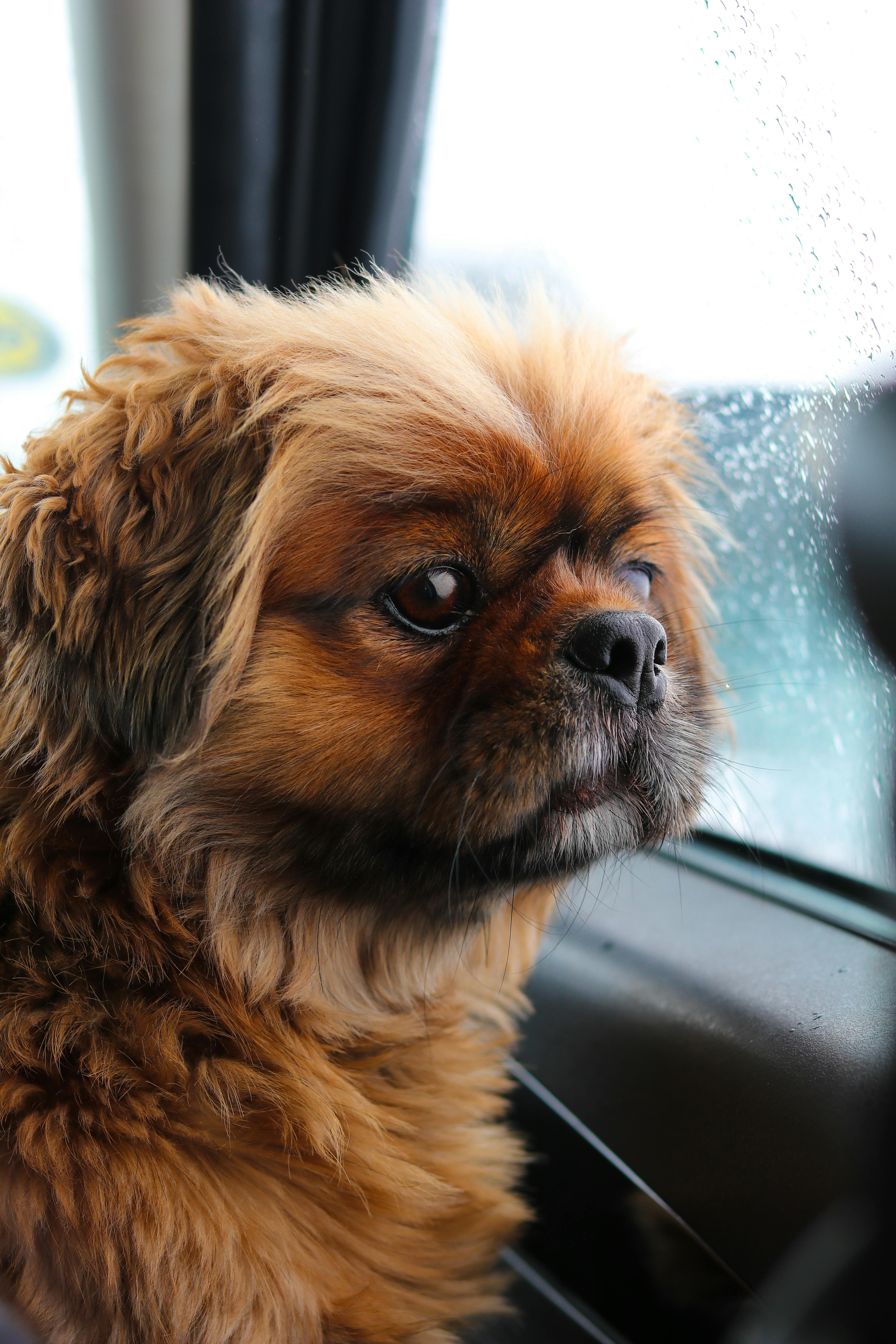
When people think about dogs, they often picture a happy pup with a cold, wet nose. But have you ever wondered why dogs have wet noses? Many people believe that a dog’s nose temperature and moisture level can tell something about their health and emotions. However, there’s a lot more to this than meets the eye. The myth of the cold, wet nose has been around for ages, but let’s uncover the fascinating truth behind it!
The Science Behind Wet Noses
Firstly, a dog’s nose serves various functions that are crucial for its survival and well-being. The moisture on a dog’s nose is primarily due to a combination of factors, including saliva, the environment, and the dog’s own biology. Here’s a breakdown of what’s going on:
- Scent Detection: A wet nose helps enhance a dog’s sense of smell. The moisture traps scent particles from the air, allowing the dog to detect odors better.
- Temperature Regulation: Dogs don’t sweat like humans do. Instead, they regulate their body temperature through panting and by using their noses. A cold, wet nose can aid in cooling them down.
- Health Indicator: While many believe that a cold nose indicates good health, it’s not always the case. A dog can have a warm, dry nose and still be perfectly healthy.
Why Do Dogs Have Wet Noses?
So, why do dogs have wet noses? Here are some reasons that explain this phenomenon:
- Nature’s Design: The structure of a dog’s nose is designed to absorb scent molecules efficiently.
- Behavioral Reasons: Dogs may lick their noses to keep it moist, especially when they are anxious or excited. This can also help them gather more information about their surroundings.
- Environmental Factors: Dogs often get their noses wet when they explore their environment, especially if they sniff around in grass, water, or food.
Emotional Insights from a Dog’s Nose
Many dog owners believe their pets’ noses can reveal their emotional state. So what does a dog’s wet nose really tell us about how they feel? Here’s some insights:
- Excitement: If your dog’s nose is particularly wet, they may be excited or curious about something.
- Calmness: A nose that’s moderately wet can indicate contentment and relaxation.
- Stress: If a dog’s nose is dry or warm, it might be a sign of stress or discomfort. However, this is not a hard and fast rule.
The Myths and Misconceptions
There are plenty of myths surrounding the cold, wet nose of a dog. Here are some common misconceptions:
- Myth 1: A cold, wet nose means a dog is healthy: While it can be an indicator, it’s not definitive. A dog can be sick with a warm, dry nose.
- Myth 2: Dogs only have wet noses due to illness: This is incorrect. Wet noses are a natural characteristic of dogs.
- Myth 3: All dogs’ noses are wet: Not all dogs have the same nose moisture level. Factors like breed, age, and health can affect this.
Practical Takeaways for Dog Owners
Understanding why dogs have wet noses can help you care for your pet better. Here are some practical tips for dog owners:
- Regular Check-ups: Monitor your dog’s nose, but don’t solely rely on it to determine health. Regular vet visits are important.
- Hydration: Ensure your dog stays well-hydrated, especially in hot weather. Dehydration can lead to a dry nose.
- Observe Behavior: Pay attention to your dog’s overall behavior. Are they eating well, playing, and acting normally? This is a better health indicator than their nose.
Fun Facts About Dog Noses
Did you know that dog noses are unique, just like human fingerprints? Here are some fun facts:
- Dogs have around 220 million scent receptors, compared to humans’ 5 million.
- The texture of a dog’s nose can vary by breed and individual traits.
- Dogs can detect certain diseases, like cancer, through scent.
In conclusion, the myth of the cold, wet nose is just that—a myth. While a dog’s nose can provide some insights into their health and emotions, it should not be the sole indicator of their well-being. Understanding the reasons behind why dogs have wet noses can enhance your bond with your furry friend, and help you be a more informed and caring pet owner. Embrace the quirks of your dog, and remember that every aspect of them—from their wet noses to their wagging tails—is part of what makes them special.
How to Care for Your Dog’s Nose: Tips for Maintaining Optimal Moisture Levels

Dogs are one of the most beloved pets, and their unique traits fascinate many. One of the most noticeable features of dogs is their wet noses. But why do dogs have wet noses, you ever wonder? This question is not just a trivial inquiry; it dives into the biology and behavior of our canine companions. Furthermore, understanding how to care for your dog’s nose can help maintain optimal moisture levels, which is important for their health.
Why Do Dogs Have Wet Noses?
So, why exactly do dogs have wet noses? There is a couple of reasons, really.
- Scent Detection: A dog’s nose is packed with scent receptors, and moisture helps enhance their ability to smell. When a dog’s nose is wet, it can capture more scent particles from the air, making them better at sniffing out food, other animals, or even you.
- Cooling Mechanism: Dogs don’t sweat like humans do. Instead, they regulate their body temperature through panting and the moisture on their noses. The wetness helps to cool them down in warm weather.
- Health Indicator: A wet nose is usually a sign of a healthy dog. While some dogs might have dry noses due to environmental factors, a consistently dry nose could indicate dehydration or illness.
How to Care for Your Dog’s Nose
Taking care of your dog’s nose is crucial, especially in dry climates or during winter months. It’s not just about keeping it moist; it also means ensuring it’s healthy. Here are some tips to maintain optimal moisture levels:
- Hydration is Key: Make sure your dog always has access to fresh water. Dehydration can lead to a dry nose and other health issues.
- Humidify Your Home: If you live in a particularly dry area, consider using a humidifier. This can help add moisture to the air, which can benefit your dog’s nose.
- Regular Vet Check-ups: Monitor your dog’s nose during routine vet visits. If you notice any sudden changes, discuss them with your veterinarian.
- Use Natural Balms: If your dog’s nose seems to be drying out, a natural balm can help. Look for products specifically made for dogs, and avoid human products which can be harmful.
- Monitor the Weather: Just like humans can get chapped lips, dogs can get chapped noses. In extreme cold or heat, make sure to keep an eye on your dog’s nose.
Signs of a Problematic Nose
It’s important to know how to spot potential issues with your dog’s nose. Here are some signs that might indicate a problem:
- Cracks or Bleeding: This can be a sign of extreme dryness or an underlying health issue.
- Discoloration: If the color of your dog’s nose changes significantly, it might be worth consulting a vet.
- Unusual Odor: A foul smell could indicate an infection or another health concern.
- Excessive Dryness: If your dog’s nose becomes persistently dry, it might be a sign of dehydration or other health issues.
Common Myths About Dog Noses
There are many myths surrounding dog noses. Here are a few that need debunking:
- A Dry Nose Means a Sick Dog: While a dry nose can indicate health issues, it’s not a definitive sign. Many healthy dogs have dry noses, especially in certain climates.
- All Wet Noses are Healthy: Just like dry noses, not all wet noses are indicators of health. Other symptoms should be considered too.
- Only Certain Breeds Have Wet Noses: All dogs can have wet noses, regardless of breed.
Fun Facts About Dog Noses
Here are some interesting tidbits that might make you appreciate your dog’s nose even more:
- The average dog has about 220 million scent receptors, compared to about 5 million in humans!
- A dog’s sense of smell is so powerful that it can detect certain diseases in humans, like cancer and diabetes.
- Dogs can even identify their owners by smell alone, even if they haven’t seen them in a long time.
Taking care of your dog’s nose is just one part of being a responsible pet owner. Understanding the reasons behind why dogs have wet noses can deepen your bond with your furry friend. Remember, a wet nose is not just cute; it’s a vital part of a dog’s health and well-being. So, keep those noses moist, and your pups happy!
Why Do Dogs Have Wet Noses? Unveiling the Truth Behind This Adorable Canine Trait
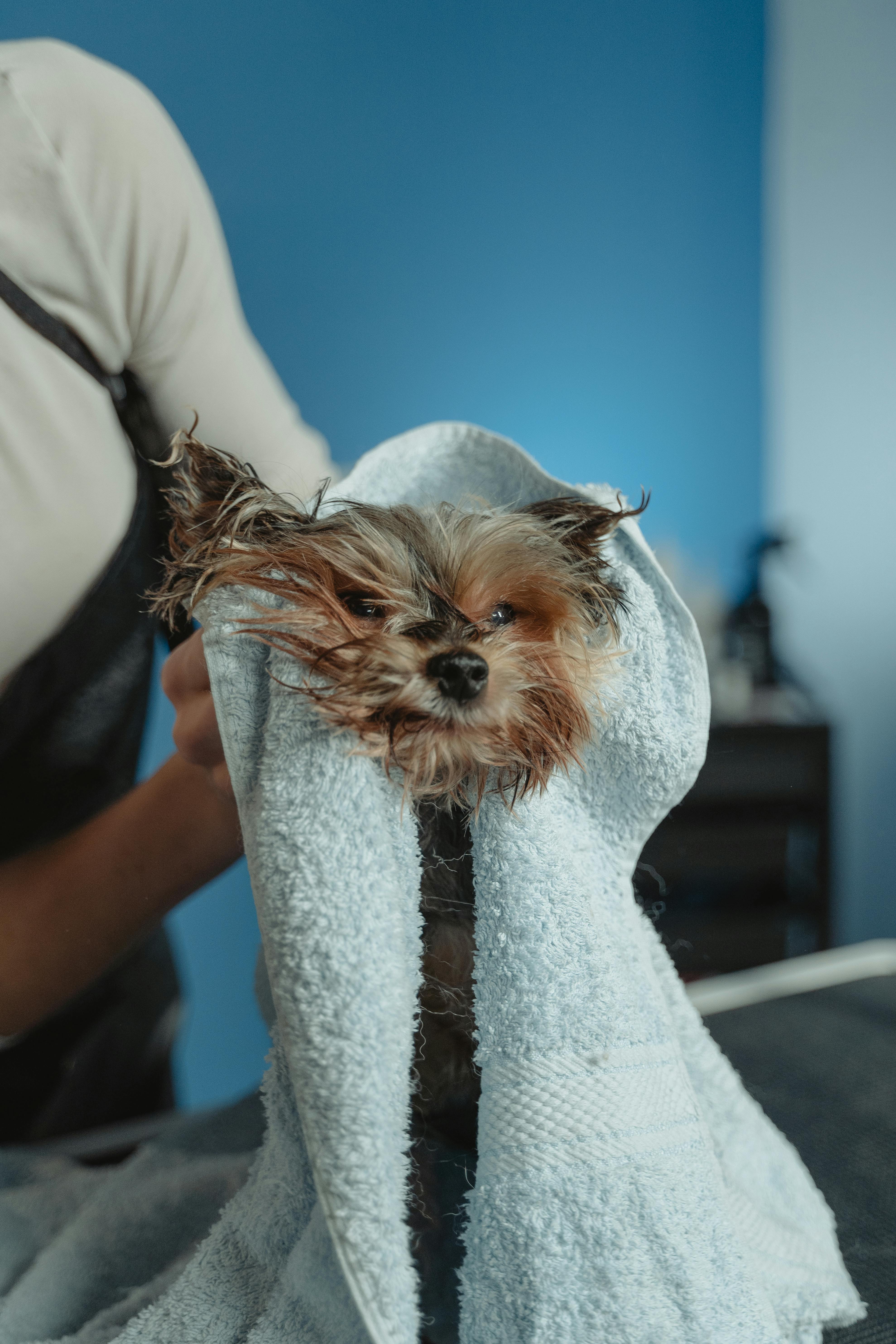
Dogs are some of the most beloved pets around the world. They are loyal companions, often bringing joy and laughter into our lives. One of the most curious traits about dogs is their wet noses. Have you ever wondered why do dogs have wet noses? It’s a question that many dog owners ask, and the answer is both fascinating and scientific. In this article, we will explore the reasons behind this adorable canine characteristic.
The Science Behind Wet Noses
A dog’s nose is not just for show. It plays a critical role in their sensory perception. The wetness of a dog’s nose serve several purposes:
- Enhanced Smell: A wet nose helps to absorb scent chemicals in the air. This makes it easier for dogs to pick up smells. Their sense of smell is way stronger than a human’s, and the moisture helps enhance that ability.
- Temperature Regulation: Dogs don’t sweat like humans do. They rely on their noses to regulate body temperature. A damp nose helps to cool them down on hot days.
- Health Indicator: The condition of a dog’s nose can be a sign of their health. A healthy nose is usually moist, while a dry or cracked nose might indicate dehydration or illness.
Historical Context of Dog Noses
The domestication of dogs goes back thousands of years. Early humans noticed that dogs with wet noses was better hunters. This trait may have been selected for as humans bred dogs for specific tasks. The wet nose became a desirable characteristic. Over time, this led to the variety of breeds we see today, all with their unique nose shapes and sizes.
Fun Facts About Dog Noses
Dogs noses are not just wet; they are also unique! Here are some fun facts:
- Unique Patterns: Just like human fingerprints, each dog has a unique nose print. It can be used for identification.
- Size Matters: Different breeds have different nose shapes and sizes. Breeds like Bloodhounds have long noses that help them track scents over long distances.
- Cold Weather: Dogs can get cold noses due to being outside in the cold. Their noses can get even wetter in colder climates, as the moisture can freeze slightly.
Comparing Dog Noses to Human Noses
When we think about noses, we often think about their functions and how they compare to our own. Here’s a simple breakdown:
| Aspect | Dog Nose | Human Nose |
|---|---|---|
| Moisture Levels | Usually wet | Usually dry |
| Sensory Ability | Highly sensitive to scents | Less sensitive |
| Temperature Control | Helps cool down | Sweating is primary method |
| Identification | Unique nose prints | Fingerprints |
Why Do Dogs Lick Their Noses?
Another interesting behavior related to dog noses is licking. Dogs often lick their noses, and this behavior has multiple meanings:
- Tasting: Licking helps dogs taste the air. They can gather information about their environment.
- Moisturizing: It keeps their noses moist and helps with scent detection.
- Stress Relief: Sometimes, dogs will lick their noses when they are anxious or stressed.
Practical Tips for Dog Owners
As a dog owner, it’s important to keep an eye on your dog’s nose. Here are some practical tips to maintain healthy noses:
- Hydration: Ensure your dog has enough water. Dehydration can lead to a dry nose.
- Environment: Protect your dog from extreme temperatures. Cold weather can dry out their noses.
- Regular Check-ups: Take your dog to the vet for regular check-ups. A change in nose condition could be a sign of health issues.
The Cutest Aspect of Dogs
There’s no denying the cuteness factor of a wet-nosed dog. Whether they are nudging you for attention or sniffing around, their adorable noses are part of what makes them so special. Observing their little quirks can bring a smile to anyone’s face.
So, next time you ask, “Why do dogs have wet noses?” remember the science, history, and fun facts that explain this endearing trait. Wet noses are not just cute; they play an essential role in a dog’s overall health and well-being. It’s a trait that connects our canine companions to their wild ancestors while also serving practical purposes in their everyday lives.
The next time you cuddle up with your furry friend, appreciate that wet nose, knowing the wonders it holds!
From Temperature Regulation to Scent Detection: The Multifaceted Purpose of a Dog’s Wet Nose

Dogs are known for many things, but one of their most distinctive features is their wet nose. Ever wondered why do dogs have wet noses? This curious trait serves multiple purposes that are both fascinating and essential to a dog’s everyday life. Let’s explore the intriguing reasons behind this unique characteristic, from temperature regulation to scent detection.
The Science of a Dog’s Nose
A dog’s nose is more than just a cute feature; it’s a powerful tool for survival and communication. The wetness of a dog’s nose comes from a thin layer of mucus, which serves several functions.
Enhanced Sense of Smell: Dogs have an extraordinary sense of smell, and their wet noses help to absorb scent molecules from the air. This helps to enhance their olfactory perception.
Temperature Regulation: Just like humans sweat to cool down, dogs use their noses to help regulate their body temperature. The evaporation of moisture from their noses helps cool them down.
Health Indicator: A dog’s nose can also be a good indicator of their health. Typically, a healthy dog has a moist nose, whereas a dry nose could indicate dehydration or illness. However, this isn’t a foolproof method as there are many factors that can affect nose moisture.
How Dogs Use Their Noses
Dogs rely heavily on their noses for various activities. Here are some important functions that demonstrate how vital a wet nose is for dogs:
Scent Detection: Dogs can detect scents at incredibly low concentrations. Their noses have about 300 million olfactory receptors compared to a human’s 5 million. This means they can pick up scents from far away.
Tracking: Many working dogs, like search and rescue or police dogs, are trained to track scents. They can follow a scent trail, which can lead them to missing persons or detect drugs.
Communication: Dogs also communicate with each other through scent. They use their noses to gather information about other animals, like their reproductive status or health.
Historical Context of Dogs’ Noses
The wet nose trait has been around for thousands of years, dating back to the domestication of dogs from wolves. Early humans recognized their unique abilities, and they started using dogs for hunting, herding, and protection. The wet nose was particularly beneficial in tracking scents during hunts, making dogs invaluable companions.
Fun Facts About Dogs and Their Noses
Dogs Can Smell Diseases: Research has shown that dogs can detect certain diseases, like cancer and diabetes, through their incredible sense of smell. They can sense changes in the body’s chemistry that humans cannot.
Wetness Varies: The moisture level of a dog’s nose can vary depending on the weather, activity level, and health. For example, after running around outside, their noses may be wetter.
Color Matters: The color of a dog’s nose can also have implications. Dogs with lighter-colored noses may have less moisture compared to those with darker ones.
Comparing Dog Noses to Human Noses
The differences between dog noses and human noses are fascinating. Here’s a quick comparison:
| Feature | Dog Nose | Human Nose |
|---|---|---|
| Number of Receptors | ~300 million | ~5 million |
| Scent Detection | Extremely sensitive | Less sensitive |
| Moisture Level | Usually wet | Typically dry |
| Temperature Regulation | Yes, through evaporation | No, relies on sweating |
Practical Insights for Dog Owners
If you’re a dog owner, here are some practical insights on your furry friend’s wet nose:
Regular Checkups: Keep an eye on your dog’s nose. If it becomes persistently dry or cracked, consult your vet.
Hydration: Ensure your dog stays hydrated, especially in hot weather. A well-hydrated dog often has a moist nose.
Nose Care: In winter, dogs can suffer from dry noses. Consider applying a dog-safe balm to protect their noses from harsh conditions.
Understanding why do dogs have wet noses not only satisfies curiosity but also deepens our appreciation for these incredible animals. Their wet noses are a part of what makes dogs such extraordinary companions, providing them with the tools they need to explore the world and connect with us on a deeper level. As we continue to learn more about our canine friends, it’s clear that their unique features and abilities go far beyond what meets the eye.
Conclusion
In conclusion, the wet noses of dogs serve several important functions that contribute to their overall health and well-being. The moisture helps enhance their sense of smell, allowing them to gather more scent particles from the environment, which is crucial for their communication and exploration. Additionally, a wet nose plays a role in thermoregulation, helping dogs regulate their body temperature. While the common belief that a wet nose indicates good health holds some truth, it’s essential to monitor other signs of well-being in your furry friend. If you notice any significant changes in your dog’s nose or overall health, don’t hesitate to consult your veterinarian. Understanding why dogs have wet noses not only deepens our appreciation for these beloved companions but also reminds us of the importance of regular health check-ups. Let’s celebrate our dogs’ unique physiology and ensure they live long, healthy lives!
