Have you ever wondered why do dogs have wet noses? This intriguing question has fascinated dog lovers and pet owners alike for centuries. A dog's nose is not just cute; it's a fascinating feature that serves many important purposes. Wet noses help dogs to smell better, enhancing their incredible sense of smell. But that’s not all! Have you ever thought about how a wet nose could indicate your dog's health? In this post, we will uncover the mystery behind wet noses and explore the reasons behind it. You might be surprise to learn that a dog's nose is a powerful tool for communication and temperature regulation! So, why do dogs have wet noses, and what does it mean for their health and well-being? If you’re curious about this unique aspect of your furry friend, keep reading to discover the science and secrets behind those adorable, moist noses. Whether you're a seasoned dog owner or a curious novice, understanding these mysteries can deepen your bond with your canine companion. Get ready to dive into the world of dogs and uncover the truth about their wet noses!
\n\nThe Science Behind Wet Noses: Why Do Dogs Have This Unique Trait?
\n\n \n\n
\n\nThe science behind wet noses is a fascinating topic that many dog lovers often wonder about. Have you ever asked yourself, why do dogs have wet noses? This unique trait is not just an adorable quirk; it serves multiple purposes and has evolutionary significance. Let’s dive into the intriguing world of canine physiology to uncover this mystery.
\nWhat Makes a Dog's Nose Wet?
\nA dog's nose is typically wet because it is covered with a thin layer of mucus. This moisture helps in multiple ways:
\n- \n
- \n
Enhanced Smell: Dogs have a remarkable sense of smell, estimated to be 10,000 to 100,000 times more sensitive than humans. The moisture on their noses helps trap scent particles, making it easier for them to identify different smells.
\n \n - \n
Temperature Regulation: Dogs do not sweat like humans. Instead, they cool off by panting or through their noses. A wet nose helps to regulate their body temperature efficiently.
\n \n - \n
Health Indicator: A wet nose is often considered a sign of good health in dogs. However, it’s important to note that a dry nose does not always mean a dog is sick. Various factors can influence the moisture level.
\n \n
Evolutionary Significance
\nThe wet nose trait in dogs has evolutionary roots. In the wild, canines relied heavily on their sense of smell for hunting and survival. The moisture on their noses helps enhance their olfactory capabilities, essential for tracking prey. Here are some interesting points about the evolution of dog noses:
\n- \n
- \n
Ancestral Traits: Dogs descended from wolves, who also have wet noses. This feature likely helped their ancestors in hunting and social interactions.
\n \n - \n
Adaptation: Over time, dogs have adapted to various environments, but the wet nose trait remained crucial for their survival and social behavior.
\n \n
Fun Facts About Dog Noses
\n- \n
- \n
Unique Patterns: Just like human fingerprints, each dog has a unique nose print. This could potentially be used for identification.
\n \n - \n
Color Variation: Dog noses can come in various colors, including black, brown, and pink. The color can sometimes indicate breed or health conditions.
\n \n - \n
Temperature Sensitivity: Dogs can detect slight changes in temperature through their noses, which can be beneficial for various situations, including identifying hot surfaces.
\n \n
Comparing Wet Noses to Dry Noses
\nHere’s a quick comparison of wet versus dry noses in dogs:
\n| Feature | \nWet Nose | \nDry Nose | \n
|---|---|---|
| Scent Detection | \nEnhanced ability to detect scents | \nLess effective at scent detection | \n
| Temperature Regulation | \nHelps cool the body | \nLess efficient cooling | \n
| Health Indicator | \nTypically a sign of good health | \nMay indicate dehydration or illness, but not always | \n
| Moisture Level | \nUsually moist and cool | \nCan vary; might be warm and dry | \n
Dogs and Their Environment
\nMany factors can influence a dog's nose moisture. For instance, humidity levels in the environment play a crucial role. In humid conditions, dogs' noses may stay wetter, while in dry climates, their noses may become drier.
\n- \n
- \n
Weather Impact: Cold weather can cause a dog’s nose to dry out, while rain can keep it moist.
\n \n - \n
Health Factors: Certain health issues or medications can also affect nose moisture. For example, a dog might have a dry nose due to dehydration or fever.
\n \n
The Role of Grooming
\nGrooming plays an important role in maintaining a dog’s overall health, including their nose. Regular check-ups can help in identifying any changes in the moisture level of a dog's nose. Some tips for keeping a dog's nose healthy include:
\n- \n
- \n
Hydration: Ensure your dog has access to fresh water at all times.
\n \n - \n
Avoid Allergens: Limit exposure to allergens that may irritate the nose.
\n \n - \n
Regular Vet Visits: Keep up with veterinary appointments to catch any potential issues early.
\n \n
Dogs have been our loyal companions for thousands of years, and understanding their unique traits, like their wet noses, brings us closer to them. The moisture on a dog's nose is not just for show; it plays a vital role in their sensory capabilities and overall health. So next time you pet your furry friend, take a moment to appreciate the science behind that wet, cold nose and what it means for their well-being.
\n\n5 Fascinating Reasons Your Dog's Nose Is Always Wet
\n\n \n\n
\n\nDogs have always been our loyal companions, and their adorable quirks often leave us puzzled. One of the most fascinating things about dogs is the condition of their noses. Ever wonder why do dogs have wet noses? Let’s dive into this mystery and explore five captivating reasons behind this unique characteristic.
\n1. The Science of Scent
\nOne big reason why a dog’s nose is often wet is, well, their incredible sense of smell. Dogs’ noses are covered in a mucus layer which help to capture scent particles from the air. This mucus not only helps them sniff better, but it also keep the nose moist, which is important for detecting smells more accurately. A wet nose can absorb scent better than a dry one, which is why dogs can pick up on things humans can't even sense!
\n2. Thermoregulation
\nDogs don’t sweat like humans do. Instead, they rely on their noses to help regulate body temperature. When a dog’s nose is wet, it aids in cooling down the body. As the moisture evaporates, it takes some heat away from the dog, helping them stay comfortable. So, if you see your pup’s nose glistening, it could mean they’re working hard to keep cool, especially on a hot summer day!
\n3. Health Indicators
\nA wet nose can sometimes be an indicator of a dog’s overall health. Generally, healthy dogs tend to have moist noses. However, it’s important to note that the condition of a dog’s nose can change throughout the day or depending on their activity levels. If you notice a dramatic change in moisture or if the nose becomes dry or cracked, it might be a sign of illness. Here are some health indicators related to a dog’s nose:
\n- \n
- Normal moisture: Healthy and hydrated \n
- Excessively dry: Possible dehydration or illness \n
- Cracked or bleeding: Potential infection or injury \n
4. The Role of Temperature and Humidity
\nEnvironmental factors play a significant role in how wet or dry a dog’s nose might be. Humidity and temperature can affect moisture levels. For instance, during cold, dry winter months, you might notice that your dog’s nose is less moist. On the other hand, during humid summer days, their noses might be more damp. This is just a way dogs adapt to their surroundings. They are pretty remarkable that way!
\n5. Genetic Factors
\nJust like humans, dogs come in many shapes and sizes, and that includes their noses! Different breeds have different characteristics, and some dogs naturally have wetter noses than others. For instance, breeds like Labrador Retrievers or Golden Retrievers tend to have wetter noses compared to breeds such as Bulldogs. Genetics plays a role in how often a dog’s nose is moist or dry.
\nFun Facts About Dog Noses
\n- \n
- Dogs have up to 300 million scent receptors in their noses, compared to a human’s 5 million. \n
- The wetness of a dog’s nose can actually help in cooling them down, similar to how we sweat. \n
- A dog’s sense of smell is so strong they can even detect certain medical conditions in humans, such as diabetes or cancer. \n
- Dogs can recognize their owner's scent even after a long period of time. \n
- Some dogs are trained to sniff out drugs, explosives, or even bed bugs! \n
A Quick Comparison of Dog Breeds and Nose Moisture
\n| Breed | \nTypical Nose Moisture | \n
|---|---|
| Labrador Retriever | \nVery moist | \n
| Bulldog | \nModerately moist | \n
| Beagle | \nMoist to dry | \n
| German Shepherd | \nUsually moist | \n
| Poodle | \nCan vary, but often moist | \n
So, the next time you pet your dog and feel that wet nose, remember that it’s not just an adorable feature—it’s a mix of science, evolution, and health indicators. The moisture on a dog’s nose serves several important functions, and it’s part of what makes them so special. Each dog is unique, and understanding their biology can deepen the bond you share with your furry friend. Embrace the curiosity of why do dogs have wet noses, and let it lead you to appreciate their fascinating nature even more!
\n\nHow a Dog's Wet Nose Impacts Their Sense of Smell: Discover the Connection
\n\n \n\n
\n\nDogs, those lovable furry companions, have many peculiar traits that make them truly unique. One of the most interesting features is their wet noses. You might of wondered why dogs have wet noses, and how does it connects to their remarkable sense of smell? This article delve into this fascinating subject and uncover the mysteries behind those moist, cold noses.
\nThe Science Behind a Dog's Nose
\nA dog's nose is not just cute; it's a complex organ that plays a crucial role in their sensory perception. Dogs have around 220 million scent receptors in their noses compared to humans, who have about 5 million. This massive difference gives dogs an astonishing ability to detect scents. But what role does the wetness of their noses play in this?
\nWhy Are Dog Noses Wet?
\n- \n
- \n
Humidity and Scent Particles: A wet nose helps dogs capture scent particles better. When their noses are moist, they can trap these particles more effectively. Think of it as a sponge soaking up water; the wet surface attracts and holds onto scent molecules, enhancing their ability to smell.
\n \n - \n
Cooling Mechanism: Dogs do not sweat like humans do. Instead, they rely on their noses and panting to regulate body temperature. The moisture on their noses helps to cool them down when they are feeling hot.
\n \n - \n
Health Indicator: A dog's nose can reveal a lot about its health. Generally, a wet nose is a sign of a healthy dog. However, a dry or cracked nose could indicate dehydration or illness.
\n \n
Historical Context of Dog Noses
\nThroughout history, dogs have been revered for their sense of smell. Ancient civilizations often utilized dogs for hunting and tracking due to their enhanced olfactory capabilities. In World War II, dogs were trained to detect explosives and locate injured soldiers. Their noses have been used in various fields, including search and rescue, therapy, and even detecting diseases like cancer.
\nComparison: Dog Noses vs. Human Noses
\nHere’s a quick comparison to show just how much more advanced dogs are in terms of smelling:
\n| Feature | \nDogs | \nHumans | \n
|---|---|---|
| Scent Receptors | \n220 million | \n5 million | \n
| Ability to Smell | \n40 times better | \nStandard human ability | \n
| Detection of Scents | \nCapable of detecting specific odors (e.g., drugs, diseases) | \nLimited to common scents | \n
Practical Examples of Dog Smelling Abilities
\n- \n
- \n
Search and Rescue: Dogs are trained to find missing persons in natural disasters or wilderness areas. Their ability to detect the faintest scent trails can lead rescuers to those in need.
\n \n - \n
Therapy and Medical Detection: Some dogs can detect changes in human body chemistry, alerting their owners to conditions like impending seizures or drops in blood sugar.
\n \n - \n
Tracking and Hunting: Traditionally, hunting dogs have been used to track game. Their noses guide hunters to their targets with remarkable precision.
\n \n
The Role of Breed in Smell
\nDifferent dog breeds have varying abilities when it comes to their sense of smell. Some breeds, like Bloodhounds and German Shepherds, are especially renowned for their tracking abilities, while others may not have the same level of olfactory prowess.
\n- \n
- \n
Bloodhound: Known for their incredible sense of smell, they can track scents over several days and miles.
\n \n - \n
Beagle: Often used in detection work, beagles are friendly and have a keen sense of smell.
\n \n - \n
German Shepherd: Frequently used in police and military services for their intelligence and smell.
\n \n
Conclusion
\nA dog's wet nose is much more than just an endearing trait; it plays a significant role in their ability to smell the world around them. Understanding why dogs have wet noses and how this feature enhances their olfactory capabilities not only deepens our appreciation for them but also highlights the incredible bond we share with these animals. So next time you see your furry friend with that cold, wet nose, remember its fascinating connection to their extraordinary sense of smell!
\n\nIs Your Dog’s Wet Nose a Sign of Good Health? Find Out Now!
\n\n \n\n
\n\nIs your dog's wet nose a sign of good health? This question is on many pet owners' minds, and it's a fascinating topic that dives deep into our furry friends' biology. Many people are curious about why do dogs have wet noses and if that moisture really indicates something about their well-being. Let's explore this intriguing matter and uncover some fascinating insights.
\nThe Science Behind a Dog's Wet Nose
\nDog’s noses are often moist, and that's not just for show. There are several reasons why dog noses tend to be wet:
\n- \n
- \n
Temperature Regulation: Dogs, unlike humans, don’t sweat through their skin. Instead, they primarily rely on their noses to help cool down. The moisture on a dog’s nose evaporates, which helps to regulate their body temperature.
\n \n - \n
Enhanced Sense of Smell: A wet nose helps to trap scent particles in the air. This moisture enhances their olfactory senses, making it easier for dogs to pick up on different smells. It’s like having a super-powered sniffing tool!
\n \n - \n
Health Indicator: A wet nose can also indicate a dog's hydration level. Generally, a healthy dog will have a moist nose, while a dry nose can sometimes point to dehydration or illness. But, this is not a strict rule.
\n \n
Why Do Dogs Have Wet Noses? Uncover This Fascinating Mystery!
\nThe mystery of why dogs have wet noses goes beyond just biology. Here’s a quick rundown of some interesting facts:
\n- \n
- \n
Evolutionary Advantage: Dogs are descended from wolves, who need a keen sense of smell for hunting. A wet nose was likely a beneficial trait passed down through generations for survival.
\n \n - \n
Behavioral Aspect: Dogs often lick their noses to keep them moist. It’s a natural behavior, and it can also be a way for them to gather information about their environment.
\n \n - \n
Environmental Factors: Weather can play a role too! When it’s humid, dogs’ noses are often wetter. Conversely, in dry conditions, you may notice they become drier too.
\n \n
Signs of a Healthy Dog Nose
\nSo how can you tell if your dog's nose is healthy? Here are some signs to look for:
\n- \n
- Moisture Level: A healthy nose should be moist but not dripping wet. \n
- Temperature: A cool nose is often a good sign; if it feels unusually hot, it might indicate a fever. \n
- Color: Typically, a healthy nose is a consistent color; any sudden changes can indicate health issues. \n
- Cracks and Dryness: This can be a sign of dehydration or other health concerns. \n
What If Your Dog’s Nose Is Dry?
\nIf you notice your dog’s nose is dry, it doesn’t always mean there’s a problem. Here are some things to consider:
\n- \n
- Hydration: Ensure your dog has access to plenty of fresh water. \n
- Weather: Hot, dry weather can cause noses to dry out. \n
- Allergies: Just like humans, dogs can have allergies that affect their noses. \n
- Health Issues: Persistent dryness can be a sign of a medical condition. If you’re worried, it’s best to consult your veterinarian. \n
Quick Tips for Keeping Your Dog’s Nose Healthy
\nHere are some easy ways to maintain your dog’s nose health:
\n- \n
- Hydration: Always provide fresh water. \n
- Regular Vet Visits: Keep up with routine check-ups for your dog. \n
- Limit Sun Exposure: Just like humans, dogs can get sunburned. Consider using pet-safe sunscreen on their noses if they’re going to be out in the sun for long periods. \n
- Clean Environment: Keep the area where your dog spends time clean and free from irritants. \n
Fun Facts About Dog Noses
\n- \n
- Dogs have about 300 million smell receptors in their noses, compared to humans' 5 million. \n
- The pattern on a dog’s nose is unique, much like a human fingerprint! \n
- Dogs can detect certain diseases in humans, such as cancer, due to their exceptional sense of smell. \n
In the end, while a wet nose can be a sign of good health for your dog, it’s not the only indicator. Keeping an eye on other factors, like behavior and overall condition, is crucial too. If you ever feel uncertain about your dog’s health, always consult with your veterinarian. They can provide you with the best guidance tailored to your furry friend’s needs. Remember, every dog is different, and understanding them is part of being a responsible pet owner.
\n\nThe Role of Nose Moisture in Canine Communication: What You Need to Know
\n\n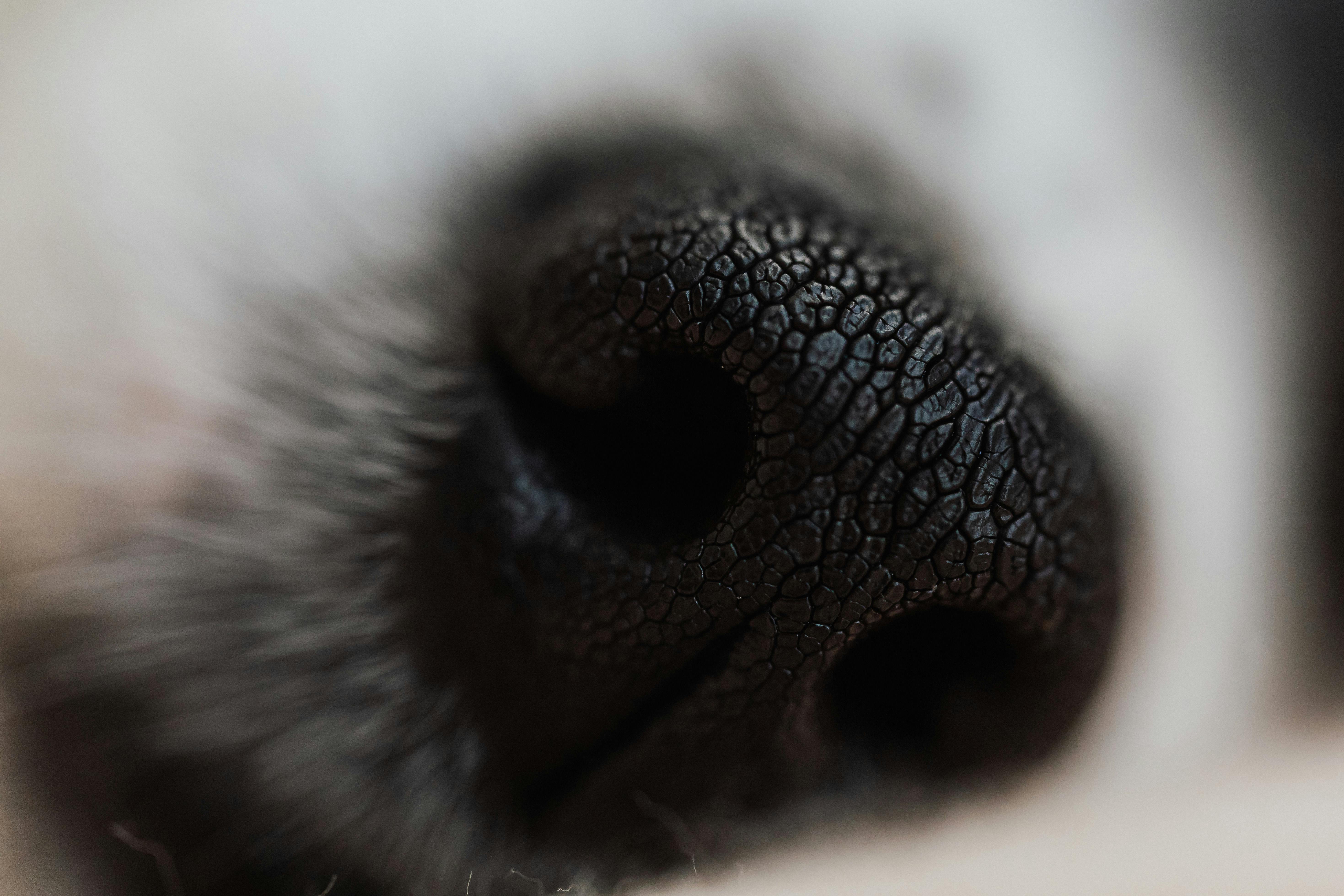 \n\n
\n\nDogs are often regarded as man's best friend, but have you ever wondered about the significance of their wet noses? It’s not just a cute feature; there's a fascinating science behind it. The moisture on a dog's nose plays a vital role in how they communicate and experience the world. Understanding this can help strengthen your bond with your furry companion and give you insight into their behaviors. So, why do dogs have wet noses? Let’s delve into this intriguing mystery.
\nThe Science of Nose Moisture
\nA dog's nose is moist for several reasons, all of which contribute to their unique way of interacting with their environment. The moisture helps to enhance their sense of smell, which is far superior to that of humans. Here are some key points:
\n- \n
- Olfactory Function: Dogs have up to 300 million olfactory receptors in their noses, compared to about 5 million in humans. This makes their sense of smell incredibly powerful. The moisture on their nose helps to trap scent particles, allowing them to absorb more information about their surroundings. \n
- Temperature Regulation: Just like humans sweat to cool down, dogs use their noses to regulate their body temperature. If a dog gets too hot, the moisture can evaporate, helping to cool them down. \n
- Communication Tool: Dogs communicate through scent, and a wet nose can indicate a dog’s emotional state. For example, a dog with a wet nose may be more relaxed and open to social interaction. \n
Why Do Dogs Have Wet Noses?
\nSo, why exactly do dogs have wet noses? There are a few factors that contribute to this phenomenon.
\n- \n
- Natural Secretion: Dogs' noses produce a thin layer of mucus that keeps them moist. This secretion is a natural response and is essential for their sensory capabilities. \n
- Environmental Factors: Dogs can often be seen sniffing around, and their noses can get wet from the grass, dew, or even their own drool. This external moisture adds to the wetness, helping them pick up scents more effectively. \n
- Health Indicator: A wet nose is typically a sign of good health, while a dry or cracked nose can indicate illness or dehydration. Monitoring your dog's nose can be a simple way to gauge their well-being. \n
The Role of Nose Moisture in Canine Communication
\nDogs use their noses not just for smelling but also as a way to communicate with each other and with humans. The moisture can carry scent signals that convey emotions, status, and even warnings.
\n- \n
- Greeting: When dogs meet, they often sniff each other’s noses. A wet nose during this interaction indicates openness and friendliness. \n
- Fear or Anxiety: A dog might have a dry nose when they are stressed or scared. This can serve as a warning sign for pet owners. \n
- Playfulness: A dog with a moist nose who’s wagging its tail and showing excitement is likely inviting you to play. \n
Fun Facts About Dog Noses
\n- \n
- Unique Patterns: Just like human fingerprints, every dog's nose print is unique. This is why some places have started to use nose prints as a form of identification! \n
- Color Variations: The color of a dog’s nose can vary widely among breeds. Some dogs have black noses, while others may have pink or spotted noses. \n
- Sensitivity: Dogs’ noses are not just wet; they are also incredibly sensitive. Dogs can detect certain scents in parts per trillion, making them invaluable in search and rescue missions. \n
Caring for Your Dog's Nose
\nKeeping your dog's nose healthy is crucial. Here are some tips for maintaining your pup's snout:
\n- \n
- Hydration: Make sure your dog has access to fresh water at all times to prevent dehydration and keep their nose moist. \n
- Check for Cracks: Regularly examine your dog's nose for dryness or cracks, which could indicate a health issue. \n
- Avoid Harsh Chemicals: When cleaning around your home, be cautious with household cleaners that could irritate your dog's sensitive nose. \n
In exploring why dogs have wet noses, we open a window into the fascinating world of canine communication and health. Understanding these nuances not only deepens our appreciation for our pets but also enhances the way we care for them. So, the next time you give your dog a scratch behind the ears, take a moment to admire that wet nose—it's not just adorable; it's a crucial part of their communication toolkit!
\n\nWet Nose Wonders: The Surprising Benefits of a Moist Canine Snout
\n\n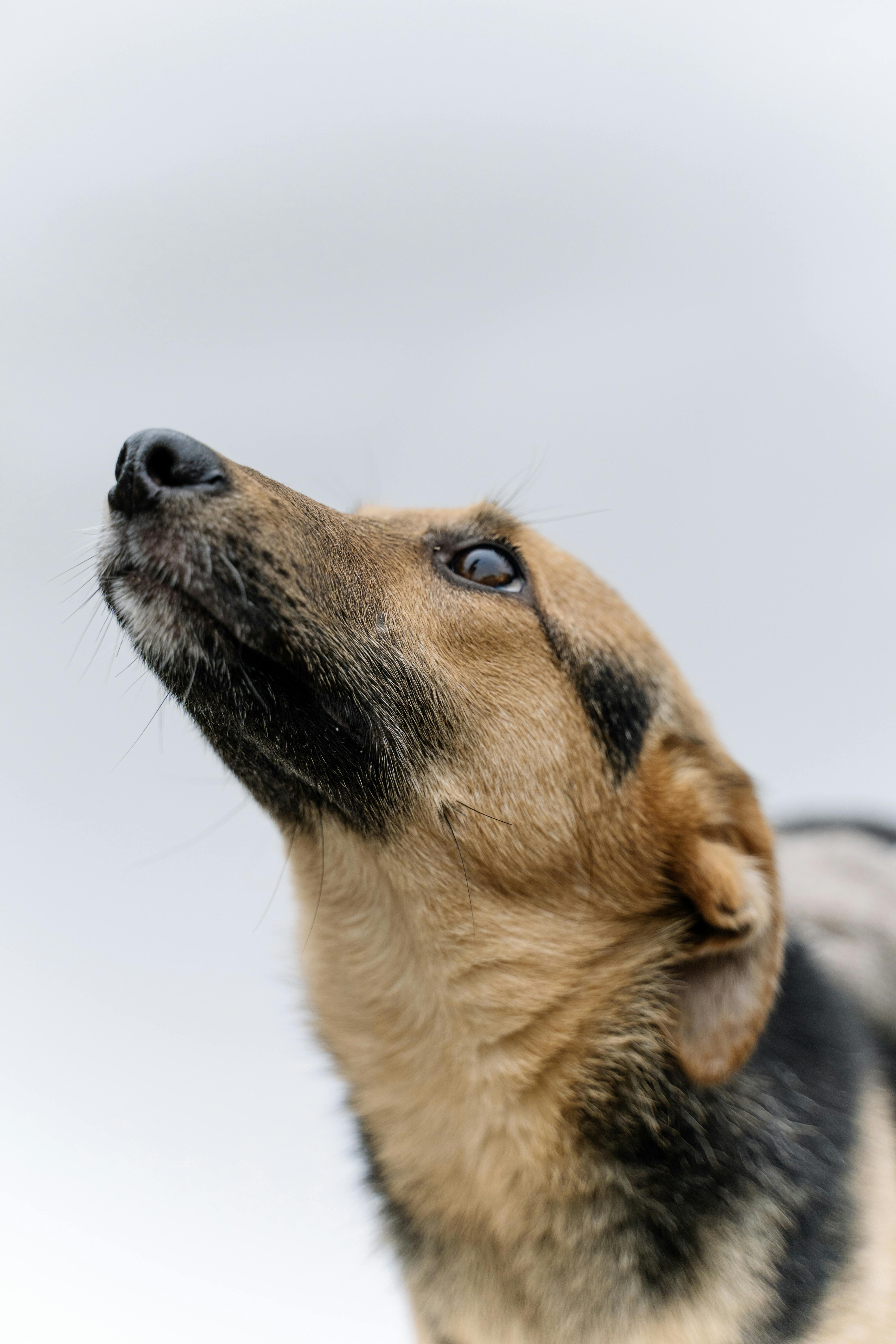 \n\n
\n\nDogs are often called “man’s best friend,” and one of the most endearing features of these loyal companions is their wet noses. But why do dogs have wet noses? It’s a question that many pet owners might have pondered at some point. The answer to this inquiry is more than just a curiosity; it reveals a lot about dogs' health, behavior, and even their evolution.
\nThe Science Behind Wet Noses
\nA dog's nose is not just a cute feature; it serves several important purposes. The moisture on a dog’s snout plays a critical role in their ability to smell, which is significantly better than humans. Here’s how it works:
\n- \n
- Enhanced Smell: The wetness of a dog's nose helps to capture scent particles in the air. When the nose is moist, it can absorb more scent molecules, which allows dogs to detect smells far better than humans can. \n
- Cooling Mechanism: Dogs do not sweat like humans. Instead, they rely on their noses and paw pads to help regulate body temperature. A moist nose can assist in cooling down their body, especially during hot weather. \n
- Health Indicator: A dog's nose can also indicate its health. A consistently dry or cracked nose might suggest dehydration or illness, while a moist, cool nose is often a sign of a healthy pup. \n
Historical Context of the Wet Nose
\nThe evolution of the canine nose is fascinating. Dogs descended from wolves, who also have moist noses. Over time, as dogs were domesticated, certain traits were enhanced. The wet nose may have been beneficial for early humans, too, as it allowed dogs to be better hunters and companions.
\nBenefits of a Moist Canine Snout
\n- \n
- \n
Scent Detection: Dogs have around 220 million smell receptors, compared to a human’s 5 million. The moisture helps to maximize their ability to detect scents, which is why many service dogs are trained to sniff out drugs or even medical conditions like low blood sugar.
\n \n - \n
Thermoregulation: In addition to cooling down, a dog's nose can help maintain overall body temperature. When dogs are overheated, they pant and their noses may also become drier. If you notice your dog’s nose becoming excessively dry, it may be time to offer water or check with a vet.
\n \n - \n
Social Interaction: Dogs often communicate through sniffing. A moist nose allows them to gather information about other dogs or their environment, which is crucial for social behavior.
\n \n - \n
Grooming Aid: Dogs often lick their noses to keep them moist. This behavior is not only instinctual but also acts as a form of self-grooming, helping to keep the nose clean and sensitive.
\n \n
Fun Facts About Dog Noses
\n- \n
- \n
Unique Patterns: Just like human fingerprints, each dog's nose has a unique pattern of ridges and creases. This means it could be used for identification, similar to how we use fingerprints.
\n \n - \n
Temperature Sensitivity: A dog's nose can detect temperature changes, which can be vital for survival. For instance, they can sense warm bodies from a distance, which is helpful in hunting scenarios.
\n \n - \n
Nose Work: The activity of using a dog's sense of smell for tasks is known as "nose work." It's a popular sport that taps into their natural abilities and can be a fun activity for both dogs and their owners.
\n \n
Comparing Dog Noses to Human Noses
\nHere's a quick comparison between dog noses and human noses:
\n| Feature | \nDog Nose | \nHuman Nose | \n
|---|---|---|
| Number of Smell Receptors | \n220 million | \n5 million | \n
| Moisture Level | \nTypically wet and cool | \nGenerally dry | \n
| Purpose of Moisture | \nEnhances scent detection | \nMinimal effect | \n
| Unique Patterns | \nYes, each is unique | \nNo, similar among humans | \n
Practical Examples of Nose Behavior
\n- \n
- Sniffing: Dogs often sniff each other when they greet, using their noses to gather information about one another. \n
- Licking: If a dog licks their nose frequently, it could indicate that they are either thirsty or anxious, as licking can be a self-soothing behavior. \n
Understanding why dogs have wet noses goes beyond just curiosity. It relates to their health, communication, and even their social interactions with both humans and other animals. Keeping an eye on your dog’s nose can provide insight into their overall well-being. If the nose is too dry or changes character, it might be a sign to consult a veterinarian.
\nSo next time you see your furry friend with their adorable, moist nose, you'll know there’s a lot more going on than meets the eye!
\n\nWhy Do Some Dogs Have Drier Noses? Unraveling the Mystery of Variations
\n\n \n\n
\n\nDogs are among the most beloved pets worldwide, and their quirky traits often spark curiosity. One such topic that many dog owners ponder is why do some dogs have drier noses while others have wet ones. This question isn't just a matter of aesthetics; it actually links to a dog's health and wellbeing. Let's dive into the fascinating mechanics behind dog noses and unravel the mystery of wet and dry noses.
\nWhy Do Dogs Have Wet Noses?
\nTo understand this, it’s important to know that a wet nose serves several significant purposes for dogs. Here are some key reasons:
\n- \n
- \n
Temperature Regulation: Dogs don't sweat like humans do. Instead, they cool down through panting and the moisture on their noses helps to cool the air they inhale. A wet nose can be a sign of a healthy dog that is regulating its body temperature effectively.
\n \n - \n
Enhanced Sense of Smell: Dogs have a remarkable sense of smell, estimated to be 10,000 to 100,000 times more sensitive than that of humans. A wet nose helps trap scent particles, making it easier for dogs to pick up various smells in their environment.
\n \n - \n
Nasal Mucus: The moisture on a dog's nose is primarily mucus, which helps to keep their sense of smell sharp. This is also why you might notice your dog sniffing around intensely when outside—it's their way of exploring the world through their noses.
\n \n
The Science Behind Dry Noses
\nNow, let’s discuss why some dogs have drier noses. This can be due to several factors:
\n- \n
- \n
Dehydration: If a dog isn't drinking enough water, it might show signs of dehydration. A dry nose can be one of the initial indicators. Therefore, ensuring your dog has access to fresh water is essential.
\n \n - \n
Environmental Factors: Just like humans can get chapped lips in dry weather, dogs also can experience dry noses. Hot weather, low humidity, or excessive air conditioning can dry out a dog's nose.
\n \n - \n
Health Issues: Sometimes, a dry nose can be a sign of underlying health issues, such as fever, allergies, or autoimmune diseases. If a dog’s nose is persistently dry and cracked, it might be time to consult a veterinarian.
\n \n
Common Misconceptions
\nThere are plenty of myths surrounding dog noses. Let's break down some of the common misconceptions:
\n- \n
- \n
Myth: A dry nose always means a sick dog.
\n- \n
- Reality: While a persistently dry nose can indicate health problems, many healthy dogs have dry noses, especially in certain conditions. \n
\n - \n
Myth: A warm nose means a dog is sick.
\n- \n
- Reality: Nose temperature is not a reliable indicator of health. Dogs can have warm noses for various reasons, including sleeping or being in a warm environment. \n
\n - \n
Myth: All dogs' noses should be wet.
\n- \n
- Reality: Just like humans, dogs can have different characteristics. Some breeds are more prone to drier noses than others. \n
\n
Comparison of Wet vs. Dry Noses
\nHere is a simple comparison table outlining the differences between wet and dry noses in dogs:
\n| Feature | \nWet Nose | \nDry Nose | \n
|---|---|---|
| Temperature | \nUsually cool | \nMay feel warm | \n
| Texture | \nSmooth and moist | \nRough or cracked | \n
| Health Indicator | \nGenerally healthy | \nCan indicate issues | \n
| Environmental Impact | \nMore common in humid climates | \nMore common in dry climates | \n
Practical Tips for Dog Owners
\nIf you notice your dog has a dry nose, here’s some practical advice:
\n- \n
- \n
Hydration: Ensure your dog is drinking enough water. You can also offer wet dog food or add water to their dry kibble.
\n \n - \n
Humidity: If you live in a dry area, consider using a humidifier in your home, especially during winter months.
\n \n - \n
Regular Check-ups: Schedule regular vet visits to keep your dog’s health in check. Early detection of any issues can make a significant difference.
\n \n - \n
Nose Balms: If your dog's nose appears cracked or chapped, there are safe balms available to help moisturize and protect it.
\n \n
Understanding why some dogs have drier noses while others have wet ones can be quite insightful. It not only enhances our knowledge about our furry friends but also helps us provide better care. Keeping an eye on your dog’s nose condition can serve as an early warning system for health issues as well. So whether your dog’s nose is wet or dry, being attentive to changes is key to ensuring their overall wellbeing.
\n\nCan a Wet Nose Indicate Illness in Dogs? Learn the Key Signs to Watch For
\n\n \n\n
\n\nWhen you have a dog, their health can be a little mystery, and one of the first things many dog owners look at is their nose. You probably wonder, can a wet nose indicate illness in dogs? Or even why do dogs have wet noses in the first place? These questions lead us into some interesting facts and signs to watch for regarding your furry friend's health.
\nWhy Do Dogs Have Wet Noses?
\nDogs naturally have wet noses for several reasons. It's not just a random trait. Keeping their noses moist helps them to better detect scents. Interesting enough, dogs have a much more powerful sense of smell than humans, and the moisture on their nose helps trap scent particles.
\nHere are some reasons why dogs have wet noses:
\n- \n
- Enhanced Smell: A wet nose helps capture and hold scent particles, improving the dog’s ability to smell. \n
- Temperature Regulation: Dogs don't sweat like humans do. Instead, a wet nose helps cool them down. \n
- Health Indicator: A dog's nose can be an indicator of their health status. A change in moisture levels can sometimes signal a problem. \n
Can a Wet Nose Indicate Illness in Dogs?
\nSo, back to the main question. A wet nose itself does not necessarily mean your dog is sick. However, it is essential to pay attention to changes in their nose's moisture and temperature. If your dog's nose is dry or excessively warm, it might be a sign of illness. Here are some key signs to watch for:
\n- \n
- Persistent Dryness: If your dog's nose is dry for a long time, it may indicate dehydration or a fever. \n
- Cracking or Flaking: This could suggest allergies, skin issues, or even a more serious condition. \n
- Discoloration: A sudden change in color (like turning pale or red) may need veterinary attention. \n
- Other Symptoms: If your dog has a dry nose along with symptoms like lethargy, loss of appetite, or vomiting, you should consult a vet. \n
Key Signs to Watch For
\nTo keep your dog healthy, it's good practice to regularly monitor them. Here is a list of signs that may indicate your dog is feeling unwell:
\n- \n
- Changes in Appetite: Not eating can be a sign they aren't feeling good. \n
- Behavioral Changes: If they’re more lethargic than usual or hiding away, it might be a red flag. \n
- Vomiting or Diarrhea: These are obvious signs that something is off. \n
- Coughing or Sneezing: If your dog is coughing, sneezing, or has nasal discharge, consult a vet. \n
- Excessive Thirst or Urination: This could be linked to various health issues. \n
Historical Context of Dog Noses
\nHistorically, dogs were bred for specific purposes, and their noses played a critical role. For instance, hunting dogs need a keen sense of smell to track their prey, while herding dogs use their senses to guide livestock. The wet nose has long been an evolutionary advantage, allowing dogs to perform their roles effectively.
\nComparison: Dog Noses vs. Human Noses
\nLet’s compare the dog nose and human nose briefly.
\n| Feature | \nDog Nose | \nHuman Nose | \n
|---|---|---|
| Sense of Smell | \n10,000 to 100,000 times more sensitive | \nMuch less sensitive | \n
| Moisture | \nTypically moist | \nUsually dry | \n
| Function for Cooling | \nHelps in temperature regulation | \nSweating is primary | \n
| Scent Detection | \nCan detect specific scents in parts per trillion | \nLimited scent detection | \n
Practical Examples of Health Monitoring
\nTo help you keep an eye on your dog's health, here are some practical examples:
\n- \n
- Daily Checks: Make it a routine to check their nose, ears, and overall appearance each day. \n
- Hydration: Always ensure they have access to fresh water to prevent dehydration, which can lead to a dry nose. \n
- Vet Visits: Schedule regular check-ups, even if your dog seems healthy. Early detection is key in catching illnesses. \n
Monitoring your dog's health through simple signs, like the state of their nose, can make a big difference. While a wet nose is normal, sudden changes might be worth investigating. A dog’s nose can tell you a lot, but it’s just one piece of the puzzle. Always be proactive about their health, and don’t hesitate to seek help if you notice anything unusual.
\n\nThe Evolutionary Purpose of Wet Noses in Dogs: A Look Back in Time
\n\n \n\n
\n\nDogs have been companions to humans for thousands of years. One of the most intriguing features of our furry friends is their wet noses. It’s often wondered why do dogs have wet noses, and the evolutionary purpose behind this trait is a fascinating exploration into canine history and biology. Let’s dive into the enigma of wet noses and uncover what makes them so special.
\nThe Biological Basics of Wet Noses
\nTo begin with, a dog's nose is not just for show. It's packed with sensory receptors, making it incredibly sensitive. The moisture on a dog's nose plays a crucial role in enhancing this sense of smell. When a dog’s nose is wet, it helps trap scent particles in the air, making it easier for them to detect smells. This is why we notice that dogs often sniff around, they are gathering information about their environment!
\n- \n
- Moisture Helps Detection: Wetness helps absorb scent molecules. \n
- Temperature Regulation: Dogs also use their noses to help cool down. Just like humans sweat, dogs sweat through their noses and paw pads. \n
- Health Indicator: A wet nose can indicate a healthy dog, while a dry nose may suggest illness or dehydration. \n
Historical Context: The Evolution of the Dog's Nose
\nDogs have evolved from wolves, and their noses have adapted as they became domesticated. It’s believed that the wet nose trait helped early dogs in their hunting and foraging activities. The ancestors of modern dogs needed to track scents over long distances, and a wet nose was essential for this task.
\n- \n
- Ancient Companions: The earliest evidence of dog domestication dates back to around 15,000 years ago. \n
- Survival of the Fittest: Those with better sniffing abilities, aided by wet noses, thrived, leading to the trait becoming common in dog breeds. \n
The Science Behind the Wetness
\nBut what exactly keeps a dog's nose so moist? The glands in the nose secrete a thin layer of mucus. This mucus is important for trapping scents and also helps to keep the nose cool. The moisture evaporates quickly, so dogs often lick their noses to maintain that wetness.
\n- \n
- Nasal Glands: Dogs have specific glands that continually produce mucus to keep their noses damp. \n
- Licking Behavior: A dog may lick its nose frequently to refresh the moisture level. \n
Wet Noses Across Dog Breeds
\nNot all dogs have the same type of noses. Some breeds have wetter noses than others. For instance, hound breeds like Bloodhounds tend to have very moist noses compared to breeds like Bulldogs.
\n- \n
- Bloodhound: Known for their incredible sense of smell, they have very moist noses. \n
- Bulldog: Often have dry noses due to their unique facial structure. \n
Here's a quick comparison of the nose types in different breeds:
\n| Breed | \nNose Moisture Level | \nSmell Sensitivity | \n
|---|---|---|
| Bloodhound | \nHigh | \nVery High | \n
| Beagle | \nModerate | \nHigh | \n
| Pug | \nLow | \nModerate | \n
| German Shepherd | \nModerate | \nHigh | \n
The Importance of Nose Wetness in Dogs
\nThe wetness of a dog’s nose does not just serve one purpose; it plays multiple roles in their daily life. Here’s a breakdown of the importance:
\n- \n
- Scent Detection: Helps in tracking scents effectively. \n
- Temperature Regulation: Aids in thermoregulation during hot weather. \n
- Social Interactions: Dogs engage in sniffing as a way to communicate with other dogs, and a wet nose can be an indicator of a friendly disposition. \n
What Does a Change in Nose Wetness Mean?
\nIf you notice a change in your dog’s nose moisture, it could be a sign of something more serious. A dry or cracked nose might indicate dehydration or illness. Here are some things to watch for:
\n- \n
- Dry Nose: Could indicate a fever or dehydration. \n
- Runny Nose: This may mean allergies or infections. \n
- Cracked Nose: Could suggest a skin condition or excessive sun exposure. \n
It's important for dog owners to keep an eye on their pets’ noses as it can be a window into their overall health.
\nIn summary, the evolutionary purpose of wet noses in dogs is a complex combination of biology and history. From enhancing their sense of smell to regulating body temperature, wet noses are a vital part of a dog’s anatomy. Understanding why dogs have wet noses not only deepens our appreciation for them but can also aid in their care and well-being. So the next time you see a wet nose, remember, it’s not just cute — it’s a marvel of evolution!
\n\nUnderstanding Your Dog’s Nose: How Wetness Affects Their Behavior and Health
\n\n \n\n
\n\nDogs are often called man’s best friend, and their wet noses are one of the many reasons that makes them so endearing. If you’ve ever wondered, “Why do dogs have wet noses?” you’re not alone. It’s a fascinating topic that reveals much about dog behavior, health, and even how they interact with the world around them. So, let’s dive into this intriguing mystery of a dog's nose and discover what wetness means for your furry companion.
\nThe Science Behind Wet Noses
\nFirst, let's look at the science. A dog's nose is usually wet due to two main reasons: moisture from their breath and the secretion of mucus from glands in the nose. This wetness has a function. It helps enhance their sense of smell, which is, by the way, much stronger than humans. Dogs possesses up to 300 million olfactory receptors, compared to a human's mere 5 million.
\n- \n
- Wet noses trap scent particles better, allowing dogs to sniff out scents with greater accuracy. \n
- The moisture also helps to regulate the temperature of their body, which is important for their overall health. \n
Why Do Wet Noses Matter?
\nNow, you might be thinking, “Okay, but what does this really mean for my dog’s health and behavior?” Well, wet noses can indicate several things about your dog.
\n- \n
- Healthy vs. Unhealthy: A typical healthy dog will usually have a cool, moist nose. However, if your dog’s nose is dry, warm, or cracked, it could indicate dehydration or even illness. \n
- Behavioral Indicators: Dogs often use their noses to communicate. A wet nose can signify excitement and friendliness, while a dry nose may suggest stress or discomfort. \n
- Environmental Factors: Just like humans, dogs noses can be affected by the weather. Cold, dry air could lead to a drier nose, while humidity can keep it moist. \n
Historical Context of Dog Noses
\nHistorically, dogs were bred for their keen sense of smell. Different breeds exhibit varying characteristics when it comes to their noses. For example, hounds like Beagles or Bloodhounds have particularly moist noses due to their specialized role in tracking scents.
\n- \n
- Working Breeds: Breeds like German Shepherds or Belgian Malinois are trained for search and rescue, and their wet noses help them in their tasks. \n
- Companion Breeds: Smaller breeds might not have the same olfactory prowess, but their wet noses still play a role in bonding with their owners. \n
Fun Facts About Dog Noses
\n- \n
- A dog's nose print is as unique as a human fingerprint. \n
- Dogs can detect certain diseases, including diabetes and cancer, through the scent changes in their owner's body. \n
- The term “dog days of summer” is believed to have originated from the ancient Greeks, who associated the hot days of summer with the heliacal rising of Sirius, the "Dog Star." \n
How to Keep Your Dog’s Nose Healthy
\nKeeping your dog’s nose in tip-top shape is important. Here are some simple tips:
\n- \n
- Hydration is key: Ensure your dog has plenty of water. \n
- Regular vet check-ups: A vet can help identify any underlying issues. \n
- Protect from extreme weather: Use doggy sunscreen for light-colored noses in the sun, and ensure they are warm in cold weather. \n
Observations and Comparisons
\nIt’s interesting to compare dog noses to those of other animals. For example:
\n- \n
- Cats: Cats also have moist noses, but they rely more on whiskers for sensory information. \n
- Humans: Humans have a less efficient sense of smell, which is why our noses are not as moist! \n
The Bottom Line
\nWhile a dog’s wet nose may seem like a small detail, it’s actually a window into their health and behavior. Understanding why dogs have wet noses can help you take better care of your furry friend. Whether it’s a sign of excitement, health, or a simple way to enhance their sense of smell, those moist noses play a big role in your dog's life. So the next time you get a nose nudge from your canine companion, remember: it’s more than just a cute quirk! Embrace that wet nose and appreciate the bond you share with your four-legged friend.
\n\nConclusion
\n\nIn conclusion, the wet noses of dogs serve several important purposes that contribute to their health and well-being. The moisture found on their noses helps to enhance their sense of smell, allowing them to detect scents more effectively, which is vital for their communication and interaction with the world around them. Additionally, the moisture aids in thermoregulation, helping dogs to cool down in warmer weather. A wet nose is also often a sign of a healthy dog, as it indicates proper hydration and overall wellness. Understanding the reasons behind this unique feature can deepen our appreciation for our canine companions. So, the next time you notice your dog's wet nose, remember that it's not just adorable; it’s a vital aspect of their biology. Embrace this characteristic and ensure your furry friend stays healthy and happy by providing regular vet check-ups and a loving environment.
\n\n