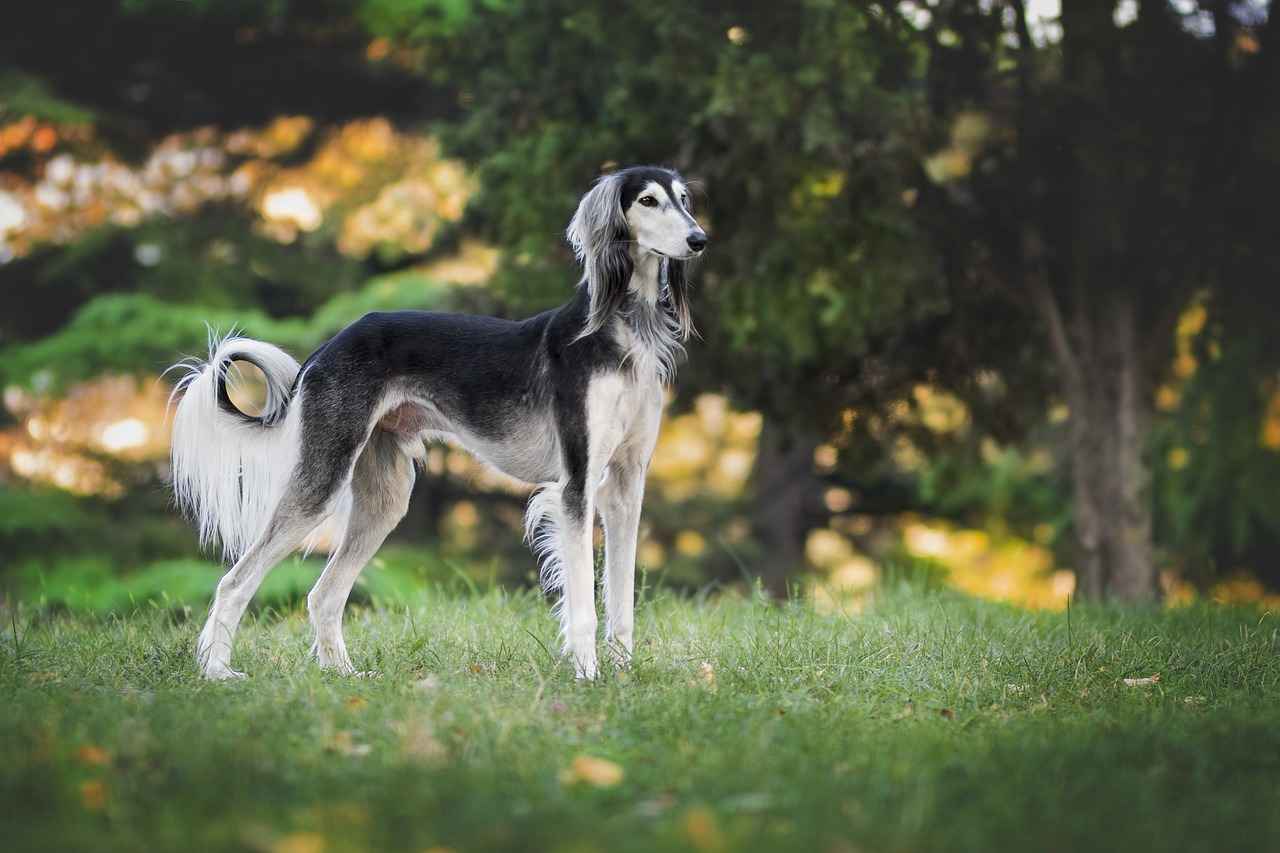
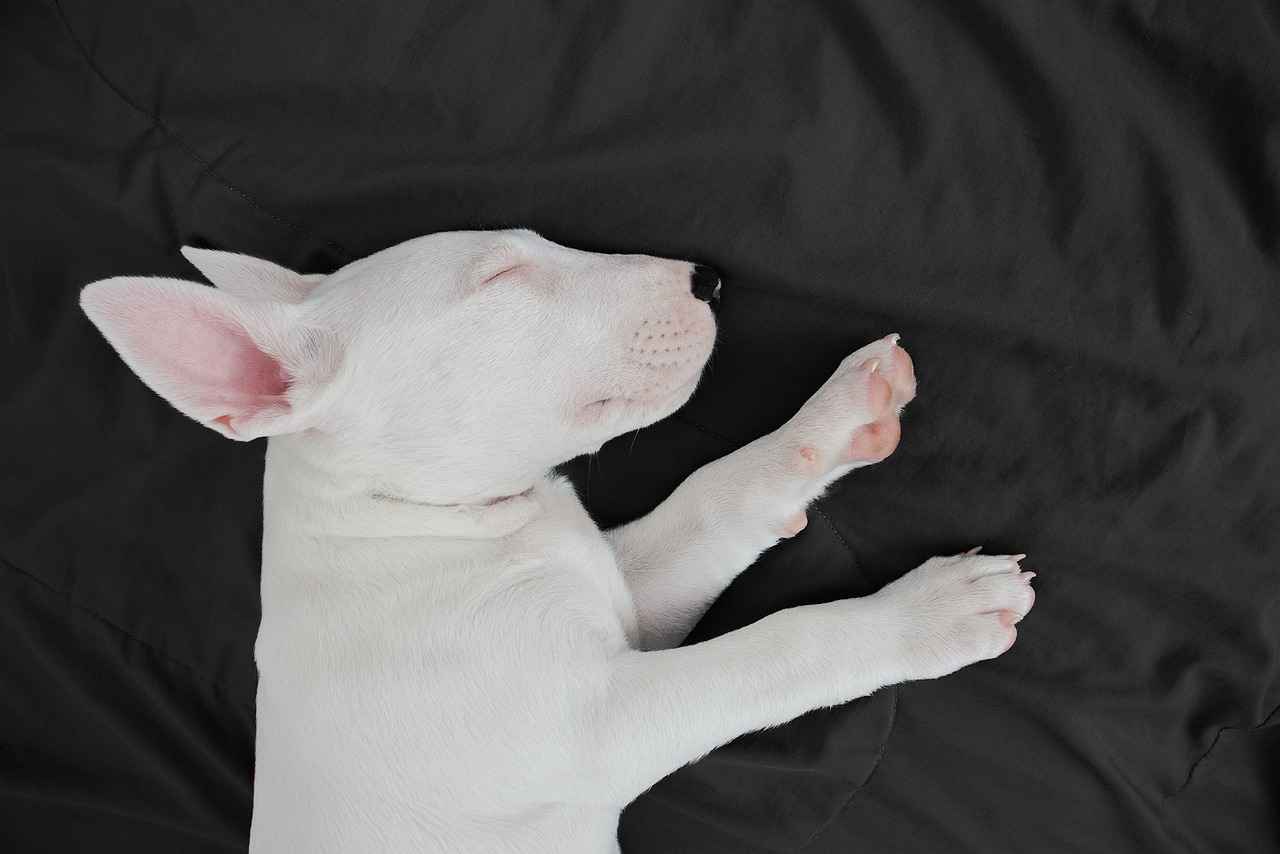
Have you ever wondered, "Why do dogs have wet noses?" This fascinating mystery not only captivates dog lovers but also sparks curiosity among pet enthusiasts and scientists alike. A dog’s wet nose is more than just an adorable trait; it plays a crucial role in how they interact with the world. Did you know that a moist nose can enhance a dog’s sense of smell? It's true! This unique feature helps dogs absorb scent molecules, making their noses highly sensitive. But there's more to this intriguing subject! Some might ask, "Is a wet nose a sign of a healthy dog?" The answer could surprise you! In this blog post, we delve into the science behind why dogs have wet noses, exploring topics like hydration, temperature regulation, and emotional cues. If you’re a dog owner or simply a curious reader, uncovering the secrets behind this canine characteristic can deepen your understanding of your furry friend. So, why not join us on this journey to explore the wonderful world of dog noses? You might just learn something new about your beloved pet!
\n\nThe Science Behind Canine Nasal Moisture: Why Are Dogs’ Noses Wet?
\n\n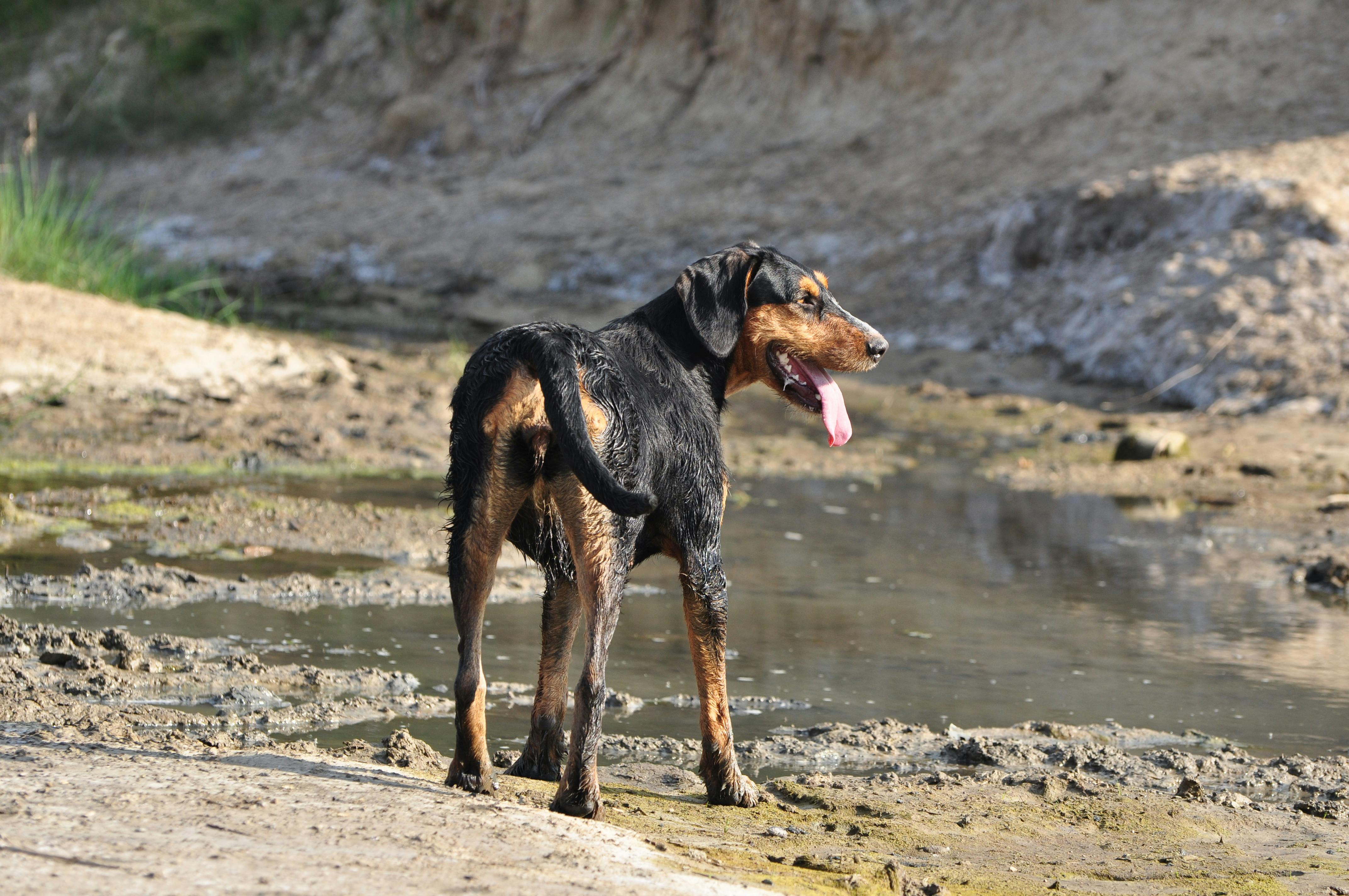 \n\n
\n\nDogs are some of the most beloved pets in the world, and their wet noses are often a topic of curiosity. Many dog owners frequently wonder, "Why do dogs have wet noses?" This question seems simple, but the science behind canine nasal moisture is both fascinating and complex. The moisture on a dog's nose performs several important functions that contribute to their health and well-being.
\nThe Biology of a Dog's Nose
\nDogs have a very unique anatomy, and their noses are no exception. The surface of a dog’s nose is covered with a thin layer of mucous, which serves various purposes. Moisture is essential for helping dogs smell, and their noses are some of the most sensitive odor detectors in the animal kingdom. The wetness helps to capture scent particles more effectively, allowing dogs to take in a wider range of smells.
\n- \n
- Nasal Structure: Dogs have a large olfactory epithelium, which is responsible for their amazing sense of smell. The wetness on their noses helps this epithelium function better. \n
- Scent Reception: Water molecules in the air attach to scent particles, making it easier for dogs to detect and interpret smells. \n
Why Do Dogs' Noses Stay Wet?
\nSo, why exactly do dogs have wet noses? There are several reasons that contribute to this phenomenon.
\n- \n
- \n
Cooling Mechanism: Dogs do not sweat in the same way humans do. Instead, they rely on their noses to help regulate body temperature. When the moisture evaporates, it helps cool them down.
\n \n - \n
Health Indicator: A wet nose can sometimes indicate good health. Generally, a dog's nose will be moist if they are feeling well, while a dry nose could suggest dehydration or illness.
\n \n - \n
Behavioral Aspect: Dogs often lick their noses, which keeps them moist. This behavior also helps them explore their environment, as they can gather scents from surfaces they touch.
\n \n
The Role of Environment
\nThe moisture levels in a dog’s nose can be influenced by their environment. Factors such as humidity and temperature play a significant role in how wet or dry a dog’s nose may be.
\n- \n
- High Humidity: In humid conditions, a dog's nose may remain wetter due to the abundance of moisture in the air. \n
- Dry Weather: Conversely, dry climates can lead to a drier nose. \n
Historical Context
\nDogs have been our companions for thousands of years, and their noses have evolved alongside their relationships with humans. Historically, dogs were bred for specific tasks like hunting and herding, and their sense of smell was a crucial trait for these roles. Wet noses were likely a natural adaptation to enhance their olfactory capabilities, which were essential for survival.
\nFun Facts About Dogs' Noses
\n- \n
- Unique Patterns: Just like human fingerprints, every dog has a unique nose print that can be used for identification. \n
- Temperature Sensitivity: A dog’s nose can detect temperature changes, which can help them sense changes in their environment. \n
- The "Nose Work" Sport: Many dog owners engage in nose work activities, which tap into their dogs' natural scenting abilities and provide mental stimulation. \n
How to Keep Your Dog's Nose Healthy
\nIt's vital for dog owners to understand how to care for their dog's nose. Here are some tips:
\n- \n
- Hydration: Ensure your dog has constant access to clean water. Dehydration can lead to a dry nose. \n
- Regular Vet Checkups: Regular visits to the vet can help catch any potential health issues early on. \n
- Environmental Awareness: If you live in a dry climate, consider using a humidifier to keep the air moist. \n
Comparison: Dogs vs. Other Animals
\nWhen we compare dogs to other animals, their noses stand out for several reasons.
\n| Animal | \nNose Type | \nUnique Features | \n
|---|---|---|
| Dogs | \nWet and cold | \nExceptional smell sensitivity | \n
| Cats | \nDry and warm | \nLess sensitive than dogs | \n
| Elephants | \nTrunk (moist) | \nVery strong sense of smell | \n
| Frogs | \nWet skin | \nAbsorb moisture through skin | \n
Dogs' wet noses are not just a charming feature; they serve important biological and behavioral functions. Their ability to detect scents is enhanced by the moisture, making them extraordinary companions. So, the next time you notice your dog's wet nose, remember, it's more than just cute—it's a vital part of who they are. Understanding this mystery deepens our appreciation for our four-legged friends and their incredible abilities.
\n\n5 Surprising Benefits of a Dog’s Wet Nose: What Every Pet Owner Should Know
\n\n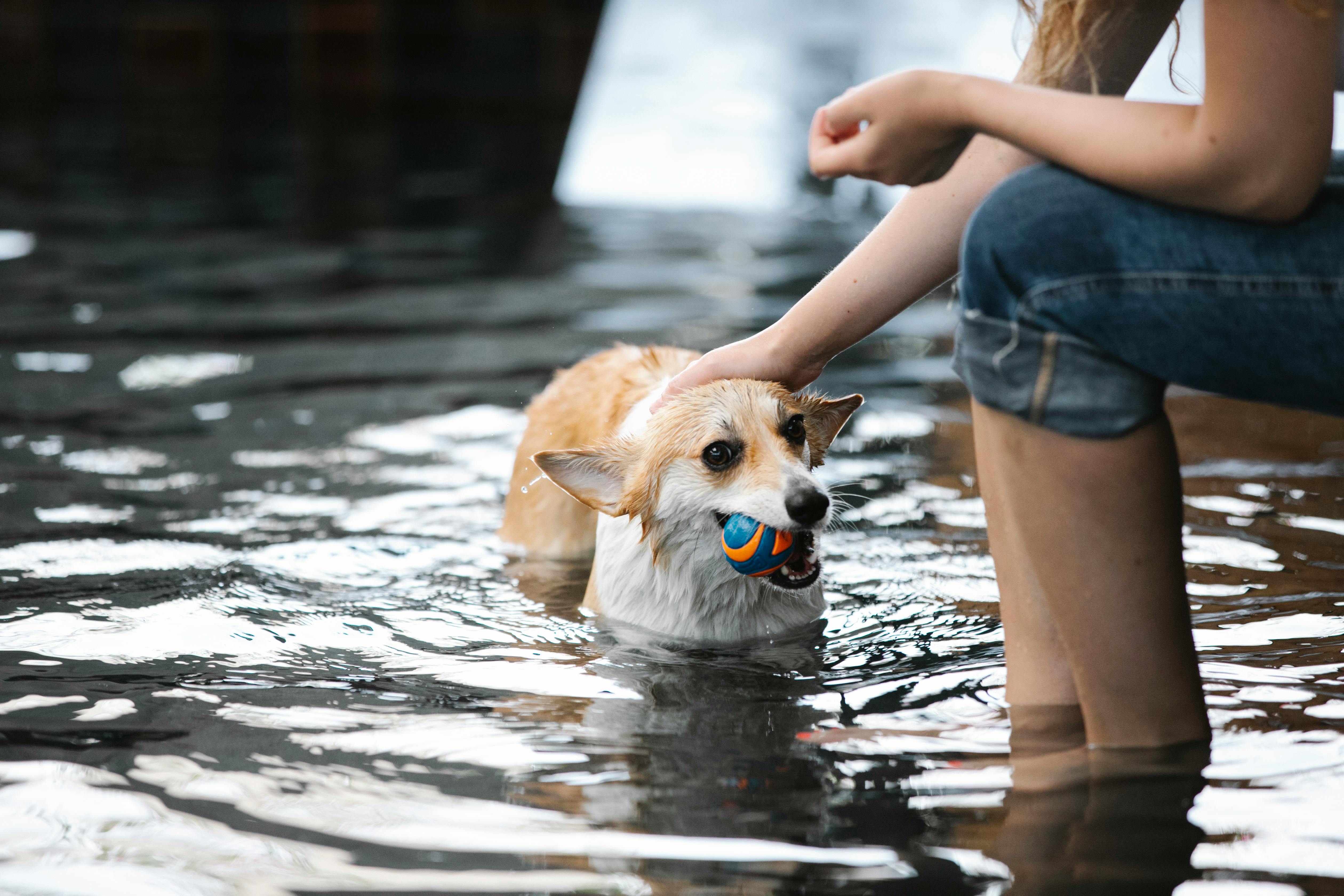 \n\n
\n\nIf you ever petted a dog, you probably noticed their wet noses. But have you ever thought about why they are wet? There’s actually a fascinating science behind it that every pet owner should know. Not only do those little wet noses serve a purpose, but they also come with some surprising benefits that can impact your dog's health and your relationship with them. Let's dive into the mystery of why do dogs have wet noses and uncover the benefits that come along with it.
\n1. Natural Thermoregulation
\nDogs, unlike humans, don’t sweat through their skin. Instead, they have to rely on other methods to keep themselves cool. A dog's wet nose plays a big role in regulating their body temperature. The moisture on a dog’s nose helps to cool them down as it evaporates. This process is similar to how sweat works for humans.
\n- \n
- When the temperature rises, a dog will often lick their nose to increase moisture. \n
- This evaporation cools the blood flow to their brain, helping to prevent overheating. \n
It's important to keep an eye on your dog during hot weather, as they can suffer from heat stroke if they can't cool themselves effectively.
\n2. Enhanced Sense of Smell
\nYou might be surprised to learn that a dog’s wet nose contributes significantly to their incredible sense of smell. The moisture on their nose actually helps to capture scent particles from the air. This is how it works:
\n- \n
- A wet nose can absorb more scent molecules. \n
- The moisture allows these particles to stick to the nose, making it easier for dogs to detect odors. \n
With around 300 million scent receptors in their noses, dogs can detect smells at incredibly low concentrations. This is why they are used in search and rescue missions and even in detecting medical conditions.
\n3. Health Indicators
\nA dog’s nose can be a good indicator of their health. Many pet owners may not realize that changes in the moisture or texture of a dog’s nose can signal health issues. Here are some things to watch for:
\n- \n
- Dry Nose: Could indicate dehydration or fever. \n
- Cracked Nose: May suggest skin conditions or allergies. \n
- Excessive Moisture: Might indicate a respiratory infection. \n
Regularly checking your dog’s nose can help you catch potential health issues early. It’s always a good idea to consult a veterinarian if you notice any unusual changes.
\n4. Bonding and Communication
\nDogs are social creatures, and they communicate in various ways. A wet nose can also play a role in strengthening the bond between you and your pet. When dogs nuzzle or nudge with their noses, they often do so to seek attention or affection from their owners.
\n- \n
- A gentle nudge from a wet nose can be an affectionate gesture. \n
- This behavior can enhance the human-animal bond, making your relationship even stronger. \n
You may find that these little moments of interaction not only bring joy, but also help to lower stress levels for both you and your dog.
\n5. A Reflection of Environment
\nDid you know that a dog’s wet nose can also reflect their environment? Dogs will often have wetter noses after being outside, especially if they have been playing in the grass or near water. This can be a sign of how active and engaged your dog is with their surroundings.
\n- \n
- A dog that frequently has a wet nose might be more active and curious about their environment. \n
- Conversely, a consistently dry nose could mean your dog is bored or not getting enough exercise. \n
Keeping your dog engaged through playtime and walks can ensure they stay happy and healthy.
\nFinal Thoughts
\nUnderstanding why do dogs have wet noses is just one part of being a responsible pet owner. The benefits of a wet nose go beyond just temperature regulation; they also provide health indicators, enhance their sense of smell, and foster stronger bonds between you and your furry friend. By paying attention to those little details, you can ensure a happier, healthier life for your dog. It’s a fascinating mystery that highlights just how unique our canine companions really are. So next time you pet your dog and feel that wet nose, remember all the reasons behind it!
\n\nIs Your Dog’s Nose Too Dry? Discover the Hidden Meaning Behind Their Snout
\n\n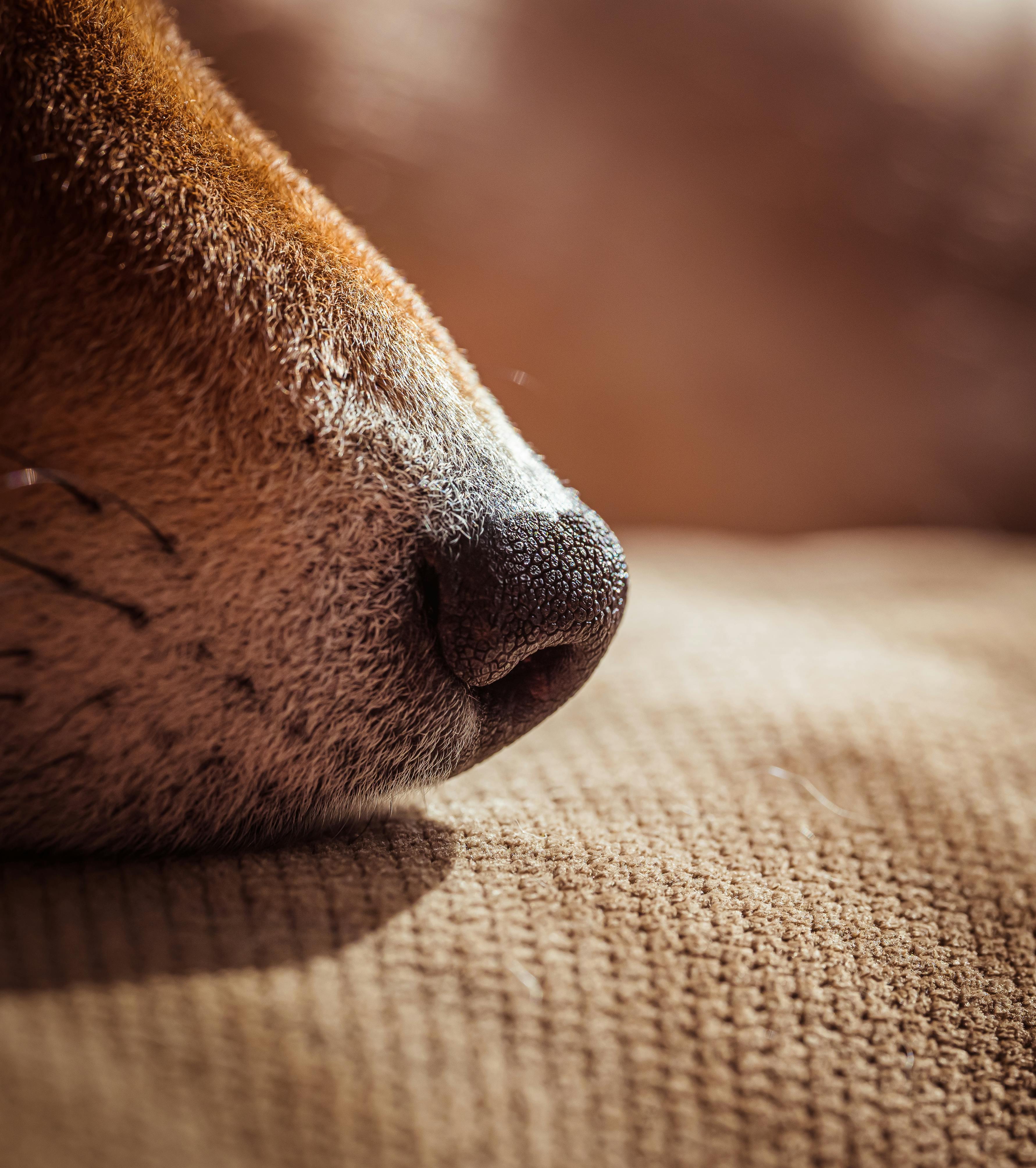 \n\n
\n\nIs your dog's nose too dry? If you are wondering about this, you’re not alone. Many dog owners noticed their furry friends' noses and often question why they are wet or dry. It's curious why do dogs have wet noses, and there's more to it than just a cute feature. Let’s dive into this fascinating mystery!
\nWhy Do Dogs Have Wet Noses?
\nDogs' noses are usually wet for several reasons, and each reason plays a role in their health and behavior. Here are a few key reasons:
\n- \n
- \n
Scent Detection: A wet nose helps dogs absorb scent chemicals. The moisture on their nose can trap scent particles, making it easier for them to smell. This is why dogs are great at tracking and sniffing out things!
\n \n - \n
Cooling Mechanism: Dogs don’t sweat like humans do. Instead, they cool off through their noses and paw pads. A wet nose can help regulate their body temperature, especially in warmer weather.
\n \n - \n
Health Indicator: Generally, a healthy dog has a moist nose. A dry or cracked nose can sometimes indicate dehydration or illness. However, it’s not always a sign of something serious.
\n \n
The Myth of Dry vs. Wet Noses
\nPeople often say that a dry nose means that a dog is sick. But, it’s not always true. Here’s a breakdown of what you should keep in mind:
\n- \n
- \n
Normal Variations: Just like humans, dogs can have variations in their noses. Some breeds naturally have drier noses than others. For example, Bulldogs and Pugs might have drier noses, while Retrievers often have wet ones.
\n \n - \n
Environmental Factors: Weather plays a big role. In dry, hot conditions, a dog's nose can dry out. Similarly, if dogs are inside with heating or air conditioning, it can also affect moisture levels.
\n \n
Signs Your Dog’s Nose Might Be Too Dry
\nSo, how do you know if your dog’s nose is too dry? Here’s a short list of signs to look out for:
\n- \n
- Cracking or peeling skin on the nose. \n
- Excessive licking of the nose. \n
- Changes in behavior, like lethargy or loss of appetite. \n
- Signs of dehydration, such as dry gums or sticky saliva. \n
- Swelling or redness around the nose area. \n
If you notice any of these signs, it might be time to consult a veterinarian.
\nWhat to Do If Your Dog's Nose Is Dry
\nIf you find your dog's nose is dry, don’t panic. Here are some steps you can take:
\n- \n
- \n
Hydration: Ensure your dog has access to fresh water at all times. Dehydration can lead to a dry nose.
\n \n - \n
Humidifier: If you live in a dry climate or it's winter, consider using a humidifier in your home.
\n \n - \n
Nose Balm: There are dog-safe balms available that can help moisturize their nose if it’s cracked or dry.
\n \n - \n
Regular Vet Visits: Regular check-ups can help catch any underlying health issues early.
\n \n - \n
Observe Diet: A balanced diet rich in fatty acids can improve skin and coat health, including the nose.
\n \n
The Science Behind Dogs' Noses
\nIt’s interesting to note that dogs have a specialized structure in their noses called the Jacobsen's organ, which helps them process scents. This organ allows them to detect pheromones and other chemical signals in the environment. This helps dogs communicate and understand their surroundings better.
\nFun Facts About Dog Noses
\n- \n
- Did you know that a dog’s nose print is unique, just like a human fingerprint? You could use it for identification! \n
- Dogs have up to 300 million scent receptors in their noses, compared to about 5 million in humans. \n
- The cold wetness of a dog's nose is not only cute but also a sign that they are actively smelling their environment. \n
In conclusion, a dog's nose can tell you a lot about their health and well-being. While a wet nose is often a sign of a happy and healthy pup, a dry nose doesn’t always mean something is wrong. Understanding the factors that affect your dog’s nose can help you provide better care and attention to your furry friend. If you're ever in doubt, consult with a veterinarian for peace of mind. Keep an eye on those cute snouts!
\n\nThe Fascinating Role of Dog Noses: Why Wetness Matters for Your Pup’s Health
\n\n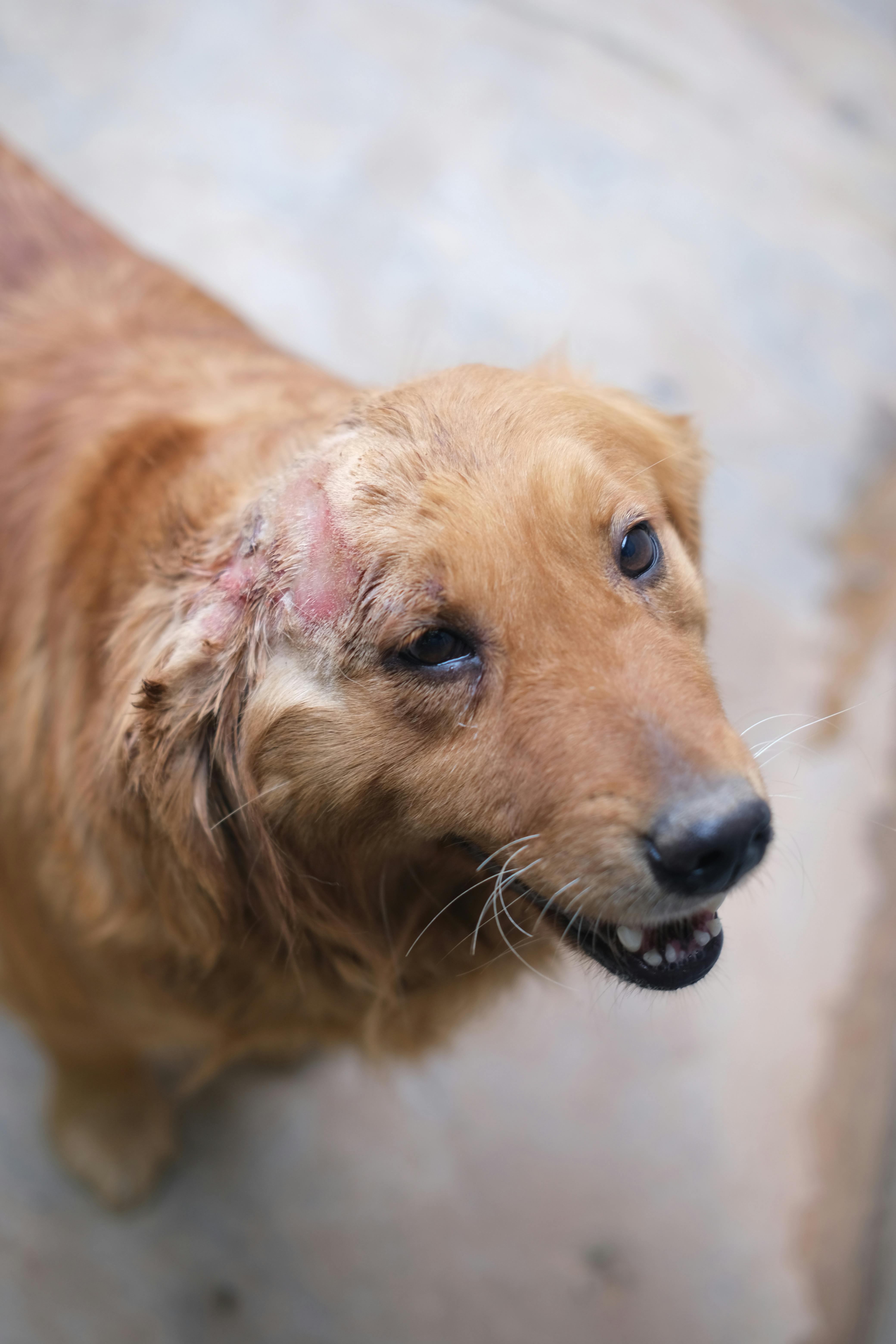 \n\n
\n\nDogs are truly remarkable creatures, and one of the most fascinating aspects of their biology is their noses. Ever notice how a dog's nose is usually wet? This wetness isn't just for show. It's actually plays a key role in their health and overall well-being. So, why do dogs have wet noses? Uncovering this mystery can shed light on the incredible ways our furry friends interact with the world around them.
\nThe Science Behind Wet Noses
\nA dog's nose is not just a cute accessory; it serves multiple purposes. The wetness of a dog’s nose comes from the mucous membranes that line it. This moisture helps with several important functions:
\n- \n
- Enhanced Scent Detection: Wet noses can absorb scent molecules better. This allows dogs to differentiate between various smells. A dry nose isn't as effective in picking up scents. \n
- Temperature Regulation: Dogs don’t sweat like humans do. Instead, they rely on their noses to help cool down. The moisture evaporating from their noses helps regulate their body temperature. \n
- Health Indicator: A dog's nose can be a good indicator of its health. A dry, cracked nose can signal dehydration or illness, while a moist nose usually indicates a healthy pup. \n
Historical Context of Dog Noses
\nThroughout history, dogs have been both companions and working animals. The remarkable abilities of their noses have been utilized for hunting, tracking, and even search-and-rescue missions. Ancient civilizations recognized the importance of a dog's sense of smell, often breeding specific breeds for their olfactory capabilities.
\n- \n
- Bloodhounds: Known for their incredible tracking abilities, bloodhounds have been used for centuries in tracking criminals. Their wet noses play a crucial role in their success. \n
- Beagles: These dogs are often used in customs and border patrol because of their keen sense of smell. Their wet noses help them detect prohibited items. \n
Why Wet Noses Matter for Your Pup’s Health
\nUnderstanding the significance of a wet nose can help dog owners maintain their pets’ health. Here are some things to consider:
\n- \n
- Hydration: A wet nose is often a sign that your dog is well-hydrated. If it becomes dry, it might mean that your pup needs more water. \n
- Environmental Factors: Changes in weather can affect nose moisture. Hot, dry climates can lead to drier noses, so it’s essential to monitor your dog’s hydration levels during those times. \n
- Illness Detection: While a wet nose usually means health, a suddenly dry nose can be a signal that something’s wrong. If you notice other symptoms like lethargy or loss of appetite, consult a vet. \n
Practical Examples of Nose Behavior
\nDogs use their noses in various ways that can be quite fascinating. Here are some behaviors to look out for:
\n- \n
- Sniffing Around: When your dog is sniffing around, it's gathering information about its environment. A wet nose means it's actively analyzing scents. \n
- Nose Bumping: Dogs often nudge you with their noses as a form of communication. A wet nose can feel much more friendly and comforting. \n
- Tracking and Hunting: If you have a hunting breed, you'll see them using their noses extensively. They often follow scents to find prey, and their wet noses help them in tracking. \n
Comparison of Dog Breeds and Their Noses
\nDifferent breeds have different nose shapes and sizes, which affects their scent detection abilities. Here’s a simple comparison:
\n- \n
- \n
Long-Nosed Breeds (e.g., Greyhounds, Bloodhounds):
\n- \n
- Pros: Better at picking up distant scents. \n
- Cons: May be more sensitive to extreme temperatures. \n
\n - \n
Short-Nosed Breeds (e.g., Bulldogs, Pugs):
\n- \n
- Pros: Generally good companions and have unique scenting abilities. \n
- Cons: Not as effective in scent detection due to shorter nasal passages. \n
\n
Fun Facts About Dog Noses
\n- \n
- Did you know that a dog's sense of smell is about 10,000 to 100,000 times more powerful than humans? Their wet noses are a crucial part of this impressive ability. \n
- Each dog has a unique nose print, much like a human fingerprint. This could be used for identification! \n
- Dogs can detect certain diseases, like cancer or diabetes, through their sense of smell. \n
Understanding why dogs have wet noses and the significance of this trait can deepen our appreciation for these loyal companions. Their remarkable noses not only enhance their ability to interact with the environment but also serve as indicators of their health. By keeping an eye on your dog's nose and understanding its role, you can ensure that your furry friend remains happy and healthy. So, the next time you give your pup a scratch behind the ears, take a moment to appreciate that wonderfully wet nose and all it does for your beloved pet!
\n\nUnraveling the Mystery: Do Dogs Have Wet Noses for a Reason? Here’s What Experts Say
\n\n \n\n
\n\nDogs have long been our loyal companions, and one of their many curious traits is their wet noses. Ever wondered why do dogs have wet noses? This question has puzzled dog owners and enthusiasts alike for ages. Experts from various fields, including veterinarians and animal behaviorists, have studied this phenomenon. Let’s dive into the fascinating reasons behind this unique characteristic of our furry friends.
\nThe Science Behind Wet Noses
\nFirstly, the moisture on a dog's nose isn’t just random; it serves several important functions. The primary reasons for the wetness include:
\n- \n
- Enhanced Smell: Dogs have an incredible sense of smell, and the moisture helps to capture scent particles in the air. This makes it easier for them to identify different scents. \n
- Temperature Regulation: Just like humans sweat, dogs can cool themselves through their noses. The wetness helps to dissipate heat, keeping them comfortable during warm weather. \n
- Health Indicator: A dog’s nose can reflect its overall health. A wet, cool nose is often a sign of a healthy dog, whereas a dry nose may indicate illness or dehydration. \n
Historical Context
\nYou might be surprised to learn that wet noses have been noted throughout history. Ancient texts and studies show that humans have always been curious about dog physiology. In ancient Egypt, dogs were revered, and their physical attributes, including their noses, were often depicted in art and writings. This fascination continued into the Roman era, where dogs were even used in various roles, from hunting to companionship.
\nInterestingly, the genetics of dog breeds can influence the moisture levels of their noses. For example, certain breeds like Bulldogs or Pugs tend to have more pronounced differences in nose moisture compared to others, like Greyhounds.
\nComparing Dogs' Noses to Other Animals
\nIn nature, various animals exhibit wet noses, but for different reasons. Here’s a quick comparison:
\n| Animal | \nNose Type | \nPurpose | \n
|---|---|---|
| Dogs | \nWet and Cool | \nEnhanced sense of smell, temperature regulation | \n
| Cats | \nDry | \nGenerally does not rely on scent as much as dogs | \n
| Cows | \nMoist | \nHelps in temperature regulation and scent detection | \n
| Reptiles | \nDry | \nScent detection primarily occurs through their tongues | \n
Practical Examples of Dogs' Wet Noses
\nYou’ve probably noticed how your dog uses its nose. They may nudge you with their wet noses when they want attention, or sniff around to explore their environment. Here’s how these behaviors relate to their moist noses:
\n- \n
- Greeting Behavior: When a dog greets you with their nose, it’s not just for affection. They are picking up your scent, gauging your emotional state. \n
- Exploration: Dogs use their noses to investigate everything from other animals to the ground. The moisture on their nose helps them collect more scent information, making their exploration more effective. \n
Fun Facts About Dogs' Noses
\n- \n
- A dog’s sense of smell is 10,000 to 100,000 times more sensitive than humans. \n
- The wetness of a dog’s nose can change with the weather. For instance, noses may dry out during hot days but get wetter when it’s humid. \n
- Some dogs are known to have unique patterns on their noses, similar to human fingerprints. This is known as a “nose print.” \n
Common Misconceptions
\nMany people believe that a dog’s nose will always be wet if they are healthy. However, there are exceptions. Factors such as the environment, activity level, and even the time of day can affect the nose's moisture. Simply put, a dry nose doesn’t necessarily mean a dog is sick.
\nWhat To Do If Your Dog's Nose Is Dry
\nIf you notice your dog's nose is significantly dry, consider these steps:
\n- \n
- Hydration Check: Ensure your dog is drinking enough water. Dehydration can cause a dry nose. \n
- Environmental Factors: Check if your home is too dry. Using a humidifier can help. \n
- Vet Consultation: If the dry nose persists or is accompanied by other symptoms, it’s wise to consult with a veterinarian. \n
So, why do dogs have wet noses? The answer isn’t just about physiology; it’s about a complex interplay of biology, behavior, and environment. The next time you give your pup a scratch behind the ears, take a moment to appreciate that wet, cold nose. It’s more than just an adorable feature; it’s a vital part of what makes your dog the amazing companion it is. Understanding this characteristic can deepen the bond between you and your furry friend while also ensuring you’re keeping an eye on their health and well-being.
\n\n7 Fun Facts About Dog Noses: The Secrets Behind Their Wetness and Sensitivity
\n\n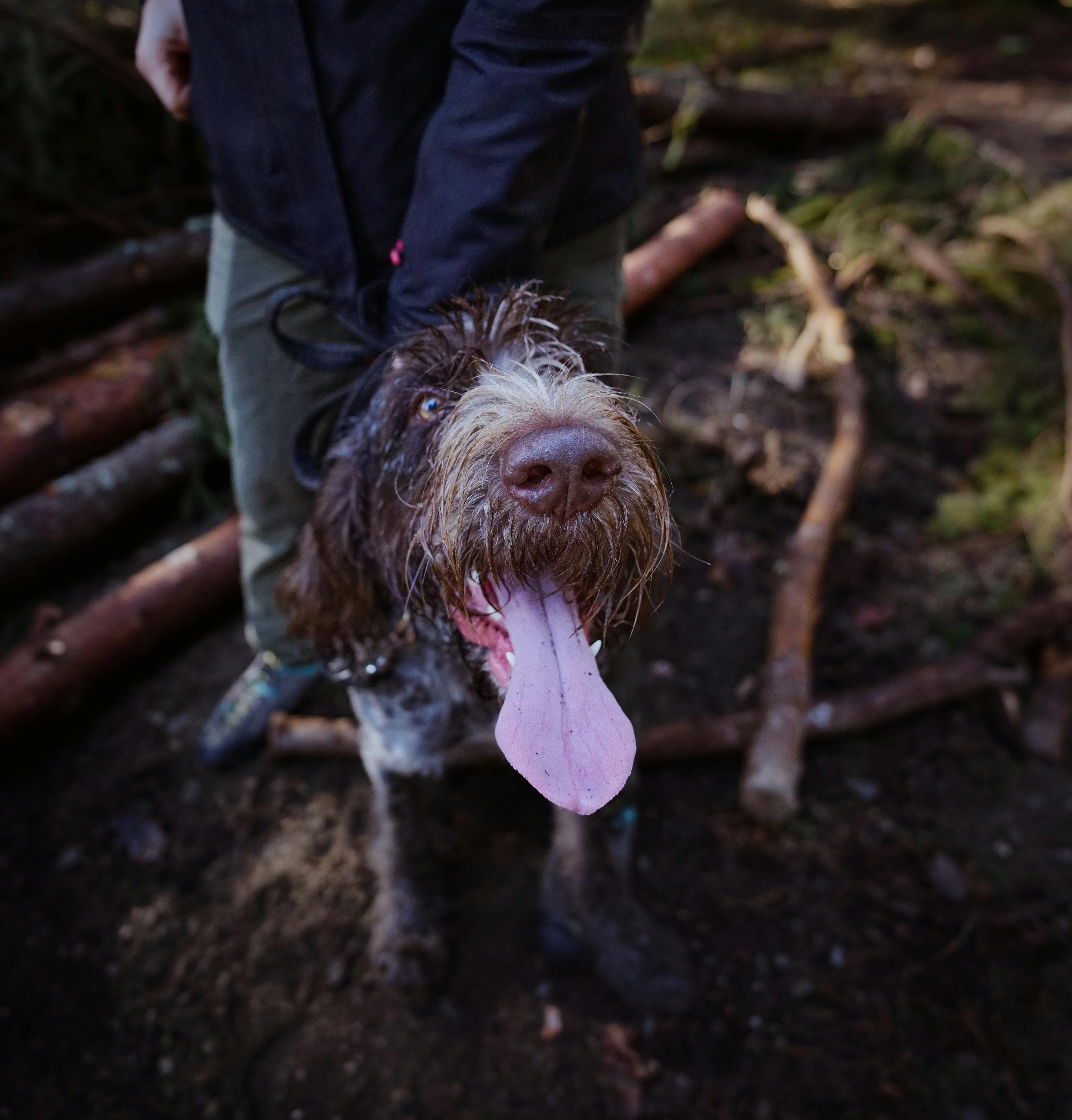 \n\n
\n\nHave you ever wondered why dogs have wet noses? It’s one of those quirky things about our furry friends that seems to spark curiosity. Not only does the wetness of a dog’s nose play a significant role in their health and well-being, but it also serves as a window into their fascinating world. Here are seven fun facts that delve into the secrets behind dog noses, exploring their unique features and functions.
\n1. The Importance of Moisture
\nDog noses are wet for a reason. This moisture helps to enhance their sense of smell. The wetness allows scent particles to dissolve, which makes it easier for dogs to detect and identify various smells. A dry nose might mean that a dog is less able to process scents, which could be a problem when they are using their noses for tracking or hunting.
\n2. A Unique Design
\nDid you know that every dog’s nose print is unique? Just like human fingerprints, no two dogs have the same nose. This uniqueness can even be used for identification purposes in some cases. If you ever find yourself lost in a dog park, just look for the nose prints - you might just find your way back!
\n3. Temperature Regulation
\nAnother fascinating aspect of dog noses is their role in temperature regulation. Dogs don’t sweat like humans do. Instead, they pant and rely on their noses to help cool down. The moisture on a dog’s nose evaporates, which helps to cool the blood flow to the brain. So, when you see your pup with a wet nose, they might just be keeping their cool!
\n4. Health Indicators
\nThe wetness and temperature of a dog’s nose can indicate their health status. A warm, dry nose may suggest that a dog is sick or has a fever. Conversely, a cold, wet nose is often associated with a healthy dog. However, this is not a foolproof method; many factors can affect nose conditions. Always consult a veterinarian if you’re concerned about your dog’s health.
\n5. The Power of Smell
\nDogs have an incredible sense of smell. In fact, it's estimated that a dog’s sense of smell is anywhere from 10,000 to 100,000 times more sensitive than that of humans. This astounding capability allows them to detect things like drugs, explosives, and even certain health conditions in humans, such as low blood sugar or cancer. Their noses are not just for sniffing; they're essential tools for survival and assistance.
\n6. The Role of Mucus
\nThe moisture on a dog’s nose is not just water. It also contains mucus, which helps to trap scent particles. This mucus acts like a sponge, soaking up scents and allowing dogs to identify different smells more effectively. So, the next time you see your dog sniffing around, remember there’s a whole world of scents they are exploring.
\n7. The Evolutionary Advantage
\nFrom an evolutionary perspective, having a wet nose gave dogs a significant advantage in the wild. It allowed them to be better hunters, tracking prey over long distances. The ability to pick up on subtle scents helped them locate food and avoid dangers. This trait has been passed down through generations, making it a critical part of a dog’s biology.
\nFun Facts Summary
\n- \n
- Moisture enhances scent detection: Wet noses help dogs process smells more effectively. \n
- Unique nose prints: Each dog has a distinct nose print, similar to human fingerprints. \n
- Helps regulate body temperature: A wet nose aids in cooling down a dog’s body. \n
- Health indicators: A dog's nose condition can provide clues about their health. \n
- Incredible sense of smell: Dogs can smell 10,000 to 100,000 times better than humans. \n
- Mucus traps scents: The moisture on their noses contains mucus that captures scent particles. \n
- Evolutionary advantages: Wet noses helped dogs become better hunters in the wild. \n
Understanding why dogs have wet noses gives us insight into their biology and behavior. Dogs are not just pets; they are complex creatures with unique adaptations that help them thrive. So, the next time you give your dog a scratch behind the ears and feel that wet nose, remember just how fascinating and functional that little feature is!
\n\nWet Nose, Warm Heart: How Your Dog’s Nose Reflects Their Emotions and Health
\n\n \n\n
\n\nHave you ever wondered why dogs have wet noses? It’s one of those cute quirks that people often notice, but not everyone understands the fascinating reasons behind it. Wet noses, warm hearts—there is much more to your furry friend's schnoz than meets the eye. This article dives into the science and emotions behind those slippery little noses and what they tell us about our canine companions' health and feelings.
\nWhy Do Dogs Have Wet Noses?
\nFirst off, let’s discuss the primary reason why dogs have wet noses. Dogs' noses are often wet because they secrete a thin layer of mucus. This mucus serves several important functions.
\n- \n
- \n
Scent Detection: A wet nose can absorb scent chemicals more effectively. This helps dogs to smell better and identify different odors in their environment.
\n \n - \n
Temperature Regulation: Just like humans sweat, dogs use their noses to help regulate their body temperature. The moisture evaporates, cooling them down in warm weather.
\n \n - \n
Health Indicator: The condition of a dog’s nose can reflect its health. A normal, wet nose can be a sign of a hydrated and healthy dog, while a dry or cracked nose could indicate dehydration or illness.
\n \n
The Emotional Aspect of Wet Noses
\nDogs are known for their ability to express emotions, and their noses play a role in this too. You might notice your dog’s nose becoming wetter when they’re excited or nervous. This is due to the release of adrenaline, which can increase the moisture level in their noses. Here’s a breakdown of how a dog’s nose can indicate its emotional state:
\n- \n
- \n
Excitement: When dogs are happy, their noses tend to be noticeably wetter. You might see this when you come home after a long day or when they see their favorite toy.
\n \n - \n
Anxiety: In stressful situations, such as during thunderstorms or fireworks, a dog’s nose may also become wet. This wetness can be a sign of their heightened state of alertness.
\n \n - \n
Relaxation: Interestingly, a calm dog may have a nose that’s not as wet. This can indicate that they are comfortable and relaxed in their environment.
\n \n
Historical Context of Dog Noses
\nHistorically, dogs have been companions to humans for thousands of years. The wet nose is not just a quirk; it has evolutionary significance. In the wild, having a moist nose helped dogs track scents more accurately, which was essential for hunting and survival. Over the centuries, selective breeding has enhanced this trait, making it a common feature in domestic dogs today.
\nHealth and Care Tips for Your Dog’s Nose
\nKeeping your dog’s nose healthy is important, and there are some simple practices you can follow:
\n- \n
- \n
Hydration: Always provide fresh water. A well-hydrated dog is more likely to have a healthy, moist nose.
\n \n - \n
Regular Check-ups: Regular visits to the veterinarian can help catch any potential health issues early. Changes in nose moisture or texture can be signs of underlying problems.
\n \n - \n
Watch for Changes: If your dog’s nose becomes excessively dry, cracked, or shows signs of discoloration, it’s worth checking in with your vet.
\n \n
Common Myths About Dog Noses
\nThere are many misconceptions about dog noses. Here are a few that are worth debunking:
\n- \n
- \n
Myth 1: A cold, wet nose always means a dog is healthy.
\n- \n
- Fact: While a wet nose is often a sign of health, it’s not the only indicator. Always consider other symptoms. \n
\n - \n
Myth 2: Dogs cannot lose heat through their noses.
\n- \n
- Fact: Dogs do not sweat through their noses, but they can regulate temperature through panting and their wet noses. \n
\n - \n
Myth 3: A dry nose means your dog is sick.
\n- \n
- Fact: Dogs can have dry noses due to a variety of environmental factors, and it doesn’t always mean they are unwell. \n
\n
Fun Facts About Dog Noses
\n- \n
- \n
Did you know that every dog’s nose print is unique, much like human fingerprints? This means that, theoretically, you could use a dog’s nose print for identification.
\n \n - \n
Dogs have about 300 million scent receptors in their noses, compared to about 5 million in humans. This is why they are so good at tracking scents!
\n \n - \n
A dog’s sense of smell is so powerful that they can detect certain diseases, including cancer, in humans.
\n \n
Understanding the reason behind why dogs have wet noses can enhance your bond with your furry friend. The next time you see that cute wet nose, remember: it's not just an adorable feature, but a vital part of their sensory experience and emotional expression. A wet nose truly signifies a warm heart!
\n\nWhy Does Your Dog’s Nose Change Throughout the Day? The Temperature and Wetness Connection
\n\n\n\nHave you ever noticed how your dog’s nose can feel different at different times during the day? Sometimes it’s cool and wet, and other times it seems warmer and dryer. You might be wondering, “Why does my dog’s nose change throughout the day?” This question leads us to explore the fascinating connection between temperature, wetness, and the purpose of those adorable, damp noses.
\nThe Role of Temperature in Your Dog’s Nose
\nDogs are known for their incredible sense of smell, and their nose plays a huge part in that. The temperature of a dog’s nose can vary for several reasons:
\n- \n
- Environmental Factors: Just like humans, dogs can have their body temperature change with the environment. When it’s hot outside, their noses might get cooler. \n
- Activity Level: When dogs are active, their body temperature rises, which can affect the temperature of their noses too. \n
- Health Status: A dog’s nose can be a reflection of its health. A warm, dry nose could indicate fever or dehydration, while a cooler, wet nose is generally a sign of good health. \n
Wetness and Its Importance
\nYou might be asking yourself, "Why do dogs have wet noses?" Well, there are several reasons why a dog's nose is usually wet:
\n- \n
- Enhanced Smell: The moisture on their noses helps to capture scent particles. This makes it easier for them to smell and interpret their environment. \n
- Cooling Mechanism: Dogs don’t sweat like humans do. Instead, they rely on their noses to help cool down. A wet nose can help regulate their body temperature. \n
- Health Indicator: A wet nose is often associated with good health. However, other factors can also play a role in the wetness of a dog’s nose. \n
Factors Affecting Nose Moisture
\nHere’s a quick rundown of factors that can affect the wetness of your dog’s nose:
\n- \n
- Weather Conditions: Humidity levels can make a nose wetter. In dry climates, noses may dry out more quickly. \n
- Hydration Levels: If your dog isn’t drinking enough water, their nose may not be as moist. \n
- Age and Breed: Some breeds have different nose structures that can affect moisture levels, and older dogs may experience changes in nose wetness too. \n
A Quick Comparison: Dog Nose vs. Human Nose
\n| Feature | \nDog Nose | \nHuman Nose | \n
|---|---|---|
| Temperature | \nVaries with activity | \nTypically stable | \n
| Wetness | \nUsually wet | \nCan be dry or wet | \n
| Function | \nSmell & cooling | \nPrimarily breathing | \n
| Sensitivity | \nHighly sensitive | \nLess sensitive | \n
Common Myths About Dog Noses
\nMany myths float around regarding dog noses. Here are a few facts to bust those myths:
\n- \n
- Myth: A warm nose means a dog is sick.
\nFact: Nose temperature is not a reliable indicator of health. \n - Myth: Dogs only have wet noses to smell better.
\nFact: It also helps cool them down. \n - Myth: A dry nose is always a sign of dehydration.
\nFact: Many factors can cause a nose to dry out, not just dehydration. \n
Practical Examples of Nose Changes
\nHere are some situations you might notice changes in your dog's nose:
\n- \n
- If you take your dog for a run, you may find that their nose is warmer and dryer afterward due to increased body temperature. \n
- On a rainy day, your dog’s nose might be extra wet from playing outside, which enhances their smelling abilities. \n
- If your dog has been sleeping in a warm room, you may wake up to a nose that feels warmer than usual. \n
Understanding Your Dog's Health Through Its Nose
\nBeing observant about your dog's nose can give you clues regarding their health. If you notice persistent changes, like a dry nose that doesn't improve with hydration, it might be a good idea to consult a veterinarian.
\nIn summary, the changes in your dog’s nose throughout the day are influenced by various factors including temperature, humidity, and your dog’s overall health. The wetness of their nose is not only crucial for their sense of smell but also plays a role in keeping them cool. So, next time you give your furry friend a pat on the head, remember that their nose is more than just cute—it's a fascinating part of their biology!
\n\nThe Evolutionary Advantage of Wet Noses in Dogs: What Science Reveals
\n\n \n\n
\n\nDogs are one of the most beloved pets around the world, and they comes with a lot of unique traits that sets them apart from other animals. One of these traits is their wet noses. You’ve probably seen a dog give you a friendly nudge with their moist snout and wondered, “Why do dogs have wet noses?” This question leads us into a fascinating exploration of canine biology and behavior, revealing an evolutionary advantage that goes beyond mere cuteness.
\nThe Science Behind Wet Noses
\nWet noses are more than just a quirk; they serve a significant purpose in a dog's health and interaction with the world. The moisture on a dog’s nose helps enhance their sense of smell. Dogs have an extraordinary olfactory system, and a wet nose helps to capture scent particles from the air better than a dry one. When sniffin’, the moist surface traps these particles, allowing the olfactory receptors to pick them up more efficiently.
\nHere are some interesting facts about dog noses:
\n- \n
- Scent Detection: Dogs possess around 220 million scent receptors, compared to humans, which have only about 5 million. \n
- Temperature Regulation: A wet nose can help to cool a dog’s body temperature. Dogs sweat very little through their skin, so they rely on their noses for some degree of thermoregulation. \n
- Health Indicator: The moisture level of a dog's nose can also indicate their health. A dry nose may signal dehydration or illness, while a healthy dog usually has a cool, wet nose. \n
Evolutionary Adaptation
\nThe evolutionary advantage of wet noses can be traced back to the ancestors of modern dogs. Early canines likely developed moist noses to enhance their hunting abilities. The ability to detect scents from a greater distance would have been crucial in locating prey and avoiding predators. Over time, this trait became ingrained in dog genetics.
\n- \n
- Survival of the Fittest: Dogs with wet noses likely had better hunting success, leading to more food and better survival rates. \n
- Social Communication: Wet noses also play a role in social interactions among dogs. They often greet each other by sniffing, and a moist nose can signal friendliness and openness. \n
Comparing Wet Noses to Other Animals
\nNot all animals have wet noses, and comparing dogs to other species can give us more insight.
\n| Animal | \nNose Type | \nPurpose | \n
|---|---|---|
| Dogs | \nWet Nose | \nEnhances smell, regulates temperature | \n
| Cats | \nDry Nose | \nLess reliance on smell, more on sight | \n
| Pigs | \nWet Snout | \nExcellent smell for foraging | \n
| Elephants | \nTrunk | \nMulti-functional tool for smell & touch | \n
Dogs stand out among these animals with their unique evolutionary path that prioritized scent detection. While cats have a keen sense of smell, they depend more on their eyesight for hunting and navigating.
\nPractical Examples of Wet Noses in Everyday Life
\nYou might not think about it, but wet noses impact how you interact with your dog. Here are some examples of how this characteristic plays out in daily life:
\n- \n
- Greeting Rituals: When your dog greets you with a wet nose, they are not just being affectionate; they are also gathering information about you. The scent of your skin, clothes, and even emotions are all detected through their wet nose. \n
- Training and Behavior: Trainers often use scent-based exercises to engage dogs. A dog’s ability to sniff out treats or toys hidden in a room is largely thanks to their wet noses. \n
- Health Monitoring: Dog owners can learn a lot about their pet’s health by simply observing their nose. A consistent change in moisture or temperature can be an early sign of illness. \n
Understanding why dogs have wet noses can deepen the bond between you and your furry friend. It’s a reminder of the intricate biology and evolutionary history that shapes our relationships with animals.
\nAs we continue to study dogs and their behaviors, we uncover more mysteries about their biology. The wet nose is just one of many fascinating aspects that contribute to the unique charm and capabilities of dogs. Embracing these quirks and understanding their significance can enhance our appreciation for our canine companions.
\n\nWet Noses and Scent Detection: How Your Dog’s Moist Snout Enhances Their Super Sniffer Skills
\n\n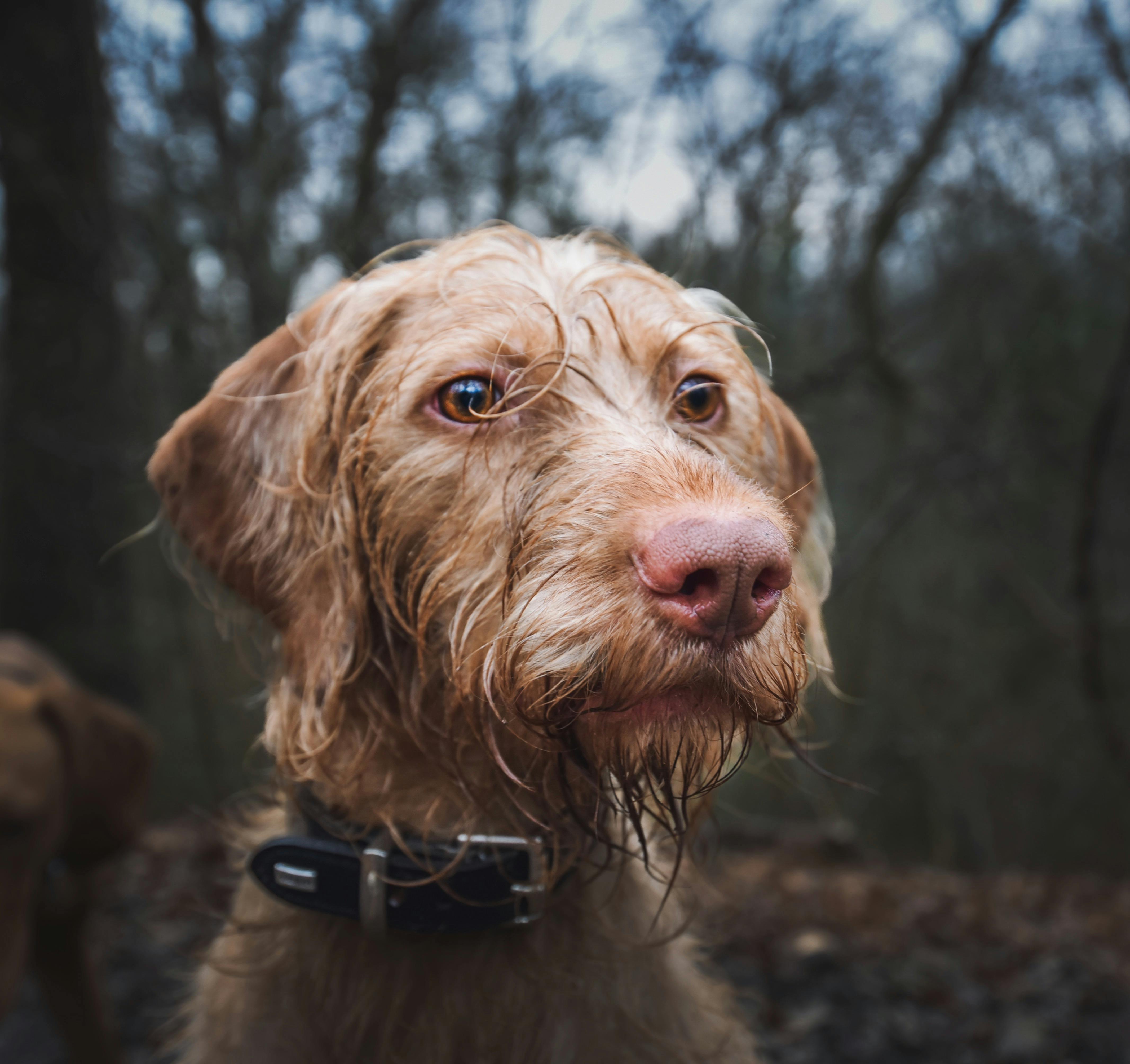 \n\n
\n\nDogs have been our companions for thousands of years, and one of the most intriguing aspects of these animals is their sense of smell. Wet noses and scent detection are vital for understanding how dogs experience the world. You might wonder, why do dogs have wet noses? Let's dig into this fascinating mystery and explore how their moist snouts enhance their super sniffer skills.
\nThe Science Behind Wet Noses
\nFirst off, the moisture on a dog's nose isn’t just for show. It plays a real role in their ability to smell. A dog's nose contains around 300 million scent receptors, compared to a human's mere 5 million. The wetness of their nose helps to capture scent molecules more effectively. Here's how it works:
\n- \n
- Absorption of Scents: The moisture allows scent particles to adhere to the surface of the nose, helping dogs to detect smells more efficiently. \n
- Temperature Regulation: A wet nose can also help keep a dog cool, as it evaporates moisture, much like sweat does for humans. \n
- Health Indicator: A dog's nose can reflect its health. A dry or cracked nose could indicate dehydration or illness, while a moist one is often a sign of a healthy pup. \n
Why are Dogs’ Noses Wet?
\nThere are several reasons for the wetness of a dog's nose. First, the structure of a dog's nose is designed for optimal scent detection. The skin on the nose has special glands that produce moisture. This moisture aids in trapping scent particles, which is crucial for their olfactory system.
\nMoreover, dogs lick their noses frequently. This behavior not only keeps their noses wet but also helps to enhance their ability to taste scents. When a dog licks its nose, it brings the scent molecules into contact with the Jacobsen's organ, located in the roof of their mouth, which helps them process smells even better.
\nFascinating Facts About Dogs’ Noses
\n- \n
- Nose Print Identification: Just like human fingerprints, every dog's nose print is unique. Some organizations even use nose prints for identification purposes. \n
- Scent Detection: Dogs can detect certain diseases like cancer or diabetes through their sense of smell. Their ability to sniff out specific scents has made them invaluable in the medical field. \n
- Tracking Ability: Law enforcement agencies often use dogs for tracking missing persons or detecting drugs because of their incredible olfactory skills. \n
Comparison: Dogs vs. Humans
\nWhen we compare our sense of smell with that of dogs, the differences are astounding. Here’s a quick overview:
\n| Aspect | \nHumans | \nDogs | \n
|---|---|---|
| Scent Receptors | \n5 million | \n300 million | \n
| Olfactory Bulb Size | \nRelatively small | \nMuch larger, proportionally | \n
| Ability to Detect Scents | \nLimited | \nExceptional | \n
| Types of Smells Detected | \nBasic odors | \nComplex and nuanced odors | \n
Practical Examples of Scent Detection
\nDogs’ noses can be utilized in various fields. Some examples include:
\n- \n
- Search and Rescue: Dogs are trained to locate lost individuals in various environments, including disaster sites. \n
- Medical Detection: Certain breeds are trained to recognize specific diseases through scent, such as alerting diabetic owners to drops in blood sugar. \n
- Law Enforcement: K9 units are essential for detecting drugs, explosives, and even tracking down suspects. \n
Historical Context of Dogs and Their Noses
\nThe relationship between dogs and humans has evolved over the centuries, and their keen sense of smell has been a significant part of that journey. Historically, dogs were bred for specific tasks like hunting, herding, and guarding. Their noses played a crucial role in these tasks, allowing them to track prey or detect intruders.
\nIn ancient Egypt, dogs were revered for their hunting abilities. The Romans used dogs for tracking and even in warfare. Today, the bond remains strong, and we continue to rely on dogs’ superior sense of smell for various tasks.
\nConclusion
\nUnderstanding why dogs have wet noses and how they enhance their remarkable sense of smell reveals the intricate relationship between dogs and humans. Their moist snouts are not just an adorable feature; they are essential tools for navigating their world. As we learn more about dogs and their abilities, we appreciate them even more. So next time you give your furry friend a pat, remember the super sniffer skills that come with that wet nose!
\n\nConclusion
\n\nIn summary, the wet noses of dogs serve several important functions that contribute to their overall health and behavior. The moisture helps enhance their sense of smell, allowing them to detect scents more effectively, which is crucial for their natural instincts. Additionally, a wet nose plays a role in thermoregulation, helping dogs cool down and maintain their body temperature. The moisture can also indicate a dog’s health, as a dry nose may suggest dehydration or illness. Understanding these aspects of a dog's anatomy can deepen our appreciation for these loyal companions. So next time you give your furry friend a pat and feel that wet nose, remember its significance. Embrace the quirks of your dog and keep an eye on their health; a happy, healthy dog is a joy to have by your side. Share your experiences with your dog's unique traits in the comments below!
\n\n