Have you ever wondered, why do dogs have wet noses? This intriguing question has puzzled many dog lovers for ages. A dog's nose is often a source of fascination, not just for its unique texture but also for its moisture. But what makes these furry companions sport such a distinctive feature? The answer lies in their biology and behavior. Did you know that a wet nose helps dogs to enhance their sense of smell? It’s true! This moisture aids in trapping scent particles, making their already powerful sense of smell even more effective. Moreover, a wet nose is often considered a sign of a healthy dog, but is that always the case? As we delve into the fascinating truth behind why dogs have wet noses, you’ll uncover surprising facts that might just change your perspective on your pet's health. Join us on this journey to explore the science and mythology surrounding this beloved characteristic. So, are you ready to discover the secrets behind your dog’s wet nose and what it means for their overall well-being? Let’s dive in!
\n\nThe Science Behind Canine Noses: Why Are Dogs' Noses Wet and What It Means for Their Health
\n\n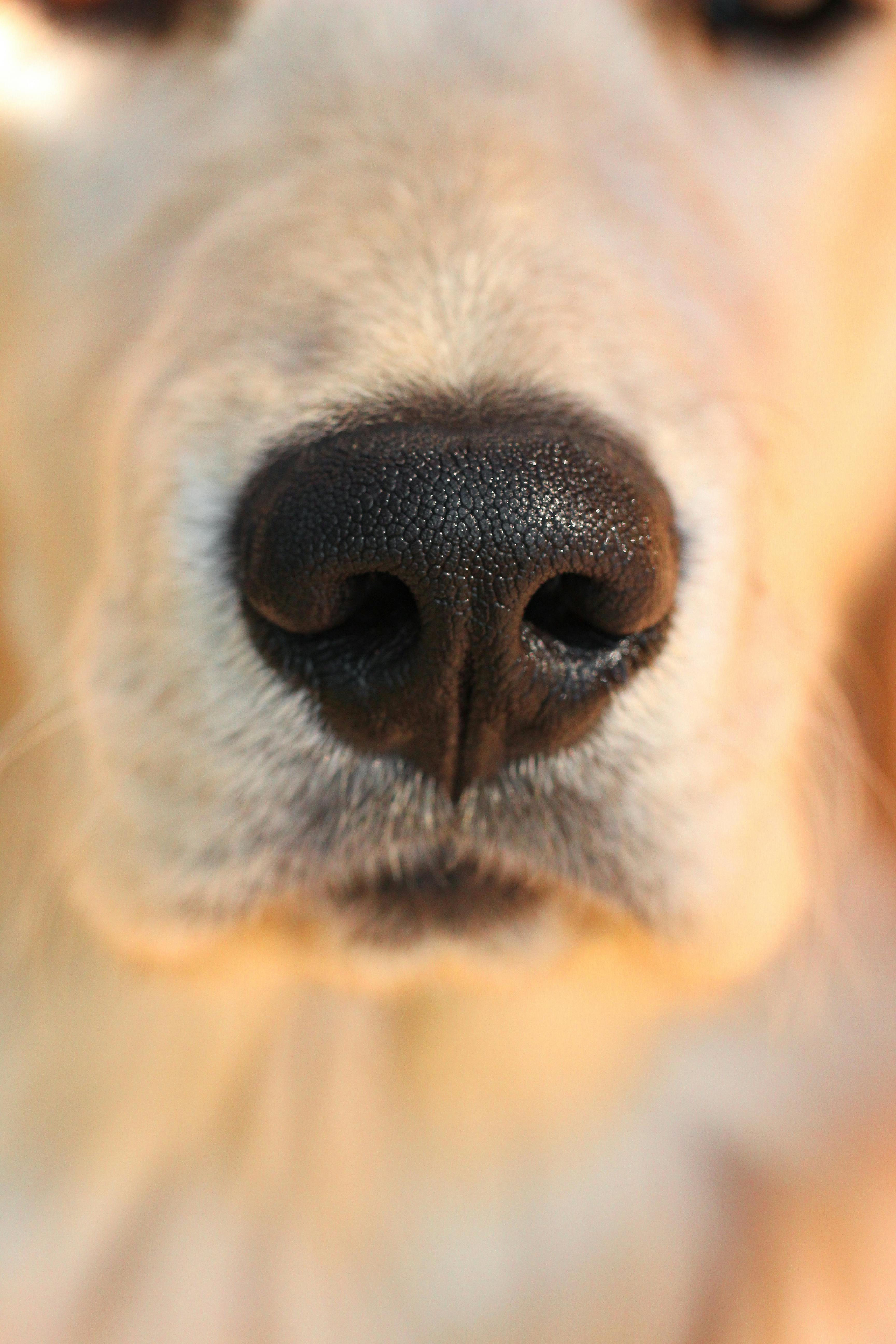 \n\n
\n\nDogs have long been known as our faithful companions, but have you ever wondered about their noses? The wetness of a dog's nose is more than just a cute feature; it actually plays a significant role in their health and abilities. In this article, we will explore the science behind canine noses, why they're often wet, and what that moisture means for their overall well-being. So, let’s dive into this fascinating topic and uncover the truth behind those adorable wet noses.
\nThe Biology of a Dog’s Nose
\nThe canine nose is a masterpiece of evolution, designed to help dogs navigate their world through scent. Here are some interesting facts about dog noses:
\n- \n
- Scent receptors: Dogs have approximately 220 million scent receptors, compared to about 5 million in humans. This gives them an extraordinary ability to detect smells. \n
- Nasal structure: The structure of a dog’s nose is highly complex, with folds and turbinates that increase the surface area for scent detection. \n
- Moisture: The wetness of a dog's nose comes from a mix of mucus and moisture secreted by glands. This wet surface helps to capture scent particles. \n
Why Are Dogs’ Noses Wet?
\nHave you noticed how a dog's nose is often wet? There are several reasons for this, and each one contributes to their health and functionality.
\n- \n
- \n
Enhanced Smelling: The moisture on a dog's nose helps to trap scent particles, making it easier for them to pick up smells. The wetness increases the olfactory sensitivity, which is vital for hunting, tracking, and even social interactions with other dogs.
\n \n - \n
Cooling Mechanism: Dogs do not sweat like humans. Instead, they regulate their body temperature through panting and the moisture on their noses. A wet nose can help cool them down on hot days.
\n \n - \n
Health Indicator: A dog’s nose can be an indicator of its health. A healthy dog typically has a moist, cool nose. If a dog’s nose becomes dry or excessively warm, this can signal a potential health issue, such as fever or dehydration.
\n \n
What Does a Wet Nose Mean for Their Health?
\nA dog's wet nose is often associated with good health, but there are nuances to consider. Here’s what you need to know:
\n- \n
- \n
Normal Condition: A regular wet nose is a sign of a healthy dog, as it indicates proper hydration and functioning glands.
\n \n - \n
Health Warning Signs: Changes in nose moisture can indicate health problems. For instance:
\n- \n
- Dry Nose: Could mean dehydration or illness. \n
- Crusty Nose: Might indicate allergies or skin infections. \n
- Excessively Wet Nose: Could be a sign of a respiratory infection. \n
\n
Historical Context
\nDogs have been our companions for thousands of years, and their noses have evolved to be incredibly sensitive. Early humans relied on dogs for hunting and companionship, and their keen sense of smell was invaluable. Over time, the bond between humans and dogs has grown, but the functionality of their noses remains crucial.
\nComparison: Dogs vs. Other Animals
\nTo really appreciate the uniqueness of a dog's nose, let’s compare it to other animals:
\n| Animal | \nScent Receptors | \nWet Nose Advantage | \n
|---|---|---|
| Dogs | \n220 million | \nEnhanced scent detection | \n
| Cats | \n5 million | \nLess emphasis on scent | \n
| Bears | \n2,100,000,000 | \nExceptional tracking ability | \n
| Elephants | \n2,000,000 | \nGood for long-range scents | \n
Practical Examples of Dog Nose Function
\nHere are some practical examples of how dogs use their wet noses in daily life:
\n- \n
- \n
Tracking: Bloodhounds are famous for their tracking abilities, which rely heavily on their sense of smell. A wet nose aids them in following scents over long distances.
\n \n - \n
Service Dogs: Many service dogs are trained to detect medical conditions, such as low blood sugar or impending seizures. Their wet noses help them pick up on subtle changes in scent.
\n \n - \n
Social Interactions: Dogs often greet each other with a nose touch. Their wet noses help them gather information about other dogs, such as their health and mood.
\n \n
Final Thoughts
\nUnderstanding why dogs have wet noses opens up a fascinating window into their health and biology. A dog’s nose is not just a cute feature; it plays an essential role in their life and well-being. Keeping an eye on any changes in your dog's nose can help you monitor their health and ensure they stay happy and active. Next time you pet your furry friend, take a moment to appreciate that wet nose and all the science behind it!
\n\n5 Fascinating Reasons Dogs Have Wet Noses That Will Change How You See Your Pet
\n\n \n\n
\n\nHave you ever wondered why your furry friend’s nose is always wet? It’s one of those quirky traits that makes dogs so unique, but do you really know the reasons behind it? Well, prepare to have your mind blown! Here are 5 fascinating reasons dogs have wet noses that will change how you see your pet.
\n1. Temperature Regulation
\nJust like humans sweat to cool down, dogs use their noses to help regulate their body temperature. When a dog’s nose is wet, it helps them cool off more effectively. The moisture evaporates, similar to how sweat functions in humans. This is particularly helpful during hot summer days when your dog might be running around and playing outside.
\n- \n
- Dogs pant to cool off, but wet noses play a key role too. \n
- A wet nose can help lower their body temperature. \n
- This is especially important for breeds that are prone to overheating. \n
2. Enhanced Sense of Smell
\nDogs are known for their incredible sense of smell, and a wet nose actually helps enhance this ability. The moisture on their noses picks up scent particles from the air, making it easier for them to track smells. This is why you might see your pup sniffing around, their nose often glistening with moisture!
\n- \n
- Dogs have up to 300 million scent receptors, while humans only have about 6 million. \n
- A wet nose helps them absorb more scent molecules. \n
- It’s like having a built-in superpower for sniffing out treats or other animals! \n
3. Communication Tool
\nBelieve it or not, a dog’s nose can also serve as a form of communication. When dogs greet each other, they often sniff each other’s noses, which is a way of gathering information about their new friend. The wetness of their noses can convey health and vitality, making it an important aspect of dog interaction.
\n- \n
- Dogs often greet each other with nose-to-nose interactions. \n
- A wet nose can signal that a dog is well-hydrated and healthy. \n
- It’s a social tool in their canine community. \n
4. The Role of Mucus
\nThe moisture on a dog’s nose comes from a combination of mucus and saliva. This mucus not only keeps their noses wet but also has antibacterial properties. This means their noses can help protect them from infections. So, that wet snout is not just about charm; it serves a purpose in keeping your pet healthy!
\n- \n
- Mucus helps trap dirt and allergens. \n
- It contains enzymes that can fight off bacteria. \n
- A healthy wet nose can be a sign of a well-cared-for dog. \n
5. Natural Behavior
\nFinally, having a wet nose is just a part of a dog’s natural behavior. Puppies are born with wet noses, and it remains a staple throughout their lives. This characteristic is common among many animals, not just dogs. In fact, you might notice that most mammals have moist noses, as it assists in various functions like hunting and socializing.
\n- \n
- Wet noses are typical in many species, not just dogs. \n
- It’s a natural trait that develops from birth. \n
- Different breeds may have varying levels of wetness, but it’s generally expected. \n
Quick Facts About Dog Noses
\n- \n
- Dogs’ noses come in various shapes and sizes, depending on the breed. \n
- The color of a dog’s nose can change with seasons, temperature, or health. \n
- A dog’s nose has a unique print, similar to a human fingerprint. \n
Why Do Dogs Have Wet Noses? Unveiling the Fascinating Truth
\nSo, the next time you give your dog a loving pat on their wet snout, remember all the fascinating reasons behind it! From temperature regulation and enhanced smell to communication and health benefits, their wet noses play a vital role in their lives.
\nUnderstanding these aspects can deepen your bond with your furry friend. Dogs are more than just pets; they are complex creatures with fascinating traits. Their wet noses are a window into their world, revealing how they interact with their environment and communicate with each other. So, embrace those slobbery kisses and those wet nuzzles; they’re just part of the magic that makes your dog, well, a dog!
\n\nDo Wet Noses Indicate a Healthy Dog? Exploring the Myths and Facts
\n\n \n\n
\n\nWhen you think about dogs, one of the first things that probably comes to mind is those adorable, wet noses. But what does it really mean when a dog's nose is wet? Is it a sign of good health, or is it just an old wives' tale? In this article, we're gonna dive into the myths and facts surrounding the ever-so-fascinating question: Do wet noses indicate a healthy dog? Let’s explore this topic a bit deeper.
\nWhy Do Dogs Have Wet Noses?
\nDogs have wet noses for several reasons, and most of them are pretty interesting. A dog’s nose is not just for show; it serves important purposes. Here’s some reasons why they might be wet:
\n- \n
- \n
Cooling Mechanism: Dogs cannot sweat like humans do. Their paws have some sweat glands, but the majority of cooling happens through panting and their noses. A wet nose helps them regulate their body temperature.
\n \n - \n
Enhanced Sense of Smell: The moisture on a dog’s nose helps to capture scent particles from the air. This makes their sense of smell even better. Wet noses can enhance their olfactory abilities, allowing dogs to sniff out things that you or I might miss.
\n \n - \n
Health Indicator: While a wet nose can be a good sign, it's not the only indicator of health. A healthy dog might have a cool, moist nose, but it can also be dry and still be in perfect health.
\n \n
The Myths Surrounding Wet Noses
\nThere’s a lot of myths floating around about what a wet nose means. Let's bust some common ones:
\n- \n
- \n
Myth #1: A Wet Nose Equals a Healthy Dog
\n
\nThis is probably the most common myth. While a wet nose can indicate that a dog is well, it’s not an absolute rule. A dry nose doesn’t automatically mean your dog is sick. \n - \n
Myth #2: A Warm Nose Means Fever
\n
\nMany people think that if a dog’s nose is warm, it means they have a fever. However, a dog’s nose temperature can fluctuate throughout the day. So, it’s not a reliable indicator of fever. \n - \n
Myth #3: Only Certain Breeds Have Wet Noses
\n
\nAll dogs have wet noses to some extent, regardless of their breed. Some might just have drier noses due to genetic factors or environmental conditions. \n
Other Factors Affecting Nose Moisture
\nThere are various reasons why a dog's nose might be wet or dry. Here’s a list of factors that could play a role:
\n- \n
- \n
Weather Conditions: Hot, dry weather can lead to a drier nose, while humid conditions can increase nose moisture.
\n \n - \n
Activity Level: After playing or being active, a dog’s nose might be wetter due to increased panting and saliva.
\n \n - \n
Health Conditions: Certain health issues can cause a dog’s nose to become dry or cracked. Things like allergies, infections, or even autoimmune diseases can affect nose moisture.
\n \n
Comparing Wet and Dry Noses
\nHere's a quick comparison of wet versus dry noses and what they might indicate:
\n| Condition | \nWet Nose | \nDry Nose | \n
|---|---|---|
| Health Indicator | \nCould indicate hydration | \nCould indicate dehydration or health issues | \n
| Temperature | \nUsually cooler | \nCan be warmer | \n
| Activity Level | \nOften wet after exercise | \nMight be dry after play | \n
What To Look For
\nIf you’re worried about your dog’s nose, it’s important to look at the whole picture. Here are some signs to keep an eye on:
\n- \n
- \n
Behavior Changes: Is your dog acting differently? Less playful or more lethargic than usual?
\n \n - \n
Appetite: Is your dog eating normally? A sudden loss of appetite could be a sign of something wrong.
\n \n - \n
Other Symptoms: Coughing, sneezing, or unusual breathing can indicate health issues.
\n \n - \n
Nose Appearance: Look for cracks, excessive dryness, or unusual discharge.
\n \n
If you see these signs, it might be a good time to contact your vet.
\nAt the end of the day, while a wet nose can be a good sign, it’s important to consider your dog's overall behavior and health. A wet nose doesn’t guarantee that your dog is healthy, and a dry one doesn’t mean the opposite. Always pay attention to your furry friend, and when in doubt, consult a veterinarian. After all, they can give you the best advice tailored to your dog's specific needs.
\n\nHow Dogs Use Their Wet Noses to Understand the World: A Deep Dive into Canine Senses
\n\n \n\n
\n\nDogs are often seen sniffing around, their wet noses twitching as they explore every nook and cranny. But have you ever wondered why do dogs have wet noses? This question not only sparks curiosity but also opens a window into how dogs understand the world around them. With their unique sensory abilities, dogs rely heavily on their noses to gather information. Let's take a deep dive into the fascinating truth behind canine senses and the role of wet noses.
\nThe Science Behind Wet Noses
\nDog's noses are more than just adorable features; they are complex organs that play a crucial role in how dogs perceive their environment. The wetness of a dog’s nose is primarily due to mucous secretion, which helps enhance their sense of smell. Here are some points to consider:
\n- \n
- \n
Enhanced Smell: The moisture on a dog’s nose helps to capture scent particles from the air. This moisture combined with the thousands of scent receptors in a dog’s nose—estimated to be around 300 million compared to a human's 5 million—allows dogs to detect smells with remarkable precision.
\n \n - \n
Temperature Regulation: Wet noses also help dogs regulate their body temperature. When they pant, moisture evaporates from their noses, cooling them down.
\n \n - \n
Communication: Dogs can also communicate with one another through their sense of smell. A wet nose can indicate a dog’s mood or health status, which other dogs can pick up on by sniffing.
\n \n
Why Do Dogs Have Wet Noses?
\nSo, why do dogs have wet noses? There are several reasons, and they all tie back to their survival and interaction with the world. Here’s a closer look:
\n- \n
- \n
Scent Detection: As mentioned, a wet nose aids in scent detection. It helps dogs discern different smells and gather information about their surroundings, including the scent of other animals or people.
\n \n - \n
Health Indicator: A dog’s nose can often reflect their health. A dry or warm nose might indicate a fever or illness, while a wet nose is generally a sign of a healthy dog.
\n \n - \n
Behavioral Insights: Dogs often use their noses to interpret their environment. For instance, when meeting a new dog, they will sniff each other's noses to gather information about each other.
\n \n
Comparing Dog Noses to Human Senses
\nTo truly appreciate the importance of a dog’s wet nose, let’s compare their olfactory capabilities to human senses:
\n- \n
- \n
Smell: Dogs can detect certain scents at incredibly low concentrations, while humans struggle. For example, dogs can detect drugs, explosives, and even certain medical conditions through scent alone.
\n \n - \n
Taste: Dogs have around 1,700 taste buds, while humans have about 9,000. This means that while dogs have a decent sense of taste, they rely much more on their sense of smell to determine flavors.
\n \n - \n
Sight: Dogs have dichromatic vision, meaning they see fewer colors than humans. This makes their sense of smell even more crucial for understanding the world.
\n \n
Practical Examples of Dog Nose Usage
\nDogs use their noses in various ways that illustrate their importance in daily life. Here are some examples:
\n- \n
- \n
Search and Rescue: Many rescue dogs are trained to locate missing persons through scent, showcasing the power of their noses in critical situations.
\n \n - \n
Therapy Dogs: Some therapy dogs can sense emotional distress in humans, often comforting those who are sad or anxious simply by being close.
\n \n - \n
Detection Dogs: Police and military dogs are trained to sniff out drugs or explosives, proving how essential their acute sense of smell is for safety and security.
\n \n
Fascinating Facts About Dogs' Noses
\n- \n
- \n
A dog's nose print is as unique as a human fingerprint, making it a potential identification tool.
\n \n - \n
The temperature of a dog’s nose can fluctuate depending on various factors, like activity level or health status.
\n \n - \n
Dogs can even detect certain diseases, such as cancer and diabetes, through their sense of smell.
\n \n
The wet nose of a dog is more than just a cute feature; it plays a vital role in how they understand and interact with the world. From detecting smells to communicating with other dogs, their noses serve multiple purposes that enrich their lives and the lives of their human companions. Next time you see a dog sniffing around, remember the incredible capabilities hidden behind that wet nose—there's a whole world of information waiting to be uncovered.
\n\nThe Connection Between Wet Noses and Dog Behavior: What Every Pet Owner Should Know
\n\n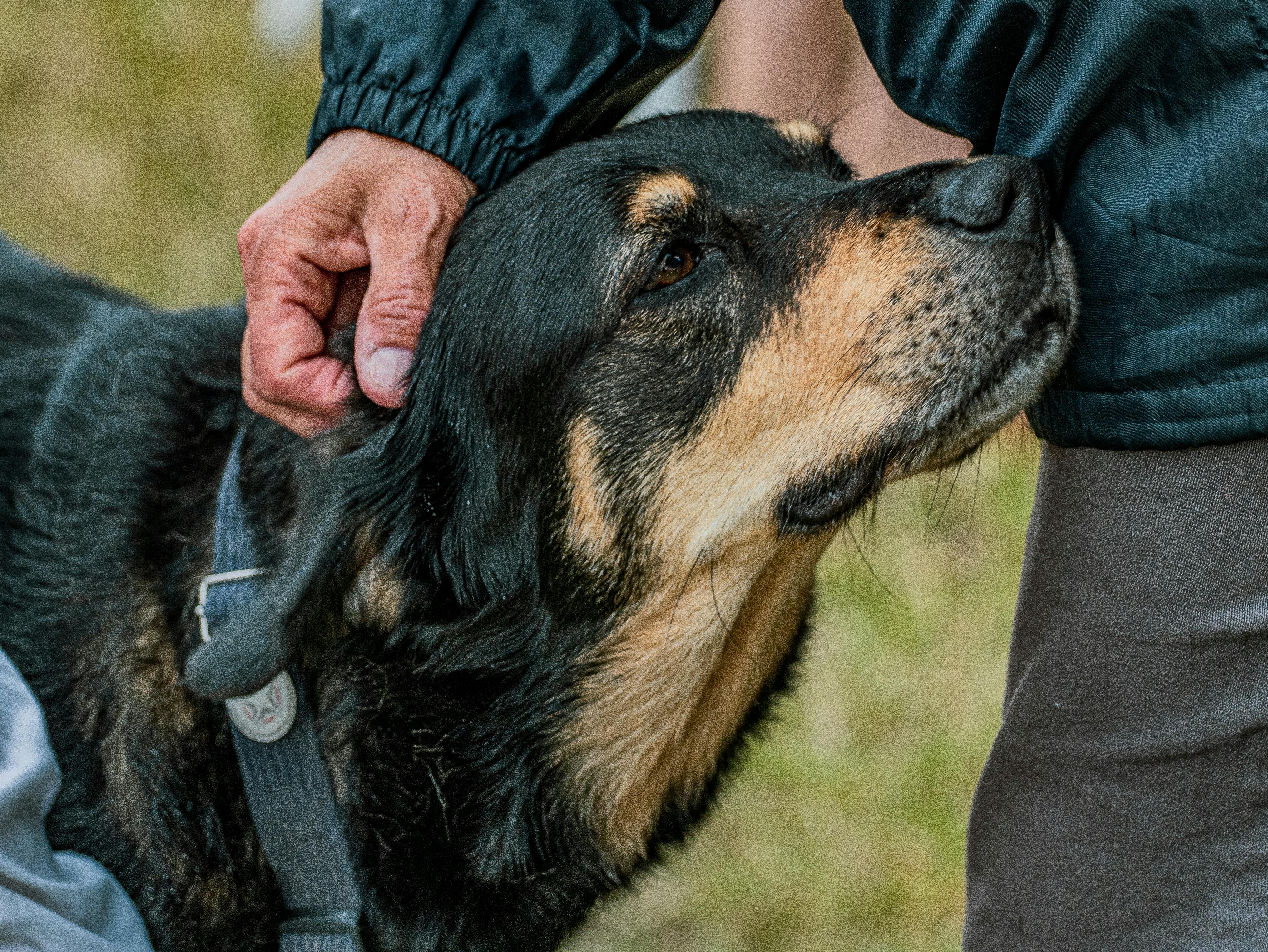 \n\n
\n\nThe connection between wet noses and dog behavior is more than just a quirky fact that dog lovers often share. For many pet owners, understanding the reasons behind their furry friends’ wet noses can provide valuable insights into their health and emotions. So, why do dogs have wet noses? Unveiling the fascinating truth involves a dive into biology, history, and the unique characteristics that make dogs such amazing companions.
\nWhy Do Dogs Have Wet Noses?
\nDogs have wet noses for several important reasons, and it’s not just because they enjoy the rain or splashing in puddles. Here’s a breakdown of the main factors:
\n- \n
- \n
Temperature Regulation: Just like humans sweat to cool down, dogs use their noses. The moisture on their noses helps to regulate their body temperature. When they pant, it’s often a sign they’re hot, and their wet noses assist in keeping them cool.
\n \n - \n
Sense of Smell: A dog’s sense of smell is one of their most powerful tools. The wetness of their nose helps to capture scent particles in the air, improving their sense of smell. This is essential for hunting, tracking, and even just finding their favorite toys.
\n \n - \n
Health Indicator: A dog’s nose can give clues about their health. Generally, a warm, dry nose can be a sign of illness, while a cool, moist nose suggests that they’re healthy. However, this is not a strict rule, as many factors can affect a dog’s nose moisture.
\n \n - \n
Communication: Dogs use their noses to communicate with other dogs and humans. The wetness may signal their emotional state, helping them to connect with others in their environment.
\n \n
The Science Behind a Wet Nose
\nThe anatomy of a dog’s nose is quite fascinating. The outer layer of a dog’s nose, called the rhinarium, is usually moist and contains special glands that secrete mucus. This mucus keeps the nose moist, allowing for enhanced olfactory functions. In addition, dogs have a unique structure in their nasal cavity called the vomeronasal organ, which helps them detect pheromones and other chemical signals.
\nHistorical Context
\nHistorically, dogs have been known as man’s best friend for thousands of years. Their roles have varied from hunting companions to herding animals. The evolution of their wet noses likely stems from their need to hunt and smell better. Ancient breeds that were primarily used for hunting may have developed this trait to increase their chances of finding food.
\nInteresting Facts About Dogs' Noses
\nHere are some intriguing tidbits that might surprise you:
\n- \n
- Dogs have approximately 220 million scent receptors in their noses, compared to about 5 million in humans. \n
- The texture of a dog's nose is as unique as a human fingerprint. \n
- Dogs can detect certain diseases, like cancer or diabetes, through changes in smell associated with those conditions. \n
- A dog’s nose can change color due to various factors, including exposure to sunlight, temperature, or health issues. \n
What Pet Owners Should Know
\nUnderstanding the connection between a dog’s wet nose and their behavior is crucial for any pet owner. Here are some practical tips:
\n- \n
- \n
Monitor Your Dog's Nose: Keep an eye on the moisture and temperature of your dog’s nose. If it changes suddenly, it might be worth a vet visit.
\n \n - \n
Provide Hydration: Ensure your dog always has access to fresh water. Hydrated dogs will maintain a moist nose better than those who are dehydrated.
\n \n - \n
Regular Vet Check-ups: Regular veterinary visits can help catch any potential health issues early. A vet can provide advice tailored to your dog’s specific needs.
\n \n - \n
Observe Behavior Changes: If you notice a change in your dog's behavior alongside a dry nose, it may be time to investigate further.
\n \n
Conclusion
\nThe connection between wet noses and dog behavior reveals a lot about these beloved pets. From temperature regulation to enhanced senses, their wet noses serve multiple purposes. Being aware of these factors can help pet owners maintain their dog's health and happiness. So next time you give your furry friend a scratch behind the ears, take a moment to appreciate that wet nose and all the wonders it represents.
\n\nWet Noses vs. Dry Noses: When to Worry About Your Dog’s Nose Health
\n\n\n\nDogs are often known for their wet noses, but have you ever wonder why? It’s one of those quirky things about our furry friends that makes them unique. But, when it comes to dog health, the state of their noses could be important. Wet noses vs. dry noses is a common topic among pet owners. When should you really worry about your dog’s nose health? And what’s the deal with those wet noses anyway? Let’s dive into the fascinating truth behind why dogs have wet noses.
\nWhy Do Dogs Have Wet Noses?
\nDogs have wet noses for several reasons. First off, it helps them smell better. The moisture on their noses helps to capture scent particles, making it easier for dogs to pick up different smells. Isn’t that interesting? A dog’s sense of smell is already incredible, but a wet nose takes it to another level.
\nMoreover, wet noses help regulate temperature. When a dog pants or licks their nose, the evaporation of moisture helps cool them down. This is super important since dogs don’t sweat like humans do. They rely on their noses, and to some extent, their paw pads to help with temperature control.
\nHere are some quick facts about why dogs have wet noses:
\n- \n
- Enhanced Smell: Moisture helps trap scent particles. \n
- Temperature Regulation: Evaporation cools the dog down. \n
- Health Indicator: Changes in moisture may signal health issues. \n
Wet Noses vs. Dry Noses: What’s Normal?
\nMost dog owners might think that a wet nose is the standard. But, dogs can also have dry noses and still be healthy. The key is to pay attention to changes in your dog’s nose condition. A dry nose could just be a sign of a hot day or dehydration, but it could also indicate something more serious.
\nWhen assessing your dog’s nose health, consider these factors:
\n- \n
- Hydration Level: Is your dog drinking enough water? \n
- Environment: Hot, dry weather can lead to dehydration. \n
- Health Changes: Has your dog been acting differently? \n
When to Worry About Your Dog’s Nose Health
\nSo, when should you really start worrying? If you notice your dog’s nose is persistently dry, cracked, or even bleeding, it might be time to consult a vet. Here are some signs that could indicate a problem:
\n- \n
- Persistent Dryness: If the nose stays dry for an extended period. \n
- Bleeding or Cracks: Any visible injuries on the nose. \n
- Behavior Changes: If your dog seems lethargic or disinterested in food. \n
Common Causes of Nose Problems in Dogs
\nThere are several reasons why a dog might develop nose issues. Some of the most common causes include:
\n- \n
- Dehydration: Not enough water intake. \n
- Allergies: Seasonal or environmental allergens. \n
- Infections: Bacterial or fungal infections can lead to serious issues. \n
- Autoimmune Disorders: Some dogs may develop conditions that affect their skin, including the nose. \n
Tips for Maintaining Your Dog's Nose Health
\nKeeping your dog’s nose healthy doesn’t require much effort, but it can make a big difference. Here are some practical tips to ensure your furry friend stays healthy:
\n- \n
- Regular Vet Check-ups: Early detection is key to treating health issues. \n
- Hydration: Always provide fresh water for your dog. \n
- Watch the Weather: Protect your dog from extreme heat or cold. \n
- Diet: A balanced diet helps maintain overall health. \n
The Fascinating Truth About Dog Noses
\nDid you know that dogs have about 220 million scent receptors in their noses? That’s compared to a human’s mere 5 million! This gives them a sense of smell that is far superior to ours. Dogs can even detect certain diseases, like cancer, just by sniffing.
\nAlso, the texture of a dog’s nose can vary from breed to breed. Some breeds have naturally drier noses, while others maintain that signature wet look. It’s all part of what makes dogs so special.
\nUnderstanding your dog’s nose can lead to better overall health. Whether it's a wet or dry nose, being observant can help you catch any potential issues before they become serious.
\nKeeping all this in mind, it's clear that both wet and dry noses can be normal, but monitoring changes is crucial. If you have concerns about your dog’s nose or overall health, don’t hesitate to reach out to a veterinarian. They can provide the best guidance tailored to your pet’s needs.
\n\n7 Surprising Benefits of Your Dog’s Wet Nose That You Never Knew
\n\n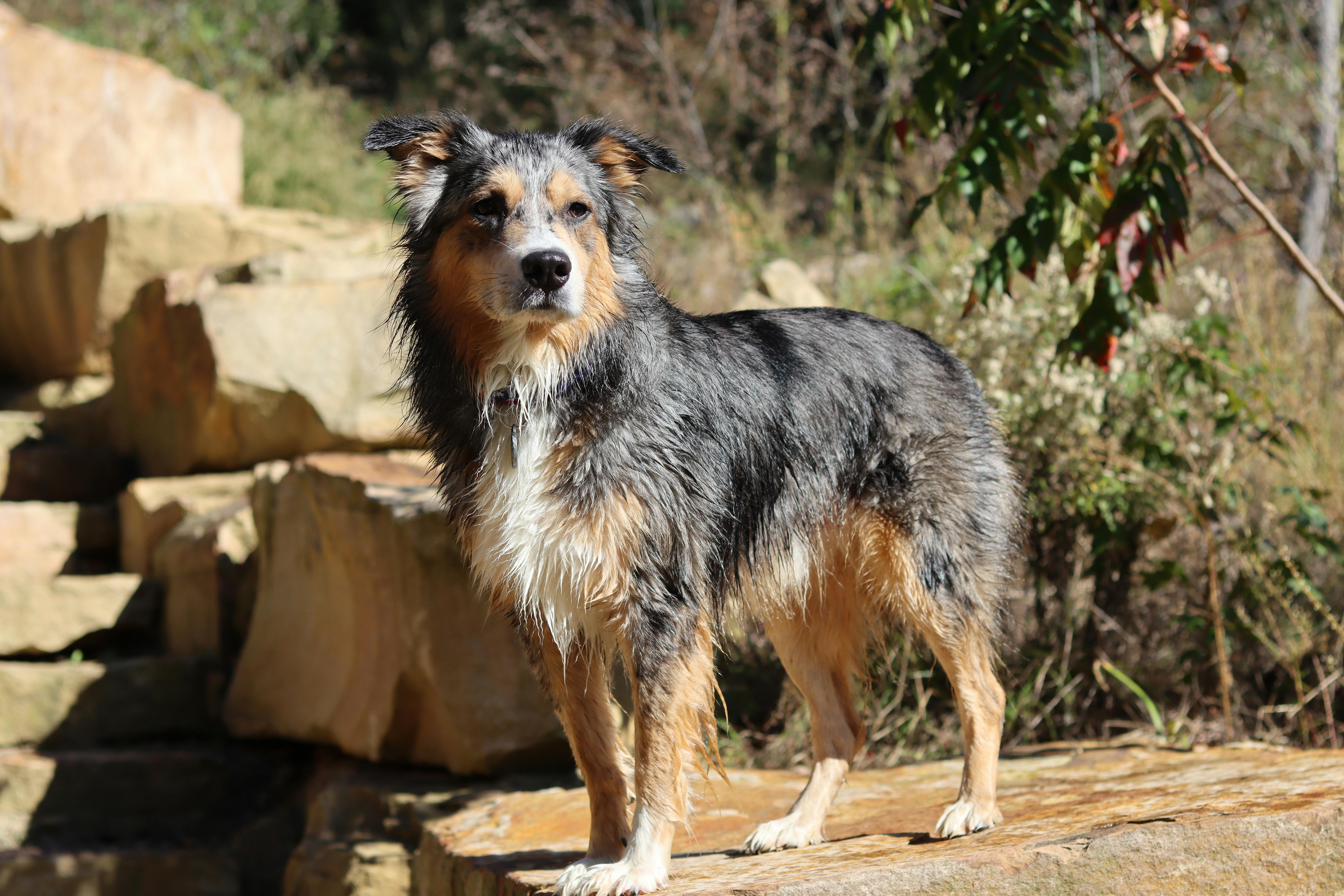 \n\n
\n\nWhen you think about dogs, one of the first things comes to mind is their adorable wet noses. But have you ever wondered why do dogs have wet noses? It's not just for show, and it ain't just a cute quirk. In fact, there’s some surprising benefits that come along with that moisture. Let’s unveil the fascinating truth about your furry friend's nose and explore 7 benefits you probably never knew about.
\n1. Thermoregulation
\nDogs can’t sweat like humans do, so they rely on their wet noses to help cool themselves. The moisture on their nose evaporates, helping regulate their body temperature. It’s like a built-in AC unit! This is especially important during hot summer days when they’s out playing fetch.
\n2. Enhanced Sense of Smell
\nYou might not know this, but a dog's sense of smell is much more acute than ours—up to 100,000 times better! The moisture on their noses helps capture scent particles from the air, making it easier for them to detect smells. Think about it: that’s why they're so good at tracking scents, whether it's for search and rescue or just finding that last piece of pizza you dropped on the floor.
\n3. Communication Tool
\nDogs are not just good at barking; they communicate in various ways, and their noses are part of it. A wet nose can indicate a dog’s emotional state. If your dog’s nose is cold and damp, they might be relaxed or happy. Conversely, a dry nose can signal stress or illness. This little detail can help you understand your pup better.
\n4. Health Indicator
\nYou might think that a wet nose is always a sign of health, but it can be more complex than that. While a wet nose often indicates that your dog is healthy, changes in its moisture level can signal issues. For instance, a dry or cracked nose might indicate dehydration or illness. Regularly checking your dog’s nose can be an easy way to monitor their health.
\n5. Natural Antiseptic
\nThe nose of a dog is not just moist; it has natural antimicrobial properties, which helps them resist bacteria and infections. The mucus on their nose contains enzymes that can fight off germs, making it a natural defense mechanism. This is why dogs can stick their noses into all sorts of places without getting sick easily, unlike us.
\n6. Bonding Experience
\nHave you ever noticed how dogs love to nuzzle and boop their noses against you? This isn’t just an adorable behavior; it’s also a bonding experience. When a dog presses their wet nose against you, they’re showing affection. Engaging in this kind of interaction strengthens your relationship and builds trust. It’s a little thing that makes a big difference in your connection with your furry friend.
\n7. Hydration Reminder
\nDogs can sometimes forget to drink water, especially when they are playing. A wet nose can be a reminder for you to keep your pup hydrated. If you notice their nose is getting dry, it might be time to refill their water bowl. Keeping them hydrated is crucial for their overall health and helps maintain that glorious wet nose.
\nFun Facts About Dog Noses
\n- \n
- The shape and size of a dog's nose can also affect their ability to smell. Breeds like Bloodhounds have long, droopy noses that help trap scent particles. \n
- Just like human fingerprints, every dog’s nose print is unique. This means you could use it as a form of identification if needed. \n
- Dogs have around 300 million smell receptors in their noses, compared to a human’s 5 million. That’s a lot of sniffing power! \n
Quick Comparison: Dog Noses vs. Human Noses
\n| Feature | \nDog Nose | \nHuman Nose | \n
|---|---|---|
| Moisture Level | \nGenerally wet | \nTypically dry | \n
| Smell Receptors | \nUp to 300 million | \nAbout 5 million | \n
| Communication | \nNon-verbal cues | \nVocal and non-verbal cues | \n
| Temperature Regulation | \nUses moisture to cool | \nSweating to cool | \n
| Health Indicator | \nChanges can signal illness | \nLess reliable for health | \n
The next time you see your dog's wet nose, remember, it’s much more than just a cute feature. It’s a multifunctional tool that plays a crucial role in their health, communication, and bond with you. With all these benefits, your dog’s wet nose might just be one of the most fascinating aspects of their anatomy. Embrace it, and keep an eye on that little marvel—because it holds a wealth of information about your furry friend.
\n\nWhy Do Some Dogs Have Wetter Noses Than Others? Discover the Factors at Play
\n\n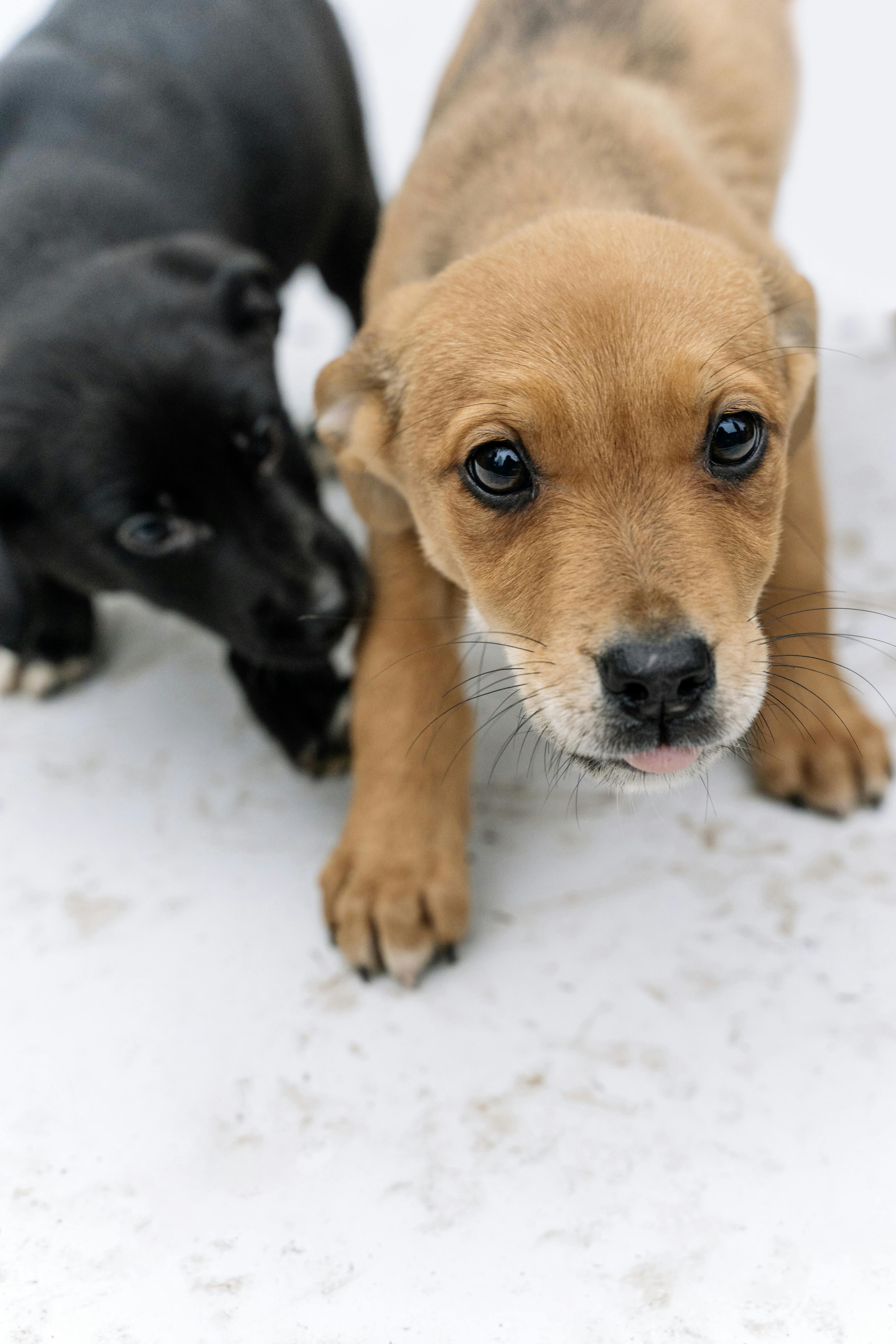 \n\n
\n\nDogs are often known for their unique characteristics, and one of the most interesting features is their wet noses. You might have wondered, why do some dogs have wetter noses than others? The reality is, this phenomenon is influenced by several factors that range from breed types to environmental conditions. In this article, we delve into the fascinating world of canine noses, exploring the reasons behind their moisture levels and uncovering the truth about why dogs have wet noses.
\nUnderstanding the Canine Nose
\nFirst off, dog noses are not just for show. They play a vital role in their overall health and function. A wet nose is often associated with a healthy dog, while a dry one could indicate a problem. However, it is essential to note that a dog's nose temperature and moisture level can fluctuate throughout the day, depending on various elements.
\nFactors Influencing Nose Moisture
\nThere are several reasons that result in different moisture levels in a dog's nose. Here are some of the key factors:
\n- \n
- \n
Breed Variations: Certain breeds, like Bulldogs and Pugs, tend to have drier noses compared to breeds like Retrievers or German Shepherds. This is often due to their facial structure and genetics.
\n \n - \n
Weather Conditions: Dogs who spend a lot of time outdoors in humid climates may have wetter noses. Conversely, dry or windy weather can lead to a drier nose.
\n \n - \n
Health Status: A dog’s health can affect its nose moisture. A sick dog may have a dry nose, while a healthy dog often has a wet one. Conditions like allergies or infections can also play a role.
\n \n - \n
Activity Level: After exercise, many dogs have wetter noses due to increased panting and saliva production.
\n \n - \n
Age: Puppies generally have wetter noses than older dogs. As dogs age, their nose moisture may decrease.
\n \n
The Science Behind Wet Noses
\nWhy do dogs have wet noses? One primary reason is that moisture helps enhance their sense of smell. A wet surface can capture more scent particles, making it easier for dogs to detect odors in their environment. This moisture is often a result of mucus that helps to keep the nose moist.
\nMoreover, dogs have a special gland in their noses that secretes this mucus. When the nose is wet, it allows dogs to better absorb smells, which is crucial for their survival instincts.
\nWet vs. Dry Noses: What’s Normal?
\nIt’s important to understand what is considered a normal nose condition for dogs. Here’s a simple breakdown:
\n- \n
- Normal: Slightly moist, cool to the touch, with occasional changes. \n
- Dry: Can indicate dehydration, fever, or illness; observe other symptoms. \n
- Excessively Wet: Can indicate excitement or anxiety; could be normal but should be monitored. \n
Practical Examples of Nose Conditions
\nHere’s a quick table of symptoms related to nose conditions:
\n| Condition | \nDescription | \nPossible Causes | \n
|---|---|---|
| Normal | \nMoist, cool nose | \nHealthy dog | \n
| Dry | \nWarm, cracked surface | \nDehydration, fever, allergies | \n
| Excessively Wet | \nSlippery, dripping | \nExcitement, anxiety, allergies | \n
| Crusty | \nFlaky, painful | \nInfection, dermatitis | \n
The Role of Environment
\nEnvironmental factors are crucial when it comes to understanding why do dogs have wet noses. For instance:
\n- \n
- Dogs that live in more humid climates tend to have wetter noses than those in arid regions. \n
- Indoor dogs may also experience fluctuations in nose moisture due to heating or air conditioning that dries the air. \n
Breeds and Their Nose Characteristics
\nDifferent breeds exhibit varying nose moisture levels, which can be surprising. Some breeds known for their wetter noses include:
\n- \n
- Labrador Retrievers \n
- Golden Retrievers \n
- Beagles \n
On the other hand, breeds with drier noses often include:
\n- \n
- Bulldogs \n
- Pugs \n
- Boston Terriers \n
Each dog is unique, and their nose conditions can tell you quite a bit about their health and environment.
\nIn summary, the moisture level of a dog's nose can be influenced by a myriad of factors, including breed, health, and environment. Understanding these aspects can help pet owners monitor their furry friends' well-being effectively. While a wet nose is often seen as a sign of a healthy dog, it's essential to keep an eye on any drastic changes. Regular vet check-ups can ensure that your canine companion remains happy and healthy, with a nose that’s just the right amount of wet!
\n\nThe Role of Moisture in a Dog’s Nose: Enhancing Their Sense of Smell and Communication
\n\n \n\n
\n\nDogs are known for their incredible sense of smell, which is way better than that of humans. One of the fascinating aspects of a dog’s anatomy is their wet nose. Ever wonder why do dogs have wet noses? This question leads us to delve into the role of moisture in a dog’s nose, how it enhances their ability to smell, and even how it plays into their communication with humans and other animals.
\nThe Importance of Moisture
\nMoisture on a dog's nose ain’t just for show. It serves several important functions. The wetness helps capture scent particles in the air, making it easier for dogs to detect smells. When their noses are moist, they can absorb scent molecules better, which is essential for their keen sense of smell. The reasons for this include:
\n- \n
- Enhanced Scent Absorption: Moisture allows scent molecules to stick to the nose, increasing the chances of detection. \n
- Temperature Regulation: A wet nose helps dogs to cool down, since they don’t sweat like humans do. \n
- Communication Tool: Dogs use their noses to communicate with each other, and a wet nose can indicate a dog’s health and emotional state. \n
Why Are Dog Noses Wet?
\nNow, let’s explore why do dogs have wet noses in more detail. The moisture comes from a combination of factors, including:
\n- \n
- Mucous Glands: Dogs have specialized glands in their noses that produce mucus, which keeps the surface wet. \n
- Saliva: Dogs often lick their noses, which adds moisture and helps in scent detection. \n
- Environmental Factors: Humidity and temperature can also affect the moisture level in a dog’s nose. \n
Historical Context
\nThroughout history, dogs been companions to humans for thousands of years. Ancient civilizations recognized the importance of dogs not just as pets but as working animals. Their ability to smell has been crucial in hunting, tracking, and even in search-and-rescue missions. Back in the day, people might not have understood the science behind a dog's wet nose, but they sure appreciated their ability to locate food or lost individuals.
\nThe Fascinating Science Behind Dog Noses
\nDogs possess a remarkable olfactory system. They have up to 300 million scent receptors in their noses, compared to a human's mere 5 million. This difference makes their sense of smell anywhere from 10,000 to 100,000 times more acute than ours. Here are some interesting facts about a dog's nose that shows how it works:
\n- \n
- A dog can detect certain scents at incredibly low concentrations, even in parts per trillion. \n
- They can differentiate between different smells, which helps them identify specific individuals. \n
- Dogs can even detect changes in human emotions through scent, as our body chemistry changes when we are stressed or excited. \n
How Moisture Impacts Communication
\nThe wetness of a dog's nose is not just about smell; it also plays a role in how dogs communicate with each other. A moist nose can indicate that a dog is healthy and active. Moreover, when dogs greet each other, they often sniff each other's noses. This behavior is a way of gathering information and establishing social bonds.
\nFun Facts About Dog Noses
\n- \n
- Dogs have unique nose prints, just like humans have fingerprints. Each dog’s nose pattern is different and can be used for identification. \n
- The color of a dog’s nose can change due to health conditions or even the weather. For example, a dog may have a lighter nose in winter and a darker one in summer. \n
- Dogs can even be trained to detect diseases, like cancer, through their sense of smell, showcasing just how powerful their noses really are. \n
Summary of Key Points
\n- \n
- Dogs’ noses are wet primarily due to moisture from mucous glands and saliva. \n
- The wetness enhances their sense of smell, allowing them to absorb scent molecules more effectively. \n
- A wet nose can also signal a dog's health and emotional state. \n
- Dogs have a superior olfactory system with up to 300 million scent receptors. \n
In summary, the wetness of a dog's nose is a vital aspect of their biology that enhances their sense of smell and plays a significant role in communication. It’s a fascinating blend of science and nature that showcases why dogs are such remarkable creatures. So, next time you see a dog with a wet nose, remember that it’s not just cute; it’s a key part of how they experience the world.
\n\nCan Your Dog’s Wet Nose Predict Its Mood? Unraveling the Emotional Signals of Canine Companions
\n\n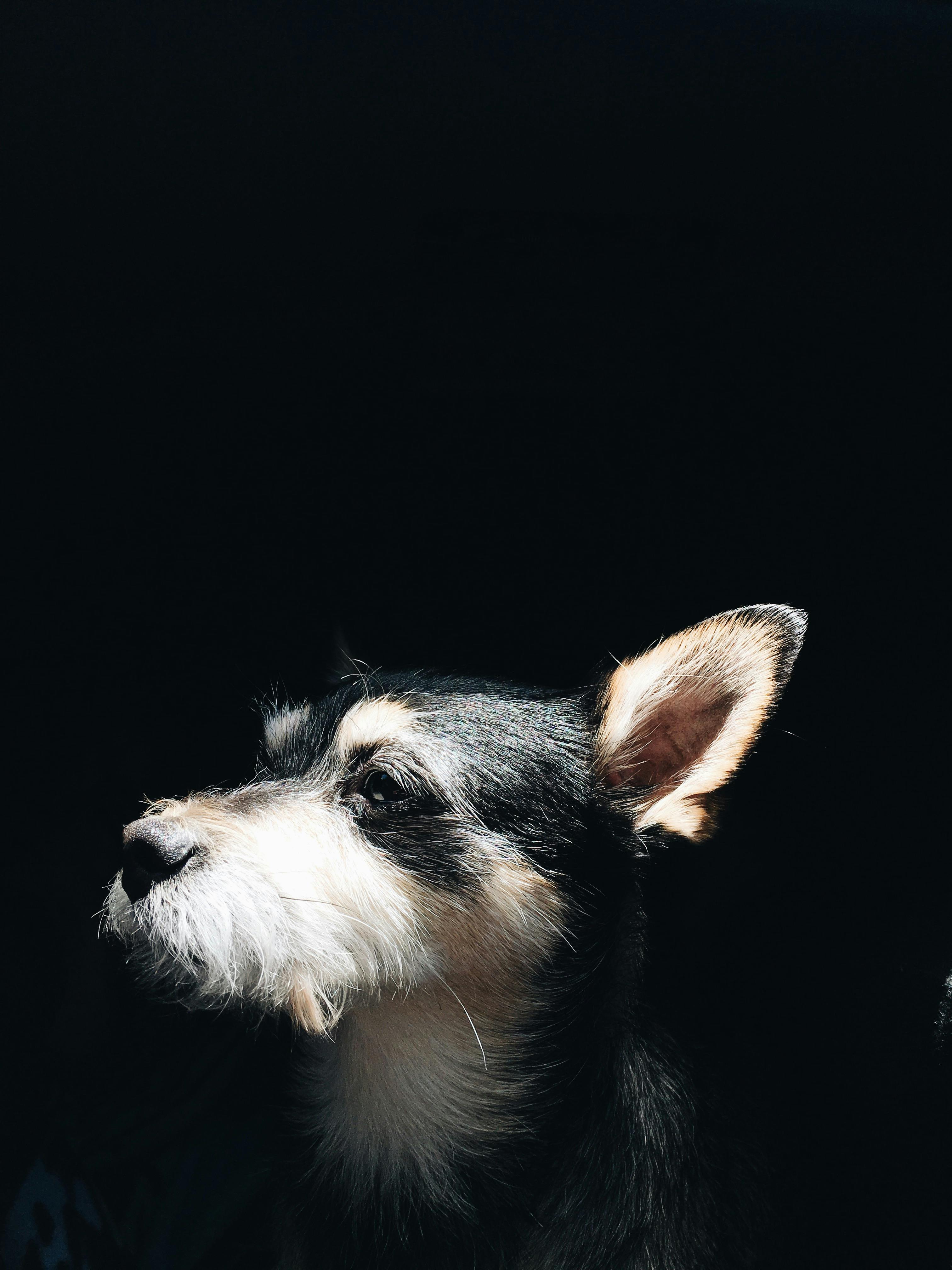 \n\n
\n\nDogs are more than just pets; they are our companions, friends, and even family members. One of the most intriguing and curious things about dogs is their wet noses. It makes you wonder: Can your dog’s wet nose predict its mood? Unraveling the emotional signals of canine companions is not just a fun thought experiment; it can also help strengthen the bond between you and your furry friend.
\nWhy Do Dogs Have Wet Noses?
\nThe wetness of a dog's nose is a topic that sparks interest and questions. So, why do dogs have wet noses? Here’s the scoop:
\n- \n
- Body Temperature Regulation: Dogs don’t sweat like humans do. Their nose helps them cool down. The moisture on their noses evaporates, which helps regulate their body temperature. \n
- Enhanced Smell: A wet nose can trap scent particles, making it easier for dogs to detect smells. Dogs possess an extraordinary sense of smell, and their wet noses play a crucial role in this ability. \n
- Sign of Health: A wet nose can indicate good health. If your dog has a dry nose, it could be a sign of an underlying health issue, although this isn’t always the case. \n
The Emotional Signals of a Dog’s Wet Nose
\nNow, let's dive into the emotional aspect. Can a wet nose really tell you how your dog feels? Some dog experts and owners believe so. Here’s the breakdown:
\n- \n
- Excitement: When dogs are happy or excited, they often have a wet nose. If your dog comes running to greet you with a moist snout, it’s usually a sign of joy. \n
- Relaxation: A relaxed dog may have a wet nose, too, as they tend to breathe deeply and slowly, leading to moisture accumulation. \n
- Stress or Anxiety: Conversely, a dry nose might signal that your dog is feeling stressed or anxious. Changes in their environment or routine can cause this response. \n
Factors Influencing Nose Wetness
\nIt's not just emotions that affect a dog's nose. Various external factors also come into play. Here’s a list of things that can influence the wetness of your dog's nose:
\n- \n
- Weather: Hot or dry weather can lead to a drier nose. \n
- Health: Illness or dehydration can also affect nose moisture levels. \n
- Activity Level: After a vigorous play session, a dog's nose may be wetter due to increased panting and drooling. \n
Fun Facts About Dog Noses
\nThe canine nose is a marvel of nature. Here are some fun facts that might surprise you:
\n- \n
- Unique Patterns: Just like human fingerprints, each dog’s nose print is unique. \n
- Scent Detection: Dogs have between 220 million to 300 million scent receptors in their noses, compared to a human's 5 million. \n
- Temperature Sensitivity: Dogs can sense changes in temperature and pressure through their noses, making them excellent at detecting weather changes. \n
Comparing Dog Noses
\nHere's a quick comparison of dog noses to give you an idea of their diversity:
\n| Dog Breed | \nNose Type | \nWetness Level | \n
|---|---|---|
| Labrador Retriever | \nVery Wet | \nHigh | \n
| Bulldog | \nModerately Wet | \nModerate | \n
| Dachshund | \nWet | \nModerate | \n
| Chihuahua | \nSometimes Dry | \nVariable | \n
Practical Examples of Nose Behavior
\nUnderstanding your dog's nose behavior can help you interpret their mood and needs. Here are some scenarios:
\n- \n
- Wet and Cold Nose: Your dog approaches you with a cool, wet nose, wagging its tail. This is likely a sign of happiness and affection. \n
- Dry and Warm Nose: If your dog is lying down with a warm, dry nose, it could be time for a health check, especially if this is unusual for them. \n
- Sniffing and Licking: A dog that is sniffing around and frequently licking its nose may be curious or anxious about something in their environment. \n
Recognizing the signals your dog's nose sends can be a fun way to deepen your connection with them. The more you pay attention, the better you can respond to their needs, whether it be playtime, comfort, or health check-ups.
\nIn the end, while a wet nose can provide clues about your dog’s mood, it is just one piece of the puzzle. By observing their body language, vocalizations, and overall behavior, you can gain a more comprehensive understanding of your canine companion. So, next time you greet your dog, take a moment to appreciate that wet nose – it’s communicating more than you might think!
\n\nConclusion
\n\nIn conclusion, the wet noses of dogs serve several important functions, from enhancing their sense of smell to maintaining body temperature and promoting overall health. The moisture on a dog's nose helps to capture scent particles, making their olfactory capabilities even more remarkable. Additionally, a wet nose can indicate hydration and well-being, while variations in moisture levels may signal health issues that warrant attention. Understanding the science behind this unique characteristic not only deepens our appreciation for our furry companions but also reminds us to monitor their health closely. So, the next time you give your dog a friendly pat and feel that familiar wet nose, remember that it’s not just a quirky trait—it’s a vital part of what makes dogs such incredible animals. Stay informed about your pet's health and ensure they receive regular veterinary check-ups to keep that nose wet and healthy!
\n\n