Have you ever wondered, why do dogs have wet noses? This adorable mystery captivates pet lovers and curious minds alike! A dog’s wet nose is more than just a cute feature; it's a fascinating aspect of canine biology that serves several important purposes. Many people ask, “Is it normal for my dog to have a wet nose?” The answer is yes, and in this blog post, we will explore the reasons behind this intriguing phenomenon. From enhanced sense of smell to temperature regulation, the secrets of your furry friend’s nose are worth uncovering. Not only does a wet nose help dogs sniff out their surroundings more effectively, but it also plays a vital role in their overall health. Have you noticed your dog’s nose changes throughout the day? This can indicate various factors, including hydration levels and emotional state. Join us as we dive deep into the world of canine physiology and discover why those wet noses are not just adorable but essential for your dog's well-being. Get ready to unravel the charming secrets of your pup’s wet nose and impress your friends with your newfound knowledge!
The Science Behind Doggy Noses: Why Are They Always Wet?
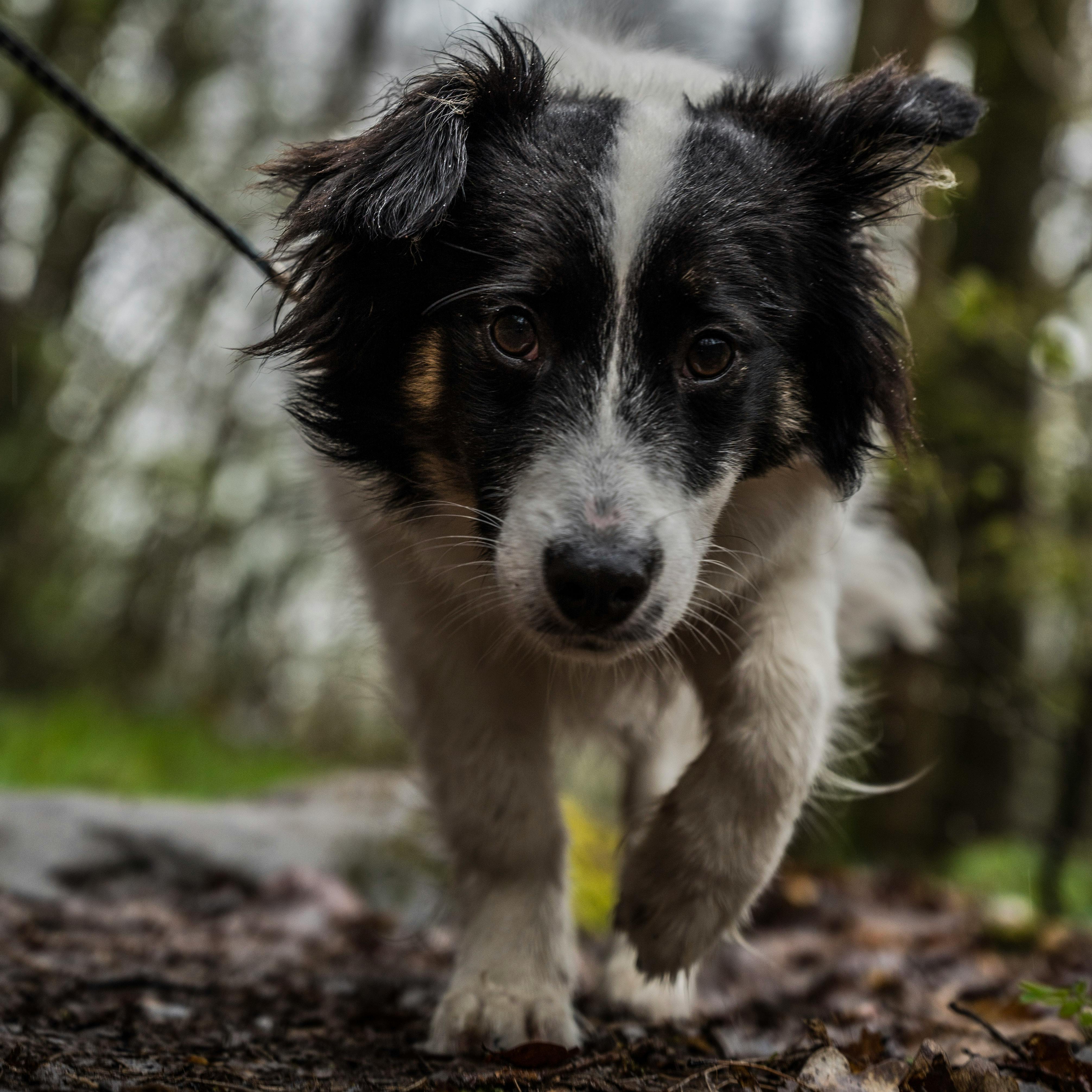
In the world of our furry companions, few things are as adorable as a dog’s wet nose. Ever wonder why they are always moist? This simple question opens the door to a fascinating world of canine biology and behavior. The reasons behind doggy noses being wet are not just about cuteness; it’s all about survival, health, and communication. Let’s take a deep dive into this adorable mystery and discover why do dogs have wet noses.
The Nature of a Dog's Nose
A dog's nose is not just for show, it’s a complex organ that helps them interact with their environment. Dogs have an extraordinary sense of smell, estimated to be anywhere from 10,000 to 100,000 times more sensitive than humans! This incredible olfactory ability is partly due to the structure of their noses, which has millions of scent receptors.
- Dogs noses have a specialized structure called the olfactory bulb which is responsible for processing smells.
- The wetness of a dog's nose also helps to enhance their sense of smell by capturing scent particles from the air.
- A wet nose allows for better adhesion of smell molecules, improving a dog’s ability to detect scents.
Why Are Dog Noses Wet?
Now, let's get into the nitty-gritty of why dog noses are often wet. One of the main reasons is that dogs lick their noses. When they do this, it keeps their noses moist which enhances their olfactory abilities.
- Thermoregulation: A wet nose can help regulate a dog’s body temperature. Just like humans sweat, dogs can cool themselves down through their noses.
- Scent Enhancement: Moisture on the nose can help pick up scent molecules, making it easier for them to identify various smells.
- Health Indicator: A wet nose is typically a sign of a healthy dog. However, if it becomes excessively dry, it could signal underlying health issues.
The Science Behind the Moisture
So, where does all that moisture come from? It’s not just from licking! Dogs have special glands in their noses that produce a thin layer of mucus. This mucus not only aids in smell but also protects their noses from environmental irritants.
Here’s a breakdown of the sources of moisture in dog noses:
- Saliva: Dogs often lick their noses to keep them moist.
- Mucous Glands: These glands secrete moisture to keep the nose hydrated.
- Environmental Factors: Humidity and temperature can influence how wet a dog’s nose is.
Not All Dogs Have Same Nose Conditions
Interestingly, not all dogs have the same nose characteristics. Different breeds can have different nose shapes and moisture levels. For example:
- Short-Nosed Breeds: Breeds like bulldogs or pugs may have less moist noses due to their shorter airway.
- Long-Nosed Breeds: Breeds such as hounds often have wet noses that enhance their ability to track scents.
Fun Facts About Dog Noses
Here are some fun and surprising facts about dog noses that you might not know:
- Each dog’s nose print is unique, much like human fingerprints. This can even be used for identification purposes!
- Certain breeds, like Bloodhounds, are renowned for their exceptional sense of smell and tracking abilities.
- A dog's sense of smell can detect certain medical conditions, such as diabetes or cancer, through scent changes.
Practical Examples of Nose Use
Dogs use their noses in various ways throughout their lives. Here are some practical examples:
- Tracking: Search and rescue dogs rely on their sense of smell to locate missing persons.
- Detection Work: Police dogs are trained to sniff out drugs, explosives, and even currency.
- Therapy: Some therapy dogs use their noses to comfort individuals in distress, making them feel at ease.
In the end, a dog's wet nose is more than just a cute feature; it plays a vital role in their health, communication, and survival. Understanding why do dogs have wet noses can deepen our appreciation for these wonderful creatures. Next time you give your furry friend a pat, take a moment to admire that wet nose and all the science behind it! It’s not just adorable but also a remarkable part of what makes dogs so special.
5 Fascinating Reasons Your Dog’s Nose Is Moist and What It Means
Ever looked at your furry friend and wondered why do dogs have wet noses? It’s one of those adorable mysteries that has puzzled many pet owners for years. A dog’s nose is not just cute; it's also a fascinating organ that serves multiple purposes. Let’s delve into this charming topic and discover five intriguing reasons behind your dog's moist nose.
1. Thermoregulation
Dogs, unlike humans, don’t sweat the same way. They primarily regulate their body temperature through panting, but their noses play a role too. When a dog’s nose is moist, it helps to cool them down. The moisture evaporates, which creates a cooling effect. It’s like nature’s air conditioner right on their snout! So, if your dog’s nose is a little damp, it might just be their way of handling the heat.
2. Enhancing Sense of Smell
Did you know that a dog’s sense of smell is up to 100,000 times better than a human’s? Moisture on their nose helps to capture scent particles from the air. This moisture makes it easier for dogs to analyze smells. So when you see your pup sniffing around with that wet nose, they are not just being cute; they are literally gathering information about the world around them. It’s a canine GPS!
3. Communication Tool
Dogs communicate in various ways, and their noses are part of that language. A wet nose can signal a dog’s emotional state. For instance, when they are relaxed or happy, their noses might be more moist. Conversely, if they are nervous or scared, their noses may become drier. Understanding this can help you better interpret your furry friend’s feelings and needs.
4. Health Indicator
A dog’s nose can also be a good indicator of their health. A moist nose is often a sign of a healthy dog, while a dry or cracked nose could suggest dehydration or illness. However, it’s not always a one-size-fits-all rule. Some dogs naturally have drier noses due to breed characteristics. So while a wet nose is often a good sign, it’s essential to consider other health symptoms and consult with a veterinarian if you notice drastic changes.
5. Natural Lubrication
Just like humans benefit from moisture on their skin, dogs require a moist nose for comfort and function. The mucous membranes in a dog's nose produce mucus, which keeps their nose moist. This moisture helps to filter out dust and other particles, making it easier for them to breathe. Additionally, it protects the sensitive skin on their noses from drying out, especially in harsh weather conditions.
Quick Facts About Dog Noses
- Nasal Patterns: Each dog has a unique nose print, just like human fingerprints.
- Temperature Changes: The temperature of a dog's nose can vary; it's often cooler than the rest of their body.
- Breed Differences: Certain breeds have naturally drier noses, such as Bulldogs or Boxers, influenced by their skin types.
- Nose Care: Keeping your dog’s nose clean and moisturized can prevent cracking and discomfort.
Comparisons to Other Animals
Dogs aren't the only animals with wet noses. Many other pets, like cats and rabbits, also have moist noses, but they use them for different purposes. For instance, a cat’s nose is primarily for scent, just like dogs, but they don’t sweat through their noses. Here’s a quick comparison:
| Animal | Nose Functionality | Moisture Significance |
|---|---|---|
| Dogs | Smell, temperature control | Enhances smell, cools down |
| Cats | Smell | Primarily for scent detection |
| Rabbits | Smell, temperature regulation | Helps in regulating body heat |
What To Do If Your Dog’s Nose Is Dry
If you notice your dog’s nose is drier than usual, it might be worth taking some steps to help. Here are some tips:
- Hydration: Ensure your dog has access to fresh water at all times.
- Humidity: Consider using a humidifier in your home, especially during dry seasons.
- Consult a Vet: If the dryness persists or is accompanied by other symptoms, it’s best to seek professional advice.
Understanding why do dogs have wet noses not only enhances your bond with your furry friend but also allows you to monitor their health better. A moist nose is just one of the many adorable quirks that make dogs so special. So next time you give your pup a pat, take a moment to appreciate that delightful wet nose and all the wonders it holds!
Is a Wet Nose a Sign of Good Health in Dogs? Discover the Truth!

When we think about our furry friends, one of the cutest traits they have is their wet noses. But, have you ever wonder, is a wet nose a sign of good health in dogs? Or maybe you’re just curious about why do dogs have wet noses in the first place? The truth is, there’s more to this adorable mystery than meets the eye!
The Science Behind Wet Noses
A dog’s nose gets wet for several reasons, and it’s not just for show. Here are some key points about why dog noses are typically wet:
- Natural Cooling System: Dogs use their noses to regulate body temperature. The moisture on their noses helps cool them down, similar to how sweating works in humans.
- Scent Detection: A wet nose is better at picking up scents. The moisture helps capture scent particles, making it easier for dogs to sniff out everything from treats to potential dangers.
- Health Indicator: While a wet nose can often mean a dog is healthy, it’s not an absolute rule. Other factors, including environment and activity level, can influence nose wetness.
Why Do Dogs Have Wet Noses? Unveiling This Adorable Mystery!
So, let’s dive deeper into this cute characteristic. Dogs have wet noses because of several biological and behavioral factors. Here’s a breakdown:
Glandular Secretions: Dogs have special glands in their noses that secrete a thin layer of mucus. This mucus keeps the nose moist and helps with scent detection.
Licking Behavior: Dogs often lick their noses, which adds to the moisture. This behavior is instinctual and can help them gather more information about their surroundings.
Environmental Factors: If it’s a hot day or your dog just had a drink of water, their nose might be wetter than usual. Conversely, dry weather or dehydration can lead to a drier nose.
Health Conditions: Sometimes, a change in nose moisture can indicate health issues. If a dog’s nose becomes excessively dry or cracked, it might be a sign of dehydration or other underlying health problems.
Is a Wet Nose a Sign of Good Health?
While many dog owners believe that a wet nose is synonymous with good health, it’s not always the case. Here are some points to consider:
- Normal Variation: Just like humans, dogs have variations in their health and physical traits. A wet nose doesn’t guarantee that a dog is healthy, nor does a dry nose mean they’re sick.
- Other Indicators: Look for other signs of health, such as energy levels, appetite, and behavior. If these seem off, it may be time to visit the vet, regardless of the nose’s condition.
- Breed Differences: Different breeds can have different nose types. Some breeds may naturally have drier noses even when they’re healthy, so it’s important to know your dog’s baseline.
Practical Tips for Dog Owners
Here are some practical tips for dog owners to ensure their dog’s nose stays healthy:
- Hydration: Always ensure your dog has access to fresh water. Dehydration can lead to a dry nose.
- Regular Vet Checkups: Regular visits to the vet can help catch any potential health issues early on.
- Observe Changes: Keep an eye on any sudden changes in your dog’s nose moisture or overall behavior, and consult your vet if needed.
Comparing Wet and Dry Noses: Quick Overview
Here’s a simple comparison to help understand wet vs. dry noses in dogs:
| Feature | Wet Nose | Dry Nose |
|---|---|---|
| Health Indicator | Generally healthy | May indicate health issues |
| Scent Detection | More effective | Less effective |
| Temperature | Helps cool down | May indicate overheating or dehydration |
| Environmental Impact | Affected by humidity and activity | Affected by dehydration or weather |
In summary, while a wet nose can be a good sign of health, it's not the only indicator. Understanding the reasons behind this wetness helps dog owners take better care of their pets. So, next time you see your dog with a wet nose, remember it’s part of their natural biology, and enjoy all the love and joy they bring into your life!
How Do Dogs Use Their Moist Noses to Explore the World?

Dogs are one of the most beloved pets worldwide, and their moist noses are a common feature that many people notice. But have you ever wondered, how do dogs use their moist noses to explore the world? This cute little mystery is not just for show—there's a fascinating science behind why dogs have wet noses.
The Science Behind Wet Noses
Dogs’ noses are not just adorable; they actually play a crucial role in their sense of smell, which is much stronger than humans. In fact, dogs have about 300 million smell receptors in their noses, compared to a human's mere 6 million. This is why dogs’ noses are wet. The moisture on their noses helps trap scent particles, making it easier for them to gather information about their surroundings and identify different smells.
Here's a quick overview of why dogs have wet noses:
- Enhanced Smell: Wet noses help dogs pick up scent particles more effectively.
- Temperature Regulation: Dogs do not sweat like humans. Their noses help cool them down by evaporating moisture.
- Health Indicator: A wet nose is often a sign of a healthy dog. If a dog’s nose is excessively dry or cracked, it might indicate dehydration or illness.
How Moist Noses Aid in Exploration
Dogs use their noses to explore the world much like we use our eyes. They gather information about their environment, other animals, and even humans. When a dog sniffs something, they aren’t just smelling; they’re interpreting a complex array of scents.
When dogs sniff, they do it in a specific way. They take short, rapid sniffs in a pattern that allows them to maximize the information they receive. This is how they form powerful memories and recognize scents they’ve encountered before.
The Role of Nasal Structure
The structure of a dog's nose is specially designed to aid in their sniffing capabilities.
- Turbinates: The nasal cavity contains turbinates, which are bony structures that help in filtering and warming the air. They also provide a large surface area for scent detection.
- Jacobsen's Organ: This is a special organ located in the roof of a dog’s mouth, allowing them to analyze pheromones and other scents in more detail.
Both of these features enhance a dog's ability to detect and analyze smells, further emphasizing the importance of their wet noses.
Common Misconceptions About Wet Noses
Many people have their own theories about why dogs have wet noses, but not all are true. Here are some common misconceptions:
Myth: A dog’s nose should always be wet.
- Fact: While a moist nose is generally a sign of health, a dry nose doesn't always mean something is wrong. Factors like weather or activity level can affect moisture.
Myth: Dogs use their noses only to smell food.
- Fact: Dogs can detect various scents, including anxiety in humans, other animals, and even certain medical conditions.
Fun Facts About Dogs and Their Noses
- Dogs can detect certain diseases, such as cancer, by smelling a person's breath or skin.
- Some dogs are trained to sniff out drugs or explosives due to their keen sense of smell.
- Bloodhounds have an incredible tracking ability and can follow a scent trail that’s days old.
Practical Tips for Dog Owners
If you’re a dog owner, you can encourage your dog to use their nose more. Here are some fun activities to consider:
- Scent Games: Hide treats around the house and let your dog find them. This engages their natural scenting ability.
- Outdoor Exploration: Take your dog on walks in different environments—parks, beaches, or woods. Each location offers new scents to explore.
- Training Classes: Look for local nose work classes. They can help your dog develop their sniffing skills in a structured environment.
Understanding why dogs have wet noses is more than just a quirky fact. It’s about appreciating how these wonderful creatures interact with the world around them. Their moist noses are a vital part of their identity and play a significant role in how they experience life. So next time you see your dog sniffing around, remember that they’re not just being cute; they’re on an exciting olfactory adventure!
The Surprising Benefits of a Wet Nose: What Every Dog Owner Should Know
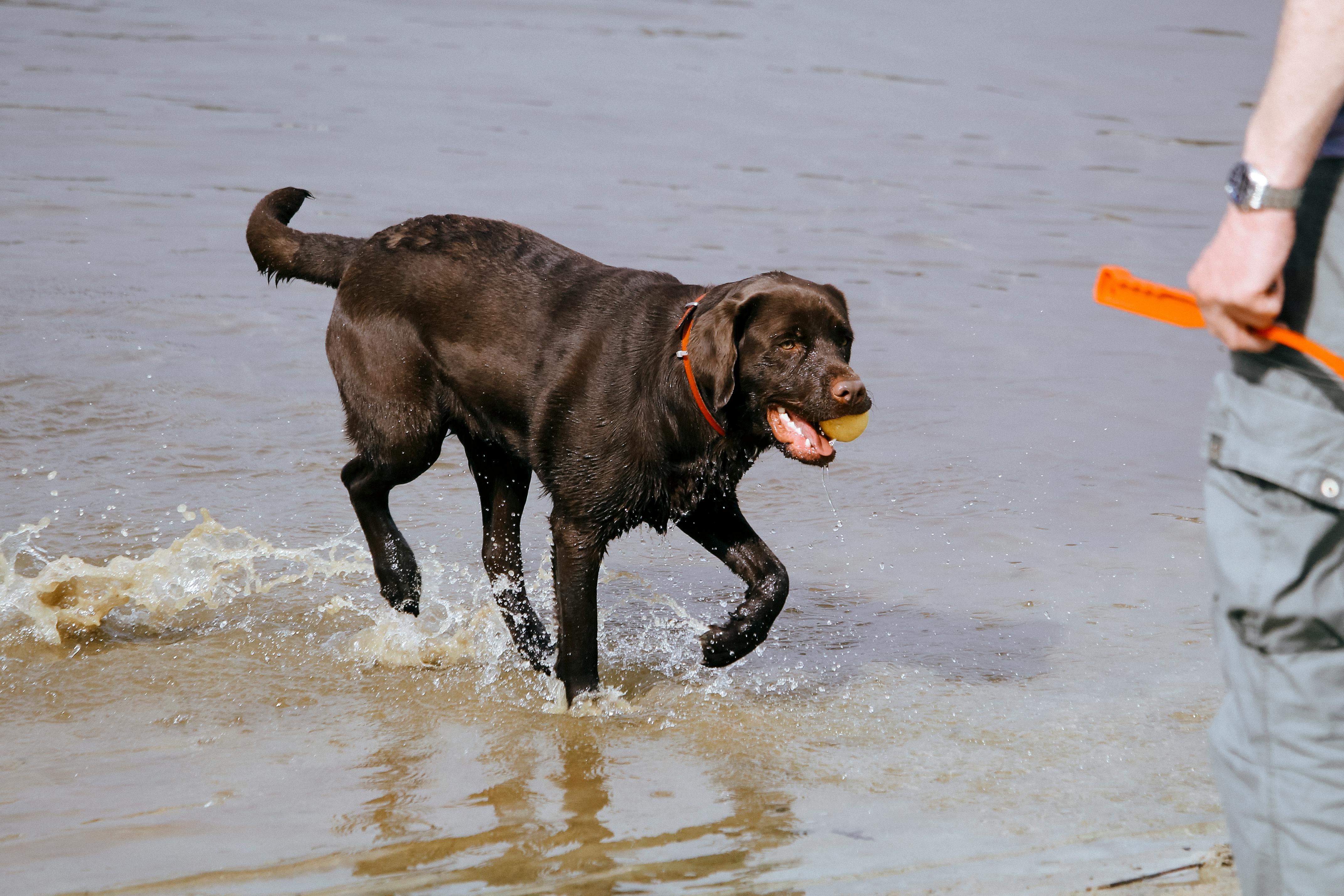
Every dog owner wonders about their furry friends, especially those little quirks that make them so charming. One such mystery that often pops up is the wet nose of dogs. You might’ve seen your pup’s nose glistening and thought to yourself, “Why do dogs have wet noses?” It’s not just a cute feature; it actually has some surprising benefits. Let’s dive into this adorable mystery and explore the science behind those wet noses!
The Science Behind Wet Noses
Dogs have wet noses for specific reasons, many of which are tied to their health and senses. Here’s what you should know:
- Temperature Regulation: A dog's wet nose helps cool them down. When they breathe, the moisture evaporates, which aids in regulating their body temperature. It’s like their own version of sweating.
- Enhanced Sense of Smell: The moisture on a dog’s nose captures scent particles in the air, making it easier for them to detect smells. That’s why they can sniff out things that humans can’t even imagine!
- Health Indicators: A wet nose can be a sign of health. Generally, if a dog has a moist nose, it indicates they are hydrated and healthy. Conversely, a dry or cracked nose may signal dehydration or illness.
A Historical Perspective on Dog Noses
Dogs have been companions to humans for thousands of years. Their noses have evolved along with them, becoming finely tuned to help them survive and thrive.
- Ancient Roles: In ancient times, dogs were used for hunting. Their ability to track scents was crucial, and a wet nose helped them do this more effectively.
- Cultural Significance: Different cultures have recognized the importance of a dog’s sense of smell. For instance, in ancient Egypt, dogs were revered for their ability to track and protect.
Fun Facts About Dog Noses
Did you know that dog noses come in various shapes and sizes? Below are some quirky facts:
- Unique Patterns: Just like human fingerprints, every dog has a unique nose print.
- Color Variation: Dog noses can be black, brown, or even pink depending on the breed and genetic factors.
- Cold vs. Warm Noses: It’s a common myth that a warm nose means a sick dog. A dog’s nose temperature can fluctuate throughout the day.
Why Should You Care About Your Dog’s Nose?
As a dog owner, understanding the significance of a wet nose can help you monitor your pet’s health better. Here are some practical tips:
- Regular Check-ups: Keep an eye on your dog’s nose. If it suddenly becomes dry or cracked, it’s worth a visit to the vet.
- Hydration: Ensure your dog is drinking enough water, especially on hot days. A wet nose is often a sign of hydration.
- Environmental Awareness: Be cautious of the environment. If your dog’s nose is excessively dry, it might be due to dry air or heat.
What to Do If Your Dog Has a Dry Nose
If you notice your dog has a dry nose, don’t panic! Here’s a simple checklist of actions you might consider:
- Hydration: Ensure they are drinking enough water.
- Humidity: Use a humidifier in your home if the air is dry.
- Dietary Check: Sometimes diet can affect skin and nose moisture. Consult your vet about their nutrition.
- Veterinary Consultation: If the dryness persists, it’s best to consult a vet to rule out any underlying health issues.
Comparing Dog Noses to Other Animals
Dogs aren’t the only ones with wet noses. Here’s a quick comparison with other common pets:
| Animal | Nose Type | Purpose |
|---|---|---|
| Cats | Dry | Less reliance on scent, but still uses it for hunting. |
| Horses | Moist | Helps with scent tracking, similar to dogs. |
| Pigs | Wet | Highly sensitive to smell; used in truffle hunting. |
Each type of nose serve different functions based on the animal’s needs. But dogs definitely have some unique benefits with their wet noses!
The mysteries of why dogs have wet noses go beyond mere cuteness; it’s all about their health and sensory capabilities. Understanding these quirks enriches the bond you share with your furry companion. So, the next time you give your dog a pat and feel that wet nose, remember there’s a lot more to it than just an adorable feature. Embrace the little things, and keep your pup happy and healthy!
Wet Nose vs. Dry Nose: Understanding Your Dog’s Health Indicators
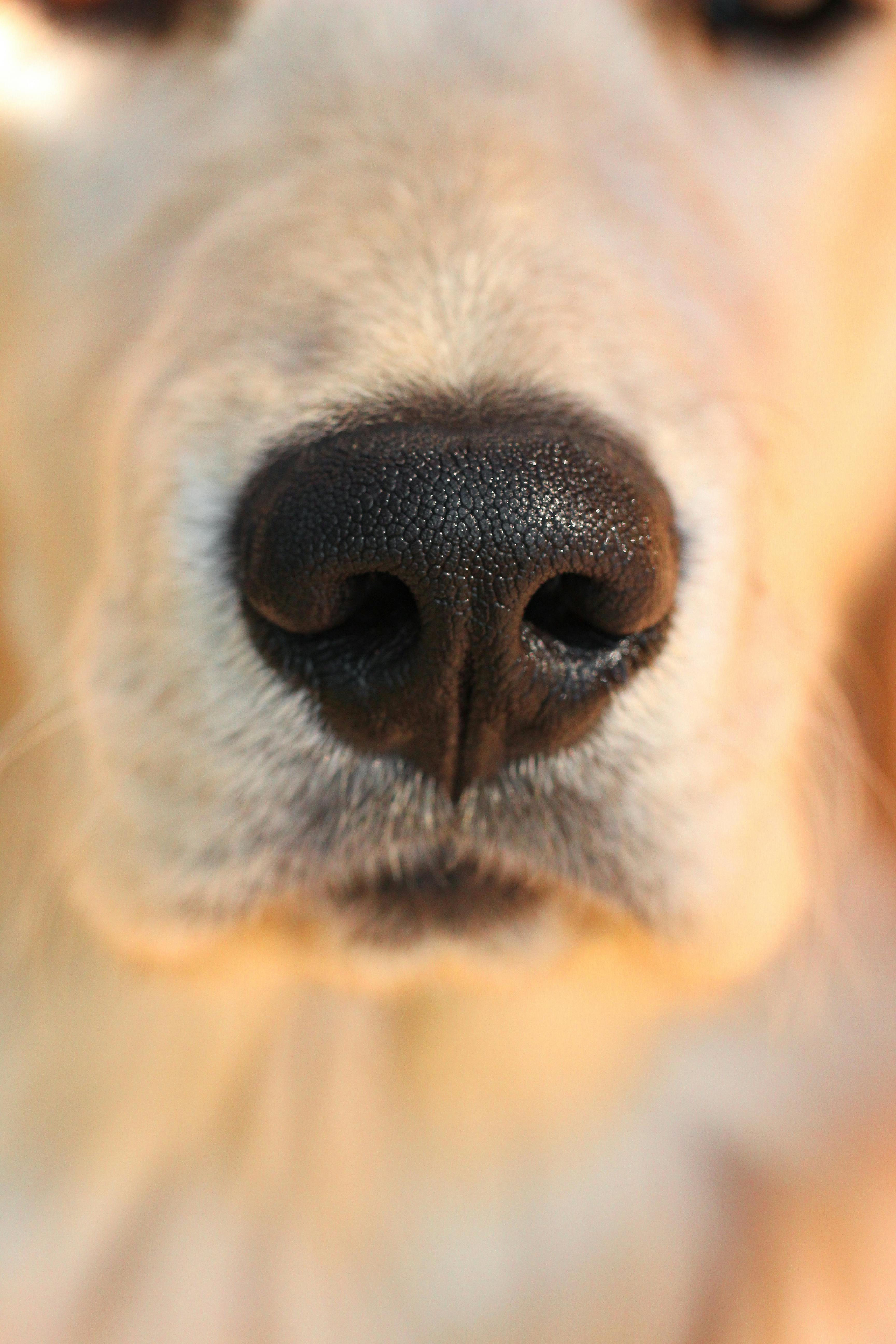
When it comes to our furry friends, their health can be a puzzle sometimes. One of the most curious aspects of dog health is the condition of their noses. Many doggy owners often wonder, "Why do dogs have wet noses?" and what does a wet nose mean for their overall health. In this article we will dive into the charming mystery behind wet and dry noses, exploring what they could indicate about your pup's well-being.
The Science Behind Wet Noses
Firstly, a dog’s nose is wet for a reason. The moisture on a dog’s nose helps them to smell better. Dogs have an extraordinary sense of smell, and the moisture helps to trap scent molecules. This means when your dog sniffs something, they can gather more information about their environment. Isn’t that fascinating?
Why are Dogs' Noses Wet?
- Enhanced Smell: The wetness helps in capturing scent particles, enhancing their ability to smell.
- Cooling Mechanism: Just like humans sweat, dogs use their noses to help cool down their bodies.
- Health Indicator: A wet nose is often a sign of a healthy dog, but it’s not the only thing to consider.
The Dry Nose Dilemma
On the flip side, a dry nose can raise some eyebrows. But it doesn’t always mean something’s wrong. Sometimes, dogs have dry noses due to environmental factors like heat or low humidity. It's important to remember that a dog’s nose can fluctuate between wet and dry throughout the day.
Reasons for a Dry Nose
- Dehydration: If your dog is not drinking enough water, it may result in a dry nose.
- Allergies: Allergies to certain foods or pollen can cause dryness.
- Illness: Sometimes, a dry nose can be a sign of a more serious health issue, like fever or infection.
Wet Nose vs. Dry Nose: What Should You Know?
It’s crucial to understand how these conditions can relate to your dog’s overall health. Here’s a quick comparison:
| Aspect | Wet Nose | Dry Nose |
|---|---|---|
| Smell Capability | Better odor detection | May indicate dehydration |
| Health Indicator | Generally healthy | Potentially unhealthy |
| Environmental Factors | Can change with weather | Affected by heat and humidity |
When to Be Concerned
So, when should you worry about your dog’s nose? If your dog’s nose is persistently dry and shows other symptoms like lethargy, loss of appetite, or abnormal behavior, it's best to consult with your vet. Other signs to look out for include:
- Cracking or bleeding: This could indicate dehydration or other issues.
- Change in behavior: If your dog is acting differently, it might be time to get a check-up.
- Nasal discharge: A runny nose can be normal, but if it’s colored or thick, it could be a problem.
Historical Context of Dog Noses
Historically, the state of a dog’s nose was often seen as a direct indication of their health. Ancient cultures believed that a wet nose meant a happy dog, while a dry nose could indicate illness. Though this idea has simplified dog healthcare, it remains a common belief today.
Fun Facts About Dog Noses
- Dogs have up to 300 million scent receptors in their noses compared to about 6 million in humans.
- A dog’s sense of smell is so powerful that they can detect certain diseases, including cancer, just from smelling a person’s breath or skin.
- The coldness of a dog’s nose is due to the moisture which helps with their cooling system, similar to perspiration in humans.
Understanding the nuances of your dog’s nose can help you navigate their health better. It's not just about a wet or dry nose; it’s about observing the bigger picture of your pet’s behavior and health. So whether your dog's nose is a little wet or a bit dry, maintaining regular vet check-ups is always a smart choice. Being aware of your dog’s habits and physical condition will help you ensure that your furry companion stays healthy, happy, and ready to cuddle!
Why Do Dogs Have Wet Noses? Exploring the Evolutionary Advantage
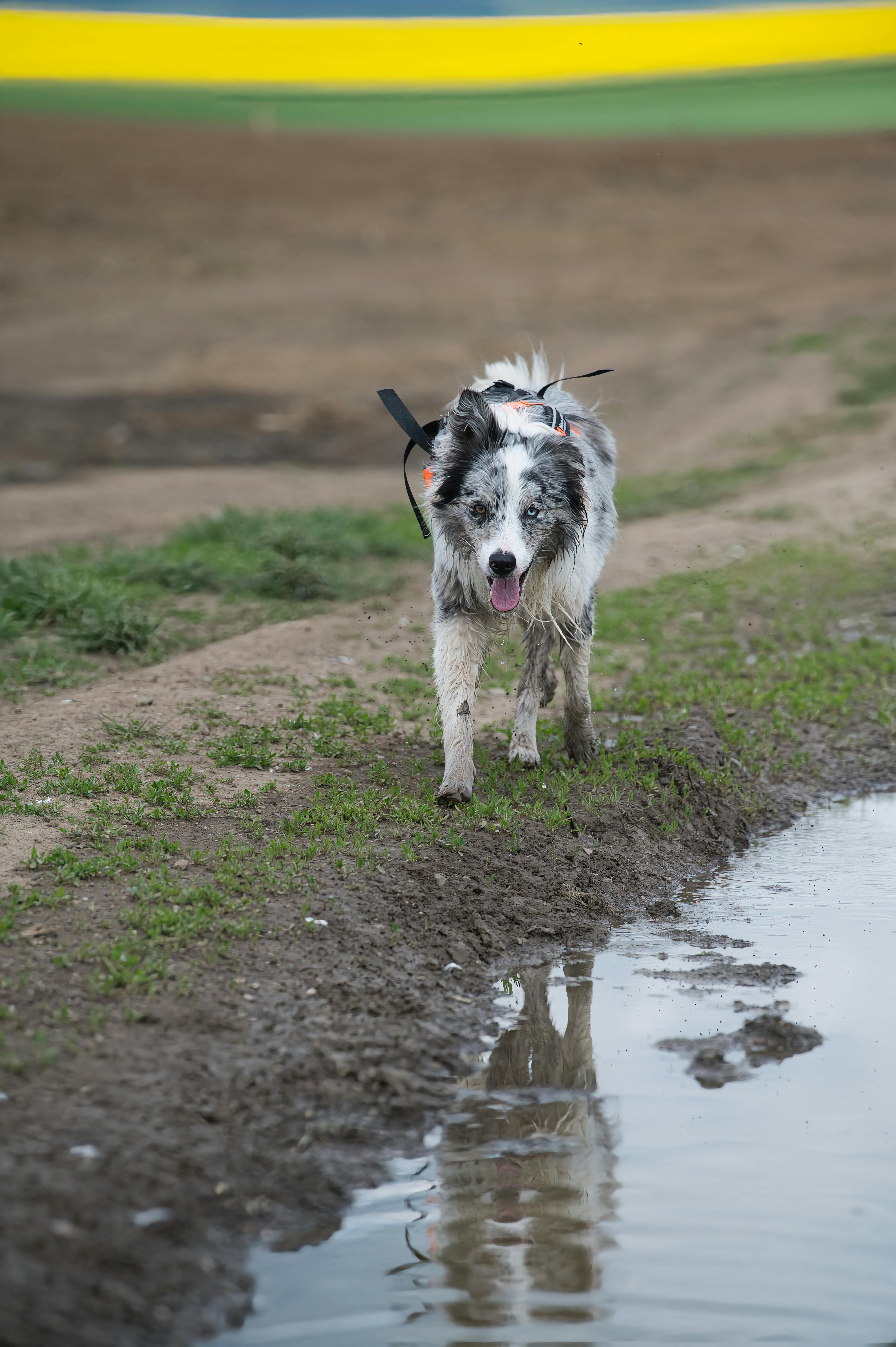
Have you ever wondered why dogs have wet noses? It’s one of those cute quirks that many people notice, but not everyone knows the reasons behind it. Wet noses on dogs is not just an adorable feature; it actually serves several important functions, some of which are tied to the evolutionary history of canines. Let’s dive into this fascinating topic together!
The Science Behind Wet Noses
Dogs' noses are wet for a variety of reasons, and understanding these can help us appreciate our furry friends even more. The moisture on a dog's nose comes from a combination of factors.
Cooling Mechanism: Dogs don't sweat like humans do. Instead, they cool off primarily through their mouths and noses. A wet nose helps regulate their body temperature.
Enhanced Smell: Wetness on a dog’s nose helps to trap scent particles from the air. This moisture allows for better olfactory detection, making dogs some of the best sniffers in the animal kingdom.
Health Indicator: The moisture level can indicate a dog’s health. A dry nose might suggest dehydration or illness, while a wet nose generally shows that a dog is healthy and hydrated.
Evolutionary Advantages
When we think about why do dogs have wet noses from an evolutionary standpoint, the benefits are pretty clear. Dogs descended from wolves, and their survival depended heavily on their ability to sniff out food and detect predators. A wet nose enhances this ability.
Hunting and Foraging: Early dogs likely used their sense of smell to track prey. A wet nose was advantageous because it helped them gather more scent molecules.
Social Interactions: Dogs are pack animals. A wet nose can aid in social bonding and communication, as they often greet each other by sniffing.
Historical Context
The domestication of dogs began thousands of years ago, and their physical characteristics have been shaped by both natural and artificial selection. Throughout history, various breeds were developed for specific tasks, but the wet nose remained a constant feature.
Ancient Companions: Archaeological evidence suggests domesticated dogs have been our companions for at least 15,000 years. During this time, their sense of smell and wet noses became crucial for survival and companionship.
Breeds and Their Noses: Different breeds have varying nose shapes and wetness levels. For example, bloodhounds have an exceptionally wet nose, while some brachycephalic breeds, like bulldogs, might have drier noses due to their facial structure.
Fun Facts About Dog Noses
Here are some more interesting tidbits about dog noses that you might find amusing:
Unique Patterns: Just like human fingerprints, each dog has a unique nose print. This can even be used for identification!
Temperature Sensing: A dog’s wet nose can help them detect temperature changes in their environment, assisting them in finding food or spotting danger.
Nose Work: Many dogs are trained for search and rescue operations. Their wet noses play a crucial role in scent detection during these missions.
Practical Example: Monitoring Your Dog’s Health
Keeping an eye on your dog’s nose can be a simple way to monitor their health. Here’s a quick checklist:
- Normal Wetness: Should be moist and cool.
- Dry or Cracked Nose: Could indicate dehydration or illness.
- Discharge: Any unusual discharge or color should prompt a vet visit.
Comparison with Other Animals
When considering why do dogs have wet noses, it’s interesting to compare them with other animals.
Cats: Cats also have wet noses, but they don't rely on their sense of smell as heavily as dogs do. Their noses are often not as moist.
Humans: Humans lack a wet nose, which is a significant difference, as we rely more on sight and sound than smell.
Other Canines: Wolves and foxes also have wet noses, indicating that this trait is common among members of the canine family.
Understanding why do dogs have wet noses not only unravels an adorable mystery but also highlights the remarkable adaptation of these creatures throughout history. Their noses serve multiple functions, from enhancing their sense of smell to regulating body temperature. So, next time you pet your dog and feel that familiar wet nose, remember the evolutionary advantages and health indicators it provides, knowing that it’s just one of the many things that make dogs such special companions.
The Connection Between Your Dog’s Wet Nose and Their Sense of Smell
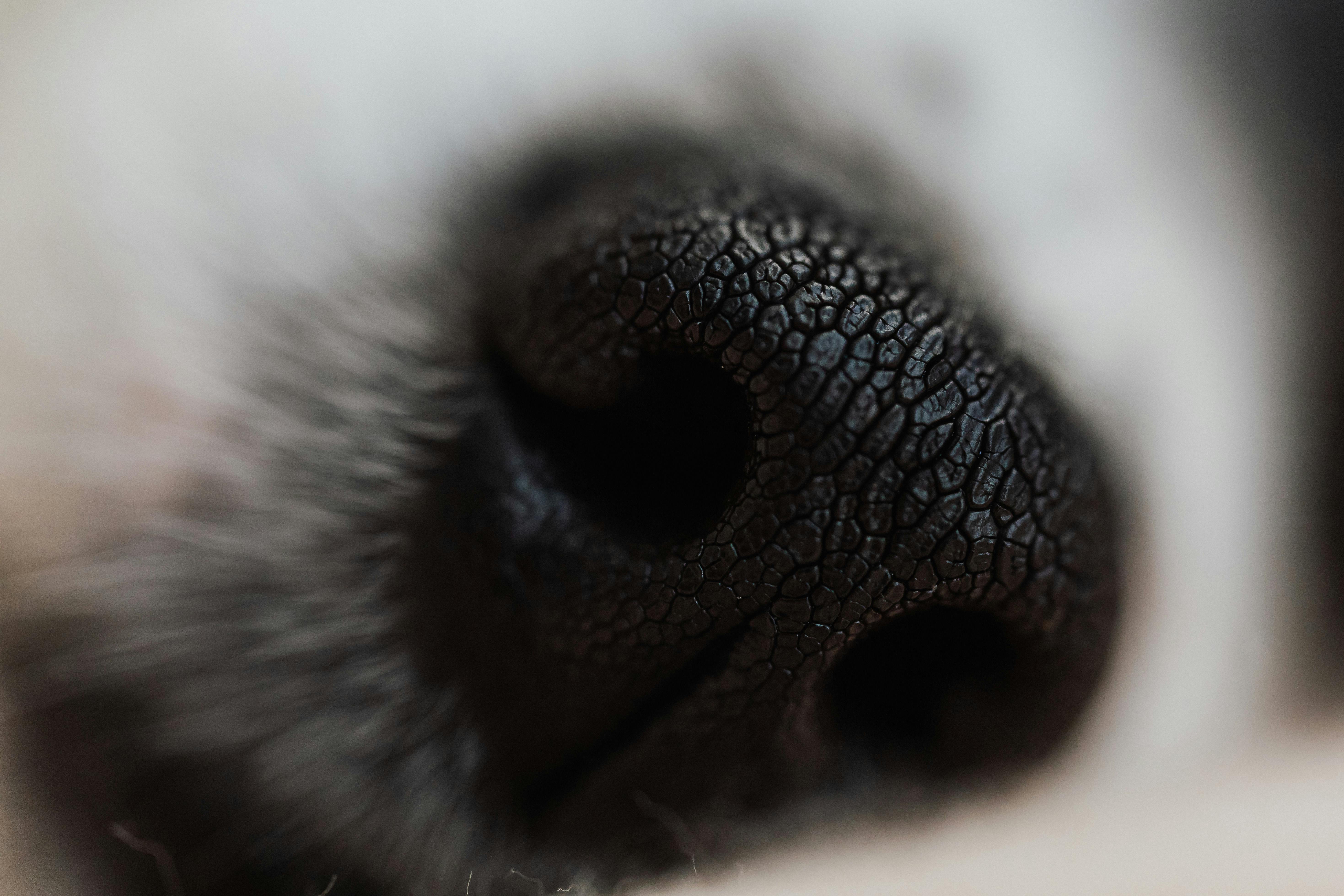
Have you ever wonder why your dog's nose is always so wet? It's one of those quirky things that makes us smile when we think about our furry friends. But there's actually a whole lot more to it than just an adorable feature! The connection between your dog’s wet nose and their sense of smell is quite fascinating and helps us understand why dogs are such remarkable creatures. Let's dive into this adorable mystery and explore why do dogs have wet noses.
The Science Behind the Wet Nose
Dogs have wet noses for several reasons, most of them related to their impressive sense of smell. A wet nose helps to enhance their olfactory abilities, making it easier for them to detect scents in their environment. Here are a few key points about the science:
- Moisture Absorption: A dog's nose is constantly secreting mucus, which helps to capture scent particles. The moisture then evaporates, which in turn helps to amplify their sense of smell.
- Temperature Regulation: Just like humans sweat to cool down, dogs use their noses to regulate body temperature. A wet nose can help in keeping them cool on warm days.
- Chemosensory Response: Dogs' noses have a high density of scent receptors. The moisture on their noses allows them to more effectively absorb scent molecules, which is why they can track down smells with incredible accuracy.
Historical Context of Dog Noses
Understanding why dogs have wet noses isn’t just about biology. It also has historical context. Dogs have been companions to humans for thousands of years. Throughout history, their sense of smell has been invaluable for hunting and herding.
- Ancient Hunters: Early humans relied on dogs to hunt. Their keen sense of smell helped them locate prey, which in turn helped in the survival of both species.
- Modern Roles: Today, dogs are often utilized in various roles such as search and rescue, police work, and even medical detection. Their wet noses play a vital role in these tasks.
Fun Facts About Dog Noses
Did you know that a dog's nose is as unique as a human fingerprint? Here are some fun facts:
- Nose Prints: Just like fingerprints, each dog has a unique nose print. It's possible to identify a dog by their nose pattern!
- Scent Receptors: Dogs have around 220 million scent receptors in their noses, whereas humans only have about 5 million. This is why they are better at detecting smells.
- Color Variations: The color of a dog's nose can vary based on breed and genetics. Some dogs have black noses, while others are pink or spotted.
How Your Dog's Nose Benefits Their Health
A wet nose isn't just cute, it's also a sign of good health. Here are some health-related aspects of your dog's nose:
- Signs of Illness: A sudden change in the moisture of your dog's nose can indicate health issues. If your dog usually has a wet nose and it becomes dry, it might be time to visit the vet.
- Hydration Levels: Dogs often lick their noses, which can help to keep them hydrated. A wet nose can be a good indicator that your dog is getting enough fluids.
Dogs and Their Amazing Sense of Smell
The connection between a dog’s wet nose and their sense of smell is a remarkable area of study. Here’s how their sense of smell compares to that of humans:
- Olfactory Bulb Size: The olfactory bulb in a dog's brain is proportionately larger than that in humans, allowing them to process scents more effectively.
- Tracking Abilities: Dogs can follow a scent trail left hours or even days before, thanks to their unique nose structure and moisture levels.
Conclusion
Now that you know a little more about why do dogs have wet noses, it's clear that this adorable feature is not just for show. Their wet noses play a crucial role in their health and well-being as well as enhancing their extraordinary sense of smell. Understanding these aspects can deepen your bond with your furry friend and remind you of the amazing capabilities they possess. So next time you give your pup a scratch behind the ears, take a moment to appreciate that wet nose and all the wonders it represents!
7 Myths About Dogs’ Wet Noses: Debunking Common Misconceptions
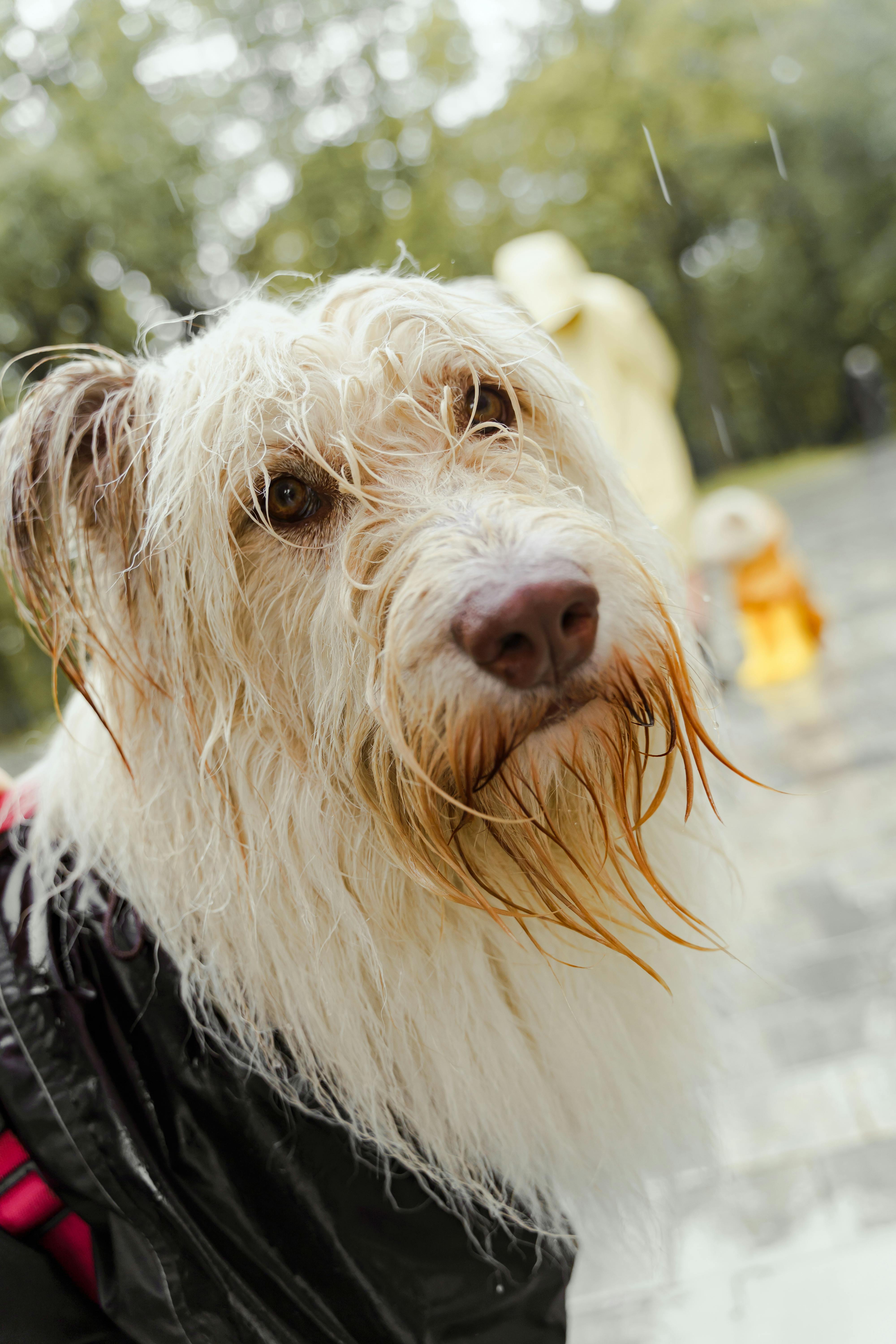
When you think about dogs, what come to mind? Their wiggly tails, floppy ears, and those adorably wet noses! But have you ever wondered why dogs have wet noses? There's a lot of myths and misconceptions around this topic. Let’s dive into the seven most common myths about dogs' wet noses and uncover the truth behind this adorable mystery.
Myth 1: Wet Noses Mean Dogs Are Healthy
Many people believe that a wet nose is a sign of a healthy dog. While it’s true that a moist nose can be a good indicator of hydration and general health, it’s not always the case. Dogs can have dry noses and still be perfectly healthy. There are many factors that influence a dog's nose moisture, including temperature and humidity levels.
Myth 2: Dogs’ Noses Are Wet Because They Lick Them
Another common belief is that dogs keep their noses wet by licking them. While it’s true that dogs do lick their noses, it’s not the primary reason why their noses are wet. Dogs have special glands in their noses that produce mucus, which helps to keep their noses moist. This mucus plays a role in their sense of smell, making it more effective. So, the next time you see your pup licking their nose, it might just be them enjoying the taste of something interesting!
Myth 3: All Dogs Have Wet Noses
Not all dogs have wet noses. Different breeds can have different nose characteristics. For instance, brachycephalic breeds like Bulldogs may have drier noses due to their facial structure. Similarly, older dogs may have drier noses compared to their younger counterparts.
Myth 4: A Dry Nose Means Your Dog Is Sick
Many owners panic when they notice their dog’s nose is dry. While a dry nose can indicate a health issue, it’s not a definitive sign. Dogs can have dry noses for various reasons, including being in a warm environment or after a nap. It’s important to consider other symptoms and consult a veterinarian for a proper diagnosis.
Myth 5: Dogs’ Noses Are Wet to Regulate Temperature
Some folks think that dogs' wet noses help regulate their body temperature. While dogs do sweat through their paws, their noses don’t necessarily play a significant role in thermoregulation. Instead, dogs primarily cool down through panting. Their wet noses can help enhance their sense of smell, which is crucial for their survival and interaction with their environment.
Myth 6: Dogs Have Wet Noses Because They Are Always Outside
Another misconception is that dogs have wet noses because they spend a lot of time outside. While outdoor dogs might have wetter noses due to exposure to the elements, indoor dogs can also have wet noses. The environment, humidity, and health status are more impactful factors than simply being outside or inside.
Myth 7: Dogs’ Wet Noses Are Just Cute
While it’s undeniably true that a wet nose is cute, it serves a greater purpose. The moisture on a dog's nose aids in scent detection. A wet surface can trap scent particles, making it easier for dogs to pick up on various smells. This is part of why dogs have such an incredible sense of smell, which is way better than humans.
Additional Fun Facts About Dogs’ Noses
- Dogs Have Unique Nose Prints: Just like human fingerprints, each dog has a unique nose print. This can actually be used for identification!
- Nose Temperature Can Indicate Health: Some veterinarians use nose temperature as a diagnostic tool; a hot dry nose might indicate fever.
- Nasal Glands: Dogs have nasal glands that help them identify scents. The moisture on their noses assists in this process.
Quick Reference Table: Facts vs. Myths
| Myth | Truth |
|---|---|
| Wet noses mean health | Not always; environmental factors play a role. |
| Dogs lick their noses to keep them wet | They have glands that produce mucus. |
| All dogs have wet noses | Breed and individual factors vary. |
| A dry nose means sickness | Many reasons for a dry nose exist. |
| Wet noses regulate temperature | Dogs cool primarily through panting. |
| Outside dogs have wetter noses | Indoor dogs can also have wet noses. |
| Wet noses are just cute | They serve a purpose in scent detection. |
So, why do dogs have wet noses? It’s a combination of biology, environmental factors, and a little bit of cuteness. Understanding these myths can help dog owners take better care of their furry friends and appreciate the adorable mystery of their wet noses. Next time you give your dog a scratch behind the ears, take a moment to consider all the fascinating reasons behind their delightful, moist snouts!
How to Keep Your Dog’s Nose Healthy: Tips for Pet Owners on Nose Care
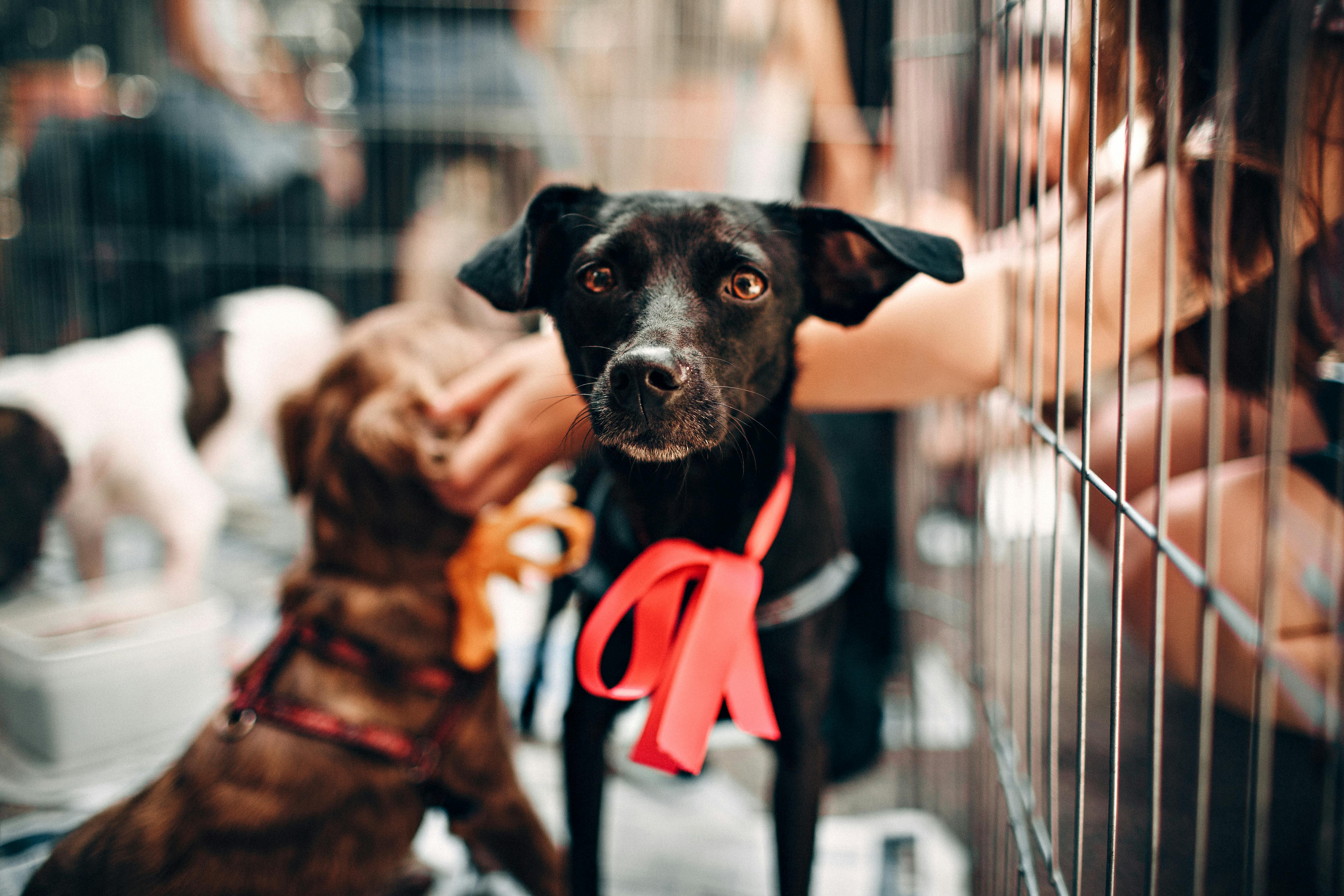
Every dog owner knows how adorable their furry friends are, especially when they come up for a sniff. But have you ever wondered why these little noses are always wet? The mystery of why dogs have wet noses is not just cute but also important for their health. Keeping your dog's nose healthy is essential, and understanding its functions can help you care for your pet better.
Why Do Dogs Have Wet Noses?
A dog’s nose serves several purposes, and its wetness plays a crucial role in how they interact with the world. Here are some key reasons why dogs have wet noses:
- Enhanced Sense of Smell: Dogs have incredible olfactory senses. The moisture on their noses helps to trap scent particles, making it easier for them to identify various smells.
- Temperature Regulation: Just like humans sweat, dogs can cool down through their noses. The moisture evaporates and helps regulate their body temperature.
- Health Indicator: A wet nose can be a sign of good health. While not always the case, a dry nose may indicate dehydration or illness.
Keeping Your Dog's Nose Healthy
Keeping your dog's nose in good condition is vital for their overall health and well-being. Here’s some practical tips for pet owners:
- Regular Cleaning: You should routinely wipe your dog’s nose with a damp cloth. This removes dirt and allergens that can irritate the sensitive skin.
- Hydration is Key: Make sure your dog always has access to fresh water. Dehydration can lead to a dry nose, which might be a sign of health issues.
- Watch for Cracks: If you notice cracks or excessive dryness, it may be time to consult your veterinarian. This could be a sign of allergies or other health problems.
- Seasonal Care: In winter, the cold air can dry out their noses. You might want to apply a little bit of dog-safe moisturizer to keep it supple.
Signs of a Healthy Nose vs. Unhealthy Nose
Understanding the signs of a healthy versus unhealthy nose can be beneficial. Here's a quick comparison:
Healthy Nose:
- Cool to the touch
- Slightly moist
- No cracks or sores
- Normal color (pink to black, depending on the breed)
Unhealthy Nose:
- Dry and cracked
- Excessively runny or bloody
- Swelling or sores
- Change in color (yellowish or unusual spots)
Fun Facts About Dog Noses
Did you know that dog noses are unique? Here’s some fascinating trivia about our four-legged friends:
- Fingerprint of Dogs: Just like human fingerprints, each dog has a unique nose print. Researchers are even looking into using them for identification!
- Scent Detection: Dogs can smell up to 100,000 times better than humans. Their noses have up to 300 million scent receptors compared to our measly 5 million.
- Nosework Sports: There are sports and competitions focused on a dog’s ability to track scents. These activities can mentally stimulate your dog and keep them engaged.
Common Nose Problems and Solutions
Sometimes, dogs can experience nose problems that require attention. Here’s a list of common issues and what you might want to do:
- Nasal Hyperkeratosis: A condition where the skin on the nose thickens. It can be managed with vet-recommended treatments.
- Infections: If the nose is swollen or has discharge, your pet may have an infection. A vet visit is necessary.
- Allergies: Pollen, dust, or even certain foods can cause allergic reactions leading to a dry or cracked nose. Identifying and avoiding allergens helps.
Quick Nose Care Checklist for Pet Owners
- Daily inspection: Look for signs of dryness or irritation.
- Hydrate: Ensure clean water is available.
- Limit sun exposure: If your dog is light-colored, consider sunscreen designed for pets.
- Vet Checkups: Regular visits to the vet can help catch problems early.
Taking care of your dog's nose is just as important as caring for their overall health. By understanding why dogs have wet noses and how to maintain their health, you can ensure your furry friend stays happy and healthy. Just remember that a little attention can go a long way in keeping that adorable nose in top shape!
Conclusion
In conclusion, the unique physiology of dogs' wet noses serves several important functions, from enhancing their sense of smell to regulating body temperature. The moisture found on a dog's nose helps to absorb scent particles, making their olfactory capabilities more effective, while the cooling effect of evaporation aids in thermoregulation. Additionally, a wet nose can be indicative of a dog's health, as changes in moisture levels may signal underlying issues. Understanding these aspects not only deepens our appreciation for our canine companions but also reinforces the importance of regular veterinary check-ups to ensure their well-being. So, the next time you notice your dog's wet nose, remember that it's a fascinating feature that plays a crucial role in their health and behavior. Embrace this unique trait and consider sharing what you've learned with fellow dog lovers to spread awareness about the wonders of our furry friends!