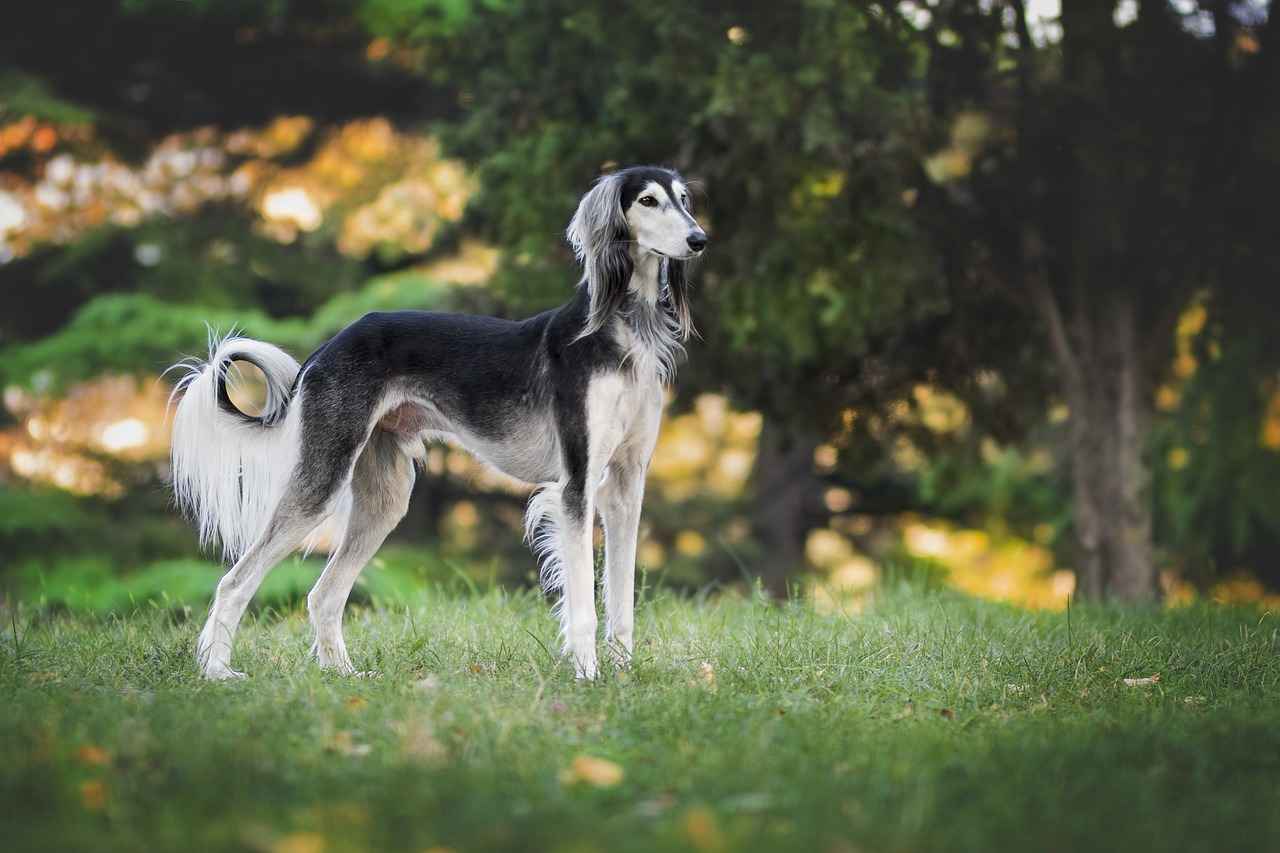
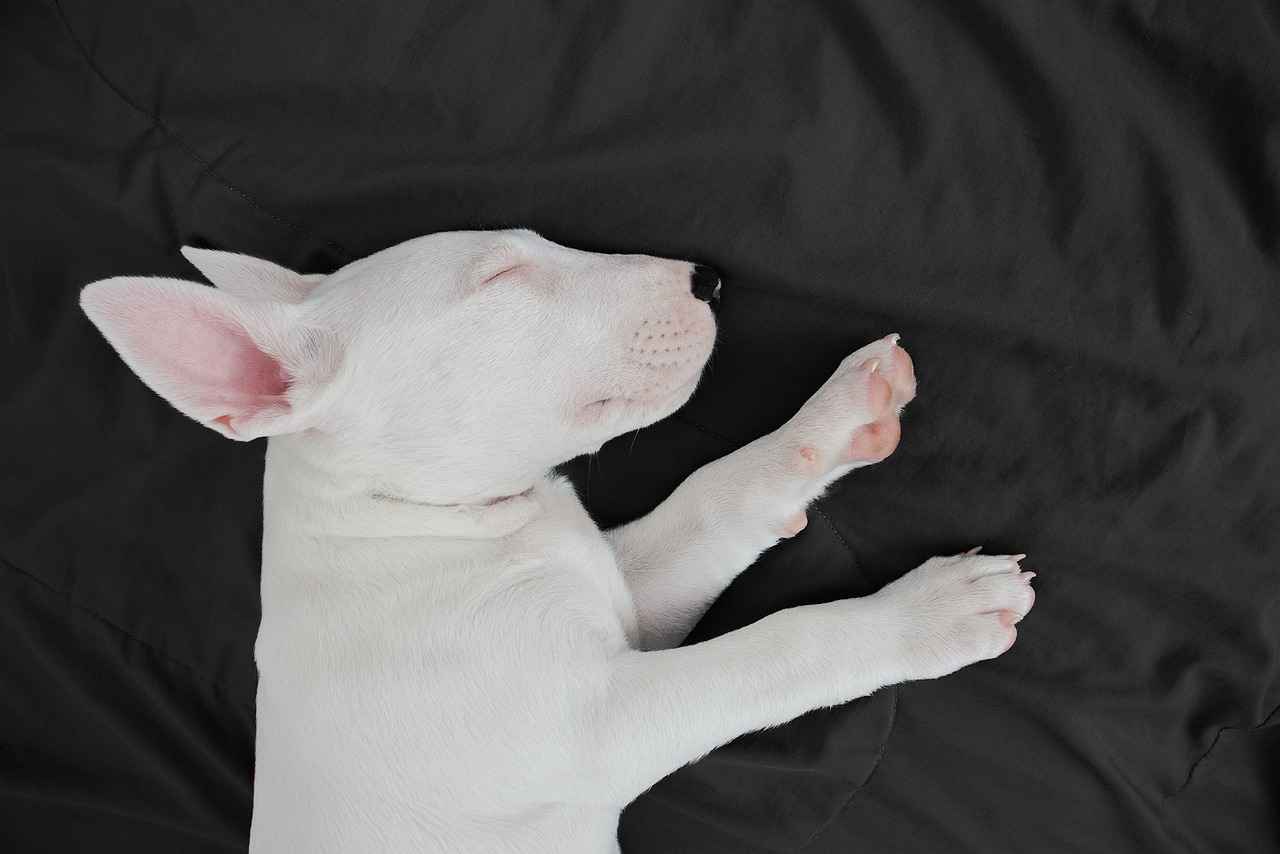
Have you ever wondered, why do dogs have wet noses? This fascinating mystery has intrigued dog lovers and scientists alike for centuries. A dog's wet nose isn’t just an adorable trait; it serves several important purposes that can enhance your furry friend’s health and behavior. Did you know that a wet nose can help dogs smell better? That's right! The moisture on their nose helps capture scent particles, making their sense of smell even more powerful. But that’s not all—wet noses also play a role in thermoregulation, helping dogs cool down in warm weather. So, why do dogs have wet noses, and what does it mean for your pet? In this blog post, we will delve into the science behind this curious canine characteristic and explore its benefits. If you’re a dog owner or simply a dog enthusiast, understanding this unique feature can deepen your bond with your pet. Get ready to uncover the secrets behind those wet noses and learn why they are more than just a cute quirk! Join us as we unveil the truth about why dogs have wet noses and how it impacts their overall well-being.
\n\nThe Science Behind Wet Noses: Why Are Dogs’ Noses Always Moist?
\n\n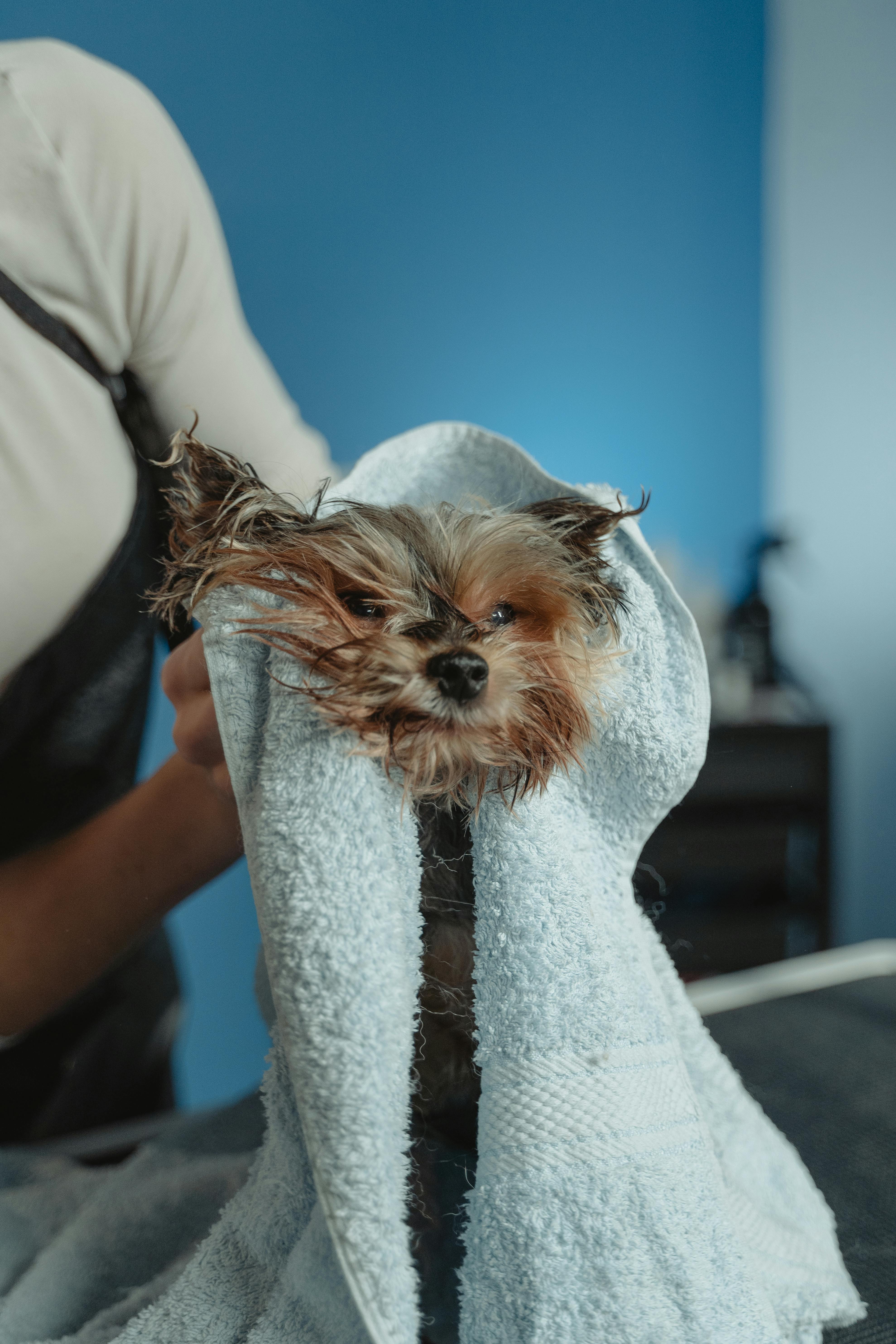 \n\n
\n\nDogs are one of the most beloved pets around the world, and lots of people often wonder about their quirks. One of the most intriguing things about dogs is their noses, which are usually moist. So, why do dogs have wet noses? This question has puzzled many, and its answer dives into the fascinating world of canine biology and behavior.
\nThe Biology of a Dog's Nose
\nDog noses are not just cute; they are also complex and highly functional. The moisture on a dog's nose plays several important roles. Here are some key points to consider:
\n- \n
- Enhanced Smell: A wet nose helps capture scent particles from the air, making it easier for dogs to smell better. This is crucial since dogs have a sense of smell that is thousands to millions times more sensitive than humans. \n
- Temperature Regulation: Dogs don't sweat like humans do; instead, they primarily cool themselves through panting. A moist nose helps in regulating their body temperature by providing a cooling effect. \n
- Health Indicator: The moisture level can also indicate a dog's health. A dry nose might suggest dehydration or illness, while a wet nose is usually a sign of good health. \n
Historical Perspective
\nDogs' noses have evolved over thousands of years. Historically, dogs were bred for specific purposes, whether it be hunting, herding, or companionship. The wetness of their noses likely provided an evolutionary advantage, making them better hunters and guardians.
\n- \n
- Hunting Breeds: Breeds like Bloodhounds and Beagles rely heavily on their sense of smell. Their wet noses allow them to track scents over long distances. \n
- Companion Breeds: Even smaller breeds have retained this characteristic, helping them connect and bond with humans through scent. \n
How Dogs Keep Their Noses Moist
\nDogs have a natural mechanism to keep their noses moist. The moisture comes from two main sources:
\n- \n
- Mucous Glands: Dogs have specialized glands in their noses that produce mucus, which keeps the nose wet. \n
- Saliva: Dogs often lick their noses, which adds a layer of moisture. This is especially common when they're excited or curious. \n
The Role of Environment
\nThe environment can also play a significant role in the wetness of a dog's nose. Factors such as weather, humidity, and temperature can affect how moist a dog’s nose is.
\n- \n
- Hot Weather: In hot climates, dogs may have drier noses as they lose moisture more quickly. \n
- Cold Weather: Cold, damp weather can lead to a wetter nose, as the moisture in the air gets absorbed. \n
Are Wet Noses Always Healthy?
\nWhile a wet nose is generally a sign of a healthy dog, it’s not a foolproof indicator. Here are some things to consider regarding your dog's health:
\n- \n
- Dry Nose: A persistently dry nose might not always be a cause for concern. It could be due to environmental factors or dehydration. \n
- Cracked or Bleeding Nose: If you notice cracks, bleeding, or other unusual symptoms, it’s best to consult a veterinarian. \n
- Excessive Moisture: On the other hand, if the nose is excessively wet and produces a discharge, that could signal an underlying health issue. \n
Practical Tips for Dog Owners
\nTo ensure your dog maintains a healthy nose, consider these practical tips:
\n- \n
- Hydration: Make sure your dog always has access to fresh water. Hydration plays a key role in keeping their nose moist. \n
- Regular Vet Checkups: Regular checkups can help catch any potential health issues early. \n
- Environmental Awareness: Be mindful of the weather. If it’s too hot, make sure your dog has a cool place to relax. \n
Interesting Facts About Dog Noses
\n- \n
- Dogs have about 300 million scent receptors in their noses, compared to about 6 million in humans. \n
- The unique patterns of a dog’s nose are similar to human fingerprints, and can be used for identification. \n
- Dogs can even smell emotions; they can detect changes in human body language and scents when a person is anxious or fearful. \n
Understanding why dogs have wet noses not only sheds light on their biology but also deepens the bond between humans and their furry friends. The moisture of a dog’s nose is a fascinating aspect of their anatomy that serves multiple functions, enhancing their abilities and overall well-being. So next time you give your pup a pat on the head, take a moment to appreciate that wet nose — it’s more than just an adorable trait; it’s a vital part of what makes dogs so remarkable.
\n\nTop 5 Reasons Dogs Have Wet Noses: Unraveling the Mystery
\n\n \n\n
\n\nWhy do dogs have wet noses? This question has puzzled many dog lovers and pet owners alike. Dogs' noses are well-known for their moistness, and it’s not just a quirky characteristic. In fact, there are several reasons behind this fascinating phenomenon. In this article, we will explore the top 5 reasons dogs have wet noses. This intriguing topic not only highlights the natural biology of our furry friends but also reveals some interesting facts about their health and behavior.
\n1. Enhanced Sense of Smell
\nOne of the most significant reasons behind a dog’s wet nose is their incredible sense of smell. Dogs’ noses are designed to capture scent particles in the air. When a dog's nose is moist, it helps to absorb these scent particles more effectively.
\n- \n
- The moisture on their nose helps to dissolve the scent chemicals. \n
- This allows the sensory receptors in the nasal passages to detect smells more easily. \n
- Some studies suggest dogs have up to 300 million smell receptors, compared to about 5 million in humans! \n
2. Temperature Regulation
\nAnother fascinating reason for a wet nose is temperature regulation. Just like humans sweat to cool down, dogs use their noses to help maintain their body temperature.
\n- \n
- Dogs don’t sweat like humans; they rely on panting and their noses to cool off. \n
- A wet nose can help evaporate moisture, assisting in cooling. \n
- This is particularly important during hot weather or after vigorous exercise. \n
3. Health Indicator
\nA dog's nose can serve as a health barometer. While a wet nose is commonly perceived as a sign of a healthy dog, it’s not the only indicator.
\n- \n
- A normal dog’s nose can fluctuate between wet and dry. \n
- If a dog’s nose is excessively dry or cracked, it might indicate dehydration or illness. \n
- Regular checks can help owners monitor their pet's health, but if you're concerned, always consult a vet. \n
4. Communication Tool
\nDogs are social animals, and their wet noses also play a role in communication. Dogs use their noses to gather information about their environment and other animals.
\n- \n
- A dog might nuzzle another dog or a human with their wet nose as a way of greeting or showing affection. \n
- The moisture can also transfer scents from one dog to another, providing social cues. \n
- This behavior is instinctive and helps dogs understand their surroundings better. \n
5. Natural Cleaning Mechanism
\nInterestingly, a wet nose can also be part of a dog’s natural cleaning process. Dogs often lick their noses, which helps keep them clean and free from debris.
\n- \n
- Licking can remove dirt, allergens, and other particles. \n
- A clean nose can enhance their ability to smell by ensuring that scent receptors are unobstructed. \n
- This behavior is instinctive and showcases how dogs maintain their health. \n
Quick Facts About Dog Noses
\n- \n
- Dogs’ noses come in various colors, including black, brown, and pink, which can depend on their breed. \n
- The texture of a dog’s nose can vary; some are smooth while others are more textured. \n
- Puppies are often born with pink noses that darken as they grow older. \n
Comparison of Dry vs Wet Noses
\n| Characteristic | \nWet Nose | \nDry Nose | \n
|---|---|---|
| Temperature | \nCooler, helps regulate heat | \nWarmer, may indicate dehydration | \n
| Health Indicator | \nGenerally healthy | \nPossible health issues | \n
| Smell Functionality | \nEnhanced ability to smell | \nLess effective in scent detection | \n
| Social Interaction | \nCommonly used for greetings | \nLess frequent nuzzling | \n
It’s clear that a dog’s wet nose serves multiple purposes, from enhancing their sense of smell to acting as a health indicator. Each of these functions plays a crucial role in a dog’s daily life and well-being.
\nSo, next time you pet your furry friend and feel that moist nose, remember the fascinating science behind it. Dogs are extraordinary creatures, and their wet noses are just one of the many features that make them such wonderful companions. Always keep an eye on their nose health, but know that a wet nose is often a good sign of a happy, healthy pup.
\n\nHow a Dog's Nose Affects Their Sense of Smell: The Wet Nose Connection
\n\n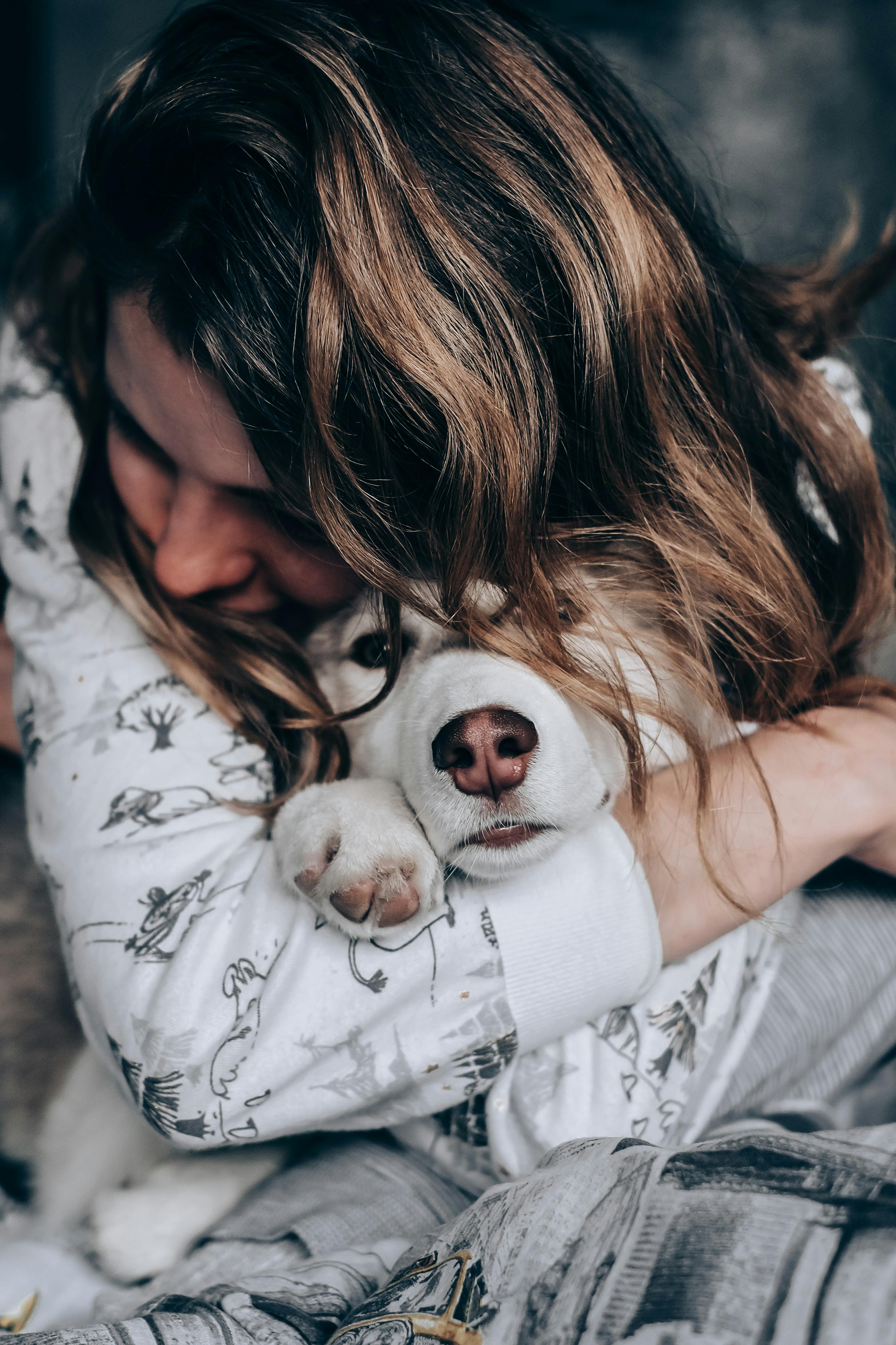 \n\n
\n\nDogs are known for their incredible sense of smell, which is often attributed to their wet noses. But why do dogs have wet noses? This question leads us into a fascinating world of canine biology and behavior. The wet nose connection is more than just a quirky trait; it plays an important role in how dogs experience the world around them.
\nThe Science Behind a Dog's Nose
\nA dog's nose is not just an ordinary organ. It's a sophisticated tool packed with sensory receptors. Dogs have roughly 220 million scent receptors in their noses, compared to just 5 million in humans. This difference is a key reason why dogs are such excellent sniffers. Wet noses help enhance this remarkable ability.
\n- \n
- Moisture and Smell: The moisture on a dog’s nose helps capture scent particles from the air. This makes it easier for them to identify and differentiate various smells. When their nose is wet, it absorbs more scent molecules. \n
- Temperature Regulation: Dogs also use their noses to regulate their body temperature. The moisture evaporating from their noses can help cool them down, especially during hot weather. \n
Why Do Dogs Have Wet Noses?
\nSo, why do dogs have wet noses? Here are some interesting points to consider:
\n- \n
- Natural Antibacterial Properties: The mucus on a dog’s nose contains natural antibacterial agents, which help to keep their noses clean and healthy. This is important as dogs are often exploring and sniffing around various environments. \n
- Communication Tool: Dogs communicate through their sense of smell. A wet nose can indicate a dog’s mood; a happy pup might have a wetter nose compared to one that is feeling anxious or unwell. \n
- Environmental Interaction: A wet nose helps dogs better interact with their environments. When they sniff, the moisture captures scent particles, allowing them to gather information about their surroundings more effectively. \n
The Evolutionary Significance
\nDogs have evolved over thousands of years from their wild ancestors, and their noses play a crucial role in their survival. Historically, a keen sense of smell was essential for hunting and finding food. Here’s a comparison of how a dog’s sense of smell stacks up against humans:
\n- \n
- Scent Detection: Dogs can detect certain substances at concentrations as low as parts per trillion, which is why they are often used in search and rescue missions. \n
- Tracking Abilities: Their ability to track scents over long distances is unparalleled, making them invaluable in law enforcement and hunting scenarios. \n
Fun Facts About Dog Noses
\n- \n
- Unique Prints: Just like human fingerprints, each dog has a unique nose print, which can be used for identification. \n
- Color Variation: Not all dog noses are the same color. While many are black or brown, some breeds have pink noses, which can be just as effective in scent detection. \n
- Health Indicators: A wet nose is often seen as a sign of a healthy dog. Conversely, a dry nose might indicate dehydration, illness, or other health issues. \n
How to Keep Your Dog's Nose Healthy
\nMaintaining a healthy nose is essential for your dog’s overall well-being. Here are some tips:
\n- \n
- Regular Vet Check-ups: Ensure your dog has regular check-ups to monitor their nose health. \n
- Hydration: Keep your dog well-hydrated, as dehydration can lead to a dry nose. \n
- Environment: Protect your dog from harsh environments that can irritate their nose, such as extreme temperatures or chemicals. \n
The Bottom Line
\nUnderstanding why dogs have wet noses not only enlightens us about their biology but also strengthens the bond we share with our furry friends. Their noses are a window into their world, helping them navigate their surroundings and communicate effectively.
\nNext time you pet your dog and feel their wet nose, remember there's more than meets the eye. It is a fascinating feature that plays a critical role in how dogs interact with the world. Embrace the wet nose connection and cherish the unique qualities that make dogs such wonderful companions.
\n\nCan a Dry Nose Indicate Health Issues in Dogs? Understanding the Signs
\n\n \n\n
\n\nCan a Dry Nose Indicate Health Issues in Dogs? Understanding the Signs, Why Do Dogs Have Wet Noses? Unveiling This Fascinating Mystery
\nWhen it comes to dogs, their noses seem to be a hot topic. Many dog owners often wonder why their furry friends have wet noses, and if a dry nose can mean something's wrong. It's a common belief that a dog's nose can tell you a lot about its health. But is that really true? Let’s dive into this intriguing subject and see what we can find out.
\nThe Basics: Why Do Dogs Have Wet Noses?
\nDogs have wet noses for a reason, and it’s not just because they love to stick their snouts in water bowls. A wet nose helps dogs in several ways:
\n- \n
- Scent Detection: Moisture helps trap scent particles in the air, which enhances a dog’s ability to smell. Dogs have a sense of smell that’s 10,000 to 100,000 times more sensitive than humans, and a wet nose improves this ability even more. \n
- Cooling Mechanism: Dogs can’t sweat like humans do. They mostly rely on panting and the moisture from their noses to regulate their body temperature. A wet nose helps them cool down more effectively. \n
- Health Indicator: A dog's nose can serve as an informal health monitor. Generally, a wet, cool nose is considered a sign of good health, while a dry nose might raise some eyebrows. \n
Dry Nose: What Does It Mean?
\nNow, let's talk about dry noses. While a dry nose in dogs doesn't always indicate a health issue, it can be a sign of something more serious. Here are some possible reasons for a dry nose:
\n- \n
- Dehydration: If a dog isn't drinking enough water, its nose may dry out. This can be a simple fix by ensuring they have constant access to fresh water. \n
- Weather Conditions: Hot or windy weather can lead to a dry nose. Dogs, just like humans, can be affected by environmental changes. \n
- Illness: Certain health conditions like fever, allergies, or autoimmune diseases can cause a dog’s nose to become dry. \n
- Age: Older dogs might naturally have drier noses compared to puppies. \n
Signs of Potential Health Issues
\nIf you notice a dry nose in your dog, it’s important to look for other signs that may indicate a health issue. Here are some symptoms to watch for:
\n- \n
- Lethargy: If your dog seems unusually tired or less active. \n
- Loss of Appetite: Not eating or drinking as much as usual can signal a problem. \n
- Vomiting or Diarrhea: Digestive issues can accompany other symptoms. \n
- Coughing or Sneezing: Respiratory issues can often lead to changes in nose moisture. \n
- Change in Behavior: If your usually happy dog seems withdrawn or irritable, this can be a red flag. \n
Key Comparisons: Wet Nose vs. Dry Nose
\nTo better understand the implications of a dog’s nose condition, here’s a simple comparison:
\n| Condition | \nWet Nose | \nDry Nose | \n
|---|---|---|
| Typical Health | \nGood indicator | \nMay indicate issues | \n
| Possible Causes | \nNormal function | \nDehydration, illness, weather | \n
| Additional Symptoms | \nUsually none | \nCould have lethargy, appetite loss | \n
Historical Context: The Nose and a Dog’s Health
\nThe idea that a dog’s nose can reflect its health goes back centuries. Ancient cultures often believed that a dog's nose could tell you about its emotional state, physical health, and even its energy levels. While these beliefs were more folklore than fact, modern veterinary science has provided some basis for these observations.
\nVeterinarians today will often assess the condition of a dog’s nose along with other factors like temperature and behavior to get a complete picture of health.
\nPractical Tips for Dog Owners
\nSo, what can dog owners do to ensure their furry friends maintain a healthy nose? Here are some practical tips:
\n- \n
- Hydration: Always make sure your dog has access to fresh water. \n
- Regular Vet Checkups: Regular visits to the veterinarian can help catch potential health issues early. \n
- Monitor Environment: Be aware of weather changes and protect your dog from extreme heat or dryness. \n
- Observe Behavior: Keep an eye on any changes in your dog’s behavior or health. \n
In summary, while a dry nose can sometimes indicate health issues in dogs, it’s essential to consider the whole picture. Not every dry nose means your dog is sick. Regular observation and veterinary care can keep your dog healthy and happy. Remember, a wet nose is often a sign of a healthy pup, but don’t ignore the signs if things change!
\n\nThe Role of a Dog’s Wet Nose in Temperature Regulation: What You Need to Know
\n\n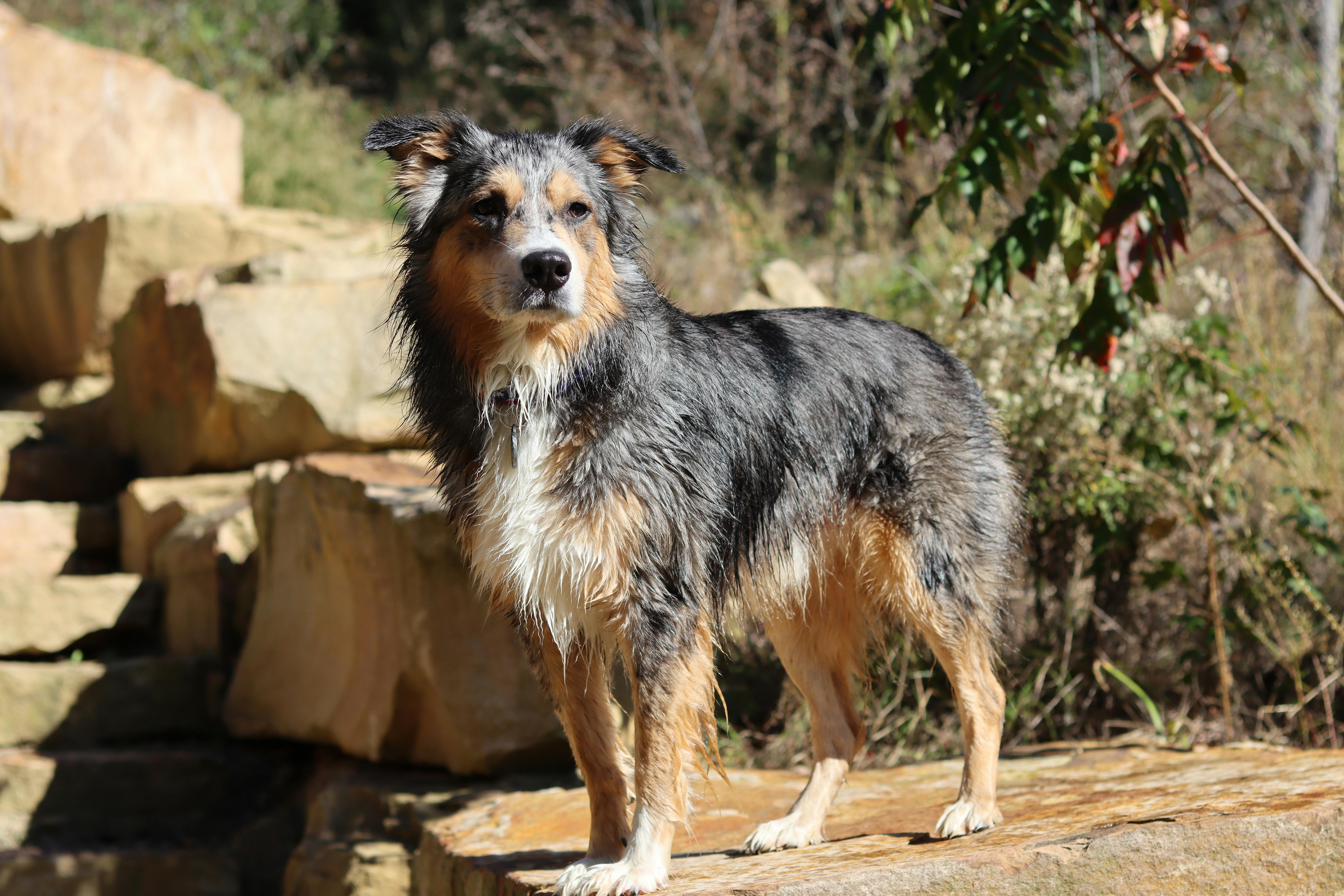 \n\n
\n\nThe role of a dog’s wet nose in temperature regulation is a fascinating topic that many pet owners might not think about. One of the most common questions people ask is "Why do dogs have wet noses?" It’s an interesting mystery, and understanding it can help pet owners care for their furry friends better. Dogs’ noses are not just cute; they actually serve a purpose that goes beyond just being a simple feature of their anatomy.
\nWhy Do Dogs Have Wet Noses?
\nDogs's noses are typically moist, which can seem strange to some people. The wetness is mainly due to the secretion of a thin layer of mucus. This layer helps to enhance a dog's sense of smell, which is significantly stronger than that of humans. But the wetness also plays a crucial role in temperature regulation. Here are some reasons why a dog’s nose is wet:
\n- \n
- \n
Cooling Mechanism: When dogs are hot, they pant to cool down. The moisture on their noses helps to evaporate, which cools the blood vessels nearby. This is part of how dogs regulate their body temperature.
\n \n - \n
Enhanced Smell: The moisture on a dog’s nose captures scent particles in the air, which allows them to smell more effectively. This is why you might see your dog sniffing around more frequently.
\n \n - \n
Health Indicator: A dog's wet nose can indicate good health, while a dry nose sometimes suggests dehydration or illness. However, it’s not always a definitive measure, as many factors can affect nose moisture.
\n \n
Historical Context of the Wet Nose
\nHistorically, dogs have evolved with wet noses as a survival mechanism. They were hunters and needed their sense of smell to track prey. Over time, this feature became a significant part of their anatomy. Early domestication of dogs showed that those with better olfactory capabilities were favored, leading to a genetic trait for wet noses.
\n- \n
- Evolutionary Benefit: Wet noses allow dogs to be more effective hunters. They can track scents over long distances, which helped their ancestors survive in the wild. \n
Temperature Regulation in Dogs
\nUnderstanding how dogs regulate their body temperature can help owners create a comfortable environment for their pets. Dogs have fewer sweat glands than humans, making it challenging for them to cool down. Here’s how they manage it:
\n- \n
- \n
Panting: Dogs pant to evaporate moisture from their tongues and the lining of their lungs, which cools their bodies down.
\n \n - \n
Wet Nose: The moisture on their noses evaporates, which also assists in reducing their body temperature, similar to how sweating works in humans.
\n \n - \n
Body Positioning: Dogs often lay on cool surfaces or try to find shade when they are too warm.
\n \n - \n
Hydration: Drinking water is crucial for maintaining moisture levels, affecting both their noses and overall health.
\n \n
Interesting Facts About Dog Noses
\n- \n
- \n
Unique Patterns: Just like human fingerprints, each dog has a unique nose print. This can be used for identification purposes.
\n \n - \n
Temperature Sensitivity: Dogs can detect temperature changes in their environment better than humans, largely due to their enhanced olfactory senses.
\n \n - \n
Health Check: A vet can often tell a lot about a dog’s health by examining their nose, so regular checks can be beneficial.
\n \n
Caring for Your Dog’s Nose
\nTo ensure your dog's nose stays healthy, consider the following tips:
\n- \n
- \n
Hydration: Always provide fresh water so your dog stays hydrated, which helps maintain that wet nose.
\n \n - \n
Observe Changes: Keep an eye out for changes in the wetness or color of your dog’s nose. If it becomes excessively dry or cracks, consult with a vet.
\n \n - \n
Avoid Overheating: On hot days, limit exercise and provide plenty of shade and cool water to prevent overheating.
\n \n - \n
Regular Vet Visits: Schedule regular check-ups to monitor your dog’s overall health, including their nose condition.
\n \n
In the end, the mystery of why dogs have wet noses is not just about appearance; it encompasses their health and well-being. Understanding the role of a dog’s wet nose in temperature regulation and scent detection helps pet owners appreciate their furry companions even more. So next time you give your dog a pat, notice that wet nose—it’s more than just a cute feature; it’s a critical part of their unique biology!
\n\nWhy Do Puppies Have Wet Noses? Exploring the Unique Traits of Young Dogs
\n\n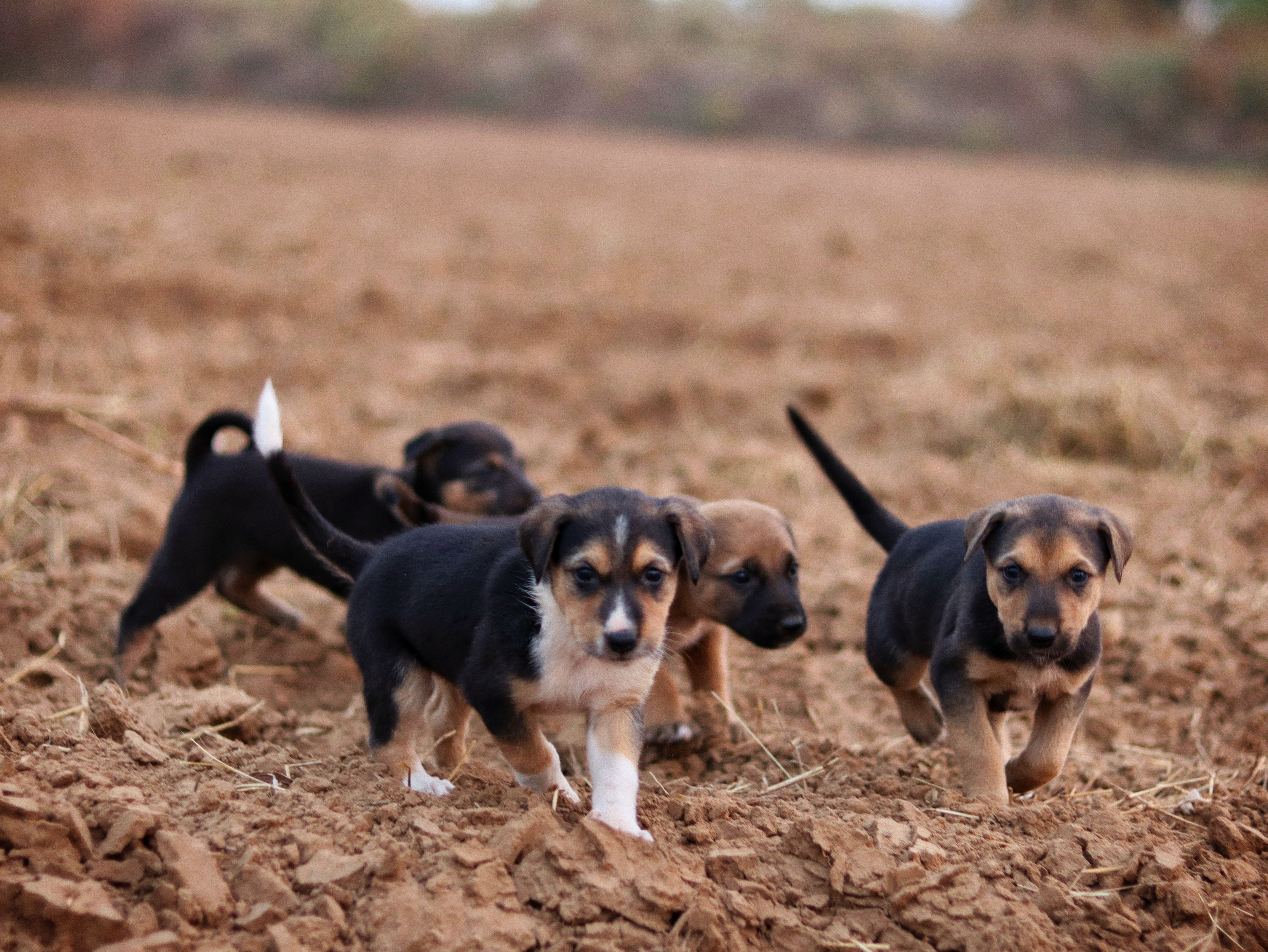 \n\n
\n\nPuppies are some of the cutest creatures on the planet. Their little wagging tails and big floppy ears, and yes, those wet noses — they just melt our hearts. But have you ever thought about why do puppies have wet noses? This peculiar characteristic is not just an adorable trait; it serves several important functions. In this article, we’ll explore why do dogs have wet noses, unraveling the fascinating mystery behind this unique feature.
\nThe Science Behind Wet Noses
\nFirst off, it’s important to understand the biology of dogs. A dog’s nose is often wet due to its mucous membranes. This moisture helps enhance their sense of smell. Believe it or not, dogs have around 300 million olfactory receptors in their noses, compared to a human's mere 5 million. This is why dogs are often used in search and rescue missions, as well as scent detection for various purposes.
\nFunctions of a Wet Nose
\nSo, what’s the purpose of that wet nose? Here’s a quick rundown:
\n- \n
- Enhanced Smell: The moisture in a dog's nose helps to absorb scent particles, making it easier for them to detect various odors in their environment. \n
- Temperature Regulation: Dogs don’t sweat like humans do. Instead, they sweat through their paw pads and rely on their noses to help regulate body temperature, especially after physical activities. \n
- Health Indicator: A dog’s nose can also indicate their health status. A healthy dog usually has a cool, damp nose. If it's dry or warm, it may signal a health issue that might require attention. \n
Historical Context
\nThe wet nose is not just a random trait. Many believe that this characteristic has evolved over thousands of years. In ancient times, dogs were domesticated for various purposes, including hunting, herding, and companionship. Their wet noses have always played a vital role in their survival and functionality.
\n- \n
- Hunting: Early humans relied on dogs to help them hunt. The ability to smell better was crucial for finding prey. \n
- Herding: Shepherd dogs needed to keep track of their flocks, and a wet nose allowed them to stay alert to any changes in their surroundings. \n
- Companionship: As dogs became more integrated into human life, their wet noses became a symbol of their affectionate nature. \n
Puppies vs. Adult Dogs
\nIt’s interesting to point out that puppies tend to have wetter noses than adult dogs. This could be because puppies are more active and curious, leading them to explore their environment more thoroughly. As dogs age, they might become less active, and thus their noses may not stay as wet as they once were.
\n- \n
- Puppies: Generally, they have a moist nose due to high activity levels and a natural curiosity about their surroundings. \n
- Adult Dogs: Their noses may dry out more often, especially if they are less active or experiencing health issues. \n
Comparisons with Other Animals
\nDogs aren’t the only animals with wet noses. Let’s compare:
\n- \n
- Cats: Like dogs, cats also have wet noses, but they don’t rely on scent as much. Cats are more visual hunters. \n
- Pigs: Pigs have moist noses too, which helps them dig in the ground and find food, but their sense of smell is different from dogs. \n
Practical Examples of Nose Use
\nHere are some practical ways in which dogs utilize their noses:
\n- \n
- Tracking: Search and rescue dogs can locate missing persons through scent tracking. \n
- Detection: Service dogs are trained to detect medical conditions like seizures or low blood sugar. \n
- Detection Sports: There are competitive sports where dogs are trained to find specific scents, showcasing their incredible olfactory abilities. \n
Why Wet Noses Matter
\nHaving a wet nose is more than just a cute characteristic. It is essential for a dog’s day-to-day functioning and overall health. If you notice changes in your dog’s nose, such as persistent dryness or crustiness, it may be wise to consult a veterinarian.
\n- \n
- Signs of Health Issues: If the nose is excessively dry or warm, it could be a sign of fever or dehydration. \n
- Routine Checks: Regularly check your dog’s nose as part of their health routine. \n
So, the next time you lean down to give your puppy a pat, pay attention to that wet nose. It’s not just a charming feature; it’s a crucial part of what makes dogs such amazing companions. Understanding why do dogs have wet noses can enhance your appreciation for them and help you take better care of your furry friends.
\n\nThe Fascinating Evolution of Dog Noses: Why Wetness Matters in the Canine World
\n\n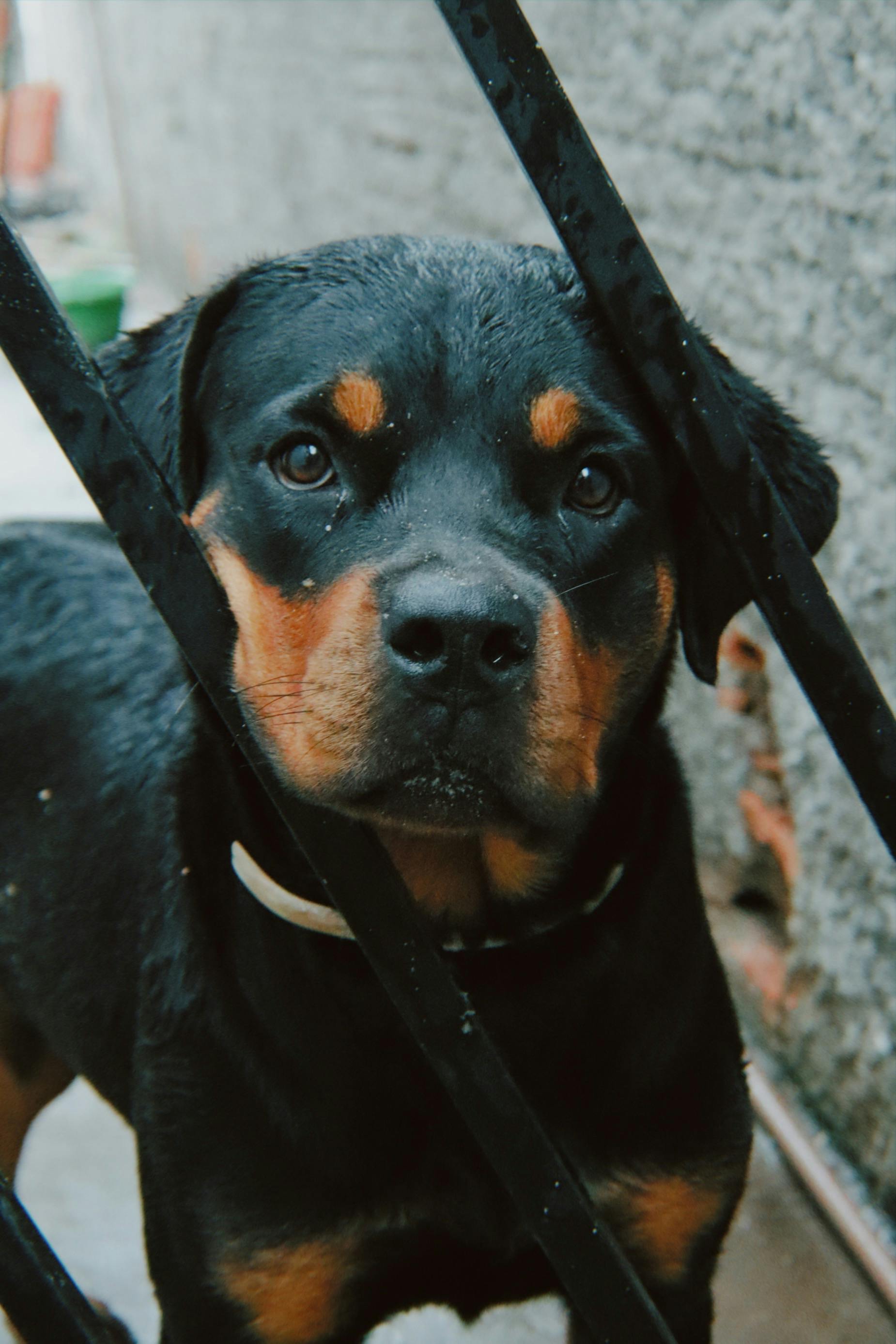 \n\n
\n\nDogs have always been our loyal companions, and their unique traits continue to fascinate us. One of the most intriguing features of dogs is their noses, particularly why they are wet. Have you ever asked yourself, why do dogs have wet noses? This question leads us into a captivating exploration of canine biology and evolution. Wet noses play essential roles beyond just being cute; they serve important functions in a dog’s life.
\nThe Science Behind Wet Noses
\nA dog's nose is not just a charming feature; it's a complex sensory organ. The wetness of a dog's nose comes from mucus secreted by glands. This moisture helps to enhance their sense of smell. Here’s how it works:
\n- \n
- Scent Detection: Wet noses can capture scent molecules more effectively. When the nose is moist, it traps these molecules, allowing the olfactory receptors to pick up on them more easily. \n
- Temperature Regulation: Dogs also cool themselves down through their noses. The moisture evaporates, helping to regulate their body temperature. \n
- Health Indicator: A wet nose can indicate hydration and overall health. A dry nose might not always mean something is wrong, but it could signal dehydration or illness. \n
Historical Context of Dog Noses
\nThe evolution of dog noses is quite fascinating. Dogs, descended from wolves, have developed their sense of smell over thousands of years. Wolves rely on their keen sense of smell for hunting and survival. This trait has been passed down through domestication. Here are some interesting points:
\n- \n
- Ancient Hunters: Early humans likely recognized the value of a dog’s nose in hunting. They relied on dogs to track scents and locate prey. \n
- Breeds and Noses: Different dog breeds have varying nose shapes and lengths, which can affect their smelling abilities. For example, bloodhounds have exceptionally long and droopy noses, making them one of the best scent trackers. \n
Why Do Dogs Have Wet Noses? Unveiling This Fascinating Mystery
\nTo truly understand why dogs have wet noses, it helps to look at the benefits they provide. Consider these points:
\n- \n
- Increased Sensitivity: A moist surface on a dog's nose amplifies their ability to detect and differentiate between a wide range of scents. \n
- Communication Tool: Dogs often use their noses to interact with each other and their environment. A wet nose could convey different emotions to other dogs or humans. \n
- Natural Instinct: Dogs instinctively lick their noses to keep them wet. This behavior is ingrained in their biology. \n
Comparison of Dog Nose Types
\nNot all dog noses are created equal. Here’s a quick comparison of different types of noses and their characteristics:
\n| Type of Nose | \nCharacteristics | \n
|---|---|
| Wet and Cold | \nMost common; indicates a healthy dog | \n
| Dry and Warm | \nMay indicate fever or health issues | \n
| Wet and Warm | \nNormal, could mean the dog is excited or just played | \n
Practical Examples of Nose Use in Dogs
\nDogs utilize their noses in numerous ways, playing crucial roles in their daily life and activities. Here are some practical examples:
\n- \n
- Search and Rescue: Dogs are trained to find missing persons using their powerful sense of smell. \n
- Detection Work: Police and military dogs use their noses to detect drugs, explosives, and other illicit substances. \n
- Therapeutic Roles: Some dogs are trained to detect medical conditions like low blood sugar or seizures through scent. \n
Fun Facts About Dog Noses
\n- \n
- Unique Patterns: Just like human fingerprints, each dog's nose print is unique. \n
- Scent Concentration: Dogs have up to 300 million smell receptors in their noses, while humans have only about 6 million. \n
- Scent Memory: Dogs can remember scents for years, helping them to identify familiar smells long after they’ve encountered them. \n
The intriguing mystery of why dogs have wet noses is a blend of biology, evolution, and practical use. These moist appendages do more than just look good; they play a vital role in a dog's life, enhancing their ability to interact with the world around them. Understanding these aspects not only enriches our appreciation for our canine companions but also highlights the incredible adaptations that have developed through years of evolution. So, the next time you notice a wet nose nuzzle against you, remember that it is much more than a cute feature—it's a powerful tool in the fascinating world of dogs.
\n\nIs Your Dog’s Nose Too Wet? 7 Signs That Could Signal a Health Concern
\n\n \n\n
\n\nDogs are our best friends, and their health is important to us, right? One of the most noticeable things about dogs is their noses. You might wonder, "Is your dog’s nose too wet?" It’s a common concern among pet owners, and understanding what’s normal can help keep your furry friend healthy. Let's dive into the fascinating world of dog noses, exploring why they’re often wet, what that means for your pup, and when it might be time to consult a vet.
\nWhy Do Dogs Have Wet Noses?
\nEver thought about why do dogs have wet noses? Well, it’s more than just a cute feature. Dogs have wet noses for several reasons:
\n- \n
- \n
Temperature Regulation: A wet nose helps dogs cool off, similar to sweating in humans. When they breathe, moisture evaporates from their noses, which helps to lower their body temperature.
\n \n - \n
Enhanced Sense of Smell: The moisture in a dog’s nose helps to trap scent particles. This is why dogs are so good at sniffing out things! The wetness increases their olfactory abilities.
\n \n - \n
Health Indicator: A dog’s nose can be a good indicator of their health. Changes in moisture levels can signal a possible health concern.
\n \n
Is Your Dog’s Nose Too Wet? 7 Signs That Could Signal a Health Concern
\nNow, let’s talk about those signs. Not every wet nose is a cause for concern, but there are some situations where it could mean something is off. Here are seven signs that could indicate a health issue:
\n- \n
- \n
Excessive Moisture: If your dog’s nose is unusually wet, it might be a sign of nasal discharge or infection.
\n \n - \n
Discoloration: A change in color from a healthy black or brown to red or white can suggest irritation or allergy.
\n \n - \n
Crustiness: If the nose is dry and crusty, it could be a sign of dehydration or other health problems.
\n \n - \n
Swelling: Any swelling around the nasal area could indicate an infection or injury.
\n \n - \n
Foul Odor: A smelly nose can signal an underlying issue, like a dental problem or a sinus infection.
\n \n - \n
Frequent Sneezing or Coughing: If your dog is sneezing or coughing along with a wet nose, it might be respiratory issues.
\n \n - \n
Lethargy or Change in Appetite: If your dog seems tired or isn’t eating as much, this could point to illness, which may affect nose moisture.
\n \n
What to Do If You Notice Changes
\nIf you see any of these signs, it’s important to keep a close eye on your dog. You might want to take some actions like:
\n- \n
- \n
Monitor Symptoms: Keep track of any other symptoms. Are they acting differently? Eating less? This can help the vet understand what’s going on.
\n \n - \n
Vet Visit: If the signs persist, you should definitely consult with a veterinarian. They can provide a thorough examination.
\n \n - \n
Hydration Check: Make sure your dog is drinking enough water. Hydration plays a big part in keeping their nose moist.
\n \n
Fun Facts About Dog Noses
\n- \n
- \n
Did you know that dogs have around 300 million smell receptors in their noses? Humans only have about 5 million!
\n \n - \n
Each dog has a unique nose print, similar to human fingerprints. It can actually be used for identification.
\n \n - \n
Dogs can detect certain diseases in humans, like cancer or diabetes, just by smelling.
\n \n - \n
The temperature of a dog’s nose can vary throughout the day. It’s normal for it to change!
\n \n
Quick Comparison: Wet vs. Dry Nose in Dogs
\nHere’s a quick look at the differences between wet and dry noses in dogs:
\nWet Nose:
\n- \n
- Cool to the touch \n
- Often a sign of good health \n
- Can trap scents effectively \n
Dry Nose:
\n- \n
- Warm to the touch \n
- Might indicate dehydration or illness \n
- Less effective at trapping scents \n
Understanding the nuances of your dog’s nose can help you keep them healthy and happy. If you ever get concerned about changes, don’t hesitate to reach out to a vet. After all, our furry companions rely on us to look out for them. Remember, a wet nose is generally a sign of a happy dog, but noticing changes is crucial. So keep an eye on that nose and stay informed!
\n\nKeeping Your Dog’s Nose Healthy: Tips for Maintaining Optimal Moisture Levels
\n\nEvery dog owner know that their furry friends have those adorable wet noses. But why? And how do we keep those precious noses healthy? These questions are more than just curious musings; they hold significant importance for dog health. In this article, we will discuss why do dogs have wet noses, how to maintain optimal moisture levels, and some helpful tips for keeping your dog’s nose in tip-top shape.
\nWhy Do Dogs Have Wet Noses?
\nWet noses are one of the most recognizable features of dogs. But what is the reason behind this phenomenon? The reasons why dogs have wet noses is a mix of biology and behavior.
\n- \n
- \n
Thermoregulation: Dogs can't sweat like humans do. Instead, they use their noses to help regulate their body temperature. A wet nose helps dogs cool down by evaporating moisture, much like how humans sweat.
\n \n - \n
Enhanced Sense of Smell: Dogs have an incredible sense of smell that is estimated to be between 10,000 to 100,000 times more sensitive than humans. The moisture on their noses helps to capture scent particles, improving their ability to smell.
\n \n - \n
Health Indicator: A wet nose is often thought to be a sign of a healthy dog. While this isn’t always the case, a dry or cracked nose can indicate several health issues, such as dehydration or illness.
\n \n - \n
Communication Tool: Dogs use their noses to gather information from their environment. A wet nose can signify excitement and curiosity, helping them to interact with their surroundings and other animals.
\n \n
Keeping Your Dog’s Nose Healthy: Tips for Maintaining Optimal Moisture Levels
\nMaintaining a healthy nose for your dog is important for their overall health and happiness. Here’s some practical tips to ensure their noses stay moist and healthy.
\n- \n
- \n
Hydration is Key: Always ensure your dog has access to fresh water. Dehydration can lead to a dry nose, which could indicate health problems. Dogs should drink water regularly, especially during hot weather or after physical activity.
\n \n - \n
Regular Vet Check-ups: Schedule regular check-ups to monitor your dog’s health. Your vet can identify any underlying issues that could affect your dog’s nose moisture.
\n \n - \n
Humidifiers: If you live in a dry climate, consider using a humidifier in your home. This can help maintain moisture levels in the air and keep your dog’s nose from drying out.
\n \n - \n
Avoid Irritants: Keep your dog away from smoke, strong perfumes, and cleaning chemicals. These irritants can dry out their noses and lead to irritation.
\n \n - \n
Dog Safe Sunscreen: If your dog spends a lot of time outdoors, consider using a dog-safe sunscreen on their nose. Dogs can get sunburned too, and this could lead to dryness and cracking.
\n \n - \n
Diet Matters: Feeding your dog a balanced diet rich in Omega-3 and Omega-6 fatty acids can support their skin and coat health, including their nose. Foods with fish oil or flaxseed oil can be beneficial.
\n \n
Signs of an Unhealthy Nose
\nRecognizing the signs of a problematic nose can help you act fast. Here’s what to look for:
\n- \n
- Cracked or peeling skin \n
- Excessive dryness \n
- Unusual discoloration \n
- Bleeding \n
- Discharge or odor \n
If you notice any of these symptoms, it may be time to consult your veterinarian.
\nFun Facts About Dogs' Noses
\nHere are some interesting facts about dogs' noses that you might not know:
\n- \n
- \n
Nasal Prints: Just like human fingerprints, every dog has a unique nose print. This can be used for identification purposes!
\n \n - \n
Nose Temperature: A dog’s nose temperature can vary. It’s usually cooler than their body temperature, but it’s not always a reliable indicator of health.
\n \n - \n
Nose Color: The color of a dog’s nose can change with seasons or age. Some dogs may have black noses while others might have lighter colors like pink or brown.
\n \n - \n
Dogs Have Scent Receptors: Dogs have up to 300 million scent receptors in their noses, while humans have about 6 million. That’s a significant difference in smelling capability!
\n \n
Keeping your dog’s nose healthy is essential for their well-being. From understanding why they have wet noses to implementing helpful care tips, staying informed helps ensure your furry companion remains happy and healthy. Regular vet visits, proper hydration, and a balanced diet can make a big difference. Plus, knowing the fascinating reasons behind those wet noses can deepen your bond with your pet. After all, every dog deserves the best care possible!
\n\nThe Myths and Facts About Dog Noses: Debunking Common Misconceptions
\n\n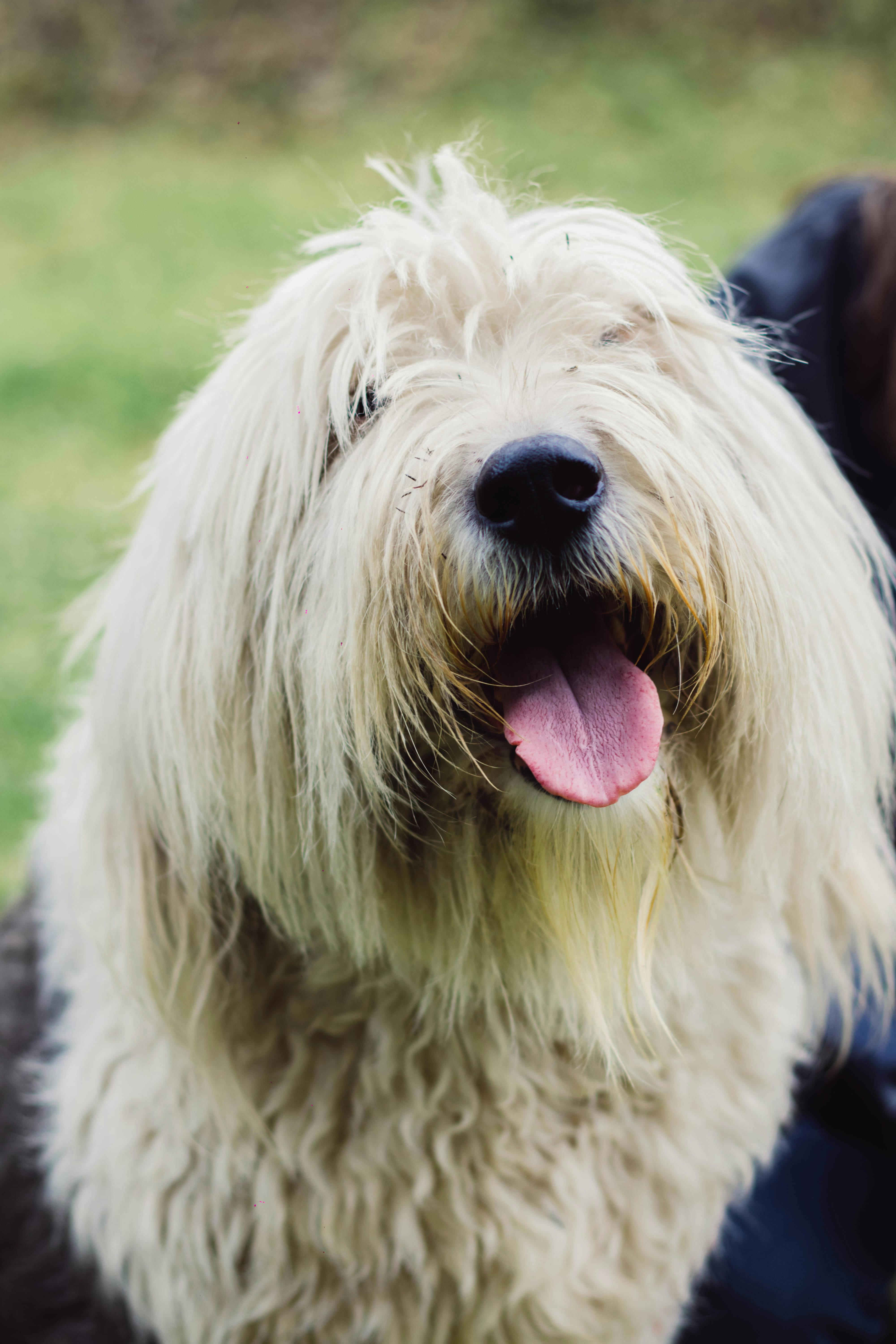 \n\n
\n\nHave you ever noticed your dog's nose and wondered why it's always wet? This curious feature of our canine companions has sparked many myths and misconceptions. In this article, we will explore the fascinating world of dog noses, debunking common myths, and revealing the facts about why dogs have wet noses.
\nThe Myths Surrounding Dog Noses
\n- \n
- \n
Myth: A Wet Nose Means a Healthy Dog
\n- \n
- Many people believe that if a dog has a wet nose, it’s healthy. However, this is not always true. While a wet nose can indicate good hydration and proper function, it doesn't necessarily mean the dog is free of health issues. Sometimes, a dog can have a wet nose but still be sick. \n
\n - \n
Myth: Dog Noses are Always Cold
\n- \n
- Another common belief is that dog noses are always cold to touch. Actually, the temperature of a dog's nose can vary with many factors, including their activity level and the environment. A dog playing outside in the heat might have a warmer nose than one resting comfortably indoors. \n
\n - \n
Myth: Dogs Use Their Noses Only for Smelling
\n- \n
- While smelling is a primary function of a dog’s nose, it also plays a role in regulating their body temperature. Dogs do not sweat like humans; instead, they cool off through panting and the moisture on their noses. \n
\n
The Science Behind Wet Noses
\nSo, why do dogs have wet noses? The answer lies in biology and evolution. The moisture on a dog's nose serves several important functions.
\n- \n
- \n
Enhanced Scent Detection: The wetness helps to trap scent particles in the air, making it easier for dogs to detect smells. Dogs have an extraordinary sense of smell, and their wet noses help them maximize this ability.
\n \n - \n
Cooling Mechanism: When a dog pants, the moisture on their nose evaporates, which helps cool their body down. This is especially important since dogs don’t sweat like humans.
\n \n - \n
Health Indicator: A dog’s nose can indicate health status. Dry or cracked noses may signal dehydration or illness, while a wet nose is often a sign of a well-hydrated dog.
\n \n
Fun Facts About Dog Noses
\n- \n
- Dogs have more than 220 million scent receptors, making their sense of smell 40 times better than humans. \n
- The unique pattern of ridges and creases on a dog's nose is as individual as a human fingerprint. \n
- Dogs can smell certain diseases, including cancer and diabetes, due to their advanced olfactory senses. \n
Why Are Some Dogs' Noses Dry?
\nThere are several reasons why a dog's nose might become dry. Here are a few:
\n- \n
- \n
Dehydration: Just like humans, dogs need plenty of water. A dry nose might indicate that your dog is dehydrated.
\n \n - \n
Weather Conditions: Hot, dry weather can lead to a dry nose. Similarly, cold and windy conditions can also dry out a dog’s nose.
\n \n - \n
Allergies: Dogs can suffer from allergies just like humans. Allergies can lead to dryness, irritation, and other nose issues.
\n \n - \n
Age: Older dogs may have drier noses due to changes in skin hydration and health.
\n \n
How to Care for Your Dog's Nose
\nTaking care of your dog's nose is an important part of their overall health. Here are some simple tips:
\n- \n
- \n
Ensure Hydration: Provide your dog with fresh, clean water at all times.
\n \n - \n
Use Nose Balm: If your dog's nose appears cracked or dry, consider applying a vet-approved nose balm to keep it moisturized.
\n \n - \n
Regular Vet Check-ups: Regular visits to the vet can help catch any underlying health issues that may affect your dog's nose.
\n \n - \n
Monitor Environment: Be mindful of extreme weather conditions, and try to keep your dog indoors during harsh weather.
\n \n
Comparing Dog Noses to Human Noses
\n| Feature | \nDog Noses | \nHuman Noses | \n
|---|---|---|
| Scent Receptors | \n220 million | \n5 million | \n
| Temperature Sensing | \nSensitive | \nLess sensitive | \n
| Moisture Function | \nCool body, enhance smell | \nNot used for cooling | \n
Understanding why dogs have wet noses can help pet owners appreciate their furry friends a bit more. The unique abilities of a dog’s nose, from scent detection to temperature regulation are truly fascinating. So next time you pet your dog and notice that wet nose, remember the important functions it serves beyond just being cute. Embrace the quirks of your dog and enjoy the bond you share with them.
\n\nConclusion
\n\nIn conclusion, the wet noses of dogs serve several important functions that contribute to their overall health and well-being. The moisture found on their noses not only enhances their sense of smell, making them more adept at detecting scents, but it also plays a role in thermoregulation, helping to keep them cool. Additionally, a wet nose can be an indicator of a dog’s health, as changes in moisture levels may signal potential health issues. Understanding these functions can deepen our appreciation for our canine companions and the unique adaptations they possess. As dog owners, it’s essential to monitor our pets' nose conditions and consult a veterinarian if we notice any significant changes. By staying informed and proactive, we can ensure our furry friends lead happy and healthy lives. So, the next time you greet your dog, take a moment to appreciate that wet nose and all that it signifies!
\n\n