
Have you ever wondered, “Why do dogs have wet noses?” This intriguing question often leaves pet owners scratching their heads in curiosity. Dogs’ noses are not just a cute feature; they play a crucial role in their overall health and communication. Did you know that a dog’s wet nose helps them to smell better? This fascinating fact is just the tip of the iceberg! In this article, we will explore the science behind those moist canine noses and uncover the reasons why they are often cool to the touch. From their ability to regulate temperature to their role in social interactions, understanding the significance of a dog’s nose can deepen your bond with your furry friend. Have you ever noticed how a wet nose can mean a happy dog? Or how it can indicate health issues? Whether you are a seasoned dog owner or a curious first-timer, you will find answers to your burning questions. So, let’s dive into the fascinating world of dog noses and discover why they are one of nature’s wonders! Don’t miss out on learning about this unique aspect of your four-legged companion!
The Science Behind Wet Noses: Why Are Dogs’ Noses Always Moist?
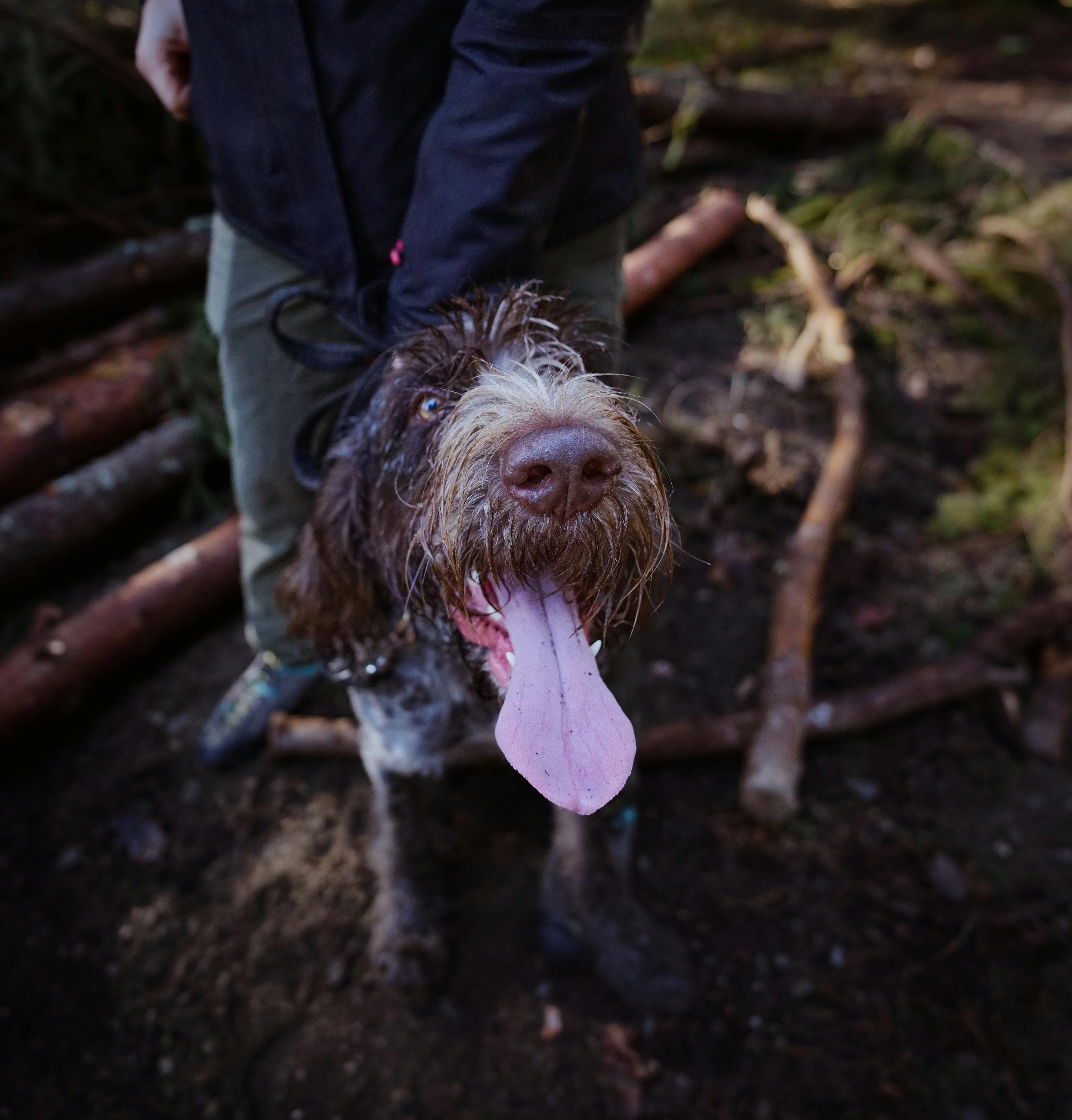
Dogs are often known for their playful nature, loyalty, and of course, their wet noses. But, have you ever wondered why do dogs have wet noses? It’s a question that many pet owners may ask, and the answer is more fascinating than you might think. Dogs’ noses are not just wet for no reason; there’s actually a science behind it!
The Anatomy of a Dog’s Nose
A dog’s nose is an incredibly complex organ. Unlike humans, who primarily rely on their sense of sight, dogs depend heavily on their sense of smell. Their noses contain up to 300 million olfactory receptors, compared to a human’s mere 5 million. This specialized structure helps dogs detect scents in ways that are simply mind-blowing.
- Nasal Turbinates: These are thin bony structures in the nasal passage that help to warm and humidify the air a dog breathes in. They also increase the surface area for scent detection.
- Moisture Production: Dogs have glands that produce mucus in their noses. This moisture helps capture scent particles and enhances their ability to detect smells.
Why Are Dogs’ Noses Always Moist?
So, why do dogs have wet noses? The moisture on a dog’s nose plays a critical role in its sense of smell. When the nose is wet, it can more effectively trap scent particles. This is why you often see your furry friend sniffing around with that adorable, glistening nose!
- Temperature Regulation: A wet nose also helps in thermoregulation. Dogs do not sweat like humans do to cool down; instead, they rely on their noses. The moisture evaporating from their noses helps to lower their body temperature.
- Health Indicator: A moist nose is generally a sign of a healthy dog. If you notice your dog’s nose becoming dry or cracked, it might be a signal for you to check on their health.
Fascinating Facts About Dog Noses
Here are some interesting facts that you might not know about those wet noses:
- Scent Memory: Dogs can remember smells for a long time. They can recognize scents that they have not encountered for years.
- Unique Patterns: Just like human fingerprints, each dog’s nose has a unique pattern of ridges and creases. This means that a dog’s nose print can be used for identification.
- The Right Temperature: A cooler nose is usually a sign of a healthy dog. If the nose feels unusually warm, it may indicate illness or fever.
Dog Nose Care Tips
Taking care of your dog’s nose is important. Here’s a quick list of ways you can help keep your dog’s nose healthy:
- Hydration: Make sure your dog is drinking enough water. Dehydration can lead to a dry nose.
- Moisturizers: If your dog’s nose becomes cracked or dry, consider using a pet-safe moisturizer.
- Regular Check-ups: During vet visits, ask your veterinarian about your dog’s nose health. They can provide specific advice tailored to your dog’s needs.
Comparing Wet and Dry Noses
It’s also interesting to compare wet and dry noses in dogs. While a wet nose is often a sign of health, a dry nose doesn’t always mean something is wrong. Here’s a simple comparison:
Wet Nose:
- Usually cooler to the touch
- Often indicates hydration and health
- Better at trapping scent particles
Dry Nose:
- Can be warm or cool
- May indicate dehydration or health issues if persistent
- Some breeds may naturally have drier noses
Historical Context of Dog Noses
Throughout history, dogs have been valued for their exceptional sense of smell. In ancient times, they were used for hunting and tracking. The Egyptians even regarded dogs as sacred animals, often featuring them in their art. As humans and dogs evolved together, the importance of a dog’s nose became even more evident, leading to their use in various fields including search and rescue, law enforcement, and even medical detection.
Understanding why do dogs have wet noses not only enhances our appreciation for our furry friends but also highlights the incredible biological adaptations that have developed over thousands of years.
Next time you see your dog with its wet nose, remember the fascinating science behind it! These little quirks of nature not only make dogs unique but also remind us of the strong bond we share with them. The moist noses are more than just cute; they are a remarkable tool for survival, communication, and connection in the canine world.
5 Surprising Reasons Your Dog’s Wet Nose Is Essential for Their Health

Dogs are known for their playful antics, loyalty, and, of course, their wet noses. But have you ever stopped to think about why do dogs have wet noses and how it affects their health? Many folks might think it’s just a quirky trait, but there are actually some surprising reasons why that wet schnoz is essential for their well-being. Let’s dive into some fascinating facts and learn together!
1. Temperature Regulation
You might not know this, but a dog’s wet nose plays a big role in regulating their body temperature. Unlike humans, who sweat to cool down, dogs rely on their noses. The moisture on their noses evaporates, which helps them stay cool. This is especially important during hot summer days or after a vigorous play session at the park. So, if you notice your pup’s nose is a little drier than usual, it could mean they’re getting overheated.
2. Enhanced Sense of Smell
Dogs are famous for their incredible sense of smell, and that wet nose is a key player in this process. The moisture on a dog’s nose helps to trap scent particles from the air, making it easier for them to detect different smells. It’s like having a built-in sniffing tool! Research suggests that dogs can have up to 300 million smell receptors in their noses, compared to a human’s 5 million. So next time your dog is sniffing around, remember that wet nose is working hard!
3. Health Indicator
Believe it or not, a dog’s nose can also tell you a lot about their health. A healthy dog typically has a moist and cool nose, while a dry or warm nose might signal an issue. It’s not always a clear indication of illness, but it’s worth keeping an eye on. Changes in nose moisture can be linked to fevers, dehydration, or even allergies. If you notice a significant change, it might be a good idea to consult with a vet.
4. Communication Tool
Dogs are social creatures, and their wet noses play a role in how they communicate. When dogs greet each other, they often sniff each other’s noses and behinds as a way of gathering information. The wetness helps convey chemical signals that can tell them about another dog’s health, mood, and even diet. It’s like a little doggie handshake! Moreover, dogs also use their noses to communicate with humans too. A gentle nudge with a wet nose is often a way of saying, “Hey, pay attention to me!”
5. Important for Hydration
You may have noticed that dogs tend to lick their noses frequently. This behavior is not just for fun; it also serves an important purpose. When a dog licks its nose, it helps keep that area moist, which in turn aids in their sense of smell. Plus, the act of licking can help keep them hydrated. While dogs do drink water, having a moist nose can contribute to their overall hydration. It’s a simple yet effective way for them to maintain their health!
Fascinating Facts About Dog Noses
- A dog’s nose print is unique, much like a human fingerprint.
- The size and shape of a dog’s nose can vary widely between breeds, but it affects their sense of smell.
- Dogs can detect certain diseases, like cancer and diabetes, through changes in body scent.
- The wetness of a dog’s nose can change throughout the day, usually becoming drier after sleeping.
Quick Comparison: Dog Nose vs. Human Nose
| Feature | Dog Nose | Human Nose |
|---|---|---|
| Moisture Level | Usually wet | Usually dry |
| Smell Receptors | Up to 300 million | About 5 million |
| Temperature Regulation | Essential for cooling down | Sweating is primary method |
| Role in Communication | Sniffing to gather information | Less emphasis on smell |
Tips for Maintaining Your Dog’s Nose Health
- Regular Check-ups: Keep an eye on your dog’s nose during vet visits.
- Hydration: Ensure your dog has access to fresh water at all times.
- Avoid Irritants: Stay away from strong chemicals or allergens that could irritate their nose.
- Monitor Changes: If you notice your dog’s nose becoming persistently dry or warm, consult a veterinarian.
Understanding why do dogs have wet noses can deepen your appreciation for your furry friend. Their noses are not just cute; they are vital for their health and well-being. So next time you give your dog a scratch behind the ears, take a moment to appreciate that wet little nose and all the amazing functions it serves!
How a Dog’s Wet Nose Enhances Their Sense of Smell: Discover the Connection
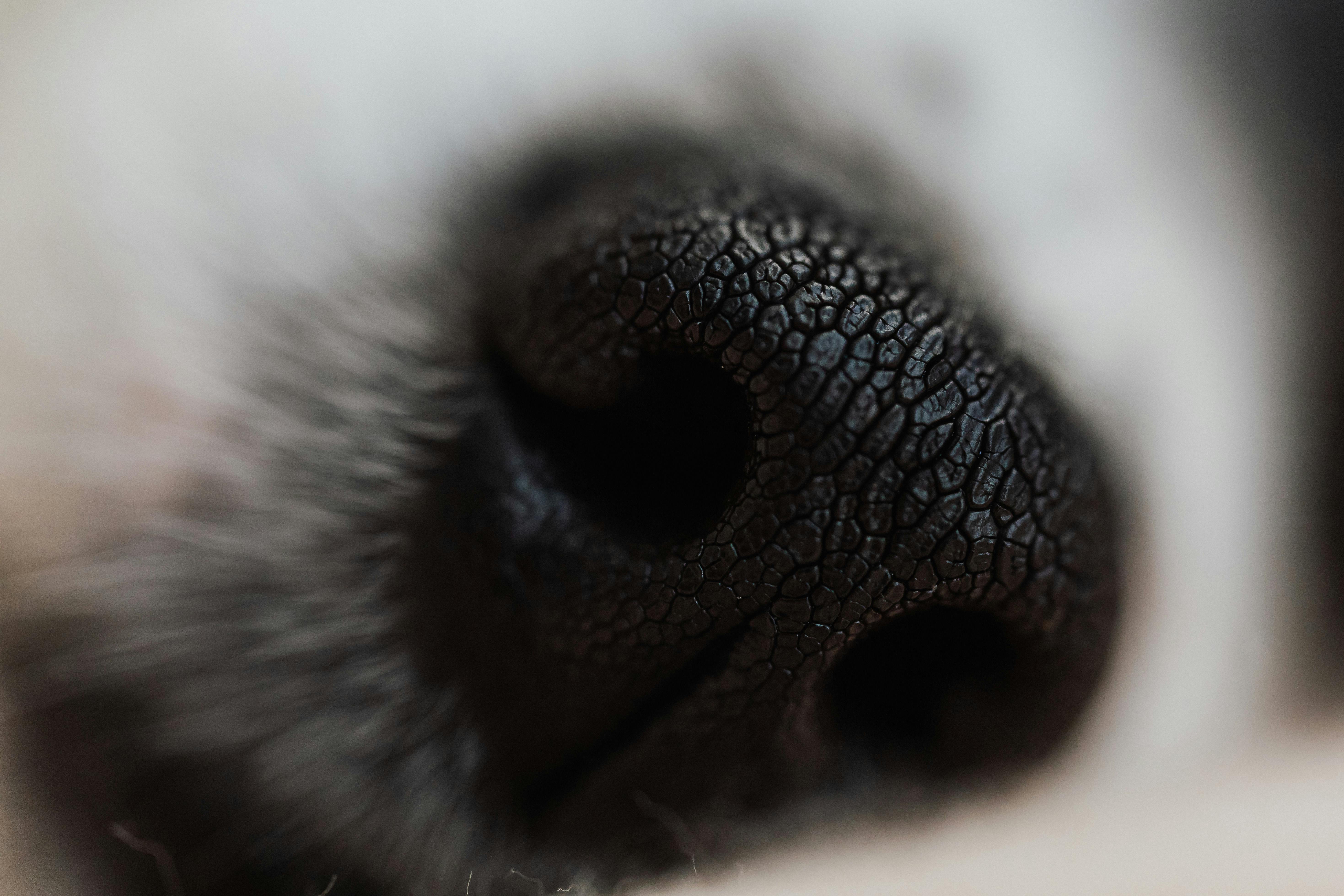
Dogs are incredible creatures, and one of their most fascinating features is their wet nose. Ever wonder why do dogs have wet noses? The connection between a dog’s wet nose and its remarkable sense of smell is quite intriguing. Let’s dive into some fascinating facts about this unique characteristic and explore how it enhances their olfactory capabilities.
The Science Behind a Dog’s Wet Nose
A dog’s nose is not just for show; it plays a crucial role in their ability to smell. When a dog’s nose is wet, it can absorb more scent particles from the air, making it easier for them to detect different smells. This moisture is actually secreted by the dog’s body and helps to improve their overall sense of smell. Here are some key points about this phenomenon:
- Increased Surface Area: A wet nose has more surface area, which means it can capture more scent particles.
- Enhanced Olfactory Receptors: Dogs have around 220 million olfactory receptors, compared to a human’s 5 million. A wet nose helps these receptors work at their best.
- Cooling Mechanism: Wet noses also help cool down dogs, which is important for maintaining their body temperature.
Historical Context of Dogs’ Noses
Throughout history, dogs have been known for their extraordinary sense of smell. They were used in various roles, from hunting and tracking to search and rescue. Ancient civilizations recognized the value of a dog’s nose. For example, the Egyptians bred dogs specifically for their scent capabilities, and this trait has been preserved through generations.
Fascinating Facts About Dog Noses
Here are some interesting tidbits about dog noses that you might not know:
- Nose Prints: Just like human fingerprints, each dog’s nose print is unique. This means you could identify a dog by its nose!
- Color Variation: The color of a dog’s nose can vary from pink to black, and this color doesn’t affect their sense of smell.
- Sniffing Patterns: Dogs have a specific way of sniffing called “sniff on the move,” which allows them to gather scent information while walking.
Why Are Wet Noses Important?
So, why do dogs have wet noses? The answer goes beyond just capturing scents. It’s about survival. A dog’s ability to smell can help them in various situations:
- Finding Food: Dogs can smell food from miles away, which is crucial for their survival.
- Detecting Danger: Their acute sense of smell can alert them to danger, whether it be a fire or an intruder.
- Emotional Connection: Dogs can smell changes in human emotions. They can detect when a person is anxious, scared, or happy.
Practical Examples of Dogs’ Sense of Smell
Dogs are employed in various fields due to their impressive sense of smell. Here are a few examples:
- Search and Rescue: Dogs are trained to locate missing persons in disasters.
- Medical Detection: Some dogs can detect diseases like cancer by smelling a person’s breath or urine.
- Tracking: Law enforcement uses dogs to track criminals or find illegal substances.
The Role of Wet Noses in Dog Health
A wet nose can also be an indicator of a dog’s health. A healthy dog’s nose is usually cool and moist. However, if a dog’s nose becomes excessively dry or hot, it may indicate an underlying health issue. Here are some signs to watch for:
- Dryness: This can signal dehydration or fever.
- Cracking: Cracked noses may indicate a need for hydration or even a skin condition.
- Discoloration: Any significant change in color can be a sign of health problems and should be checked by a vet.
Conclusion
Understanding why do dogs have wet noses and how this feature enhances their sense of smell provides us with a deeper appreciation for our furry friends. Their wet noses are not just cute; they are essential tools that help dogs navigate the world in ways we can only imagine. From their historical significance to their practical applications today, the wet nose is a small yet mighty aspect of a dog’s biology that highlights their extraordinary capabilities. Next time you see a dog, take a moment to appreciate the amazing science behind that wet nose!
Is Your Dog’s Wet Nose a Sign of Illness? What Every Pet Owner Should Know
Is Your Dog’s Wet Nose a Sign of Illness? What Every Pet Owner Should Know, Why Do Dogs Have Wet Noses? Discover Fascinating Facts Today!
As a pet owner, you probably notice your dog’s wet nose and wonder what it means. A wet nose is often seen as a sign of a healthy dog, but does it always mean your furry friend is feeling fine? Many pet owners ask, “Is your dog’s wet nose a sign of illness?” The answer isn’t so simple. Let’s dive into some interesting facts about why dogs have wet noses and what it could indicate about their health.
Why Do Dogs Have Wet Noses?
Dogs have wet noses for various reasons, and it’s not just a cute feature. Here’s a breakdown of some fascinating facts:
- Cooling Mechanism: Dogs don’t sweat like humans. Instead, they cool themselves through panting and their noses. A wet nose helps regulate their body temperature.
- Enhanced Sense of Smell: A moist nose can pick up scent molecules better than a dry one. This is because the wetness helps capture scents from the air, making dogs excellent at sniffing out things.
- Health Indicator: Generally, a wet nose is associated with good health, but it’s not an absolute rule. Changes in your dog’s nose moisture can sometimes indicate health issues.
What A Wet Nose Could Mean
So, if your dog’s nose is dry or unusually warm, should you be concerned? Here’s a list of conditions that might cause changes in their nose:
- Dehydration: If a dog’s nose is dry and cracked, it might be suffering from dehydration. Ensure your dog has lots of fresh water.
- Fever: A warm, dry nose could suggest that your dog has a fever. This is often accompanied by other symptoms like lethargy or loss of appetite.
- Allergies: Environmental factors, like pollen or dust, can cause a dog’s nose to dry out or get irritated.
- Infections: Nasal infections can lead to changes in a dog’s nose moisture and appearance. If you see excessive discharge, it might be time for a vet visit.
- Autoimmune Diseases: Some serious health issues can also show symptoms through changes in the nose.
What Should You Do?
If you notice changes in your dog’s nose, here are some steps you can take:
- Monitor Symptoms: Keep an eye on other signs such as coughing, sneezing, or lethargy.
- Check Their Hydration: Ensure your dog is drinking enough water.
- Consult a Vet: If you’re concerned about your dog’s health, don’t hesitate to contact a veterinarian.
Interesting Facts About Dog Noses
Here are some cool facts that most dog owners might not know:
- Unique Patterns: Just like human fingerprints, each dog’s nose has a unique pattern. This could even be used for identification!
- Temperature Regulation: Did you know that a dog’s nose can change temperature? It can warm up when they’re excited or during playtime.
- Scent Detecting: Dogs have up to 300 million smell receptors in their noses, compared to about 5 million in humans! This makes them incredibly sensitive to scents.
Nose Conditions to Be Aware Of
While a wet nose is typically a sign of a healthy dog, there are some conditions you should be aware of:
- Nasal Tumors: Uncommon but serious, nasal tumors can affect nose moisture.
- Leptospirosis: This is an infectious disease that can cause nose-related symptoms. Be aware of any signs of illness.
- Fungal Infections: These can also cause changes in your dog’s nose.
Comparing Wet and Dry Noses
Here’s a simple comparison of wet and dry noses in dogs:
| Wet Nose | Dry Nose |
|---|---|
| Usually indicates health | Can indicate illness |
| Helps with smell | May signal dehydration or fever |
| Cools the body | Might be a sign of stress or anxiety |
Being a responsible pet owner includes paying attention to your dog’s physical signs. A wet nose can be a sign of good health, but it’s also essential to understand the context. Keeping your dog hydrated, monitoring their behavior, and staying informed about potential health issues can help ensure your furry friend stays happy and healthy.
So, next time you pet your dog and notice that wet nose, remember that it’s more than just cute. It’s a fascinating part of what makes dogs unique and a vital aspect of their health. Always stay alert and consult your vet if you ever worry about your dog’s well-being. Your four-legged companion relies on you to keep them safe and healthy!
The Role of a Wet Nose in Canine Communication: Unveiling the Secrets
Dogs, those furry companions, have long captured our hearts and lives. One of the most intriguing aspects of our canine friends is their wet noses. Ever wonder why do dogs have wet noses? It’s not just for show! Understanding the role of a wet nose in canine communication can unveil fascinating secrets about how dogs express themselves and interact with the world around them. Let’s take a closer look at this unique feature of dogs and why it matters.
The Science Behind Wet Noses
A dog’s nose is naturally moist, which serves several important functions. The wetness helps to enhance their sense of smell. Here’s how it works:
- Olfactory Enhancement: When a dog’s nose is wet, it traps scent particles better. This moisture allows dogs to detect and identify a wider range of smells compared to dry noses.
- Temperature Regulation: Just like humans sweat, dogs can cool down through their noses. A wet nose helps to regulate their body temperature.
- Health Indicator: A dog’s nose can indicate their health status. For example, a persistently dry or hot nose might signal dehydration or fever.
Historical Context of Canine Communication
Dogs have been companions to humans for thousands of years. In that time, they have developed a complex system of communication, and their noses play a pivotal role in it. Historically, dogs were bred for hunting, herding, and guarding, where their ability to communicate through scent was essential.
- Hunting and Tracking: Early humans relied on dogs to track animals. A wet nose aided in picking up scents from the ground.
- Social Interaction: Dogs use their noses to gather information about each other. A quick sniff is more than just a greeting; it’s a way to learn about another dog’s identity, mood, and health.
Fascinating Facts About Dog Noses
- Dogs have up to 300 million scent receptors in their noses, compared to about 5 million in humans.
- The part of a dog’s brain that processes smells is about 40 times larger than that of a human’s.
- Every dog’s nose print is unique, much like a human fingerprint.
The Role of a Wet Nose in Canine Communication
Dogs communicate much more than just barking. Their noses are crucial in this process. Here’s how:
- Scent Marking: Dogs might moisten their noses before marking territory with their scent. This helps ensure that their scent sticks around longer.
- Emotional State: A wet nose can indicate a relaxed and happy dog. In contrast, a dry nose may suggest stress or illness.
- Grooming and Care: When dogs lick their noses, they’re not just grooming themselves. They’re also stimulating the glands in their noses that produce the moisture.
Why Do Dogs Have Wet Noses?
You might be wondering why wet noses are so common in dogs specifically. Here’s a simple breakdown:
- Evolutionary Advantage: Wet noses have provided dogs with an evolutionary edge. Their sense of smell is crucial for survival and hunting.
- Breeds and Variation: Different breeds exhibit varied nose sizes and shapes, but the wetness remains a common trait among them.
- Adaptation: Over time, dogs have adapted to their environments, and a wet nose has proven beneficial in various climates.
Comparing Dog Noses to Other Animals
Dogs aren’t the only animals with wet noses. Here’s a quick comparison:
| Animal | Number of Scent Receptors | Unique Nose Features |
|---|---|---|
| Dogs | 300 million | Wet, unique nose prints |
| Cats | 5 million | Dry, less sensitive than dogs |
| Bears | 2,000,000 | Large noses, excellent sense of smell |
| Elephants | 2,000,000 | Trunk acts as a nose, very sensitive |
Practical Example of Nose Communication
Imagine two dogs meeting at a park. One dog approaches the other and gives a quick sniff. This isn’t just a casual hello; it’s a detailed investigation. The sniffing dog is learning about the other’s age, health, and even emotional state. This interaction is crucial for their social dynamics.
In conclusion, the wet nose is a remarkable feature of dogs that plays a vital role in their communication and overall health. Understanding why dogs have wet noses helps deepen our appreciation for these loyal companions. So next time you see your furry friend with a wet nose, remember all the fascinating secrets it holds!
Wet Nose vs. Dry Nose: What Your Dog’s Nose Type Says About Their Health
When you look at your furry friend, have you ever wondered about the state of their nose? Wet nose vs. dry nose can be more than just a cute characteristic; it often reflect health conditions and behaviors. So, why do dogs have wet noses anyway? Let’s dig into some fascinating facts about these little snouts and what they might mean for your dog’s well-being.
Understanding Dog Noses: A Unique Tool for Sensing
Dogs have an extraordinary sense of smell. While humans have about 5 million smell receptors, dogs have around 220 million! This makes their noses super sensitive and wetness plays a crucial role. A wet nose helps to trap scent particles, making it easier for dogs to smell. Simply put, a dog’s wet nose is a highly functional tool.
Why Do Dogs Have Wet Noses?
There are several reasons behind the wetness of a dog’s nose:
- Cooling Mechanism: Dogs don’t sweat like humans do. Instead, they regulate their body temperature through panting and the moisture of their noses.
- Scent Enhancement: The moisture helps to absorb scents better, enhancing their ability to smell. This is why they seem to sniff everything!
- Health Indicator: A wet nose is often seen as a sign of good health. However, it’s not the only factor to consider when assessing your dog’s well-being.
Wet Nose vs. Dry Nose: What’s the Difference?
Both wet and dry noses can be normal, but they can indicate different health states. Here’s a quick look at their differences:
Wet Nose:
- Cool to touch
- Often indicates hydration and good health
- Common during playtime or in cooler weather
Dry Nose:
- Warm to touch
- Might indicate dehydration or overheating
- Can be normal after sleeping or during hot weather
What Can a Dry Nose Mean?
A dry nose doesn’t always signal a serious issue, but it can indicate some concerns. Here are some common causes for a dry nose:
- Dehydration: If your dog hasn’t been drinking enough water, their nose might be dry.
- Allergies: Just like humans, dogs can have allergic reactions which can cause dryness.
- Weather Conditions: Hot or windy weather can dry out a dog’s nose.
- Illness: Sometimes, a dry nose can signal a fever or other health issues.
When to Be Concerned
While many dogs may have a dry nose occasionally, there are signs that might require a trip to the vet:
- Cracks or sores on the nose
- Persistent dryness that doesn’t improve
- Accompanying symptoms like lethargy, vomiting, or loss of appetite
- Changes in behavior, such as unusual barking or hiding
Fun Facts About Dog Noses
Here are some interesting tidbits about dog noses that you might not know:
- Unique Patterns: Just like human fingerprints, every dog’s nose print is unique! This can even be used for identification.
- Color Changes: The color of a dog’s nose can change based on temperature, mood, or health.
- Nosework: Many dogs are trained for nosework, which is a fun and engaging sport for them. It allows them to use their amazing sense of smell to find hidden objects.
How to Keep Your Dog’s Nose Healthy
Maintaining a healthy nose is important for your dog’s overall health. Here are some tips:
- Hydration: Ensure your dog has access to fresh water at all times.
- Humidity Levels: If you live in a dry climate, consider using a humidifier in your home.
- Regular Vet Checkups: Regular visits to the veterinarian can help catch any potential health issues early.
Quick Comparison Table: Wet Nose vs. Dry Nose
| Feature | Wet Nose | Dry Nose |
|---|---|---|
| Temperature | Cool | Warm |
| Health Indicator | Generally healthy | May indicate issues |
| Causes | Normal hydration | Dehydration, allergies |
| Reaction to Weather | Plays in rain or snow | Drier in hot weather |
It’s clear that your dog’s nose type can tell you a lot about their health. A wet nose is usually a good sign, but a dry nose can sometimes mean trouble. Always keep an eye on your furry companion’s overall behavior, not just their nose. By understanding these little clues, you can help keep your dog happy and healthy for years to come.
Fascinating Facts: Why Dogs’ Noses Are Key to Their Survival Skills

Dogs have captivated humans for thousands of years, serving not only as companions but as skilled hunters, guardians, and even healers. One of the most intriguing aspects of these furry friends is their noses. Ever wonder why do dogs have wet noses? Or how their noses help them survive? Let’s dive into some fascinating facts that reveal just how essential a dog’s nose is to their overall abilities and survival skills.
The Science Behind Wet Noses
The wetness of a dog’s nose is not just for show. It actually plays a crucial role in their ability to smell. The moisture on a dog’s nose helps capture scent particles from the air, making it easier for them to detect various smells. The more moisture, the better they can smell. It’s estimated that dogs have around 220 million scent receptors, compared to humans’ mere 5 million. This incredible olfactory prowess is what makes dogs such exceptional hunters and trackers.
- Moisture and Scent Detection: The wet surface allows scent molecules to dissolve, enhancing the dog’s sense of smell.
- Temperature Regulation: Dogs sweat through their noses and paw pads. A wet nose can help keep them cool, which is vital during hot weather.
- Health Indicator: A dry nose could indicate illness or dehydration, thus serving as a health barometer for dog owners.
Evolutionary Advantages of a Dog’s Nose
Dogs have evolved alongside humans for thousands of years. Their noses have adapted to fit various roles in our lives. For example, hunting breeds like Bloodhounds possess extraordinary tracking abilities, thanks to their developed sense of smell. A dog’s nose not only tells them where to find food but also alerts them to potential dangers. Here are some evolutionary advantages:
- Predatory Skills: The ability to track scents allows dogs to locate prey.
- Social Communication: Dogs often sniff each other as a way of gathering information about one another, which is vital in a pack environment.
- Survival Instincts: A keen sense of smell helps dogs avoid predators or find shelter.
Fascinating Facts About Dog Noses
- Unique Nose Prints: Just like human fingerprints, each dog has a unique nose print. This could potentially be used for identification purposes.
- Scent Discrimination: Dogs can distinguish between different scents and can be trained to detect specific substances, like drugs or explosives.
- Nasal Turbinates: These are structures in a dog’s nose that increase the surface area for scent detection. This is why they can pick up scents from a distance.
- Breeds and Nose Types: Different dog breeds have varying nose lengths and shapes, which affects their scenting abilities. For instance, Greyhounds have long noses that aid in tracking, while Bulldogs have shorter snouts.
Why Dogs’ Noses are Essential for Their Survival Skills
A dog’s survival relies heavily on its ability to smell. Not only does it aid in finding food, but it also helps them detect dangers. Here’s how:
- Finding Food: Dogs can sniff out food sources from miles away. This is crucial for survival in the wild.
- Danger Alert: The ability to smell fear, pheromones, or even changes in the environment can warn dogs of impending dangers.
- Emotional Sensing: Dogs can often sense their owner’s emotions through scent, allowing them to provide comfort during stressful times.
Comparing Dog Noses to Human Senses
To illustrate just how powerful a dog’s sense of smell is, here’s a comparison between dogs and humans:
| Feature | Humans | Dogs |
|---|---|---|
| Scent Receptors | 5 million | 220 million |
| Ability to Detect | 1 part per trillion | 1 part per trillion |
| Smell Sensitivity | Limited | Highly developed |
Practical Examples of Utilizing a Dog’s Nose
- Search and Rescue: Dogs are trained to locate missing persons, using their incredible sense of smell to find individuals in various environments.
- Medical Detection: Some dogs can detect diseases like cancer or diabetes in humans due to their ability to smell changes in body chemistry.
- Service Animals: Many service dogs utilize their sniffing abilities to assist individuals with disabilities, helping in tasks that require attention to scents.
Dogs’ noses are more than just cute features; they’re vital tools for survival. Their wetness aids in scent detection, while evolutionary adaptations have equipped them with extraordinary abilities. Understanding why do dogs have wet noses gives us insight into the remarkable survival skills of our canine companions. These furry friends are not just pets; they are essential partners in many aspects of human life.
How to Care for Your Dog’s Nose: Tips for Maintaining Optimal Moisture

Caring for your dog’s nose is more important than many pet owners realize. A dog’s nose is not just cute, it’s also a key indicator of their health. If you’ve ever wondered why do dogs have wet noses, you’re not alone. There’s a lot of fascinating facts about this part of their anatomy and why keeping it healthy matters.
Why Do Dogs Have Wet Noses?
Dogs have wet noses for several reasons, and understanding them can really help you appreciate your furry friend more.
Temperature Regulation: Just like humans sweat, dogs have a unique way of keeping cool. Their nose secretes moisture which helps in regulating temperature. When it is hot, the moisture evaporates, cooling them down.
Enhanced Sense of Smell: A wet nose helps to capture scent particles in the air. This is why dogs can smell things we can’t even imagine! The moisture traps scent particles, making it easier for them to detect odors.
Health Indicator: A dog’s nose can tell you a lot about their health. A healthy nose is usually moist and cool. If it becomes dry or warm, it might be a sign of illness or dehydration.
How to Care for Your Dog’s Nose
Maintaining the optimal moisture of your dog’s nose is essential. Here are some tips to keep it healthy:
Hydration: Always ensure your dog has access to fresh water. Dehydration can lead to a dry nose which is not good.
Humidifier: If you live in a dry climate, using a humidifier can help maintain moisture in the air, which is beneficial to your dog’s nose.
Natural Oils: Some pet owners recommend applying natural oils like coconut oil to a dry nose, but always check with your veterinarian first to be sure it’s safe.
Regular Vet Check-ups: Regular visits to the vet ensures that your dog’s overall health is monitored, including their nose.
Watch for Changes: Pay attention to any changes in your dog’s nose. If it becomes too dry, cracked, or starts bleeding, it’s best to consult a vet immediately.
Fascinating Facts About Dog Noses
Unique Prints: Just like human fingerprints, no two dog noses are alike. Each dog has a unique nose print that can be used for identification.
Scent Detection: Dogs have about 220 million scent receptors in their noses, while humans only have about 5 million. This makes their sense of smell thousands of times more sensitive than ours.
Color Variation: The color of a dog’s nose can vary widely, from black to pink, and even speckled. The color often relates to the dog’s breed and genetics.
Nose and Temperature: A common myth is that a cold, wet nose means a dog is healthy, while a warm, dry nose indicates illness. While it can be a sign, it’s not the only factor to consider in your dog’s health.
Nose Care Do’s and Don’ts
Do’s:
- Keep your dog hydrated.
- Monitor your dog’s nose for any irregularities.
- Consult your vet if you notice any changes.
Don’ts:
- Don’t ignore a dry or cracked nose; it could be a sign of an underlying problem.
- Avoid using human products on your dog’s nose without consulting a vet.
- Don’t assume that a wet nose means your dog is healthy without considering other symptoms.
Final Thoughts
Caring for your dog’s nose is an often-overlooked aspect of pet ownership. By understanding why do dogs have wet noses and how to keep them healthy, you can contribute to your dog’s overall well-being. Remember to keep an eye on changes and consult with a veterinarian if you have concerns. Your furry friend relies on you for their health, and a moist, healthy nose is just one part of that responsibility.
Can Weather Affect Your Dog’s Nose? Exploring the Impact of Climate

Can Weather Affect Your Dog’s Nose? Exploring the Impact of Climate, Why Do Dogs Have Wet Noses? Discover Fascinating Facts Today!
Have you ever noticed your dog’s nose feelin’ different depending on the weather? Many dog owners wonder if climate has any effect on their pets’ noses. It’s a common thought, and it turns out that yes, the weather might just play a role in how wet or dry your dog’s nose feels. But why do dogs have wet noses in the first place? Let’s dive into some fascinating facts that shed light on these questions.
The Science Behind Dog Noses
Dogs have wet noses for several good reasons. Here’s a quick look:
- Temperature Regulation: Dogs can’t sweat like humans do. Instead, they regulate their body temperature partly through their noses. A wet nose helps cool them down.
- Scent Detection: The moisture on a dog’s nose collects scent particles from the environment. This enhances their sense of smell, which is already super powerful!
- Health Indicator: A dog’s nose can be a sign of its health. If it’s dry or cracked, it may indicate dehydration or illness.
Weather and Its Effects on Dog Noses
Many believe that weather can impact a dog’s nose. Here’s how:
Humidity Levels: In humid weather, dog noses tend to stay wetter. The moisture in the air helps keep their noses hydrated. Conversely, in dry conditions, their noses can become crusty.
Temperature Changes: Cold weather can lead to dry, cracked noses, while warm weather may keep them moist. However, extreme heat can also cause a dog’s nose to dry out, especially if they’re not drinking enough water.
Seasonal Allergies: Allergens in the air can irritate a dog’s nose, causing it to become dry or inflamed. Springtime often brings about increased pollen levels, which can affect many dogs.
Fascinating Facts About Dog Noses
Here are some interesting tidbits about your furry friend’s nose:
Unique Patterns: Just like human fingerprints, each dog’s nose print is unique. It can be used to identify them.
Temperature Sensors: The wetness of the nose helps to cool down while breathing in. It can even help detect changes in temperature.
Breeds and Noses: Some breeds have longer, wetter noses than others. For example, hound breeds have very moist noses, while brachycephalic breeds like Bulldogs may have drier noses.
Nose Color: Dogs with darker noses tend to have a better sense of smell compared to those with lighter noses, though this is not a strict rule.
Care Tips for Your Dog’s Nose
To keep your dog’s nose healthy, consider these tips:
Hydration: Always ensure your dog has access to fresh water, especially in hot weather.
Nose Balms: If your dog’s nose is dry, using a pet-safe nose balm can help restore moisture.
Regular Check-ups: Keep an eye on changes in your dog’s nose. If it becomes excessively dry or cracked, consult a veterinarian to rule out any health issues.
The Bottom Line
So, can weather affect your dog’s nose? Yes, it definitely can! The climate plays a significant role in how moist or dry a dog’s nose feels. Understanding why dogs have wet noses can help pet owners take better care of their furry friends.
Now, if you ever find yourself curious about your dog’s health, don’t hesitate to reach out to a vet. Keeping your dog healthy means staying informed about all aspects of their well-being, including the mysterious workings of their nose. Remember, a happy dog often has a wet nose!
Wet Nose Wonders: The Amazing Ways Dogs Use Their Noses Every Day

Dogs are known for many things, but one of the most fascinating aspects of our furry friends is their noses. Wet noses are not just a cute characteristic; they serve important functions. So, why do dogs have wet noses? Let’s explore this and more about the amazing ways dogs use their noses every day. You might find yourself surprised by the incredible abilities of these four-legged companions.
The Science Behind Wet Noses
A dog’s nose is a complex organ that plays a vital role in their sensory perception. The moisture on their noses helps enhance their sense of smell. Here’s how:
- Increased Sensitivity: A wet nose helps trap scent particles, making it easier for dogs to detect smells.
- Cooling Mechanism: Dogs also use their noses to regulate their body temperature. The moisture evaporates, helping them cool down.
- Health Indicator: A wet nose is often a sign of a healthy dog, while a dry nose can indicate illness or dehydration.
The Amazing Olfactory Powers of Dogs
Did you know that dogs have approximately 220 million scent receptors compared to humans’ 5 million? This gives them extraordinary abilities to smell things that we can’t even imagine! Here are some fascinating facts about a dog’s sense of smell:
- Scent Discrimination: Dogs can differentiate between a wide range of odors and can even identify specific scents among many others.
- Tracking Ability: Bloodhounds are particularly famous for their tracking skills. They can follow a scent trail that is several days old over long distances.
- Medical Detection: Dogs are increasingly being trained to detect diseases like cancer and diabetes through scent.
How Dogs Use Their Noses Every Day
Every day, your dog uses its nose in ways you might not even realize. Here are some examples of their daily sniffing adventures:
- Exploring the Environment: Dogs sniff to gather information about their surroundings, discovering who has been there before and what they might have left behind.
- Communication: Dogs communicate with each other through scents. They can learn about other dogs’ health, mood, and sexual status just by sniffing.
- Finding Food: Whether it’s a hidden treat or a dropped piece of food, your dog’s nose is excellent at locating tasty morsels.
Fun Facts About Dogs’ Noses
Unique Nose Prints: Just like human fingerprints, every dog’s nose print is unique. This could potentially be used for identification.
Scent Memory: Dogs can remember scents for years, which is why they can recognize their favorite toys or family members even after a long time apart.
Nose Temperature: It’s a common belief that a dog’s nose should be cool and wet. However, noses can vary in temperature and moisture levels depending on factors like the weather or activity level.
Comparison: Dogs vs. Humans Smell Abilities
| Aspect | Dogs | Humans |
|---|---|---|
| Scent Receptors | 220 million | 5 million |
| Ability to Smell | 10,000 to 100,000 times better than humans | Limited compared to dogs |
| Use of Smell | Tracking, hunting, communication | Limited to basic odors |
Dogs’ noses are not just for show; they are critical tools that help them navigate the world.
The Importance of Nose Health
Keeping your dog’s nose healthy is crucial for their overall well-being. Here are some tips:
- Regular Check-ups: Make sure to consult your vet if you notice any sudden changes in your dog’s nose, like excessive dryness or cracking.
- Hydration: Ensure your dog is well-hydrated to maintain the moisture in their nose.
- Avoid Irritants: Be cautious around chemicals or strong scents that may irritate your dog’s sensitive nose.
Myths About Dogs’ Noses
There are many myths surrounding dog noses. Here are some common misconceptions:
- A dry nose means a sick dog: While a dry nose can indicate illness, it isn’t always the case. Environmental factors can also affect nose moisture.
- Dogs see the world through their noses: While smell is a primary sense for dogs, they also rely on sight and sound to understand their environment.
Understanding why do dogs have wet noses and how they use them can deepen your appreciation for these loyal companions. Dogs offer us so much joy, and their incredible olfactory abilities are just one aspect of what makes them so special. Keep exploring the wonders of your dog, and you might just discover more fascinating facts about your furry friend’s amazing nose!
Conclusion
In conclusion, the wet noses of dogs serve multiple essential purposes, including enhancing their sense of smell, regulating body temperature, and promoting social interactions. The moisture on a dog’s nose aids in the olfactory process, allowing them to detect scents more effectively, while also helping to cool their bodies through evaporation. Additionally, a wet nose can indicate a healthy dog, as it often reflects hydration and overall well-being. Understanding these fascinating aspects of canine biology not only deepens our appreciation for our furry companions but also informs us about their health needs. As dog owners, we should pay attention to the condition of our pets’ noses and ensure they stay hydrated and healthy. So, the next time you greet your pup, take a moment to admire that delightful wet nose—it’s a vital part of what makes them the incredible animals we love.
