Have you ever wondered why do dogs have wet noses? This intriguing question sparks curiosity among dog lovers and pet owners alike. A dog’s nose is not just a cute feature; it serves several important purposes that are both fascinating and essential to their health. The wetness of a dog’s nose can be linked to their sense of smell, which is far superior to ours. But what exactly causes this moisture? Is it just a normal biological function, or does it hold deeper secrets? In this article, we will explore the science behind wet noses and uncover the reasons that keep them moist. From thermoregulation to the role of nasal mucus, you'll be surprised at what you’ll discover! Plus, we’ll answer the question that every dog owner has asked: Is a wet nose a sign of health? Whether you’re a seasoned dog owner or a curious pet enthusiast, understanding why dogs have wet noses can enhance your bond with your furry friend. So, let’s dive into the wet and wonderful world of dogs and find out exactly why these lovable companions have that signature moisture!
\n\nThe Science Behind Canine Noses: Why Are Dogs’ Noses Always Wet?
\n\n \n\n
\n\nDogs are often considered man’s best friend, but have you ever wondered about the science behind those wet noses? Why do dogs have wet noses? It’s not just cute, it’s actually fascinating! The moisture on a dog’s nose plays a big role in how they interact with the world around them. Let’s dive into the reasons behind this interesting phenomenon.
\nThe Anatomy of a Dog’s Nose
\nDog noses are typically moist for a reason. The surface is covered with a thin layer of mucus, which is important for several reasons. It helps to increase the sense of smell by trapping scent particles. Dogs have an incredible sense of smell, which is estimated to be 10,000 to 100,000 times more sensitive than that of humans!
\nHere’s a quick breakdown of the anatomy of a dog’s nose:
\n- \n
- Nasal Mucosa: This moist tissue helps in capturing scents. \n
- Olfactory Receptors: Dogs have around 300 million olfactory receptors, compared to about 6 million in humans. \n
- Jacobsen’s Organ: This organ helps dogs detect pheromones, which are chemical signals that can indicate a variety of things, including the emotional state of other dogs. \n
Why Are Dog Noses Wet?
\nSo, why do dogs have wet noses? There are several reasons that contribute to this phenomenon:
\n- \n
- \n
Temperature Regulation: Dogs don’t sweat like humans do. They primarily regulate their body temperature through panting, but their wet noses also help cool them down. The moisture evaporates and helps to lower their overall body temperature.
\n \n - \n
Enhanced Smell: The moisture on their noses aids in capturing scent particles from the air. When a dog’s nose is wet, it can better absorb scents, which enhances their sense of smell. This is crucial for hunting, tracking, and even social interactions.
\n \n - \n
Health Indicator: A wet nose is often seen as a sign of a healthy dog. If a dog has a dry or excessively wet nose, it could indicate health issues, like dehydration or fever. However, it’s important to remember that a wet nose alone isn’t a definitive measure of health.
\n \n - \n
Behavioral Factors: Dogs also lick their noses frequently, which keeps them moist. This is a behavioral trait that helps them explore their environment. When they lick their noses, they are also tasting scents, which adds to their understanding of their surroundings.
\n \n
Historical Context of Dog Noses
\nDogs have been domesticated for thousands of years, and their sense of smell has been honed through selective breeding. Historically, dogs were trained for various tasks—hunting, herding, and even search-and-rescue—all of which rely heavily on their olfactory skills.
\n- \n
- Ancient Egyptians revered dogs for their ability to track down game. \n
- In the Middle Ages, dogs were used to detect diseases in humans. \n
- Today, dogs are employed in law enforcement and search-and-rescue missions, again showing how crucial their sense of smell is. \n
Fun Facts About Dog Noses
\n- \n
- Each dog’s nose print is unique, similar to a human fingerprint. \n
- Dogs can smell certain diseases, including cancer and diabetes, due to their acute sense of smell. \n
- Wet noses can also help dogs in communication; a quick nudge with a wet nose can be a friendly greeting! \n
Practical Examples of Dog Nose Usage
\n- \n
- Tracking: Bloodhounds are famous for their tracking abilities, with a nose that can follow a scent trail days old. \n
- Detection Work: Many police agencies use K9 units to sniff out drugs and explosives. \n
- Therapy: Dogs are also used in therapy settings, where their keen sense of smell can help assess emotional states. \n
Comparison of Dog Noses to Other Animals
\nWhen you compare dog noses to those of other animals, the differences are striking:
\n- \n
- Cats: Cats have about 50-80 million olfactory receptors, making their sense of smell less acute than dogs. \n
- Bears: Bears have an even better sense of smell than dogs, with some estimates suggesting they can detect food from miles away. \n
- Humans: As mentioned, humans have only about 6 million olfactory receptors, making us far less sensitive to scents than both dogs and cats. \n
In summary, the science behind canine noses is not just a fun fact, but a crucial part of their biology that impacts their behavior and interactions. From helping them stay cool to enhancing their incredible sense of smell, wet noses are truly fascinating. Understanding the reasons behind why do dogs have wet noses can deepen our appreciation for our furry friends. Next time you give your pup a scratch behind the ears, take a moment to admire that wet nose and all the wonders it represents!
\n\n7 Fascinating Reasons Your Dog’s Nose is Wet: What Every Pet Owner Should Know
\n\n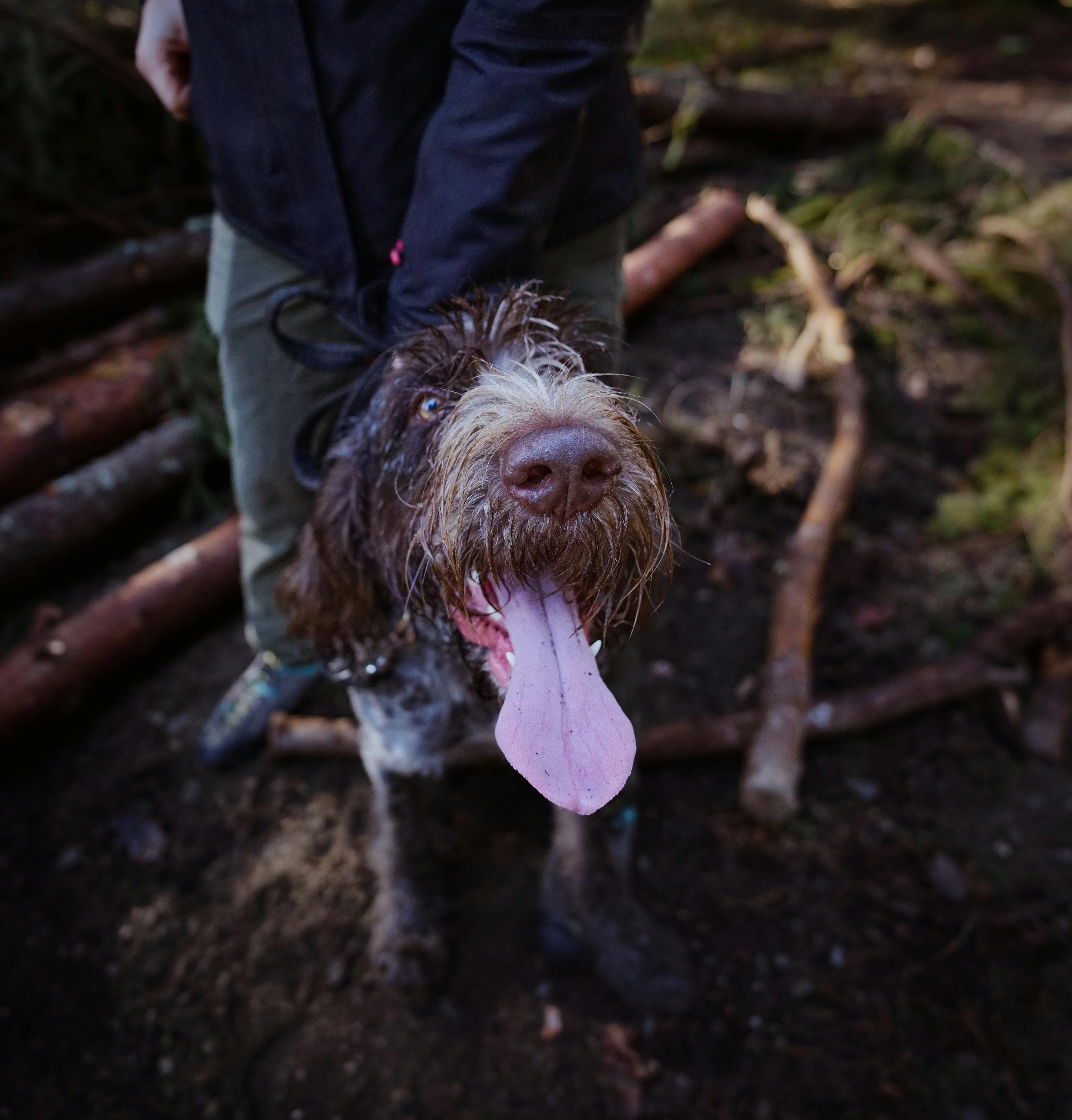 \n\n
\n\nWhen you think about dogs, you probably picture their wagging tails, floppy ears, and of course, their adorable noses. But have you ever wondered why do dogs have wet noses? It’s not just a cute feature; there are actually some fascinating reasons behind it. If you’re a pet owner, understanding these reasons can help you take better care of your furry friend.
\n1. Temperature Regulation
\nOne of the main reasons dogs have wet noses is to help them regulate their body temperature. Unlike humans, who sweat to cool down, dogs rely on their noses. The moisture on a dog’s nose evaporates, and this process cools them down. It’s kinda like when you step out of a pool and feel the breeze on your wet skin. So, if your dog’s nose is wet, it could mean they’re working hard to stay cool.
\n2. Enhanced Sense of Smell
\nDogs have an extraordinary sense of smell, and a wet nose plays a big role in that. The moisture helps to dissolve scent particles, which makes it easier for dogs to detect smells. In fact, a dog’s sense of smell is estimated to be between 10,000 to 100,000 times more sensitive than humans. So, a wet nose is not just for show; it’s a critical tool in their sniffing arsenal.
\n3. Communication Tool
\nDid you know that a dog’s nose can also be a form of communication? When dogs greet each other, they often sniff each other’s noses. This behavior allows them to gather information about other dogs, like their health and emotional state. Wet noses might signal to other dogs that they are friendly and approachable.
\n4. Health Indicator
\nThe state of a dog’s nose can also be indicative of their health. A wet, cool nose is generally a sign that your dog is healthy and hydrated. However, if a dog’s nose becomes dry or cracked, it could be a sign of dehydration or illness. Here’s a quick checklist for dog owners to monitor:
\n- \n
- Normal: Wet and cool \n
- Concern: Dry and warm \n
- Action Needed: Cracked or bleeding \n
If you notice any unusual changes, it’s always a good idea to consult with a veterinarian.
\n5. Natural Behavior
\nDogs have a natural tendency to lick their noses. This behavior is instinctive and helps keep their noses moist. It’s also a way for dogs to clean themselves. In the wild, a wet nose helps them sniff out food and prey more effectively. So, when you see your dog licking their nose, don’t worry; it’s just their nature kicking in.
\n6. Environmental Factors
\nThe environment plays a significant role in the wetness of a dog’s nose. For example, dogs who are active outdoors may have wetter noses due to the moisture in the air or from playing in water. In contrast, during dry winter months, you might notice your dog’s nose becoming drier. This can be especially common in certain breeds that are more prone to dry noses.
\n7. Breed Differences
\nNot all dog breeds have the same nose characteristics. Some breeds are known for having wetter noses than others. For instance, hounds and retrievers tend to have wetter noses, while certain toy breeds may have drier noses. Here’s a brief comparison of a few breeds:
\n- \n
- Labrador Retriever: Generally has a very wet nose. \n
- Bulldog: Can have a drier nose, especially in winter. \n
- Beagle: Typically has a moist nose due to their active sniffing behaviors. \n
Understanding your dog’s breed can give you better insight into what to expect regarding their nose moisture.
\nIn summary, the wetness of your dog’s nose is not just a quirky trait; it serves several important functions. From helping them regulate their body temperature to acting as a communication tool, it plays a vital role in their health and behavior. Plus, knowing these reasons can strengthen your bond with your pet. So the next time you give your furry friend a pat on the head, take a moment to appreciate that wet nose and everything it represents. Dogs truly are remarkable companions, and understanding them a little better makes the relationship even more rewarding.
\n\nDo Wet Noses Mean Healthy Dogs? Understanding the Connection
\n\n \n\n
\n\nWhen it comes to our furry friends, we often wonder about their health, behavior, and well-being. One of the most common questions pet owners ask is, “Do wet noses mean healthy dogs?” This phrase has been around for years, leading many to believe that a wet nose is synonymous with good health. But what does the science say? Let’s dive into the fascinating world of canine noses and explore why dogs have wet noses in the first place.
\nWhy Do Dogs Have Wet Noses?
\nDogs have wet noses for several reasons that contribute to their health and sensory abilities. The moisture on a dog’s nose can be attributed to a few key factors:
\n- \n
- \n
Cooling Mechanism: Just like humans sweat to cool down, dogs’ noses help them regulate their body temperature. The moisture evaporates, providing a cooling effect.
\n \n - \n
Enhanced Sense of Smell: A wet nose helps trap scent particles in the air, allowing dogs to have an even better sense of smell. This is crucial since dogs have up to 300 million smell receptors compared to humans' 5 million.
\n \n - \n
Health Indicator: While a wet nose can be a sign of good health, it’s not the only factor to consider. A warm, dry nose might not always indicate an illness. Other symptoms should be evaluated.
\n \n - \n
Behavioral Signaling: Dogs may wet their noses by licking it and this can be a signal of their mood. A wet nose often means a dog is alert and engaged.
\n \n
The Connection Between Wet Noses and Health
\nMany pet owners believe there's a direct correlation between a dog’s nose moisture and overall health. However, that’s an oversimplification of the situation. Here’s a breakdown:
\n- \n
- \n
Wet Nose Does Not Always Mean Healthy: While a wet nose can indicate hydration and an active dog, it does not guarantee that your dog is healthy. Dogs can have various health issues that may not be reflected by their nose's moisture levels.
\n \n - \n
Health Conditions: If a dog’s nose is excessively dry, cracked, or has changes in color, it might indicate underlying health problems like dehydration, allergies, or infections. It's essential to monitor other signs such as behavior, appetite, and energy levels.
\n \n - \n
Environmental Factors: A dog’s environment plays a significant role in their nose's moisture. Hot weather, dry air, and certain breeds can affect how wet or dry a dog’s nose is.
\n \n
Fascinating Facts About Dogs’ Noses
\nHere are some interesting tidbits about dogs' noses that you might not know:
\n- \n
- \n
Unique Patterns: Just like human fingerprints, every dog has a unique nose print. It can even be used for identification!
\n \n - \n
Temperature Changes: A dog’s nose can change temperature throughout the day. A cooler nose during playtime or a warm nose while resting is perfectly normal.
\n \n - \n
Nose Licking: Dogs often lick their noses to keep them moist. This is a natural behavior that enhances their sense of smell.
\n \n - \n
Nasal Health: If you notice persistent changes in your dog’s nose, it's a good idea to consult a veterinarian. Regular check-ups can help maintain your dog’s overall health.
\n \n
Quick Tips for Dog Owners
\nTo keep your dog healthy and monitor their nose condition, consider these tips:
\n- \n
- \n
Regular Vet Visits: Schedule veterinary check-ups at least once a year to ensure your dog is in good health.
\n \n - \n
Watch for Changes: Keep an eye on your dog’s nose and overall behavior. If you notice significant changes, consult your vet.
\n \n - \n
Stay Hydrated: Ensure your dog has access to fresh water at all times, especially in hot weather.
\n \n - \n
Healthy Diet: A well-balanced diet can contribute to your dog’s overall health, including the condition of their nose.
\n \n - \n
Grooming: Regular grooming can help spot any unusual conditions on your dog’s nose.
\n \n
Dogs and Their Mysterious Noses
\nIn summary, while a wet nose can be one indicator of a healthy dog, it's essential to look beyond that. Factors like environment, behavior, and overall health play a much more significant role in assessing your dog’s wellness. Dog owners should focus on a holistic understanding of their pets’ health rather than relying solely on the moisture of their noses.
\nRemember, every dog is unique, and understanding their specific needs is part of being a responsible pet owner. So next time you check your dog’s nose, consider all the factors at play in their health and happiness.
\n\nHow a Dog’s Wet Nose Enhances Their Sense of Smell: The Unbelievable Facts
\n\n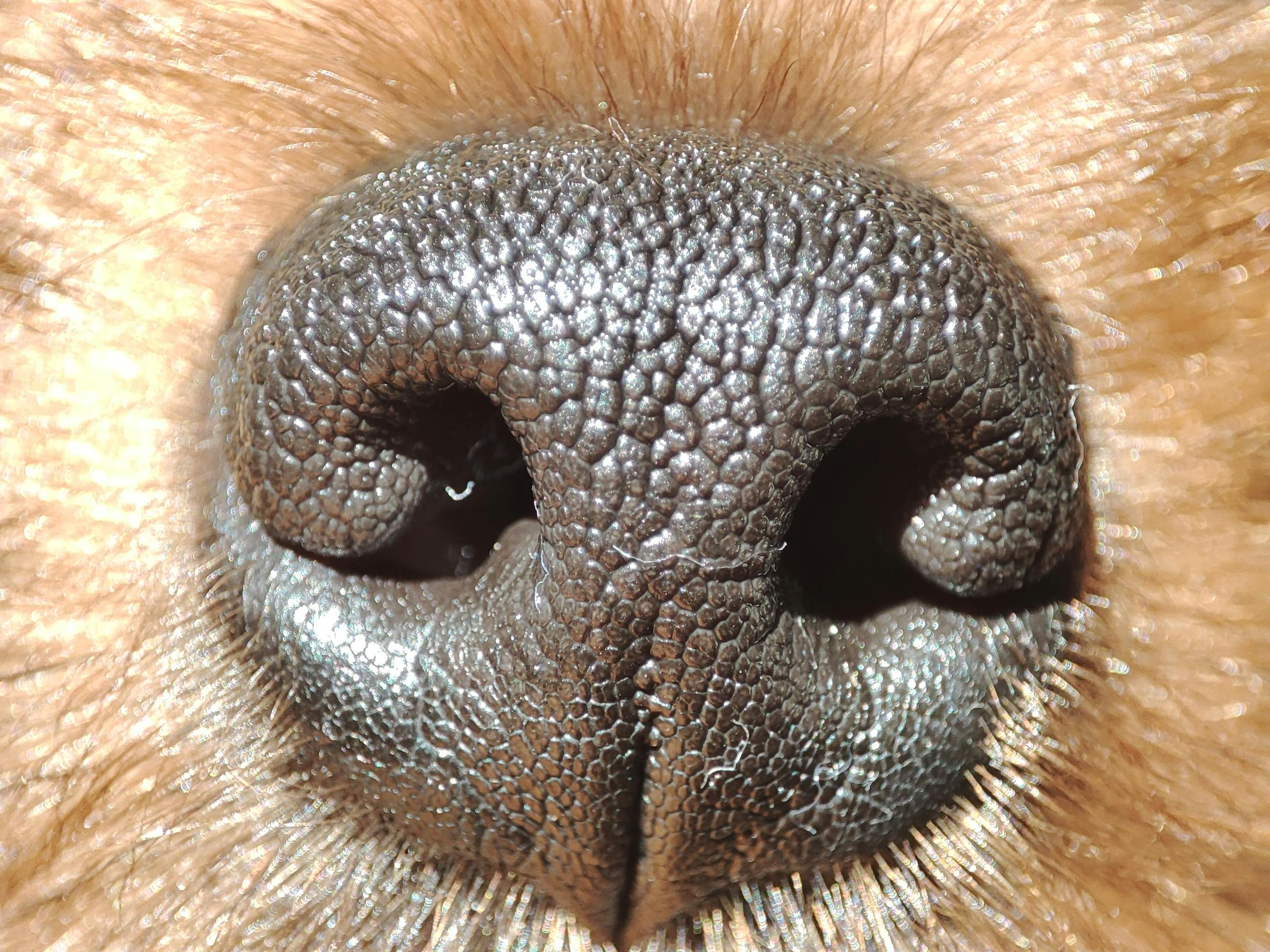 \n\n
\n\nDogs are often celebrated for their amazing abilities, particularly when it comes to their sense of smell. But have you ever wondered why do dogs have wet noses? This trait isn’t just an endearing quality; it plays a crucial role in enhancing their olfactory capabilities. Let's dive into the unbelievable facts about how a dog's wet nose helps them sniff out the world around them.
\nThe Science Behind the Wet Nose
\nA dog's nose is a marvel of nature. The wet surface serves several purposes. First off, the moisture on a dog’s nose helps to capture and hold scent particles in the air. This means that when a dog sniffs something, the wetness allows them to absorb more scents compared to a dry surface. It’s kinda like having a sponge instead of a rock.
\nDogs have around 300 million scent receptors in their noses, compared to about six million in humans. This immense number of receptors is what makes their sense of smell 10,000 to 100,000 times more sensitive than ours! Imagine walking into a bakery and being able to smell every ingredient in each pastry—that’s what dogs experience every day.
\nHow Wet Noses Work
\nDogs' noses are also covered with a thin layer of mucous. This mucous is vital for their sense of smell. Here’s how it works:
\n- \n
- Capturing Scent Particles: The wetness helps capture the scent particles, making it easier for the olfactory receptors to pick them up. \n
- Cooling Mechanism: A wet nose also helps regulate a dog’s body temperature. When they pant, moisture evaporates from their nose, helping them stay cool. \n
- Communication Tool: Dogs often use their noses to communicate with each other. A wet nose can indicate excitement or curiosity. \n
Fascinating Facts About Dogs' Noses
\nLet’s take a look at some mind-blowing facts related to dogs' noses:
\n- \n
- Heat Detection: Dogs can detect temperature changes in the environment, which helps them locate animals or people who are nearby. \n
- Scent Discrimination: Dogs can differentiate between thousands of different scents, allowing them to identify specific odors, like drugs or explosives. \n
- Unique Patterns: Just like human fingerprints, no two dogs have the same nose print. Each dog has a unique pattern on their nose. \n
- Age and Smell: A younger dog generally has a better sense of smell compared to older dogs, as age can affect olfactory function. \n
Why Do Dogs Have Wet Noses?
\nYou might be asking yourself, why do dogs have wet noses? The answer is multi-faceted:
\n- \n
- Enhanced Olfactory Function: As mentioned, the moisture helps in capturing scents better. \n
- Health Indicator: A wet nose is often a sign of a healthy dog. If a dog’s nose becomes dry and cracked, it might indicate illness or dehydration. \n
- Behavioral Aspects: Dogs often lick their noses after sniffing something. This licking rehydrates the nose and increases their ability to detect odors. \n
Comparison: Dogs vs. Humans
\nTo further understand the significance of a dog’s wet nose, consider this comparison:
\n- \n
- Scent Receptors: Dogs (300 million) vs. Humans (6 million) \n
- Sensitivity: Dogs can detect scents at concentrations as low as parts per trillion, while humans struggle with lower concentrations. \n
- Nasal Structure: Dogs have a complex nasal structure that allows for a better flow of air and scent particles. \n
Practical Examples of Dogs Using Their Noses
\nDogs use their noses in various ways that can be beneficial to humans. Here are some examples:
\n- \n
- Search and Rescue: Dogs are trained to find missing persons by tracking their scent. \n
- Medical Detection: Some dogs are capable of detecting diseases like cancer or diabetes through scent. \n
- Therapy and Assistance: Dogs can sense emotional changes in humans, providing comfort and support when needed. \n
In conclusion, the wet nose of a dog is much more than just a cute feature. It serves essential functions that enhance their sense of smell and overall health. Understanding why do dogs have wet noses opens up a fascinating world of canine capabilities that many of us might take for granted. From aiding in search and rescue missions to providing companionship, these loyal pets rely heavily on their incredible olfactory senses. So next time you see your furry friend with that adorable, damp nose, remember it’s a vital tool for their exploration of the world.
\n\nThe Role of Moisture: Why Dogs’ Noses Are Key to Their Communication
\n\n \n\n
\n\nDogs are known for their unique abilities, and one of the most fascinating aspects of these furry companions is their noses. Ever wonder why do dogs have wet noses? Well, there's a lot more to it than you might think. Not only do their moist noses play a crucial role in their communication, but they also help them interact with the world in ways that are simply amazing.
\nThe Science Behind a Dog’s Wet Nose
\nFirst things first, let’s talk about the anatomy of a dog’s nose. A dog’s nose is covered with a thin layer of moisture, which is secreted from the nasal glands. This moisture helps to enhance their sense of smell. You see, dogs have an incredible olfactory system, and their noses are designed to capture scent molecules. The wetness helps to trap these molecules, allowing the dog to detect scents more effectively.
\n- \n
- Dogs can have up to 300 million olfactory receptors in their noses, compared to a human’s 5 million. \n
- The part of a dog's brain that analyzes smells is about 40 times larger than a human's. \n
- Dogs can distinguish between different scents and even identify individual smells within a mixture. \n
Communication Through Scent
\nDogs are social animals, and their noses are a big part of how they communicate with each other. When dogs meet, they often sniff each other’s noses and behinds. This might seem odd to us, but it’s their way of gathering information about another dog. The moisture in their noses is essential here, as it helps them pick up various scent signals, including pheromones.
\nPheromones are chemical signals that can convey a wide range of information, from a dog’s mood to reproductive status. This means that when two dogs meet, they are exchanging a lot of information just through their noses! Isn’t that cool?
\nWhy Do Dogs Have Wet Noses?
\nThe wetness of a dog’s nose serves multiple purposes, and here are some of the key reasons why it’s important:
\n- \n
- Enhanced Scent Detection: As mentioned, moisture helps to trap scent particles, making it easier for dogs to detect smells. \n
- Cooling Mechanism: Dogs don’t sweat like humans do. Instead, they regulate their body temperature through panting and the moisture on their noses. A wet nose can help cool them down. \n
- Health Indicator: A dog’s nose can be a sign of their health. A healthy dog typically has a moist, cool nose, while a dry or excessively warm nose might indicate illness or dehydration. \n
Interesting Facts About Dogs’ Noses
\nLet’s take a look at some fun and interesting facts about dog noses:
\n- \n
- Dogs’ noses come in various colors, including black, brown, and even pink. The color of a dog’s nose is often related to their breed. \n
- Dogs have a unique pattern on their noses, much like human fingerprints. This means that no two dogs have the same nose print. \n
- Some breeds, like the Bloodhound, have an exceptional sense of smell and can track scents that are days old. \n
The Role of Moisture in Dog Health
\nKeeping a dog’s nose healthy is important. Here’s a quick list of things dog owners should consider:
\n- \n
- Hydration: Ensure your dog is drinking enough water to keep their nose moist. \n
- Humidity: Dry air can lead to a dry nose, so consider using a humidifier in your home during winter months. \n
- Regular Vet Check-ups: If you notice any changes in your dog’s nose, such as cracking or excessive dryness, it’s best to consult a veterinarian. \n
Comparison of Nose Types
\nDifferent dogs have different types of noses, and each type has its own characteristics. Here’s a simple comparison:
\n| Dog Breed | \nNose Type | \nScent Detection Ability | \n
|---|---|---|
| Bloodhound | \nLong and droopy | \nExtremely high | \n
| Beagle | \nShort and broad | \nVery high | \n
| Bulldog | \nFlat and wide | \nModerate | \n
| Dachshund | \nLong and narrow | \nHigh | \n
Each breed has adapted to its environment and usage of its nose, showing us just how incredible these animals are.
\nIn summary, the wet noses of dogs are not just a cute feature; they play a vital role in how dogs communicate and interact with their environment. Understanding why do dogs have wet noses can deepen our appreciation for these loyal companions. The moisture on their noses is a critical element in their ability to detect scents, regulate their temperature, and even inform us about their health. Next time you see your dog with their wet nose, remember all the fascinating science and communication happening right under your nose!
\n\nCan Weather Affect a Dog’s Nose Moisture? Discover the Surprising Truth
\n\n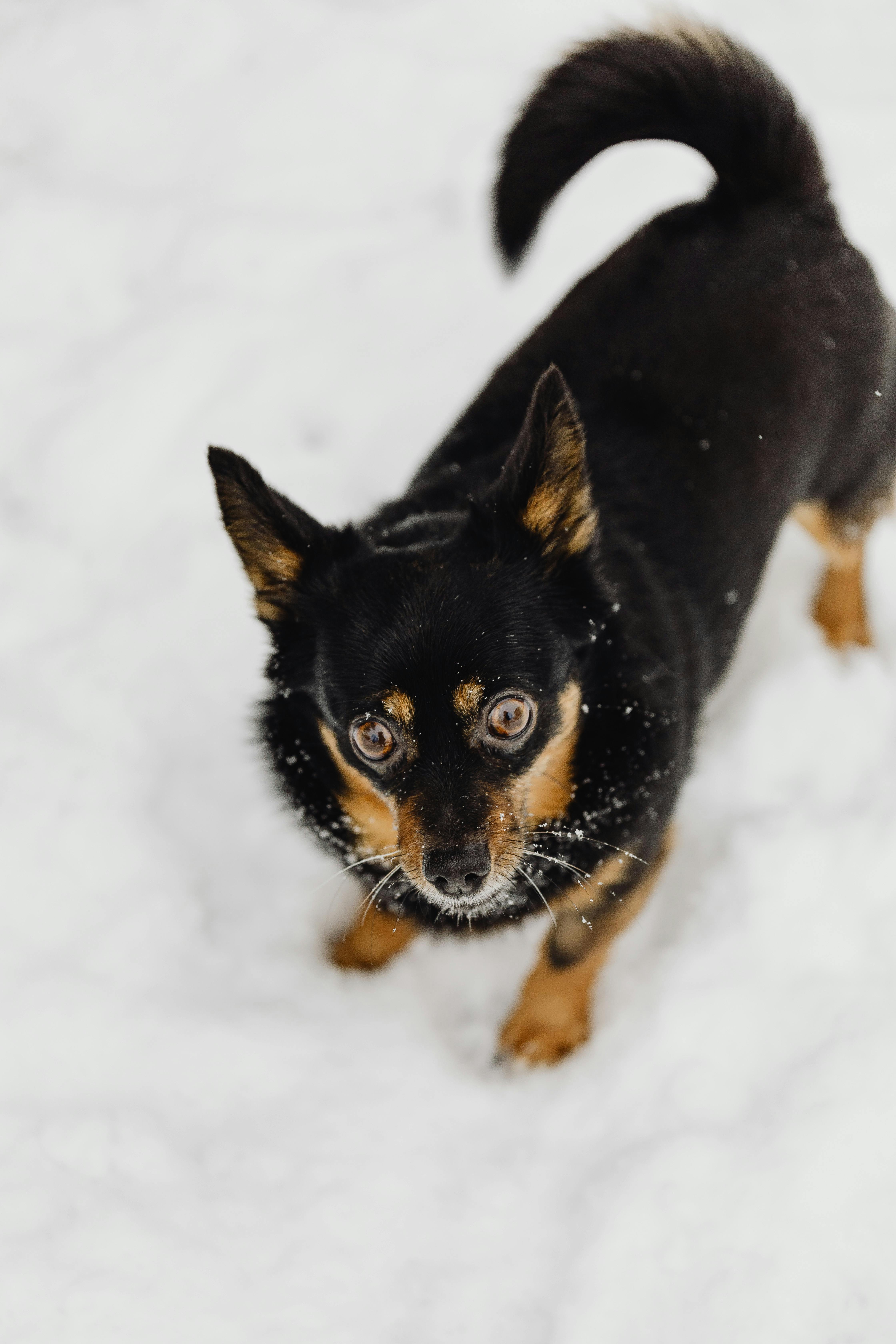 \n\n
\n\nWeather can have a big impact on many aspects of a dog's health and behavior, including the moisture level of their noses. Have you ever wonder why dogs have wet noses? It's not just for show – there are some fascinating reasons behind it. Let's dive into the surprising truth about how weather influences a dog's nose moisture and why wet noses are important.
\nCan Weather Affect a Dog's Nose Moisture?
\nMost dog owners might not realize that weather conditions can actually affect how moist a dog's nose is. When the air is humid, a dog's nose tends to be wetter. This is because moisture in the air can be absorbed by their noses. On the other hand, during dry or cold weather, their noses can become drier.
\n- \n
- Humidity Levels: Higher humidity levels mean more moisture in the air, which can lead to a wetter nose. \n
- Cold Weather: During colder months, dogs might have drier noses. Cold air can dry out their skin and mucous membranes. \n
- Heat and Sun: Heat can cause dehydration, which may lead to a dry nose. If a dog is outside in the sun too long, they might lose moisture. \n
Why Do Dogs Have Wet Noses? Discover the Fascinating Reasons!
\nWet noses are not just a cute feature. They serve several important functions for dogs. Here are the main reasons why dogs have wet noses:
\n- \n
- \n
Enhanced Sense of Smell: Dogs have a strong sense of smell, and a wet nose helps enhance their olfactory abilities. The moisture helps to trap scent particles, making it easier for dogs to detect smells.
\n \n - \n
Temperature Regulation: A dog's nose helps with thermoregulation. When dogs are overheated, they can cool down by panting and through their moist noses, which help dissipate heat.
\n \n - \n
Health Indicator: A wet nose is often seen as a sign of good health in dogs. If a dog's nose is excessively dry or cracked, it could be a sign of dehydration or illness.
\n \n - \n
Communication: Dogs use their noses to gather information about their environment, and a wet nose can be an indicator of their emotional state.
\n \n - \n
Social Interaction: Dogs often greet each other with nose-to-nose contact. A moist nose can make this interaction more pleasant and engaging.
\n \n
The Science Behind Nose Moisture
\nUnderstanding why dog noses are wet involves looking at some scientific facts. Here are some key points:
\n- \n
- Mucous Glands: Dogs have mucous glands in their noses that produce moisture. This is crucial for their sense of smell. \n
- Nasal Structure: The structure of a dog's nose is designed to maximize moisture retention, which aids in scent detection. \n
- Pheromones: Wet noses can help dogs detect pheromones, which are chemical signals that can indicate social and reproductive information. \n
Weather and Nose Health: What to Watch For
\nAs a dog owner, it's important to be aware of how different weather conditions can affect your pet's nose health. Here are some signs to watch out for:
\n- \n
- Dry Nose: If your dog’s nose is dry and cracked, it could mean they are dehydrated, especially in hot weather. \n
- Excessively Wet Nose: While a wet nose is normal, if it becomes excessively wet or starts dripping, it could indicate an underlying health issue. \n
- Changes in Color: A significant change in the coloration of the nose (like becoming pale or red) can indicate health issues. \n
Tips for Maintaining Nose Moisture
\nHere are some practical tips to help maintain your dog's nose moisture, regardless of the weather:
\n- \n
- Hydration: Always provide fresh water for your dog to drink. Hydration is key to keeping their noses moist. \n
- Humidifiers: If you live in a dry climate, consider using a humidifier in your home, especially during winter months. \n
- Nose Balms: There are various nose balms available that can help keep your dog’s nose moisturized. \n
Conclusion
\nUnderstanding the relationship between weather and your dog's nose moisture can help you take better care of your furry friend. Wet noses are a natural and important aspect of a dog's biology, providing not just health indicators but also enhancing their ability to interact with the world. Whether it's the humidity of summer or the dry chill of winter, being mindful of these factors ensures your dog's nose stays healthy and functional. Always keep an eye on their nose, and if you notice any concerning changes, don’t hesitate to consult with your veterinarian.
\n\nWet Nose or Dry Nose: What Does It Mean for Your Dog’s Health?
\n\n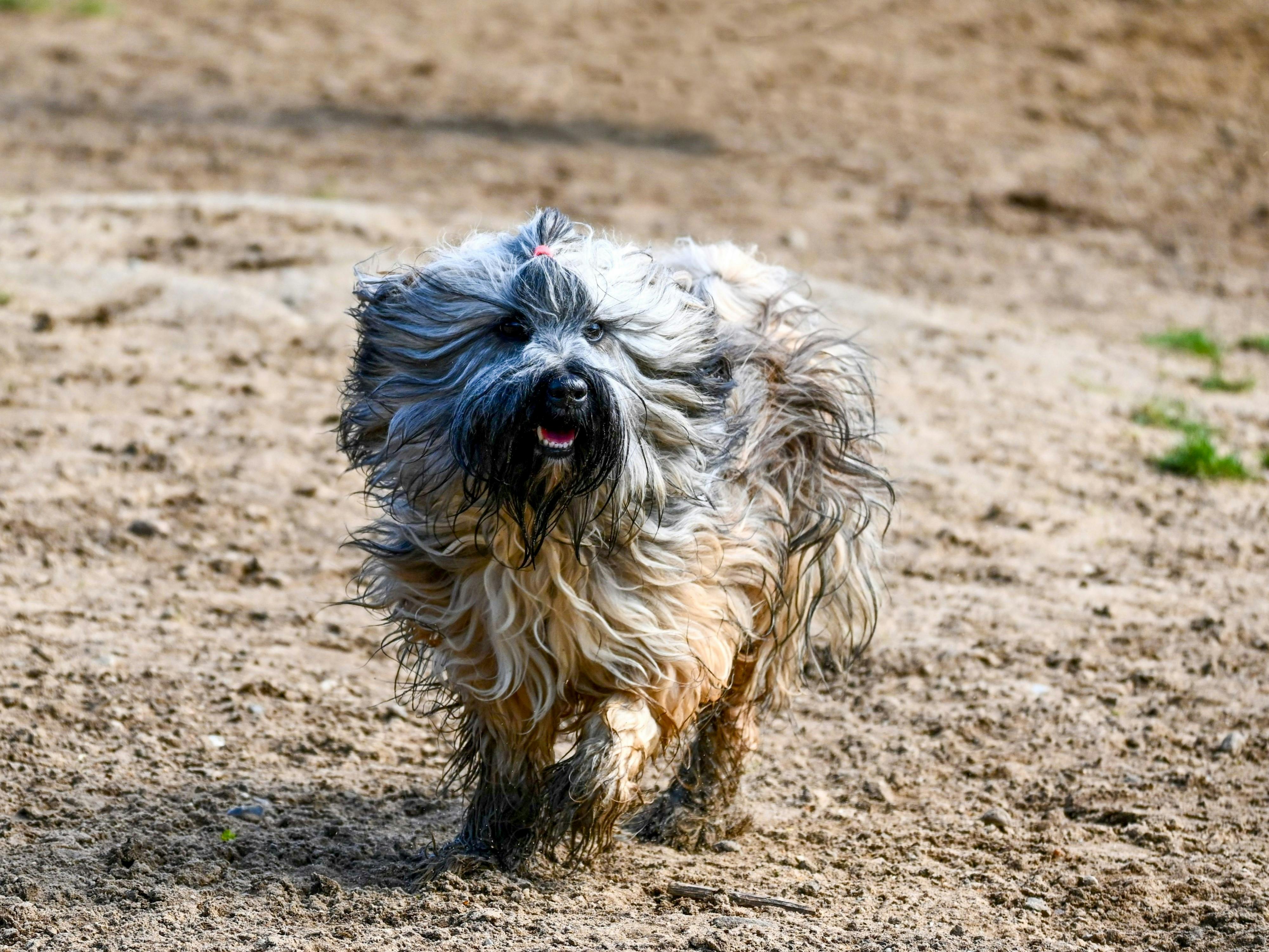 \n\n
\n\nWhen we think of dogs, their wet noses often come to mind. But why do dogs have wet noses? Is it just a cute quirk, or does it mean something more about their health? In this article, we’re gonna explore the reasons behind those moist noses and what the state of a dog's nose can tell us about their well-being.
\nWhy Do Dogs Have Wet Noses?
\nDogs noses are naturally moist for a variety of reasons. They help dogs sniff out scents better, which is super important for their survival. Here’s a list of reasons why dogs noses are wet:
\n- \n
- Enhanced Smell: Wet noses help in trapping scent particles. The moisture collects the scents in the air, making it easier for dogs to detect different smells. \n
- Cooler Body Temperature: Dogs can’t sweat like humans do, so their noses help them regulate their body temperature. A wet nose can cool them down when they pant. \n
- Communication: Dogs communicate with others through scent. A wet nose can signal to other dogs that they are friendly and open to interaction. \n
The Science Behind Dog Noses
\nThe structure of a dog's nose is fascinating. The moist surface is made of a specialized type of skin, which secretes mucus. This mucus keeps the nose moist, which is crucial for the scent receptors to work effectively. Dogs have about 300 million scent receptors compared to humans, who have around 5 million. This means dogs are like super sniffers!
\nWet Nose vs. Dry Nose: What Does It Mean?
\nNow, you might wonder if a dry nose is a sign of something wrong. It can be, but not always. Here’s a breakdown of what wet and dry noses can indicate about a dog's health:
\n- \n
- \n
Wet Nose:
\n- \n
- Generally a sign of good health. \n
- Indicates hydration and normal bodily function. \n
- Usually means the dog is alert and active. \n
\n - \n
Dry Nose:
\n- \n
- Could indicate dehydration or sickness. \n
- May be a sign of fever, especially if it’s warm to the touch. \n
- Sometimes, a dog might just be sleeping or resting, which can cause temporary dryness. \n
\n
The Role of Temperature
\nThe temperature of a dog’s nose can also provide clues. A cool, wet nose is usually a positive sign, while a warm, dry nose can be a red flag. But remember, dogs can have variations in their nose temperature based on their activity levels and environment. Here’s what you might notice:
\n- \n
- Cool and Wet: Healthy and happy pup! \n
- Warm and Dry: Maybe they are feeling under the weather. \n
- Cold and Dry: This might be normal; dogs can have different temperatures based on their breed and environment. \n
Common Myths About Dog Noses
\nThere are many myths surrounding dog noses that don't hold much water. Let’s dispel a few:
\n- \n
- \n
Myth 1: A wet nose means a dog is sick.
\n- \n
- Reality: A wet nose can indicate health, but a dry nose doesn’t always mean illness. \n
\n - \n
Myth 2: You can tell if a dog has a fever by their nose.
\n- \n
- Reality: While a warm nose can indicate a fever, it’s not a reliable method for diagnosis. \n
\n - \n
Myth 3: All dogs have wet noses all the time.
\n- \n
- Reality: It's not uncommon for a dog’s nose to be dry sometimes, especially after a good nap! \n
\n
Practical Tips for Dog Owners
\nAs a dog owner, it's important to watch for changes in your dog’s nose. Here are some tips:
\n- \n
- Hydration: Always make sure your dog has access to fresh water. Dehydration can lead to a dry nose. \n
- Temperature Check: If you suspect your dog might be sick, check their nose temperature but also consider other symptoms. \n
- Regular Vet Visits: Schedule regular check-ups with a veterinarian to catch any potential health issues early on. \n
Understanding the state of your dog's nose can be a window into their overall health. If you notice any unusual changes, don’t hesitate to consult with a veterinarian. Keeping an eye on these details helps ensure that your furry friend stays happy and healthy.
\n\nThe Evolutionary Advantage of Wet Noses: How It Helps Dogs Survive
\n\n \n\n
\n\nDogs have been companions to humans for thousands of years, serving various roles from hunters to protectors. One of the most interesting features of dogs is their wet noses. Have you ever wondered why do dogs have wet noses? It turns out, there’s a fascinating evolutionary advantage behind this trait that helps them survive in the wild and thrive as our furry friends.
\nThe Science Behind Wet Noses
\nA dog’s nose is not just for looks; it’s a complex sensory organ. The wetness of a dog's nose comes from a thin layer of mucus that helps to enhance their sense of smell. This mucus traps scent particles, allowing dogs to detect smells more efficiently. Here’s some important points that illustrate the importance of wet noses:
\n- \n
- Enhanced sense of smell: Dogs have about 220 million scent receptors in their noses compared to a human's mere 5 million. The wetness helps them pick up even the faintest of odors. \n
- Temperature regulation: Just like sweating for humans, the moisture helps dogs cool down. If their body temperature rises, they can lick their noses to maintain comfort. \n
- Health indicators: A wet nose is often a sign of good health in dogs. Dry noses can indicate dehydration or illness, making it an important health indicator for pet owners. \n
Evolutionary Perspective
\nFrom an evolutionary standpoint, wet noses were likely advantageous for early canines. The ability to detect scents was vital for hunting and avoiding predators. Wet noses likely evolved to keep scent particles on the surface, making it easier for dogs to track prey.
\n- \n
- Survival and hunting: Dogs that had better sense of smell could find food more easily, which increased their chances of survival. \n
- Social interaction: Wet noses also play a role in social behaviors. Dogs often greet each other by sniffing noses, and the moisture from their noses can help gather information about other dogs, such as their health and reproductive status. \n
Variations Among Breeds
\nNot all dogs have the same type of nose. Different breeds can have varying degrees of wetness, and this can be impacted by their environment and genetics. For example:
\n- \n
- Hound breeds (like Beagles) often have very moist noses because they rely heavily on their sense of smell for tracking. \n
- Short-nosed breeds (like Bulldogs) might have drier noses due to their facial structure, which can affect how they breathe and smell. \n
Practical Implications for Dog Owners
\nUnderstanding why do dogs have wet noses can help dog owners take better care of their pets. Here’s some practical advice:
\n- \n
- Monitor nose moisture: Keep an eye on your dog’s nose. If it becomes persistently dry or cracked, consult a veterinarian. \n
- Hydration is key: Ensure your dog has access to fresh water at all times. A well-hydrated dog is more likely to have a healthy, moist nose. \n
- Regular vet check-ups: Regular veterinary visits can help catch any health issues early, which is crucial for maintaining your dog’s overall health, including their nose. \n
Fun Facts About Dog Noses
\n- \n
- Dogs can smell certain scents up to 100,000 times better than humans. \n
- The texture of a dog’s nose is unique, much like a human fingerprint. \n
- Dogs can use their noses to detect diseases, including cancer, in humans. \n
Reasons Why Dogs Have Wet Noses
\n- \n
- Scent Detection: The moisture helps capture scent particles. \n
- Cooling Mechanism: It aids in regulating their body temperature. \n
- Health Indicator: A wet nose can signify a healthy dog. \n
Comparing Wet Noses to Other Animals
\nDogs aren’t the only animals with wet noses. Cats and some wild animals like wolves also have moist noses. However, the evolutionary advantages can vary:
\n- \n
- Cats: Typically, cats have drier noses, but they also rely on their sense of smell to find food. \n
- Wolves: Similar to dogs, wolves have wet noses that help them in hunting. \n
The unique features of a dog’s nose allow it to thrive in various environments. It’s not just an adorable characteristic but a remarkable adaptation that has evolved over time.
\nIn the end, the evolutionary advantage of wet noses in dogs goes far beyond mere appearance. It plays a crucial role in their survival, health, and interactions with their environment. So the next time you pet your dog and feel that wet nose, remember the incredible capabilities it represents.
\n\nWhy Puppies Have the Wettest Noses: Understanding Growth and Development
\n\n \n\n
\n\nHave you ever notice how puppies have the wettest noses? It’s a common question among dog lovers and curious pet owners. The moisture on a dog’s nose is not just for show; there’s a fascinating science behind it. Understanding why puppies have wet noses can provide insights into their health and behavior, while also deepening our appreciation for these lovable companions. Let’s explore the reasons behind this intriguing characteristic!
\nWhy Do Dogs Have Wet Noses?
\nThe wetness of a dog's nose is often attributed to several key factors. Here’s a breakdown of the main reasons:
\n- \n
- \n
Regulation of Smell: Dogs have an incredible sense of smell—thousands of times more sensitive than humans. A wet nose helps to capture scent particles from the air. This enhances their ability to detect odors, which is essential for communication and hunting.
\n \n - \n
Cooling Mechanism: Just like humans sweat to cool down, dogs use their noses to regulate their body temperature. The moisture on their noses evaporates, helping to keep them cool.
\n \n - \n
Health Indicator: A wet nose is often a sign of good health in dogs. If a dog’s nose is dry, it could indicate dehydration, fever, or other health issues. However, it’s important to note that not all dogs will have the same level of moisture all the time.
\n \n - \n
Social Interaction: Dogs use their noses to communicate with one another. A wet nose can signify curiosity and friendliness, encouraging interactions with other dogs and humans.
\n \n
The Anatomy of a Dog's Nose
\nA dog's nose is a complex organ. It consists of several parts that work together to enhance their sense of smell. Here’s a simple outline of the anatomy:
\n- \n
- Nasal Cavity: This area is lined with olfactory receptors that detect odors. \n
- Moisture Glands: These glands produce mucus, which keeps the nose moist. \n
- Vascular System: A network of blood vessels helps to regulate temperature in the nose. \n
Fascinating Facts About Dog Noses
\nHere are some interesting facts about dog noses that you may not know:
\n- \n
- Dogs have up to 300 million olfactory receptors, compared to about 5 million in humans. \n
- The shape and size of a dog’s nose can affect its sense of smell. Breeds with longer noses generally have a better sense of smell. \n
- A dog’s nose print is unique, much like a human fingerprint. \n
Why Puppies Specifically Have Wet Noses
\nWhen it comes to puppies, their noses are especially moist and sometimes even a little cold. This can be attributed to a few developmental factors:
\n- \n
- Immature Immune System: Puppies have not yet built up a full immune system. The moisture on their noses may help to trap pathogens and keep them healthy. \n
- Energy and Growth: Young dogs are often more active, and their bodies may produce more moisture as they grow and develop. \n
The Role of Environment
\nThe environment plays a significant role in the moisture level of a dog’s nose. Factors include:
\n- \n
- Humidity: In humid climates, dogs often have wetter noses due to the moisture in the air. \n
- Temperature: Colder weather can lead to drier noses, while warm weather may keep them moist. \n
- Health: As mentioned, a dog’s nose can reflect its health status. Always consult a vet if you notice significant changes. \n
Common Misconceptions
\nMany people believe that a wet nose is the only sign of a healthy dog. Here are some common misconceptions:
\n- \n
- Dry Nose Always Means Illness: Not necessarily! A dog can have a dry nose for many reasons, including sleep or the weather. \n
- All Dogs Have Wet Noses: Some breeds, particularly those with shorter snouts, may naturally have drier noses. \n
Summary of Key Points
\n- \n
- A wet nose helps dogs with their sense of smell, temperature regulation, and health indication. \n
- Puppies have wet noses due to their growth and immature immune systems. \n
- Environmental factors significantly influence the moisture level of a dog’s nose. \n
- Misconceptions about wet noses can lead to misunderstandings about a dog’s health. \n
Understanding why puppies have the wettest noses not only enlightens us about their biology but also enhances our bond with them. Next time you pet your furry friend, take a moment to appreciate that moist little nose. It’s a unique feature that plays a crucial role in their daily lives, making them the wonderful companions we all love.
\n\nCommon Myths About Dog Nose Moisture: What Pet Owners Need to Stop Believing
\n\n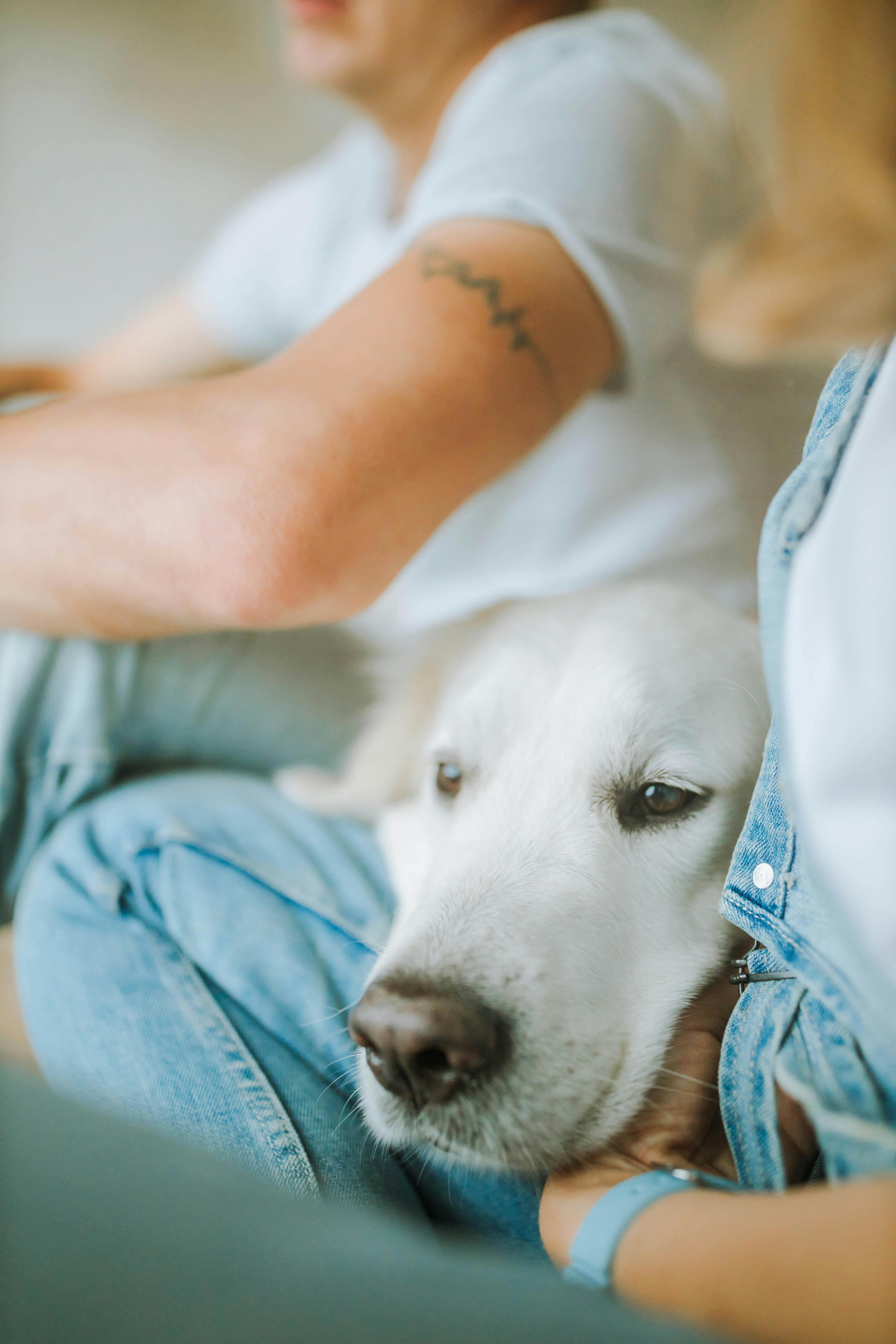 \n\n
\n\nDogs are some of the most beloved pets around the world, and their wet noses is a common sight. But, many pet owners have misconceptions about why their canine companions have moist noses. Let’s dive into the common myths about dog nose moisture and explore why do dogs have wet noses in the first place.
\nUnderstanding the Basics of Dog Nose Moisture
\nFirst off, it’s important to note that a dog’s nose isn’t just wet for no reason. The moisture plays a crucial role in their health and senses. Here is what you need to know:
\n- \n
- \n
Sense of Smell: Dogs have an incredible sense of smell, which is about 10,000 to 100,000 times more sensitive than humans. The wetness on their nose helps trap scent particles, enhancing their ability to sniff out things.
\n \n - \n
Temperature Regulation: Dogs don’t sweat like humans do. They rely on their noses to help cool themselves down. The moisture on the nose evaporates, which cools their body.
\n \n - \n
Health Indicator: A dog’s nose can also indicate its health status. While a warm or dry nose might suggest a fever, it’s not always the case. Many factors, including the breed and environment, can influence nose moisture.
\n \n
Common Myths About Dog Nose Moisture
\nDespite the fascinating facts, there are various myths that persist among pet owners. Here are some of the most common ones:
\n- \n
- \n
Myth 1: A Wet Nose Means a Healthy Dog
\n
\nMany people believe that a wet nose is a sign of good health. While it can indicate that a dog is well, it’s not a foolproof measure. A dog can have a wet nose but still be sick, and vice versa. \n - \n
Myth 2: Dogs’ Noses Are Always Wet
\n
\nSome owners think that a dog’s nose should always be wet. In reality, it can dry out depending on the weather, the dog’s activity, or even if they just woke up. \n - \n
Myth 3: Dogs Lick Their Noses to Keep Them Wet
\n
\nWhile dogs do lick their noses, they don't do it solely to keep them moist. They also lick their noses to clean them and to gather information about their environment. \n
Why Do Dogs Have Wet Noses? The Fascinating Reasons
\nNow that we’ve debunked some myths, let’s look at the reasons why dogs have wet noses in a more detailed way.
\n- \n
- \n
Physiological Function: The moisture on a dog’s nose comes from the nasal glands. These glands secrete mucus which keeps the nose moist. This is vital for their sense of smell, as mentioned before.
\n \n - \n
Behavioral Aspects: Dogs often sniff around their environment, and the wetness helps them pick up scents more effectively. The moisture captures scent particles, making it easier for dogs to analyze their surroundings.
\n \n - \n
Breeds and Variation: Different breeds may have varying levels of nose moisture. For example, brachycephalic breeds (like Bulldogs) might have less moisture due to their shorter nasal passages.
\n \n
Practical Tips for Pet Owners
\nUnderstanding dog nose moisture can help you better care for your furry friend. Here are some practical tips:
\n- \n
- \n
Monitor Nose Condition: Regularly check your dog’s nose for any signs of unusual dryness or cracking. If the nose is excessively dry or peeling, it might be time to consult a vet.
\n \n - \n
Hydration is Key: Ensure that your dog stays hydrated. Proper hydration supports overall health, including maintaining nose moisture.
\n \n - \n
Consider Environment: Weather changes can affect nose moisture. In winter, dry air can lead to drier noses. You may want to use a humidifier or adjust your dog’s environment accordingly.
\n \n - \n
Diet Matters: A well-balanced diet contributes to a dog’s skin and nose health. Make sure your pet is getting the right nutrients.
\n \n
In Summary
\nThe wetness of a dog’s nose serves several important purposes, from enhancing their sense of smell to helping with temperature regulation. While many myths surround this topic, understanding the facts can help pet owners provide better care for their furry companions. So next time you see your dog with a wet nose, remember it’s more than just a cute feature — it’s a vital part of their health and well-being.
\n\nConclusion
\n\nIn conclusion, the wet noses of dogs serve multiple important purposes, including enhancing their sense of smell, regulating body temperature, and promoting social interactions. The moisture from a dog’s nose helps capture scent molecules, making their olfactory capabilities far superior to those of humans. Additionally, the cooling effect of a wet nose aids in thermoregulation, especially during warmer weather. This unique feature also plays a role in canine communication, as a moist nose can convey emotions and health status to other dogs and humans alike. Understanding the significance of a dog's wet nose not only enriches our appreciation for these loyal companions but also reminds us to monitor their health closely. So, next time you greet your furry friend, take a moment to consider the fascinating biology behind their wet nose and ensure they receive the love and care they deserve.
\n\n