Have you ever wondered, why do dogs have wet noses? It’s a question that sparks curiosity among pet owners and animal lovers alike. The truth is, those adorable, damp noses serve more purposes than you might think. From enhancing their sense of smell to regulating their body temperature, the fascinating reasons behind this unique trait are simply captivating. Did you know that a dog's nose is not just a cute feature but also a complex organ? This intriguing aspect of canine biology raises questions like, "What does a wet nose mean for my pup’s health?" or "How does a wet nose help dogs interact with their environment?" By exploring these questions, you'll uncover the secrets behind your furry friend's wet nose and learn how it connects to their overall well-being. In this article, we will dive deep into the science and significance of why dogs have wet noses, revealing insights that every dog owner should know. So, get ready to discover the amazing world of dog noses and understand why they are much more than just a cute feature!
\n\nThe Science Behind Wet Noses: Why Are Dogs’ Noses Always Moist?
\n\n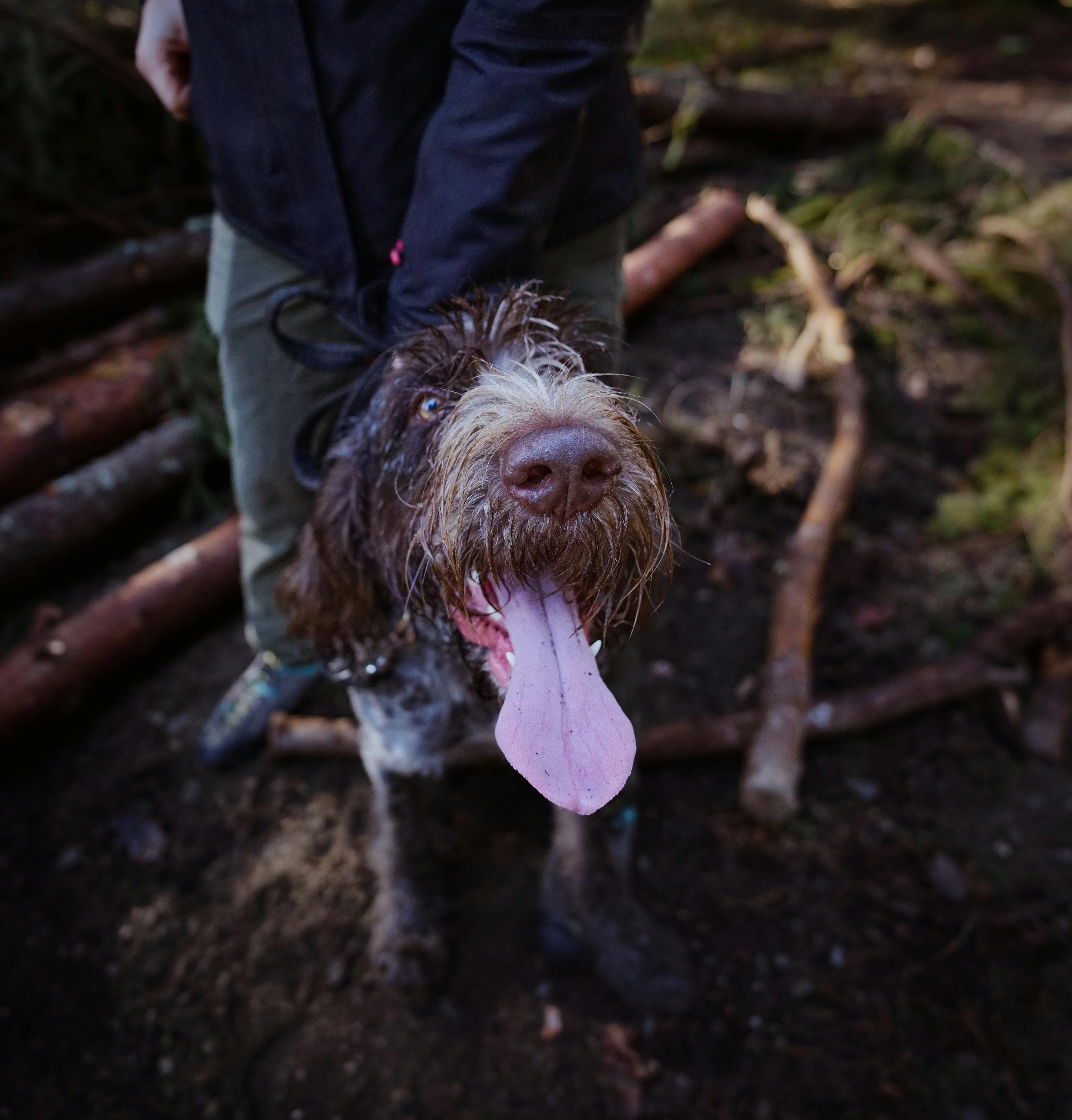 \n\n
\n\nHave you ever wondered why dogs’ noses are so often wet? It’s a common question among pet lovers and curious minds alike. Dogs have moist noses, and the reasons behind this fascinating phenomenon are tied to their biology and behavior. Let’s dive into the science behind wet noses and explore why they play an essential role in a dog’s life.
\nThe Anatomy of a Dog’s Nose
\nDogs’ noses are much more than just cute appendages. They are complex organs that are designed for an exceptional sense of smell. The moistness of a dog’s nose is due to a thin layer of mucus that helps them absorb scent particles. This mucus not only enhances their ability to smell, but it also cools their body down. Dogs regulate their body temperature through panting and the moisture on their noses helps with that too.
\nHere’s a quick overview of the components that make a dog’s nose so special:
\n- \n
- Nasal Cavity: Contains olfactory receptors. \n
- Mucus layer: Keeps the nose moist and helps with scent absorption. \n
- Blood vessels: Aid in temperature regulation. \n
Why Do Dogs Have Wet Noses?
\nWondering why your furry friend’s nose is always wet? Here’s what science says about it:
\n- \n
- \n
Enhanced Smell: A wet nose helps capture scent particles from the air. When a dog sniffs, the moisture on their nose allows them to pick up more scents.
\n \n - \n
Temperature Regulation: Dogs don’t sweat like humans do. Their wet noses help them cool down. When the moisture evaporates, it helps to lower their body temperature.
\n \n - \n
Health Indicator: A wet nose is often associated with good health. If a dog’s nose is dry or cracked, it might indicate dehydration or illness. However, this is not a definitive measure—other factors can affect nose moisture too.
\n \n - \n
Behavioral Communication: Dogs also use their noses to gather information about their environment and communicate with other dogs. A wet nose can be a sign of alertness and curiosity.
\n \n
Historical Context
\nFor centuries, the wet nose of a dog has been a topic of interest. Ancient cultures often believed that dogs had a special connection to the spiritual world, and their wet noses were seen as a sign of their ability to sense things that humans could not. In modern times, scientists have conducted studies that show how dogs’ noses can detect certain diseases, making them invaluable in medical fields.
\nFacts About Dog Noses
\nHere are some interesting facts to further illustrate why dog noses are so cool:
\n- \n
- Dogs have up to 300 million olfactory receptors in their noses, compared to about 6 million in humans. \n
- The surface area of a dog’s nasal cavity is about 40 times greater than that of a human. \n
- Dogs can detect certain diseases, including cancer and diabetes, through scent. \n
Comparing Dogs’ Noses to Other Animals
\nDogs aren’t the only animals with wet noses. Let's compare:
\n| Animal | \nNose Type | \nOlfactory Receptors | \nFunctionality | \n
|---|---|---|---|
| Dogs | \nWet | \n300 million | \nExcellent scent detection and temperature control | \n
| Cats | \nDry | \n50-80 million | \nGood smell but less sensitive than dogs | \n
| Elephants | \nWet | \n2 billion | \nExceptional smell and use of trunk for scent detection | \n
| Bears | \nWet | \n300 million | \nStrong sense of smell, used for finding food | \n
Practical Examples of Nose Benefits
\n- \n
- Tracking and Search: Service dogs often use their keen sense of smell to track scents for search and rescue missions. \n
- Medical Alert: Certain breeds are trained to alert owners to health issues like low blood sugar or seizures. \n
- Behavioral Signals: A wet nose can signal a dog’s excitement or readiness to play, as they often become more active when they are curious about their environment. \n
Dogs’ wet noses are not just an adorable trait; they serve significant purposes that affect their health, behavior, and interaction with the world. Understanding the science behind these moist marvels helps us appreciate our furry companions even more. So, next time you give your dog a pat and feel that wet nose, remember that there's more than meets the eye (or the nose, in this case)!
\n\n5 Fascinating Reasons Dogs Have Wet Noses You Didn't Know About
\n\n \n\n
\n\nDogs are often seen as man's best friend, but have you ever wondered why their noses are always wet? It's not just a quirky feature; there are several fascinating reasons behind this unique characteristic. So, let’s dive into 5 reasons why do dogs have wet noses, and discover the interesting science and history that explains this phenomenon.
\n1. Sense of Smell Enhancement
\nDogs have a remarkable sense of smell, estimated to be between 10,000 to 100,000 times more sensitive than humans. The moisture on their noses plays an important role in this. When a dog's nose is wet, it helps to capture scent particles from the air. The moisture absorbs these particles, allowing the olfactory receptors to pick up on them more effectively. This is why a wet nose is crucial for their ability to detect scents.
\n- \n
- Wet noses help dogs to smell better. \n
- It captures scent particles effectively. \n
- This enhances their ability to track and hunt. \n
2. Thermoregulation
\nDogs don’t sweat like humans do. Instead, they primarily regulate their body temperature through panting and their noses. A wet nose helps to cool down their body. When the moisture evaporates from their nose, it has a cooling effect, helping to lower their overall temperature. This is particularly useful during hot weather or after vigorous play.
\n- \n
- Dogs' noses help in cooling their bodies down. \n
- Evaporation of moisture contributes to thermoregulation. \n
- Essential for preventing overheating. \n
3. Health Indicator
\nA dog's nose can give you clues about their health. A normal, healthy dog typically has a cool and moist nose. Changes in the moisture level or temperature of the nose can indicate an underlying health issue. For example, a dry or warm nose might point to fever or dehydration. Regularly checking your dog's nose can be a good indicator of their overall health.
\n- \n
- Healthy dog noses are cool and moist. \n
- Changes can signal health problems. \n
- Monitoring can help catch issues early. \n
4. Communication Tool
\nDogs use their noses not only for smelling but also for social interaction. When dogs greet each other, they often sniff each other’s noses and faces. This behavior is part of their communication and social bonding. The wetness of their noses is part of this interaction, as it allows them to better gather information about their canine friends.
\n- \n
- Sniffing is a form of dog communication. \n
- Wet noses help gather social and environmental information. \n
- Important for bonding with other dogs. \n
5. Evolutionary Advantage
\nFrom an evolutionary perspective, a wet nose may have provided an advantage for dogs’ ancestors. The ability to detect scents better and regulate body temperature would have been vital for survival. Over generations, this trait has persisted in domestic dogs as it aids in their hunting, foraging, and social strategies.
\n- \n
- Evolution favored dogs with wet noses for survival. \n
- Enhanced scent detection was crucial for hunting. \n
- This trait is passed down through generations. \n
Fun Facts About Dogs' Noses
\n- \n
- Dogs have about 300 million smell receptors in their noses. \n
- The structure of a dog's nose is unique to each individual, much like human fingerprints. \n
- Dogs can even detect certain diseases, such as cancer, through their sense of smell. \n
- The wetness of a dog's nose can actually change throughout the day based on activity and environment. \n
Quick Comparison: Dogs vs. Humans
\n| Feature | \nDogs | \nHumans | \n
|---|---|---|
| Number of Smell Receptors | \n300 million | \n5 million | \n
| Body Temperature Regulation | \nWet nose and panting | \nSweating | \n
| Nose Print Uniqueness | \nUnique to each dog | \nNo unique identification | \n
So, next time you give your furry friend a pat on the head, remember that their wet nose serves multiple purposes. It’s not just a cute characteristic but a vital part of their biology. From enhancing their sense of smell to acting as a health indicator, dogs’ wet noses are fascinatingly functional. Understanding these reasons not only enriches your knowledge but also helps you appreciate your pet even more. Dogs truly are amazing creatures, and their wet noses are just one of the many reasons we love them.
\n\nHow a Dog's Wet Nose Affects Their Sense of Smell: Uncover the Truth
\n\n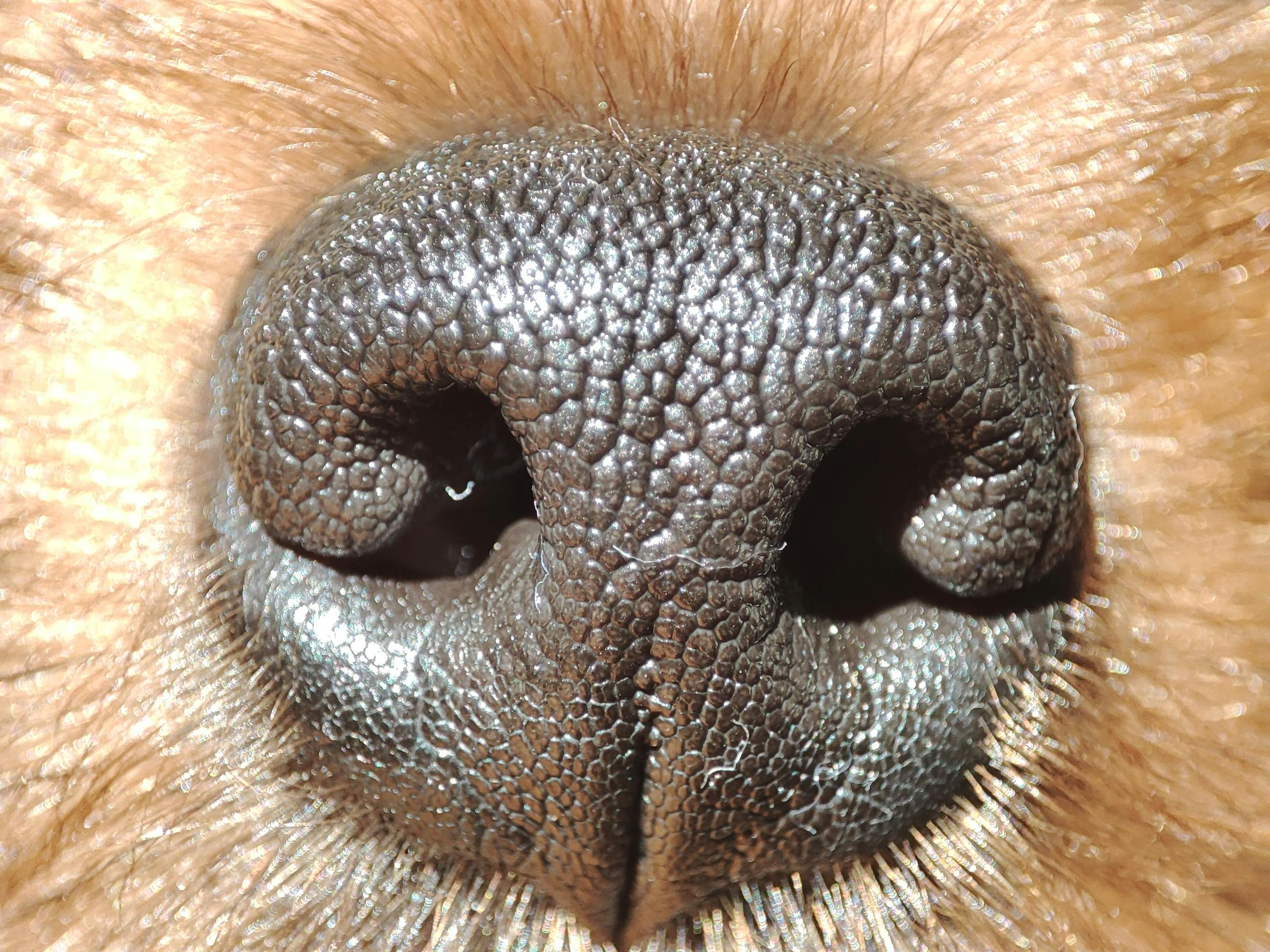 \n\n
\n\nDogs, those furry companions we adore, have this unique feature that often leaves us curious: their wet noses. Have you ever wondered how a dog's wet nose affects their sense of smell? Or maybe you’ve asked yourself, "Why do dogs have wet noses?" Well, the truth is, these moist noses are not just for show. They play a crucial role in a dog's ability to smell and interact with their environment.
\nThe Science Behind the Wet Nose
\nA dog's nose is a complex organ, far more than just a cute feature. It's packed with olfactory receptors that enables them to detect scents. The wetness of their nose is actually beneficial for several reasons:
\n- \n
- \n
Enhanced Scent Detection: The moisture on a dog's nose helps to capture scent particles more effectively. When these particles land on the wet surface, they dissolve into the moisture, which allows the olfactory receptors to pick them up. This is why dogs are often considered to have a sense of smell that's up to 100,000 times more sensitive than humans.
\n \n - \n
Temperature Regulation: A wet nose can also help dogs regulate their body temperature. By keeping their nose moist, dogs can cool themselves down, much like how humans sweat. This is particularly important during hot weather or after vigorous play.
\n \n - \n
Communication Tool: Dogs use their noses to gather information about other animals and their environment. A wet nose can indicate excitement or a readiness to interact, making it an essential tool for dog communication.
\n \n
Historical Insight into Dog Noses
\nDogs' noses have fascinated humans for centuries. In ancient times, they were bred for specific purposes, including hunting and herding, where their keen sense of smell was vital. The wetness of their noses is something that has evolved over time, enhancing their abilities to track scents.
\n- \n
- \n
Early domestication of dogs often involved choosing those with superior olfactory capabilities. This indicates that even in the past, humans recognized the importance of a dog's sense of smell in their day-to-day lives.
\n \n - \n
Dogs were also used in law enforcement. Their ability to sniff out drugs, explosives, and even missing persons underscores how critical their sense of smell is, and, of course, their wet noses play a part in that.
\n \n
The Fascinating Reasons Dogs Have Wet Noses
\nUnderstanding why dogs have wet noses can be quite interesting. Here are some reasons:
\n- \n
- \n
Physiological Design: The design of a dog's nose is specifically adapted for smelling. The moist surface helps to absorb odors, enhancing their sensitivity.
\n \n - \n
Health Indicator: A wet nose is generally considered a sign of good health in dogs. It indicates that they are hydrated and feeling well, whilst a dry nose may signal dehydration or illness.
\n \n - \n
Environmental Awareness: Dogs use their noses to learn about their environment. A wet nose helps them to better interpret scents, which can be crucial in situations where they need to navigate complex environments.
\n \n - \n
Scent Memory: Dogs are known for their excellent scent memory. The moisture on their noses may help them to remember and recognize different smells, which is essential for tracking and locating things they find interesting.
\n \n
Practical Examples of Nose Functions
\nHere’s how dogs utilize their noses in daily life:
\n- \n
- \n
Tracking: When a dog is tracking a scent, they often sniff the ground, where the moisture helps capture scent particles. This is why you often see dogs with their noses to the ground during walks.
\n \n - \n
Social Interactions: Dogs greet each other with their noses. The moisture helps them gather information about other dogs, which can include details about their health or mood.
\n \n - \n
Food Detection: Dogs can detect food from miles away, thanks to their incredible sense of smell. The wetness of their noses is essential in helping them sniff out treats or meals.
\n \n
Comparing Dog Noses to Human Noses
\nTo understand just how remarkable a dog’s nose is, let’s look at some comparisons:
\n- \n
- Humans have about 5 million olfactory receptors; dogs have between 220 million to 300 million. \n
- Dogs can detect certain scents even when they are diluted up to 1 part per trillion, while humans struggle to pick out a scent that is diluted to 1 part per million. \n
- The part of a dog’s brain that processes smells is about 40 times larger than that of a human's, which explains why they are so adept at using their noses. \n
In the end, a dog's wet nose is more than just an adorable feature. It’s a complex, functional part of their biology that has been honed over thousands of years. From enhancing their sense of smell to acting as a health indicator, wet noses are essential to understanding our canine companions. So next time you see your dog's wet nose, you can appreciate just how much it contributes to their unique abilities and well-being.
\n\nWet vs. Dry: What Your Dog's Nose Can Reveal About Their Health
\n\n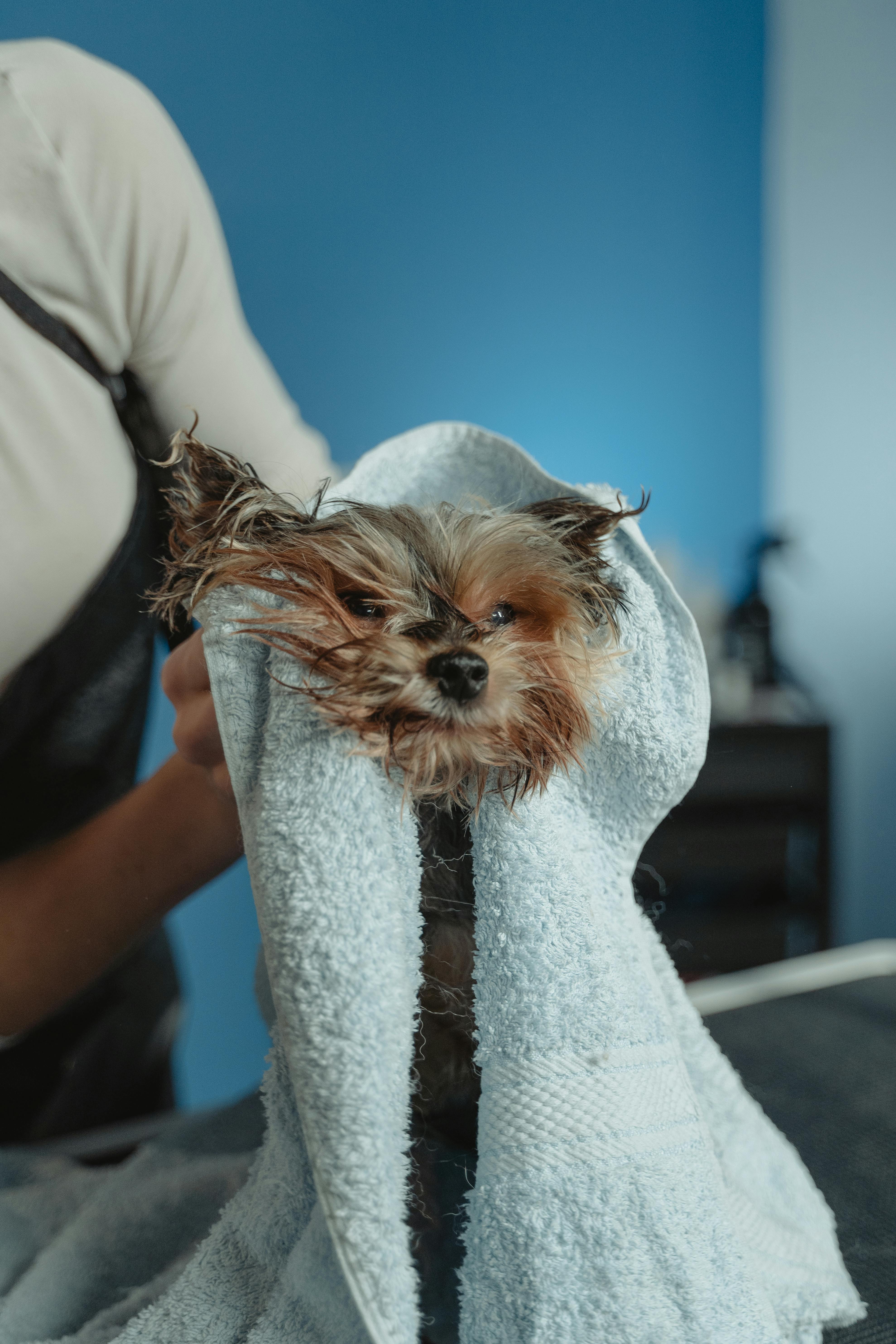 \n\n
\n\nEvery dog owner knows that when they greet their furry friend, one of the first things they notice is their nose. But have you ever wondered why do dogs have wet noses? This curious aspect of our canine companions is not just for show. It can reveal a lot about their health and well-being. In this article, we delve into the science behind wet and dry noses, the reasons behind their moisture, and what it all means for your dog’s health.
\nThe Science of a Dog’s Nose
\nDogs have a unique physiology that makes their noses an important tool for understanding their health. A wet nose is often associated with a healthy dog, but that’s not the complete picture. Here are some fascinating facts about dog noses:
\n- \n
- Scent Detection: A dog’s nose is incredibly sensitive. It contains up to 300 million smell receptors, compared to a human’s 5 million. The moistness of their nose helps to capture scent particles better. \n
- Temperature Regulation: A wet nose can help dogs regulate their body temperature. When they pant, the moisture on their nose evaporates, cooling them down. \n
- Health Indicator: The condition of a dog’s nose can indicate their overall health. A healthy nose is usually moist and cool, while a dry or cracked nose may signal a problem. \n
Why Do Dogs Have Wet Noses?
\nSo, why do dogs have wet noses in the first place? The reasons are both practical and biological. Here are some key points:
\n- \n
- \n
Enhanced Scenting Ability: The moisture on a dog’s nose picks up scent particles from the air, making it easier for them to detect smells. This is why dogs are often used in search and rescue missions or for detecting drugs and explosives.
\n \n - \n
Cooling Mechanism: Dogs do not sweat like humans do. Instead, they cool off through panting and the moisture on their nose. A wet nose helps in this process by evaporating moisture and lowering body temperature.
\n \n - \n
Health Monitoring: Just like how we check a fever by feeling a forehead, dog owners often check the wetness of their dog’s nose to monitor their health. Changes in moisture levels can indicate illness or dehydration.
\n \n - \n
Communication Tool: Dogs also use their noses for social interactions. A wet nose can be a sign of excitement or eagerness to play, as they often nuzzle you with their moist snout.
\n \n
Wet vs. Dry Noses: What’s the Difference?
\nUnderstanding the difference between wet and dry noses is crucial. Here’s a simple comparison:
\nWet Nose:
\n- \n
- Moist to the touch \n
- Usually cool \n
- Indicates good hydration and health \n
- Aids in scent detection \n
- Often found in active dogs \n
Dry Nose:
\n- \n
- Rough or cracked texture \n
- Warmer to the touch \n
- May indicate dehydration or illness \n
- Can be caused by environmental factors \n
- Sometimes seen in older dogs \n
When to Worry About Your Dog's Nose
\nWhile a wet nose is generally a sign of good health, there are times when a dry nose can be a cause for concern. Here are some situations to watch for:
\n- \n
- Persistent Dryness: If your dog’s nose is dry for an extended period, it might be a sign of dehydration. Ensure they have access to fresh water. \n
- Cracking or Bleeding: If you notice cracks or bleeding, this can indicate skin issues or allergies. You should consult your veterinarian. \n
- Changes in Color: A nose that suddenly changes color, becomes very dry, or exhibits any unusual symptoms could indicate an underlying health issue. \n
Practical Tips for Dog Owners
\nHere are some tips to help maintain your dog’s nose health:
\n- \n
- Keep your dog hydrated. Fresh water should always be available. \n
- Monitor your dog’s nose regularly. Look for changes in texture or moisture. \n
- Watch for signs of illness, such as lethargy or loss of appetite, which could accompany a dry nose. \n
- Protect your dog’s nose from extreme weather. Use pet-safe moisturizers in winter or sunscreen for dogs with light-colored noses during summer. \n
Understanding why do dogs have wet noses and what it indicates about their health can help you be a better pet owner. Remember, a wet nose is usually a good sign, but staying vigilant about changes can ensure your furry friend remains healthy and happy. Your dog's nose can tell you much about their well-being, so pay attention to this unique feature and enjoy your time with your loyal companion.
\n\nAre Wet Noses a Sign of a Happy Dog? Exploring the Emotional Connection
\n\n \n\n
\n\nAre Wet Noses a Sign of a Happy Dog? Exploring the Emotional Connection, Why Do Dogs Have Wet Noses? Discover The Fascinating Reasons
\nWhen you think about dogs, one of the first things that comes to mind is that delightful, wet nose. But what does it really mean? Are wet noses a sign of a happy dog? Many people wonder about the emotional connection behind this canine characteristic. It’s often said that a wet nose indicates good health and happiness, but there's so much more to explore.
\nThe Science Behind Wet Noses
\nDogs have wet noses for several reasons. First off, it helps them smell better! The moisture on their noses comes from a combination of mucus and sweat, which enhances their ability to pick up scents. It's pretty fascinating, right?
\n- \n
- Dogs have more than 220 million scent receptors, compared to humans who only have about 5 million. \n
- A wet nose helps to trap scent particles, making it easier for dogs to detect smells in their environment. \n
Another reason why dogs have wet noses is due to thermoregulation. Unlike humans, who sweat to cool down, dogs primarily rely on panting and their nasal moisture. So, a wet nose can indicate that a dog is managing its temperature efficiently.
\nEmotional Indicators: Happy or Sad?
\nNow, let’s delve into the emotional side of things. A wet nose can often be associated with a happy dog, but it’s not the only indicator. Signs of a happy dog include:
\n- \n
- Wagging tail \n
- Relaxed body posture \n
- Playful behavior \n
- Barking or playful growling \n
But a wet nose by itself may not signal happiness. Sometimes, it could mean the dog is anxious or even sick. A dog’s emotional state can be complex, and their nose is just one piece of the puzzle.
\nWhy Do Dogs Have Wet Noses? The Fascinating Reasons
\nSo, why exactly do dogs have wet noses? Let’s break it down.
\n- \n
- \n
Scent Enhancement: As mentioned, moisture helps dogs capture and analyze smells more effectively.
\n \n - \n
Temperature Regulation: Keeping their nose moist helps dogs cool down and stay comfortable.
\n \n - \n
Health Indicator: A healthy dog usually has a moist nose. A dry nose can potentially indicate dehydration or illness, although this is not always the case.
\n \n - \n
Communication Tool: Dogs often use their noses to explore and communicate with other dogs and humans. A wet nose can provide comfort when nuzzling or greeting.
\n \n
Historical Perspective on Dog Noses
\nThroughout history, dogs have been companions to humans for thousands of years. The relationship between humans and dogs has evolved, but their wet noses have always been a constant.
\n- \n
- In ancient cultures, dogs were often seen as protectors, hunters, or companions. Their ability to smell and track scents helped humans in various tasks. \n
- Over time, the wet nose became a symbol of a dog’s health and vitality. \n
Fun Facts About Dog Noses
\n- \n
- Did you know that a dog’s nose print is unique, similar to a human fingerprint? It’s true! \n
- Some breeds, like Bloodhounds, have an extraordinary sense of smell that’s more than 300 times more acute than humans. \n
Quick Reference: Signs of a Happy Dog vs. Signs of Distress
\n| Happy Dog Signs | \nDistress Signs | \n
|---|---|
| Wagging tail | \nWhining or barking excessively | \n
| Ears up and forward | \nEars flat against the head | \n
| Playful behavior | \nHiding or avoidance | \n
| Relaxed body language | \nTense or stiff posture | \n
Practical Examples
\nThink about your own dog. When they greet you at the door with a wet nose and a wagging tail, it's likely they are excited to see you. On the other hand, if you notice your furry friend has a dry, warm nose and seems less active than usual, it might be time to check in with a vet.
\nWet noses can tell you much, but it’s essential to observe overall behavior. Every dog is different, and understanding them requires attentiveness to their unique signs of happiness or distress.
\nIn summary, while a wet nose can be a sign of a happy dog, it’s not the definitive indicator. Understanding dogs involves looking at the bigger picture—behavior, environment, and health. Whether you're a dog owner or just a passionate admirer, knowing what a wet nose means can deepen your connection with these lovable companions.
\n\nThe Evolutionary Purpose of Wet Noses in Dogs: Nature’s Design
\n\n \n\n
\n\nDogs are one of the most beloved pets around the world, and their wet noses often spark curiosity among dog owners and enthusiasts alike. Have you ever wondered why do dogs have wet noses? This seemingly simple feature of our canine companions has an evolutionary purpose deeply rooted in nature's design. Let’s dive into the fascinating reasons behind this characteristic and explore what it means for dogs' health and behavior.
\nThe Science of Wet Noses
\nA dog’s nose is not just for show; it serves several vital functions. The moist surface of a dog’s nose plays a crucial role in their ability to smell. Dogs have an incredible olfactory system, estimated to be between 10,000 to 100,000 times more sensitive than that of humans. When a dog's nose is wet, it helps to capture scent particles more effectively. Here’s how it works:
\n- \n
- Moisture Capture: The wetness on a dog’s nose traps scent molecules. This allows them to detect odors in the environment better. \n
- Temperature Regulation: Dogs also use their noses to help regulate body temperature. The evaporation of moisture from the nose can cool them down. \n
- Health Indicator: A wet nose is often seen as a sign of good health. If a dog’s nose is dry, it might indicate dehydration or illness, although there are exceptions. \n
A Peek into History
\nThe evolutionary purpose of wet noses in dogs can be traced back to their ancestors. Early canines relied heavily on their sense of smell for survival. Hunting, finding food, and avoiding predators all depended on their ability to detect scents. Over time, those with a more efficient olfactory system, which included having a moist nose, were more likely to thrive and pass on these traits to their offspring.
\nInterestingly, the wet nose trait isn't just found in dogs. Many other animals possess similar adaptations. For example, animals like cats and certain rodents also have moist noses, indicating that this feature is beneficial across various species for similar reasons.
\nWhy Is a Wet Nose Important?
\nA wet nose is more than just a cute feature; it plays a significant role in a dog's daily life. Here are some key reasons:
\n- \n
- Enhanced Scent Detection: As mentioned, moisture aids in trapping scents. This is crucial for dogs who rely on their sense of smell for communication and interaction with their environment. \n
- Social Interaction: Dogs often greet each other with nose-to-nose contact. The moisture on their noses allows them to gather information about other dogs, such as their mood, health, and reproductive status. \n
- Environmental Awareness: Wet noses help dogs to assess their surroundings. They can detect changes in the environment, such as the presence of other animals or food sources. \n
Comparing Dry vs. Wet Noses
\nIt's fascinating to compare the implications of a dry nose versus a wet nose. Here’s a quick look:
\nWet Nose:
\n- \n
- Generally indicates good health. \n
- Better scent detection capabilities. \n
- Can assist in temperature regulation. \n
Dry Nose:
\n- \n
- May indicate potential health issues, like dehydration or fever. \n
- Can result in reduced ability to detect scents. \n
- Might occur due to environmental factors or allergies. \n
Practical Examples of Wet Nose Functionality
\nTo better understand the importance of wet noses, consider the following scenarios:
\n- \n
- Tracking Game: A hunting dog with a wet nose can track a scent trail more effectively than one with a dry nose, improving the chances of a successful hunt. \n
- Finding Lost Items: Dogs often help locate lost items or missing persons thanks to their keen sense of smell. A wet nose enhances this ability. \n
- Behavioral Signals: When a dog approaches another dog with a wet nose, it signals friendliness and curiosity, which is essential in canine social behavior. \n
Conclusion
\nThe evolutionary purpose of wet noses in dogs is a remarkable example of nature's design. From enhancing their olfactory abilities to playing a role in social interactions and environmental awareness, wet noses are integral to a dog’s life. Recognizing these features not only deepens our understanding of our canine friends but also highlights the incredible adaptability of nature. So, next time you notice your dog’s wet nose, remember the fascinating reasons behind it and appreciate the complexities of their biology.
\n\nCan Dogs’ Wet Noses Help Them Stay Cool? Discover the Cooling Mechanism
\n\n \n\n
\n\nDogs are beloved companions, and their adorable wet noses often pique our curiosity. Have you ever wondered why dogs have wet noses? Or if these moist patches on their snouts help them stay cool? There's a lot more going on than just cuteness when it comes to a dog's nose. Let's dive into the fascinating world of our furry friends and explore the science behind their wet noses.
\nCan Dogs’ Wet Noses Help Them Stay Cool?
\nThe simple answer is yes, dogs' wet noses do play a role in thermoregulation, which is how they maintain their body temperature. Unlike humans, who sweat to cool down, dogs rely on other methods.
\n- \n
- Moisture Evaporation: When a dog's nose is wet, the moisture evaporates. This evaporation process helps to cool the blood vessels in the nose, which can then help cool the dog's body temperature. \n
- Enhanced Scent Detection: Dogs have an incredible sense of smell, and moisture on their noses helps to capture scent particles in the air. This ability is especially important for hunting, tracking, and even for emotional bonding with their owners. \n
Why Do Dogs Have Wet Noses?
\nThere are several reasons why dogs' noses are wet, ranging from biological to behavioral. Here are some key points:
\n- \n
- \n
Physiological Function:
\n- \n
- Dogs have a thin layer of mucus on their noses that helps with scent detection. \n
- The moisture helps them to absorb scent chemicals better, enhancing their olfactory capabilities. \n
\n - \n
Cooling Mechanism:
\n- \n
- As discussed earlier, the wetness on their noses aids in cooling down their bodies. \n
- This is critical, especially in warm weather or after physical activity. \n
\n - \n
Health Indicator:
\n- \n
- A healthy dog usually has a cool, moist nose. \n
- If a dog’s nose becomes dry and hot, it may be a sign of illness, dehydration, or fever. \n
\n - \n
Behavioral Aspects:
\n- \n
- Dogs often lick their noses, which not only keeps them moist but also helps in tasting and smelling their environment. \n
- It’s also a way for them to communicate, as dogs often sniff and lick each other as part of social interaction. \n
\n
Historical Context
\nDogs have evolved over thousands of years from wild ancestors, and their noses have adapted to their lifestyle. Historically, dogs were used for hunting and herding, where a keen sense of smell was crucial for survival. The wetness of their noses has always been a beneficial trait, aiding in their ability to track scents over long distances.
\nInteresting Facts About Dogs’ Noses
\n- \n
- Unique Patterns: Just like human fingerprints, every dog has a unique nose print that can be used to identify them. \n
- Nose Temperature: A dog’s nose can change temperature throughout the day. A cooler nose often indicates a healthy dog, while a warm nose can suggest illness. \n
- Scent Sensitivity: Dogs can detect smells at concentrations nearly 100 million times lower than humans can. \n
Practical Tips for Dog Owners
\nAs a dog owner, it’s important to understand the significance of your furry friend's wet nose. Here are some practical tips you can follow:
\n- \n
- Keep Their Environment Cool: Especially during hot summer months, make sure your dog has a cool place to rest. \n
- Stay Hydrated: Ensure your dog has access to fresh water at all times, as hydration is key to maintaining a healthy, wet nose. \n
- Regular Vet Check-ups: Regular visits to the veterinarian can help detect any potential health issues indicated by changes in nose moisture or temperature. \n
Comparison: Dogs vs. Humans
\nTo further understand the uniqueness of dogs' noses, let's compare them to human noses:
\n| Feature | \nDogs | \nHumans | \n
|---|---|---|
| Sense of Smell | \nOver 220 million scent receptors | \nAbout 5 million scent receptors | \n
| Cooling Mechanism | \nMoisture evaporates helps cool down | \nSweating through skin only | \n
| Nose Print | \nUnique, used for identification | \nNo unique feature | \n
Dogs' wet noses are more than just a charming trait; they serve multiple purposes that enhance their overall health and ability. It's fascinating how nature has equipped dogs with tools to thrive in their environments. Understanding these characteristics not only deepens our appreciation for our canine companions but also enables us to care for them better. So next time you give your pup a pat, take a moment to appreciate that wet nose and all that it signifies.
\n\nThe Role of Moisture in Dog Communication: How Wet Noses Speak Volumes
\n\n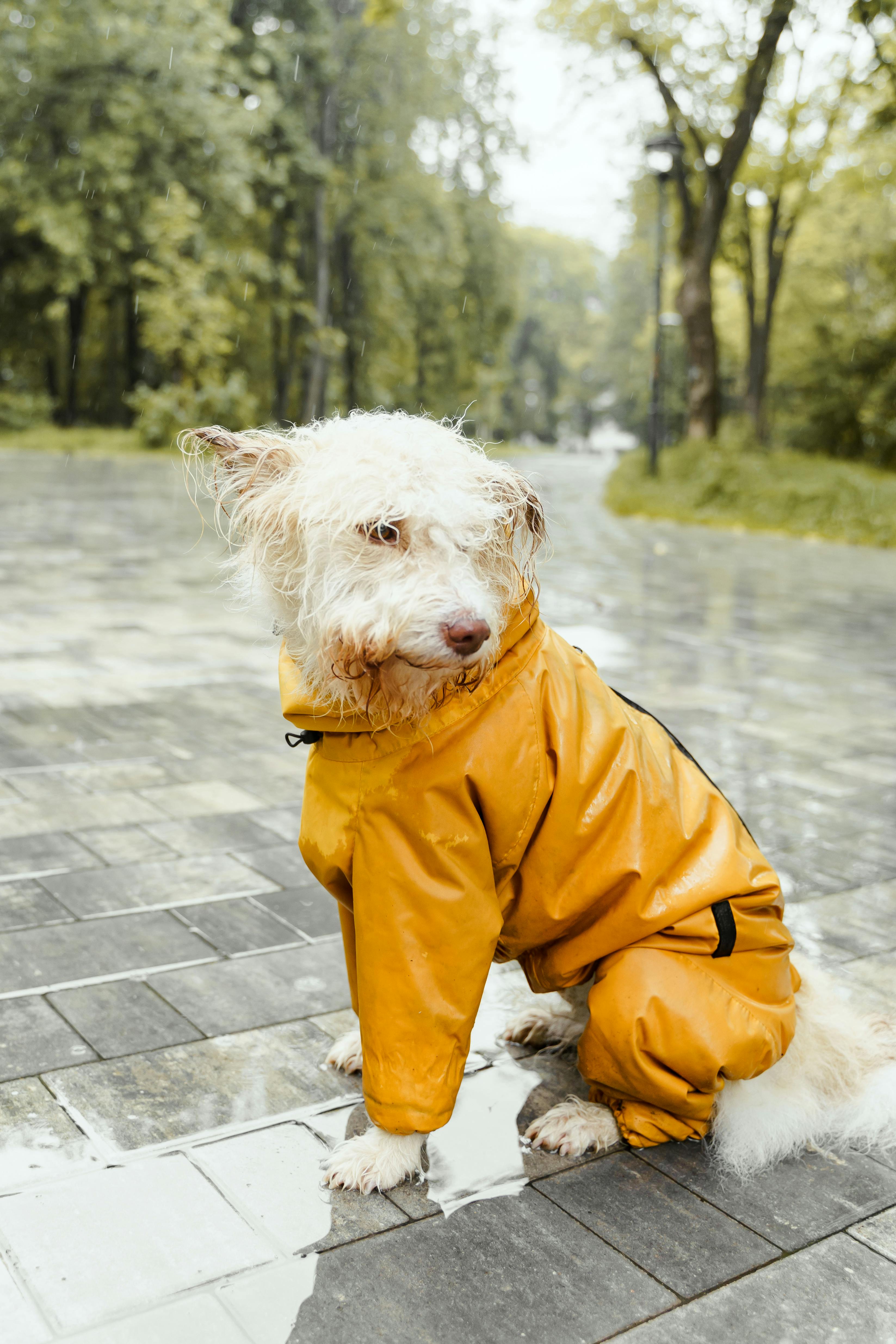 \n\n
\n\nDogs are often considered man's best friend, but have you ever thought about how they communicate with each other and with us? One of the most fascinating aspects of canine communication is their wet noses. This article explores the role of moisture in dog communication, focusing on the question: why do dogs have wet noses? You might be surprised to learn about the reasons behind that cool, damp touch.
\nWhy Do Dogs Have Wet Noses?
\nDogs have wet noses mainly because it serves a purpose. It’s not just for show or because they play in the water. Here are some interesting facts:
\n- \n
- Enhanced Smell: A dog's sense of smell is already amazing, but a wet nose actually helps them smell better. The moisture captures scent particles, making it easier for dogs to pick up scents in the air. \n
- Temperature Regulation: Dogs don’t sweat like humans do. Instead, they regulate their body temperature through panting and the moisture on their noses. This helps them cool down when they’re feeling hot. \n
- Health Indicator: A wet nose can also be a sign of a healthy dog. If a dog's nose is excessively dry or cracked, it might indicate an underlying health issue. \n
The Science Behind Dog Noses
\nHave you ever wondered about the anatomy of a dog's nose? It’s quite complex. Here’s a breakdown:
\n- \n
- Olfactory Receptors: Dogs possess up to 300 million olfactory receptors, compared to about 5 million in humans. This means they can detect scents at incredibly low concentrations. \n
- Jacobsen's Organ: This is a special scent organ located in the roof of a dog’s mouth. It helps dogs process scents, especially pheromones, which are essential for social interactions. \n
- Moisture Glands: The moisture on a dog's nose comes from glands that produce mucus. This keeps the nose wet and enhances the sense of smell. \n
How Dogs Use Their Noses to Communicate
\nDogs communicate with each other and with humans in various ways, and their noses play a crucial role in this communication. Here are a few ways dogs use their noses:
\n- \n
- Scent Marking: Dogs often use their sense of smell to leave their own scent on objects. This is their way of saying “I was here.” It's like leaving a digital footprint, but in the dog world. \n
- Social Interactions: When dogs meet each other, they often sniff each other's noses and behinds. This isn't just a friendly greeting; it's an exchange of information. They learn about the other dog’s health, mood, and even diet. \n
- Recognizing Emotions: Dogs can sense human emotions through smell. For instance, a dog can detect stress or fear in a person by picking up on pheromones released during those emotional states. \n
Fascinating Facts About Dog Noses
\nHere’s some more intriguing information about dog noses that you might not know:
\n- \n
- Dogs’ Nose Prints: Just like human fingerprints, each dog's nose print is unique. This means it can potentially be used for identification purposes. \n
- Color Variation: The color of a dog's nose can vary widely among breeds, some have pink noses, while others are black or brown. This color can sometimes indicate a dog's health status. \n
- Nose Temperature: A dog’s nose temperature can fluctuate throughout the day. A cooler nose is generally considered a good sign, while a hot, dry nose could indicate illness. \n
Fun Comparisons: Dogs vs. Humans
\nTo fully appreciate how dogs communicate through their noses, it's helpful to compare their abilities to those of humans. Here’s a quick comparison:
\n| Aspect | \nDogs | \nHumans | \n
|---|---|---|
| Number of Olfactory Receptors | \nUp to 300 million | \nAbout 5 million | \n
| Use of Smell | \nPrimary sense for communication | \nSecondary to sight | \n
| Nose Print Uniqueness | \nYes | \nNo | \n
| Temperature Regulation | \nMoisture on nose | \nSweat glands | \n
Dogs’ wet noses are not just an adorable feature; they are essential to how dogs interact with the world around them. The moisture enhances their already remarkable sense of smell, allows them to regulate their body temperature, and can even provide insights into their health status. When you see a dog approach you with that cool, damp nose, remember—it's not just a greeting; it's a wealth of information being shared. Understanding these fascinating aspects of dog communication can deepen our bond with our furry friends.
\n\nMyths vs. Facts: Debunking Common Misconceptions About Wet Dog Noses
\n\n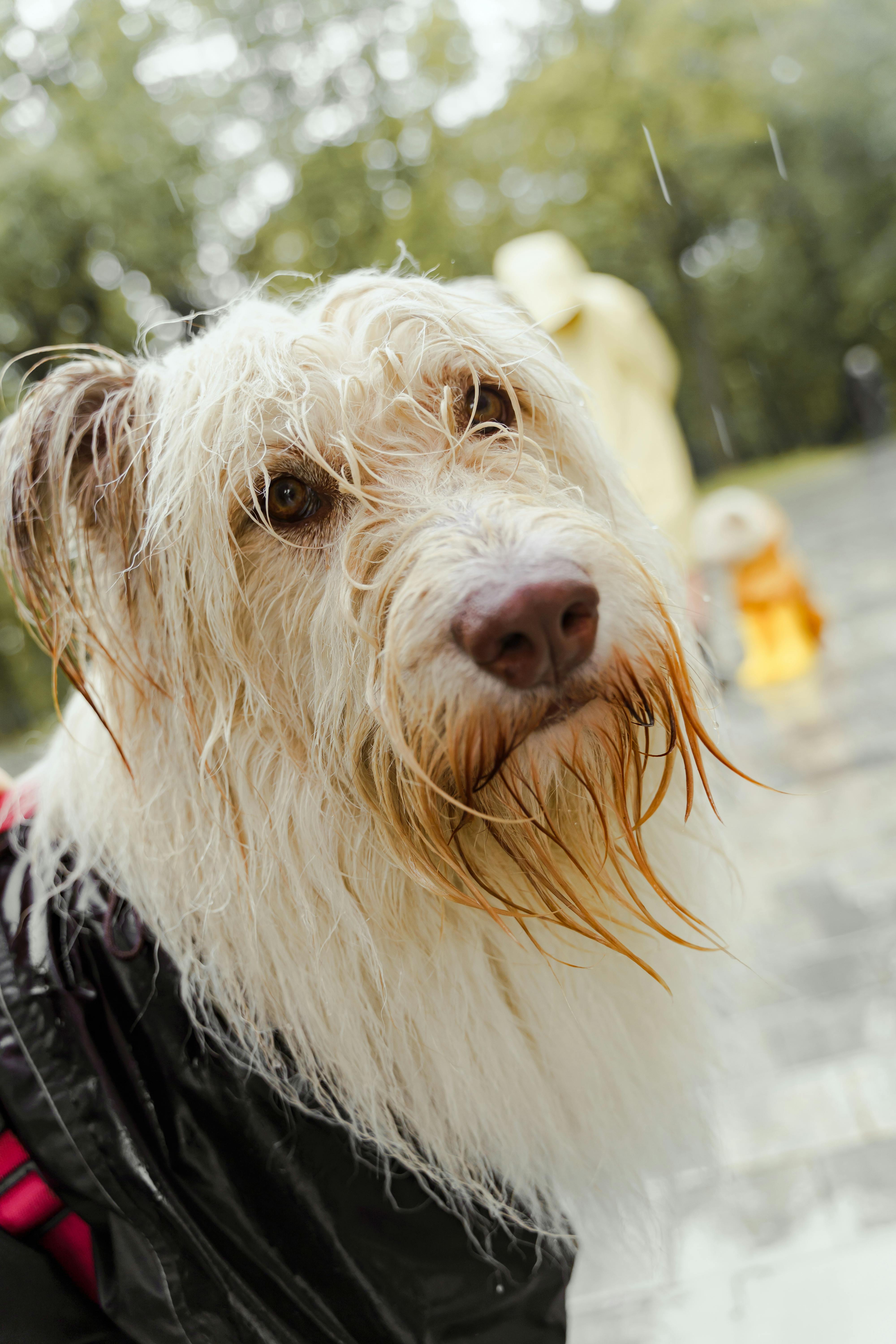 \n\n
\n\nDogs, those furry companions we all love, have some interesting attributes that often leads to questions and misconceptions. One common topic of curiosity is their noses, particularly why they are wet. Many people think they know it all, but there are myths floating around that needs to be debunked. Let’s dive into the fascinating reasons behind why do dogs have wet noses and separate facts from common myths.
\nThe Science Behind Wet Noses
\nIt might seem simple, but the anatomy of a dog's nose is quite complex. A dog's nose is covered in a thin layer of moisture. This moisture plays a crucial role in their sense of smell. Dogs have a much stronger olfactory system than humans, and wet noses helps them absorb scent molecules more effectively.
\n- \n
- Nasal Structure: Dogs have a larger surface area in their noses than humans, which helps capture more scents. \n
- Mucus Production: The wetness you feel when you touch a dog’s nose is due to mucus and secretions that helps them smell better. \n
- Temperature Regulation: Wet noses helps to cool down a dog as well, acting similar to sweat glands in humans. \n
Common Myths About Wet Dog Noses
\nLet’s tackle some of the myths that many people believe about dog noses. Misconceptions can often lead to misunderstandings about our beloved pets.
\n- \n
- \n
Myth: A Dry Nose Means a Sick Dog
\n- \n
- Fact: While a wet nose can indicate health, a dry nose does not automatically mean a dog is sick. Dogs noses can dry out due to weather, dehydration, or even sleeping. Always consult a vet for health issues. \n
\n - \n
Myth: All Dogs Have Wet Noses
\n- \n
- Fact: Some dogs naturally have drier noses than others. Breeds like Bulldogs or Pugs may have drier noses due to their unique physical traits. \n
\n - \n
Myth: Dogs Lick Their Noses to Keep Them Wet
\n- \n
- Fact: While dogs do lick their noses, the primary reason for a wet nose is the moisture produced by glands in their nasal passages rather than their licking habits. \n
\n - \n
Myth: Only Healthy Dogs Have Wet Noses
\n- \n
- Fact: Health issues can affect the moisture of a dog’s nose, but it’s not the only indicator of overall health. Look for other symptoms too. \n
\n
Interesting Facts About Dog Noses
\nUnderstanding why dogs have wet noses doesn’t just end with debunking myths. There are numerous fascinating facts about dog noses that are worth considering.
\n- \n
- Scent Detection: Dogs can detect scents at concentrations nearly 100 million times lower than humans can. \n
- Unique Patterns: Just like human fingerprints, each dog's nose print is unique and can be used for identification. \n
- Temperature Check: Dogs use their noses to check temperatures of objects, which is vital for their survival instincts. \n
The Role of a Wet Nose in Communication
\nDogs also use their noses as a way of communicating. When a dog approaches another dog, they often sniff each other’s noses. This behavior is not just social; it's also informative. A wet nose can convey a variety of information, like the other dog's mood or health.
\n- \n
- Exploration: Dogs explore their environment primarily through scent. A wet nose helps them absorb more scents from the ground or other surfaces. \n
- Social Interaction: Sniffing is a way for dogs to greet each other and gather information. Their wet nose makes this process more effective. \n
Practical Tips for Dog Owners
\nKeeping your dog's nose healthy is important. Here are some tips:
\n- \n
- Hydration: Make sure your dog has access to fresh water at all times to keep their nose from drying out. \n
- Regular Vet Visits: Regular check-ups can help identify potential health issues that might affect your dog’s nose moisture. \n
- Weather Awareness: Be mindful of the weather. Hot, dry conditions can lead to a dry nose, so provide shade and hydration. \n
Conclusion
\nSo, why do dogs have wet noses? The answer lies deep in their evolutionary biology and serves many purposes including better smelling and temperature regulation. By understanding the facts behind this common trait, you can better appreciate your furry friend. Plus, knowing the myths can help you take better care of them and avoid unnecessary worries. Dogs are complex creatures, and a wet nose is just one of the many fascinating aspects of their biology.
\n\nWhy Does Your Dog's Nose Change Throughout the Day? Understanding the Variability
\n\n \n\n
\n\nHave you ever notice how your dog's nose seem to change throughout the day? One moment it’s wet and cool, and the next it might feel dry and warm. It’s kinda strange, right? This variability in your furry friend’s nose can be perplexing. So, why does this happen? Understanding the dynamics of your dog's nose can not only help you be a better pet owner but also deepen your bond with them.
\nWhy Do Dog's Noses Change Throughout the Day?
\nMany factors contribute to the changing moisture levels of a dog's nose. A few key reasons include:
\n- \n
- \n
Temperature Fluctuations: Just like humans, dogs can have different body temperatures during the day. When they are active or it’s a hot day, their noses may dry out more than when they’re relaxed or it’s cooler outside.
\n \n - \n
Hydration Levels: If your dog hasn’t had enough water, you might notice their nose getting drier. Hydration plays a huge role in how moist a dog’s nose is.
\n \n - \n
Health Indicators: Sometimes, a change in the nose's moisture can indicate health issues. A consistently dry nose might signal dehydration, fever, or other health problems. If you notice unusual changes, it’s always best to consult a vet.
\n \n - \n
Environment: Dogs noses are sensitive to their environment. If they’re spending time indoors in dry air or outside in the sun, this can affect moisture levels.
\n \n
Why Do Dogs Have Wet Noses?
\nWet noses are often considered a hallmark of a healthy dog. But why is that? Here are some fascinating reasons:
\n- \n
- \n
Enhanced Smell: Dogs have an incredible sense of smell, and a wet nose helps them absorb scent chemicals from the air. This means that a wet nose can actually help them smell better!
\n \n - \n
Temperature Regulation: Just like sweating for humans, dogs can regulate their body temperature through their noses. A wet nose helps them cool down when they’re feeling a bit too hot.
\n \n - \n
Protection: A moist nose can also help protect against pathogens. The mucous membranes in a dog’s nose trap dust and bacteria, making it harder for germs to enter their bodies.
\n \n
Fun Facts About Dog Noses
\n- \n
- \n
Dogs have about 300 million smell receptors in their noses, compared to a human’s 5 million. This makes their sense of smell 40 times better than ours!
\n \n - \n
The moisture on a dog’s nose can actually change based on the time of day, much like a person’s skin can vary in oiliness or dryness.
\n \n - \n
Not all dog noses are created equal! Some breeds, like Bulldogs or Pugs, might have drier noses than others due to their facial structure.
\n \n - \n
Dogs can identify familiar scents even after a long time. Their memory for smells is quite impressive, so a wet nose plays a crucial role in this!
\n \n
What to Look For: Healthy vs. Unhealthy Noses
\nHere's a quick checklist to help you determine if your dog's nose is healthy:
\n- \n
- \n
Healthy Nose:
\n- \n
- Slightly moist \n
- Cool to the touch \n
- No cracks or sores \n
\n - \n
Unhealthy Nose:
\n- \n
- Very dry or excessively wet \n
- Warm to the touch (could indicate fever) \n
- Cracks, sores, or discoloration \n
\n
If you notice any concerning signs, it’s wise to get in touch with your veterinarian.
\nHow to Care for Your Dog's Nose
\nTo keep your dog's nose healthy, consider the following tips:
\n- \n
- \n
Hydration: Always ensure your dog has access to fresh water. This helps maintain moisture levels in their nose.
\n \n - \n
Humidifier: If you live in a dry climate, using a humidifier can help keep your dog's nose from getting too dry.
\n \n - \n
Regular Vet Check-ups: Regular check-ups can help catch any potential health issues early on.
\n \n - \n
Limit Sun Exposure: If your dog spends a lot of time outside, make sure they have shade and avoid peak sun hours to prevent sunburn on their noses.
\n \n
In summary, understanding why your dog's nose changes throughout the day can enhance your pet care knowledge. A wet nose is not just a cute feature; it has vital roles in your dog's health and well-being. By keeping an eye on these changes and ensuring proper care, you can contribute to your furry friend’s happiness and health. So, the next time you touch your dog's nose, remember, it’s more than just a simple wet surface — it’s a window into their world.
\n\nConclusion
\n\nIn conclusion, the wet noses of dogs serve several essential purposes that contribute to their overall health and well-being. The moisture on a dog's nose enhances their sense of smell, helping them detect scents more effectively, which is vital for their communication and exploration of the world around them. Additionally, a wet nose plays a crucial role in thermoregulation, allowing dogs to stay cool by evaporating moisture. While the common belief that a wet nose indicates good health is not entirely accurate, regular monitoring of your dog’s nose can still provide insights into their overall condition. Understanding these fascinating facts about your furry friend can deepen the bond you share. So, the next time you give your pup a pat, take a moment to appreciate that wet nose and all that it signifies. For more engaging insights into dog care and behavior, be sure to explore our other articles!
\n\n