
Have you ever wondered, why do dogs have wet noses? It’s a question that fascinates many dog lovers and pet owners alike! In this article, we will explore the fascinating reasons behind this curious canine characteristic. A dog’s nose is not just for show; it plays a crucial role in their sense of smell and overall health. But what makes it so moist? Is it simply a natural trait, or does it serve specific purposes? You might be surprised to discover that a wet nose can actually indicate a dog’s health status and emotional state. Moreover, the temperature regulation and scent detection capabilities of dogs are directly linked to this unique feature! So, if you’ve ever asked yourself, “Do all dogs have wet noses?” or “Can a dry nose mean something is wrong?”, you’re in the right place! Join us as we dive into the science behind this intriguing aspect of dog physiology and uncover the secrets of their wet noses. You’ll learn not only why they are wet but also how it impacts their behavior and well-being. Keep reading to satisfy your curiosity and gain insights into your furry friend’s health!
The Science Behind Why Dogs Have Wet Noses: Unveiling the Mystery

Dogs, often referred to as man’s best friend, have captured our hearts for centuries. Among their many charming attributes, one of the most intriguing features is their wet noses. Why do dogs have wet noses? The answer involves a blend of science and nature, reflecting the unique physiology of our canine companions. Let’s dive into the fascinating reasons behind this curious canine characteristic.
Understanding the Wet Nose Phenomenon
The moisture on a dog’s nose isn’t just for show. It’s actually a crucial part of their biology. Dogs have wet noses primarily for the following reasons:
Enhanced Sense of Smell: Dogs rely heavily on their sense of smell, which is significantly more powerful than humans. The moisture helps to capture scent particles in the air, enhancing their olfactory perception. When dogs lick their noses, they are also moistening it to better absorb these scents.
Temperature Regulation: Dogs don’t sweat like humans do. Instead, they regulate their body temperature through panting and the moisture on their noses. A wet nose can help cool them down by evaporating some of that moisture into the air. This process is similar to how sweating works in humans.
Health Indicator: A dog’s nose can also serve as a health barometer. A healthy dog typically has a cool, wet nose. If a dog’s nose is dry or warm, it might indicate illness or dehydration. However, it’s important to note that this isn’t always a definitive sign of health; various factors can affect it.
Historical Context of Canine Noses
Historically, dogs have been bred for specific traits, including their sense of smell. The wet nose has been a natural selection feature that enhances their ability to track scents. In ancient times, dogs were crucial for hunting and herding due to their keen sense of smell. The moisture on their noses helped them pick up scents over long distances, making them valuable companions to humans.
Fascinating Facts About Dog Noses
Here’s some interesting tidbits about dog noses that might surprise you:
Unique Patterns: Just like human fingerprints, every dog has a unique nose print. This means that you could potentially identify a dog by its nose alone!
Temperature Sensitivity: Dogs can detect changes in temperature and humidity through their noses. This ability helps them sense their environment better.
Nasal Turbinates: Dogs have complex nasal structures called turbinates. These are bony structures that help filter and humidify air as it enters the nose.
The Science Behind Moisture
You might wonder, what makes a dog’s nose wet? The moisture comes from several sources:
Licking: Dogs frequently lick their noses to keep them wet. This is both instinctive and helps in scent absorption.
Glandular Secretions: Dogs have special glands in their noses that secrete a thin layer of mucus. This mucus helps with scent detection and keeps the nose moist.
Environmental Factors: Weather and humidity can also affect the moisture levels. A dog’s nose might be wetter in humid conditions compared to dry weather.
Comparison of Dog Noses with Other Animals
Dogs aren’t the only animals with wet noses, but their functionality is quite unique. Let’s compare dog noses with those of some other animals:
| Animal | Nose Type | Functionality |
|---|---|---|
| Dogs | Wet Nose | Enhances smell, regulates temperature |
| Cats | Dry Nose | While cats also have a good sense of smell, their noses are typically drier than dogs. |
| Horses | Wet Nose | Similar to dogs, helps with scent detection, but they also sweat through their skin. |
| Pigs | Wet Nose | Pigs have wet noses too, aiding in their sense of smell, particularly useful for foraging. |
Practical Examples of Wet Noses in Dogs
When observing dogs, you might notice how they interact with their environment. For instance:
Sniffing: When a dog sniffs around, they are using their wet nose to gather information about their surroundings. This is why they often seem to be so interested in every little thing they encounter.
Bonding: Dogs often nuzzle or lick their owners’ faces with their noses. This behavior not only shows affection but also helps them gather your scent, reinforcing their bond with you.
Health Checks: Many pet owners can tell if their dog feels unwell just by checking their nose. A sudden change in moisture can prompt a trip to the vet.
The science behind why dogs have wet noses is not only fascinating but also essential to their way of life. Understanding this natural feature helps us appreciate our furry friends even more. Their wet noses serve multiple purposes, from enhancing their incredible sense of smell to regulating their body temperature. Next time you pet your dog, take a moment
5 Fascinating Facts About Dogs’ Wet Noses That Will Surprise You
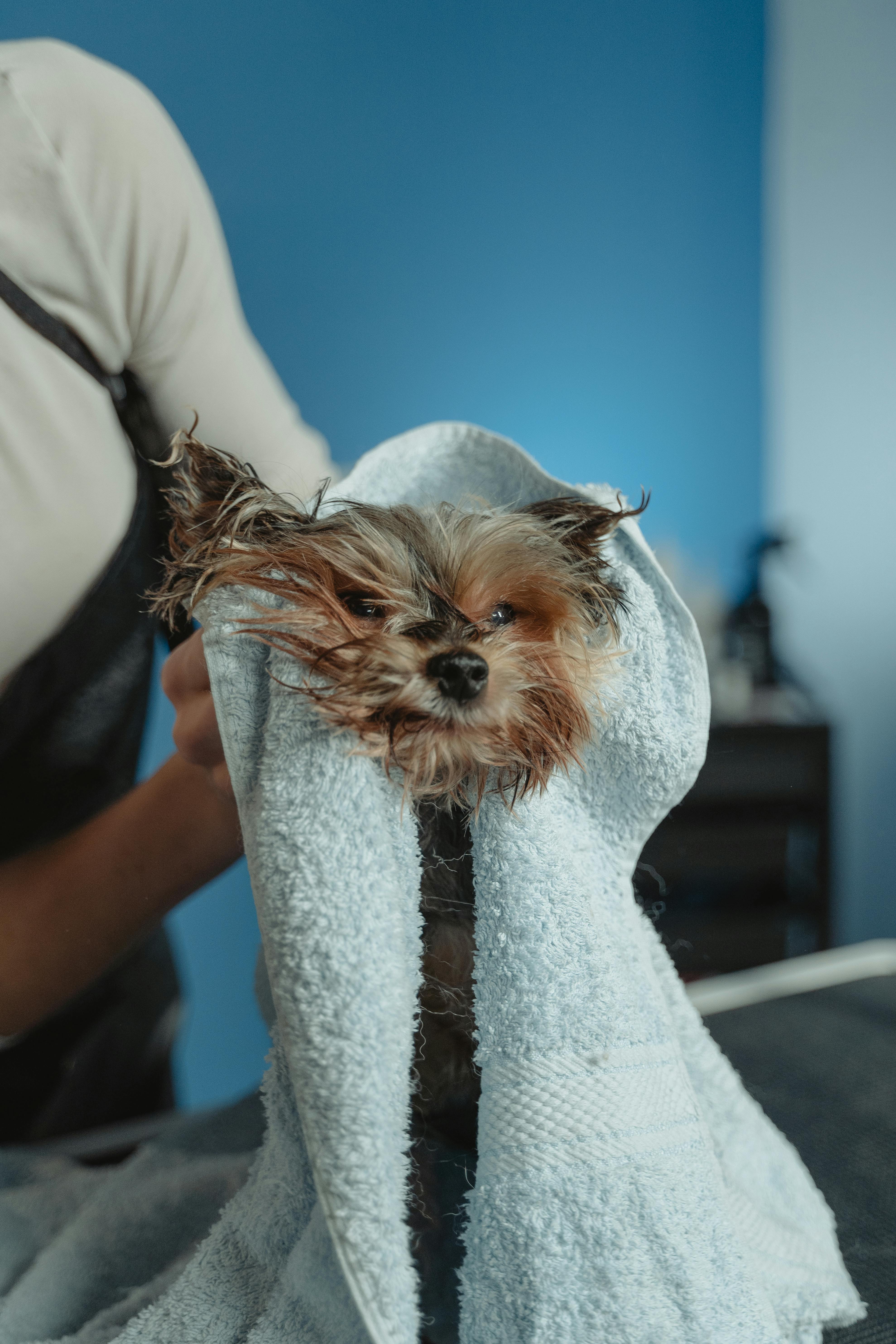
Dogs are truly amazing creatures, and their wet noses are one of the many fascinating features that make them special. You might have wondered, why do dogs have wet noses? Well, there’s more to it than just a cute touch. Let’s explore five surprising facts about dogs’ wet noses that’ll leave you intrigued, and you’ll never look at your furry friend the same way again!
1. The Science Behind Wet Noses
Did you know that a dog’s nose is not just wet for fun? The moisture actually plays a vital role in their ability to smell. When a dog’s nose is wet, it can absorb scent molecules more effectively. This is because the moisture helps capture these molecules, allowing the olfactory receptors, which are thousands more powerful than ours, to work much better. A dog can smell up to 100,000 times better than humans! So, next time your pup gives you that wet-nosed greeting, remember – it’s a sniffing superpower in action!
2. Thermoregulation – Staying Cool
Ever noticed how dogs seem to like sticking their noses in water or snow? It’s not just playtime; it’s also a cooling mechanism. Dogs lack sweat glands like humans do, so they cool off through their noses and paw pads. The wetness of their noses helps with evaporative cooling. So, when you see your dog with a wet nose, it might also be a sign they’re trying to beat the heat. Keeping their noses moist helps them regulate their body temperature better, especially during those hot summer days.
3. Health Indicators
A dog’s nose can also tell you a lot about its health. The common belief is that a cold, wet nose indicates a healthy dog, while a warm, dry one signals illness. This isn’t always the case, though. While the temperature and moisture level of a dog’s nose can provide clues, they aren’t definitive indicators of health. Here’s a quick rundown of what different nose conditions might mean:
- Cold and Wet: Usually healthy and happy.
- Warm and Dry: May indicate fever or dehydration, but not always.
- Cracked or Dry: Could be a sign of allergies or other skin conditions.
- Excessively Wet: Might mean your pup is drooling a lot, which can sometimes indicate dental issues.
4. Unique Nose Prints
Just like humans have unique fingerprints, dogs have unique nose prints! The patterns on a dog’s nose are as distinctive as a human’s set of fingerprints. Some animal shelters and organizations even use these prints for identification. Isn’t that wild? If you ever find yourself in a situation where your dog goes missing, a nose print could help reunite you! It’s a simple yet effective way of proving ownership.
5. The Connection to Emotions
Dogs communicate a lot through their noses. A wet nose can also indicate a dog’s emotional state. When dogs are happy and playful, their noses tend to be moist. On the other hand, if a dog is stressed or anxious, you might notice its nose becoming dry. This can be part of their body language, signaling to you how they feel at that moment. Understanding these signals can strengthen the bond you share with your furry friend.
Fun Facts Summary
Here’s a quick list of the fascinating facts about dogs’ wet noses:
- Dogs’ noses are wet to enhance their sense of smell.
- The moisture in their noses helps them cool down.
- A dog’s nose can indicate its health status.
- Each dog has a unique nose print for identification.
- The state of a dog’s nose can reflect its emotional well-being.
Understanding why dogs have wet noses can deepen your appreciation for these loyal companions. Next time you’re out with your dog, take a moment to observe that wet nose, and think about all the incredible things it signifies. Whether it’s for smelling, cooling off, or communicating, their noses are truly remarkable features that add to their charm.
So, the next time you hear that question, why do dogs have wet noses? You can share these fascinating facts and impress your friends with your newfound knowledge!
How a Dog’s Wet Nose Enhances Their Sense of Smell: A Deep Dive

Dogs are amazing creatures, and one of their most fascinating features is their wet noses. Ever wonder why do dogs have wet noses? There’s a lot more going on than you might think. This article will take a deep dive into how a dog’s wet nose enhances their sense of smell and the reasons behind this unique trait.
The Science Behind a Dog’s Nose
Dogs have an incredible sense of smell that is estimated to be anywhere from 10,000 to 100,000 times more sensitive than humans. The wetness of their noses plays a critical role in this heightened olfactory ability. But how does it work?
First, the moisture on a dog’s nose helps to capture scent particles from the air. When a dog inhales, these tiny particles stick to the wet surface, allowing the scent receptors in their nose to detect them more effectively. The moist environment enhances the dissolution of scent molecules, making it easier for dogs to identify various scents.
Why Are Dog Noses Wet?
So, why do dogs have wet noses? The answer is multifaceted. Here are some key reasons:
- Temperature Regulation: A dog’s nose helps to regulate their body temperature. When they pant, moisture evaporates from their nose and cools them down.
- Scent Detection: As mentioned earlier, the wetness aids in scent detection. The olfactory receptors respond better when scent particles are dissolved in moisture.
- Health Indicator: A wet nose can be a sign of a healthy dog, while a dry nose might indicate dehydration or illness. However, not all dry noses mean something is wrong; it could just be a normal state for the dog.
The Anatomy of a Dog’s Nose
Understanding the anatomy of a dog’s nose can provide more insight into how it works. Here’s a quick breakdown:
- Olfactory Bulb: This is the part of the brain that processes smells. In dogs, it is significantly larger than in humans, making them more adept at detecting scents.
- Nasal Turbinates: These are bony structures covered with mucous membranes that help to warm and moisten the air as it enters the nose.
- Vomeronasal Organ: Also known as Jacobson’s organ, this is responsible for detecting pheromones, which helps dogs understand social cues and reproductive status of other animals.
Fascinating Facts About Dog Smell
- Dogs can identify individual scents even when they are mixed with other odors. For instance, they can find a specific person in a crowded area just by scent.
- Certain dog breeds are known for their exceptional sense of smell. Bloodhounds, for instance, have an unrivaled ability to track scents over great distances.
- Dogs can detect medical conditions like diabetes and cancer through scent. They can smell changes in a person’s body chemistry that may indicate illness.
- The wetness of a dog’s nose can change throughout the day. Dogs may have a wetter nose after they wake up and it can dry out as they spend time outdoors.
How to Care for Your Dog’s Nose
Keeping your dog’s nose healthy is essential. Here are a few tips:
- Hydration: Ensure your dog has access to fresh water at all times. Dehydration can lead to a dry nose.
- Check for Cracks: Regularly inspect your dog’s nose for cracks or dryness, which may indicate a health issue.
- Avoid Harsh Weather: Protect your dog’s nose from extreme temperatures. Cold winters can lead to chapped noses, while hot summers may lead to sunburn.
Comparing Dog Noses to Human Noses
It’s interesting to compare dog noses with human noses.
| Feature | Dog Nose | Human Nose |
|---|---|---|
| Sense of Smell | 10,000 to 100,000 times better | Relatively less sensitive |
| Moisture | Naturally wet | Usually dry |
| Scent Detection | Can identify specific scents | Less adept at scent detection |
| Olfactory Bulb Size | Much larger | Smaller |
Dogs are truly remarkable in many ways, and their wet noses are just one aspect of what makes them special. They rely on their sense of smell to navigate the world, communicate with other dogs, and even assist in various human activities, including search and rescue operations. By understanding why do dogs have wet noses, we can appreciate even more the incredible capabilities our canine companions possess.
Next time you give your furry friend a pat, take a moment to consider the science behind that wet nose and what it means for their ability to connect with the world around them.
Is a Dog’s Wet Nose a Sign of Health? Discover the Truth!
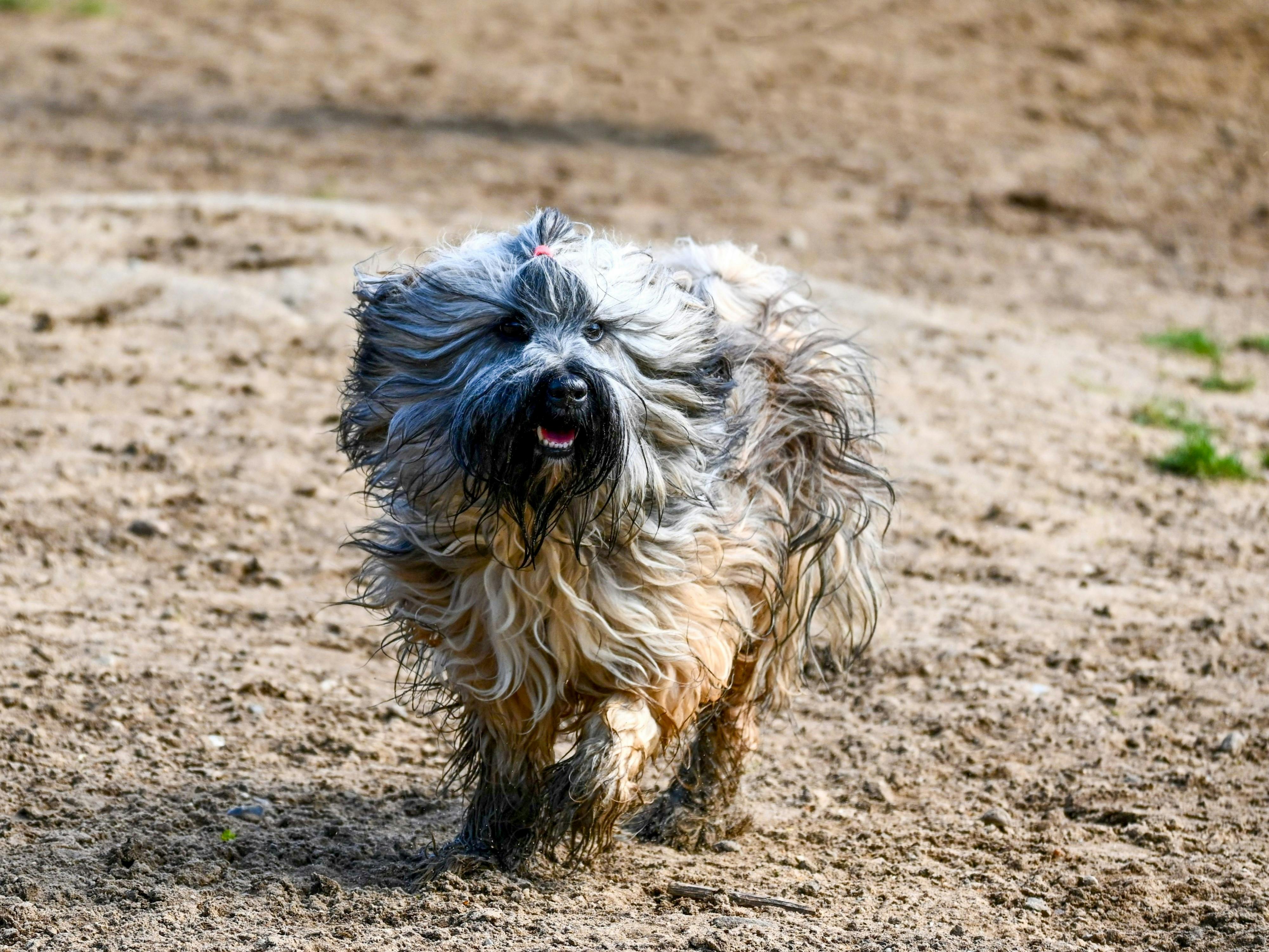
Ever wondered if a dog’s wet nose is a sign of health? Or maybe you’ve just been curious, like many dog owners are, about why do dogs have wet noses? In this article, we’ll dive deep into the fascinating reasons behind those moist snouts and what they might indicate about your furry friend’s well-being.
What’s the Deal with Wet Noses?
First off, let’s talk about the science behind a dog’s nose. The surface of a dog’s nose is covered with a thin layer of mucus, which helps to enhance their sense of smell. This mucus traps odor particles, allowing dogs to identify scents better than humans can. It’s like their noses are always on the job, working overtime to sniff out all the smells in their environment!
Why Do Dogs Have Wet Noses? Here’s Some Interesting Reasons
Temperature Regulation: One reason for that wetness is temperature control. Dogs can’t sweat like humans do, so they rely on their noses to help cool themselves down. A wet nose can help them regulate their body temperature, especially on hot days.
Enhanced Smell: Wet noses also improve a dog’s sense of smell. When the nose is moist, it can capture more scent particles, thus making their sense of smell more acute. This is why dogs are often used in search and rescue missions, or for detecting drugs and explosives.
Health Indicator: A dog’s nose can also tell you something about their health. While a warm, dry nose could be a sign of fever, it’s not always the case. Some dogs naturally have drier noses. However, a sudden change in your dog’s nose condition may warrant a visit to the vet.
The Myths Surrounding Wet Noses
There’s a lot of myths floating around about what a wet nose means. Here’s a quick rundown:
Wet Nose = Healthy Dog: Not necessarily! While a moist nose can be a good sign, it’s not the only indicator of health. Other factors, like behavior and appetite, should also be considered.
Dry Nose = Sick Dog: A dry nose doesn’t automatically mean your dog is sick. Many dogs have naturally dry noses, and it can also vary with the weather.
Nose Color Matters: Some believe that the color of a dog’s nose can indicate health. While certain breeds may have different nose colors, the color itself isn’t a reliable health indicator.
The Historical Context of Dog Noses
Dogs have been companions to humans for thousands of years. Historically, they were bred for specific tasks, such as hunting or herding. Over time, their noses became more than just a tool for survival; they became a vital part of how they interact with the world.
In many cultures, a dog’s nose is often viewed as a symbol of loyalty and companionship. This deep-rooted history emphasizes the importance of understanding our canine friends better, including their fascinating anatomy.
Fun Facts About Dog Noses
Unique Patterns: Just like human fingerprints, every dog has a unique nose print. You could actually use a dog’s nose print for identification, if needed!
Temperature Sensitivity: Dogs have special glands in their noses that help them sense temperature changes, which is why they may react differently to various environments.
Healing Properties: Some studies suggest that a dog’s saliva has healing properties, which might explain why they lick their noses frequently. This behavior keeps the nose moist and may help in preventing infection.
What Should You Watch For?
As a responsible dog owner, it’s essential to monitor your dog’s health. Here’s a quick checklist of things to consider regarding your dog’s nose:
Nose Temperature: Keep an eye on how warm or cold your dog’s nose feels.
Nasal Discharge: If you notice unusual discharge, it might be time for a vet visit.
Behavior Changes: Changes in appetite or energy levels can be significant indicators of health.
Nose Cracking or Peeling: This can be a sign of dehydration or an underlying health condition.
In summary, a dog’s wet nose is not just a cute quirk; it serves multiple purposes. While it can indicate some aspects of health, it’s not the only factor to consider. Always pay attention to your dog’s overall behavior and condition. If you’re ever in doubt, consulting with a veterinarian is your best bet to ensure your furry friend is happy and healthy.
The Role of a Wet Nose in Dog Communication: What You Need to Know
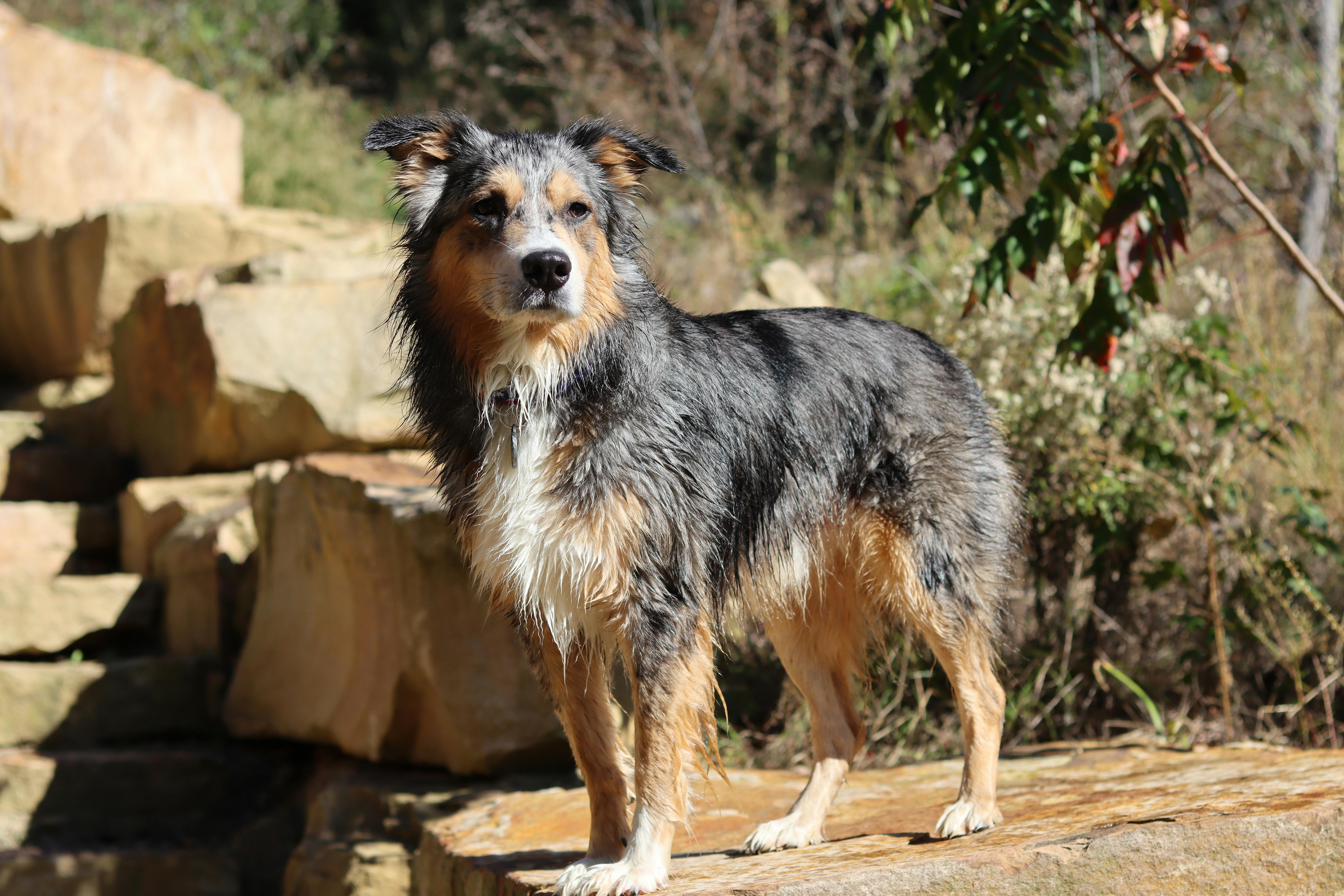
Dogs are known as man’s best friend for many reasons. One of the most curious aspects of their anatomy is their wet noses. You might have wondered, why do dogs have wet noses? Well, there’s actually a fascinating connection between a dog’s wet nose and how they communicate with us and each other. Let’s dive into the importance of that wet nose and what it means for our furry companions!
The Science Behind Wet Noses
Dogs have wet noses mainly because they are covered in a thin layer of moisture. This moisture is not just for show; it serves several important functions that contribute to a dog’s overall health and communication skills. Here are the key reasons why a dog’s nose is often wet:
Enhanced Smell: A wet nose helps to capture scent particles in the air. When moisture collects on the nose, it allows the dog to absorb more scent molecules, which helps them to identify different smells better. This is why dogs are often used in search-and-rescue operations or in detecting drugs and explosives.
Temperature Regulation: Just like sweating in humans, dogs use their noses to help cool themselves down. When a dog breathes, moisture evaporates from their nose, which can help to lower their body temperature.
Communication Tool: Dogs communicate with each other and humans through a variety of signals, and their nose plays a role in this. A wet nose often indicates a dog is healthy and alert. A dry nose, on the other hand, might suggest dehydration or illness.
Historical Context of Dog Noses
The evolution of a dog’s nose is deeply intertwined with their domestication. Early humans began keeping dogs as companions and helpers, and their keen sense of smell became an invaluable tool. Over time, breeds were selected not just for physical attributes but also for olfactory capabilities. For instance:
Bloodhounds: Known for their incredible sense of smell, bloodhounds can track scents over long distances. Their wet noses are an essential part of this ability.
Beagles: Often used in detection work, these dogs also have moist noses that assist in their scent-tracking skills.
Comparing Wet and Dry Noses
You might be wondering how to distinguish between a healthy wet nose and one that might indicate a problem. Here’s a simple comparison:
Wet Nose:
- Cool to the touch
- Acts as a sensory organ
- Indicates hydration and health
Dry Nose:
- Warm or hot to the touch
- Might indicate dehydration or illness
- Requires observation for additional symptoms
Practical Examples of Nose Communication
Dogs use their noses in various ways to communicate. Here’s a list of common behaviors you might observe:
Nudging with the Nose: When your dog nudges you with their wet nose, it could mean they want attention or food.
Sniffing Other Dogs: Social sniffing is a crucial part of dog communication. Dogs greet each other by sniffing noses and behinds to gather information about each other’s health, mood, and reproductive status.
Pointing and Sniffing: When a dog points its nose toward something, it often indicates curiosity or interest, maybe towards a hidden toy or a new smell.
The Health of Your Dog’s Nose
Monitoring the condition of your dog’s nose is also essential. Here are some points to consider:
Color Changes: A healthy dog’s nose is typically black or brown. If the color changes to red or white, it might indicate allergies or other issues.
Cracking or Dryness: If your dog’s nose is dry and cracked, it could be a sign of dehydration, sunburn, or other health issues.
Excessive Discharge: If you notice unusual discharge from your dog’s nose, it might be time for a vet visit.
Fun Facts About Dog Noses
Did you know that dog noses are as unique as human fingerprints? Here are more interesting tidbits:
Scent Discrimination: Dogs can differentiate between a wide array of scents, and they can even detect certain diseases in humans, like cancer.
Nose Prints: Just like a fingerprint, each dog has a unique nose print. This has led to some researchers suggesting that nose prints could be used for identification.
Nasal Slits: Dogs have several nasal slits, allowing them to take in more air when they sniff, further enhancing their olfactory abilities.
In understanding the role of a wet nose in dog communication, we discover not just a quirky trait but also a vital component of their health and social interactions. So next time you give your dog a pat and feel that cool, wet nose, remember there’s a lot more going on than just a friendly greeting!
Why Do Dogs Have Wet Noses? Exploring Evolutionary Benefits

Dogs are often considered man’s best friend, and one of the most distinctive features they have are their wet noses. Ever wondered why do dogs have wet noses? It’s not just for show or because they like to play in the rain. There’s actually a fascinating mix of evolutionary benefits and scientific reasoning behind it. Let’s dive into the reasons behind this unique canine characteristic.
The Science Behind Wet Noses
Dogs have wet noses for several reasons, and it’s not just a quirk of nature. The moisture on a dog’s nose plays a vital role in their sense of smell. Dogs have an impressive olfactory system, and their wet noses help them to detect scents more effectively. Here’s how it works:
- Increased Surface Area: A wet nose increases the surface area that can trap scent particles. This allows dogs to pick up more smells than if their nose was dry.
- Cooling Mechanism: Dogs don’t sweat like humans do. Instead, they cool off through their noses, which is why you might see them with a wet nose after a good romp outside.
- Chemical Detection: The moisture on a dog’s nose helps to dissolve scent particles, making them easier to detect through their olfactory receptors.
Evolutionary Benefits of Wet Noses
The evolutionary benefits of wet noses can be traced back to their ancestors. Early dogs and their relatives relied heavily on their sense of smell for survival. Here are some key points about how wet noses evolved:
- Hunting and Foraging: An enhanced sense of smell was crucial for early canines to find food and avoid predators. A wet nose allowed them to become more efficient hunters.
- Social Interactions: Dogs use their noses to communicate. A wet nose can convey information about their health and emotional state to other dogs and humans.
- Environmental Awareness: The ability to detect scents in various environments, whether it’s wet or dry, helps dogs navigate their surroundings effectively.
Fascinating Facts About Dog Noses
To further appreciate why do dogs have wet noses, here’s a list of intriguing facts about dog noses:
- Unique Patterns: A dog’s nose print is as unique as a human fingerprint, which can be used for identification.
- Breeds and Moisture Levels: Some breeds have wetter noses than others. For instance, hounds often have very moist noses compared to breeds like bulldogs.
- Temperature Regulation: Wet noses help dogs to regulate their body temperature, especially in hot weather.
Practical Examples of Nose Functionality
You might be surprised by how much dogs rely on their noses. Here are some practical examples of how their wet noses come into play in everyday life:
- Tracking: Dogs are often used in search and rescue operations due to their ability to track scents over long distances. Their wet noses assist in picking up and following trails.
- Medical Alert: Some dogs can detect diseases, such as cancer, through smelling changes in a person’s body chemistry. This ability is enhanced by their wet noses.
- Behavioral Insights: A dog’s wet nose can indicate their mood. A warm, dry nose might signal stress or illness, while a cool, wet nose is generally a sign of a healthy dog.
Comparison: Dogs Vs. Cats
It’s also interesting to compare dogs with other pets, like cats, when it comes to their noses. Here’s a quick comparison:
- Nose Wetness: Dogs typically have wetter noses than cats. While cats do also have moist noses, they tend to be drier.
- Olfactory Ability: Dogs have about 220 million scent receptors, compared to cats, which have around 50 to 80 million. This makes dogs far superior in smell detection.
- Social Communication: Dogs use their noses more for social interactions compared to cats, who rely more on visual and auditory communication.
In conclusion, the wet noses of dogs serve multiple purposes that stretch beyond mere appearances. They are essential tools for their survival, social interactions, and health. Understanding why do dogs have wet noses not only deepens our appreciation for these beloved pets but also highlights the incredible ways in which evolution shapes the characteristics of animals. So, next time you give your furry friend a scratch behind the ears, take a moment to marvel at that wet nose and the fascinating biology behind it!
Can You Tell Your Dog’s Mood by Their Wet Nose? Find Out Here!

Have you ever wondered why your dog’s nose feels like a wet sponge? It’s a common question among pet owners, and many people wonder if they can tell their furry friend’s mood by touchin’ that moist nose. Well, let’s explore this fascinating topic and uncover the reasons behind those wet noses, and what they might mean for your pup’s emotional state.
What Makes a Dog’s Nose Wet?
Dogs have wet noses because they have special glands that produce mucus. This mucus keeps their noses moist, which helps them smell better. A wet nose can be more sensitive and helps them pick up scents more effectively. Here’s a simple breakdown of why dog noses are wet:
- Mucus Production: The nasal glands produce mucus that helps in scent detection.
- Evaporation: When moisture evaporates from the nose, it cools down the air that the dog inhales, which can aid in regulating their body temperature.
- Scent Detection: A wet nose helps dogs absorb scent molecules better. This is why dogs are known for their keen sense of smell!
Can You Tell Your Dog’s Mood by Their Nose?
Many dog owners think that a dog’s wet nose can indicate their mood. While it’s not a precise science, there are some clues that pet owners can consider. Here are a few observations:
- Happy and Excited: If your dog’s nose is wet and they’re wagging their tail, chances are they’re feeling happy and excited to see you.
- Anxious or Stressed: When dogs feel anxious, their noses might become dry. Look for other signs like panting or pacing.
- Illness: If your dog’s nose suddenly becomes dry and they show signs of lethargy, it might be worth checking with your vet.
The Science Behind Wet Noses
The wetness of a dog’s nose is not just about how they smell. It has to do with their biology and evolution. Here’s what you need to know:
- Cooling Mechanism: Just like humans sweat, dogs use their noses to help cool down. When the mucus on their nose evaporates, it cools their body temperature.
- Hunting and Survival: In the wild, a wet nose can help dogs detect prey. A keen sense of smell is essential for hunting, and a wet nose aids in that process.
Why Do Dogs Have Wet Noses? Discover the Fascinating Reasons!
Let’s dive deeper into the reasons behind why dogs have wet noses. It’s not just for show; there’s real purpose behind this feature.
- Health Indicator: A wet nose can be a sign of good health, while a dry nose might signal dehydration or illness.
- Communication: Dogs often use their noses to communicate with other dogs. A wet nose can show they’re friendly and open to interaction.
- Environmental Interaction: Dogs explore the world with their noses. A wet nose helps them process various smells, which is vital for their understanding of their environment.
Fun Facts About Dogs’ Noses
Here’s a list of interesting facts about dogs and their noses:
- Unique Patterns: Just like human fingerprints, every dog’s nose print is unique!
- Super Sniffers: Dogs have up to 300 million smell receptors in their noses, compared to about 5 million in humans.
- Nose Temperature: A dog’s nose can change temperature. A cooler nose might indicate excitement, while a warmer one could suggest a fever.
Comparing Wet Noses to Dry Noses
Here’s a simple table showing the differences between wet and dry dog noses:
| Wet Nose | Dry Nose |
|---|---|
| Cool to touch | Warm to touch |
| Usually moist | Often dry |
| Indicative of health | Can signal illness |
| Excited behavior | Possible stress or discomfort |
Understanding your dog’s mood through their nose is not an exact science. It’s more about observing their overall behavior and body language. While a wet nose often indicates a healthy and happy dog, it’s important to look at other signs too.
In the end, knowing why dogs have wet noses and what it might mean for their moods can enhance the bond between you and your furry friend. Being aware of your dog’s health and behavior not only helps you provide better care but also strengthens the relationship you share. So, next time you’re petting your pup, take a moment to appreciate that wet nose and what it means!
The Connection Between Temperature Regulation and a Dog’s Wet Nose

Dogs are truly fascinating creatures, and their wet noses are one of the many things that leave us wondering. Ever thought why do dogs have wet noses? It turns out, there’s a significant connection between temperature regulation and this unique feature. This article dives into some of the reasons behind why those adorable snouts are often wet and what that means for our furry friends.
The Science Behind Wet Noses
So, why do dogs have wet noses? One of the primary reasons is related to temperature regulation. Dogs don’t sweat like humans do. Instead, they rely on their noses to help cool down their bodies. When a dog’s nose is wet, it helps to evaporate moisture, which cools the air they inhale. This is especially important during warm weather or after exercise.
- Dogs have around 300 million olfactory receptors in their noses.
- A wet nose can enhance their sense of smell by trapping scent particles.
- The moisture on a dog’s nose can evaporate, creating a cooling effect.
How Noses Work
A dog’s nose is not just for smelling; it’s also a critical part of their overall health. The wetness of a dog’s nose is a sign of hydration and good health, although it isn’t the only indicator. A dry nose doesn’t always mean that a dog is sick. Here are some interesting facts:
- Humidity Impact: A dog’s nose can change from wet to dry depending on the humidity levels in the air.
- Temperature Changes: When the weather is hot, you might notice a dog’s nose being wetter than usual.
- Health Indicators: While wet noses are generally a sign of health, a sudden change in moisture could indicate illness.
Historical Context of Dog Noses
Dogs have been by our side for thousands of years, evolving from wild ancestors into the domesticated pets we love. The wet nose is a trait that has been advantageous for survival. In ancient times, dogs used their sense of smell to hunt and gather food. A wet nose helped them detect prey from great distances. This evolutionary trait has persisted, giving modern dogs their keen abilities.
The Role of Mucus
Mucus plays a crucial role in keeping a dog’s nose wet. This mucus forms a thin layer that helps trap scents and keeps the nose moist. It’s not just any mucus, though! The mucus has special properties that can also protect the nose from irritants and infections.
- Protection: The mucus can trap dust and other particles.
- Retention of Smells: It helps in retaining scent molecules, enhancing a dog’s smelling ability.
- Health Indicator: Changes in mucus consistency can be indicative of health issues.
Comparing Dog Noses to Human Noses
Humans and dogs have noses that serve similar purposes, but they function quite differently. Let’s take a look at some comparisons:
| Feature | Dog Noses | Human Noses |
|---|---|---|
| Number of Receptors | 300 million | About 6 million |
| Cooling Mechanism | Evaporation of moisture | Sweating |
| Wetness Indicator | Sign of health | Not a primary health indicator |
| Sensitivity to Smell | Highly sensitive | Less sensitive |
Practical Examples of Nose Wetness
You might wonder how you can tell if your dog’s nose is wet or dry. Here’s a quick checklist:
- Check During Play: After a good play session, your dog’s nose will likely be wet.
- Morning vs. Evening: You may notice your dog’s nose is drier in the morning and wetter in the evening.
- Hydration Levels: Ensure your dog has access to fresh water. A hydrated dog is more likely to have a wet nose.
Final Thoughts
Understanding why dogs have wet noses is more than just a quirky trait; it’s tied to their homeostasis and health. It’s a reminder of how in tune dogs are with their environment and their own bodies. Next time you see your dog’s wet nose, remember the science and history behind it. Whether it’s a hot day or just after a good romp in the park, that wet nose is a sign that your furry friend is doing just fine!
How to Care for Your Dog’s Nose: Tips for Keeping it Healthy and Wet

Caring for your dog is a big responsability, and one of the most important parts of that is taking care of their nose. You might wonder, why do dogs have wet noses? Well, there’s actually some interesting science behind it. Understanding how to keep your dog’s nose healthy and wet is crucial for their well-being. So, let’s dive into some tips and fascinating facts that can help you.
Why Do Dogs Have Wet Noses?
Dogs’ noses are not just cute features; they play vital roles in their health and behavior. Here are some reasons why dogs have wet noses:
- Sense of Smell: A wet nose helps to capture scent particles in the air. This enhances their sense of smell, which is about 10,000 to 100,000 times more sensitive than ours.
- Temperature Regulation: Dogs can’t sweat like humans, so a wet nose helps them cool down. The moisture evaporates and helps regulate their body temperature.
- Health Indicator: A dog’s nose can tell you a lot about its health. A dry or cracked nose may indicate dehydration or illness while a cool, wet nose is typically a sign of a healthy pup.
Tips for Keeping Your Dog’s Nose Healthy
Taking care of your dog’s nose is not as complicated as it may seems. Here are some practical tips to keep it moist and healthy:
Hydration: Ensure your dog always has access to fresh water. Dehydration can lead to a dry nose, and it’s important they drink enough.
Humidity: If you live in a dry climate, consider using a humidifier in your home. This can help maintain moisture in the air, which is good for your dog’s nose.
Regular Check-ups: Regular vet visits are essential. Your veterinarian can check for any anomalies or health issues related to your dog’s nose.
Watch for Allergens: Dogs can be allergic to dust, pollen, or even certain foods. If your dog’s nose suddenly becomes dry or irritated, consult your vet.
Keep it Clean: Wipe your dog’s nose gently with a damp cloth. This can help remove dirt and allergens that might irritate their sensitive skin.
Common Nose Issues in Dogs
Just like humans, dogs can experience various nose issues. Here’s a list of some common problems:
Nasal Hyperkeratosis: This condition causes the nose to become dry and cracked due to an overproduction of keratin. This can lead to discomfort.
Nasal Tumors: Though rare, tumors can develop on the nose. Watch for unusual growths or changes in color.
Infections: Bacterial or fungal infections can occur, leading to discharge or swelling.
Allergic Reactions: Allergies can cause dryness, itching, or swelling. Identifying the allergens is crucial.
The Fascinating Anatomy of a Dog’s Nose
Did you know that dog noses can be quite complex? Here’s a breakdown of how they work:
Nasal Turbinates: These are thin, bony structures that increase the surface area of the nasal cavity, allowing for better odor detection.
Jacobsen’s Organ: This is an additional sensory organ that helps dogs process smells. It’s located on the roof of their mouth and works with their nose.
Moisture Glands: These glands produce a thin layer of moisture, helping to enhance their sense of smell.
Nasal Mucosa: This tissue helps trap dust and allergens, preventing them from entering the lungs.
Fun Facts About Dog Noses
- Dogs have unique nose prints, just like human fingerprints. Each dog’s nose print is different and can be used for identification.
- Puppies are born with pink noses that darken as they grow. This process can take several months.
- Dogs can detect certain diseases, like cancer or diabetes, just by smelling. Their sense of smell is that powerful!
Making sure your dog’s nose stays healthy and wet is an important part of pet care. Paying attention to hydration, humidity, and regular vet visits can prevent many issues. Plus, understanding why their noses are wet gives you insight into their health and well-being. After all, a happy dog often has a wet nose! So keep these tips in mind and give your furry friend the best care possible.
Wet Noses and Dog Behavior: Understanding Your Furry Friend Better
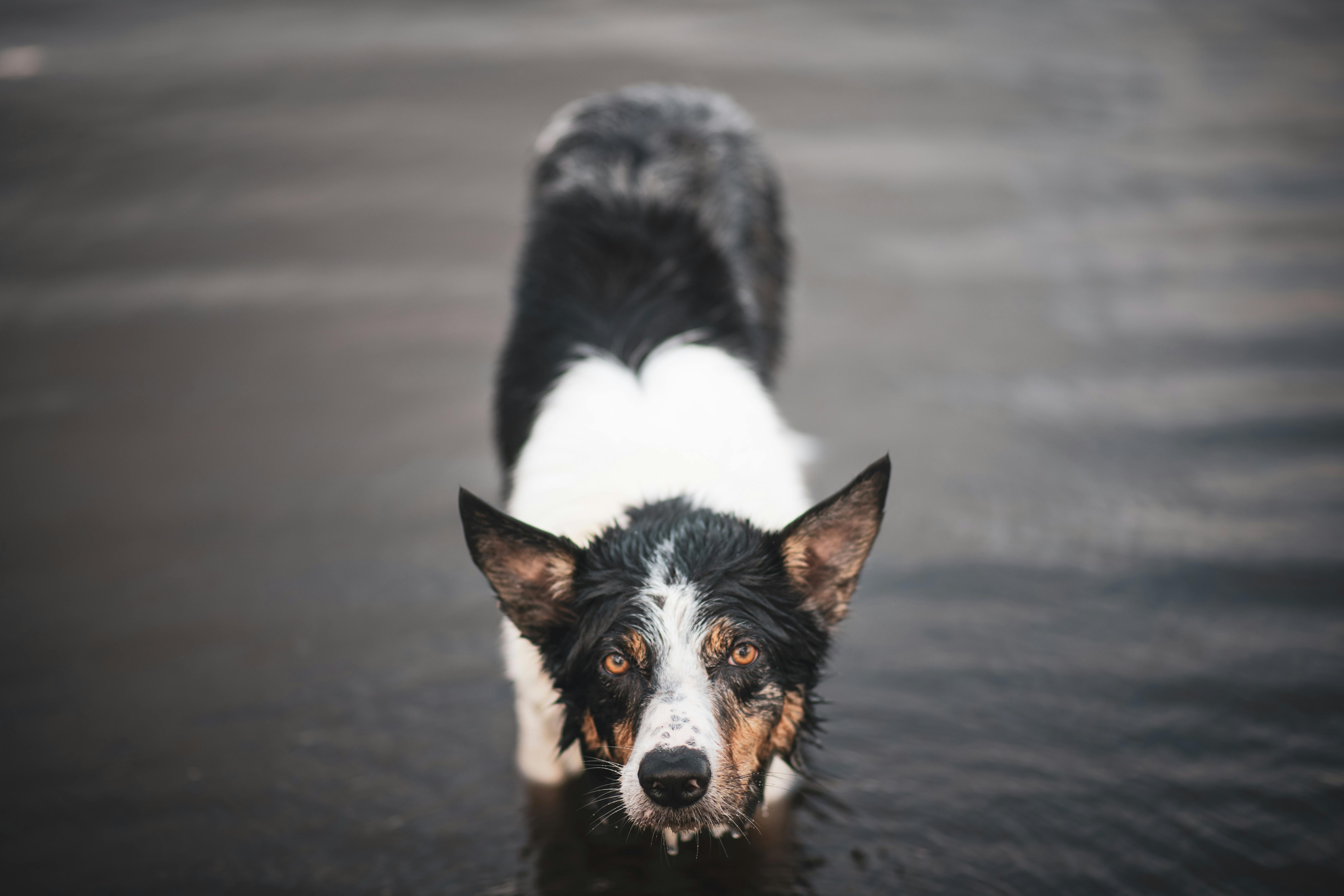
Dogs are some of the most beloved companions humans have, and there’s a lot to know about these furry friends. One of the most interesting features of dogs is their wet noses. You might have asked yourself, “Why do dogs have wet noses?” Well, this article aims to explore this fascinating topic, diving into the reasons behind those moist snouts and what they can tell us about our canine companions.
The Science of Wet Noses
First off, let’s talk about what makes a dog’s nose wet. The primary reason dogs have wet noses is due to their method of cooling down and enhancing their sense of smell. Unlike humans, who primarily sweat to regulate body temperature, dogs rely on their noses. When a dog’s nose is wet, it helps to evaporate moisture, which cools down their body. This is especially important during hot days or when they are playing a lot.
Why Are Wet Noses Important?
A wet nose is not just a charming feature; it serves several important functions:
Enhanced Smell: Dogs have an exceptional sense of smell, and a wet nose helps to capture scent particles better. The moisture on their nose helps trap these particles, making it easier for dogs to analyze their environment.
Temperature Regulation: As mentioned earlier, dogs don’t sweat like humans do. A wet nose assists in thermoregulation, helping them to stay cool when temperatures rise.
Health Indicators: The state of a dog’s nose can often indicate their health. A healthy dog usually has a moist, cool nose, while a dry or cracked nose could suggest dehydration or illness. However, it’s not a hard and fast rule.
Historical Context of Dog Noses
Dogs’ wet noses have been a subject of intrigue for centuries. Ancient civilizations understood that dogs played crucial roles in hunting and companionship. Interestingly, many cultures associated wet noses with good luck and positive energy. For example, in some parts of Europe, a wet-nosed dog was considered a sign of a healthy household.
Myths About Wet Noses
There are plenty of myths surrounding dog noses. Here are a few common ones:
Myth 1: A dry nose means a dog is sick.
Fact: While a dry nose could indicate a problem, it isn’t definitive. Dogs can have dry noses for various reasons, including weather or recent activity.Myth 2: All dogs have wet noses.
Fact: Not every dog has the same degree of nose moisture. Some breeds naturally have drier noses.Myth 3: Dogs’ noses can predict weather.
Fact: While dogs may sense changes in pressure, their noses are not reliable weather indicators.
Practical Examples of Nose Behavior
Dogs exhibit various nose-related behaviors which are adorable and informative. Here are some examples:
Sniffing Around: When dogs sniff, they’re gathering information. They might be trying to figure out if there’s another animal nearby or even if someone familiar has been in the area.
Nose Bumping: Dogs may use their noses to nudge their human friends. It’s a way of soliciting attention or affection.
Nose Licking: Dogs often lick their noses to keep them moist, but they may also do it as a sign of anxiety or submission.
Comparing Dog Breeds and Their Noses
Different dog breeds also show variations in their nose structure and moisture levels. Here’s a simple table to illustrate:
| Breed | Typical Nose Condition | Functionality |
|---|---|---|
| Labrador | Usually wet | Excellent scent tracking |
| Bulldog | Sometimes dry | Short snouts may lead to less moisture |
| Greyhound | Wet and cool | High speed and agility |
| Pug | Often dry | Breathing issues affect moisture |
Understanding Your Dog’s Nose
Understanding the nuances of your dog’s nose can deepen your relationship with them. A wet nose generally indicates a happy, healthy dog, but don’t overlook other signs of health. Regular vet check-ups and observing your pet’s behavior are crucial in ensuring they thrive.
So, next time you give your furry friend a pat and feel that cool, wet nose, remember it’s not just an adorable quirk. That little feature serves several purposes, from keeping them cool to helping them navigate the world around them. Embrace the uniqueness of your pup and appreciate the science behind their nose!
Conclusion
In conclusion, the wet noses of dogs serve multiple important functions, contributing to their health and sensory perception. The moisture helps enhance their sense of smell, allowing them to pick up on the faintest scents in their environment, which is vital for their communication and exploration. Additionally, the wetness plays a role in thermoregulation, helping dogs cool down in warmer weather. Understanding why dogs have wet noses not only deepens our appreciation for these beloved pets but also highlights the unique adaptations that aid their survival and well-being. Next time you see your furry friend with a wet nose, remember the fascinating science behind it. For dog owners, fostering an environment that promotes their dog’s health—such as regular vet check-ups and proper hydration—will ensure those wet noses stay healthy and vibrant. Share your thoughts or experiences about your dog’s nose in the comments below!
