Have you ever wondered why do dogs have wet noses? This intriguing question has piqued the curiosity of dog lovers and pet owners alike. The truth is, a dog’s wet nose is more than just an adorable feature; it serves several important functions. But why is it that dog noses are often damp? The answer lies in canine physiology and their remarkable sense of smell. A wet nose helps dogs to enhance their olfactory abilities, allowing them to detect scents more effectively. Moreover, you might be surprised to learn that a dog’s nose can also regulate their body temperature! Curious about how this fascinating trait impacts your furry friend’s health? In this post, we will explore the science behind dog nose moisture, its significance in communication, and how it can indicate your dog’s overall well-being. From understanding the anatomy of a dog’s nose to learning how to keep it healthy, we’ve got you covered. So, stay tuned as we dive deep into the wonderful world of our canine companions and uncover the secrets of those wet noses that make dogs so special!
\n\nThe Science Behind a Dog's Wet Nose: 5 Fascinating Facts You Didn't Know
\n\n \n\n
\n\nHave you ever wondered why dogs have wet noses? It might seem like just another quirky trait of our furry friends, but there's actually a lot of science behind it. Not only do wet noses feel interesting, but they also serve important functions. Here, we explore five fascinating facts about why dogs’ noses are often damp, and what it means for their health and behavior.
\n1. The Importance of Moisture
\nDogs have wet noses because it helps them to smell better. Their nose secretes a thin layer of mucus which helps to capture scent particles in the air. This mucus allows the olfactory receptors in the nose to work more effectively. In fact, dogs have around 220 million scent receptors compared to humans’ 5 million. The moisture creates a better environment for these receptors, thus increasing a dog's ability to detect scents.
\n2. Temperature Regulation
\nDid you know that a dog's nose also helps them to regulate their body temperature? When a dog is panting, it’s losing moisture through its mouth, but the nose also plays a role. The evaporation of moisture from the surface of their nose cools their blood vessels, helping to keep their body temperature in check. This is especially important during hot summer months when dogs can be more susceptible to overheating.
\n3. A Sign of Health
\nA wet nose can be an indicator of a dog's health. Typically, a healthy dog will have a moist nose, while a dry nose can be a sign of dehydration or illness. However, not all dry noses are a cause for concern. Dogs can have dry noses for various reasons, including weather conditions or just waking up from a nap. It’s important to observe other signs of health, such as energy levels, appetite, and behavior, rather than solely relying on the wetness of the nose.
\n4. Communication Tool
\nDogs also use their noses as a form of communication. Just like humans might shake hands or nod, dogs greet each other by sniffing noses. This behavior allows them to gather information about other dogs, such as their age, sex, and even mood. The moistness of their noses can enhance this communication, making it easier to pick up on the pheromones and scents left by other animals.
\n5. Evolutionary Adaptation
\nThe wet nose is an evolutionary advantage for dogs. Animals that hunt or scavenge for food rely heavily on their sense of smell. As such, a wet nose helps dogs to track scents over long distances. This trait has been passed down through generations, allowing dogs to hunt, find food, and explore their environments with greater success than their dry-nosed counterparts.
\nFascinating Comparisons
\nTo put things in perspective, here’s a quick comparison between dogs and other animals regarding nose moisture:
\n- \n
- Cats: Generally have drier noses, but they also have an excellent sense of smell. \n
- Humans: Have moist noses when we sweat but rely more on sight than smell. \n
- Rabbits: Their noses are also moist, but they use their sense of smell primarily for detecting food. \n
Practical Examples of Nose Health
\nIf you’re a dog owner, you might want to keep an eye on your pet’s nose. Here are a few tips to maintain your dog's nose health:
\n- \n
- Hydration: Ensure your dog has access to fresh water all day long. \n
- Climate Control: During hot weather, provide shade and cool places for your dog to relax. \n
- Routine Check-ups: Regular visits to the veterinarian help ensure your dog’s overall health, including their nose. \n
Quick Facts
\n- \n
- Dogs’ noses can change temperature depending on their environment. \n
- Some breeds have wetter noses than others; for example, bloodhounds tend to have particularly moist noses. \n
- Puppies are born with dry noses, which typically become wetter as they grow. \n
Understanding the science behind a dog's wet nose offers us insight into their health, behaviors, and evolutionary adaptations. It’s fascinating to think of how much information can be gathered from such a small feature. Next time you pet your furry friend, take a moment to appreciate their wet nose and all the wonderful things it does. Your dog is more than just a pet; they’re a marvel of nature.
\n\nWhy Are Dogs' Noses Wet? Discover the Top 7 Reasons for This Unique Trait
\n\n \n\n
\n\nDogs are often known for their unique traits, but one of the most interesting features is their wet noses. You might have wondered, why do dogs have wet noses? It is not just a random thing, but there's actually a lot going on behind that moist surface. Let’s explore the top seven reasons why dogs have wet noses and what makes this trait so fascinating.
\n1. Temperature Regulation
\nDogs don’t sweat like humans do. Instead, they regulate their body temperature through panting and their nose. A wet nose helps cool down the body. When a dog is hot, the moisture on their nose evaporates, helping to lower their overall temperature. This is super important, especially during summer months when heat can be dangerous for pets.
\n2. Sense of Smell
\nDid you know that a dog's sense of smell is thousands of times more powerful than that of a human? Their wet noses play a crucial role in this incredible ability. The moisture helps absorb scent particles from the air, which enhances their olfactory capabilities. So, a wet nose is like a supercharged sniffing tool. This is why dogs can find lost items or track scents so efficiently.
\n3. Communication
\nDogs are social animals, and their noses are part of their communication toolkit. A wet nose can signal different emotions or states. For example, a dog might nuzzle you with their wet nose to show affection or to ask for attention. This physical contact can help build bonds between dogs and their humans, making the wet nose an important social tool.
\n4. Health Indicator
\nA dog’s nose moisture can also be indicative of their health. Generally, a healthy dog has a moist nose, while a dry, cracked nose might signal that something's wrong. However, it’s not always a straightforward indicator. Factors such as the weather, activity level, and even time of day can affect the moisture level. So, while a wet nose is often a sign of a healthy pup, it’s best to consult a vet if you notice any unusual changes.
\n5. Natural Cleaning Mechanism
\nDogs are known to lick their noses frequently. This behavior keeps their noses clean and moist. The saliva contains enzymes that can help break down bacteria, acting as a natural cleaning agent. This is why you might see your dog licking their nose often, especially after sniffing around. Their nose is their primary sensory organ, and they want it in tip-top shape.
\n6. Environmental Interaction
\nDogs interact with their environment using their noses. They sniff everything — from other animals to food to objects. When they do this, their noses often pick up moisture from the surfaces they explore. This not only makes their noses wet but also adds to their sensory experience. It’s like their own version of a tasting menu, where every sniff offers new information about their surroundings.
\n7. Breed Differences
\nNot all dogs have the same type of nose. Some breeds, like the Bloodhound, have particularly wet noses due to their extensive breeding for scent tracking. Other breeds may have drier noses. This variation can be due to genetics and individual health, meaning that while one dog may always have a wet nose, another might not. It’s fascinating how breed characteristics play a role in something as simple as nose moisture.
\nFun Facts About Dog Noses
\n- \n
- Dogs have about 300 million smell receptors, while humans have around 5 million. \n
- The texture of a dog’s nose is unique, much like a human fingerprint. \n
- Dogs can detect diseases, like cancer, through their sense of smell. \n
Common Misconceptions
\n- \n
- Wet Nose Means Healthy: While a wet nose is often a sign of good health, it’s not a definitive measure. \n
- Nose Color Doesn't Matter: The color of a dog's nose can change due to various factors, including temperature and mood. \n
So, next time you pet your furry friend and feel that wet nose, remember all the fascinating reasons behind it. From temperature regulation to being a tool for communication, dogs' noses are not just cute; they serve important functions in their lives. Understanding why do dogs have wet noses can deepen your appreciation for these wonderful companions. Dogs truly are remarkable creatures, and their wet noses are just one of the many traits that make them so special.
\n\nIs a Wet Nose a Sign of Health in Dogs? Unveiling the Myths and Truths
\n\n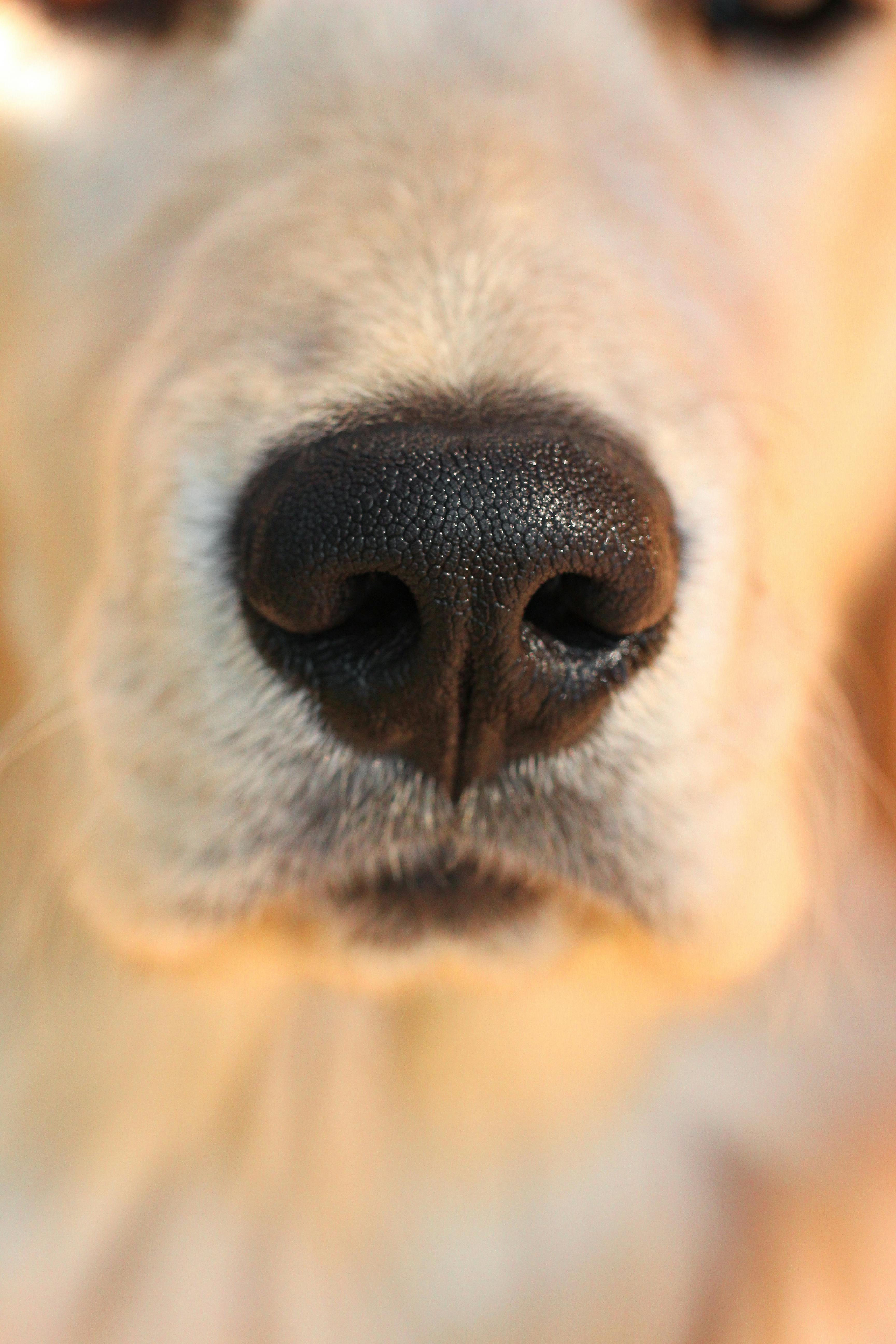 \n\n
\n\nIs a Wet Nose a Sign of Health in Dogs? Unveiling the Myths and Truths, Why Do Dogs Have Wet Noses? Discover The Fascinating Reasons
\nWhen it comes to man’s best friend, we often wonder about their health and well-being. One question that frequently pops up is: "Is a wet nose a sign of health in dogs?" Many pet owners think that a wet nose indicates a healthy pup, while others just see it as a quirky trait. So, what's the truth behind those damp snoots? Well, let’s dive into the fascinating reasons why dogs have wet noses, and separate fact from fiction.
\nThe Science Behind Wet Noses
\nFirst, it’s essential to understand why dogs’ noses are often wet. The moisture on a dog’s nose serves several purposes. It helps with their sense of smell, which is way more developed than humans. Dogs have about 220 million scent receptors, compared to a human's 5 million. So, a wet nose can actually enhance their ability to pick up scents! Here’s a list of reasons why dog noses are wet:
\n- \n
- Cooling Mechanism: Dogs don’t sweat like humans do. A wet nose helps them cool down. \n
- Enhanced Smell: Moisture on their nose helps to trap scent particles. \n
- Health Indicator: While not definitive, certain conditions can cause a nose to be excessively dry or wet. \n
Myths About Wet Noses
\nThere are many myths surrounding the idea of a wet nose being an indicator of health. Some people believes that if a dog’s nose is dry, they must be sick. This isn’t completely true. It’s important to consider the context and other symptoms. Here’s a breakdown of common myths:
\n- \n
- \n
Myth 1: A wet nose means a dog is healthy.
\n- \n
- Truth: While many healthy dogs have wet noses, it’s not the only indicator of health. \n
\n - \n
Myth 2: A dry nose always means illness.
\n- \n
- Truth: Dogs can have dry noses for various reasons, including weather changes or certain breeds being predisposed to it. \n
\n - \n
Myth 3: You should always worry if your dog’s nose changes.
\n- \n
- Truth: Noses can change throughout the day. Monitor for other signs of illness. \n
\n
Factors Influencing Nose Moisture
\nSeveral factors can influence the moisture level of your dog’s nose. Understanding these will help you better assess your furry friend’s health. Here’s a list of some key factors:
\n- \n
- Breeds: Some breeds, like Bulldogs and Pugs, are more prone to having dry noses. \n
- Weather: Hot and dry climates can lead to drier noses. \n
- Health Conditions: Allergies, infections, or autoimmune diseases could affect nose moisture. \n
- Hydration: A well-hydrated dog is more likely to have a moist nose. \n
Practical Tips for Dog Owners
\nKeeping an eye on your dog’s health is crucial. Here are some practical tips for dog owners to monitor their pet’s nose and overall health:
\n- \n
- Observe Changes: If your dog’s nose suddenly becomes dry or cracked, check for other symptoms. \n
- Hydration: Make sure your dog has access to fresh water at all times. \n
- Vet Visits: Regular check-ups with a veterinarian can help catch health issues early. \n
- Grooming: Keep your dog’s face clean, as dirt can affect moisture levels. \n
Not Just About Wet Noses
\nWhile the wet nose is a topic of interest, it’s essential to remember that it’s only one aspect of a dog’s health. Other indicators should be considered, such as:
\n- \n
- Energy Level: Is your dog playful or lethargic? \n
- Appetite: Eating habits can indicate health issues. \n
- Behavior Changes: Sudden changes in behavior can be a red flag. \n
Conclusion
\nIn the end, while a wet nose can be a good sign, it’s not the sole indicator of your dog’s health. Keep in mind that various factors can influence the moisture level of their noses. Always pay attention to other symptoms and consult your veterinarian if you have any concerns. Dogs communicate in many ways, and understanding them can lead to a happier and healthier life for your furry friend. So next time you give your pup a pat and feel that wet nose, remember it’s just one piece of the puzzle!
\n\n10 Surprising Benefits of a Dog’s Wet Nose: More Than Just a Quirky Feature
\n\n \n\n
\n\nDogs are one of the most beloved pets in the world, and their quirky features often fascinates us. One of the most charming aspects of our canine companions is their wet noses. But why do dogs have wet noses? This question sparks curiosity and leads to a surprising list of benefits that come with this unique characteristic. Here are 10 fascinating reasons why a dog’s wet nose is more than just a cute trait.
\n1. Enhanced Sense of Smell
\nDogs are known for their incredible sense of smell, which is way better than human noses. A wet nose helps to trap scent particles. The moisture on the nose collects odor molecules, making it easier for dogs to sniff out their surroundings. This is why dogs can detect certain scents that are completely undetectable to us.
\n2. Temperature Regulation
\nDid you know that a dog's nose helps to regulate their body temperature? Unlike humans who sweat to cool down, dogs don’t sweat like we do. Instead, they rely on their wet noses. The moisture evaporates, providing a cooling effect. This is especially important during hot weather when dogs can easily overheat.
\n3. Communication Tool
\nDogs uses their noses to communicate with other dogs and animals. A wet nose can signal friendliness and approachability. When a dog approaches another with a wet nose, it’s usually a sign of a relaxed state. This behavior can help to establish social bonds among dogs.
\n4. Moisture Retention
\nThe wetness of a dog’s nose also helps retain moisture. This is particularly vital for breeds that are susceptible to respiratory issues. A moist nasal membrane can help them breathe easier, especially in dry environments. Dogs with dry noses may be more prone to nasal irritation.
\n5. Health Indicator
\nA dog's nose can also be an indicator of their overall health. Vets often check a dog’s nose as part of a routine examination. A healthy dog typically has a cool, moist nose. Conversely, a dry or warm nose may signal potential health issues, such as a fever or dehydration. Keeping an eye on nose conditions can help in early detection of health problems.
\n6. Sense of Taste Improvement
\nThe wetness of a dog’s nose also enhances its sense of taste. When a dog licks its nose, it can better absorb flavor particles. This is why many dogs seem to sniff food before they eat it; they are actually tasting it with their noses!
\n7. Natural Cleaning Mechanism
\nSurprisingly, a dog’s nose is self-cleaning. The moisture on its surface helps to clear dirt and debris. This means that dogs don’t need to clean their noses as much as we might think. This natural cleaning mechanism keeps their noses in peak condition.
\n8. Social Bonding
\nHaving a wet nose can enhance the bond between dogs and their owners. When dogs nuzzle their wet noses against their owners, it’s often a sign of affection. This simple act can strengthen the emotional ties between a dog and its human, fostering deeper relationships.
\n9. Sensory Exploration
\nDogs often use their noses to explore their surroundings. A wet nose helps enhance their sensory explorations, allowing them to engage with the world more effectively. When a dog sniffs around, they are learning about their environment, other animals, and even other humans.
\n10. Natural Instincts
\nDogs are descended from wolves, and many of their instincts are similar. Wolves have wet noses as well, which aids them in hunting and survival. The benefits seen in domestic dogs can be traced back to their wild ancestors, showcasing how natural instincts still play a role in their behavior today.
\nInteresting Facts About Dogs’ Noses
\n- \n
- Dogs have approximately 300 million smell receptors in their noses compared to a human's 5 million. \n
- The color of a dog’s nose can vary greatly, from black to pink, and is often associated with the dog’s breed. \n
- Dogs can even detect certain diseases in humans through their sense of smell, including cancer and diabetes. \n
So, the next time you see your furry friend with that adorable wet nose, remember that it’s not just for show. It’s a multifunctional feature that plays a crucial role in their health, communication, and social interactions. Appreciating these unique characteristics can deepen your understanding of your dog and the incredible ways they experience the world. Embrace the wet noses, because they are truly fascinating!
\n\nHow a Dog's Wet Nose Helps Them Communicate: The Hidden Language of Canines
\n\n \n\n
\n\nDogs are often referred to as man's best friend, but did you ever stop to think about how they communicate with us, and each other? One of the most interesting aspects of canine communication is their wet noses. It might seem odd, but there's actually a lot more to these moist snouts than meets the eye. So, why do dogs have wet noses? Well, let’s explore the fascinating reasons behind this phenomenon and how it impacts their ability to communicate!
\nThe Science of a Dog's Wet Nose
\nFirst off, a dog’s nose is not just for smelling. It plays a crucial role in their overall health and communication. The moisture on a dog's nose helps to enhance their sense of smell. When the nose is wet, it can trap scent particles better, allowing dogs to receive more information about their environment. This is particularly important for hunting and social interaction.
\n- \n
- Wet noses increase the surface area of the nose which helps to absorb scent molecules. \n
- Dogs have a highly developed olfactory system that allows them to detect smells in ways we can't even imagine. \n
Communication Tool
\nDogs use their noses to communicate with each other. When they sniff each other, they are gathering information about the other dog, such as their health, diet, and even their emotional state. A wet nose can indicate a dog that is alert and actively engaging with its surroundings.
\nSome key points on how dogs communicate with their noses:
\n- \n
- Sniffing: This is a primary way dogs gather information. A quick sniff can tell them if another dog is friendly or a potential threat. \n
- Licking: When dogs lick their noses, it’s often to keep them wet and enhance their smell capabilities. It’s also a way to show submission or affection. \n
- Nose-to-nose contact: Dogs often touch noses as a greeting, which can express curiosity or a desire to play. \n
Why Are Dog Noses Wet?
\nNow, let’s dive into why exactly dog noses are wet. There are several reasons for this, and they all contribute significantly to a dog's health and communication.
\n- \n
- Moisture Regulation: A dog’s nose secretes mucus which keeps it moist. This moisture helps in odor detection. \n
- Temperature Control: Dogs also rely on their noses to help regulate their body temperature. A wet nose helps to cool them down, much like sweating does for humans. \n
- Health Indicator: A dog’s nose can tell you a lot about their health. A dry nose might indicate illness or dehydration, while a wet nose usually indicates a happy, healthy dog. \n
Fascinating Facts About Dog Noses
\nHere are some fun and interesting facts about dog noses that might surprise you:
\n- \n
- Dogs have around 300 million scent receptors in their noses, while humans only have about 5 million. \n
- The wetness of a dog's nose can change based on their activity level or environmental conditions. \n
- Dogs can smell certain diseases in humans, such as diabetes or cancer, due to their advanced olfactory capabilities. \n
The Role of Breed in Nose Wetness
\nInterestingly, the degree of wetness can vary by breed. Some breeds tend to have wetter noses than others. For instance:
\n- \n
- Labrador Retrievers: Known for their friendly nature, they often have moist noses because they are very social and active dogs. \n
- Bloodhounds: Their noses are always wet, which is part of their incredible tracking ability. \n
- Bulldogs: They might have drier noses due to their unique facial structure. \n
Practical Tips for Dog Owners
\nAs dog owners, understanding the significance of our furry friends' wet noses can help us care for them better. Here are some practical tips:
\n- \n
- Monitor Nose Condition: Keep an eye on your dog’s nose. If it becomes excessively dry or cracked, it might be time to consult a vet. \n
- Hydration is Key: Ensure your dog has access to water, especially in hot weather, to keep their nose moist and healthy. \n
- Regular Vet Check-ups: Regular visits to the vet can help catch any health issues related to nose conditions early. \n
In summary, a dog’s wet nose is more than just a cute feature; it’s a vital tool for communication and health. Understanding these nuances not only deepens your relationship with your pet but also helps ensure they stay healthy and happy. So next time you see your dog with that trusty wet nose, remember all the fascinating reasons behind it!
\n\nWet Noses and Dog Behavior: What Your Pup’s Nose Says About Their Mood
\n\n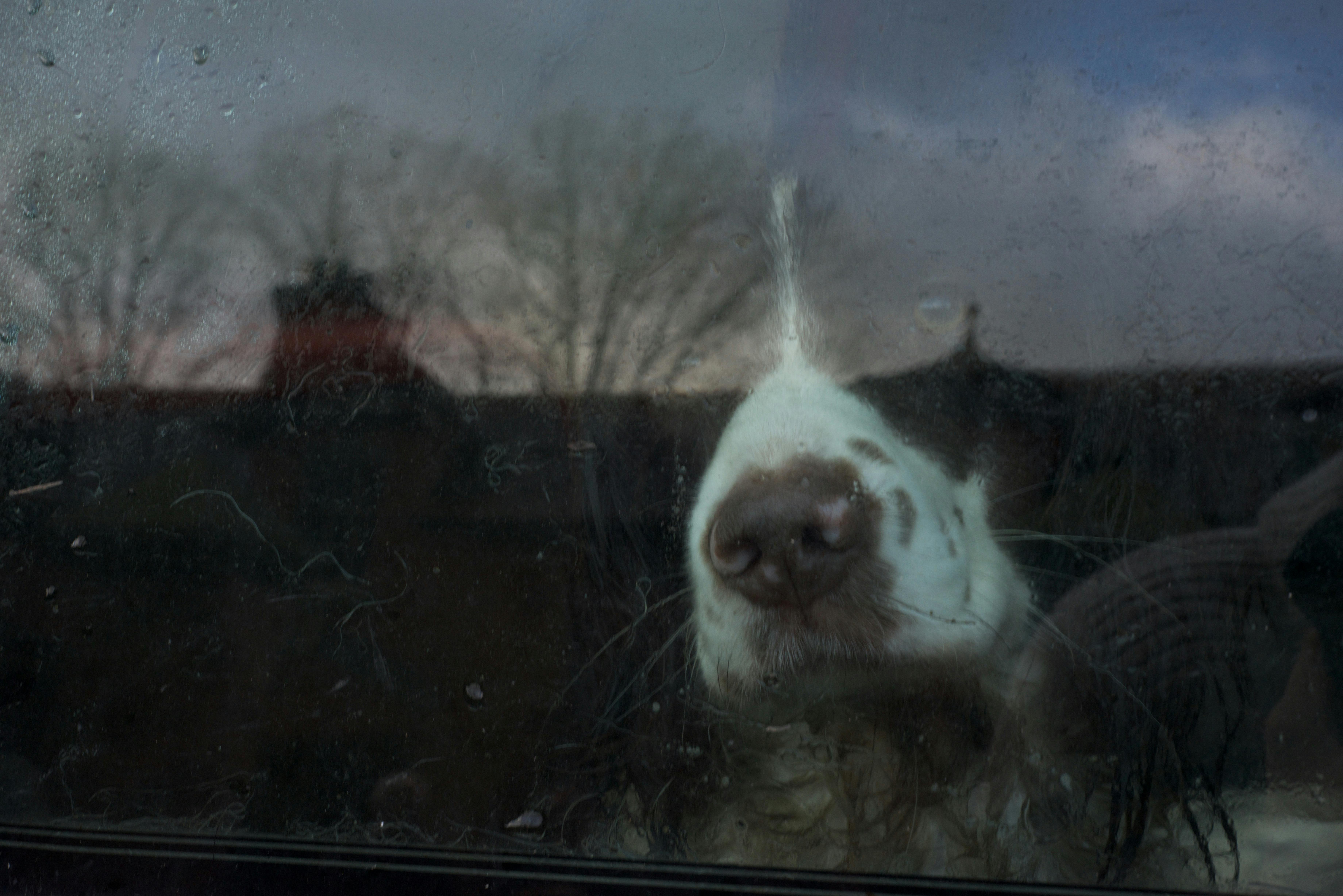 \n\n
\n\nHave you ever noticed how your dog’s nose feels? It’s usually wet, right? This wetness is not just for show; it’s actually tied to many aspects of your pup's behavior and health. Understanding why dogs have wet noses can give us a glimpse into their emotions, social interactions, and even their well-being. Let’s dive into this fascinating topic and uncover what your dog’s nose says about their mood and health.
\nWhy Do Dogs Have Wet Noses?
\nThe wetness of a dog's nose is primarily due to a few reasons. Firstly, it helps them in their sense of smell. Dogs have an extraordinary olfactory system, which means they rely heavily on their noses to gather information about their environment. A wet nose can enhance this ability. Here are some key points about wet noses:
\n- \n
- Moisture aids scent detection: The wetness helps to capture scent particles better. When their nose is moist, it can absorb scent chemicals more effectively. \n
- Temperature regulation: Dogs don’t sweat like humans do. A wet nose can help cool them down through evaporation. \n
- Health indicator: A wet nose can indicate a healthy dog, while a dry or cracked nose may signal health issues. \n
The Connection Between Nose Wetness and Behavior
\nYour dog’s nose can also give you clues about how they feel. For example, a wet and cold nose is often associated with a calm and relaxed pup. However, if a dog’s nose is excessively dry or warm, it may indicate stress or illness. Here are some moods and behaviors linked to nose conditions:
\n- \n
- Happy and Content: Wet, cool nose. Tail wagging and playful behavior. \n
- Anxious or Stressed: Dry nose, pacing, or hiding. They might be feeling overwhelmed. \n
- Illness: Consistently dry or warm nose, lethargy, and lack of appetite. It's important to consult a vet. \n
Historical Context: Why Wet Noses?
\nHistorically, dogs evolved from wolves, and their wet noses have roots in survival. Wolves utilize their keen sense of smell for hunting and navigation. The wetness of their noses has been passed down through generations, indicating that even domestic dogs retain this essential trait.
\nWhy Do Dogs Lick Their Noses?
\nDogs licking their noses is another behavior that connects to their mood and health. This action can signal several things:
\n- \n
- Curiosity: Dogs often lick their noses to explore their environment. \n
- Stress Relief: Licking can be a self-soothing mechanism when they are anxious. \n
- Taste: They might be tasting something interesting, like food or a scent. \n
Practical Examples of Nose Behavior
\nLet’s look at some real-life scenarios. Imagine two dogs meeting for the first time. Both have wet noses, which is a good sign. However, if one dog’s nose suddenly becomes dry, it might indicate that they are feeling threatened or uncomfortable.
\nHere’s a quick list of behaviors to watch for:
\n- \n
- Sniffing and Licking: Exploration or excitement. \n
- Nose to the Ground: Focusing on a scent, curious. \n
- Nose Away: Avoiding contact, may indicate fear or anxiety. \n
Nose Health: What To Monitor
\nKeeping an eye on your dog’s nose is important for their overall health. Here are some signs to watch:
\n- \n
- Dryness: Could indicate dehydration or illness. \n
- Cracks or sores: May suggest allergies or infections. \n
- Discoloration: Changes in color might signal health issues. \n
If you notice these symptoms, it’s crucial to consult a veterinarian. Regular check-ups can help keep your pup happy and healthy.
\nIn Conclusion
\nYour dog’s nose is more than just a cute feature; it’s a window into their mood and health. Understanding the reasons behind their wet noses, the behaviors associated with it, and what to monitor can help strengthen your bond with your furry friend. So next time you give your pup a pat, take a moment to observe that wet nose and consider what it might be telling you.
\n\nThe Role of a Wet Nose in a Dog's Sense of Smell: Decoding Their Superpower
\n\n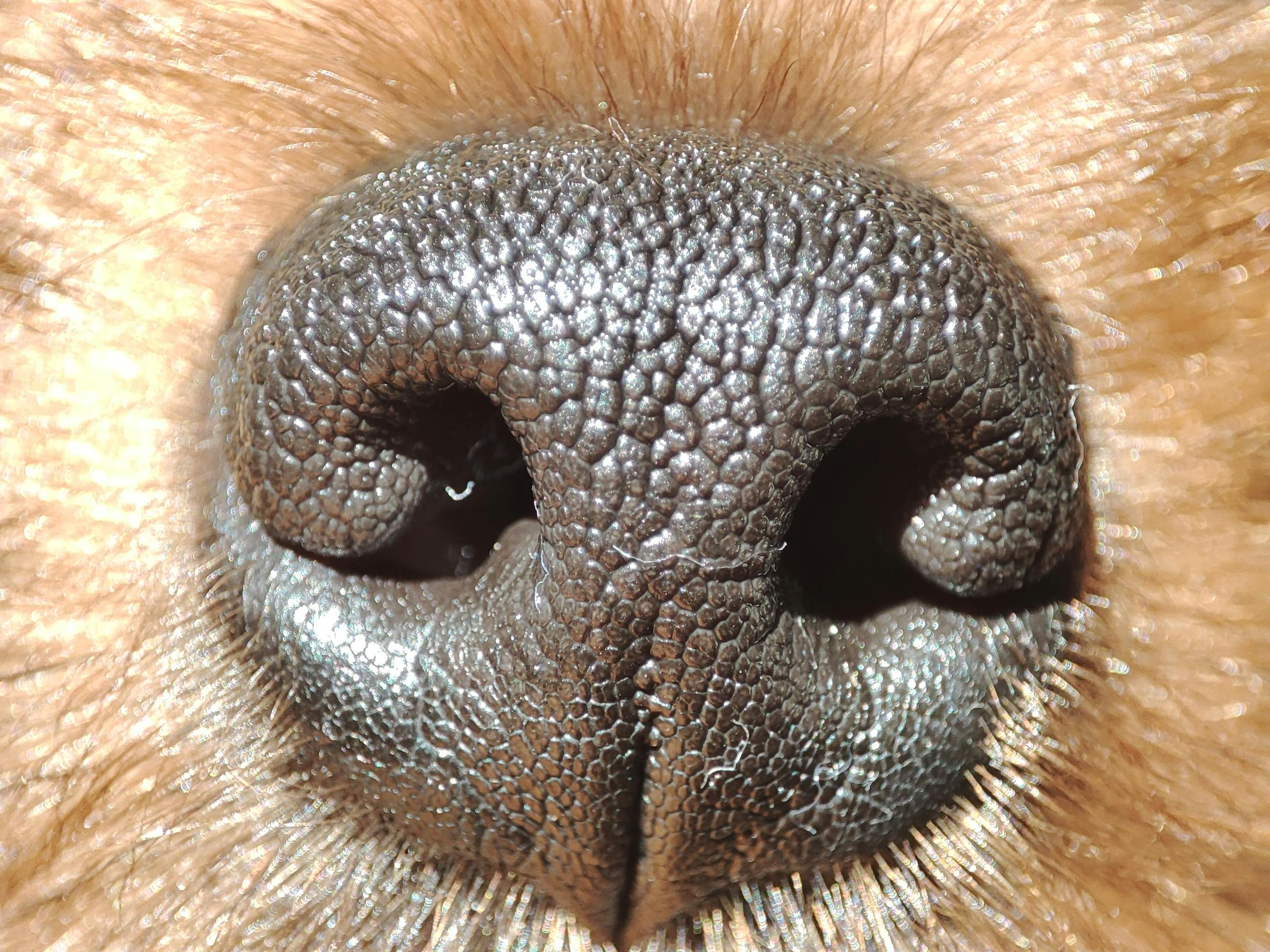 \n\n
\n\nDogs are often known as man's best friend, and a big part of that friendship is due to their incredible sense of smell. But have you ever wondered why do dogs have wet noses? This is more than just a cute feature; it plays a crucial role in their ability to smell. Let's dive into the fascinating reasons behind this unique characteristic and how it connects to their superpower.
\nThe Science Behind Wet Noses
\nA dog’s nose is not just a cute button at the end of their face; its wetness serves several important purposes. The moisture on a dog's nose helps to enhance their sense of smell. Here’s how it works:
\n- \n
- Increased Olfactory Receptors: Dogs have about 220 million olfactory receptors in their noses, compared to humans who only have around 5 million. The wetness helps to capture scent particles. \n
- Enhanced Scent Absorption: When a dog's nose is wet, it can absorb more scent molecules, allowing them to get a better grasp of what’s in the air. \n
- Temperature Regulation: A wet nose can also help keep a dog cool. It acts like a natural evaporative cooling system, helping them regulate their body temperature. \n
Why Are Dog Noses Wet?
\nThere are several reasons why dog noses tend to get wet. Here are some of the main ones:
\n- \n
- Licking: Dogs often lick their noses, which keeps them moist. It’s a behavior that can also serve to clean their noses. \n
- Environmental Factors: Dogs can get wet noses from being outside in rain or snow, or even from drinking water. \n
- Health Indicators: A wet nose can often indicate a healthy dog. However, a dry nose isn't always a sign of illness; it depends on other factors too. \n
Historical Context of Dog Smell
\nWhen you think about it, dogs have been companions to humans for thousands of years. Historically, they were bred for certain jobs like hunting, herding, and guarding. Their keen sense of smell was crucial for these tasks. For example:
\n- \n
- Hunting: Early humans relied on dogs to track game by scent. \n
- Herding: Dogs use their noses to keep track of livestock. \n
- Search and Rescue: Nowadays, dogs are trained to find missing persons or detect drugs and explosives. \n
Fascinating Facts About Dogs' Sense of Smell
\nDogs can detect scents at an astonishing level. Here are some mind-blowing facts:
\n- \n
- Scent Discrimination: Dogs can differentiate between scents even if they are mixed together. They can sniff out a single ingredient in a complex mixture. \n
- Scent Memory: Dogs have an excellent memory for scents. They can remember and recognize specific smells even after long periods. \n
- Health Detection: Some dogs are trained to detect diseases like cancer by smelling the chemical changes in a person’s body. \n
Comparison of Dog and Human Smell
\nWhen it comes to smell, dogs and humans couldn’t be more different. Here’s a quick comparison:
\n| Aspect | \nDogs | \nHumans | \n
|---|---|---|
| Olfactory receptors | \n~220 million | \n~5 million | \n
| Scent detection ability | \n40 times better | \nBaseline level | \n
| Ability to differentiate scents | \nExtremely high | \nLimited | \n
Practical Examples of Wet Nose Benefits
\nThe wetness of a dog’s nose provides practical benefits in various situations:
\n- \n
- Tracking: Dogs can track scents over long distances. The wet nose helps them pick up scent trails. \n
- Detection Work: In law enforcement, dogs use their noses to sniff out drugs or explosives, relying on their wet noses to enhance their effectiveness. \n
- Everyday Interactions: Your dog may use their nose to greet you. A wet nose can be a sign of affection and excitement. \n
Understanding why do dogs have wet noses not only reveals their fascinating biology but also helps us appreciate the roles they play in our lives. Their extraordinary sense of smell, enhanced by that wet nose, allows them to connect with the world in ways we can only imagine. So next time you cuddle your furry friend, remember that their wet nose is more than just an adorable feature; it’s a powerful tool that makes them the incredible creatures they are.
\n\nCan Weather Affect Your Dog's Nose Moisture? Exploring the Environmental Impact
\n\n \n\n
\n\nMany dog owners often wonder about the moisture of their furry friend's noses. Can weather affect your dog's nose moisture? This is a fascinating question, and the answer is more complex than it seems. Dogs have wet noses for various reasons, and environmental factors play a significant role in maintaining that moisture. In this article, we will explore the environmental impact on your dog’s nose, the reasons behind why dogs have wet noses, and what you should know as a pet owner.
\nThe Connection Between Weather and Nose Moisture
\nDogs' noses can change with the weather, and it's not just a simple matter of humidity. Several factors affect the moisture level in a dog's nose, including:
\n- \n
- Humidity: High humidity levels can keep your dog's nose moist, while dry air, particularly in winter, can lead to a dry nose. \n
- Temperature: Hot weather can cause a dog’s nose to dry out faster, while cooler temperatures may help retain moisture. \n
- Precipitation: Rain can create a more humid environment, which is beneficial for your dog’s nose. \n
- Indoor Conditions: Heating systems can dry out the air in homes, leading to drier noses for indoor dogs. \n
It's interesting to note that a dog's nose moisture can reflect the weather. When it's too dry, it might indicate that the dog's nose is struggling to stay hydrated.
\nWhy Do Dogs Have Wet Noses? Discover The Fascinating Reasons
\nNow, let’s dive into the reasons behind those wet noses. Dogs' noses are not just cute features; they serve important purposes. Here are some key reasons why dogs have wet noses:
\n- \n
- \n
Scent Detection: The moisture on a dog’s nose helps to capture scent molecules, which enhances their sense of smell. Dogs have a remarkable sense of smell, and a wet nose is crucial for detecting odors.
\n \n - \n
Temperature Regulation: A wet nose can help dogs cool down. When they are hot, the moisture evaporates, which cools their body down.
\n \n - \n
Health Indicator: Changes in the moisture of a dog's nose can be an indicator of their health. A consistently dry nose may signal dehydration or illness.
\n \n - \n
Social Interaction: Dogs often use their noses to explore their environment and communicate with other dogs. A wet nose can be a friendly gesture, signaling interest or affection.
\n \n - \n
Natural Defense: The moisture on a dog’s nose can help protect it from irritants and allergens in the air.
\n \n
Understanding Nose Moisture Variations
\nThe level of moisture in a dog's nose can vary greatly, and not all dogs have the same nose characteristics. Here’s a little breakdown:
\n- \n
- Breed Differences: Certain breeds have different nose shapes and moisture levels. For example, brachycephalic breeds like Bulldogs may have drier noses due to their flat faces. \n
- Age Factors: Older dogs may experience drier noses as compared to puppies, which usually have softer and wetter noses. \n
- Health Conditions: Some health conditions can impact nose moisture. For instance, autoimmune diseases may lead to changes in a dog's nose texture and moisture. \n
Practical Tips for Dog Owners
\nIf you're a dog owner, you might want to pay attention to your pet's nose moisture. Here are some practical tips:
\n- \n
- Monitor Changes: Keep an eye on your dog's nose moisture. If it becomes persistently dry or cracked, consider a vet visit. \n
- Humidifiers: Using a humidifier can help maintain moisture levels in the air, especially during dry winter months. \n
- Hydration: Make sure your dog has access to fresh water at all times to help keep them hydrated. \n
- Limit Sun Exposure: Just like humans, dogs can get sunburnt. Limit their sun exposure during peak hours to prevent dryness. \n
Final Thoughts
\nUnderstanding the factors that affect your dog's nose moisture can help you be a better pet owner. Keeping an eye on these aspects ensures that your furry friend remains healthy and happy. Whether it’s due to the weather, breed differences, or age, your dog’s nose is an important part of their overall well-being. Always remember to consult with a veterinarian if you notice any concerning changes, as this could be indicative of health issues. After all, a wet nose is not just an adorable feature; it’s a window into your dog's health and happiness.
\n\nWhy Do Puppies Have Wet Noses? Understanding the Developmental Changes
\n\n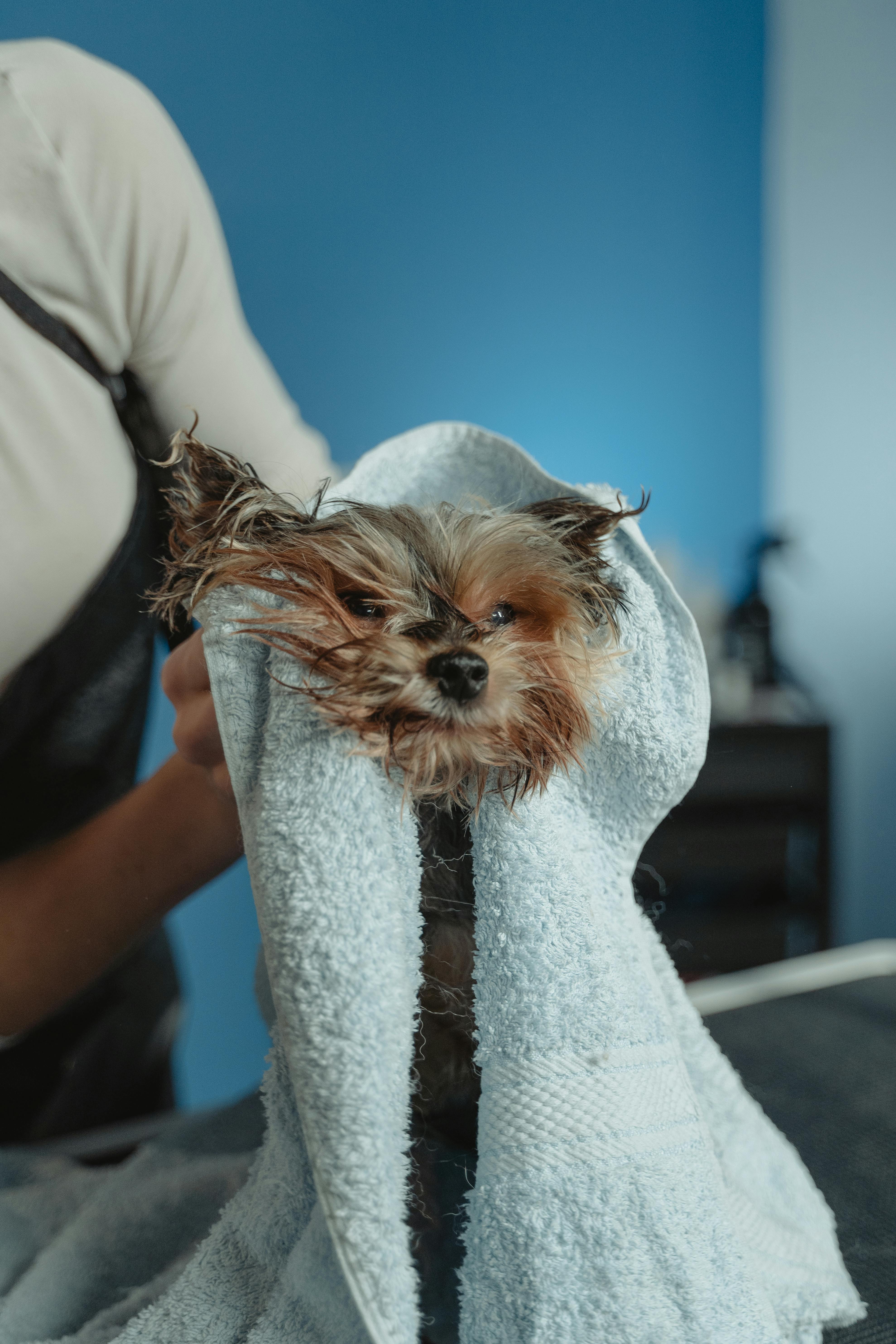 \n\n
\n\nEver wondered why puppies have wet noses? It's a question many dog owners and enthusiasts ask, and it's way more than just a cute quirk. The wetness of a dog's nose has lots of fascinating reasons behind it, which involves both biology and behavior. Let’s dive into this topic and explore why your furry friend’s nose is often damp and what it might mean for their health and well-being.
\nThe Biology Behind Wet Noses
\nDogs have wet noses for a few key reasons. First off, moisture on the nose helps with their sense of smell. Dogs' noses are packed with olfactory receptors, and a wet nose can trap scents better, which enhance their ability to detect smells. Isn’t that interesting? The moisture acts like a sponge, making it easier for them to pick up various scents in the environment.
\nDevelopmental Changes in Puppies
\nWhen puppies are born, their noses are not wet. As they grow, their noses begin to develop and become moist. Here’s how it usually happens:
\n- \n
- Birth to 3 weeks: Puppies have closed eyes and ears, and their sense of smell is underdeveloped. They rely on their mother's warmth and milk. \n
- 3 to 6 weeks: Their sensory systems start to mature. The nose begins to get wet as they start to explore their environment. \n
- 6 weeks and beyond: The nose continues to develop as the puppy starts engaging more with its surroundings, which enhances its sense of smell. \n
Wet noses can also change based on temperature and activity levels. For instance, after a long play session, a puppy's nose might be drier due to physical exertion and excitement.
\nWhy Do Dogs Have Wet Noses? Discover The Fascinating Reasons
\nNow, let’s get into the reasons why dogs, in general, have wet noses. Some of these reasons include:
\n- \n
- \n
Thermoregulation: Dogs can't sweat like humans, so they rely on their noses to help regulate body temperature. The moisture evaporates from their noses, which can cool them down.
\n \n - \n
Health Indicator: A wet nose is often a sign of a healthy dog. However, if a dog’s nose becomes excessively dry, it could indicate dehydration or illness. So it's important to pay attention to those changes.
\n \n - \n
Social Interaction: Dogs use their noses to communicate. A wet nose can be a friendly invitation for interaction, while a dry nose might mean they’re feeling less social or unwell.
\n \n - \n
Environmental Adaptation: In nature, having a damp nose helps dogs detect different scents in their environment, aiding in hunting and survival.
\n \n
Common Misconceptions About Dog Noses
\nThere are a few myths floating around regarding why do dogs have wet noses. Let’s clarify some of these:
\n- \n
- \n
Myth: A warm, dry nose means a dog is sick.
\n \n - \n
Reality: Dogs’ noses can vary in temperature and moisture depending on many factors, including the weather and the dog's activity level.
\n \n - \n
Myth: Only certain breeds have wet noses.
\n \n - \n
Reality: All dogs can have wet noses, although some breeds may have more pronounced moisture due to genetics.
\n \n
Quick Facts About Dogs' Noses
\n- \n
- Dogs have an extraordinary sense of smell, estimated to be 10,000 to 100,000 times more acute than humans. \n
- The surface of a dog's nose has tiny glands that produce moisture. \n
- A dog's wet nose can help them detect a variety of scents, including pheromones, which are important for communication. \n
Practical Tips for Dog Owners
\nHere’s some practical advice for you if you’re a dog owner:
\n- \n
- Monitor your dog's nose: Keep an eye on the moisture level. If it seems consistently dry or cracked, consider consulting a vet. \n
- Hydration is key: Ensure your dog has access to fresh water at all times to keep them hydrated. \n
- Regular vet check-ups: It’s always a good idea to have regular check-ups to ensure your pup is healthy overall. \n
Understanding why do puppies and dogs have wet noses gives you an insight into their health and well-being. It’s not just a charming characteristic, but an essential aspect of how they interact with the world. So, the next time you give your puppy a cuddle and feel that cool, wet nose against your skin, remember all the fascinating reasons behind it.
\n\nTaking Care of Your Dog's Nose: Tips for Maintaining Optimal Moisture Levels
\n\n \n\n
\n\nEver wondered why your dog’s nose is often wet? This peculiar characteristic has fascinated dog owners and animal behaviorists alike. The truth is, there’s more to your pup's nose than meets the eye. Understanding why dogs have wet noses can help you take better care of your furry friend, especially when it comes to maintaining optimal moisture levels.
\nWhy Do Dogs Have Wet Noses?
\nDogs noses are wet for a variety of reasons, each playing a role in their health and behavior. Here are some of the most common explanations:
\n- \n
- \n
Scent Detection: A moist nose helps dogs detect scents more effectively. The moisture captures scent particles, which dogs can then smell more acutely. This is why dogs often sniff around to gather information about their environment.
\n \n - \n
Temperature Regulation: Much like humans sweat to cool down, dogs use their noses to help regulate their body temperature. When they breathe through their nose, the moisture evaporates, which can help cool them down.
\n \n - \n
Natural Lubrication: The moisture on a dog’s nose acts as a natural lubricant. It helps to prevent cracks and keeps the skin healthy. A dry nose could signal health issues, so regular checks can ensure your dog stays in tip-top shape.
\n \n
But, how can you ensure your dog’s nose maintains optimal moisture levels? It's simpler than you might think!
\nTips for Maintaining Optimal Moisture Levels
\n- \n
- \n
Stay Hydrated: Make sure your dog has access to fresh water at all times. Dehydration can lead to dry noses and other health problems.
\n \n - \n
Regular Vet Visits: Regular check-ups can help detect any underlying health issues that could lead to a dry nose. If your dog’s nose suddenly becomes dry or cracked, it could be a sign of something more serious.
\n \n - \n
Environmental Factors: Be aware of your dog's environment. Hot weather or dry indoor air can contribute to dryness. Using a humidifier in your home, especially during winter months, can help.
\n \n - \n
Nose Balm: There are products specifically designed to keep your dog’s nose moisturized. Look for natural balms made without harmful chemicals. Apply it as needed, especially if you notice cracks or dryness.
\n \n - \n
Balanced Diet: Ensure your dog is eating a balanced diet rich in omega-3 fatty acids, which can help maintain healthy skin and moisture levels.
\n \n
Signs of an Unhealthy Nose
\nNoticing changes in your dog’s nose can be crucial for their health. Watch for:
\n- \n
- Dryness: If the nose is dry and cracked, it’s time to investigate. \n
- Discoloration: A nose that changes color could indicate allergies or other issues. \n
- Excessive Moisture: While moist is good, if the nose is constantly dripping, it may signify a problem. \n
Common Myths About Dog Noses
\nThere are plenty of misconceptions floating around about dog noses. Here are a few to clear up:
\n- \n
- \n
Warm Nose Means Fever: A warm nose doesn’t necessarily mean your dog is sick. Dogs can have warm noses for many reasons, including being in the sun or after playing.
\n \n - \n
All Dogs Have Wet Noses: While it's common, not all dogs have permanently wet noses. Some breeds may have drier noses due to their unique physiology.
\n \n - \n
Nose Color Indicates Health: The color of a dog's nose varies widely among breeds. A change in color doesn’t always indicate a health issue.
\n \n
Fun Facts About Dog Noses
\n- \n
- Dogs have more than 220 million scent receptors in their noses compared to humans, who have around 5 million. \n
- A dog's sense of smell is so powerful that they can even detect certain diseases, including cancer, through scent. \n
- Each dog's nose print is unique, much like a human fingerprint. \n
Remember, a dog’s nose is not just for sniffing! It plays an important role in their overall health and well-being. Regular care and attention can help maintain that optimal moisture level, ensuring your pup stays happy and healthy. So next time you give your dog a pet, take a moment to check that adorable nose — it might just tell you a lot about their health!
\n\nConclusion
\n\nIn conclusion, the unique phenomenon of dogs having wet noses serves several important functions that contribute to their overall health and well-being. The moisture on a dog's nose enhances their sense of smell, allowing them to detect scents more effectively, which is vital for their communication and interaction with their environment. Additionally, a wet nose helps regulate their body temperature and provides a mechanism for hydration. While the reasons behind this biological feature are fascinating, it also emphasizes the intricate nature of canine physiology. As a pet owner, understanding the significance of your dog's wet nose can deepen your bond and enhance your care practices. So the next time you give your furry friend a gentle pat on the nose, remember that this small feature plays a big role in their sensory experiences and health. Embrace the wonders of your dog’s unique traits and ensure they have a happy and healthy life!
\n\n