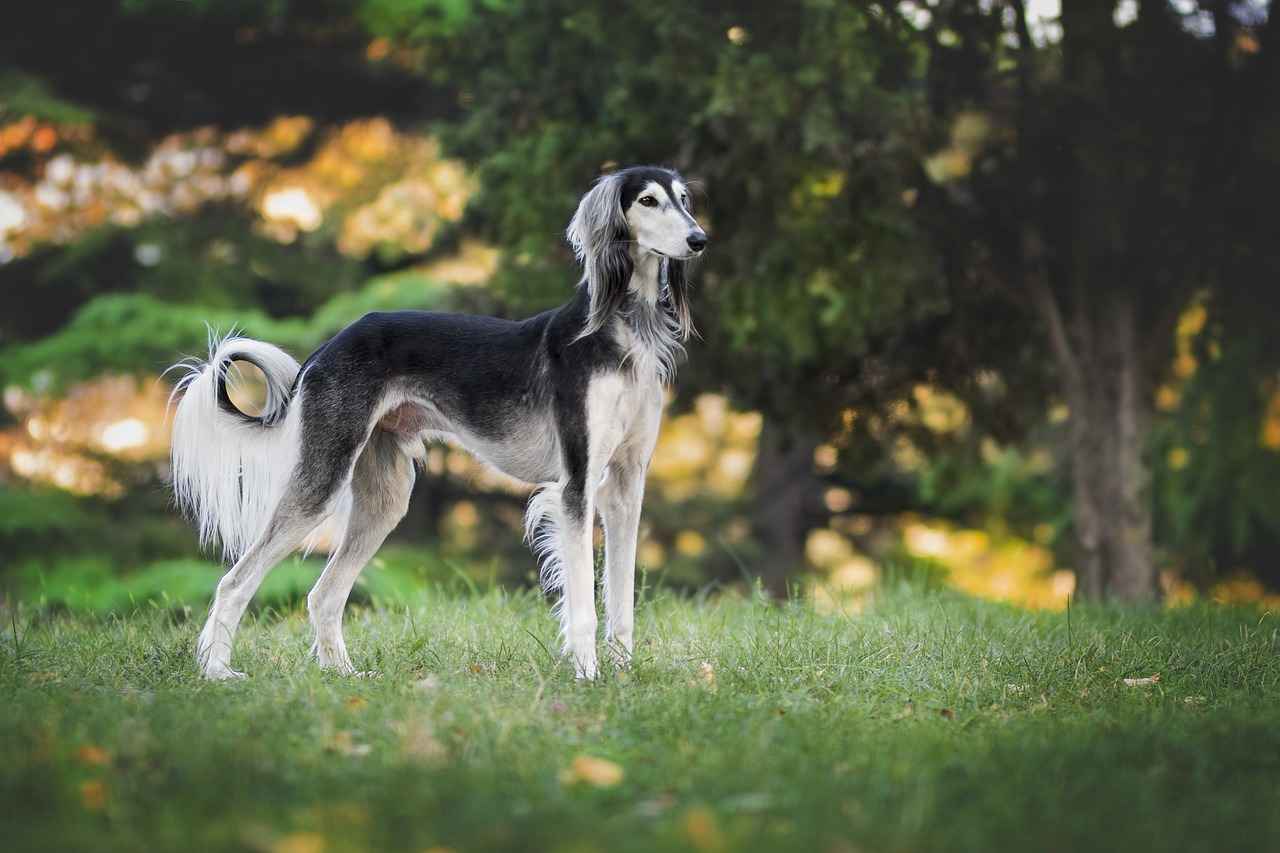
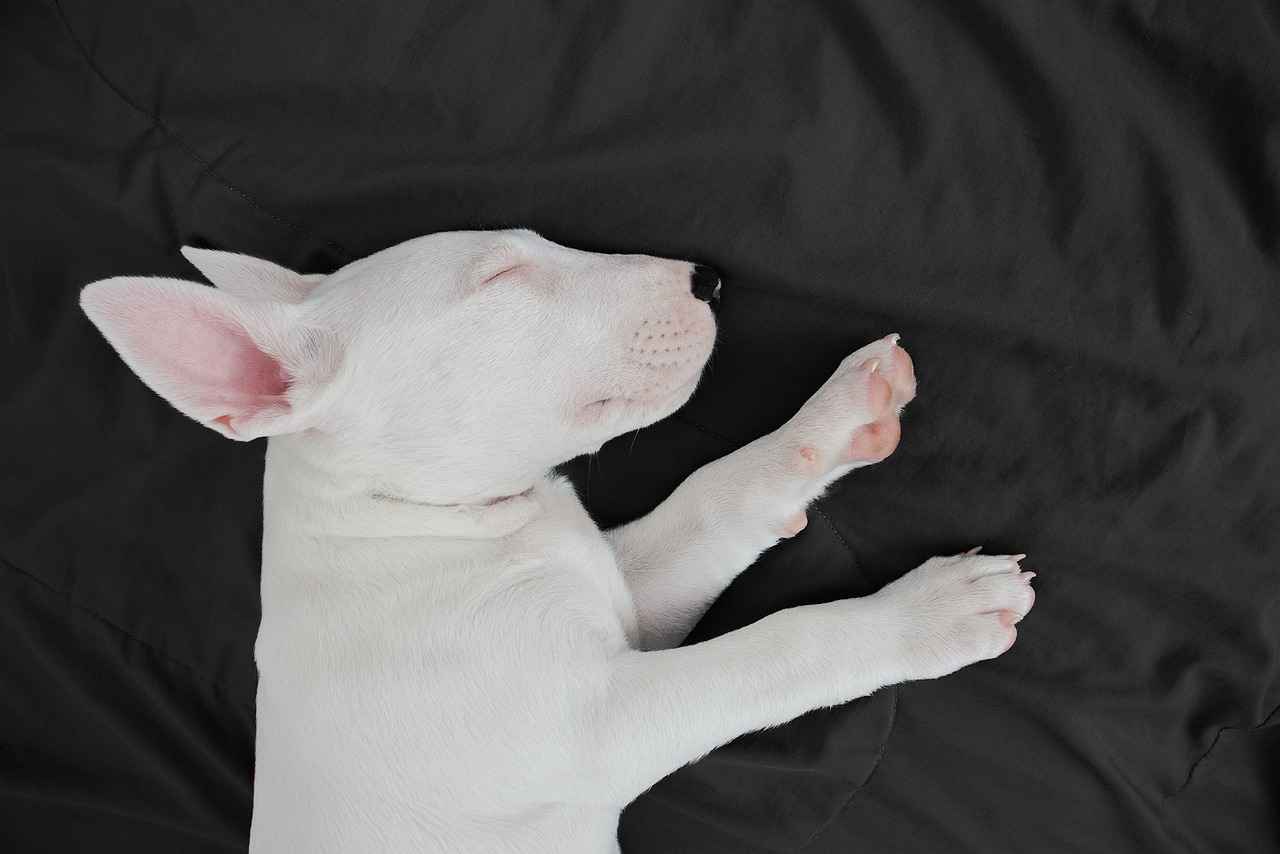
Have you ever wondered, why do dogs have wet noses? This intriguing question is more than just a curious observation; it unravels the fascinating reasons behind our furry companions' unique physiology. Dogs' noses are not only wet for a reason, but also serve a multitude of purposes that enhance their lives and interactions with us. But have you ever thought about how this simple feature can impact their health and behavior? The moisture on a dog's nose plays a crucial role in scent detection, helping them to smell the world in ways we can only imagine. In this blog post, we will dive deep into the science behind wet noses and explore the reasons that make them so essential to your dog's well-being. From keeping them cool to enhancing their sense of smell, the answer may surprise you! So, if you've been asking yourself, "What makes a dog's nose wet?" or "Are wet noses a sign of a healthy dog?", stick around to discover all the fascinating facts. Get ready to uncover the secrets of your canine friend's wet nose and learn why it's a vital aspect of their health and happiness!
\n\nThe Science Behind Dog Nose Moisture: Why Wet Noses Matter for Your Pup's Health
\n\n \n\n
\n\nWhen you see your dog with a wet nose, you might think it's just a cute feature, but there’s actually a lot more going on beneath the surface. Wet noses are a fascinating part of your pup's biology and play an important role in their health. So, why do dogs have wet noses? Let’s dig into the science behind dog nose moisture and explore why it matters for your furry friend’s well-being.
\nThe Anatomy of a Dog's Nose
\nDogs have very complex noses. Unlike humans, dogs' noses are covered in a special type of skin that helps to retain moisture. This moisture is important for several reasons:
\n- \n
- \n
Enhanced Smell: The wetness on a dog’s nose helps to absorb scent particles from the air. This allows dogs to smell better than humans can. In fact, a dog’s sense of smell is estimated to be between 10,000 to 100,000 times more acute than ours.
\n \n - \n
Temperature Regulation: A wet nose can help dogs cool down. When they pant, moisture evaporates from their noses, which helps to regulate their body temperature.
\n \n - \n
Health Indicator: A change in nose moisture can indicate health issues. A dog’s nose can be dry or cracked when they are sick or dehydrated.
\n \n
Why Dogs Have Wet Noses: The Science Explained
\nDogs have wet noses for evolutionary reasons. Historically, dogs are descendants of wolves, who rely on their keen sense of smell for hunting and survival. A wet nose helps wolves and, by extension, dogs to detect scents more effectively. Here are a few key factors:
\n- \n
- \n
Nasal Glands: Dogs have specialized glands in their noses that produce mucus. This mucus helps keep the nose moist and enhances their olfactory senses.
\n \n - \n
Humidity and Temperature: Dogs can sense humidity and temperature changes in the environment better with a moist nose. This helps them track prey or avoid danger.
\n \n - \n
Social Interaction: Dogs often use their noses to communicate with other dogs. A wet nose can convey health and mood, making social interactions more effective.
\n \n
The Importance of Nose Moisture for Your Dog's Health
\nMaintaining a moist nose is essential for your pup's health. Here’s a breakdown of why it matters:
\n- \n
- \n
Hydration Status: A dry nose can be a sign of dehydration. If a dog’s nose is consistently dry, it might be time to offer more water or visit a vet.
\n \n - \n
Allergies and Infections: Dogs can develop allergies that affect their noses. A change in moisture levels can sometimes indicate an allergic reaction or infection.
\n \n - \n
Temperature Regulation: Dogs don’t sweat like humans. Their noses play a vital role in keeping them cool. A dry nose can be an indicator that your dog is overheating.
\n \n
Understanding Nose Conditions in Dogs
\nThere are several conditions that can affect a dog’s nose moisture. Here are some common ones:
\n- \n
- \n
Nasal Dermatitis: This condition causes irritation and can lead to a dry or cracked nose. It’s usually treatable with veterinary care.
\n \n - \n
Autoimmune Diseases: Some dogs can develop autoimmune conditions that affect their nose. This might cause excessive dryness or unusual texture.
\n \n - \n
Infections: Bacterial or fungal infections can lead to changes in nose moisture. If you notice unusual discharge or persistent dryness, consult a vet.
\n \n
How to Keep Your Dog's Nose Healthy
\nTo ensure your dog's nose stays healthy and moist, consider these tips:
\n- \n
- \n
Stay Hydrated: Always provide fresh water for your pup. Hydration is key to keeping their nose moist.
\n \n - \n
Regular Vet Checkups: Routine exams can catch any potential nose-related issues early.
\n \n - \n
Protect Against Allergens: If you suspect allergies, try to identify and eliminate triggers from your dog's environment.
\n \n - \n
Monitor Changes: Keep an eye on your dog’s nose. If you notice any significant changes in moisture or texture, don’t hesitate to consult a veterinarian.
\n \n
Fun Facts About Dog Noses
\n- \n
- Dogs have a unique nose print, similar to a human fingerprint, which can be used for identification. \n
- The color of a dog’s nose can change with seasons or temperatures. \n
- Dogs can even use their noses to detect diseases like cancer or diabetes. \n
Understanding the science behind dog nose moisture not only helps you appreciate your furry friend more but also allows you to take better care of their health. Wet noses are a remarkable feature that play a crucial role in your dog's life, from enhancing their sense of smell to regulating their body temperature. So, the next time you give your pup a scratch, remember that their moist nose is more than just adorable — it’s a vital part of their well-being.
\n\n5 Fascinating Facts About Why Dogs Have Wet Noses That Will Surprise You
\n\n \n\n
\n\nDogs have been companions to humans for thousands of years, and one of their most charming features is their wet noses. You might find yourself wondering, "Why do dogs have wet noses?" Well, prepare to be surprised! Here’s five fascinating facts about why dogs have wet noses that you probably didn’t know.
\n1. It's All About Temperature Regulation
\nLike humans sweat to cool down, dogs use their noses too! Wet noses helps them regulate body temperature. When a dog is overheated, moisture on the nose evaporates, cooling the blood vessels and thus helping the dog stay cool, especially during hot summer days. So, if you see your furry friend with a wet nose after playing outside, it’s just them keeping their body temperature in check.
\n2. Enhanced Sense of Smell
\nDogs have an incredible sense of smell, which is about 40 times more sensitive than that of humans. Their wet noses plays a crucial role in this. The moisture on a dog's nose captures scent particles from the air, enhancing their olfactory abilities. This means they can sniff out everything from food to hidden dangers. It’s a pretty amazing adaptation if you think about it!
\n3. Communication Tool
\nBelieve it or not, a dog’s wet nose is also a means of communication. Dogs often touch their noses to people and other dogs as a way of establishing social connections. It’s like their version of a handshake! A wet nose can indicate affection, comfort, or even a request for attention. So the next time your dog nudges you with that wet nose, they might just be saying, “Hey, let’s play!”
\n4. Health Indicator
\nThe condition of a dog's nose can actually be a good indicator of their overall health. A healthy dog will typically have a cool, moist nose, while a dry and warm nose might suggest the dog is sick or dehydrated. However, it’s not always a definitive sign—other factors, like recent exercise or weather, can affect it. Here’s a quick list of nose conditions to keep an eye on:
\n- \n
- Normal Wetness: Indicates hydration and good health. \n
- Dry and Cracked: May suggest dehydration or illness. \n
- Excessively Wet: Could indicate allergies or infections. \n
- Discolored: A change in color can be a sign of health issues. \n
5. Evolutionary Advantage
\nFrom a historical perspective, wet noses might have given early dogs an evolutionary advantage. Ancestors of modern dogs, like wolves, needed to hunt and track prey. A moist nose better captures scents, making it easier to hunt. Over time, this trait became more pronounced as dogs were domesticated. This evolutionary trait isn’t just a coincidence; it played a crucial part in their survival and relationship with humans.
\nFun Facts Comparison Table
\nHere’s a quick comparison of the different reasons behind a dog’s wet nose:
\n| Reason | \nDescription | \n
|---|---|
| Temperature Regulation | \nDogs cool down through evaporation. | \n
| Enhanced Sense of Smell | \nMoisture helps capture scent particles. | \n
| Communication Tool | \nDogs use their noses to socialize. | \n
| Health Indicator | \nA wet nose often signals good health. | \n
| Evolutionary Advantage | \nBetter scent detection helped with hunting. | \n
Practical Examples
\nYou might be curious how these facts play out in real life. Here’s some situations you might encounter:
\n- \n
- After a Long Walk: If your dog comes back from a walk with a wet nose, they probably enjoyed sniffing around and exploring. \n
- At the Vet: If the vet checks your dog's nose during a visit, they're looking for signs of health issues. \n
- During Playtime: If your dog nudges you repeatedly with their wet nose, they might be asking for treats or playtime. \n
Understanding why dogs have wet noses not only enriches your knowledge but also enhances your bond with your furry friend. It’s one of those small details that make a big difference in how we care for and relate to our pets. So, next time your dog gives you a wet-nosed greeting, you can appreciate the science and history behind that affectionate gesture!
\n\nHow a Dog's Wet Nose Plays a Key Role in Their Sense of Smell
\n\n \n\n
\n\nDogs are often seen with their noses wet, and it’s not just a random quirk of nature. There’s some fascinating science behind why do dogs have wet noses, which relates directly to their incredible sense of smell. The wetness of a dog’s nose may actually play a crucial role in how they perceive the world, making it a key element of their sensory experience. Let’s dive into the reasons why those adorable, damp noses are so important!
\nThe Science Behind a Dog's Wet Nose
\nFirst off, dogs have what we call a "moist nasal planum." It’s just a fancy term for the wet part of their nose. This moisture comes from the secretion of mucous and also from the environment. When dogs sniff around, their nose absorbs scent particles more efficiently due to that wet surface. It’s like having a sponge that soaks up smells!
\n- \n
- Why is this important?
- \n
- Moisture helps capture scent particles. \n
- It enhances the ability to detect different smells. \n
\n
Why Do Dogs Have Wet Noses? The Fascinating Reasons!
\n- \n
- \n
Enhanced Smell Detection: Wet noses help dogs to pick up scents better. The moisture on their noses allows for scent particles to stick, making it easier for dogs to analyze what they’re smelling.
\n \n - \n
Temperature Regulation: Dogs don’t sweat like humans do. Instead, they use their noses to help regulate body temperature. When they pant, moisture from their nose evaporates, which helps cool them down.
\n \n - \n
Health Indicator: The state of a dog's nose can also indicate their health. A healthy dog usually has a cool, wet nose, while a dry or cracked nose might suggest dehydration or illness.
\n \n - \n
Communication Tool: Dogs also use their noses for social interactions. The wetness can help transmit scent pheromones, which are essential for communication between dogs.
\n \n
Comparison: Dog Noses vs. Human Noses
\nIt’s quite interesting to compare how dogs and humans have different nasal structures and functions. Here’s a brief comparison:
\n| Feature | \nDog Nose | \nHuman Nose | \n
|---|---|---|
| Moisture Level | \nAlways moist | \nGenerally dry | \n
| Sense of Smell | \n10,000 to 100,000 times better | \nLimited smell capacity | \n
| Temperature Regulation | \nUses nose to cool down | \nSweats through skin | \n
| Scent Absorption | \nHighly efficient | \nLess efficient | \n
Fascinating Facts About Dog Noses
\n- \n
- \n
Unique Patterns: Just like human fingerprints, every dog has a unique nose print! This could be used to identify them.
\n \n - \n
Sniffing Technique: Dogs use a special technique when sniffing. They can inhale and exhale at the same time, which allows them to gather scents while also breathing.
\n \n - \n
Sensitivity: A dog’s sense of smell is so strong that they can detect certain diseases in humans, including cancer and diabetes.
\n \n
Practical Tips for Dog Owners
\nHere are some tips to keep your dog's nose healthy and moist:
\n- \n
- \n
Hydration: Make sure your dog is drinking enough water, especially on hot days.
\n \n - \n
Humid Environment: If your home is dry, consider using a humidifier to maintain moisture levels in the air.
\n \n - \n
Regular Vet Check-ups: Keep an eye on changes in your dog's nose. If it becomes excessively dry or shows signs of cracking, consult your veterinarian.
\n \n - \n
Healthy Diet: A balanced diet can help promote overall health, including the health of your dog's nose.
\n \n
Conclusion
\nDogs’ wet noses play a vital role in their ability to smell and sense the world around them. From aiding in temperature regulation to serving as a communication tool, the moisture on their noses is essential for their everyday functioning. Understanding why do dogs have wet noses not only deepens our appreciation for these beloved pets but also highlights the incredible adaptations that make them unique. So, the next time you give your furry friend a pat, take a moment to appreciate that remarkable wet nose!
\n\nDo Wet Noses Mean Your Dog is Healthy? Understanding the Connection
\n\n \n\n
\n\nDo Wet Noses Mean Your Dog is Healthy? Understanding the Connection, Why Do Dogs Have Wet Noses? Discover The Fascinating Reasons!
\nHave you ever noticed your dog's nose and wondered what it means? Most of us think a wet nose is a sign of a healthy pup, but is that true? There’s more to it than just moisture. Dogs have wet noses for several reasons, and understanding these reasons can help you better care for your furry friend. This article explores the fascinating reasons behind why dogs have wet noses and what it could mean for their health.
\nThe Science Behind Wet Noses
\nDogs’ noses are not just cute; they serve important functions too. A wet nose help regulate a dog's body temperature and enhances their sense of smell. Here are some fascinating points about the science of a dog’s nose:
\n- \n
- Moisture and Scent: A wet nose helps trap scent particles in the air, making it easier for dogs to detect smells. This is why dogs are such great sniffers. \n
- Cooling Mechanism: Dogs also use their noses to help cool off. The moisture evaporates, which cools their body down, similar to how we sweat. \n
- Health Indicator: While a wet nose can be a sign of good health, it’s not the only indicator. A dog’s overall behavior, appetite, and energy levels are also important to assess. \n
Why Do Dogs Have Wet Noses?
\nThe reasons for wet noses are not only biological but also behavioral. Here are several reasons that contribute to this phenomenon:
\n- \n
- Anatomical Structure: A dog’s nasal passages are lined with mucous membranes that produce moisture. This keeps the nose wet and enhances scent detection. \n
- Licking Behavior: Dogs often lick their noses to keep them moist. This is instinctual behavior that helps to maintain their scent abilities. \n
- Environmental Factors: Weather and humidity can affect the moisture level of a dog’s nose. For example, in hot, dry weather, a nose may dry out more quickly. \n
Is a Wet Nose a Health Indicator?
\nMany pet owners believe that a wet nose means a dog is healthy, but that’s not entirely true. While a wet nose can indicate a healthy dog, there are exceptions. Here are some things to consider:
\n- \n
- Normal Variations: Some dogs naturally have drier noses, and that’s normal for them. \n
- Health Issues: A dog with a dry, cracked nose might have health problems, such as dehydration, allergies, or skin conditions. A sudden change from wet to dry could warrant a vet visit. \n
- Behavioral Signs: Always look at other signs like energy levels, appetite, and overall behavior to get a complete picture of your dog's health. \n
Common Misconceptions About Dog Noses
\nThere are quite a few myths surrounding dog noses. Here are some common misconceptions:
\n- \n
- \n
Myth 1: A cold nose means a dog is sick.
\n \n - \n
Reality: A dog's nose temperature varies and is not a reliable health indicator.
\n \n - \n
Myth 2: A wet nose means your dog is happy.
\n \n - \n
Reality: While a wet nose can mean excitement, it doesn't necessarily reflect a dog's emotional state.
\n \n
Practical Tips for Dog Owners
\nKeeping your dog healthy includes paying attention to their nose. Here are some tips you can follow:
\n- \n
- Regular Check-ups: See a vet for regular check-ups to catch any issues early. \n
- Hydration: Always provide fresh water. Dehydration can lead to a dry nose. \n
- Watch for Changes: Notice if your dog’s nose changes from wet to dry or if there are other symptoms like lethargy or loss of appetite. \n
Summary of Nose Care
\nHere’s a quick reference of what to look for regarding your dog's nose:
\n| Condition | \nDescription | \nAction Required | \n
|---|---|---|
| Wet and Cool | \nNormal and healthy | \nNo action needed | \n
| Dry and Cracked | \nPossible dehydration or health issue | \nConsult a vet | \n
| Constantly Runny | \nCould be allergies or infection | \nConsult a vet | \n
| Changes in Color | \nPotential skin issues | \nConsult a vet | \n
Understanding your dog’s wet nose is part of being a responsible pet owner. While it can be a sign of good health, it’s essential to consider the larger picture of your dog’s well-being. Remember to keep an eye on their behavior and consult a vet if you notice any changes. A healthy dog is a happy dog, and knowing what to look for can help ensure their happiness for years to come.
\n\nThe Role of a Dog’s Wet Nose in Temperature Regulation: What Every Pet Owner Should Know
\n\n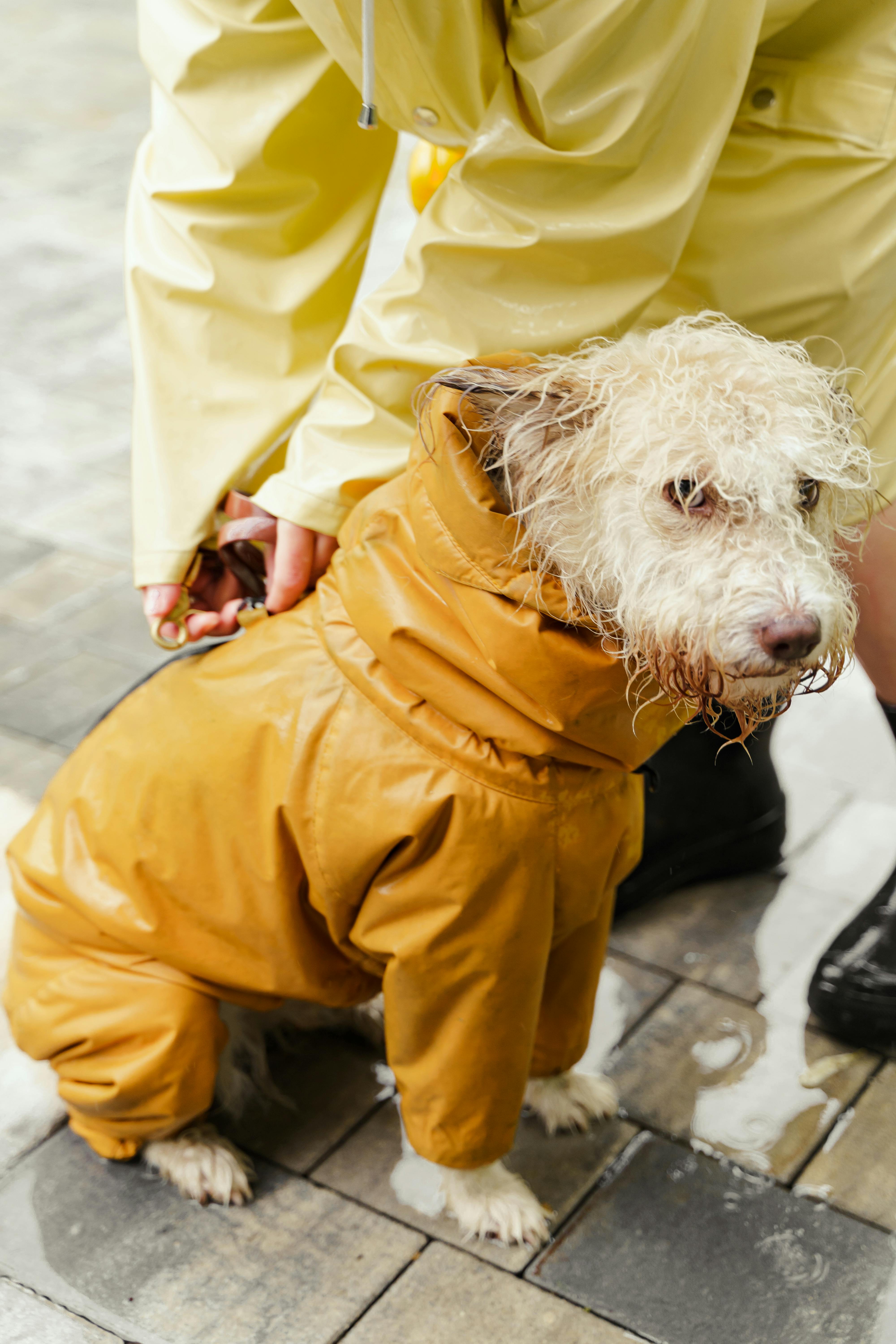 \n\n
\n\nHave you ever wonder why is it that dogs always seem to have a wet nose? It’s a common sight, but many people don’t realize just how important that little feature is for their health and well-being. A dog's wet nose is not just a cute quirk; it's actually plays a vital role in temperature regulation and other fascinating functions. As a pet owner, understanding this can help you care better for your furry friend. So, let’s dive into the world of dog noses and uncover the reasons behind their wetness.
\nThe Science Behind a Dog's Wet Nose
\nDogs' noses are moist due to a thin layer of mucous that covers it. This wetness serves several purposes:
\n- \n
- Temperature Regulation: Dogs don’t sweat like humans do. Instead, they regulate their body temperature through their noses. The moisture on their nose evaporates, helping to cool them down. \n
- Enhanced Smell: A wet nose can help trap scent particles in the air, which makes it easier for dogs to smell. This is why a dog’s sense of smell is so much stronger than humans; they can gather more information from their environment. \n
Why Do Dogs Have Wet Noses? Some Fascinating Reasons
\n- \n
- \n
Cooling Mechanism: Just like how we might wipe our brows when it's too hot, dogs rely on their noses for cooling down. The evaporation of the moisture helps lowering their body temperature.
\n \n - \n
Detecting Scent: Dogs have an incredible sense of smell. Their noses are designed to capture scent particles, and the moisture helps to enhance this capability. They can smell things that are thousands of times weaker than what humans can detect!
\n \n - \n
Health Indicator: A dog’s nose can actually tell you about their health. A healthy dog usually has a moist, cool nose. However, if a dog’s nose becomes dry and warm, it could indicate a fever or illness.
\n \n - \n
Communication: Dogs also use their noses to communicate. A wet nose can be a sign of excitement or affection when they nudge you with it.
\n \n
The Historical Context of Dog Noses
\nHistorically, dogs have been companions to humans for thousands of years. They’ve been utilized for hunting, herding, and guarding due to their keen sense of smell. Ancient civilizations recognized the importance of a dog’s nose, and many cultures believed that a wet nose was a sign of good health and vitality.
\nFun Facts About Dog Noses
\n- \n
- Unique Prints: Just like human fingerprints, every dog has a unique nose print. This could possibly be used for identification purposes in the future. \n
- Temperature: While a wet nose is usually cool, it can vary depending on the environment and the dog's activity level. \n
- Maintenance: Dogs can develop dryness or irritation on their noses. Keeping their noses moisturized is important, especially in dry climates. \n
How to Care for Your Dog’s Nose
\n- \n
- Hydration: Make sure your dog drinks plenty of water. This helps keep their nose moist. \n
- Avoid Harmful Products: Some human products can irritate a dog's nose. Always use pet-safe products. \n
- Regular Check-ups: During vet visits, have your vet check your dog’s nose. It’s an easy way to catch potential health issues early. \n
Comparisons: Dog Nose vs. Human Nose
\n| Feature | \nDog Nose | \nHuman Nose | \n
|---|---|---|
| Moisture | \nUsually moist | \nCan be dry or moist | \n
| Smell Sensitivity | \nVery high | \nRelatively low | \n
| Temperature Control | \nYes | \nNo | \n
| Unique Prints | \nYes | \nNo | \n
In essence, the wet nose of a dog isn’t just an adorable feature; it’s a multifunctional tool that plays a key role in their health and communication. As a responsible pet owner, being aware of these facts can enhance your bond with your furry companion. Observing your dog’s nose and understanding its significance can provide insights into their overall well-being.
\nSo next time you see your dog with that adorable, wet nose, remember that it’s more than just a cute trait; it’s a sign of their remarkable biology and an essential element of their interaction with the world. Keep an eye on it, and you’ll be better equipped to ensure your dog stays happy and healthy!
\n\nWhy Is My Dog's Nose Wet? Common Reasons and When to Worry
\n\n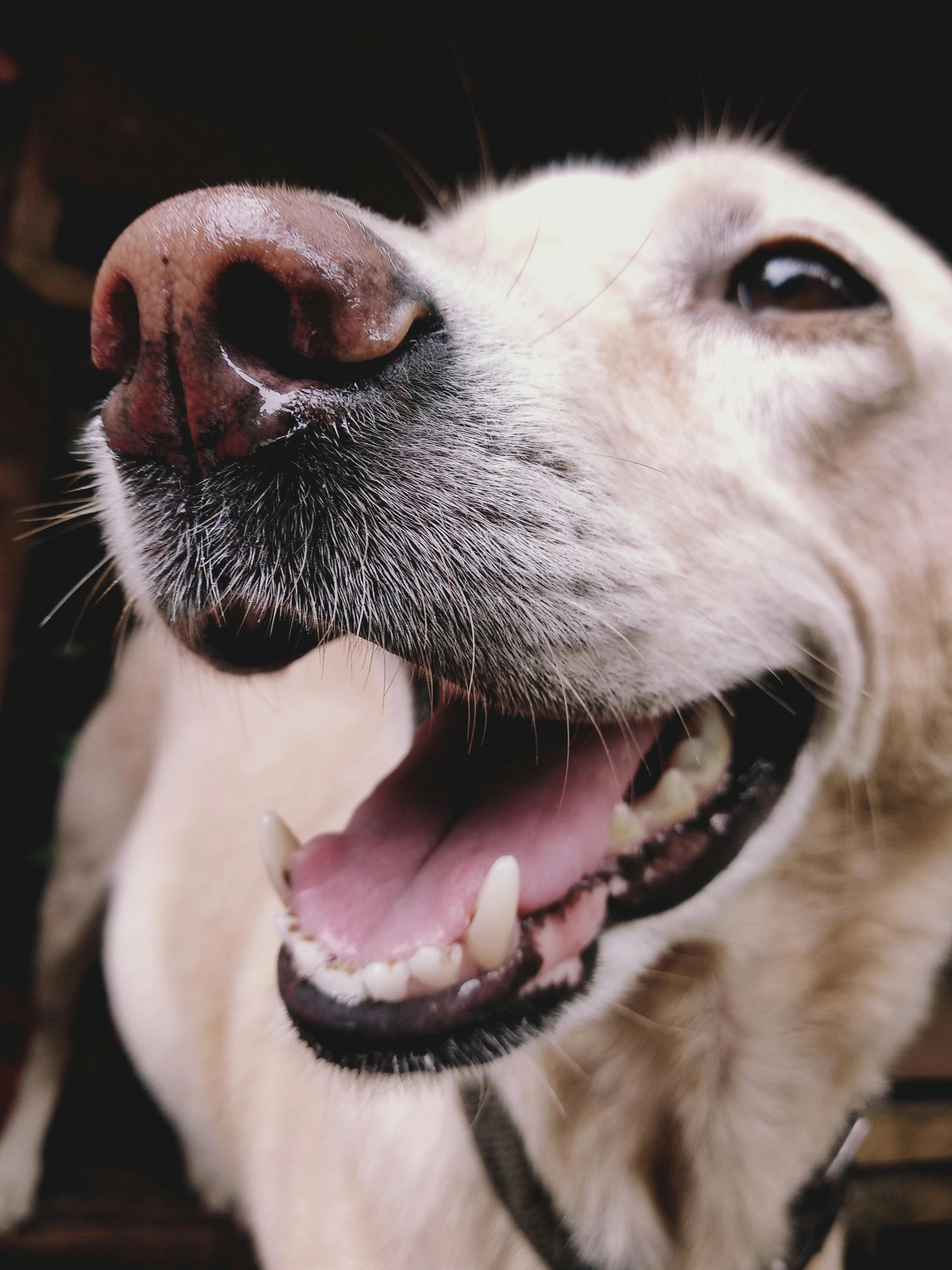 \n\n
\n\nEvery dog owner at some point, has noticed their furry friend’s nose and probably wondered why is it wet? It’s a common question, and understanding the reasons behind it can be surprisingly interesting. Dogs have wet noses for several reasons, and while this is usually normal, there are times when it could indicate a health issue. So, let’s explore the fascinating reasons behind why do dogs have wet noses, the common reasons for a wet nose, and when you should worry.
\nWhy Do Dogs Have Wet Noses?
\nFirst off, a dog’s nose is not just wet for the sake of it. The moisture on their nose serves multiple functions, making it a crucial part of their anatomy. Here’s why dog noses stay wet:
\n- \n
- \n
Enhanced Sense of Smell: Dogs have an extraordinary sense of smell, which is estimated to be 10,000 to 100,000 times more sensitive than humans. The moisture on their nose helps to trap scent particles, making it easier for them to detect smells.
\n \n - \n
Thermoregulation: Dogs do not sweat like humans do. Instead, they pant to cool down, and having a wet nose can help regulate their body temperature. A cool nose can be an indicator that a dog is in a comfortable temperature range.
\n \n - \n
Health Indicator: A wet nose can sometimes indicate a dog is healthy. It’s often a sign of hydration and good overall health, although it can vary between breeds and individual dogs.
\n \n
Common Reasons for a Wet Nose
\nThere are several normal reasons why a dog’s nose might be wet. Here’s a list of them:
\n- \n
- \n
Environmental Factors: Rain, humidity, or even swimming can cause a dog’s nose to become wet. If you just took your dog for a walk in the rain, you likely noticed a wet nose.
\n \n - \n
Play: Dogs tend to explore their environment with their nose. During playtime, they might get their noses wet from sniffing around or playing with water.
\n \n - \n
Licking: Dogs often lick their noses, which naturally keeps it moist. This behavior can be triggered by curiosity or just boredom.
\n \n
When to Worry About a Wet Nose
\nWhile a wet nose is often a sign of a healthy dog, there are certain situations when it may indicate a problem. If you notice any of the following signs, you should consider consulting a veterinarian:
\n- \n
- \n
Excessive Moisture: If your dog’s nose has become excessively wet and is dripping, it may indicate a health issue, such as nasal discharge from an infection or allergy.
\n \n - \n
Dry Nose: A dry nose can sometimes be a sign of dehydration or illness, especially if it’s accompanied by other symptoms like lethargy or a loss of appetite.
\n \n - \n
Crustiness or Bleeding: If you see any crusty spots or bleeding on the nose, this could be a serious condition and you should seek veterinary care promptly.
\n \n - \n
Change in Behavior: Any change in your dog’s behavior, such as decreased appetite, lethargy, or excessive scratching at the nose, warrants a vet visit.
\n \n
Comparing Wet and Dry Noses
\nHere’s a quick comparison of wet and dry noses in dogs to help you understand what to look for:
\n| Condition | \nWet Nose | \nDry Nose | \n
|---|---|---|
| Health Indicator | \nUsually healthy | \nCould indicate dehydration or illness | \n
| Temperature | \nCool to the touch | \nMight be warm | \n
| Cause | \nNormal moisture from environment | \nCan be due to weather changes or sickness | \n
Practical Examples
\n- \n
- \n
Beagle: A beagle’s nose is typically always wet, as they are scent hounds and rely heavily on their sense of smell.
\n \n - \n
Bulldog: Bulldogs can have drier noses, and it's not uncommon for them to have a slightly warm nose due to their unique facial structures.
\n \n - \n
Poodle: Poodles often have wet noses after a bath or after playing in water, which is normal and not a cause for concern.
\n \n
In conclusion, a dog's wet nose is generally a normal and healthy characteristic. It plays vital roles in their sense of smell and temperature regulation. However, being aware of changes in your dog's nose and behavior can help you catch potential health issues early. So, keep an eye on your furry friend and enjoy the wonderful quirks that come with dog ownership!
\n\nThe Evolutionary Benefits of Wet Noses in Dogs: A Deep Dive into Canine Biology
\n\n \n\n
\n\nDogs are often known for their cute wagging tails and playful antics, but one of the most fascinating features they have is their wet noses. Many people wonder, why do dogs have wet noses? This question leads us into the captivating world of canine biology and the evolutionary benefits of those moist, cold snouts. Understanding this can deepen our appreciation for man's best friend.
\nThe Biological Purpose of a Wet Nose
\nThe wetness of a dog's nose plays a critical role in their sense of smell, which is significantly more acute than that of humans. In fact, dogs have about 300 million olfactory receptors in their noses compared to a mere 5 million in humans. This difference allows dogs to detect scents at incredibly low concentrations.
\n- \n
- Enhances Smell: The moisture on a dog's nose helps to capture scent particles more effectively. When the nose is wet, it creates a better environment for these particles to adhere. This is essential for a dog’s hunting and tracking abilities. \n
- Cooling Mechanism: Dogs don’t sweat like humans do. Instead, they rely on panting and the moisture from their noses to regulate body temperature. A wet nose can help cool them down, particularly during hot weather. \n
Evolutionary Benefits of Wet Noses
\nWet noses are not just random traits; they have developed through evolution to serve practical purposes. Many researchers believe that these features were advantageous for survival.
\n- \n
- Social Interactions: Dogs communicate with each other and with humans through scent. A wet nose allows them to pick up more information about their environment and other animals. This can include identifying potential mates, rivals, or even food sources. \n
- Health Indicators: Interestingly, the condition of a dog's nose can indicate their health. A healthy dog usually has a moist and cool nose, while a dry or cracked nose may signal dehydration or illness. \n
Historical Context
\nThe relationship between humans and dogs dates back thousands of years. Early domesticated dogs were likely chosen for their ability to track and hunt, and their wet noses played a role in this. As dogs evolved alongside humans, their noses adapted to become more effective at scent detection.
\n- \n
- Domestication: As wolves became domesticated, those with better olfactory capabilities were more successful in hunting and thus more likely to be cared for by humans. This led to the survival of dogs with wet noses. \n
- Working Dogs: Many working dog breeds, such as Bloodhounds and German Shepherds, have developed especially moist noses, which are suited for tasks like search and rescue or police work. \n
Fascinating Facts about Dog Noses
\nHere are some intriguing points about dog noses that might surprise you:
\n- \n
- Unique Prints: Just like human fingerprints, each dog has a unique nose print. This can be used to identify them, similar to how we use fingerprints. \n
- Temperature Regulation: Research suggests that a dog’s nose can detect temperature changes in the environment, helping them navigate their surroundings more efficiently. \n
- Scent Memory: Dogs can remember smells for a long time. Some studies show that they can recognize a scent even after it has been absent for years. \n
Nose Care Tips for Dog Owners
\nMaintaining your dog’s nose is important for their overall health. Here are some tips for keeping their noses healthy:
\n- \n
- Hydration: Ensure your dog has plenty of fresh, clean water to drink. Hydration plays a key role in keeping their nose moist. \n
- Check for Cracks: Regularly inspect your dog’s nose for any signs of dryness or cracking. If you notice any abnormalities, consult your veterinarian. \n
- Avoid Harsh Conditions: Protect your dog from extreme temperatures, both hot and cold. Cold weather can lead to chapped noses, while hot weather can lead to dehydration. \n
Comparison with Other Animals
\nWhile dogs have wet noses, not all animals share this trait. For instance:
\n- \n
- Cats typically have dry noses, which can sometimes lead to misconceptions about their health. \n
- Many mammals have moist noses, but dogs are particularly known for how it enhances their ability to smell. \n
In summary, the wet nose of a dog is not just an adorable feature; it's a crucial aspect of their biology that evolved to serve multiple functions. Understanding why do dogs have wet noses can help us appreciate them even more. Their ability to smell, communicate, and even regulate their body temperature is all tied to this remarkable trait. So next time you see your dog with that moist little nose, remember just how special it really is.
\n\nCan Your Dog's Nose Tell You About Their Emotions? Discover the Truth!
\n\n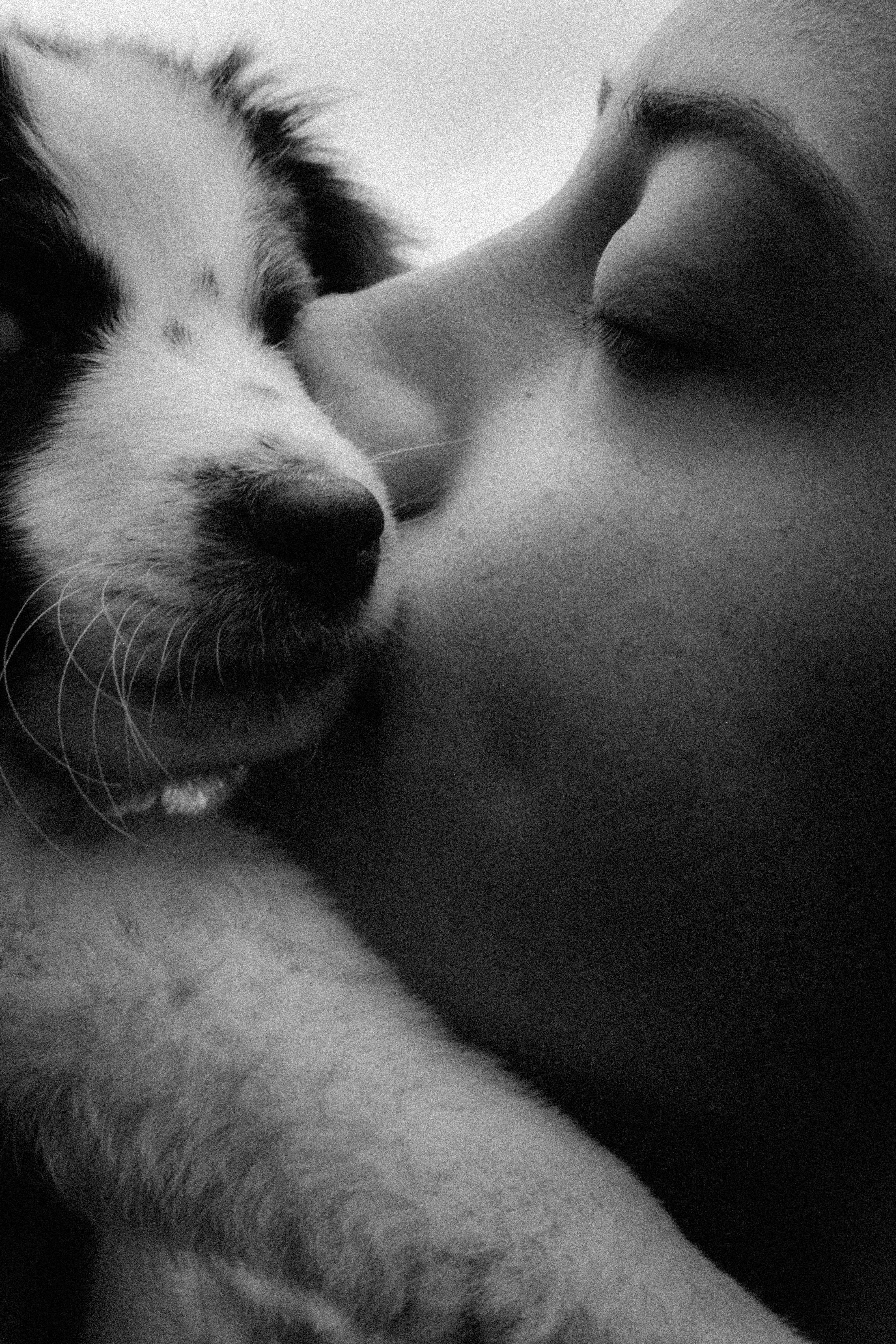 \n\n
\n\nHave you ever wondered what goes on in your dog's mind? Our furry friends communicate in many ways, and their noses are one of the most fascinating parts of that conversation. Can your dog's nose tell you about their emotions? Is it true that a wet nose is a sign of a happy pup? In this article, we will explore the truth behind these questions and delve into why dogs have wet noses, uncovering the amazing reasons behind this common canine trait.
\nUnderstanding Your Dog's Emotions Through Their Nose
\nDogs are incredibly emotional creatures. Their ability to express feelings is not just about barking or tail wagging; their noses play a significant role too. The wetness of a dog's nose can indicate various things, including their emotional state.
\n- \n
- \n
Wet Nose, Happy Dog?
\n- \n
- A wet nose often signals that a dog is feeling good or excited. But it’s not always the case. Sometimes, it can be a response to stress or anxiety. \n
- Dogs use their sense of smell to understand their environment. A moist nose helps in detecting scents better, suggesting that when a dog is curious or playful, their nose might be wetter. \n
\n - \n
Signs of Distress
\n- \n
- Conversely, if a dog's nose is dry and they seem lethargic, it can be a sign of discomfort or illness. \n
- Pay attention to their body language too. A dog with a dry nose and tucked tail might not be feeling well. \n
\n
Why Do Dogs Have Wet Noses? Discover The Fascinating Reasons!
\nThe wetness of a dog's nose is not just a quirky trait; there are several biological and evolutionary reasons for it. Understanding these can deepen your relationship with your pet.
\n- \n
- \n
Enhanced Smell
\n- \n
- A wet nose can help to capture scent particles in the air. This is because moisture can trap odors better, allowing dogs to smell things more efficiently. \n
- Dogs have up to 300 million smell receptors compared to humans' 5 million. Their noses work much like a sponge, soaking up scents. \n
\n - \n
Thermoregulation
\n- \n
- Believe it or not, a dog’s nose also plays a role in their ability to regulate temperature. Dogs don't sweat like humans do. Instead, they cool down through their noses and paws. \n
- A wet nose can help maintain a lower body temperature, especially on hot days. \n
\n - \n
Health Indicator
\n- \n
- The state of a dog’s nose can reflect their overall health. A consistently dry nose might suggest dehydration or illness, while a wet nose is generally a good sign. \n
- However, remember that a dog can have a wet nose and still be sick. It's not the only indicator of health. \n
\n
Interesting Facts About Dogs' Noses
\n- \n
- Dogs have a unique nose print, much like human fingerprints. No two dogs have the same nose print! \n
- The color of a dog’s nose can change based on their mood or health. For example, a pink nose may indicate allergies. \n
- Dogs can smell diseases, including certain cancers, due to their advanced olfactory systems. \n
How to Keep Your Dog’s Nose Healthy
\nTaking care of your dog's nose is part of overall pet health. Here are some tips:
\n- \n
- Hydration: Ensure your dog always has access to fresh water. Dehydration can lead to a dry nose. \n
- Regular Vet Check-ups: Routine checks can help catch any underlying health issues early. \n
- Watch for Changes: If you notice a sudden change in your dog’s nose, such as excessive dryness or cracking, visit your veterinarian. \n
Comparing Dog Noses to Human Noses
\n| Feature | \nDog Nose | \nHuman Nose | \n
|---|---|---|
| Smell Receptors | \n300 million | \n5 million | \n
| Wetness Indicator | \nYes, indicates health | \nNot a significant indicator | \n
| Unique Prints | \nEach dog has a unique print | \nHumans don’t have unique prints | \n
| Temperature Regulation | \nYes, helps cool body | \nNo, primarily for breathing | \n
Understanding your dog's nose can be as important as understanding their bark. Their wet noses are not just cute; they serve multiple purposes that are essential for their well-being. So next time you give your furry friend a scratch behind the ears, take a moment to appreciate that wet nose and what it can tell you about their emotional state and health. Embrace the quirks of your dog, and you will build an even deeper bond with your loyal companion.
\n\nTips for Keeping Your Dog’s Nose Healthy and Moist: Expert Advice You Need to Know
\n\n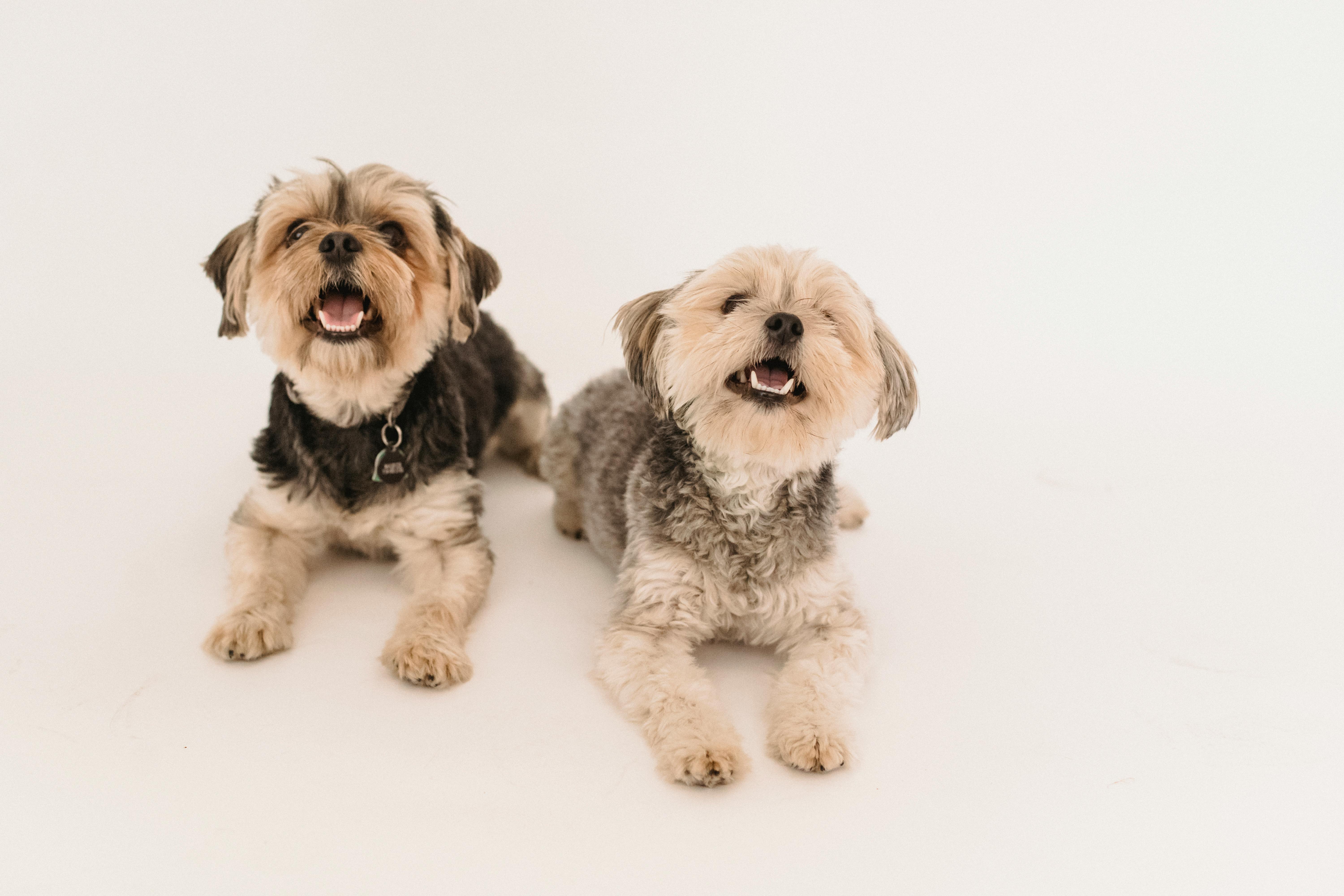 \n\n
\n\nDogs, those lovable and loyal companions, often have wet noses. But why is that? Many people, especially dog owners, wonder about the reasons behind this fascinating feature. Not only does a wet nose seem to be a characteristic of a healthy dog, but it also plays a significant role in their overall well-being. In this article, we’ll dive into the reasons why dogs have wet noses, and we’ll give you some tips for keeping that nose healthy and moist!
\nWhy Do Dogs Have Wet Noses?
\nThe moisture on a dog’s nose is not just for show. There’s a lot more going on than meets the eye. Here’s some reasons why:
\n- \n
- \n
Enhanced Sense of Smell: Dogs are known for their incredible sense of smell. A wet nose helps to absorb scent chemicals from the environment. The moisture on their nose captures these particles, making it easier for dogs to analyze and interpret smells. It's like a built-in perfume bottle for their noses!
\n \n - \n
Temperature Regulation: Dogs can’t sweat like humans do. Instead, they rely partly on their noses to help regulate their body temperature. A wet nose can help cool them down, especially during hot days.
\n \n - \n
Health Indicator: A wet nose is often considered a sign of a healthy dog. However, it’s important to remember that not every dog will have the same level of moisture on their nose all the time. Factors like activity level, weather, and health can affect this.
\n \n - \n
Communication Tool: Dogs also use their noses to communicate with other dogs. A wet or warm nose can signal different emotions or states, helping them connect with other dogs.
\n \n
Tips for Keeping Your Dog’s Nose Healthy and Moist
\nMaintaining a healthy nose is vital for your dog’s overall health. Here are some tips that can help you ensure that your furry friend has a moist and healthy nose:
\n- \n
- \n
Stay Hydrated: Just like humans, dogs need plenty of water. Make sure your pup has access to fresh water at all times. Dehydration can lead to dry noses.
\n \n - \n
Balanced Diet: A nutritious diet can affect your dog’s skin and nose health. Foods rich in Omega-3 fatty acids, like fish oil, can help keep their nose moist and healthy.
\n \n - \n
Humidity Matters: In dry or cold seasons, consider using a humidifier in your home. This can help prevent your dog’s nose from drying out too much.
\n \n - \n
Limit Sun Exposure: Just like humans, dogs can get sunburned. If your dog’s nose is often exposed to the sun, consider using a pet-safe sunscreen.
\n \n - \n
Regular Vet Check-ups: Keep up with your vet appointments. They can catch any potential issues early on.
\n \n - \n
Avoid Irritants: Keep your dog away from strong chemicals, perfumes, or other irritants that can affect their nose's health.
\n \n - \n
Grooming: Regular grooming helps to keep your dog’s skin and nose healthy. Brushing their fur can reduce allergens that might cause irritation.
\n \n
The Importance of Nose Checks
\nYou should regularly check your dog’s nose for any changes. Here’s what to look for:
\n- \n
- \n
Color Changes: A healthy dog’s nose is typically black or brown. If you notice any discoloration, consult your vet.
\n \n - \n
Cracks or Lesions: Cracked or sore noses can signal health issues. Don’t ignore these signs!
\n \n - \n
Unusual Moisture Levels: If your dog’s nose is excessively dry or wet for extended periods, it could indicate a problem.
\n \n - \n
Odor: A foul smell can be a sign of infection or other health issues. If you detect an unusual smell, it’s time to visit the vet.
\n \n
Fun Facts About Dog Noses
\n- \n
- Dogs have more than 220 million scent receptors in their noses, compared to only about 5 million in humans. \n
- The wetness of a dog’s nose helps them to detect scents more effectively, enhancing their already remarkable olfactory abilities. \n
- Each dog’s nose print is unique, just like a human fingerprint. \n
In summary, understanding why dogs have wet noses and how to keep them moist is essential for any dog owner. A dog’s nose plays a significant role in their health and communication. By ensuring proper hydration, nutrition, and care, you can help maintain your dog’s nose in optimal condition. Remember to pay attention to any changes, and don’t hesitate to consult your veterinarian if you have concerns. Dogs rely on us for their health and happiness, so let’s make sure we’re doing our part!
\n\nThe Surprising Link Between Wet Noses and Dog Behavior: What Your Pup is Trying to Tell You
\n\n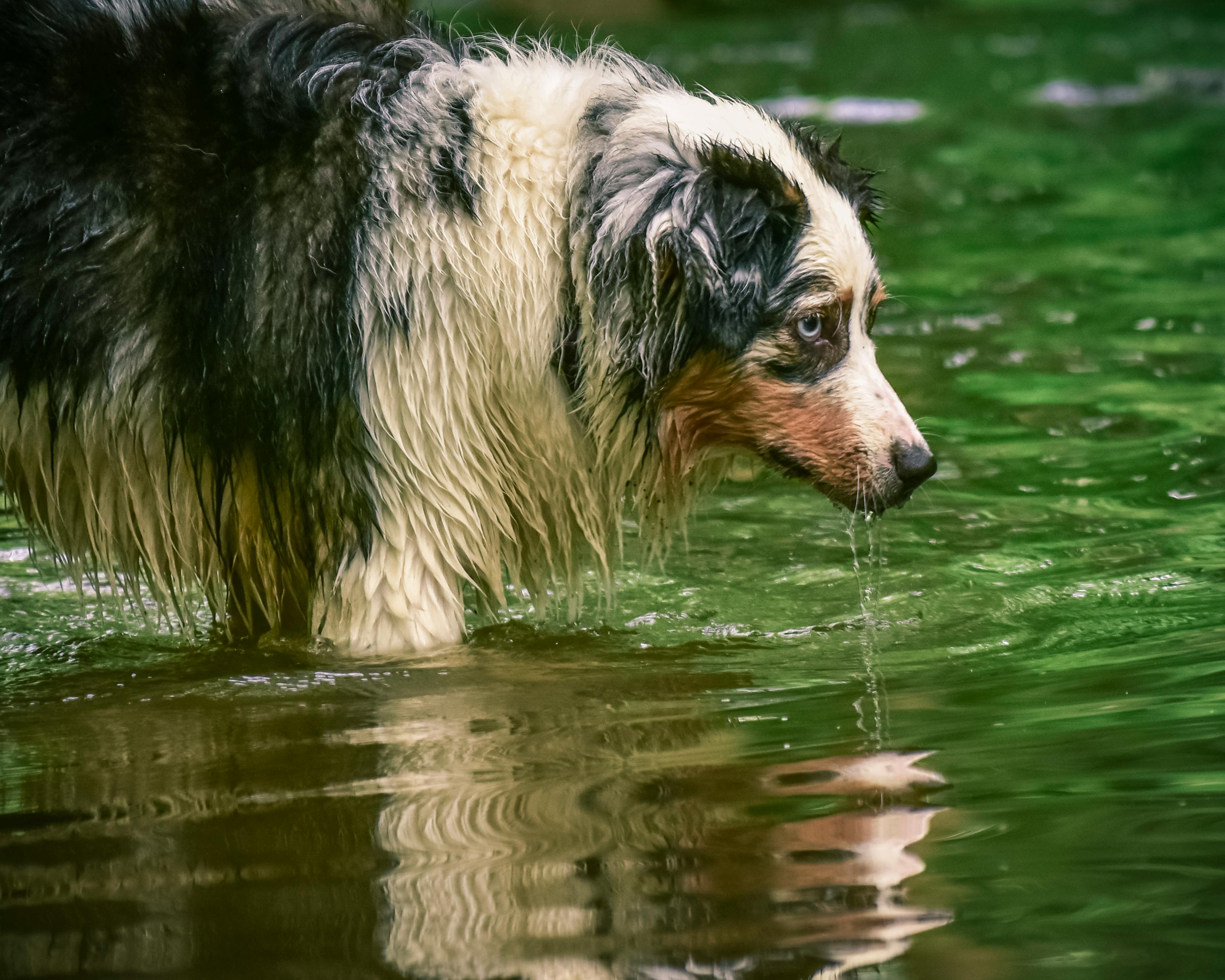 \n\n
\n\nEver noticed your dog's nose is often wet? You probably thought it was just a quirk of their physiology. But actually, there's a surprising link between wet noses and dog behavior that can tell you a lot about what your pup is feeling. So, why do dogs have wet noses? Let’s dive into the fascinating reasons behind this feature and what your furry friend might be trying to communicate through their wet snouts.
\nThe Science Behind Wet Noses
\nFirst off, let’s talk about why dogs' noses are wet in the first place. Dogs have a unique way of cooling down and sensing their environment. Their nose serves as a powerful sensory organ. A wet nose helps with scent detection, enabling dogs to pick up on scents more effectively.
\n- \n
- Moisture Helps Scent Detection: The moisture on a dog’s nose captures scent particles, increasing their ability to smell better. \n
- Cooling Mechanism: Just like humans sweat, dogs can cool off through their noses. When it’s hot, a wet nose can help regulate their body temperature. \n
- Health Indicator: A wet nose can be a sign of good health. If your dog’s nose becomes dry or warm, it might indicate illness or dehydration. \n
The Behavioral Aspect of Wet Noses
\nNow that we know why dog noses are wet, let's explore the behavioral side of things. A dog’s wet nose isn’t just a physical trait; it is also linked to how they behave and interact with you and others.
\nCommunication Tool
\nDogs communicate in many ways, and their noses play a significant role. A wet nose can indicate that a dog is relaxed and happy. When your pup nudges you with their wet nose, it might be asking for attention or affection. Here are some ways wet noses relate to dog behavior:
\n- \n
- Affection: When your dog nudges you with their nose, it often means they want to show love or need something. \n
- Curiosity: A wet nose might mean your dog is investigating something new. Dogs use their sense of smell to learn about their surroundings. \n
- Stress Indicator: If a dog’s nose is dry and warm, it might be feeling anxious or unwell. \n
Historical Context
\nHistorically, the wet nose has played a role in how dogs were bred and trained. For centuries, humans have selected breeds for their unique traits, and a wet nose became a characteristic of healthy dogs. Ancient Egyptians, for instance, revered dogs for their loyalty and hunting skills, and a wet nose was often seen as a sign of vigor.
\nMany dog breeds, like Labrador Retrievers and Beagles, have been bred specifically for their keen sense of smell, which is enhanced by their moist noses.
\nFun Facts About Dog Noses
\nDid you know that a dog’s sense of smell is 10,000 to 100,000 times more sensitive than humans? Here’s some interesting info about dog noses:
\n- \n
- Dogs have about 300 million smell receptors in their noses, compared to about 6 million in humans. \n
- The texture of a dog’s nose is unique, just like a human fingerprint. \n
- Dogs can detect certain diseases, such as cancer or diabetes, through scent. \n
What Should You Observe?
\nIf you are a dog owner, pay attention to your dog's nose and behavior. Are there changes in their wetness that might indicate a problem? Here are some things to look for:
\n- \n
- Dryness: A dry nose can suggest dehydration or illness. \n
- Cracks or sores: These might indicate infections or allergies. \n
- Unusual temperature: A warm nose can mean your dog is sick. \n
Practical Tips for Dog Owners
\n- \n
- Hydration: Ensure your dog has fresh water available at all times to keep their nose moist and healthy. \n
- Regular Vet Visits: Regular check-ups can help monitor your dog’s health. \n
- Watch for Signs: Be observant of changes in your dog’s behavior, as they can indicate health issues. \n
So, next time you see your dog's wet nose, remember it’s not just an adorable quirk. It’s a vital part of their communication system and health. Understanding these little nuances can deepen the bond you share with your furry companion. Embrace the wet nose; it’s a window into your pup’s world!
\n\nConclusion
\n\nIn conclusion, the wet noses of dogs serve several essential functions that contribute to their overall health and sensory capabilities. The moisture on their noses helps enhance their sense of smell by trapping scent particles, allowing them to navigate their environment more effectively. Additionally, the cooling effect of a wet nose aids in temperature regulation, especially during warm weather. This unique physiological trait not only supports their keen hunting instincts but also plays a role in their social interactions with both humans and other animals. Understanding the science behind why dogs have wet noses can deepen our appreciation for these beloved companions. Next time you give your furry friend a pat, take a moment to consider the remarkable features that make them so special. Share your thoughts or experiences with your dog’s unique characteristics in the comments below, and let’s celebrate the wonderful bond we share with our canine companions!
\n\n