Have you ever stopped to wonder, why do dogs have wet noses? It's a question that tickles the curiosity of many dog lovers and pet owners alike! The truth behind this intriguing canine feature is not only fascinating but also essential to understanding our furry friends. A dog's wet nose is more than just a quirky trait; it serves several important purposes that contribute to their health and behavior. Did you know that a moist nose helps dogs smell better? Yes, it’s true! The moisture enhances their sense of smell, allowing them to detect scents more effectively. But that's not all—wet noses also play a role in regulating their body temperature. So, if you've ever asked, "Is my dog's nose wet for a reason?" you're in for a treat! In this article, we’ll dive deep into the science behind dog noses and uncover the secrets that lie within those adorable snouts. Join us as we explore the mysteries of canine noses and discover why your pup’s nose is not just cute, but a vital part of their unique biology! Get ready to be amazed by the fascinating reasons behind those delightful damp noses!
The Science Behind Canine Noses: Why Are Dogs' Noses Wet?
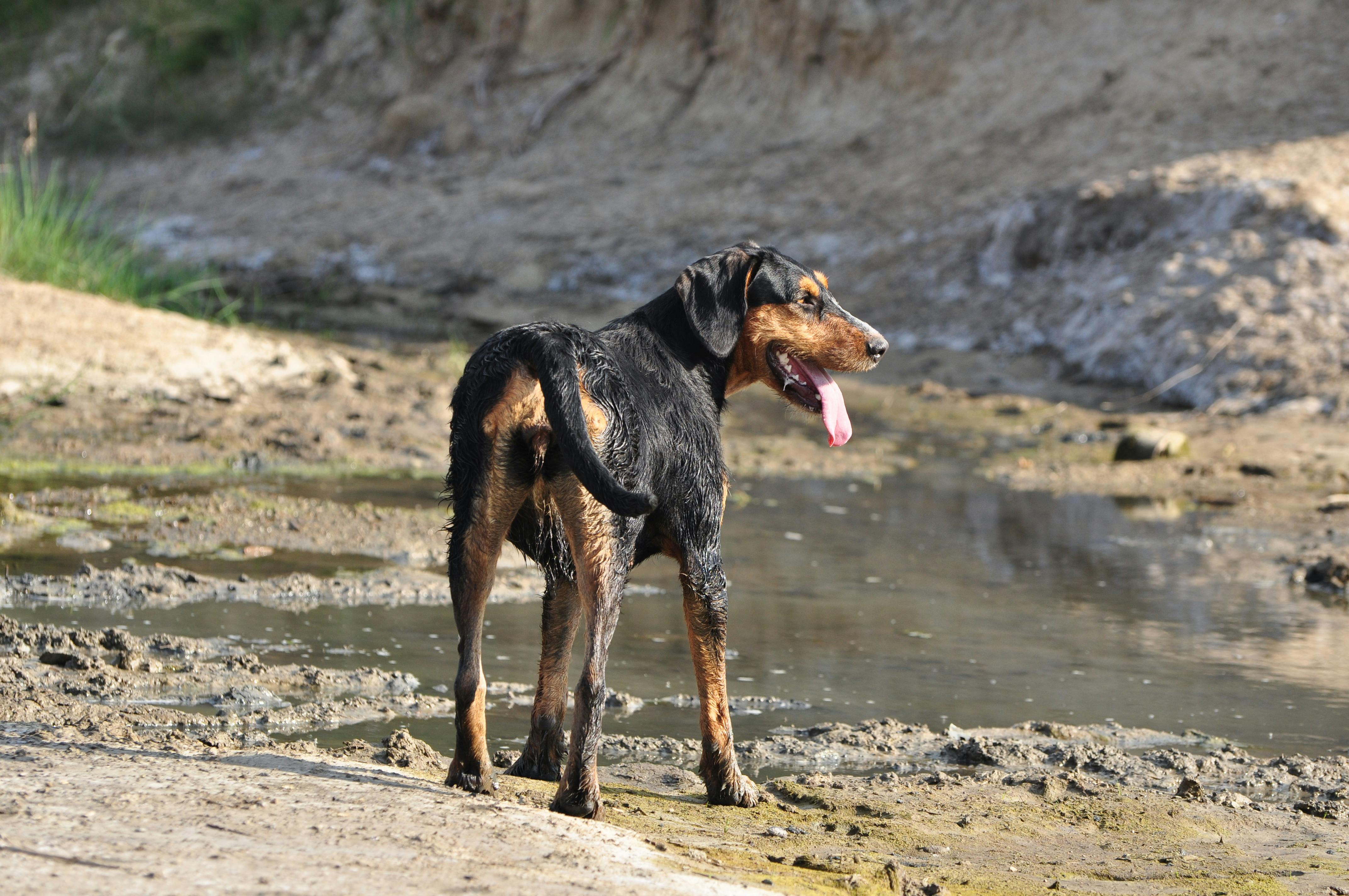
Dogs are often considered man’s best friend, and part of what makes them so unique is their incredible sense of smell. One fascinating aspect of this is the wetness of their noses. Many people wonder, “Why do dogs have wet noses?” or “What’s the science behind canine noses?” Let’s dive into the reasons behind those curious wet noses and discover some interesting facts along the way.
The Science of Smell in Dogs
Dogs have an olfactory system that is far more developed than humans. In fact, research suggests that dogs have about 220 million scent receptors in their noses, compared to a mere 5 million in humans. This incredible ability allows them to detect odors at incredibly low concentrations. But why does a wet nose play a role in this?
Moisture Enhances Smell: The wetness of a dog's nose helps to capture scent particles more effectively. When a dog’s nose is moist, it can absorb more scents, making it easier for them to identify and differentiate various smells. It’s like having a supercharged sponge for odors!
Cooling Mechanism: Dogs do not sweat like humans do. Instead, they rely on their noses to help regulate their body temperature. A wet nose can evaporate moisture, which helps to cool them down, especially on hot days.
Why Are Dogs' Noses Wet?
There’s a few reasons why dogs’ noses tend to be wet. Some of these reasons are quite fascinating!
Natural Secretion: Dogs produce mucus in their noses. This mucus helps capture scent particles, and it often keeps their noses moist. When your dog sniffs around, the moisture helps enhance their ability to smell.
Licking: Dogs often lick their noses. This behavior not only keeps their noses wet but also helps them to gather information about their environment. The taste and smell information from their nose can be processed by their brain.
Health Indicator: A wet nose is often seen as a sign of good health. Although not always the case, a dry nose can sometimes indicate dehydration or illness. It's important to monitor changes in your dog’s nose condition, but remember, every dog is different!
Comparing Dog Noses to Human Noses
Here’s a quick comparison to show just how different dogs are from humans when it comes to their noses:
| Feature | Dogs | Humans |
|---|---|---|
| Scent Receptors | ~220 million | ~5 million |
| Nose Moisture | Wet and moist | Generally dry |
| Ability to Smell | 10,000 to 100,000 times better | Limited |
| Function | Cooling and smelling | Mostly aesthetic |
Fun Facts about Dog Noses
Unique Patterns: Just like human fingerprints, every dog has a unique nose print. This means that if you ever wanted to identify your dog, their nose could actually be used as a biometric tool!
Temperature Regulation: On hot days, a dog’s wet nose helps to keep them cool. If you notice that your dog’s nose is excessively dry, it might be a sign that they’re overheated.
Nose Color Variation: The color of a dog’s nose can vary greatly. Some breeds have black noses, while others have pink or even spotted noses. This can be influenced by genetics, environment, and even breed characteristics.
Practical Examples of Dog Nose Behavior
Tracking and Search: Dogs are often used in search and rescue operations due to their incredible sense of smell. Their wet noses allow them to track scents over large distances and even through difficult terrain.
Medical Detection: Some dogs are trained to detect diseases like cancer or diabetes through scent. Their ability to differentiate between smells can lead to early detection of serious health issues.
Behavioral Cues: Dogs use their noses to communicate with each other. Sniffing is a key part of how they gather information about other dogs, including their health, mood, and more.
In summary, the wetness of a dog’s nose is not just an interesting trait; it serves multiple important functions that contribute to their remarkable abilities. From helping them to smell better to regulating their body temperature, those moist noses are a crucial part of what makes dogs such extraordinary companions. So next time you see your furry friend with that wet nose, remember, it's more than just cute—it's science at work!
5 Fascinating Reasons Your Dog’s Wet Nose Is More Than Just Cute
If you've ever had a dog, you probably noticed their wet noses and thought that it was just part of what makes them so adorable. But did you ever asked yourself, why do dogs have wet noses? It turns out, there’s way more to it than just cuteness. This peculiar feature of dogs actually serves many fascinating purposes. Let’s dive into five interesting reasons why your furry friend’s wet nose is more than just a charming quirk.
1. Enhanced Sense of Smell
One of the most important functions of a dog's wet nose is to help them smell better. You see, dogs have an incredible sense of smell, estimated to be anywhere from 10,000 to 100,000 times stronger than humans. The moisture on their noses helps to capture scent particles from the air.
- Wet noses attract and retain smells.
- The moisture dissolves the scent, making it easier for the olfactory receptors to get into action.
- When dogs sniff, they can process the scent more effectively because of this wetness.
This is why dogs are used in various capacities, like search and rescue, or even detecting diseases. Their noses are not just for show; they are vital tools for understanding the world around them.
2. Temperature Regulation
Another fascinating reason for a dog's wet nose is related to how they regulate their body temperature. Dogs can't sweat like humans do. Instead, they primarily rely on panting to cool down. But their noses also play a role.
- The moisture on their noses evaporates, cooling them off.
- A wet nose helps to keep their brain at a comfortable temperature, which is crucial for their overall health.
- Dogs with dry noses may be feeling stressed or overheated.
Next time you see your dog’s nose glistening, remember it’s not just a cute feature, it's a sign that they are managing their temperature efficiently.
3. Communication Tool
Dogs are social animals. They communicate with each other and with humans in various ways, and their wet noses play a role in that too. A wet nose can be an indicator of a dog’s emotional state.
- Wet noses often signify a relaxed and happy dog.
- Conversely, a dry nose might indicate stress or illness.
- Dogs also use their noses to greet each other; a wet nose is often a friendly gesture.
If your dog approaches you with a warm, moist nose, it might be their way of saying, “I’m happy to see you!” or “Let’s play!”
4. Health Indicator
The condition of a dog's nose can serve as a health indicator. Pet owners often rely on the state of their dogs’ noses to gauge overall health.
- Healthy dogs usually have moist, cool noses.
- A dry, cracked nose could indicate dehydration or illness.
- Frequent changes in nose moisture can be a sign of allergies or other health issues.
Being observant about your dog’s nose can help you catch any potential health problems early on. If you notice significant changes, it may be worth consulting with your veterinarian.
5. Evolutionary Adaptation
Dogs are descended from wolves, and their wet noses have been a part of their evolutionary journey. This feature has been beneficial for their survival.
- Wet noses help them track prey and avoid predators.
- The ability to smell better than any other creature aids in finding food and mates.
- This evolutionary trait has been passed down through generations, proving its importance.
Understanding the evolutionary aspect of a dog’s wet nose adds a layer of appreciation for this unique feature.
Summary of Key Points
- Dogs have wet noses to enhance their sense of smell.
- Wet noses help in temperature regulation.
- They serve as a communication tool, indicating emotional states.
- The condition of a dog’s nose can indicate health issues.
- Wet noses are an evolutionary adaptation that aids in survival.
So, why do dogs have wet noses? It's not just an endearing quality; it’s a combination of physiological and behavioral functions that contribute to a dog’s well-being and effectiveness as a companion. Next time your pup nudges you with their damp snout, remember that it's not just about being cute; it's about their health, communication, and their amazing abilities. Embrace the wet nose, for it holds secrets about your furry friend that go beyond its adorable appearance.
Understanding Canine Anatomy: What Makes a Dog’s Nose Moist?
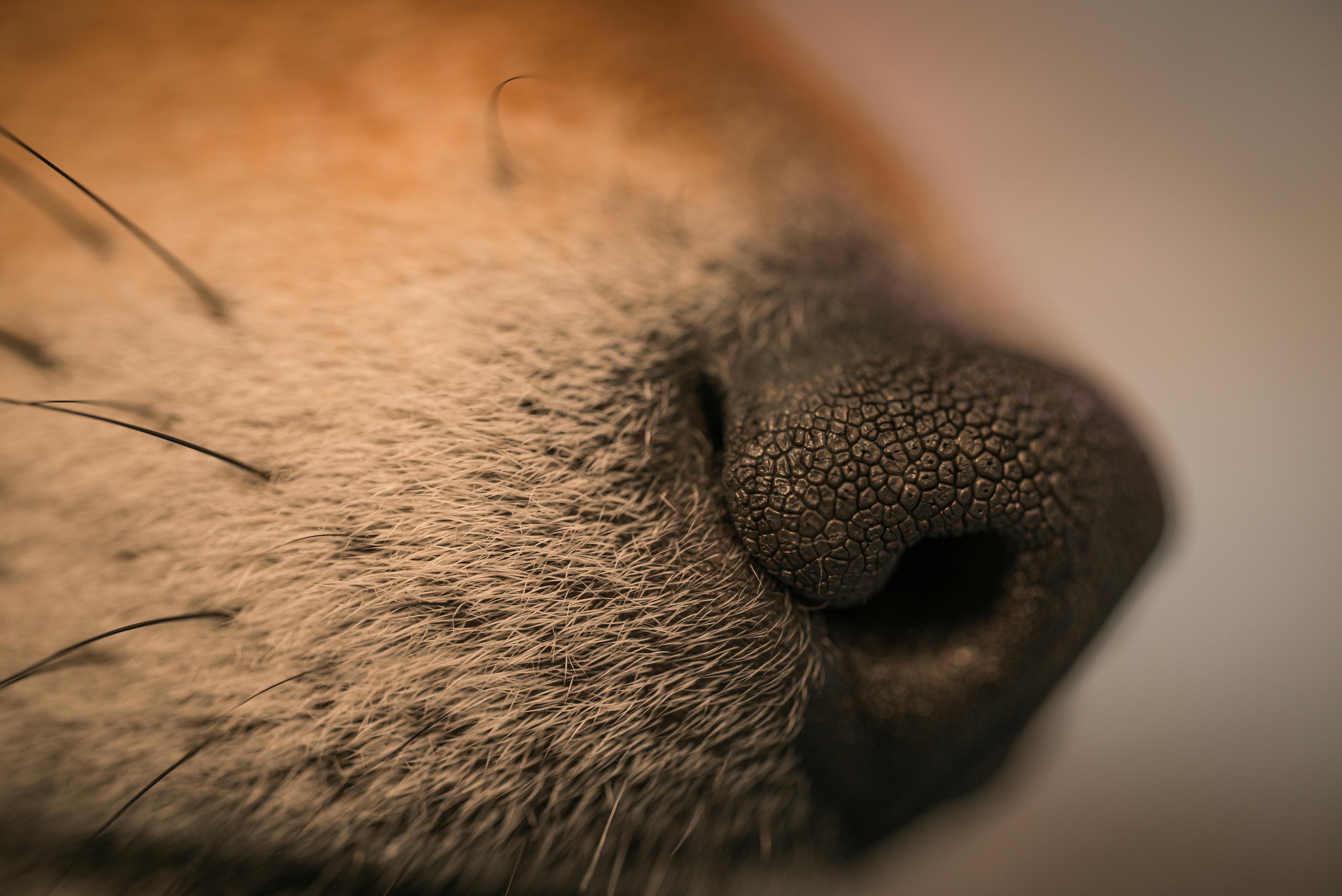
Dogs are wonderful companions and they have many unique traits that makes them fascinating. One of the most interesting aspects of a dog is its nose. If you ever noticed, a dog’s nose is often wet. But why do dogs have wet noses? Understanding canine anatomy can reveal some fascinating reasons behind this characteristic.
The Anatomy of a Dog's Nose
A dog's nose is an incredible organ. It's not only the part that help them smell but also plays a crucial role in their overall health and well-being. The moistness of a dog's nose is due to several factors:
- Mucous Glands: Dogs have specialized mucous glands that produce a thin layer of moisture on the surface of their noses. This moisture helps to enhance their sense of smell by trapping scent particles.
- Cooling Mechanism: Dogs do not sweat like humans do. Instead, they rely on their noses to help regulate their body temperature. The moisture on their noses evaporates, which can cool them down.
- Scent Detection: A wet nose can absorb scent chemicals better than a dry one. This makes a dog's sense of smell incredibly powerful—up to 100,000 times more sensitive than a human's.
Why is a Dog's Nose Wet?
So, why do dogs have wet noses? Here’s a deeper look into a few reasons:
Enhanced Scent Recognition: As mentioned earlier, the moisture helps in trapping scent particles. A wet nose means better sniffing abilities.
Health Indicator: A wet nose is often seen as a sign that a dog is healthy. However, it's not always the case. For instance, a dry nose can mean dehydration or illness, but not always.
Natural Behavior: Dogs tend to lick their noses. This behavior keeps their noses moist and helps them gather more information about their environment through scent.
Historical Context
Historically, dogs have been our companions for thousands of years. They have evolved alongside humans and adapted many traits that help them thrive in our world. The wet nose is one of those traits that has been passed down through generations. Ancient breeds, like the Greyhound or the Labrador Retriever, were bred for specific tasks, such as hunting or herding, where a keen sense of smell was crucial.
Fun Facts About Dog Noses
Unique Patterns: Just like human fingerprints, every dog's nose print is unique. This could potentially be used for identification purposes!
Scent Tracking: Some dogs are trained to detect diseases like cancer or diabetes through scent. Their wet noses play a role in this extraordinary ability.
Temperature Regulation: In addition to cooling, a wet nose can help dogs sense changes in temperature. This is particularly useful for hunting or navigating in the wild.
What Makes a Dog’s Nose Dry?
A dry nose in dogs can also have various causes. Knowing them can be useful:
Dehydration: If a dog isn’t drinking enough water, it may lead to a dry nose.
Illness: Certain illnesses can cause a dog’s nose to dry out. If you notice other symptoms, it’s important to consult with a vet.
Weather Conditions: Cold, dry air can cause a dog’s nose to dry out temporarily.
Allergies: Dogs can be allergic to various substances, which may result in a dry nose.
Tips for Maintaining Your Dog's Nose Health
If you want to keep your dog's nose moist and healthy, consider these practical tips:
Hydration: Ensure your dog has access to fresh water at all times.
Humidity: During dry seasons, consider using a humidifier in your home.
Regular Vet Check-ups: Keep up with regular vet visits to catch any health issues early.
Licking: Allow your dog to lick its nose naturally; this helps maintain moisture.
Understanding why dogs have wet noses is not just an interesting fact, but it's also crucial for their overall health. As a dog owner, being aware of the reasons behind this trait can help you better care for your furry friend. Remember that while a wet nose is usually a good sign, it’s important to monitor any changes in your dog's nose, and consult a veterinarian if you have concerns. A happy nose often means a happy dog!
How a Wet Nose Benefits Your Dog: Surprising Health Insights

Dogs are often seen with their tongues lolling out and noses glistening, but have you ever wondered why do dogs have wet noses? It’s more than just an adorable quirk; their wet noses play a vital role in their health and well-being. Let’s explore how a wet nose benefits your dog, some surprising health insights, and the reasons behind this fascinating feature.
The Science Behind Wet Noses
Dogs noses are not only moist for looks. There are several scientific reasons why their noses stay wet. A dog’s nose secretes mucus, which helps to enhance their sense of smell. The moisture on their noses captures scent particles from the air, allowing them to analyze and identify different smells more effectively. This is why dogs are often employed in roles like search and rescue or in police work; they can sniff out drugs, explosives, or even missing persons.
Benefits of a Wet Nose
Enhanced Smell: Wet noses help dogs to smell better. The moisture captures scent particles, making it easier for them to detect different aromas.
Cooling Mechanism: Dogs don’t sweat like humans. Instead, they cool off through panting and the moisture on their noses helps to regulate their body temperature.
Health Indicator: A wet nose can be a sign of good health. If your dog’s nose is dry, it might indicate dehydration or illness. Regular check-ups can help monitor your dog’s overall health.
Social Interaction: Dogs communicate and learn about each other through smell. A wet nose allows them to gather more information about their environment and other dogs.
Why Do Dogs Have Wet Noses?
There are a few reasons that explain why dogs have wet noses:
Evolutionary Adaptation: Over centuries, dogs have evolved to have wet noses as a survival mechanism. The ability to smell better helped their ancestors hunt and evade predators.
Thermoregulation: As mentioned earlier, wet noses help in cooling down. When dogs lick their noses, it creates a cooling effect that helps lower their body temperature.
Moisture Retention: A wet nose retains moisture, which is crucial for their sense of smell. It also protects them from drying out in hot weather.
Fun Facts About Dog Noses
Unique Patterns: Just like human fingerprints, every dog’s nose print is unique. This can even be used for identification purposes.
Scent Sensitivity: A dog's sense of smell is about 10,000 to 100,000 times more sensitive than humans. This is why they can sniff out things we can’t even detect.
Nose Temperature: The temperature of a dog’s nose can change depending on various factors like activity level, health, and environment.
Comparison of Dog Noses and Human Noses
Here’s a quick look at how dog noses and human noses differ in function and structure:
| Feature | Dog Nose | Human Nose |
|---|---|---|
| Smell Sensitivity | 10,000-100,000 times better | Average sensitivity |
| Moisture | Always moist | Varies |
| Identification | Unique prints | No distinct prints |
| Cooling Mechanism | Yes | No |
Practical Insights for Dog Owners
If you own a dog, you might want to keep an eye on their nose's moisture level. Here are a few tips:
Hydration: Always make sure your dog has access to clean water. Dehydration can lead to a dry nose.
Regular Vet Visits: Keep up with regular check-ups. Your vet can give you more insights on your dog's health based on their nose and overall behavior.
Observe Behavior: If your dog’s nose suddenly becomes dry or cracked, it’s worth looking into. It might just be a minor issue, but it could also indicate a health problem.
Temperature Checks: If your dog’s nose feels excessively warm, it may be a sign of fever or illness. Don’t hesitate to consult a veterinarian if you’re concerned.
Dog noses are not just cute; they’re essential to your dog's health and interaction with the world. Their wet noses enhance their ability to smell, regulate their temperature, and even indicate their health status. So next time you see your dog with that adorable wet nose, remember there's a lot more going on than just a cute feature. Taking care of your dog's nose is part of being a responsible pet owner and can lead to a happier, healthier dog.
Dog Nose Facts: What the Moisture Says About Your Pet’s Health

Dogs are amazing creatures, right? One of their most interesting features is their wet nose. Ever wondered why do dogs have wet noses? Or what those moisture levels could actually say about your furry friend's health? The truth is, a dog's nose can tell you a lot, and understanding these dog nose facts can help you be a better pet owner.
The Science Behind a Dog's Wet Nose
First, let's explore the science behind that wet, cold nose. A dog’s nose is wet for several reasons. Most importantly, it helps them smell better. Yes, you heard that right! Dogs have an incredible sense of smell. In fact, they can smell up to 100,000 times better than humans. The moisture on their noses helps to capture scent particles in the air, making it easier for them to detect different smells. Isn’t that fascinating?
Why is Moisture Important?
Now, let’s break down the reasons why moisture is crucial for a dog's nose:
- Enhanced Smell: The wetness helps absorb scent particles.
- Temperature Regulation: A wet nose can help dogs cool down.
- Health Indicator: The state of a dog's nose can provide insight into their health.
What Does a Dry Nose Mean?
You might be asking yourself, what if my dog's nose is dry? A dry nose doesn't always mean something's wrong, but it could be a signal. Here are some potential causes of a dry nose:
- Dehydration: If your dog is not drinking enough water, their nose might dry out.
- Illness: Sometimes, a dry or cracked nose could indicate an underlying health issue.
- Weather Conditions: Cold or windy weather can dry out your dog's nose, just like it does for humans.
The Importance of Regular Checks
It is important to regularly check your dog's nose. You should look for any changes in moisture, color, or texture. Here’s a quick checklist for evaluating your dog's nose health:
- Moisture Level: Is it wet, dry, or somewhere in between?
- Color: Is it a healthy pink or has it changed to something unusual?
- Texture: Is it smooth, or are there cracks or bumps?
- Temperature: Is it cool to the touch or warmer than usual?
Comparing Nose Types: Wet vs. Dry
To further understand the significance of a dog's nose, let's compare wet noses to dry ones:
| Feature | Wet Nose | Dry Nose |
|---|---|---|
| Smell Sensitivity | Higher | Lower |
| Cooling Mechanism | Effective | Less effective |
| Health Indicator | Usually healthy | May indicate dehydration or illness |
Fun Dog Nose Facts
Did you know that there are some fun facts about dog noses? Here are a few:
- Unique Patterns: Just like human fingerprints, each dog's nose has a unique pattern.
- Temperature Detection: Dogs can detect temperature changes through their noses.
- Nasal Mucus: The mucus on their nose helps in scent detection!
When to Consult a Vet
Sometimes, changes in your dog's nose can mean it's time to call the vet. If you notice any of the following, don’t hesitate to get professional help:
- Persistent Dryness: If the dryness lasts more than a few days.
- Color Changes: A sudden change in color, especially to dark red or brown.
- Cracking or Bleeding: Any sign of bleeding from the nose should be treated seriously.
Conclusion
Understanding dog nose facts can provide valuable insights into your pet’s health. A wet nose is generally a good sign, but you should always monitor for changes. Whether it’s the moisture level, color, or texture, keeping an eye on these factors can help you maintain your dog’s well-being. Remember, your furry friend relies on you for their health, and being attentive to their nose is just one small way to show your love and care. So next time you give your dog a pat, take a moment to check that adorable wet nose!
Is Your Dog’s Nose Too Wet? Signs to Watch For and What They Mean
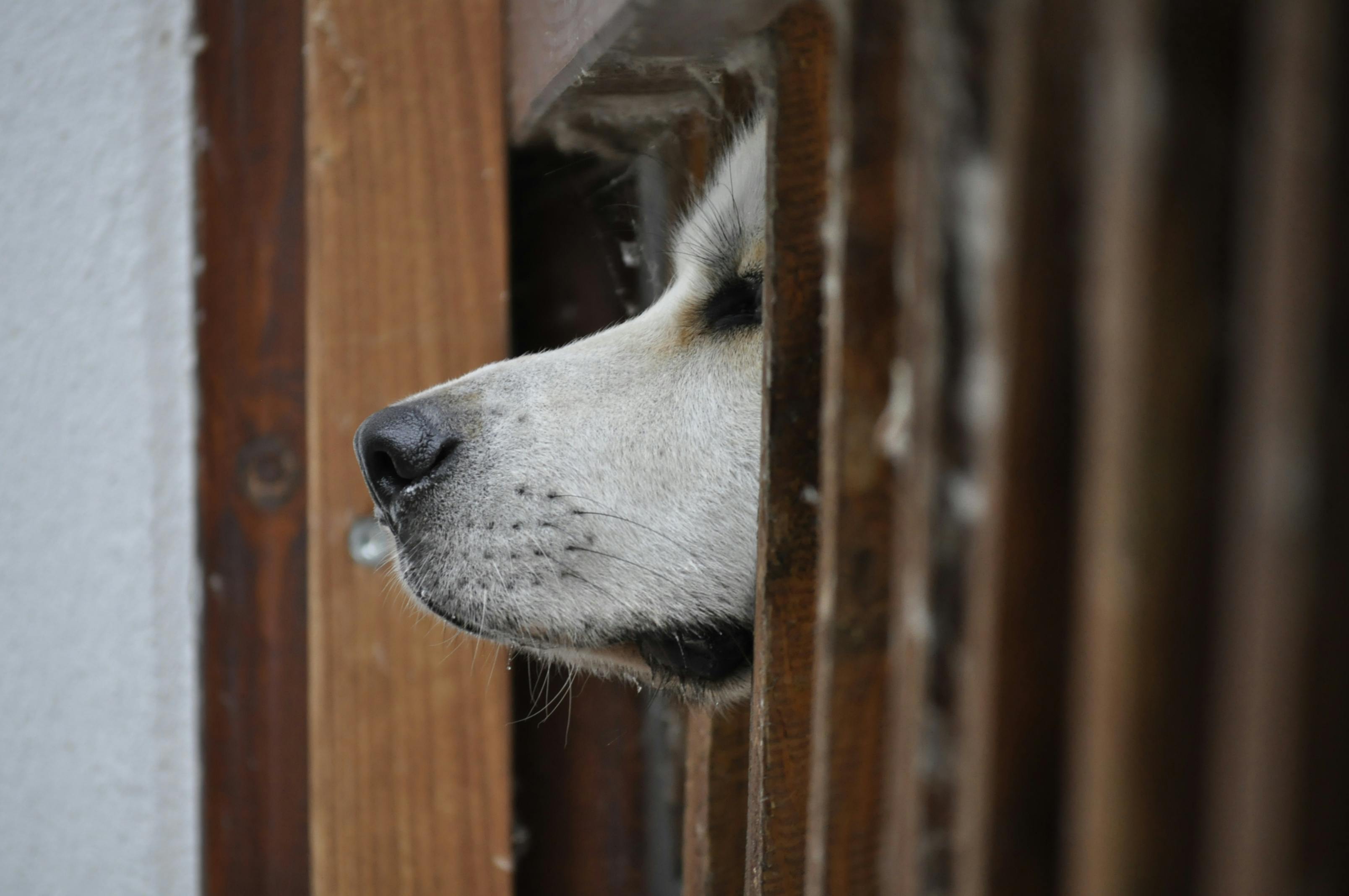
Have you ever noticed your dog's nose and wondered if it’s too wet? It’s a common concern among dog owners, and the answer is more complex than you might think. A wet nose is often considered a sign of a healthy pup, but there’re certain situations when it could indicate an underlying issue. Let's dive into why dogs have wet noses, the signs to watch for, and what they might mean for your furry friend.
Why Do Dogs Have Wet Noses?
Dogs have wet noses for a bunch of reasons, and it’s a fascinating aspect of canine biology. Here’s several key points about why their noses are typically moist:
- Enhanced Smell: The wetness helps to capture scent particles. A dog’s sense of smell is way more powerful than humans, and a wet nose helps them sniff out things better.
- Temperature Regulation: Just like how humans sweat, dogs use their noses to help cool themselves off. The moisture evaporates, which helps regulate their body temperature.
- Health Indicator: A wet nose can indicate hydration and general health. However, it’s not the only sign to look at when determining your dog's health.
- Behavioral Communication: Dogs use their noses to communicate with other dogs and animals. A wet nose can be a sign of excitement or curiosity.
Signs to Watch For: Is Your Dog’s Nose Too Wet?
While a wet nose is often normal, there are signs that could indicate potential health issues. Here’s what you should keep an eye out for:
- Excessively Wet Nose: If your dog’s nose is dripping wet for no apparent reason, it might be a sign of a problem.
- Dry Nose: A dry or cracked nose can signal dehydration, illness, or fever. It’s important to monitor this.
- Discharge: If there’s any unusual discharge (green, yellow, or bloody) coming from your dog’s nose, you should definitely consult a vet.
- Change in Behavior: If your dog is lethargic or shows a sudden change in behavior alongside a wet nose, it could be a health concern.
What They Mean: Understanding the Signs
If you notice any of the signs above, it’s good to understand what they might mean. Here’s a breakdown:
- Possible Allergies: Just like humans, dogs can suffer from allergies. A wet nose paired with sneezing or itching could indicate allergies.
- Infections: A nose that’s unusually wet along with discharge could be a sign of a respiratory infection.
- Fever: If the nose is dry and the dog is feeling hot to the touch, they might have a fever.
- Dehydration: A dry nose, combined with other symptoms like a lack of energy, can suggest dehydration.
The Importance of a Vet Check-Up
If you’re worried about your dog’s nose, it's always a good idea to consult a veterinarian. Regular check-ups can help catch issues early. Here’s why visiting the vet matters:
- Preventive Care: Regular visits can prevent small issues from turning into big problems.
- Vaccination Updates: Keeping your dog's vaccinations current helps prevent various diseases.
- Nutritional Guidance: Vets can provide advice on the best diet for your dog’s health, which can influence their nose condition.
Practical Tips for Dog Owners
Here are a few practical tips to keep your furry friend healthy and happy:
- Hydration is Key: Make sure your dog has access to fresh water at all times.
- Watch for Changes: Keep an eye on any changes in your dog's behavior or nose condition.
- Groom Regularly: Regular grooming can help you spot any potential health issues early.
- Stay Informed: Learn about common dog illnesses and their symptoms. Knowledge is power when it comes to your pet's health.
Interesting Facts About Dog Noses
Here are some fun facts about dog noses that you might not know:
- Dogs have up to 300 million smell receptors compared to humans' 5 million.
- The shape of a dog’s nose can determine how well they can smell. Flat-nosed breeds may not have as keen a sense of smell as longer-nosed breeds.
- Dogs can even smell certain diseases in humans, like cancer or diabetes, due to their acute sense of smell.
Understanding your dog’s wet nose and what it can mean is important for every dog owner. By keeping an eye on it and knowing the signs to watch for, you can ensure your furry friend remains healthy and happy. If you’ve got any concerns about your dog’s nose or overall health, don’t hesitate to reach out to your veterinarian. After all, staying informed is the best way to care for your beloved pet.
The Role of a Dog's Wet Nose in Enhancing Their Senses
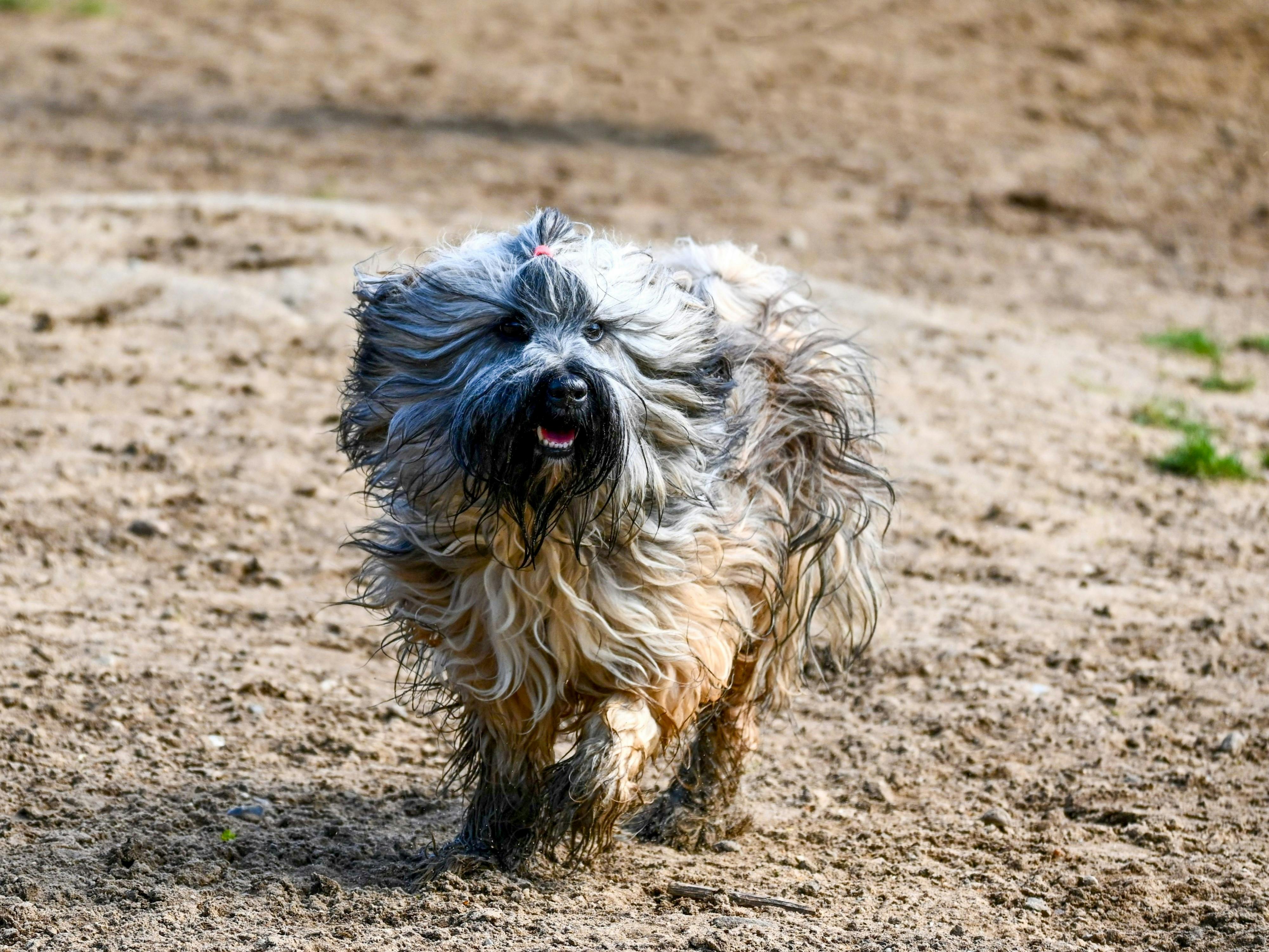
Dogs are often considered man's best friend, and one of their most unique characteristics is their wet noses. Many dog owners wonder, why do dogs have wet noses? It’s not just a random trait; it actually plays a significant role in enhancing their senses. Let’s explore the fascinating reasons behind this intriguing aspect of our furry companions.
The Science Behind a Wet Nose
Dog noses are moist for a couple of important reasons. First, the wetness helps them to absorb scent chemicals more effectively. Dogs have a remarkable sense of smell, estimated to be between 10,000 to 100,000 times more sensitive than humans. The mucous membranes in a dog’s nose help capture and hold scent particles in the air, which allows their brain to process smells more efficiently.
- Absorption of scent particles: When a dog’s nose is wet, it can absorb scent molecules better.
- Cooling mechanism: Dogs sweat through their paws, but their noses also play a role in thermoregulation. A wet nose helps to cool them down when they are overheated.
Historical Context of Dogs’ Noses
The history of dogs and their noses goes way back. Early domesticated dogs developed a wet nose as they evolved from wolves. Unlike wolves, which primarily hunt using sight, dogs adapted to rely more on their sense of smell. This evolutionary change contributed to their survival as they became companions to humans.
- Evolutionary advantage: A wet nose allowed early dogs to track scents better, aiding in hunting and foraging.
- Behavioral changes: As dogs became domesticated, they developed various behaviors linked to their sense of smell, including sniffing as a way to communicate or explore their environment.
Why Are Dogs’ Noses Wet?
So, back to the question: why do dogs have wet noses? There are several reasons that contribute to this fascinating feature:
- Enhanced Smell: As mentioned, the moisture on their noses helps enhance their olfactory abilities.
- Temperature Regulation: Dogs do not sweat like humans do; they rely on their wet noses to help regulate body temperature.
- Health Indicator: A dog’s nose can indicate their health. A dry, cracked nose can sometimes signal dehydration or illness, while a wet nose is generally a sign of a healthy dog.
Comparisons with Other Animals
When you look at other animals, dogs aren’t the only ones with wet noses. However, the reasons vary:
- Cats: Cats also have moist noses, but they don't rely on scent as much as dogs do. Their wet noses help them detect pheromones and navigate their environment.
- Rabbits: Rabbits have wet noses too, which helps them sense predators more effectively, but their reliance on sight is more prominent than scent.
Practical Examples of Dogs Using Their Noses
Dogs use their noses in many ways, showcasing the importance of their wet noses:
- Tracking: Police and search-and-rescue dogs use their incredible sense of smell to track down missing persons or detect substances.
- Detection: Dogs can be trained to sniff out drugs, explosives, and even diseases like cancer due to their keen sense of smell.
- Communication: Dogs often sniff each other as a form of greeting. This behavior helps them gather information about other dogs, such as their health and mood.
Fun Facts About Dogs’ Noses
Here are some interesting tidbits about dogs’ noses:
- The surface of a dog’s nose is unique, much like a human fingerprint. No two dogs have the same nose pattern.
- Dogs have more than 220 million scent receptors in their noses compared to about 5 million in humans.
- The wetness of a dog’s nose can change throughout the day, influenced by activity levels, temperature, and health.
Lastly, if you ever wonder why your dog’s nose is cold and wet, remember that it’s a sign of their incredible sensory abilities. The moisture plays a crucial role in their ability to navigate the world around them, enhancing their sense of smell and aiding in their overall health. Understanding these fascinating reasons helps us appreciate our pets more, and the unique traits that make them such beloved companions. So next time you give your dog a pat, take a moment to consider the science behind that wet nose!
Wet Nose, Happy Pup: How Your Dog Uses Their Sense of Smell
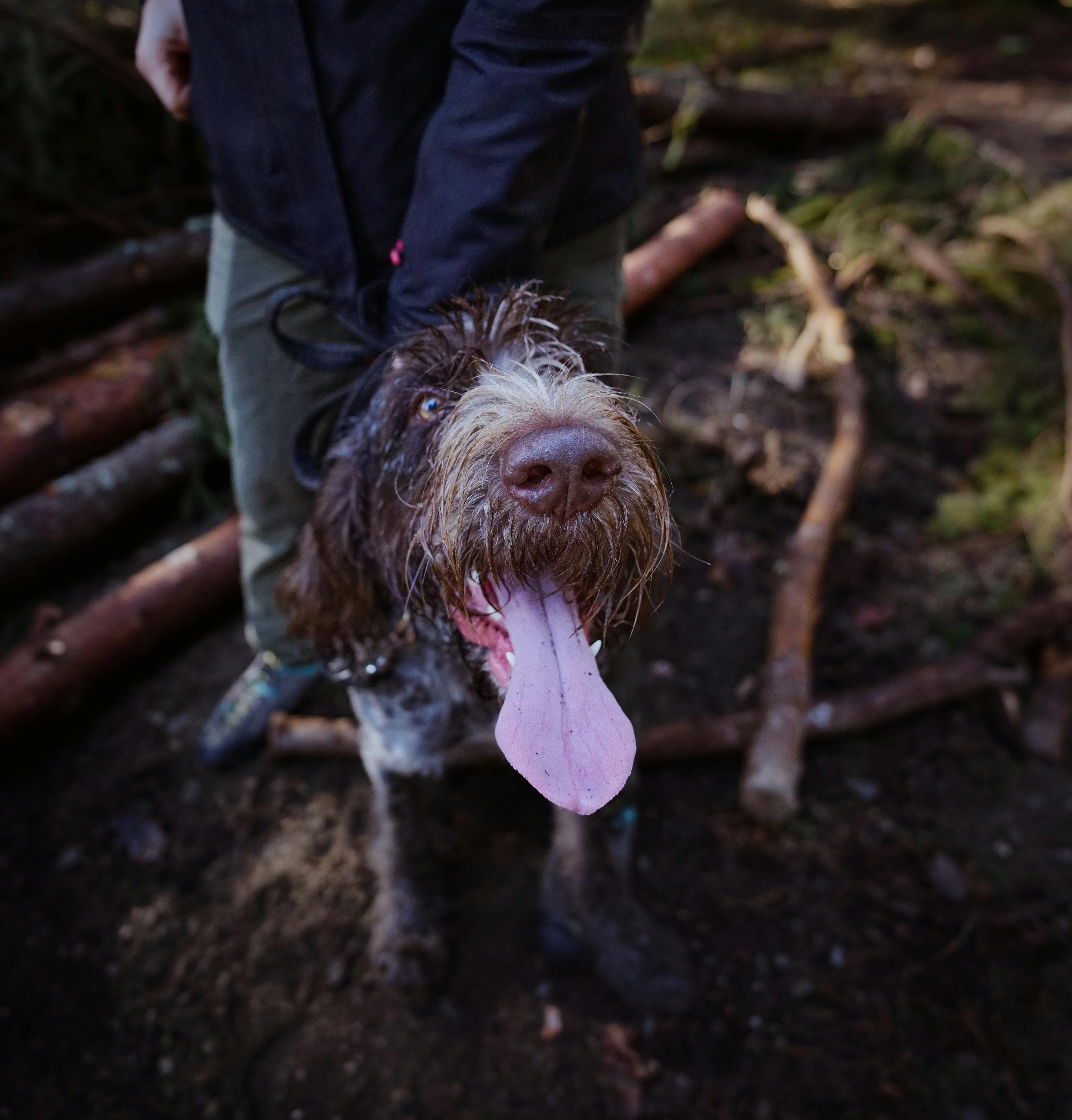
Do you ever wonder why your dog’s nose is always wet? It's not just for show. Dogs have incredible sense of smell, and their wet noses play a crucial role in that. Wet noses, happy pups! Let's dive into the fascinating world of canine olfaction and explore the reasons behind those moist little noses.
The Science Behind Dog Noses
Dogs have an extraordinary sense of smell that is vastly superior to humans. While humans have about 5 million scent receptors, dogs have around 220 million. This means they can detect smells at incredibly low concentrations. The moisture on their noses helps to enhance this ability. When a dog’s nose is wet, it can trap more scent particles, allowing them to pick up on scents more effectively.
- Scent receptors: Dogs have about 220 million compared to humans’ 5 million.
- Moisture: Wet noses help to trap scent particles.
- Temperature regulation: A wet nose also helps to cool the dog’s body.
Why Do Dogs Have Wet Noses?
So, why do dogs have wet noses? There are several reasons that can be very interesting. Here’s a quick list of the major factors:
- Enhanced Smell: The moisture helps to absorb scent particles, making it easier for dogs to detect smells.
- Thermoregulation: Dogs don’t sweat like humans. They primarily cool down by panting and the wetness on their noses helps to lower their body temperature.
- Health Indicator: A healthy dog's nose is usually moist. If it’s dry or cracked, it may indicate health issues.
The Role of Dog Noses in Communication
Dogs communicate a lot through their sense of smell. They can learn a lot about other dogs, people, and their environment just through sniffing. Wet noses play a part in this communication process. When dogs greet each other, they often sniff each other’s noses and behinds. This behavior is known as "social sniffing" and helps them gather information about each other, like their mood, health, and even diet.
Historical Context of Dogs' Noses
Historically, dogs were bred for specific purposes. Some breeds needed a strong sense of smell for hunting, while others were trained for search and rescue operations. The wet nose is a trait that has been favored in many breeds due to its role in enhancing olfactory capabilities. Over time, this has become a characteristic feature of dogs in general.
Fun Facts about Dog Noses
Here are some fun facts that might blow your mind about dog noses:
- Unique Patterns: Just like human fingerprints, each dog's nose print is unique, and it can be used to identify them.
- Dogs’ Ability to Smell Diseases: Some dogs are trained to detect certain diseases like cancer or diabetes by smelling changes in a person's body odor.
- Nasal Turbinates: Dogs have complex structures in their noses called turbinates, which help to increase the surface area for scent detection.
Comparison: Dogs vs. Humans
Here’s a quick comparison of how dogs and humans use their noses:
| Feature | Dogs | Humans |
|---|---|---|
| Scent receptors | ~220 million | ~5 million |
| Ability to detect | 1 part in 1 trillion | 1 part in 10,000 |
| Sweating | Through panting and noses | Through skin |
| Nose print uniqueness | Yes | No |
Practical Examples of Dogs Using Their Sense of Smell
Dogs use their noses in a variety of practical applications. Here are some common examples:
- Search and Rescue: Dogs help find missing persons through scent tracking.
- Detection Work: Drug and bomb detection dogs use their noses to identify illegal substances.
- Medical Detection: Some dogs are trained to detect diseases through scent, significantly aiding in early diagnosis.
So, now you see, a wet nose is more than just an adorable trait of your pup. It’s a vital tool that helps them navigate their world, communicate with others, and even serve humanity in various capacities. If you notice your dog’s nose is dry or cracked, it might be time to check in with a vet. But generally, those wet noses mean your furry friend is happy and ready to explore the world around them.
Next time you see your dog with that delightful wet nose, remember all the fascinating reasons behind it. It's not just for cuteness; it's a testament to their amazing capabilities and their role in our lives. Wet nose, happy pup indeed!
Why Do Different Dog Breeds Have Varying Nose Moisture Levels?

Dogs are known for many things, one of which is their wet noses. But why do different dog breeds have varying nose moisture levels? This question not only intrigues dog owners but also highlights the fascinating biology behind our furry friends. Understanding the reasons behind wet noses can shed light on canine health, behavior, and even their unique traits.
What Makes a Dog's Nose Wet?
First off, a dog's nose is typically wet for a reason. It's not just for show or aesthetic purposes. The moisture on a dog's nose serves several important functions:
- Enhanced Smell: Dogs have an incredible sense of smell, and moisture helps to trap scent particles. This makes it easier for them to discern different smells in their environment.
- Regulation of Temperature: A moist nose can help cool a dog down. Just like how humans sweat, dogs lose heat through their noses.
- Health Indicator: A wet nose can be a sign of good health, while a dry nose might indicate dehydration or illness. But beware; it’s not an absolute measure of health.
The Role of Dog Breeds in Nose Moisture
Not every dog breed has the same nose moisture levels, and there's good reason for that. The variations in nose wetness can be attributed to a combination of genetics, environment, and the dog's overall health. Here’s a breakdown of how different factors come into play:
Genetic Factors
Breed Characteristics: Certain breeds are more predisposed to have wetter noses than others. For example:
- Hounds: Breeds like Bloodhounds have highly moist noses, aiding them in tracking scents.
- Bulldogs: These breeds often have drier noses due to their unique facial structures.
Nose Structure: The anatomical structure of a dog’s nose can influence moisture levels. Breeds with longer snouts typically have more moisture compared to flat-faced breeds like Pugs.
Environmental Influences
- Climate: Dogs living in humid climates may have wetter noses compared to those in drier regions.
- Activity Level: Active dogs tend to have wetter noses because they’re often panting, which results in more moisture.
Why Do Dogs Have Wet Noses?
To really understand why dog noses are wet, we can look at some scientific insights. Here’s a table showing the main reasons behind the moisture:
| Reason | Description |
|---|---|
| Scent Detection | Moisture traps scent particles, enhancing olfactory abilities. |
| Temperature Regulation | Helps in cooling the dog down, much like sweating in humans. |
| Health Indicator | Often a sign of hydration and overall well-being. |
How to Maintain Your Dog's Nose Health
Just like any other part of your pet’s body, their nose needs care too. Here are some practical tips for keeping your dog’s nose healthy:
- Hydration: Make sure your dog has access to fresh water at all times. A hydrated dog is more likely to have a moist nose.
- Nutrition: A balanced diet contributes to skin and nose health. Omega-3 fatty acids are especially beneficial.
- Regular Check-ups: Annual vet visits can help catch any potential issues with your dog's overall health, including their nose.
Common Misconceptions About Dog Noses
There are several myths surrounding dog noses that need busting. Here’s a quick list of common misconceptions:
- A warm, dry nose means a fever: This isn’t always true. Dogs can have varying nose temperatures without it indicating illness.
- All dogs have wet noses: Some breeds naturally have drier noses, and that’s perfectly normal.
- Nose moisture levels are solely health indicators: While it can suggest hydration, many factors influence nose moisture, including environmental conditions and breed traits.
Understanding the reasons why dogs have wet noses and how these vary across breeds can help owners better care for their pets. It’s just another piece of the puzzle that makes our bond with dogs so special. The next time you pet your pup, take a moment to appreciate that wet nose and all the fascinating biology behind it!
Can a Dog’s Wet Nose Predict Their Mood? The Emotional Connection Explained

When it comes to our furry friends, dogs are full of surprises and mysteries. One of the most intriguing questions that many dog owners and enthusiasts often ponder is, "Can a dog’s wet nose predict their mood?" This question leads us into the fascinating world of canine behavior, touching on why dogs have wet noses in the first place. Let's explore the emotional connection between dogs and their owners, and uncover the science and reasons behind those moist noses.
The Science Behind a Dog’s Wet Nose
First off, why do dogs have wet noses? The moisture on a dog's nose is not just a random feature; it's actually serves several important functions. Here are some key reasons:
Enhanced Smell: A wet nose helps to enhance a dog's sense of smell. The moisture captures scent particles, making it easier for dogs to detect and identify different smells in the environment. That’s why they sniff everything!
Cooling Mechanism: Dogs don’t sweat like humans do. Instead, they regulate their body temperature through panting and the moisture on their noses helps keep them cool during warm weather.
Health Indicator: A dog's wet nose is often considered a sign of good health. While not always true, a dry or excessively warm nose might indicate illness or dehydration. Regular observation can help owners detect potential health issues.
Emotional Connection and Mood Prediction
Now, let's tackle that question about predicting mood. It's true that dog behavior can reflect their emotional state, and their wet noses might play a role in this. But it’s not as straightforward as it sounds. While a wet nose can indicate a relaxed and happy dog, it doesn't necessarily mean they are in a good mood. Here's how to read a dog's emotional signals:
Happy and Playful: When dogs are excited or happy, they often exhibit a wet nose. This moisture can be a sign that they are relaxed and ready to engage.
Anxious or Nervous: Conversely, if a dog is stressed or anxious, their nose may still be wet, but their body language will tell a different story. Look for other signs like tucked tails or flattened ears.
Curious or Alert: A dog’s nose may become moist when they are curious about their surroundings. This is when their smelling instincts kick in, drawing them to new scents.
Factors Influencing Nose Moisture
The wetness of a dog's nose can vary depending on several factors. Here’s a quick overview:
Weather Conditions: Humidity levels can affect how moist a dog's nose is. In dry weather, it might be drier compared to when it is raining or humid.
Activity Level: After running around or playing, a dog’s nose may be wetter because of increased panting.
Health Status: As mentioned earlier, a dog’s health can affect nose moisture. Regular vet check-ups can help ensure your dog stays healthy.
Fun Facts About Dog Noses
Dogs have a unique nose print, just like human fingerprints. Each dog’s nose print is different and can be used for identification.
The average dog has about 220 million scent receptors compared to humans who have around 5 million. This gives them a sense of smell that is incredibly powerful.
Dogs can detect certain diseases, including cancer and diabetes, through scent. Their noses are trained to recognize specific odors related to health conditions.
Observing Your Dog
To better understand your dog’s emotions, consider these practical tips:
Watch Body Language: Pay attention to their tails, ears, and overall posture. These are indicators of how your dog feels.
Engage in Play: Spend time playing with your dog to see how their mood shifts. A playful interaction can reveal a lot about their emotional state.
Maintain Routine: Keeping a consistent routine can help your dog feel secure and less anxious, which might keep their nose pleasantly moist.
Regular Vet Visits: Keeping an eye on your dog’s health with regular check-ups can help prevent any potential issues that might affect their mood or physical state.
In the end, while a dog’s wet nose can be a playful indicator of their mood, it's just one piece of the puzzle. Observing their behavior and understanding their needs can deepen the bond you share. So the next time you notice your pup's wet nose, remember it’s more than just a biological feature; it’s a window into their emotional world.
Conclusion
In conclusion, the wet noses of dogs serve several important functions, including enhancing their sense of smell, regulating body temperature, and facilitating communication with other dogs. The moisture in their noses helps capture scent particles, making their olfactory capabilities far superior to ours. Additionally, the cooling effect of a wet nose can be crucial in maintaining their body temperature, especially during warm weather. Understanding the reasons behind this unique trait not only deepens our appreciation for our canine companions but also reminds us of their remarkable biology. So the next time you greet your furry friend, take a moment to appreciate that wet nose as a window into their world. If you're a dog owner, consider how you can support your dog's health and well-being, ensuring they remain happy and thriving.