Have you ever wondered why do dogs have wet noses? This intriguing question is not just about a quirky characteristic of our furry friends; it’s a window into their health and behavior! A dog’s nose is often not just wet but also cool to the touch, and this phenomenon has captivated dog lovers and researchers alike. But, what exactly does a wet nose signify? Is it a sign of a healthy pup or is it just a natural trait? In this post, we will dive deep into the fascinating reasons behind this unique feature. From the role of canine olfaction to how a wet nose helps dogs regulate body temperature, the answers may surprise you! Plus, we will explore the connection between a dog’s nose moisture and their overall health. If you've ever asked, "Why is my dog's nose wet?" or "What does it mean when my dog has a dry nose?", you’re in the right place! Get ready to uncover the secrets of why our beloved companions have those adorable, wet noses that make them even more lovable. Let’s embark on this journey together and learn more about our four-legged buddies!
The Science Behind Wet Noses: Why Dogs' Snouts Are Always Moist

Dogs' noses are a fascinating topic that captivates many pet lovers and scientists alike. Often, people wonder, why do dogs have wet noses? It’s a question that lead to curious observations about our furry friends. If you’ve ever noticed your dog's snout, you might've thought about the reasons behind that moistness. So let’s dive into the science behind wet noses and discover the reasons why they're always damp.
The Anatomy of a Dog's Nose
First off, it's important to understand the anatomy of a dog’s nose. Dogs have an incredible sense of smell; in fact, they can smell up to 100,000 times better than humans. This amazing ability is due in part to the structure of their noses, which includes:
- A large surface area made up of olfactory receptors
- Nasal turbinates that help filter and warm the air
- A moist surface that aids in scent detection
The moisture on a dog’s nose comes from a thin layer of mucus. This mucus is not just there for show; it plays a crucial role in how dogs interact with their environment.
Why Are Dog Noses Wet?
So why do dogs have wet noses? There are a few reasons why their noses are constantly moist:
Enhanced Smell: The moisture helps to trap scent particles. When a dog sniffs, the moisture on their nose captures these particles, making it easier for them to detect different smells. This is one reason why dogs are often used in search and rescue missions.
Cooling Mechanism: Just like humans sweat to cool down, dogs also use their noses as a way to regulate their body temperature. The evaporation of moisture from the nose can help them cool off, especially during hot weather.
Health Indicator: A wet nose is often considered a sign of a healthy dog. Veterinarians often check a dog’s nose to gauge their well-being. However, not all wet noses are signs of good health; sometimes they can indicate an underlying health problem.
Behavioral Significance: Dogs may moisten their noses before important social interactions. A wet nose can signal readiness to engage or play, making it an important tool in canine communication.
Historical Context
The relationship between humans and dogs goes back thousands of years. Ancient cultures revered dogs for their loyalty and hunting skills. The dampness of their noses was likely noted by early human companions, contributing to the mystique of dogs. Over time, as dogs became increasingly domesticated, their noses remained a topic of fascination.
The Science Behind the Moisture
Now, let's explore the science a bit deeper. The moisture on a dog’s nose comes from several sources, including:
- Saliva: Dogs often lick their noses, which adds moisture.
- Exocrine glands: These glands produce mucus that keeps the nose moist.
- Environmental factors: Humidity and temperature can also affect how wet a dog's nose is.
Fun Facts About Dog Noses
Did you know that there’s a lot more to dog noses than just their wetness? Here are some interesting facts:
- Unique Patterns: Just like human fingerprints, every dog's nose print is unique. This can be used for identification.
- Color Matters: The color of a dog’s nose can change with seasons or health, too. For example, some dogs may have a darker nose in summer and a lighter one in winter.
- Temperature Sensitivity: Dogs can detect changes in temperature with their noses, which is part of why they’re so good at hunting.
Practical Tips for Dog Owners
To keep your dog’s nose healthy, here are some practical tips:
- Hydration: Ensure your dog stays well-hydrated, as this helps maintain moisture in their noses.
- Regular Vet Check-ups: Keep an eye on any drastic changes in your dog's nose, such as dryness or cracking, and consult your vet.
- Licking and Cleaning: While a wet nose is normal, excessive licking may be a sign of anxiety or boredom.
In conclusion, the reasons behind why do dogs have wet noses are both fascinating and practical. Understanding this aspect of canine biology not only enhances our appreciation for dogs but also aids us in caring for them better. The moist noses of our furry companions serve many purposes, and knowing these can help strengthen our bond with them. So next time you give your dog a scratch behind the ears, take a moment to marvel at their unique, wet nose!
5 Surprising Benefits of a Dog’s Wet Nose You Never Knew About
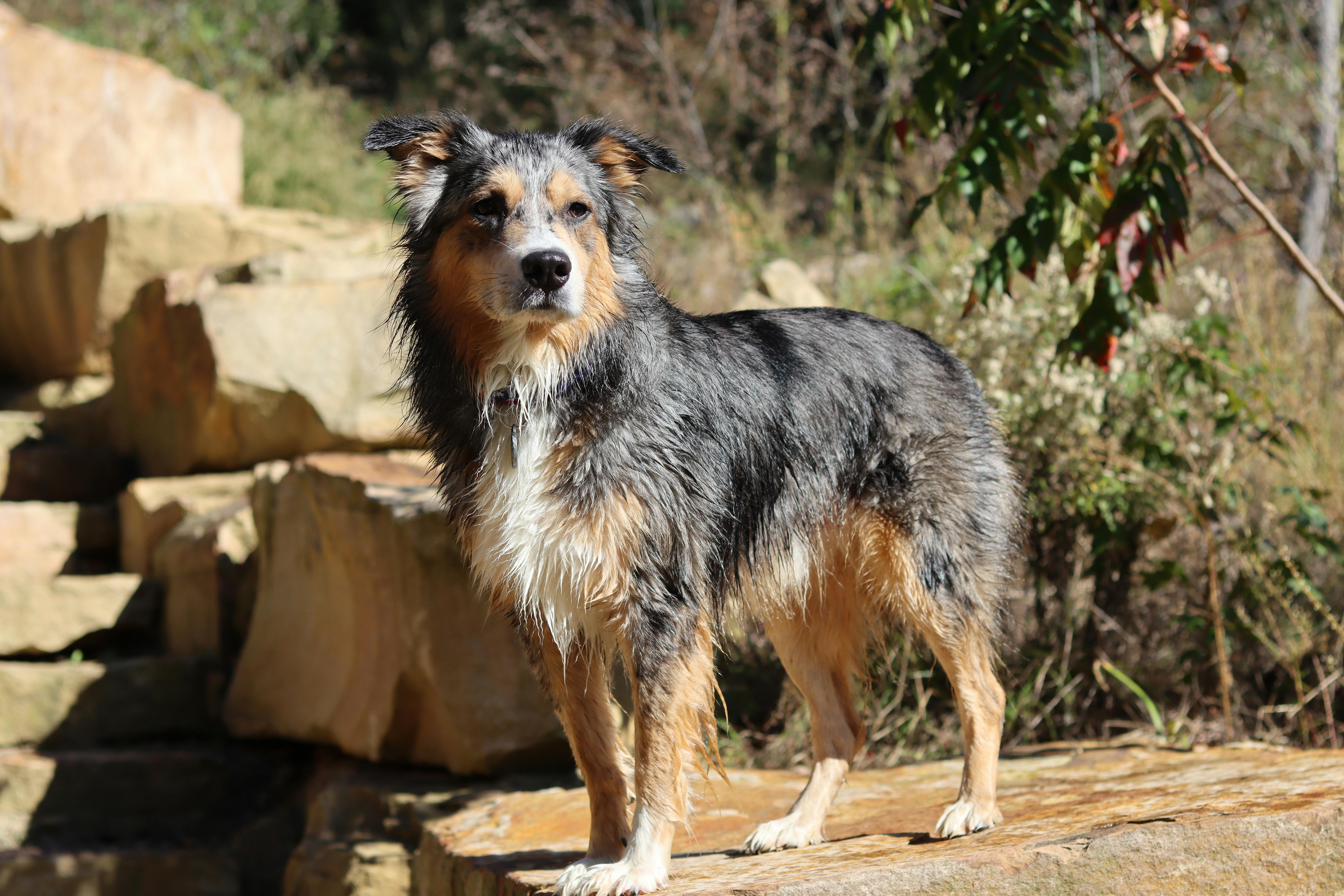
Dogs are some of the most beloved pets around the world, and with their quirky behaviors and adorable features, it’s hard not to love them. One of the most endearing traits of our canine companions is their wet noses. You might have wondered, why do dogs have wet noses? And while most people think they’re just cute, there’s actually a whole lot more to it. Here, we explore five surprising benefits of a dog’s wet nose that you probably never knew about.
1. The Cooling Mechanism
One reason dogs have wet noses is it helps regulate their body temperature. Dogs don’t sweat like humans, so they rely on their noses to cool down. When dogs lick their noses, the moisture evaporates, which results in a cooling effect. It’s like they’re using their nose as a built-in air conditioning unit!
- Dogs can’t sweat as effectively as humans.
- Moisture on their nose helps cool them down.
- This mechanism is especially important in hot weather.
2. Enhanced Sense of Smell
Did you know that a dog’s sense of smell is around 40 times better than that of humans? A wet nose aids in this incredible ability. The moisture on their noses helps capture scent particles from the air. This enhances their olfactory capabilities and allows them to detect odors more efficiently. That’s why your dog might seem particularly interested in that spot where another dog just walked.
- Wet noses capture scent particles.
- Dogs can detect certain smells from several miles away.
- Their sense of smell is key to their hunting instincts.
3. Communication Tool
Dogs are social creatures, and their noses play a role in how they communicate with each other and with us. A wet nose can be a sign of a happy, excited dog. When your pup comes up to you with a moist nose, they are often expressing affection and eagerness to interact. This is their way of saying, “Hey, I’m here! Let’s play!”
- Dogs use their noses to communicate emotions.
- A wet nose can indicate excitement or happiness.
- It’s a form of greeting between dogs and humans.
4. Health Indicator
The state of a dog's nose can also serve as a health indicator. While a wet nose is often seen as a sign of good health, changes in moisture levels can signal potential health issues. For instance, if a normally wet nose becomes dry and cracked, it might indicate dehydration or illness. Monitoring your dog’s nose can help you catch health issues early.
- Wetness can indicate hydration levels.
- A dry nose could suggest various health concerns.
- Regular checks can help in early detection of issues.
5. Natural Lubrication
A dog’s wet nose also has a practical function in terms of lubrication. The moisture helps keep their nasal passages hydrated and helps with their ability to breathe and smell. This is particularly important for breeds that have shorter snouts, like Bulldogs, as they may have more difficulty breathing without that extra moisture.
- Moisture aids in easier breathing.
- Helps maintain nasal health.
- Important for certain breeds with respiratory challenges.
Fascinating Facts About Dog Noses
- The shape and size of a dog’s nose varies by breed, which can affect their sense of smell.
- Dogs have about 220 million scent receptors, compared to a human’s 5 million.
- Dogs can even detect certain diseases, like cancer, through their sense of smell.
When you think about it, dogs’ wet noses are not just a cute feature; they have a multitude of purposes that enhance their lives and ours. They contribute to their cooling system, help with communication, indicate health, and assist in their natural behaviors. So the next time your furry friend greets you with a cold, wet nose, remember that it’s not just a delightful quirk; it’s a fascinating part of what makes dogs so special.
Understanding the reasons behind why dogs have wet noses opens up a whole new perspective on our beloved pets. Their wet noses are not merely adorable; they serve essential functions that improve their quality of life and help them connect with us. Embrace the uniqueness of your dog’s nose, and appreciate the little wonders that come with being a dog owner!
Do Wet Noses Indicate a Healthy Dog? Debunking Common Myths
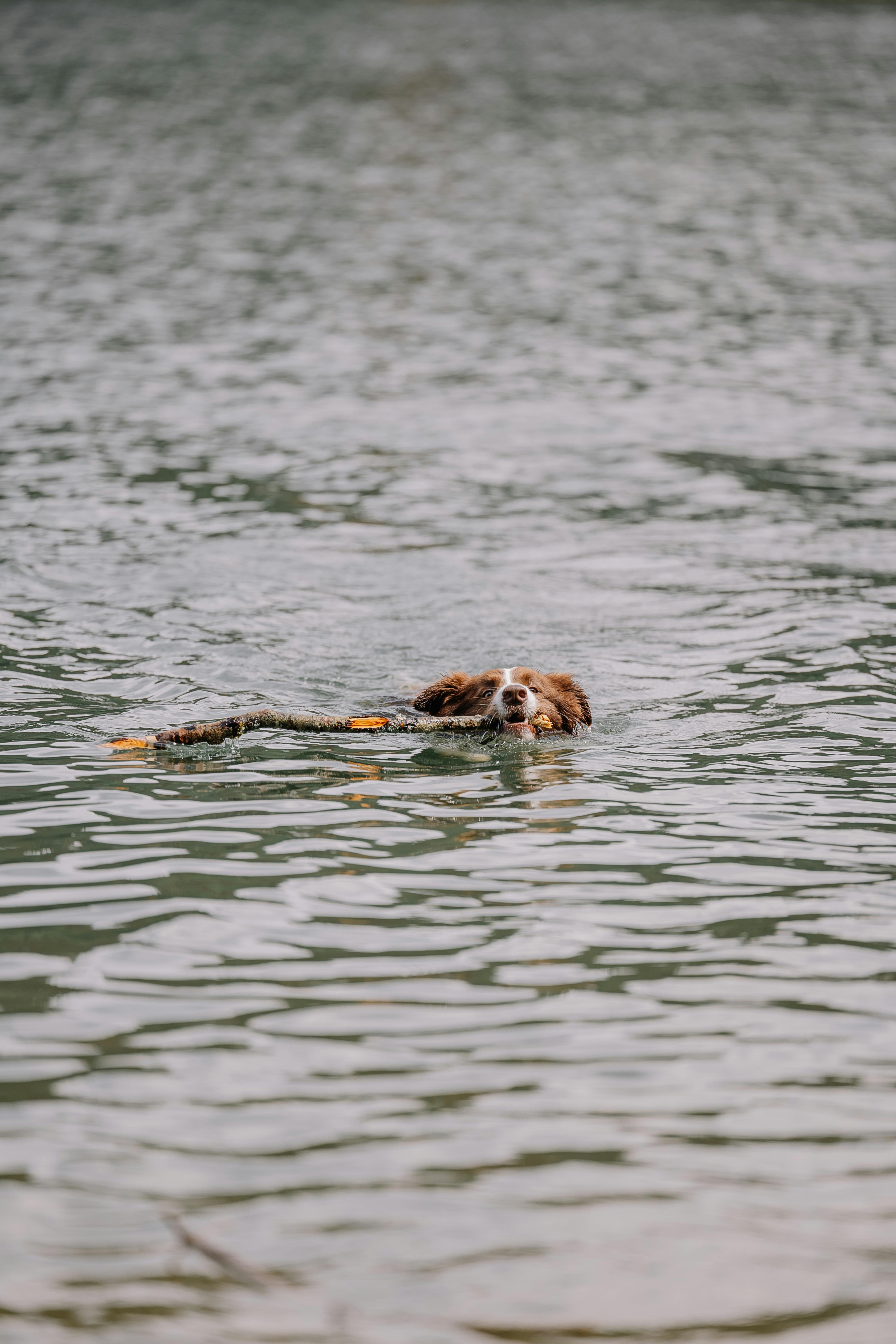
When we think about our furry friends, one of the first things that comes to mind is their wet noses. Many dog owners often wonder, "Do wet noses indicate a healthy dog?" Let's dig into this intriguing topic and explore the fascinating reasons behind why dogs have wet noses, debunk some common myths, and find out what a wet nose really means for your pet's health.
The Science Behind Wet Noses
Dogs have wet noses for a variety of reasons, and it’s not just because their sniffing around all day. The moisture plays a crucial role in their sense of smell. Here’s how it works:
- Enhanced Smell: A wet nose helps to absorb scent particles, which makes it easier for dogs to identify smells. It’s like a super-powered olfactory tool!
- Temperature Regulation: Just like humans sweat, dogs use their noses to help cool down. The moisture evaporating off their noses can help regulate body temperature.
- Health Indicator: While a wet nose can be a sign of good health, it’s not the only factor. A dog can be sick and still have a wet nose.
Common Myths About Wet Noses
There’s a lot of misinformation about wet noses floating around. Let’s clear up some of the most widespread myths:
Myth 1: Wet Noses Mean a Dog Is Healthy
While many healthy dogs have wet noses, it’s not a definitive indicator of health. Dogs can have wet noses while being sick.Myth 2: All Dogs Have Wet Noses
Not all dogs have wet noses all the time. Some breeds, especially those with thicker skin or fur, may have drier noses.Myth 3: A Warm Nose Means Illness
A warm nose isn’t always a sign of fever. Just like humans, a dog’s body temperature can fluctuate throughout the day.
Why Do Dogs Have Wet Noses?
So, why exactly do dogs have wet noses? Here are some fascinating reasons:
- Scent Detection: The wetness helps trap scent particles, which is vital for dogs who rely heavily on their sense of smell to navigate the world.
- Communication: Dogs can also use their noses to communicate. A wet nose can be a friendly greeting, while a dry nose could mean they’re feeling a bit under the weather.
- Behavioral Traits: Some dogs are naturally more prone to have wet noses compared to others, influenced by their breed and environment.
Understanding Your Dog’s Health Through Their Nose
It’s important to remember that a dog’s nose can change from wet to dry throughout the day. Here are some things to observe:
- Consistent Temperature: If your dog’s nose is usually wet but suddenly becomes dry and warm, it could suggest dehydration or illness.
- Nasal Discharge: If you notice any unusual discharge or blood, it’s best to consult a veterinarian.
- Behavioral Changes: Look out for signs of lethargy, loss of appetite, or excessive thirst alongside changes in the nose’s condition.
Comparison Table: Healthy vs. Unhealthy Nose
| Condition | Healthy Nose | Unhealthy Nose |
|---|---|---|
| Moisture Level | Wet and cool | Dry or overly warm |
| Color | Pink or black | Pale or discolored |
| Discharge | None | Mucous or bloody |
| Texture | Smooth | Cracked or flaking |
Practical Tips for Dog Owners
As a responsible pet owner, it’s crucial to monitor your dog’s health closely. Here are some practical tips:
- Regular Checkups: Keep up with regular vet visits to catch any potential health issues early.
- Hydration: Ensure your dog has access to fresh water at all times. Dehydration can lead to a dry nose.
- Observe Behavior: Keep an eye on any changes in your dog’s behavior, appetite, or energy levels.
Having a wet nose can be a common and cute characteristic of dogs, but it’s essential to remember that it’s just one piece of the health puzzle. Monitoring their overall well-being and being aware of how their nose changes can lead to a healthier, happier pup. Always remember that if you have concerns about your dog’s health, it’s best to reach out to a veterinarian for advice.
Why Are Some Dogs’ Noses Wetter Than Others? Factors That Influence Moisture Levels

Have you ever wondered why some dogs have wet noses while others seem to be more dry? It's a fascinating question, and the answer involves several factors that affect moisture levels. Dogs’ noses are not just cute, they plays an important role in their health and communication. Let’s dive into the reasons behind those wet noses and explore what makes them different.
Why Do Dogs Have Wet Noses?
First off, wet noses serve several purposes. One of the main reasons is that moisture helps enhance a dog’s sense of smell. Dogs have an incredible olfactory system, and a wet nose can help capture scent particles in the air. When their noses are damp, it allows for better absorption of these particles, making it easier for dogs to identify scents. Here’s a list of why dogs have wet noses:
- Enhanced Smell: The moisture helps trap scent particles.
- Thermoregulation: Wet noses assists in cooling down the body.
- Communication: A wet nose can indicate a dog’s mood or health status.
Factors That Influence Moisture Levels
Now, not all dogs have the same nose moisture levels, and there are several reasons for this. Different breeds, environmental conditions, and health issues can all play a role in how wet or dry a dog’s nose is. Here are some key factors that influence this:
Breed Variations: Certain breeds are more likely to have wetter noses. For example, hounds and retrievers often have moist noses, while bulldogs and pugs may have drier noses.
Humidity and Temperature: Weather can greatly affect a dog's nose. In humidity, their noses may be wetter, while in dry, hot conditions, a dog's nose can dry out quickly.
Health Status: A dog’s health can also affect their nose moisture. If a dog is sick or dehydrated, their nose might be dry. Conversely, a cold or fever might make the nose wetter than usual.
Age: Younger dogs tend to have wetter noses than older dogs. As dogs age, they may experience changes in their moisture levels due to decreased hydration or health issues.
Why Some Dogs Have Drier Noses
Besides the factors listed above, certain conditions can lead to a dry nose. Here are some reasons why a dog might have a drier nose:
- Dehydration: If a dog isn't drinking enough water, their nose may become dry.
- Allergies: Allergic reactions can cause nasal irritation and dryness.
- Environmental Factors: Exposure to heat or air conditioning can lead to dryness.
- Health Problems: Conditions like autoimmune diseases can affect a dog’s nose.
Common Myths About Dog Noses
There’s a lot of misconceptions surrounding dog noses. Let’s clear up some common myths:
Myth: A warm nose means a dog is sick.
Fact: Dog noses can vary in temperature for many reasons, and a warm nose does not automatically indicate illness.Myth: All dogs have wet noses naturally.
Fact: Just like humans, dogs can have variations, and some may have drier noses due to several factors.Myth: You can tell a dog's mood by the wetness of their nose.
Fact: While a wet nose can indicate excitement, other factors also play a role in a dog's mood.
Practical Tips for Dog Owners
If you notice your dog’s nose has become dry or cracked, there are several things you can do:
- Hydration: Ensure your dog is drinking plenty of water.
- Humidity: Use a humidifier in your home, especially during dry seasons.
- Consult a Vet: If the dryness persists, it’s wise to consult with a veterinarian to rule out health issues.
In summary, the reasons behind why dogs have wet noses are multifaceted and quite intriguing. From enhancing their sense of smell to reflecting their health status, those damp noses are not just a quirky trait of dogs, but an essential part of their biology. Understanding these factors can help you care for your furry friend better and appreciate the unique qualities that make them who they are.
How Dogs Use Their Wet Noses for Communication: A Deep Dive into Canine Behavior

Dogs are not just man's best friend; they are also fascinating communicators. One of the most distinctive features of dogs is their wet noses. Have you ever wondered why do dogs have wet noses? It’s not just an interesting quirk; it serves multiple purposes that play a role in their social interactions and health. In this article, we will explore how dogs use their wet noses for communication, the science behind it, and some fascinating facts about canine behavior.
The Science Behind Wet Noses
Dogs’ noses are wet for a variety of reasons. First, it helps them with their sense of smell. A wet surface can trap scent molecules better than a dry one. When a dog licks its nose, it enhances its ability to detect and identify different smells, which is crucial for their communication and hunting instincts.
- Scent Detection: Dogs have approximately 220 million scent receptors, compared to a human's 5 million. This gives them an extraordinary ability to smell.
- Temperature Regulation: A wet nose can help dogs cool down. Since they don't sweat like humans, the moisture on their noses evaporates and helps to lower their body temperature.
Communication Through Smell
Dogs communicate a lot through their sense of smell. They sniff each other, humans, and their environment to gather information. A wet nose is integral to this behavior. When a dog approaches another dog and gives a good sniff, they’re gathering information about that dog’s health, mood, and even diet.
Some key points about how dogs communicate with their noses include:
- Identifying other dogs: The scent of pheromones can indicate a dog's reproductive status, health, and emotional state.
- Recognizing humans: Dogs can distinguish their owner's scent from others, which strengthens their bond.
- Exploring the environment: The wet nose helps them gather information about their surroundings, which can be essential for safety.
Historical Context
Historically, dogs have been by human's side for thousands of years. The domestication of dogs dates back to approximately 15,000 years ago. Back then, their ability to sniff out food or dangers was critical for survival, and it is still relevant today. Early hunters relied on dogs for their keen sense of smell, which has been honed through generations.
Fascinating Facts About Dog Noses
- Dogs have a unique nose print, much like human fingerprints. Each dog’s nose pattern is distinct.
- The wetness of a dog's nose can change depending on their health. A dry nose might indicate illness, while a wet nose is generally a sign of good health.
- The color of a dog's nose can vary. Some dogs have black, brown, or pink noses, and this can sometimes change with age or health issues.
Comparing Wet Noses to Other Animals
Dogs aren't the only animals with wet noses. Other mammals, such as cats and pigs, also have wet noses. However, the purpose and function can be quite different among species. Here’s a quick comparison:
| Animal | Purpose of Wet Nose | Unique Features |
|---|---|---|
| Dogs | Smell, communication, thermoregulation | Highly sensitive to smells |
| Cats | Smell, hydration | Less reliance on smell compared to dogs |
| Pigs | Foraging, scent detection | Pigs have an extraordinary sense of smell too |
How to Keep Your Dog’s Nose Healthy
Maintaining a healthy nose is crucial for your dog's overall well-being. Here are some tips to ensure your dog's nose stays wet and healthy:
- Hydration: Always provide fresh water. Dehydration can lead to a dry nose.
- Environment: Avoid exposing your dog to extreme temperatures; both heat and cold can affect their nose.
- Regular Vet Checks: An annual check-up can help ensure there are no underlying health issues affecting their nose.
In summary, the wet nose of a dog is not merely an adorable feature; it serves vital functions in communication and health. By understanding why do dogs have wet noses, we can appreciate even more the complexity of canine behavior. So next time you see your furry friend with that glistening nose, remember that they are not just cute; they are equipped with a remarkable tool for interaction with the world around them.
The Role of a Wet Nose in Dog's Scent Detection: Enhancing Their Incredible Sense of Smell
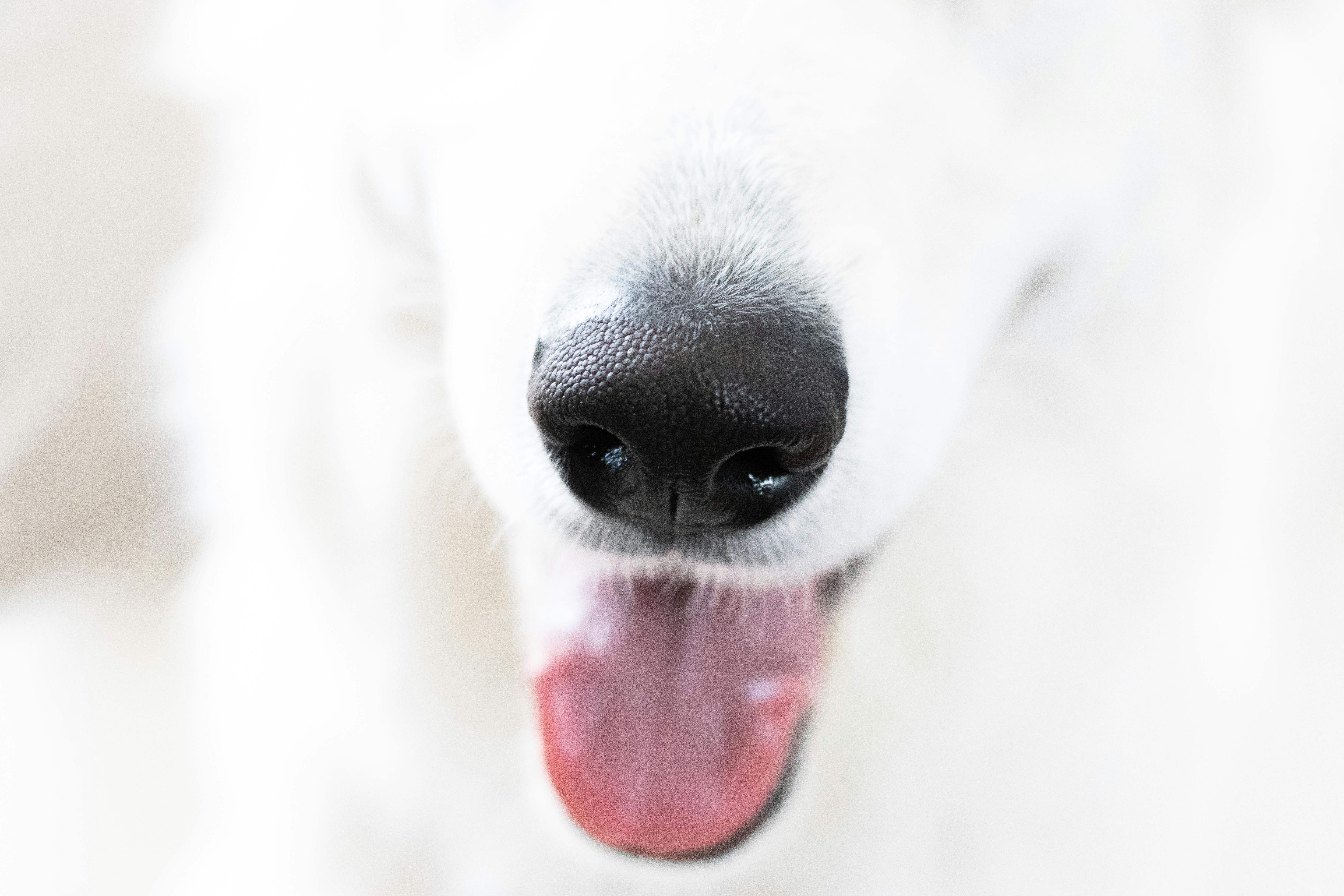
Dogs are known for their incredible sense of smell, which is about 10,000 to 100,000 times more sensitive than humans. But have you ever wondered why do dogs have wet noses? It’s not just a cute feature; it plays a crucial role in enhancing their scent detection abilities. Wet noses in dogs are like nature’s own little tools for sniffing out all sorts of things, from food to danger. Let's dive into the fascinating world of canine olfaction and discover the reasons behind those wet noses.
The Science Behind a Dog's Sense of Smell
A dog's nose is a complex organ, packed with olfactory receptors. In fact, dogs have around 220 million olfactory receptors compared to humans, who only have about 5 million. This difference is huge, and it allows dogs to detect scents at incredibly low concentrations.
- Olfactory Bulb Size: The part of the brain responsible for processing smells, the olfactory bulb, is proportionally larger in dogs than in humans.
- Jacobsen's Organ: Also known as the vomeronasal organ, this helps dogs detect pheromones and other chemical signals, adding to their impressive olfactory abilities.
Wet noses help in trapping scent molecules. When a dog sniffs, moisture on their nose helps capture these tiny particles more effectively. But there’s more to it than just being a scent sponge.
Why Are Dog Noses Wet?
- Temperature Regulation: Dogs do not sweat like humans. Instead, they cool off through panting and by having a wet nose. The moisture helps to regulate their body temperature, especially during hot days.
- Enhanced Scent Detection: A wet nose can absorb scent molecules better than a dry one. This helps dogs detect scents more effectively, which is vital for tasks like search and rescue.
- Health Indicator: The condition of a dog's nose can indicate their health. A warm or dry nose may hint at illness, while a cool, wet nose is often a sign of good health.
The Role of a Wet Nose in Scent Detection
The moisture on a dog’s nose serves multiple purposes, particularly in scent detection. Here’s how:
- Scent Absorption: A wet surface allows more scent molecules to stick, enhancing a dog’s ability to identify specific odors.
- Scent Discrimination: Dogs can filter through different smells, identifying what’s relevant to them thanks to the moisture aiding in the process.
- Tracking: Wet noses help dogs follow scents over long distances, making them excellent trackers.
Fun Facts About Dog Noses
- Dogs can recognize their owner’s scent from miles away.
- Each dog’s nose print is unique, much like human fingerprints.
- The wetness on a dog's nose can change throughout the day depending on weather conditions or activity level.
Common Myths About Wet Noses
- Myth 1: A dry nose means a dog is sick. While it can be an indicator, it’s not a definitive sign of illness.
- Myth 2: Wet noses are always better. Some dogs naturally have drier noses, which can also be perfectly healthy.
Practical Tips for Dog Owners
- Monitor Nose Condition: Pay attention to changes in your dog’s nose. If it becomes persistently dry or warm, a vet visit may be necessary.
- Hydration is Key: Ensure your dog stays hydrated. Proper hydration helps maintain a wet nose.
- Regular Vet Check-ups: Regular visits can help catch potential health issues early on.
Conclusion
The wet nose of a dog is not just an adorable feature; it serves essential functions that enhance their remarkable sense of smell. From helping them detect scents to regulating their body temperature, wet noses play a vital role in a dog's life. So, the next time you notice your furry friend’s wet nose, remember it’s a fascinating tool that contributes to their incredible olfactory abilities. Understanding these aspects can deepen the bond between you and your pet. Plus, it can help you keep an eye on their health and well-being, ensuring they stay happy and active.
Is Your Dog’s Nose Too Dry? Signs of Dehydration and Health Issues to Watch For

When you notice your dog's nose, it can tell you a lot about their health. A wet nose is often consider a sign of a healthy dog, but what happens when it starts to feel dry? Is your dog’s nose too dry? This can be a cause for concern as it might signal dehydration or other health issues. Knowing the signs of dehydration and understanding why dogs have wet noses can help you care for your furry friend better.
Why Do Dogs Have Wet Noses?
Dogs have wet noses for several reasons. First, the moisture on a dog’s nose helps enhance their sense of smell. The wetness captures scent particles, allowing dogs to interpret smells more effectively. It’s like having a natural air freshener that helps them sniff out interesting scents around them. Here’s some key points about why dogs have wet noses:
- Scent Detection: Wet noses are better at trapping smells, making it easier for dogs to smell.
- Cooling Mechanism: Dogs don’t sweat like humans do; instead, they rely on their noses to help regulate body temperature.
- Health Indicator: A moist nose can indicate a good health status, while dryness can suggest dehydration or illness.
Signs of Dehydration in Dogs
If you’re noticing that your dog’s nose is dry, it’s important to look for other signs of dehydration. Dogs lose water through panting, urination, and even through their skin. Here are some signs you should watch for:
- Dry Gums: Check your dog’s gums. They should be moist and pink. Dry or sticky gums can be a red flag.
- Lethargy: If your dog seems unusually tired or is less active than normal, it might be dehydrated.
- Loss of Skin Elasticity: Gently pinch the skin on the back of your dog’s neck. If it doesn’t snap back quickly, that could indicate dehydration.
- Sunken Eyes: Look for sunken eyes, which can be another sign of dehydration.
- Increased Thirst: If your dog is drinking more water than usual, it might be trying to compensate for a lack of hydration.
Factors Contributing to a Dry Nose
A dry nose isn’t always a symptom of a serious problem. Sometimes, it could be due to simple factors like:
- Weather Conditions: Hot and dry weather can lead to a dry nose.
- Allergies: Environmental allergies might cause nasal irritation.
- Illness: Certain illnesses can lead to a dry nose, including fever or infections.
- Dehydration: Not drinking enough water can directly lead to a dry nose.
When to Seek Veterinary Care
If your dog’s nose is persistently dry and you notice other concerning symptoms, it’s best to consult with a veterinarian. Here’s when you should definitely call for help:
- If your dog shows multiple signs of dehydration.
- If you notice any changes in appetite or behavior.
- If the dry nose persists for more than a day or two without improvement.
- If your dog has a dry nose accompanied by coughing, vomiting, or diarrhea.
Keeping Your Dog Hydrated
Preventing dehydration is crucial for your dog’s health. Here are some practical tips to keep your dog hydrated:
- Fresh Water: Always provide access to fresh and clean water. Change it regularly.
- Wet Food: Consider mixing wet food into your dog’s diet. It can help increase fluid intake.
- Ice Cubes: Some dogs love playing with and chewing ice cubes, which can add moisture.
- Exercise: Be mindful of exercise during hot weather. Take breaks to allow your dog to hydrate.
Fascinating Facts About Dog Noses
Dog noses are not only wet; they are also quite fascinating. Here are some interesting facts:
- Unique Patterns: Just like human fingerprints, every dog’s nose has a unique pattern of ridges and creases.
- Temperature Regulation: Dogs can cool down through their noses; the moisture evaporates, helping them stay cool.
- Sensitive Skin: The skin on a dog’s nose is sensitive and can be affected by sunburn or allergies.
In essence, keeping an eye on your dog’s nose can provide valuable insight into their overall health. If your dog’s nose feels dry, look for other signs of dehydration and assess their overall condition. Dogs are amazing companions, and understanding their health needs can help you ensure they live long, happy lives. Always consult with a veterinarian if you have concerns about your pet’s health—better safe than sorry!
Wet Nose vs. Dry Nose: What Your Dog’s Snout Says About Their Mood

Have you ever wondered what your dog's wet nose means? Or why it’s always damp? Dog’s noses can be a mystery, representing various emotions and health indicators. Knowing the difference between a wet nose and a dry nose can help you understand your furry friend better. Today, we’re gonna explore the fascinating reasons behind why dogs have wet noses, and what those different states might signal about your dog's mood.
Why Do Dogs Have Wet Noses?
Dogs have wet noses for a few reasons. One of the most interesting facts is that their noses help them to smell better. A wet nose can capture scent particles from the air more effectively. Here’s how it works:
- Scent Absorption: The moisture on a dog’s nose helps to absorb scent particles, intensifying their sense of smell.
- Temperature Regulation: Dogs don’t sweat like humans do. Instead, their noses help in regulating body temperature through evaporation.
- Cooling Mechanism: The wetness helps keep their nose cool, which can be vital in hot weather.
Interesting, right? But it gets even better. Wet noses can also be a sign of your dog’s health and emotions.
Wet Nose vs. Dry Nose: What Your Dog’s Snout Says
The condition of your dog's nose can tell you a lot about how they feel. Here's a simple breakdown:
Wet Nose
- Happy and Healthy: A wet nose usually indicates your dog is healthy and happy.
- Excited or Playful: If you see your dog’s nose is particularly wet after playing, it’s a good sign they’re enjoying themselves.
Dry Nose
- Dehydration: A dry nose can sometimes indicate dehydration. Make sure your pup is drinking enough water.
- Illness or Stress: If the nose is dry and warm to the touch, it might be a sign of fever or stress.
Factors Influencing Nose Condition
Several factors can affect the moisture level of a dog’s nose, including:
- Weather Conditions: Hot, dry weather can lead to a dry nose, while humidity can keep it moist.
- Hydration Levels: Just like humans, if your dog isn’t drinking enough water, their nose might dry out.
- Allergies or Illness: Allergies, colds, or other illnesses can change the nose’s moisture level.
What Should You Look For?
It’s important to observe your dog’s nose over time. Here’s a checklist of what to look for:
- Is the nose consistently wet?
- Does the texture change (smooth vs. rough)?
- Any signs of cracking or bleeding?
- Is there any discharge or unusual color?
If you notice persistent changes in your dog’s nose, it may be time to consult a veterinarian.
Other Interesting Facts About Dog Noses
Here are some cool tidbits about dog noses you might not know:
- Unique Patterns: Just like human fingerprints, each dog’s nose has a unique pattern.
- Temperature Sensitivity: The nose is more sensitive to temperature changes than other parts of their body.
- Social Interactions: Dogs often use their noses to greet other dogs, sniffing to gather information.
Understanding Your Dog’s Emotions
Dogs express their feelings in various ways, and their nose is just one indicator. Here’s a quick guide to what their nose might tell you about their mood:
| Nose Condition | Possible Mood |
|---|---|
| Wet & Cool | Happy, Relaxed |
| Dry & Warm | Anxious, Sick |
| Sniffing Intently | Curious, Interested |
| Licking Nose | Nervous, Uncertain |
Practical Examples
- After a Walk: If your dog’s nose is wet after a walk, it means they’re engaged and happy.
- During a Storm: A dry nose during a storm could indicate anxiety.
- After Playtime: A wet nose after play means they’re enjoying the activity.
Being attentive to your dog’s nose condition can help you gauge their health and happiness.
So, next time you pet your furry friend, take a moment to check out their nose. It’s not just a cute feature; it’s a window into their well-being and emotions! Understanding these signals can lead to a deeper bond with your pet.
Top 7 Fun Facts About Dog Noses That Will Amaze Every Pet Owner
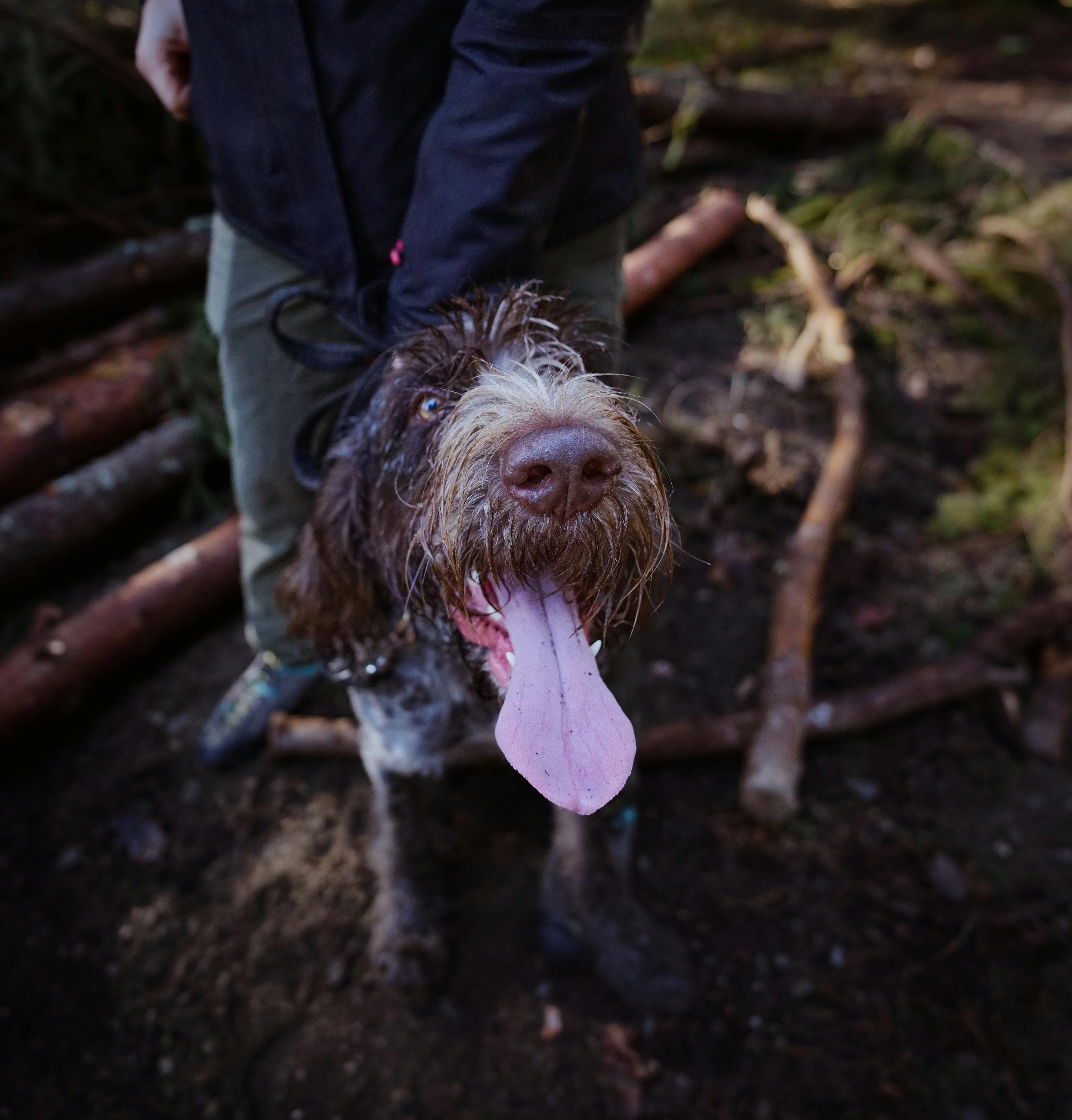
Dog noses are one of the most intriguing parts of our furry friends. They have a wet, cool texture, and it's something pet owners often wonder about. What makes them so unique? In this article, we will dive into the top 7 fun facts about dog noses that are sure to amaze every pet owner, and explore why do dogs have wet noses in the first place.
1. The Amazing Sense of Smell
Did you know that dogs have an incredible sense of smell? It's true! Their noses are packed with olfactory receptors. In fact, dogs have about 220 million olfactory receptors compared to a human's mere 5 million. This means they can detect scents at incredibly low concentrations. So, when your dog sniffs around, they not only smell the food but also the emotions and health conditions of other animals and people.
2. Wet Noses are Natural Air Conditioners
You might wonder, why do dogs have wet noses? One of the reasons is that a wet nose helps regulate their body temperature. When a dog licks its nose, it creates moisture, which, when evaporating, cools the blood vessels. This is especially helpful during hot summer days. So, if you see your dog frequently licking its nose, it might just be trying to cool down.
3. Unique Nose Prints
Just like human fingerprints, every dog has a unique nose print. This means that if you ever need to identify your dog, you could use their nose print! Some organizations even use this method for identification purposes. It's like a fingerprint, but a lot cuter!
4. The Nose Knows Health
A dog’s nose can give clues about its health. For example, if a dog’s nose is dry and warm, it could indicate a fever or illness. Conversely, a cool, moist nose is often a sign of a healthy pup. However, this is not a foolproof method. Changes in a dog's nose can be due to various factors including environmental conditions or activities.
5. The Power of Scent Discrimination
Dogs can distinguish between a vast array of smells. They can even identify specific scents that humans cannot detect. For example, there are dogs trained to sniff out certain diseases, including cancer and diabetes. Their noses are so sensitive that they can even differentiate between various types of the same scent. That's some impressive skill!
6. Nose Shapes Vary by Breed
Different breeds of dogs have different nose shapes, which can affect their olfactory abilities. For instance, hounds like Bloodhounds have long, droopy noses that help them trap scents better. On the other hand, brachycephalic breeds like Bulldogs have shorter noses, which can limit their ability to smell as effectively. It’s pretty fascinating how much a dog’s breed can influence its sense of smell!
7. The Role of Mucus
The mucus on a dog’s nose plays an important role too. It helps trap scent particles, making it easier for dogs to identify different smells. When a dog sniffs, it pulls air through its nostrils, and the mucous layer catches scent particles. This moist environment is essential for their olfactory success.
Fun Facts Recap
- Dogs have 220 million olfactory receptors.
- Wet noses help cool their body temperature.
- Every dog has a unique nose print.
- A dog’s nose can indicate health issues.
- Dogs can distinguish between a wide range of scents.
- Nose shapes vary by breed and affect olfactory abilities.
- Mucus on the nose traps scent particles.
So, next time you look at your dog’s wet nose, remember all these fascinating facts. It’s not just an adorable feature; it has significant purposes that enhance your dog's life and health. Those wet noses are truly remarkable!
In the end, understanding why do dogs have wet noses enriches our bond with them. It’s a simple yet profound aspect of their biology that connects us to their world of incredible scents and sensations. So, embrace the wet nose, and appreciate the wonders it brings!
How to Care for Your Dog’s Nose: Tips for Maintaining Moisture and Health

Taking care of your dog is one of the most important parts of being a pet parent. A lot of people might not think about their dog’s nose, but it plays a vital role in their overall health. So, how to care for your dog’s nose? There are various ways to keep it moist and healthy. And, have you ever wondered why do dogs have wet noses? It’s not just for show! Let’s dive into this fascinating topic and discover some tips.
Why Do Dogs Have Wet Noses?
Dogs have wet noses for several reasons, and it’s more than just a cute feature. Here’s a breakdown of the fascinating reasons:
Sense of Smell: A dog’s nose is packed with scent receptors. The moisture on their nose helps to capture and absorb scent particles, making their sense of smell even better.
Thermoregulation: Dogs can’t sweat like humans do. Their noses help in cooling them down, as the moisture evaporates, it helps to lower their body temperature.
Health Indicator: A wet nose is often a sign of a healthy dog. If your dog’s nose becomes dry or cracked, it could indicate an underlying health issue or dehydration.
Communication: Dogs use their noses to interact with their environment and other dogs. A wet nose can signal friendliness and approachability.
Tips for Maintaining Moisture and Health
Keeping your dog’s nose healthy might seem like a small thing, but it can have big impacts on their overall well-being. Here are some tips you should consider:
Regular Check-ups: Just like you go to the doctor, dogs need regular vet visits. A vet can help identify any issues with your dog’s nose and overall health.
Hydration is Key: Ensure your dog always has access to fresh and clean water. Proper hydration is essential for maintaining moisture in your dog’s nose.
Humidity Levels: Dry air can lead to a dry nose. Consider using a humidifier, especially during the winter months when heaters can dry out indoor air.
Sun Protection: Dogs can get sunburned too! If your dog has a light-colored or thin-coated nose, apply pet-safe sunscreen before spending time outside.
Cleaning Routine: Occasionally, gently wipe your dog’s nose with a damp cloth to remove dirt or debris. Be gentle, as their nose is sensitive.
Watch for Changes: Monitor your dog’s nose for any changes in color, texture, or moisture level. If you notice anything unusual, consult your veterinarian.
Signs of Nose Problems
You should be alert for certain signs that could indicate a problem with your dog’s nose. Here’s a quick list:
Cracking or Dryness: If it frequently appears dry, it could be a sign of dehydration or health issues.
Discharge: Clear, cloudy, or colored discharge may indicate an infection or allergy.
Swelling or Bumps: Any unusual swelling or lumps should be checked by a vet.
Changes in Color: A healthy dog’s nose should be moist and dark. If it turns pale or white, it might be a cause for concern.
Fun Facts About Dog Noses
Dog noses are pretty amazing and here are some fun facts to consider:
Unique Patterns: Just like human fingerprints, every dog’s nose print is unique. You can actually use it to identify your pet!
Temperature Detection: A dog’s nose can detect temperature changes. It helps them sense their environment better.
Nosework Competitions: Many dogs excel in nosework competitions where they use their olfactory senses to find hidden items.
Nasal Anatomy: A dog’s nose has a complex structure that allows them to differentiate between smells, even in a crowded environment.
Practical Examples of Nose Care
Here are a few practical examples that can help you maintain your dog’s nose health:
Use Nose Balm: If you notice your dog’s nose getting dry, consider using a pet-safe nose balm. It can keep their nose moisturized.
Regular Baths: Bathing your dog regularly can help maintain their overall skin and nose health.
Balanced Diet: Feeding your dog a balanced diet filled with vitamins can contribute to skin and nose health, keeping it moist and healthy.
Dogs are not just pets; they are family members who deserve our care and attention. Understanding the importance of their nose and how to keep it healthy can lead to a happier and healthier life for your furry friend. By following these tips and being attentive to changes, you can ensure that your dog’s nose stays in top shape.
Conclusion
In conclusion, the wet noses of dogs serve several important functions that contribute to their health and behavior. The moisture helps enhance their sense of smell, as scent molecules adhere better to a damp surface, allowing dogs to explore their environment more effectively. Additionally, a wet nose plays a critical role in thermoregulation, helping dogs cool down through evaporation. While the common belief that a wet nose indicates a healthy dog is somewhat accurate, variations in nose moisture can depend on factors such as activity level and environmental conditions. Understanding the science behind your dog’s wet nose can deepen your bond with them and enhance your care. So, the next time you greet your furry friend, take a moment to appreciate the unique characteristics that make them special. Share your thoughts or experiences with your dog's nose in the comments below, and let’s celebrate our canine companions together!