Have you ever wondered why do dogs have wet noses? This intriguing question not only sparks curiosity but also reveals fascinating truths about our furry companions. A dog’s nose is not just a cute feature; it plays a crucial role in their sense of smell and overall health. In fact, the moisture on their noses helps enhance their olfactory abilities, allowing them to detect scents that are undetectable to humans. But what causes this wetness? Is it purely for function, or does it serve other purposes too? Many pet owners often ask, "Do all dogs have wet noses, and does it mean they are healthy?" This blog post will dive into the science behind those adorable, wet noses and uncover what it really means for your canine's well-being. So, if you’re curious about the importance of a dog's nose and want to learn more about your pet's health indicators, keep reading! You might be surprised by the connection between a wet nose and your dog’s emotional state. Discover the fascinating truth behind this common canine trait and what it means for your beloved pet!
\n\nThe Science Behind Wet Noses: Understanding Canine Anatomy and Physiology
\n\n \n\n
\n\nDogs are one of the most beloved pets around the world, and their wet noses often draw our attention. But why do dogs have wet noses? It's more than just a curious feature; it’s deeply rooted in their anatomy and physiology. Understanding the reasons behind this unique characteristic can help us appreciate our furry friends even more.
\nThe Anatomy of a Dog’s Nose
\nA dog's nose is a complex organ, finely tuned for a variety of functions. It is covered in a thin layer of moisture that plays a significant role in their sense of smell. Some key points about canine noses include:
\n- \n
- Olfactory Receptors: Dogs have approximately 220 million olfactory receptors, compared to about 5 million in humans. This gives them an incredible sense of smell. \n
- Moisture: The wetness of a dog's nose helps to capture scent particles. When the nose is moist, it can absorb these particles more effectively, enhancing their ability to identify different smells. \n
- Temperature Regulation: A dog's nose also helps regulate their body temperature. When they lick their noses, it cools them down, similar to how sweat helps humans. \n
Why is the Nose Wet?
\nSo, let’s dive deeper into the question: why do dogs have wet noses? There are a few main reasons for this fascinating biological feature.
\n- \n
- Scent Detection: As mentioned, moisture in a dog’s nose helps in capturing scents. This is crucial for hunting and tracking. \n
- Health Indicator: A wet nose is often seen as a sign of a healthy dog. While not always the case, many dog owners believe that dry noses can indicate illness or dehydration. \n
- Communication Tool: Dogs use their noses to communicate with each other and with us. A wet nose can be a sign of excitement or affection. \n
Historical Context
\nThe evolution of dogs is closely linked to their sense of smell. Early domesticated dogs were often used for hunting and herding, and their wet noses were beneficial for tracking scents. Over time, these traits have been passed down through generations.
\nIn ancient times, dogs were revered for their abilities to assist humans in hunting and protection. Their sense of smell was not only a practical tool, but it also played a role in their bond with humans. Knowing this, it’s easier to understand why many cultures have celebrated dogs throughout history.
\nComparing Dog Noses to Human Noses
\nDogs and humans have very different nasal structures and functions. Here’s a quick comparison:
\n| Feature | \nDogs | \nHumans | \n
|---|---|---|
| Olfactory Receptors | \n220 million | \n5 million | \n
| Moisture Function | \nCaptures scent particles | \nNot significant for scent | \n
| Temperature Regulation | \nHelps cool the dog | \nPrimarily through sweating | \n
| Sensitivity | \nHighly sensitive to odors | \nLess sensitive | \n
Practical Examples and Fun Facts
\nHere’s some interesting facts that showcase the importance of a dog’s wet nose:
\n- \n
- Tracking: Bloodhounds, known for their incredible tracking abilities, have a wet nose to help them follow scents during tracking exercises. \n
- Therapy Dogs: Many therapy dogs have a wet nose, which can be comforting to people they visit. The coolness of their noses can provide a sense of calm. \n
- Health Check: Veterinarians often check a dog's nose as part of a routine exam. It can give insights into the dog's overall health, although it's not the only indicator. \n
Common Misconceptions
\nThere are also several misconceptions regarding wet noses in dogs. Some of these include:
\n- \n
- Lack of Moisture Means Illness: While a dry nose can sometimes indicate illness, it's not always the case. Dogs can have a dry nose due to environmental factors as well. \n
- All Dogs Have Wet Noses: Not all dogs have the same level of moisture on their noses. Some breeds may have drier noses than others, and that can be perfectly normal. \n
Understanding the science behind wet noses not only satisfies our curiosity but also builds a stronger bond between humans and dogs. Their wet noses are more than just an adorable feature; they play a vital role in their health, communication, and interactions with the world. So, the next time you see your dog’s wet nose, remember the fascinating truths that lie beneath that adorable exterior.
\n\n5 Surprising Reasons Why Dogs Have Wet Noses You Never Knew
\n\n \n\n
\n\nDogs are one of the most beloved pets around the world, and many of us have marveled at their wet noses. But have you ever stopped and wondered why do dogs have wet noses? It turns out there’s more to this curious trait than just a cute feature. Here are 5 surprising reasons why dogs have wet noses you probably never knew.
\n1. Enhanced Sense of Smell
\nOne of the main reasons dogs have wet noses is to improve their sense of smell. A dog’s nose is covered with a thin layer of moisture, which helps to absorb scent particles. This moisture acts like a sponge, allowing the dog to detect smells more effectively. In fact, dogs have up to 300 million scent receptors in their noses, compared to a human’s 5 million. So, when your dog sniffs around, they’re not just being nosy; they’re actually gathering tons of information about their environment!
\n2. Temperature Regulation
\nDid you know that a dog's wet nose helps them regulate their body temperature? Dogs don’t sweat the way humans do. Instead, they cool themselves through panting and by having a wet nose. When the moisture on their nose evaporates, it can help to cool them down. This is especially important during hot weather or after vigorous play. So, next time you see your dog’s nose glistening, remember, they might just be trying to keep cool!
\n3. Sign of a Healthy Dog
\nA healthy dog typically has a moist, cool nose. Veterinarians often check a dog’s nose as a quick health assessment. If a dog’s nose is excessively dry or warm, it could be a sign of illness or dehydration. However, it’s important to remember that a wet nose doesn’t always mean a dog is healthy. Nonetheless, monitoring your dog’s nose condition can give you valuable insights into their overall health.
\n4. Communication Tool
\nDogs also use their noses as a form of communication. When dogs greet each other, they often sniff each other’s noses and behinds. This behavior is a way for them to gather information about other dogs, like their mood, health, and even their diet. So, if your dog seems particularly interested in another dog’s nose, they might just be trying to have a little conversation!
\n5. Evolutionary Advantage
\nFrom an evolutionary perspective, having a wet nose may have given dogs an advantage. The moisture helps to enhance their sense of smell, which was crucial for hunting and survival. Dogs are descendants of wolves, and their ability to locate prey using their sense of smell was a key factor in their ability to thrive. Today, while most dogs don’t hunt for their food, that same incredible sense of smell remains.
\nFun Facts About Dog Noses
\n- \n
- Dogs’ noses come in various shapes and sizes, depending on the breed. Some breeds, like Bloodhounds, have particularly long noses, enhancing their smelling ability. \n
- The unique pattern of a dog's nose print is similar to a human fingerprint. Each dog’s nose print is unique! \n
- Puppies are born with pink noses that darken as they mature. This is a normal part of their development. \n
- Dogs can even detect certain diseases through their sense of smell, including cancer and diabetes. \n
Comparison: Dog Noses vs. Human Noses
\n| Feature | \nDog Nose | \nHuman Nose | \n
|---|---|---|
| Scent Receptors | \n300 million | \n5 million | \n
| Moisture Level | \nTypically moist | \nVaries, usually dry | \n
| Purpose | \nSmelling, cooling | \nBreathing, smelling | \n
| Unique Prints | \nYes | \nNo | \n
Practical Examples of Dog Nose Use
\n- \n
- Tracking: Police and rescue dogs are trained to use their noses to track scents, which can be life-saving in emergencies. \n
- Detecting Changes: Some dogs can sense when their owners are about to have a seizure or blood sugar drop due to changes in scent. \n
- Hunting: Breeds like Beagles have been bred specifically for their keen sense of smell, making them excellent tracking dogs. \n
So there you have it, the fascinating truth behind why dogs have wet noses! This little detail about our furry friends is not just an adorable trait, but a key element in their survival and health. Next time you give your dog a pat or a scratch behind the ears, take a moment to appreciate that wet nose and all the amazing things it represents!
\n\nDoes a Wet Nose Mean a Healthy Dog? Debunking Common Myths
\n\n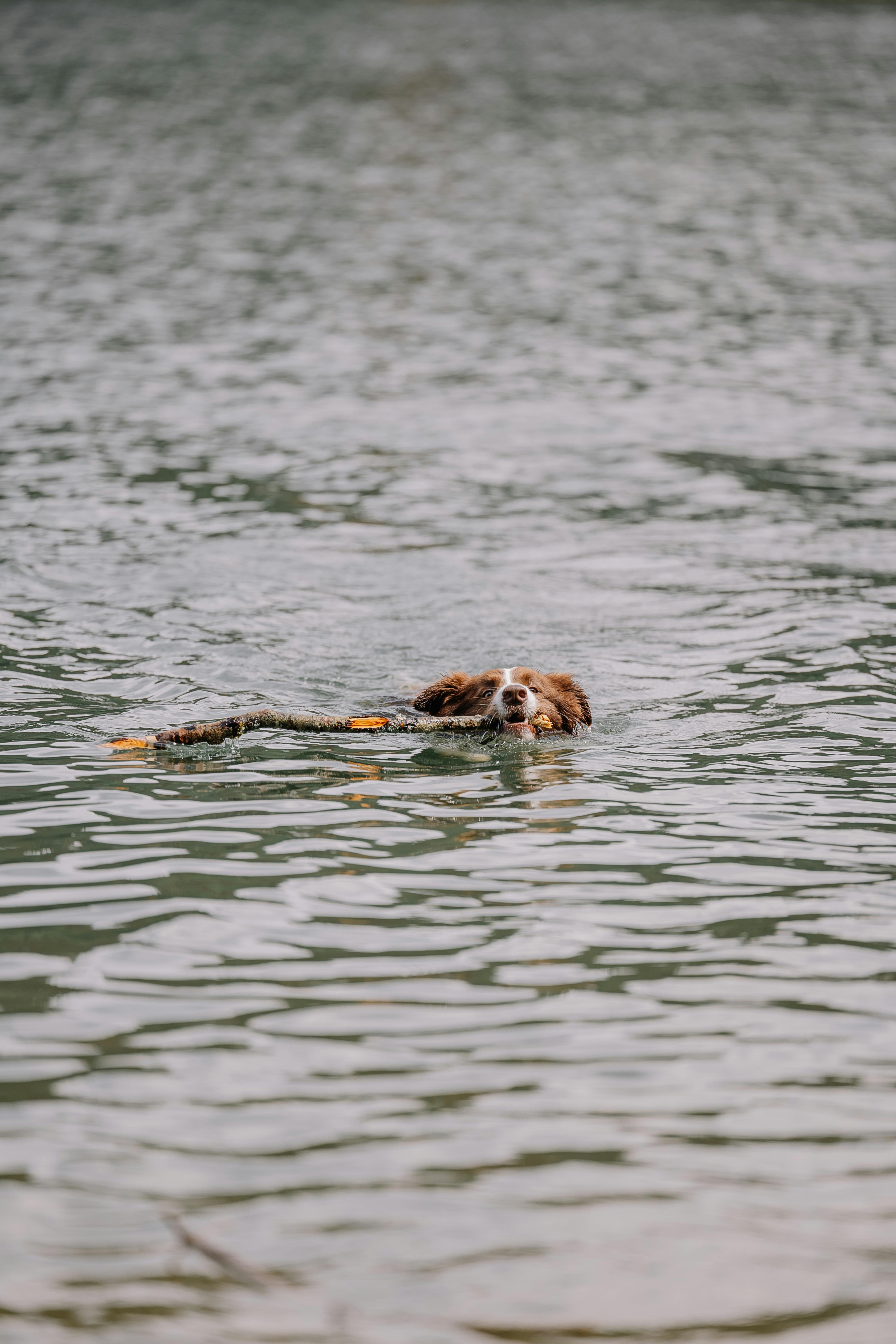 \n\n
\n\nDogs are often seen with wet noses, and many people believes that a wet nose indicates a healthy pup. But, is that really true? In this article, we will dive into the fascinating world of our furry friends and explore the reasons behind their wet noses, while also debunking some common myths surrounding this topic.
\nThe Science Behind Wet Noses
\nFirst off, let's take a look at why dogs have wet noses. A dog's nose is covered in a thin layer of moisture which helps them to smell better. Their sense of smell is vastly superior to that of humans—estimates suggest it could be between 10,000 to 100,000 times better! Wet noses helps to capture scent particles from the air, making it easier for dogs to identify different smells.
\nBut don’t just take our word for it! Here’s a list of reasons why dogs typically have wet noses:
\n- \n
- Enhanced Olfactory Function: The moisture allows scent particles to stick better. \n
- Regulation of Body Temperature: Just like sweating for humans, dogs can sweat a little through their noses which can help to cool them down. \n
- Sign of Communication: Dogs can use their noses to communicate and express emotions, and a wet nose can show their state of mind. \n
Debunking the Myths
\nMany myths exist about dog health and their wet noses. Let's clear some up!
\n- \n
- \n
Myth 1: A wet nose always means a healthy dog.
\n- \n
- Fact: While a wet nose is common, it doesn’t always mean a dog is healthy. Dogs can have dry noses due to various reasons like dehydration, allergies, or even certain health conditions. \n
\n - \n
Myth 2: A cold nose signifies illness.
\n- \n
- Fact: A dog’s nose temperature varies throughout the day. It can be cold, warm, or even hot due to environmental factors, so it's not a sure sign of illness. \n
\n - \n
Myth 3: All dogs have wet noses.
\n- \n
- Fact: Some breeds, like Bulldogs or Pugs, may naturally have drier noses. This doesn’t mean they are unhealthy. \n
\n
Historical Context of Dogs' Noses
\nDogs have evolved over thousands of years, and their noses have adapted along the way. From their ancestors, wolves, who relied heavily on their sense of smell for hunting, dogs have inherited this keen ability. Historical records indicate that dogs were domesticated roughly 15,000 years ago, and their noses were crucial for survival and companionship.
\nPractical Examples of Nose Health
\nIt’s essential to monitor your dog's nose, but remember that it’s only one aspect of their overall health. Here’s a quick checklist for dog owners to consider when evaluating their pet’s nose:
\n- \n
- Moisture Level: Is it excessively dry or crusty? \n
- Color: Should be a healthy pink or black, not red or inflamed. \n
- Temperature: Is it much warmer than usual? \n
- Discharge: Is there any unusual discharge? \n
When to Consult a Veterinarian
\nIf you notice any significant changes in your dog’s nose, it might be time to consult a veterinarian. Here’s a quick list of symptoms that should raise a red flag:
\n- \n
- Persistent dryness or cracking. \n
- Unusual coloration or swelling. \n
- Excessive discharge or bleeding. \n
Fun Facts About Dog Noses
\n- \n
- Dogs have unique nose prints, much like human fingerprints, which can be used for identification. \n
- A dog’s sense of smell can detect certain diseases, including cancer or diabetes. \n
- There are approximately 300 million smell receptors in a dog’s nose compared to about 6 million in humans. \n
Wet noses can be an intriguing aspect of canine biology, but they don’t always tell the full story about a dog’s health. Understanding the reasons behind your dog’s wet nose can help you appreciate your furry friend even more, while being mindful of what changes could indicate underlying issues. So next time you’re petting your dog and feel that cool, wet nose, remember it’s only one part of the puzzle in caring for your beloved pet!
\n\nHow Dogs Use Their Wet Noses to Communicate: Fascinating Insights
\n\n\n\nDogs are not just our loyal companions, they are also fascinating creatures with unique ways of communicating. One of the most intriguing aspects of a dog’s behavior is their wet noses. Have you ever wondered, "Why do dogs have wet noses?" or how they use them to communicate with us and other animals? Let's delve into these questions and uncover some fascinating insights!
\nThe Science Behind a Dog's Wet Nose
\nDogs have wet noses for several reasons. Firstly, a dog's nose is a highly sensitive organ. The moisture on it helps enhance their sense of smell, which is already thousands of times more acute than that of humans. This moisture captures scent particles from the air, allowing dogs to gather information about their environment.
\n- \n
- Scent Detection: The wetness aids in absorbing scent molecules. \n
- Temperature Regulation: A wet nose can help cool a dog down on hot days. \n
- Health Indicator: Dogs’ noses can indicate health conditions; a dry nose may signal dehydration or illness. \n
Historical Context of Dog Communication
\nHistorically, dogs have been companions to humans for thousands of years. They evolved from wolves and adapted to human environments, developing unique communication methods. While barking is one way dogs talk, their noses play a crucial role too.
\n- \n
- Wolves and Communication: Early ancestors used various forms of communication, including physical gestures and scents. \n
- Domestication: As dogs became more domesticated, they developed new ways to communicate with humans, using their noses to express emotions and needs. \n
How Dogs Use Their Noses to Communicate
\nDogs communicate through scent in ways that might surprise you! Their sense of smell is so advanced that they can interpret a variety of scents, and this ability is used to convey different messages.
\n- \n
- Identification: Dogs can recognize each other and humans through scent. Every dog has a unique scent profile, just like fingerprints. \n
- Mood Communication: A dog may sniff you or other dogs to gauge feelings. A wet nose can indicate curiosity or excitement. \n
- Marking Territory: When dogs sniff around and leave their scent, it’s a way of claiming their space and communicating with other dogs. \n
Fascinating Facts About Dog Noses
\n- \n
- Scent Receptors: Dogs have around 220 million scent receptors, compared to about 5 million in humans. \n
- Nose Prints: Just like fingerprints, a dog’s nose print is unique to them and can be used for identification. \n
- Temperature Sensing: Dogs' wet noses help them sense temperature changes, which is helpful in detecting changes in their environment. \n
Why Do Dogs Have Wet Noses?
\nYou might ask yourself, "Why do dogs have wet noses?" Here’s a breakdown of the reasons:
\n- \n
- Hydration: A wet nose helps keep it moist, which is crucial for optimal scent detection. \n
- Cooling: Dogs do not sweat like humans; their noses help regulate body temperature. \n
- Health: A wet nose often indicates a healthy dog, while a dry nose might signal something is off. \n
The Role of Nose in Dog Behavior
\nUnderstanding how a dog uses its nose can enhance your bond with your furry friend. Dogs often use their noses in various ways:
\n- \n
- Greeting: When dogs meet, they often sniff each other’s noses, which is a polite greeting in the dog world. \n
- Exploration: Dogs use their noses to explore new environments. A walk to the park can become a nose adventure! \n
- Alertness: Dogs may detect changes in their surroundings through scent, alerting their owners to potential dangers or new arrivals. \n
Practical Examples of Nose Communication
\n- \n
- When a dog nudges you with their nose: This can mean they want attention or playtime. \n
- If they sniff your hand: They might be trying to get a sense of who you are or what you’ve been doing. \n
- A dog’s excited sniffs when you come home: This shows they are happy to see you! \n
Dogs are not just our pets; they are intelligent beings with their own ways of expressing themselves. Their wet noses, which we might take for granted, actually serve as a powerful tool for communication and understanding. So, the next time you pet your dog and feel that wet nose, remember the fascinating world of scents and signals behind it! Understanding your dog better can lead to a deeper, more fulfilling relationship with your four-legged companion.
\n\nThe Role of Wet Noses in Dog Behavior: What Your Pup is Trying to Tell You
\n\n \n\n
\n\nDogs have long been known as man's best friend, but their behaviors and physical traits, like wet noses, often leave us puzzling over what they might mean. The significance of a dog's wet nose is not just a quirky characteristic; it offers valuable insight into their health, emotions, and overall well-being. So, why do dogs have wet noses? Let’s dive into the fascinating truth behind our furry companions' moist snouts and what they might be trying to communicate.
\nThe Science Behind Wet Noses
\nFirst off, a dog's nose is wet because of a layer of mucus that helps them to smell better. This moisture helps to capture scent particles in the air, enhancing their olfactory capabilities. Dogs have an incredible sense of smell — estimated to be between 10,000 to 100,000 times more sensitive than that of humans. This means that a wet nose isn't just for show; it's a vital tool that aids them in understanding their environment.
\nHere’s a quick breakdown of how a dog’s nose works:
\n- \n
- Enhanced Smell: Wet noses capture scent particles, allowing dogs to detect odors more effectively. \n
- Thermoregulation: A wet nose helps to cool down a dog’s body temperature. \n
- Health Indicator: Changes in the moisture of a dog's nose can indicate changes in their health. \n
Why Are Wet Noses Important?
\nWet noses are not merely a physical trait; they serve multiple purposes. Understanding these can help dog owners better care for their pets.
\n- \n
- \n
Communication: Dogs often use their noses to communicate. A wet nose often signifies that a dog is happy or excited. When they greet you with a cold, damp nuzzle, they might be saying “hello” or asking for attention.
\n \n - \n
Temperature Regulation: Dogs do not sweat like humans do. Instead, they rely on their noses to help cool their bodies. A wet nose can help to regulate body temperature, especially during warm weather.
\n \n - \n
Health Monitoring: The condition of a dog’s nose can provide clues about their health. A dry, cracked nose might indicate dehydration or illness, while a wet, cold nose is usually a sign of a healthy dog.
\n \n
The Role of Wet Noses in Dog Behavior
\nIt turns out that a dog's behavior can often be interpreted by looking at their noses. Here are some behaviors and what they might mean:
\n- \n
- Excitement: When your dog’s nose is particularly wet and cold, it could mean they are excited or happy, especially when you come home. \n
- Stress: A dry nose might indicate stress or anxiety. If you notice your dog’s nose is unusually dry, it may be worth assessing their environment. \n
- Illness: If a dog has a consistently dry or excessively wet nose, this could indicate a health issue. Always consult with a veterinarian if you notice drastic changes. \n
Common Myths About Dog Noses
\nThere are several myths surrounding dog noses that may confuse pet owners. Here are a few misconceptions and the truths behind them:
\n- \n
- \n
Myth: A wet nose means a dog is healthy.
\n- \n
- Truth: While a wet nose is often a sign of health, dogs can still be sick with a wet nose. It's essential to look at other health indicators. \n
\n - \n
Myth: All dogs have the same nose temperature.
\n- \n
- Truth: Different breeds and individual dogs can have varying nose temperatures, influenced by their activity levels and environment. \n
\n - \n
Myth: Dogs lick their noses to keep them wet.
\n- \n
- Truth: While licking can keep a nose moist, the primary reason for a wet nose is the natural secretion of mucus. \n
\n
Practical Tips for Dog Owners
\nKeeping an eye on your dog’s nose can be an essential part of their care routine. Here are some practical tips to ensure your pup’s nose stays healthy:
\n- \n
- Hydration: Ensure your dog has access to fresh water at all times. Dehydration can lead to a dry nose. \n
- Regular Vet Visits: Regular check-ups can help detect any health issues early. Don't hesitate to mention any changes in your dog’s nose condition to your vet. \n
- Observe Behavior: Pay attention to your dog's behavior. A change in nose moisture can often correlate with changes in behavior or health. \n
The wet nose of your dog is more than just an adorable feature; it’s a window into their emotional and physical state. So next time you give your pup a pat and feel that damp snout, remember the many messages they might be sending you through their wet noses. It’s a fascinating aspect of dog behavior that deserves our attention and understanding.
\n\nWhy Do Some Dogs Have Drier Noses? Exploring Variations Among Breeds
\n\n \n\n
\n\nHave you ever wonder why some dogs have drier noses than others? It's a curious thing, and many dog owners often notices the variations between breeds. The common belief is that a wet nose indicates a healthy dog, but this isn't always the case. So, let’s dive into the fascinating world of dog noses, exploring why they may be wet, dry, or even somewhere in between.
\nThe Basics of Dog Noses
\nDogs have unique noses that serve various purposes, not just for sniffing out your favorite snack. Their noses are covered in a moist layer of mucus, which help to enhance their sense of smell. Wet noses also help to regulate temperature, keeping the dog cool when it’s hot. But what about those dry noses?
\nWhy Do Dogs Have Wet Noses?
\n- \n
- \n
Temperature Regulation: A wet nose helps dogs cool down. The moisture evaporates, creating a cooling effect on their skin. This is especially important during warm weather.
\n \n - \n
Enhanced Sense of Smell: The dampness increases the ability to pick up scents. When the nose is wet, scent particles stick better, making it easier for dogs to detect smells.
\n \n - \n
Health Indicator: A wet nose is often seen as a sign of good health. However, it’s not the only factor to consider when assessing a dog's well-being.
\n \n
Why Do Some Dogs Have Drier Noses?
\nOn the other hand, some dogs may have noticeably dry noses. There are several reasons for this:
\n- \n
- \n
Breed Variations: Certain breeds are more prone to having drier noses. Breeds like Bulldogs or Boxers may have drier noses due to their unique facial structure.
\n \n - \n
Environmental Factors: Weather conditions can play a huge role. If it’s particularly dry or windy outside, a dog’s nose might dry out.
\n \n - \n
Health Issues: Sometimes, a dry nose can indicate health problems. Conditions such as fever, dehydration or skin disorders can lead to a dry nose.
\n \n
Factors Affecting Nose Moisture
\nHere’s a closer look at the factors that can influence the moisture level of a dog’s nose:
\n- \n
- \n
Hydration Levels: Just like humans, dogs need to stay hydrated. A lack of water can lead to a dry nose.
\n \n - \n
Age: Older dogs may have drier noses due to aging skin and decreased oil production.
\n \n - \n
Allergies: Allergic reactions can cause inflammation and dryness in the nose.
\n \n - \n
Infections: Nasal infections can lead to changes in moisture levels.
\n \n
Comparing Wet vs. Dry Noses
\nLet’s break it down in a simple list format.
\nWet Noses:
\n- \n
- Indicate good hydration \n
- Help with scent detection \n
- Can mean a healthy dog \n
Dry Noses:
\n- \n
- May suggest dehydration \n
- Can be due to certain breeds \n
- May indicate health issues \n
What Should Dog Owners Do?
\nIf you notice your dog’s nose is dry and you’re concern, here are some steps you can take:
\n- \n
- \n
Check Hydration: Make sure your dog is drinking enough water.
\n \n - \n
Monitor Environment: If it’s very dry weather, consider using a humidifier indoors.
\n \n - \n
Consult a Vet: If the dryness persists, it might be wise to consult with a veterinarian to rule out any serious health issues.
\n \n - \n
Grooming: Regular grooming can help maintain healthy skin which includes the nose area.
\n \n
Fun Facts About Dog Noses
\n- \n
- A dog’s sense of smell is about 40 times better than that of humans, which makes their wet noses even more important. \n
- Dogs can actually “see” the world through their noses, as they can detect scents that are a part of their environment. \n
Conclusion
\nUnderstanding why dogs have wet or dry noses can help pet owners take better care of their furry friends. Whether your dog's nose is wet, dry, or fluctuates, it’s just one piece of the puzzle in understanding their overall health. Always keep an eye on other signs, and don’t hesitate to reach out to a professional if something seems off. With a little knowledge, you can ensure your dog stays happy and healthy!
\n\nThe Connection Between Wet Noses and Dog Senses: More Than Just a Temperature Gauge
\n\n \n\n
\n\nHave you ever noticed your dog’s nose? It’s often wet, and you might just think of it as a sign of health or even a thermometer for their well-being. But there’s much more to this simple feature than meets the eye. Why do dogs have wet noses? The connection between wet noses and dog senses is a fascinating topic that goes beyond temperature regulation.
\nThe Science Behind Wet Noses
\nA dog's nose is not just moisture-laden for looks. The wetness plays an important roles in the way dogs perceive their environment. The moist surface of a dog’s nose helps enhance their sense of smell, which is significantly better than that of humans. Here’s how it works:
\n- \n
- Enhanced Scent Detection: The moisture traps scent particles from the air, making it easier for dogs to analyze smells. \n
- Cooling Mechanism: Wet noses help cool down a dog’s body temperature. Dogs don’t sweat like humans do; instead, they rely on panting and their noses to regulate heat. \n
- Health Indicator: A wet nose can often indicate that a dog is hydrated and healthy, while a dry nose might suggest dehydration or illness. \n
Historical Context of Dog Noses
\nDogs have been companions to humans for thousands of years. Historically, their noses have been crucial in various roles, from hunting to herding. Ancient civilizations recognized the importance of a dog's sense of smell. Here’s a brief timeline of their evolution:
\n- \n
- Prehistoric Times: Early humans domesticated dogs for hunting, relying on their keen sense of smell to track game. \n
- Middle Ages: Dogs were used in various roles including hunting, protection, and companionship, with their noses aiding in these tasks. \n
- Modern Era: Today, dogs are employed in search and rescue missions, police work, and even medical detection thanks to their exceptional olfactory abilities. \n
Dogs vs. Humans: A Comparison of Senses
\nTo truly appreciate why dogs have wet noses, it helps to compare their sense of smell with that of humans.
\n| Feature | \nDogs | \nHumans | \n
|---|---|---|
| Olfactory Receptors | \nApproximately 300 million | \nAbout 5 million | \n
| Ability to Detect Scents | \n10,000 to 100,000 times better | \nLimited to basic odors | \n
| Use of Scent | \nNavigating, hunting, detecting | \nBasic identification | \n
This comparison highlights how vital a wet nose is for dogs in their daily lives.
\nWhy Does Nose Moisture Matter?
\nThe moisture on a dog's nose serves several purposes. Not only does it help in smelling, but it also plays a role in communication. Dogs often use their nose to greet other dogs or humans, and a wet nose can make the interaction more pleasant.
\n- \n
- Greeting Behavior: When dogs meet, they often sniff each other’s noses. A wet nose can be inviting. \n
- Thermoregulation: In hot weather, a wet nose helps cool the dog down, which is crucial for their health. \n
- Emotional Connection: Dogs can sense human emotions through smell, and their wet noses can pick up on subtle changes in human pheromones. \n
Common Myths About Dog Noses
\nThere are many misconceptions about why dogs have wet noses. Some of them include:
\n- \n
- \n
Myth 1: A cold, wet nose means a dog is sick.
\n
\nTruth: A dog can have a wet nose and still be unwell; nose temperature is not a reliable health indicator. \n - \n
Myth 2: Dogs’ noses are always wet.
\n
\nTruth: Factors like weather, hydration, and activity level can affect how wet a dog's nose is. \n - \n
Myth 3: Only certain breeds have wet noses.
\n
\nTruth: Most dogs have wet noses, but the degree of moisture can vary. \n
Practical Tips for Dog Owners
\nAs a dog owner, there are several things you can do to ensure your dog’s nose stays healthy:
\n- \n
- Stay Hydrated: Always provide fresh water for your dog. \n
- Regular Vet Check-ups: Monitor your dog’s health through routine veterinary visits. \n
- Observe Behavior: If your dog’s nose becomes excessively dry or cracked, consult a veterinarian. \n
Understanding the connection between wet noses and dog senses reveals a fascinating world of canine biology. The next time you pet your dog and feel that cool, moist nose, think about all the incredible things it does. It’s more than just a temperature gauge; it’s a powerful tool that helps them navigate the world.
\n\n10 Fun Facts About Dog Noses That Will Make You Appreciate Your Pup More
\n\n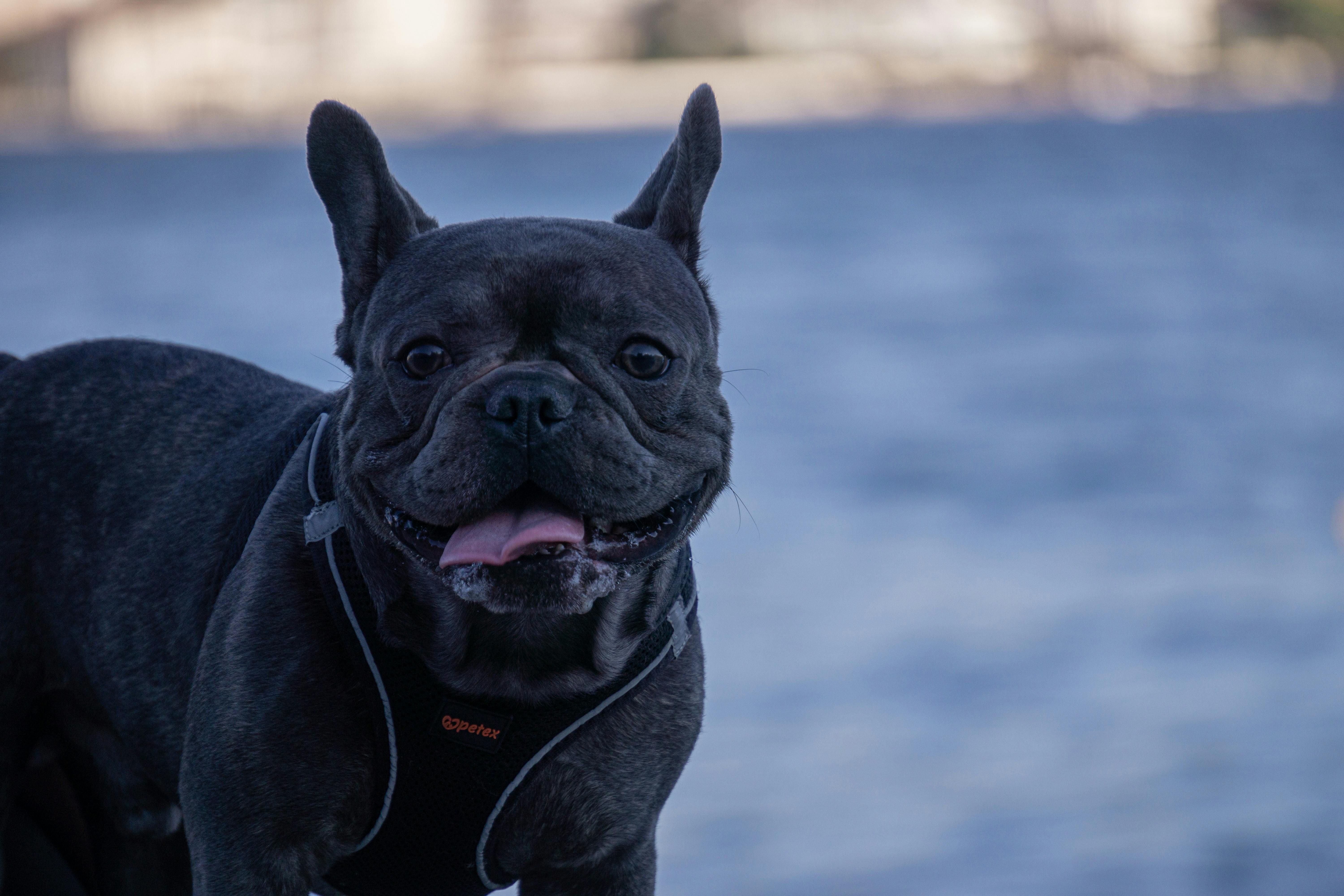 \n\n
\n\nDogs are often called man's best friend, and for good reason. Their loyalty and companionship are unmatched, but have you ever stopped to think about their noses? Those wet, cold noses are more than just adorable features; they hold a lot of fascinating secrets. Let’s dig into 10 fun facts about dog noses that will make you appreciate your pup even more. And let’s also tackle the question, “Why do dogs have wet noses?” The answer might surprise you.
\n1. Dogs Have Incredible Sense of Smell
\nDid you know that dogs can smell up to 100,000 times better than humans? Their noses are packed with approximately 220 million scent receptors, compared to our mere 5 million. This means, when your dog sniffs around, it's basically like a human trying to see the entire universe while only looking through a tiny keyhole.
\n2. Wet Noses Help with Smelling
\nSo, why do dogs have wet noses? A dog’s nose secretes a thin layer of mucus, which helps to capture scent particles. This moisture increases their ability to detect smells. A dry nose might not pick up scents as effectively, thus making that wet nose a kind of superpower for them.
\n3. Noses Are Unique as Fingerprints
\nEvery dog has a unique nose print, just like humans have unique fingerprints. This could be used for identification purposes, although it’s not as common as using microchips. The patterns and ridges on a dog’s nose can be as distinctive as a snowflake.
\n4. Temperature Regulation
\nNot only do wet noses help with smelling, but they also assist in regulating a dog’s body temperature. When a dog pants, moisture evaporates from their nose, helping to cool them down. So, the next time you see your pup with a wet nose, remember that it’s not just cute; it’s practical too!
\n5. Noses Can Change Color
\nA dog’s nose can change color due to various factors, like health, age, or even the seasons. For instance, some dogs may develop a “winter nose,” where their nose becomes lighter during colder months. It’s usually harmless, but if you see sudden changes, it’s best to consult a vet.
\n6. Dogs Use Their Noses to Communicate
\nDogs communicate through scent as much as they do with barks or body language. They can tell a lot about other dogs by sniffing their noses and scent markings. It’s like reading a book, filled with stories about where they’ve been and what they’ve done.
\n7. The Wetness is Not Just for Smelling
\nThe wetness of a dog’s nose also serves to protect it. It keeps their nose moist, which helps maintain sensitivity to smells. A dry nose can be a sign of dehydration or health issues, so it’s something to keep an eye on.
\n8. Dogs Have a Sense of Time
\nThis one’s a bit abstract, but studies suggest that dogs can smell the passing of time. They can detect changes in scents that occur over time, which helps them understand routines and anticipate when their humans will return home. This might explain why your pup seems to know exactly when it’s time for dinner or a walk!
\n9. The Nose is a Diagnostic Tool
\nVeterinarians often check a dog's nose as part of a health assessment. While a cold, wet nose is often seen as a sign of a healthy dog, a warm or dry nose can indicate illness or dehydration. However, it’s not an absolute rule, and other signs should be evaluated too.
\n10. Dogs Can Be Trained to Smell Diseases
\nResearch shows that dogs can be trained to detect diseases such as cancer or diabetes just by smelling a person's breath or skin. Their incredible olfactory capabilities make them invaluable in medical settings, helping to catch conditions that humans may overlook.
\nFun Facts Summary
\nHere’s a quick recap of the fun facts we’ve explored about dog noses:
\n- \n
- Dogs have up to 220 million scent receptors. \n
- Wet noses enhance their ability to smell. \n
- Each nose print is unique to the dog. \n
- They help regulate body temperature. \n
- Nose color can change due to health or age. \n
- Dogs communicate through scent. \n
- Moist noses protect sensitivity. \n
- They can sense the passing of time. \n
- A nose check is part of a health assessment. \n
- Trained dogs can detect diseases. \n
These ten facts not only enhance our knowledge about dog noses but also deepen our appreciation for these furry companions. So, the next time you pet your pup and feel that cold, wet nose against your hand, remember all the amazing things it can do. It's a little marvel in its own right, helping your dog to interact with the world in ways you might never have imagined. Dogs truly are remarkable creatures, and their noses are a big part of that charm.
\n\nCan a Dog's Wet Nose Indicate Illness? Signs to Watch For
\n\n \n\n
\n\nMany dog owners often wonder why their furry friends have those famously wet noses. But, have you ever thought about what a dog's wet nose might mean for their health? Can a dog's wet nose indicate illness? It's a question that leads to many interesting discussions. Let’s explore the fascinating truth behind dog noses, how they work, and what signs to watch out for when it comes to your pup's well-being.
\nWhy Do Dogs Have Wet Noses?
\nDogs noses are wet for a few reasons. First, the moisture helps dogs sense their environment better. A wet nose can enhance their ability to smell, which is super important since dogs have way more scent receptors than humans do. Here’s a breakdown of why they are wet:
\n- \n
- Scent Enhancement: The moisture on a dog's nose helps to dissolve scent particles, making it easier for them to detect smells. \n
- Cooling Mechanism: Dogs don’t sweat like humans do. Their wet noses can help cool them down, especially during hot weather. \n
- Health Indicator: A wet nose is often a sign of a healthy dog. It shows that they are hydrated and feeling good. \n
Can a Dog's Wet Nose Indicate Illness?
\nNow, let’s get into the good stuff! A wet nose is usually a sign that your dog is healthy, but it can also indicate illness in certain situations. Here are some signs to watch for:
\n- \n
- Dry Nose: If your dog’s nose is unusually dry and cracked, it could be a sign of dehydration or fever. \n
- Discharge: Any unusual discharge from the nose, whether it be clear, colored, or bloody, could be a sign of an underlying health issue. \n
- Change in Temperature: If the nose feels hot or warm to the touch, it might indicate that your dog is sick. \n
- Behavior Changes: If your dog is lethargic, not eating, or showing other signs of illness, a wet nose might not be a good enough sign anymore. \n
Signs of Illness to Watch For
\nWhen it comes to your dog's health, it’s important to keep an eye out for certain symptoms. Here’s a list of potential signs of illness:
\n- \n
- Loss of appetite \n
- Excessive thirst \n
- Lethargy or decreased energy \n
- Vomiting or diarrhea \n
- Coughing or nasal discharge \n
- Changes in behavior or personality \n
If you notice any of these signs alongside changes in your dog's nose, it’s always best to consult with a veterinarian.
\nCommon Canine Illnesses Related to Nose Changes
\nThere are several common illnesses that could potentially cause changes in your dog's nose. Here are a few examples:
\n- \n
- Kennel Cough: This highly contagious respiratory disease can cause nasal discharge and coughing. \n
- Canine Distemper: A viral illness that can affect the respiratory, gastrointestinal, and nervous systems, leading to a dry, crusty nose. \n
- Nasal Tumors: These can lead to nasal discharge and a change in the nose's texture or temperature. \n
Interesting Facts About Dog Noses
\nDid you know that a dog's nose print is as unique as a human fingerprint? Here are some more intriguing facts:
\n- \n
- Dogs can smell up to 100,000 times better than humans. \n
- The wetness of their nose can vary throughout the day, depending on their activities and environment. \n
- Dogs use their noses to communicate with each other, leaving scent markings to convey information. \n
Keeping Your Dog's Nose Healthy
\nTo keep your dog's nose in good shape, consider these tips:
\n- \n
- Hydration: Make sure your dog has access to fresh water at all times. \n
- Regular Vet Checkups: Routine veterinary visits can help catch any potential issues early. \n
- Protect from Extreme Weather: Too much sun can dry out their noses, so consider using pet-safe sunscreen on exposed areas. \n
Dogs are amazing creatures, and their wet noses are just one of the many features that make them special. While a wet nose typically indicates good health, it’s important to remain vigilant. Changes in your dog's nose and behavior could hint at an underlying health issue. Always trust your instincts as a pet owner. If something seems off, don't hesitate to seek professional advice. Understanding your furry friend’s health is an essential part of being a responsible dog owner.
\n\nHow to Care for Your Dog’s Nose: Tips for Maintaining Optimal Health
\n\n \n\n
\n\nCaring for your dog’s nose is important, but many people don’t realize how much it contributes to their overall health. The nose of a dog is not just for sniffing; it also plays a vital role in their well-being. So, how do you maintain it? Let’s dive into some tips for caring for your furry friend's nose and explore the reason why dogs have wet noses in the first place.
\nWhy Do Dogs Have Wet Noses?
\nEver wonder why your dog's nose is always a bit damp? It's not just for show! The moisture on a dog's nose helps them to smell better. Here’s a few reasons why their noses are wet:
\n- \n
- \n
Enhanced Smell: A wet nose absorbs scent particles, which can help dogs detect smells more effectively. This is significant because dogs have a sense of smell that is 10,000 to 100,000 times more acute than humans.
\n \n - \n
Thermoregulation: Dogs don’t sweat like humans do. Their wet noses help cool them down through evaporation. It’s kind of like having a built-in air conditioning system!
\n \n - \n
Health Indicator: The condition of your dog’s nose can also be an indicator of their health. A healthy nose is typically moist and cool, while a dry or cracked nose might signal dehydration or illness.
\n \n
How to Care for Your Dog’s Nose
\nKeeping your dog's nose healthy is not complicated, but requires some attention. Here’s a list of tips for maintaining optimal nose health:
\n- \n
- \n
Regular Hydration: Ensure your dog has access to fresh water at all times. Dehydration can lead to a dry nose.
\n \n - \n
Clean the Nose: Occasionally check for dirt and debris on your dog’s nose. Wipe it gently with a soft, damp cloth to keep it clean.
\n \n - \n
Humid Environment: If you live in a dry climate, consider using a humidifier in your home. This helps keep your dog's nasal passages moist.
\n \n - \n
Protect from Sun: Just like humans, dogs can get sunburned. Use dog-safe sunscreen on their nose if they spend a lot of time outdoors in the sun.
\n \n - \n
Monitor for Changes: Pay attention to your dog’s nose. If it becomes excessively dry, cracked, or changes color, consult your veterinarian.
\n \n - \n
Nutritional Support: Ensure your dog’s diet includes sufficient vitamins and fatty acids that support skin and coat health. Omega-3 fatty acids, for instance, are beneficial.
\n \n
Signs of Nasal Problems
\nKnowing the signs of potential issues can help you act quickly if something is wrong. Here are some common symptoms to watch for:
\n- \n
- \n
Cracked Nose: This may indicate dehydration or a skin condition.
\n \n - \n
Excessive Dryness: If the nose feels unusually dry for a prolonged period, it could be a sign of illness.
\n \n - \n
Discoloration: Any sudden change in color or texture should be evaluated by a vet.
\n \n - \n
Nasal Discharge: Mucus or blood coming from the nose can be a sign of infection or other serious issues.
\n \n
Interesting Facts About Dog Noses
\n- \n
- \n
Unique Nose Prints: Just like human fingerprints, each dog has a unique nose print, which can be used for identification.
\n \n - \n
Scent Receptors: Dogs have about 300 million scent receptors in their noses compared to about 5 million in humans.
\n \n - \n
Temperature Regulation: Dogs often cool down by panting, but their wet noses also play a role in regulating their body temperature.
\n \n
Comparison: Dog Noses vs. Human Noses
\n| Aspect | \nDog Nose | \nHuman Nose | \n
|---|---|---|
| Scent Receptors | \n~300 million | \n~5 million | \n
| Moisture | \nNaturally moist | \nTypically dry | \n
| Temperature Regulation | \nEfficient cooling mechanism | \nPrimarily through sweating | \n
Understanding your dog’s nose is essential for maintaining their health. Regularly caring for it can prevent issues down the line. So next time you notice your pup's wet nose, remember that it's not just cute; it's a key part of their health and happiness.
\nIn summary, the wetness of a dog's nose is not just a quirky trait but plays a crucial role in their ability to smell and regulate temperature. By taking proactive steps to care for your dog’s nose, you can ensure they stay healthy and happy. So keep those noses clean, hydrated, and protected!
\n\nConclusion
\n\nIn conclusion, the wet noses of dogs serve multiple important functions that contribute to their overall health and sensory capabilities. We explored how the moisture on a dog’s nose enhances their sense of smell, allowing them to better detect scents in their environment. Additionally, a wet nose can indicate hydration and well-being, while also playing a role in thermoregulation, helping dogs to cool down. It's fascinating to see how this seemingly simple feature plays a crucial role in their daily lives. As a dog owner, paying attention to your furry friend's nose can provide valuable insights into their health. If you notice significant changes in the moisture level or appearance of your dog's nose, consider consulting a veterinarian. Embrace the uniqueness of your dog's wet nose and appreciate its significance in their remarkable biology!
\n\n