Have you ever wondered, why do dogs have wet noses? This intriguing question sparks curiosity among dog owners and animal lovers alike! The truth behind this fascinating trait is not just a quirky dog feature—it’s packed with purpose and benefits. A dog’s wet nose plays a significant role in their sense of smell and overall health, making it a topic worth exploring. Did you know that a wet nose helps dogs detect scents more effectively? Yes, it’s true! This amazing canine characteristic is linked to their evolutionary traits and survival instincts. But, what else do these wet noses reveal about your furry friend? Understanding why dogs have wet noses can deepen your bond and improve your care for them. In this article, we’ll dive into the science behind this phenomenon and uncover the secrets that make dogs so special. Whether you're a seasoned dog owner or new to the pet world, the knowledge you gain here will leave you amazed. So, let’s embark on this journey to discover the fascinating truth behind wet dog noses and why they matter more than you think!
\n\nThe Science Behind Canine Noses: Why Are Dogs’ Noses Wet?
\n\n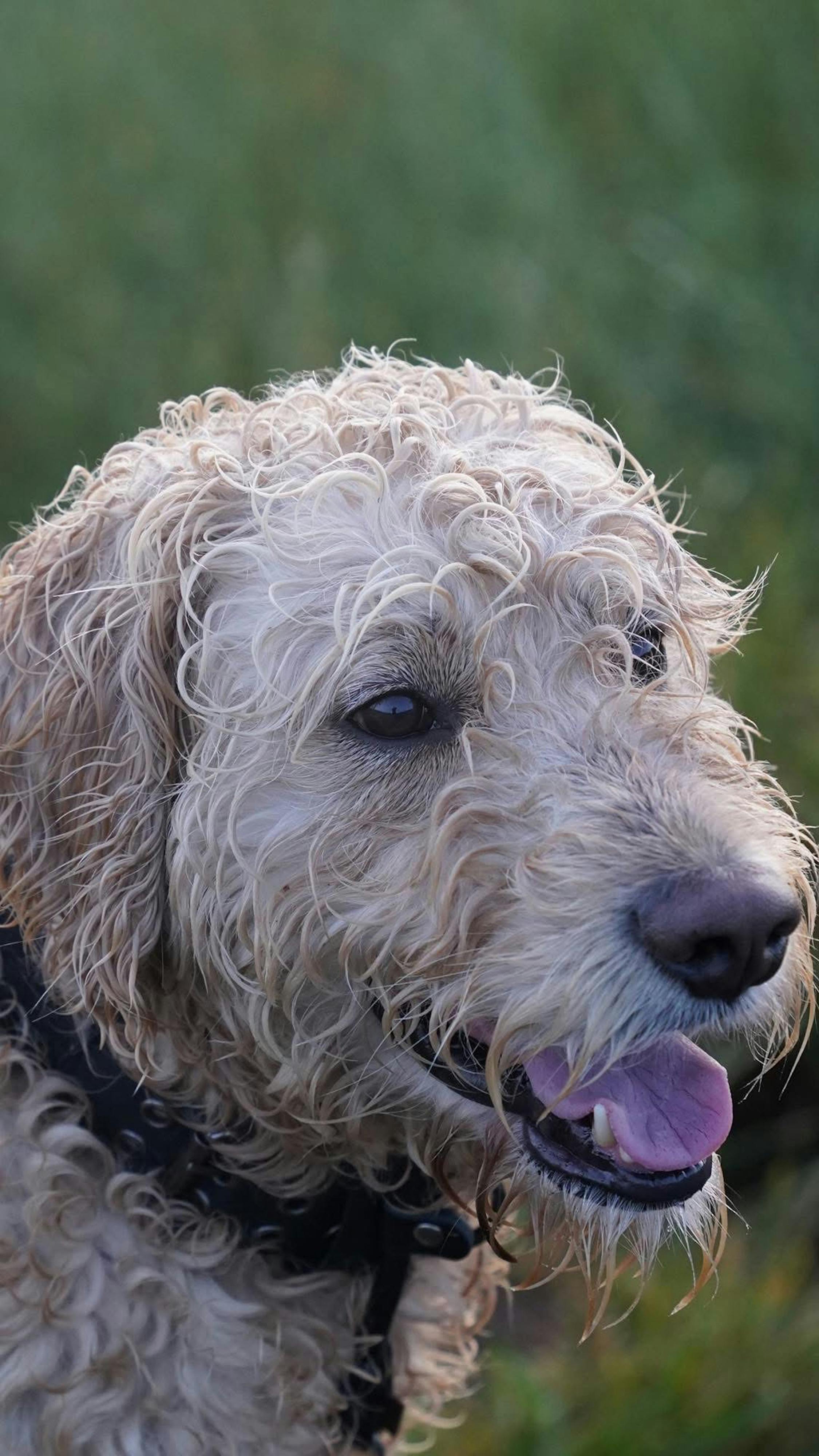 \n\n
\n\nDogs are often known for their incredible sense of smell, and one of the most noticeable features they have is their wet noses. You might find yourself asking, why do dogs have wet noses? The answer is both simple and fascinating, diving deep into the science behind canine noses and the role moisture plays in a dog's olfactory abilities. Let’s explore this intriguing topic together!
\nThe Anatomy of a Dog's Nose
\nA dog's nose is not just a cute feature; it’s a complex organ that serves multiple purposes. The wetness of a dog's nose is primarily due to a thin layer of mucus, which is secreted by special glands. This moisture serves a few important functions.
\n- \n
- Enhanced Smell: The wet surface helps to capture scent particles from the air, making it easier for dogs to smell. \n
- Temperature Regulation: A wet nose can help cool down a dog’s body as they pant and exert energy. \n
- Health Indicator: Changes in the moisture levels of a dog’s nose can indicate health issues. For example, a dry nose could signal dehydration or illness. \n
The Science Behind the Wet Nose
\nThe wetness of a dog’s nose is a part of their evolutionary adaptation. Dogs have around 300 million olfactory receptors, compared to humans who only have about 5 million. This incredible sense of smell is crucial for their survival and communication.
\n- \n
- Olfactory Receptors: The receptors in a dog’s nose are responsible for detecting various scents. When the nose is wet, it helps to dissolve the scent particles, allowing them to bind with these receptors more effectively. \n
- Vomeronasal Organ: Apart from the regular olfactory receptors, dogs have a special organ called the vomeronasal organ (or Jacobson's organ) that detects pheromones, which are essential for social interactions and mating. \n
Wet Noses and Health
\nDid you know that a dog's nose can reflect their health status? While a wet nose is generally a sign of a healthy dog, there are exceptions. Here are a few points to consider:
\n- \n
- Normal Moisture Levels: A healthy dog's nose is usually cool and wet. \n
- Dry Nose: If your dog’s nose is dry and warm, it could indicate a fever or dehydration. \n
- Nasal Discharge: If your dog’s nose is excessively wet or has discharge, it could be a sign of illness. Consulting a vet is always a good idea. \n
Historical Context and Evolution
\nThe ancestors of modern dogs were hunting animals that relied heavily on their sense of smell for tracking prey. Over thousands of years, dogs have been bred for various purposes, but their olfactory capabilities remained vital.
\n- \n
- Hunting Breeds: Breeds like Bloodhounds and Beagles have been specifically bred for their keen sense of smell. \n
- Working Dogs: Many working dogs today, such as search and rescue dogs, utilize their wet noses to find missing persons or detect drugs. \n
Fun Facts About Dog Noses
\nLet’s throw in some fun and interesting facts about dog noses that you might not know!
\n- \n
- Unique Nose Prints: Just like human fingerprints, every dog has a unique nose print! \n
- Breed Differences: Some breeds have wetter noses than others. For instance, Bulldogs often have drier noses compared to Retrievers. \n
- Color Changes: A dog’s nose can change color with the seasons or due to health issues. \n
Practical Tips for Dog Owners
\nSo, what should dog owners do to maintain their dog's nose health? Here are some tips:
\n- \n
- Hydration: Always ensure your dog has access to fresh, clean water. Dehydration can lead to a dry nose. \n
- Regular Vet Checkups: Routine checkups can help identify any underlying health issues. \n
- Watch for Changes: Monitor any sudden changes in your dog’s nose wetness or temperature. \n
In summary, the wetness of a dog's nose is not just a quirky feature but a vital aspect of their biology. It plays a significant role in their ability to smell and can even be an indicator of their health. Understanding why dogs have wet noses can help owners take better care of their furry friends and appreciate the incredible science behind this unique characteristic. So the next time you pet your dog and feel that wet nose, remember, it’s not just adorable—it’s also a powerful tool they use to interact with the world around them!
\n\nUnveiling the Mystery: What Makes a Dog's Nose So Unique?
\n\n \n\n
\n\nDogs are often called man's best friend, and part of their charm comes from those unique wet noses. But have you ever wonder why dogs have wet noses? Or what makes their noses so special? Let's dive into the fascinating world of canine noses and uncover the science behind their distinct characteristics.
\nThe Science of a Dog's Nose
\nA dog's nose is more than just an adorable feature, it is a powerful tool. Dogs can smell about 10,000 to 100,000 times better than humans, depending on the breed. This exceptional sense of smell is due to several factors:
\n- \n
- Olfactory Receptors: Dogs have around 300 million olfactory receptors in their noses, compared to about 5 million in humans. This allows them to detect and identify scents much more effectively. \n
- Jacobsen's Organ: Also known as the vomeronasal organ, this structure helps dogs detect pheromones, which are important for social interactions and mate selection. \n
- Nasal Turbinates: The complex structure inside a dog's nose helps to trap scent molecules, making it easier for dogs to analyze different smells. \n
Why Are Dog Noses Wet?
\nSo, why do dogs have wet noses? The moisture on a dog's nose serves several important purposes:
\n- \n
- Enhanced Smell: A wet nose can absorb scent molecules better than a dry one, enhancing their ability to smell. The moisture helps to capture and hold onto these odor particles. \n
- Temperature Regulation: Dogs don't sweat like humans do. Instead, they cool down through their paw pads and the surface of their noses. A wet nose helps in regulating their body temperature. \n
- Health Indicator: A dog's nose can also be an indicator of their health. A healthy dog usually has a moist, cool nose, while a dry nose can sometimes indicate dehydration or illness. But, it's not a definitive sign, and context matters. \n
Historical Context of Dog Noses
\nDogs have been domesticated for thousands of years, and their noses have always played a crucial role in their survival. Early humans relied on dogs for hunting, and their keen sense of smell was invaluable for tracking prey. Over generations, selective breeding has enhanced this trait, leading to the various breeds we see today, each with varying nose shapes and sizes.
\nFun Facts About Dog Noses
\n- \n
- Unique Patterns: Just like human fingerprints, every dog has a unique nose print. This means that no two dogs have identical nose patterns. \n
- Color Variation: The color of a dog's nose can vary from breed to breed, and even from dog to dog. Some breeds, like the Labrador Retriever, often have black noses, while others like the Dalmatian may have spots. \n
- Sniffing Speed: A dog can sniff about 20 times in one minute! This rapid sniffing helps them gather more information about their surroundings. \n
Comparison of Dog Noses by Breed
\nDifferent breeds have different nose structures, and this can affect their sense of smell:
\n| Breed | \nNose Length | \nSmell Abilities | \n
|---|---|---|
| Bloodhound | \nLong | \nExceptional, excellent for tracking | \n
| Beagle | \nMedium | \nGreat for hunting small game | \n
| German Shepherd | \nMedium | \nVersatile, used in police work | \n
| Bulldog | \nShort | \nGood, but less than long-nosed breeds | \n
Practical Examples of Nose Use
\nDogs use their noses in various real-life situations:
\n- \n
- Search and Rescue: Dogs are trained to locate missing persons using their olfactory skills. \n
- Detection Work: Many dogs work with law enforcement to detect drugs or explosives due to their powerful sense of smell. \n
- Medical Detection: Some dogs can even detect diseases like cancer by sniffing breath or urine samples. \n
The Bottom Line
\nUnderstanding why dogs have wet noses and what makes them unique helps us appreciate our furry companions even more. Their noses are not just cute but are sophisticated tools that play a significant role in their lives. Whether it’s for finding a lost toy or alerting us to danger, a dog's nose is a remarkable feature that reflects their evolutionary history and adaptability. So, next time you give your pup a pat on the head, take a moment to think about that wet nose and all the amazing things it can do.
\n\n5 Surprising Benefits of Having a Wet Nose in Dogs You Didn't Know!
\n\n \n\n
\n\nDogs are fascinating animals, and their wet noses are one of the most interesting aspects about them. Many people wonder, why do dogs have wet noses? Well, there’s more to it than just a cute feature! It turns out that there are some surprising benefits to having a wet nose that you probably didn’t know. Let's dive into five of these benefits, and discover the truth behind our furry friends' unique noses.
\n1. Enhanced Sense of Smell
\nOne of the biggest reasons dogs have wet noses is because it helps them smell better. Wet noses help to trap scent particles in the air. This is how dogs can detect scents better than humans. Their sense of smell is around 10,000 to 100,000 times more sensitive than ours! When their noses are moist, they can pick up more of these scents, providing them a better understanding of their environment.
\n- \n
- Dogs have approximately 220 million scent receptors. \n
- Humans only have about 5 million. \n
- Wetness on the nose increases the surface area for scent absorption. \n
2. Temperature Regulation
\nDid you know that a dog’s wet nose helps to regulate their body temperature? Just like humans sweat to cool down, dogs release moisture from their noses. It’s not exactly the same, but it serves a similar purpose. When they pant, the moisture from their noses evaporates, helping to cool them down.
\n- \n
- Dogs can’t sweat the way we do, so they rely on panting and their wet noses. \n
- A cooler nose often indicates a dog is in a comfortable temperature range. \n
- Dry noses might signal overheating or dehydration. \n
3. Sign of Health
\nA wet nose usually indicates a healthy dog. When a dog is sick or unwell, the moisture on their nose can decrease. This is why many pet owners often check their dog's nose as a quick health indicator. A consistently dry or cracked nose may indicate dehydration, illness, or other health problems.
\n- \n
- Healthy dog noses are typically moist and cool. \n
- Changes in nose moisture can signal allergies or skin conditions. \n
- Regularly checking your dog’s nose can be a good health practice. \n
4. Communication Tool
\nDogs use their noses not just for smell but also for communication. When they greet other dogs or humans, they often use their noses to gather information about them. A wet nose can convey friendliness and curiosity. Furthermore, if a dog is feeling anxious or scared, their nose might become drier, showing their emotional state.
\n- \n
- Dogs sniff to gather information about other animals and people. \n
- A dog’s wet nose can indicate they are relaxed and open to interaction. \n
- Emotional states can manifest in changes to their nose's moisture level. \n
5. Natural Anti-Bacterial Properties
\nAnother surprising benefit of a wet nose is its potential to have natural antibacterial properties. The moisture on a dog's nose can help to keep harmful bacteria at bay. This is particularly important when they are out exploring or sniffing around in the grass or dirt.
\n- \n
- Dogs' noses have natural oils that can help to protect against infections. \n
- The environment they explore can often harbor germs, and a wet nose can help mitigate this. \n
- Keeping your dog's nose healthy can be an important part of overall care. \n
Summary of Benefits
\nHere’s a quick recap of the benefits of having a wet nose in dogs:
\n- \n
- Enhanced Sense of Smell: Helps them detect scents better. \n
- Temperature Regulation: Aids in cooling down the body. \n
- Sign of Health: Indicates general well-being. \n
- Communication Tool: Used in interactions with others. \n
- Natural Anti-Bacterial Properties: Helps prevent infections. \n
Understanding why do dogs have wet noses and the benefits that come with it can deepen the bond between you and your pet. It’s not just an endearing feature; it plays a vital role in their health and communication.
\nSo next time you see your dog with that adorable, moist nose, remember all the fascinating truths behind it! It’s just another reason dogs are such amazing companions.
\n\nHow a Dog's Wet Nose Enhances Their Sense of Smell: The Fascinating Connection
\n\n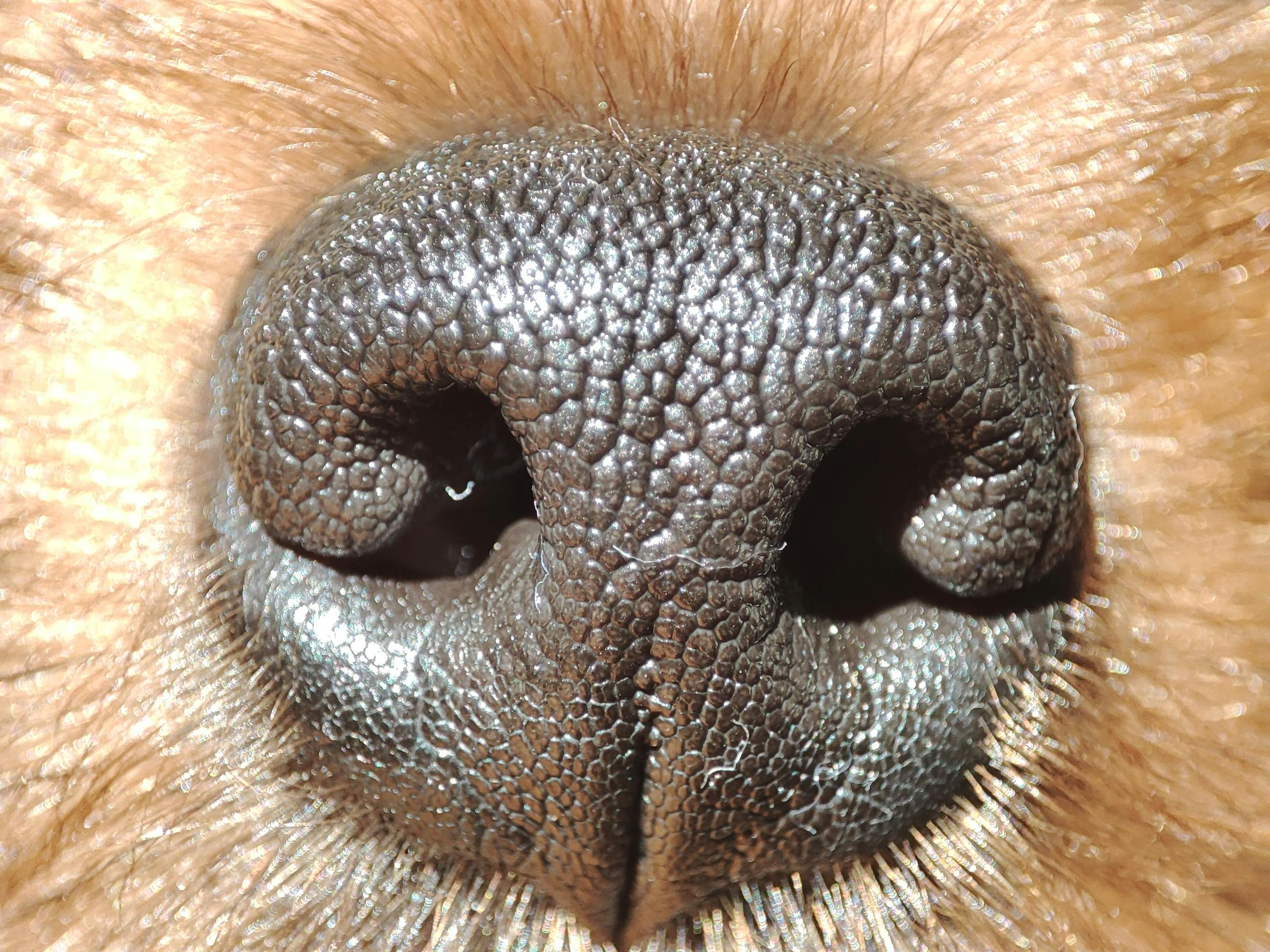 \n\n
\n\nDogs are often thought of as man's best friend, but have you ever wondered why they have wet noses? This seemingly simple feature plays a vital role in their sense of smell, which is way more powerful than humans. Understanding how a dog's wet nose enhances their olfactory abilities is not just fascinating. It also gives insight into how dogs interact with the world around them.
\nThe Science Behind a Wet Nose
\nFirst off, let’s look at how a dog's nose works. Dogs have about 300 million olfactory receptors in their noses, compared to a human’s mere 5 million. This means that dogs can detect scents at incredibly low concentrations. But, what does their wet nose have to do with this?
\n- \n
- \n
Moisture and Scent Detection: The wetness of a dog’s nose helps to capture scent particles from the air. When the nose is moist, it can absorb scent chemicals more effectively. This is because many scent molecules dissolve in moisture, making it easier for the dog to identify them.
\n \n - \n
Cooling Mechanism: A wet nose also serves as a cooling mechanism for dogs. Unlike humans, dogs don’t sweat to regulate their body temperature. Instead, they rely on their noses and panting. So, a wet nose can help keep them cool while they are sniffing around.
\n \n
Why Do Dogs Have Wet Noses?
\nThere are various reasons why dogs have wet noses, and it’s not just for smell! Here are some of the key points:
\n- \n
- \n
Scent Identification: As mentioned, the moisture helps with identifying scents better and faster. This is useful for hunting dogs or those trained in search and rescue.
\n \n - \n
Health Indicator: A wet nose is often seen as a sign of a healthy dog. If a dog’s nose becomes dry or cracked, it might indicate dehydration, illness, or other health issues.
\n \n - \n
Social Interaction: Dogs use their noses to communicate with other dogs and people. A wet nose can also be more inviting and friendly, encouraging interaction.
\n \n
The Biology of Dog Noses
\nDogs have a special layer in their noses called the "nasal turbinates." This structure increases the surface area inside the nostrils and helps to trap scent particles. The wetness also helps to keep the turbinates functioning effectively. Here’s a breakdown of how it works:
\n- \n
- The moisture on a dog’s nose helps to trap scent particles. \n
- The olfactory receptors then send signals to the brain, allowing the dog to interpret the smells. \n
- This complex system allows dogs to discern a wide variety of scents, from food to other animals. \n
Fun Facts About Dog Noses
\n- \n
- \n
Dogs Can Smell Diseases: Some dogs are trained to detect diseases like cancer or diabetes just by sniffing a person. Their powerful noses can pick up on chemical changes in the body.
\n \n - \n
Nose Prints Are Unique: Just like human fingerprints, every dog has a unique nose print. This could theoretically be used for identification purposes.
\n \n - \n
Dogs Can Smell Emotions: Research shows that dogs can recognize human emotions through scents. They can sense fear, happiness, and even stress levels.
\n \n
How to Care for Your Dog’s Nose
\nTaking care of your dog’s nose is important. Here are some tips to keep it healthy:
\n- \n
- \n
Hydration: Make sure your dog has access to fresh water. This will help keep their nose moist.
\n \n - \n
Regular Check-ups: A vet can check your dog’s nose for any signs of health issues during regular check-ups.
\n \n - \n
Avoid Irritants: Keep your dog away from harsh chemicals or allergens that can cause irritation to their noses.
\n \n
Comparison: Dog Noses vs. Human Noses
\nHere’s a simple comparison table about dog noses and human noses:
\n| Feature | \nDog Nose | \nHuman Nose | \n
|---|---|---|
| Number of Olfactory Receptors | \nAbout 300 million | \nAbout 5 million | \n
| Ability to Detect Scents | \nExtremely high sensitivity | \nLimited sensitivity | \n
| Moisture Function | \nEnhances scent detection | \nPrimarily for warmth and moisture | \n
| Unique Identification | \nNose prints are unique | \nFingerprints are unique | \n
Dogs’ wet noses are more than just an adorable trait; they represent a complex biological feature that enhances their ability to smell. Understanding this can deepen your appreciation for dogs and their incredible skills. In a world where dogs help in many ways, from assistance to companionship, their wet noses certainly add to their charm and functionality. So next time you see a dog with a moist nose, remember, it's not just cute—it's also a key to their amazing sense of smell!
\n\nWet vs. Dry: What Your Dog’s Nose Says About Their Health
\n\n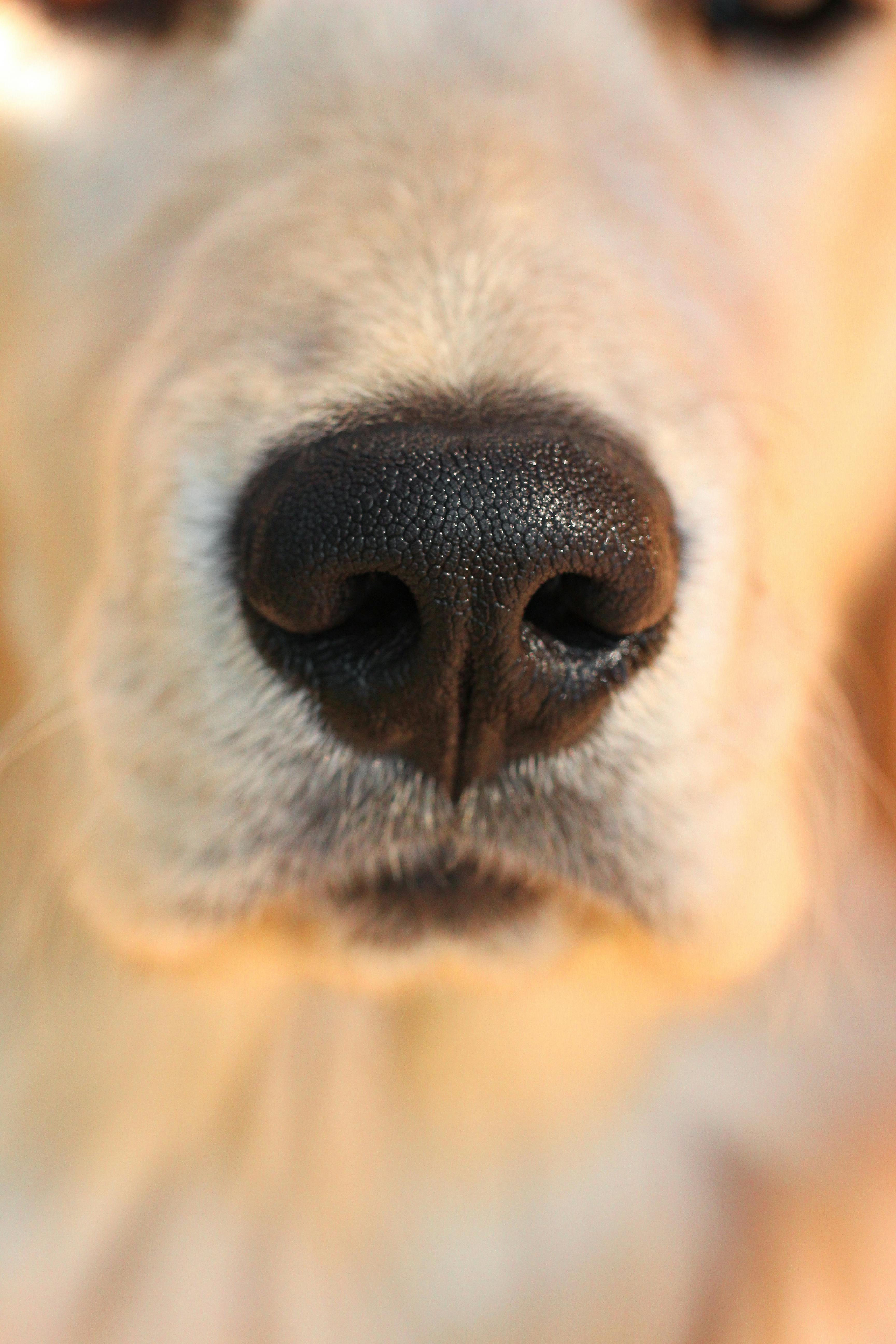 \n\n
\n\nDogs are often referred to as man's best friend. But have you ever wondered what their wet noses can tell you about their health? The truth is, the moisture level of your dog's nose can actually provide some insights into their well-being. The age-old debate of wet vs. dry noses isn't just for pet owners to ponder over; it's a fascinating topic that can help understand your furry companion better. So why do dogs have wet noses, and what does it all mean?
\nThe Science Behind Wet Noses
\nDogs have wet noses due to a combination of several factors. Firstly, their noses are covered in a thin layer of mucus, which helps to trap scents. This mucus is produced by specialized glands. When dogs sniff around, they are able to absorb more scent particles with this moisture. A wet nose also helps dogs to cool down, as they sweat through their noses, which is pretty different from how humans sweat, since dogs primarily regulate their body temperature through panting.
\nWhy Do Dogs Have Wet Noses?
\n- \n
- \n
Scent Detection: The wetness enhances a dog's ability to detect scents. Their sense of smell is already incredible, but a moist surface captures scent particles better, making their noses more effective tools for sniffing.
\n \n - \n
Temperature Regulation: Dogs do not sweat like humans. Instead, they rely on their noses and paw pads to help regulate their body temperature. A wet nose can help to cool them down.
\n \n - \n
Health Indicator: A dog's nose moisture level can be an indicator of their health. A warm and dry nose might indicate fever or illness, while a cool and wet nose is usually a sign of a healthy pup.
\n \n
What Does a Wet Nose Mean?
\nGenerally, a wet nose is associated with good health. Here’s a quick list to help you understand what a wet nose might indicate:
\n- \n
- Healthy hydration levels \n
- Normal body temperature \n
- No signs of illness \n
When Is a Dry Nose a Concern?
\nWhile a dry nose is not always alarming, it can sometimes be a signal for concern. Here’s a list of things to consider:
\n- \n
- Fever: If the nose is warm and dry, it could be a sign of fever. \n
- Dehydration: A dry nose can indicate dehydration, especially if accompanied by other symptoms like lethargy. \n
- Illness: Certain illnesses can cause a dog’s nose to become dry and cracked. \n
Factors That Affect Nose Moisture
\nMany factors can influence whether a dog's nose is wet or dry. Here’s some of them:
\n- \n
- Weather Conditions: Heat and humidity can make a nose wetter, while cold and dry weather can lead to dryness. \n
- Activity Level: After physical activity, dogs often have drier noses. \n
- Age: Older dogs may have less moisture in their noses. \n
Observing Your Dog's Nose
\nBeing observant is key! Here’s a simple guide on how to keep track of your dog's nose health:
\n- \n
- \n
Daily Check: Make it a habit to check your dog's nose every day. Is it wet or dry? Cool or warm?
\n \n - \n
Look for Changes: Any sudden changes in moisture level could warrant a vet visit.
\n \n - \n
Watch for Other Symptoms: Pay attention to other signs like lethargy, loss of appetite, or changes in behavior.
\n \n
Fun Facts About Dog Noses
\n- \n
- Dogs have about 300 million smell receptors. Humans only have about 5 million! \n
- The texture of a dog’s nose is unique, much like a human fingerprint. \n
- Dogs can even detect certain medical conditions, like cancer, through their sense of smell. \n
In summary, understanding your dog's nose can give you a peek into their health. A wet nose often means a healthy dog, while a dry nose could signal some potential issues that might need attention. Always pay attention to any changes and consult with a veterinary professional if something seems off. After all, keeping your furry friend happy and healthy should always be the priority!
\n\nThe Role of Temperature Regulation: Why Dogs’ Noses Are Always Cool and Wet
\n\n \n\n
\n\nDogs are known for their unique characteristics, and one of the most fascinating things about them is their noses. Ever wonder why dogs have wet noses? It’s a question many pet owners ask, and the answer is as interesting as it is important for their health and well-being. Let's explore the role of temperature regulation, why dogs’ noses are often cool and wet, and uncover the fascinating truth behind those adorable snouts.
\nThe Science Behind Wet Noses
\nDogs’ noses are not just cute — they serve essential purposes. A wet nose helps dogs in a lot of ways. Here are a few:
\n- \n
- \n
Temperature Regulation: Dogs don’t sweat like humans do. Instead, they cool off through their noses and paw pads. The moisture on their noses evaporates, helping to lower their body temperature.
\n \n - \n
Enhanced Sense of Smell: A wet nose can pick up scent particles better than a dry one. This is because moisture helps to trap scents, making it easier for dogs to detect and identify different smells.
\n \n - \n
Health Indicator: A dog's nose can tell you a lot about their health. A wet, cool nose is usually a sign of a happy, healthy dog, while a dry or warm nose could indicate illness or stress.
\n \n
Why Are Dog Noses Wet?
\nSo, why do dogs have wet noses, specifically? The answer lies in their anatomy and behavior. Dogs have special glands in their noses that produce moisture. This mucus serves multiple purposes:
\n- \n
- \n
Scent Reception: Wet mucus helps to dissolve scent particles, which makes them easier for the olfactory receptors in a dog's nose to identify. Dogs have an extraordinary sense of smell, estimated to be anywhere from 10,000 to 100,000 times more acute than humans.
\n \n - \n
Cooling Mechanism: When dogs pant, they evaporate moisture from their noses and mouths, which helps to cool their bodies. In hot weather, a wet nose is crucial for maintaining a comfortable body temperature.
\n \n - \n
Communication Tool: Dogs can also use their noses to gather information about their environment and other animals. A wet nose may help them detect pheromones and other chemical signals that are important for social interactions.
\n \n
Historical Context of Dogs’ Noses
\nHistorically, dogs have been bred for various roles, from hunting to companionship. Each breed has unique nose features tailored to its specific purpose. For example:
\n- \n
- \n
Bloodhounds: Known for their exceptional sense of smell, bloodhounds have long, droopy noses that help them track scents over great distances.
\n \n - \n
Terriers: Many terriers have shorter noses, but they are still efficient hunters, especially for small game.
\n \n - \n
Sighthounds: Breeds like greyhounds rely more on sight than smell, but their noses are still wet and cool.
\n \n
Common Misconceptions
\nThere are several misconceptions about dogs and their wet noses. Here are some of the most common ones:
\n- \n
- \n
A Dry Nose Means a Sick Dog: While a dry nose can be a sign of illness, it’s not a definitive indicator. Factors like weather and activity level can also cause a nose to dry out.
\n \n - \n
All Dogs Have Wet Noses: Not all dogs have the same nose moisture. Some breeds may naturally have drier noses than others, and that doesn't necessarily mean they are unhealthy.
\n \n - \n
Wet Noses Are Always Cold: While most wet noses tend to feel cool, they can also be warm depending on the dog’s body temperature and activity level.
\n \n
Practical Tips for Dog Owners
\nIf you're a dog owner, keeping your pup's nose healthy is important. Here are some tips:
\n- \n
- \n
Hydration: Ensure your dog is well-hydrated, especially in hot weather. Dehydration can lead to a dry nose.
\n \n - \n
Regular Vet Check-ups: Regular visits to the vet can help catch any potential health issues early.
\n \n - \n
Watch for Changes: If you notice any sudden changes in your dog's nose — like it becoming excessively dry, cracked, or changing color — consult your vet.
\n \n - \n
Keep Environment Comfortable: If your dog seems to be overheating, provide shade, water, and a cool place to relax.
\n \n
Understanding why dogs have wet noses can deepen your appreciation for these lovable companions. Their noses play a crucial role in their ability to interact with the world around them, helping them stay cool and enhancing their remarkable sense of smell. So next time you see your furry friend, take a moment to appreciate that cool, wet nose — it's more than just cute; it's a vital part of their health and happiness!
\n\nCan a Dog’s Wet Nose Predict Their Mood? Exploring the Emotional Connection
\n\n \n\n
\n\nDogs are often seen as man's best friend, but there’s more to them than just loyalty and companionship. One fascinating aspect that many dog owners wonder about is their wet noses. You might find yourself asking, can a dog’s wet nose predict their mood? And why do dogs have wet noses in the first place? Let’s explore these questions and uncover the emotional connections behind your furry friend’s unique nose.
\nWhy Do Dogs Have Wet Noses?
\nDogs' noses are wet for several reasons, and it’s not just for show. Here are some key points that explain this phenomenon:
\n- \n
- Sense of Smell: A wet nose helps to enhance a dog’s sense of smell. The moisture increases the surface area, allowing scent particles to stick better, thus helping them to detect various scents. \n
- Cooling Mechanism: Dogs don’t sweat like humans do. Instead, they cool off through their noses. The moisture on the nose evaporates, helping to regulate their body temperature. \n
- Health Indicator: A wet nose is often considered a sign of a healthy dog. However, it’s not a definitive health indicator, as some dogs may have dry noses yet still be healthy. \n
- Behavioral Significance: Dogs often wet their noses when they are curious or excited, which can give hints about their emotions. \n
Emotional Connection: Can a Dog's Wet Nose Predict Their Mood?
\nThe idea that a dog’s wet nose could predict their mood is intriguing, but it’s important to understand that it’s not a straightforward relationship. Here are some emotional cues that dogs might display:
\n- \n
- Excitement: When a dog is happy or excited, you might notice that their nose feels more moist. They may wag their tail and jump around, which often accompanies the wetness. \n
- Calmness: A relaxed dog might have a slightly cooler and drier nose. This doesn’t mean they are unhealthy; it could just be their state of relaxation. \n
- Anxiety or Stress: If a dog is anxious, their nose may still be wet, but they’ll show other signs like panting, pacing, or tucked tails. It’s crucial to observe their body language. \n
- Affection: A dog that approaches you with a wet nose may be showing affection. They may nuzzle or nudge you, which can indicate they want interaction. \n
Historical Context of Dogs' Wet Noses
\nThroughout history, dogs have been companions to humans, and their noses have played a significant role in their interactions with us. Ancient cultures recognized the value of a dog’s sense of smell. For instance:
\n- \n
- Hunting Partners: Early humans used dogs for hunting. Their ability to track scents made them invaluable allies. \n
- Guardians: Dogs also guarded homes and livestock. Their keen sense of smell helped them detect intruders or dangers. \n
- Companionship: Over centuries, dogs evolved from working animals to beloved pets. Their wet noses became symbols of affection and loyalty. \n
Fun Facts About Dogs' Noses
\n- \n
- Did you know that each dog’s nose print is unique? Just like human fingerprints, no two dogs have the same nose print. \n
- Dogs have about 300 million smell receptors in their noses, compared to about 6 million in humans. \n
- A dog's sense of smell is so powerful that they can detect certain diseases, like cancer or diabetes, just through their owner’s scent. \n
- Puppies are born with closed eyes and ears, but they have a fully developed sense of smell from the start. \n
Practical Examples of Dogs’ Noses in Daily Life
\nUnderstanding your dog's nose can help strengthen your bond. Here are some practical ways to use this knowledge:
\n- \n
- Training: Use your dog’s sense of smell in training exercises, like hide and seek with treats. This taps into their natural instincts. \n
- Health Monitoring: Pay attention to changes in your dog’s nose. If it suddenly becomes dry or excessively wet, it might be worth a vet visit. \n
- Emotional Support: Recognize when your dog needs comfort. If their nose is cold and dry, they might be feeling low, and a little extra love can help. \n
The relationship between dogs’ wet noses and their moods is a complex and fascinating topic. While a wet nose can indicate certain emotions, it's not the only signal to consider. Observing your dog’s behavior and body language, combined with an understanding of their unique characteristics, can lead to a deeper emotional connection. So the next time you cuddle with your furry friend, take a moment to appreciate their wet nose and what it might be telling you about their feelings.
\n\n7 Common Myths About Dogs' Wet Noses Debunked!
\n\n \n\n
\n\nIf you’ve ever wondered why dogs have wet noses, you’re not alone. Many people have their own ideas about this, leading to all kinds of myths. In this article, we will explore some of the most common misconceptions about dogs' wet noses and uncover the truth behind them. It’s fascinating to learn how these little features of our furry friends relate to their health and behavior!
\nMyth 1: Wet Noses Mean a Dog is Healthy
\nA prevalent belief is that a wet nose indicates a dog is healthy. While a moist nose can be a sign of a well-hydrated dog, it doesn't always mean they are in tip-top shape. Dogs can have wet noses when they are sick too, so it’s important to look at other signs like their energy levels, eating habits, and behavior.
\nMyth 2: Dogs' Noses Are Wet Because They Lick Them
\nIt's commonly thought that dogs have wet noses simply because they lick them. While licking does contribute to moisture, it’s not the primary reason. Dogs’ noses are moist for several reasons, including:
\n- \n
- Cooling Mechanism: Dogs sweat through their noses, helping them regulate their body temperature. \n
- Sense of Smell: A moist nose helps to enhance their sense of smell by trapping scent particles. \n
Myth 3: All Dogs Have Wet Noses
\nAnother misconception is that all dogs have wet noses. This is not true. Some breeds, such as bulldogs or pugs, often have drier noses than other breeds. Factors like age, climate, and individual health can also affect nose moisture.
\nMyth 4: Wet Noses Are Always Cold
\nPeople think that wet noses are always cold. But that’s not the case! A dog's nose can vary in temperature. For example, a dog may have a warm and wet nose after playing outside on a sunny day. Conversely, a cooler dry nose can be normal too, especially if they are resting.
\nMyth 5: Wet Noses Are a Sign of Love
\nMany pet owners believe that a wet nose is a sign of affection. While dogs do use their noses to communicate with us and other dogs, a wet nose doesn’t necessarily equate to love. Dogs may nuzzle you with their noses for various reasons, including curiosity or seeking attention.
\nMyth 6: Dogs Have Wet Noses Because They Are Always Outside
\nSome people think that a dog’s wet nose comes from being outdoors. While outdoor activities can contribute to moisture, many dogs have wet noses regardless of their environment. Indoor dogs also have moist noses due to their natural physiology.
\nMyth 7: A Dog’s Nose Can Predict Rain
\nYou might have heard that a dog’s wet nose can predict rain. This myth likely comes from the observation that dogs are more active and alert before a storm. They can sense changes in the environment, but their wet noses don’t predict weather changes. It’s more about their instincts than their noses.
\nWhy Do Dogs Have Wet Noses? Discover the Fascinating Truth!
\nNow that we've debunked some myths, let’s look deeper into why dogs have wet noses. Their moist noses serve several critical functions:
\n- \n
- Enhanced Smell: A wet nose helps capture scent particles better, which is essential for a dog’s incredible sense of smell. \n
- Temperature Regulation: Dogs don’t sweat like humans do. Their noses help cool them down, making moisture a natural aspect of their biology. \n
- Health Indicator: While a wet nose isn’t a definitive sign of health, significant changes in moisture levels can indicate health issues. \n
Interesting Facts About Dogs' Noses
\n- \n
- Dogs Have a Unique Nose Print: Just like human fingerprints, every dog has a unique nose print. \n
- Nose Color Can Change: The pigmentation of a dog's nose can change with age or health conditions. \n
- Dogs Can Smell Diseases: Some dogs are trained to detect diseases like cancer or diabetes through their keen sense of smell. \n
In summary, understanding the truth about dogs' wet noses can help us take better care of our furry companions. Wet noses are not just cute; they play vital roles in our dogs’ health and behavior. By debunking common myths, we can appreciate more the fascinating biology of our pets. Next time you pet your dog and feel that familiar wet nose, you’ll know a little more about what it means!
\n\nWhy Do Puppies Have Wet Noses? Understanding the Developmental Stages
\n\n \n\n
\n\nHave you ever noticed how puppies always seem to have those delightful wet noses? It’s like their little snouts are constantly glistening. But have you ever wondered why do puppies have wet noses? Understanding the developmental stages of dogs can help to shed some light on this curious canine characteristic. In this article, we will dive into the fascinating truth about why do dogs have wet noses and what it means for their health and well-being.
\nThe Science Behind Wet Noses
\nDogs noses are often wet for a few reasons, mostly owing to their unique physiology. Here are some key points to consider:
\n- \n
- \n
Temperature Regulation: Dogs don’t sweat like humans do. Instead, they cool themselves through panting and by having a wet nose. The moisture on their nose helps to regulate their body temperature, especially on warm days.
\n \n - \n
Sense of Smell: A wet nose helps enhance a dog’s sense of smell. The moisture captures scent particles, allowing the olfactory receptors in their nose to get a better reading on their environment. This is why dogs are so good at tracking scents!
\n \n - \n
Health Indicator: A dog’s nose can also be an indicator of its health. A wet nose is generally considered a sign of a healthy dog, while a dry nose could indicate dehydration or illness. However, this isn’t always the case, as dogs can have dry noses for many reasons.
\n \n
Developmental Stages of Puppies
\nWhen puppies are born, their noses are not fully developed. Here’s a brief overview of how a puppy’s nose changes as they grow:
\n- \n
- \n
Newborn Stage (0-2 weeks): Puppies are born with closed eyes and ears, and their noses are not fully functional yet. They rely on their other senses and their mother's guidance.
\n \n - \n
Transitional Stage (2-4 weeks): During this stage, puppies begin to open their eyes and ears. Their noses start to become more sensitive, and they begin to explore their environment more actively.
\n \n - \n
Socialization Stage (4-12 weeks): This is when puppies become more curious and start to engage with their surroundings. Their noses become more prominent as they learn to use their sense of smell to navigate and interact with other animals and people.
\n \n - \n
Adolescence (3-6 months): As puppies mature, their noses develop further. At this stage, they begin to understand their own body and its functions better, including the role of their nose in communication and exploration.
\n \n - \n
Adulthood (6 months and beyond): By this time, a dog's nose is fully developed and plays a crucial role in their daily life. Adult dogs use their noses not just for smelling but also for social interactions and understanding their environment.
\n \n
Common Myths About Dog Noses
\nThere’s a lot of misinformation floating around about dog noses. Let’s debunk some common myths:
\n- \n
- \n
Myth 1: A Wet Nose Means My Dog Is Sick: While a wet nose is generally a sign of health, it’s not a definitive indicator. Dogs can have wet noses due to humidity or after drinking water as well!
\n \n - \n
Myth 2: All Dogs Have Wet Noses: Not all dogs have wet noses all the time. Factors like breed, age, and environmental conditions can affect nose moisture.
\n \n - \n
Myth 3: Only Puppies Have Wet Noses: Adult dogs also have wet noses! In fact, it’s a characteristic that persists throughout their lives.
\n \n
Fun Facts About Dog Noses
\n- \n
- \n
Dogs have an estimated 220 million scent receptors in their noses, compared to humans who have about 5 million.
\n \n - \n
The shape and size of a dog’s nose can actually affect its sense of smell. Breeds like Bloodhounds have long, droopy noses that help trap scents better.
\n \n - \n
Dogs can even detect certain diseases in humans, such as cancer or diabetes, just by smelling their breath or skin.
\n \n
Caring for Your Dog’s Nose
\nMaintaining your dog's nose is important for their overall health. Here are some tips:
\n- \n
- \n
Hydration: Ensure your dog drinks enough water to keep their nose moist.
\n \n - \n
Regular Check-ups: Routine veterinary visits can help identify any potential nose-related issues early on.
\n \n - \n
Avoid Irritants: Keep your dog away from smoke, chemicals, or any other irritants that could dry out their nose.
\n \n
So, next time you see a puppy with that adorable wet nose, remember the important roles it plays in their life. From helping them regulate their temperature to enhancing their sense of smell, wet noses are truly fascinating! Understanding why do dogs have wet noses can not only satisfy your curiosity but also help you take better care of your furry friend.
\n\nTips for Keeping Your Dog’s Nose Healthy: The Importance of Moisture and Care
\n\n \n\n
\n\nKeeping your dog’s nose healthy is more important than you might think! Dogs have these adorable wet noses for a reason, and understanding why can help you take better care of your furry friend. Moisture plays a vital role in their health, and a little care goes a long way. So, let’s dive into the fascinating truth behind those wet noses and how to keep them in tip-top shape.
\nWhy Do Dogs Have Wet Noses?
\nFirst, let's explore the science behind why dogs’ noses are typically wet.
\n- \n
- Temperature Regulation: A dog’s nose is moist to help regulate their body temperature. When they pant, the moisture evaporates, cooling them down. \n
- Scent Enhancement: Dogs have an incredible sense of smell, and having a wet nose helps them pick up scents better. The moisture captures scent particles, making it easier for them to identify different smells. \n
- Health Indicator: A dog’s nose can tell you something about their health. A healthy nose is usually moist and cool, while a dry, cracked, or excessively warm nose could indicate an issue. \n
Keeping Your Dog’s Nose Healthy
\nNow that we understand the purpose of a dog's wet nose, let's look at some practical tips for keeping it healthy.
\n- \n
- \n
Hydration: Ensure your dog drinks plenty of water. Dehydration can lead to a dry nose, which is a sign of health problems. Dogs should drink an amount equivalent to about 1 ounce of water per pound of body weight daily.
\n \n - \n
Moisturizing: Just like humans, dogs’ noses can become dry and chapped. You can use dog-safe moisturizers made specifically for noses. Look for products that include natural ingredients like coconut oil or beeswax.
\n \n - \n
Regular Check-ups: Regular vet visits can help catch potential problems early. A vet can check your dog's nose during routine exams and recommend appropriate care.
\n \n - \n
Diet Matters: Feeding your dog a balanced diet helps keep their skin and nose healthy. Look for dog food that has Omega-3 fatty acids, which are great for skin health.
\n \n - \n
Seasonal Care: In winter, the cold air can dry out your dog’s nose, while summer heat can cause sunburn. Use a dog-safe sunscreen for sunny days and keep their nose moisturized during the colder months.
\n \n - \n
Watch for Signs of Illness: Keep an eye on your dog’s behavior and nose condition. If you notice excessive dryness, bleeding, or changes in color, consult your veterinarian.
\n \n
Fascinating Facts About Dog Noses
\n- \n
- Unique Patterns: Just like human fingerprints, each dog has a unique nose print that can be used for identification. \n
- Scent Sensitivity: Dogs have about 220 million scent receptors in their noses, compared to about 5 million in humans. That's why they are such great sniffers! \n
- Wet vs. Dry: Some breeds naturally have wetter noses than others. For example, Bull Terriers often have very moist noses, while some breeds may have drier noses normally. \n
Common Misconceptions
\n- \n
- A Wet Nose Means Healthy: While a wet nose is often a sign of a healthy dog, it’s not the only indicator. Always consider other health signs like energy level and appetite. \n
- Dogs Only Lick Their Noses When They’re Nervous: Dogs lick their noses for various reasons, including keeping them moist and tasting their environment. \n
Tips for Daily Nose Care
\n- \n
- Daily Inspection: Every day, check your dog's nose for any signs of dryness, cracking, or unusual coloration. \n
- Grooming: Regular grooming helps remove dirt and debris that can irritate their nose. \n
- Avoid Irritants: Keep your dog away from areas with strong chemicals or irritants that can affect their sensitive noses. \n
Summary
\nIn short, understanding the importance of moisture in your dog’s nose is key to their overall well-being. By implementing these tips and being attentive to your dog's nose health, you can ensure that your furry companion stays happy, healthy, and comfortable. Remember, a wet nose is just one piece of the puzzle, but it’s an important one! So, keep an eye on those adorable snouts and give them the care they deserve.
\n\nConclusion
\n\nIn conclusion, the wet noses of dogs serve several vital functions that contribute to their overall health and sensory abilities. The moisture on their noses enhances their sense of smell, allowing them to detect scents more effectively, while also helping to regulate their body temperature. Additionally, a wet nose can indicate a dog's hydration status and overall well-being. Understanding this fascinating aspect of canine anatomy not only deepens our appreciation for our furry friends but also encourages responsible pet care. Regularly checking your dog's nose can be an important part of monitoring their health. So next time you greet your dog with a wet nose, remember the science behind it and the vital roles it plays in their daily lives. Embrace the unique traits that make dogs such special companions, and ensure you provide them with the love and care they deserve.
\n\n