Have you ever wondered, why do dogs have wet noses? This intriguing question is not just about canine quirks; it unveils the fascinating truth behind our furry friends. Dogs noses are more than just cute; they serve important purposes that many pet owners might not know. Wet noses are a sign of health and vitality in dogs, which can spark curiosity for any dog lover. But what makes a dog's nose wet? Is it simply a natural occurrence, or does it have deeper meanings?
\nIn this blog post, we will explore the science behind those adorable, soggy snouts and reveal how it relates to a dog’s ability to smell. You might be surprised to learn about the connection between a dog's nose moisture and their sense of smell, as well as how environmental factors play a role. Discover the secrets that make dog noses so unique and essential to their well-being. Whether you're a seasoned pet parent or a curious animal enthusiast, understanding why do dogs have wet noses will deepen your appreciation for these loyal companions. Get ready to dive into the captivating world of canine anatomy and behavior!
\n\nThe Science Behind Canine Noses: Why Are Dogs' Noses Wet?
\n\n \n\n
\n\nWhen you think about dogs, one of the first things that pops up in your mind is probably their cute little noses. But why do dogs have wet noses? This question leads us to the fascinating world of canine biology. The science behind canine noses is intricate and interesting, revealing much about how dogs interact with the world around them. Let's dive into it!
\nThe Anatomy of a Dog's Nose
\nDogs noses are not just for show. They are complex organs that play a vital role in their sensory perception. Here are some key features:
\n- \n
- Olfactory Receptors: Dogs have about 300 million olfactory receptors compared to humans, who only have about 5 million. This makes their sense of smell incredibly powerful. \n
- Moisture: The wetness of a dog’s nose helps to enhance their sense of smell. A moist surface captures scent particles effectively. \n
- Nasal Turbinates: These are structures within the nose that help warm and humidify air as it enters. They also help filter out particles, which is crucial for a dog's health. \n
Why Are Dogs’ Noses Wet?
\nNow, let’s discuss the question at hand: Why do dogs have wet noses? There are several reasons for this phenomenon, and they relate to both biology and behavior.
\n- \n
- Scent Detection: A wet nose can absorb scent particles better. This is like how a sponge absorbs water. When dogs sniff around, the moisture helps trap more smells, making it easier for them to identify scents. \n
- Temperature Regulation: Dogs don't sweat like humans. Instead, they cool off through their noses. The moisture evaporates, helping to regulate their body temperature. \n
- Health Indicator: A dog with a wet nose is often seen as healthy. If a dog’s nose becomes dry, it could indicate dehydration or illness. So, keeping an eye on a dog’s nose can tell owners a lot about their well-being. \n
Historical Context
\nThe evolution of a dog's nose is deeply tied to their survival. The ancestors of modern dogs relied on their sense of smell for hunting and scavenging. Over thousands of years, selective breeding led to the enhancement of olfactory abilities.
\n- \n
- Hunting Breeds: Breeds like Bloodhounds are known for their exceptional sense of smell, which was crucial in hunting and tracking. \n
- Companion Breeds: Even small dogs have inherited this keen sense from their ancestors, making them great companions for various tasks. \n
Fun Facts About Dog Noses
\nHere are some intriguing tidbits about dog noses that you might not know:
\n- \n
- Unique Patterns: Just like human fingerprints, every dog has a unique nose print. This can be used to identify them! \n
- Color Variations: The color of a dog's nose can vary widely from black to pink, depending on breed and genetics. \n
- Feeling Temperature: Dogs can sense temperature changes through their noses. This helps them detect things like food that’s too hot or cold. \n
Practical Examples
\nUnderstanding why dogs have wet noses can help pet owners better care for their furry friends. Here are some practical tips:
\n- \n
- Hydration: Always ensure your dog has access to fresh water. A hydrated dog usually has a wet nose. \n
- Health Check: If you notice a sudden change in your dog’s nose moisture, don’t hesitate to consult a vet. Changes can indicate health issues. \n
- Temperature Awareness: On hot days, be mindful of how your dog is handling the heat. A wet nose can be a sign of healthy cooling, but it’s important to monitor their overall behavior. \n
Comparison of Dog Breeds and Their Noses
\nSome dog breeds are known for their superior sense of smell. Here’s a quick comparison:
\n| Breed | \nOlfactory Ability | \nPurpose | \n
|---|---|---|
| Bloodhound | \nExceptional | \nTracking, searching | \n
| Beagle | \nVery Good | \nHunting small game | \n
| German Shepherd | \nGood | \nPolice work, search and rescue | \n
| Dachshund | \nFair | \nHunting small animals | \n
The science behind canine noses reveals so much about why dogs are such amazing companions. Their wet noses are not just an adorable feature; they serve critical functions in their daily lives. So the next time you see your dog with that shiny, wet nose, remember all the hard work it does to keep them healthy and happy! In the world of dogs, their noses are indeed a window to understanding their needs and behaviors.
\n\n5 Surprising Benefits of a Dog's Moist Nose You Didn't Know About
\n\n \n\n
\n\nDogs are often called man's best friend, and for good reason. But have you ever wondered why do dogs have wet noses? It’s a question that many people ask, and the answer is more fascinating than you might think. Not only does a moist nose serve practical purposes, but there are also surprising benefits that you may not know about. Here’s a look at 5 surprising benefits of a dog's moist nose you didn't know about.
\n1. Enhanced Sense of Smell
\nOne of the primary reasons why dogs have wet noses is because it helps them smell better. Their nose secretes a thin layer of mucus, which captures scent particles in the air. This mucus helps amplify their sense of smell, allowing them to detect scents more efficiently. In fact, a dog's sense of smell is 10,000 to 100,000 times more sensitive than a human's. That's why they’re used in search and rescue operations and even in detecting diseases like cancer.
\n2. Temperature Regulation
\nDogs don't sweat like humans do. Instead, they pant to cool down. However, their moist noses also play a role in regulating their body temperature. The moisture on their noses evaporates, helping to cool them off. If you've ever seen a dog with a dry nose, it may be a sign that they're overheated or dehydrated. Keeping your dog hydrated and cool is essential, especially during hot weather.
\n3. Communication Tool
\nDogs use their noses to communicate, and a moist nose can convey different messages. When a dog approaches another dog or a human, their wet nose is often a sign of friendliness. In contrast, a dry nose might suggest that they're feeling stressed or unwell. Understanding these signals can improve your relationship with your furry friend.
\n4. Health Indicator
\nA wet nose can also be an indicator of your dog's health. While a moist nose is often a sign of a healthy dog, changes in the moisture can indicate various health issues. For example, if a dog’s nose is unusually dry or cracked, it could be a sign of dehydration, fever, or other underlying conditions. Regularly checking your dog's nose can give you insight into their overall health.
\n5. Social Bonding
\nDogs are social animals, and their moist noses can also contribute to their social interactions. When dogs greet each other, they often sniff each other's noses, which is a way of gathering information about one another. This sniffing helps them establish social hierarchies and recognize each other's scents. When your dog gives you a little nuzzle with their wet nose, it’s not just affection; it's also a way of bonding with you.
\nQuick Facts About Dog Noses
\n- \n
- Dogs have about 220 million scent receptors in their noses, compared to a human’s 5 million. \n
- The surface of a dog's nose is unique, similar to a human's fingerprint. \n
- A dog's sense of smell can detect certain diseases, including diabetes and cancer. \n
- Different breeds may have varying levels of moisture in their noses, depending on their health and environment. \n
Why Do Dogs Have Wet Noses?
\nThe question of why do dogs have wet noses can be answered through these fascinating facts. The moisture serves multiple purposes that contribute to their overall well-being and communication abilities. Here are some reasons summarized:
\n- \n
- Enhanced Scent Detection: Wet noses absorb scent particles, improving their smelling capabilities. \n
- Cooling Mechanism: Evaporation of moisture helps in temperature regulation. \n
- Social Interaction: Noses play a role in communication among dogs. \n
- Health Indicator: Changes in moisture can signify health issues. \n
- Bonding Tool: Wet noses are part of how dogs show affection. \n
Dogs are incredible creatures, and their moist noses are just one of the many unique aspects of their biology. By understanding why do dogs have wet noses, you can better appreciate the nuances of your pet's health and behavior. This knowledge can help you nurture a stronger bond with your furry friend and ensure they live a happy, healthy life.
\nNext time you pet your dog and feel that wet nose, remember, it's not just cute; it's a sign of so much more!
\n\nHow a Wet Nose Enhances Your Dog’s Sense of Smell: The Fascinating Mechanism
\n\n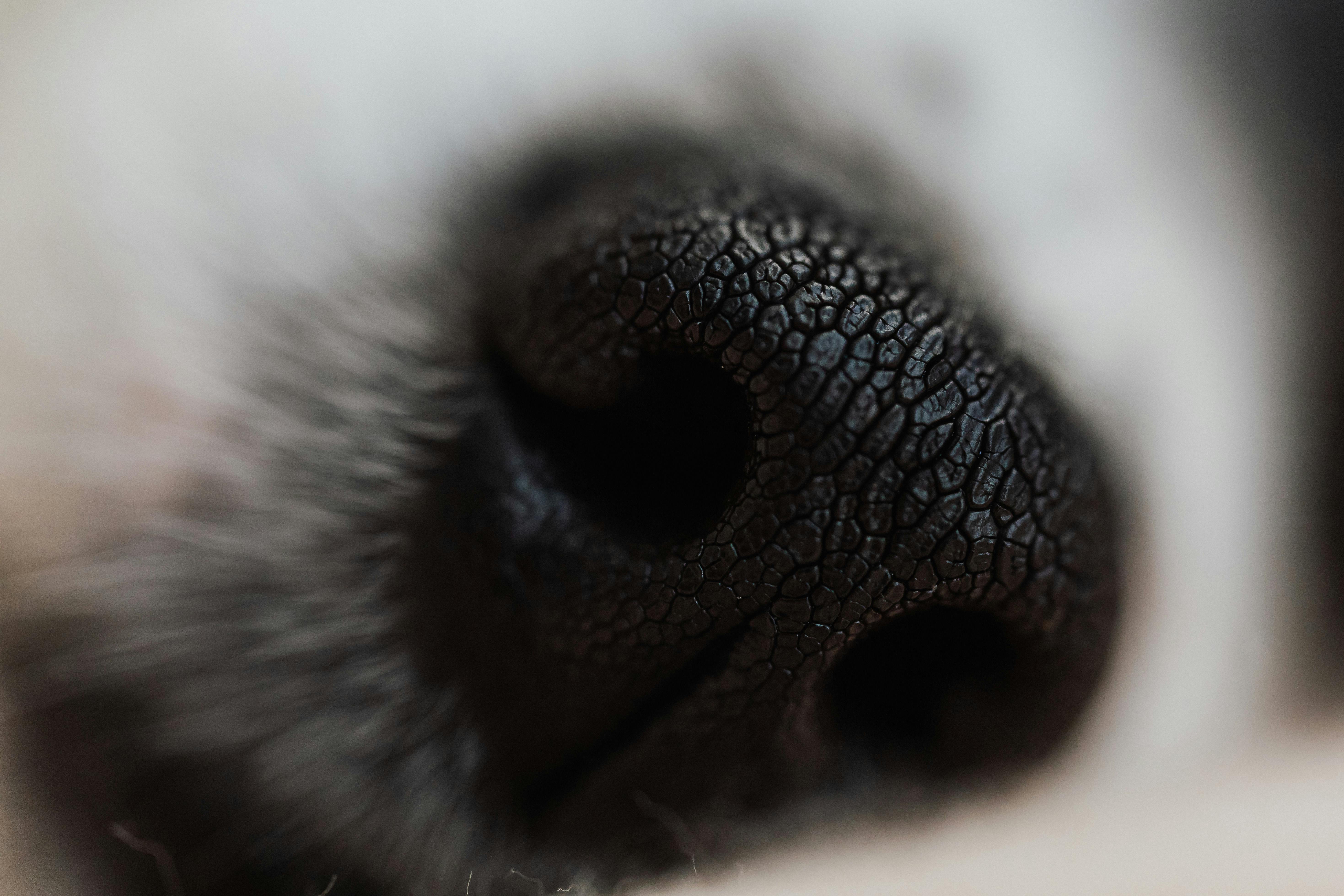 \n\n
\n\nDogs are often called man's best friend, but have you ever wondered why their noses are always wet? The answer to this question is not only interesting but also reveals how dogs interact with their environment. The wetness of a dog’s nose plays a crucial role in enhancing their sense of smell, which is far superior to humans. This article will explore the fascinating mechanisms behind why do dogs have wet noses and how it enhances their olfactory abilities.
\nThe Mechanism Behind a Wet Nose
\nA dog's nose is covered with a thin layer of mucous, which helps trap scent particles. This mucous is what keeps their noses wet. But that’s not the only reason why dogs have wet noses. There are several biological factors at play here:
\n- \n
- \n
Olfactory Receptors: Dogs have around 220 million olfactory receptors in their noses, compared to humans, who only have about 5 million. This vast number allows dogs to detect smells at incredibly low concentrations.
\n \n - \n
Moisture and Scent Detection: A wet nose helps to dissolve scent particles. When the nose is moist, it can absorb scent molecules more effectively. This is because water is a solvent that helps to release the scent, making it easier for the dog to identify and process it.
\n \n - \n
Cooling System: Dogs cannot sweat like humans, so they rely on their noses to help regulate body temperature. A wet nose can help to keep a dog cool, which is especially important during hot weather.
\n \n
Historical Context
\nThe history of dogs and their relationship with humans is long and storied. Dogs have been companions to humans for thousands of years, and their keen sense of smell has been utilized for various purposes:
\n- \n
- \n
Hunting: Early humans relied on dogs to track down game. Their ability to smell scents from great distances made them indispensable for hunting.
\n \n - \n
Search and Rescue: Today, dogs are trained for search and rescue operations. Their sense of smell can locate missing persons, even if they’ve been missing for a long time.
\n \n - \n
Detection Work: Dogs are used in law enforcement, such as drug detection and bomb sniffing. This is only possible due to their incredible olfactory capabilities.
\n \n
Why Do Dogs Have Wet Noses?
\nYou might be asking yourself, why do dogs have wet noses? Here’s a breakdown of some key reasons:
\n- \n
- \n
Health Indicator: A wet nose is often seen as a sign of a healthy dog. When a dog is sick, their noses may become dry. However, it’s not a definitive health measurement.
\n \n - \n
Sensory Enhancement: As previously mentioned, the moisture on a dog’s nose enhances their ability to smell. This is crucial for their survival instincts and daily functioning.
\n \n - \n
Communication: Dogs also use their noses to communicate with other dogs. A wet nose can carry chemicals that transmit information about their health and emotional state.
\n \n
Interesting Facts About Dog Noses
\n- \n
- \n
Unique Patterns: Just like human fingerprints, every dog has a unique nose print. This can be used for identification purposes.
\n \n - \n
Temperature Regulation: Dogs' noses may help in regulating their body temperature. The evaporation of moisture from the nose cools them down.
\n \n - \n
Lifespan of Scent: Dogs can remember scents for years. There are stories of dogs finding their owners after being separated for years, all thanks to their incredible sense of smell.
\n \n
Table of Dog Nose Facts
\n| Feature | \nDog Noses | \nHuman Noses | \n
|---|---|---|
| Olfactory Receptors | \n~220 million | \n~5 million | \n
| Ability to Detect | \nExtremely low scent concentrations | \nLimited to higher concentrations | \n
| Nose Print Uniqueness | \nUnique to each dog | \nNot unique | \n
| Temperature Regulation | \nEffective cooling mechanism | \nSweating is the primary method | \n
Practical Examples of Nose Use
\n- \n
- \n
Tracking: In law enforcement, dogs can track scent trails that are days old. This ability is used in finding criminals or lost persons.
\n \n - \n
Detection: Drug-sniffing dogs can alert handlers to the presence of drugs concealed in luggage or on a person.
\n \n - \n
Assistance: Service dogs use their sense of smell to assist people with medical conditions, like alerting diabetic owners to dangerous blood sugar levels.
\n \n
The wet nose of your canine friend is more than just an endearing trait; it plays a vital role in how they perceive the world around them. This fascinating mechanism has evolved over the years, providing dogs with the tools they need to thrive alongside humans. Whether they are searching for a lost toy or detecting a hidden scent, that damp nose is integral to their incredible sense of smell. Next time you see your dog with their wet nose, you might just appreciate it a little bit more!
\n\nAre Wet Noses a Sign of Health? Understanding Your Dog’s Body Language
\n\n \n\n
\n\nHave you ever wondered why your furry friend has a wet nose? It’s a common question among dog owners, and many of us might think that a wet nose is a sign of health. But what does it actually mean? In this article, we gonna explore the fascinating truth behind wet noses, body language in dogs, and why do dogs have wet noses in the first place.
\nThe Science Behind Wet Noses
\nDogs have wet noses due to a variety of reasons, and it’s not just a sign of being healthy. The moisture on their snouts helps them to gather scent particles, which makes their sense of smell even more powerful. Did you know that dogs have up to 300 million scent receptors in their noses? That’s way more than humans, who only have about 5 million! The wetness helps trap these scent particles, allowing dogs to investigate their environment more effectively.
\nWhy Is a Dog’s Nose Wet?
\nThere are several reasons why a dog’s nose may be wet. Here’s a quick list of the main factors:
\n- \n
- Cooling Mechanism: A dog’s nose helps regulate body temperature. When they pant, they lose moisture, and the wetness on their nose can help cool them down. \n
- Scent Detection: As mentioned, moisture helps collect scent particles. A wet nose is essentially a super-scenting tool! \n
- Health Indicator: While not always the case, a wet nose can indicate good health. However, it’s not a definitive sign, as some perfectly healthy dogs can have dry noses. \n
- Environmental Factors: Weather can also affect moisture levels. Humidity or rain can lead to a wetter nose, while dry or cold conditions might dry it out. \n
Are Wet Noses a Sign of Health?
\nMany dog owners assume that a wet nose means their pet is healthy, but this may not always be true. Here are some facts to consider:
\n- \n
- Wet vs. Dry: A dog can be healthy with a dry nose. It really depends on the individual dog and their environment. \n
- Temperature and Hydration: A dog’s hydration level and the temperature can cause variations in nose moisture. A warm, dry nose can indicate dehydration or overheating. \n
- Illness Signs: If a dog has a persistently dry nose and other symptoms like lethargy, loss of appetite, or vomiting, it’s wise to consult a veterinarian. \n
Understanding Your Dog’s Body Language
\nBesides wet noses, dogs communicate a lot through their body language. Did you know that this can help you understand how your dog is feeling? Here are some common signs to observe:
\n- \n
- Tail Wagging: A wagging tail usually indicates excitement or happiness, but the position of the tail matters too. A low wag can mean insecurity, while a high wag can show confidence. \n
- Ears Position: Ears that are perked up can show curiosity or alertness, while ears that are flat against the head can indicate fear or submission. \n
- Eyes: Soft eyes can indicate comfort, while wide eyes might convey fear or stress. Look for the "whale eye," where a dog turns its head but keeps their eyes on you, which can indicate discomfort. \n
Practical Examples of Body Language
\nHere’s a quick table outlining some behaviors and what they might mean:
\n| Behavior | \nPossible Meaning | \n
|---|---|
| Tail wagging high | \nHappy or excited | \n
| Tail tucked between legs | \nFearful or anxious | \n
| Barking with a high pitch | \nPlayfulness or excitement | \n
| Barking deep and slow | \nWarning or territorial | \n
| Licking lips | \nNervousness or discomfort | \n
Final Thoughts
\nUnderstanding your dog’s body language and the science behind their wet noses can deepen your bond with your furry companion. While a wet nose can be a good indicator of well-being, it shouldn’t be the only sign you rely on. Always pay attention to other behaviors and consult your veterinarian if you have concerns about your dog’s health. After all, being a responsible pet owner means being in tune with your dog’s needs and emotions. By learning more about your dog, you can provide the best care possible and ensure a happy, healthy life together.
\n\nThe Connection Between a Dog’s Wet Nose and Their Emotions: What You Should Know
\n\n \n\n
\n\nDogs have always been known as man's best friend, but have you ever wonder why their noses are so wet? It turns out that there is a fascinating connection between a dog’s wet nose and their emotions. In this article, we will explore the reasons why dogs have wet noses, what it could mean about their feelings, and some cool facts that you probably didn’t know.
\nWhy Do Dogs Have Wet Noses?
\nMost people think that a dog’s wet nose is just a normal characteristic. But the truth is, it serves several important purposes. Here are some reasons why your furry friend’s nose might be moist:
\n- \n
- Temperature Regulation: Dogs don’t sweat like humans do. They primarily regulate their body temperature through their noses and pads. A wet nose helps them cool down, especially after playing or being active. \n
- Enhanced Sense of Smell: A wet nose is better at trapping scent particles. This is why dogs have such an incredible sense of smell. The moisture on their noses helps them detect scents more effectively, which is essential for their communication and survival. \n
- Health Indicator: A wet nose can sometimes indicate good health in dogs. If a dog’s nose is dry, it could be a sign of dehydration or illness. However, this isn't always the case; context matters. \n
- Emotional Connection: Believe it or not, the moisture on a dog’s nose can also be linked to their emotions. When a dog is excited or happy, they tend to lick their noses more, making them wet. \n
The Emotional Aspect of a Dog’s Wet Nose
\nHave you ever notice how your dog greets you with a wet nose? This behavior can be more than just a friendly gesture; it can indicate what your dog is feeling. Here are some emotions that can be related to a wet nose:
\n- \n
- Affection: When your dog licks or nudges you with their wet nose, they might be expressing love. It’s a way of saying, “I’m happy to see you!” \n
- Anxiety: Dogs can also lick their noses when they feel nervous or anxious. If you notice your dog’s nose is excessively wet and they seem restless, it could be a sign that they’re feeling uneasy. \n
- Curiosity: Dogs are naturally curious creatures. When they explore the world around them, they often wet their noses by sniffing things, which can indicate excitement or interest. \n
- Stress: In some cases, a dog’s nose might become wet when they are stressed. This can happen during thunderstorms, fireworks, or other situations that frighten them. \n
Fun Facts About Dogs' Noses
\nDid you know that dogs have unique noses just like humans have unique fingerprints? Here are some interesting facts:
\n- \n
- Nose Prints: Each dog’s nose has a distinct pattern of ridges and creases that can be used for identification, similar to how fingerprints work for humans. \n
- Temperature Sensitivity: A dog’s nose is incredibly sensitive. They can pick up on temperature changes and are often used in search and rescue operations to detect both people and substances. \n
- Licking Behavior: Dogs will lick their noses to keep them clean and to maintain moisture levels, which enhances their sense of smell. \n
- Nasal Turbinates: Dogs have complex nasal structures called turbinates that help them filter and humidify the air they breathe, further enhancing their olfactory capabilities. \n
What You Should Know About Your Dog’s Nose
\nUnderstanding your dog's nose can provide insights into their health and emotional state. Keep an eye on these aspects:
\n- \n
- Color Changes: A healthy dog’s nose is usually black or brown. If you notice discoloration, it may be worth checking with a vet. \n
- Moisture Levels: A normal wet nose can indicate good hydration. If it’s dry and cracked, it could indicate dehydration or other health issues. \n
- Behavioral Changes: Sudden changes in your dog’s licking behavior or nose moisture can be a sign of stress or illness, so be observant. \n
Caring for your dog’s nose isn’t just about keeping it wet; it’s also about understanding the emotional and health signals it sends. Being aware of these signs can strengthen your bond with your canine companion and help you provide them the best care possible.
\nDogs are more than just pets; they’re family. By paying attention to their wet noses and what they mean, you can better understand how your dog is feeling and keep them happy and healthy.
\n\n7 Common Misconceptions About Dog Noses: Debunking the Myths
\n\n \n\n
\n\nDogs have a special place in our hearts, and their noses often fascinate us. One of the most common questions many people ask is, "Why do dogs have wet noses?" It's a question that sparks curiosity and leads to several myths. Here, we will explore seven common misconceptions surrounding dog noses and shed light on the reasons behind their distinctively moist appearance.
\n1. Wet Noses Mean a Dog is Healthy
\nOne common myth is that a wet nose is a sign of good health. While it’s true that many healthy dogs have moist noses, it isn’t a definitive indicator of well-being. Factors like temperature and humidity can affect how wet a dog's nose is. For instance, a dog may have a dry nose during hot weather, but that doesn’t always mean it’s sick.
\n2. All Dogs Have Wet Noses
\nNot every dog has a wet nose all the time. Some breeds, especially those with shorter snouts, may have drier noses than others. Also, individual variations, such as age or health conditions, can lead to differences in nose moisture. For example, older dogs might not have the same nose moisture as younger ones.
\n3. Dogs Use Their Noses to Sweat
\nAnother misconception is that dogs sweat through their noses. In reality, dogs primarily regulate their body temperature through panting and sweating from their paw pads. The wetness of their noses helps enhance their sense of smell, not cool them down. Their noses have specialized skin that helps absorb scent particles, making their sense of smell incredibly sharp.
\n4. A Wet Nose Means a Dog is Happy
\nWhile a wet nose can sometimes be associated with a happy dog, it isn’t a universal truth. Dogs can have wet noses when they’re excited, curious, or even anxious. Understanding a dog's body language is more important than just focusing on the wetness of their nose. Happy dogs often wag their tails, have relaxed body postures, and exhibit playful behavior.
\n5. Dogs’ Noses Are Always Cold
\nThough many people associate wet noses with coldness, that's not always true. A dog’s nose can vary in temperature throughout the day. Factors like environment and activity levels play a significant role. For example, a dog that has been playing outside in the sun might have a warmer nose, while one that has just woken up may have a cooler nose.
\n6. Dogs Can’t Smell When Their Noses are Dry
\nSome believe that if a dog's nose is dry, their sense of smell is compromised. This is a misconception. Dogs have an incredible olfactory system, and their ability to smell doesn’t solely depend on nose moisture. A dry nose does not diminish their ability to detect scents. Their olfactory receptors and the part of the brain responsible for processing smells are highly advanced, operating independently of nose wetness.
\n7. A Wet Nose is a Sign of an Illness
\nMany people worry that a wet nose might indicate illness, but this isn’t always the case. While certain health issues can lead to changes in nose moisture, such as fever or dehydration, a wet nose by itself shouldn’t cause alarm. It's essential to look for other symptoms, such as lethargy or changes in appetite, to determine if a dog is unwell.
\nWhy Do Dogs Have Wet Noses?
\nNow that we've debunked some myths, let’s take a closer look at why dogs have wet noses in the first place. The moisture on a dog's nose serves several important purposes:
\n- \n
- Enhances Smell: A wet nose helps trap odor particles, improving a dog’s sense of smell. When their nose is moist, it can pick up scents more effectively. \n
- Regulates Temperature: The moisture on a dog’s nose can help regulate their body temperature, although it’s not their primary means of cooling down. \n
- Health Indicator: While a wet nose isn’t a definitive sign of health, changes in its moisture can signal a need to monitor a dog’s health closely. \n
In Summary
\nUnderstanding these misconceptions about dog noses helps in appreciating our furry friends more. The moisture present on a dog's nose is not just a random trait but serves multiple purposes related to their health and behavior. So next time you ask, "Why do dogs have wet noses?" you’ll have a treasure trove of knowledge at your fingertips. No matter the myths floating around, it's clear that there’s so much more to discover about these lovable companions!
\n\nWhy Do Different Dog Breeds Have Varying Nose Moisture Levels? Exploring the Facts
\n\n \n\n
\n\nHave you ever wondered why dogs have wet noses? It’s a question that many dog owners ask, and the answer isn’t as simple as it may seem. Different dog breeds have varying nose moisture levels, and that’s due to a mix of biological and environmental factors. This article explores the fascinating truth behind why dog noses are wet, and why some breeds seem to have more moisture than others.
\nThe Science Behind Wet Noses
\nDogs noses are moist for several reasons, but primarily, it helps them to sense the world around them. A wet nose enhances a dog's ability to pick up scents. When a dog’s nose is moist, it can trap scent particles more effectively, which is why dogs are such excellent hunters and trackers. Here’s how it works:
\n- \n
- Moisture on the nose absorbs scent particles. \n
- Dogs have a highly developed sense of smell, estimated to be between 10,000 to 100,000 times more sensitive than humans. \n
- The moisture helps to cool their body temperature through evaporation, similar to how sweating works for humans. \n
Why Do Different Breeds Have Different Nose Moisture Levels?
\nNot all dogs have the same level of nose moisture. Factors that contribute to this variance include:
\n- \n
- Breed Characteristics: Some breeds naturally have wetter noses. For example, breeds like Labrador Retrievers and Bloodhounds tend to have more moisture compared to breeds like Bulldogs or Chihuahuas. \n
- Environmental Factors: Humidity and temperature can affect how wet a dog’s nose is. In dry or hot climates, a dog's nose may dry out more quickly. \n
- Health Conditions: Certain health issues can lead to changes in nose moisture. For instance, dehydration or illness can cause a dog’s nose to feel dry and warm instead of the typical cool and moist touch. \n
The Role of Environmental Factors
\nEnvironmental influences can’t be ignored when we are talking about a dog's nose moisture. Here’s a closer look:
\n- \n
- Temperature: Hot weather can lead to a drier nose. Dogs might lick their noses more frequently to keep it moist. \n
- Humidity: In more humid conditions, dogs may have wetter noses. This can be especially true in tropical or coastal areas. \n
- Seasons: During winter, the cold air can dry out a dog’s nose just like it does for human skin, leading to potential cracking. \n
Why Do Dogs Have Wet Noses? The Benefits
\nThere are several benefits to having a wet nose:
\n- \n
- Enhanced Olfactory Capabilities: As mentioned earlier, moisture helps with scent absorption, making it easier for dogs to detect pheromones and other scents. \n
- Thermoregulation: A wet nose aids in regulating body temperature, as it can help cool a dog down. \n
- Communication: Dogs often use their noses to interact with other dogs and humans. A moist nose can signify a healthy and well-hydrated dog. \n
The Historical Context of Dog Noses
\nHistorically, dogs have been bred for specific traits, including their ability to track scents. Breeds developed for hunting, such as Beagles and Bloodhounds, often have a higher nose moisture level than companion breeds. Here are some interesting points:
\n- \n
- Hunting Breeds: Bred to track scents, they require a highly sensitive and moist nose. \n
- Companion Breeds: Smaller breeds may have developed with less focus on scent tracking, leading to varying levels of nose moisture. \n
- Evolution: Throughout history, dogs have adapted to their environments, and this has influenced their physical traits, including nose moisture. \n
A Note on Dog Health
\nWhile a wet nose is typically a sign of a healthy dog, there are exceptions. If a dog has a persistently dry nose or shows other signs of illness, such as lethargy or loss of appetite, it's important to consult a veterinarian. Here’s a quick reference list of potential health issues related to nose moisture:
\n- \n
- Dry Nose: Could indicate dehydration or illness. \n
- Cracked Nose: May be a sign of sunburn or other skin conditions. \n
- Excessively Wet Nose: Sometimes a sign of allergies or infection. \n
Understanding why dogs have wet noses provides insight into their health and behavior. The moisture levels vary significantly among breeds, influenced by genetics, environment, and health. Observing these factors can help owners better care for their furry companions.
\nNext time you pet your dog, consider all the fascinating biology at play just beneath that moist surface. It’s more than just a cute characteristic; it's a window into their health and well-being.
\n\nWet Nose vs. Dry Nose: What Changes in Your Dog Could Mean for Their Health
\n\n \n\n
\n\nEvery dog owner, at some point, has probably wondered about their furry friend’s nose. Why is it wet? Why does it sometimes feel dry? These questions lead many to ponder the significance of a dog’s nose in relation to their overall health. Let’s dive deep into the fascinating world of canine noses and uncover the secrets they hold.
\nWhy Do Dogs Have Wet Noses?
\nTo begin with, dogs have wet noses for a variety of reasons. It’s not just a random quirk; it serves important purposes. The wetness of a dog's nose is largely due to the secretion of mucous from glands. This moisture helps in several ways:
\n- \n
- Enhanced Smell: Dogs have an incredible sense of smell, and a moist nose helps to absorb scent particles from the air, enhancing their olfactory abilities. \n
- Temperature Regulation: Similar to how humans sweat, dogs can regulate their body temperature through their nose. It helps cool them down when they are too warm. \n
- Communication: A dog’s nose can also convey emotions, and the temperature or moisture level can indicate their mood. \n
Historically, it has been believed that a wet nose is a sign of a healthy dog. However, that’s not always the case, and it’s important to pay attention to changes in the nose.
\nWet Nose vs. Dry Nose: What Changes in Your Dog Could Mean for Their Health?
\nA dog’s nose can change throughout the day, and several factors contribute to this. It’s crucial to understand what these changes might signify. Here’s a breakdown:
\nWet Nose Conditions
\n- \n
- Normal Health: A wet nose is usually a sign of a healthy dog. If your pooch has a wet nose, it’s likely that they are hydrated and feeling good. \n
- Excitement or Playfulness: When dogs are excited or playing, their noses tend to become wetter. This is a natural response to their heightened emotions. \n
- Weather Influence: Hot and humid weather can keep a dog’s nose moist. Conversely, cold weather can dry it out. \n
Dry Nose Conditions
\n- \n
- Dehydration: If a dog’s nose is dry and cracked, it could be a sign that they are not drinking enough water. Always ensure your dog has access to fresh water. \n
- Illness: A persistently dry nose can indicate certain health issues such as fever or respiratory infections. If your dog’s nose is dry for an extended period, consider consulting a veterinarian. \n
- Allergies or Irritation: Just like humans, dogs can suffer from allergies that may cause their noses to dry out. Dust, pollen, or even certain food ingredients could be the culprits. \n
What to Monitor
\nIt’s essential to keep an eye on your dog’s nose and overall behavior. Here’s what to observe:
\n- \n
- Changes in Texture: Is it becoming rough or flaky? \n
- Color Changes: A dog’s nose can change color due to various reasons, including health issues or environmental factors. \n
- Behavioral Changes: Are they eating less, sleeping more, or showing signs of discomfort? \n
Quick Tips to Keep Your Dog's Nose Healthy
\n- \n
- Hydration: Always provide fresh water. Dehydration can lead to a dry nose. \n
- Regular Checkups: Schedule routine vet visits to monitor your dog’s health. \n
- Maintain Environment: Keep your home free from dust and allergens that might irritate your dog’s nose. \n
Fun Facts About Dog Noses
\n- \n
- Unique Patterns: Just like human fingerprints, each dog has a unique nose print. \n
- Scent Detection: Dogs have up to 300 million olfactory receptors in their noses. Humans only have about 5 million! \n
- Nose Temperature: A dog’s nose can change temperature in response to their environment, but it doesn’t necessarily mean they are sick. \n
By understanding the role of your dog’s nose, you can better appreciate their health and well-being. Whether wet or dry, being attentive to these changes can help you catch potential health issues early. Remember, while a wet nose is often seen as a sign of health, it’s the overall behavior and condition of your dog that truly counts. If you have concerns about your dog's nose or health, it's always best to consult a veterinarian for professional advice. Keeping a close eye on your canine companion’s health will ensure they remain happy and healthy for years to come.
\n\nHow to Keep Your Dog’s Nose Healthy and Moist: Expert Tips and Tricks
\n\n \n\n
\n\nDogs are known for many things, and one of the most endearing features is their wet noses. It’s a common sight to see a furry friend with a moist snout, but why do dogs have wet noses? There’s science behind it, and understanding it can help you take better care of your canine companion. Plus, keeping your dog's nose healthy and moist is vital for their overall well-being. Let’s dive into some expert tips and tricks to ensure your pup’s nose stays in top condition.
\nWhy Do Dogs Have Wet Noses?
\nThe wetness of a dog’s nose isn’t just cute, it serves several important purposes. Here’s some fascinating facts about why dogs noses are often damp:
\n- \n
- \n
Sense of Smell: A dog’s nose is packed with scent receptors, and moisture helps enhance their sense of smell. When the nose is wet, it can trap scent particles, allowing dogs to sniff out even the faintest odors.
\n \n - \n
Temperature Regulation: Dogs don’t sweat like humans do. Instead, they cool off through their noses. The moisture on the nose evaporates, helping to regulate their body temperature.
\n \n - \n
Health Indicator: A healthy dog usually has a cool, moist nose. Changes in the nose’s texture or moisture level can indicate health issues. If your dog's nose is excessively dry or cracked, it could be a sign of dehydration or illness.
\n \n
Keeping Your Dog’s Nose Healthy
\nNow that we understand why dogs have wet noses, let’s talk about how to keep that nose healthy and moist.
\n- \n
- \n
Hydration is Key: Make sure your dog has access to fresh water at all times. Dehydration can lead to a dry nose, so encourage your furry friend to drink regularly, especially during hot weather.
\n \n - \n
Nose Balm: Consider using a specially formulated dog nose balm. These products can soothe and moisturize dry or cracked noses. Look for natural ingredients like coconut oil, beeswax, and shea butter.
\n \n - \n
Avoid Harsh Chemicals: Be cautious with cleaning products or yard chemicals that might come into contact with your dog’s nose. These can cause irritation or dryness.
\n \n - \n
Regular Vet Check-ups: Keep up with your dog's regular vet visits. A vet can help identify underlying health issues that might affect your dog's nose.
\n \n - \n
Balanced Diet: A nutritious diet plays a big role in your dog's overall health, including their nose. Make sure they are eating high-quality dog food rich in essential fatty acids, which can promote skin and coat health.
\n \n
Signs of a Healthy Nose vs. Unhealthy Nose
\nIt’s important to recognize what a healthy nose looks like compared to one that may have issues. Here’s a quick comparison:
\nHealthy Nose:
\n- \n
- Cool to the touch \n
- Moist and slightly shiny \n
- No cracks or lesions \n
Unhealthy Nose:
\n- \n
- Excessively dry or flaky \n
- Cracked or bleeding \n
- Warm or hot to the touch \n
Fascinating Facts About Dog Noses
\nDid you know that a dog’s nose print is unique, just like a human fingerprint? Here’s some more intriguing trivia about dog noses:
\n- \n
- Dogs have up to 300 million scent receptors, compared to humans' 5 million. \n
- The moisture on their noses can help them detect pheromones, which are essential for communication between dogs. \n
- Some breeds, like Bloodhounds, are known for their extraordinary sense of smell and can track scents over great distances. \n
Tips for Keeping Your Dog's Nose Moist
\nHere’s a quick list of practical tips to help keep your dog's nose in prime condition:
\n- \n
- \n
Use a humidifier: If you live in a dry climate, consider using a humidifier, especially during winter months. This can help keep the air moist.
\n \n - \n
Limit Sun Exposure: Protect your dog's nose from excessive sun exposure. Dogs can get sunburned just like humans, particularly those with lighter-colored noses.
\n \n - \n
Monitor for Allergies: Keep an eye out for signs of allergies, such as sneezing or excessive scratching. Allergies can cause nasal irritation and dryness.
\n \n - \n
Regular Grooming: Keep your dog well-groomed. Regular brushing can help remove dead skin and promote better circulation, which benefits the nose as well.
\n \n - \n
Watch Their Behavior: If your dog is frequently rubbing their nose on the ground or other surfaces, it could indicate discomfort or irritation.
\n \n
Understanding how to keep your dog’s nose healthy and moist is not just about aesthetics; it’s about ensuring their overall health and happiness. With careful attention and proper care, your furry friend can enjoy a moist, healthy nose that’s ready for all the adventures life has to offer.
\n\nThe Role of a Dog’s Wet Nose in Temperature Regulation: What Science Reveals
\n\n \n\n
\n\nDogs are one of the most beloved companions for humans, their quirky behaviors and characteristics often leave us wondering about their biology. One of the most fascinating aspects of dogs is their wet noses. Ever ask yourself, why do dogs have wet noses? The answer goes beyond just being cute; it actually relates to their ability to regulate temperature. So let’s dive into the science behind this phenomenon and discover why a dog’s wet nose is essential not just for them, but also for us.
\nThe Science Behind Wet Noses
\nA dog's nose is not just there for show. It serves important functions that are crucial for their health and well-being. The wetness of a dog’s nose primarily comes from a mucous layer that helps with scent detection and cooling. When a dog licks its nose, it keeps the surface moist, which allows them to absorb more scent particles. This ability greatly enhances their sense of smell, which is much more advanced than that of humans.
\n- \n
- Dogs have around 300 million scent receptors in their noses, compared to about 5 million in humans. \n
- The moisture in their noses helps capture scent particles, improving their olfactory capabilities. \n
Temperature Regulation
\nDogs can’t sweat like humans do. While humans have sweat glands all over their bodies, dogs mainly rely on panting and their wet noses to regulate body temperature. When a dog is overheated, the moisture on their nose helps cool them down through evaporation. This process is similar to how sweat cools human skin.
\n- \n
- Key Points on Temperature Regulation:
- \n
- Evaporation cools the surface of the nose, which helps lower the dog's overall body temperature. \n
- A wet nose can indicate a healthy dog; if a dog’s nose is excessively dry, it could be a sign of dehydration or illness. \n
\n
Historical Context
\nIn ancient times, dogs were bred for specific purposes, such as hunting, herding, or guarding. Their wet noses were advantageous for survival. For example, hunting dogs needed to track scents efficiently in the wild, and a wet nose helped them do just that. Over time, the trait has persisted in domestic dogs, contributing to their unique charm and capabilities.
\nThe Fascinating Truth About Dog Noses
\nSo why exactly do dogs have wet noses? The reasons encompass evolutionary advantages, health benefits, and even social interactions. Here are some interesting facts:
\n- \n
- Scent Detection: As mentioned, the wetness increases their olfactory sensitivity. This helps them identify scents from far away, making them extraordinary trackers. \n
- Communication: Dogs often greet each other by sniffing noses. The moisture can convey information about the dog's health and mood. \n
- Health Indicator: A wet nose is often seen as a sign of a healthy dog. Conversely, a dry or cracked nose could signal health issues that need attention. \n
Fun Comparisons
\nLet’s compare dogs to other pets regarding nose moisture and temperature regulation:
\n| Animal Type | \nNose Moisture | \nTemperature Regulation Method | \n
|---|---|---|
| Dogs | \nWet | \nPanting and nose moisture | \n
| Cats | \nDry | \nLicking their fur | \n
| Horses | \nDry | \nSweating | \n
This table illustrates how different animals adapt to their environments and regulate body temperature.
\nPractical Examples
\nIf you’re a dog owner, you might have noticed your furry friend’s nose changing from wet to dry throughout the day. Factors that could influence this include:
\n- \n
- Weather Conditions: Hot and dry weather can lead to a drier nose. \n
- Activity Level: After a vigorous play session, your dog might have a wetter nose. \n
- Health Status: Regularly check your dog’s nose. A consistently dry nose may warrant a visit to the vet. \n
Understanding the role of a dog's wet nose in temperature regulation can enhance not only your knowledge but also your bond with your pet. It’s a small but significant feature that plays a big role in their daily lives.
\nWith all this knowledge, you can appreciate the little things about your dog even more. Next time you pet your dog and feel their wet nose, remember, it’s not just for cuteness; it’s a critical aspect of their health and functionality!
\n\nConclusion
\n\nIn conclusion, dogs have wet noses for several intriguing reasons that contribute to their health and sensory capabilities. The moisture on a dog's nose helps enhance their sense of smell, allowing them to detect scents more effectively, which is vital for their communication and interaction with the world around them. Additionally, a wet nose aids in thermoregulation, helping dogs maintain an optimal body temperature. This unique characteristic not only serves functional purposes but also plays a role in the emotional bond between dogs and their owners, as a wet nose often signals a happy and healthy pet. Understanding these aspects can deepen our appreciation for our furry companions. If you notice any significant changes in your dog's nose moisture, it may be worth consulting a veterinarian to ensure their well-being. Embrace the quirks of your dog's nature, and cherish the moments that make your bond special!
\n\n