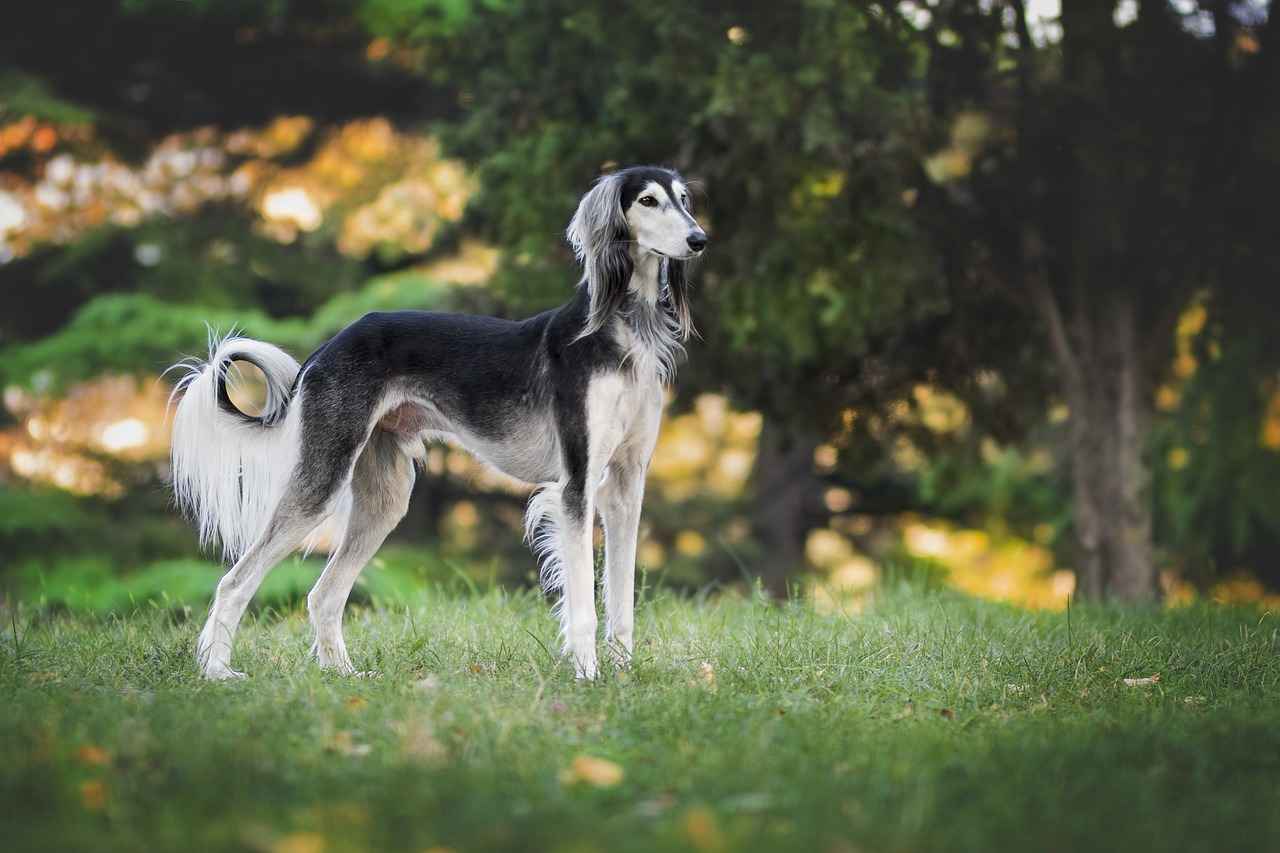
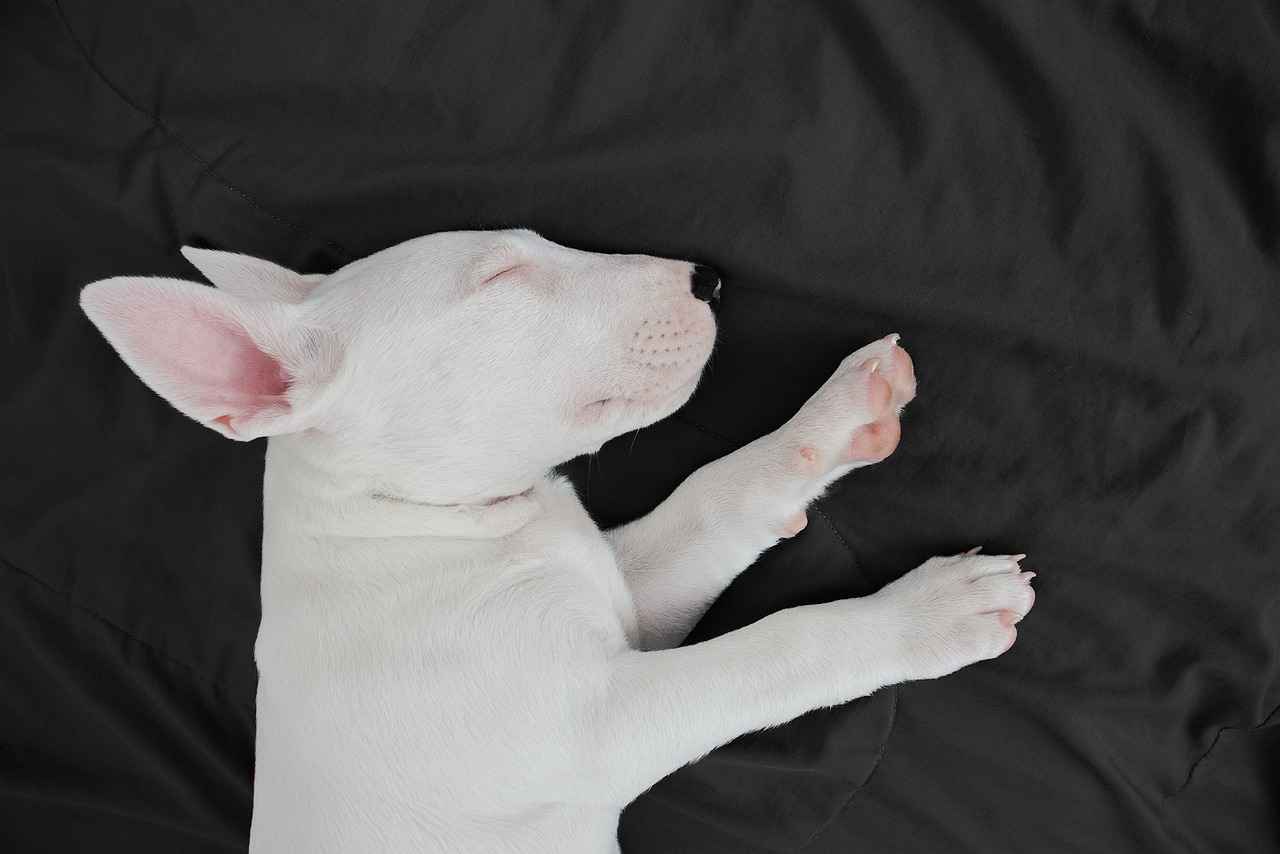
Have you ever wondered why do dogs have wet noses? This intriguing question has captivated pet owners and animal lovers alike. Dogs' noses are not just cute; they serve significant purposes that contribute to their overall health and behavior. A wet nose can be a sign of a healthy dog, but what does it really mean? Is it just a quirky characteristic, or does it hold deeper secrets about our furry companions? In this article, we will discover the fascinating truth behind the moisture on your dog’s snout. You might be surprised to learn that a dog's wet nose plays a crucial role in their sense of smell, helping them to detect scents better than we ever could. Plus, we’ll explore how environmental factors, like temperature and humidity, affect this unique trait. So, if you’ve been asking yourself, "What’s up with my dog's nose?" or "Why is my dog’s nose wet?", you’re in the right place! Dive in with us as we unravel the mysteries and science behind those adorable, wet noses. Stay tuned to uncover the secrets that could change the way you view your dog's health and well-being!
\n\nThe Science Behind Canine Nasal Moisture: Why Are Dog Noses Wet?
\n\n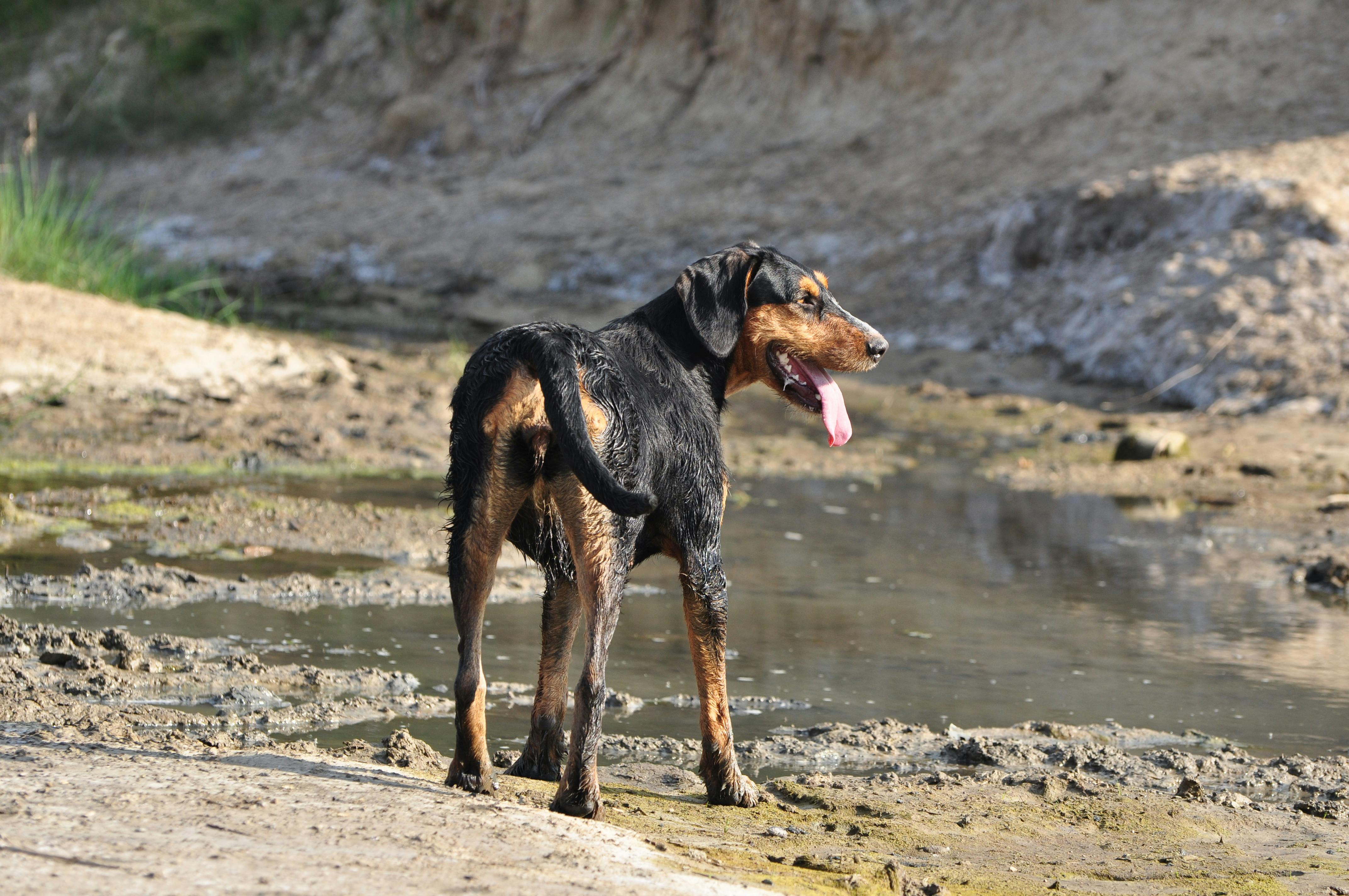 \n\n
\n\nHave you ever wondered why dogs have wet noses? It's one of those little quirks of our furry friends that sparks curiosity. Most of us have noticed how a dog's nose is often moist, but have you really thought about what that means? This article dives deep into the science behind canine nasal moisture, exploring why dog noses are wet and the fascinating truth behind this unique feature.
\nUnderstanding the Anatomy of a Dog's Nose
\nDog's noses are truly remarkable. They are not just for sniffing out treats and exploring the world. The anatomy of a dog's nose plays a crucial role in their overall health and sense of smell.
\n- \n
- Nasal Structure: Dogs have a complex nasal cavity that is filled with mucous membranes. This structure helps to warm and humidify the air they breathe. The mucous membranes also help to trap particles and odors, making it easier for dogs to detect scents. \n
- Nasal Glands: There are specialized glands in a dog's nose that produce moisture. This moisture aids in the olfactory process, enhancing their ability to smell. \n
Why Are Dog Noses Wet?
\nSo, why do dogs have wet noses? Several factors contribute to this phenomenon:
\n- \n
- Cooling Mechanism: A wet nose helps regulate a dog’s body temperature. When a dog pants or drinks water, the moisture on their nose evaporates, which cools them down. \n
- Enhanced Olfactory Function: The moisture helps to capture scent particles. This is why dogs often lick their noses; it helps them to better identify and analyze different smells in their environment. \n
- Health Indicator: A wet nose is often associated with a healthy dog. If a dog's nose is dry or excessively warm, it might be a sign of illness or dehydration. \n
The Fascinating Truth About Dog Noses
\nThe relationship between a dog’s wet nose and their overall health is quite interesting. Here are some key points to consider:
\n- \n
- Temperature Regulation: Just like humans sweat to cool down, dogs use their noses. The wetness on their noses can evaporate, providing a cooling effect. \n
- Sensitivity to Smells: Dogs have up to 300 million olfactory receptors, compared to about 5 million in humans. This incredible sensitivity is aided by the moisture on their noses, which helps to absorb scent particles. \n
- Communication Tool: Dogs often use their noses to communicate. A wet nose can signal excitement or interest, while a dry nose could indicate stress or illness. \n
Some Common Misconceptions
\nThere are a lot of myths surrounding dog noses. Let’s bust some of the most common misconceptions:
\n- \n
- A Wet Nose Means a Healthy Dog: While a wet nose is often a good sign, it’s not the only indicator of health. Look for other symptoms like energy levels and appetite. \n
- All Dogs Have Wet Noses: Some breeds, like bulldogs or pugs, may naturally have drier noses due to their anatomy. This doesn’t mean they are unhealthy. \n
- Dogs Lick Their Noses to Keep Them Wet: While they do lick their noses, it’s not just to keep them moist. It’s a natural behavior that helps them gather scent information. \n
What Affects a Dog's Nose Moisture?
\nVarious factors can influence how wet or dry a dog's nose might be. Here’s a quick look at some of them:
\n- \n
- Climate: In dry or cold weather, a dog’s nose can become dry. \n
- Health Conditions: Illnesses such as fever or dehydration can lead to a dry nose. \n
- Age: Older dogs may experience changes in moisture levels due to age-related factors. \n
Practical Examples of Nose Moisture Differences
\nIt's helpful to understand how different situations can affect a dog's nose moisture. Here are some examples:
\n| Situation | \nEffect on Nose Moisture | \n
|---|---|
| Hot Weather | \nMay become drier | \n
| After Drinking | \nOften wetter | \n
| After Exercise | \nWets due to panting | \n
| During Illness | \nMay become dry | \n
In Summary
\nThe science behind canine nasal moisture reveals a lot about why dog noses are wet and what it means for their health. From cooling mechanisms to enhanced olfactory function, the wetness of a dog’s nose is crucial for their well-being. Understanding these facts can help dog owners take better care of their furry friends. Next time you see your dog with that adorable wet nose, remember the fascinating truth behind it!
\n\n5 Surprising Benefits of a Wet Nose in Dogs You Didn’t Know About!
\n\n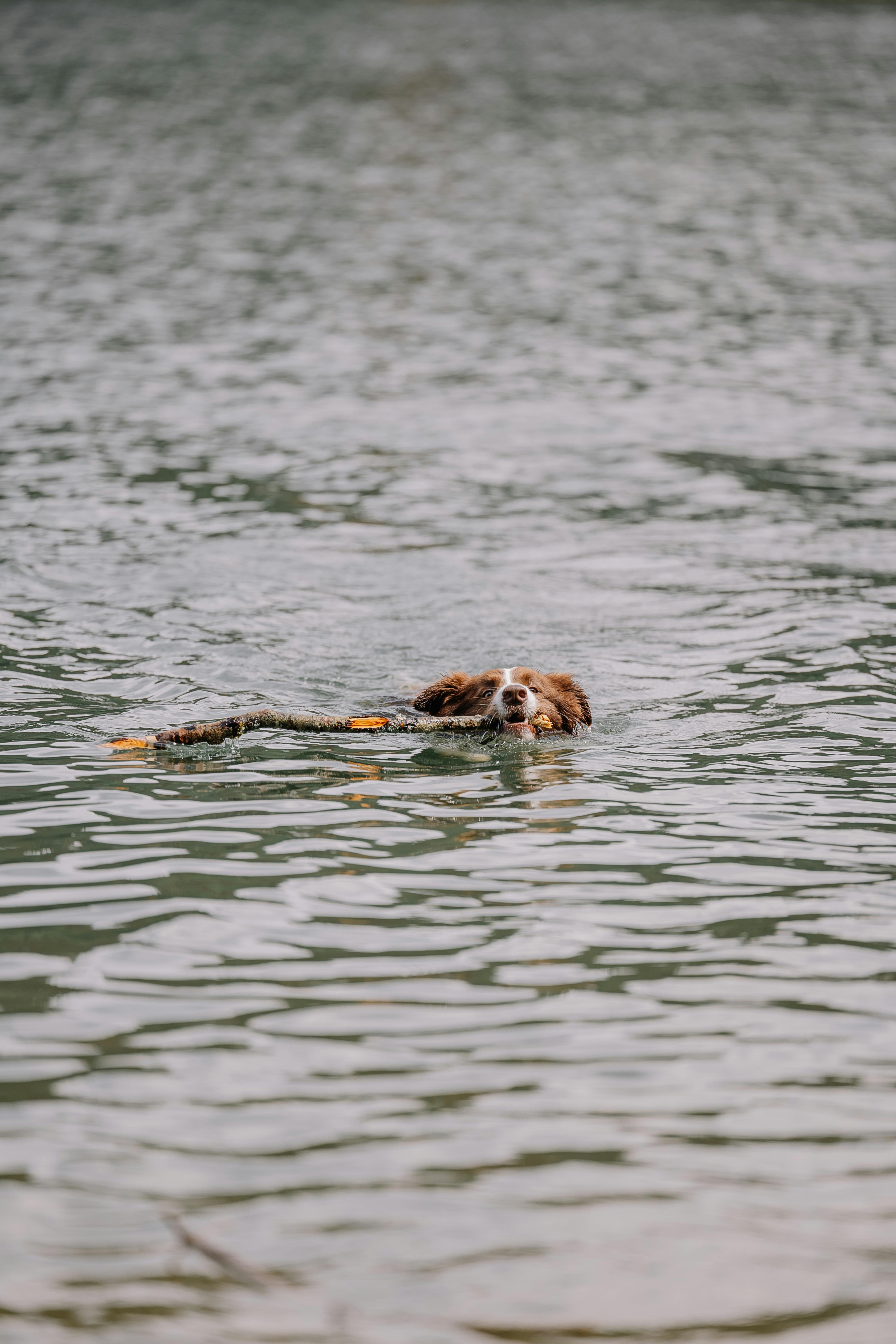 \n\n
\n\nThe world of dogs is full of mysteries, and one of the most interesting questions many dog owners ask is, "Why do dogs have wet noses?" It's a common sight to see a dog with a glistening, damp nose, but the reasons behind this phenomenon might surprise you. In this article, we will explore five surprising benefits of a wet nose in dogs that you probably didn’t know about! Let's dive into the fascinating truth behind those adorable snouts!
\n1. Natural Temperature Regulation
\nOne of the biggest reasons why dogs have wet noses is to help them regulate their body temperature. Dogs can't sweat like humans do, so they rely on their nose as a cooling mechanism. The moisture on their nose evaporates, which helps to cool them down. This is especially important during hot weather or after vigorous play. So next time you see your dog panting and their nose glistening, remember it’s their way of staying cool!
\n2. Enhanced Sense of Smell
\nDid you know that a dog's sense of smell is estimated to be between 10,000 to 100,000 times more sensitive than a human's? The wetness of their nose plays a crucial role in this. The moisture helps trap scent particles, making it easier for dogs to pick up different smells. When they sniff around, they are actually collecting more scent information through the wet surface. This is why your dog might seem so focused and intent when they’re exploring a new environment!
\n3. Communication Tool
\nDogs are social creatures, and their wet noses serve as a form of communication. When dogs greet each other, they often sniff noses as a way to gather information about one another. The moisture on their noses contains pheromones, which can convey various messages about their mood, health, and even their reproductive status. So, when your dog meets another dog, it is not just a casual encounter; there’s a whole lot of nose-to-nose talking going on!
\n4. Health Indicator
\nA wet nose can also be an important indicator of your dog's health. Generally, a moist nose is a sign of a healthy dog, but it can vary depending on several factors. For instance:
\n- \n
- Cold and wet: This usually indicates a healthy, happy dog. \n
- Dry and warm: This could signal dehydration or illness. \n
- Excessively runny: This might suggest allergies or an infection. \n
Regularly checking your dog’s nose can help you catch potential health issues early, so it’s a good practice to keep an eye on it!
\n5. Boosting Bonding
\nHaving a wet nose can actually help strengthen the bond between you and your furry friend. Dogs often nuzzle their noses against their owners as a sign of affection. This behavior can release oxytocin, the "love hormone," in both you and your dog, enhancing your emotional connection. So, when your dog nudges you with their wet nose, it’s not just a cute gesture; it’s their way of saying they love you!
\nAdditional Fun Facts About Dog Noses
\n- \n
- A dog’s nose print is unique, much like a human fingerprint. \n
- Dogs can have different nose colors, which can vary by breed and genetics. \n
- Some dogs have a naturally drier nose, which can be normal for them. \n
Why Do Dogs Have Wet Noses?
\nIn summary, the wet noses of dogs serve multiple purposes that go beyond simple moisture. They help regulate body temperature, enhance their incredible sense of smell, communicate with other dogs, indicate health status, and even foster a stronger bond with their human companions.
\nIf you ever wander why your dog has a wet nose, remember these fascinating facts! The next time your dog greets you with a cold, damp nuzzle, you can appreciate all the surprising benefits that come with it. This unique trait is just one of the many reasons why dogs are such beloved companions. So embrace those wet noses, and know that they are a sign of a happy, healthy pup!
\n\nHow Your Dog’s Wet Nose Enhances Their Sense of Smell: The Fascinating Connection
\n\n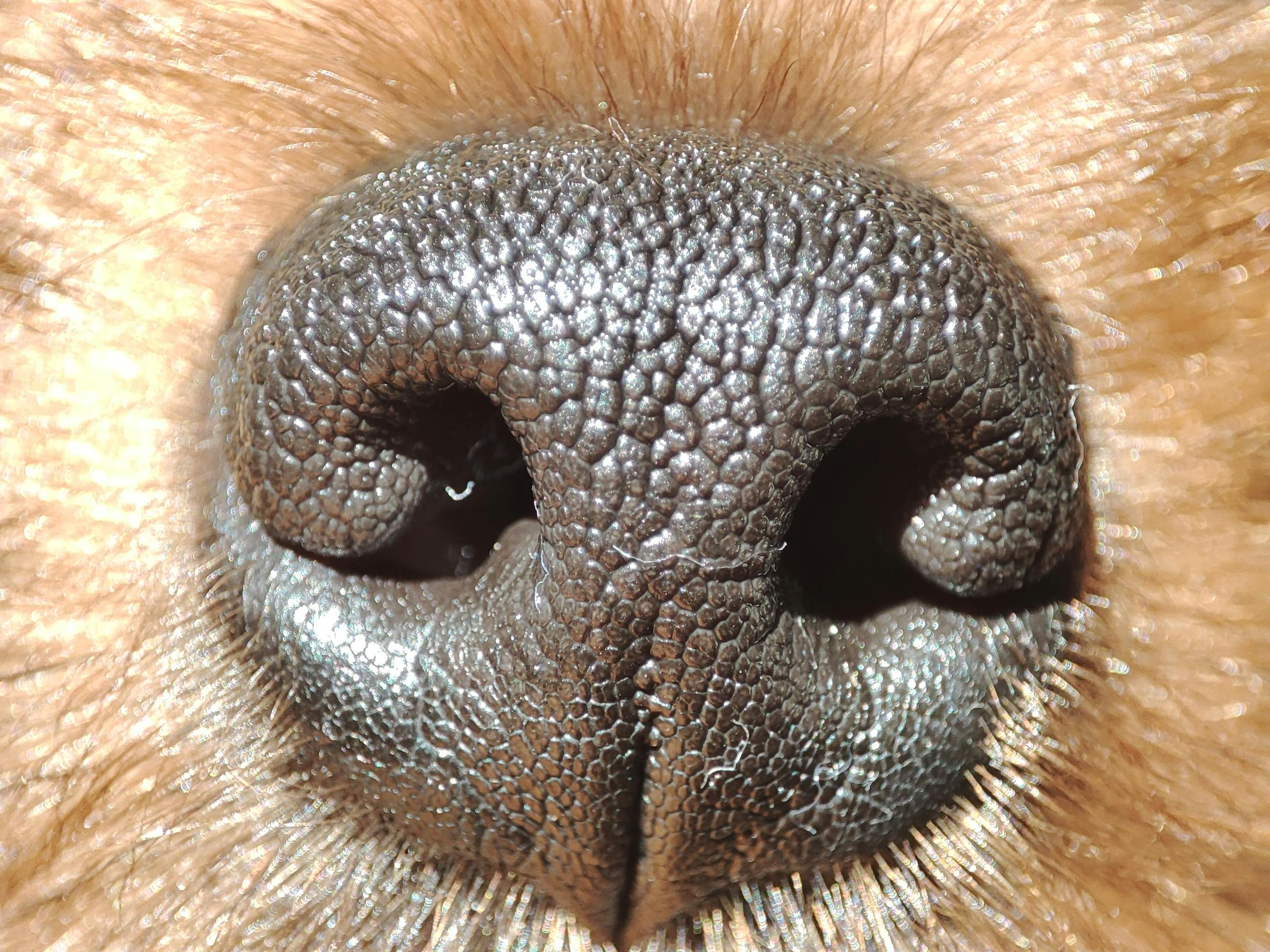 \n\n
\n\nHave you ever wondered why your dog's nose is always wet? You probably seen them sniffing around, picking up scents that are almost invisible to us. It turns out, there's a fascinating connection between a dog's wet nose and their incredible sense of smell. Understanding this can give you insights not just into your pet's biology, but also into how they interact with the world around them. So, let's dive into the science behind dogs' wet noses and why it's so important.
\nThe Science Behind a Dog’s Wet Nose
\nDogs have an extraordinary olfactory system. In fact, they can smell up to 100,000 times better than humans. This amazing ability is partly due to their wet noses. But, why do dogs have wet noses in the first place? Here are some key points:
\n- \n
- Moisture Helps Capture Scents: The moisture on a dog's nose helps to trap scent particles. When a dog sniffs, the wet surface of the nose absorbs the scent, making it easier for the olfactory receptors to identify and analyze it. \n
- Cooling Mechanism: A wet nose can also help keep your dog cool. Dogs don’t sweat like we do; instead, they rely on their nose to regulate temperature. This moisture evaporates, helping to cool their bodies down. \n
- Health Indicator: A dog's nose can tell you a lot about their health. Generally, a cool, moist nose is a sign of a healthy dog, while a dry or warm nose might indicate an issue, though not always. \n
The Anatomy of a Dog’s Nose
\nDogs have a unique nose structure that enhances their sense of smell. Here’s how it works:
\n- \n
- Olfactory Receptors: Dogs have around 300 million olfactory receptors in their noses, compared to a human's 5 million. This gives them a heightened ability to detect smells. \n
- Vomeronasal Organ: Also known as Jacobson's organ, this helps dogs detect pheromones, which are chemical signals used for communication. \n
- Nasal Turbinates: These are complex structures in the nose that help filter and warm air. They also increase the surface area for scent detection, further improving a dog's smelling ability. \n
Historical Context of Dogs' Sense of Smell
\nThroughout history, dogs have been used for various purposes that rely on their sense of smell. Here are a few examples:
\n- \n
- Hunting: For centuries, dogs have assisted humans in hunting by tracking scents of animals. \n
- Search and Rescue: Nowadays, many rescue dogs are trained to locate missing persons through their keen sense of smell. \n
- Detection Work: Dogs are often used in police work to detect drugs, explosives, and even certain medical conditions like diabetes or cancer. \n
Practical Examples of Dogs Using Their Sense of Smell
\nDogs not only use their noses in various professions but also in everyday life. Here are some situations when you might see your dog’s sense of smell in action:
\n- \n
- Finding Food: Dogs can locate food hidden from view just by smelling. \n
- Identifying People: They can recognize their human family members based on scent alone, even after long periods apart. \n
- Emotional Support: Some studies suggest dogs can detect changes in human emotions, like stress or anxiety, through scent. \n
Common Myths About Dogs’ Noses
\nThere are many myths surrounding dogs’ noses that simply aren’t true. Here’s a quick rundown:
\n- \n
- \n
Myth: A warm nose means a dog is sick.
\n- \n
- Fact: Nose temperature can vary based on many factors and isn’t a reliable health indicator. \n
\n - \n
Myth: Dogs can smell everything equally well.
\n- \n
- Fact: Dogs are better at detecting certain scents, especially those related to survival and communication. \n
\n
The Fascinating Truth Behind Wet Noses
\nSo, in summary, why do dogs have wet noses? It’s a combination of biology, evolution, and necessity. The moisture enhances their ability to smell, aids in cooling down, and serves as a health indicator. Next time you see your furry friend with their wet nose, remember, there’s more going on than just a cute feature. It’s a crucial aspect of how they engage with the world.
\nDogs are incredible creatures, and their wet noses are just one of the many fascinating traits that make them so special. Understanding these attributes can deepen the bond you share with your pet and help you take better care of them. Whether they are your loyal companion, working partner, or family member, appreciating their unique abilities is part of what makes having a dog so rewarding.
\n\nCurious Canines: What Your Dog's Wet Nose Reveals About Their Health
\n\n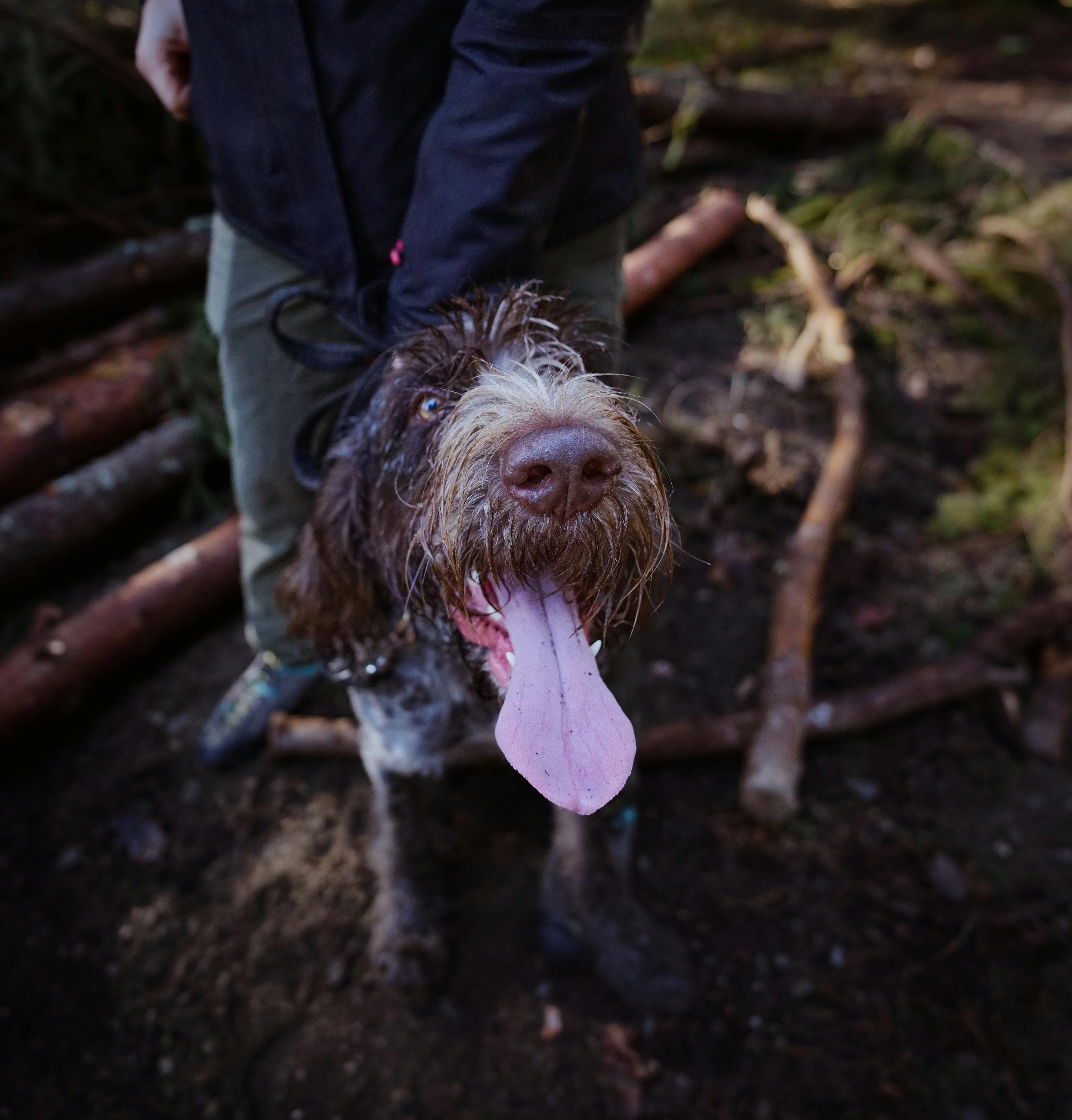 \n\n
\n\nCurious Canines: What Your Dog's Wet Nose Reveals About Their Health, Why Do Dogs Have Wet Noses? Discover The Fascinating Truth!
\nHave you ever notice your dog’s wet nose and wonder what it means? It’s not just a quirky dog feature; it actually reveal a lot about your furry friend’s health. Many people seem to think that wet noses are simply a sign of a happy dog, but there’s more to it. Let’s dive into the fascinating world of canine noses and uncover the mysteries behind their moisture.
\nThe Science Behind Wet Noses
\nSo, why do dogs have wet noses anyway? The primary reason for a dog’s wet nose is to enhance their sense of smell. Dogs have an incredible olfactory system, and a moist nose helps to trap scent particles from the air. This plays a crucial role in their ability to detect smells, which is far superior to that of humans.
\n- \n
- Dogs’ noses contain a special mucus that helps absorb these scent particles. \n
- The wetness of their noses helps keep them cool, especially in hot weather. \n
- A wet nose can also be a sign of a healthy dog, as it indicates proper hydration and good circulation. \n
What A Wet Nose Can Indicate About Health
\nIt’s not just about smelling; the condition of your dog's nose can reveal a lot about their health status. Here’s a quick look at what different nose conditions might mean:
\n- \n
- Wet and Cool: Typically, this is a sign that your dog is healthy and hydrated. \n
- Dry and Warm: This could indicate a fever or dehydration, especially if it’s persistent. \n
- Cracked or Chapped: This might mean your dog is not getting enough moisture or it could signify an allergy. \n
- Discharge: A runny or excessively wet nose could be a sign of an infection or nasal disease. \n
Historical Perspective on Dog Noses
\nHistorically, dog noses have been a topic of interest. In ancient civilizations, such as Egypt, dogs were revered for their tracking and hunting abilities. Their keen sense of smell was essential for survival and was documented in various texts and hieroglyphs.
\nIn more modern times, police and rescue dogs have been trained to use their noses to find everything from drugs to missing persons. This incredible ability is largely due to the structure of their noses, which can have up to 300 million smell receptors compared to about 5 million in humans!
\nFun Facts About Dog Noses
\nHere are some fun and interesting facts about dog noses that you might not know:
\n- \n
- Dogs have a unique nose print, much like a human fingerprint, which can be used for identification. \n
- A dog’s sense of smell is 40 times better than that of humans. \n
- The reason dogs sniff each other’s noses is to gather information about each other’s health and emotional states. \n
- Certain breeds, like Bloodhounds, are known to have a particularly keen sense of smell, making them exceptional trackers. \n
How to Care For Your Dog’s Nose
\nTaking care of your dog's nose is essential for their overall health. Here’s some tips to ensure their snout stays healthy:
\n- \n
- Hydration: Make sure your dog drinks plenty of water. Dehydration can lead to a dry nose. \n
- Humidity: In dry climates, consider using a humidifier in your home to keep the air moist. \n
- Regular Check-ups: Vet visits can help catch any potential issues with your dog's nose early. \n
- Protect Their Nose: In extreme weather, consider using dog-safe balms to protect your dog’s nose from cracking. \n
When to See a Vet
\nWhile a wet nose often indicates good health, there are times you should consult a veterinarian. If your dog’s nose becomes persistently dry, cracks appear, or you notice unusual discharge, it’s best to get it checked out. Other signs to look for include:
\n- \n
- Changes in behavior (e.g. lethargy, loss of appetite) \n
- Persistent coughing or sneezing \n
- Excessive scratching or pawing at their face \n
In summary, a dog’s wet nose is more than just a cute feature. It serves multiple purposes, from enhancing their sense of smell to indicating their health status. By understanding the significance of your dog’s nose, you can better care for your furry companion and ensure they live a happy, healthy life. Always stay observant about changes in their nose condition, and don’t hesitate to seek veterinary advice when needed. Your dog relies on you to keep them healthy, and a little knowledge about their wet nose can go a long way!
\n\nIs a Dry Nose in Dogs a Cause for Concern? Understanding the Importance of Moisture
\n\n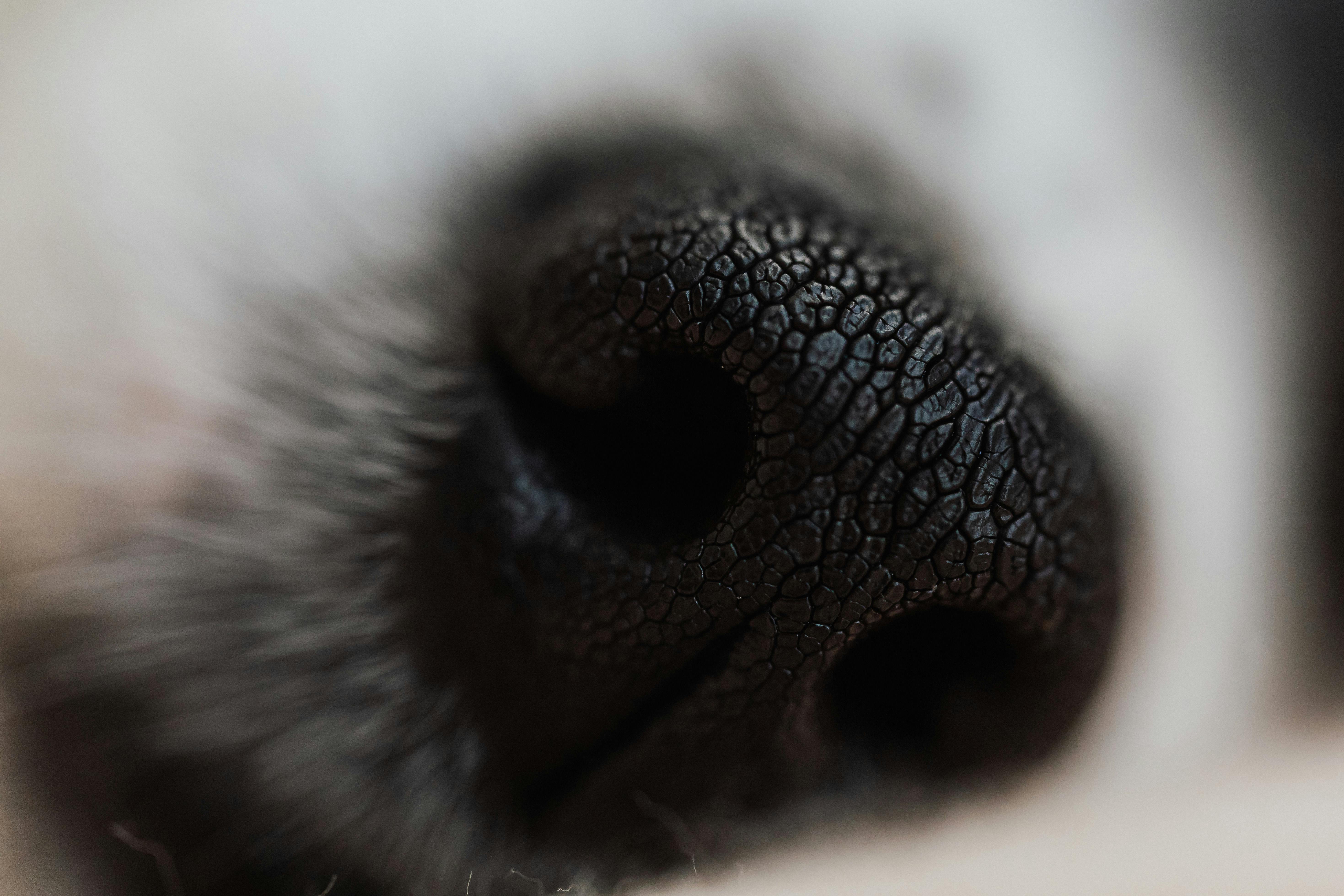 \n\n
\n\nIs your dog’s nose dry? You might wonder if that’s a sign of health issues or if it’s just normal. Many dog owners frequently ask, “Is a dry nose in dogs a cause for concern?” Understanding the importance of moisture in a dog’s nose can help you be more informed about your furry friend’s well-being. Dogs typically have wet noses, and there’s a fascinating truth behind why that is.
\nWhy Do Dogs Have Wet Noses?
\nDogs' noses are typically moist for a number of reasons. It’s not just because they like to sniff things. Their wet noses helps them in several ways:
\n- \n
- Enhanced Smell: A wet nose can help absorb scent chemicals. This increases their olfactory senses, making it easier for them to detect smells. \n
- Thermoregulation: Dogs don’t sweat like humans do. A moist nose can help them cool down since evaporation of moisture can reduce body temperature. \n
- Health Indicator: A healthy nose is typically moist and cool. Changes in moisture levels can indicate potential health issues. \n
So, it’s clear that a wet nose is more than just a cute feature of dogs. It plays a significant role in their health and functioning.
\nWhat Causes a Dry Nose in Dogs?
\nA dry nose in dogs can have several causes. Sometimes it’s not a big deal, but other times it can be a sign of something more serious. Here are some common reasons:
\n- \n
- Dehydration: If your dog is not drinking enough water, their nose may become dry. Make sure they have fresh water available at all times. \n
- Allergies or Irritants: Just like humans, dogs can have allergic reactions to pollen, dust, or even certain foods. This can lead to changes in nose moisture. \n
- Weather Conditions: Hot, dry weather can cause a dog’s nose to dry out. Conversely, cold weather can also affect moisture levels. \n
- Illness: Certain illnesses can cause a dog’s nose to be dry. For instance, fever or infections might change the moisture levels. \n
When to Worry About a Dry Nose
\nNot all dry noses are signs of concern. But there are some indicators that may suggest you should consult a veterinarian. Here are some things to look out for:
\n- \n
- Persistent Dryness: If the dryness lasts for an extended period, it might be worth checking. \n
- Cracking or Bleeding: If your dog’s nose is not only dry but also shows signs of cracking or bleeding, it can indicate a serious problem. \n
- Behavior Changes: If your dog seems lethargic, refuses to eat, or exhibits other unusual behaviors alongside a dry nose, you should seek veterinary advice. \n
Maintaining Moisture in a Dog’s Nose
\nKeeping your dog’s nose moist can be crucial. Here are some tips to help maintain that ideal moisture level:
\n- \n
- Hydration: Ensure your dog is drinking enough water. You can add water to their food or give them ice cubes as a treat. \n
- Humidifiers: In dry climates or during winter months, consider using a humidifier in your home. This can help maintain moisture in the air. \n
- Natural Remedies: Some pet owners use coconut oil or specialized nose balms designed for dogs. These can help in maintaining moisture on their noses. \n
Fascinating Facts About Dogs’ Noses
\nLet’s take a look at some interesting facts about dog noses that you may not know:
\n- \n
- Unique Patterns: Just like human fingerprints, every dog has a unique nose print. This can be used for identification. \n
- Sensitivity: Dogs have up to 300 million smell receptors in their noses, compared to about 5 million in humans. This makes their sense of smell incredibly powerful. \n
- Temperature Regulation: A dog’s nose can change temperature based on their activity level. A warm nose might indicate excitement or activity. \n
Comparison: Dog Nose vs. Human Nose
\n| Feature | \nDog Nose | \nHuman Nose | \n
|---|---|---|
| Moisture | \nNaturally moist | \nCan be dry | \n
| Smell Receptors | \nUp to 300 million | \nAbout 5 million | \n
| Identification | \nUnique nose prints | \nNot unique | \n
| Functionality | \nSmelling and cooling | \nPrimarily smelling | \n
Understanding why dogs have wet noses and what a dry nose might mean can be critical for any dog owner. It’s essential to monitor your dog’s health and be aware of changes. Always consult with a veterinarian if you have concerns about your dog’s nose or overall health. Keeping your dog hydrated and happy goes a long way in maintaining that delightful wet nose they are known for.
\n\nTop 7 Reasons Why Dog Noses Are Wet: Unveiling the Canine Mystery
\n\n \n\n
\n\nDog lovers often wonder about the unique characteristics of their furry friends, and one of the most intriguing features is the wet nose. Many people ask, “Why do dogs have wet noses?” It’s a question that sparks curiosity and even a bit of confusion. This article explores the top 7 reasons why dog noses are wet, unraveling the mysteries behind this fascinating trait.
\n1. Cooling Mechanism
\nOne of the primary reasons dog noses are wet is that it helps to regulate their body temperature. Dogs don’t sweat like humans do; they primarily cool off through panting and their noses. When a dog's nose is moist, it can better absorb heat, allowing them to cool down more effectively.
\n2. Enhanced Sense of Smell
\nThe wetness of a dog’s nose also plays a significant role in the sense of smell. A damp nose can capture scent particles more efficiently. It acts like a sponge, soaking up these particles and allowing the sensory receptors in the nasal cavity to work better. Some studies say dogs can smell up to 100,000 times better than humans, and a wet nose is crucial in that process!
\n3. Health Indicator
\nA wet nose can often be a sign of good health, but it’s not a definitive measure. When dogs are sick or dehydrated, their noses tend to be dry. However, a wet nose doesn’t always mean the dog is healthy. It is essential to look for other signs, such as energy levels, eating habits, and any behavioral changes. Here is a quick checklist for monitoring your dog's health based on their nose:
\n- \n
- Wet and Cool: Usually healthy \n
- Dry and Warm: Possible fever or dehydration \n
- Consistently Wet: Could indicate allergies or an infection \n
4. Natural Lubrication
\nDogs produce mucus in their noses, which keeps their nasal passages moist. This natural lubrication helps in trapping dust, allergens, and other particles, preventing them from entering their lungs. It’s like a built-in air filter! The moisture also aids in the warming and humidification of the air they breathe.
\n5. Social Interaction
\nDogs have a unique way of communicating with each other and with humans. A wet nose is often a sign of affection or excitement. When a dog nudges you with its nose, it might be seeking attention or showing love. Wet noses are a part of their way of interacting with their environment and other beings.
\n6. Environmental Factors
\nThe environment plays a significant role in how moist a dog’s nose is. Humidity and temperature can affect the moisture level. For instance, during colder months, a dog’s nose might become drier due to the heating in homes. On the contrary, a hot and humid day can leave a dog’s nose quite wet. It’s also interesting to note that some breeds naturally have wetter noses than others.
\n7. Genetics and Breed Differences
\nCertain breeds have a tendency to have wetter noses, while others are drier. For example, breeds like Labrador Retrievers and Beagles are known for their moist noses, while others, like Bulldogs, might have drier ones due to their facial structure. Understanding your dog’s breed can provide insight into their nose's typical moisture level.
\nQuick Facts About Dog Noses
\n- \n
- Dogs have around 220 million scent receptors, compared to humans’ 5 million. \n
- The color of a dog's nose varies widely between breeds; it can be black, brown, or even pink. \n
- Dogs can detect certain diseases, like cancer, through scent. \n
Final Thoughts
\nSo, when you see your furry friend with a wet nose, now you can appreciate the reasons behind it. It’s not just an adorable trait; it serves multiple functions related to health, communication, and even survival. Understanding why dogs have wet noses adds to the overall appreciation of these loyal companions. Next time you give your dog a scratch behind the ears, take a moment to think about that fascinating little nose!
\n\nThe Evolutionary Advantage: Why Dogs Have Wet Noses and What It Means for Them
\n\n \n\n
\n\nDogs have been companions to humans for thousands of years, and their peculiar traits often leave us wondering. One of the most fascinating aspects of dogs is their wet noses. Why do dogs have wet noses? This question not only intrigues dog lovers but also leads us into the evolutionary advantages that these wet noses bring. Let’s dive into the science, history, and fun facts about why dogs have such unique features.
\nThe Science Behind Wet Noses
\nThe wetness of a dog's nose is not just a random trait. It serves a variety of important functions. Here’s a breakdown of some key reasons:
\n- \n
- \n
Enhanced Smell: The moisture on a dog's nose helps to trap scent particles. This makes it easier for a dog to pick up on smells in their environment. A dog’s sense of smell is exponentially better than a human’s, estimated to be anywhere from 10,000 to 100,000 times more sensitive.
\n \n - \n
Cooling Mechanism: Dogs don't sweat like humans do. Their primary way of regulating body temperature is through panting and, to some extent, the moisture on their noses. A wet nose can help keep them cool in warmer weather, providing a natural way to maintain body temperature.
\n \n - \n
Health Indicator: The condition of a dog's nose can also be a reflection of its health. A healthy dog typically has a cool, moist nose, while a dry or cracked nose can sometimes indicate illness or dehydration.
\n \n
Historical Context
\nThe evolutionary journey of dogs has been shaped by their relationship with humans. Early domesticated dogs may have developed wet noses as an adaptation to better hunt and communicate with humans. In ancient times, dogs played crucial roles in hunting and guarding, where a keen sense of smell was essential.
\n- \n
- \n
Hunting Companions: In many cultures, dogs were bred for specific tasks. For instance, hounds were developed to track scents, while guard dogs needed to alert their owners to any threats. The wet nose became a beneficial trait that enhanced these abilities.
\n \n - \n
Communication: Dogs also use their noses to communicate with each other. A wet nose can signify a friendly approach, while a dry nose might indicate stress or discomfort. This aspect of dog behavior has been observed across various breeds and is a vital part of canine social interactions.
\n \n
Fun Facts About Dogs’ Noses
\nDid you know that a dog’s nose has its own unique print, much like a human fingerprint? Here are some other interesting facts about dog noses:
\n- \n
- \n
Nose Prints: Each dog’s nose print is unique, which means it can be used for identification. Some organizations even advocate for nose print registries.
\n \n - \n
Temperature Regulation: While a wet nose helps cool dogs down, it also allows them to absorb moisture from the air, which can be useful in arid environments.
\n \n - \n
Scent Discrimination: Dogs can differentiate between different scents, even when they are mixed together. This ability is why dogs are used in search and rescue operations.
\n \n
Comparison: Dogs vs. Other Animals
\nWhen we look at the noses of different animals, we can see how evolution shaped their features for specific needs.
\n| Animal | \nNose Type | \nPurpose | \n
|---|---|---|
| Dogs | \nWet and cold | \nEnhanced smell, cooling, health indicator | \n
| Cats | \nDry and warm | \nLess reliance on smell, more on sight | \n
| Elephants | \nTrunk with moisture | \nMulti-purpose - smelling, drinking, cooling | \n
| Horses | \nMoist but not wet | \nModerate sense of smell, better vision | \n
Practical Examples of Nose Use
\nWhen thinking about how dogs utilize their noses, consider the following:
\n- \n
- \n
Tracking: Search and rescue dogs can find missing persons by following scent trails left behind, using their wet noses to enhance their tracking capabilities.
\n \n - \n
Medical Detection: Dogs have been trained to detect certain diseases in humans, like diabetes or cancer, by smelling changes in body chemistry.
\n \n - \n
Behavioral Cues: A dog’s nose can indicate emotions; for instance, a dog might nuzzle its owner with a cold, wet nose when seeking attention or affection.
\n \n
Dogs’ wet noses are not just an adorable feature; they are crucial for their survival and interaction with the world. Understanding why do dogs have wet noses enriches our appreciation for these loyal companions. It reflects not only their evolutionary journey but also their unique role in our lives. Next time you pet your furry friend, take a moment to appreciate the science and history behind their wet nose!
\n\nWet Noses and Dog Behavior: How Moisture Affects Your Pup’s Emotions
\n\n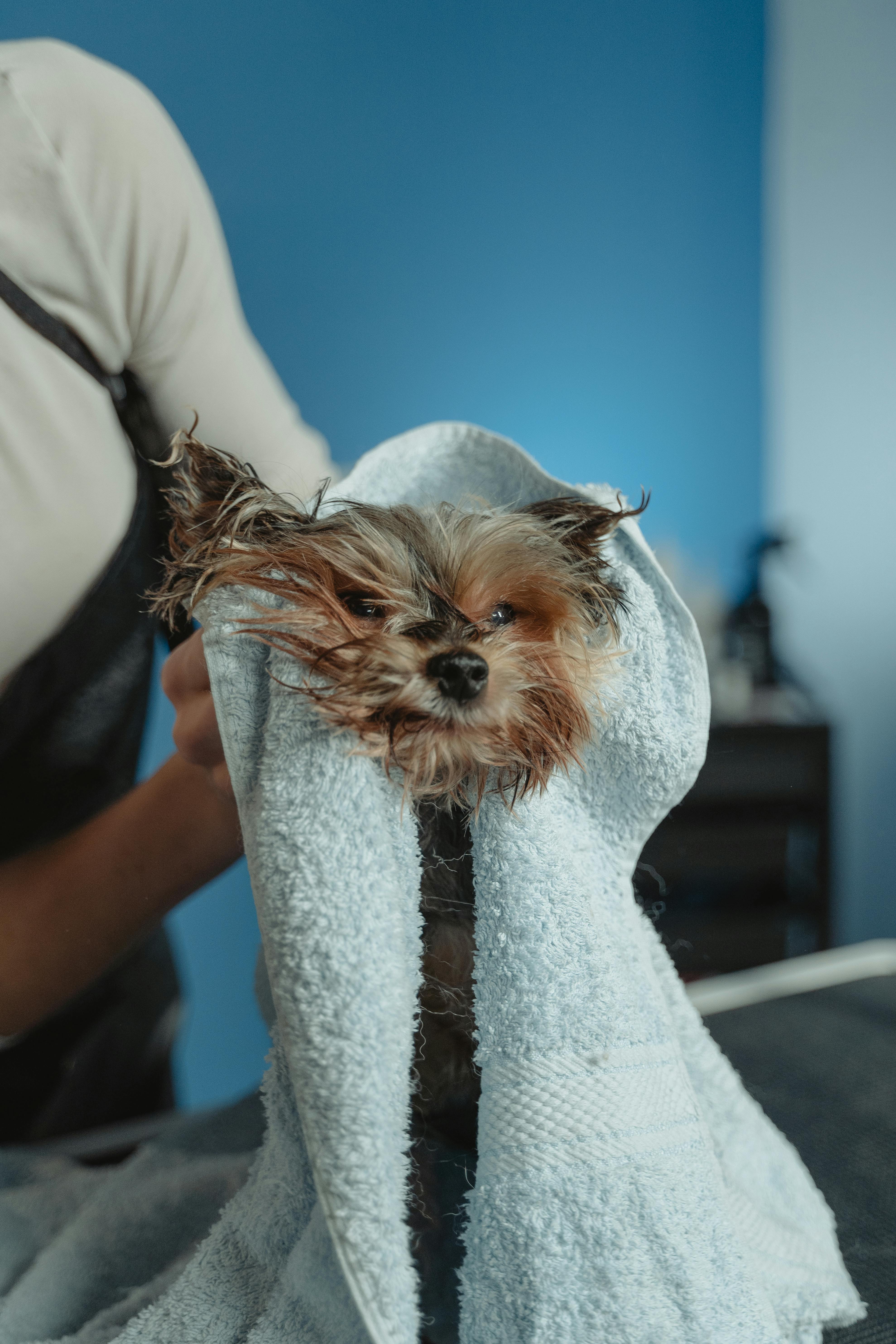 \n\n
\n\nDogs are known for many things, like their loyalty, playfulness, and, of course, those adorable wet noses! But have you ever wonder, why do dogs have wet noses? It’s not just an interesting fact; it’s actually tied to their emotions and behaviors. Understanding the science behind their moist noses can give pet owners valuable insight into their furry friends' health and feelings.
\nWhy Are Dog Noses Wet?
\nA dog’s nose is often wet because of a few reasons. The moisture on their noses helps to enhance their sense of smell. Dogs have a highly developed olfactory system, and having a wet nose helps to absorb scent chemicals from the air. When they sniff, the moisture can trap these scents, making it easier for dogs to identify them. Plus, a wet nose cools them down. Dogs don’t sweat like humans, so they rely on their noses to help regulate their body temperature.
\nHistorical Context of Dog Noses
\nDogs have been companions to humans for thousands of years, and their unique characteristics have been shaped by both evolution and breeding. Early domesticated dogs probably had moist noses to help them track prey. Over time, this trait became a hallmark of dog breeds. Think about it: hunting dogs, herding dogs, and even household pets all have this feature that links back to their wild ancestors.
\nThe Role of Moisture in Dog Behavior
\nSo, how does a wet nose connect to your pup’s emotions? Researchers and dog behaviorists have identify several aspects:
\n- \n
- Comfort and Security: A wet nose can indicate that a dog is comfortable in its environment. When a dog feels safe, its body functions optimally, and that includes moisture levels in the nose. \n
- Excitement: When dogs are happy or excited, their noses can become wetter. If you notice your dog’s nose getting moist when you come home or during playtime, it’s a sign of joy! \n
- Stress Response: Conversely, a dog that is anxious might have a dry nose. This could indicate that your pup is feeling uncomfortable or scared. If your dog’s nose feels unusually dry during stressful situations, it might be worth looking into ways to alleviate that stress. \n
Fun Facts About Dog Noses
\n- \n
- Unique Patterns: Just like human fingerprints, every dog has a unique nose print. \n
- Temperature Regulation: Dogs can cool themselves through their noses, helping to regulate body temperature effectively. \n
- Sense of Smell: Dogs’ noses have up to 300 million smell receptors compared to humans’ 5 million. This makes their sense of smell 40 times better than ours! \n
Comparing Dog Noses to Other Animals
\nLet’s take a look at how dog noses compare to other animals.
\n| Animal | \nNose Wetness | \nSense of Smell | \nUnique Traits | \n
|---|---|---|---|
| Dog | \nWet | \nExcellent | \nUnique nose print for identification | \n
| Cat | \nSlightly wet | \nGood | \nLess reliance on smell than dogs | \n
| Bear | \nWet | \nExceptional | \nCan smell food from miles away | \n
| Pig | \nMoist | \nGood | \nExcellent sniffers, used for truffle hunting | \n
Practical Examples of Nose Behavior
\nYou might notice different behaviors based on your dog’s nose state. For instance:
\n- \n
- Wet Nose: If your dog greets you with a moist nose, they likely feel happy and secure. This is a good time for play or cuddles. \n
- Dry Nose: If your dog’s nose is dry and warm, it might be a sign of dehydration, illness, or stress. Pay attention to other signs like lethargy or lack of appetite. \n
- Excessive Moisture: Some dogs may have excessively wet noses due to allergies or other health issues. If it seems out of the ordinary, a vet visit might be necessary. \n
Not only does understanding your dog's nose help you get to know their emotional state, but it's also vital for their health.
\nMoist noses are just one of the many fascinating traits of our canine companions. By learning more about why do dogs have wet noses and how this affects their behavior, you can deepen your bond with your furry friend. Remember to keep an eye on nose conditions and behaviors, as they can often be the first signs of changes in your dog’s health or emotions. Always consult with a veterinarian if something seems off with your pup’s nose or behavior!
\n\nExploring the Unique Anatomy of Dog Noses: Why Wetness Matters
\n\n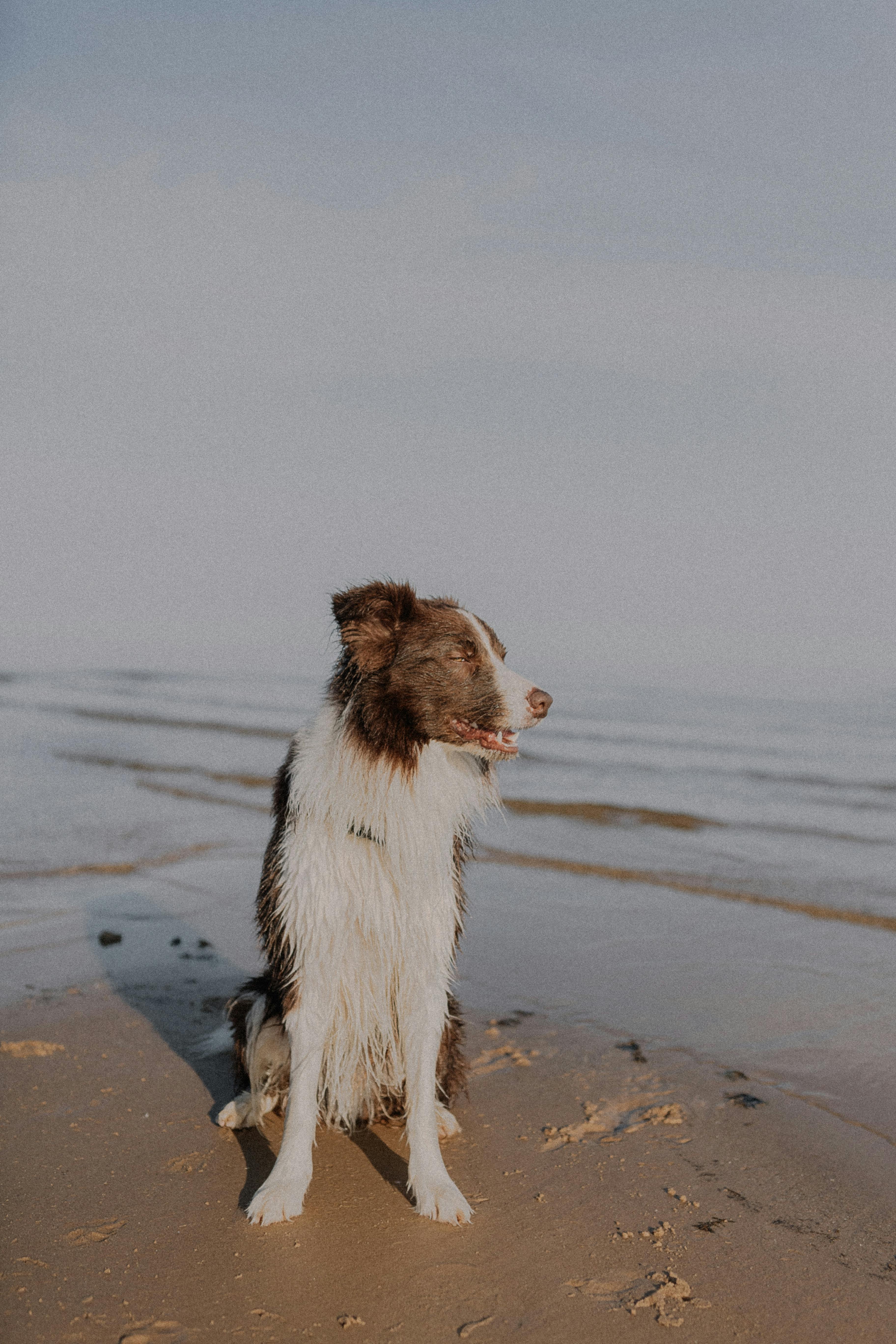 \n\n
\n\nDogs are amazing creatures, and one of their most interesting features is their noses. You may have noticed that a dog's nose is often wet, but have you ever asked why? In this article, we explore the unique anatomy of dog noses, the role of wetness, and the fascinating truths behind why dogs have wet noses.
\nThe Anatomy of a Dog's Nose
\nDog noses are not just cute; they are highly specialized organs. Unlike humans, dogs have a complex olfactory system that allows them to smell things we can only imagine. The surface of a dog's nose is covered in a special type of skin that contains a large number of olfactory receptors.
\n- \n
- Olfactory Receptors: Dogs have about 220 million olfactory receptors compared to humans, who only have around 5 million. This means that dogs can detect scents at incredibly low concentrations. \n
- Jacobsen's Organ: Also known as the vomeronasal organ, this plays a crucial role in how dogs interpret smells. It helps them sense pheromones, which are chemicals that carry social and reproductive information. \n
Why Wetness Matters
\nSo, why are dog noses wet? The moisture on a dog's nose isn't just for show. It actually serves several important functions:
\n- \n
- Enhanced Smell: A wet nose helps to capture scent particles from the air. Moisture allows these particles to stick better to the receptors in the nasal cavity, making it easier for dogs to smell. \n
- Temperature Regulation: Dogs don’t sweat like we do. Their noses help to regulate their body temperature. A wet nose can cool down a dog’s body when they are overheating. \n
- Health Indicator: A dog’s nose can tell you a lot about their health. A healthy dog usually has a cool, moist nose, while a dry or cracked nose may indicate illness or dehydration. \n
The Wet Nose Myth
\nThere is a common belief that a dog’s nose can predict its health status. While it is true that a wet nose is usually a sign of good health, there are exceptions. For example:
\n- \n
- Weather Effects: A dog may have a dry nose due to hot weather, but this doesn’t necessarily mean they are sick. \n
- Age Factor: Older dogs might have drier noses, and this can be normal as they age. \n
- Breed Differences: Some breeds naturally have drier noses. For instance, Bulldogs and Pugs might have less moisture on their noses as part of their unique anatomy. \n
Historical Context
\nDogs have been companions to humans for thousands of years, and their noses have always fascinated us. Ancient cultures recognized the unique abilities of dogs. For example:
\n- \n
- Egyptians: They revered dogs for their hunting skills and often depicted them in art. \n
- Greek Mythology: Cerberus, the three-headed dog, was known for his keen sense of smell, which he used to guard the gates of the Underworld. \n
Fun Facts About Dog Noses
\n- \n
- Color Variations: A dog’s nose can come in various colors, like black, brown, or even pink. The color is determined by genetics and does not affect their ability to smell. \n
- Unique Patterns: Just like human fingerprints, every dog has a unique nose print. This could even be used for identification purposes! \n
- Nose Work: Many dogs are trained for nose work, which is a competitive sport where they use their sense of smell to locate specific scents. \n
Comparison to Human Noses
\nTo really appreciate how special dog noses are, let’s compare them to human noses:
\n| Feature | \nDogs | \nHumans | \n
|---|---|---|
| Olfactory Receptors | \n~220 million | \n~5 million | \n
| Ability to Smell | \nTrained for specific scents | \nGeneral sense of smell | \n
| Moisture Function | \nEnhances smell and cools | \nNo significant role | \n
Practical Examples of Nose Use
\nDogs use their noses in various practical ways, including:
\n- \n
- Search and Rescue: Dogs are trained to find missing persons or locate disaster survivors. \n
- Medical Detection: Some dogs are capable of detecting diseases like cancer or diabetes through scent. \n
- Therapy and Support: Dogs provide emotional support and comfort, partly through the connection established through their sense of smell. \n
Understanding why dogs have wet noses and how they work provides insights into their world and well-being. Their noses are just another reason why dogs are such remarkable companions. The next time you see a dog with a wet nose, remember that it’s not just adorable; it’s a vital part of what makes them so special.
\n\nDog Owners' Guide: How to Maintain Your Pup’s Nose Health and Moisture Levels
\n\n\n\nWhen it comes to our furry friends, many of us notice that dogs have wet noses. But have you ever wondered why? This unique characteristic goes beyond just looking cute. Understanding your dog’s nose health and moisture levels is important for any responsible pet owner. This guide will dive into the reasons behind wet noses, how to keep your pup's nose healthy, and what to look out for when it comes to nose conditions.
\nThe Science Behind Wet Noses
\nDogs have wet noses for a number of reasons. First off, it helps them with their sense of smell. A moist nose can absorb scent particles better than a dry one. This is crucial since dogs rely heavily on their sense of smell for communication, hunting, and navigating their environments.
\n- \n
- Enhanced Smell: The moisture helps capture scent particles, making it easier for dogs to detect odors. \n
- Temperature Regulation: Dogs can’t sweat like humans, so their noses help cool them off. \n
- Health Indicator: A wet nose can often signify good health, while a dry or cracked nose may indicate dehydration or illness. \n
Why Do Dogs Have Wet Noses?
\nSo what's the deal with wet noses? A dog's nose secretes a thin layer of mucus which helps trap odors and keeps the nose moist. This secretion is produced by special glands located within the nose. When dogs sniff around, they are constantly refreshing this moisture, which aids in smell detection.
\nAdditionally, dogs tend to lick their noses. This behavior not only keeps their noses moist but also helps them gather more information about their surroundings. The act of licking can be seen as a way for dogs to "taste" the air, providing them with even more sensory input.
\nKeeping Your Dog's Nose Healthy
\nMaintaining your pup's nose health is not as complicated as it may sound. Here are some tips to ensure your dog’s nose stays in prime condition:
\n- \n
- Hydration: Make sure your dog has access to fresh water at all times. Dehydration can lead to a dry nose. \n
- Regular Check-ups: Regular vet visits can help monitor your dog's overall health, including his nose. \n
- Cleaning: If you notice any dirt or debris on your dog's nose, gently wipe it away with a damp cloth. Avoid using any harsh chemicals or soaps. \n
- Humidity Levels: If you live in a dry climate, consider using a humidifier in your home. This can help maintain moisture in your dog’s nose. \n
Common Nose Conditions to Watch For
\nLike any part of the body, a dog's nose can face health issues. Here are common conditions to be aware of:
\n- \n
- Nasal Hyperkeratosis: This condition is characterized by excessive keratin buildup, resulting in a dry, cracked nose. It's often manageable with topical treatments. \n
- Infections: Fungal or bacterial infections can lead to changes in the nose's appearance or texture. If you spot unusual discharge, consult your vet. \n
- Allergies: Allergens in the environment can cause inflammation and dryness. Watch for additional symptoms like itching and sneezing. \n
- Autoimmune Diseases: Certain autoimmune issues can affect the nose, resulting in lesions or crusting. \n
The Fascinating Truth About Dog Noses
\nDid you know that dogs have a unique nose print, much like human fingerprints? Each dog's nose has a distinct pattern of ridges and creases, which can be used for identification purposes. Here’s a quick look at some amazing facts about dog noses:
\n- \n
- Scent Discrimination: Dogs can detect certain scents at concentrations as low as 1 part per trillion. \n
- Temperature Sensitivity: A dog’s nose is also sensitive to temperature changes, which can help them identify danger or changes in their environment. \n
- Health Barometer: Changes in the texture or moisture of a dog's nose can indicate health issues. A healthy nose should generally feel cool and moist. \n
Conclusion
\nUnderstanding why dogs have wet noses and how to maintain their health is crucial for any pet owner. By paying attention to your dog's nose condition and ensuring proper hydration and care, you can help keep your pup happy and healthy. The next time you give your dog a scratch behind the ears, take a moment to appreciate that moist, adorable nose and all the fascinating functions it serves!
\n\nConclusion
\n\nIn conclusion, the wet noses of dogs serve several important purposes that contribute to their overall health and well-being. The moisture helps enhance their sense of smell, allowing them to detect scents more effectively, which is essential for their communication and interaction with the environment. Additionally, a wet nose plays a role in thermoregulation, helping dogs cool down through evaporation. The presence of moisture also indicates hydration and can be an indicator of a dog’s health; a dry nose may signal potential issues. Understanding the significance of a dog's wet nose can deepen our appreciation for these loyal companions. As pet owners, we should pay attention to our dogs’ noses, ensuring they remain healthy and hydrated. So the next time you feel that familiar cool, wet touch against your hand, remember the vital roles it plays in your furry friend’s life and well-being.
\n\n