Have you ever wondered, why do dogs have wet noses? This intriguing question sparks curiosity among dog lovers and pet owners alike. Wet noses are not just adorable traits; they serve essential functions for our furry friends. The truth behind these moist noses is both fascinating and important for understanding your pet’s health and behavior. Did you know that a dog's nose can actually help them detect scents more effectively? This impressive ability is one reason why dogs have wet noses—it enhances their sense of smell! Plus, a wet nose can indicate a dog’s emotional state, making it a vital aspect of canine communication. Are you curious about what a wet nose means for your dog's health? Or perhaps you want to know if different breeds have varying nose moisture levels? In this article, we’ll delve deep into the reasons behind this unique characteristic, uncovering the science of wet noses and offering tips on how to keep your pup healthy. Stay tuned as we explore the fascinating truth about why your dog’s nose is always so moist!
\n\nThe Science Behind Canine Noses: Why Are Dogs' Noses Wet and What Does It Mean?
\n\n \n\n
\n\nDogs are often said to be man's best friend, but have you ever wondered about what makes them so special? One of the most fascinating features of dogs is their noses. Why do dogs have wet noses? It's a question that many pet owners ponder. The truth is, there's a lot of science behind those moisture-rich snouts, and it’s not just about being cute or quirky.
\nWhy Are Dogs' Noses Wet?
\nSo, why do dogs have wet noses? First off, it has to do with their biology. Dogs' noses are covered in a thin layer of mucus, which is crucial for their sense of smell. When moisture is on the nose, it helps to capture scent particles from the air. This is kinda like how a sponge absorbs water. Wet noses also keeps the olfactory receptors inside the dog's nose moist, which enhances their ability to detect different odors.
\nDogs have a much more powerful sense of smell than humans; in fact, it’s estimated that dogs nose can be 10,000 to 100,000 times more sensitive than ours. Isn't that wild? The wetness helps them to pick up on scents better, making them incredibly skilled at sniffing out everything from food to drugs, and even diseases.
\nEvolutionary Perspective
\nFrom an evolutionary standpoint, wet noses have been beneficial for dogs. An ancient ancestor of dogs, the wolf, also had wet noses for similar reasons. Over time, this trait has carried on, helping dogs to survive by being able to track prey and avoid predators. The wet nose is not just an accident of nature; it's a survival tool that has evolved over thousands of years.
\nDogs' Noses and Temperature Regulation
\nBut wait, there’s more! Wet noses also help dogs regulate their body temperature. Dogs don’t sweat like humans do; instead, they cool off by panting and through their noses. A wet nose can help in cooling down their body temperature when it gets too hot. It’s like nature's air conditioning system!
\nWhat Does It Mean When a Dog's Nose Is Dry?
\nNow, it’s important to note that a dog’s nose can change throughout the day. A dry nose doesn’t always mean something is wrong. Here’s a quick list of factors that can influence a dog’s nose moisture:
\n- \n
- Weather Conditions: Hot or dry weather can lead to a drier nose. \n
- Health Status: While a dry nose can be a sign of illness, it’s not always the case. Consider other symptoms too. \n
- Activity Level: After a long walk or play, a dog’s nose may dry out temporarily. \n
- Hydration: Just like us, dogs need to stay hydrated. Lack of water can lead to a drier nose. \n
The Importance of Nose Wetness in Dogs
\nThe wetness of a dog’s nose plays various roles in their health and behavior. For instance, dogs often sniff each other’s noses as a way of greeting. This behavior likely evolved as a way to gather information about each other, such as health status and mood. Here’s what a wet nose can indicate:
\n- \n
- Healthy Dog: A moist, cool nose is often a sign of a healthy dog. \n
- Sick Dog: A persistently dry or cracked nose can indicate health issues. \n
- Excited Dog: Dogs may lick their noses when they’re excited or anxious, leading to a temporary moistening. \n
Fun Facts About Dogs' Noses
\n- \n
- Unique Patterns: Just like human fingerprints, each dog’s nose print is unique. \n
- Scent Discrimination: Dogs can differentiate between scents even if they are mixed together. \n
- Nasal Turbinates: Dogs have special structures in their noses called turbinates that help in scent detection. \n
What to Do if Your Dog's Nose Is Dry
\nIf you’re concerned about your dog's dry nose, here are some steps you can take:
\n- \n
- Monitor Hydration: Ensure your dog has access to fresh water. \n
- Check for Other Symptoms: Look for signs of illness, like lethargy or loss of appetite. \n
- Consult a Vet: If the dryness persists or is accompanied by other symptoms, it’s a good idea to consult your veterinarian. \n
With all this information, it’s clear that dogs’ wet noses are more than just a cute feature. They serve multiple essential functions that contribute to a dog’s health and well-being. Understanding why dogs have wet noses can deepen the bond between you and your furry friend, making every sniff and nuzzle all the more meaningful. So next time you see your dog with that moist and adorable nose, remember the fascinating science behind it!
\n\n7 Surprising Benefits of Wet Noses in Dogs: More Than Just Cute Features
\n\n \n\n
\n\nDogs have been companions to humans for thousands of years, but their wet noses often baffles people. You might think, why do dogs have wet noses? Most people just see it as a cute feature, but there's actually much more going on under the surface. Let’s explore seven surprising benefits of those wet noses, revealing the fascinating truth behind them.
\n1. Enhanced Smell Detection
\nDogs have an incredible sense of smell, and wet noses play a big role in that. The moisture on a dog’s nose helps capture scent particles from the air. This is like how a sponge soaks up water. When a dog sniffs, the wet surface increases the chances of detecting various smells. This ability is essential for tracking, hunting, and even search and rescue missions.
\n- \n
- Dogs possess up to 300 million smell receptors, compared to a human's 5 million. \n
- Wet noses can absorb scent molecules better, enhancing their olfactory capabilities. \n
2. Regulating Body Temperature
\nDogs don’t sweat like humans do. Instead, they regulate their body temperature through a process called thermoregulation, and their wet noses help in this process. A moist nose can cool down as the moisture evaporates, similar to how sweat cools human skin.
\n- \n
- It's a natural air conditioning system! \n
- The moisture evaporating from a wet nose helps keep a dog comfortable in warmer temperatures. \n
3. Health Indicators
\nA dog’s nose can often tell you a lot about its health. A wet, cold nose usually indicates a healthy dog, while a dry or warm nose might suggest illness. However, this isn’t a hard-and-fast rule.
\n- \n
- A healthy dog's nose is typically moist and cool. \n
- A persistently dry nose could signal dehydration or illness. \n
4. Social Communication
\nDogs are social animals, and their noses play a role in their communication. A dog will often greet others by sniffing, which is how they gather information about their surroundings and other dogs. The wetness adds to the sensory experience, making it more engaging.
\n- \n
- Sniffing can convey emotions and establish social hierarchies. \n
- Wet noses can also be more inviting, encouraging friendly interactions. \n
5. Unique Identification
\nJust like human fingerprints, each dog has a unique nose print. The patterns of ridges and creases on a dog’s nose form an individual identifier. This uniqueness can be used in various ways, from identification in shelters to tracking down lost pets.
\n- \n
- Each dog’s nose print can differ, making it like a personal ID. \n
- Some organizations even use nose prints as a means of identifying dogs in their care. \n
6. Hydration Help
\nThe moisture on a dog’s nose isn’t just for show; it can also aid in keeping them hydrated. When a dog licks its nose, it helps to keep it moist, and this is part of how they maintain their hydration levels.
\n- \n
- Dogs will often lick their noses to keep them wet, ensuring they’re ready for scent detection. \n
- A moist nose can also help in regulating the amount of water a dog consumes. \n
7. Instinctive Behavior
\nThe evolution of dogs from wolves has led to some fascinating behaviors. Wet noses are an instinctual trait that helped their ancestors in hunting and survival. Wolves used their noses to track prey, and those benefits have carried over to domestic dogs.
\n- \n
- This instinctive behavior is deeply ingrained, even in pets. \n
- Dogs continue to rely on their noses for a variety of tasks, from finding food to playing fetch. \n
Benefits Summary
\nHere’s a quick summary of the benefits of wet noses in dogs:
\n- \n
- Enhanced smell detection \n
- Regulating body temperature \n
- Health indicators \n
- Social communication \n
- Unique identification \n
- Hydration help \n
- Instinctive behavior \n
Wet noses are more than just cute features; they serve multiple essential functions in a dog’s life. From enhancing their sense of smell to helping regulate their temperature, these benefits highlight the remarkable nature of dogs. Understanding why dogs have wet noses can deepen your appreciation for these furry companions.
\nNext time you greet your dog, take a moment to think about all the fascinating truths behind that wet nose. It’s not just a cute quirk; it’s a vital part of who they are. In the end, those wet noses are a reminder of the incredible bond we share with our canine friends.
\n\nUnderstanding Dog Anatomy: How a Wet Nose Enhances Your Dog's Sense of Smell
\n\n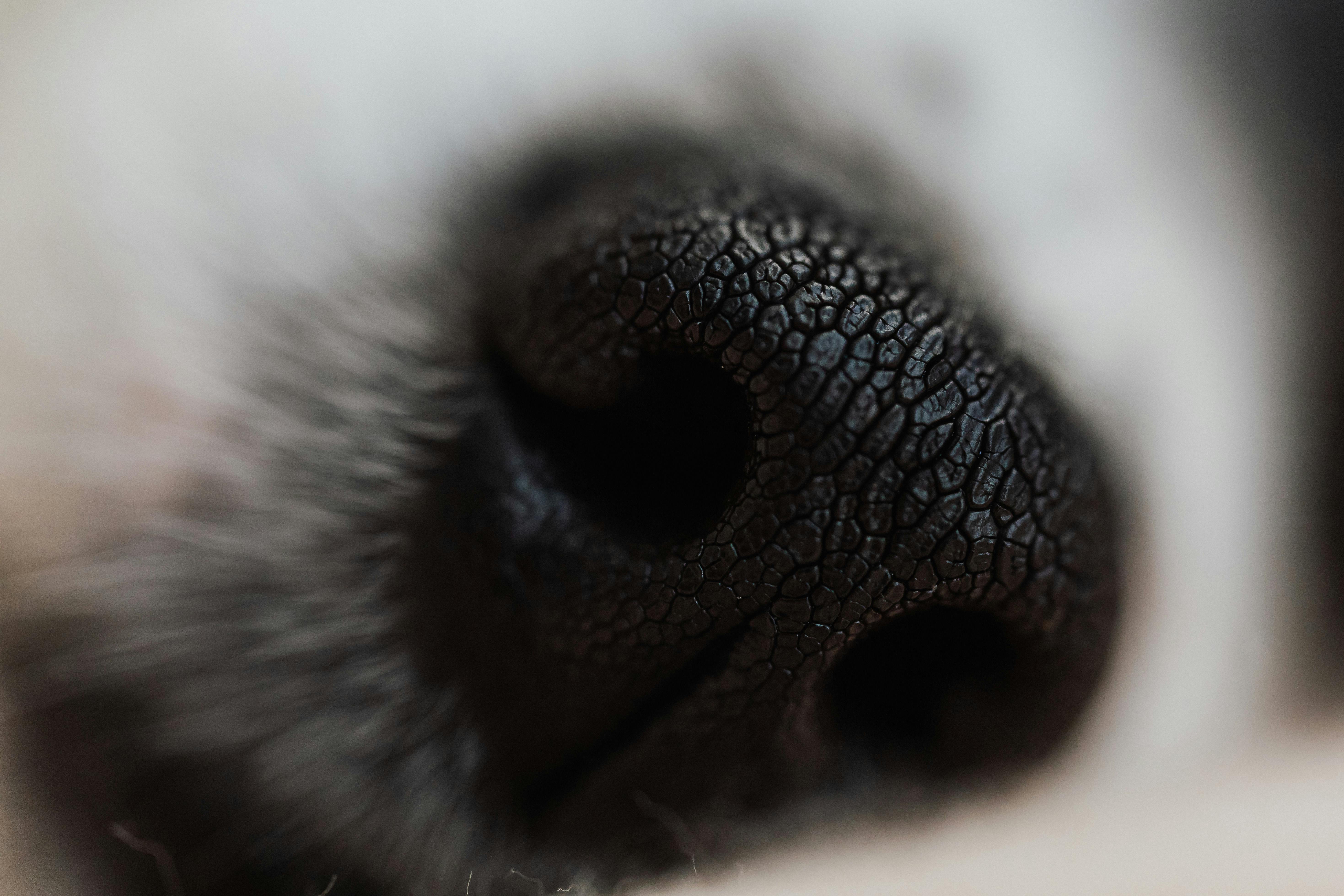 \n\n
\n\nDogs are often considered man's best friend for a good reason. They provide companionship, loyalty, and love. But have you ever stopped to think about why dogs have wet noses? It's not just an odd quirk of nature; there’s a fascinating science behind it that enhances their incredible sense of smell. In this article, we will explore the anatomy of a dog's nose, how it works, and why that wetness plays such an important role.
\nThe Anatomy of a Dog's Nose
\nDogs have a unique nose structure that is dramatically different from humans. Here's some key facts about dog noses:
\n- \n
- \n
Olfactory Receptors: Dogs has about 220 million olfactory receptors in their noses, compared to humans, who has only about 5 million. This means dogs can smell things we can’t even imagine!
\n \n - \n
Nasal Turbinates: Inside a dog’s nose, there is a complex structure called the nasal turbinates. These are bony structures that help filter and warm the air, and more importantly, they increase the surface area for olfactory receptors.
\n \n - \n
Vomeronasal Organ: Also known as Jacobson's organ, this special organ helps dogs detect pheromones, which are chemical signals important for communication.
\n \n
Why Do Dogs Have Wet Noses?
\nNow let’s dive into the reason behind those wet noses. You might think it’s just a cute feature, but there’s more to it. Here are some of the reasons:
\n- \n
- \n
Enhanced Scent Reception: A wet nose helps to capture scent particles from the air more effectively. The moisture allows odor molecules to adhere better, which enhances a dog's ability to detect scents.
\n \n - \n
Temperature Regulation: Dogs don’t sweat like humans do. Instead, they regulate their body temperature through their noses. The wetness helps cool down their body when they pant.
\n \n - \n
Health Indicator: A dog’s nose can indicate their health status. A dry or cracked nose may signal dehydration or illness, while a moist nose is usually a sign of a healthy dog.
\n \n - \n
Grooming Behavior: Dogs often lick their noses, which keeps it moist. This is a natural behavior that contributes to their olfactory capabilities.
\n \n - \n
Communication: Dogs use their noses to explore their environment and communicate with other dogs. A wet nose can be an inviting gesture when they meet other pets.
\n \n
Historical Context of Dog Noses
\nDogs have been domesticated for thousands of years, and their noses have evolved to serve specific purposes. Historically, dogs were bred for hunting and herding, so their sense of smell was paramount. Here’s some interesting historical facts:
\n- \n
- \n
Hunting: In ancient times, dogs were indispensable for tracking prey. Their wet noses helped them follow scent trails in the wilderness.
\n \n - \n
Breeds and Scent: Different breeds have been developed for various tasks, such as bloodhounds for tracking and beagles for hunting. Each breed has specific nose structures that enhance their unique abilities.
\n \n - \n
Cultural Significance: In many cultures, dogs were revered not just for their companionship but also for their tracking skills. They were often depicted in art and folklore for their keen sense of smell.
\n \n
Fascinating Comparisons: Dog Noses vs. Human Noses
\nWhen you compare dog noses to human noses, the differences become quite apparent. Here’s a quick overview:
\n| Feature | \nDog Nose | \nHuman Nose | \n
|---|---|---|
| Olfactory Receptors | \n~220 million | \n~5 million | \n
| Structure | \nComplex turbinate structure | \nSimple nasal cavity | \n
| Functionality | \nPrimarily for smell | \nPrimarily for smell and breathing | \n
| Moisture | \nUsually wet, enhances smell detection | \nGenerally dry | \n
| Temperature Regulation | \nHelps cool the body | \nLimited ability | \n
Practical Implications of a Dog's Sense of Smell
\nUnderstanding the significance of a dog's wet nose can have real-world implications for dog owners. Here are some practical tips:
\n- \n
- \n
Engage their Sense: Use scent-based games or toys that allow your dog to use their nose. Hide treats around the house and let them find them!
\n \n - \n
Health Monitoring: Keep an eye on your dog’s nose. If it feels excessively dry or shows signs of cracking, it might be time for a vet visit.
\n \n - \n
Temperature Awareness: On hot days, be mindful of your dog’s well-being. A wet nose can indicate that they are trying to cool down.
\n \n
Through examining the anatomy and the purpose of their wet noses, it becomes clear that dogs are uniquely designed for their roles as companions and helpers. Their noses are not just cute features; they are essential tools that enhance their interaction with the world around them. Understanding this can deepen your appreciation for your furry friend, encouraging you to care for them even
\n\nIs Your Dog's Wet Nose Healthy? Key Signs to Look For!
\n\n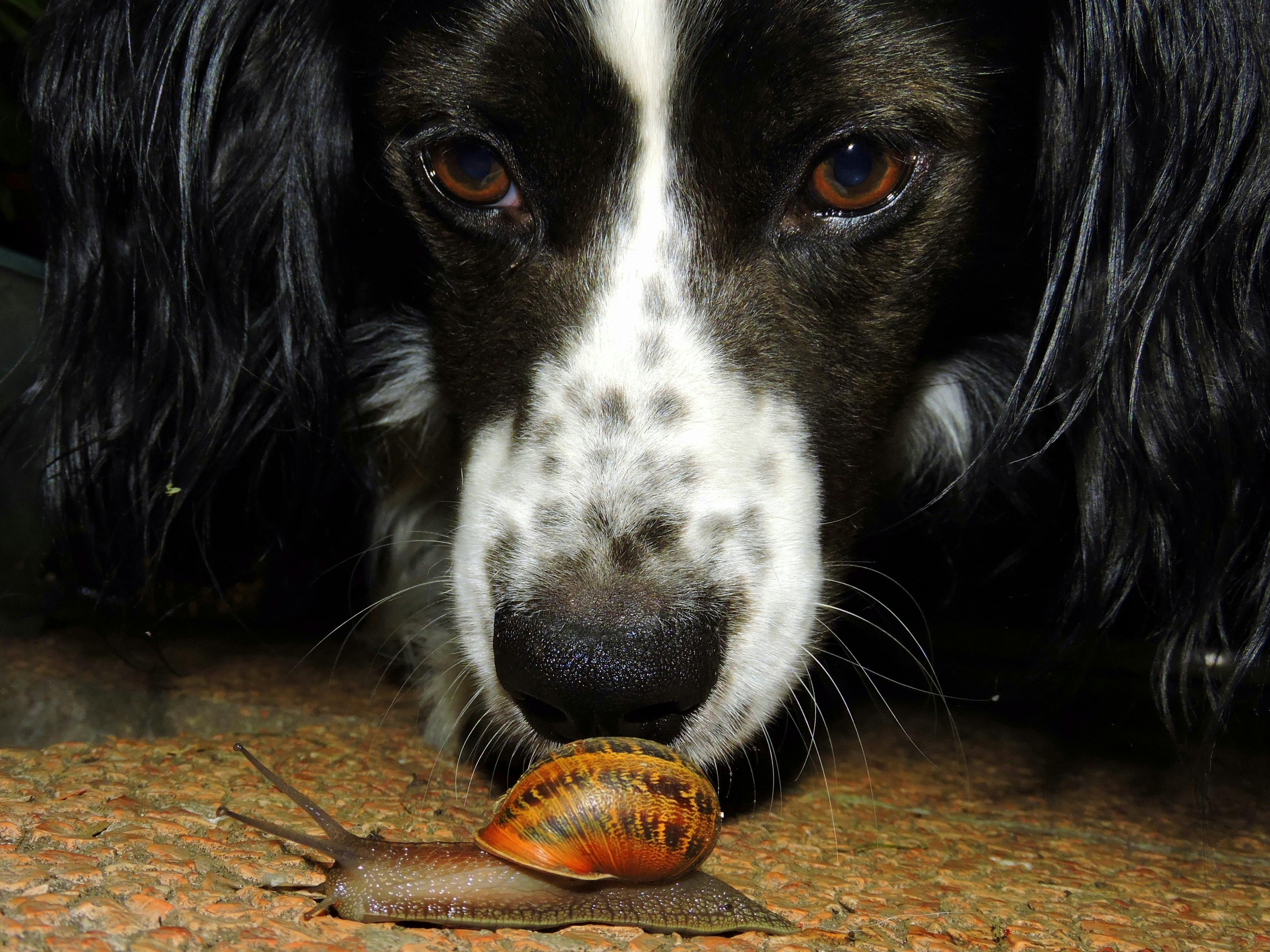 \n\n
\n\nWhen you see your dog, one of the first things that catch your eye might be their wet nose. But what does it mean? Is your dog's wet nose healthy? Dogs noses are not only adorable, but they also play a vital role in their health. Knowing why dogs have wet noses can help you understand your furry friend better. So, let’s dive into the fascinating truth behind those damp snouts and explore the key signs to look for when assessing your dog’s health.
\nWhy Do Dogs Have Wet Noses?
\nDogs have wet noses for several reasons. First, it helps them to sense the world around them. Dogs have an incredible sense of smell — it's way more sensitive than ours. The moisture on their noses helps to capture scent particles, which enhances their ability to smell.
\nHere are some reasons why dogs noses are wet:
\n- \n
- Scent Detection: The moist surface helps absorb scent particles. \n
- Temperature Regulation: Dogs can’t sweat like humans do. A wet nose can help them cool down a bit. \n
- Health Indicator: A wet nose is often a sign of a healthy dog, but it’s not the only sign. \n
Key Signs of a Healthy Dog Nose
\nNot all wet noses are created equal. A healthy dog's nose is not just about being moist. Here are some key signs to look for:
\n- \n
- Temperature: A healthy nose is cool to the touch. If your dog’s nose is hot, it might indicate a fever. \n
- Moisture Levels: While wet is good, it shouldn’t be dripping. Excessive moisture can indicate health issues. \n
- Color: A healthy nose is typically dark in color. If it changes color or appears flaky, it could be a sign of problems. \n
- Texture: A smooth and soft texture is ideal. Rough or cracked surfaces can indicate dehydration or other health issues. \n
- Behavioral Changes: If your dog is unusually lethargic or uninterested in food, it’s time to consult a vet. \n
Common Nose Issues in Dogs
\nSometimes, a dog's nose can show signs of distress or illness. Here’s a list of common nose issues and what they might mean:
\n- \n
- Dry Nose: This can be normal sometimes, but if it persists, it could indicate dehydration or other health problems. \n
- Cracked Nose: This may be a sign of allergies or skin infections. \n
- Discoloration: Changes in color can signal autoimmune diseases or infections. \n
- Excessive Nasal Discharge: Mucus or blood can indicate infections or other serious health concerns. \n
What to Do if You Notice Changes
\nIf you notice any unusual signs in your dog’s nose, it’s crucial to act quickly. Here are some steps to follow:
\n- \n
- Observe Other Symptoms: Take note of any other changes like lethargy, appetite, or behavior changes. \n
- Check Temperature: Use a thermometer to check if your dog has a fever, as this can be an important indicator. \n
- Consult a Veterinarian: If multiple signs are present or if you’re just concerned, it’s best to get professional advice. \n
Fun Facts About Dog Noses
\nDid you know that a dog's nose print is unique, just like a human fingerprint? Here are some more fun facts about dog noses:
\n- \n
- Dogs have about 300 million smell receptors in their noses, compared to a human's 5 million. \n
- The wetness of a dog's nose can change throughout the day based on activities and environmental factors. \n
- Certain breeds have different nose shapes, which can affect their sense of smell. \n
Additional Considerations for Dog Owners
\nBeing a dog owner means paying attention to the little things that can affect your pet’s health. Here are some practical tips:
\n- \n
- Hydration: Ensure your dog drinks plenty of water, especially during hot weather. \n
- Diet: A balanced diet can help keep your dog's skin and nose healthy. \n
- Routine Check-ups: Regular visits to the vet can help catch any potential issues early. \n
To sum it up, the wetness of your dog’s nose is more than just a cute feature; it’s also a window into their health. If you’re ever in doubt or notice significant changes, don’t hesitate to reach out to a veterinarian. Keeping an eye on your dog’s nose health can lead to a long, happy life for your furry friend.
\n\nThe Role of Moisture: How Wet Noses Help Dogs Regulate Their Body Temperature
\n\n \n\n
\n\nHave you ever wonder why dogs have wet noses? Many people think it’s just an adorable trait, but there’s a lot more going on under that shiny surface. The moisture found on a dog's nose serve multiple purposes, and they play a crucial role in regulating their body temp. Let’s dive into the fascinating world of canine anatomy and discover why those wet noses are so important.
\nThe Science Behind Wet Noses
\nThe primary reason why dogs have wet noses is their ability to cool down. Unlike humans who sweat to regulate body temperature, dogs do not sweat through their skin. Instead, they primarily rely on panting and the moisture on their noses to help them stay cool. Here are some key points about how it works:
\n- \n
- Evaporation Cooling: When the moisture evaporates from a dog's nose, it helps to cool down their body temperature. As the water changes from liquid to vapor, it absorbs heat, providing a cooling effect. \n
- Enhanced Sense of Smell: A wet nose helps to capture scent particles in the air. The moisture allows these particles to dissolve, making it easier for dogs to detect smells. This is why dogs are known for their incredible sense of smell, often thousands of times more sensitive than humans. \n
Historical Context of Dog Noses
\nLong before humans bred dogs for specific traits, their wet noses played a vital role in survival. Ancient dogs relied on their sense of smell for hunting, tracking, and finding food. The moisture on their noses was crucial in detecting prey and navigating their environment. Over the years, this trait has become more pronounced, resulting in the wet noses we see today.
\nReasons for Nose Moisture
\nThere are several reasons why dogs have wet noses. Here’s a breakdown:
\n- \n
- \n
Temperature Regulation: As mentioned, wet noses help maintain a dog’s body temperature, especially in warm weather.
\n \n - \n
Scent Detection: The wetness helps them sniff out scents better, having a direct impact on their ability to hunt and explore.
\n \n - \n
Health Indicator: A dog's nose moisture can reflect their health. A dry nose might indicate dehydration or illness, while a wet nose generally means your furry friend is healthy.
\n \n
What Affects Nose Moisture?
\nSeveral factors can affect the moisture level of a dog’s nose. Here are some of them:
\n- \n
- \n
Weather Conditions: During hot days, you may notice your dog’s nose is wetter; this is because they are trying to cool down. Conversely, in cold or dry weather, noses may become drier.
\n \n - \n
Activity Level: Dogs that are active will often have wetter noses due to increased panting and moisture production.
\n \n - \n
Health Status: Illness, allergies, or dehydration can lead to a drier nose. Always consult with a vet if you notice significant changes in your dog's nose.
\n \n
Fun Facts About Dog Noses
\n- \n
- Did you know that each dog’s nose print is unique? Just like human fingerprints, they can be used to identify dogs. \n
- Dogs have around 220 million scent receptors in their noses, compared to about 5 million in humans. \n
- The color of a dog's nose can vary widely, and it can change with age or health conditions. \n
Comparison: Dog Noses vs. Human Noses
\nHere’s a quick look at some differences between dog noses and human noses:
\n| Feature | \nDog Nose | \nHuman Nose | \n
|---|---|---|
| Scent Receptors | \n220 million | \n5 million | \n
| Temperature Regulation | \nYes | \nNo (sweat glands) | \n
| Moisture Function | \nEnhances scent detection | \nLimited cooling effect | \n
| Unique Prints | \nYes | \nNo | \n
Practical Tips for Dog Owners
\nKeep an eye on your dog's nose health. Here are some tips:
\n- \n
- Hydration: Ensure your dog stays hydrated, especially in hot weather. \n
- Regular Vet Check-ups: Regular checks can help catch any potential health issues early. \n
- Nose Care: If your dog’s nose looks cracked or dry, consider using nose balm made specifically for dogs. \n
Understanding why dogs have wet noses not only enriches our knowledge about our furry friends but also helps us take better care of them. Next time you pet your dog and feel that cool, moist nose, remember just how much it contributes to their health and well-being. Wet noses are just one of those amazing features that make dogs special!
\n\nWhy Do Some Dogs Have Drier Noses? Exploring the Causes and Solutions
\n\n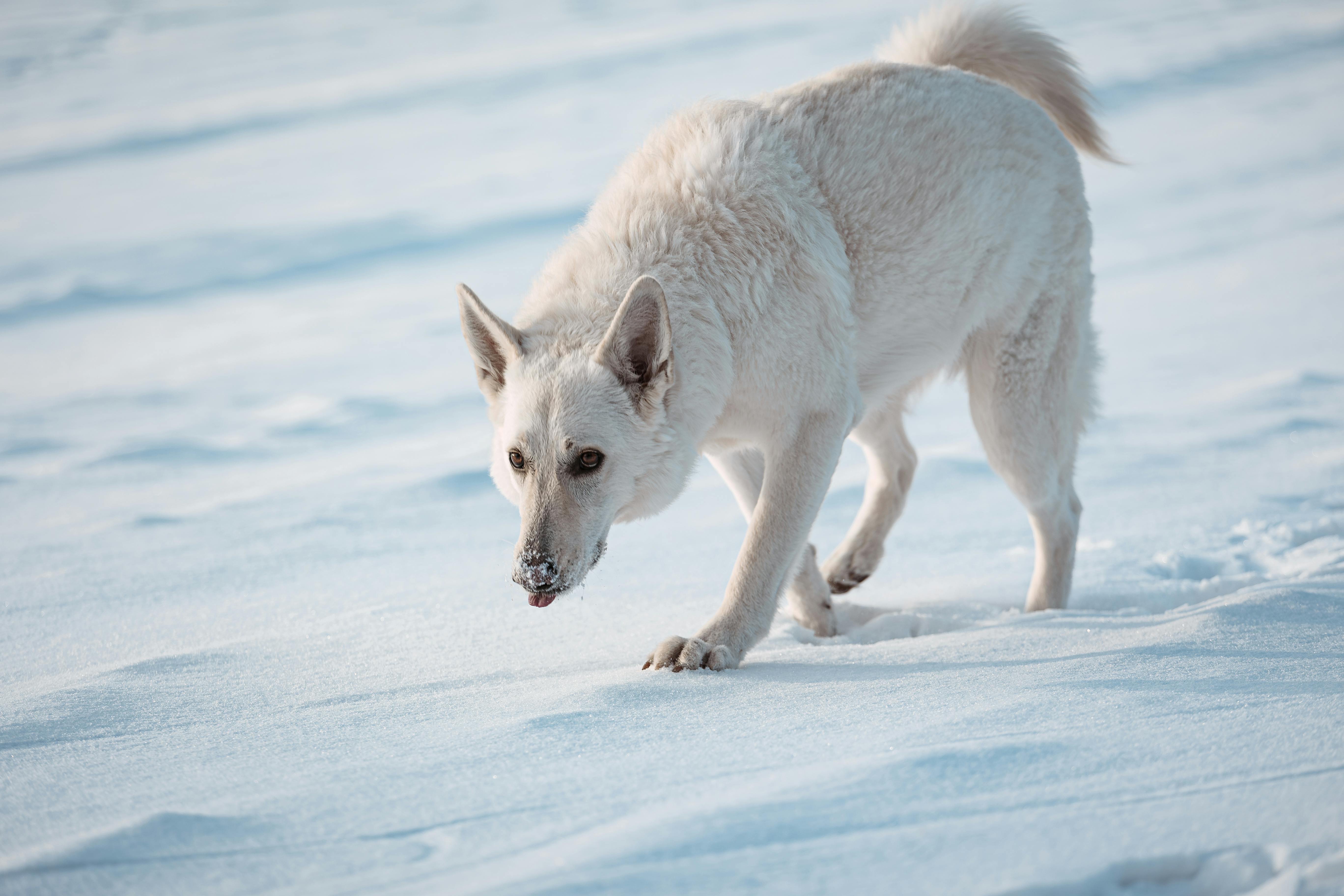 \n\n
\n\nDogs are truly fascinating creatures, and one of the most interesting things about them is their noses. You ever noticed how some dogs have wet noses while others have drier noses? This can leave many dog owners wondering why that is. So, let's explore the reasons behind why do some dogs have drier noses? And also, why do dogs have wet noses? There is a lot to learn about this topic, and we’re gonna dive into it!
\nWhat’s the Deal with Wet Noses?
\nFirstly, wet noses serve a purpose. Dogs have moist noses due to a thin layer of mucus that helps them smell better. You see, a dog's sense of smell is around 10,000 to 100,000 times more sensitive than humans. When their noses are wet, it traps scent particles from the environment, which makes it easier for them to sniff out interesting things. It’s like their own personal scent-enhancing tool!
\nWhy Do Some Dogs Have Drier Noses?
\nNow, let’s talk about those pups with drier noses. There are many reasons why some dogs might have a dry nose. Here’s a list of some common causes:
\n- \n
- Dehydration: Just like humans, dogs need water too, and if they don’t drink enough, their noses might dry out. \n
- Weather Conditions: Hot sun or windy conditions can dry out a dog’s nose. Dry air is not helpful, especially during winter months. \n
- Health Issues: Sometimes, a dry nose can indicate health problems. Allergies, infections, or autoimmune diseases can lead to a dry nose. \n
- Old Age: As dogs grow older, their skin can lose moisture, including the skin on their noses. \n
- Breed Differences: Certain dog breeds are more prone to having dry noses. For instance, brachycephalic breeds (like Bulldogs) may have drier noses due to their unique facial structures. \n
Is a Dry Nose Always a Bad Sign?
\nNot really! A dry nose doesn’t always mean something is wrong. Dogs can have varying nose moisture levels throughout the day. After a good nap or during playtime, a nose can dry up for a bit. It's important to pay attention to other signs, like their behavior and overall health. If they seem fine, then it might just be normal for them.
\nWet Nose vs. Dry Nose: What’s the Difference?
\nIt’s interesting to compare wet noses with dry noses. Here’s a simple table to illustrate some differences:
\n| Characteristic | \nWet Nose | \nDry Nose | \n
|---|---|---|
| Moisture Level | \nHigh | \nLow | \n
| Smell Sensitivity | \nEnhanced | \nReduced | \n
| Health Indicator | \nGenerally healthy | \nCan indicate issues | \n
| Weather Sensitivity | \nLess affected by weather | \nMore affected by weather | \n
| Breed Differences | \nCommon in most breeds | \nMore common in some breeds | \n
Solutions for a Dry Nose
\nIf you’re worried about your dog’s dry nose, there are several solutions you can try. Here’s a list of practical tips:
\n- \n
- Hydration: Make sure your furry friend has access to fresh water all day. Dehydration can lead to a dry nose. \n
- Humidifiers: If you live in a dry climate, consider using a humidifier in your home to add moisture to the air. \n
- Nose Balm: There are various pet-safe nose balms available that can moisturize their nose. Just be sure to read the labels. \n
- Regular Vet Check-ups: Keeping up with vet visits can help catch any underlying health issues before they become serious. \n
The Fascinating Truth About Dog Noses
\nDogs have wet noses for a reason, and it’s not just about smelling. It helps regulate their body temperature too! When they pant, moisture from their nose evaporates, which cools them down. Pretty neat, right?
\nAlso, the texture of their nose can give clues about their health. A healthy dog usually has a cool, wet nose, while a warm, dry nose can signal illness. But don’t panic! Not all changes in nose moisture are alarming.
\nIn summary, understanding why do some dogs have drier noses and why do dogs have wet noses is important for dog owners. It helps us take better care of our pets and recognize when something might be wrong. So, keep an eye on your dog’s nose, but remember that it’s just one part of their overall health!
\n\nThe Fascinating Connection Between a Dog's Wet Nose and Their Emotions
\n\n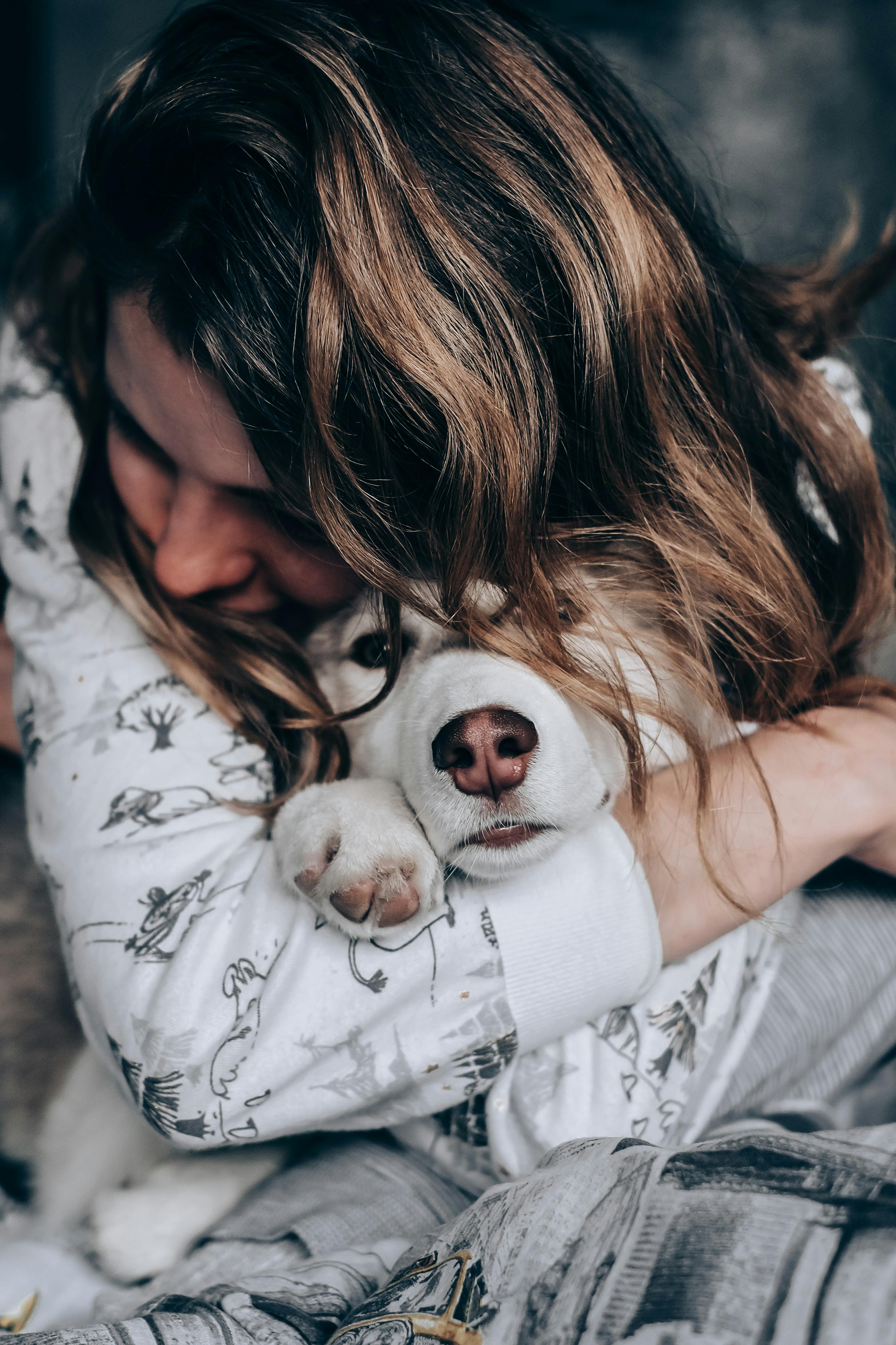 \n\n
\n\nDogs are more than just pets; they are companions, family members, and sometimes, even our therapists. One of the most interesting features about dogs is their wet noses. Most people have probably noticed that a dog’s nose is often damp, but have you ever wondered why do dogs have wet noses? There’s a fascinating connection between the moisture on their snouts and their emotions, health, and even their ability to sense the world around them.
\nThe Science Behind a Dog's Wet Nose
\nFirst, let’s delve into the scientific reasoning. A dog’s nose is wet primarily because of a special type of mucous. This mucous helps to absorb scent chemicals from the environment. When a dog sniffs, the moisture on their nose helps capture these scent particles, allowing them to gather more information about their surroundings. In other words, their wet noses serve as an essential tool for their olfactory system.
\n- \n
- Scent Detection: Dogs possess up to 300 million scent receptors, compared to a human’s mere 5 million. The wetness on their noses enhances their scent detection abilities, making them extraordinary creatures for tracking and sniffing out things like drugs, explosives, or even people. \n
- Temperature Regulation: A dog's nose can also help in regulating their body temperature. Just like humans sweat, dogs can cool themselves off through their noses. The moisture evaporating from their noses helps to keep them cool. \n
Emotional Indicators
\nBeyond the scientific explanations, there’s a more emotional aspect to a dog’s wet nose. Dogs are often seen as emotional barometers, and their noses play a role in that too. A wet nose can indicate different emotional states.
\n- \n
- Happy Excitement: When a dog is happy or excited, their noses tend to be wetter. This is often seen when they greet their owners or experience something joyful. \n
- Anxiety or Stress: Conversely, if a dog is feeling anxious or stressed, their nose may be dry. Keeping an eye on your dog’s nose can give insight into how they’re feeling at any given moment. \n
Historical Context of Dog Noses
\nThroughout history, dogs have been seen as loyal companions. Ancient civilizations, from Egyptians to Greeks, recognized the importance of dogs in their lives. They often noted the significance of a dog’s senses, especially their sense of smell. In fact, dogs were used in hunting and tracking for centuries, proving their noses were more than just a cute feature but rather a vital tool for survival.
\nFun Facts About Dog Noses
\nHere are some interesting tidbits that you probably didn’t know about dog noses:
\n- \n
- Unique Patterns: Just like human fingerprints, every dog has a unique nose print. This can be used similarly to identify them. \n
- Nose Size Matters: A dog’s nose size can affect their smell abilities. Breeds like Bloodhounds, known for their large, droopy noses, are exceptional scent trackers. \n
- Temperature Gauge: A dog’s wet nose can also be a gauge for their health. If a dog’s nose is consistently dry and warm, it might be an indication of illness. \n
Comparison: Dogs vs. Cats
\nWhen comparing dogs to cats, one might wonder about the differences in their noses.
\n- \n
- Dogs: Dogs have moist noses for scent detection and temperature regulation. \n
- Cats: Cats typically have drier noses, and they rely more on their sense of sight and hearing. \n
This difference highlights how each species has evolved to adapt to their specific roles in the environment.
\nPractical Example: Understanding Your Dog
\nAs a dog owner, it’s essential to pay attention to your pet’s nose. If you notice sudden changes, such as a dry nose or unusual temperature, it’s a good practice to consult a vet. Dogs communicate a lot through their physical state, and their noses can provide valuable clues about their well-being.
\n- \n
- Wet, Cool Nose: Generally, this indicates a healthy and hydrated dog. \n
- Dry, Warm Nose: This could signal illness or dehydration. \n
Understanding why do dogs have wet noses is just the tip of the iceberg when it comes to understanding our furry friends. Their noses are not just cute—they are a window into their health, emotions, and instincts.
\nSo next time you lean down to give your dog a scratch behind the ears, take a moment to appreciate that wet nose. It’s not just a unique feature; it’s a fascinating part of who they are. Embracing the wonder of a dog’s wet nose can deepen the bond between you and your canine companion.
\n\nCan You Train Your Dog's Nose? Tips for Encouraging a Healthy, Wet Nose
\n\n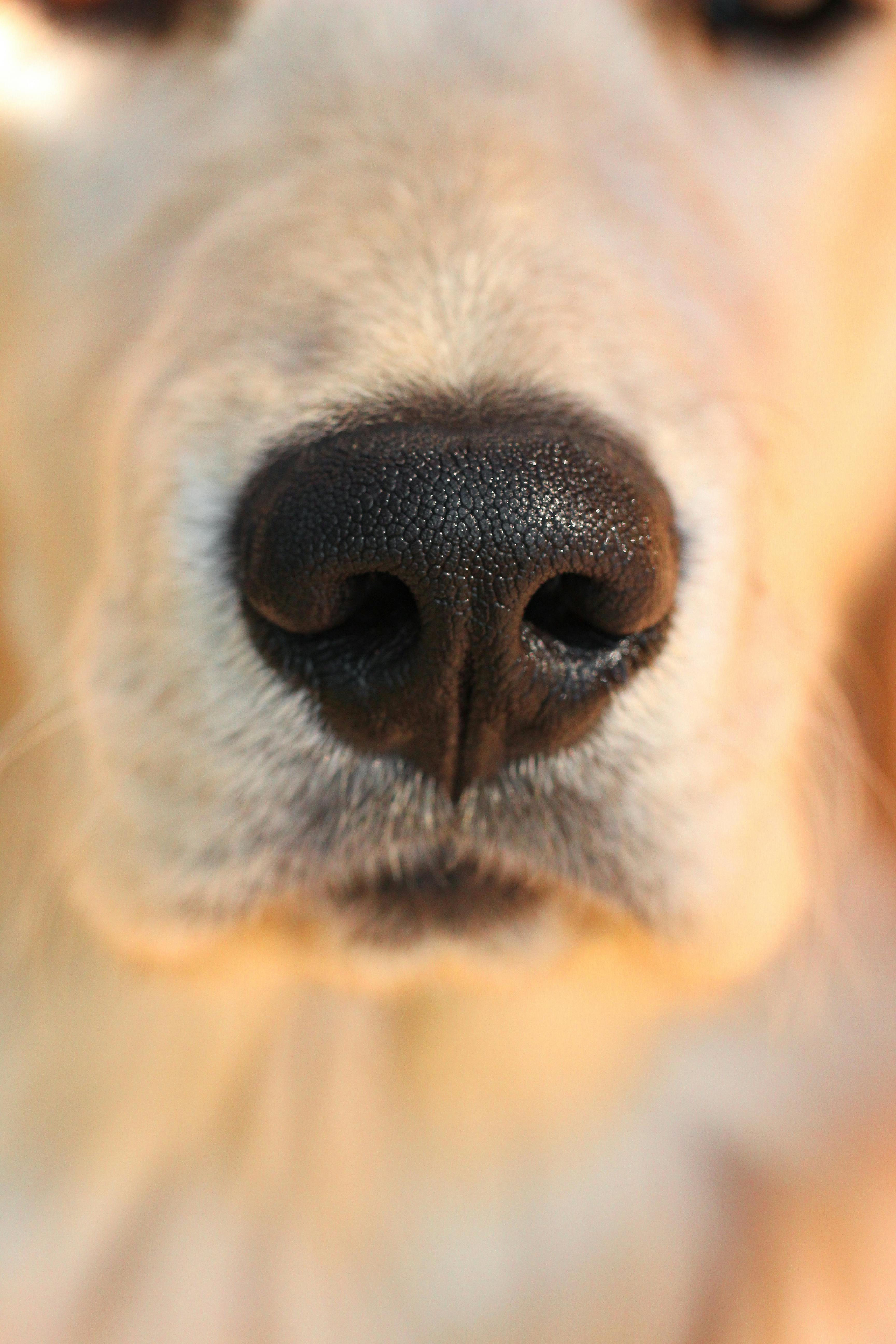 \n\n
\n\nDogs are beloved companions, and their wet noses are often one of the most endearing traits they have. But have you ever wondered why do dogs have wet noses? It turns out, there is more than just cuteness behind that wet snout. Plus, many people ask if they can train their dog’s nose to do certain things. Let’s dive into the fascinating world of canine noses and discover some tips for encouraging a healthy, wet nose.
\nWhy Do Dogs Have Wet Noses?
\nThe wetness of a dog’s nose serves several important purposes. First, it helps with their sense of smell. A dog’s nose is packed with olfactory receptors, and having a moist surface allows for better absorption of scent molecules. This moisture not only helps dogs detect smells better, but it also plays a role in temperature regulation.
\nHere’s some key facts about why dog noses are wet:
\n- \n
- Enhanced Smell: The moisture on a dog’s nose helps to capture scent particles, making it easier for them to identify different smells. \n
- Thermoregulation: Dogs don’t sweat like humans do; instead, they rely on their noses and panting to cool down. A wet nose can help regulate their body temperature. \n
- Health Indicator: The condition of a dog’s nose can be an indicator of their health. A dry or cracked nose can sometimes signal dehydration or illness. \n
Can You Train Your Dog's Nose?
\nYes, you can train your dog's nose! Dogs have an incredible ability to learn and adapt, which means you can teach them to use their nose for various tasks. Training can help improve their sense of smell, which is not only fun but also can be useful in different scenarios, like finding lost items or even sniffing out certain scents for medical reasons.
\nHere are some tips for encouraging your dog's nose training:
\n- \n
- \n
Start with Basic Commands: Teach your dog to associate their nose with specific actions. Use commands like "find it" or "search" to encourage them to use their nose.
\n \n - \n
Use Treats and Toys: Hide treats or favorite toys around your home or yard and let your dog sniff them out. This can be a fun game and also reinforces their natural instincts.
\n \n - \n
Scent Discrimination: You can use different scents (like herbs or spices) and teach your dog to identify them. Start with one scent and gradually introduce more as they get the hang of it.
\n \n - \n
Positive Reinforcement: Always reward your dog with praise, treats, or playtime when they successfully use their nose. This builds a positive association and encourages them to keep using their nose.
\n \n - \n
Consistency is Key: Regular practice will help solidify their skills. Make it a routine part of their playtime.
\n \n
Tips for Encouraging a Healthy, Wet Nose
\nMaintaining that wet nose is crucial for your dog's overall health. Here are some practical tips to keep your pup's nose healthy and hydrated:
\n- \n
- \n
Hydration: Ensure your dog has access to fresh water at all times. Dehydration can lead to a dry nose, so keep them hydrated.
\n \n - \n
Environmental Factors: Avoid exposing your dog to extreme weather conditions. Hot or cold weather can affect their nose. If it’s cold, consider using a doggy coat or paw balm.
\n \n - \n
Regular Checks: Look at your dog’s nose regularly for any signs of cracks or dryness. If you notice any unusual changes, consult your veterinarian.
\n \n - \n
Diet and Nutrition: A healthy diet can impact the condition of their nose. Ensure your dog is getting balanced nutrition which can promote overall health.
\n \n - \n
Consult a Vet: If your dog’s nose is persistently dry or cracked, it might be worth checking in with a vet to rule out any underlying health issues.
\n \n
Fascinating Facts About Dog Noses
\n- \n
- Dogs have about 220 million scent receptors, compared to humans who only have about 5 million. \n
- The structure of a dog’s nose is unique, which is why they can be trained to identify specific scents, such as drugs or explosives. \n
- Dogs can detect certain medical conditions in humans through scent, like low blood sugar or certain types of cancer. \n
- The texture and temperature of a dog’s nose can vary based on breed, health, and environment. \n
In the end, understanding why dogs have wet noses and how you can train them to use their incredible sense of smell can enrich your bond with your furry friend. It’s not just about the adorableness; it’s about keeping them healthy and engaged. Dogs are amazing creatures, and with a little effort, you can help them harness their natural abilities while ensuring their noses stay healthy and wet!
\n\nWet Noses and Dog Behavior: What Your Pup's Nose Says About Their Health
\n\n\n\nWet noses, they’re one of those adorable traits that make dogs so lovable. But did you ever stop to think about what those wet noses means? Dogs have wet noses for a variety of reasons, and understanding it can give you insight into your pup's health. In this article, we’ll explore why do dogs have wet noses, what it says about their behavior, and why it matters for their overall well-being.
\nWhy Do Dogs Have Wet Noses?
\nFirst off, let’s dive into the science part. A dog's nose is moist for a few important reasons. Here’s a breakdown:
\n- \n
- \n
Temperature Regulation: Dogs don’t sweat like humans do. Their primary means of cooling off is through panting and, to some extent, through their noses. A wet nose helps to cool the blood vessels located there, which helps regulate their body temperature.
\n \n - \n
Enhanced Sense of Smell: Dogs have an incredible sense of smell, which is way more sensitive than humans. The moisture on their noses helps to capture scent particles from the air. This is why a wet nose is often associated with a dog's keen ability to sniff out things.
\n \n - \n
Health Indicator: Generally, a wet nose is considered a sign of a healthy dog. However, this isn’t always the case. A dry or cracked nose can indicate dehydration, illness, or other health issues.
\n \n
The Fascinating Truth About Dog Behavior
\nSo, what does your pup's wet nose say about them? Here are some behaviors associated with a wet nose:
\n- \n
- \n
Affectionate Behavior: When dogs nuzzle you with their wet noses, it’s often a sign of affection and trust. They’re seeking comfort and connection, showing they feel safe with you.
\n \n - \n
Curiosity and Exploration: Dogs use their noses to explore the world. A wet nose often indicates that they’ve been sniffing around, eager to learn about their environment.
\n \n - \n
Stress or Anxiety: Sometimes, a wet nose can indicate stress. If a dog is anxious or fearful, their nose may become damp due to increased panting or rapid breathing.
\n \n
What A Wet Nose Can Reveal About Your Dog's Health
\nUnderstanding your dog’s health through their nose is crucial. Here’s a quick list of conditions that a wet nose can indicate:
\n- \n
- \n
Normal Health: Generally, a wet nose is a sign that everything is fine. A moist nose indicates hydration and normal functioning.
\n \n - \n
Dehydration: If a dog’s nose is dry and warm, it might mean they’re dehydrated. Ensure they have access to fresh water.
\n \n - \n
Infections: A nose that is excessively wet or has discharge can suggest an underlying infection, such as nasal discharge or allergies.
\n \n - \n
Fever: A warm, dry nose can sometimes indicate a fever. If your dog’s behavior changes suddenly, a visit to the vet is in order.
\n \n
How to Keep Your Dog's Nose Healthy
\nTaking care of your dog’s nose is important. Here are some practical tips:
\n- \n
- \n
Hydration: Always ensure your dog has access to clean, fresh water. This helps keep their nose moist and healthy.
\n \n - \n
Regular Vet Check-ups: Regular visits to the vet can help catch any health issues early on. Discuss any changes in your dog's nose or behavior.
\n \n - \n
Observe Changes: Keep an eye on your dog’s nose. If you notice any significant changes like cracked or excessive moisture, it’s best to consult a vet.
\n \n
Fun Facts About Dogs and Their Noses
\n- \n
- \n
Dogs have about 220 million scent receptors in their noses, compared to humans who have about 5 million. This makes their sense of smell incredibly acute.
\n \n - \n
The shape of a dog’s nose can also affect their sense of smell. Breeds with longer noses often have better scent detection abilities.
\n \n - \n
Dogs can even smell fear. Their ability to detect pheromones means they can sense emotions in humans.
\n \n - \n
Different breeds have different nose wetness, with some dogs naturally having drier noses than others.
\n \n
Wet noses are more than just a cute feature of dogs; they are an essential part of their health and behavior. Understanding what your dog’s wet nose means can help you care for them better and strengthen your bond. So next time you give your pup a scratch behind the ears, take a moment to appreciate that wet, cold nose and everything it tells you about their well-being.
\n\nSeasonal Changes and Wet Noses: How Weather Affects Your Dog's Snout Moisture
\n\n \n\n
\n\nSeasonal changes bring a lot of joy for dog owners, from the crisp air of autumn to the sunny days of summer. One thing that many might notice is their dog's nose. Have you ever wondered why do dogs have wet noses? This question leads to an interesting exploration of canine anatomy, behavior, and how weather can affect them. Let's dive into this fascinating topic and see how the weather shapes the moisture levels in your dog's snout.
\nWhy Do Dogs Have Wet Noses?
\nFirst off, the wetness of a dog's nose serves several important purposes. Here’s a breakdown of why it's so vital:
\n- \n
- \n
Scent Enhancement: A wet nose helps dogs to absorb scent molecules better. The moisture captures these particles, making it easier for dogs to detect scents in the environment.
\n \n - \n
Temperature Regulation: Dogs don’t sweat like humans do. Instead, their noses being moist helps with thermoregulation. A cool snout can help to keep the overall body temperature down.
\n \n - \n
Health Indicator: A dog's nose can also be an indicator of their health. Changes in moisture levels or texture can signal illness or dehydration.
\n \n
How Weather Affects Nose Moisture
\nThe weather can play a crucial role in the moisture levels of your dog's nose. Depending on the season, you may notice fluctuations, which is pretty normal.
\nWarm Weather
\nDuring those hot summer days, your dog's nose might feel drier. Here’s why:
\n- \n
- \n
Evaporation: Higher temperatures cause moisture to evaporate quickly. A hot day can lead to a dry snout.
\n \n - \n
Increased Activity: When dogs are more active, they may not be able to keep their noses wet. Running and playing can divert their attention away from licking their snouts.
\n \n
Cold Weather
\nIn contrast, when winter rolls around, your dog's nose often feels wetter. Here’s how the cold affects it:
\n- \n
- \n
Humidity Levels: Cold air often has higher humidity, which can help keep a dog's nose moist.
\n \n - \n
Behavioral Changes: Dogs may lick their noses more frequently in colder weather to keep them warm and wet.
\n \n
Seasonal Changes and Their Effects
\nEach season brings its own unique effects on your dog’s nose. Here’s a quick rundown:
\n- \n
- \n
Spring: As temperatures rise, you might see a slight increase in dryness. However, the excitement of new scents can lead to more nose wetting as dogs explore the blooming environment.
\n \n - \n
Summer: Expect drier noses due to heat and sun exposure. Make sure to keep your dog hydrated and maybe even use dog-safe sunblock on their noses.
\n \n - \n
Autumn: During this season, moisture levels can stabilize. The cooler temperatures and occasional rain can keep noses moist.
\n \n - \n
Winter: Expect very moist noses due to cooler, humid air. But beware, cold weather can also lead to chapped noses.
\n \n
Practical Tips for Dog Owners
\nHere are some practical tips to ensure your dog's nose stays healthy, regardless of the season:
\n- \n
- \n
Hydration: Always provide fresh water. Hydration plays a crucial role in maintaining moisture levels in your dog's body, including their nose.
\n \n - \n
Nose Balm: For dry noses, especially in winter, consider using a dog-safe nose balm to prevent cracking.
\n \n - \n
Regular Check-ups: Keep an eye on changes. If you notice your dog’s nose is excessively dry or cracked, consult a veterinarian.
\n \n - \n
Limit Sun Exposure: On hot days, keep your dog indoors during peak sun hours. This can help maintain moisture levels.
\n \n - \n
Monitor Behavior: If your dog is excessively licking their nose, it could be a sign of an underlying issue that should be checked out.
\n \n
Conclusion
\nUnderstanding why do dogs have wet noses and how seasonal changes impact them adds an enriching layer to the bond between you and your furry friend. It’s a reminder of how closely connected our pets are to their environment. So next time you notice your dog's nose changing with the weather, you’ll not only know what’s happening but also how to keep them comfortable and healthy throughout the year. Your dog's well-being is worth every effort!
\n\nConclusion
\n\nIn conclusion, the wet noses of dogs serve multiple vital functions that contribute to their overall health and communication. The moisture on their noses enhances their sense of smell, allowing them to detect scents more effectively, which is crucial for their survival and social interactions. Additionally, a wet nose helps regulate their body temperature and plays a role in the intricate communication system among dogs, indicating a state of alertness or readiness to engage. Understanding these fascinating aspects of canine biology not only deepens our appreciation for our furry companions but also highlights the importance of ensuring their well-being. As pet owners, we can support our dogs' health by keeping them hydrated and providing regular veterinary check-ups. Next time you greet your dog, take a moment to appreciate that wet nose—it's a small yet significant feature that reflects their unique biology and connection to the world around them.
\n\n