Have you ever wondered, why do dogs have wet noses? This fascinating mystery has captured the curiosity of pet owners and animal lovers alike. The wetness of a dog's nose isn't just a quirky trait; it serves essential purposes that contribute to your furry friend's overall health and well-being. Many people ask, "Is a wet nose a sign of a healthy dog?" or "What does a wet nose indicate about my dog's emotions?" These questions lead us down a rabbit hole of intriguing insights and scientific discoveries. Research shows that a wet nose helps dogs smell better, as moisture enhances their olfactory receptors, allowing them to detect scents more effectively. Moreover, the wetness can also help regulate their body temperature. But, have you ever considered how this unique feature sets dogs apart from other pets? In this article, we’ll dive deep into the science behind wet noses and uncover the reasons why these adorable companions possess this unique characteristic. Join us on this journey to unravel the mystery and learn more about your beloved canine’s health and behavior.
The Science Behind Wet Noses: Why Your Dog’s Snout is Always Moist

Have you ever noticed how your dog's nose is always moist? It's kinda strange, right? Well, the fascinating mystery of why dogs have wet noses is actually rooted in science, and it reveals a lot about our furry friends. Let's dig into this topic and explore what makes your dog's snout so special.
The Anatomy of a Dog's Nose
First off, a dog's nose isn't just for show. It's a complex organ, designed for a purpose. Dogs have an impressive olfactory system, which means they can smell things way better than humans. Their noses contain millions of scent receptors—around 300 million, while humans have only about 5 million. This incredible capability is one reason why your dog’s nose is always moist; it helps them to absorb scent particles from the environment.
Why Is It Wet?
So, why do dogs have wet noses? Here are a few reasons:
- Cooling Mechanism: Dogs do not sweat like humans do. Instead, they rely on panting and the moisture on their noses to regulate body temperature.
- Enhanced Smell: A moist nose can trap scent particles better, which gives dogs an advantage in smelling things. The wetness helps to dissolve the scent molecules, making it easier for their sensitive receptors to pick them up.
- Health Indicator: A wet nose is typically a sign of a healthy dog. If a dog's nose becomes dry or cracked, it could indicate dehydration or illness.
Historical Context
Historically, dogs have been bred for various purposes, including hunting, herding, and companionship. The importance of a wet nose has been recognized for centuries. Ancient Greeks even noted that dogs with moist noses were generally healthier. This belief has persisted through the ages, and many dog owners today still look for that moisture as a sign of well-being.
Fun Facts About Dog Noses
- Unique Patterns: Just like human fingerprints, each dog's nose has a unique pattern. This uniqueness can even be used for identification.
- Temperature Control: A dog's nose helps to cool its body. The moisture evaporates, which cools the blood vessels near the surface of the skin.
- Sniffing Techniques: Dogs can sniff in layers. They can inhale and exhale simultaneously, allowing them to gather more information about a scent.
Comparisons: Dog Noses vs. Human Noses
Here’s a quick comparison to illustrate the differences between dog noses and human noses:
| Feature | Dog Nose | Human Nose |
|---|---|---|
| Scent Receptors | ~300 million | ~5 million |
| Moisture Levels | Usually moist | Varies, usually dry |
| Temperature Control | Effective | Less effective |
| Identification | Unique patterns | Unique fingerprints |
Practical Examples of Nose Use
Here’s how dogs use their noses in everyday life:
- Tracking: Dogs can track scents over long distances. This is why they’re often used in search and rescue missions.
- Medical Detection: Some dogs are trained to detect medical conditions like diabetes or cancer by smelling changes in body chemistry.
- Social Interactions: Dogs use their noses to gather information about other dogs and humans. They can tell a lot about another dog’s health, mood, and even diet just by sniffing their nose.
What Happens If a Nose is Dry?
If you notice your dog's nose is dry, it might not always be a cause for alarm. Maybe they just woke up from a nap. However, if it stays dry, here are some things you might consider:
- Dehydration: Make sure your dog has access to fresh water at all times.
- Environmental Factors: Dry air or too much sun exposure can dry out a dog's nose.
- Health Issues: If the dryness persists, it may be time to consult your veterinarian to rule out any underlying health problems.
Caring for Your Dog’s Nose
To keep your dog's nose healthy, here are a few tips:
- Hydration: Ensure they drink enough water.
- Moisturize: If their nose is unusually dry, you can use dog-safe nose balms.
- Regular Check-ups: Regular vet visits can help catch potential issues early.
The science behind wet noses is fascinating and reflects the remarkable adaptations of dogs. Their moist snouts are not just a charming feature; they serve essential functions for their health, communication, and survival. Next time you see your pup's wet nose, remember the science behind it—it’s just one of the many ways that dogs continue to amaze us!
7 Fascinating Reasons for Your Dog’s Wet Nose: What Every Pet Owner Should Know
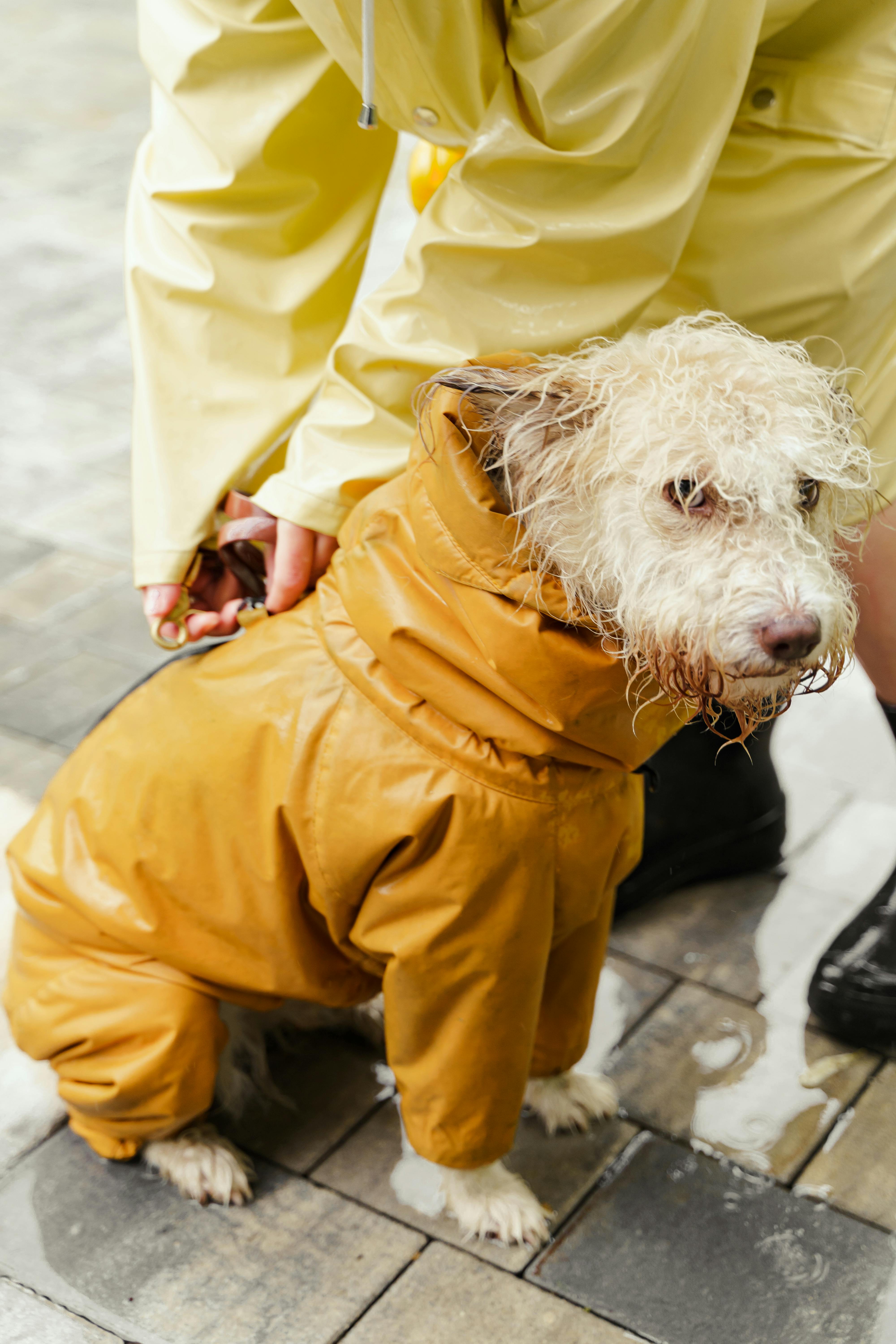
Have you ever notice your dog’s nose? It’s often wet, and many pet owners wonder, why do dogs have wet noses? This simple question hides a fascinating mystery that goes beyond mere appearance. In fact, there are several interesting reasons behind the wetness of a dog’s nose. Let’s dive into the captivating world of canine noses and uncover seven reasons you might not have thought about.
1. Natural Cooling Mechanism
Dogs don’t sweat the same way humans do. Instead, they rely on their noses to help regulate body temperature. When a dog’s nose is wet, it helps cool down their body through evaporation. This is particularly important on hot days when they might be more active. So, when your pup gives you that wet nose nudge, they might just be trying to cool off!
2. Enhanced Sense of Smell
A dog's sense of smell is incredible. They have up to 300 million olfactory receptors compared to a human’s 5 million. A wet nose helps to trap scent particles better, allowing dogs to smell more effectively. The moisture from their nose can help absorb these particles, which makes it easier for them to detect various scents. When dogs sniff around, they are not just being nosy; they are actively engaging their powerful sense of smell.
3. Communication Tool
Dogs use their noses for more than just smelling. The scent left on surfaces is how they communicate with other dogs. A wet nose can pick up scents from various surfaces, allowing dogs to gather information about other animals that passed by. This is part of their social interaction and understanding of the environment. So next time your dog sticks their nose in every corner, remember, it’s all about gathering intel!
4. Health Indicator
A dog's nose can also be an indicator of their health. A wet and cool nose is generally considered a sign of a healthy dog. However, a dry or warm nose might suggest something is wrong. While not a definitive health measure, changes in your dog’s nose can signal dehydration, fever, or other health issues. Keep an eye on your dog’s nose condition—it's one of the first places to show signs of illness.
5. Evolutionary Adaptation
Looking back in history, dogs descended from wolves, who also have wet noses. This trait was essential for their survival in the wild. Wet noses help them track prey and avoid predators by detecting scents more accurately. Over time, domestic dogs kept this trait. So when you see your dog’s wet nose, you’re witnessing a piece of their evolutionary story.
6. Hydration Reminder
Surprisingly, a wet nose can indicate how well-hydrated your dog is. When a dog is well-hydrated, their nose tends to be moist. If you notice it becoming dry, it might be time to encourage your furry friend to drink more water. Keeping your pet hydrated is vital for their overall health and well-being. Check their water bowl regularly, especially in hot weather.
7. Playful Nature
Dogs are playful creatures, and their noses get wet while they explore and engage in activities. Whether they’re running through the grass, splashing in a puddle, or simply enjoying a good romp with their favorite toy, their noses absorb moisture from the environment. This playfulness contributes to their wet noses, symbolizing a happy and engaged pet.
Quick Facts About Dog Noses
- Dogs have more than 200 million scent receptors.
- The moisture in a dog’s nose can vary throughout the day.
- A dog’s nose can change color for various reasons, including temperature and mood.
- Wet noses are often cooler than the rest of their body.
Comparison of Nose Conditions
Here’s a simple breakdown of what different nose conditions might indicate:
| Nose Condition | Possible Implications |
|---|---|
| Wet & Cool | Healthy, hydrated dog |
| Dry & Warm | Possible fever or dehydration |
| Cracked/Dry | Maybe allergies or irritation |
| Excessively Wet | Could indicate a health issue |
When it comes to understanding your dog’s wet nose, there’s a lot more than meets the eye. Dogs are complex creatures, and their noses are just one part of their fascinating biology. As a pet owner, being aware of these facts can help you better care for your furry friend. So the next time you see that adorable wet nose, remember all the reasons behind it!
Is a Wet Nose a Sign of Health? Understanding Your Dog’s Unique Physiology

When you see a dog with a wet nose, do you ever wonder what it means? Many people ask is a wet nose a sign of health? This question leads us into the fascinating world of canine physiology. Dogs are unique creatures, and their wet noses are just one of the many things that make them special. Understanding why do dogs have wet noses can give us insights into their health and behavior.
Why Do Dogs Have Wet Noses?
Dogs have wet noses for several reasons. First, a dog's nose is packed with special glands that secrete moisture. This moisture serves multiple functions. Here’s a quick breakdown:
- Enhanced Smell: The wetness helps to capture scent particles in the air. This means that a dog can smell better than we can, as the moisture on their nose helps to absorb scents more effectively.
- Temperature Regulation: Dogs can’t sweat like humans do. Instead, they rely on panting and the moisture on their noses to help cool themselves down. A wet nose can indicate a dog is properly regulating its body temperature.
- Communication: Just like humans can read emotions through body language, dogs can express feelings through their noses. A wet nose can mean your dog is excited or happy, while a dry nose might indicate anxiety or discomfort.
The Science Behind a Dog's Nose
Did you know that a dog’s nose has up to 300 million smell receptors? In contrast, humans only have about 6 million. This huge difference is what allows dogs to detect specific scents, even in small concentrations.
Here’s a quick comparison of the canine and human sense of smell:
| Feature | Dogs | Humans |
|---|---|---|
| Smell Receptors | ~300 million | ~6 million |
| Brain Area for Smell | 40 times larger | Smaller proportion |
| Ability to Detect | Parts per trillion | Parts per million |
The Myths About Wet Noses
There are many myths surrounding the wetness of a dog’s nose. Some people believe that a wet nose means a dog is healthy, while a dry nose indicates illness. While this can be true in some cases, it’s not a definitive rule. Here are some common misconceptions:
- Myth 1: A wet nose means your dog is sick if it becomes dry.
- Myth 2: All dogs have wet noses; if yours doesn’t, something is wrong.
- Myth 3: You can diagnose your dog's health merely by touching their nose.
The reality is that various factors can affect a dog’s nose. Weather changes, hydration levels, and even activity level can influence how wet or dry a dog’s nose feels.
What Should Dog Owners Watch For?
While a wet nose can be a good sign, dog owners should be observant about other symptoms. Here’s a list of signs to monitor:
- Unusual Behavior: If your pup is lethargic or not eating, it may be time for a vet visit.
- Changes in Nose Texture: If the nose becomes crusty or flaky, this could indicate a skin condition.
- Excessive Dryness: A consistently dry nose may signal dehydration or health issues.
- Nasal Discharge: If there’s unusual discharge, it could indicate an infection or allergy.
Historical Context
Historically, dogs were domesticated thousands of years ago, and their wet noses have always been part of their anatomy. Ancient cultures often observed animals closely and recognized that a wet nose could indicate a healthy animal. This observation has persisted into modern day, although the science behind it has evolved significantly.
Practical Tips for Maintaining Your Dog's Nose Health
- Hydration: Always ensure your dog has access to fresh water.
- Regular Vet Check-Ups: Regular visits can help detect issues before they become serious.
- Observe Changes: Keep an eye on your dog’s nose and general health.
- Proper Diet: A balanced diet contributes to overall health, including the condition of your dog's nose.
Understanding your dog's unique physiology, including the significance of their wet nose, can enhance the bond you have with your pet. While a wet nose can be a sign of health, it’s important to consider the entire picture.
Keeping a watchful eye on your dog’s behavior, diet, and overall health is the best way to ensure they live a long, happy life. Remember, while a wet nose is fascinating, it’s just one of many things that make dogs such amazing companions.
Curious Canines: How Wet Noses Help Dogs Understand Their World
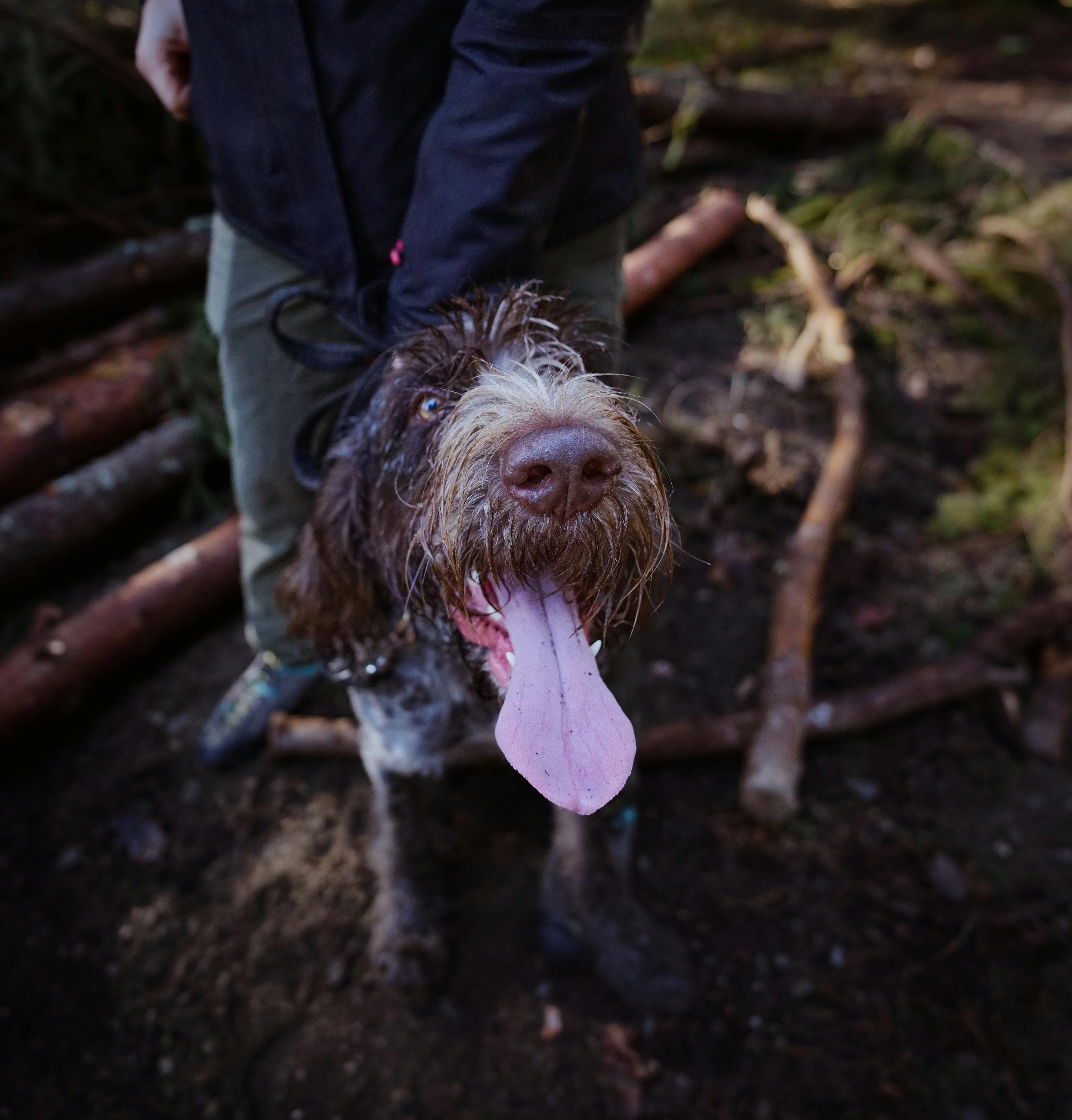
Dogs, often referred to as man's best friend, have many unique traits that make them special. One of the most intriguing features is their wet noses. Have you ever wondered, why do dogs have wet noses? This question leads us down a fascinating path into the world of canine biology and behavior. Wet noses are not just a quirky characteristic; they play a crucial role in how dogs understand their environment. Let’s explore this mystery together!
The Science Behind Wet Noses
A dog's nose is one of its most important tools for sensing the world around them. The scientific explanation behind why dog noses are moist involves several factors:
Olfactory Sensors: Dogs have an extraordinary sense of smell, estimated to be between 10,000 to 100,000 times more sensitive than that of humans. The wetness of their noses helps to dissolve scent particles, making it easier for the olfactory receptors to detect various smells.
Temperature Regulation: Dogs don't sweat like humans. Instead, they regulate their body temperature through panting and by having a moist nose. The moisture on their noses evaporates, which helps cool them down during hot weather.
Hygiene and Health: A wet nose can also help trap dirt and particles, keeping the nasal passages clean. This is important for maintaining their health and ensuring that their sense of smell remains sharp.
Why Are Dog Noses Wet?
So, why do dogs have wet noses? Here are some key reasons:
Scent Detection: The wetness helps enhance the ability to smell by trapping scent particles.
Nasal Cooling: Dogs can manage their body temperature more effectively with a wet nose, especially during hot days.
Moisture Retention: A wet nose retains moisture, which is vital for optimal scent detection.
Fun Facts About Dog Noses
Here are some interesting facts that you might not know about dog noses:
Unique Prints: Just like human fingerprints, each dog's nose print is unique and can potentially be used for identification.
Color Variation: The color of a dog's nose can vary widely among different breeds; some noses are black, while others are brown or even pink.
Nose Size: Bigger breeds often have larger noses, which can help them take in more scents. Smaller breeds, though, can still smell incredibly well!
Temperature Indicator: A dog's nose temperature can indicate their health. A cooler, moist nose is often a sign of a healthy dog, while a dry or hot nose could suggest illness.
Historical Context of Dogs’ Noses
Historically, dogs were bred for specific tasks, many of which relied heavily on their sense of smell. For example:
Hunting Dogs: Bred to track and locate game, their noses were crucial for survival and success in the hunt.
Working Dogs: Dogs used in search and rescue missions rely on their keen sense of smell to locate missing persons or detect substances.
Therapy and Service Dogs: These dogs often help people with disabilities, using their noses to alert handlers to various situations.
Practical Examples of Nose Use
Dogs use their noses in many practical ways, such as:
Detection of Diseases: Some breeds are trained to detect diseases like cancer or diabetes through scent.
Tracking: Bloodhounds and other breeds can follow scent trails over long distances.
Search and Rescue: Dogs are invaluable in disaster situations where they help locate trapped individuals.
Comparison of Dog Breeds and Their Noses
Different breeds have varying nose characteristics. Here’s a quick comparison:
Bloodhound: Known for its superior scenting ability; their noses are long and droopy.
Beagle: Also excellent at tracking; their noses are compact but very effective.
German Shepherd: Used in police work due to their strong sense of smell and versatility.
Chihuahua: Has a decent sense of smell, but it's less developed than larger breeds.
The Takeaway
So, why do dogs have wet noses? It’s a mixture of biology, evolution, and necessity. Wet noses enhance their sensory capabilities, help regulate their body temperature, and contribute to their overall health. Understanding this fascinating aspect of dogs can deepen the bond you share with your furry friend. Next time you see your dog’s wet nose, remember, it’s not just adorable; it’s a critical tool that helps them navigate their world!
The Role of Nose Moisture in Dog Communication: A Deep Dive into Canine Behavior
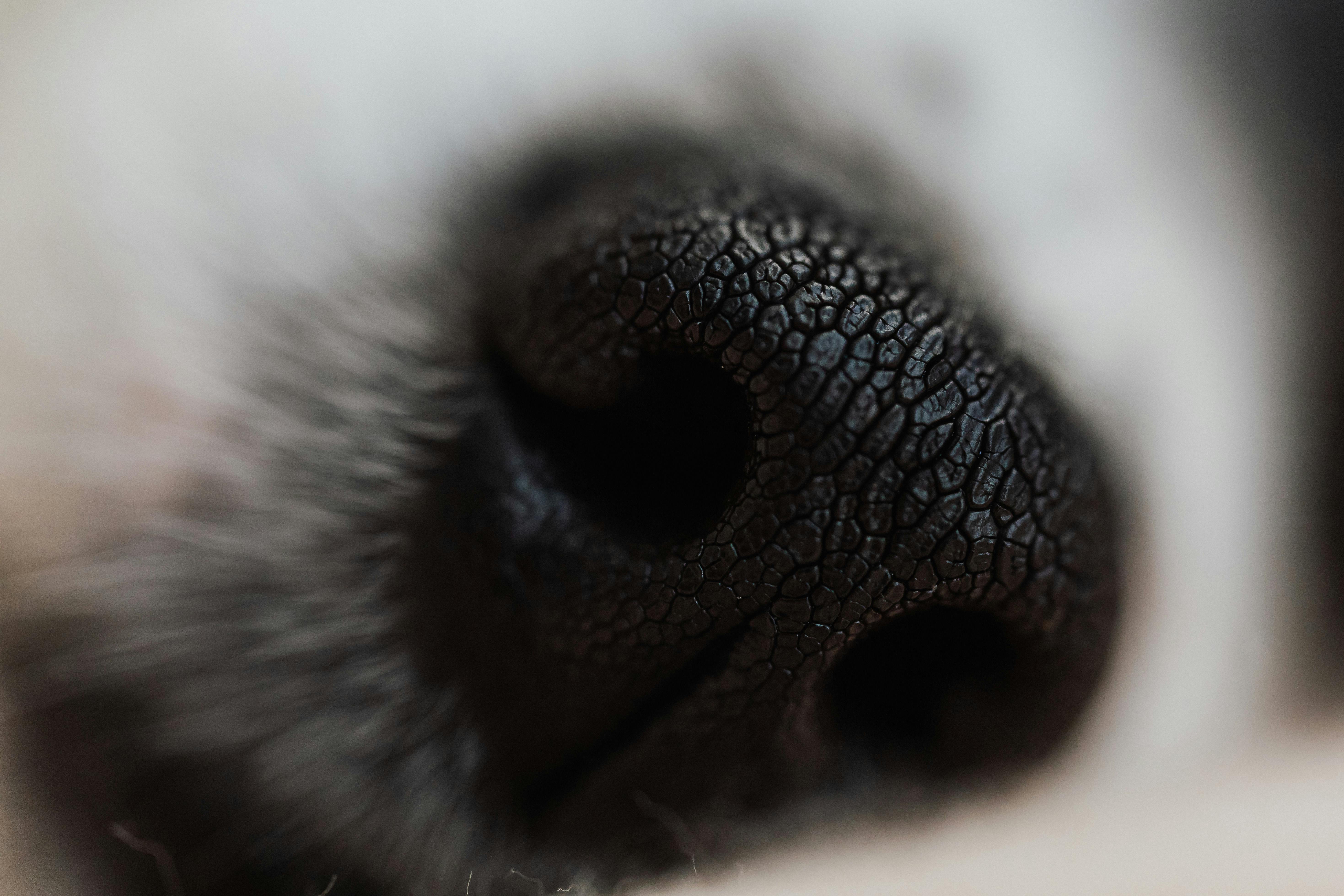
Dogs are some of the most beloved companions we have, and their unique behaviors always fascinate us. One of the most intriguing aspects of our furry friends is their noses. Why do dogs have wet noses? This question leads us down a rabbit hole of canine communication and behavior. In this article, we will explore the role of nose moisture in dog communication, shedding light on this fascinating mystery and what it means for the way dogs interact with their world.
The Science Behind Wet Noses
First, let's dive into the science of a dog's nose. Dogs' noses are wet for a couple of reasons, and it's not just because they love to sniff everything around them. The moisture on a dog's nose serves several important functions:
Enhanced Smell: The wetness helps to capture scent particles in the air. When moisture is present, it traps these particles, making it easier for dogs to pick up different smells. This is why dogs are often considered to have an extraordinary sense of smell, being able to detect scents at incredibly low concentrations.
Temperature Regulation: Just like humans sweat to cool down, dogs use their noses as a means of regulating body temperature. The moisture evaporates, which can help cool them off.
Health Indicator: A dog's nose can also indicate their health status. A wet nose is typically a sign of a healthy dog, while a dry or cracked nose can sometimes signal illness or dehydration.
Historical Context of Dog Noses
Throughout history, humans have recognized the importance of a dog's sense of smell. In ancient times, dogs were utilized for hunting, tracking, and even search-and-rescue work, owing to their acute olfactory abilities. The dog's nose has been a valuable tool for various tasks, and as society evolved, so did our understanding of these remarkable animals.
For instance, in the 19th century, bloodhounds became famous for their tracking ability, leading to the common perception that dogs are excellent detectives. Their wet noses played a crucial role in their ability to follow scents, which eventually led to their use in law enforcement and search operations.
The Role of Nose Moisture in Communication
Dogs communicate in many ways, and their noses play a significant part in this process. Here are some ways in which wet noses contribute to dog communication:
Scent Marking: Dogs often use their noses to gather information about their surroundings. When they sniff other dogs or objects, they're collecting scent information that tells them about other animals. The moisture on their noses helps to analyze these scents effectively.
Social Interactions: When dogs meet each other, they often engage in a nose-to-nose greeting. This behavior is not just a friendly hello; it's a complex exchange of information. The wetness of their noses helps them to collect and share scents, which can indicate a dog's mood, health, and reproductive status.
Emotional Signals: A wet nose can also be a sign of a dog’s emotional state. For example, a dog with a wet nose might be more relaxed and happy, while a dry nose could suggest stress or discomfort.
Interesting Facts About Dog Noses
Unique Nose Prints: Just like human fingerprints, every dog has a unique nose print. This can be used for identification purposes.
More Than 220 Million Olfactory Receptors: Depending on the breed, dogs have anywhere between 5 to 300 million olfactory receptors in their noses. In comparison, humans have only about 5 million.
Dogs Sweat Through Their Noses: While dogs primarily cool off through panting, they do have some sweat glands in their noses, contributing to moisture levels.
Nose Temperature Sensitivity: A dog's nose can detect changes in temperature, which helps them identify warm and cold scents in their environment.
Practical Tips for Dog Owners
Understanding the importance of your dog’s nose can enhance your relationship with your pet. Here are some tips:
Encourage Sniffing: Allow your dog to explore different smells during walks. This is vital for their mental stimulation.
Check for Health Issues: Regularly observe your dog’s nose. A sudden change to a dry or cracked nose might warrant a visit to the vet.
Socialization: Help your dog socialize with other dogs where they can engage in natural nose-to-nose greetings, promoting healthy communication.
In summary, the wet nose of a dog is more than just a cute feature; it plays a vital role in their ability to communicate and interact with the world around them. From enhancing their sense of smell to providing insights into their health and emotions, understanding the significance of this unique characteristic can lead to a deeper bond with your canine friend. So, the next time you see your dog with a wet nose, remember the fascinating mystery behind it!
Wet Noses vs. Dry Noses: What Your Dog’s Snout Says About Their Well-Being
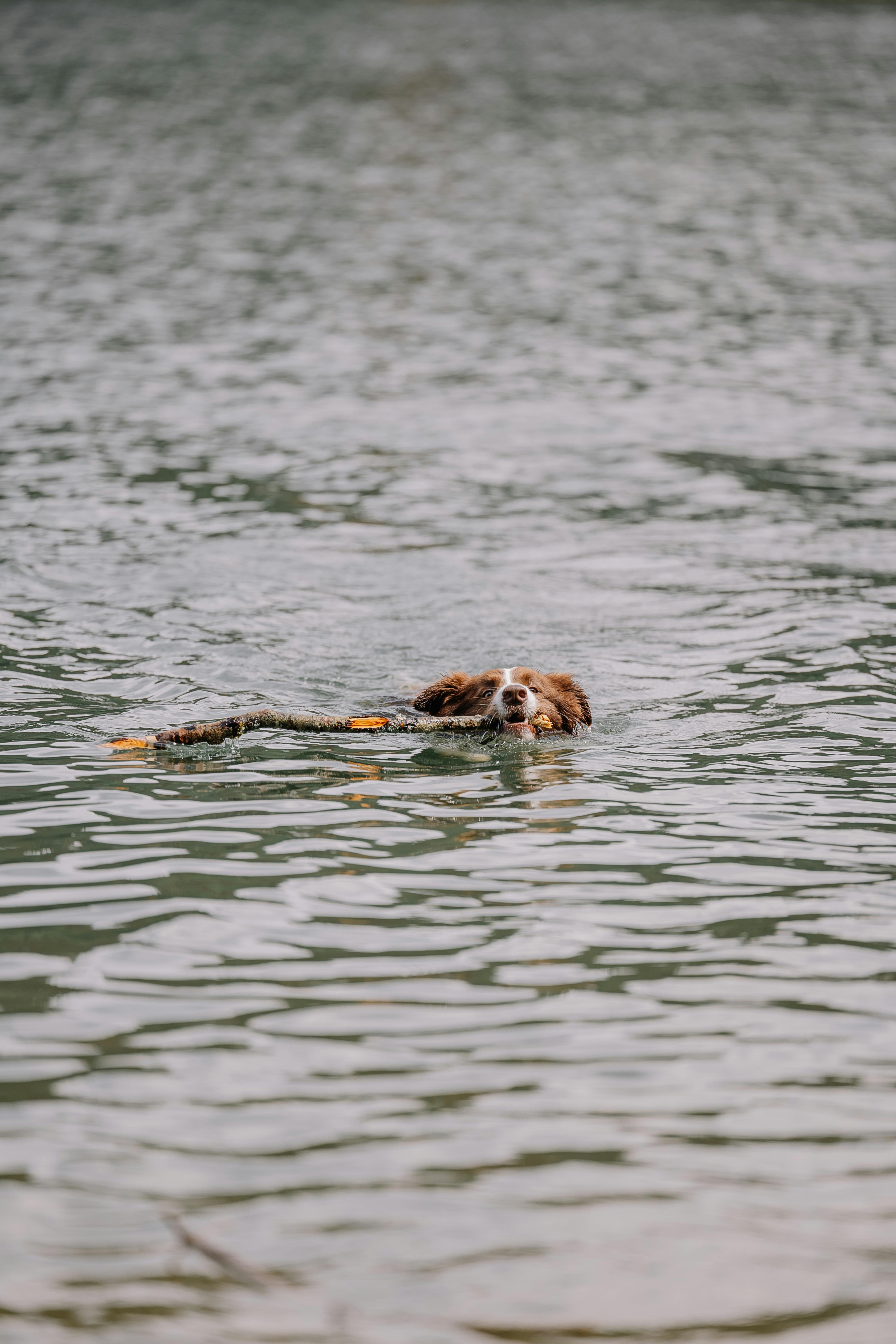
Dogs, those lovable companions, has snouts that can tell us a lot about their health and emotions. One of the most curious aspects is the condition of their noses. Wet noses vs. dry noses, what does it all mean? Many people keeps wondering, why do dogs have wet noses? Let's explore this interesting mystery.
The Science of Wet Noses
You might of noticed that your dog’s nose is often wet. This wetness is not just random; it has some purpose. A dog’s nose secretes a mucus that helps them smell better. Dogs have significantly more scent receptors than humans, and a wet nose helps to enhance their sense of smell. The moisture captures scent particles from the air, allowing dogs to detect different smells more efficiently.
Here’s some facts about why dog noses are wet:
- Enhanced Olfactory Function: Wet noses help in trapping scent particles.
- Temperature Regulation: Dogs also use their noses to cool down.
- Health Indicator: A dog’s nose can indicate their health status.
The Dry Nose Dilemma
Now what about those dry noses? Sometimes, you might find that your dog’s nose is less moist. This can be completely normal, but it can also indicate a few things. Here’s what a dry nose might suggest:
- Dehydration: Dogs can get dehydrated just like humans. If they haven’t been drinking enough water, their noses might dry out.
- Illness: A persistently dry nose, especially if it’s warm, may signal an underlying health issue.
- Environmental Factors: Hot weather or too much time in air-conditioned spaces can dry out a dog’s nose.
Comparing Wet and Dry Noses: What You Should Know
Here’s a quick comparison table to help you understand the differences between wet and dry noses:
| Condition | Wet Nose | Dry Nose |
|---|---|---|
| Health Indicator | Generally healthy | May hint at dehydration or illness |
| Olfactory Function | Improves sense of smell | Does not enhance smell significantly |
| Temperature | Cooler, helps in regulation | Warmer, may indicate fever |
| Common Causes | Normal moisture secretion | Dehydration, illness, environment |
Why Do Dogs Have Wet Noses?
So, why do dogs have wet noses? The answer is multi-faceted. The primary reasons include:
- Scent Detection: As mentioned earlier, moisture helps to trap scent particles. Dogs’ noses are a crucial tool for their exploration of the world.
- Body Temperature Regulation: Dogs sweat very little through their skin; their noses also play a part in regulating their body temperature.
- Communication: Dogs use their noses to communicate with other dogs and animals. A wet nose can sometimes indicate a friendly approach.
What Should You Do About a Dry Nose?
If your dog’s nose is dry, there’s no need to panic immediately. However, you should take note and consider the following steps:
- Check Hydration: Make sure your dog is drinking enough water. You can check by pulling back the skin on their back; if it doesn’t snap back quickly, they might be dehydrated.
- Monitor Temperature: If their nose is warm and dry, take their temperature. A normal dog’s temperature should be between 101°F to 102.5°F.
- Consult a Vet: If the dry nose persists, or if your dog shows other signs of illness, it’s best to consult a veterinarian.
Frequently Asked Questions
Here are some common questions that dog owners ask regarding wet and dry noses:
Can a dog’s nose change during the day?Yes, it can! A dog’s nose can change from wet to dry throughout the day depending on various factors like activity level or temperature.
Are all dogs' noses wet?Most dogs have wet noses, but some breeds might have naturally drier noses due to their genetics.
What happens if a dog’s nose is crusty?A crusty nose might indicate a skin condition or infection, and it’s advisable to consult your vet.
Understanding your dog’s nose condition is vital for their overall well-being. Their noses are more than just adorable features; they serve important functions for health and communication. If you notice any significant changes, don't hesitate to reach out to a veterinarian to ensure your furry friend is happy and healthy.
Can Weather Affect Your Dog’s Nose? Discover the Surprising Truth!

Can Weather Affect Your Dog’s Nose? Discover the Surprising Truth!
Have you ever wonder why your dog’s nose feel wet or why it seems to change with the weather? Many pet owners frequently ask, “Can weather affect your dog’s nose?” This question leads to some fascinating insights about our furry friends. Understanding the biology of a dog’s nose can help us appreciate how environmental factors play a role in their health and behavior. Let’s dive into the intriguing mysteries behind dog noses!
Why Do Dogs Have Wet Noses?
So, why do dogs have wet noses? The moisture on a dog's nose serves several important purposes. It isn't just for show! Here is some reasons:
- Enhanced Sense of Smell: A wet nose helps trap scent particles better. Dogs have an incredible sense of smell, and moisture helps them pick up more scents from the air.
- Temperature Regulation: Dogs don’t sweat like humans. Their noses can help cool them down. A wet nose can be a sign that a dog is regulating its body temperature.
- Health Indicator: A dog’s nose can indicate their health. A dry, cracked nose might suggest dehydration or health issues, while a moist nose is generally a sign of a healthy pup.
The Fascinating Mystery of Nose Variations
Did you know that dog noses could change throughout the day? It's true! Here are some factors that can cause these changes:
- Weather Conditions: Hot, dry weather can lead to a dryer nose, while cooler, humid weather usually makes them wetter.
- Activity Level: After running or playing, a dog’s nose may feel drier. This is normal and usually resolves quickly.
- Health Issues: Sometimes, a change in your dog’s nose could signal an underlying health issue. If a dog has persistent dryness or cracking, it’s important to consult with a vet.
Effects of Weather on Your Dog’s Nose
Weather is more than just a background for our day-to-day life; it can impact our pets too! Here’s how different weather conditions affect a dog’s nose:
- Hot and Dry Weather: A dog may experience a drier nose. Prolonged exposure to heat without access to water could lead to dehydration, which can make their nose feel parched.
- Cold Weather: Dogs that spend time outside in cold, windy conditions might have a wet nose that can become chapped or cracked. Protecting your dog from extreme cold is essential!
- Rainy or Humid Days: On the flip side, a humid climate usually means a wetter nose. Dogs often enjoy playing in the rain, and their noses can become even wetter during these times.
How to Care for Your Dog’s Nose
Keeping your dog’s nose healthy is important. Here are some tips for dog owners:
- Hydration: Always provide fresh water. Dehydration can lead to dryness.
- Limit Exposure: On hot days, keep your dog indoors during peak heat and provide shade when outside.
- Moisturizing: If your dog’s nose appears too dry, you can use dog-safe moisturizers or even natural options like coconut oil, but you should consult with a vet first.
- Regular Check-ups: Make regular vet visits a habit. This ensures your dog’s overall health and allows you to catch any potential issues early.
Understanding Nose Color and Texture
Did you ever notice differences in the color and texture of your dog’s nose? Dogs come in various breeds, and their noses can vary greatly. Here’s a quick comparison:
| Dog Breed | Nose Type | Common Nose Color |
|---|---|---|
| Labrador Retriever | Soft, wet | Black or Brown |
| Bulldog | Smooth, wet | Black |
| Dachshund | Wet, sometimes dry | Black or Brown |
| Siberian Husky | Wet, usually cold | Black or Gray |
Fun Facts About Dog Noses
Here are some fun tidbits about dog noses that might surprise you:
- Dogs have about 220 million scent receptors. Humans have about 5 million!
- Each dog’s nose print is unique, just like human fingerprints.
- Dogs can smell certain diseases, including cancer, thanks to their sensitive noses.
So, the next time you pet your furry friend and feel that wet nose, remember that it’s not just cute — it’s a vital part of their health and well-being. Understanding how weather affects your dog’s nose can help you take better care of them. Whether it’s keeping them hydrated or protecting them from harsh conditions, being a knowledgeable pet owner is key to a happy, healthy dog.
Exploring the Myths: 5 Common Misconceptions About Dogs' Wet Noses

Dogs are often considered man's best friend, and one of the most endearing features of our furry companions is their wet noses. But why do dogs have wet noses? This question has sparked various myths and misconceptions over the years. It's time to explore some of these myths and uncover the fascinating reasons behind the moisture that graces our dog’s snouts.
Myth 1: Wet Noses are a Sign of Illness
Many people believe that if a dog has a dry nose, it means they are sick. This is simply not true. While a dog's nose can indeed indicate their health status, it’s not the definitive sign. A wet or dry nose can depend on many factors, including the weather, the dog's activity level, and even the time of day.
- Dogs may have wet noses after drinking water.
- They can become dry after a long nap in the sun.
- Illnesses can cause changes but aren't solely indicated by nose moisture.
Myth 2: Dogs Keep Their Noses Wet to Regulate Temperature
Another common misconception is that dogs keep their noses wet to help cool themselves down. While dogs do regulate their body temperature through panting, their wet noses serve a different purpose. The moisture on a dog’s nose is primarily for scents. The wetness helps capture scent particles in the air, enhancing their sense of smell.
- Dogs have roughly 300 million scent receptors in their noses.
- Wet noses can absorb scent particles better than dry ones.
- This ability is crucial for hunting and tracking.
Myth 3: All Dogs Have Wet Noses
Not all dogs have wet noses. Breeds vary in nose moisture, and certain breeds may naturally have drier noses than others. For instance, bulldogs and pugs might have a less moist nose compared to a beagle. The environment and health can also affect how wet a dog’s nose is.
- Factors affecting nose moisture include:
- Breed characteristics
- Environmental conditions
- Overall health
Myth 4: Dogs' Noses are Always Wet
People often think that dogs' noses are always wet, but that's not the case. A dog’s nose can be wet in the morning and dry by the evening. Factors like temperature and humidity play a significant role in this. For instance, if a dog has been sleeping in a warm room, their nose can dry out.
- Common causes for variations in nose moisture:
- Air conditioning or heating
- Seasonal changes
- Sleeping positions
Myth 5: Dogs' Noses Can Predict the Weather
This myth suggests that dogs can sense changes in weather based on the moisture of their noses. While dogs are more attuned to environmental changes than humans, their nose moisture doesn't predict the weather. Dogs might, however, sense changes in atmospheric pressure or humidity which can affect their behavior.
Understanding the Science Behind Wet Noses
The science behind dogs having wet noses is actually quite interesting. The moisture on a dog's nose comes from a combination of saliva and the secretion of mucous glands. This moisture is key for their enhanced olfactory capabilities. When a dog licks its nose, it helps to keep it moist and aids in the process of smelling.
- The anatomy of a dog’s nose includes:
- Olfactory epithelium which contains scent receptors.
- Nasal turbinates that help filter and warm air entering the lungs.
- Mucous glands that keep the nose moist.
Fascinating Facts About Dogs' Noses
- Dogs' noses are as unique as human fingerprints.
- The pattern of ridges and creases can be used for identification.
- A dog’s sense of smell is 10,000 to 100,000 times more acute than humans.
Having a wet nose is just one of the many things that make dogs unique and fascinating. It's important to remember that while a wet nose can be a sign of a happy, healthy dog, it should not be the only indicator of their wellbeing. Regular veterinary check-ups and being attentive to behavioral changes are essential for keeping your furry friend healthy.
So next time when you wonder why do dogs have wet noses, remember that it's not just a quirky trait. It's a complex and fascinating characteristic that enhances their ability to connect with the world around them. Embracing these quirks makes our bond with dogs even more special.
10 Fun Facts About Dog Noses: Why They’re Wet and Why It Matters
Dogs are some of the most beloved pets around the world, and their wet noses often spark curiosity among dog lovers. Ever wonder why do dogs have wet noses? Or maybe you've heard people say, “a dog’s nose is the key to its health.” Well, today we dive into this intriguing topic with 10 fun facts about dog noses that will make you appreciate your furry friend even more!
1. The Science of Dog Noses
Dog noses are not just cute; they're highly specialized organs. Dogs have around 300 million olfactory receptors in their noses, compared to humans who only have about 5 million. This incredible number allows dogs to detect scents that humans can't even imagine, making them excellent at tracking and sniffing out various things.
2. Why Are They Wet?
Have you ever noticed how a dog’s nose is often damp? This moisture serves a purpose! A wet nose helps in absorbing scent chemicals more effectively. When a dog licks its nose, it enhances its ability to smell by capturing scent particles. So, the next time your dog gives you a wet kiss, remember, it's just trying to gather more information about its surroundings.
3. Thermoregulation
Dogs also use their noses for thermoregulation. A wet nose helps cool them down. Because dogs don’t sweat like humans, they rely on their noses and panting to regulate their body temperature. It’s fascinating how nature has equipped them with multiple ways to stay cool!
4. Health Indicators
A dog’s nose can actually be a good indicator of its health. A wet, cool nose is often seen as a sign of a healthy dog, while a dry or excessively warm nose can indicate illness or fever. However, it’s not always a foolproof method. There are many factors affecting nose temperature, so it’s essential to consider other signs of health too.
5. Unique Nose Prints
Just like human fingerprints, every dog has a unique nose print. The patterns of ridges and creases on a dog’s nose can be used for identification purposes. Some shelters and pet services even use these nose prints to match lost pets with their owners. How cool is that?
6. Nose Color and Breed Variation
Dog nose colors can vary significantly among breeds and even individual dogs. Some noses are black, while others might be pink or spotted. For example, Labrador Retrievers typically have black or brown noses, while Dalmatians often have spotted noses. The color of a dog's nose can be linked to genetics and pigmentation.
7. The Nose Knows
Dogs’ noses are incredibly sensitive; they can detect certain scents at extremely low concentrations. For instance, they can sense a single drop of blood in an Olympic-sized swimming pool! This is why dogs are often used in search and rescue operations, as well as in detecting medical conditions like cancer and diabetes.
8. The Role of Dogs in History
Throughout history, dogs have been utilized for their keen sense of smell. In ancient Egypt, dogs were known for their tracking abilities and were often seen accompanying hunters. During World War II, dogs were trained to detect explosives and locate wounded soldiers. Their noses have played a pivotal role in many significant events.
9. Dogs and Scent Discrimination
Dogs can differentiate between various scents and can even recognize their owners by smell alone. They can identify emotions through scent, too! For example, a dog can tell if you're anxious or happy just by smelling your pheromones. This incredible ability strengthens the bond between dogs and their owners.
10. Caring for Your Dog’s Nose
Taking care of your dog’s nose is important. Make sure to keep it clean and check for any cracks or dryness. If your dog's nose seems unusually dry or has a change in color, it may be worth consulting with a vet. Hydration and proper nutrition can also play a role in keeping that nose healthy!
In summary, dog noses are a remarkable feature that serves many purposes, from enhancing their sense of smell to helping regulate their body temperature. The wetness of a dog's nose is not just a cute trait; it’s a vital part of their biology and behavior. Understanding why do dogs have wet noses and the importance of this unique characteristic can deepen your appreciation for these wonderful companions. So next time you see your pup with that adorable wet nose, remember all the amazing things it can do!
How to Care for Your Dog’s Nose: Tips for Keeping That Snout Healthy and Hydrated

When you think of your furry friend, you probably picture their wagging tail, playful antics, and yes, that adorable wet nose. But have you ever stopped to wonder why do dogs have wet noses? It’s a fascinating mystery that has intrigued dog owners and scientists alike. Plus, keeping that snout healthy and hydrated is crucial for your pup’s well-being. So, let’s dive into the world of canine noses, and how to care for them properly.
The Science Behind Wet Noses
First off, the reason why dogs have wet noses is all about their incredible sense of smell. A dog's nose is like a finely tuned instrument, with an estimated 220 million scent receptors, compared to a human’s mere 5 million. So, what does moisture have to do with it? Well, a wet nose helps capture scent particles from the air better. When the nose is moist, it can absorb more smells, making your dog’s sniffer even more powerful.
Here are some interesting facts about dog noses:
- Temperature Regulation: Dogs sweat through their noses, helping to keep their body temperatures down.
- Health Indicator: A dog’s nose can indicate its health. A dry and cracked nose might mean dehydration or illness.
- Scent Discrimination: The moisture on a dog’s nose allows for better scent discrimination, which is vital for hunting, tracking, and even just finding their favorite toys.
Maintaining a Healthy Nose
Now that we know why dogs have wet noses, it’s important to learn how to care for them. Ensuring that your dog's nose remains healthy and hydrated is essential. Here are some tips to keep in mind:
- Hydration is Key: Make sure your dog always has access to fresh, clean water. Dehydration can lead to a dry nose, which could be a sign of health issues.
- Limit Sun Exposure: Just like humans, dogs can get sunburned. If your dog spends a lot of time outside, consider using a pet-safe sunscreen on their nose.
- Regular Check-ups: During vet visits, ask your veterinarian to check your dog’s nose. They can catch any abnormalities early on.
- Diet Matters: A balanced diet can promote overall health, including the skin and nose. Consider foods rich in Omega-3 fatty acids, which can improve skin condition.
- Environment Awareness: Be cautious of extreme temperatures. Very cold or hot weather can affect your dog's nose negatively.
Signs of Trouble: When to Call the Vet
Sometimes, a wet nose can indicate a problem. Here’s a quick list of signs that your dog might need to see a veterinarian:
- Excessive Dryness: If your dog’s nose is consistently dry or cracked, it could be a sign of dehydration or other health issues.
- Discharge: Any unusual discharge or bleeding from the nose should be evaluated by a vet.
- Color Changes: A change in color, like a bright red or brown, can indicate inflammation or infection.
- Behavior Changes: If your dog is acting lethargic or showing signs of discomfort, it’s time to consult a professional.
Fun Facts About Dog Noses
Did you know that dogs have unique nose prints, just like human fingerprints? Each dog’s nose print is distinct, meaning you could identify your dog by their nose alone!
Here’s a table of some famous dog breeds known for their unique noses:
| Breed | Nose Type | Scenting Ability |
|---|---|---|
| Bloodhound | Long and droopy | Exceptional |
| Beagle | Short and compact | Excellent |
| German Shepherd | Medium and strong | Very Good |
| Dachshund | Long and narrow | Good |
Why Do Dogs Have Wet Noses? The Takeaway
So, why do dogs have wet noses? It’s all about enhancing their sense of smell and helping them stay cool. Understanding this can improve how you care for your pup. Keeping your dog’s nose healthy involves proper hydration, monitoring their environment, and regular vet check-ups.
By being aware of the signs of trouble and taking proactive steps, you can ensure that your dog’s snout stays as healthy and hydrated as possible. Remember, a happy dog is a healthy dog, and their wet nose is just one piece of that puzzle. So, the next time you give your furry friend a pat on the head, take a moment to appreciate that wonderful snout and all the magic it brings to your life.
Conclusion
In summary, the wet noses of dogs serve several important functions, from enhancing their sense of smell to regulating body temperature. The moisture found on their noses helps to capture scent particles, significantly improving their ability to detect aromas, which is vital for their communication and interaction with the world. Additionally, a wet nose can help cool down a dog's body temperature through evaporation, especially during warmer weather. While it’s a common belief that a wet nose indicates a healthy dog, it’s essential to monitor other health signs as well. Understanding the significance of this unique feature can deepen our appreciation for our canine companions. Next time you greet your furry friend, take a moment to consider the science behind that wet nose and how it contributes to their remarkable abilities. Embrace the joy of having a dog, and ensure they receive the care and attention they deserve!