Have you ever wondered, why do dogs have wet noses? This fascinating question not only piques the curiosity of pet lovers but also uncovers the amazing reasons behind this unique trait. Dogs are known for their wet noses, which are not just adorable but serve crucial purposes in their everyday lives. But what makes a dog's nose so moist? Is it just a natural characteristic, or does it play a role in their health? In this blog post, we will dive into the science behind wet noses and explore how they help dogs interact with the world around them. From enhancing their sense of smell to regulating body temperature, the benefits are numerous! Plus, we’ll discuss how a dog’s nose can be a key indicator of their health. Have you ever noticed how your furry friend uses their nose to explore? Join us as we unravel the secrets of dog nose moisture and discover why it's an essential part of your canine companion's anatomy. Get ready to be amazed by the incredible world of dogs and their wet noses!
The Science Behind Why Dogs Have Wet Noses: Is It Just for Smelling Better?

Dogs are one of the most beloved pets in homes around New York and the world. One curious characteristic that many people notice about dogs is their wet noses. You might’ve wondered, why do dogs have wet noses? Is it just for smelling better? Or is there more to this fascinating feature than meets the eye? Let’s dive into the science and uncover the truth about our furry friends' noses.
The Anatomy of a Dog's Nose
First, let’s take a look at the anatomy of a dog's nose. Dogs noses are not just cute; they serve a important purpose. The surface of a dog’s nose is covered with a special type of skin that helps in temperature regulation and moisture retention. It is also packed with olfactory receptors that are responsible for their incredible sense of smell.
Here’s a breakdown of some key components of a dog's nose:
- Nasal Mucosa: This moist tissue produces mucus that helps trap scent particles.
- Olfactory Receptors: Dogs have around 220 million olfactory receptors, compared to humans who have only about 5 million. This makes their sense of smell far superior.
- Vomeronasal Organ: This organ allows dogs to detect pheromones, which are chemicals that carry information about other animals.
Why Are Dog Noses Wet?
Now, onto the burning question: why do dogs have wet noses? The primary reasons for this wetness can be explained as follows:
Enhanced Smelling Ability: A wet nose helps to absorb scents more effectively. When the moisture on a dog’s nose evaporates, it draws in scent particles, making it easier for dogs to identify various smells. That is why, when you see your pup sniffing around, they are not just being nosy; they are gathering information about their environment.
Temperature Regulation: Just like humans sweat through their skin, dogs can regulate their body temperature through their noses. The moisture on their noses evaporates, helping to cool them down, especially during hot days.
Health Indicator: A dog's nose can also indicate its health. A wet, cool nose is generally a sign of a healthy dog. In contrast, a dry or excessively warm nose can sometimes indicate illness or discomfort.
Historical Context
The wet nose phenomenon has been around for ages. Historically, dogs have evolved from wolves, and their wet noses originally helped them hunt for food by detecting scents in the wild. Over centuries of domestication, this trait has remained a vital part of canine biology, even if today's dogs don’t hunt for survival as their ancestors did.
Fun Facts About Dog Noses
- Diversity in Sizes: Different breeds have varying nose shapes and sizes. For instance, a Basset Hound has a long nose, while a Pug has a much shorter one, but both serve the same purpose.
- Unique Nose Prints: Just like human fingerprints, every dog has a unique nose print that can be used for identification.
- Cold vs. Warm Noses: It is a myth that a dog’s nose temperature indicates its health. Both cold and warm noses can belong to healthy dogs.
How to Care for Your Dog’s Nose
Keeping your dog’s nose healthy is essential. Here are a few tips to ensure it stays in good condition:
- Hydration: Make sure your dog is drinking enough water, as dehydration can lead to a dry nose.
- Avoid Irritants: Keep your dog away from harsh chemicals and irritants that can cause dryness or cracking.
- Regular Checks: Keep an eye on your dog’s nose for any changes in color or texture, as these can indicate health issues.
Interesting Comparisons
Let’s compare dog noses with human noses. Here’s a quick look at how they differ:
| Feature | Dog Nose | Human Nose |
|---|---|---|
| Olfactory Receptors | 220 million | 5 million |
| Function | Smelling, temperature regulation | Smelling, breathing |
| Moisture | Naturally moist | Varies, can be dry |
| Unique Identifier | Unique nose prints | Unique fingerprints |
Dogs have this incredible ability to utilize their wet noses for multiple purposes, blending biology with their everyday lives. So, the next time you see your dog with that adorable wet nose, remember that it’s not just for show—it’s a remarkable tool that aids in their survival and interaction with the world around them.
Understanding the science behind why dogs have wet noses shines a light on the intricate nature of our canine companions. Their noses are just one of the many amazing features that make dogs such wonderful pets.
5 Fascinating Reasons Your Dog's Nose is Always Wet – You Won't Believe #3!
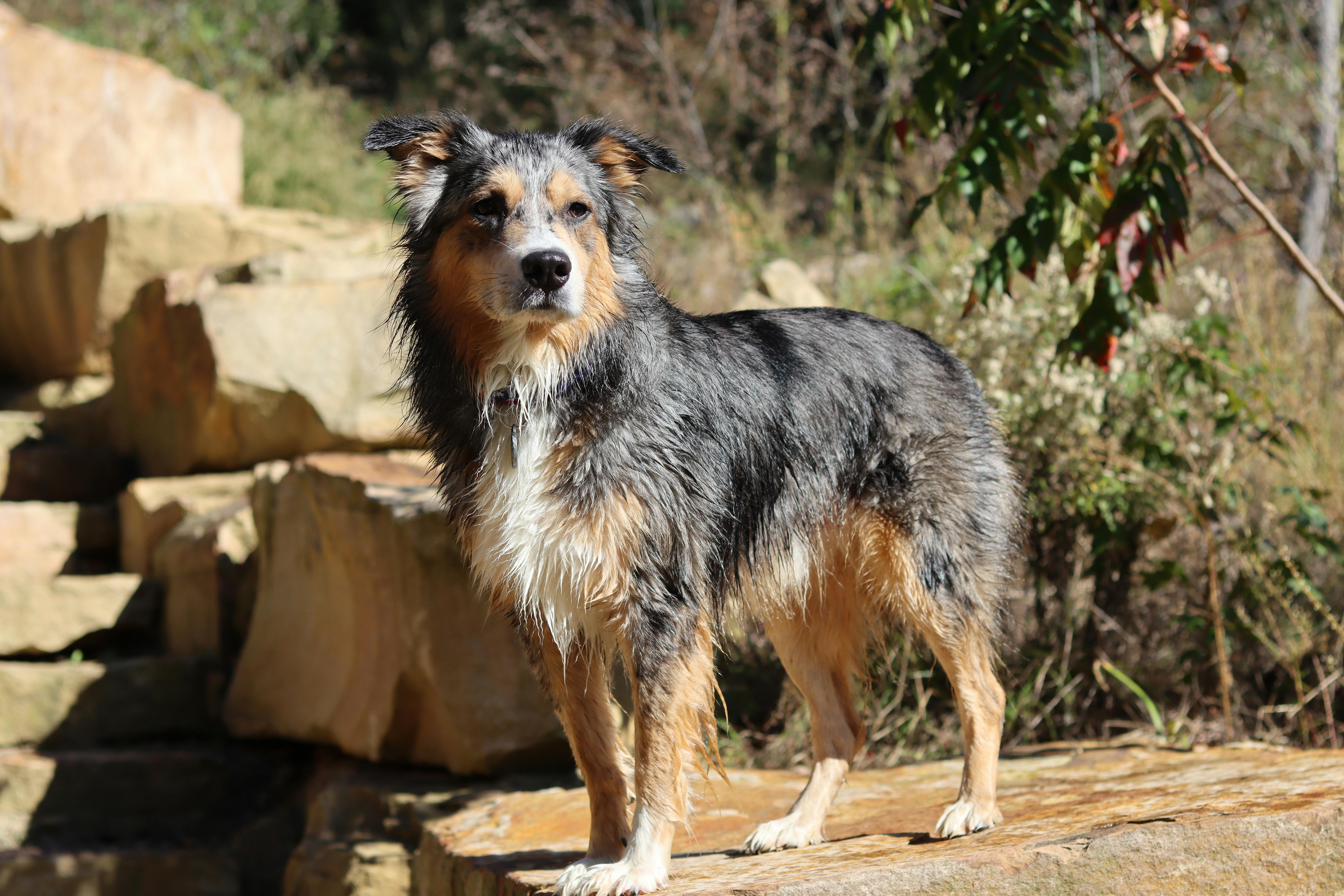
When you look at your furry friend, you might noticed how their nose is always wet. It’s not just for show, and there’s actual science behind it. Many people ask, why do dogs have wet noses? The truth is, their moist noses play a vital role in their health and wellness. If you've ever wondered about this fascinating phenomenon, then you're in for a treat. Here are 5 fascinating reasons your dog's nose is always wet – you won't believe #3!
1. Temperature Regulation
One of the primary reasons for a dog’s wet nose is temperature regulation. Just like humans sweat to cool down, dogs use their noses. The moisture on their noses helps to evaporate, cooling their body down. This is especially important during hot summer days when they might feel overheated. A dog with a wet nose is often a sign they are managing their temperature effectively.
2. Enhanced Sense of Smell
Did you know that dogs have an incredible sense of smell? Their noses are not just wet but also equipped with special glands that produce moisture. This moisture helps to capture scent particles from the air, making it easier for them to detect various smells. Wet noses can actually enhance a dog's olfactory abilities. So, the next time your dog is sniffing around, remember that their wet nose is playing a key role in helping them explore the world.
3. Communication with Other Dogs
Dogs communicate with each other in various ways, and their noses are a part of that language. A wet nose can signal information about their mood or health. For instance, a dog that approaches with a wet nose might be showing friendliness or curiosity. It’s the canine equivalent of a handshake! Moreover, dogs also use their noses to gather information about other dogs. They can tell if another dog is healthy, stressed, or even how they are feeling just by sniffing.
4. Cleaning and Maintenance
Dogs are known for their playful and sometimes messy nature. Their noses get wet thanks to them licking it frequently. This licking helps to keep their nose clean from dirt or debris. Wet noses also help to keep their sense of smell sharp, as a clean nose can detect scents better. A dog that has a dry or cracked nose might be a sign of dehydration or health issues. Regularly checking for moisture can be important for their overall health.
5. Health Indicator
A wet nose is often considered a sign of a healthy dog. It's commonly believed that if a dog's nose is dry, it could indicate illness. However, that’s not always the case. A dog’s nose may be dry for various reasons, like sleeping or being in a warm environment. It’s essential for dog owners to monitor their pets and look for other signs of health issues. Here is a quick health checklist for dog owners:
- Nose Temperature: Is it unusually warm or cold?
- Nasal Discharge: Is there any discharge that looks unusual?
- Behavior Changes: Is your dog acting differently?
- Appetite Loss: Are they eating less than usual?
- Lethargy: Do they seem less energetic?
Why Wet Noses Matter
Understanding why do dogs have wet noses is important for any pet owner. It’s a natural part of their biology and plays a crucial role in their overall well-being. Remember that while a wet nose is often a good sign, it’s essential to consider the context. A dog’s health is not solely determined by the moisture of their nose.
Wet noses are also a part of the bond you share with your dog. It's that little touch when they greet you, and it's a reminder of their love and loyalty. So next time your dog nudges you with that wet nose, embrace it! It’s their way of saying they care.
Being a responsible dog owner also means being observant and attentive. By understanding the reasons behind your dog’s wet nose, you can better appreciate their needs and ensure they live a happy and healthy life.
Wet Noses and Dog Health: What Your Pup's Moisture Levels Really Mean

Have you ever wondered why dogs have wet noses? It's one of those questions that might seem trivial but actually reveals a lot about your furry friend’s health and behavior. Wet noses in dogs are not just cute but they serve important functions too. In this article, we will explore the fascinating truth behind those moist noses and what they say about your pup's wellbeing.
The Science Behind a Wet Nose
First off, let’s talk about the anatomy. A dog’s nose has special glands that produce moisture. This moisture helps dogs to smell better. Dogs have an incredible sense of smell, estimated to be anywhere from 10,000 to 100,000 times more sensitive than humans! This means their wet noses are crucial for them to detect scents in the environment. When a dog sniffs, the moisture from the nose helps to trap scent particles, which makes it easier for them to identify different smells.
Why Are Wet Noses Important?
Wet noses are not just for show. They play several key roles in a dog’s health and communication. Here’s a quick list of why they matter:
- Temperature Regulation: Dogs don’t sweat like humans. Instead, they use their nose to help regulate body temperature. The moisture evaporates, helping cool them down.
- Scent Enhancement: As mentioned, a wet nose can enhance a dog’s ability to smell. This is vital for hunting, tracking, and even just finding their favorite toy.
- Social Signals: Dogs communicate through their noses too. A wet nose can indicate a dog is healthy and happy. If a dog’s nose is dry, it can sometimes signal illness or dehydration.
What Does a Dry Nose Mean?
Many people worry when their dog’s nose feels dry. While it can be a sign of something wrong, it’s not always a big deal. Here are a few reasons why a dog might have a dry nose:
- Dehydration: If your dog isn’t drinking enough water, their nose might dry out.
- Weather Conditions: Hot or windy weather can dry out a dog’s nose, just like it does for humans.
- Illness: A persistent dry nose accompanied by other symptoms like lethargy or loss of appetite could indicate a health issue.
Comparing Wet and Dry Noses
Here’s a simple comparison to help you understand better:
| Condition | Wet Nose | Dry Nose |
|---|---|---|
| Temperature | Generally cooler | Often warmer |
| Health Indicator | Usually a sign of good health | Could indicate health issues |
| Environmental Effects | Can change with humidity | More likely to be affected by weather |
| Scent Detection | Enhanced ability to smell | May not affect smell but could signal dehydration |
What Affects Nose Moisture Levels?
Several factors can affect the moisture levels of a dog’s nose. Here are some common ones:
- Hydration: Just like humans, dogs need plenty of water. Make sure to always have fresh water available.
- Diet: A balanced diet can help maintain hydration levels. Dry food may lead to a drier nose.
- Health Conditions: Certain conditions like allergies or autoimmune diseases can affect how moist a dog’s nose is.
- Medications: Some medications can cause dryness as a side effect. If you’re unsure, consult your vet.
Keeping Your Dog Healthy
To ensure your dog stays healthy and has that perfect wet nose, consider these tips:
- Regular Vet Check-Ups: Routine visits can help catch any potential health issues early.
- Hydration: Always provide fresh water, especially in hot weather.
- Balanced Diet: Consult with your vet about the best food for your dog’s needs.
- Observe Changes: Pay attention to any changes in your dog’s nose. If it becomes persistently dry or you notice other symptoms, contact your veterinarian.
Fun Facts About Dog Noses
- Did you know that every dog’s nose print is unique? Just like human fingerprints!
- The color of a dog’s nose can vary greatly, from black to pink, and even spotted.
- Dogs can actually sweat through their paws, but the nose remains their primary cooling mechanism.
Understanding why dogs have wet noses can deepen your appreciation for your furry companion. Their moist noses are not only a sign of their health but also play vital roles in their everyday lives. So, the next time you give your pup a pat and feel that wet nose, you can rest assured that it’s a sign of a happy, healthy dog. Enjoy every slobbery kiss; it’s just one more way your dog shows love!
Why Do Dogs Have Wet Noses? Understanding the Evolutionary Advantage
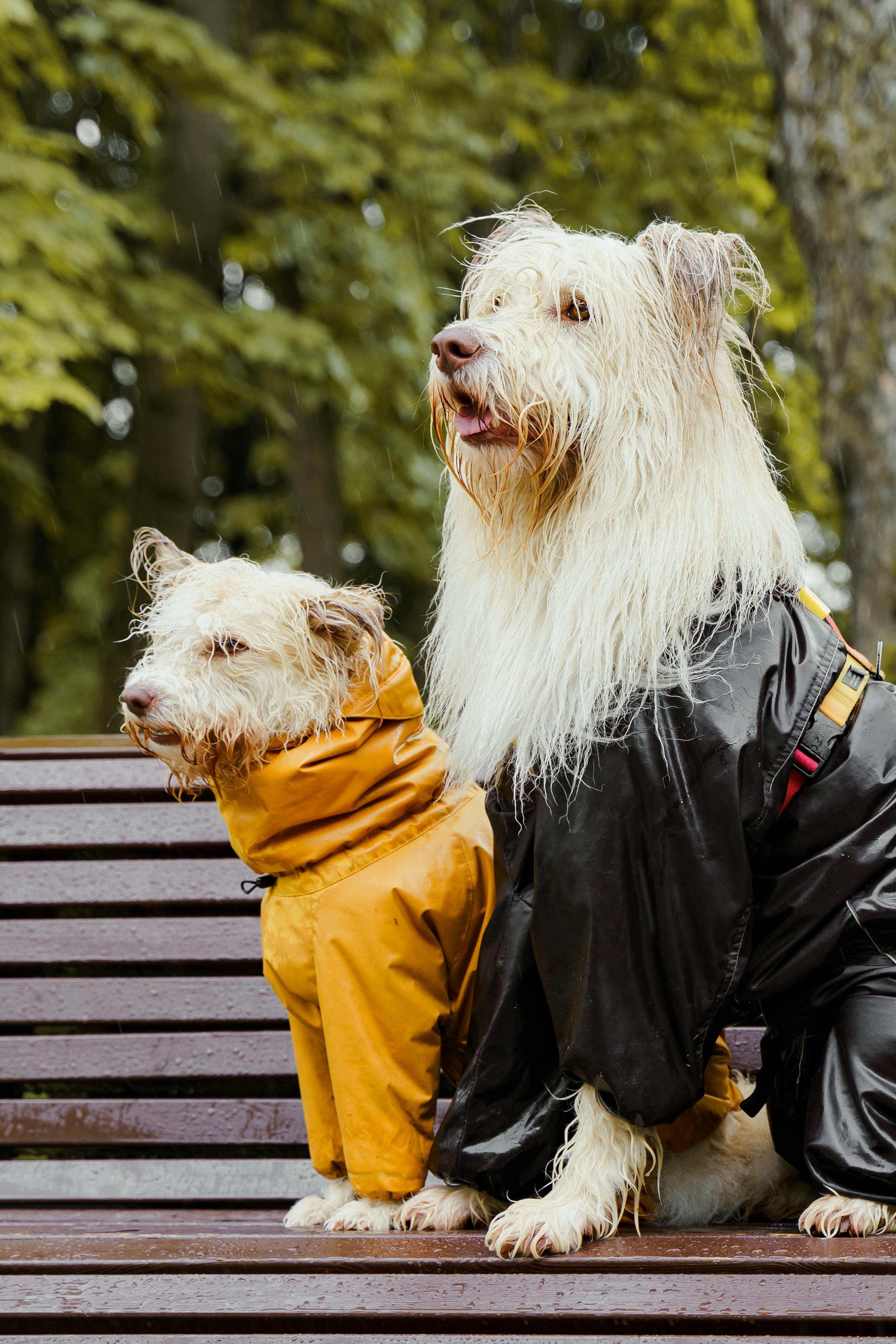
Have you ever notice how your dog’s nose is always wet? It seems like a small thing, but there’s actually a lot behind that curious feature. Ever wonder why do dogs have wet noses? This is a question that many dog owners and enthusiasts might ask. It’s not just a random quirk of nature; there’s an evolutionary advantage tied to it. Let’s dig into the fascinating truth of why dogs have these moist noses, and what it means for their health and behavior.
The Evolutionary Advantage of a Wet Nose
Dogs, like their ancestors the wolves, have wet noses for several reasons. It helps them in their daily life, and enhances their abilities. Here’s a breakdown of the evolutionary advantages:
Enhanced Sense of Smell: A wet nose helps to trap scent particles in the air, allowing dogs to smell better. Wetness increases the surface area of the nose and allows for more scent detection. This is crucial for hunting and tracking prey in the wild.
Temperature Regulation: Dogs don’t sweat like humans do. Instead, they regulate their body temperature through panting and, to some extent, through their noses. A wet nose can help keep them cool, especially during hot days.
Health Indicator: The moisture level of a dog’s nose can often indicate its health. A healthy dog generally has a moist nose, while a dry nose might suggest dehydration or illness. However, this is not a definitive measure, as other factors can affect nose moisture.
Communication: Dogs use their noses not only for smelling but also for communicating with other dogs and animals. A wet nose can signal excitement or curiosity, serving as a social tool among canines.
Historical Context of Dog Noses
Dogs have been companions to humans for thousands of years. The wet nose has been a feature of dogs since they were domesticated. Early humans recognize that dogs with keen senses were more helpful in hunting and guarding. As a result, breeds with wet noses were often favored, leading to an evolution of this characteristic.
- Domestication of Dogs: The process began around 20,000 to 40,000 years ago when wolves started to adapt to human environments.
- Selective Breeding: As humans began to selectively breed dogs, traits like a wet nose were passed down because they provided practical benefits.
Fun Facts About Dog Noses
- Unique Patterns: Just like human fingerprints, every dog has a unique nose print. It can actually be used for identification!
- Nose Color: The color of a dog's nose can vary widely among breeds, ranging from black to pink, and it can change with the seasons.
- Dogs vs. Humans: Dogs possess up to 300 million smell receptors in their noses, compared to a human's mere 5 million!
Importance of Nose Health
Keeping your dog’s nose healthy is important. Here are some simple tips to ensure their noses stay moist and healthy:
- Hydration: Make sure your dog has constant access to fresh water.
- Environment: Avoid exposing your dog to extreme weather conditions. Hot sun can dry out their nose, while cold can cause cracking.
- Check for Signs: Watch for any unusual changes in your dog’s nose—like excessive dryness, cracking, or bleeding—which might indicate a health problem.
Comparing Nose Types: Wet vs. Dry
Dogs can have varying nose types, and each serves its purpose. Here’s a quick comparison:
| Type | Characteristics | Benefits |
|---|---|---|
| Wet Nose | Cool, moist, and slippery | Better scent detection and temperature control |
| Dry Nose | Warm and often cracked | May indicate dehydration or health issues |
Practical Examples of Nose Use
Dogs use their noses in various practical ways, such as:
- Search and Rescue: Dogs are trained to locate missing persons by scent.
- Detection Dogs: Many dogs are used in law enforcement to detect drugs or explosives.
- Therapy and Service: Dogs can sense changes in human behavior or health conditions, providing support and alerts for their owners.
Understanding why do dogs have wet noses not only reveals intriguing facts about their biology but also enhances our appreciation for these loyal companions. Their noses are more than just adorable features; they play a vital role in their survival and interaction with the world. As a dog owner, being aware of the significance of your pet's wet nose can help you care for them better. So the next time you get a wet-nosed nuzzle, remember how special that little feature is!
The Amazing Role of a Dog's Wet Nose in Their Sense of Smell – Discover the Details!
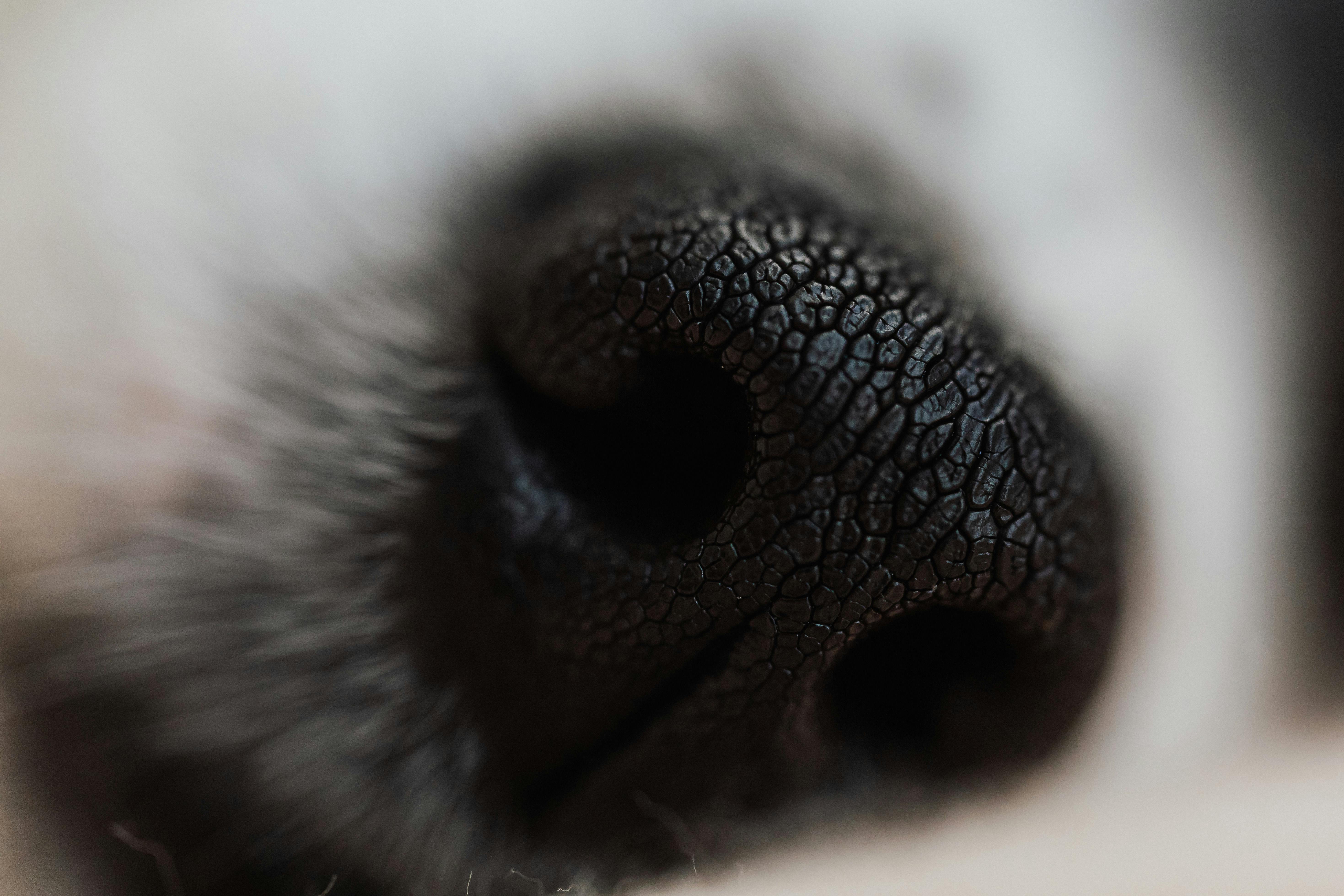
Dogs are often considered man's best friend, and one of their most charming features is definitely their wet noses. The question many people often ask is, why do dogs have wet noses? This fascinating truth holds several insights into how dogs perceive the world around them, especially through their sense of smell. It's not just a quirky characteristic; there's science, history, and practical implications behind it.
The Science Behind Wet Noses
A dog's wet nose serves multiple important functions, primarily linked to their incredible olfactory capabilities. Here's a breakdown of the science:
Moisture and Smell: Dogs have a special ability to detect scents, and their wet noses play a critical role in this. The moisture helps to dissolve scent particles, making it easier for dogs to pick up on different smells in their environment. This is why when dogs sniff something, they often seem to take their time—they're really drinking in all the information!
Temperature Regulation: Dogs can’t sweat the way humans do. Instead, they rely on their noses to help regulate body temperature. The moisture on their noses evaporates, which can help cool them down.
Health Indicator: A wet nose is often seen as a sign of a healthy dog. However, it's essential to note that a dry nose doesn't necessarily mean a dog is sick. It can vary based on activity levels, temperature, or even the time of day.
Historical Context
Historically, dogs have been our companions for thousands of years. Their wet noses have not only helped them survive in the wild, but also assisted humans in various tasks. Ancient hunters utilized dogs for tracking, and their keen sense of smell, aided by moisture on their noses, was vital for locating prey.
- Tracking and Detection: Dogs were historically used for hunting and tracking due to their superior sense of smell. The moisture on their noses helps them pick up scents in the air and on the ground, making them excellent trackers.
The Amazing Sense of Smell
Dogs’ sense of smell is astonishing. To put it into perspective:
Number of Olfactory Receptors: Humans have about 5 million olfactory receptors, while dogs have approximately 220 million. This makes their sense of smell 40 times more sensitive than ours!
Scent Discrimination: Dogs can differentiate between different scents even when they are mixed together. This is why they are often used in search and rescue operations, as well as in law enforcement.
Scent Memory: Dogs have an incredible memory for scents. They can remember and recognize familiar smells even years later. This ability is linked to their wet noses, which help in retaining scent information.
Practical Examples of Smell Usage
Dogs utilize their sense of smell in various ways, which is fascinating to observe:
Search and Rescue: Dogs are trained to find missing persons or detect disasters due to their incredible olfactory skills.
Medical Detection: Some dogs are trained to detect diseases such as cancer or diabetes through scent. Their wet noses play a role in this sensitive detection process.
Service Animals: Many service dogs are trained to assist individuals with disabilities, using their sense of smell to alert them to various conditions or dangers.
Comparison: Dogs vs. Humans
Here’s a brief comparison of the olfactory abilities of dogs versus humans:
| Feature | Dogs | Humans |
|---|---|---|
| Olfactory Receptors | ~220 million | ~5 million |
| Sensitivity | 40 times more | Less sensitive |
| Scent Discrimination | Excellent | Fair |
| Scent Memory | Exceptional | Moderate |
Why Dogs Sniff Everything
If you notice your dog sniffing everything, it's because they gather a lot of information through their sense of smell. Each scent tells them a story—where other dogs have been, what they’ve eaten, and even their emotional state.
Social Interactions: Dogs often sniff each other as a form of greeting. This is how they learn about one another, including age, health, and even mood.
Environmental Awareness: A simple walk in the park can become an adventure for a dog. Every tree, bush, and spot on the ground holds a wealth of information.
In summary, the wet nose of a dog is more than just an adorable feature; it plays a crucial role in their ability to smell and interact with the world around them. This fascinating truth about why dogs have wet noses highlights their unique biology and the special bond they share with humans. So next time you give your furry friend a pat on the head, remember the incredible capabilities that their wet nose represents!
7 Surprising Facts About Dog Nose Moisture You Probably Didn’t Know
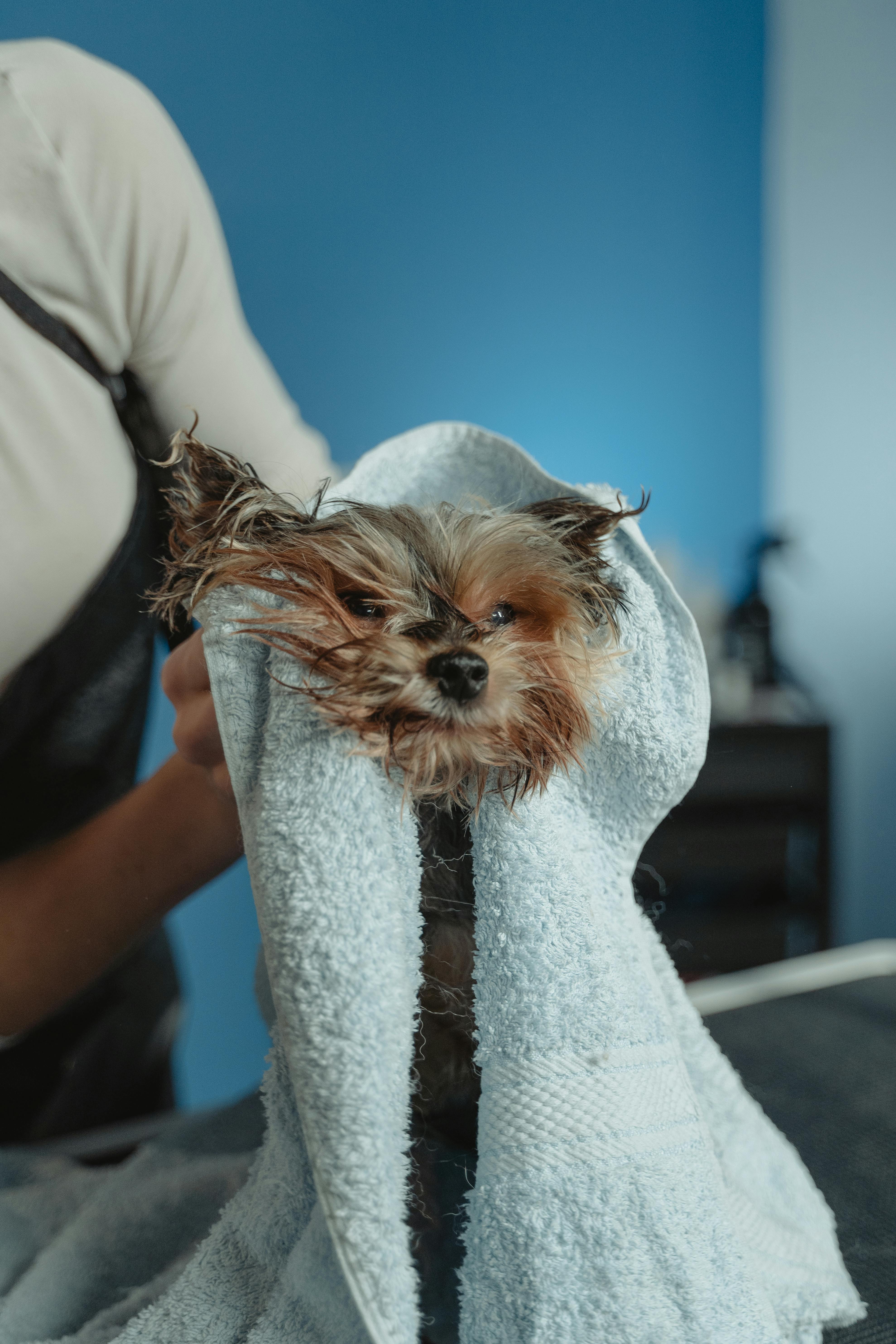
Dogs are truly amazing creatures, and one of the most interesting things about them is their noses. You may have noticed your furry friend’s nose is often wet, and you might have wondered why that is. Well, let’s dive into the world of dog nose moisture and uncover seven surprising facts that you probably didn’t know! Why do dogs have wet noses, anyway? Discover this fascinating truth!
1. It’s a Cooling Mechanism
Dogs do not sweat like humans do. Instead, they rely on their noses to help regulate their body temperature. The moisture on a dog's nose evaporates, which cools them down. Just like how we might splash water on our face to feel cooler, dogs do the same with their noses. So, next time you see your dog with a wet nose, remember they might just be trying to beat the heat!
2. Enhanced Sense of Smell
A wet nose is not just for show; it actually plays a critical role in how dogs smell. The moisture helps to capture scent particles in the air. This means that when a dog sniffs something, they are taking in more scents thanks to the wetness of their nose. In fact, dogs’ sense of smell is 10,000 to 100,000 times more sensitive than ours! Here’s a quick comparison:
- Human Nose: Can detect about 5 million scent particles.
- Dog Nose: Can detect over 300 million scent particles.
3. The Importance of Hydration
Just like humans, dogs need to stay hydrated. A dry nose can sometimes indicate dehydration or illness. However, a wet nose is generally considered a sign of good health. If your dog’s nose suddenly becomes dry and cracked, it might be worth checking in with your vet. Keep them hydrated with plenty of fresh water, and you’ll likely see that nose glistening again!
4. Temperature Regulation
In addition to cooling down, a wet nose can also help regulate a dog’s overall body temperature. When a dog is feeling warm, their body produces moisture on the nose to help cool them off. It’s a natural reaction. So, if you’re noticing your dog's nose is extra moist after a long walk on a hot day, it’s probably just their way of staying comfortable!
5. Communication Tool
Believe it or not, a dog’s nose is also a tool for communication. When dogs greet each other, they often sniff each other's noses. This behavior is a way to gather information about each other. The moisture on their noses helps pick up scents, allowing dogs to "read" their peers. So, if your pup is giving another dog a good sniff, they are just trying to learn more about them!
6. Breed Differences
Not all dogs have the same level of nose moisture. Some breeds may naturally have drier noses than others. For example, Bulldogs often have drier noses compared to breeds like the Labrador Retriever, who typically has a wetter nose. This can be due to genetic factors, environment, and lifestyle. Here’s a look at a few breeds and their typical nose moisture:
- Labrador Retriever: Always wet and cool.
- Bulldog: Often dry, but might still be healthy.
- Dachshund: Moist but can vary with health.
7. The Science Behind It
Research shows that the moisture on a dog's nose is not just simple water. It contains various proteins and enzymes that assist in their sense of smell. These compounds help to break down scent particles, making it easier for dogs to interpret the information they gather. So, when you think of a wet dog nose, remember it’s more than just moisture; it’s a complex system that enhances their ability to navigate the world through smell.
Dogs are incredible animals, and their wet noses are just one of the many fascinating aspects of their biology. Whether it’s for cooling down, enhancing their sense of smell, or even communicating with other dogs, the moisture on their noses serves several important functions. It’s a part of what makes them so unique and delightful companions.
So, the next time you give your pup a pat and feel that damp nose, know that it’s not just an endearing characteristic but a sign of a healthy, happy dog! Keep an eye on that wet nose, and you’ll notice all the ways it contributes to your furry friend’s well-being and happiness!
Can a Dog's Wet Nose Indicate Illness? What Pet Owners Should Watch For
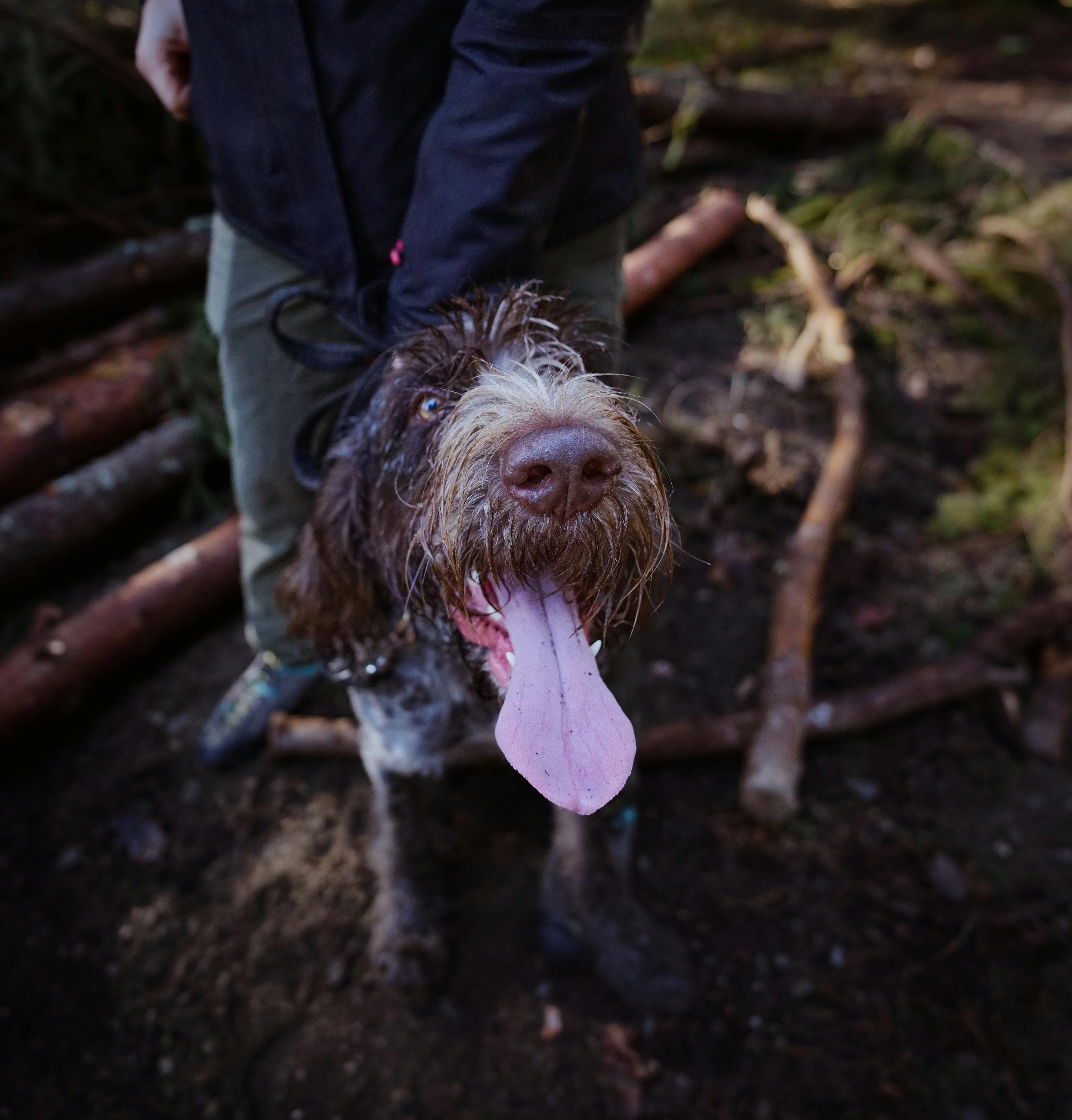
Dogs are often called man's best friend, and any dog owner knows how important it is to keep an eye on their furry companions. One common belief is that a dog’s wet nose can indicate their health status. But, is there any truth to this? Let’s explore this fascinating subject of canine health, the reason dogs have wet noses, and what pet owners should look out for.
Why Do Dogs Have Wet Noses?
Dogs' noses are often wet and it’s not just because they like to sniff around! The moisture serves several important purposes. Here’s some reasons for it:
- Sense of Smell: A wet nose helps enhance a dog’s sense of smell. The moisture captures scent particles in the air, making it easier for dogs to detect different smells.
- Temperature Regulation: Dogs don’t sweat like humans do. Instead, they cool off through their noses, which release heat and moisture.
- Health Indicator: A healthy dog usually has a moist nose, but that doesn’t mean they are always sick if their nose is dry.
But, why is it that some dogs have wetter noses than others? Factors like breed, age, and environment can play a role. For example, breeds like Bulldogs may have drier noses compared to breeds such as Retrievers.
Can a Dog's Wet Nose Indicate Illness?
When it comes to a wet nose, many pet owners wonder if there's a link between the nose’s moisture and health issues. Generally speaking, a dog with a wet nose is often seen as healthy. However, there's more nuance to it. Here’s what pet owners should watch for:
- Dry Nose: If your dog’s nose is unusually dry, it could be a sign of dehydration or illness.
- Cracked or Chapped Nose: This could indicate sunburn, allergies, or even an underlying skin condition.
- Nasal Discharge: If there’s a discharge from the nose, whether clear or colored, it could indicate infection or other health concerns.
- Change in Temperature: A warm nose can sometimes indicate fever, though not always.
Common Illnesses Related to Nose Changes
Here’s a list of common conditions that might make a dog’s nose change:
- Kennel Cough: This highly contagious respiratory disease can cause nasal discharge and other symptoms.
- Allergies: Dogs can be allergic to pollen, dust, or food, leading to a dry or irritated nose.
- Autoimmune Diseases: Conditions like lupus can affect the skin and nose of dogs, leading to various symptoms.
- Infections: Bacterial or viral infections can lead to nasal discharge and other health issues.
Recognizing Other Symptoms of Illness
It’s important to remember that a wet nose alone isn't a definitive indicator of health. Here are some other symptoms to keep an eye on:
- Loss of Appetite: If your dog suddenly stops eating, that could be a red flag.
- Lethargy: Unusual tiredness, or lack of energy can indicate something is wrong.
- Coughing or Sneezing: Frequent respiratory symptoms should not be ignored.
- Vomiting or Diarrhea: Digestive issues can often signal illness.
Practical Tips for Pet Owners
Keeping track of your dog’s health involves more than just checking the nose. Here are some practical tips:
- Regular Vet Visits: Annual check-ups can help catch any health issues early.
- Hydration Check: Always ensure your dog has access to fresh water to prevent dehydration.
- Watch Their Behavior: Changes in behavior can be one of the first signs of illness.
- Maintain a Healthy Diet: A balanced diet can prevent many health issues down the line.
Conclusion
So, can a dog’s wet nose indicate illness? It can be a clue, but it’s just one piece of the puzzle. Pet owners should stay observant and consider other signs of health or illness. Dogs have wet noses for multiple reasons, and while it can indicate a healthy pooch, it’s essential to look at the bigger picture. Regular vet visits and keeping an eye on your dog's behavior can go a long way in ensuring their well-being. Being a responsible pet owner means being attentive to every little change in your furry friend's health.
Why Do Some Dogs Have Drier Noses? Uncovering the Truth Behind Nose Variations
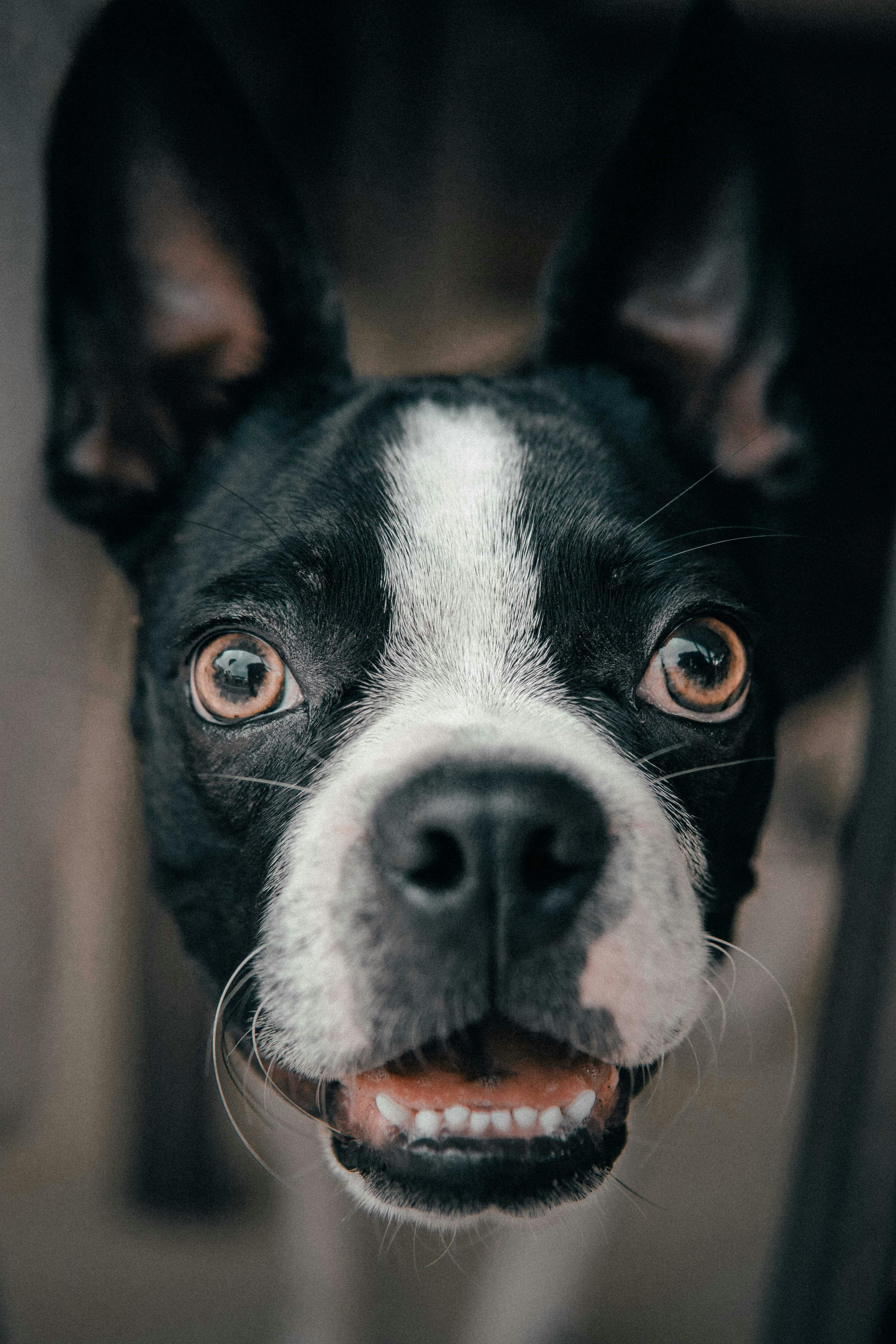
Dogs are often seen as man's best friend, but one thing that can confuse many pet owners is why do some dogs have drier noses while others have wet ones. This question isn't just about aesthetics; it goes deeper into canine health and behavior. So, let’s dive into this subject and uncover the truth behind nose variations in our furry companions.
Wet Noses: Nature’s Design
First, let’s start with the common belief that dogs have wet noses. Most dogs do, and there are good reasons for it. A wet nose helps dogs with their sense of smell, which is way more powerful than ours. When a dog's nose is moist, it can capture scent particles from the air more effectively, which is why those slobbery snouts can lead to some pretty intense sniffing sessions.
Here’s a list of reasons why dogs have wet noses:
- Enhanced Smell: The moisture helps in absorbing scent chemicals.
- Cooling Mechanism: Dogs don’t sweat like humans; they regulate temperature through their noses.
- Health Indicator: A wet nose is often a sign of an active, healthy dog.
Drier Noses: What’s Going On?
Now, not all dogs have the same wetness level. Some dogs might have drier noses, and this can be due to a variety of reasons. A dry nose doesn’t automatically indicate an issue, but it can be worth monitoring. Here some common reasons for a dry nose in dogs:
- Dehydration: If a dog isn’t drinking enough water, it can lead to a dry nose.
- Environmental Factors: Hot weather, low humidity, or air conditioning can dry out a dog's nose.
- Health Conditions: Certain illnesses or skin conditions can also result in a drier nose.
Comparing Wet and Dry Noses
Let’s take a closer look at the differences between wet and dry noses through this simple table:
| Characteristic | Wet Nose | Dry Nose |
|---|---|---|
| Scent Absorption | High | Lower |
| Temperature Control | Effective | Less effective |
| Health Indicator | Generally healthy | Could indicate issues |
| Common in Breeds | Most breeds | Some specific breeds |
The Myth of the Warm Nose
Many people often think that a dog’s nose temperature can tell you about their health. It's a common myth that a warm nose means the dog is sick. In reality, a dog's nose temperature can vary quite a bit throughout the day, depending on activity levels, environment, and other factors. It's better to look for other signs of illness, like changes in behavior or appetite, rather than relying solely on nose temperature.
What Should Dog Owners Do?
If you notice your dog has a dry nose, it’s important to keep an eye on other health indicators. Here some steps you can take:
- Hydration: Make sure your dog has access to fresh water at all times.
- Environment: If it's hot or dry, consider using a humidifier or ensuring your dog stays cool.
- Regular Vet Visits: Routine check-ups can help catch any underlying health problems early.
Fun Facts About Dog Noses
- Dogs have about 220 million scent receptors in their noses, while humans only have about 5 million.
- The unique pattern of a dog's nose is like a human fingerprint - no two are alike!
- Dogs can even detect diseases such as cancer or diabetes through smell.
In the end, whether a dog has a wet or dry nose can depend on many factors, from breed to health. Monitoring your dog’s nose condition, alongside other health indicators, can help you ensure your furry friend is happy and healthy. Remember, if there are any concerns about your dog's health, reaching out to a veterinarian is always the best course of action. Understanding your dog's unique characteristics, including their nose variations, can deepen your bond and enhance their well-being. So keep those noses sniffing and tails wagging!
The Connection Between a Dog's Wet Nose and Their Emotions: What Science Says

Have you ever noticed how a dog's nose feels when you pet them? It's often cool and wet, right? But have you ever thought about why this is the case? The connection between a dog's wet nose and their emotions is more fascinating than most people realize. Dogs have wet noses for a variety of reasons, and understanding these can help us bond with our furry friends even more. So, let’s dive into the science behind those adorable noses and explore what it means for a dog’s emotional state.
Why Do Dogs Have Wet Noses?
First off, the main reason dogs have wet noses is because of the moisture that helps them with their sense of smell. A dog's nose has a special mucus that can absorb scent particles, which is kinda like how we can taste food better when our nose is clear. When their nose is wet, it can capture more scents, giving them a better idea of what's around them.
Also, dogs sweat through their noses! It’s not like humans, who sweat all over. Instead, they have sweat glands in their noses that help cool them down. That's why you might see your dog’s nose wet after a walk on a hot day.
Here’s a quick list of the reasons why dogs have wet noses:
- Enhanced Sense of Smell: Wet noses help in absorbing scent particles.
- Temperature Regulation: They sweat through their noses to cool themselves down.
- Communication: A wet nose can indicate a dog’s emotional state.
The Emotional Connection
Believe it or not, a dog's wet nose can also tell you about their feelings. When dogs are happy or excited, their noses tend to be more moist. But, if a dog is feeling stressed or unwell, their nose might be drier. This can be helpful for dog owners to understand what their pets are going through.
Studies have shown that dogs can express emotions just like humans. For example, a happy dog might greet you with a wagging tail and a wet nose, while a nervous dog might keep their nose dry and avoid eye contact.
Comparisons Between Wet and Dry Noses
Let’s look at some differences between wet and dry noses in dogs.
| Wet Nose Characteristics | Dry Nose Characteristics |
|---|---|
| Typically indicates happiness | Can indicate stress or illness |
| Better at smelling | Less effective at scent detection |
| Common in healthy dogs | May signify dehydration or health issues |
Historical Perspectives
Dogs have been domesticated for thousands of years. Ancient civilizations recognized the importance of a dog's nose. For instance, Romans used dogs for hunting not just because of their loyalty, but also due to their superior sense of smell. The connection between dogs and humans has evolved, but the importance of a dog's nose remains a constant.
In fact, the phrase "cold nose, warm heart" is popular among dog lovers. It suggests that a wet nose is a sign of a loving and healthy dog.
Practical Examples in Everyday Life
You might not think about your dog’s nose much, but it can give you vital clues about their well-being. Here are some practical examples to help you understand better:
- If your dog greets you with a warm, dry nose after being outside in the heat, it could mean they’re overheated.
- If a dog’s nose is consistently dry and cracked, it may be a sign of dehydration or illness, and a visit to the vet is a good idea.
- A wet nose in a dog that’s wagging its tail typically suggests happiness and excitement, like when they see you come home.
Understanding Your Dog’s Needs
As a dog owner, being attentive to your pet's nose can help you understand their health and emotional state. If you notice changes in your dog's nose moisture, it might be worth keeping an eye on their behavior.
- Regular Check-ups: Keep your dog’s health in check with regular vet visits, especially if you notice a dry nose that doesn’t improve.
- Hydration: Ensure your dog has access to plenty of water, especially in hot weather, to keep their nose and body hydrated.
- Observe Behavior: Pay attention to your dog’s overall behavior. Happiness is often reflected in a wet nose, but any drastic changes can signal something might be off.
So next time you pet your dog and feel that cool, wet nose, remember it’s not just about being cute. There’s science, emotion, and a whole lot of love behind it! Understanding these aspects can deepen your relationship with your furry friend.
How Weather Affects Your Dog's Nose Moisture: Are They Trying to Tell You Something?

When you look at your dog, one of the first things you might notice is their wet nose. Ever wonder why do dogs have wet noses? It's quite a fascinating question that goes beyond just a simple characteristic. The moisture on your dog's nose isn’t just for show. It can actually be influenced by various factors, including the weather. So how weather affects your dog's nose moisture? Are they trying to tell you something? Let’s dive into the intricacies of this curious canine feature.
Why Do Dogs Have Wet Noses?
Dogs' noses are wet for a few reasons, and each one plays a role in their health and communication. Here’s a breakdown of some important facts:
Scent Detection: A wet nose helps dogs pick up scents better. The moisture captures scent particles, making it easier for them to smell things around them. This is why dogs are so good at tracking and sniffing out various scents.
Temperature Regulation: Dogs don’t sweat like humans do. Instead, they cool down through their noses. The moisture on their noses evaporates, which helps to cool them off. So, if you notice wetness, it could be a sign that your pup is regulating their body temperature.
Health Indicator: A dog's nose can be an indicator of their health. A warm, dry nose could suggest that something is wrong, while a cool, moist nose is often a sign of a happy and healthy dog.
Weather's Impact on Nose Moisture
Weather can definitely affect how wet or dry your dog’s nose is. Here’s how different types of weather play a role:
Humidity: In high humidity, noses tend to stay wetter. The moisture in the air can help keep their noses hydrated. On the other hand, dry weather can lead to a drier nose, which might be uncomfortable for your pet.
Cold Weather: When it's cold outside, the moisture on a dog's nose can freeze or evaporate quickly. Dogs may have drier noses during winter months, and they might need more hydration.
Heat: Hot weather can cause a dog’s nose to dry out quickly. Dogs may appear to have a dry nose as a way to cope with the heat. Make sure they have access to water, and keep them cool to avoid overheating.
Rain: After a rainy day, you might notice your dog’s nose is especially wet. This is because they’re likely been outside, sniffing around in the damp environment, which naturally keeps their noses moist.
Signs Your Dog Might Be Trying to Tell You Something
Dogs communicate in various ways, and their noses can be part of that language. Here are some signs to watch for:
Excessive Dryness: If your dog’s nose is unusually dry or cracked, it might be time to check in with a vet. It could indicate dehydration or a health issue.
Change in Moisture: If your dog’s nose suddenly changes from wet to dry or vice versa, observe their behavior; there could be an underlying reason, like stress or illness.
Sniffing Habits: Dogs that frequently sniff around might just be curious, but it could also mean they’re trying to find comfort if their nose feels off.
Practical Tips for Nose Care
Caring for your dog’s nose can be an important part of their overall health. Here are some practical tips:
Stay Hydrated: Always ensure your dog has access to fresh water to help maintain moisture in their nose.
Avoid Harsh Weather: Limit your dog’s time outside during extreme weather conditions, whether it's scorching heat or chilly cold.
Use Nose Balm: If you notice your dog’s nose becoming dry, consider applying a pet-safe nose balm. This can help keep their nose moisturized.
Regular Vet Check-ups: Regular vet appointments can help you monitor your dog’s overall health, including their nose condition.
Fun Facts About Dog Noses
Dogs have around 300 million smell receptors in their noses, while humans only have about 6 million.
The texture of a dog's nose is as unique as a human's fingerprint.
Some breeds, like Bloodhounds, are known for their extraordinary sense of smell and wet noses.
In summary, the wetness of your dog's nose is a fascinating aspect of their biology that can tell you a lot about their health and well-being. Weather plays a significant role in this moisture level, and understanding it can help you care better for your furry friend. Always pay attention to changes and keep your pup hydrated and comfortable, no matter the season.
Conclusion
In conclusion, the wet noses of dogs serve multiple essential functions that contribute to their overall health and well-being. The moisture on their noses helps enhance their sense of smell, allowing them to detect scents more effectively, which is crucial for their survival and communication. Additionally, a wet nose plays a role in regulating their body temperature and provides a mechanism for hydration. While many dog owners may wonder about the significance of a warm or dry nose, it's important to remember that variations can occur due to factors like activity level and environmental conditions. Ultimately, understanding the reasons behind this unique characteristic not only deepens our appreciation for our canine companions but also helps us care for their needs more effectively. So, the next time you greet your furry friend, take a moment to appreciate that cool, wet nose—it's a remarkable feature that showcases their incredible biology!