Have you ever wondered why do dogs have wet noses? This intriguing question sparks curiosity among pet owners and animal lovers alike! A dog’s nose is not just a cute feature; it plays a vital role in their health and well-being. But, what exactly does a wet nose mean? Is it a sign of a happy dog or a indication of something more serious? In this article, we dive deep into the fascinating truth behind those moist noses that often leave us asking, "What’s up with that?" Not only do we explore the science behind the moisture, but we also uncover how a dog’s sense of smell is closely linked to their wet noses. This unique characteristic allows them to gather important information about their environment. Curious how temperature, breed, and even emotions can affect a dog's nose moisture? Stay tuned as we explore all these intriguing aspects! Whether you're a seasoned dog owner or considering adopting a furry friend, understanding the reason for wet noses can enhance your bond and care for your beloved pet. Get ready to discover the secrets that lie beneath that adorable snout!
\n\nThe Science Behind Why Dogs Have Wet Noses: Uncovering the Mystery
\n\n \n\n
\n\nThe science behind why dogs have wet noses is a topic that has puzzled many pet owners and enthusiasts. It's a common sight to see our furry friends with their moist snouts, and it raises the question: why do dogs have wet noses? This fascinating truth not only touches on the biology of dogs but also how they interact with the world around them. Let’s dive into the science behind this curious canine characteristic.
\nThe Biology of Dog Noses
\nDogs have specially designed noses that serve multiple purposes. One key reason for the wetness is that it helps with their sense of smell. The mucous on a dog’s nose actually enhance their olfactory senses. When a dog's nose is moist, it absorbs scent particles from the air, making it easier for them to detect various smells. This is why you often notice dogs sniffing around – they are taking in their environment in a way humans can't.
\nHistorical Context of Dog Noses
\nHistorically, dogs have been bred for various purposes, many of which require a keen sense of smell. From hunting to tracking, the ability to smell is vital for many dog breeds. For example:
\n- \n
- Bloodhounds: Known for their incredible tracking ability. \n
- Beagles: Often used in search and rescue due to their scenting capability. \n
- German Shepherds: Frequently used in police and military work. \n
Wet noses serve as a natural adaptation for these tasks, aiding in their ability to perform.
\nWhy Are Dog Noses Wet?
\nLet’s explore some reasons why dogs have wet noses. Here is a list of the principal reasons:
\n- \n
- Enhanced Smell: As mentioned, moisture helps absorb scent particles. \n
- Cooling Mechanism: Dogs don’t sweat like humans. A wet nose helps cool them down, especially during hot weather. \n
- Health Indicator: A dog’s nose can indicate health. A cold, wet nose often means a healthy dog, while a dry or warm nose could suggest illness. \n
How Wet Noses Affect Dog Behavior
\nDogs use their noses not only for smelling but also for social interactions. A wet nose can be a form of greeting among dogs. When they touch their noses together, it's a way of saying hello. Observing this behavior can tell you a lot about their social dynamics.
\nComparing Dog Noses to Other Animals
\nDogs aren’t the only animals with wet noses. Here’s how they compare with other animals:
\n| Animal | \nNose Type | \nPurpose | \n
|---|---|---|
| Dogs | \nWet | \nEnhanced smelling, cooling | \n
| Cats | \nMostly Dry | \nLess reliance on scent | \n
| Pigs | \nWet | \nExcellent sense of smell | \n
| Cows | \nDry | \nLimited sense of smell | \n
It’s interesting to see how different animals use their noses for various functions.
\nPractical Examples of Nose Moisture
\nIf you are a dog owner, you might wonder how you can keep your dog's nose healthy. Here are some practical tips:
\n- \n
- Keep Hydrated: Ensure your dog drinks enough water to maintain moisture. \n
- Check for Health Issues: Regularly inspect your dog's nose for unusual dryness or cracking, which could indicate health problems. \n
- Avoid Extreme Temperatures: Protect your dog from extreme heat or cold, which can affect nose moisture. \n
Fun Facts About Dog Noses
\n- \n
- A dog's sense of smell is approximately 10,000 to 100,000 times more acute than humans. \n
- The surface of a dog’s nose has a unique pattern, just like human fingerprints. \n
- Dogs can smell fear! Their acute sense allows them to detect changes in human scents. \n
Understanding why dogs have wet noses not only enhances your knowledge about your pet but also strengthens the bond you share. The moisture in a dog's nose is a marvel of nature, serving important roles in their sense of smell, health, and behavior. So next time you see your furry friend with a wet nose, just remember that it's not just cute – it’s also a vital part of their biology and interaction with the world.
\n\n5 Fascinating Reasons Your Dog's Nose is Always Moist
\n\n \n\n
\n\nDogs are often called "man's best friend," and their lovable quirks never cease to amaze us. One of the most interesting and frequently asked questions among dog owners is, "Why do dogs have wet noses?" You might notice your furry friend’s nose is always moist, but have you ever stopped to wonder why? Here’s a dive into the fascinating reasons behind this characteristic.
\n1. Natural Cooling Mechanism
\nDogs don’t sweat like humans. Instead, they cool off through panting and the moisture in their noses. Their wet noses helps to regulate their body temperature. When a dog pants, moisture evaporates from their noses, which cools them down. On a hot day, this is especially important, as dogs can’t tolerate heat as well as humans do.
\n- \n
- Dogs have sweat glands primarily in their paw pads. \n
- Their nose acts as a secondary cooling system. \n
- Keeping noses moist can help prevent overheating during vigorous activities. \n
2. Enhanced Sense of Smell
\nA dog's sense of smell is astonishingly sensitive, and the moisture on their noses plays a crucial role in this. The wetness helps to capture scent particles from the air. When these particles are trapped, it allows dogs to identify smells more effectively. This is why dogs are often employed in search and rescue missions or used by police to detect drugs.
\n- \n
- Dogs have up to 300 million smell receptors, compared to a human's 5 million. \n
- A dog's nose has a special organ called the Jacobsen's organ that detects pheromones. \n
- Wet noses can absorb more scent molecules, enhancing olfactory capabilities. \n
3. Sign of Health and Wellbeing
\nA moist nose is generally considered a sign of good health in dogs. If your dog’s nose is dry, it could indicate dehydration or illness. While a wet nose is not the sole indicator of health, it can be a useful observation point.
\n- \n
- Normal dog noses can vary from moist to slightly dry depending on the time of day and activity. \n
- Changes in moisture levels can signal health issues. \n
- Regular check-ups can ensure your dog's nose — and overall health — stays in check. \n
4. Communication Tool
\nBelieve it or not, a dog's nose can also serve as a communication tool. Dogs often greet each other by sniffing noses and using their sense of smell to gather information about other dogs. A moist nose can indicate an excited dog, ready to interact with others.
\n- \n
- Dogs can pick up on pheromones from their peers, which can signal their mood or reproductive status. \n
- A dog’s greeting can be more than just a nose touch; it’s a conversation starter. \n
- Understanding this behavior can improve social interactions between dogs. \n
5. Genetics and Breed Differences
\nDifferent dog breeds can have varying characteristics when it comes to their noses. Some breeds, like Bulldogs, may have drier noses due to their unique genetic makeup. Meanwhile, other breeds, like Retrievers, typically have consistently moist noses.
\n- \n
- Breeds known for wet noses: Labrador Retrievers, Beagles, and German Shepherds. \n
- Breeds with drier noses: Bulldogs, Boxers, and some Terriers. \n
- It’s interesting how genetics can play a role in something as simple as a nose! \n
The Science Behind Moisture
\nThe moisture on your dog’s nose is primarily due to a thin layer of mucus secreted by glands in their nasal tissue. This mucus helps not only with smelling but also keeps the nose soft and flexible. It’s fascinating that such a small feature can hold so much importance in a dog's life.
\nCommon Misconceptions
\nThere’s a lot of myths surrounding dog noses. Some people think that a cold and wet nose is always a sign of good health. While a moist nose is generally a good thing, it’s not the only indicator you should rely on.
\n- \n
- Misconception: A warm, dry nose means your dog is sick. \n
- Reality: Dog noses can fluctuate in temperature and moisture throughout the day. \n
- It’s important to look at other signs of health, like appetite, energy levels, and behavior. \n
In the end, the next time you pet your dog and feel that moist nose, you can appreciate the science behind it all. From cooling mechanisms to health indicators, dogs’ wet noses are part of what makes them unique companions. Whether they’re sniffing the air for interesting scents or cooling down after a game of fetch, their noses tell a story about their health and well-being. Dogs are truly remarkable creatures, and their wet noses are just one reason why!
\n\nIs Your Dog’s Wet Nose a Sign of Health? Discover the Truth!
\n\n \n\n
\n\nIs your dog’s wet nose really a sign of health? This question has been asked by many curious dog owners. Wet noses are common in dogs, and they often seem to be a hallmark of a happy, healthy pet. But does a wet nose actually mean your dog is doing well? Let’s dive into this fascinating subject and uncover the truth behind why do dogs have wet noses.
\nThe Science Behind Wet Noses
\nDogs have wet noses because of a few reasons, and they serve important functions. Here are some key facts:
\n- \n
- \n
Cooling Mechanism: Dogs don’t sweat like humans do. Instead, they cool off mainly through their noses and panting. The moisture on the nose helps regulate their body temperature.
\n \n - \n
Enhanced Smell: A wet nose helps trap scent particles, making it easier for dogs to pick up smells. This is why dogs have such an incredible sense of smell.
\n \n - \n
Health Indicator: While a wet nose can suggest health, it’s not a definitive sign. A healthy dog might have a moist nose, but other factors like hydration and temperature also play important roles.
\n \n - \n
Behavioral Factors: Dogs may lick their noses when they’re anxious or excited. So, a wet nose could also be a sign of their emotional state.
\n \n
Why Do Dogs Have Wet Noses? Discover This Fascinating Truth!
\nNow, let’s take a closer look into why dogs have wet noses and what it can mean.
\n- \n
- \n
Nose Anatomy: The dog’s nose is covered with a special type of skin that produces mucus. This mucus keeps the nose moist and helps with scent detection.
\n \n - \n
Temperature Regulation: Dogs might wet their noses by licking them periodically. This licking helps cool them down, especially in hot weather.
\n \n - \n
Health Signs: A wet nose can indicate that your dog is hydrated and healthy, but it’s important to observe other signs too. For example:
\n- \n
- Energy Levels: Is your dog active and playful? \n
- Eating Habits: Is your dog eating and drinking normally? \n
- Behavior Changes: Are there any sudden changes in behavior or mood? \n
\n
Common Misconceptions About Wet Noses
\nMany dog owners believe that a warm or dry nose indicates illness. However, this isn’t always true. Here’s some common myths debunked:
\n- \n
- \n
Myth 1: A dry nose means your dog is sick.
\n- \n
- Fact: A dog can have a dry nose due to weather changes or even after sleeping. \n
\n - \n
Myth 2: Only certain breeds have wet noses.
\n- \n
- Fact: All dogs, regardless of breed, can have wet noses. \n
\n - \n
Myth 3: A wet nose means your dog is happy.
\n- \n
- Fact: While a wet nose can indicate good health, it doesn’t necessarily mean your dog is happy. \n
\n
Practical Tips for Dog Owners
\nIf you’re a dog owner, here are some practical tips to keep your furry friend healthy:
\n- \n
- \n
Regular Vet Check-ups: Ensure your dog sees a vet regularly for health check-ups. This can help you catch any potential issues early.
\n \n - \n
Stay Hydrated: Always provide fresh water for your dog. Hydration plays a big role in maintaining a moist nose.
\n \n - \n
Watch for Changes: Keep an eye on your dog’s nose. If you notice significant changes in moisture or color, consult a vet.
\n \n - \n
Temperature Awareness: Be mindful of the weather. Hot days can lead to dehydration.
\n \n - \n
Observe Behavior: Monitor any changes in your dog’s behavior. If they're lethargic or not eating, it might indicate a problem.
\n \n
The Bottom Line
\nIn summary, while a wet nose can often suggest a healthy dog, it’s important to consider the entire picture of your pet's well-being. Dogs are unique creatures, and their health can be influenced by many factors beyond just the state of their noses. So, the next time you check your dog’s nose, remember it’s just one aspect of their overall health. By taking a holistic approach and being attentive to your dog’s needs, you can help ensure they live a happy and healthy life. Don't forget to show your furry friend some love and affection – they truly deserve it!
\n\nHow a Wet Nose Helps Dogs Detect Scents: The Incredible Biology Explained
\n\n \n\n
\n\nDogs, those lovable companions, have fascinated humans for centuries. One of the most interesting aspects of dogs is their incredible sense of smell, which is partly due to their wet noses. But why do dogs have wet noses? It’s a question many ask, and the answer is more complex than one might think. This article dives into the biology of a dog’s nose, how it helps them detect scents, and why that wetness is so important.
\nThe Biology of a Dog’s Nose
\nDog noses are not just cute; they are biological marvels. A dog’s sense of smell is estimated to be between 10,000 to 100,000 times more acute than that of humans. The wetness of a dog’s nose plays a crucial role in their ability to pick up scents. Here’s how it works:
\n- \n
- Moisture: The wet surface of a dog’s nose helps trap scent particles. When a dog sniffs, these particles adhere to the moisture, making it easier for them to identify different smells. \n
- Olfactory Receptors: Dogs have around 300 million olfactory receptors in their noses, compared to about 5 million in humans. This adaptation enables them to detect a wider range of scents. \n
- Vomeronasal Organ: This organ plays a role in detecting pheromones, which are chemical signals that can influence behavior and social interactions among dogs and other animals. \n
Why Are Dog Noses Wet?
\nThe moisture on a dog’s nose isn’t just random; it serves specific purposes. Here are some reasons why dog noses are wet:
\n- \n
- Cooling Mechanism: Dogs don’t sweat like humans do. Instead, they rely on their noses to help cool themselves down. The moisture evaporates, which can have a cooling effect. \n
- Enhanced Scent Detection: As mentioned earlier, the wetness helps capture scent particles. The more moisture, the better the nose can do its job. \n
- Health Indicator: A wet nose is often a sign of a healthy dog. Conversely, a dry nose can sometimes indicate illness or dehydration, although this isn't always the case. \n
Fun Facts About Dog Noses
\nUnderstanding a dog’s nose can be quite fascinating. Here’s a list of fun facts that might surprise you!
\n- \n
- Dogs can smell drugs, explosives, and even diseases like cancer due to their exceptional olfactory abilities. \n
- The shape of a dog’s nose can influence its sense of smell. Breeds like bloodhounds have longer noses with more surface area for olfactory receptors. \n
- Dogs use their noses to communicate with other dogs. By sniffing, they gather information about another dog’s health, diet, and even mood. \n
- Dogs can differentiate between similar scents. For instance, they can tell the difference between the scent of a person and the scent of a food item they recently touched. \n
Comparison: Dogs vs. Humans
\nTo really appreciate the incredible biology of a dog’s nose, let’s compare it with the human nose:
\n| Feature | \nDogs | \nHumans | \n
|---|---|---|
| Olfactory Receptors | \n300 million | \n5 million | \n
| Scent Detection | \n10,000 to 100,000 times better | \nStandard human capability | \n
| Nose Moisture | \nEssential for scent capture | \nMinimal moisture, mainly for protection | \n
| Communication | \nUses smell for social cues | \nPrimarily use verbal language | \n
Practical Examples of Scent Detection
\nDogs are trained to use their noses in various ways. Here are some practical examples:
\n- \n
- Search and Rescue: Dogs can locate missing persons or victims in disaster situations. Their noses guide them to scents of humans that are often hidden under rubble or in dense forests. \n
- Medical Detection: Some dogs are trained to detect illnesses like diabetes or seizures in their owners. They can smell changes in body chemistry that humans can’t detect. \n
- Service Dogs: Many service dogs are trained to assist people with disabilities by using their noses to sense important cues, such as alerting to an impending medical episode. \n
While the fascination with dogs and their noses continues, it’s clear that the wetness of a dog’s nose is much more than just a cute feature. It’s essential for their survival, communication, and effectiveness in various roles in our lives. The next time you see a dog with a wet nose, remember that it’s not just adorable; it’s a magnificent tool of nature that plays a vital role in their ability to connect with the world.
\n\nThe Role of Dog Noses in Thermoregulation: Why Moisture Matters
\n\n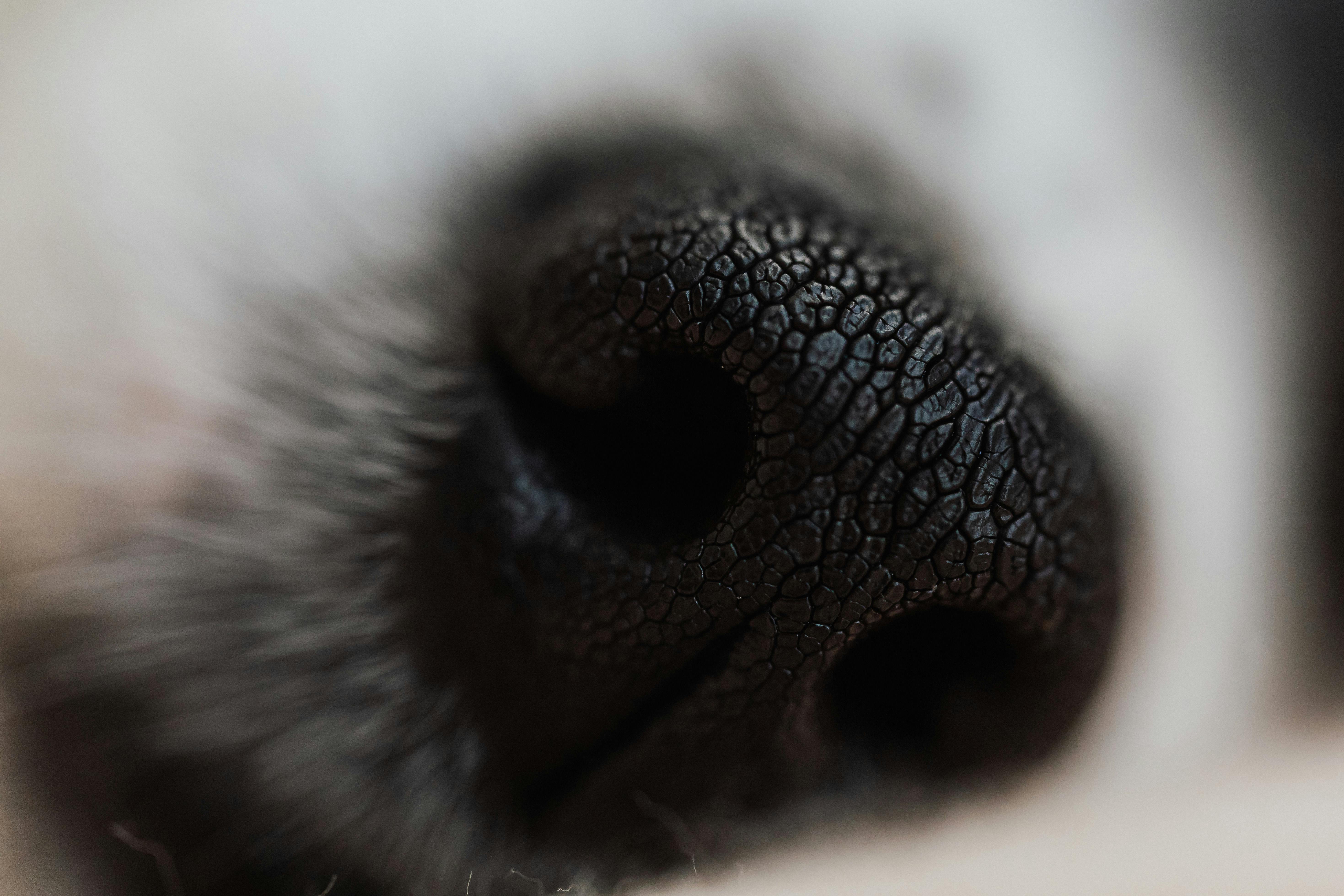 \n\n
\n\nWhat’s with dogs having wet noses? It’s one of those cute, little quirks that pet owners often smile at but don’t really think too much about. However, there’s actually a fascinating science and biology behind why dog noses are moist and how this plays a role in thermoregulation. Understanding this can help dog owners take better care of their furry friends while also appreciating the unique features that separate them from us humans.
\nThe Science of Dog Noses: Moisture Matters
\nDogs, like many animals, relies on their noses for more than just smell. Their noses are the ultimate multitaskers. Moisture on a dog’s nose helps with thermoregulation, which is a fancy way of saying it helps them control their body temperature. When dogs pant, moisture evaporates off their noses and helps cool them down. This is similar to how sweat works for humans, but it’s a little different.
\nWhy Do Dogs Have Wet Noses?
\nThere are several reasons why a dog’s nose is wet. Here’s a quick list:
\n- \n
- Cooling Mechanism: As mentioned, wet noses help cool down dogs when they get hot. \n
- Enhanced Smell: The moisture helps capture scent particles, making it easier to detect different smells. \n
- Health Indicator: A wet nose is often seen as a sign of a healthy dog, while a dry nose might indicate dehydration or illness. \n
- Communication Tool: Dogs communicate with each other and humans using their noses. A wet nose can be a friendly greeting or a way to show affection. \n
The Role of Thermoregulation in Dogs
\nDogs don’t sweat like humans do. Instead, they rely on a combination of panting and the moisture from their noses to regulate their body temperature. Here are some interesting facts about how this works:
\n- \n
- Panting: When a dog pants, it increases airflow across its tongue and respiratory system. This helps evaporate the moisture and cools the blood circulating throughout the body. \n
- Skin Cooling: Dogs do have some sweat glands, but they are primarily located in their paw pads. So, the nose moisture plays a key role in keeping their entire body cool. \n
- Temperature Range: Dogs can tolerate temperatures between 101 to 102.5 degrees Fahrenheit, but they can overheat quickly, especially in hot weather. \n
Historical Context and Evolution
\nIt’s interesting to think about how dogs evolved to have wet noses. Early domesticated dogs had wet noses to help them hunt and survive in the wild. They needed to track scents for food and to communicate with other animals. Over generations, those traits that help them survive became more pronounced.
\nComparisons: Dogs vs. Humans
\nWhile humans sweat to cool down, dogs have different strategies. Here’s a quick comparison table outlining the differences:
\n| Feature | \nDogs | \nHumans | \n
|---|---|---|
| Cooling Method | \nPanting and moist noses | \nSweating from skin | \n
| Temperature Control | \nNose moisture and breathing | \nSweat evaporation from skin | \n
| Scent Detection | \nMoist nose captures scent particles | \nLess effective sense of smell | \n
Practical Examples of Nose Care for Dogs
\nTaking care of your dog’s nose is important for their overall health. Here are a few tips for keeping your dog's nose in good shape:
\n- \n
- Hydration: Always ensure your dog has access to fresh water, especially during hot days. \n
- Check for Cracks: A dry or cracked nose could be a sign of dehydration or illness. If you notice this, consult your vet. \n
- Limit Sun Exposure: Just like humans can get sunburned, dogs can too, especially on their noses. Consider using pet-safe sunscreen for long outings. \n
- Temperature Awareness: Be mindful of hot pavement or sand, which can cause burns on your dog's paws and nose. \n
Dogs and their wet noses are more than just an adorable trait; they play an essential role in their health and well-being. Understanding how their noses work helps owners take better care of their pets. So next time you see your pup with a glistening nose, you can appreciate the fascinating biology and the important role it plays in keeping them healthy and happy.
\n\nWet Noses and Dog Behavior: What Your Furry Friend is Trying to Tell You
\n\n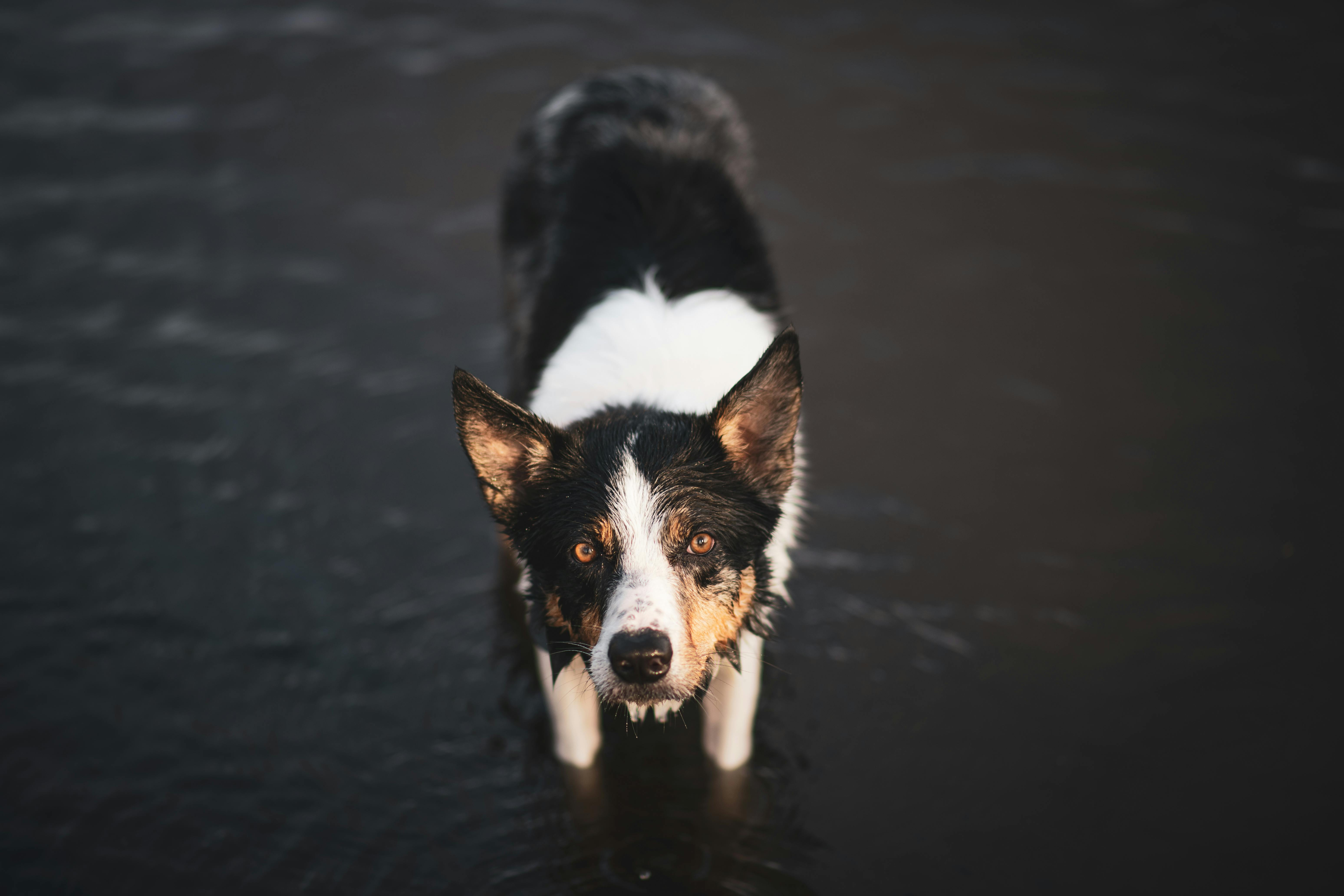 \n\n
\n\nDogs are often called man's best friend, and there's good reasons for it. These loyal companions express a lot through their actions and behaviors, but did you know their noses can tell you quite a bit too? Wet noses and dog behavior are deeply connected, and understanding this can help you bond better with your furry friend. But the big question on many people's minds is, why do dogs have wet noses? Let’s dive into this fascinating truth!
\nThe Science Behind Wet Noses
\nFirst, let’s talk about why dogs noses are wet. A dog's nose contains a special kind of mucus that help them to absorb scent chemicals better. This mucous layer is crucial for their sense of smell, which is far more advanced than ours, like, by a long shot. In fact, dogs have about 220 million scent receptors, compared to a mere six million in humans! A wet nose helps to capture scent particles from the air, making them more effective at sniffing out everything from treats to trouble.
\nHistorical Context: The Importance of Smell
\nThroughout history, dogs have been used for hunting, herding, and security. Their ability to smell has played a huge role in their domestication. Ancient civilizations relied on dogs’ keen sense of smell for various purposes. For example:
\n- \n
- Hunting: Dogs were bred to track down game animals. \n
- Herding: Shepherds used dogs to manage livestock, relying on their ability to detect the slightest changes in their surroundings. \n
- Search and Rescue: Even today, dogs are trained to locate missing persons or detect drugs and explosives. \n
This historical reliance on their sense of smell explains why having a wet nose is so beneficial for dogs!
\nWhat Your Dog's Wet Nose Might Indicate
\nWet noses can mean different things depending on the context. Here’s a quick rundown:
\n- \n
- Healthy Dog: Generally, a dog with a wet nose is considered healthy because it indicates good hydration and overall wellness. \n
- Excitement or Curiosity: When dogs are curious or excited, they tend to lick their noses more often, making them wet. \n
- Stress or Anxiety: A dry nose can sometimes indicate stress. If your dog’s nose is dry and they are exhibiting unusual behavior, it might be time to check in on their emotional well-being. \n
How to Read Your Dog’s Body Language
\nUnderstanding dog behavior goes beyond just the nose. Here are some common body language signals your dog might be showing:
\n- \n
- Tail Wagging: A wagging tail doesn’t always mean happiness. Look at the position and speed. A high, fast wagging tail often indicates excitement, while a low wagging tail might mean submission or uncertainty. \n
- Ears Position: Erect ears suggest alertness, while ears pinned back can indicate fear or submission. \n
- Mouth: A relaxed mouth with a slightly open jaw can mean a happy dog, while a closed mouth with tense lips might mean your dog is feeling anxious. \n
Common Misconceptions About Wet Noses
\nThere are plenty of myths surrounding dog noses. Here are a few of the most common misconceptions:
\n- \n
- All Dogs Have Wet Noses: While many dogs do have wet noses, some breeds, like bulldogs, may have drier noses due to their unique facial structure. \n
- A Wet Nose Means a Healthy Dog: While a wet nose can indicate good health, it’s not the only sign. Always monitor your dog’s overall behavior and health. \n
- Dogs Only Lick Their Noses When Thirsty: Dogs may lick their noses for various reasons, including curiosity or even to cool themselves down. \n
Practical Tips for Keeping Your Dog’s Nose Healthy
\nTo ensure your dog’s nose stays wet and healthy, consider these tips:
\n- \n
- Hydration: Always provide fresh water to keep your dog hydrated. \n
- Regular Vet Check-ups: Regular check-ups can help catch any potential health issues early. \n
- Healthy Diet: Ensure your dog is on a balanced diet to support overall health, including skin and coat, which can influence nose moisture. \n
Fun Facts About Dog Noses
\n- \n
- Dogs can actually smell certain diseases, like cancer and diabetes! \n
- A dog’s sense of smell can change with age; older dogs may lose some smelling ability, just like humans do with age. \n
- Dogs have a unique nose print, much like human fingerprints; it can be used for identification! \n
Understanding your dog’s behavior and health can bridge the gap between you and your furry friend. A wet nose is just one of the many ways they communicate. By paying attention to these signals, you can improve your bond and ensure a happy, healthy life together. So the next time you wonder why do dogs have wet noses, remember, it’s not just about moisture; it’s about communication, health, and the unique relationship you share.
\n\nDo All Dogs Have Wet Noses? Exploring the Variations Across Breeds
\n\n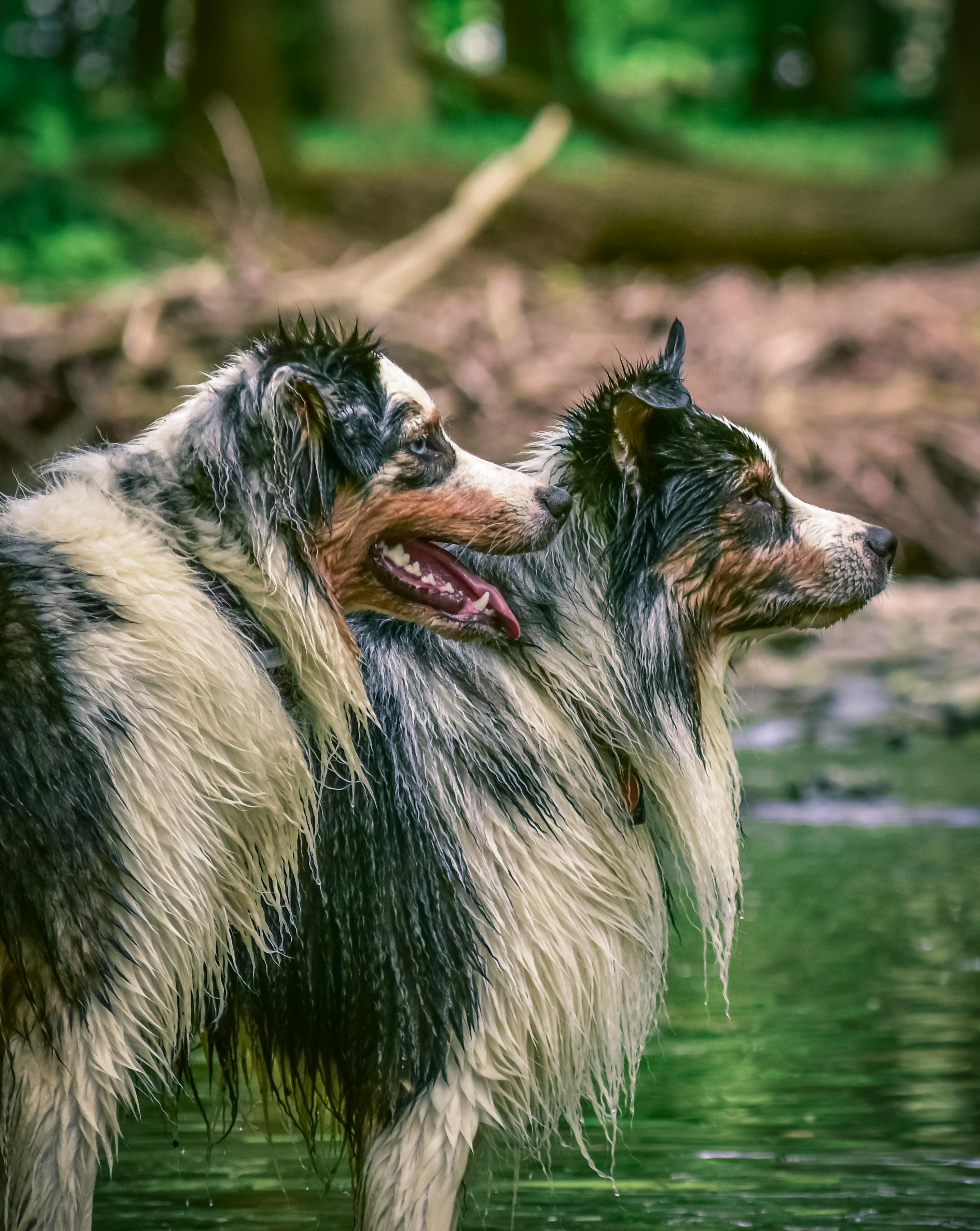 \n\n
\n\nHave you ever noticed that your furry friend’s nose is often wet? It’s a common trait among dogs, but not all dogs have wet noses. So, do all dogs have wet noses? Let’s dive into this fascinating subject and explore the variations across different breeds, as well as the reasons behind this unique characteristic.
\nWhat Makes a Dog's Nose Wet?
\nDogs have wet noses because of a combination of sweat and mucus. The moisture helps them to smell better. A wet nose can absorb scent particles from the air, which helps dogs to detect smells more efficiently than humans. But why do dogs specifically have wet noses?
\n- \n
- Enhanced Smell: The dampness in a dog’s nose helps them gather scent molecules in the environment more effectively. This makes them better at tracking scents. \n
- Thermoregulation: Dogs don’t sweat like humans do. They primarily regulate body temperature through their noses and panting. A wet nose can help cool them down. \n
- Health Indicator: A healthy dog usually has a wet and cool nose. A dry nose could indicate illness, dehydration, or fever. \n
Do All Breeds Have Wet Noses?
\nNot all dogs have the same nose. Various breeds can have different nose types, some wet and others dry. Breeds like Labrador Retrievers and Beagles are well-known for their wet noses, while some brachycephalic breeds like Bulldogs or Pugs may not have as moist a nose.
\nHere’s a quick comparison of wet vs. dry noses in different breeds:
\n| Breed | \nTypical Nose Condition | \nNotes | \n
|---|---|---|
| Labrador Retriever | \nWet | \nKnown for strong sense of smell. | \n
| Bulldog | \nDry | \nShort snouts, less moisture. | \n
| Beagle | \nWet | \nExcellent tracking dogs. | \n
| Pug | \nDry | \nBrachycephalic structure. | \n
| German Shepherd | \nWet | \nVery active and alert. | \n
Variations in Nose Conditions
\nJust like people, dogs can have unique characteristics. Here’s a look at some variations:
\n- \n
- Size of the Nose: Larger breeds tend to have bigger noses, which can influence moisture levels. \n
- Health Factors: Dogs with allergies or certain health issues might have drier noses. \n
- Weather Conditions: In colder weather, a dog’s nose might become drier and colder than usual. \n
Why is a Wet Nose Important?
\nA wet nose isn’t just a cute trait; it's important for several reasons. Here’s a few:
\n- \n
- Scent Detection: Wet noses can pick up scents and help dogs identify food or other animals. \n
- Body Temperature Regulation: Helps them stay cool during hot days. \n
- Social Interactions: Dogs often greet each other by sniffing noses; a wet nose is usually more inviting. \n
What If My Dog’s Nose is Dry?
\nIf you notice your dog’s nose is dry, it might not be a cause for immediate concern. However, it’s good to keep an eye on it. Here’s a checklist to consider:
\n- \n
- Hydration: Is your dog drinking enough water? \n
- Environment: Are they in a dry or hot area? \n
- Health Check: Are there other symptoms like lethargy or changes in appetite? \n
If you’re worried, consulting with a vet is always a good step.
\nFun Facts About Dog Noses
\n- \n
- Dogs have about 220 million scent receptors, compared to just 5 million in humans. \n
- A dog’s sense of smell is about 40 times better than that of an average person. \n
- Their noses come in many colors, including black, brown, and even pink. \n
So, do all dogs have wet noses? The answer is no; not all dogs have wet noses. It all depends on various factors, including breed, health, and environment. It’s fascinating how something as simple as a nose can reveal so much about a dog’s well-being and abilities.
\nNext time you pet your dog, take a moment to appreciate that wet nose and consider all the complexities behind it. Understanding your dog’s unique traits can help in providing the best care possible.
\n\nCan a Dog's Wet Nose Indicate Illness? Top Signs to Watch For
\n\n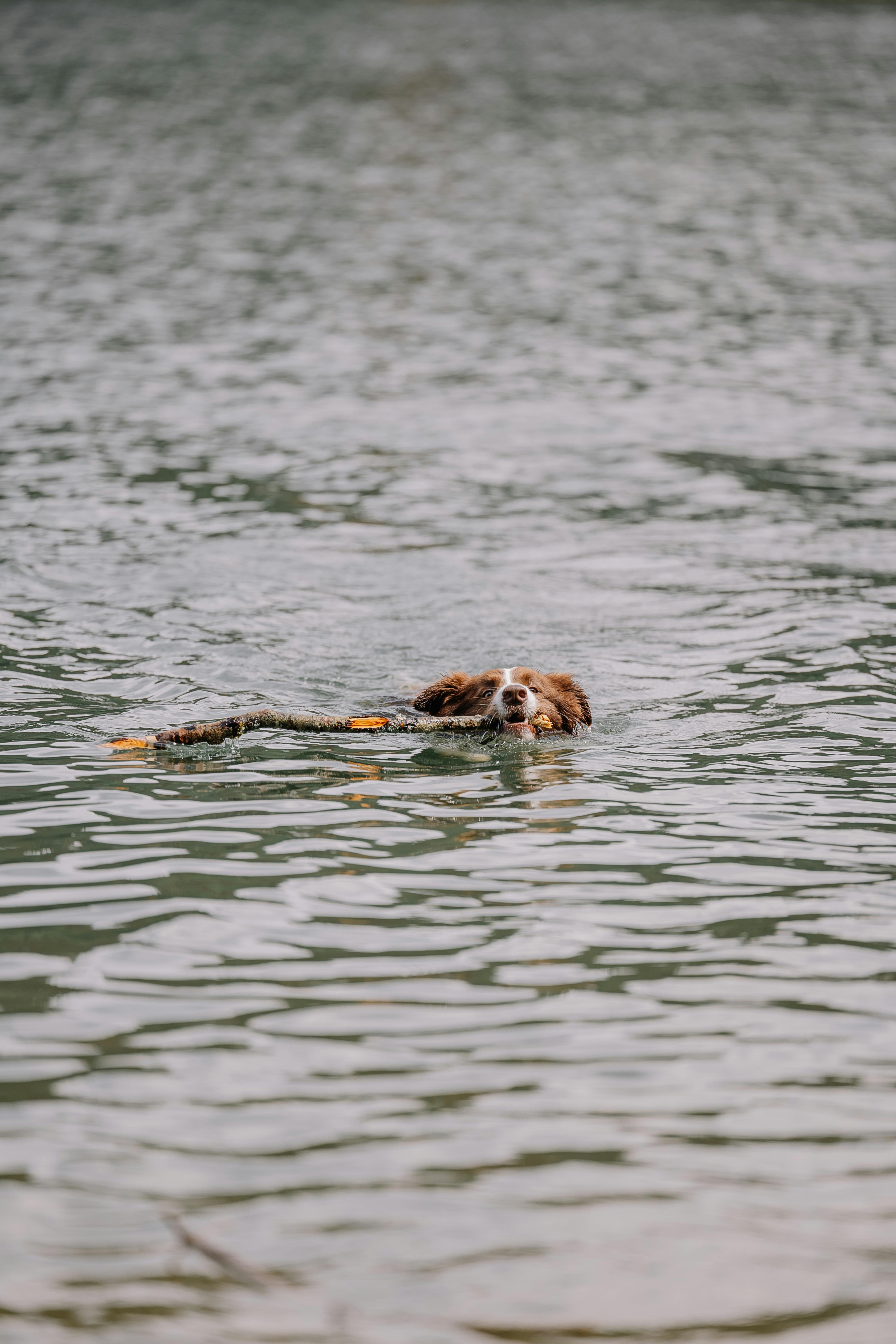 \n\n
\n\nWhen you think about dogs, their wet noses often come to mind. Many pet owners wonder if a dog’s wet nose is just a quirky trait or if it can actually indicate something more serious, like illness. Have you ever asked yourself, "Can a dog's wet nose indicate illness?" There are several signs to watch for, and understanding why dogs have wet noses can help you be more aware of your furry friend's health.
\nWhy Do Dogs Have Wet Noses?
\nFirstly, let’s talk about why dogs have wet noses in the first place. There are a few reasons, and it all relates to how their bodies work.
\n- \n
- \n
Cooling Mechanism: Dogs don't sweat like humans do. Instead, they cool themselves through panting and by having a moist nose. The moisture on a dog’s nose helps to regulate their body temperature.
\n \n - \n
Enhanced Smell: Dogs have an incredible sense of smell, and a wet nose helps to capture scent particles. The moisture on the nose helps to dissolve these particles, making it easier for dogs to detect different smells.
\n \n - \n
Health Indicator: A wet nose is often a good sign of health. However, it’s worth noting that it isn’t the only indicator. The moisture levels can fluctuate based on the environment, activity level, or even the weather.
\n \n
Can a Dog's Wet Nose Indicate Illness?
\nNow, the big question: can a wet nose indicate illness? The answer is a bit more complicated than a simple yes or no. While a wet nose is often a sign of a healthy dog, there are times when it might point to potential health issues. Here are some signs to watch for:
\n- \n
- \n
Dry Nose: If your dog’s nose is unusually dry, it might indicate dehydration or illness. However, it’s essential to consider other factors like temperature and environment.
\n \n - \n
Cracked Nose: A cracked or chapped nose can be a sign of allergies, nutritional deficiencies, or even autoimmune diseases.
\n \n - \n
Discharge: If there is a discharge from the nose, it could mean a respiratory infection or allergies. Clear discharge might not be as concerning, but thick, colored discharge often needs a vet’s attention.
\n \n - \n
Change in Temperature: If your dog's nose feels hot to the touch, it could signal a fever or illness. Always check your dog's overall behavior.
\n \n - \n
Behavior Changes: If your dog seems less active, has a poor appetite, or shows signs of discomfort, it’s worth consulting with a vet, especially if their nose is dry or showing other symptoms.
\n \n
Signs of a Healthy Dog
\nSo, what are the signs of a healthy dog? Here’s a quick list:
\n- \n
- Wet Nose: Typically, a healthy dog will have a moist and cool nose. \n
- Clear Eyes: Bright, clear eyes without redness or discharge. \n
- Good Appetite: Eating regularly and showing enthusiasm for meals. \n
- Active Behavior: Engaging in play and showing energy levels that match their breed. \n
- Normal Gait: Walking and running without any limping or discomfort. \n
When to See a Vet
\nIf you notice any of the concerning signs above, it’s important to take action. Here’s when you should definitely see a veterinarian:
\n- \n
- If your dog’s nose is dry and cracked for an extended period. \n
- If there’s any unusual discharge from their nose. \n
- If your dog has a change in behavior or appetite. \n
- If they show signs of pain or discomfort. \n
Historical Context
\nBack in ancient times, dogs were seen as companions and helpers. People noticed their behavior and health, often using their instincts to detect illnesses. This history makes it even more important to understand how our dogs communicate their health through signs like the state of their noses.
\nFun Facts About Dogs' Noses
\n- \n
- Dogs have about 220 million scent receptors in their noses, while humans have only about 5 million. \n
- A dog’s sense of smell can be 10,000 to 100,000 times more sensitive than that of a human. \n
- The wetness of a dog's nose comes from a special gland that keeps it moist. \n
So, the next time you check your pup's nose, remember that it can tell you a lot about their health. A wet nose is usually a good sign, but always pay attention to the other signs of well-being. Knowing the signs to look for can help you ensure that your furry friend stays happy and healthy. Don’t hesitate to consult your vet when in doubt; they can provide the best guidance for your dog's specific needs.
\n\nThe Connection Between Wet Noses and Dog Emotions: What Science Says
\n\n \n\n
\n\nDogs are often considered man's best friend, and their unique traits can tell us a lot about how they feel. One of the most interesting features of dogs is their wet noses. Many people wonder, why do dogs have wet noses? And does this have anything to do with their emotions? The connection between wet noses and dog emotions is not just a cute quirk, but a fascinating subject that science has been exploring for years.
\nWhy Do Dogs Have Wet Noses?
\nThe wetness of a dog's nose isn’t just for show. It serves several important purposes. For one, a wet nose helps dogs to smell better. The moisture on their nose captures scent particles from the air, allowing them to detect odors more effectively. This is vital for their survival, as dogs rely heavily on their sense of smell to explore their environment, communicate with other animals, and even hunt.
\nHere are some key reasons why dogs have wet noses:
\n- \n
- Enhanced Smell: A wet nose can pick up more scent particles. \n
- Temperature Regulation: Dogs sweat through their noses, helping to cool them down. \n
- Health Indicator: A wet nose can indicate a healthy dog, while a dry nose may signal dehydration or illness. \n
The Science Behind Dog Emotions
\nDogs are emotional creatures, and their behaviors often reflect their feelings. Research shows that dogs can feel a wide range of emotions, including joy, fear, and even jealousy. Their wet noses might play a role in expressing these emotions.
\nWhen a dog is excited, their body often releases certain hormones that can increase the moisture in their noses. An excited dog may approach you with a wet nose, wagging their tail, ready to play. Conversely, a dog that is anxious or scared may have a dry nose, indicating that they are not in a relaxed state.
\nThe Connection Between Wet Noses and Emotions
\nSo, what does science say about the link between wet noses and dog emotions? Some studies have suggested that there is a correlation. For example, a research indicated that dogs with wetter noses were generally in a better mood compared to those with dry noses.
\n- \n
- Wet Noses and Happiness: A happy dog often has a moist, cool nose. This can be a sign of their overall well-being. \n
- Dry Noses and Stress: A dry nose could indicate stress or anxiety. This is not to say every dry nose means a dog is unhappy, but it can be a signal to pay attention to their behavior. \n
Practical Examples of Dog Behavior
\nUnderstanding your dog's nose can give you insights into their emotional state. Here’s a practical guide to interpreting your dog's wetness levels:
\n| Nose Condition | \nPossible Emotional State | \nActions to Take | \n
|---|---|---|
| Wet and Cool | \nHappy, relaxed, content | \nEngage in playtime or cuddles | \n
| Warm and Dry | \nAnxious, stressed, or ill | \nCheck for signs of illness; give comfort | \n
| Slightly Damp | \nCurious or interested | \nEncourage exploration or training | \n
| Excessively Wet | \nExcited or overly stimulated | \nCalm them down with quiet time | \n
What Historical Context Tells Us
\nThroughout history, wet noses have been seen as a sign of health in dogs. In ancient times, people believed that a wet nose meant a dog was alert and ready to serve. Hunters relied on their dogs with moist noses to track scents effectively. This historical context gives us a fascinating insight into how humans have long associated a dog’s nose condition with their abilities and emotions.
\nBehavioral Comparisons in Dogs
\nDifferent breeds of dogs may have varying nose conditions based on their physical traits. For example:
\n- \n
- Hounds: Known for their excellent sense of smell, they often have consistently wet noses due to their hunting instincts. \n
- Bulldogs: They may have drier noses because of their facial structure, but this doesn’t mean they are unhappy or unhealthy. \n
- Retrievers: Often have moist noses because of their active, playful nature. \n
Understanding these differences can help dog owners be more attuned to their pet’s emotional and physical health.
\nDogs are remarkable animals with complex emotions, and their wet noses are just one of the many ways they communicate. By paying attention to these small details, dog owners can build stronger relationships with their furry friends and ensure they are happy and healthy. So, the next time you notice your dog's wet nose, remember it's more than just a cute feature; it's a window into their emotional world.
\n\nFrom Dry to Wet: Why Your Dog's Nose Changes and What It Means
\n\n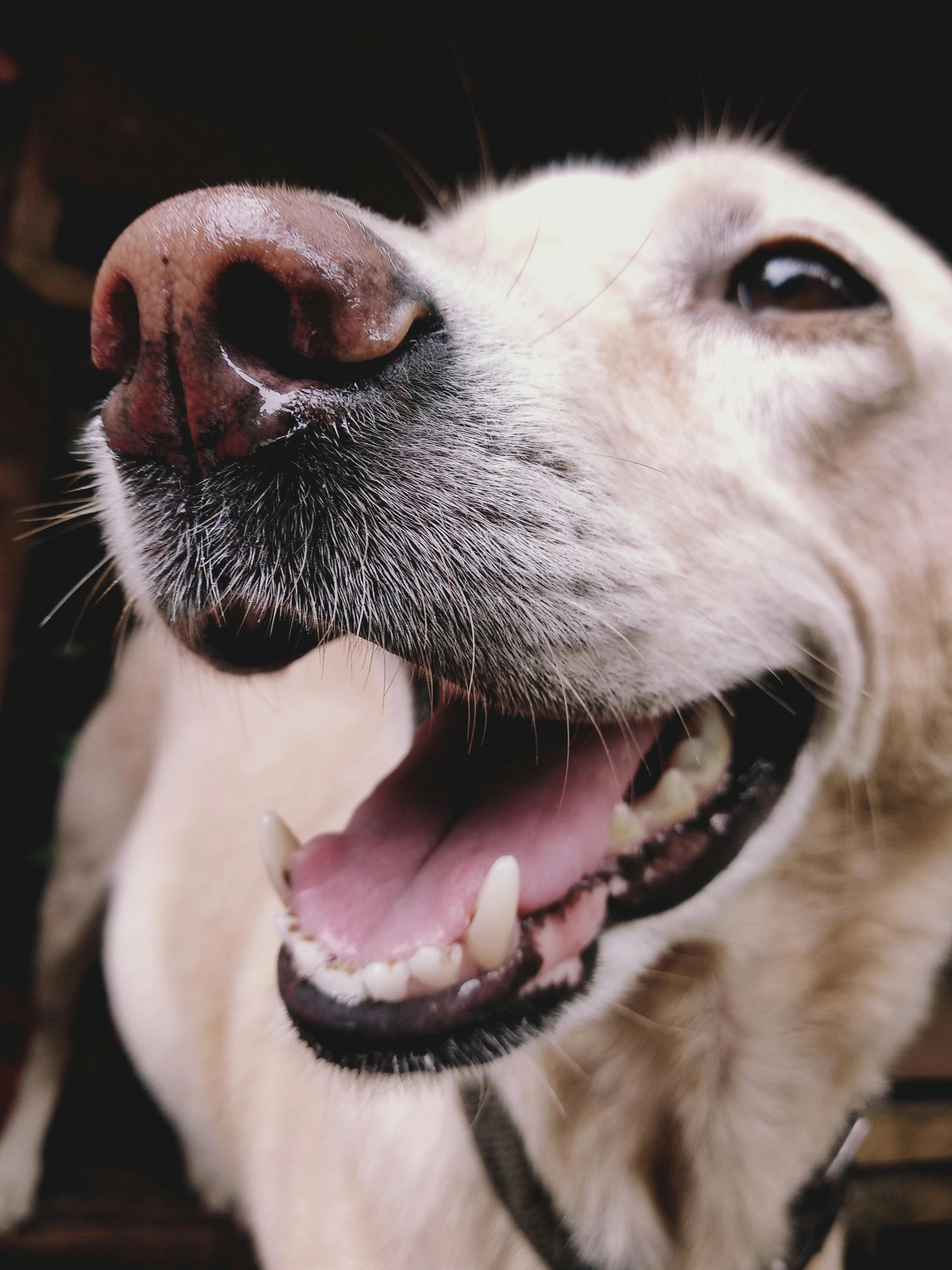 \n\n
\n\nHave you ever wondered why your dog's nose seems to change from dry to wet? Many dog owners notice this phenomenon, and it's more than just a quirky trait. Understanding why dogs have wet noses can shed light on their health and behavior. Dogs' noses are fascinating and have unique functions that play a crucial role in their lives.
\nThe Science Behind a Dog's Wet Nose
\nA dog's nose is usually wet due to a thin layer of mucus that helps them with their sense of smell. This moisture enhances their ability to detect scents, making them some of the best sniffers in the animal kingdom. The wetness comes from a combination of saliva and secretions from nasal glands. When a dog licks their nose, they spread saliva over it, keeping it moist.
\n- \n
- Moist noses help absorb scent particles better. \n
- Dogs have around 300 million scent receptors compared to humans' 5 million. \n
- The wetness of a dog’s nose can fluctuate based on various factors including temperature, activity level, and health. \n
Why Do Dogs Have Wet Noses?
\nThere are several reasons why dogs' noses are wet. Here’s a quick list of the most important ones:
\n- \n
- Scent Detection: As mentioned, wet noses absorb scent particles more effectively. This is essential for their survival instincts. \n
- Thermoregulation: Dogs don’t sweat like humans do. Instead, they rely on their noses and panting to cool down. A moist nose helps in regulating their body temperature. \n
- Health Indicator: A wet nose can be a sign of a healthy dog. However, if the nose becomes excessively dry or cracked, it might indicate dehydration or illness. \n
The Transition: From Dry to Wet
\nSometimes, you might see your dog’s nose go from wet to dry throughout the day. This change can happen due to several reasons:
\n- \n
- Weather Conditions: Hot or dry weather can cause a dog’s nose to dry out. In contrast, humidity can keep it moist. \n
- Activity Level: After a long walk or playtime, a dog might lick their nose more, making it wet again. \n
- Health Issues: If a dog’s nose stays dry for an extended period, it could indicate a potential health problem. Conditions like allergies, infections, or even autoimmune diseases can affect nose moisture. \n
When to Worry About a Dog's Nose
\nWhile a wet nose is typically a sign of health, there are instances when you should be concerned. Here’s what to look for:
\n- \n
- Persistent Dryness: If your dog’s nose remains dry for days and shows no signs of wetness. \n
- Cracking or Bleeding: Any cracking or bleeding can indicate more serious issues. \n
- Changes in Behavior: If your dog seems lethargic, refuses to eat, or shows other signs of illness along with a dry nose, contact a vet immediately. \n
Fun Facts About Dogs' Noses
\nDid you know that dogs' noses are as unique as human fingerprints? Here are a few more interesting tidbits:
\n- \n
- Nose Print Identification: Just like fingerprints, each dog has a unique nose print that can be used for identification. \n
- Color Variations: Dog noses come in various colors, including black, brown, and even pink, depending on the breed. \n
- Scent Memory: Dogs can remember scents for a long time, which is why they can recognize their owners after a long time apart. \n
Keeping Your Dog's Nose Healthy
\nMaintaining your dog's nose health is important. Here’s how you can ensure it stays in good shape:
\n- \n
- Hydration: Make sure your dog has access to clean, fresh water at all times. \n
- Humid Environment: If you live in a dry climate, consider using a humidifier to maintain moisture in the air. \n
- Regular Vet Check-ups: Regular visits to the vet can help catch any potential health issues early. \n
Understanding the function and importance of a dog’s nose can enhance your bond with your furry friend. Their wet noses are not just cute; they serve vital roles in their health and well-being. Next time you notice your dog’s nose change, think about the fascinating biology behind it. Whether it’s dry or wet, it’s a reminder of the unique creature that shares our lives. Keep an eye on those noses, and you’ll be better equipped to understand your dog's needs!
\n\nConclusion
\n\nIn conclusion, the wet noses of dogs serve multiple important functions that enhance their overall health and sensory capabilities. The moisture helps to improve their sense of smell, allowing them to detect scents more effectively, while also playing a role in thermoregulation to help them cool down. Additionally, a wet nose can indicate a healthy dog, as it often signifies proper hydration and bodily function. Understanding these aspects not only deepens our appreciation for our furry companions but also highlights the critical role their noses play in their daily lives. So, the next time you give your pup a scratch behind the ears, take a moment to marvel at that cool, wet nose and consider how vital it is to their well-being. Remember to keep your canine friend healthy and happy, and ensure regular vet check-ups to maintain that delightful wet nose!
\n\n