Have you ever wondered why do dogs have wet noses? This intriguing question not only sparks curiosity but also uncovers the fascinating truth about our furry friends. Dogs' noses are often cold and moist, making them an interesting topic of discussion among pet lovers and veterinarians alike. But, did you know that a dog’s wet nose plays a crucial role in their health and sense of smell? It's true! The moisture on their noses helps to enhance their olfactory receptors, allowing them to experience the world in ways we can only imagine. So, why is it that some dogs have a drier nose than others? Is it a sign of something wrong? In this article, we will explore the science behind wet noses, the benefits of a moist nose, and shed light on common misconceptions. Whether you’re a seasoned dog owner or a curious newbie, understanding why dogs have wet noses is essential for every pet parent. Get ready to dive into this fascinating topic and discover the secrets behind your canine companion’s unique features!
\n\nThe Science Behind Wet Noses: How Your Dog's Nose Keeps Them Healthy and Happy
\n\n \n\n
\n\nEver wonder why dogs have wet noses? It's a question many pet owners ask, and the answer is more fascinating than you might think. Dogs' noses serve important roles in keeping them healthy and happy, and the science behind it is intriguing. Let’s dive into the world of our furry friends and explore why their noses are always a little damp.
\nThe Anatomy of a Dog's Nose
\nA dog’s nose is not just a cute feature; it’s a highly specialized organ. The moistness of their noses helps capture scent particles, which is essential for their sense of smell. Dogs have around 220 million scent receptors, compared to about 5 million in humans. This incredible sense of smell allows dogs to detect various scents, from food to pheromones and even diseases.
\n- \n
- Nasal Mucosa: The lining inside a dog’s nose is covered with a thin layer of mucus. This helps trap scents, making it easier for the dog to detect them. \n
- Temperature Regulation: Wet noses also help regulate a dog’s body temperature. When a dog licks its nose, it cools down, making it easier to manage heat. \n
- Health Indicator: A change in a dog’s nose can indicate health issues. A dry or cracked nose may suggest dehydration or illness. \n
Why Do Dogs Have Wet Noses?
\nSo why do dogs have wet noses? Here’s a breakdown of the reasons:
\n- \n
- Enhanced Smell: The moisture helps to dissolve scent particles, allowing dogs to pick up scents more efficiently. \n
- Cooling Mechanism: Dogs don’t sweat like humans. Instead, they cool off through their noses and panting. A wet nose helps with this cooling process. \n
- Communication Tool: Dogs communicate with each other through scent. A wet nose can also indicate that a dog is friendly and approachable. \n
- Health Monitoring: Regularly checking your dog’s nose can be a good way to monitor their health. A healthy nose is often cool and moist. \n
Historical Context of Dog Noses
\nHistorically, dogs have been bred for specific purposes, many of which rely heavily on their sense of smell. For example:
\n- \n
- Hunting Dogs: Breeds like Bloodhounds and Beagles were developed for tracking game. Their wet noses are crucial in detecting scents over long distances. \n
- Service Dogs: Many service dogs, including those in search and rescue, rely on their keen sense of smell. Their wet noses help them detect scents even in challenging environments. \n
- Medical Detection: Dogs have been used to detect cancer and other diseases. Their wet noses allow them to pick up on the subtle scent changes associated with certain health conditions. \n
The Benefits of a Wet Nose
\nA dog’s wet nose isn’t just a random trait; it serves several beneficial purposes:
\n- \n
- Healthier Senses: The moisture improves their ability to smell, which is vital for their interaction with the environment. \n
- Cooling Effect: Helps regulate body temperature, keeping them comfortable during hot weather. \n
- Social Interaction: A wet nose can indicate a dog’s mood and readiness to engage, which is important for maintaining social bonds both with humans and other dogs. \n
Interesting Facts About Dog Noses
\n- \n
- A dog's nose print is as unique as a human fingerprint. Each dog has a distinct nose pattern. \n
- Dogs can smell up to 100,000 times better than humans, which is why they are often used in search and rescue operations. \n
- Some dogs may have drier noses than others, but this can vary by breed and individual health. \n
Practical Tips for Pet Owners
\nTo ensure your dog’s nose stays healthy, consider these tips:
\n- \n
- Hydration: Always provide fresh water to keep your dog hydrated. \n
- Regular Check-ups: Keep an eye on your dog’s nose for any changes and consult a vet if you notice anything unusual. \n
- Avoid Harsh Chemicals: Limit exposure to harsh cleaning products that can irritate your dog's nose. \n
The Fascinating Truth About Dog Noses
\nIn summary, the science behind wet noses is not just about moisture; it’s about health, communication, and survival. Understanding why dogs have wet noses can help pet owners appreciate their furry friends even more. The next time you pet your dog, take a moment to consider the incredible biology behind that damp nose. It’s just one of the many amazing features that make dogs such beloved companions.
\nDogs, with their wet noses and wagging tails, bring joy and companionship into our lives. So next time you ask, "Why do dogs have wet noses?" remember that it’s not just a quirky trait; it’s essential for their health and happiness.
\n\n5 Amazing Facts About Dog Noses: Why Wetness Matters More Than You Think
\n\n \n\n
\n\nDogs are one of the most beloved pets worldwide, and their unique features often fascinate people. One of these features is their noses, which are not just adorable but also play a crucial role in how they interact with the world. You may have noticed that your furry friend’s nose is often wet, but have you ever stopped to wonder why? Here are 5 amazing facts about dog noses and why that wetness matters more than you might think.
\n1. Wet Noses Help with Smell
\nDogs have an extraordinary sense of smell, far superior to humans. But did you know that wet noses actually enhance their olfactory abilities? The moisture on a dog’s nose captures scent particles, which makes it easier for them to detect and identify different smells. This is particularly important for hunting dogs, who rely on their noses to track game.
\n2. Temperature Regulation
\nMany people don’t know this, but a dog’s nose also helps with temperature regulation. Just like how sweating cools humans down, dogs can use their wet noses to dissipate heat. When a dog pants, moisture evaporates off their nasal surface, which helps to cool their body. This is one of the reasons why it’s essential to monitor your dog in hot weather.
\n- \n
- Dogs can’t sweat like humans do. \n
- Wet noses help to keep them cool. \n
- This is especially vital during summer months. \n
3. Unique Nose Prints
\nJust like human fingerprints, every dog has a unique nose print. The patterns of ridges and creases on a dog's nose can serve as a form of identification. Some organizations have even started to use nose prints for identifying lost pets. It is estimated that about 100,000 dogs are lost in the U.S. every year, and this unique identification method could help reunite them with their owners.
\n4. The Importance of Nose Health
\nA wet nose is usually a sign of a healthy dog, but not always. If you notice your dog’s nose is excessively dry or cracked, it could indicate a health issue. Here’s a quick list of potential problems that can arise:
\n- \n
- Dehydration \n
- Allergies \n
- Skin conditions \n
It’s important to keep an eye on your dog's nose and consult a vet if you notice any significant changes. Regular check-ups can help catch any potential issues early on.
\n5. The Evolution of Dog Noses
\nThe evolution of dog noses is also pretty fascinating. Dogs are descendants of wolves, and their noses have adapted over time for survival. While a wolf's nose is essential for hunting and staying alive in the wild, domestic dogs have retained many of those traits. This adaptation is a result of selective breeding, where humans have favored dogs with excellent smelling abilities.
\n- \n
- Wolves can detect scents up to 2 miles away. \n
- Dogs can differentiate between a variety of smells. \n
- This characteristic has been enhanced through generations. \n
Why Do Dogs Have Wet Noses?
\nSo, why exactly do dogs have wet noses? The answer lies in their biology and habits. A dog’s sense of smell is highly reliant on moisture, and a wet nose allows them to adapt and thrive in their environment. The wetness helps them track scents more efficiently, which is essential for their survival instincts. In the wild, a dog’s ability to sniff out food or danger can mean the difference between life and death.
\nFun Fact Comparison
\nLet’s compare dog noses to human noses:
\nDogs:
\n- \n
- Size: Generally larger surface area. \n
- Function: Primarily for smell. \n
- Moisture: Helps enhance scent detection. \n
Humans:
\n- \n
- Size: Smaller surface area. \n
- Function: Primarily for smell and breathing. \n
- Moisture: Less critical for smell. \n
In summary, a dog’s nose is an incredible tool that serves multiple purposes, from enhancing their sense of smell to regulating their body temperature. The next time you pet your dog and feel that wet nose against your hand, remember just how vital it is to their health and well-being. Understanding why do dogs have wet noses gives us not only insight into their biology but also deepens the bond we share with our furry companions.
\n\nIs a Wet Nose a Sign of a Happy Dog? Discover the Truth About Canine Emotions
\n\n \n\n
\n\nIs a Wet Nose a Sign of a Happy Dog? Discover the Truth About Canine Emotions, Why Do Dogs Have Wet Noses? Uncover The Fascinating Truth!
\nIf you ever wondered about your dog's wet nose, you not alone! Many dog owners think a wet nose means their furry friend is happy. But is this really true? Let's dive into the world of canine emotions and the science behind those damp noses. You might be surprised at what you discover!
\nThe Science Behind a Dog's Wet Nose
\nDogs have wet noses for a variety of reasons, and it’s not always a direct reflection of their happiness. Here’s why their noses might be damp:
\n- \n
- Cooling Mechanism: Dogs can't sweat like humans do. Instead, they regulate their body temperature through their noses and panting. A wet nose helps keep them cool, especially on hot days. \n
- Scent Detection: A wet nose plays a crucial role in how dogs smell. The moisture helps capture scent particles from the air, allowing them to identify different smells more effectively. A dog’s sense of smell is around 40 times better than that of humans! \n
- Health Indicator: A change in the wetness of a dog’s nose can sometimes signal health issues. For example, a dry nose might indicate dehydration, fever, or other ailments. Keeping an eye on your pet's nose can be a good health check. \n
Can a Wet Nose Mean a Happy Dog?
\nIt’s a common belief that a wet nose equals a happy dog, but that's not the whole truth. While a wet nose can indicate a healthy and active dog, it doesn’t necessarily mean they are feeling joyful. Here are some facts:
\n- \n
- Behavioral Signs: A happy dog typically shows other signs such as wagging their tail, playful demeanor, or relaxed body posture. A wet nose can be present when a dog is feeling anxious or excited, too. \n
- Individual Differences: Each dog has their own way of expressing emotions. Some might have wet noses when they are feeling calm, while others might have them when they are nervous. It's important to notice the context. \n
Why Do Dogs Have Wet Noses? Uncovering the Fascination
\nThe fascination with dog noses goes beyond just their wetness. Here are some interesting facts about why dogs have those unique noses:
\n- \n
- \n
Variety of Shapes and Sizes: Dog noses come in different shapes and sizes, depending on the breed. For example, a Bloodhound has a longer nose that helps with scent tracking, while a Bulldog's nose is shorter and broader.
\n \n - \n
Nose Prints Are Unique: Just like human fingerprints, a dog’s nose print is unique to each individual. This means that it could even be used to identify them!
\n \n - \n
Temperature Regulation: As mentioned before, dogs can’t sweat through their skin. Their moist noses help them stay cool, especially during physical activities like running or playing fetch.
\n \n - \n
Social Interaction: Dogs use their sense of smell to communicate. When they meet another dog, they often sniff each other’s noses as a greeting. A wet nose can enhance this interaction, as it helps in picking up scent cues.
\n \n
Comparing Wet and Dry Noses
\nWhen considering your furry friend’s nose, it can be helpful to understand the differences between a wet and dry nose. Here’s a quick comparison:
\nWet Nose:
\n- \n
- Typically cool to the touch \n
- Indicates hydration and health \n
- Associated with active dogs \n
Dry Nose:
\n- \n
- Warmer to the touch \n
- Could indicate dehydration or health issues \n
- May occur when a dog is sleeping or resting \n
Practical Examples of Interpreting Your Dog’s Emotions
\nIt can be tricky to figure out how your dog is feeling just by looking at their nose. Here are some practical examples to help you interpret their emotions better:
\n- \n
- Wagging Tail + Wet Nose: This combination usually signifies a happy and excited dog ready to play. \n
- Panting + Dry Nose: Your dog could be overheated or stressed, so offering water and a cool place to relax is advisable. \n
- Calm Posture + Wet Nose: This may indicate a relaxed state, but keep an eye on their ears and tail for a full picture of their mood. \n
In summary, while a wet nose can be a sign of a healthy dog, it isn’t an absolute indicator of their happiness. Understanding your dog's emotions requires paying attention to their overall behavior and body language. So next time you see that wet nose, remember to look a little deeper into what your furry friend might actually be feeling!
\n\nThe Role of Moisture: How a Dog's Wet Nose Enhances Their Sense of Smell
\n\n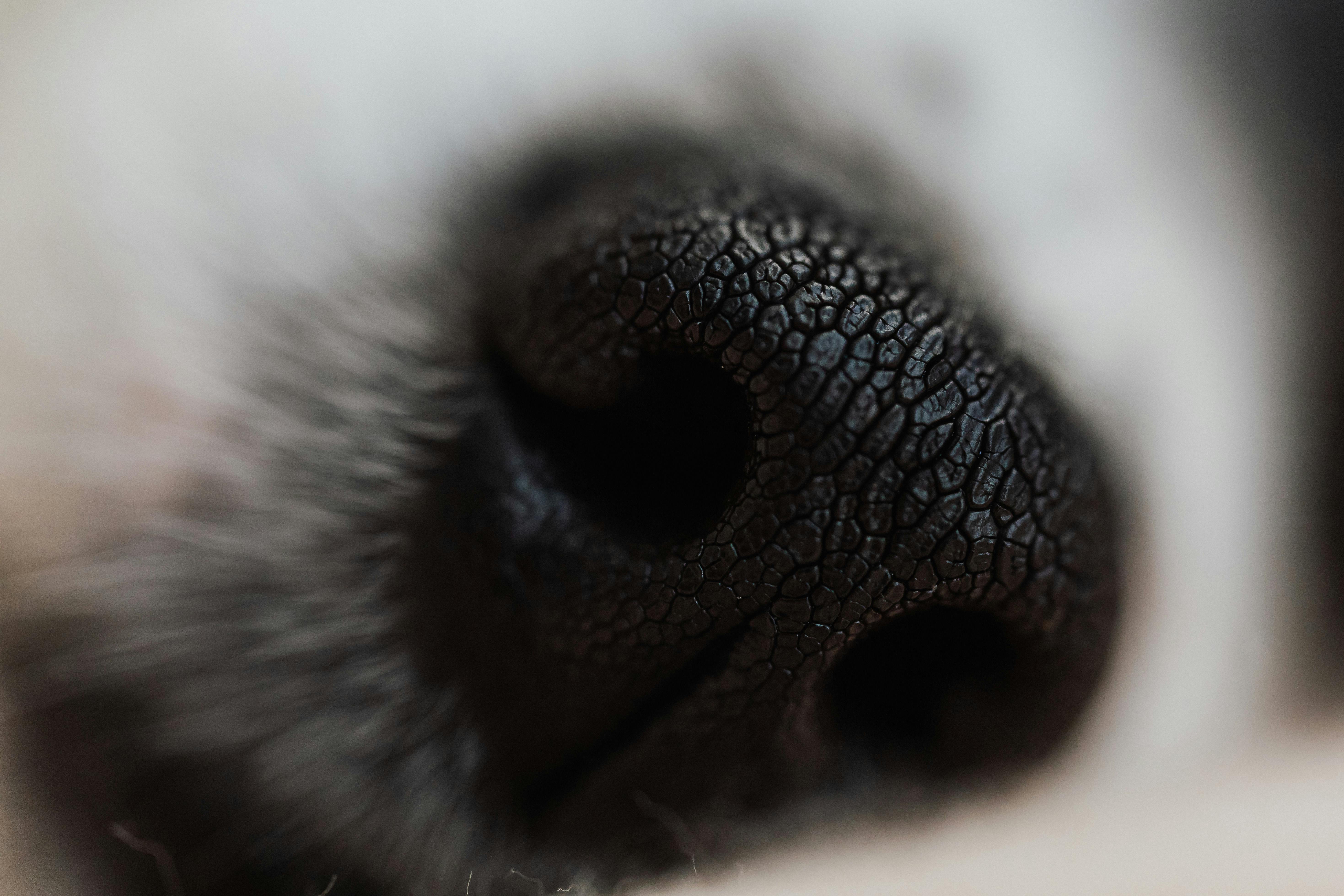 \n\n
\n\nHave you ever noticed how dogs always seem to know when you're feeling down or when a storm is coming? This instinctive behavior can often be traced back to their incredible sense of smell, which is partly influenced by one fascinating feature: their wet noses. The question "why do dogs have wet noses?" has intrigued many, and the answers are quite fascinating. Let’s dive into the role moisture plays in enhancing a dog's olfactory abilities, and uncover some interesting facts about our furry friends.
\nThe Science Behind a Wet Nose
\nDogs have wet noses for several reasons, and moisture plays a key role in their ability to smell better than humans. The surface of a dog's nose is naturally moist due to a combination of factors:
\n- \n
- \n
Mucus Production: Dogs produce a thin layer of mucus that helps to trap scent particles in the air. This increases their ability to pick up smells, which is quite important for their survival and communication.
\n \n - \n
Temperature Regulation: A wet nose can help dogs regulate their body temperature. Just like sweating for humans, moisture evaporates off their noses, cooling them down. This is essential, especially on hot days when dogs may struggle to cool off.
\n \n - \n
Enhanced Sensory Perception: The moisture on a dog's nose helps to absorb scents, making them more potent. The receptors in a dog's nose are incredibly sensitive – estimates suggest dogs have around 300 million olfactory receptors, compared to about 6 million in humans.
\n \n
Why Do Dogs Have Wet Noses?
\nThe wetness of a dog's nose is not just a quirky trait; it's actually functional. Here's how:
\n- \n
- \n
Improved Scent Detection: The moist surface of a dog's nose picks up scent particles more effectively. When these particles dissolve in the moisture, it makes it easier for their olfactory receptors to detect and process the smells.
\n \n - \n
Communication Tool: Dogs use their noses to communicate with each other. A wet nose can indicate a healthy, alert dog. When dogs greet each other, they often sniff each other’s noses to gather information about each other’s health and emotions.
\n \n - \n
Health Indicator: Believe it or not, a dog’s nose can also be an indicator of their health. A dry, cracked nose might suggest dehydration or illness, while a wet nose is often a sign of a healthy pup.
\n \n
Historical Context of Dogs’ Noses
\nDogs have been companions to humans for thousands of years, and their sense of smell has played an important role throughout history.
\n- \n
- \n
Hunting Companions: In ancient times, dogs were used for hunting due to their remarkable sense of smell. They could track scents over great distances, which made them invaluable to early humans.
\n \n - \n
Service Animals: Today, dogs are trained to use their noses for various service roles, including search and rescue, drug detection, and even medical alert tasks. Their ability to smell specific scents has saved countless lives.
\n \n
Fun Facts About Dog Noses
\nHere are some fun and interesting notes about dog noses that you may not know:
\n- \n
- \n
Unique Nose Prints: Just like human fingerprints, each dog has a unique nose print. Some researchers even suggest that a dog’s nose could be used for identification, much like we use fingerprints.
\n \n - \n
Nasal Turbinates: Dogs have complex structures in their noses called nasal turbinates, which help to filter and warm the air they breathe, and enhance their sense of smell further.
\n \n - \n
Dogs vs. Humans: While humans have about 5 million olfactory receptors, dogs have about 30 times more! This makes their sense of smell not just better, but astronomically superior.
\n \n
Practical Examples of Dogs Using Their Sense of Smell
\n- \n
- \n
Finding Lost People: Search-and-rescue dogs are trained to locate missing persons by scent. They can follow a trail that’s days old.
\n \n - \n
Medical Detection: Certain dogs can detect diseases like cancer through their owner’s breath or urine. They can smell specific compounds that are released by cancerous cells.
\n \n - \n
Tracking Wildlife: Conservationists often use dogs to help track endangered species or detect invasive species in the environment.
\n \n
Dogs’ noses are not just wet; they are a window into a world filled with scents that humans can only begin to imagine. Their wet noses enhance their sense of smell, allowing them to connect with their environment in ways that are truly remarkable. So next time your furry friend gives you a wet nose nudge, remember that it’s not just a sign of affection – it’s also a powerful tool they use to experience the world around them.
\n\nWhy Do Dogs Have Wet Noses? Unveiling the Secrets of Canine Anatomy
\n\n \n\n
\n\nWhy do dogs have wet noses? This is a question that many pet owners and animal lovers have pondered. The wet nose of a dog is not just a quirky trait; it has deep biological significance and serves various functions that are crucial to a dog's health and behavior. Let’s dive into the fascinating world of canine anatomy and discover the secrets behind those moist noses!
\nThe Anatomy of a Dog’s Nose
\nDogs, like other animals, have an incredible olfactory system. Their noses are made up of numerous olfactory receptors, which help them detect different smells. In fact, a dog's sense of smell is estimated to be 10,000 to 100,000 times more acute than that of humans. This exceptional ability is partly due to the structure of their noses. But what role does moisture play in this?
\nWhy is a Dog’s Nose Wet?
\n- \n
- \n
Enhanced Smell: A wet nose helps to absorb scent molecules. When a dog sniffs, the moisture on their nose captures these particles, making it easier for them to identify different odors. This is why you often see dogs sniffing around, and also why their noses feel cool and damp.
\n \n - \n
Temperature Regulation: Dogs don’t sweat like humans do. Instead, they regulate their body temperature through their noses and panting. A wet nose helps cool a dog down, especially on hot days.
\n \n - \n
Health Indicator: The moisture on a dog's nose can also indicate its health. A healthy dog generally has a cool and wet nose, while a dry or cracked nose may signal illness or dehydration. However, this is not a strict rule, as various factors influence a dog’s nose moisture.
\n \n
Historical Context of Dogs and Their Noses
\nHistorically, dogs were bred for specific tasks that often required keen senses of smell. For example:
\n- \n
- Hunting Dogs: These breeds were developed to track scents over long distances. \n
- Working Dogs: Dogs trained for search and rescue missions rely heavily on their sense of smell to locate missing persons or detect drugs. \n
So, the wet nose isn't just an aesthetic feature; it’s a vital part of a dog’s evolutionary success.
\nFun Facts About Dog Noses
\n- \n
- Unique Patterns: Just like human fingerprints, every dog has a unique nose print. This can be used for identification purposes. \n
- Color Variations: The color of a dog’s nose can vary from breed to breed, and even within the same breed. It can be black, brown, or even pink, depending on genetics. \n
- Dogs Sweat Through Their Paws: While they don’t sweat through their noses, dogs do have sweat glands in their paw pads. \n
Comparing Dog Noses to Other Animals
\nDogs are not the only animals with wet noses. However, the reasons for moisture can differ:
\n- \n
- Cats: Similar to dogs, cats have wet noses for enhanced olfactory abilities, but they are less reliant on scent compared to dogs. \n
- Pigs: Pigs have wet noses that help them dig into the soil, finding food through their excellent sense of smell. \n
Practical Examples of Nose Care
\nTo keep your dog's nose healthy, consider these tips:
\n- \n
- Hydration: Ensure your dog is well-hydrated, as dehydration can lead to a dry nose. \n
- Humidity: If you live in a dry climate, using a humidifier can help maintain moisture levels. \n
- Regular Check-ups: Regular veterinary visits can help monitor your dog's health, including the state of their nose. \n
What to Watch For
\nIf you notice changes in your dog’s nose, be alert. Here are some signs that might need veterinary attention:
\n- \n
- Excessively dry or cracked nose \n
- Bleeding or sores on the nose \n
- Changes in color or texture \n
- Unusual discharge \n
The wet nose of a dog is much more than just a cute feature. It's an essential part of their anatomy that aids in their survival, communication, and overall health. Understanding why do dogs have wet noses can help pet owners appreciate their furry friends even more. So next time you give your dog a pat and feel that cool, moist nose, just remember the fascinating science behind it!
\n\nWet vs. Dry Noses: What Your Dog’s Nose Condition Reveals About Their Health
\n\n \n\n
\n\nDogs are one of most popular pets around, and their health is often a concern for loving owners. One interesting thing about dogs is their noses, which can appear wet or dry. So, ever wonder what your dog's nose condition says about their health? Wet vs. dry noses: what does it all mean? Let’s dive into this fascinating subject and uncover the truth behind why do dogs have wet noses.
\nThe Basics: Wet vs. Dry Noses
\nFirst off, let's talk about what a dog's nose actually does. A dog’s nose is not just for sniffing! It plays an important role in their overall health. Wet noses are usually a sign of a healthy dog, while a dry nose could mean something's off. But it ain't always that simple!
\nCharacteristics of a Wet Nose:
\n- \n
- Temperature Regulation: Dogs lose heat through their noses, and moisture helps them cool down. \n
- Enhanced Smell: The wet surface captures scent molecules better, allowing dogs to sniff out food, people, or other animals. \n
- Healthy Hydration: A wet nose often indicates proper hydration and good health. \n
Characteristics of a Dry Nose:
\n- \n
- Dehydration: Dryness can indicate that your dog is not drinking enough water. \n
- Illness: Sometimes, a dry nose can be a sign of sickness, like a fever or other health issues. \n
- Environmental Factors: Hot weather or dry conditions can cause your dog’s nose to dry out, and it doesn’t always mean they are sick. \n
Why Do Dogs Have Wet Noses?
\nSo, why do dogs have wet noses anyway? It’s not just a quirk! There are several reasons behind this fascinating fact:
\n- \n
- \n
Scent Detection: A wet nose helps dogs detect scents more effectively. Their sense of smell is extraordinary, and a moist surface aids in capturing more scent particles.
\n \n - \n
Cooling Mechanism: Just like us sweating helps regulate temperature, dogs rely on their wet noses to cool down. It’s part of how they manage body heat.
\n \n - \n
Health Indicator: A wet nose can be a quick indicator of a dog's overall health. A sudden change in moisture can signal potential health issues.
\n \n
Factors Affecting Nose Condition
\nThere are many different reasons why a dog's nose might be dry or wet. Here’s a list of factors that could play a role:
\n- \n
- Health Issues: Certain illnesses can lead to a dry nose. \n
- Age: Older dogs may naturally have drier noses compared to pups. \n
- Weather Conditions: Hot, sunny days can dry out a dog’s nose, while humidity might keep it moist. \n
- Breed Differences: Some breeds tend to have wetter noses, while others might have drier ones as a norm. \n
Quick Comparison: Wet Nose vs. Dry Nose
\n| Feature | \nWet Nose | \nDry Nose | \n
|---|---|---|
| Health Indicator | \nGenerally healthy | \nPossible health concerns | \n
| Temperature | \nCools the dog effectively | \nMay indicate overheating | \n
| Scent Detection | \nBetter smell detection | \nLess effective smell | \n
| Moisture Level | \nTypically moist | \nTypically dry | \n
Practical Tips for Dog Owners
\nNow that you understand the basics, what can you do if your dog’s nose is dry? Here are some practical tips:
\n- \n
- Ensure Hydration: Always have fresh water available for your dog. Dehydration can lead to nose dryness. \n
- Regular Vet Check-ups: If you notice a persistent change in your dog’s nose condition, consult a veterinarian. \n
- Monitor Environment: Consider adding a humidifier if you live in a dry climate. It can help keep your dog comfortable. \n
- Healthy Diet: Feed your dog a balanced diet, which can improve overall health and hydration. \n
Common Myths About Dog Noses
\nThere are many myths surrounding dog noses. Here are a few you might have heard:
\n- \n
- \n
Myth: A wet nose always means a dog is healthy.
\n- \n
- Truth: While often true, it is not a definitive indicator of health. \n
\n - \n
Myth: A dog’s nose should always be cold.
\n- \n
- Truth: Nose temperature can vary based on activity and environment. \n
\n - \n
Myth: Dogs with dry noses are sick.
\n- \n
- Truth: Dry noses can be due to many factors, not just illness. \n
\n
Understanding your dog's nose condition can be crucial for maintaining their health. While a wet nose typically indicates that everything is right, a dry nose can be a signal to pay attention. Always keep an eye on your furry friend’s health, and don’t hesitate to consult a veterinarian if you have concerns. Your dog relies on you to be their voice when it comes to health, so stay
\n\nCurious Canines: How the Environment Affects Your Dog's Nose Moisture Levels
\n\n \n\n
\n\nEver wondered why dogs have wet noses? It’s kinda fascinating, right? A dog's nose is not just a cute feature, but it serves several important functions. Moisture levels in a dog's nose can be affected by a lot of things in their environment. Let’s uncover the truth behind those curious canines and their wet noses!
\nThe Science Behind Wet Noses
\nDogs have wet noses for a reason! The moisture helps them detect scents more effectively. This is because the water on a dog's nose captures scent particles, making it easier for their sensitive olfactory receptors to pick them up. In fact, dogs have around 220 million scent receptors, compared to a human's mere 5 million! Isn’t that mind-blowing?
\nWhy does moisture matter? Well, when a dog’s nose is wet, it can absorb scents better, which is why they're often so good at tracking and sniffing out things. The ability to smell is crucial for communication, hunting, and exploring their surroundings.
\nEnvironmental Factors Influencing Nose Moisture
\nSo, what causes fluctuations in nose moisture levels? Here are some key environmental factors that affects your dog's nose:
\n- \n
- Humidity: High humidity levels can keep a dog's nose wetter. On a rainy day, you might notice your pup's nose is particularly moist. \n
- Temperature: In hot weather, dogs might lose moisture faster. When it’s cold, the moisture may freeze or evaporate quickly. \n
- Health: Illness can play a role too. If a dog has a fever or is dehydrated, their nose might become dry. \n
- Activity Level: After a good run or play session, a dog’s nose might be wetter from panting and increased saliva. \n
Why Do Dogs Lick Their Noses?
\nDogs often lick their noses, and this action is not just for show! Here’s why they do it:
\n- \n
- To clean: Dogs lick their noses to keep them clean and remove any debris or dirt. \n
- To stay moist: Licking helps maintain moisture levels, which aids in their sense of smell. \n
- To soothe: Sometimes, dogs may lick their noses when they are anxious or uncomfortable. \n
Fun Facts About Dog Noses
\n- \n
- Unique Patterns: Just like human fingerprints, each dog's nose print is unique! This means that it can be used to identify them. \n
- Thermoregulation: A dog's nose can help regulate body temperature. When they pant, moisture from their nose evaporates, which cools them down. \n
- Seasonal Changes: Dogs might have drier noses in winter due to the cold air. This is normal and usually nothing to worry about. \n
Common Myths About Dog Nose Moisture
\nThere are a lot of myths floating around about why dogs have wet noses. Let's debunk a few!
\n- \n
- \n
Myth 1: A wet nose means a dog is healthy.
\n- \n
- Reality: While a moist nose can indicate hydration, it’s not a definitive sign of health. Always check other signs! \n
\n - \n
Myth 2: Dogs only have wet noses when they are sick.
\n- \n
- Reality: A dog’s nose can fluctuate between wet and dry depending on many factors, including environment and activity. \n
\n - \n
Myth 3: All dogs have wet noses all the time.
\n- \n
- Reality: Some breeds, especially those with brachycephalic features (like Bulldogs), may have drier noses naturally. \n
\n
Practical Tips for Dog Owners
\nHere are some easy tips to help maintain your dog's nose health:
\n- \n
- Stay Hydrated: Ensure your dog has constant access to fresh water, especially during hot days. \n
- Check the Environment: Be aware of how hot or cold it is. If it’s too extreme, try to keep your dog indoors when possible. \n
- Regular Vet Visits: If you notice persistent dryness or cracking, consult a veterinarian. It could be a sign of an underlying issue. \n
What to Look For
\nIf you’re worried about your dog’s nose moisture levels, here’s a handy checklist:
\n- \n
- Is the nose excessively dry or cracking? \n
- Are there any unusual discharge or bleeding? \n
- Is your dog behaving differently (eating less, lethargic)? \n
Dog noses are more than just cute; they are vital to their health and communication. Understanding how the environment influences these moisture levels can help you care for your furry friend better. Keep an eye on your curious canine, and you’ll see how fascinating their noses truly are!
\n\nCan a Wet Nose Indicate Illness? Understanding When to Worry About Your Dog’s Health
\n\n \n\n
\n\nWhen you think about a dog's health, one of the first things that comes to mind might be their nose. You might wonder, "Can a wet nose indicate illness?" Well, it's a common question among dog owners, and understanding this can help you keep your furry friend healthy. Dogs, just like humans, can show signs of sickness in various ways, and their nose is one of the indicators that can tell you if something is off.
\nWhy Do Dogs Have Wet Noses?
\nDogs have wet noses for several reasons, and it’s not just because they like to explore or sniff everything. Here are some interesting facts about why their noses tend to be moist:
\n- \n
- \n
Cooling Mechanism: Dogs do not sweat like humans. Instead, they rely on their noses to help cool down their body temperature. The moisture on their nose evaporates, which helps keep them cool.
\n \n - \n
Enhanced Sense of Smell: A wet nose helps to trap scent particles in the air. This is why dogs have such an incredible sense of smell compared to humans. The moisture allows them to pick up scents more effectively, aiding in their hunting and investigative instincts.
\n \n - \n
Health Indicator: The condition of a dog’s nose can sometimes reflect their health. A moist nose is usually a sign of a healthy dog, while dryness or excessive moisture might indicate an underlying issue.
\n \n
When to Worry About Your Dog’s Health
\nWhile a wet nose is often considered a good sign, there are times when it may indicate something is wrong. Here are some situations where you should be concerned:
\n- \n
- \n
Excessive Dryness: If your dog's nose is unusually dry and cracked, this could be a sign of dehydration or a health issue.
\n \n - \n
Nasal Discharge: Any unusual discharge from your dog’s nose, whether it's clear, yellow, or green, could indicate an infection or other health problem.
\n \n - \n
Changes in Temperature: If your dog's nose is hot to the touch, it could be a sign of fever. This, combined with other symptoms, should prompt a visit to the vet.
\n \n - \n
Behavioral Changes: If your dog is acting lethargic, not eating, or showing other signs of illness alongside a dry or overly wet nose, it's time to consult a veterinarian.
\n \n
Signs of Illness in Dogs
\nRecognizing signs of illness can be crucial for early intervention. Here are some common signs that may indicate your dog is not feeling well:
\n- \n
- Loss of appetite \n
- Excessive barking or whining \n
- Lethargy or lack of energy \n
- Vomiting or diarrhea \n
- Changes in behavior or personality \n
The Fascinating Truth About Dog Noses
\nThe dog nose is an incredible organ, with many functions and characteristics that are worth exploring. Here’s a quick overview:
\n- \n
- \n
Size Matters: Different dog breeds have different nose shapes and sizes, which can influence their sense of smell. Bloodhounds, for instance, are known for their exceptional sense of smell due to their long, droopy noses.
\n \n - \n
Nose Prints: Just like human fingerprints, every dog has a unique nose print. These prints can be used for identification, although it’s not a common practice.
\n \n - \n
Temperature Regulation: Besides cooling, a wet nose can help regulate a dog’s body temperature. When they pant, the moisture on their nose helps with this process.
\n \n - \n
Communication: Dogs often use their sense of smell to communicate with one another and understand their environment. A wet nose can signal to other dogs that they are friendly and approachable.
\n \n
Practical Tips for Dog Owners
\nHere are some practical tips to help you monitor your dog's health through their nose and overall well-being:
\n- \n
- \n
Regular Checks: Make it a habit to check your dog’s nose regularly. Look for changes in moisture, color, and any discharge.
\n \n - \n
Hydration: Ensure your dog has access to fresh water at all times. Dehydration can lead to a dry nose and other health issues.
\n \n - \n
Vet Visits: Schedule regular veterinary check-ups. Early detection of health issues is key to your dog's happiness and longevity.
\n \n - \n
Observe Behavior: Take note of any changes in your dog's behavior, as they can be signs of underlying health problems.
\n \n
By understanding the role a dog’s nose plays in their health and well-being, you can take proactive steps to ensure they remain healthy. A wet nose is generally a good sign, but it’s always wise to be vigilant and consult with your veterinarian if you notice any changes. Remember, your dog's health is in your hands, and being informed can make all the difference.
\n\nThe Evolution of Dog Noses: Why Nature Designed Them to Be Wet
\n\n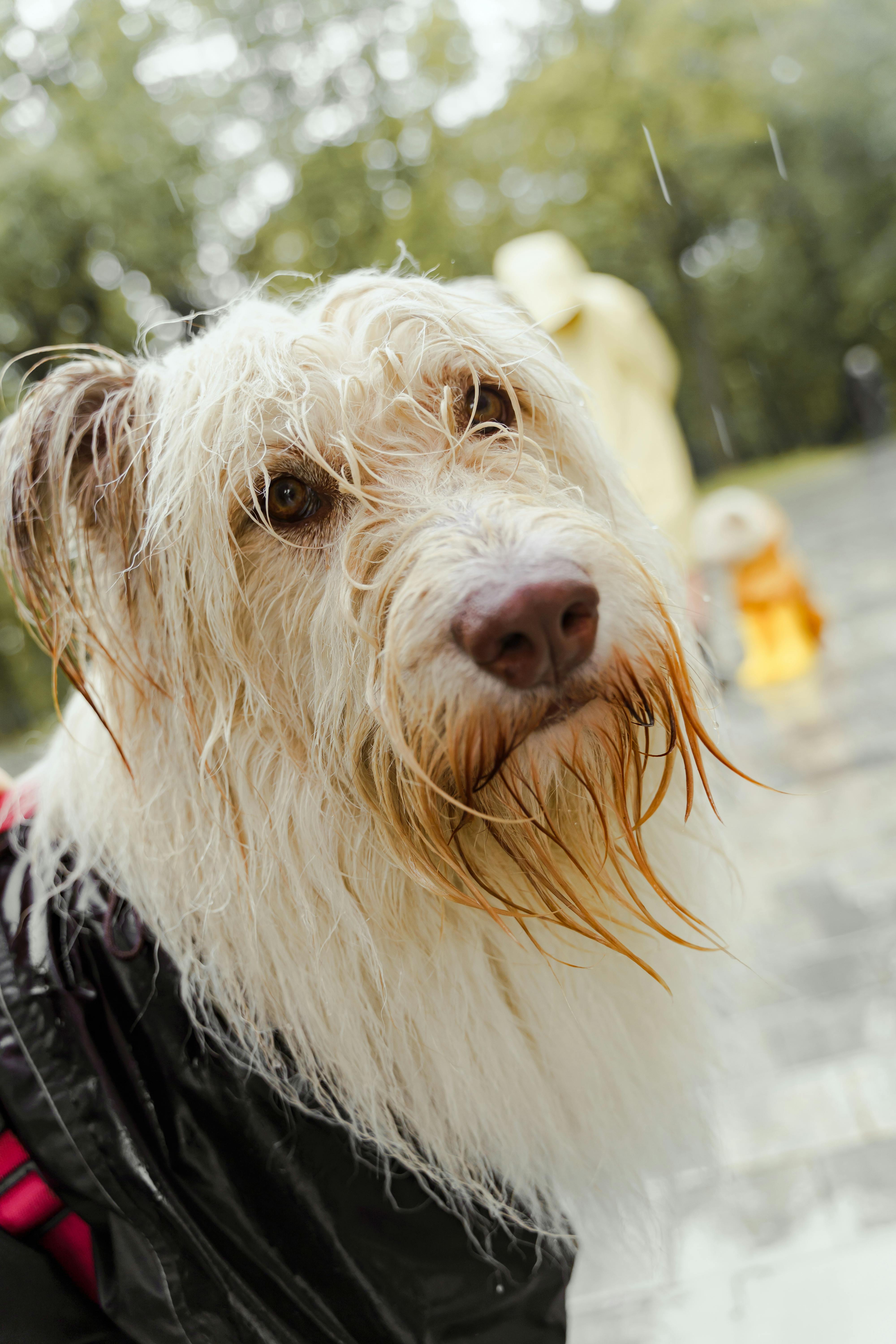 \n\n
\n\nDogs are amazing creatures, and their noses? Well, they’re something truly special. Anyone who ever owned a dog probably wondered, why do dogs have wet noses? It’s not just for looks — it’s actually a fascinating aspect of their biology and evolution. Let’s dive into the intriguing world of dog noses and uncover the scientific reasoning behind their wetness.
\nThe Biology Behind Wet Noses
\nDog noses are not just cute; they serve crucial functions. Wet noses help dogs to regulate their body temperature. When they pant and their noses are damp, it enhances their ability to cool down. This moisture aids in dissipating heat more effectively.
\nHere are some important points about why dog noses are wet:
\n- \n
- Cooling Mechanism: The moisture on a dog’s nose helps in thermoregulation. \n
- Enhanced Smell: Wet surfaces can capture scent particles better, improving their sense of smell. \n
- Health Indicator: A wet nose is often a sign of a healthy dog, while dryness can indicate dehydration or illness. \n
Evolutionary Perspective
\nThe evolution of dogs is a long and complex tale. They descended from wolves, and over thousands of years, they adapted to live alongside humans. The wet nose is an adaptation that enhances their survival.
\n- \n
- Nasal Structure: Dogs have a unique nasal structure that helps them detect smells. Their sense of smell is about 10,000 to 100,000 times more acute than humans. \n
- Scent Detection: Wet noses absorb scent molecules from the air. This is why dogs are often used in search and rescue operations, or even in police work. \n
- Social Interactions: Dogs use their noses to communicate with each other. The wetness can also convey health and emotional state among dogs. \n
Fun Facts About Dog Noses
\nDid you know that each dog’s nose print is unique? Just like human fingerprints, no two dogs have the same nose pattern. Here are some more fun facts about dog noses:
\n- \n
- Temperature Regulation: Dog noses are cooler than their body temperature, which helps in maintaining overall body heat. \n
- Moisture Levels: A dog's nose can change from wet to dry depending on various factors like weather and activity. \n
- Lifespan: A dog’s sense of smell can last their entire lives, making it one of their most vital senses. \n
Comparison: Dog Noses vs. Human Noses
\nLet’s take a closer look at how dog noses stack up against human noses.
\n| Feature | \nDog Noses | \nHuman Noses | \n
|---|---|---|
| Sense of Smell | \n10,000–100,000 times better | \nLimited compared to dogs | \n
| Temperature | \nCooler than body temperature | \nTypically matches body temp | \n
| Wetness | \nUsually wet | \nUsually dry | \n
| Functionality | \nDetects scents, regulates heat | \nPrimarily for breathing | \n
As you can see, dog noses are purpose-built for survival and interaction, while human noses serve different needs.
\nThe Role of Environment
\nThe environment also plays a significant part in the moisture of a dog’s nose. Factors such as:
\n- \n
- Humidity: In humid conditions, a dog’s nose can maintain its wetness easily. \n
- Activity Level: After playing or exercising, a dog’s nose might become drier as they pant and lose moisture. \n
- Health and Age: Older dogs or those with health issues might have drier noses. \n
If you're ever worried about your dog’s nose being excessively dry, it could be a sign to visit the vet.
\nPractical Tips for Nose Care
\nTaking care of your dog’s nose is important. Here are some tips you can follow:
\n- \n
- Hydration: Ensure your dog is drinking enough water to keep their nose moist. \n
- Check for Changes: Monitor your dog's nose for any sudden changes in moisture or appearance. \n
- Avoid Irritants: Keep your dog away from harsh chemicals or irritants that could dry out their nose. \n
Understanding why do dogs have wet noses can deepen your appreciation for these furry friends. Their noses are not just cute features but essential tools for survival, communication, and interaction.
\nSo next time you notice your dog’s wet nose, remember the evolutionary marvel that it is, and how it plays a vital role in their daily lives. Dogs are amazing companions, and every part of them, including their noses, tells a story of adaptation and survival.
\n\nFun Facts About Dog Noses: Why Every Dog Owner Should Know About Nose Moisture
\n\n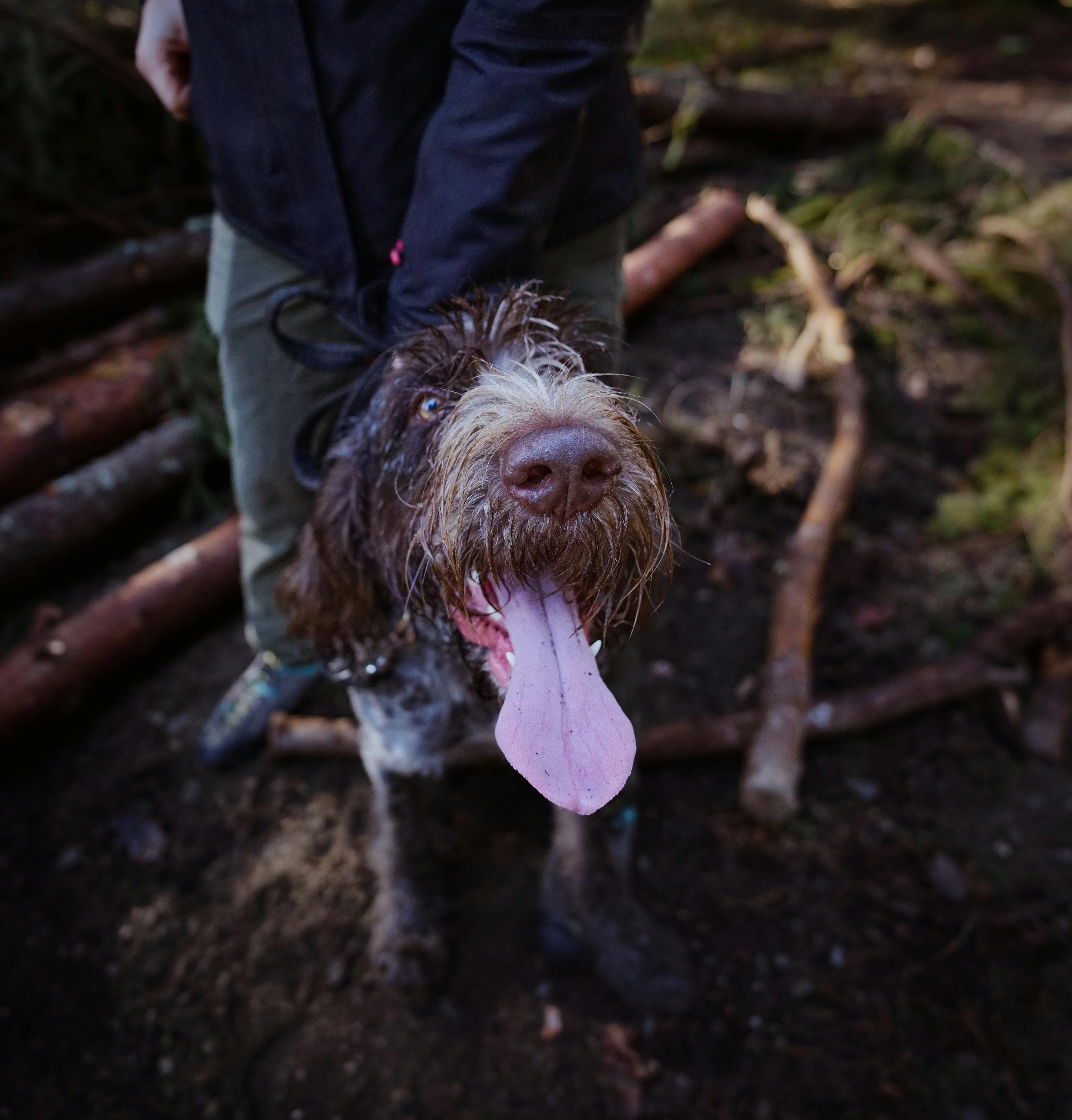 \n\n
\n\nDog noses are often wet, and if you’re a dog owner or just a dog lover, you might of wondered why that is. The moisture on a dog’s nose is more than just a quirky trait; it has a variety of functions that could surprise you! Let’s dive into some fun facts about dog noses and understand why every dog owner should be aware of the importance of nose moisture.
\nWhy Do Dogs Have Wet Noses?
\nSo, why do dogs have wet noses? There’s actually a few reasons behind it. First off, the moisture on a dog’s nose helps them smell better. Dogs have a super sense of smell, way better than humans, and the wetness helps to capture scent particles. This is why when you see a dog sniffing around, they seem to be in their own little world, discovering all sorts of scents!
\nMoist noses also serve as a cooling mechanism. When a dog pants, the moisture evaporates off their nose, which helps to regulate their body temperature. This is important, especially during hot summer days.
\nThe Science Behind Nose Moisture
\nEver wonder what makes a dog’s nose wet? It’s a combination of sweat and mucus. Yes! Dogs actually have sweat glands in their noses. The mucus helps enhance their sense of smell by trapping scent particles, making it easier for dogs to identify and follow scents.
\nHere are some interesting facts about dog noses:
\n- \n
- Temperature Regulation: Dogs can lose heat through their noses. If it’s hot outside, their moist noses can help keep them cool. \n
- Health Indicators: A dog’s nose can indicate its health. A dry or cracked nose might suggest dehydration or illness, while a moist nose is generally a sign of good health. \n
- Unique Patterns: Just like human fingerprints, every dog’s nose has a unique pattern. Some even say that it can be used to identify them! \n
Comparing Dog Noses to Human Noses
\nDogs noses are not just different from ours; they’re way more advanced! Here’s a comparison of some features:
\n| Feature | \nHuman Nose | \nDog Nose | \n
|---|---|---|
| Smell Sensitivity | \nLimited | \nExtremely sensitive | \n
| Moisture Source | \nNasal passages | \nSweat and mucus glands | \n
| Temperature Control | \nLimited | \nCan regulate body temp | \n
| Unique Patterns | \nNot unique | \nUnique nose print | \n
Nose Types and Their Functions
\nDifferent breeds have different types of noses. Some breeds have longer noses that are great for tracking scents, while others have shorter ones. Here’s a quick list of a few breeds and their nose types:
\n- \n
- Bloodhound: Known for their long snouts, they are incredible at tracking scents over long distances. \n
- Bulldog: Shorter noses, their smell ability is limited, but they are still great companions. \n
- Siberian Husky: Medium-sized noses, they can smell well in cold climates. \n
Fun Trivia About Dog Noses
\nDid you know that dogs have about 220 million scent receptors in their noses? That’s compared to about 5 million in humans. This is why dogs are often used in various fields like search and rescue, therapy, and even in detecting certain diseases.
\nHere’s some more fun trivia:
\n- \n
- Dogs can detect certain diseases, like cancer, through their sense of smell. \n
- A dog’s sense of smell is said to be up to 100,000 times more sensitive than a human's. \n
- The wetness of a dog’s nose can change with the weather; it can be drier in colder climates. \n
Why Every Dog Owner Should Care
\nUnderstanding the significance of a dog’s nose can help you take better care of your furry friend. Here’s why it matters:
\n- \n
- Health Monitoring: Regularly check your dog’s nose. If it’s excessively dry or cracked, it might be time for a vet visit. \n
- Enhanced Interaction: Knowing how a dog’s nose works can enrich your bond. Engage in scent games or hide treats to stimulate their natural instincts. \n
- Temperature Awareness: Be mindful of your dog’s nose during hot weather. Keep them hydrated and avoid prolonged sun exposure. \n
Knowing these fun facts about dog noses and why they are wet is not just interesting; it can significantly impact how you care for your beloved pet. The more you understand your dog's unique traits, the better you can support their health and happiness. So next time you see your dog sniffing around with that moist nose, remember, it’s not just for show!
\n\nConclusion
\n\nIn conclusion, the wet noses of dogs serve multiple important functions that contribute to their health and communication. The moisture helps enhance their sense of smell, allowing them to pick up scents more effectively, which is essential for their survival and interaction with the world around them. Additionally, a wet nose aids in thermoregulation, helping dogs maintain a comfortable body temperature. While the texture and temperature of a dog's nose can vary, it’s crucial for owners to monitor any significant changes that might indicate health issues. Understanding the reasons behind this unique trait not only deepens our appreciation for our furry companions but also empowers us to take better care of them. As you continue to bond with your dog, take a moment to observe their wet nose and consider the fascinating biology behind it. Embrace the joy of pet ownership and ensure your dog's health and happiness!
\n\n